



Feeding a family on a tight budget doesn’t mean serving mediocre food night after night. The truth is, some of the most satisfying, family-friendly dinners cost far less than takeout and often taste better than what you’d get from a restaurant. The key isn’t deprivation—it’s knowing which ingredients offer maximum nutrition and flavor for minimal money, and how to stretch a small budget across a full, filling meal that actually tastes good.
When you’re shopping smart and planning ahead, you can regularly put dinner on the table for under $10 total—and that’s feeding four people, not cutting corners on quality or nutrition. The meals here are built on affordable staples like eggs, beans, rice, pasta, and seasonal vegetables. None of them require specialty ingredients or unusual cooking techniques. Most take 30 minutes or less from start to finish, which matters just as much as price when you’re managing a busy household. These aren’t emergency meals or last-resort options; they’re genuinely delicious dinners that your family will ask you to make again.
The strategy behind these meals is simple: buy proteins that cost less per serving (eggs, canned beans, ground meat on sale), use grains and starches as the foundation rather than expensive add-ons, and build flavor through seasoning and technique rather than expensive ingredients. Your pantry is your secret weapon here—keeping basics like oil, salt, spices, and canned goods well-stocked means you’ll rarely face the temptation to order pizza because “there’s nothing to cook.”
1. Sheet Pan Chicken and Roasted Vegetables
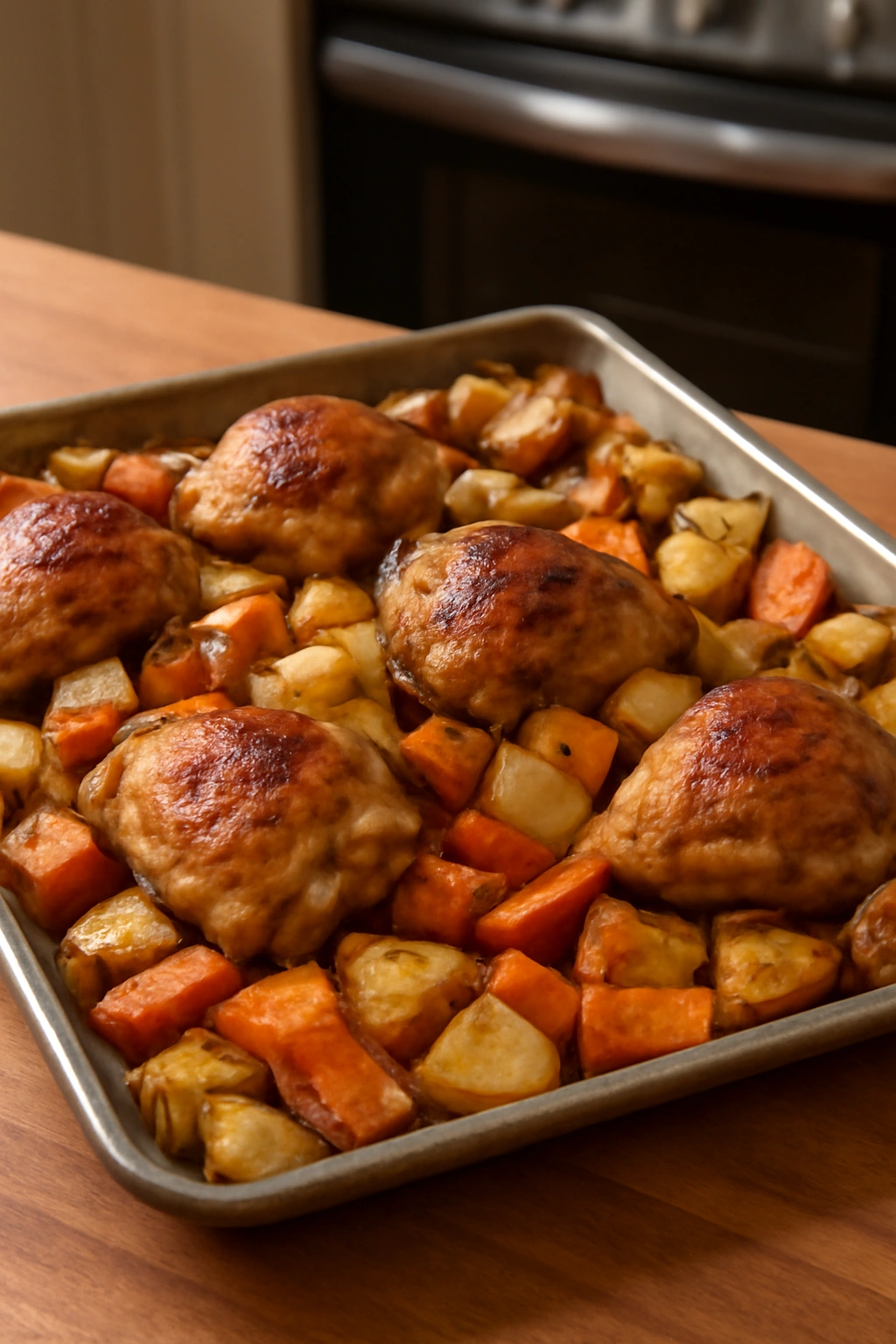
One pan, one oven, minimal cleanup—sheet pan dinners are the budget-conscious parent’s best friend. You’ll toss chicken pieces with inexpensive seasonal vegetables like carrots, potatoes, and onions, drizzle everything with cheap olive oil, season generously, and let the oven do the work while you handle homework or meal prep for tomorrow.
Why It Stretches a Tight Budget
Bone-in, skin-on chicken thighs or drumsticks cost significantly less per pound than boneless breasts, and they stay juicier through roasting. You can usually find them for $0.99 to $1.50 per pound. Pair that with $2-3 worth of potatoes and carrots, and you’ve fed four people for under $8. The beauty of roasting is that the chicken fat renders into the vegetables, creating rich, complex flavor without any additional fat or sauce.
What You Need and How to Budget It
- 2 lbs bone-in chicken thighs ($2-3)
- 1.5 lbs potatoes, cut into 1-inch chunks ($0.50)
- 4 carrots, cut on bias ($0.75)
- 1 medium onion, cut into wedges ($0.25)
- 2 tablespoons olive oil ($0.10)
- 1 teaspoon salt, ½ teaspoon black pepper, 1 teaspoon dried thyme or garlic powder ($0.25)
Pro tip: Arrange chicken on the sheet pan first, then scatter vegetables around it. The chicken fat drips down and roasts the vegetables in the most delicious way. Roast at 425°F for 35-40 minutes until chicken is golden and vegetables are tender and caramelized at the edges.
2. Spaghetti with Homemade Meat Sauce
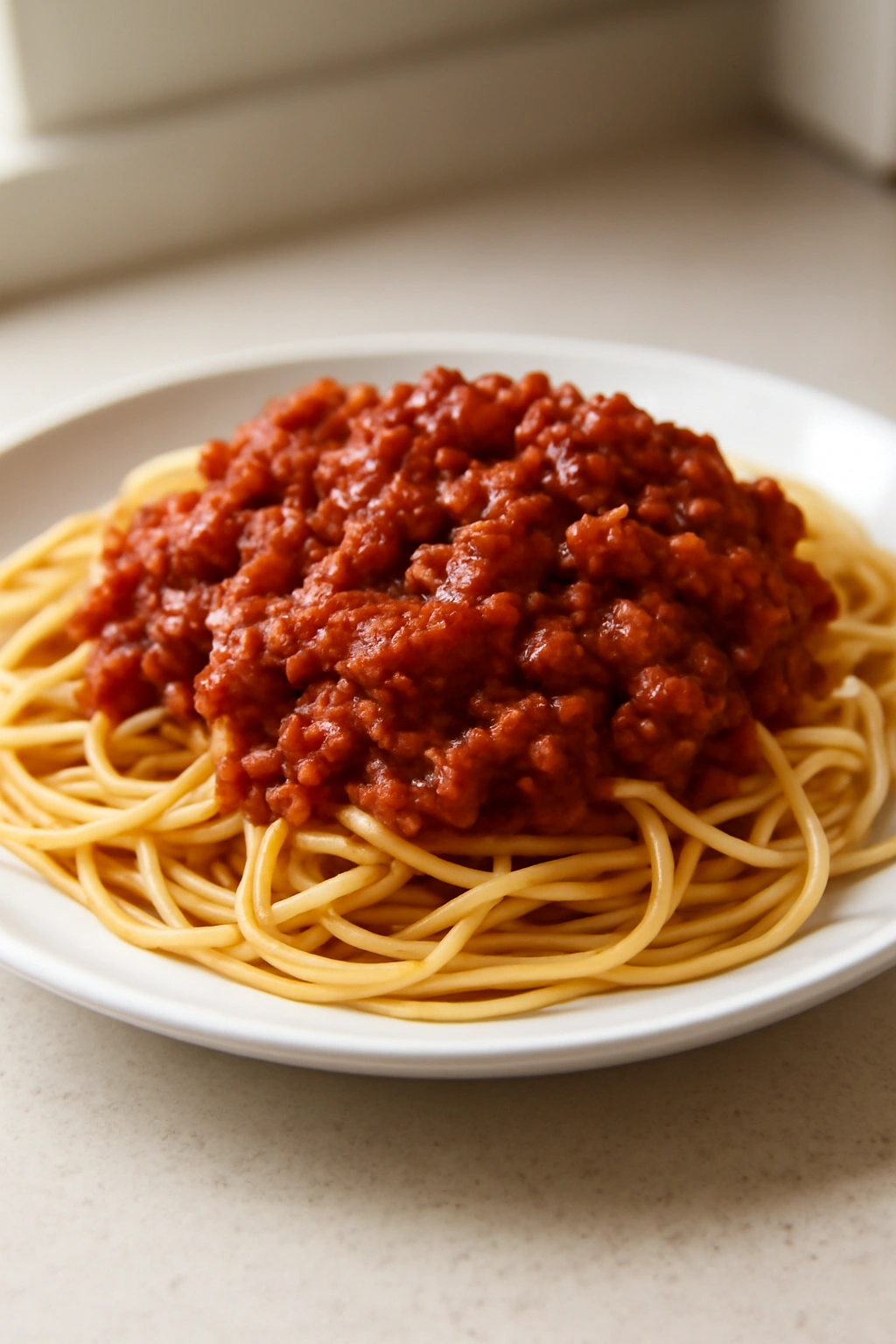
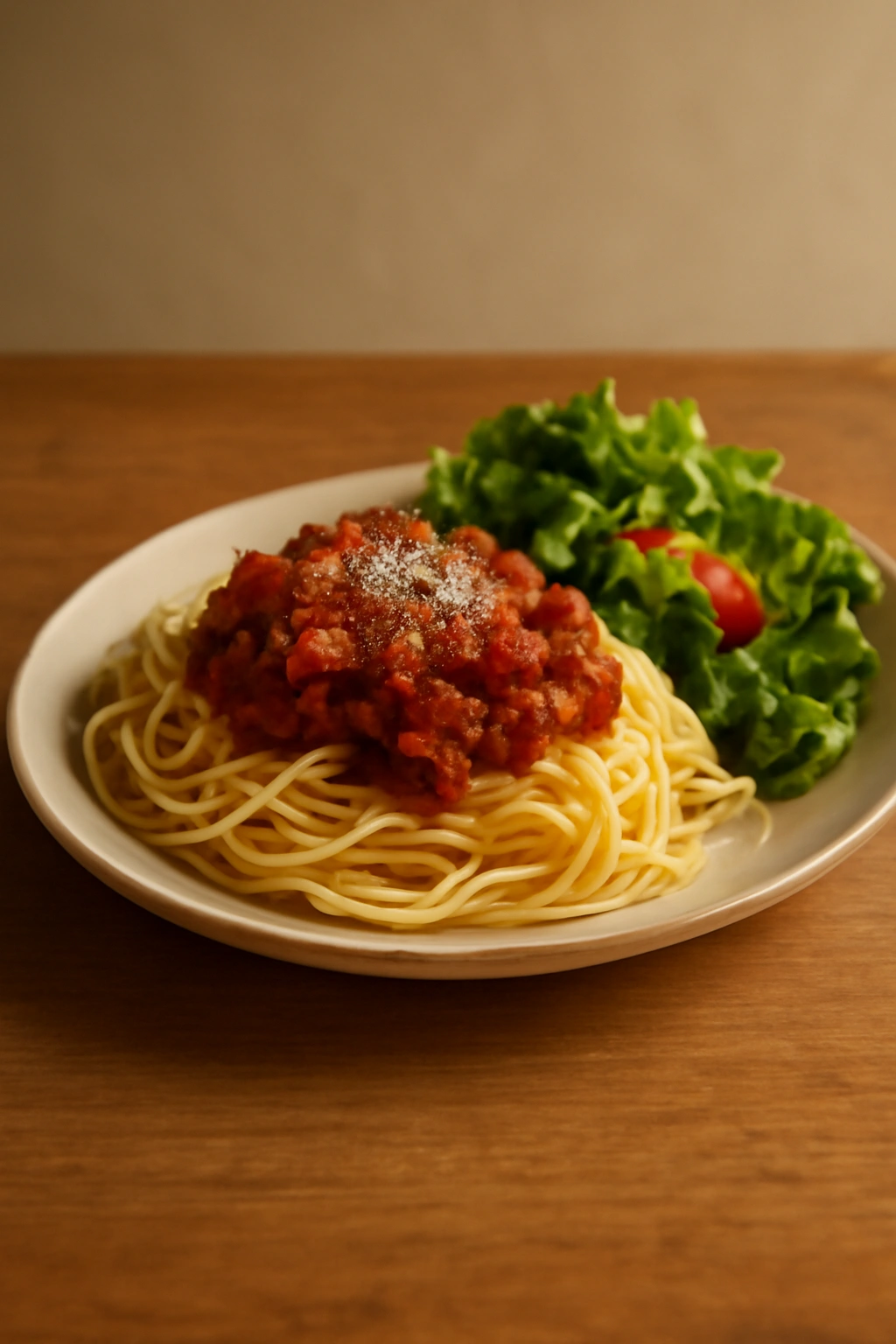
Classic, filling, and almost impossible to mess up—a big pot of spaghetti with a from-scratch meat sauce has fed millions of families on tight budgets for good reason. It’s faster than takeout, tastes far better, and costs about one-third as much as delivery.
Why Homemade Sauce Beats Jarred
A jar of premium pasta sauce runs $3-4, and you still need to brown meat and cook pasta. Making sauce from scratch with canned tomatoes costs half that, tastes deeper and more savory, and takes the same 20 minutes. Ground beef on sale—buy it, freeze it—is your weapon here. One pound feeds four to five people when mixed with pasta and sauce.
Budget Breakdown and Method
- 1 lb ground beef ($2.50-3)
- 1 medium onion, diced ($0.25)
- 2 cloves garlic, minced ($0.15)
- 1 can (28 oz) crushed tomatoes ($1)
- 2 tablespoons tomato paste ($0.25)
- 1 teaspoon dried oregano, ½ teaspoon dried basil, salt and pepper to taste ($0.20)
- 1 lb spaghetti ($0.80)
- Optional: ¼ cup grated Parmesan ($0.50)
Brown the ground beef with diced onion over medium-high heat, breaking it apart as it cooks. Add garlic, then tomato paste, and stir for a minute. Pour in crushed tomatoes with their juice, season, and simmer 15 minutes. Cook pasta according to package directions, then toss with sauce. This single pot produces multiple meals—make extra sauce and freeze it in portions.
3. Breakfast for Dinner (Scrambled Eggs and Toast)
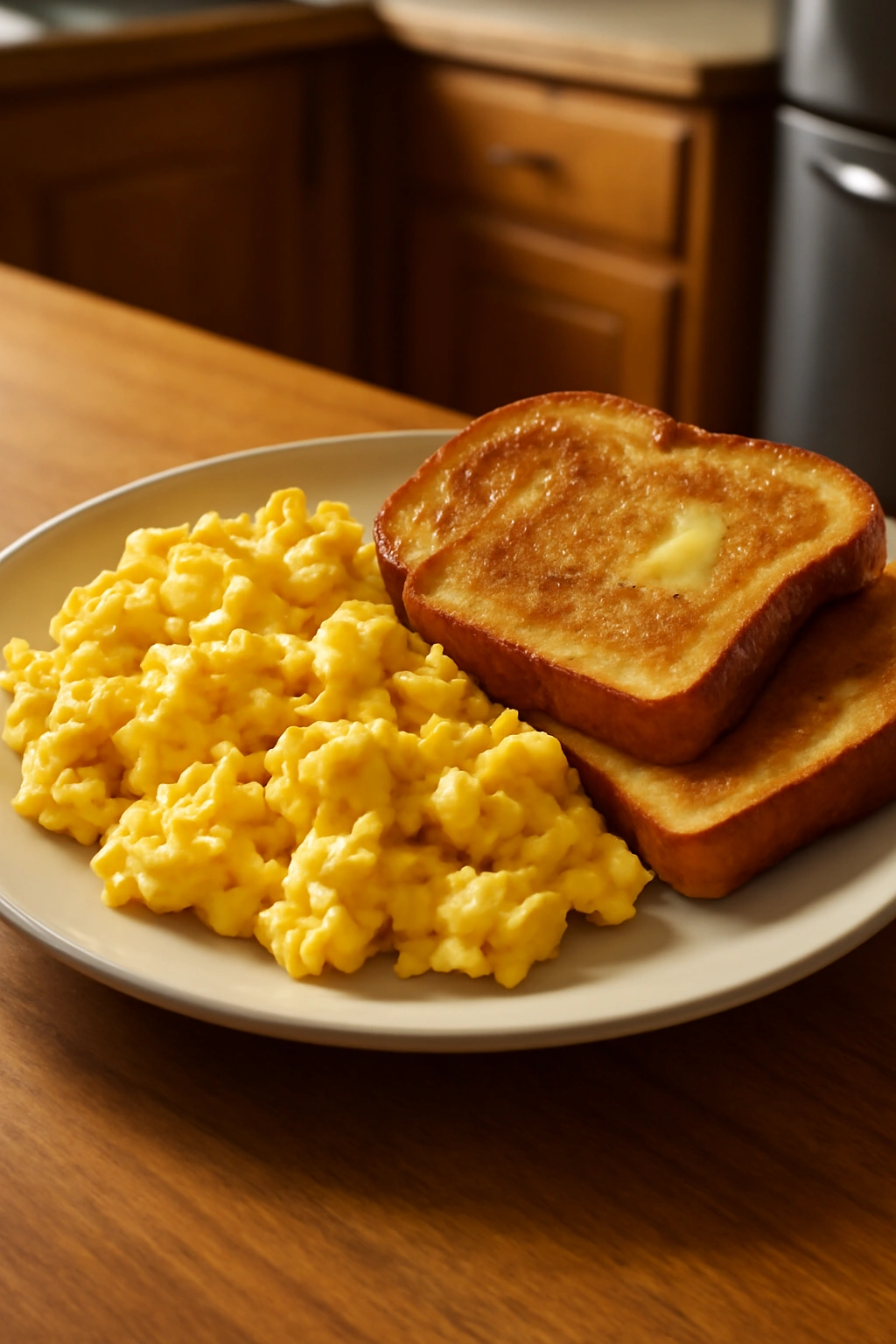
Never underestimate the power of eggs as a dinner protein. A dozen eggs cost roughly $2-3 and provide complete protein, healthy fats, and genuine satisfaction. Breakfast for dinner feels playful to kids while being dead simple and ridiculously cheap to make.
Why Eggs Win the Budget Battle
Eggs are one of the cheapest, most nutritious proteins available. A dozen eggs cost less than a single rotisserie chicken but deliver comparable protein. They cook in minutes, require no advanced knife skills, and are nearly impossible to ruin if you cook them low and slow.
Simple Dinner Build
- 1 dozen eggs ($2.50)
- 1 loaf of bread ($1-1.50, or use what you have)
- 2 tablespoons butter or oil ($0.25)
- Salt, pepper, optional cheese or herbs ($0.25)
- Vegetables on hand: diced peppers, onions, tomatoes, spinach ($1-2)
Sauté any chopped vegetables in butter over medium heat until softened, around 3-4 minutes. Whisk eggs with a splash of milk (or water), pour them in, and gently push cooked portions to the center while tilting the pan to let uncooked egg reach the heat. Once eggs are mostly set but still slightly wet on top, remove from heat—carryover cooking finishes them. Serve with toast and fruit or a simple side salad.
Worth knowing: Add diced ham, bacon, or sausage if your budget allows—eggs stretch these proteins beautifully, and a small amount goes a long way flavor-wise.
4. Bean and Rice Bowls with Toppings
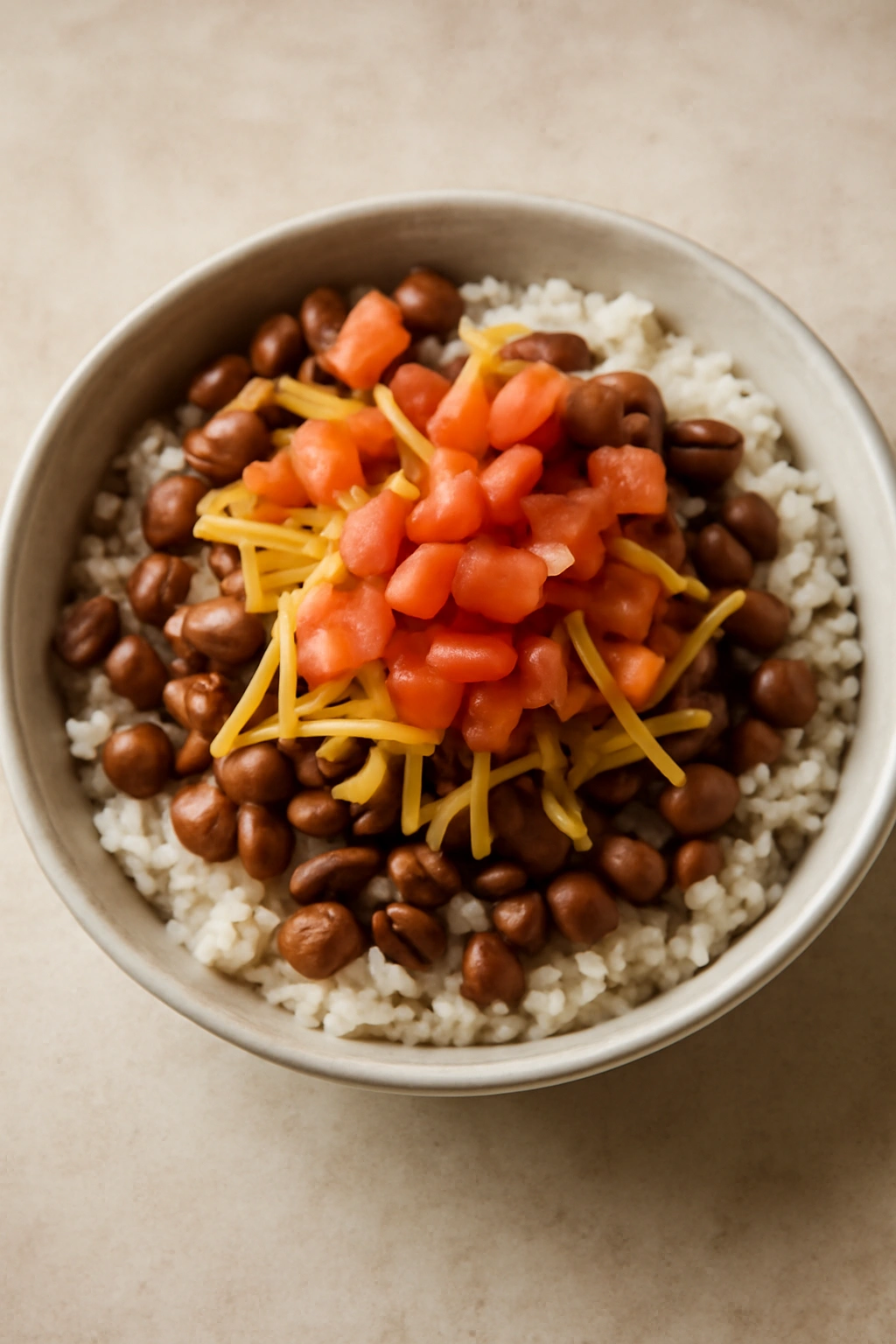
Rice and beans together form a complete protein and cost almost nothing. Build customizable bowls where each family member adds their preferred toppings, turning an ultra-cheap base into something that feels special and personal.
The Complete Protein You Can Afford
Dried beans cost pennies per pound. Rice is similarly cheap. Together, they provide all nine essential amino acids—the same complete protein you’d get from meat, but for a fraction of the cost. One cup of dried beans yields roughly four cups cooked beans and feeds about six people when paired with rice.
Ingredient List and Assembly
- 1 cup dried beans, or two 15-oz cans ($0.50-1.50)
- 2 cups cooked rice ($0.50)
- Toppings bar (pick 4-5): salsa ($0.75), shredded cheese ($0.75), sour cream or yogurt ($0.50), diced tomatoes ($0.75), lettuce ($0.50), diced onion ($0.25), cilantro ($0.50), lime wedges (free if in season)
- 1 tablespoon oil, 1 teaspoon cumin, salt to taste ($0.25)
If cooking dried beans, soak overnight, then boil 60-90 minutes until tender. If using canned, simply drain and rinse. Warm beans in a pot with oil and cumin. Serve over rice with a spread of toppings so everyone builds their own bowl. This approach makes one budget meal feel abundant and interactive—people enjoy meals more when they have control.
5. Ground Beef Tacos with Homemade Shells (Optional)
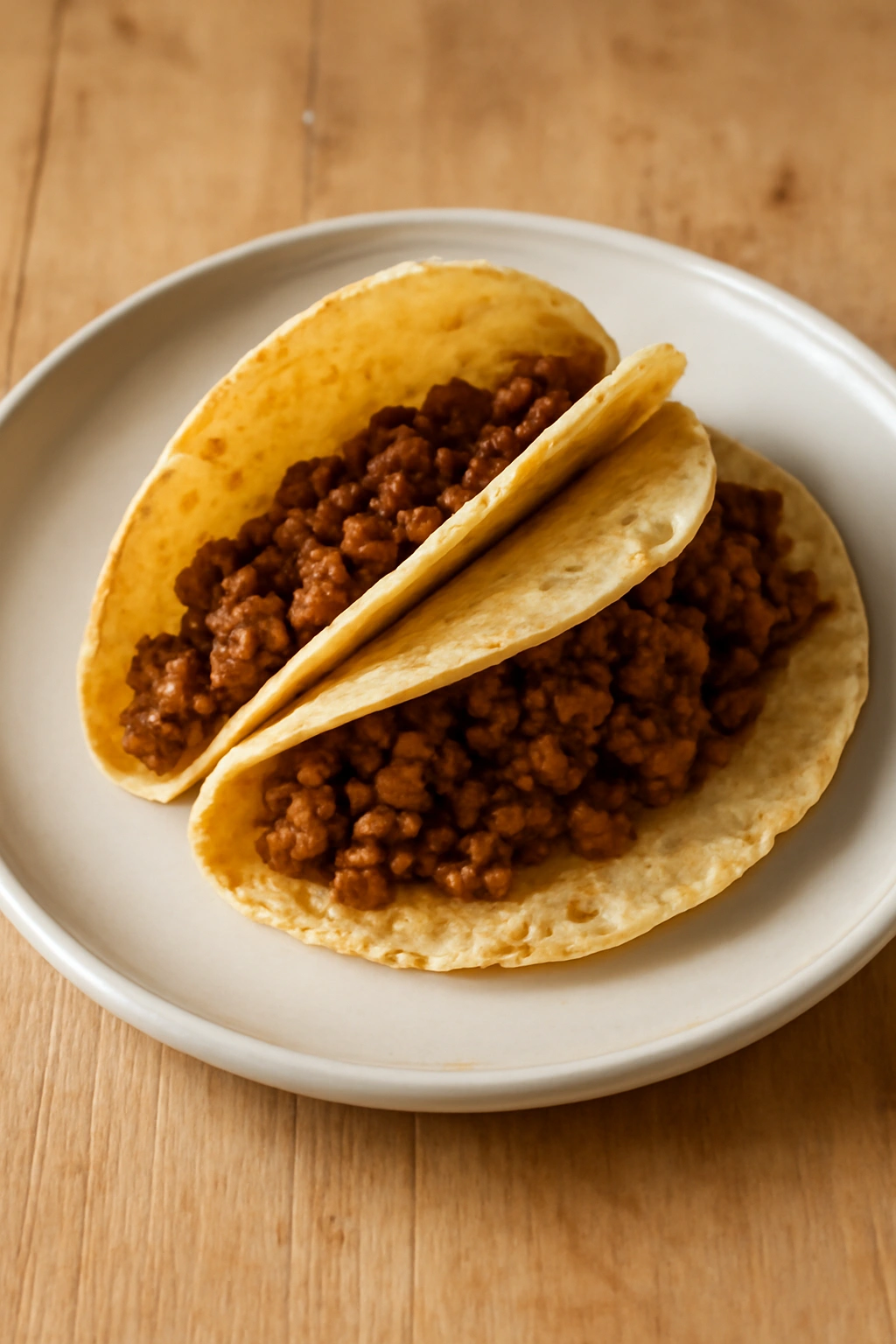
Tacos feel like a celebration, yet they’re one of the most affordable ways to feed a family. Store-bought shells are pricey; homemade are nearly free if you have flour and oil, and infinitely better.
Why DIY Shells Change the Budget
A box of 12 taco shells costs $2-3 and offers little flavor. Homemade tortillas made from flour, water, salt, and oil cost about $0.30 for a dozen and taste incomparably better. You don’t need special equipment—a skillet is enough. Corn tortillas, if available, are even cheaper and have more personality.
Full Taco Night Budget
- 1 lb ground beef ($2.50-3)
- 1 packet taco seasoning, or make your own: 1 tablespoon chili powder, 1½ teaspoons cumin, ½ teaspoon paprika, ¼ teaspoon cayenne, 1 teaspoon garlic powder, salt to taste ($0.25)
- Tortillas: flour or corn, store-bought or homemade ($0.50-1)
- Toppings: shredded cheese ($0.75), salsa ($0.50), lettuce ($0.50), diced tomato ($0.50), sour cream ($0.50)
Brown ground beef, add seasoning and a splash of water, and simmer 5 minutes. Warm tortillas over a gas flame or in a dry skillet. Let everyone assemble their own tacos. The psychological win of taco night often matters as much as the cost savings—kids are excited, adults feel less deprived, and the whole meal costs what two people would spend on takeout.
6. Vegetable Soup with White Beans
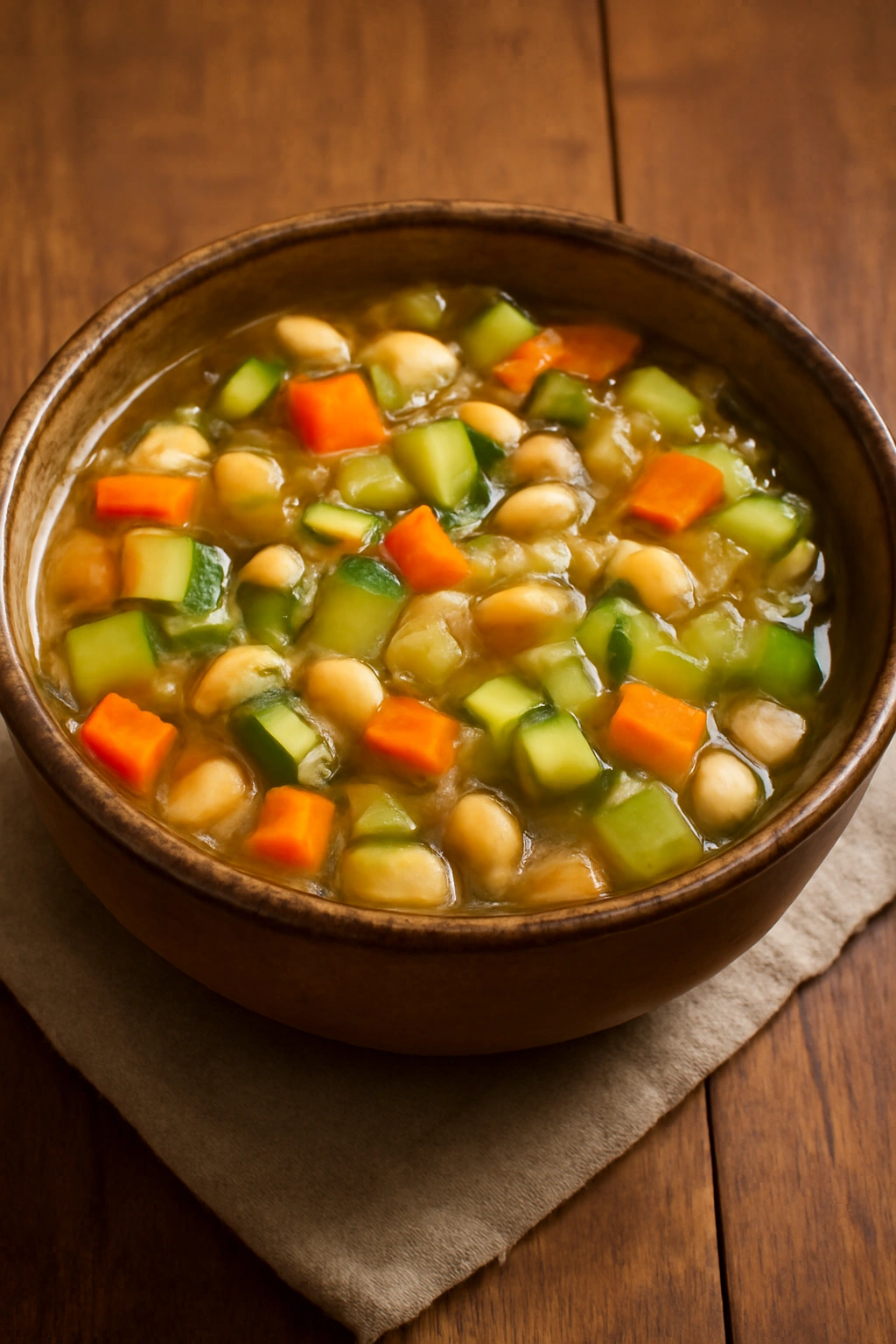
A big pot of vegetable soup is endlessly stretchy, deeply satisfying, and costs almost nothing to make. It’s also perfect for using whatever vegetables need eating and for making extra portions that freeze beautifully.
Soup as Budget Stretcher
Vegetable soup is the ultimate budget meal because it works with whatever you have: celery, carrots, zucchini, bell peppers, tomatoes, spinach, kale. Start with aromatics (onion, garlic), add broth and beans, then stretch with vegetables. The result is a full meal for four that costs $5-7 total.
Basic Formula and Seasonings
- 1 tablespoon olive oil ($0.10)
- 1 medium onion, diced ($0.25)
- 3 cloves garlic, minced ($0.20)
- 6 cups vegetable or chicken broth ($1.50, homemade or bouillon)
- 1 can white beans, drained ($0.80)
- 2-3 cups diced vegetables—carrots, celery, zucchini, bell pepper, tomato ($1.50-2)
- 1 teaspoon dried basil or Italian seasoning, salt and pepper ($0.20)
- Optional fresh greens: spinach or kale ($0.50-1)
Sauté onion in oil until softened, add garlic, then pour in broth. Add beans and diced vegetables (start with harder vegetables like carrots and celery, adding softer ones later so nothing turns to mush). Simmer 20-25 minutes, taste, adjust seasoning. Add greens in the last minute if using. This soup actually improves the next day as flavors meld—make double and freeze half in portion containers.
7. Baked Potatoes Bar with Toppings
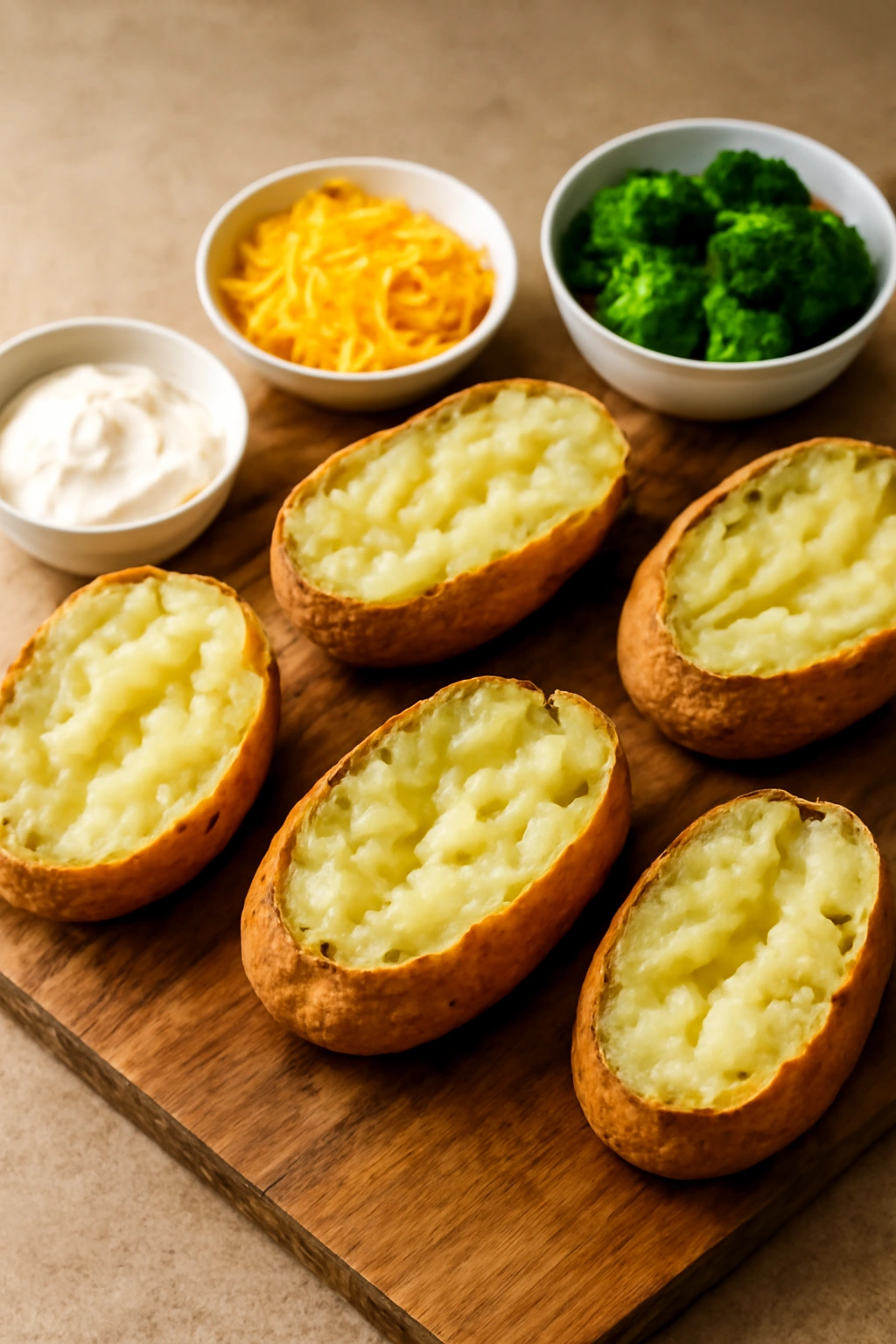
Baked potatoes are criminally underrated as a dinner foundation. They’re cheap, filling, and endlessly customizable. Set up a toppings bar and let everyone load theirs according to preference—some might go savory, others sweet, and everyone feels they got a meal built for them.
Why Potatoes Are Budget Gold
Potatoes are one of the cheapest foods available and provide real nutrition and satiation. A 5-lb bag of russet potatoes often costs $2-3. Each person eats one or two potatoes as their base, then builds from there. This transforms a $3 bag of potatoes into a full dinner for six people.
Topping Bar Ideas and Costs
- 6 medium russet potatoes ($1.50)
- Butter ($0.50)
- Sour cream or Greek yogurt ($0.75)
- Shredded cheese ($0.75)
- Canned chili or leftover ground beef, warmed ($1.50)
- Steamed broccoli or roasted vegetables ($0.75)
- Diced ham or bacon bits if budget allows ($0.50)
- Chives or green onions ($0.50)
Bake potatoes at 400°F for 45 minutes until a knife pierces the center with no resistance. Split each down the middle and fluff the insides with a fork. Arrange toppings in small bowls and let everyone assemble. The key is giving people control over their plate—this creates satisfaction that simple “here’s dinner” doesn’t achieve.
8. Simple Stir-Fry Over Rice
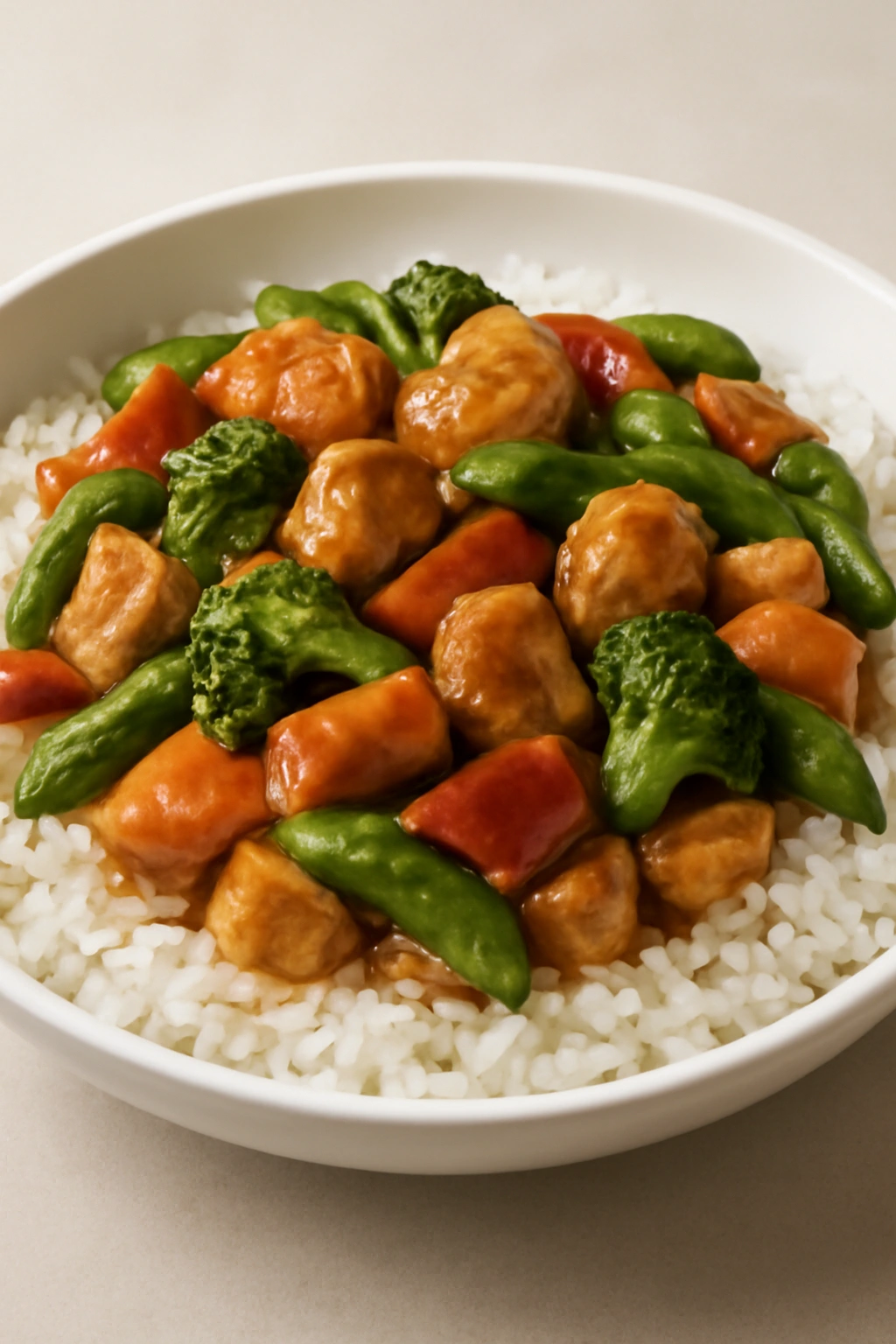
Stir-fry is fast, uses affordable ingredients, and cooks in one pan. It’s also endlessly flexible—work with whatever vegetables you have, and the technique remains the same.
Why Stir-Fry Stretches Ingredients
A stir-fry is primarily vegetables with a small amount of protein bound together by sauce. This means one pound of affordable meat feeds five or six people instead of four. Oil, soy sauce, garlic, and ginger create complex flavor without expensive additions. The rice underneath stretches every bite.
Simple Stir-Fry Formula
- 1 lb chicken breast or ground meat, or tofu ($2-3)
- 4 cups mixed vegetables: bell peppers, broccoli, carrots, snap peas, onion, cabbage ($2-3)
- 3 cups cooked rice ($0.75)
- 3 tablespoons soy sauce ($0.10)
- 1 tablespoon cornstarch mixed with ¼ cup water ($0.10)
- 2 cloves garlic, minced ($0.10)
- 2 tablespoons oil ($0.15)
- Salt, pepper, optional fresh ginger or hot sauce ($0.20)
Heat oil in a large skillet or wok over high heat. Cook protein until done, remove, set aside. Stir-fry harder vegetables first (carrots, broccoli, peppers), then softer ones (spinach, snap peas), about 6-8 minutes total. Return protein, add garlic, then pour in soy sauce and cornstarch slurry. Toss until sauce coats everything and thickens, about 1-2 minutes. Serve over rice. Minute rice or regular rice both work—make it ahead and reheat.
9. Lentil Curry with Rice
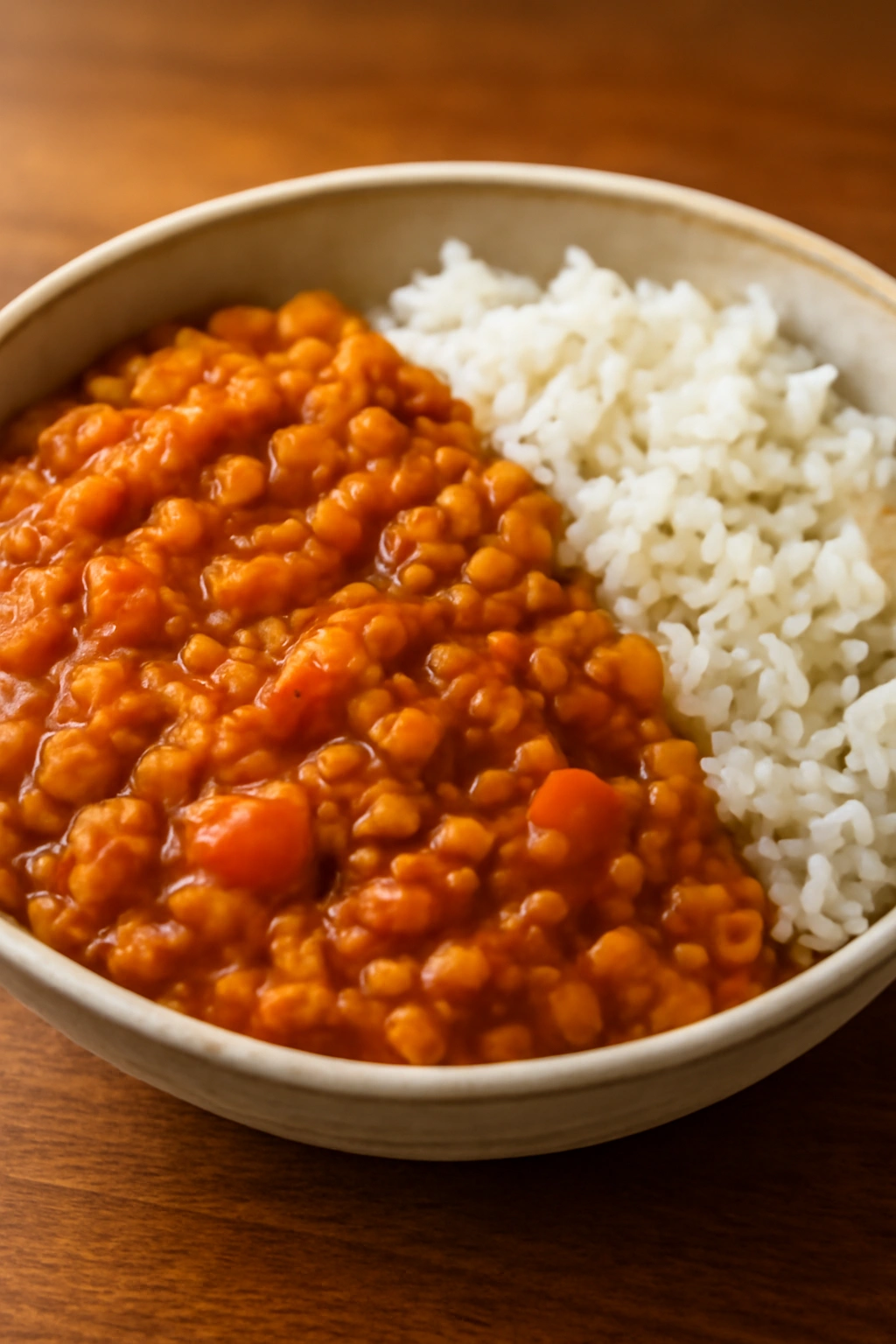
Dried lentils cost almost nothing and cook in under 30 minutes without soaking. A simple curry made with lentils, canned tomatoes, and pantry spices becomes a warm, satisfying dinner that tastes far more complicated than the effort required.
Lentils as the Ultimate Budget Protein
A pound of dried lentils costs roughly $1.50 and yields multiple meals. They contain fiber, iron, and plant-based protein—comparable nutritionally to beans and meat but for a fraction of the cost. Unlike beans, lentils need no soaking and cook in 25 minutes, making them perfect for weeknight dinners.
Lentil Curry Ingredients and Method
- 1 cup dried red or brown lentils ($0.75)
- 3 cups water or vegetable broth ($0.50)
- 1 can (14 oz) diced tomatoes ($0.75)
- 1 medium onion, diced ($0.25)
- 3 cloves garlic, minced ($0.20)
- 2 tablespoons oil ($0.15)
- 1 teaspoon curry powder (or 1 teaspoon cumin + ½ teaspoon turmeric + ½ teaspoon coriander) ($0.10)
- Salt and pepper to taste ($0.10)
- Optional coconut milk or plain yogurt for creaminess ($0.50)
- Cooked rice to serve ($0.75)
Heat oil, sauté onion until soft, add garlic and curry powder, cook 30 seconds. Add lentils, water, and tomatoes. Bring to boil, then simmer 20-25 minutes until lentils are tender but not mushy. Season to taste. The curry should be thick enough to mound on rice. If you have coconut milk, stir in ½ cup for creaminess—if not, a dollop of plain yogurt adds richness at the end.
10. Homemade Pizza Night

Pizza feels indulgent and celebratory, yet homemade pizza costs less than half the delivery price. Making dough is simpler than most people think, and everyone enjoys the interactive element of topping their own.
Pizza Dough Math and Budget
Basic pizza dough requires only flour, water, yeast, salt, and oil—ingredients most kitchens already have. A batch costs under $1 and makes two pizzas. Using this base plus affordable toppings like canned tomato sauce and basic cheese, you feed a family of four for $4-6 total. Compare that to $20+ for delivery, and the difference becomes obvious.
Dough Recipe and Topping Costs
For Two 12-inch Pizzas:
- 3 cups all-purpose flour ($0.50)
- 1 package instant yeast, or ¼ teaspoon if using a jar ($0.25)
- 1 cup warm water ($0)
- 1 teaspoon salt ($0.05)
- 2 tablespoons oil ($0.15)
- 1 cup tomato sauce ($0.50)
- 2 cups shredded mozzarella ($1.50)
- Toppings: pepperoni, sausage, vegetables ($1-2)
Mix flour, yeast, salt, and water until shaggy, then knead 5-8 minutes until smooth. Let rest 30 minutes. Divide in half, stretch onto oiled sheet pans, top with sauce, cheese, and preferred toppings. Bake at 425°F for 12-15 minutes until crust is golden and cheese is bubbly. The dough can be made ahead and frozen—thaw and use within a week, or make it fresh 30 minutes before serving.
Final Thoughts
Feeding a family well on a tight budget isn’t about deprivation or eating boring food night after night. It’s about understanding which ingredients offer maximum return on your money, learning basic cooking techniques that transform cheap ingredients into delicious meals, and planning ahead so you’re never caught without options. Every meal here costs under $10 to feed four people and requires nothing more than a standard kitchen and pantry staples.
The real secret isn’t budget magic—it’s buying proteins strategically (eggs, beans, lentils, ground meat on sale), building meals around grains and starches rather than treating them as sides, and seasoning generously so cheap food tastes genuinely good. A $3 pot of beans seasoned with cumin and garlic tastes better than a $15 takeout salad, fills you more, and costs a fraction of the price.
Make these meals once and you’ll develop instincts about what else works. You’ll notice which vegetables are cheapest each season, which proteins go on sale regularly, and which pantry basics create the most flavor. Feeding your family well becomes not something you stress about, but something you’re genuinely confident doing.
