


The slow cooker sits quietly on your kitchen counter, but it might be one of the most powerful tools for stretching a tight food budget. There’s something almost magical about throwing a handful of affordable ingredients into a ceramic pot in the morning and walking into your house to the smell of a completely cooked dinner—without having spent more than ten dollars, without using your oven, and without any active cooking time. If you’re trying to feed a family on a limited budget, slow cooker dinners under $10 aren’t just possible—they’re genuinely delicious, nutritious, and often leave you with leftovers for lunch the next day.
The beauty of slow-cooker cooking on a budget goes beyond just the price tag. You’re buying cheaper cuts of meat that would be tough if cooked quickly but become fall-apart tender over hours of low, moist heat. You’re stretching proteins with affordable beans, lentils, and root vegetables that absorb all the flavor. You’re avoiding expensive takeout and the hidden costs of restaurant meals. Most importantly, you’re proving to yourself and your family that budget meals don’t mean sacrificing flavor or satisfaction.
This guide pulls together everything you need to understand how to make consistently affordable slow cooker dinners that actually taste good—not just cheap-tasting—without requiring special deals, coupons, or obsessive shopping strategies. Whether you’re cooking for two people or a family of six, these approaches work. You’ll learn which ingredients give you the most flavor per dollar, which cuts of meat make the biggest impact, and exactly how to plan your week so that your grocery bill stays under control while your family stays genuinely happy at the dinner table.
Why Slow Cookers Are Your Budget’s Best Friend
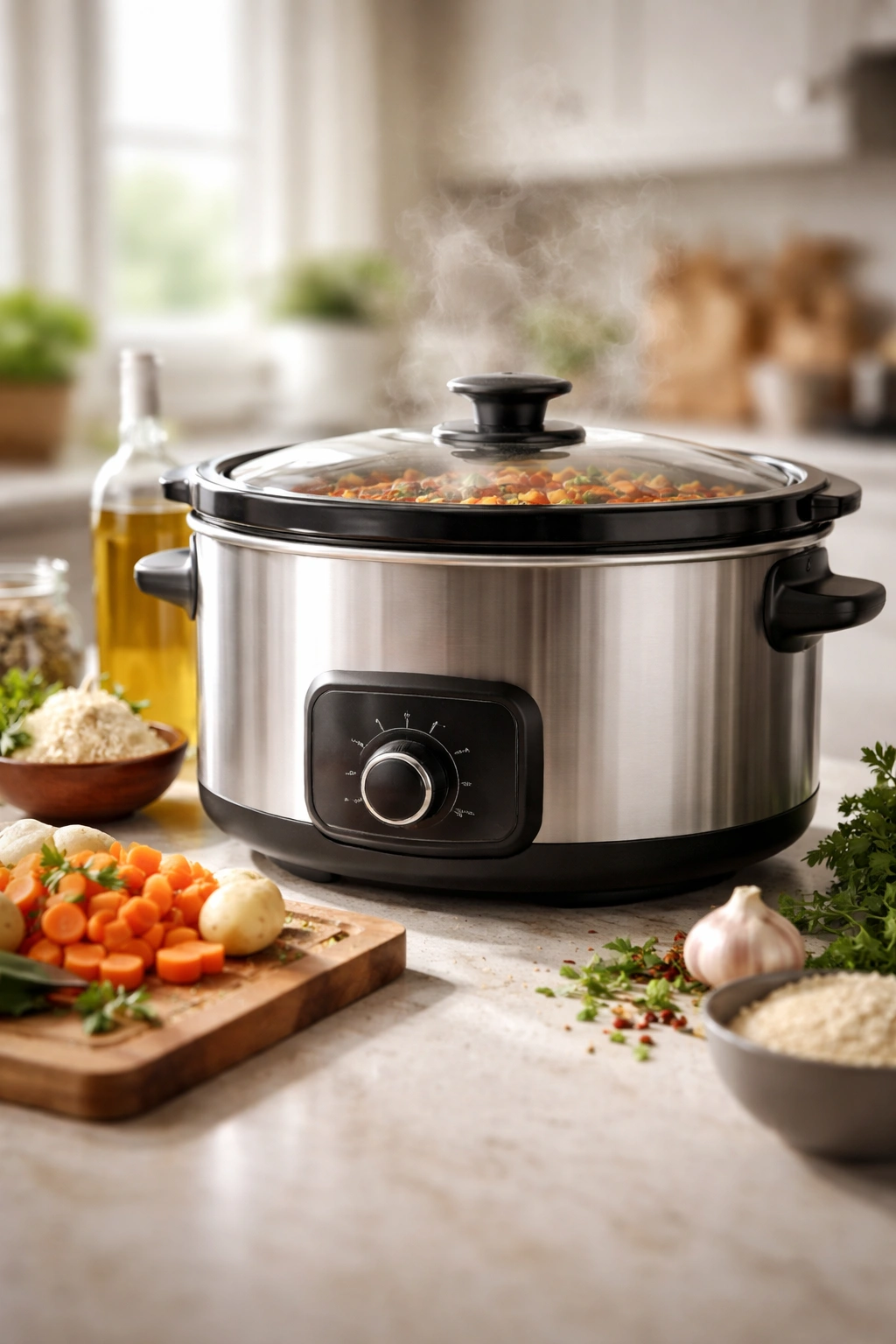
Slow cookers have been feeding families affordably for decades, and the economics of slow cooking are undeniable. Unlike quick-cooking methods that require tender, expensive cuts of meat, slow cookers excel at transforming cheap, tough cuts into melt-in-your-mouth meals. A chuck roast that costs a fraction of the price of a ribeye becomes so tender after six to eight hours of low-temperature cooking that it falls apart with a fork.
The moisture-retention in slow cooking is the secret. Steam circulates inside the covered pot, basting the meat continuously and breaking down connective tissue. This happens without any intervention from you. The result is meat that costs two to four dollars per pound instead of eight to twelve, yet tastes richer and more flavorful than fast-cooked alternatives. You’re not sacrificing quality—you’re actually gaining depth of flavor because slow cooking creates more developed, complex tastes through Maillard reactions and collagen breakdown.
Beyond the meat advantage, slow cookers stretch your ingredients further than almost any other cooking method. A pound of ground beef that would make four to six servings as a quick skillet dinner can feed eight to ten people when combined with beans, vegetables, broth, and tomatoes in a slow-cooker chili. That same principle applies across every recipe: more liquid, longer cooking time, and better absorption means one ingredient goes much further. Your grocery dollars literally stretch more efficiently in a slow cooker than anywhere else in your kitchen.
There’s also the entirely underrated benefit of time. You’re not paying for convenience in the way you would with takeout. You’re paying for freedom. Prep your slow cooker in the morning and forget about dinner for the whole day. No rushing home to cook. No temptation to grab pizza because you’re exhausted. No burnt pans or kitchen cleanup stress. The hands-on time for most of these recipes is under fifteen minutes—usually just five to ten minutes of chopping and dumping. That’s genuinely valuable when you’re busy and tired, and it costs almost nothing.
Shopping Smart: Where Your Budget Money Goes
The difference between slow cooker dinners that cost five dollars and ones that cost fifteen dollars isn’t mystery or luck—it’s strategy. Every single ingredient you choose either stretches your budget or depletes it. The smartest budget cooks know which items are worth buying and which are waste.
Buying meat on sale is non-negotiable. Track your store’s sales patterns. Most grocery stores run meat sales on a predictable cycle—rotations typically repeat every four to six weeks. When you spot a sale on chicken thighs at $1.49 per pound or ground beef at $2.49 per pound, buy significantly more than you need for that week and freeze it in one-pound portions. A freezer full of discounted meat is the foundation of all budget slow-cooker cooking. You’re not relying on the regular price when you actually want to cook; you’re using only the sale-price meat you stockpiled weeks earlier.
Shop the morning meat department markdowns. Butchers mark down items approaching their sell-by date, sometimes by 30 to 50 percent. These cuts are completely safe to cook that day or tomorrow, and they’re perfect for slow cooking since you’re cooking them to a high internal temperature anyway. Building a relationship with your meat counter staff can also help—they’ll sometimes tell you when markdowns are coming or set aside good deals for regular customers.
Choose bone-in, skin-on chicken over boneless, skinless. Bone-in thighs cost nearly half the price of boneless breasts, taste richer, and stay more moist during slow cooking. The bones add gelatin and depth to the cooking liquid, creating better sauce. You’re not sacrificing quality by choosing thighs; you’re actually gaining it. Boneless, skinless breasts are a premium product. There’s no shame in buying the less trendy cut—especially when it performs better in slow cooking.
Buy dried beans and lentils instead of canned. A one-pound bag of dried beans costs around one dollar and makes six to eight cups of cooked beans. The same amount of canned beans costs four to six dollars. The only catch is planning ahead—dried beans need overnight soaking and a longer cook time. But in a slow cooker, that’s not a limitation; it’s perfect. You can soak beans overnight and dump them straight into the slow cooker in the morning. They’ll be tender and have absorbed all the flavors of your broth and seasonings.
Buy spices in bulk from the spice aisle rather than the packaged spice jar section. The bulk spices cost one-third the price and you buy only what you need. A teaspoon of cumin from bulk costs pennies; the same amount from a packaged jar costs nearly a dollar. Keep your freezer stocked with onions and garlic. Buy them in bulk when they’re cheap, chop them, and freeze in one-cup portions in freezer bags. Frozen chopped onions work beautifully in slow cooking and cost a fraction of fresh when you buy in bulk.
Essential Pantry Staples That Make Meals Under $10 Possible
You can’t make budget slow-cooker dinners if your pantry is bare. Some foods are so inexpensive and so versatile that stocking them is an investment, not an expense. These are the items that make the difference between a two-dollar dinner and a ten-dollar dinner.
Canned tomatoes are the foundation of countless cheap meals. A can of diced tomatoes costs around seventy cents, and one can makes an entire dinner’s worth of sauce for chili, stew, or braised meat. Buy varieties in bulk when they go on sale and stock at least a dozen cans. Tomato paste is even more economical—a small can costs about fifty cents and adds deep tomato flavor to any dish.
Rice and pasta are pennies per serving. A pound of pasta costs about one dollar and makes eight servings. A pound of rice makes six to eight servings. Both absorb flavors from slow-cooker liquids beautifully. Buy store brands and buy in bulk. These aren’t luxury ingredients; they’re workhorses that make other ingredients stretch further.
Beans in every form matter. Canned kidney beans, black beans, chickpeas, and pinto beans are all inexpensive and add bulk, fiber, and protein to any slow-cooker meal. One fifteen-ounce can costs less than one dollar and adds substance to soups, chilis, and casseroles. Dried beans are even cheaper, but canned offers convenience when you haven’t planned ahead.
Broth—whether chicken, beef, or vegetable—is how you create flavorful liquid in slow cooking without adding expensive ingredients. Buy store-brand broth, which costs around one dollar per carton, or buy bouillon cubes that cost even less. You can make broth from scratch using bones, but even prepared broth at these prices is economical enough to be worthwhile.
Onions, potatoes, carrots, and celery form the base of flavor for nearly every savory slow-cooker meal. These four vegetables are inexpensive year-round and store for weeks. A five-pound bag of potatoes costs about two dollars. A bunch of carrots costs one dollar. An onion costs pennies. Buy these constantly and use them in everything.
Condiments like salsa, barbecue sauce, and pasta sauce are secret weapons. A jar of salsa turns plain shredded chicken into taco filling. Barbecue sauce transforms a pork roast into pulled pork. A jar of marinara becomes a complete pasta sauce. These cost one to two dollars each and make meals taste restaurant-quality without adding expensive fresh ingredients.
Affordable Proteins: Which Meats Stretch Your Budget Further
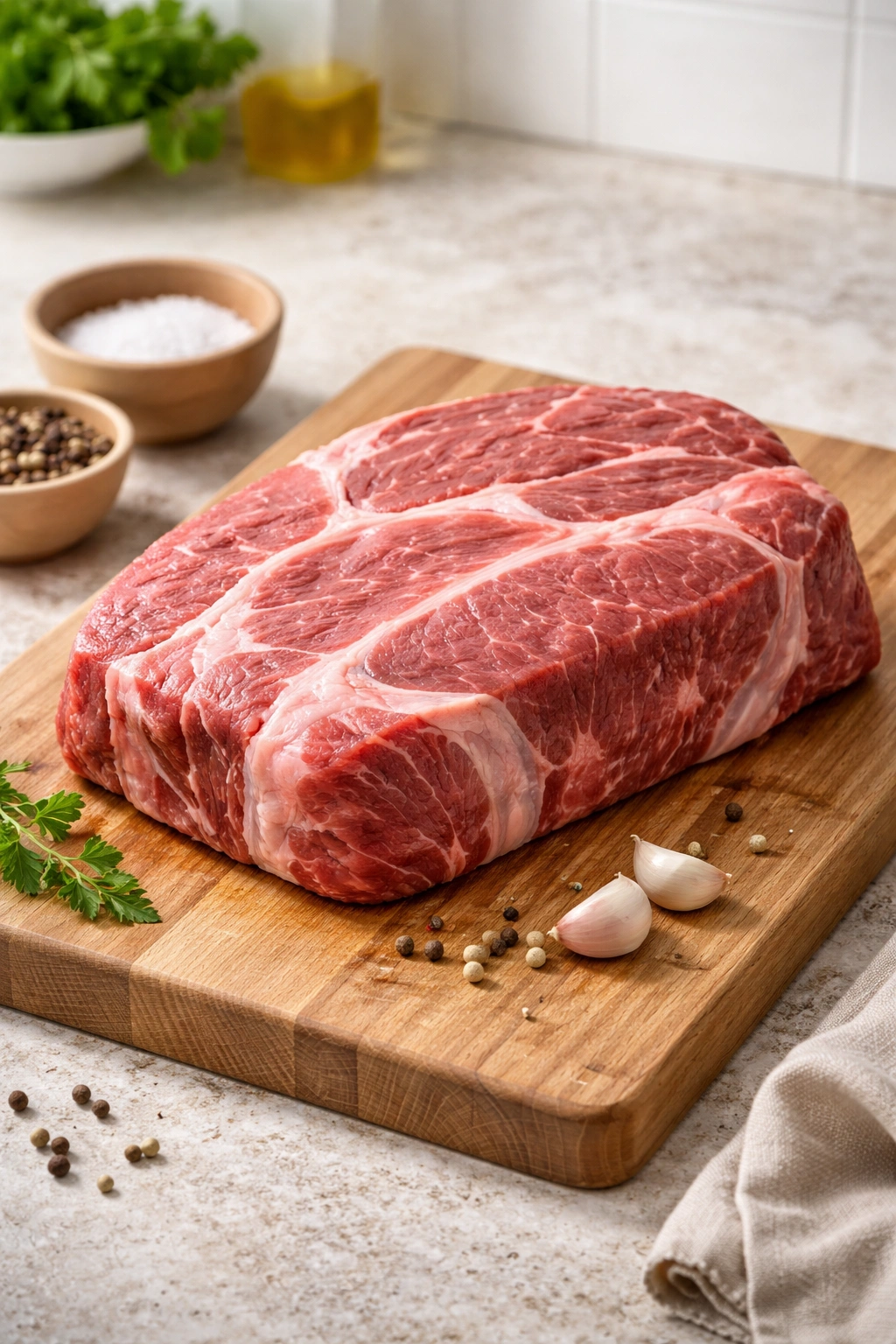
Not all proteins are created equal when you’re trying to stay under ten dollars per meal. Some cuts offer exponentially better value than others, and understanding the difference is the core skill of budget slow-cooker cooking.
Chuck roast is the gold standard for budget slow cooking. A chuck roast—usually from the shoulder of the cow—costs two to three dollars per pound and becomes incredibly tender in the slow cooker. Five pounds of chuck roast, which would cost ten to fifteen dollars, feeds a family of four generously for two dinners. The leftover cooking liquid becomes rich broth you can freeze and use later. There’s very little waste. Compare this to a more expensive cut, and you’re saving five to eight dollars per meal with no sacrifice in final quality.
Ground beef offers flexibility at budget-friendly prices. When ground beef goes on sale for $2.50 to $3.00 per pound, it becomes an economical choice for chilis, casseroles, and soups. A pound of ground beef mixed with beans, vegetables, and tomato sauce becomes a meal for four people. The same pound cooked as plain ground beef for tacos feeds fewer people less satisfyingly. Budget slow-cooker cooking is about combining proteins with stretching ingredients, not serving large portions of plain meat.
Chicken thighs cost significantly less than breasts—sometimes half the price—and they’re superior for slow cooking. Thighs contain more fat and connective tissue, which means they stay moist and flavorful during long cooking. Chicken breasts can dry out in the slow cooker if overcooked even slightly, while thighs actually improve with extended cooking time. Buy family packs of thighs and freeze them in portions. A three-pound pack that costs six to eight dollars can become dinner for six to eight people when combined with rice, beans, and sauce.
Pork roasts and pork shoulder are dramatically underused for budget cooking. These cuts cost two to three dollars per pound and become fall-apart tender in the slow cooker. A five-pound pork shoulder feeds a family of four for multiple meals—pulled pork sandwiches for dinner, pulled pork tacos for lunch the next day, with potentially enough left over to freeze. The combination of size and low cost makes pork roasts one of the best values in the meat case.
Whole chickens are sometimes cheaper per pound than buying individual parts. A four to five-pound whole chicken costs three to four dollars, or around eighty cents per pound. You can slow-cook an entire chicken and it becomes versatile: shred the meat for tacos, soup, or casseroles; use the bones to make broth that becomes soup later. Nothing goes to waste, and the cost per serving is remarkably low.
Ham hocks and ham bones—often found in the meat department or at the butcher counter—are often marked down or even free if you ask. These bony, fatty cuts become the foundation of soups like split pea soup or white bean and ham soup. A single ham bone can create four servings of hearty, flavorful soup. The gelatin from the bone creates creamy texture without any cream. Cost is negligible; the value is enormous.
Building Cheap Slow-Cooker Dinners: Real Meal Examples
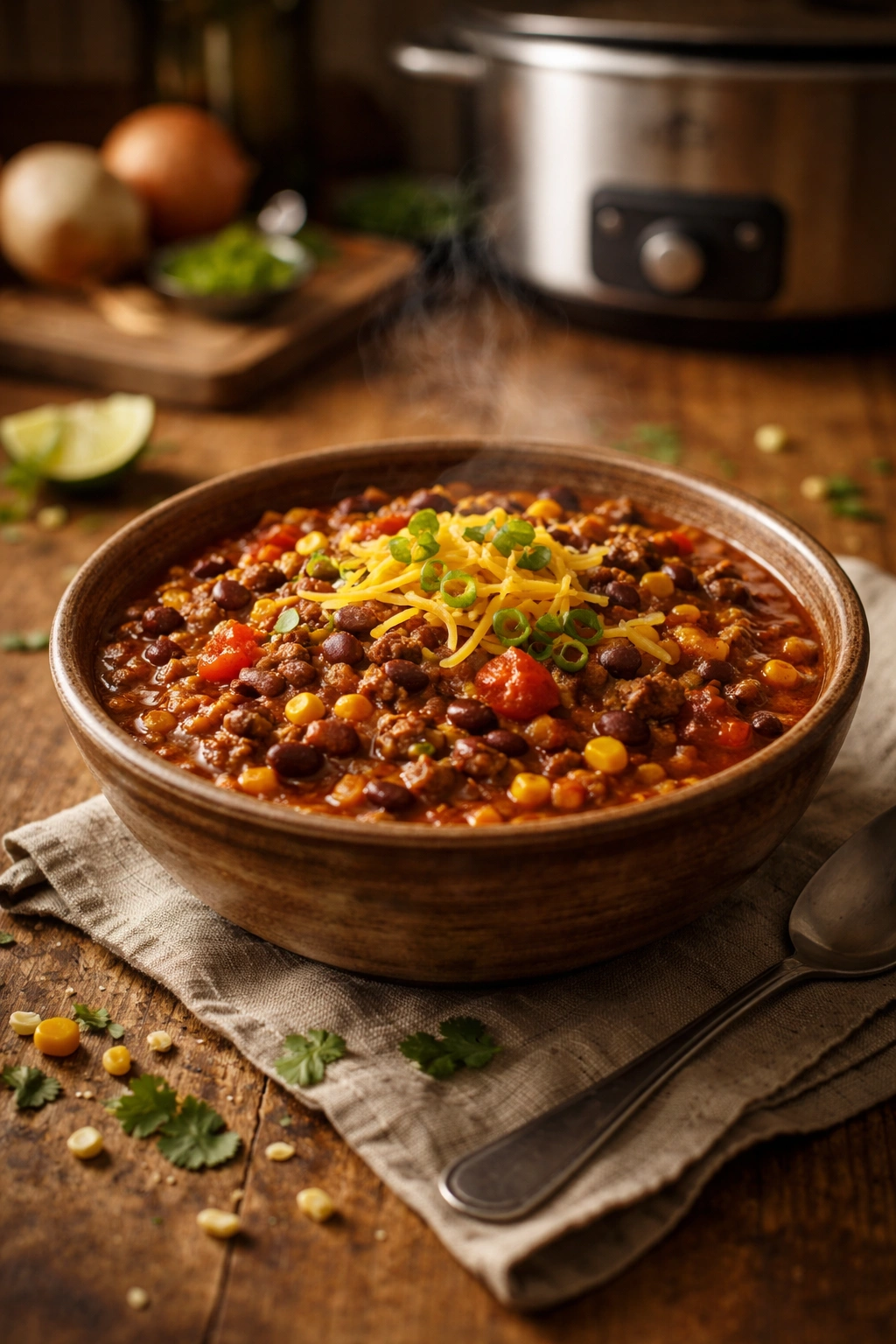
Understanding the theory of budget slow cooking is useful, but seeing actual meals and their actual costs makes it concrete. Here are real, tested slow-cooker dinners that cost less than ten dollars to feed four people, with breakdowns of where the money goes.
Three-Ingredient Chicken Tacos
This is as simple as slow-cooker cooking gets. Four boneless chicken thighs ($2.50), one jar of salsa ($1.50), and one packet of taco seasoning ($0.50) go into the slow cooker on low for six to eight hours. The chicken shreds with a fork, mixes with the salsa and seasoning, and becomes taco filling for eight tacos or more. Add store-brand tortillas ($1.50) and you’re at five dollars total, with room in the budget for cheese or sour cream if you want it.
The reason this works: salsa is a complete flavor base that needs no additional preparation. The chicken thighs stay moist and absorb all the spice. There’s no reducing or sauce-making needed. The simplicity is the strength.
Slow-Cooker Chili Under Five Dollars
This one stretches the budget even further. One pound of ground beef ($2.50), two cans of kidney beans ($1.00), two cans of diced tomatoes ($1.50), one tablespoon of chili powder (negligible cost if you buy in bulk), and pantry onion and garlic. That’s five dollars for a pot of chili that feeds six people easily, with potential for leftovers. Add cornbread made from a cheap box mix ($0.50) and you’re still under ten dollars.
The technique: brown the ground beef (optional but improves flavor), dump everything into the slow cooker, and walk away for eight hours. The beans break down slightly, creating creaminess without any cream. The tomatoes create sauce. The proportions mean you’re serving chili with beans and tomato visible on every spoon—hearty, satisfying, and genuinely delicious.
Pulled Pork Sandwiches for Multiple Meals
A three to four-pound pork shoulder on sale for $2.50 per pound costs seven to ten dollars. Dump it into the slow cooker with one bottle of barbecue sauce ($1.50) and cook on low for eight to ten hours. The meat falls apart. Serve on cheap hamburger buns ($2.00) and you have pulled pork sandwiches for a family of four, with likely enough meat left over for lunch the next day or to freeze.
Total cost for dinner plus next-day lunch: under ten dollars. The slow cooker does the work; the cheap barbecue sauce creates flavor; the pork becomes so tender it shreds without any effort. This is efficiency and frugality working together perfectly.
White Bean Chili That Stretches Forever
This was specifically noted in multiple budget-cooking sources as coming in under five dollars consistently. Two cans of white beans ($0.80), two cans of diced green chilies ($1.50), one small block of cheese shredded yourself ($1.50), one jar of salsa ($1.50), optional chicken or turkey for extra protein ($2 if adding), and pantry spices. The entire pot costs between five and seven dollars and feeds six to eight people generously.
The white beans create the base and body. The green chilies and salsa create all the flavor. The cheese is optional but makes it feel rich and special. This is one of the most budget-friendly slow-cooker meals possible, and it’s genuinely comforting and delicious.
Making Slow-Cooker Meals Taste Expensive on a Budget
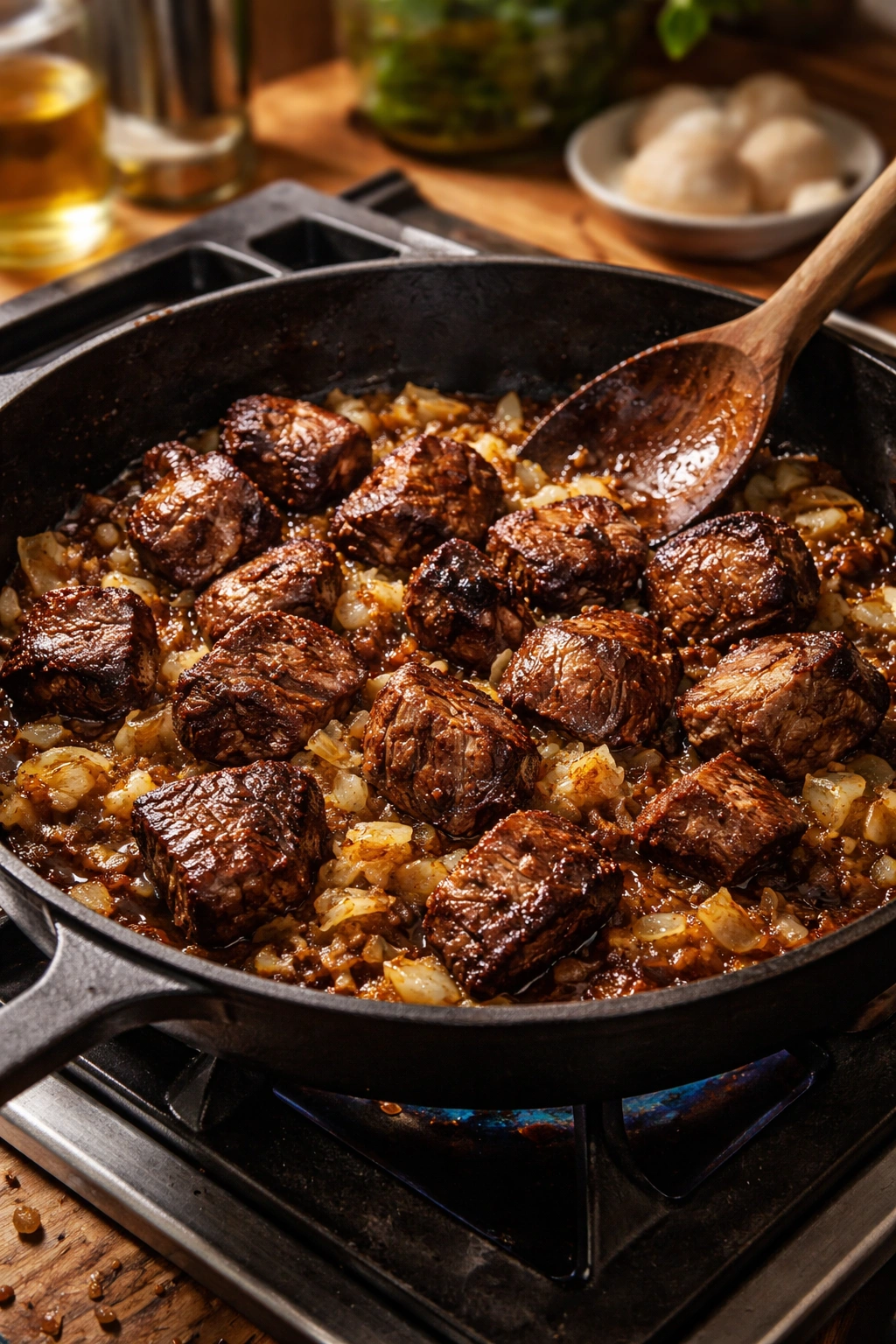
The biggest misconception about budget slow-cooker cooking is that it requires sacrifice in flavor. You can absolutely create rich, flavorful, satisfying meals while spending under ten dollars. The secret isn’t elaborate cooking techniques—it’s smart ingredient choices and understanding which flavoring techniques work in slow cookers.
Browning meat before slow cooking makes a measurable difference. It takes five extra minutes and requires a skillet, but the Maillard reaction that happens when meat hits hot oil creates deep, complex flavor. If you have the time and the inclination, brown your chuck roast or ground beef before adding it to the slow cooker. It’s not required to make a good meal—slow cooking still works without it—but it elevates a six-dollar meal to taste like an eight-dollar meal.
Building a flavorful base with onions and garlic matters. These cost nearly nothing but create aromatic depth. Sauté diced onions in the same skillet where you browned your meat (same dish, minimal extra work) and add minced garlic. The fat left from browning the meat cooks these aromatics beautifully. Transfer everything to the slow cooker. This fifteen-second addition of technique transforms the final dish.
Acid brightens slow-cooker meals noticeably. A tablespoon of vinegar, the juice of a lime, a squeeze of lemon, or even hot sauce (which you might already have) added at the end wakes up flavors that hours of slow cooking can dull. Acidic ingredients are incredibly cheap—a bottle of vinegar costs two dollars and lasts months. Lemons cost pennies. This is an investment in flavor with almost no cost.
Layering spices instead of dumping everything at once creates better flavor. Add half your chili powder or cumin at the beginning so it has time to bloom in the fat and heat. Add the rest in the last thirty minutes of cooking. The fresh spice added late tastes brighter and more present. This costs nothing extra and makes an obvious difference in the final dish.
Using spice combinations instead of single spices creates complexity. Cumin and chili powder together taste better than either one alone. Garlic powder, onion powder, and paprika create depth. None of these cost much individually, and they’re pantry staples that last for months. Mixing them rather than using one spice transforms your food from “it’s cheap” tasting to “this is really good.”
Stretching Expensive Ingredients with Strategic Additions
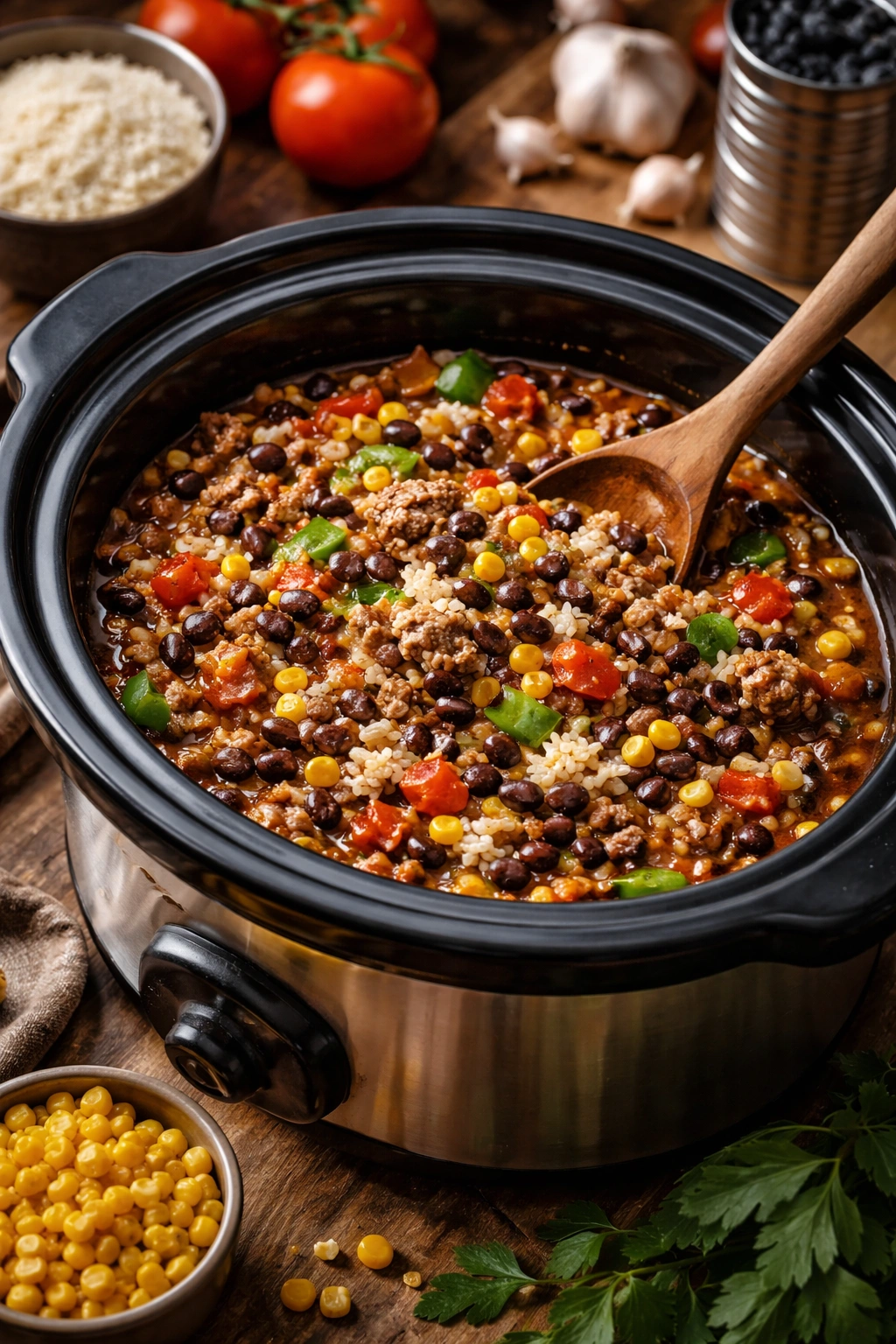
One pound of meat served as plain meat feeds four people modestly. One pound of meat mixed with beans, rice, vegetables, and sauce feeds six to eight people satisfyingly. This is the essential math of budget slow-cooker cooking.
Beans double or triple the volume of any dish while adding protein, fiber, and cost almost nothing. Add a can of beans to every slow-cooker meal if it fits the flavor profile. Black beans with ground beef and chili spices. White beans with chicken and salsa. Chickpeas with any Mediterranean flavor. The beans break down slightly during cooking, thickening the sauce naturally. They add nutritional density—more fiber and protein per serving than meat alone would provide.
Rice and pasta are volume extenders that cost pennies per serving. Cook rice separately and add it to the slow cooker in the last hour of cooking. Or cook pasta separately and serve the slow-cooker meal over pasta or rice. A meal that would cost ten dollars for four people becomes eight dollars for six people when served over rice. The cost is distributed across more servings; everyone is still satisfied because the rice adds substance.
Vegetables added late or cooked separately offer perceived value without significant cost. Frozen mixed vegetables cost less than fresh, and their texture is fine in slow cookers. Add them in the last hour so they don’t turn to mush. Or sauté fresh vegetables in a separate pan while the slow cooker finishes—this keeps them from overcooking and adds a textural contrast that makes the meal feel more luxurious.
Dairy added at the end creates richness without requiring expensive cream. A cup of sour cream stirred into a pot of chili costs about one dollar and makes four servings each feel indulgent. A cup of milk mixed with a spoonful of cornstarch creates a thickening cream sauce. Shredded cheese stirred in adds flavor and satisfaction. These additions cost one to two dollars each and noticeably improve the perception of the meal without breaking the budget.
Smart Shopping Lists for the Whole Week
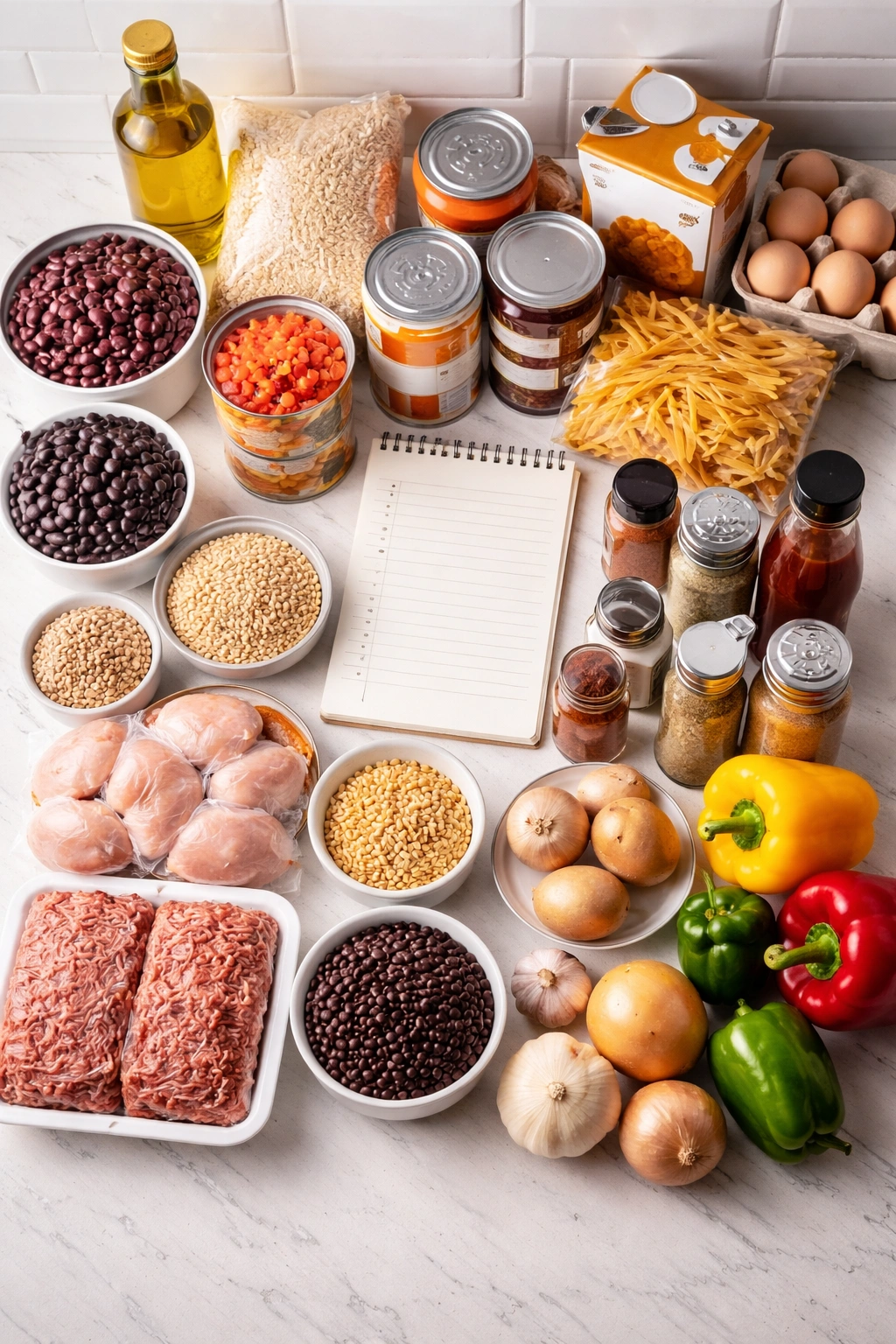
Building a week of slow-cooker meals under ten dollars each requires a master shopping list that lets you buy strategically. You’re not buying for one meal at a time; you’re buying staples that make multiple meals possible.
Start with your proteins. Buy whatever’s on sale that week: chicken thighs, chuck roast, ground beef, or pork. Spend around fifteen to twenty dollars on proteins and you’ll have enough for four to five dinners. This is typically forty to fifty percent of your weekly budget if you’re feeding a family of four on fifty dollars a week, which is realistic with slow cookers.
Buy your pantry staples in bulk when they’re on sale. Canned beans, canned tomatoes, rice, pasta, broth, spices. If you see a sale on canned goods or dried pasta, buy extra. These items have long shelf lives. You’re building a pantry that makes every meal cheaper because you’re not buying at full price. A stockpile means you’re buying strategically, not desperately.
One fresh produce item becomes your vegetable for the week. One week it might be potatoes and carrots (classic slow-cooker vegetables that store for weeks). Another week it might be frozen mixed vegetables and fresh onions. You’re not buying a huge produce haul. You’re buying strategically based on what works in slow cookers and what’s cheap that week.
Buy two or three flavor-adding items: salsa, barbecue sauce, or pasta sauce. These create the character of your meals. A week built around salsa looks like chicken tacos, salsa chili, and salsa casserole—three completely different meals that taste different but built from the same base ingredients. This is efficiency and budget consciousness working together.
Make-Ahead Strategies That Multiply Your Time and Money
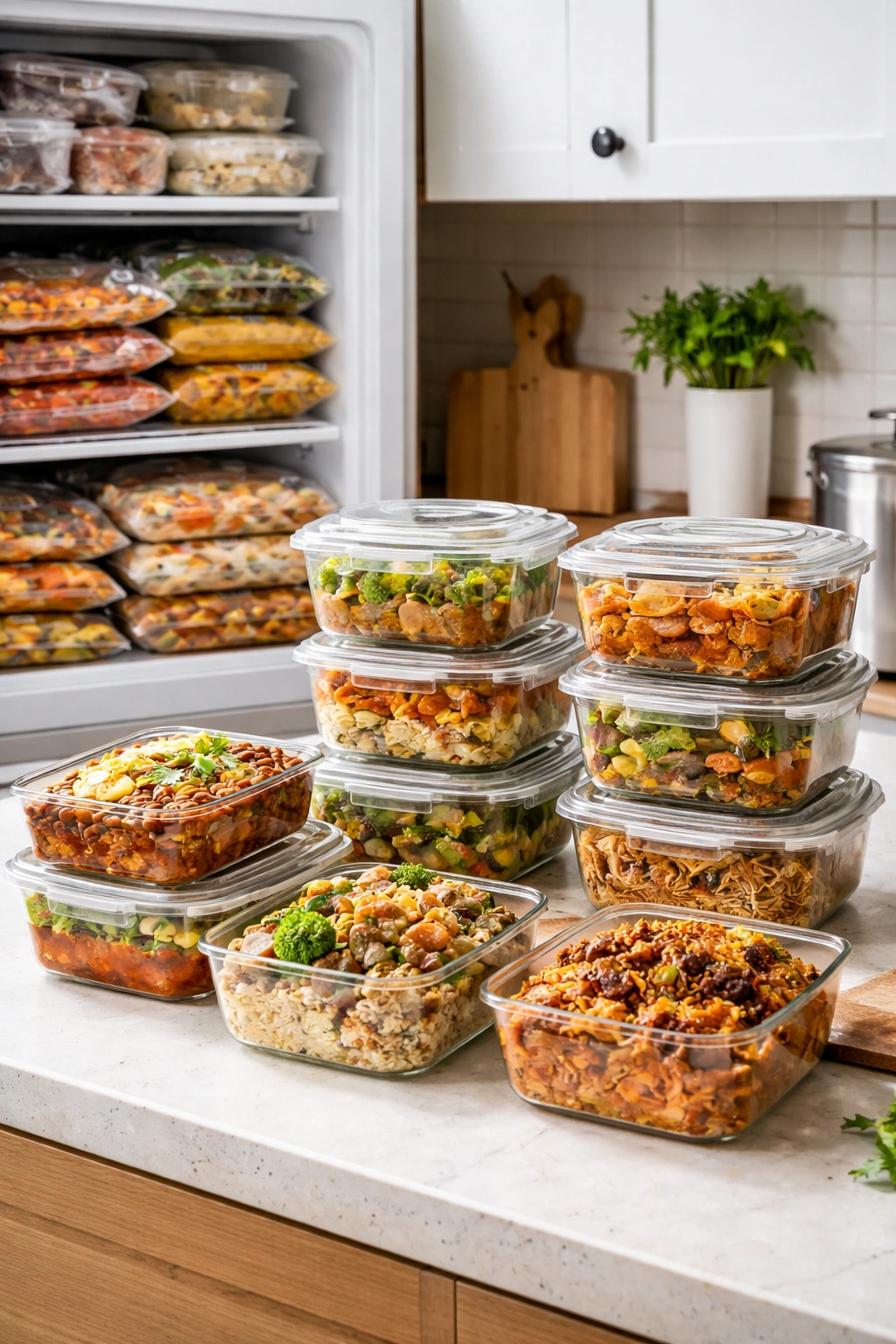
The true magic of budget slow-cooker cooking happens when you combine slow cooking with make-ahead strategies and freezing. You’re not just cooking dinner tonight; you’re building a freezer full of dinners that cost less because you cooked them in bulk.
Double or triple every recipe you make. If the recipe feeds four, make enough for twelve. It takes the same amount of active time—maybe five more minutes of chopping. It uses your slow cooker’s space efficiently. You eat one meal tonight, freeze two meals for later. When you’re tired, busy, or tempted to order takeout, you pull out a freezer meal that cost three dollars to make. Compared to a fifteen-dollar takeout pizza, that’s an enormous savings.
Cook components separately and combine them into different meals. Make a big batch of shredded chicken in the slow cooker. Use it for tacos one night, over rice with salsa another night, in a casserole a third night, and freeze the rest. Make a big pot of chili and serve it as chili one night, over rice as burrito bowls another night, with cornbread and cheese a third way. The same base ingredient becomes multiple meals through simple combinations.
Batch-cook on a specific day if you have time. Some people dedicate a Sunday afternoon to running their slow cooker twice—morning batch and afternoon batch. Eight hours apart means you get two completely different meals ready without any daily cooking. Freeze most of it. Your dinners for the next two weeks are partially prepared, and you’ve only invested one afternoon.
Build a freezer inventory. Write down what you’ve frozen: date, meal name, number of servings, reheating instructions. Knowing exactly what you have lets you plan around what’s already frozen. You never run out of ideas because you can see your options. You never waste money on ingredients you already have frozen.
Common Budget Mistakes and How to Avoid Them
Even when you’re committed to cheap slow-cooker meals, certain mistakes drain your budget. Recognizing these patterns helps you stay on track.
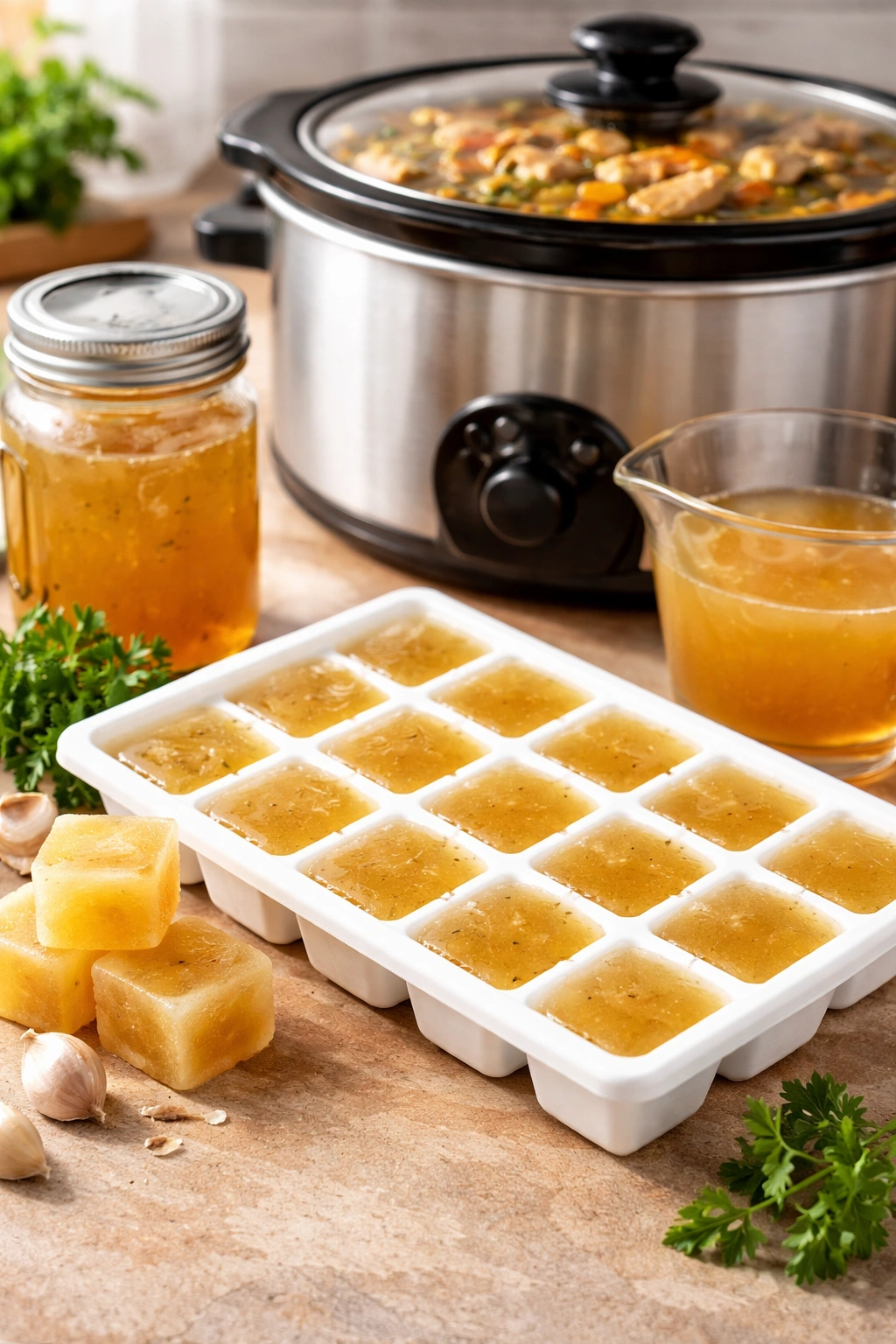
Wasting the cooking liquid is the biggest mistake. The liquid that remains after slow cooking is liquid gold—it’s broth infused with meat, vegetable, and spice flavors. It should never go down the drain. Freeze it in ice cube trays and then pop the cubes into freezer bags. You now have homemade broth that cost nothing to make and becomes the base for soup, rice, or any future slow-cooker meal. This is how professional cooks use budget creatively.
Buying pre-cut vegetables instead of whole vegetables costs thirty to fifty percent more. It’s convenient, but convenience has a price. Spend the five minutes chopping onions, potatoes, and carrots yourself. This is where significant money is actually saved in budget cooking—not in buying cheaper brands of the same product, but in doing the work yourself instead of paying for convenience.
Letting expensive produce go bad defeats the purpose of buying it. If you buy fresh herbs or vegetables on sale, use them within two to three days or they’ll spoil and become a total loss. Frozen and canned vegetables have longer shelf lives. They’re actually more economical choices for budget cooking if you struggle with produce going bad.
Cooking without planning ahead means you default to expensive convenience solutions. If you don’t plan what you’re cooking in the slow cooker tomorrow, you’ll scramble at dinnertime and spend extra money on something quick. Spend ten minutes each Sunday planning your slow-cooker week. What’s on sale? What proteins do you have? This planning session saves the most money because it prevents impulse expensive purchases.
Ignoring sales and buying at full price defeats the whole budget premise. Commit to checking your store’s sales flyer each week. Track which items are regularly on sale and in what month. Yes, tracking takes time, but it’s how you consistently keep meals under ten dollars. You’re buying strategically based on cycles, not buying whatever you need whenever you need it.
Seasonal Considerations for Year-Round Budget Slow Cooking
Slow-cooker meals are appealing and economical year-round, but the seasons affect which proteins and vegetables are cheapest, which in turn affects what you cook.
During colder months, hearty root vegetables like potatoes, carrots, and turnips are cheapest. Slow-cooker stews featuring these vegetables cost less and feel seasonally appropriate. Beef and pork are often better priced in fall and winter. Chicken prices tend to fluctuate less seasonally but are often cheaper during specific months like September. This is when you build your freezer stash.
In warmer months, lighter meals feel more appealing even though slow cooking seems counterintuitive on hot days. The advantage is that you’re not heating your kitchen with an oven. Chicken becomes cheaper in summer. Use your slow cooker for pulled chicken, chicken tacos, and shredded chicken meals. These are lighter than beef stews but built on the same budget principles. Frozen vegetables become more economical as fresh produce is abundant and cheap; frozen vegetables are discounted to clear inventory space.
Leg of lamb, ham, and other specialty proteins sometimes go on sale around holidays. If you see ham at fifty percent off after a holiday, buy it for slow-cooker meals. A ham shank becomes split pea soup that feeds six. Leg of lamb becomes pulled lamb tacos. These aren’t everyday budget proteins, but when they’re marked down, they’re worth considering.
Meal Planning Strategy for Consistent Under-Ten-Dollar Dinners
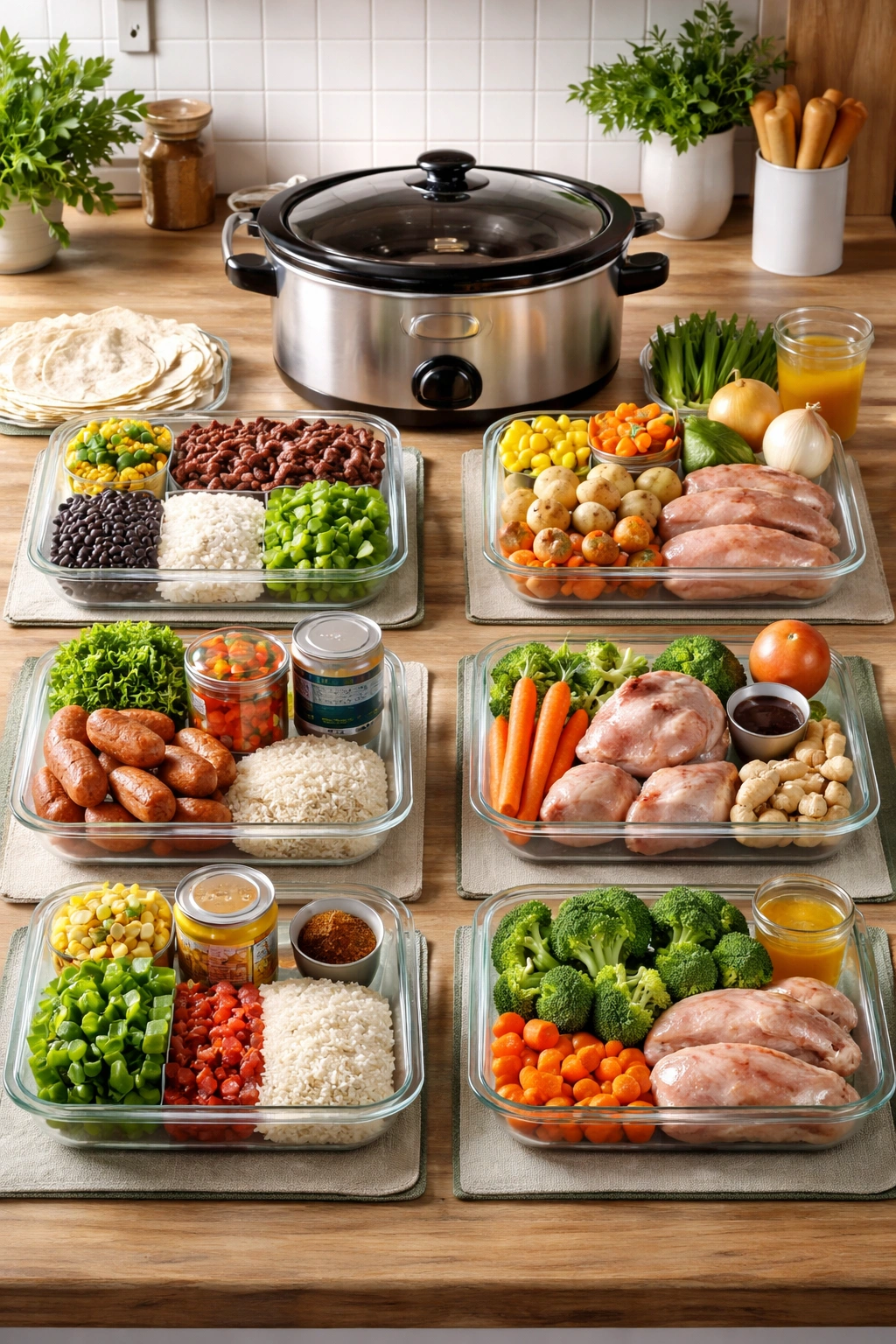
The difference between people who consistently cook slow-cooker dinners under ten dollars and those who struggle is planning. It’s not complicated planning, just intentional planning.
Start by checking what’s on sale that week. What proteins are discounted? Work backward from there. If chicken is on sale, plan chicken meals. If chuck roast is on sale, plan beef meals. You’re not forcing meals from a set list; you’re adapting to what’s available.
Choose three to four slow-cooker dinners for the week. That’s realistic without feeling overwhelming. Mix the proteins—don’t plan all chicken or all beef. Mix the flavor profiles—don’t plan three chili variations. One beef meal, one chicken meal, one vegetarian or ham meal, one pork meal, for example.
For each meal, list every ingredient and approximate cost. Use your store’s online price checker if available. Total the costs. If you’re creeping over ten dollars, adjust: choose a cheaper protein, reduce the portion size, or plan a different meal. The point isn’t hitting exactly ten dollars; it’s staying under it and being intentional about where money goes.
Build one meal that can be stretched into two dinners. Pulled pork becomes sandwiches one night and pork tacos the next night. Chili becomes chili one night and chili over rice as burrito bowls the next night. This effectively doubles your meal count without doubling your budget.
Reheating and Serving Slow-Cooker Meals for Maximum Satisfaction
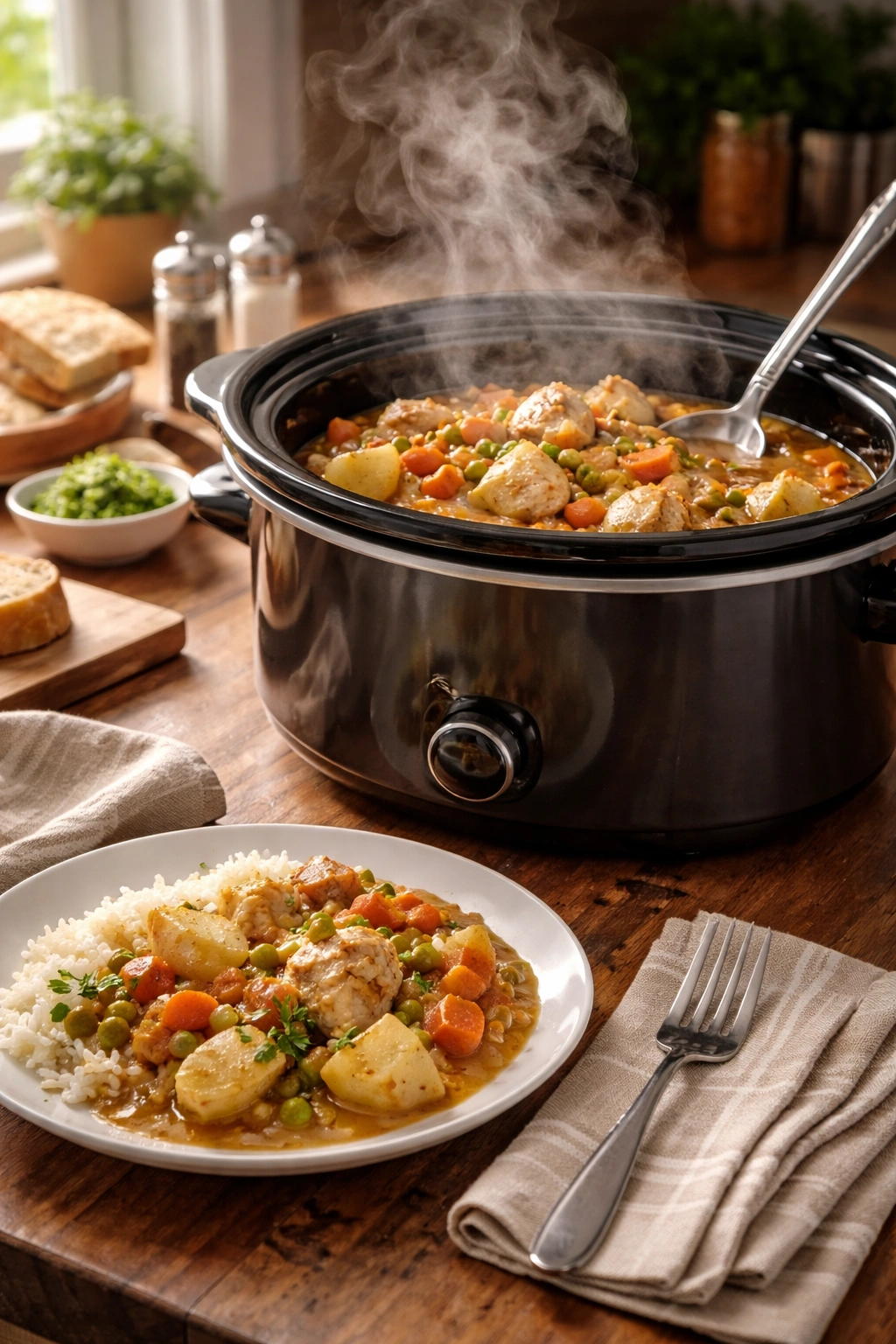
How you reheat and serve slow-cooker meals affects whether they feel like budget meals or genuine food. Presentation matters, even at home.
Refrigerated slow-cooker meals reheat beautifully in the slow cooker itself. Transfer the cold meal to the slow cooker and cook on low for two to three hours, or on high for one to two hours, until heated through. The slow, gentle reheating prevents drying out. The meal tastes as good as the first day.
Frozen slow-cooker meals should thaw overnight in the refrigerator before reheating. Yes, this requires planning, but the reheating is gentler and more even. If you’re in a hurry, you can reheat from frozen in the slow cooker, but it takes longer and the texture may be slightly less ideal.
Serving slow-cooker meals with something fresh or textural changes how the meal feels. Pulled pork over rice feels different from pulled pork alone. Chili topped with shredded cheese and a dollop of sour cream feels special. Slow-cooker chicken over pasta with fresh basil feels elevated. These additions cost very little but make the presentation matter.
Using proper bowls and plates instead of eating from containers changes perception. Food served on real plates with real utensils feels like a real meal, not a budget meal. This is psychology, but psychology affects satisfaction and, ultimately, whether you stick to your budget or abandon it for takeout.
Final Thoughts
Slow cookers have made budget-friendly cooking accessible to anyone willing to buy the right cuts of meat, stock the right pantry items, and commit to planning. You’re not making sacrifices when you cook slow-cooker dinners under ten dollars; you’re making smart choices. You’re buying meat that’s cheaper but becomes more delicious through slow cooking. You’re extending ingredients with beans and vegetables that add nutrition and satisfaction. You’re investing time in planning, not time in daily cooking.
The meals in this guide aren’t theoretical or aspirational. They’ve been tested by families in different regions with different cost-of-living situations. They work because the principles—cheap cuts, strategic stretching, flavor-building techniques—work regardless of where you shop or what your local prices are. Yes, your actual costs might be different. Yes, you might find even cheaper alternatives in your area. The framework applies universally.
Building a slow-cooker cooking habit saves more money than almost any other single kitchen skill because it compounds. One cheap meal is nice. One week of cheap meals is satisfying. One month of cheap meals is life-changing. One year of slow-cooker dinners under ten dollars means you’ve spent under $120 on dinner instead of $600 or more. That’s money for other priorities, other needs, other parts of your life. That’s the genuine power of committing to this approach.
