



Building a freezer full of casseroles is one of the smartest moves you can make in the kitchen. Whether you’re drowning in life’s obligations, preparing for a busy season ahead, or simply trying to reduce decision fatigue on weeknights, having ready-to-bake casseroles waiting in your freezer is like having a cheat code for family dinners. The beauty of this approach is that you’re not sacrificing quality or taste—you’re actually enjoying some of your best, most comforting home-cooked meals while barely lifting a finger.
The real magic happens when you double or triple a casserole recipe. You’ve already gotten out the ingredients, dirtied the pans, and invested the mental energy into cooking. Making extra casseroles at the same time means you’re working smarter, not harder. One casserole hits your dinner table tonight, and the others slip quietly into your freezer, ready to become a complete meal whenever chaos erupts. Most casseroles hold beautifully in the freezer for two to three months, giving you a substantial window to pull them out when life gets hectic.
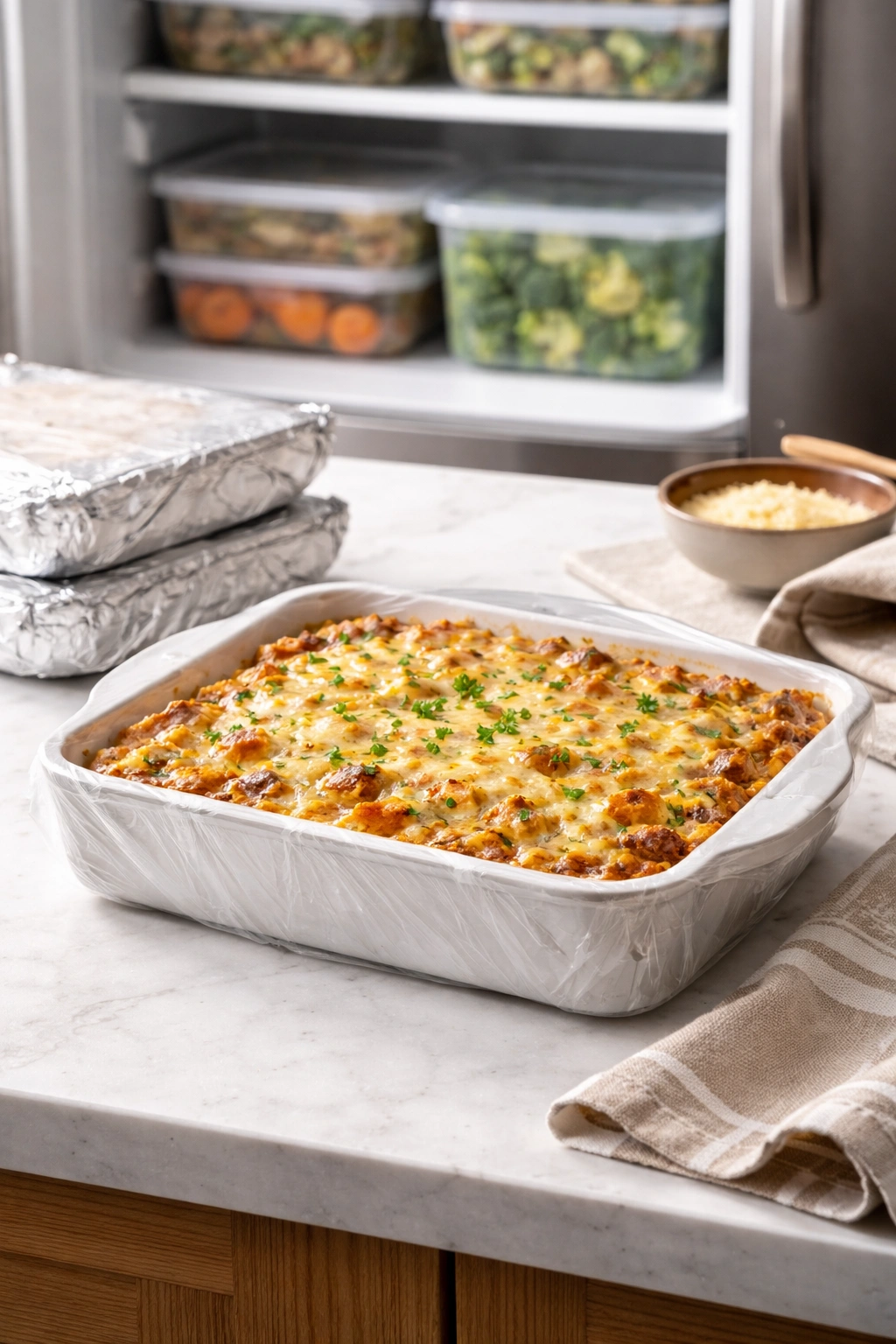
The key to freezer casserole success is understanding how to prepare them properly so they reheat beautifully. You’ll want to slightly undercook pasta-based casseroles so they don’t turn mushy after freezing and reheating. Let casseroles cool completely before wrapping them tightly in foil and plastic wrap to prevent freezer burn. When you’re ready to use them, thaw overnight in the refrigerator and reheat covered with foil at 350°F until warmed through. Some casseroles even reheat beautifully straight from the freezer—just add 15 to 20 extra minutes to your baking time.
1. Classic Chicken and Rice Casserole
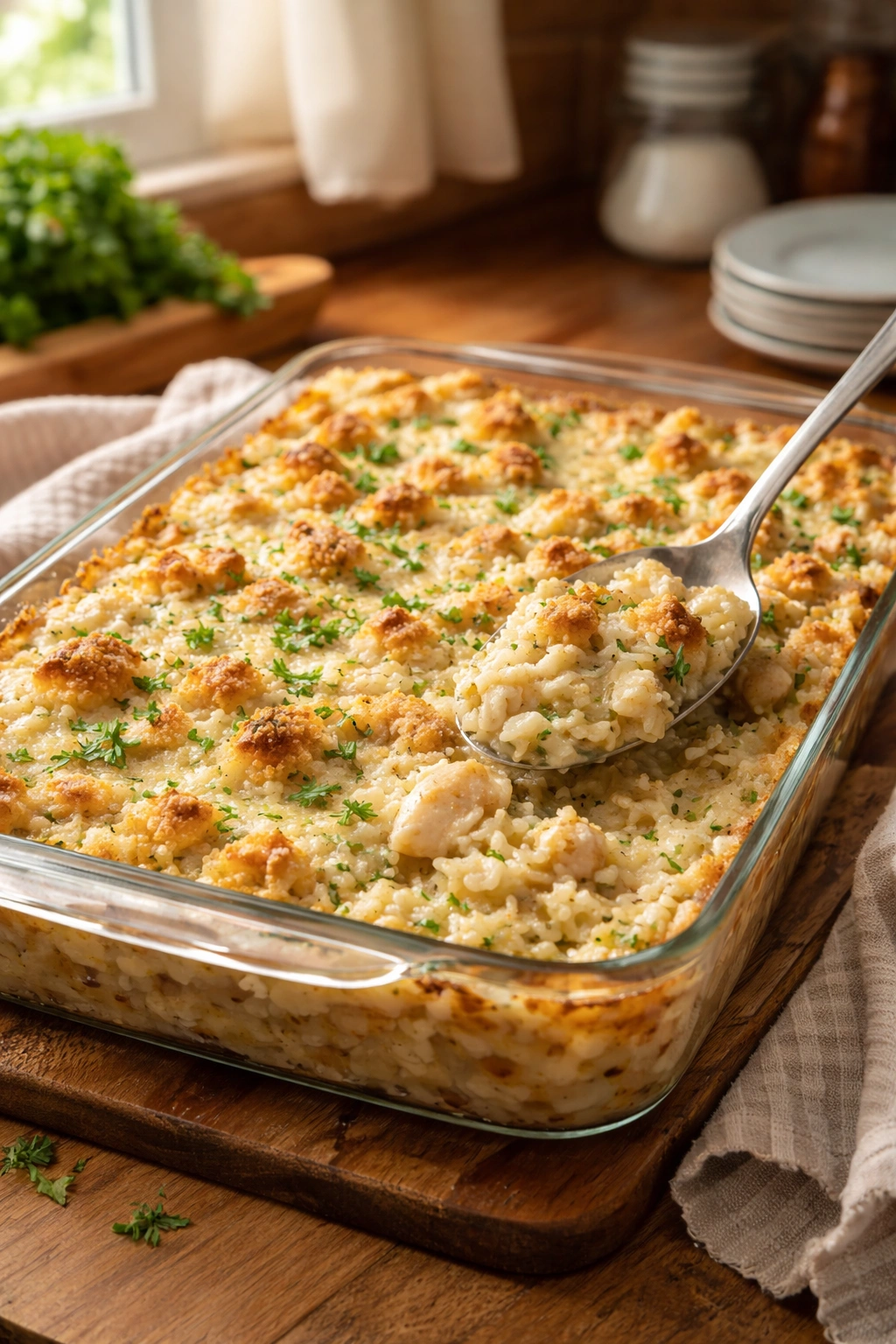
This isn’t your grandmother’s cream-of-soup-from-a-can situation, though there’s nothing wrong with that shortcut. The best chicken and rice casseroles build real depth from scratch with fresh herbs, creamy sauces, and tender chicken that doesn’t come out of a can. The combination of hearty rice, protein-packed chicken, and savory sauce creates a one-dish meal that satisfies everyone at the table—no sides required.
Why It Freezes Beautifully
Chicken and rice casseroles are freeze-friendly champions because the rice absorbs flavors even better after a freeze-thaw cycle. The creamy sauce protects the ingredients and keeps them moist during storage. When you reheat this casserole, every component comes back together with rich, developed flavors that actually taste better than fresh-baked.
What Makes This Casserole Special
- Tender shredded or cubed chicken breast mixed with long-grain white or wild rice
- Creamy sauce built from butter, flour, and chicken stock (not condensed soup, though you can use it)
- Fresh herbs like thyme and rosemary for actual flavor complexity
- Sautéed mushrooms and onions that add umami depth
- A finish of sharp Cheddar or Parmesan cheese that melts into the rice
Pro tip: Cook your chicken until it’s just done—overcooked chicken turns stringy and tough when reheated. Use a thermometer and pull it at 165°F for moist, tender results.
2. Creamy Tuna Pasta Bake
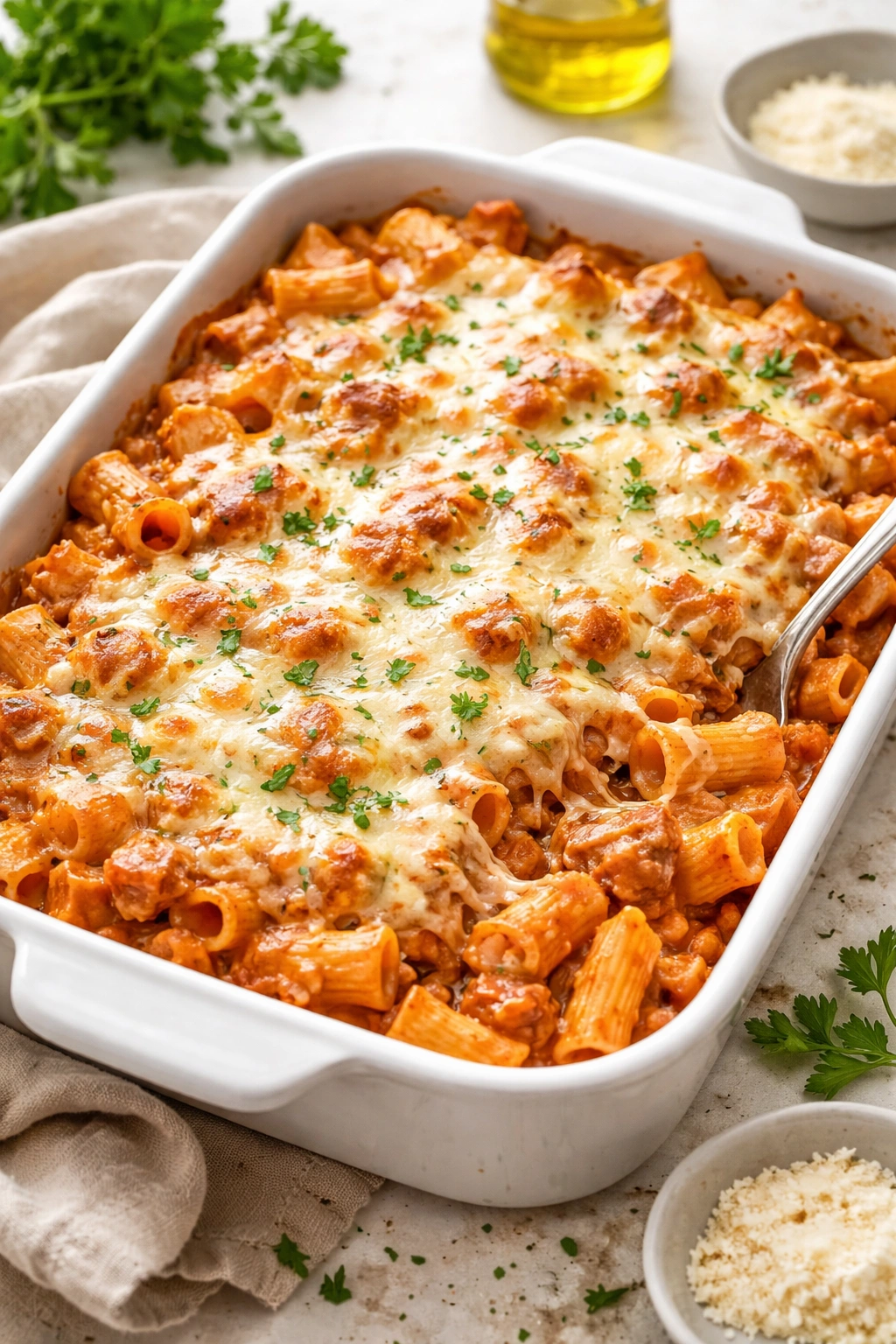
Don’t dismiss this one based on childhood memories of dry, sad tuna casserole. Modern versions skip the canned mushroom soup and build real flavor with homemade tomato sauce, fresh garlic, and quality ingredients. When done right, a tuna pasta bake is comfort food at its absolute finest, and it freezes better than almost any other casserole.
The Secret to Great Tuna Casserole
The difference between memorable and forgettable tuna casserole lives entirely in the sauce. A homemade garlic-herb tomato sauce made from canned crushed tomatoes, fresh garlic, and a splash of quality olive oil transforms this dish into something genuinely crave-worthy. The pasta should be cooked just until al dente because it’ll continue cooking when you reheat it.
Flavor Additions That Elevate This Dish
- Canned or fresh tuna packed in water (drain thoroughly to avoid watery casserole)
- A garlicky tomato sauce with fresh basil, oregano, or Italian seasoning
- Mix-ins like capers, black olives, or sun-dried tomatoes for briny pops of flavor
- Mozzarella cheese layered throughout and on top
- Panko breadcrumbs mixed with melted butter and Parmesan for a crispy finish
Worth knowing: Fresh tuna will work, but canned tuna actually freezes better because it’s already cooked. If you use fresh, slightly undercook it so the reheating process brings it to perfect doneness without drying it out.
3. Enchilada Casserole with Green Chiles
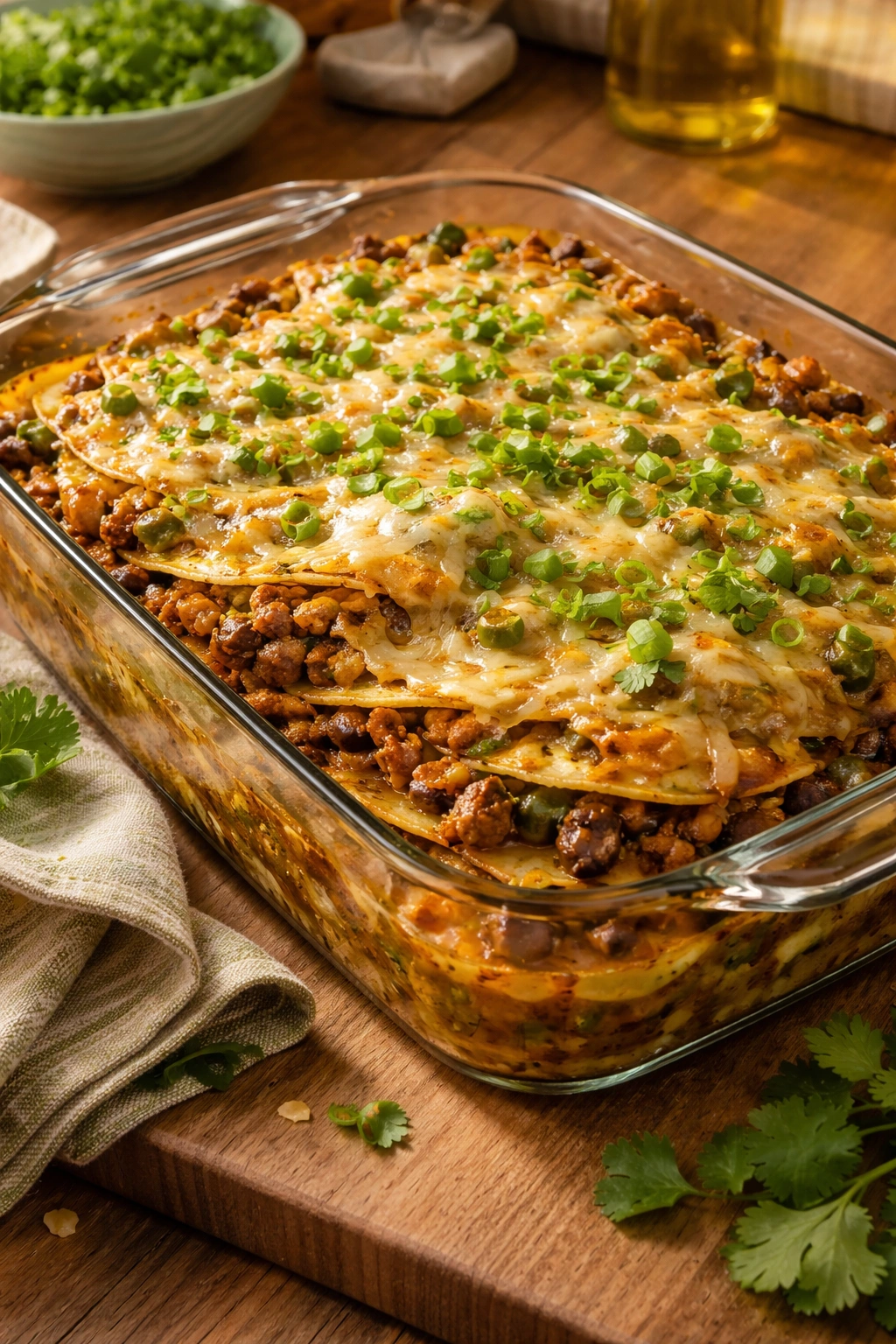
Mexican-inspired enchilada casseroles are arguably the easiest casseroles to assemble because everything goes into layers—tortillas, spiced meat, beans, cheese, and sauce. The result is a vibrant, satisfying meal that tastes like you spent hours building complexity when you actually just layered things strategically. These freeze phenomenally well because the flavors meld beautifully during storage.
Why This Casserole Works So Well Frozen
Enchilada casseroles thrive in the freezer because the sauce keeps everything moist while the spices have time to marry. The cheese doesn’t separate or get grainy, and the tortillas actually hold together better after freezing. When you reheat, you get that perfect bubbling cheese and tender, flavorful filling that tastes even richer than the day you made it.
Building Your Perfect Enchilada Casserole
- Ground beef or shredded chicken browned with onions and taco seasoning
- Black beans or pinto beans (rinsed to reduce sodium and gas-inducing compounds)
- Corn, sautéed peppers, or other vegetables mixed into the filling
- Flour or corn tortillas layered strategically
- Canned green chiles for authentic flavor and mild heat
- Enchilada sauce (red or green) generously applied between layers
- Shredded cheese—Monterey Jack, fiesta blend, or sharp Cheddar all work beautifully
Pro tip: Don’t skimp on the sauce when freezing. You want enough liquid to keep the filling moist through the freeze-thaw-reheat cycle. Add an extra splash of enchilada sauce on top before freezing.
4. Baked Mac and Cheese
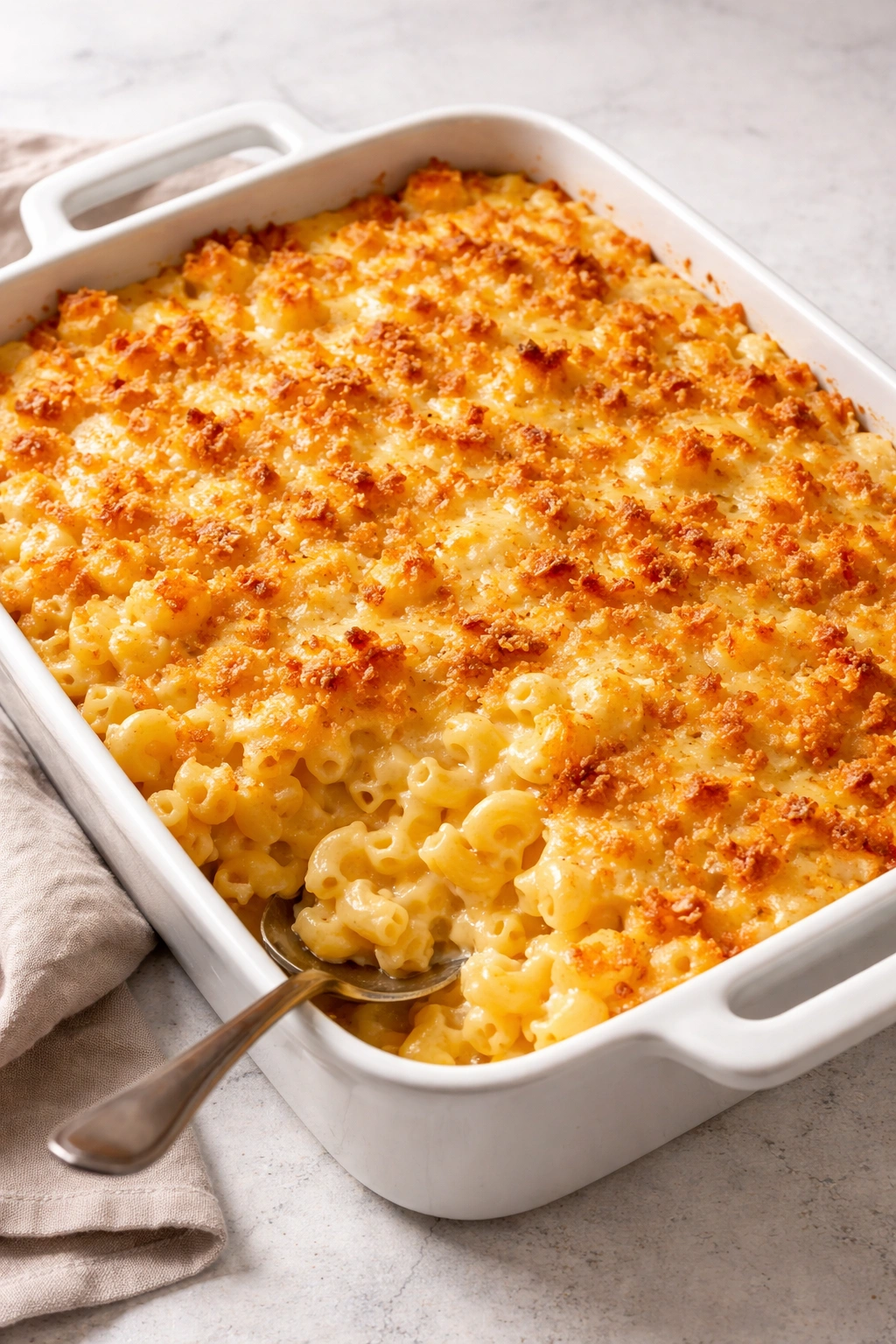
The creamy, comforting appeal of baked mac and cheese needs no explanation, but what might surprise you is how beautifully it freezes. A proper baked version built with a cheese sauce from scratch (not just milk and shredded cheese) maintains its creamy texture through freezing and reheating. The pasta doesn’t turn mushy if you play it right, and the cheese doesn’t separate or become grainy.
The Béchamel Foundation That Makes All the Difference
Real baked mac and cheese starts with a proper béchamel—butter, flour, milk, and seasonings cooked into a silky sauce that coats the pasta perfectly. This classical sauce freezes better than anything made by just stirring cheese directly into milk. The starch in the flour stabilizes the dairy and prevents the gritty texture that sometimes happens when freezing cream-based sauces.
Creating Your Ultimate Mac and Cheese
- Elbow pasta cooked to al dente (slightly undercooked for freezing)
- A roux made from equal parts butter and flour cooked together briefly
- Whole or skim milk (cream makes it richer but works with either)
- Sharp Cheddar or Colby cheese for actual flavor—mild cheese gets lost after freezing
- A pinch of paprika, mustard powder, or nutmeg for subtle flavor complexity
- A buttered breadcrumb topping mixed with Parmesan (freeze separately if you want maximum crunch)
- Optional: truffle oil, smoked paprika, or crispy bacon mixed into the sauce
Insider note: Mozzarella is not your friend here—it gets stringy and weird when frozen. Stick with sharp aged Cheddar, Gruyère, or a sharp Colby blend.
5. Shepherd’s Pie with Mashed Potato Topping
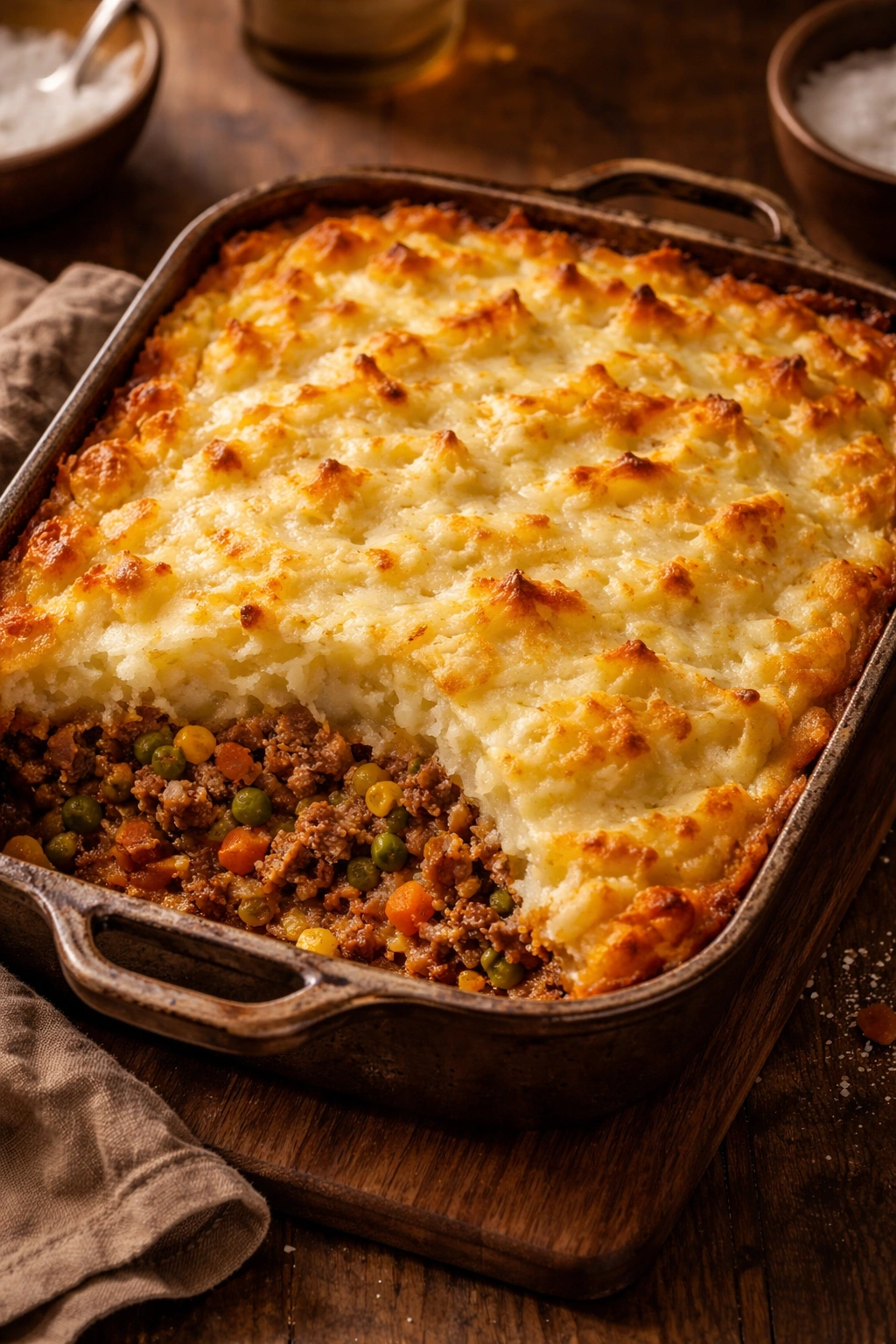
Shepherd’s pie is the ultimate comfort casserole because it delivers meat and potatoes in one convenient pan. The savory ground beef or lamb filling sits under a cloud of creamy mashed potatoes, and somehow this combination freezes beautifully. When reheated, the potato crust crisps up slightly while the meat filling stays tender and rich.
What Makes Shepherd’s Pie Perfect for Freezing
The potato topping actually protects the filling beneath it during freezing, keeping the beef moist and flavorful. The starch in the potatoes doesn’t break down during storage the way you might expect. The whole casserole reheats evenly, with the edges getting slightly crispy while the center stays creamy.
Building Layers of Savory Comfort
- Ground beef or lamb browned with onions, carrots, and celery
- Beef or vegetable stock and tomato paste for rich sauce
- Fresh thyme, rosemary, or Worcestershire sauce for depth
- Topped with creamy mashed potatoes (made with butter, sour cream, or cream cheese for extra richness)
- Optional: a sprinkle of sharp Cheddar or Gruyère under the potatoes
- Fresh parsley or chives stirred into the potato layer if you have them
Worth knowing: The potato topping will separate slightly from the filling when frozen, which is completely normal and actually helps it reheat evenly. It’ll come back together perfectly in the oven.
6. Spinach and Ricotta Lasagna
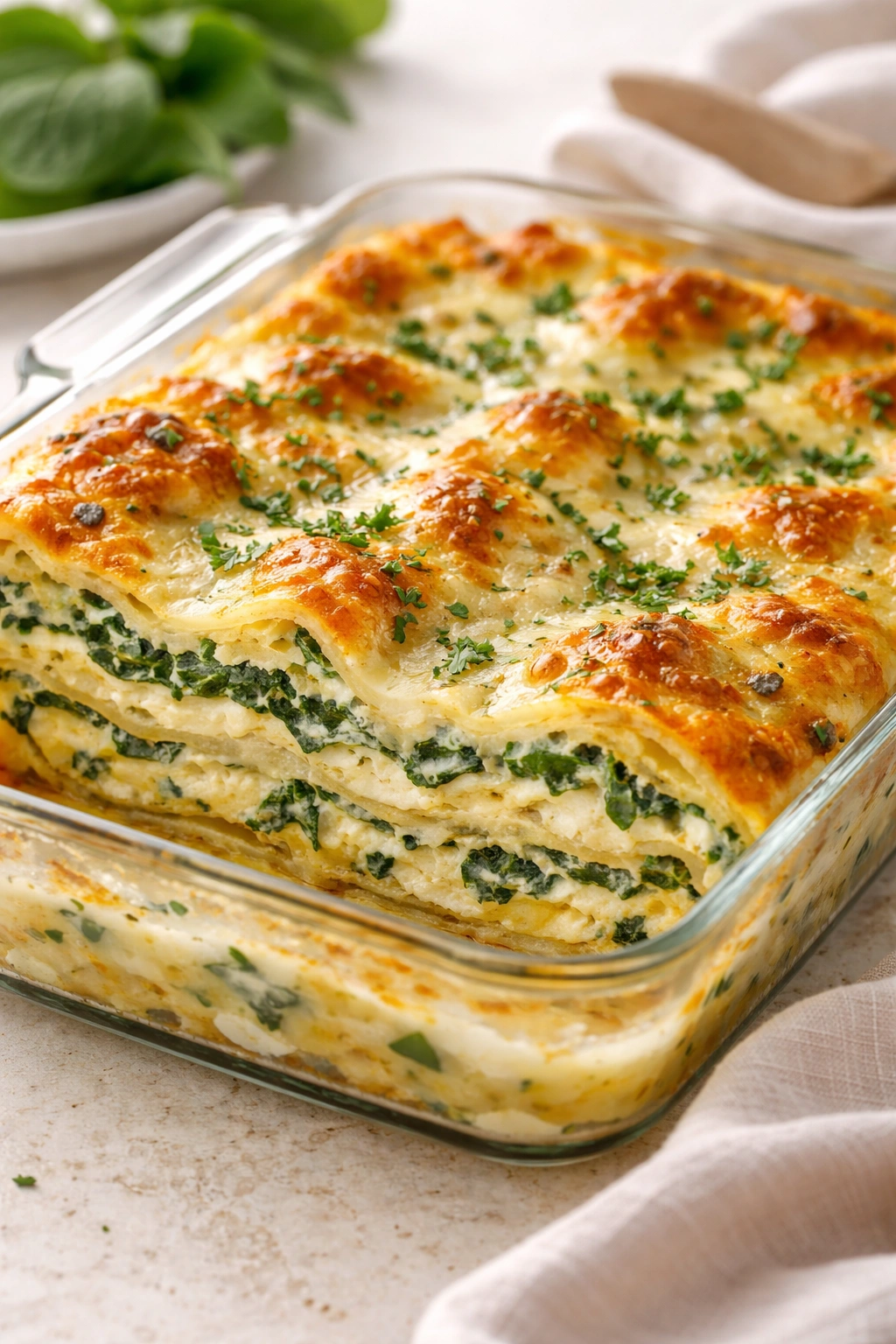
Vegetarian lasagna with spinach and ricotta hits that perfect balance between sophisticated and approachable. Unlike tomato-based lasagnas, cream-based versions with spinach and cheese freeze exceptionally well because the dairy sauce keeps everything moist. The spinach adds nutrition while the ricotta and mozzarella create that indulgent texture you crave.
Why Vegetarian Lasagna Actually Freezes Better Than Meat
Vegetarian lasagna made with a creamy béchamel or ricotta-based filling freezes better than meat lasagna because there’s less liquid separation. The vegetables (especially spinach) release moisture, but the cheese sauce absorbs it beautifully. When reheated, everything comes together perfectly without becoming watery.
Creating Your Spinach Lasagna
- Fresh or frozen spinach (thawed and squeezed dry to remove excess water)
- Ricotta cheese mixed with eggs, Parmesan, and fresh basil or Italian seasoning
- Mozzarella cheese layered between noodles
- White sauce (béchamel) instead of red sauce, or a combination of both
- Fresh garlic sautéed with the spinach for aromatic depth
- Nutmeg—just a whisper—brings out the spinach’s natural sweetness
Pro tip: Undercook your pasta sheets slightly before assembling because they’ll continue softening during freezing and reheating. Al dente pasta in the freezer becomes perfectly tender when thawed and baked.
7. Chicken Enchilada Casserole
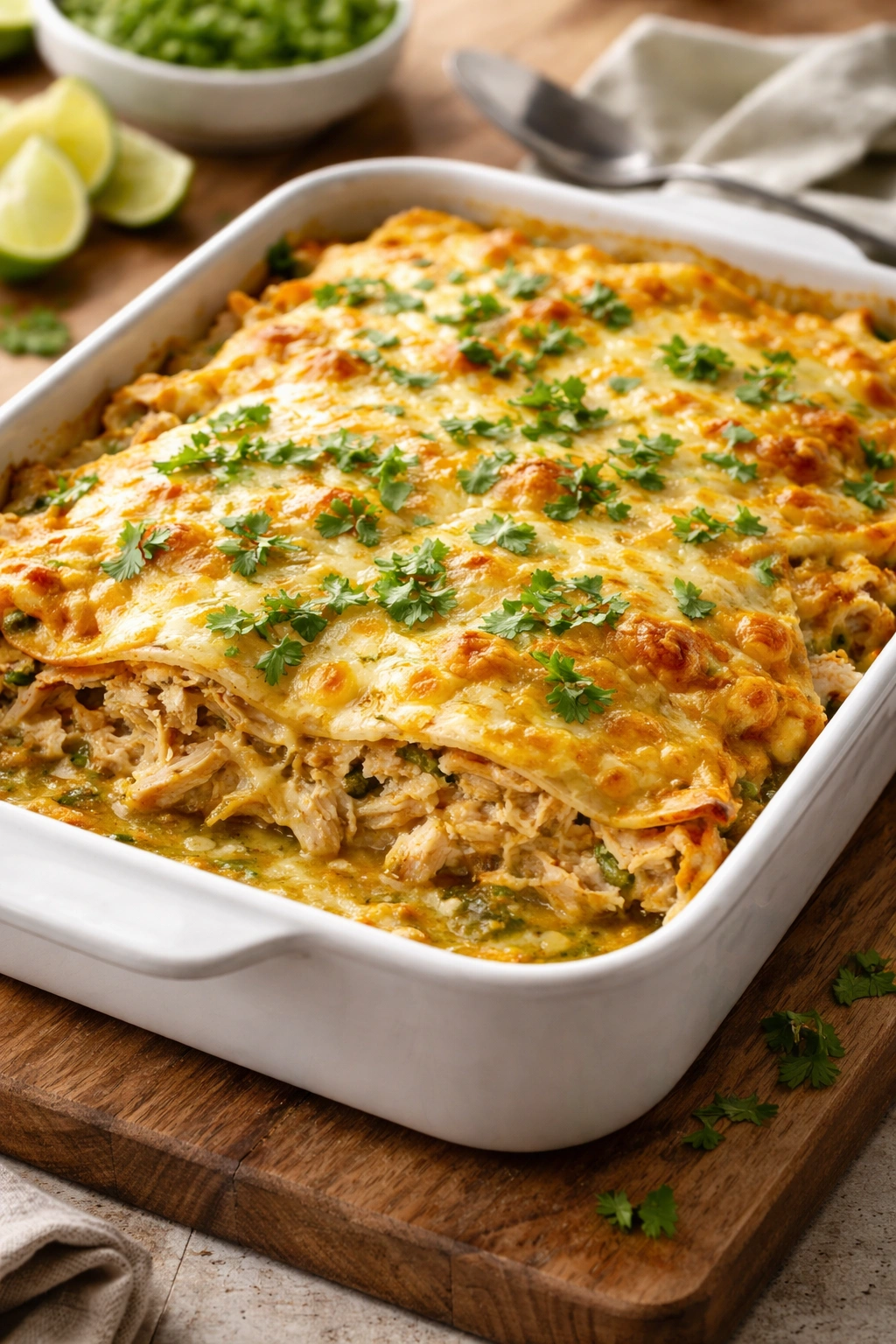
Chicken enchilada casserole is slightly lighter than ground beef versions while still delivering massive flavor. The shredded chicken absorbs sauce beautifully, and when layered with tortillas and cheese, it becomes a satisfying one-pan meal that feeds a crowd. This casserole reheats gorgeously because the sauce keeps everything moist while the cheese melts evenly.
What Makes Chicken Enchiladas Different From Beef
Chicken is more delicate than ground beef, so it benefits from extra sauce and careful layering. The milder flavor of chicken actually allows spices and chiles to shine more brightly. Green chile sauce feels lighter than red, and the combination of chicken plus green chiles is a flavor match made in heaven.
Assembly for Maximum Flavor
- Shredded rotisserie chicken or poached chicken breast (saves time and adds flavor)
- Green chile sauce or red enchilada sauce generously applied between layers
- Black beans or pinto beans mixed into the filling layers
- Corn kernels for sweetness and texture contrast
- Jack cheese or a fiesta blend that melts smoothly
- Sour cream stirred into the sauce for added richness
- Fresh cilantro stirred into one layer if you have it
Insider note: Rotisserie chicken from the grocery store works beautifully here and saves you cooking time. The seasoning on store-bought chicken adds an extra flavor dimension you won’t get from plain poached chicken.
8. Tater Tot Hot Dish
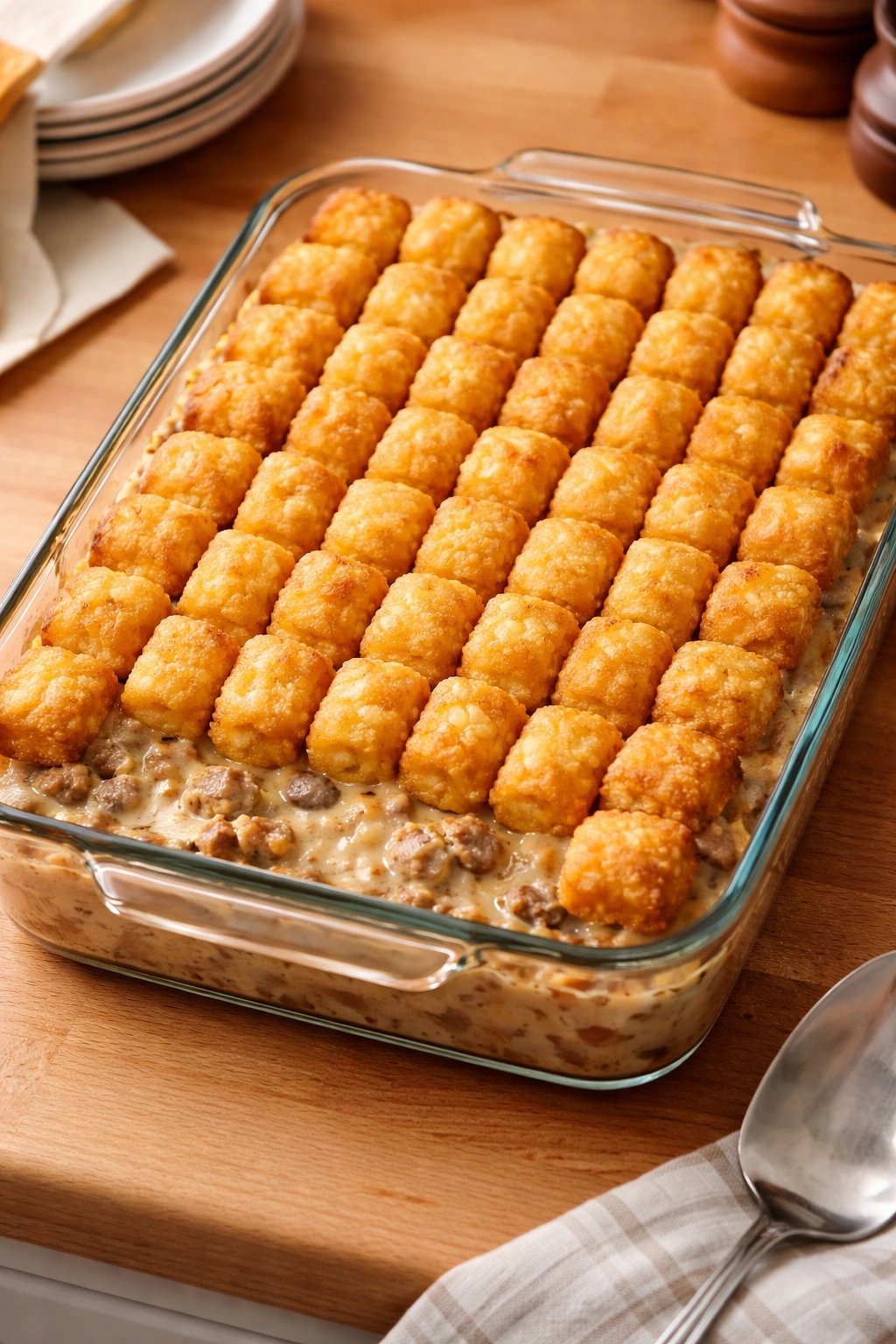
This Midwestern classic layers savory ground beef with creamy sauce and tops it all with crispy tater tots. The magic is that tater tots stay remarkably crispy during freezing—they don’t get soggy the way you might worry. The casserole underneath stays creamy and rich, and the contrast between soft filling and crispy topping is exactly what makes this so addictive.
Why Tater Tots Actually Work Beautifully in the Freezer
Tater tots are designed to be frozen and heated, so they’re naturally freezer-friendly. When you freeze the entire casserole and then reheat it, the tater tots crisp right back up as if they were freshly fried. The frozen state actually helps them maintain their structure better than if the dish were assembled fresh.
Building Your Tater Tot Masterpiece
- Ground beef browned with onions and basic seasoning
- Cream of mushroom or cream of chicken soup mixed with beef broth
- Frozen peas or mixed vegetables stirred in
- Sharp Cheddar cheese for melty richness
- Tater tots arranged on top (don’t push them down into the sauce)
- Optional: crispy bacon crumbled over the top, or a sprinkle of paprika
Worth knowing: If you want maximum crunch, you can freeze the casserole without tater tots, add them directly from the freezer when ready to bake, and they’ll crisp up beautifully. But layering them on top before freezing also works perfectly fine.
9. Baked Ziti with Ground Sausage
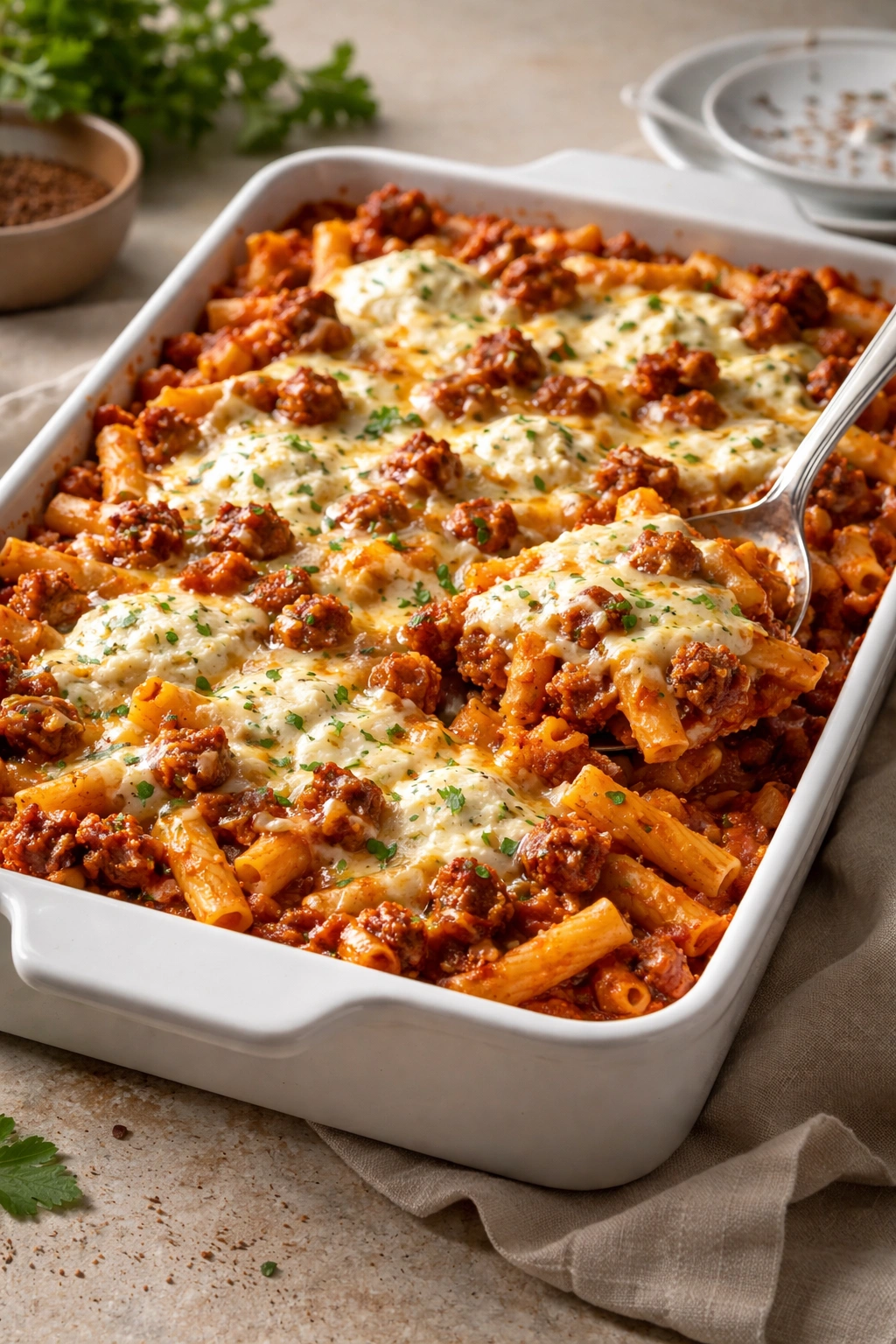
Baked ziti sits somewhere between lasagna and simple pasta—all the comfort, half the assembly time. Italian sausage (whether spicy or mild, depending on your preference) adds flavor that permeates the whole casserole. The pasta is mixed right into the sauce rather than layered, which actually makes it freeze more evenly because there’s less risk of dry spots.
Why Mixed Pasta Casseroles Freeze Better Than Layered Ones
When pasta is tossed directly into the sauce rather than layered, every piece gets coated with sauce. This means no dry corners and no undercooked noodles when you reheat. The whole casserole freezes as one cohesive unit, and it reheats evenly without hot and cold spots.
Creating Your Ziti Masterpiece
- Ziti pasta cooked to just-barely-al dente (it’ll soften further when reheated)
- Italian sausage (spicy for actual flavor, not mild) browned and broken into small pieces
- Marinara sauce or a simple tomato sauce made from crushed tomatoes
- Ricotta cheese stirred in to add creaminess
- Mozzarella cheese mixed throughout and on top
- Fresh basil, oregano, or Italian seasoning for aromatic depth
- A sprinkle of Parmesan on the very top for a crispy finish
Pro tip: Brown your sausage thoroughly and drain the fat before adding sauce. Excess grease will separate during freezing and make the casserole greasy when reheated.
10. Breakfast Casserole with Eggs and Sausage
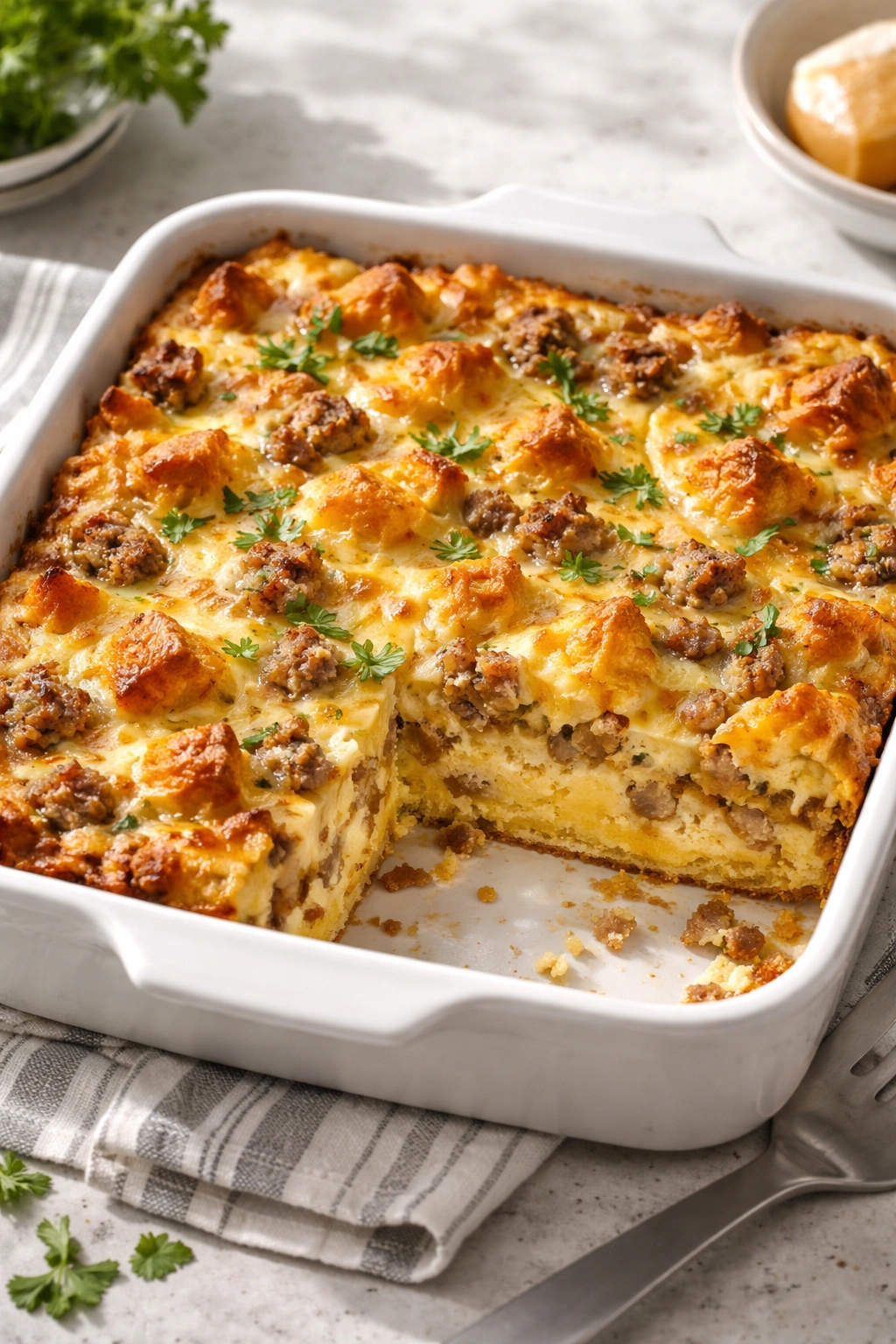
Breakfast casseroles are genius for meal prep because they work any time of day. Eggs, sausage, bread, and cheese come together in a savory custard that’s both filling and flexible. These freeze beautifully because the eggs set firmly, and the dairy in the custard doesn’t break down during storage. Morning rush or midnight hunger—this works equally well.
Why Breakfast Casseroles Freeze So Successfully
The egg custard in breakfast casseroles creates a stable matrix that doesn’t separate or weep liquid when frozen. The bread cubes absorb the custard evenly, so every bite has the right ratio of bread to creamy filling. These casseroles actually taste fresher and more cohesive after freezing because flavors have time to meld.
Building Your Perfect Breakfast Casserole
- Cubed bread (slightly stale bread works better than fresh, which gets too mushy)
- Browned sausage or bacon pieces scattered throughout
- Shredded sharp Cheddar or Gruyère cheese
- Diced bell peppers, onions, or fresh herbs mixed in
- A custard made from eggs, milk, and seasoning poured over everything
- Optional: a buttered breadcrumb topping sprinkled on before baking
- Fresh chives or parsley stirred in for brightness
Insider note: Make this the night before you want to bake it—you can assemble it, cover it, and refrigerate overnight. This actually helps flavors develop even more. You can then freeze it after the overnight rest, or bake it fresh the next morning.
Final Thoughts
The true power of freezer casseroles lies in shifting cooking from the moment you’re stressed and busy to a calm afternoon when you have time and energy. Instead of scrambling on a hectic Wednesday night, you’re simply reheating food you made intentionally when your schedule allowed. This is the real meal prep advantage—it’s not about eating the same thing five times in a row; it’s about making complete, satisfying home-cooked meals appear effortlessly on your table.
Start with one or two casseroles that appeal to your family’s tastes. Double the recipe, bake both, and freeze one. You’ll quickly discover which casseroles your family gravitates toward and which ones earn repeat rotation. Over time, you’ll build a freezer strategy that feels less like meal prep and more like having your own personal meal delivery service waiting in your freezer.
The logistics are straightforward: assemble, bake, cool completely, wrap tightly in foil and plastic wrap, label with the name and date, and freeze for two to three months. When hunger strikes, thaw overnight in the refrigerator if you have time, or pop it straight into a preheated 350°F oven (covered with foil to prevent drying). Within an hour, you’ll have a complete family dinner that required zero effort on the day it mattered most. That’s not just convenient—that’s genuinely transformative for how you experience weeknight cooking.
