



Forget everything you’ve heard about eggs being just for breakfast. When you’re staring at an empty pantry on a weeknight and wondering what to feed your family, eggs might be the most underrated dinner hero sitting in your fridge right now. The beauty of eggs lies in their remarkable versatility—they cook in minutes, pack serious protein that keeps everyone satisfied, work beautifully across virtually every cuisine and flavor profile, and cost a fraction of what you’d pay for a restaurant meal. Whether you’re cooking for one, feeding a family on a budget, or simply tired of the same old dinner rotation, egg-based dinners offer endless possibilities beyond a simple scramble or omelet. These aren’t the fancy brunch-crowd recipes requiring hollandaise sauce or special equipment. These are real, satisfying, full-meal dinners that come together quickly on hectic weeknights, taste genuinely delicious, and deliver the kind of comfort food that makes everyone at the table happy. Many of these dishes also scale beautifully—make them for yourself on a Tuesday or expand them into crowd-feeding casseroles for weekend gatherings. The recipes below represent dishes from around the world: Italian pasta carbonara with its silky egg-based sauce, Japanese rice bowls, Spanish omelets, Middle Eastern shakshuka, and Mexican-inspired plates that have absolutely nothing to do with breakfast. Each one is approachable enough for a weeknight, impressive enough for guests, and flexible enough that you can adjust them based on whatever vegetables or proteins you have on hand. Let’s dive into the egg recipes that will transform the way you think about dinner.
1. Shakshuka with White Beans and Feta
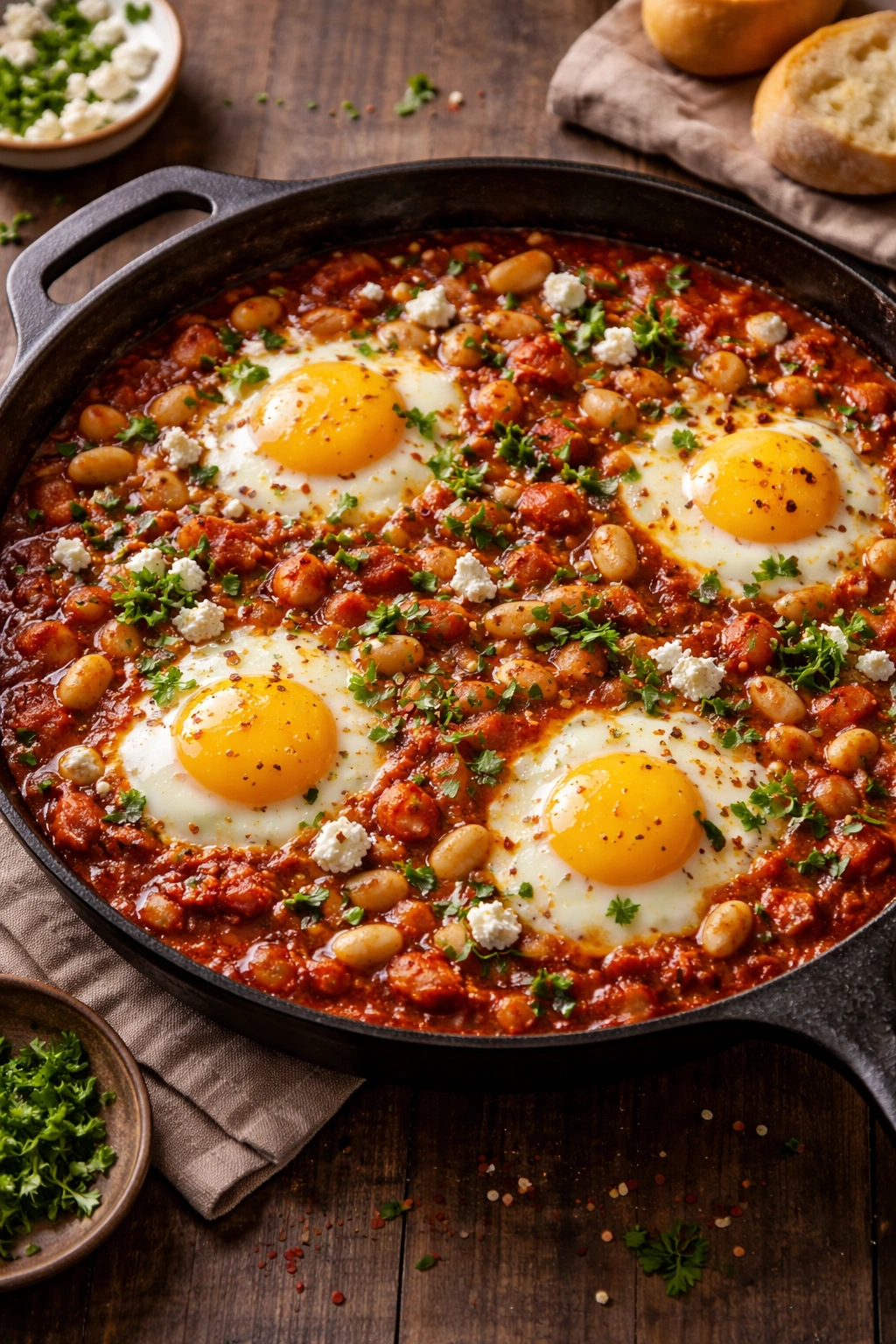
This North African and Middle Eastern classic deserves a permanent spot in your weeknight dinner rotation. Shakshuka consists of eggs gently poached in a deeply flavorful tomato sauce infused with warm spices, onions, and bell peppers—a one-pan wonder that delivers restaurant-quality flavor without the complexity. The magic happens when you crack eggs directly into the simmering sauce and let them cook until the whites are set but the yolks remain gloriously runny, creating their own sauce as they break open. Adding white beans and crumbled feta transforms this from a traditional poached egg dish into a complete, protein-packed meal that feels substantial enough for dinner without being heavy.
Why This Works for Dinner
Shakshuka hits that perfect balance between impressive and easy. While it looks like something you’d pay thirty dollars for at a trendy brunch spot, it actually takes about thirty minutes from start to finish and uses ingredients you likely have in your pantry right now. The warm spices—cumin, paprika, and a hint of cayenne—create depth and complexity that makes this feel special, while the white beans add heartiness and fiber without requiring any advance planning or soaking. The combination of creamy runny yolks, tangy feta, and spiced tomato sauce is genuinely crave-worthy, and leftovers reheat beautifully, making this excellent for meal prep.
How to Build Maximum Flavor
Start by sautéing diced onions and bell peppers in olive oil until they soften and the onions turn translucent at the edges—this foundational layer builds flavor that carries through the entire dish. Add minced garlic and tomato paste, stirring constantly for about a minute to deepen the flavors, then pour in two cans of diced tomatoes with their juice, a can of drained white beans, and spices including cumin, smoked paprika, and a generous pinch of cayenne pepper. Simmer this sauce on medium heat for about ten to fifteen minutes, allowing it to thicken slightly and the flavors to meld together. Taste and adjust seasoning with salt and pepper, then make six shallow wells in the sauce using the back of a spoon. Crack one egg into each well, cover the skillet, and simmer for ten to fifteen minutes until the whites are set but the yolks jiggle slightly when the pan is gently shaken. Finish with crumbled feta cheese, fresh cilantro or parsley, and serve directly from the skillet alongside crusty bread for dipping and mopping up the sauce.
2. Spanish Tortilla with Potatoes and Onions
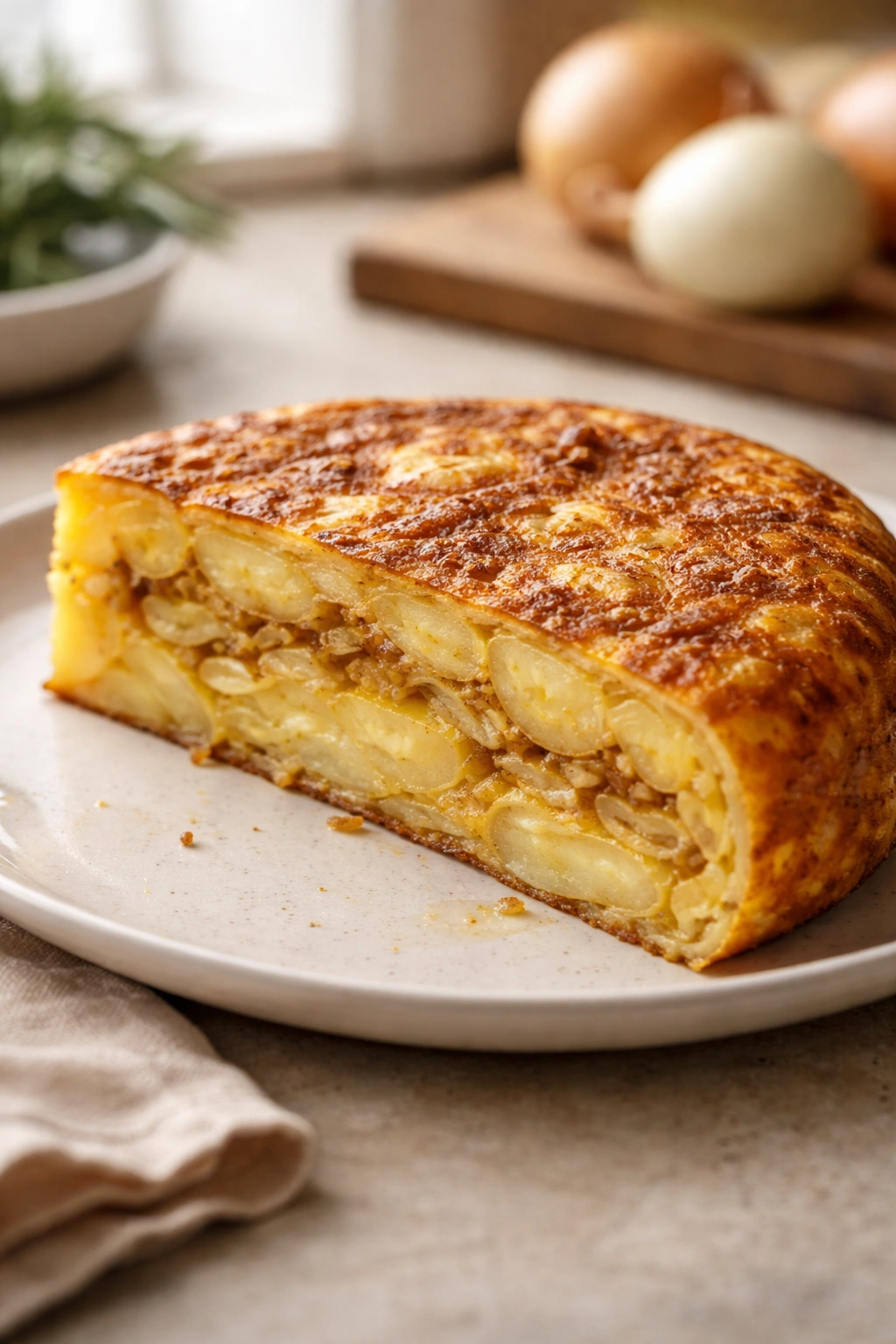
A Spanish tortilla (tortilla de patatas) isn’t a flatbread—it’s a thick, hearty egg cake loaded with thinly sliced potatoes and caramelized onions that serves as a complete meal when sliced into wedges. This is genuine comfort food that works at any temperature, making it perfect for dinner, leftover lunch, or even casual entertaining. The technique involves slowly cooking potatoes and onions in abundant olive oil until they’re completely tender and starting to caramelize, then folding them into beaten eggs and cooking the whole mixture until the bottom is golden and the interior is creamy with a slightly set exterior.
The Secret Ingredient: Technique
The Spanish tortilla’s secret lies in the approach. Instead of trying to cook everything quickly on high heat the way Americans often do with omelets, this method embraces slowness. The potatoes need at least twenty to thirty minutes to cook through completely and develop some color at the edges. Don’t rush this—those golden, caramelized bits contribute incredible flavor. The onions should cook until they’re completely soft, sweet, and lightly golden. This slow cooking transforms what could be bland potatoes into something genuinely delicious. Once the potatoes are tender, drain off most (but not all) of the oil, reserving about three tablespoons, then toss them with the cooked onions and season well with salt and pepper before folding into the eggs.
Making It Your Own
While the classic version uses only potatoes and onions, a Spanish tortilla is remarkably forgiving. Add sautéed bell peppers, diced chorizo, fresh herbs like parsley or chives, or grated cheese folded into the egg mixture. Some versions include roasted red peppers or even diced tomatoes. The foundation stays the same: eggs plus slowly cooked potatoes equals dinner. For a vegetable-forward version, layer in sautéed zucchini, asparagus, or mushrooms. For extra protein, add crispy bacon pieces or chorizo. Serve it warm, at room temperature, or even slightly chilled, with a simple green salad alongside.
3. Spaghetti alla Carbonara with Fresh Herbs
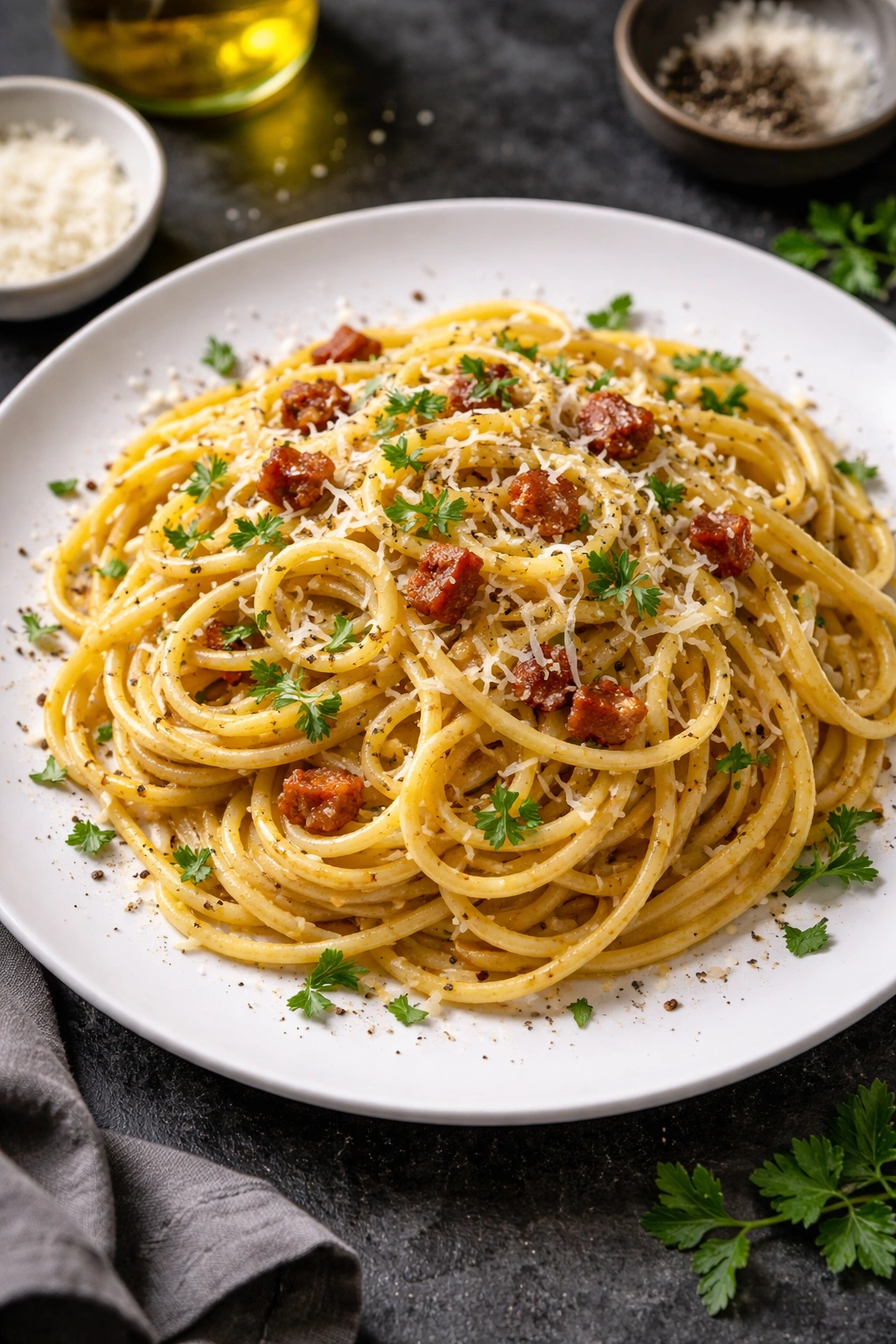
Authentic carbonara represents everything beautiful about Italian cooking: a handful of quality ingredients transformed through technique into something that tastes far more complex than its simplicity suggests. This isn’t the cream-laden, heavy version many restaurants serve—genuine carbonara relies on the emulsion created when the starchy pasta water combines with egg yolks and cheese, creating a silky, luxurious sauce without any cream whatsoever. The result is light, elegant, and so satisfying that it feels indulgent while being remarkably wholesome.
Understanding the Carbonara Method
Carbonara works through the principle of tempering egg yolks, a technique where the heat of hot pasta gently cooks the raw eggs into a creamy sauce rather than scrambling them into bits. Here’s how: while the pasta cooks, whisk together room-temperature egg yolks (traditionally just yolks, though some modern versions use whole eggs) with freshly grated Pecorino Romano cheese and black pepper—the pepper is essential and should be generous. When the pasta reaches al dente, drain it, reserving one full cup of starchy cooking water. Immediately add the hot pasta to the egg mixture while stirring constantly and adding pasta water gradually, about a quarter cup at a time, until a creamy, pourable sauce forms. The residual heat cooks the eggs while the starch from the pasta water helps create emulsification, resulting in a sauce that clings to every strand of pasta.
Building Authentic Flavor
The traditional carbonara uses guanciale, a cured pork jowl with an incredibly rich, porky flavor that goes far beyond regular bacon. While guanciale is increasingly available at specialty grocers and online, it’s worth seeking out because the difference is remarkable—this ingredient single-handedly elevates the entire dish. Cook diced guanciale in a large skillet over medium heat until the fat renders and the meat becomes crispy and golden, about five to seven minutes. Set the meat aside but leave all the rendered fat in the pan. The fat will flavor the entire dish. If guanciale absolutely isn’t available, pancetta offers a reasonable substitute—avoid regular bacon, which is smoked and will throw off the delicate balance of flavors. Toss the crispy guanciale back into the pasta with the sauce.
Why This Isn’t “Creamy” but Tastes That Way
Many people assume carbonara must be unhealthy or rich because it’s so silky and luxurious, but it contains no cream, butter, or oil beyond the guanciale fat. The creaminess comes entirely from the emulsified egg and pasta starch, which is actually less heavy than cream-based sauces. Each strand of pasta gets completely coated in the silky sauce, so you need less overall sauce than you might expect. A serving of carbonara is deeply satisfying without being heavy, and it finishes cooking in the time it takes to boil water and cook pasta—usually less than twenty minutes from start to eating.
4. Shakshuka-Inspired Skillet Baked Eggs with Chorizo
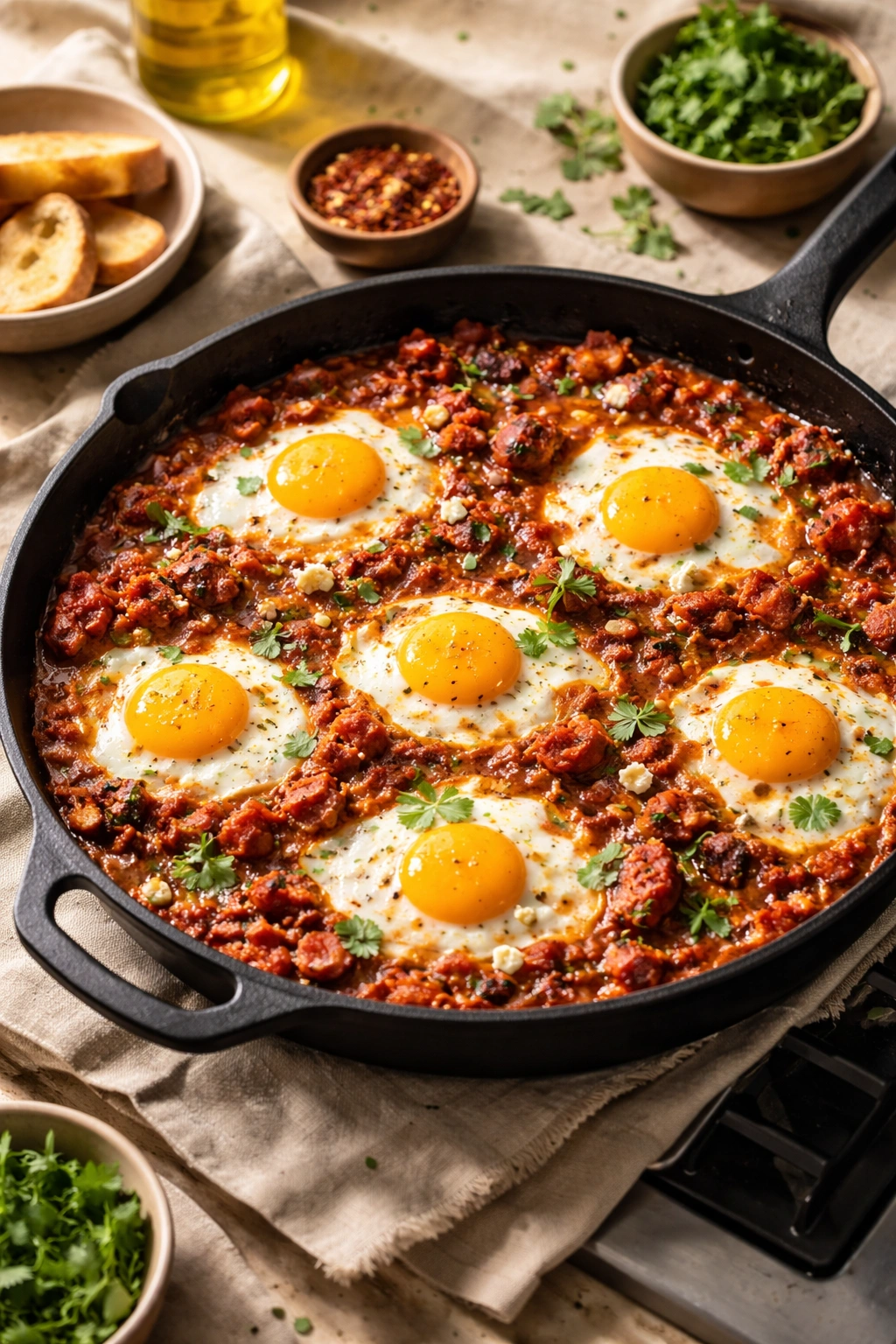
If shakshuka feels intimidating, this chorizo-spiked version offers a more forgiving introduction to the concept of baked eggs in tomato sauce. The Spanish chorizo (sliced into coins and sautéed until the edges crisp and the fat renders) adds incredible flavor and smokiness that carries through the entire dish. The tomato sauce is simpler than traditional shakshuka, but still deeply flavorful, built from diced tomatoes, garlic, onions, paprika, and cumin with a hint of red pepper flakes for gentle heat.
Building the Foundation
Heat olive oil in a large skillet, then add diced onions and cook until softened and just beginning to caramelize at the edges, about five minutes. Add minced garlic and sliced chorizo, stirring for a minute or two until the garlic becomes fragrant and the chorizo releases its oils and begins to crisp. Pour in two cans of diced tomatoes with their juice, then season with smoked paprika, ground cumin, salt, pepper, and a small pinch of red pepper flakes. Simmer this sauce for about ten minutes to allow the flavors to meld and the sauce to thicken slightly. The sauce should be flavorful and slightly reduced but still loose enough to braise the eggs.
Cooking the Eggs Perfectly
Once the sauce is ready, make four to six indentations across the surface using the back of a spoon, spacing them so each egg has room to cook without crowding. Crack one egg into each indentation, trying to keep the whites together. Cover the skillet with a lid (foil works if you don’t have a lid) and reduce the heat to medium-low. Cook for ten to twelve minutes, checking after eight minutes to see the progress. The whites should be completely set while the yolks remain runny—this is the sweet spot. If you accidentally crack a yolk early, don’t worry; the egg will still cook beautifully, just with less drama when you serve it.
Serving and Flavor Boosters
Transfer the entire skillet to the table or serve directly onto plates, making sure each serving gets one whole egg plus plenty of sauce and chorizo. Top with fresh cilantro, crumbled feta or queso fresco, and a squeeze of fresh lime juice. Serve alongside crusty bread, warm flour tortillas, or over rice to soak up the incredible sauce. Leftover shakshuka reheats beautifully in a low oven or on the stovetop, though the yolks obviously won’t be runny after reheating.
5. Japanese Oyakodon (Chicken and Egg Rice Bowl)
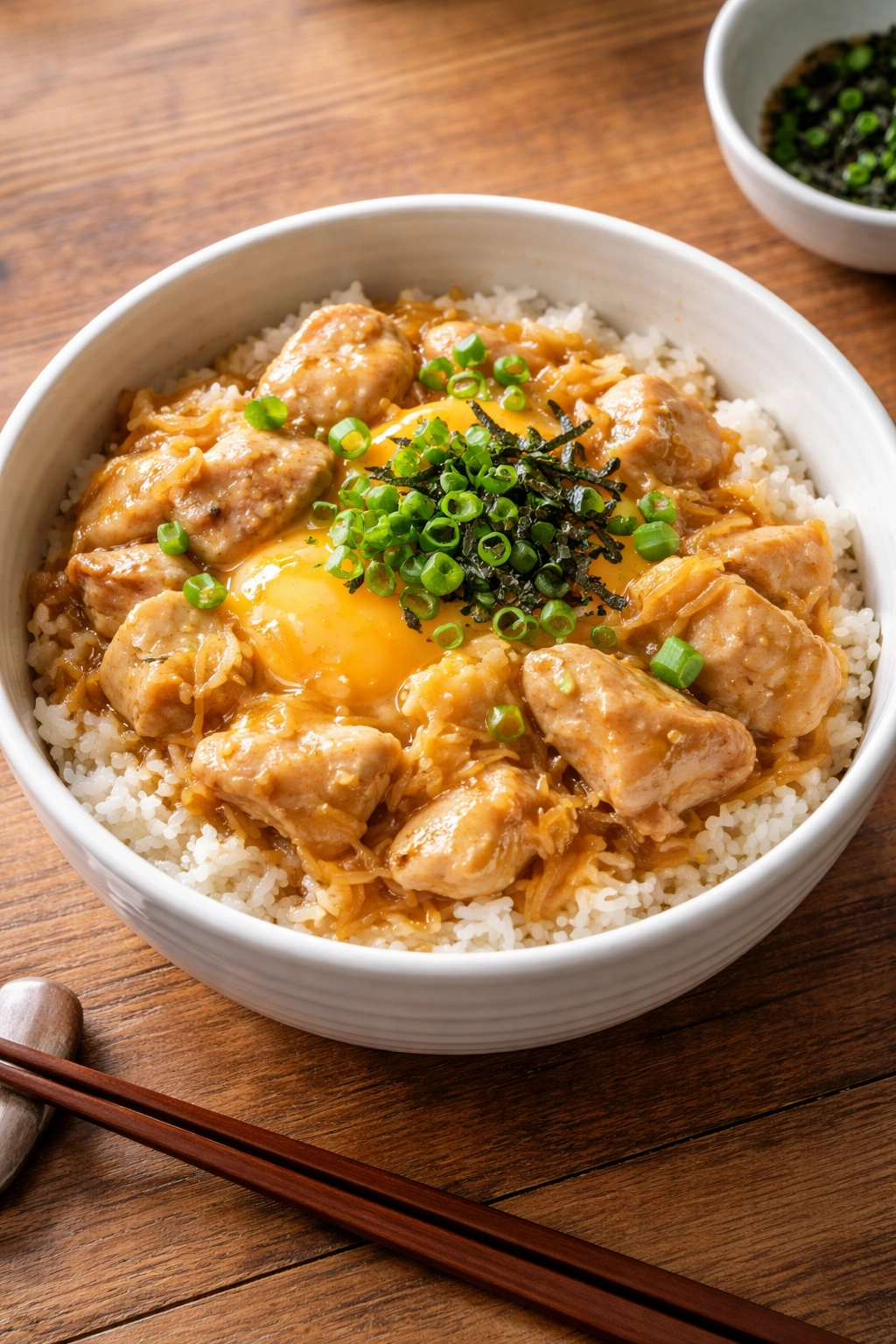
Oyakodon translates to “parent and child rice bowl” because it combines chicken (the parent) and egg (the child) in a silky, savory sauce served over fluffy white rice. This is complete comfort food: a warm bowl of rice topped with tender chicken, a gently cooked egg that’s barely set, and a glossy sauce flavored with dashi, soy sauce, and mirin that brings everything together. It tastes like something you’d order at a restaurant but comes together in barely fifteen minutes at home.
The Umami-Rich Sauce
The sauce is where the magic happens, and it relies on dashi, a simple Japanese broth made from kombu (seaweed) and bonito flakes. If you can’t find instant dashi packets (which honestly are convenient and perfectly fine), you can make a quick version by simmering a small piece of kombu in water, removing it just before it boils, adding bonito flakes, letting them settle, and straining. Or simply substitute chicken broth, though the dish won’t taste quite as authentically Japanese. Combine one cup of dashi with three tablespoons of soy sauce and one tablespoon of mirin (a sweet rice wine), then add one tablespoon of sugar and a pinch of salt. Slice chicken breast or thighs into bite-sized pieces, then simmer them in this sauce for about five minutes until they’re cooked through.
Creating the Silky Egg Topping
Once the chicken is cooked, reduce the heat to low. Whisk two to three eggs together, then slowly pour them over the surface of the simmering sauce, using chopsticks or a fork to gently stir so the egg sets into thin ribbons and soft curds rather than one solid mass. This takes patience—resist the urge to stir aggressively. The eggs should be barely set, still slightly glossy and tender, taking about two to three minutes. The residual heat will continue cooking the eggs even after you remove the pan from heat, so actually undercooking them slightly is the right move.
Assembly and Serving
Spoon fluffy white rice into bowls, then top each bowl with the chicken and egg mixture, making sure to get plenty of sauce. Garnish with sliced green onions, a sprinkle of shichimi togarashi (a seven-spice blend) if you have it, and perhaps a nori (seaweed) sheet torn into pieces. Serve immediately while everything is hot and the egg is still silky. This dish doesn’t keep well as leftovers because the egg continues cooking and loses its delicate texture, so make it fresh each time.
6. Breakfast for Dinner: Steak and Egg Hash
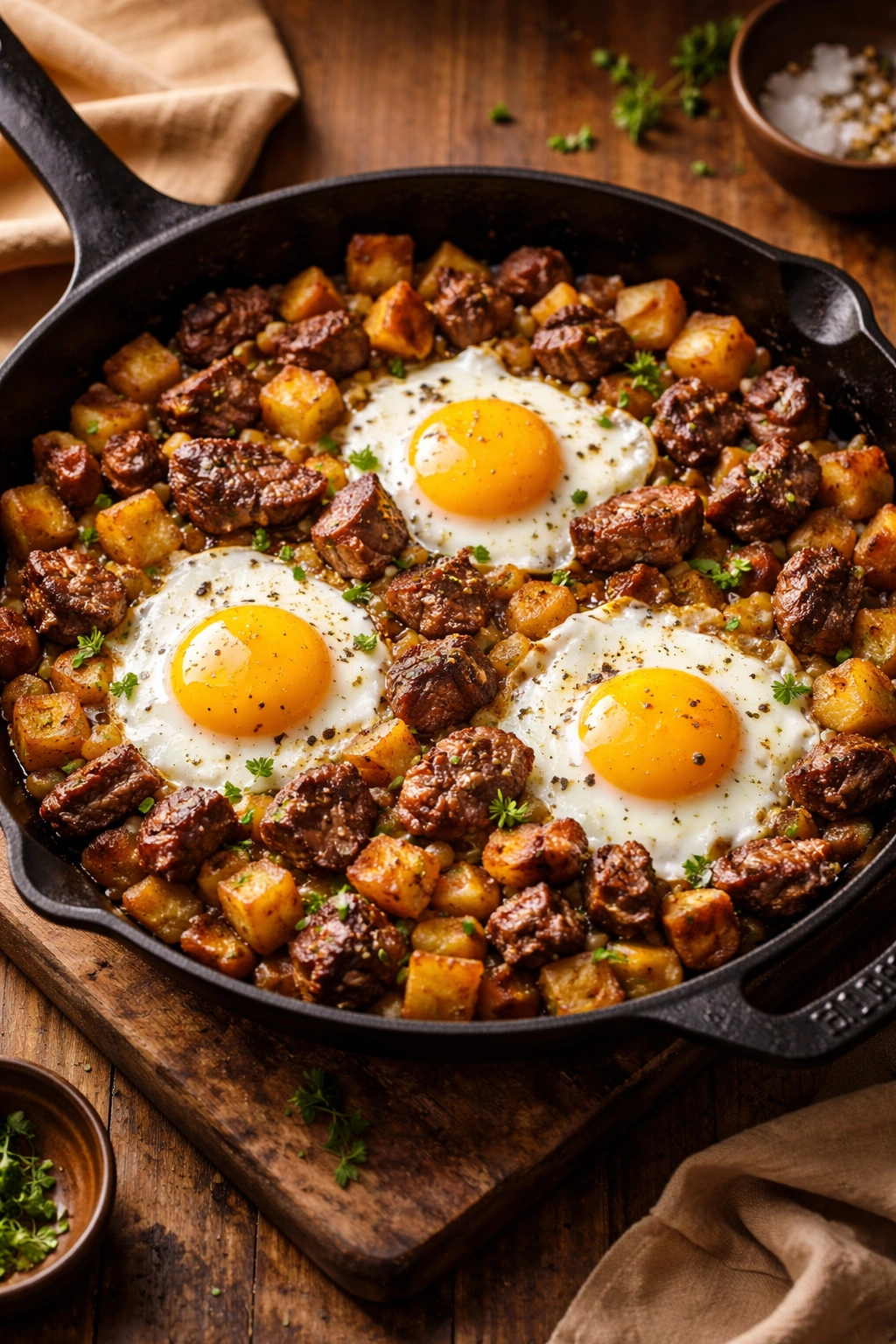
There’s absolutely nothing wrong with eating breakfast food for dinner, especially when that breakfast is a loaded hash piled with crispy potatoes, tender beef, and perfectly cooked eggs. This dish works beautifully with either fresh steak cooked specifically for this purpose or leftover cooked beef, and it comes together surprisingly quickly once the potatoes are on the way. The beauty of hash is its flexibility—use whatever vegetables you have on hand, from bell peppers to zucchini to mushrooms, and adjust the meat based on what’s available.
Building the Hash Foundation
Start by cutting potatoes (Yukon gold or russet work well) into small, roughly half-inch cubes. Heat a cast-iron skillet or large heavy-bottomed pan over medium-high heat with butter and oil, then add the potatoes in a single layer. Don’t stir them constantly—let them sit undisturbed for a few minutes until the bottom edges become golden and crispy, then toss and repeat. This whole process takes about twelve to fifteen minutes and develops incredible flavor through browning. Add diced onions and any other vegetables about halfway through cooking the potatoes, so everything finishes at roughly the same time. Season generously with salt and pepper.
Adding Protein and Heat
Once the potatoes are mostly tender with crispy golden edges, push everything to the sides of the pan, creating a well in the center. Add diced cooked steak (or cook fresh steak in the pan, then dice it), stirring to combine with the potatoes and vegetables. Cook everything together for a minute or two so the steak heats through and picks up some of the crusty brown bits from the pan. Season with additional salt, pepper, and perhaps a dash of Worcestershire sauce for depth. Crack eggs directly into the hash (as many as you like—typically two to four per person), cover the skillet loosely with foil, and cook for another three to five minutes until the whites are set but the yolks remain runny.
Finishing and Serving
Serve the hash directly from the skillet or transfer to a serving platter. Top with fresh herbs (parsley or chives work beautifully), a sprinkle of sharp cheddar cheese while the eggs are still warm so it melts slightly, and perhaps a dollop of sour cream or a dash of hot sauce on the side. This is one of those dishes that tastes best eaten right from the pan, so don’t hesitate to serve it family-style and let everyone dig in.
7. Egg Fried Rice with Vegetables and Soy-Ginger Sauce
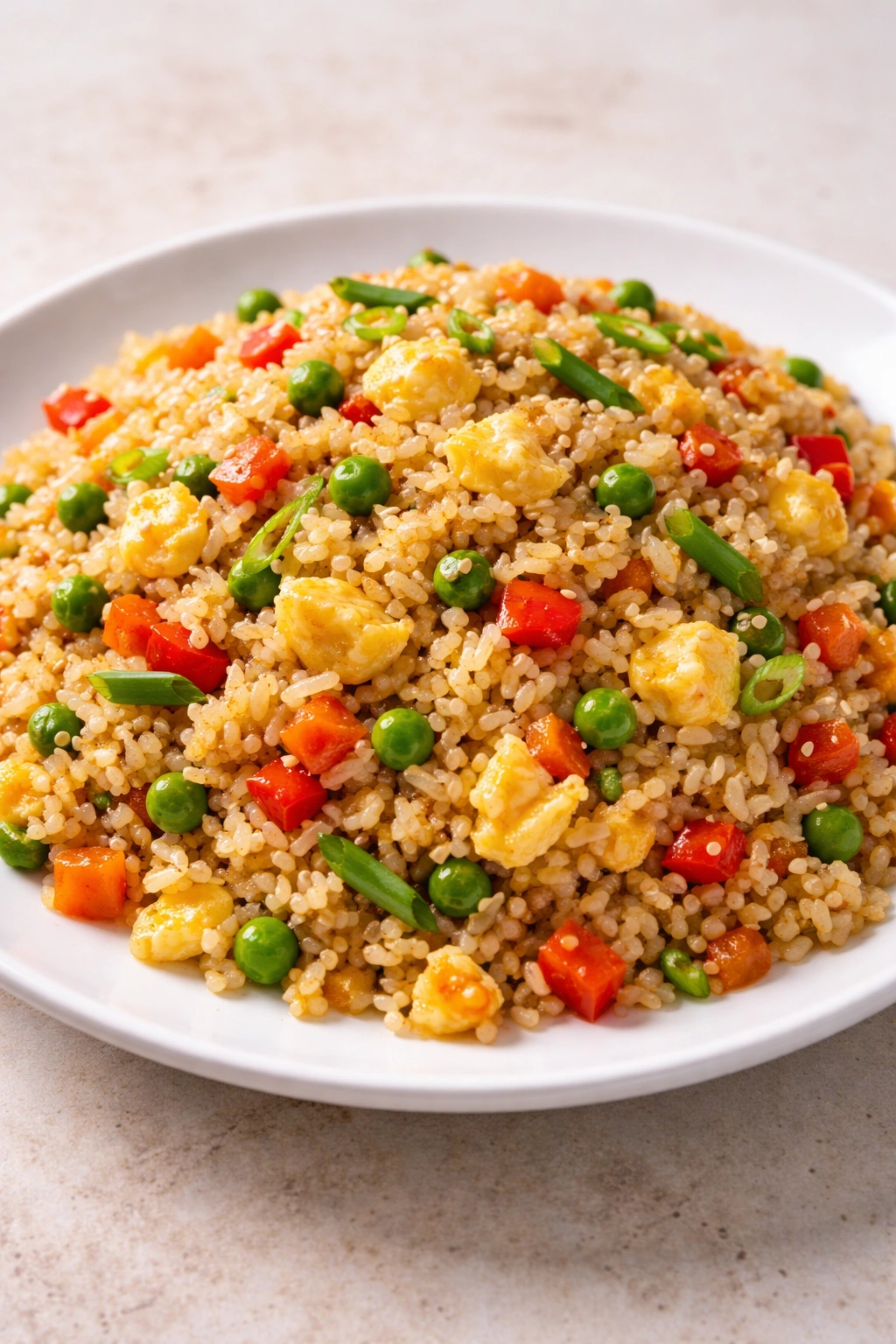
Fried rice might be the most forgiving dinner you can make with eggs, plus it’s genuinely excellent for using up leftover rice and whatever vegetables are lurking in your crisper drawer. The eggs add protein and create richness, while their cooked texture distributes throughout the rice, binding everything together and adding moisture. The key to great fried rice is starting with cold rice (leftover rice from the previous day works perfectly), using high heat, and keeping everything moving so nothing burns.
Preparing Your Ingredients
For best results, cook rice the day before or several hours ahead, spread it on a sheet pan to cool completely, then refrigerate it. Cold rice separates into individual grains when stirred and won’t clump the way warm, freshly cooked rice does. Prepare all your ingredients before you start cooking—mince garlic and ginger, dice vegetables (bell peppers, onions, snap peas, carrots, broccoli, or whatever you have), and beat eggs together. If you’re adding meat (leftover chicken, pork, shrimp, or beef), have that ready and cut into small pieces.
The Cooking Method
Heat a large wok or skillet over high heat until it’s smoking hot, then add a small amount of neutral oil (vegetable, canola, or peanut oil work). Add beaten eggs and quickly scramble them, breaking them into small pieces as they cook, then push them to the side of the pan and remove to a plate. Add a bit more oil if needed, then add the cold rice, breaking it apart with a wooden spoon and stirring constantly for a few minutes until the grains are heated through and some start to crisp slightly at the edges. Add minced garlic and ginger, stirring for about thirty seconds until fragrant, then add your diced vegetables, starting with longer-cooking ones like carrots and working toward quicker-cooking vegetables. Stir constantly for a couple minutes until vegetables are just tender-crisp, then add the cooked eggs back in along with cooked meat if using.
Building Flavor
Instead of adding soy sauce directly to the rice (which can make it soggy), combine soy sauce with rice vinegar, sesame oil, and a small amount of honey or sugar to create a balanced sauce. Pour this over the fried rice and toss everything together, stirring constantly for a minute or two until the sauce is distributed evenly and everything is hot. Finish with sliced green onions, a splash of white pepper, and perhaps a drizzle of sesame oil for richness. The entire dish comes together in about fifteen minutes once everything is prepped and your pan is hot.
8. Shakshuka Variations: Creamy Spinach and Leek Version
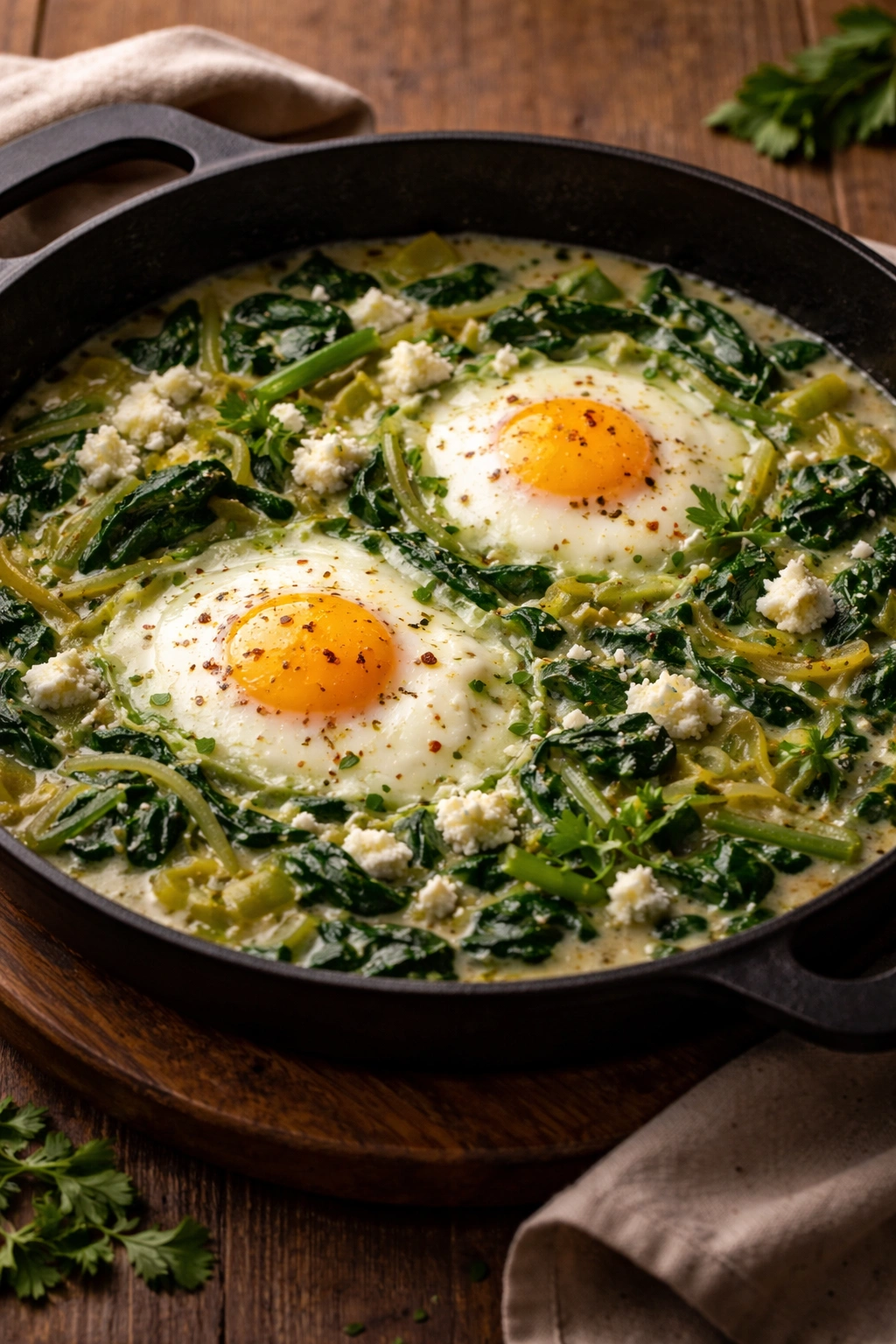
For a different take on the shakshuka concept, this spinach and leek version swaps the tomato base for a vegetable-forward sauce built from sautéed onions, leeks, fresh spinach, and vegetable broth, creating something lighter and more herbaceous than traditional tomato-based shakshuka while maintaining the same concept of baked eggs in sauce. The earthiness of leeks, the slight bitterness of spinach, and the richness of goat cheese create a sophisticated flavor profile that still comes together quickly and with minimal fuss.
Building the Creamy Base
Slice leeks (white and light green parts only) in half lengthwise, rinse thoroughly between layers to remove any hidden sand, then slice them into half-moons. Heat olive oil in a large skillet over medium heat, then add the sliced leeks and diced onions, cooking until completely soft and beginning to caramelize, about ten to twelve minutes. Add minced garlic and cook for another minute, then pour in one cup of vegetable broth and bring to a gentle simmer. Add a full pound of fresh spinach (it will reduce dramatically), stirring until completely wilted, then season generously with salt, pepper, nutmeg, and a squeeze of lemon juice. The spinach and nutmeg combination is traditional and absolutely essential—the nutmeg adds warmth and depth that makes people ask what the secret ingredient is.
Poaching the Eggs in the Sauce
Once the sauce is ready, make indentations for your eggs and crack them directly into the sauce as with traditional shakshuka. Cover and cook for about ten minutes until the whites are set, then crumble goat cheese or feta over the top and return to the heat for just a minute more, allowing the cheese to soften slightly. The tanginess of the cheese, the sweetness of the leeks, and the slightly bitter greens create a sophisticated combination that feels restaurant-worthy while being genuinely easy to execute at home.
Serving Suggestions
Serve this in wide, shallow bowls with plenty of the broth and vegetables alongside the eggs. Crusty bread is essential for scooping up all the sauce and vegetables. A simple green salad on the side rounds out the meal, offering fresh crunch to balance the cooked vegetables and creamy eggs.
9. Chinese Tomato and Egg Stir-Fry
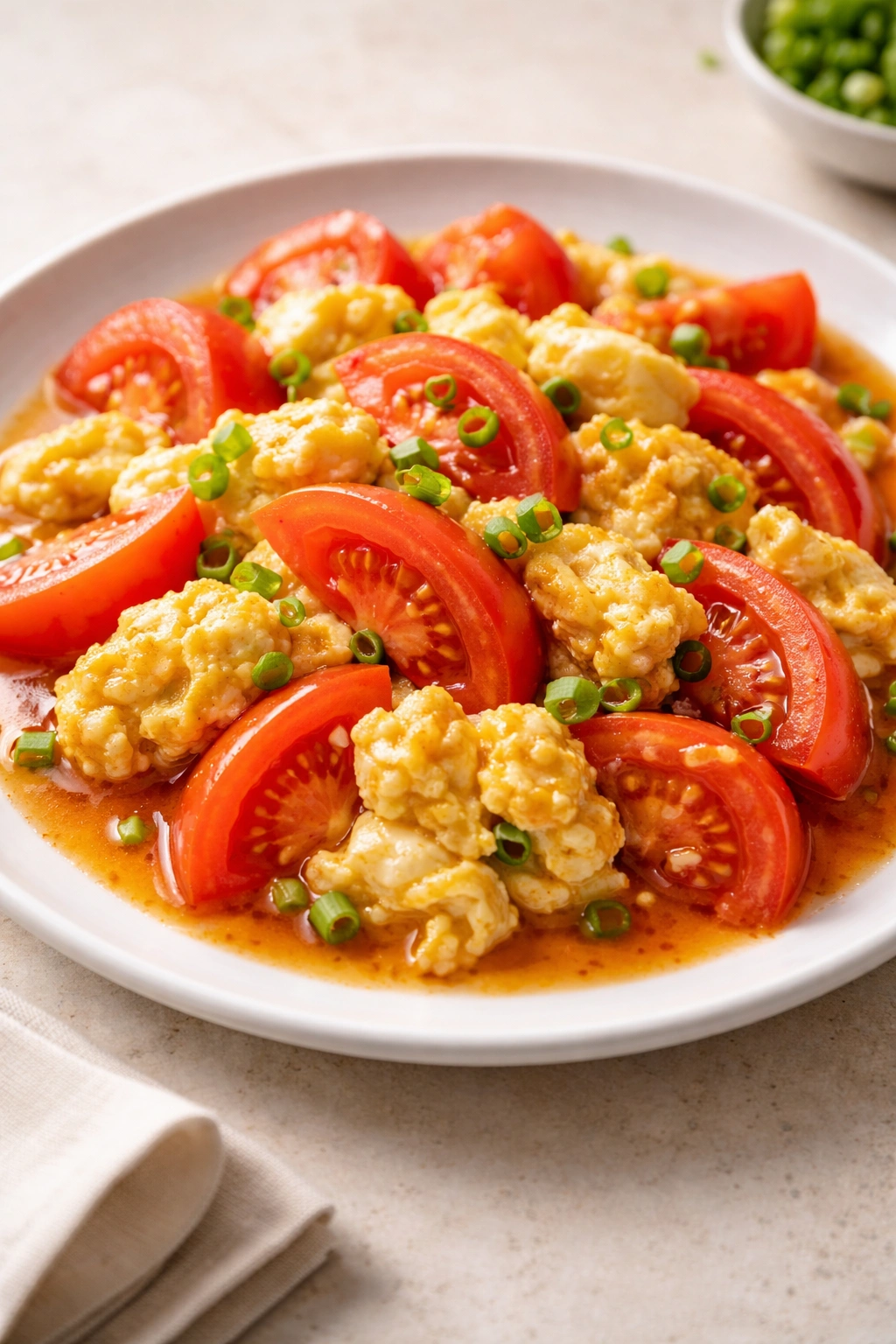
This beloved Chinese home-cooking staple is deceptively simple: sweet tomatoes and soft scrambled eggs combined in a bright, slightly savory-sweet sauce that coats fluffy white rice. It’s the kind of dish that tastes like it should be complicated but is actually one of the quickest weeknight dinners you can make, coming together in under fifteen minutes from start to finish. The key is understanding the balance of flavors—this dish is slightly sweet from the tomatoes and sugar, slightly savory from soy sauce, with bright acidity from the tomatoes themselves.
The Flavor Balance
Cut three to four medium tomatoes into wedges (about eight pieces per tomato), beating three to four eggs together in a separate bowl. The ratio of tomatoes to eggs should be roughly equal by volume. Heat a neutral oil in a wok or large skillet over medium-high heat, then scramble the eggs, breaking them into bite-sized pieces as they cook. Transfer the cooked eggs to a plate. Add a bit more oil to the pan, then quickly stir-fry the tomato wedges for just a minute or two—they should start to soften and release their juices but still hold their shape.
Building the Sauce
Add minced garlic and a small amount of minced ginger, stirring for about thirty seconds, then return the eggs to the pan. Pour in about three tablespoons of soy sauce and one tablespoon of sugar, stirring gently so everything combines. The sauce will come together as the tomatoes release their liquid and combine with the soy and sugar. This whole process takes maybe five minutes. The acid in the tomatoes, the umami in the soy sauce, and the sweetness of the sugar balance each other perfectly, creating something that’s greater than the sum of its parts.
Finishing Touches
Finish with sliced green onions and a small drizzle of sesame oil, then serve immediately over fluffy white rice. Some versions add a tablespoon of cornstarch mixed with water to create a glossier sauce, but this isn’t necessary—the natural juices from the tomatoes provide plenty of liquid. This dish is better served fresh but leftover portions reheat reasonably well, though the tomatoes do break down further with time.
10. Frittata with Roasted Vegetables and Herbs
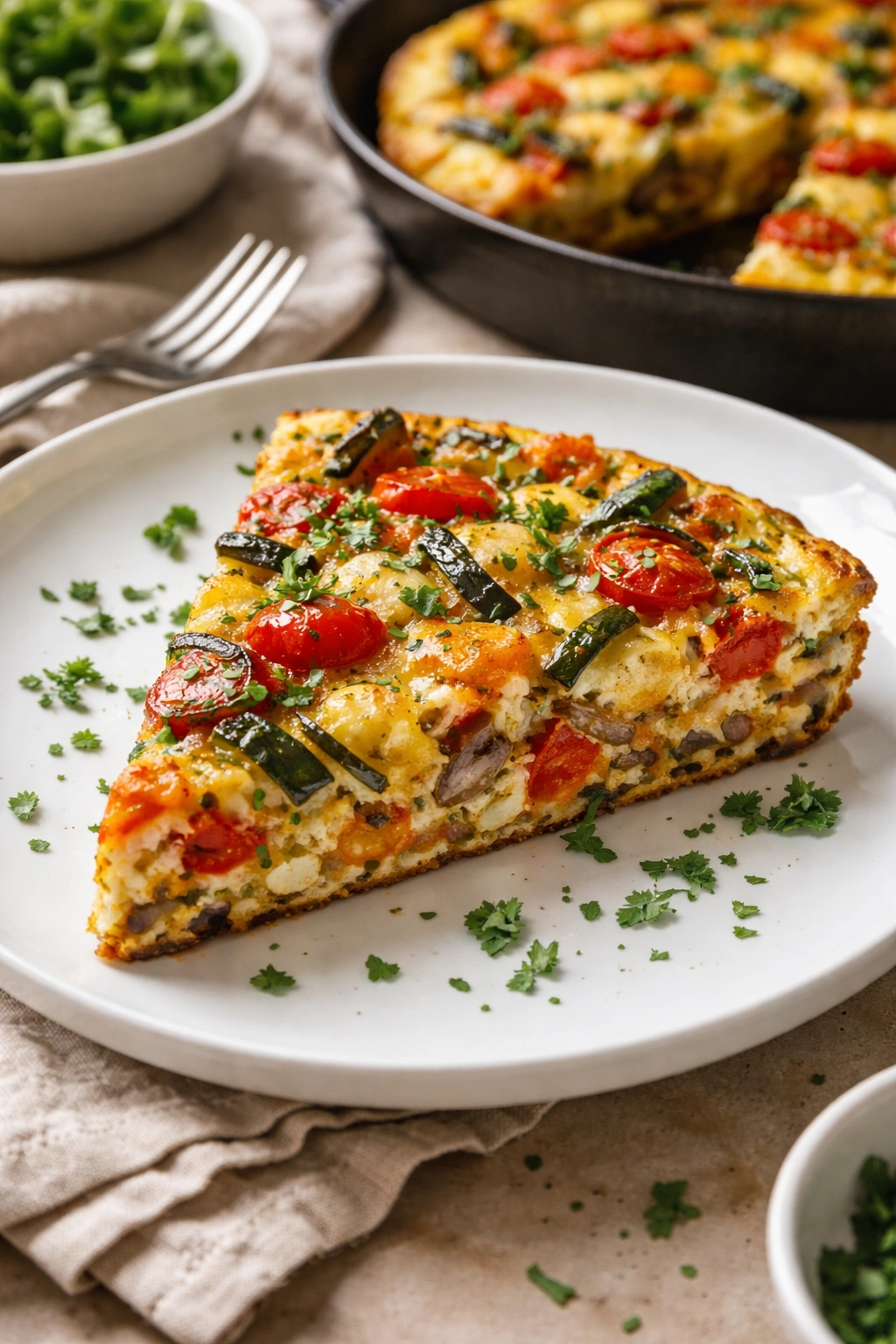
A frittata is essentially an unfolded omelet that finishes cooking in the oven, making it perfect for feeding a crowd, scaling up with whatever vegetables you have on hand, and managing without constant attention at the stovetop. Unlike omelets that require folding and flipping, frittatas are forgiving—they can accommodate an almost infinite combination of vegetables, meats, cheeses, and herbs, making them perfect when you’re trying to use up bits and pieces of ingredients before they expire.
Preparing the Vegetables
Start by prepping your vegetables: dice bell peppers, onions, mushrooms, zucchini, or whatever you have available, aiming for roughly equal-sized pieces so they cook evenly. Heat olive oil in a large oven-safe skillet over medium heat, then sauté the vegetables, starting with longer-cooking items like onions and peppers, then adding softer vegetables toward the end. You want the vegetables to be mostly tender with just a bit of color on the edges, which takes about ten to twelve minutes depending on what you’re using. If you’re including cooked meat like bacon, sausage, or ham, add it at this point and warm it through.
Creating the Egg Custard
While the vegetables cook, whisk together eight to ten eggs (depending on the size of your skillet) with a quarter cup of cream or milk, salt, pepper, and any dried herbs you like—dried oregano, Italian seasoning, or thyme work beautifully. Once the vegetables are ready, pour the egg mixture over them in the skillet, making sure to distribute the vegetables somewhat evenly. Let the eggs cook on the stovetop over medium heat for about two minutes, just until the very bottom starts to set, then transfer the entire skillet to a preheated 375°F oven.
Baking to Perfection
Bake for twelve to fifteen minutes, watching carefully toward the end. The frittata is done when the edges are set and puffed up but the very center still jiggles slightly when you gently shake the pan—this means it will be creamy and set rather than dry and rubbery. Top with crumbled cheese or grated cheese about a minute before it finishes cooking, then remove from the oven and let it rest for a few minutes. The frittata will puff beautifully in the oven and then deflate slightly as it cools, which is completely normal. Slice into wedges and serve warm, at room temperature, or even chilled. Frittata keeps beautifully for several days, making it ideal for meal prep or leftover lunches.
Final Thoughts
Eggs represent one of the best-kept secrets in the weeknight dinner arsenal—they’re inexpensive, cook quickly, work in virtually every cuisine, and deliver the kind of satisfaction that makes everyone at the table happy. These ten dishes represent just the beginning of what’s possible when you start thinking of eggs as legitimate dinner protein rather than relegating them only to breakfast or baking. Some come together in fifteen minutes or less, others are better for leisurely weekend cooking. Some are elegant enough for company, others are perfect for solo dinners when you want something simple and nourishing. The common thread is that each one proves eggs belong at the dinner table just as much as they belong at breakfast, and once you start cooking them this way, you’ll wonder why you ever limited yourself to morning preparations. Stock your pantry with eggs, embrace flexibility with vegetables and proteins based on what you have, and you’ll never again be stumped by the question of what to make for dinner.
