



If there’s one thing nearly every home cook struggles with, it’s leftover rice. You cook what seems like a reasonable amount, serve dinner, and suddenly there’s a container of rice sitting in your fridge that you’re not quite sure what to do with. The good news? Leftover rice is one of the most versatile ingredients in your kitchen, and it deserves a second life far more exciting than simply reheating it as a side dish.
The beauty of having cooked rice on hand is that it actually works better in many recipes than freshly cooked rice would. As rice cools, the starches firm up and the grains lose surface moisture, which means they’re drier and less likely to clump or turn mushy. This makes day-old rice ideal for frying, crisping, baking into casseroles, or simmering into creamy dishes. Plus, using leftover rice cuts your cooking time in half since you’re skipping the entire cooking step.
Whether you’re looking for quick weeknight dinners, creative lunch ideas, or even desserts, these ten recipes will transform that container of leftover rice into something genuinely delicious. Most of these come together in under 30 minutes, which means you can go from “what do I make tonight?” to dinner on the table before the evening really gets going. Let’s dive into some seriously tasty ways to use every last grain.
1. Quick Fried Rice with Leftovers
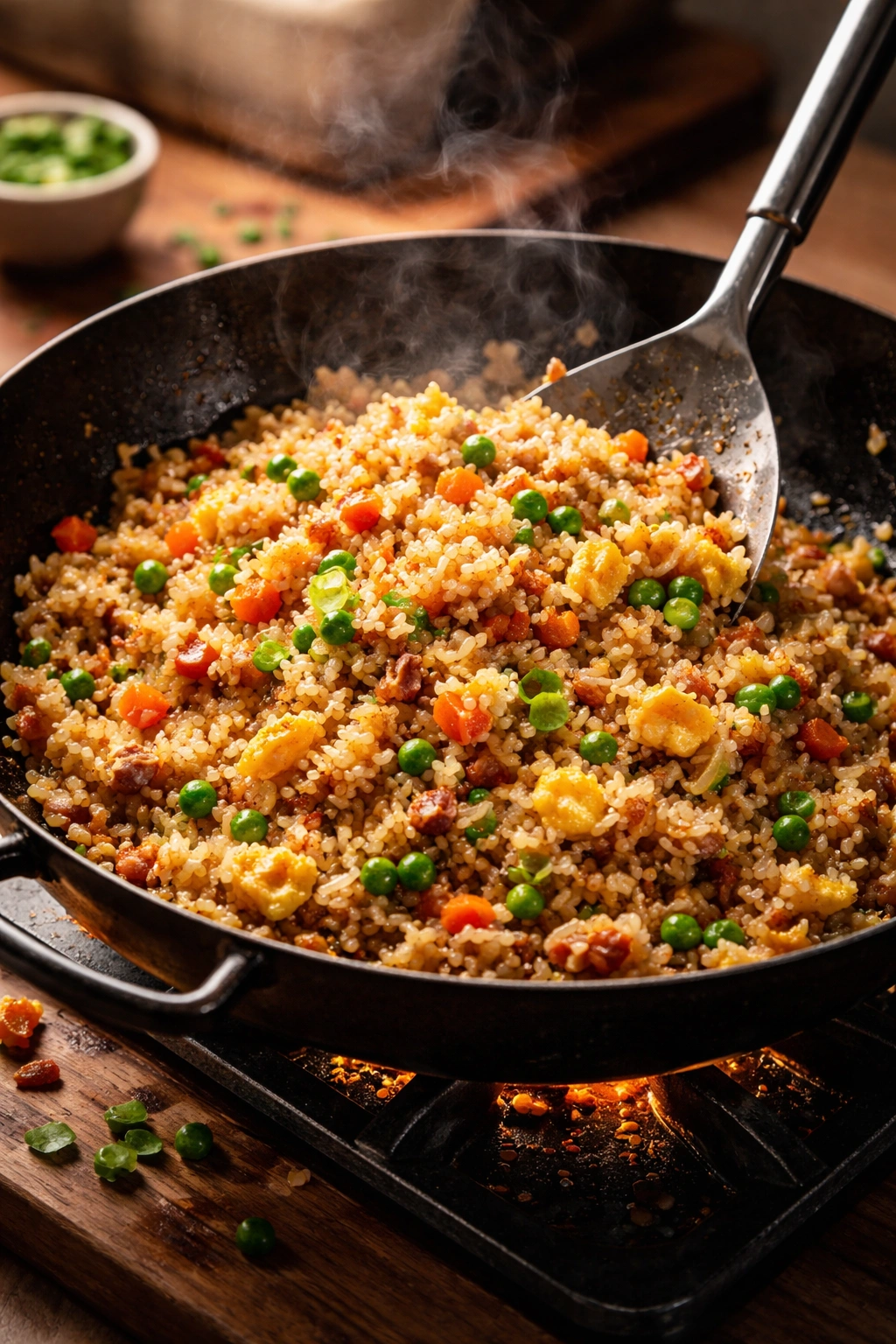
Fried rice is arguably the gold standard for using leftover rice, and honestly, it’s where day-old grains truly shine. The slightly dried-out texture means each grain stays separate and develops those crispy, slightly caramelized edges that make restaurant fried rice so crave-worthy. The whole dish comes together in about 15 minutes, making it perfect for busy weeknights.
The basic technique is simple: heat your pan or wok until it’s properly hot, cook your aromatics (garlic and ginger are non-negotiable), scramble your eggs, then add the cold rice and break up any clumps with a fold-and-press motion. The key here is not stirring constantly, which would steam the rice rather than fry it. Instead, press the rice against the hot surface for about 30 seconds, then stir and repeat.
Flavor Combinations That Work
You can build fried rice in countless directions depending on what’s in your fridge. Asian-inspired versions with soy sauce, sesame oil, and frozen vegetables are the obvious choice, but don’t stop there. Indian-style fried rice with mustard seeds and curry leaves, Mexican-influenced versions with cilantro and lime, or even a simpler garlic butter fried rice all taste fantastic with leftover grains.
What to Add for Maximum Flavor
The vegetables, proteins, and seasonings are where you get to be creative. Frozen peas, carrots, and broccoli work beautifully since they don’t need thawing and add color without extra prep. Add scrambled eggs for protein, or include leftover shredded chicken, ground beef, diced ham, or even tofu. The beauty of fried rice is that it’s essentially a refrigerator cleanout in rice form—whatever you have becomes delicious.
Pro tip: Have all your ingredients chopped and ready before you start cooking. Fried rice moves fast, and you won’t have time to prep anything once you turn up the heat.
2. Creamy Rice Pudding (Sweet or Savory)
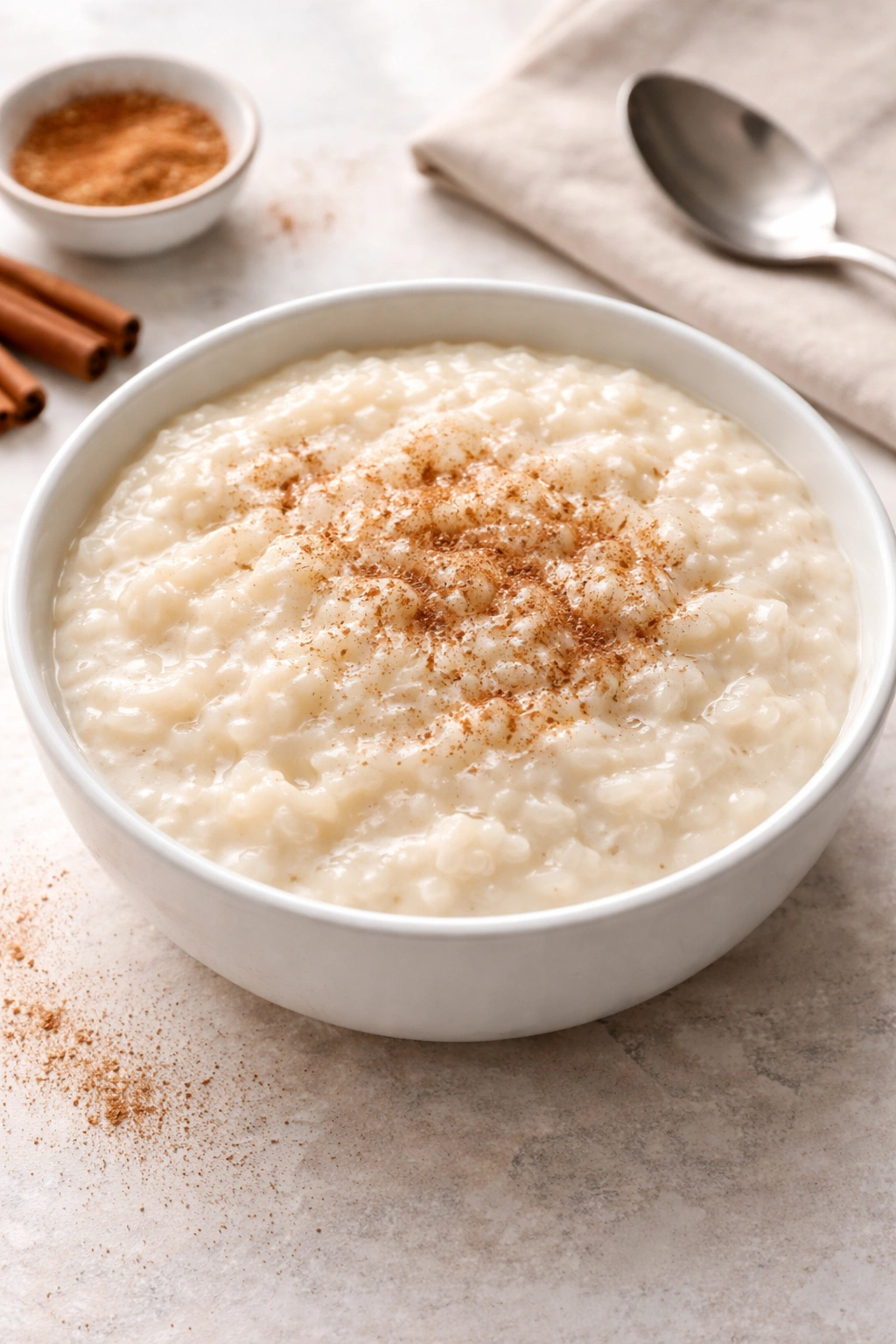
Rice pudding is proof that leftover rice can absolutely become dessert, and it does so with almost no effort. The advantage of making rice pudding with already-cooked rice is that it thickens incredibly quickly—freshly cooked rice often produces a firmer, starchier pudding that requires more milk, but day-old rice creates that silky, custard-like texture that makes this dessert so comforting.
Sweet rice pudding is the classic version, where you simmer the rice with milk (or a combination of milk and cream for extra richness), sugar, and warm spices like cinnamon and cardamom. The whole thing takes maybe 15 minutes on the stovetop. What makes homemade rice pudding so much better than the store-bought versions is that you control exactly how sweet it is and which flavors shine through.
Building Your Base
Start by gently warming your milk in a heavy-bottomed pot—don’t let it boil or scorch. Stir in your cooked rice, then add your sweetener. Brown sugar gives a deeper flavor than white sugar, and honey adds its own subtle complexity. Let everything simmer for about 10 minutes, stirring occasionally, until the pudding reaches a consistency you like.
Flavor Variations That Transform the Dish
Add vanilla extract and a pinch of nutmeg for classic flavor, or go with cardamom and rose water for something more aromatic. Orange zest brings brightness, while a touch of espresso powder deepens the overall flavor without making it taste like coffee. Fold in dried fruit like raisins or cranberries toward the end of cooking, and top with toasted nuts for textural contrast.
Savory rice pudding is also genuinely delicious—think creamy risotto but easier. Just skip the sugar and use vegetable or chicken broth instead of milk, add some parmesan cheese, and season with herbs. It becomes an elegant side dish.
3. Stuffed Bell Peppers with Rice
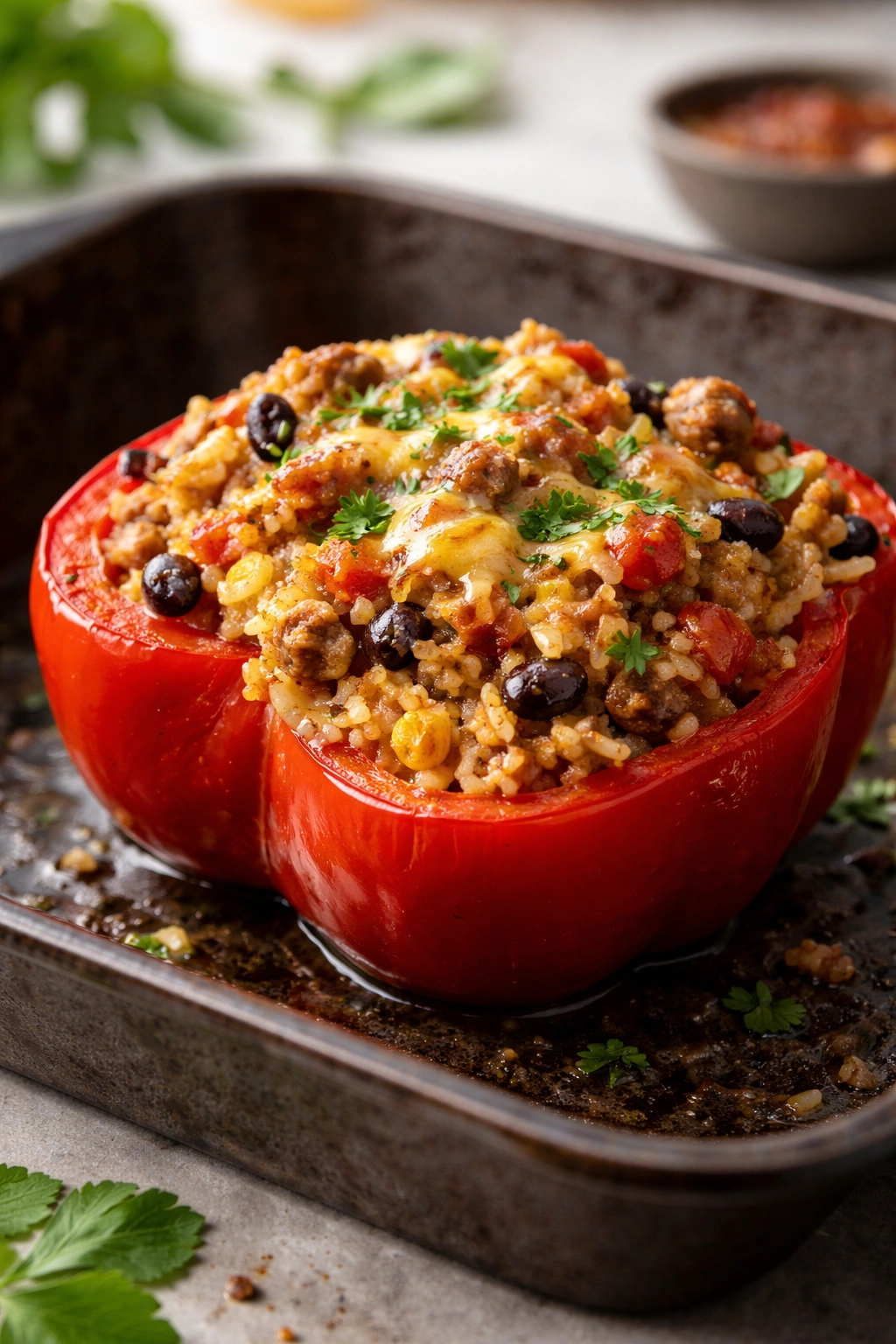
Stuffed peppers are a complete meal in one vegetable, and they’re an excellent way to use up a couple of cups of leftover rice. The peppers become tender in the oven while the filling gets heated through, creating a satisfying dish that looks impressive enough for company but comes together with minimal effort.
The basic formula is simple: mix your cooked rice with some seasonings, vegetables, and a protein, then stuff it into bell pepper halves. You can use any color pepper you like, though red and yellow peppers tend to be slightly sweeter than green ones. The filling bakes alongside the peppers, so everything finishes at the same time.
Creating a Filling That Works
The most traditional approach combines rice with ground beef or turkey, diced tomatoes, onion, and seasonings like cumin and chili powder for a Southwestern flavor profile. But there’s no reason to stop there. Mix rice with seasoned lentils and vegetables for a vegetarian version, or combine it with ground lamb and Mediterranean herbs for something completely different.
Building Layers of Flavor
Sauté your aromatics (onions and garlic) in a skillet first, then stir in your rice, protein, and seasonings. If your rice was unseasoned, this is the moment to be generous with salt, pepper, and spices—the rice will soak up all those flavors. Some people like to add a beaten egg to the mixture as a binder, which helps everything hold together better.
Cut your peppers in half lengthwise, remove the seeds and white membranes, then fill each half generously. Top with cheese if you like, then bake at 350°F until the peppers are tender and the filling is heated through, about 25-30 minutes. Serve with sour cream or a simple yogurt sauce on the side.
4. Rice and Vegetable Soup
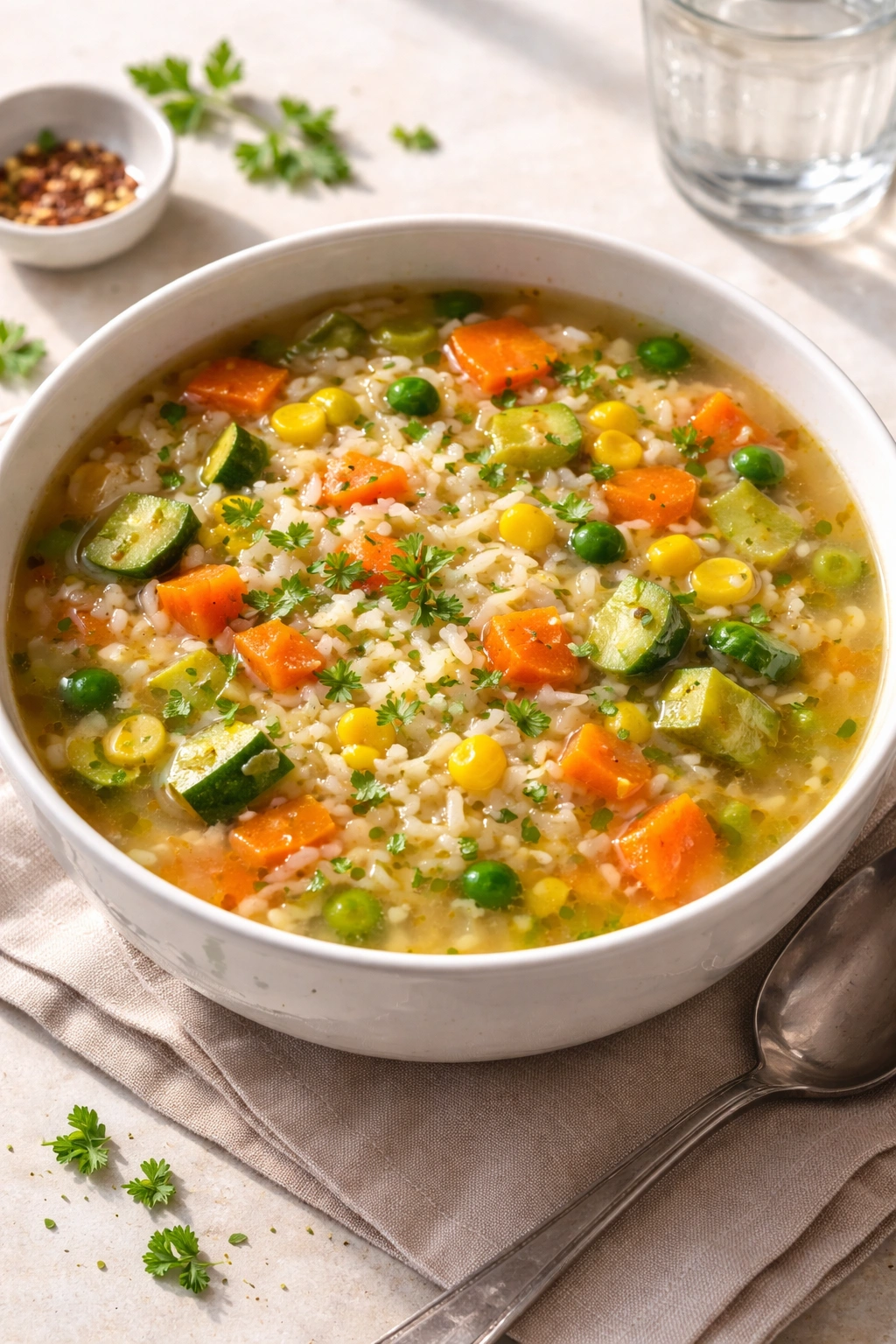
When you want something warm, nourishing, and ready in about 20 minutes, rice soup is your answer. The rice thickens the broth slightly and adds substance, turning a simple vegetable soup into something genuinely satisfying. This is also one of the easiest ways to sneak extra vegetables into dinner, and it’s budget-friendly since you’re using pantry ingredients.
The beauty of rice soup is that it’s infinitely flexible. Start with a flavorful broth—chicken, vegetable, or beef all work—then add your leftover rice, some vegetables, and whatever seasonings feel right. The rice only needs a few minutes to heat through, which means the whole soup comes together quickly.
Building a Broth Worth Eating
Pour your broth into a pot and bring it to a simmer, then add your rice and any vegetables that need cooking time. Carrots and celery should go in first since they take longer to soften. Add leafy greens like spinach or kale in the last couple of minutes so they just barely wilt but keep their bright color. Season generously with salt, pepper, and whatever herbs match your flavor profile.
Flavor Profiles to Explore
A classic approach combines rice with diced chicken, vegetables, and herbs for a comforting chicken and rice soup. Add a squeeze of lemon juice at the end for brightness. Go Italian by using a tomato-based broth and adding white beans and fresh basil. Create a Thai-inspired version with coconut milk, curry paste, and a touch of fish sauce.
The best part? This soup tastes even better the next day as the flavors deepen and meld together. Make a big batch and you’ve got easy lunches for the rest of the week.
5. Crispy Rice Patties or Fritters
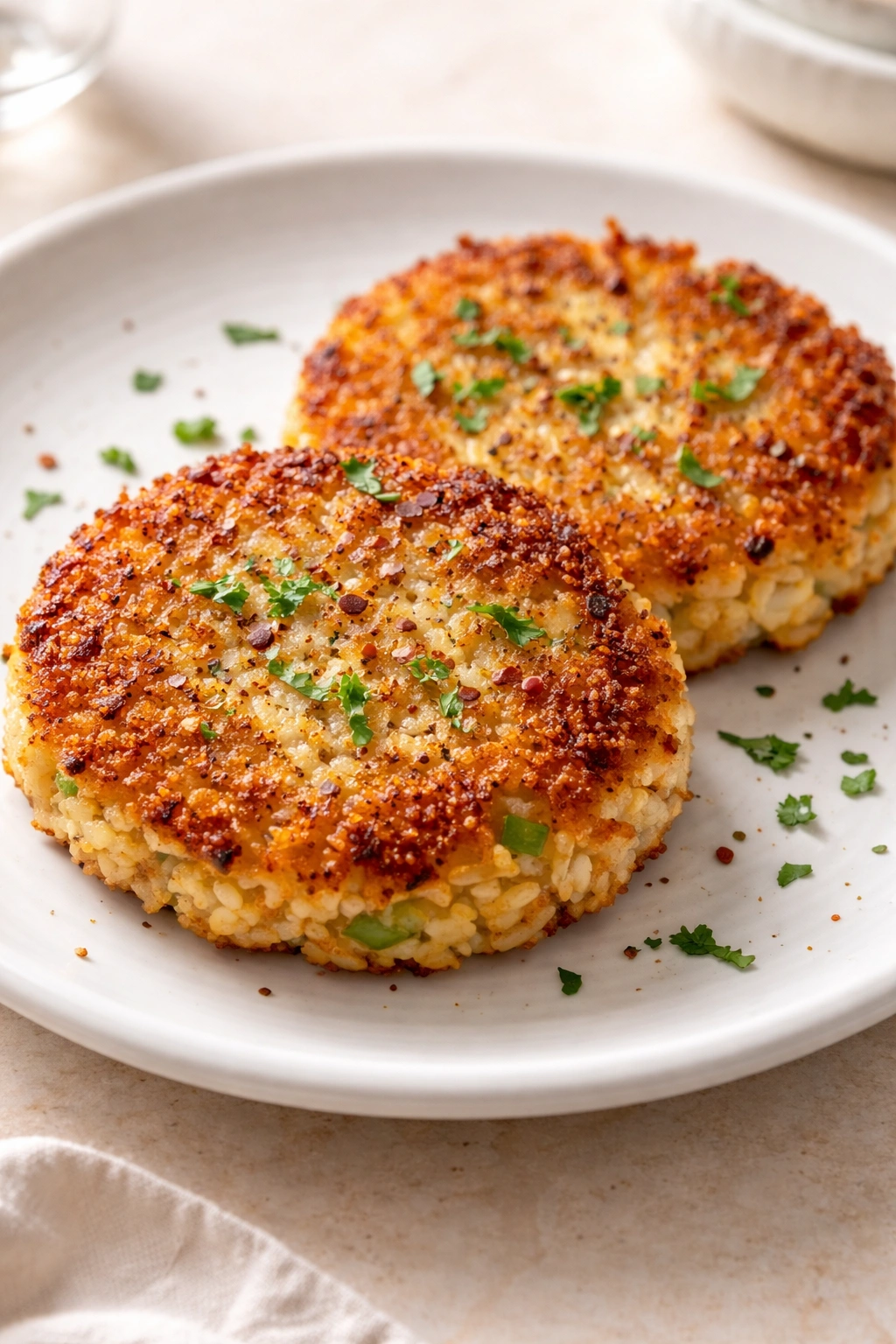
If you want to impress people with how creative you can be with leftover rice, crispy rice patties are your secret weapon. They’re like the more elegant cousin of rice cakes, with a golden, crunchy exterior and a soft, flavorful interior. They work as a snack, a side dish, or even as a main course when you top them with something tasty.
The technique is straightforward: mix your rice with vegetables, a binder (egg or breadcrumbs work perfectly), and seasonings, then shape into patties and pan-fry until golden. The outside gets wonderfully crispy while the inside stays tender. They’re great at any temperature, which makes them ideal for meal prep or quick snacks.
Creating a Mixture That Holds Together
The key to successful patties is enough moisture in the filling to hold everything together. If your rice is very dry, add an egg to help bind everything. Grated vegetables like carrots, zucchini, or mushrooms add both flavor and moisture. Finely minced herbs and seasonings make sure every bite tastes intentional rather than boring.
Seasoning Strategies
Go savory with garlic, onion, fresh herbs, and a touch of soy sauce. Add some grated cheese for richness and extra binding power. If you’re using leftover rice that’s already seasoned (like lemon rice or curry rice), you might only need to add an egg and some vegetables before you’re ready to cook.
Shape the mixture into patties about 2-3 inches wide and roughly 1 inch thick. Pan-fry in a little oil over medium-high heat for about 3-4 minutes per side, until the outside is deep golden brown and slightly crispy. Serve with a yogurt sauce, chutney, or your favorite condiment.
6. Breakfast Rice with Eggs
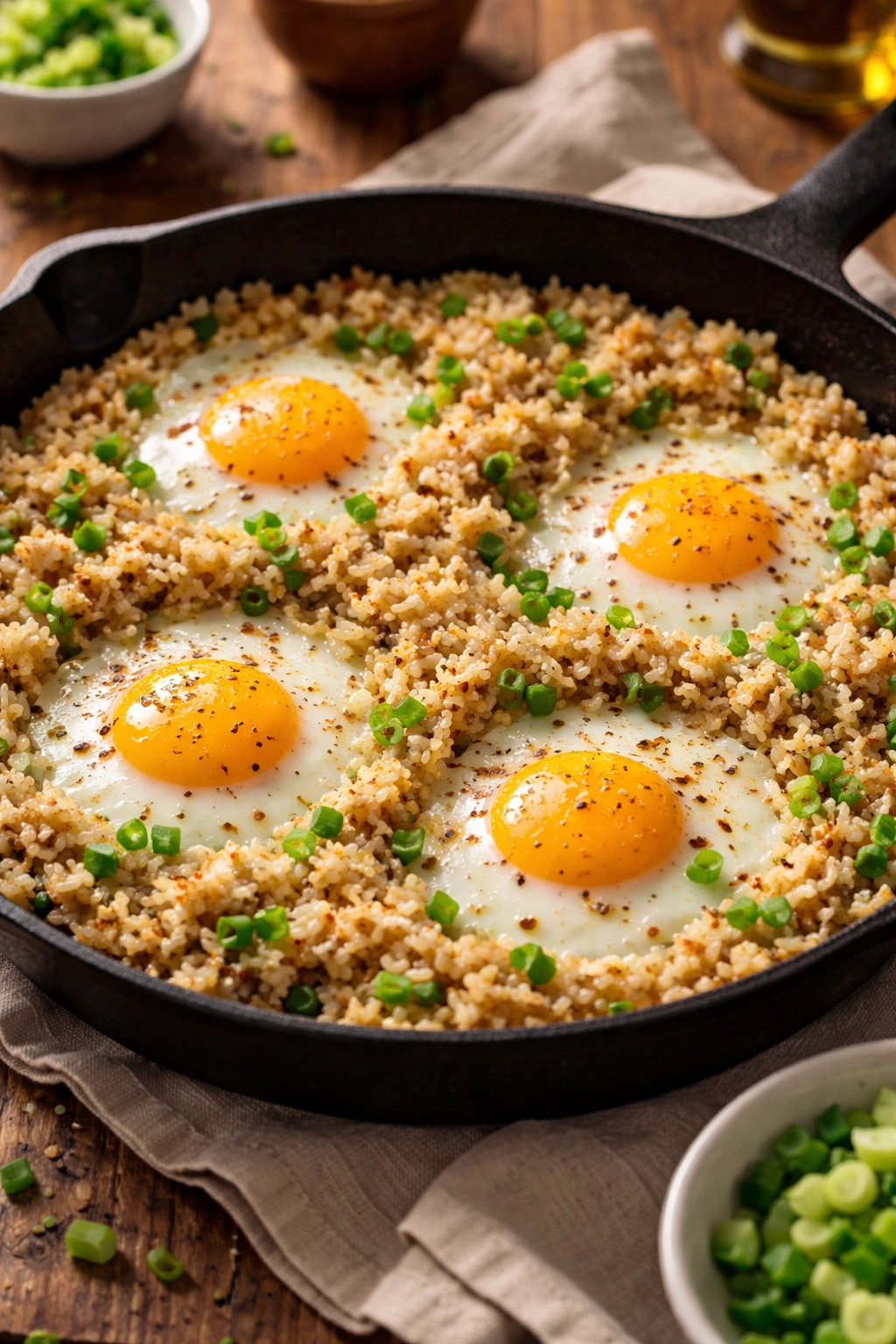
Starting your morning with savory rice and eggs is a game-changer, especially once you realize how quickly it comes together. This isn’t a sweet breakfast—it’s a protein-packed, satisfying meal that gets you through until lunch without a blood sugar crash. Popular in cultures throughout Asia, this simple concept deserves a place at your breakfast table.
The basic idea is warming your leftover rice in a skillet, creating a well in the center, and cracking eggs directly into it. The eggs cook in the residual heat and mix slightly with the rice, creating creamy pockets throughout. It’s that easy, and it’s profoundly good.
Building Flavor from the Start
Chop some green onions, ginger, and garlic, then sauté them in a bit of oil or butter before adding your rice. This creates an aromatic base that makes the whole dish sing. Stir in the cold rice and let it warm through for a few minutes, breaking up any clumps as you go. Make two or three wells in the rice, then crack your eggs into them.
Customizing Your Bowl
A drizzle of soy sauce added right before serving gives you umami depth. Sesame oil brings its own nutty richness. Hot sauce or sriracha adds heat for anyone who wants it. Some people add a splash of fish sauce, others prefer just a squeeze of lime juice. The beauty is you can adjust based on what’s already in your pantry.
Cover the skillet with a lid for the last minute or so to gently cook the egg whites while keeping the yolks runny. Serve in a bowl, top with more green onions and sesame seeds, and you’ve got a breakfast that’s both comforting and exciting.
7. Rice Casserole with Cheese
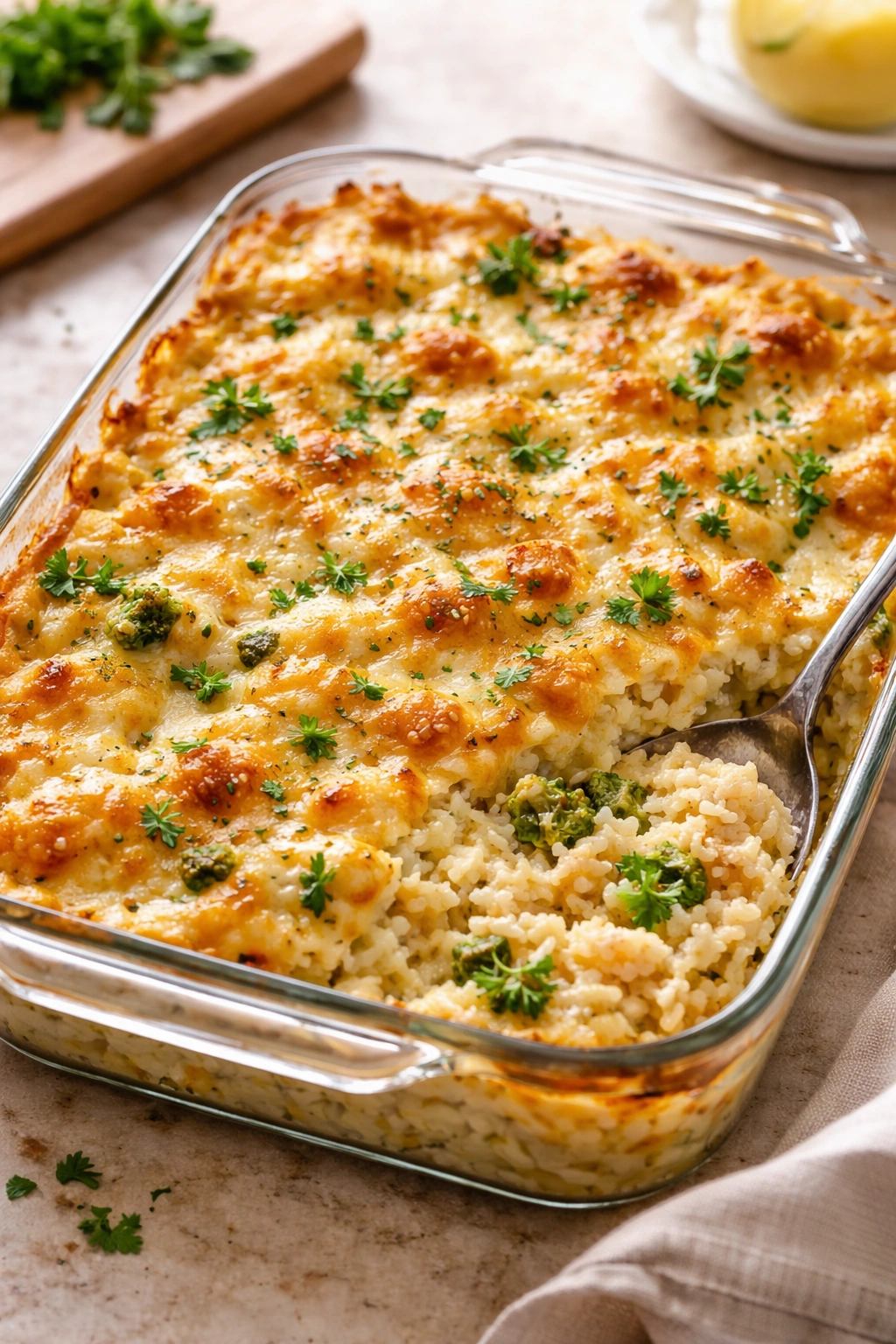
A cheesy rice casserole is comfort food in its most literal form—creamy, satisfying, and infinitely customizable based on what you have on hand. The rice gets bound together with a cream cheese and milk mixture, vegetables and meat get tucked throughout, and then the whole thing gets topped with cheese and baked until bubbly and golden.
This is the kind of dish that makes people ask for seconds, and it couldn’t be easier to assemble. Most of the components come straight from your pantry or freezer, which means you’re not doing much active cooking. It’s primarily an assembly and baking situation.
Creating a Cream That Coats Everything
Soften cream cheese (you can do this in the microwave) and mix it with milk until you have a pourable cream. Whisk in an egg and some mustard for flavor, then season with salt and pepper. This mixture will coat every grain of rice and create that creamy, luxurious texture that makes casseroles so appealing.
Adding Your Mix-Ins
In a separate bowl, combine your cooked rice with shredded cheese (mozzarella, cheddar, or a combination), diced ham or cooked chicken, and whatever vegetables you have. Corn, peas, diced tomatoes, shredded carrots, and fresh herbs all work beautifully. Pour the cream mixture over the rice and stir until every grain is coated.
Transfer everything to a greased baking dish, top with extra cheese and a sprinkle of oregano or fresh herbs, then bake at 350°F for about 20-25 minutes until the top is golden and the filling is heated through. It’s the kind of dish that feeds a crowd, makes excellent leftovers, and requires minimal effort.
8. Congee (Rice Porridge)
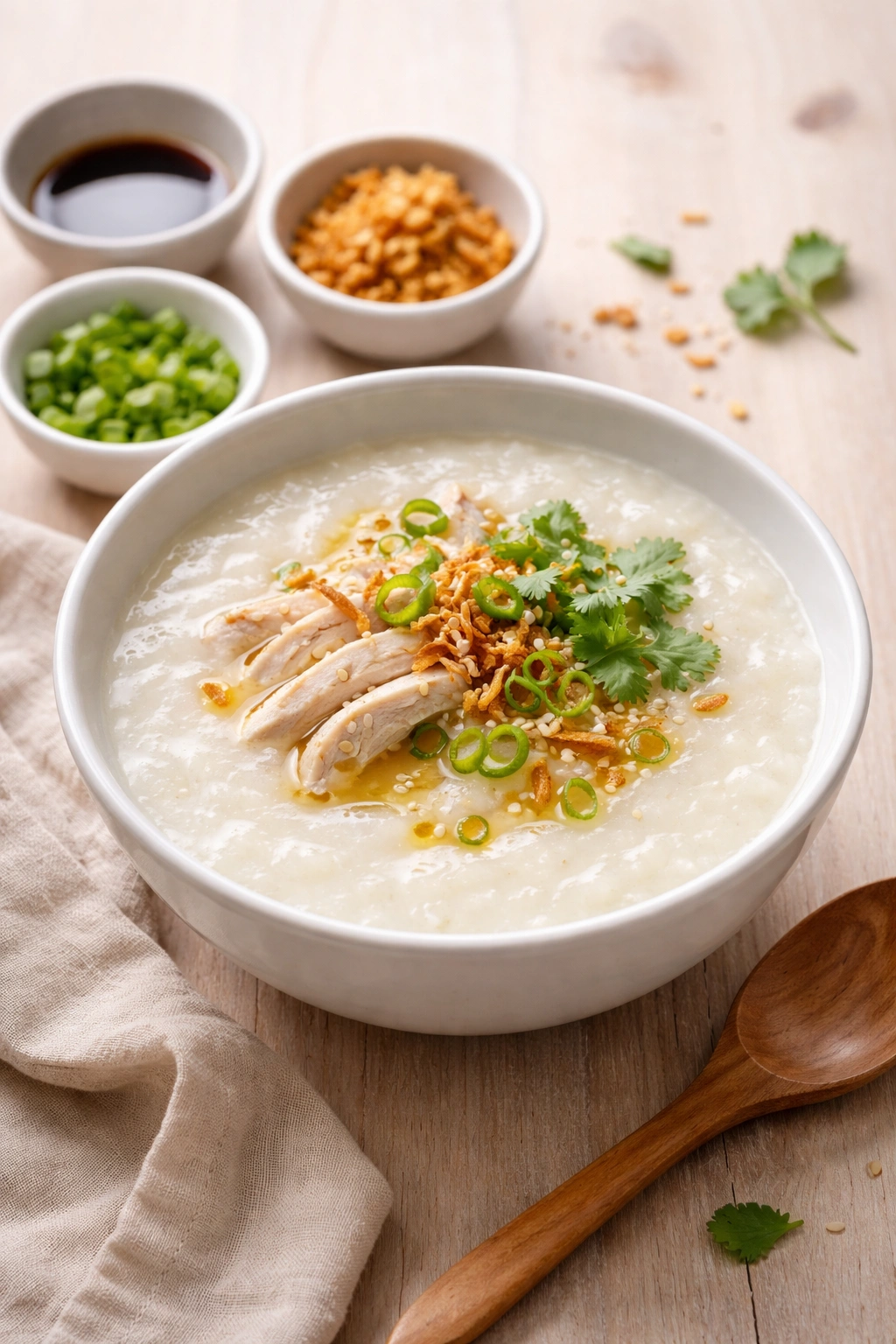
Congee is a simple, nourishing dish that dates back centuries in Asian cuisine. It’s essentially rice cooked down into a creamy porridge with broth or water, and it’s equally at home as a comforting breakfast, a light lunch, or a gentle dinner when you’re feeling under the weather. The best part? It’s actually better when you use leftover rice.
Traditional congee requires simmering rice for hours until it breaks down completely, but when you start with already-cooked rice, you can have congee ready in 20-30 minutes. The already-gelatinized starches break down faster, and you end up with that silky, spoonable texture without the wait.
Building Your Base
Pour vegetable or chicken broth into a pot and bring it to a simmer. Stir in your leftover rice and let it cook gently, stirring occasionally, until the mixture breaks down and becomes creamy. Add more broth if you like it thinner, and keep cooking until you reach the consistency you prefer. Some people like it thick enough to stand a spoon in, while others prefer it more soup-like.
Garnishing for Maximum Impact
Congee is a blank canvas for toppings, and that’s where it gets interesting. A drizzle of sesame oil and soy sauce, some thinly sliced green onions, crispy fried shallots, a soft-cooked egg, shredded cooked chicken, or pickled vegetables all add texture and flavor. Fresh ginger, cilantro, and a squeeze of lime juice bring brightness. Hot sauce or chili oil gives heat.
The beauty of congee is that it’s deeply nourishing without being heavy, and it accommodates almost any ingredient you want to add. Make a big pot and let people customize their own bowls with their favorite toppings.
9. Rice-Stuffed Tomatoes or Squash
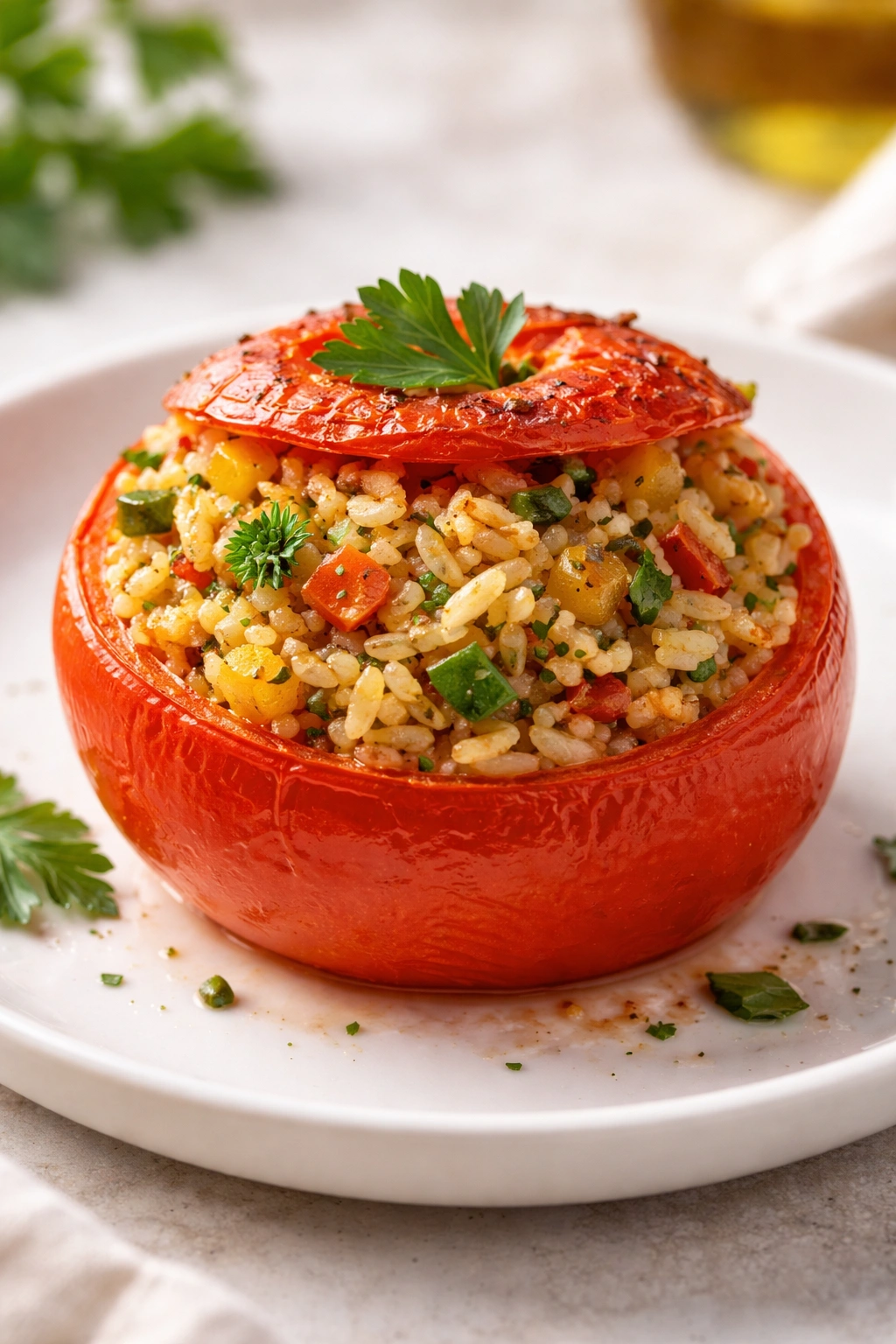
Stuffed vegetables are classic for a reason—they’re elegant, they’re a complete meal, and they’re surprisingly forgiving about variations. Tomatoes work beautifully for lighter summer meals, while winter squash like acorn or delicata becomes almost creamy when roasted with a rice filling tucked inside.
The technique changes slightly depending on what you’re stuffing, but the concept is the same: hollow out your vegetable, fill it with seasoned rice and vegetables, then bake until everything is tender. It’s restaurant-worthy plating for minimal effort.
Preparing Tomatoes for Stuffing
Cut tomatoes in half horizontally and scoop out the insides carefully, reserving the pulp. Mix your rice with the tomato pulp, add some seasoning (Italian herbs work beautifully here), and stuff the mixture back into the tomato halves. Top with breadcrumbs and a drizzle of olive oil, then bake at 375°F for about 20-25 minutes until the tomatoes are soft and the filling is heated through.
Preparing Winter Squash
Cut larger squash like acorn or butternut in half and remove the seeds (which you can roast separately for a snack). Rub the cut sides with olive oil and roast cut-side down at 375°F for about 15 minutes until they start to soften. Meanwhile, sauté onions and mushrooms, mix them with your rice, add some herbs and nuts, and spoon the filling into the roasted squash halves. Return to the oven and bake for another 15-20 minutes.
The stuffing possibilities are truly endless. Go Mediterranean with pine nuts, dried cranberries, and fresh herbs. Create a Mexican-inspired version with black beans, corn, and cumin. Make something with lentils and roasted vegetables for a vegetarian powerhouse meal.
10. Savory Rice Cakes with Crispy Edges
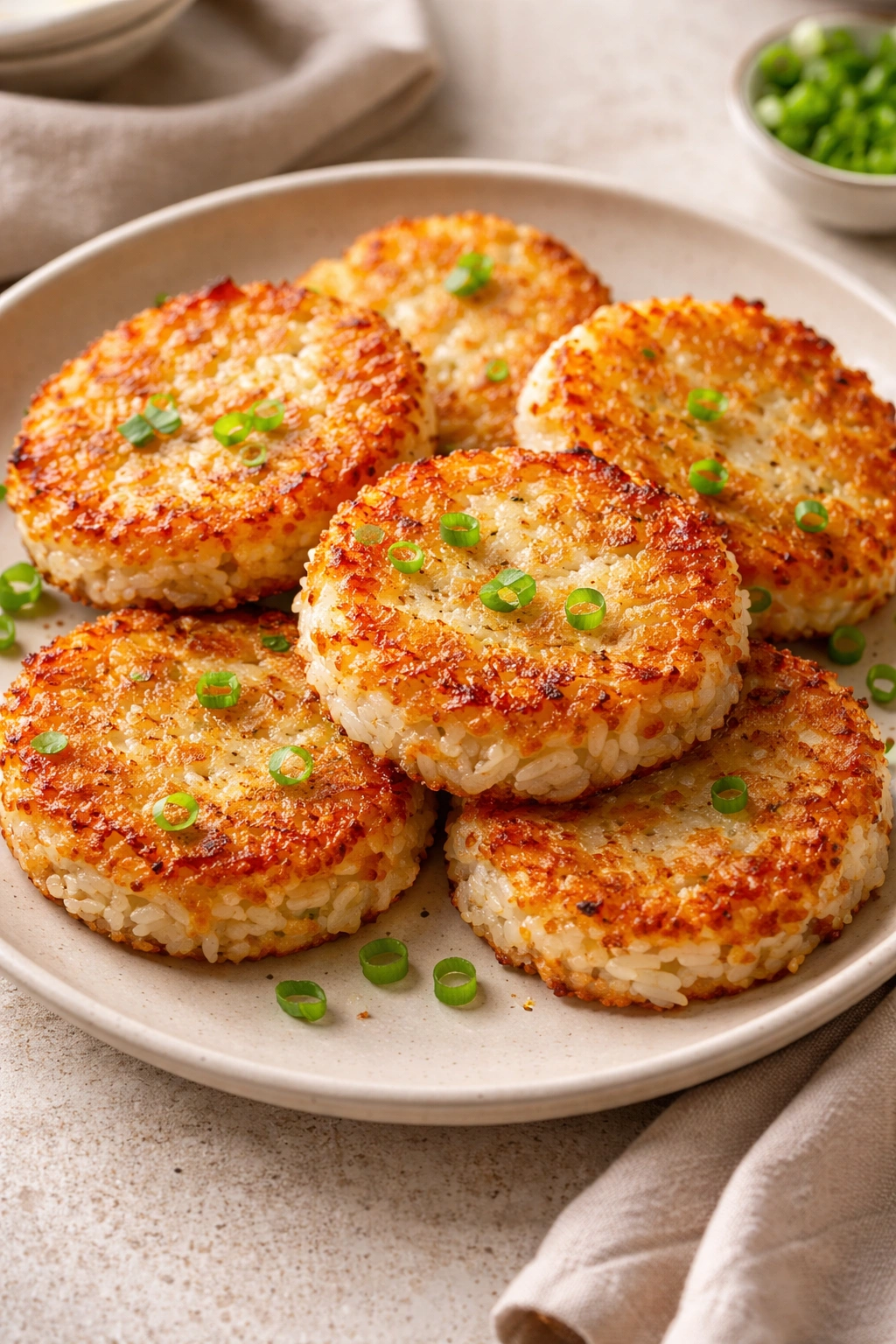
Crispy rice cakes are nothing like the bland diet snacks you might be thinking of. These are pan-fried patties with golden, crunchy exteriors and tender interiors, and they’re an absolutely addictive way to use leftover rice. You can serve them as a side dish, top them with something fancy, or eat them as a snack straight from the pan.
The technique is almost absurdly simple: press your leftover rice into a thin, even layer in an oiled pan and let it chill until firm. Cut into squares, then pan-fry until the outside is golden and crispy. The key is patience—don’t move the rice around constantly. Let it sit against the hot pan so it can develop that desirable crust.
Getting the Texture Right
The best rice cakes come from cold, day-old rice that’s been refrigerated. The cooler temperature helps it hold together as you cut and fry. If you’re using freshly cooked rice, spread it on a baking sheet and chill it in the refrigerator for at least 30 minutes. This also helps it compress properly and develop clean edges when you cut it.
Topping Ideas That Elevate Simple Rice
Once you have your crispy rice cakes, the toppings make them shine. A spoonful of seared raw tuna or salmon with soy sauce and wasabi is restaurant-quality in about 10 minutes. Top with smoked salmon and a squeeze of lemon juice. Layer with sautéed mushrooms and a fried egg. Serve with a bright salsa and avocado. The crispy rice becomes a vehicle for whatever flavors excite you.
Final Thoughts
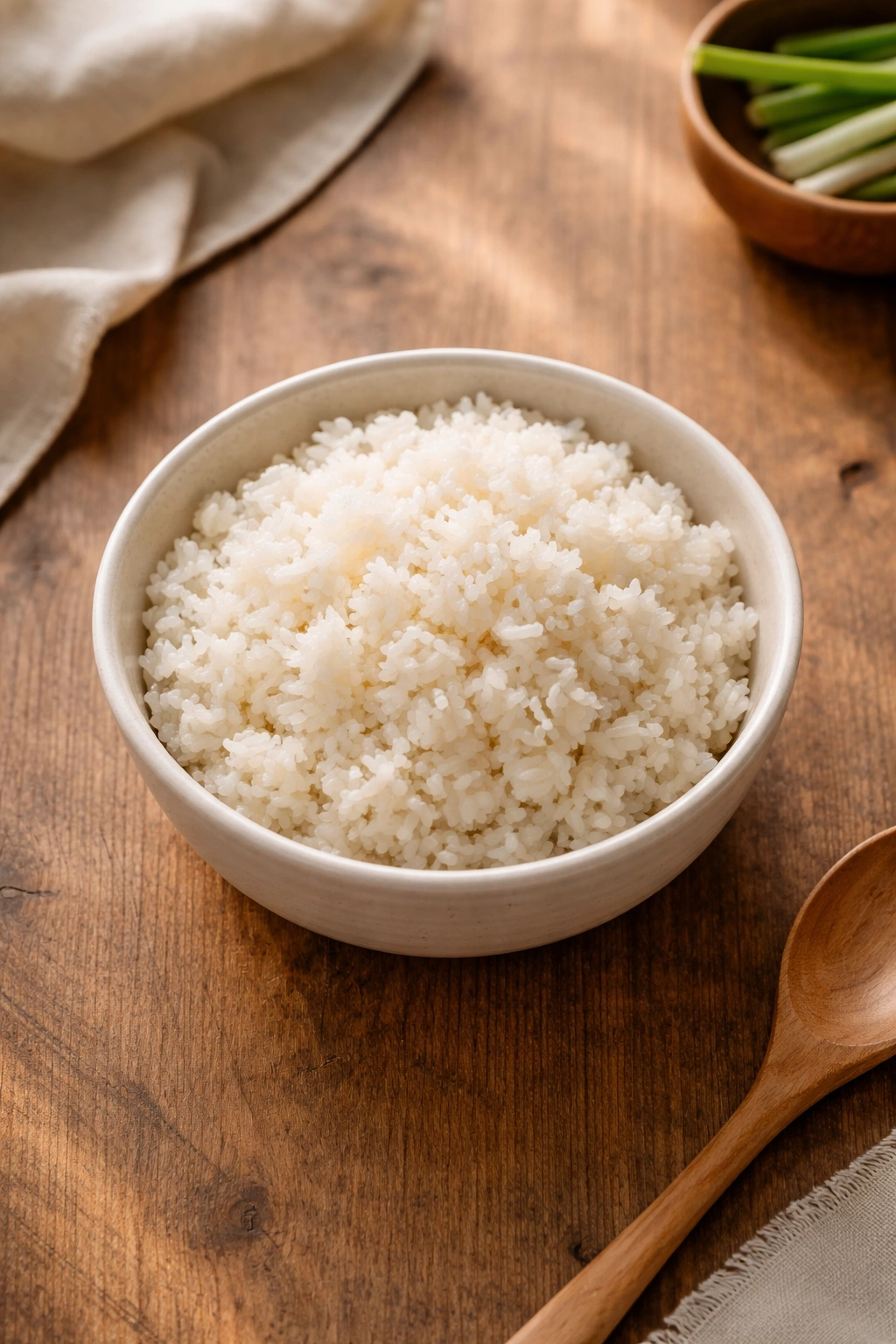
Leftover rice stops being a burden the moment you realize how many delicious dishes are waiting to be made with it. Whether you’re drawn to quick weeknight fried rice, creamy puddings, impressive stuffed vegetables, or comforting rice cakes, these ten recipes prove that day-old grains deserve genuine excitement rather than reluctant reheating.
The real secret is that leftover rice actually performs better in most of these dishes than freshly cooked rice would. The firmer texture, reduced moisture, and developed starch mean your fried rice crisps up beautifully, your puddings thicken quickly, and your patties hold together perfectly. You’re not making do with leftovers—you’re using the ideal ingredient for the job.
Next time you cook rice, go ahead and make a little extra without guilt. That extra cup of rice sitting in your fridge isn’t a problem waiting to happen; it’s the foundation of tomorrow’s dinner, breakfast, or dessert. With these recipes in your rotation, you’ll actually find yourself cooking extra rice on purpose, knowing exactly what delicious transformation awaits.
