



A well-stocked pantry isn’t a luxury—it’s actually the most practical money-saving tool in your kitchen. When you walk to your cabinets and find what you need already there, you’re not tempted to order takeout or grab expensive convenience foods on your way home. You can build meals from what you have instead of what marketing tells you to buy. The trick is knowing exactly which foods give you the most cooking flexibility and nutritional bang for your budget, and how to fill your shelves without the sticker shock that makes most people abandon the idea entirely.
The reality is that stocking a pantry does require an upfront investment—but it’s an investment that pays for itself many times over. A single bag of dried beans costs less than three dollars and makes multiple meals. A jar of peanut butter costs five dollars and stretches across dozens of breakfasts and snacks. The foods that stay shelf-stable longest and work in the widest variety of dishes are almost always the most affordable per serving once you understand how to use them. This is how people with tight grocery budgets eat better than those with more money to spend—they’ve learned to work with their pantry instead of against it.
Why Your Pantry Foundation Matters
A bare or randomly stocked pantry forces you into the worst grocery shopping habit possible: buying without a plan. You end up at the store hungry, emotional, or out of ideas, which is exactly when you buy things you don’t need and skip things that would actually serve you. You come home with specialty ingredients you saw on social media, random snacks, and nothing that actually makes a complete meal. Two weeks later, you’re throwing away half of what you bought and going out to eat anyway because you don’t have the building blocks for dinner.
A strategic pantry works the opposite way. You shop from a predetermined list based on what’s actually missing from your shelves. You buy the same reliable staples in rotation, which means you get faster at spotting deals (you know the normal price of oats, so you recognize when they’re on sale). You stop wasting money on expensive pre-made options because you have the raw ingredients to make them yourself. Most importantly, you have the confidence to cook any weeknight without panic, which means fewer takeout emergencies and fewer impulse purchases.
The foods worth stocking are the ones that work in dozens of different dishes, last for months without spoiling, and cost pennies per serving. These are your pantry anchors—the foundation that lets you build thousands of meals without ever feeling limited. Around these anchors, you add smaller quantities of more specialized ingredients that add flavor and variety without breaking the bank.
Building a Pantry on a Budget: Where to Start
Start by accepting that you cannot stock your entire pantry at once. The goal is not to spend $300 on groceries in one trip. The goal is to add 5-8 items per week over the next month, which costs maybe $20-30 per week and feels completely manageable while building a genuinely useful pantry.
Begin with what you actually cook. If you hate lentils, do not fill your pantry with lentils just because they’re cheap. A budget pantry is only useful if you’ll actually eat what’s in it. Look at the meals you’ve cooked in the last month—what ingredients appeared in multiple recipes? Those are your anchor staples.
Set a realistic budget for your pantry-building project. If you have $100 to start, commit it to dry goods, canned items, and oils that’ll last six months, not fresh produce that expires next week. You’re investing in your future cooking freedom. Track what you spend each week and where you’re buying—you might find that your local grocery store has better prices on rice than the bulk store, or that a neighborhood market beats chain prices on canned tomatoes.
Identifying Your Essential Staples
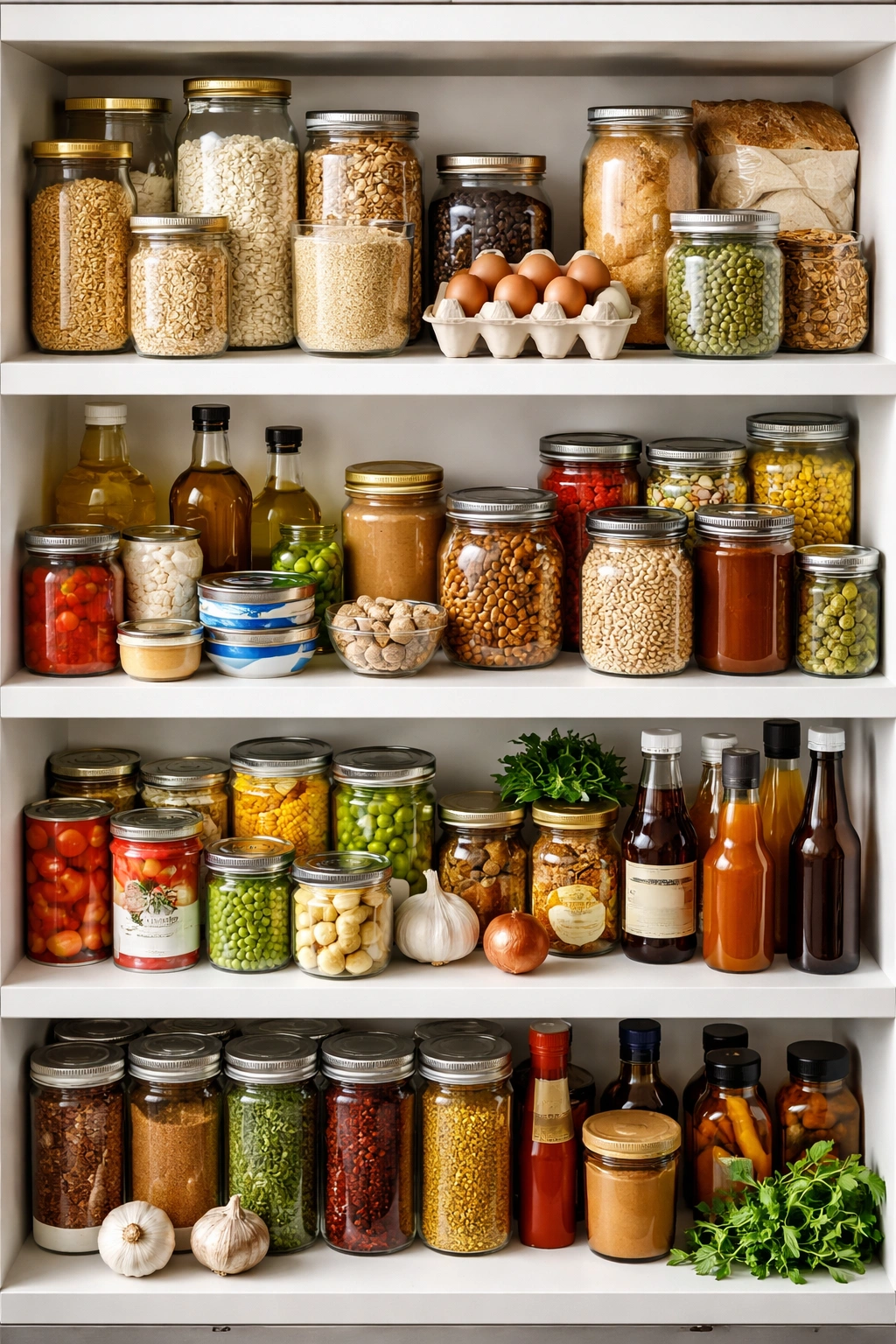
The true must-haves for a budget pantry fall into six categories: grains and starches, proteins, fats, canned vegetables and fruits, dried herbs and spices, and flavor bases. These categories alone can create hundreds of different meals.
Start with grains and starches. White and brown rice are the workhorses here—they’re cheap, they last forever, they work in almost every cuisine, and they stretch meat or beans into more meals. Dried pasta is equally essential and equally budget-friendly. Add rolled oats for breakfasts and baking. If you have $5-8 to spend in this category, you’ve got the foundation for dozens of meals.
Proteins come in affordable forms that last: dried beans and lentils, canned tuna, canned chicken, eggs (if you have refrigeration), and peanut butter. A one-pound bag of dried black beans costs less than $1.50 and makes six servings of actual protein. That’s 25 cents per serving. Canned tuna and chicken are slightly more expensive but require zero cooking skill and literally take minutes.
Fats are worth buying quality versions because a small amount goes far. Olive oil and vegetable oil are staples—one bottle lasts months. Coconut oil and butter work well if they fit your diet and cooking style. These cost more upfront but you use them slowly enough that they’re economical.
Canned vegetables and fruits remove the guilt from eating shelf-stable produce. Canned tomatoes (whole or crushed), canned beans, canned corn, canned tuna, canned sardines, and canned fruit in juice are all reasonable options that work in real meals. Buy store brands and you’ll cut costs by 30-40 percent compared to name brands.
Dried herbs and spices represent a surprisingly significant savings opportunity. Buying a single-use packet of dried basil for $2.50 is absurd when you can buy a jar for $3 that lasts two years. Salt, pepper, garlic powder, onion powder, cumin, paprika, and dried oregano will flavor an enormous number of dishes.
Your flavor bases round things out: vinegar, soy sauce, hot sauce, bouillon cubes, tomato paste, and peanut butter all add serious flavor for pennies. These are the secret weapons that make simple ingredients taste like deliberate cooking.
Smart Shopping Strategies That Save Money
The prices you pay matter more than the quantities you buy when you’re building on a budget. This means getting strategic about where and when you shop, not just being a general penny-pincher.
Buy generic and store brands without hesitation. The quality difference between name-brand canned beans and store-brand canned beans is exactly zero. The same goes for pasta, rice, oil, and most pantry staples. By default, reach for the store brand unless you have a specific reason to believe the name brand is actually better (sometimes it’s not, and you won’t know until you try).
Shop loss leaders and sales intentionally. If rice is on sale for $0.99 per pound when you normally pay $1.50, buy five pounds instead of one. You’ll use it all and you just saved $2.50. Track the normal prices of your anchor staples so you recognize a real deal when you see it. Many grocery stores have weekly sales flyers—review them before shopping and build your list around what’s actually discounted that week.
Compare price-per-unit, not package price. A two-pound box of pasta might cost less than a one-pound box, but you need to do the math. Price per pound is what matters for making smart decisions. Most stores print this information on the shelf label. If not, a quick calculation tells you which size is the better value.
Buy in-season produce when you want to include fresh items, and buy it at farmers markets or discount grocery stores rather than mainstream chains. This is the place where a $50 bill actually stretches further. Carrots, onions, potatoes, apples, and bananas are almost always cheaper than other produce and they keep for weeks.
Consider discount grocers and ethnic markets if you have access. Asian markets, Hispanic markets, and Middle Eastern markets often have significantly better prices on basics like rice, beans, oils, and spices than conventional grocery stores. Shopping these markets also exposes you to budget ingredients you might not have considered before.
How to Buy in Bulk Without Wasting
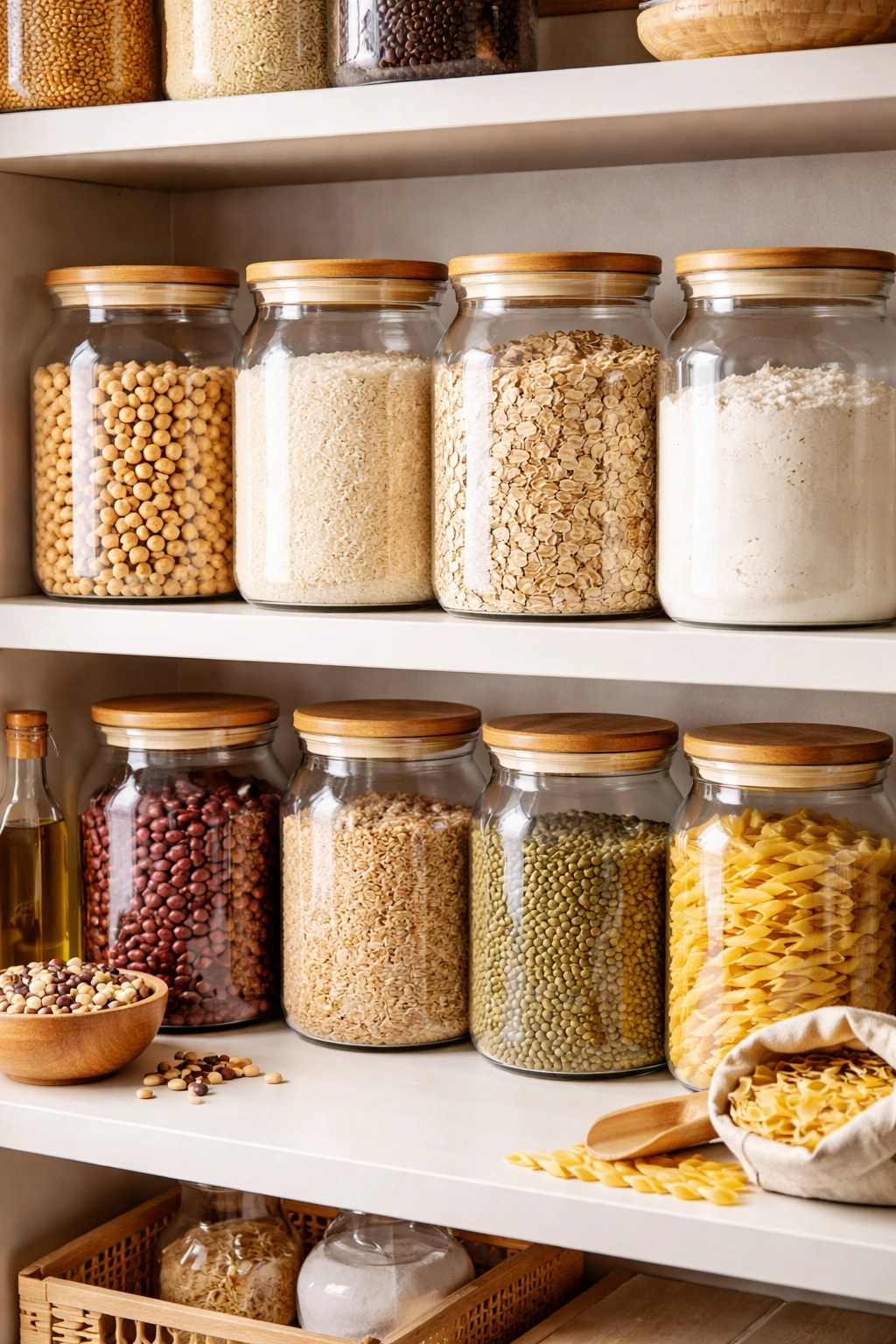
Bulk buying is only a good deal if you actually use what you buy before it spoils or goes stale. A five-pound bag of flour saves money only if you bake regularly and store it properly.
Assess your actual consumption before buying bulk. How many servings of pasta does your household eat in a month? If it’s four servings, a one-pound box lasts you 4-6 weeks depending on portion size. Buying a five-pound box doesn’t save you much and it takes up precious cabinet space. However, if your household eats pasta twice a week, a larger box is absolutely worth it.
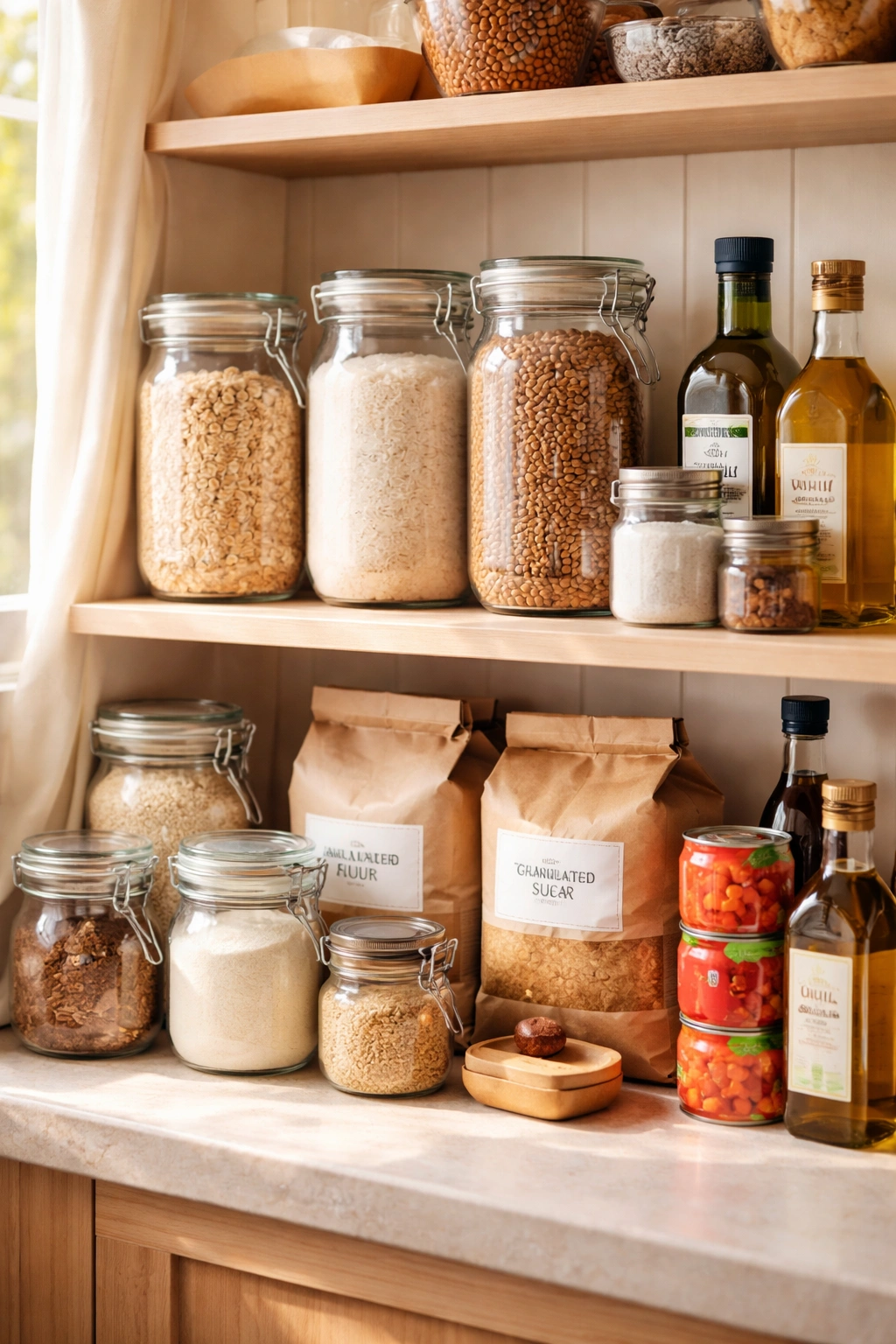
Store bulk items correctly to maximize shelf life. Dried goods go bad from three things: air, moisture, and pests. Airtight containers keep everything fresher longer. Glass jars with tight lids, plastic containers with snap lids, or even storage bags with clips all work. Label everything with the purchase date—this helps you rotate stock and know when something’s actually past its prime.
Buy in bulk only for items you genuinely love and use regularly. This is where most people go wrong with bulk shopping. They buy enormous quantities of unfamiliar foods because they’re cheap, then they don’t like them well enough to eat through the supply. Bulk deals on your reliable staples are worth taking advantage of. Bulk deals on experimental items are usually a waste of money.
Spreadsheet what you actually have. It sounds tedious but ten minutes updating a simple list prevents you from buying duplicates and helps you see what’s actually getting used. You don’t need a complex system—just three columns: item, quantity, purchase date. Update it as you use things and buy things. This prevents the depressing discovery six months later that you have seven cans of black beans you forgot about.
Strategic Food Storage and Organization
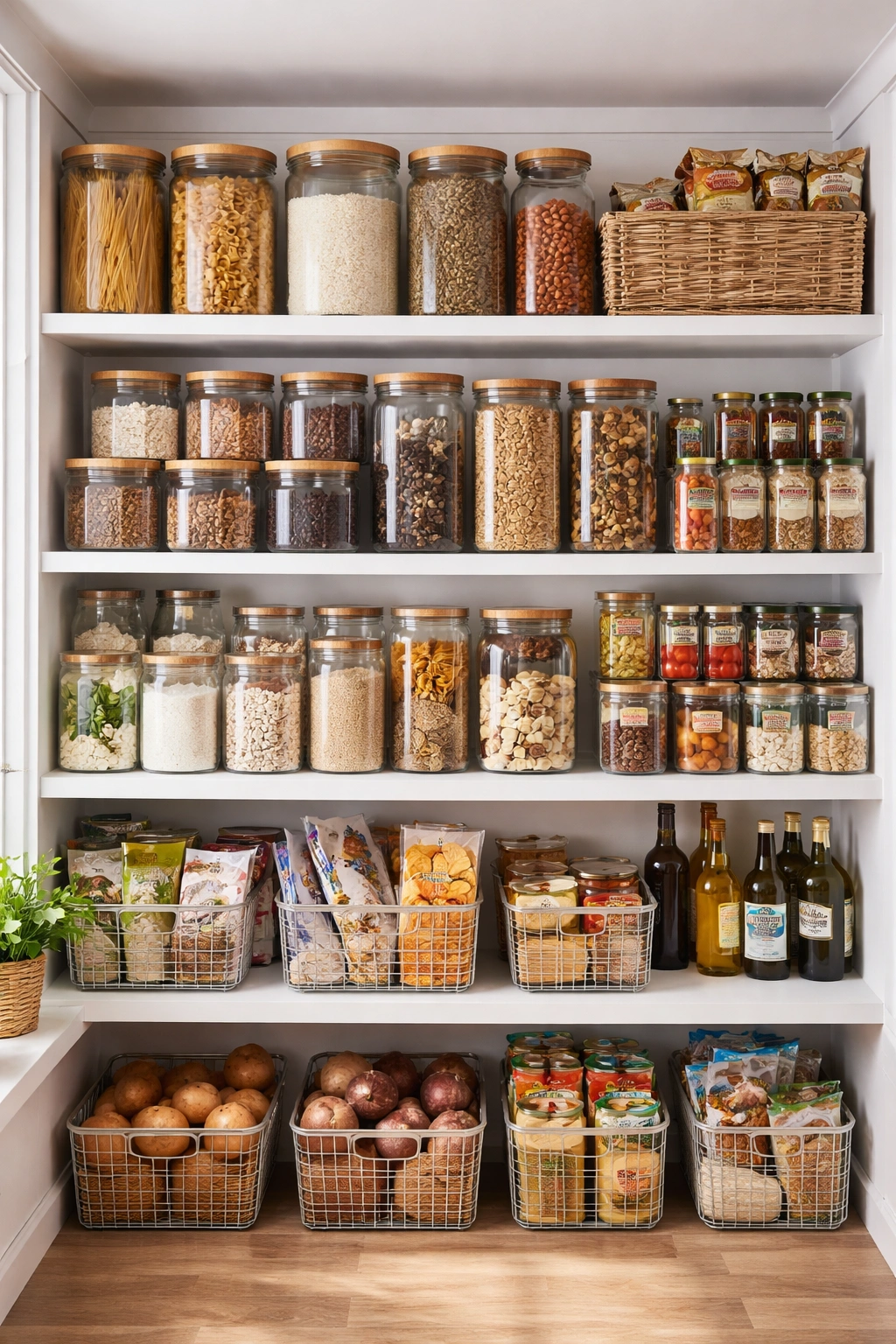
Your pantry organization determines whether you actually use what you buy or whether good food gets forgotten and wasted. A well-organized pantry also helps you spend less because you know what you have and you’re not buying duplicates.
The first rule of pantry organization is first-in-first-out (FIFO). When you put new pasta away, tuck the new box behind the older one so you use the older stock first. This prevents items from sitting so long they go stale. It’s not complicated—just a mindfulness check when you put groceries away.
Group items by category so you can actually see what you have. All grains together, all canned vegetables together, all oils together, all spices together. This makes shopping your pantry easy when you’re planning meals. It also prevents the frustration of discovering you have cumin at the back of a cabinet while you’re buying more cumin at the store.
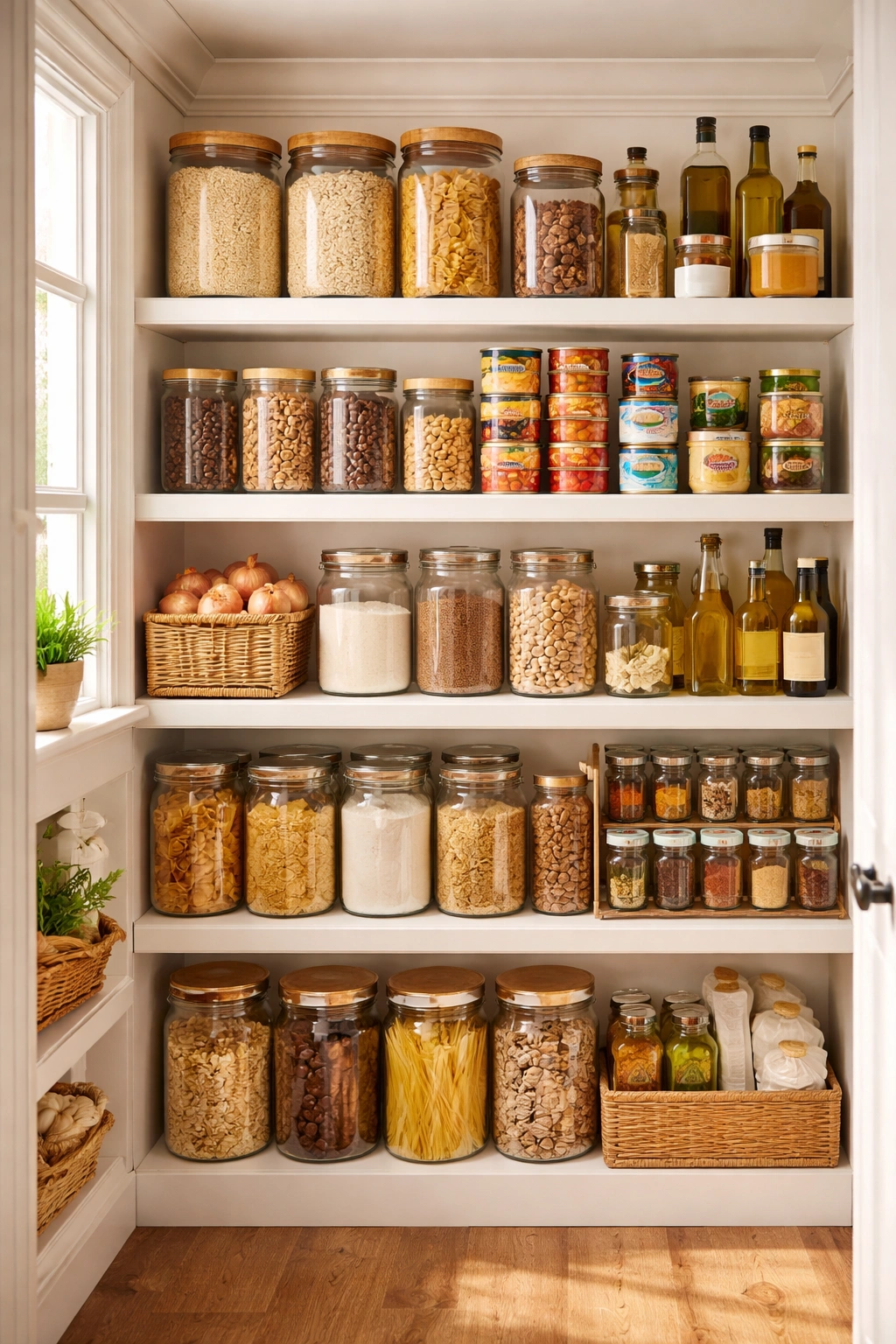
Use clear containers or at minimum store things on shelves where you can see them. Dark cabinets where things hide in the back are where pantry items go to die. If you can’t see it, you forget it exists. Transparent containers for flour, sugar, oats, and grains let you see at a glance when you’re getting low and need to restock.
Keep your most-used items at eye level and at the front. You want to reach for the oats, rice, and canned tomatoes without any hunting. Less-frequently used spices and specialty ingredients can go higher or deeper. This organization makes cooking faster and more pleasant.
Store oils and nuts in the refrigerator or a cool, dark place if possible. Oils can go rancid with exposure to light and heat. Nuts go rancid faster than other foods. Keeping them cool extends their shelf life considerably. If you don’t have fridge space, at least keep them in a dark cabinet away from the stove and sun.
Budget-Friendly Proteins That Last
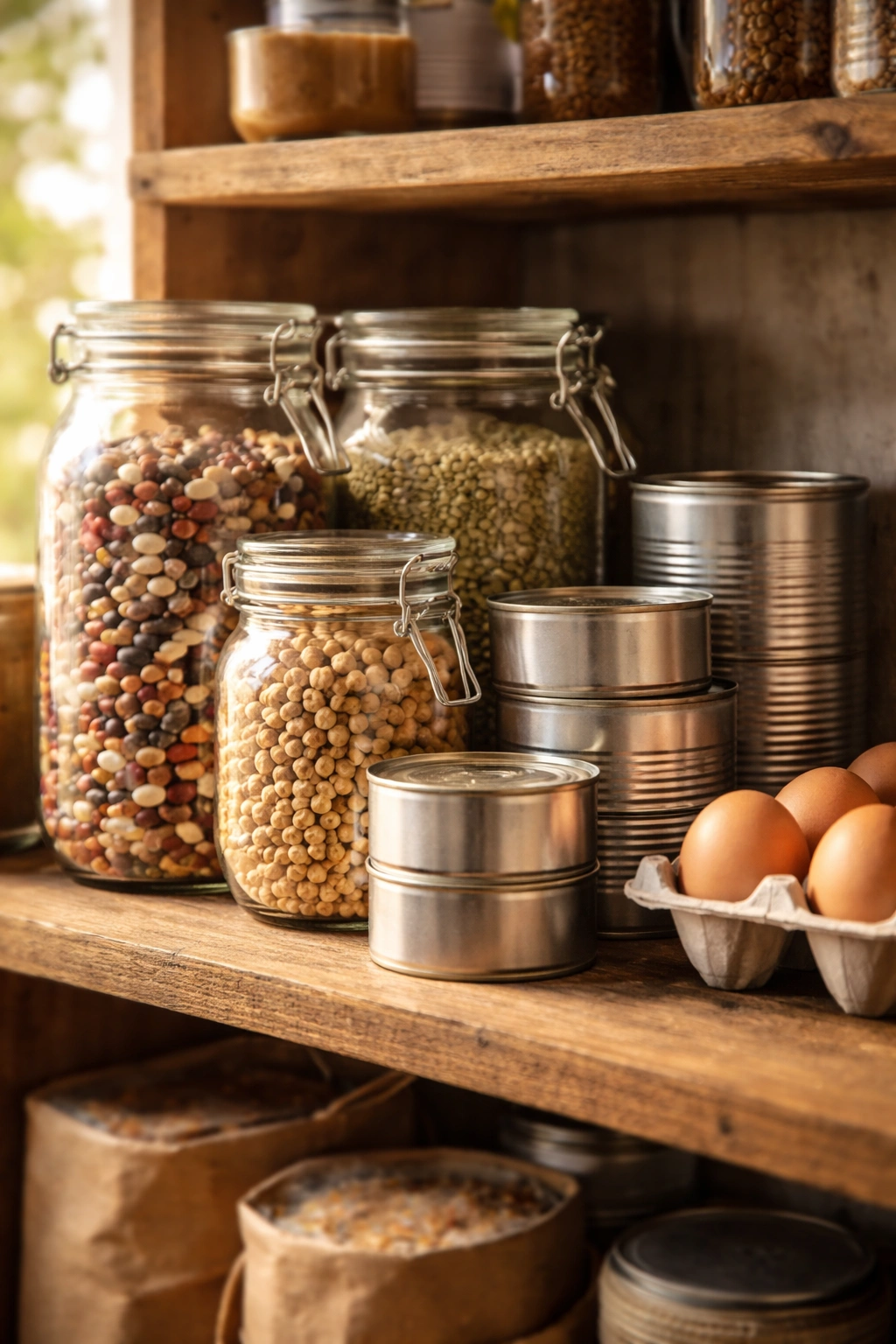
Protein is often the most expensive grocery category, which is why learning to buy affordable proteins that keep for months completely changes your grocery budget.
Dried beans and lentils are the ultimate budget protein. A one-pound bag of dried beans makes about eight servings of protein at a cost of under $2 total. Compare that to three pounds of chicken breast at $10-12, and you see the difference immediately. Black beans, pinto beans, chickpeas, and red lentils are all shelf-stable for a year and make complete proteins when paired with grains. Learning three bean recipes gives you three weeks of cheap dinners.
Canned tuna and canned chicken seem expensive per can ($1.50-2.50) until you consider that one can is roughly two servings. You’re paying less than $2 per serving for ready-to-eat protein that doesn’t require cooking. Keep a rotating stock of at least six-eight cans at all times—they work in salads, sandwiches, pasta dishes, and rice bowls. The sodium is high, so this isn’t an every-day staple, but for budget building, they’re invaluable.
Eggs are absurdly cheap protein if you have refrigeration. A dozen eggs costs $2-4 depending on where you live, which is 17-33 cents per egg. That’s insanely economical for complete protein. Buy eggs regularly and they solve breakfast and budget protein problems simultaneously.
Peanut butter is protein hiding in plain sight. Two tablespoons contains six grams of protein and costs 15-20 cents. It pairs with rice, bread, oats, and fruit. It requires no cooking. It lasts for months. A jar of natural peanut butter is an underrated pantry anchor.
Canned sardines and other canned fish are higher in omega-3s than canned tuna and typically cheaper. They’re more acquired taste but worth trying if your budget allows. Pair them with rice and cheap vegetables and you have a genuinely nutritious meal for under $1 per serving.
Shelf-Stable Vegetables and Fruits
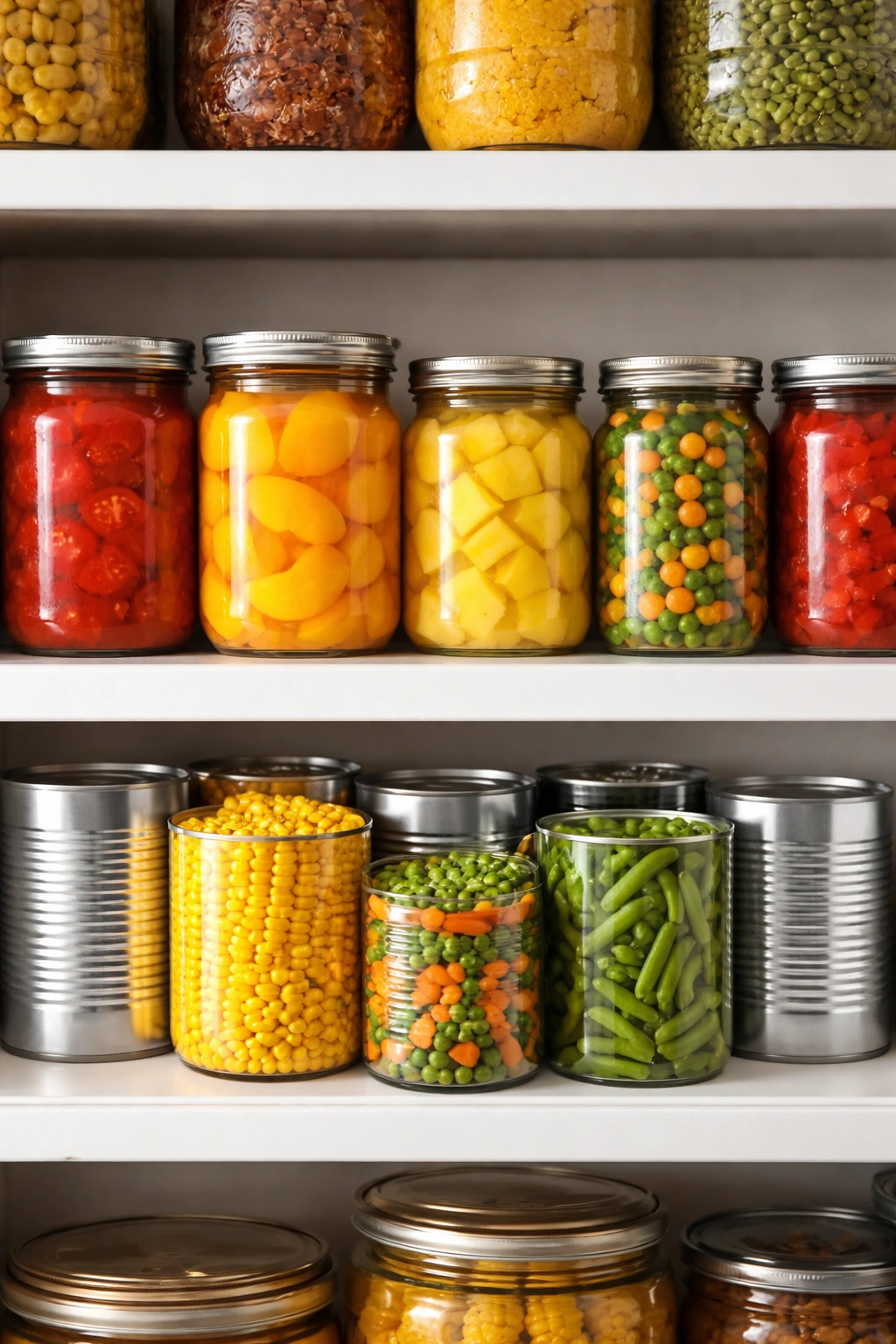
Fresh produce is ideal but budget-unfriendly when you’re building pantry staples. Shelf-stable vegetables and fruits let you eat nutritiously without worrying about spoilage.
Canned tomatoes are not a substitute for fresh tomatoes—they’re their own ingredient category. Crushed tomatoes, diced tomatoes, and tomato paste are versatile enough to appear in hundreds of dishes. Buy them in bulk and you’ve got the base for soups, stews, sauces, and rice dishes for pennies per serving. A case of canned tomatoes costs about $15-20 and makes dozens of meals.
Canned vegetables are genuinely nutritious. Canned corn, carrots, green beans, and peas all retain most of their nutrients through the canning process. Yes, they’re softer than fresh, and yes, the sodium is higher. But they’re available year-round, they cost less than fresh, and they require zero cooking. There’s zero shame in building meals around canned vegetables when you’re on a budget.
Canned fruit in juice (not syrup) gives you affordable access to fruit year-round. Canned peaches, pears, pineapple, and mixed fruit all work as breakfast additions, dessert toppings, or ingredients in main dishes. Buy the “no sugar added” or juice-packed versions and the added sugar is manageable.
Dried fruit like raisins, dried cranberries, and dried apples last forever and add sweetness and nutrition to oatmeal, rice dishes, and baked goods. They’re more expensive than fresh fruit per pound, but a small amount goes further and there’s no waste.
Potatoes and onions are the exceptions to the fresh-vs-shelf-stable rule. Buy potatoes and onions fresh because they’re cheap and they last 4-6 weeks in a cool, dark place (not the fridge). These two vegetables form the flavor base for countless meals and they’re incredibly economical when bought fresh.
Affordable Grains and Carbs
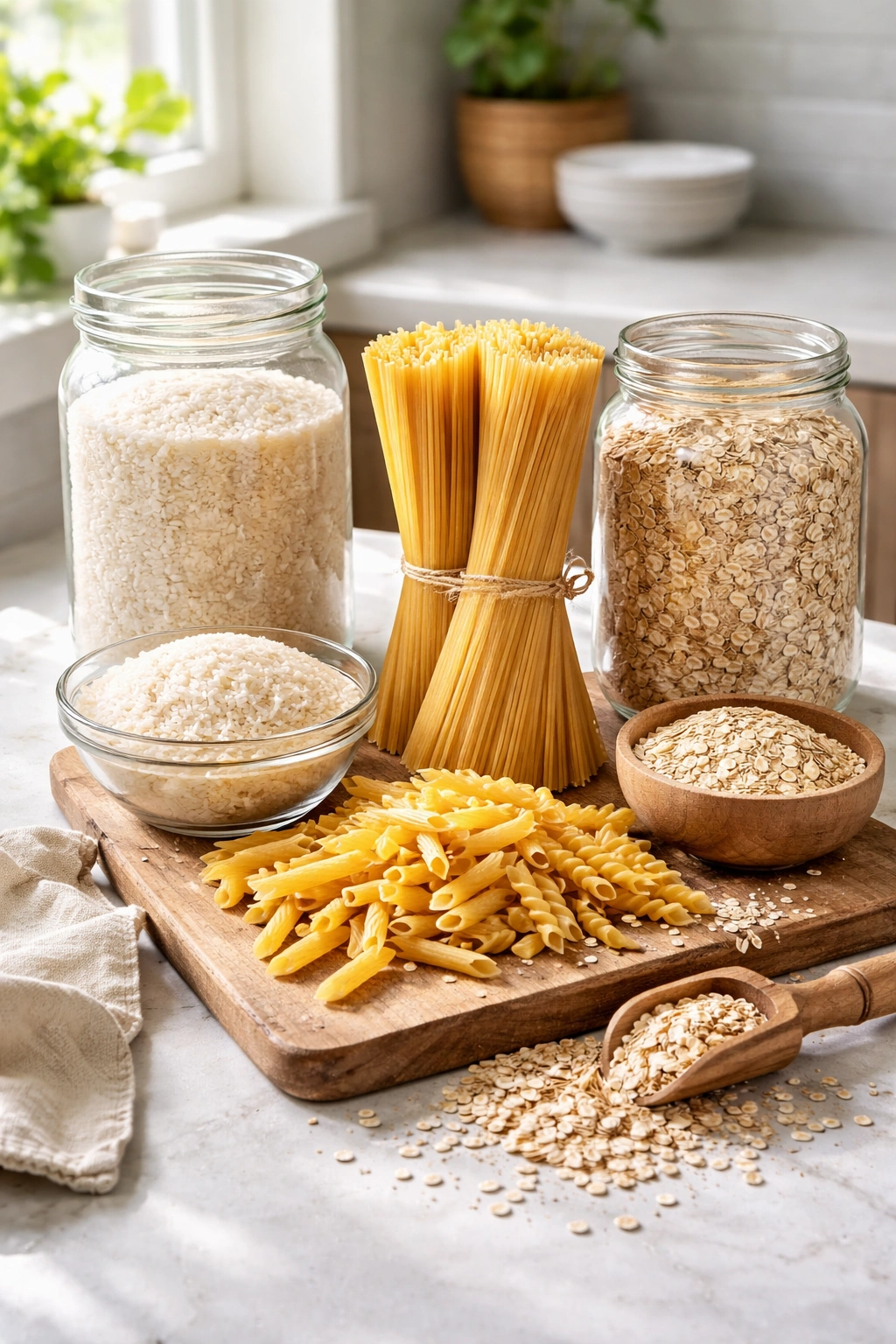
Grains and starches are where your food volume comes from when you’re on a budget, which makes choosing the right ones essential.
White rice is cheaper than brown rice, cooks faster, and lasts longer. It’s not more nutritious, but for a budget pantry, it’s the practical choice. A two-pound bag costs under $2 and makes eight servings. Buy it in bulk and rotate through it.
Brown rice and whole grains are worth keeping around if your budget eventually allows, but they’re not essential in the early stages of pantry building. They go rancid faster than white rice because of the oil in the bran, so they don’t last as long. White rice is the better starting point.
Pasta comes in hundreds of shapes and prices. Stick with basic shapes (spaghetti, penne, elbow) in store brands. You’ll spend half as much as specialty pasta and the taste difference is negligible. A one-pound box of store-brand pasta costs under $1 and makes four servings. Buy several boxes and rotate them.
Oats are essential for affordable breakfasts and baking. A large container of rolled oats costs around $3 and lasts weeks or months depending on your consumption. Plain oats beat specialty flavored packets every single time on both cost and nutrition.
Bread flour, all-purpose flour, and whole wheat flour are worth keeping if you bake at all. A five-pound bag of flour costs $2-4 and makes dozens of items. It requires careful storage (airtight container, cool place) but it’s incredibly economical for anyone who bakes bread or makes biscuits.
Dried noodles beyond pasta—ramen, udon, or other Asian noodles—add variety and cost literally 25-50 cents per package. They’re not the most nutritious option but they’re fast, cheap, and more interesting than plain pasta when you’re rotating meals.
Budget Spices and Flavor Boosters
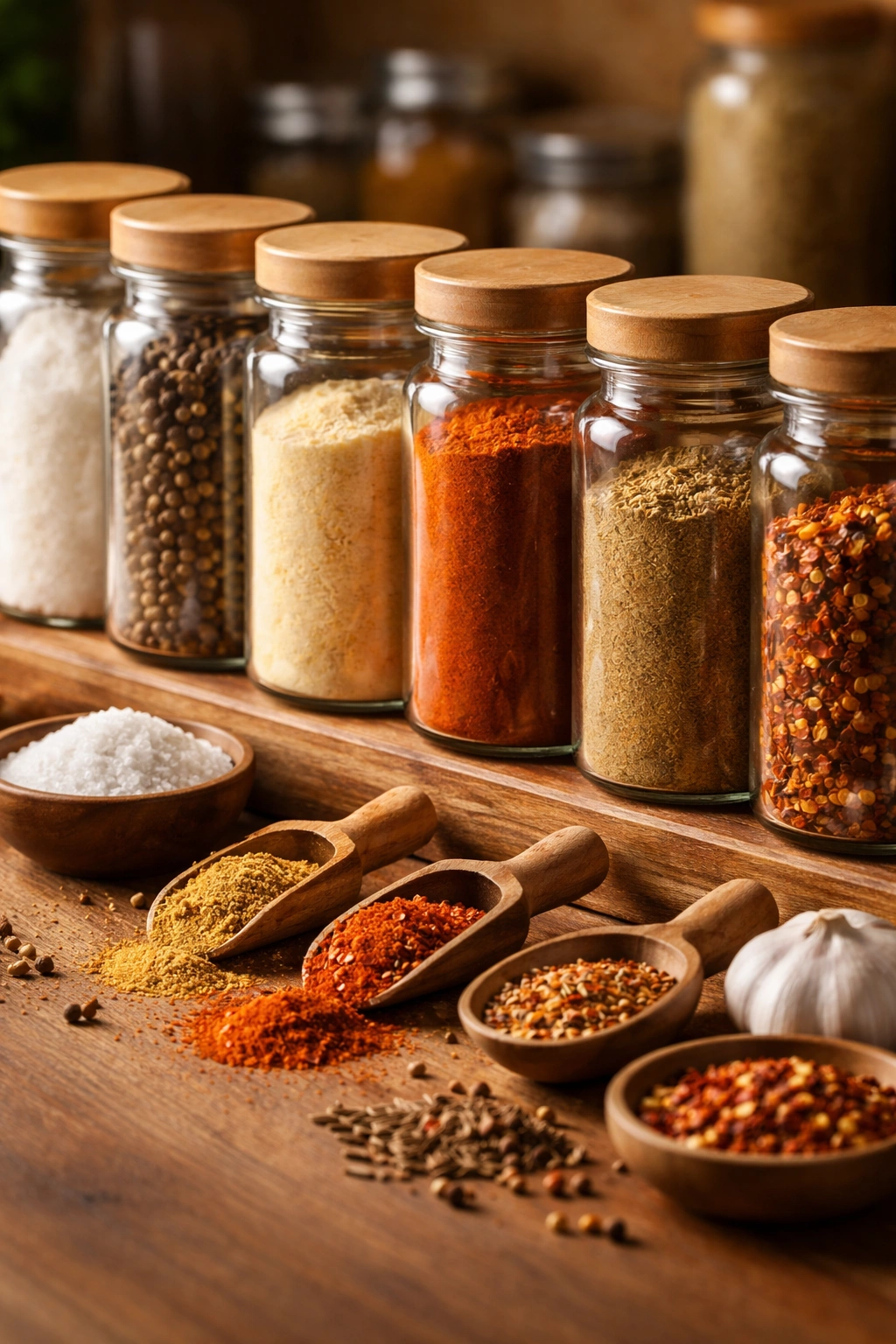
Flavorless food becomes boring food, and boring food makes people abandon a budget diet. This is why spices matter so much despite being invisible in the final dish.
Buy spices in small quantities from bulk bins if your store has them, rather than pre-packaged jars. A bulk bin lets you buy exactly one ounce instead of a full jar that costs $4-6. That same amount from a bulk bin costs 50 cents. If you don’t use spices frequently enough to justify buying jars, bulk bins are your friend.
Salt, black pepper, garlic powder, onion powder, paprika, and cumin will flavor more of your meals than anything else. Start with these six and you can cook convincingly in multiple cuisines. These are worth buying as full jars because you’ll use them constantly.
Hot sauce, soy sauce, vinegar, and Worcestershire sauce add serious flavor for cents per use. A bottle of hot sauce lasts months and costs around $2-3. A bottle of soy sauce costs $2-4 and makes dozens of Asian-inspired meals possible. Vinegar costs under $3 for a huge bottle.
Bouillon cubes (chicken, beef, or vegetable) are flavor shortcuts that cost pennies and work in almost everything. They’re not the most sophisticated ingredient but in a budget context, they’re incredibly valuable. A box of 10-12 cubes costs $1-2 and each cube makes a flavorful broth that becomes soup, rice, or sauce.
Tomato paste is concentrated flavor that extends far. One can (usually around $1) adds tomato depth to rice, beans, or pasta without needing multiple cans of tomatoes.
Peanut butter works as both protein and flavor. It’s not just for sandwiches—it makes incredible sauces, marinades, and Asian-inspired dishes. A jar costs $2-4 and lasts weeks.
Meal Planning Around What You Have
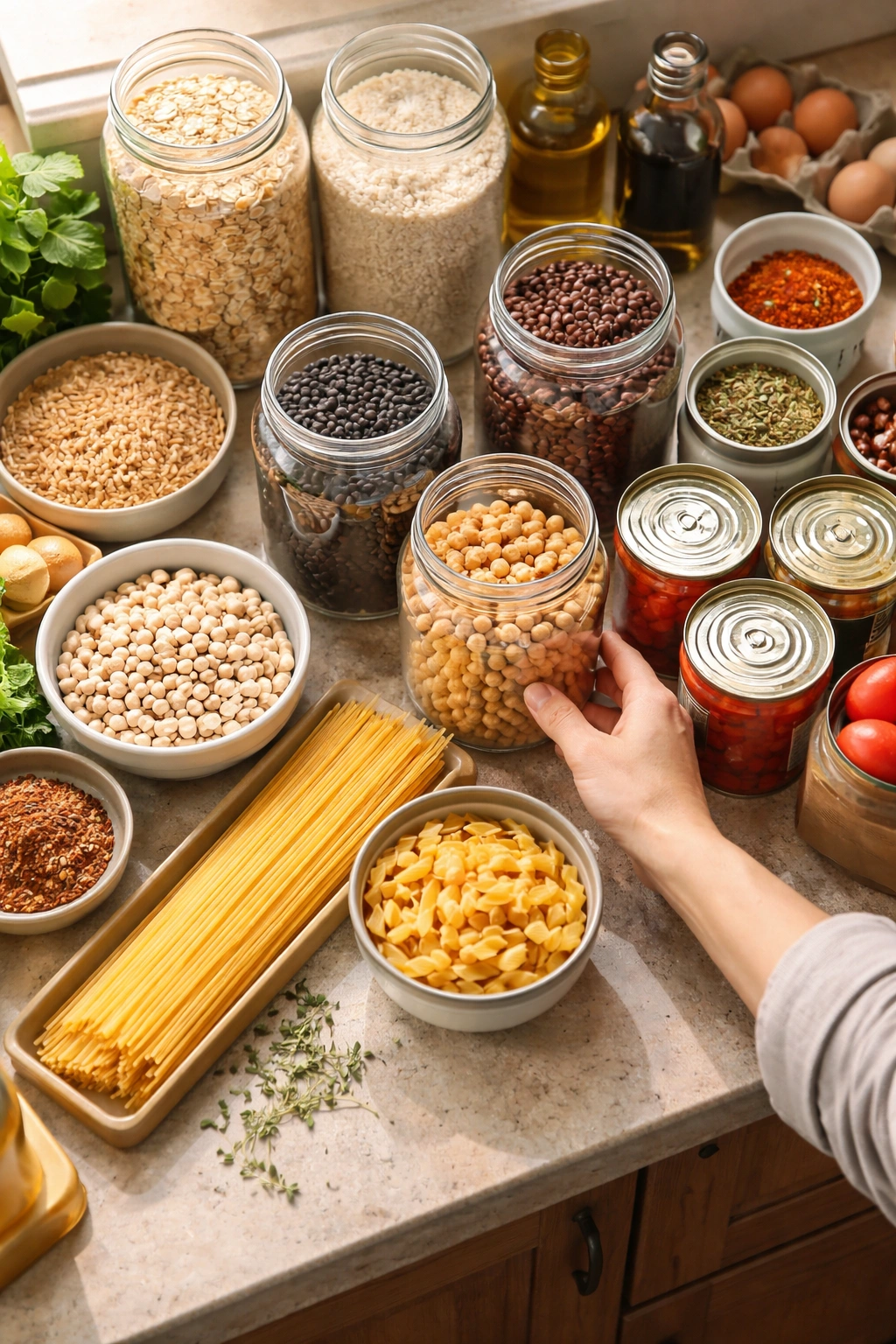
A stocked pantry only saves money if you actually use what’s in it. This means developing the habit of planning meals around your inventory rather than planning meals and then shopping for new items.
Before you go grocery shopping, spend ten minutes thinking about what you actually have. What proteins are in your freezer or pantry? What vegetables do you need to use? What grains haven’t been rotated in a while? Build your meal plan around using those things first, then add one or two new items that round out the meals.
Embrace the concept of “foundation meals”—simple combinations that use your basic staples and taste good enough to eat multiple times a week without getting tired of them. A foundation meal might be: rice + beans + canned tomatoes + spices. Another might be: pasta + canned tomatoes + garlic + oil. Another might be: oats + peanut butter + banana. These three combinations alone can form the backbone of a week of eating, with different spices or additions varying the flavor each time.
Learn to improvise around ingredients rather than recipes. Instead of searching for “what to make with beans,” ask yourself “what do I have that goes with beans?” You’ve probably got rice, some kind of fat, and some spices. That’s most of a bowl right there. You might add a canned vegetable, some leftover fresh produce, or a simple salsa. Learning to think in ingredient combinations rather than recipes makes your pantry feel infinitely more flexible.
Document your favorite foundation meals and keep them somewhere visible. When you’re tired or uninspired, you’re not creating from scratch—you’re assembling a combination you already know tastes good. This removes the emotional barrier that makes people order takeout instead of cooking.
Common Pantry Staples That Aren’t Worth Buying on a Budget
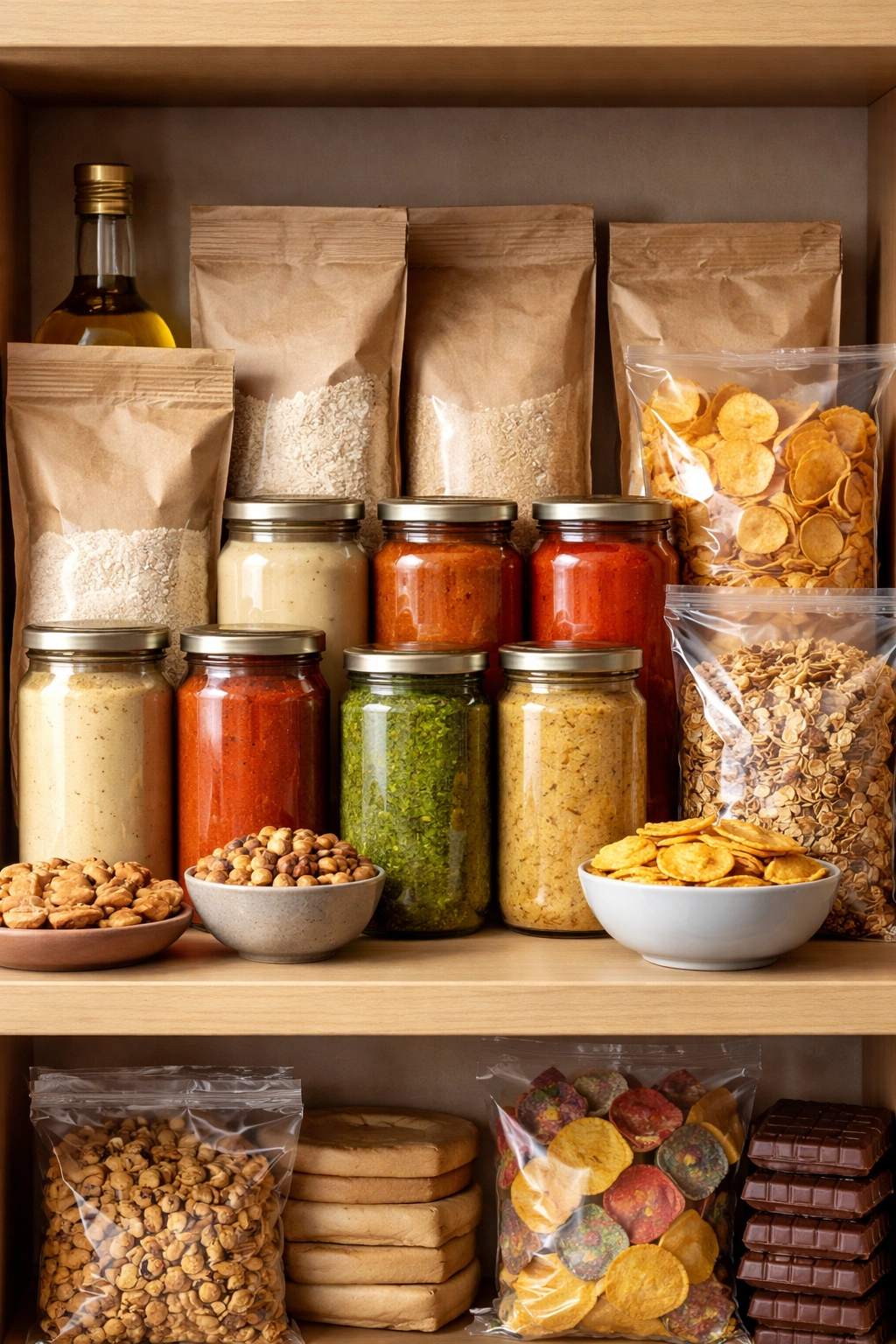
A budget pantry is about prioritizing ruthlessly. Some foods cost so much relative to their usefulness that they shouldn’t be part of an early-stage pantry strategy.
Specialty flours (almond flour, coconut flour, oat flour) are expensive and only useful if you specifically bake with them. All-purpose flour does 99 percent of what you need. Skip specialty flours until your budget is solid enough to have flexibility.
Pre-made sauces and seasonings cost three to five times what homemade versions cost. Pasta sauce, ranch dressing, taco seasoning, and sauce mixes all have cheaper homemade equivalents. You don’t need to be a gourmet cook to mix canned tomatoes with garlic and oil.
Snack foods and pre-packaged treats have extremely high markups. Chips, cookies, granola bars, and crackers all cost significantly more per ounce than their raw ingredients. If you enjoy these foods, you’ll save money making them at home or buying the absolute cheapest store-brand options.
Organic and specialty labels are luxuries for a budget pantry. A can of regular beans and a can of organic beans are nutritionally equivalent and taste the same. The organic label costs more for no functional benefit in a budget context.
Bottled juice and plant-based milk alternatives are more expensive than their shelf-stable alternatives (canned fruit, dried milk powder, or just buying fewer beverages overall). This is where cutting costs is actually viable without sacrifice.
Rotating and Restocking Your Pantry
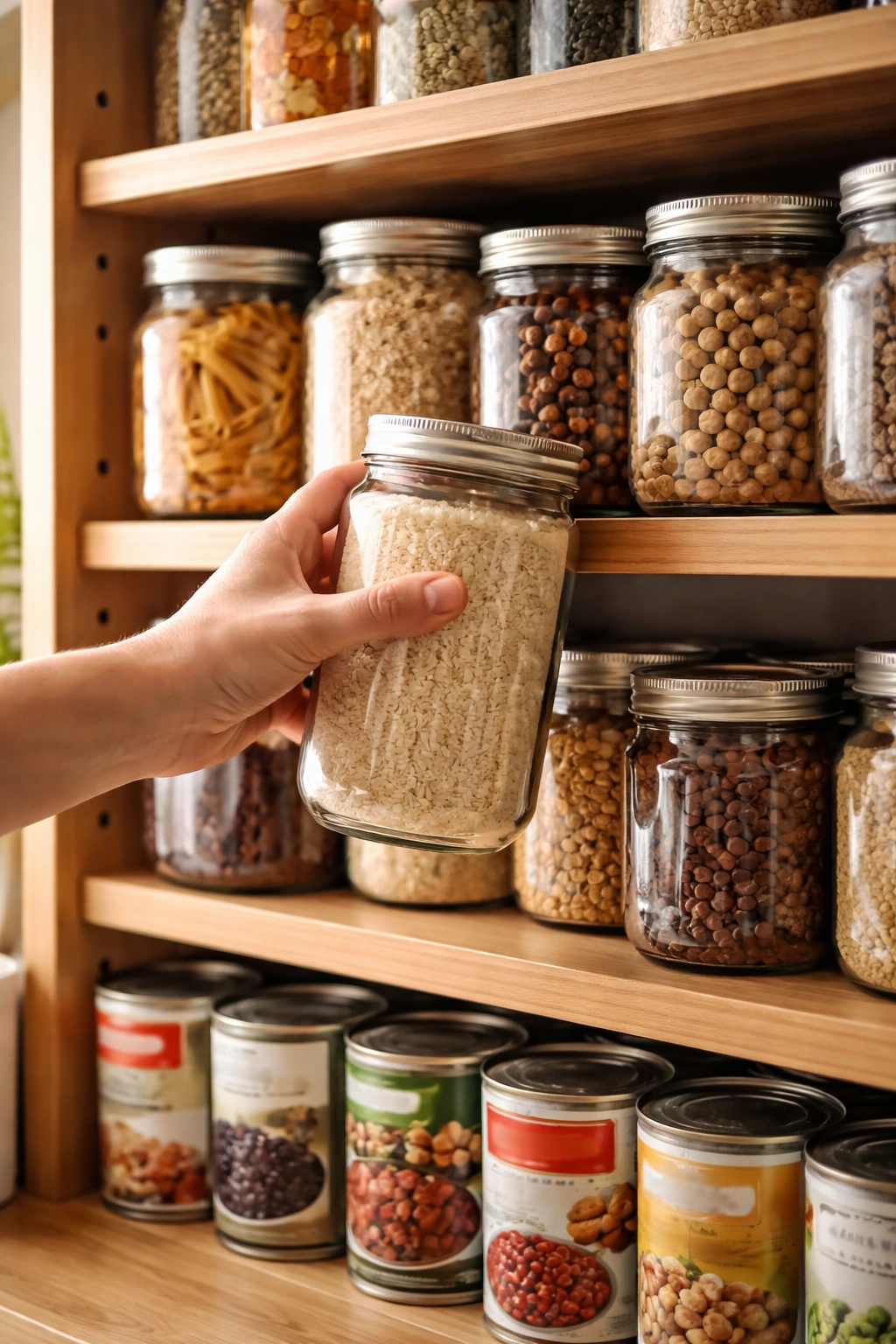
A successful pantry isn’t a static thing you stock once and forget. It’s a living system that needs regular attention to stay efficient and economical.
Set a schedule for checking your inventory. Even ten minutes monthly is enough. You’re looking for three things: items that are getting low (buy more when they’re on sale), items that are approaching expiration (plan to use them this week), and items you’re not actually using (stop buying them).
When something runs low, put it on your shopping list immediately. The worst time to realize you’re out of rice is when you’re planning dinner. The best time is when you’re doing your weekly plan and you notice the container is under a quarter full.
Buy the same basics repeatedly. This might sound boring but it’s actually liberating. You’re not spending mental energy deciding between twenty types of pasta sauce—you’re buying the one you always buy. That decision-fatigue was probably costing you extra money through impulse purchases anyway.
Add one or two new items every month or two, but only if you have a specific reason for adding them. New items should either replace something you’re not using or genuinely expand your cooking capabilities. Adding them slowly means you can actually figure out if you like them before you commit to larger quantities.
Track your spending on pantry staples versus fresh items versus takeout. This isn’t about shaming yourself into frugality—it’s about seeing clearly that a $3 jar of oil used over three months costs about $1 per month, while a single $20 takeout meal is gone in an evening. The visual comparison is powerful.
Making Meals Taste Good on a Tight Budget
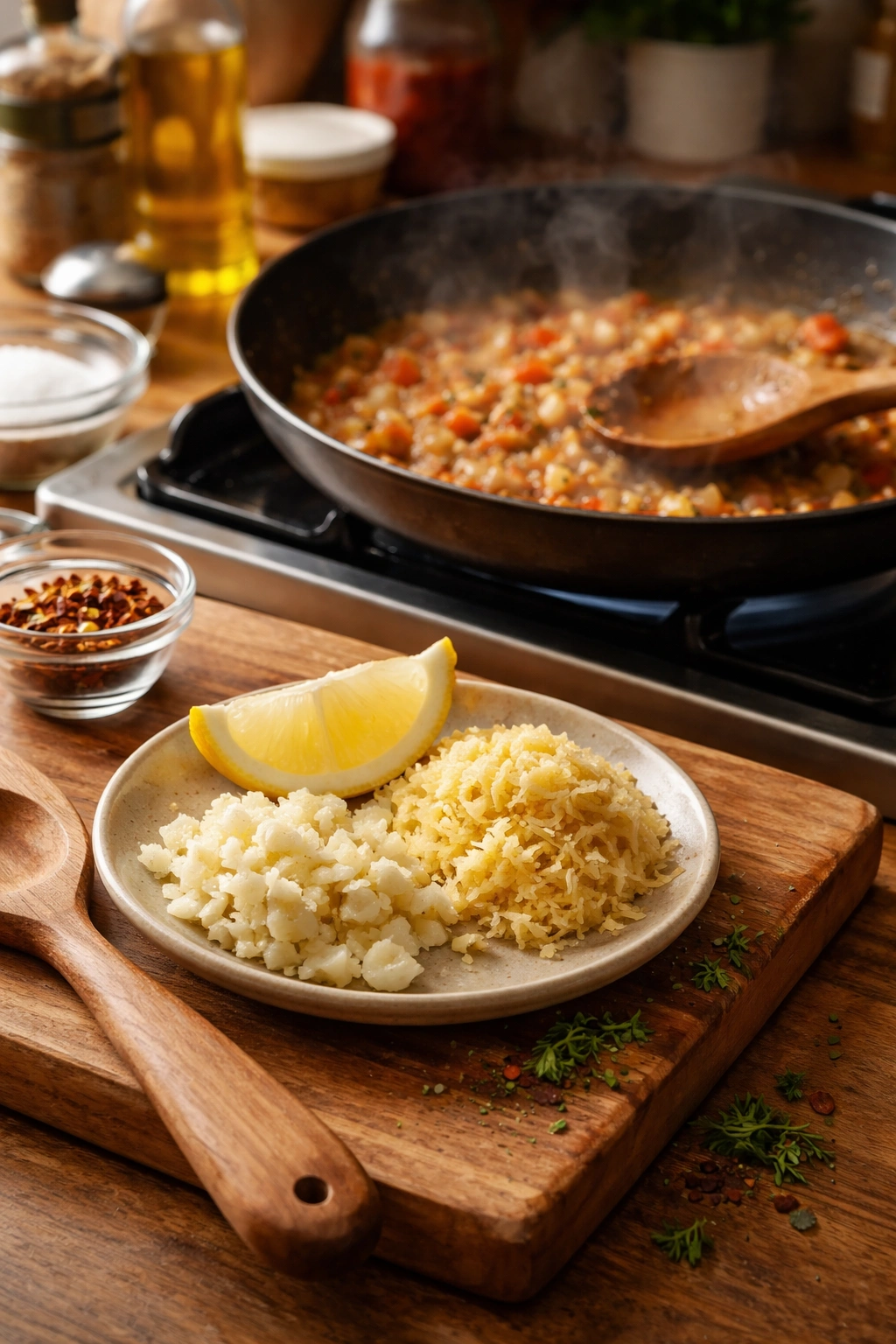
The biggest obstacle to a budget pantry isn’t the actual ingredients—it’s the fear that eating cheaply means eating boring food.
Learn to make your own flavor bases. A quick paste of garlic, ginger, and soy sauce costs 50 cents and transforms plain rice into something interesting. A simple soffritto (onions, carrots, celery sautéed in oil) costs under a dollar and becomes the foundation of soup or sauce that tastes deliberately made.
Use acid strategically. A squeeze of lemon juice, a splash of vinegar, or a dollop of sour cream costs almost nothing and makes cheap food taste bright and finished. Many budget meals taste boring not because the ingredients are bad but because they’re missing acid.
Toast your spices in a dry pan for 30 seconds before adding them to a dish. This is a completely free technique that multiplies the flavor impact of spices you already own. It changes the taste profile without changing the ingredients.
Learn one good recipe for each of your basic staples. Know how to make rice taste like a deliberate dish rather than a filler. Learn how to cook beans so they’re creamy and interesting, not mushy. Know how to make pasta into something you’d eat by choice, not just because it’s what you have. Three or four genuinely good foundation recipes completely shift how you feel about your budget pantry.
Batch cook and freeze. Make a huge pot of chili, soup, or sauce when you have time and freeze portions. Frozen homemade food costs a fraction of convenience food and tastes better. This is where a budget pantry really demonstrates its value.
Avoiding Common Pantry Mistakes
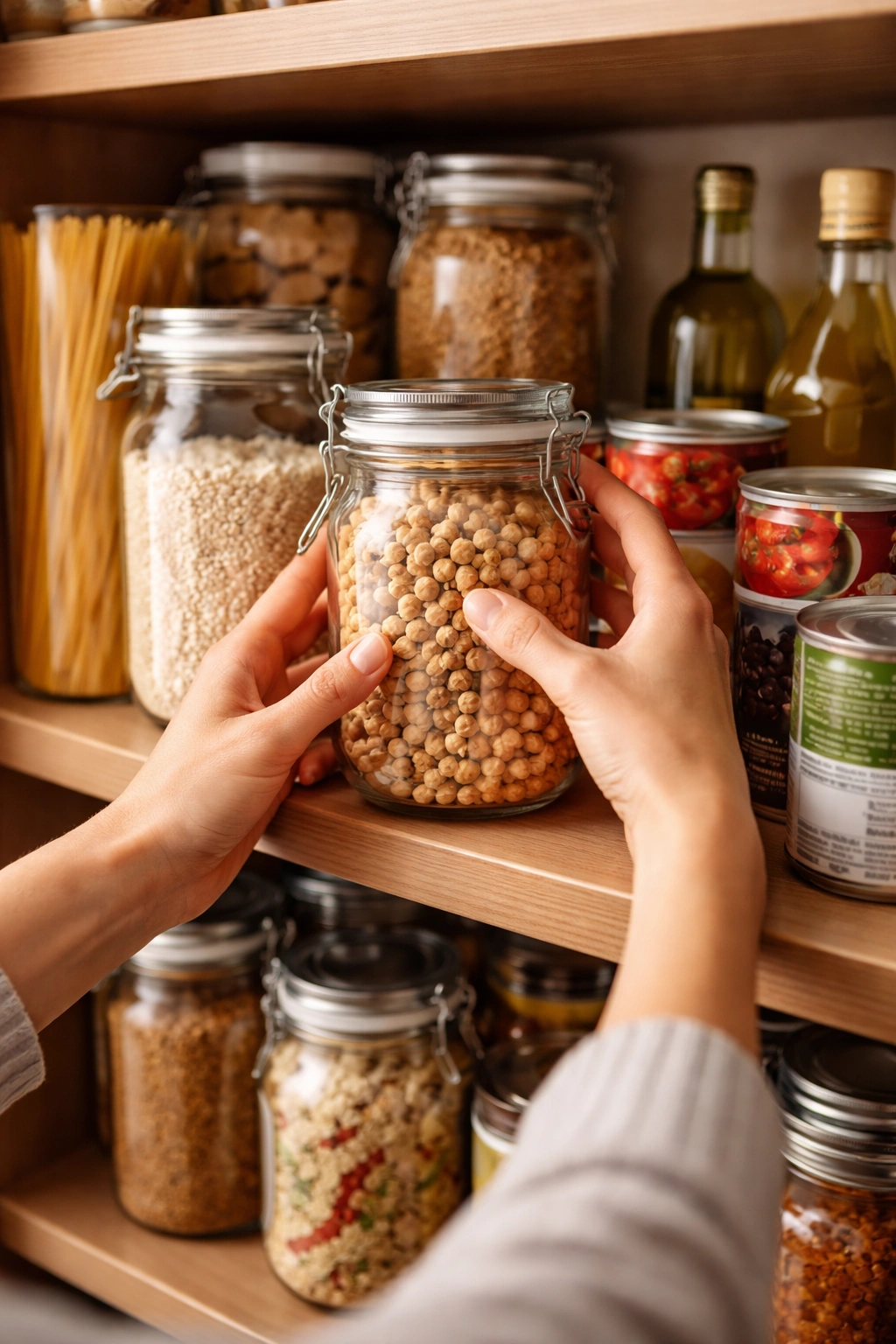
Even with good intentions, building a budget pantry has predictable pitfalls. Knowing them in advance helps you sidestep them.
Don’t buy foods you don’t actually like just because they’re cheap. There’s no deal good enough to make you eat something you genuinely dislike. You’ll waste the money when the food goes uneaten. Only fill your pantry with foods you’ve actually eaten and enjoyed before.
Don’t neglect to check expiration dates, even on shelf-stable items. Dried goods go stale, canned goods can lose nutritional value and taste quality, and oils go rancid. A bargain isn’t a bargain if you throw it away uneaten. Check dates before buying and before eating.
Don’t skip fat in your cooking. Completely fat-free diets are harder to stick to and the food tastes worse. Budget doesn’t mean deprivation. A small amount of oil, butter, or peanut butter makes food more satisfying for pennies more than a completely fat-free version.
Don’t assume price and quality always correlate. Sometimes the cheapest brand is genuinely worse, but often it’s exactly the same product in different packaging. The only way to know is to try the cheap version yourself. You might be surprised how often it’s fine.
Don’t buy in bulk sizes you can’t fit in your space or use before expiration. A five-pound bag of flour is worthless if you don’t have cabinet space or you only bake once a year. Buy bulk only when you’re certain you’ll use it all.
Don’t try to eliminate fresh produce completely in pursuit of savings. Your body needs fresh vegetables and fruit, and the mental benefit of eating food you actually enjoy is worth the cost. Find cheap fresh options (seasonal, discount stores, farmers markets) rather than avoiding fresh entirely.
Final Thoughts
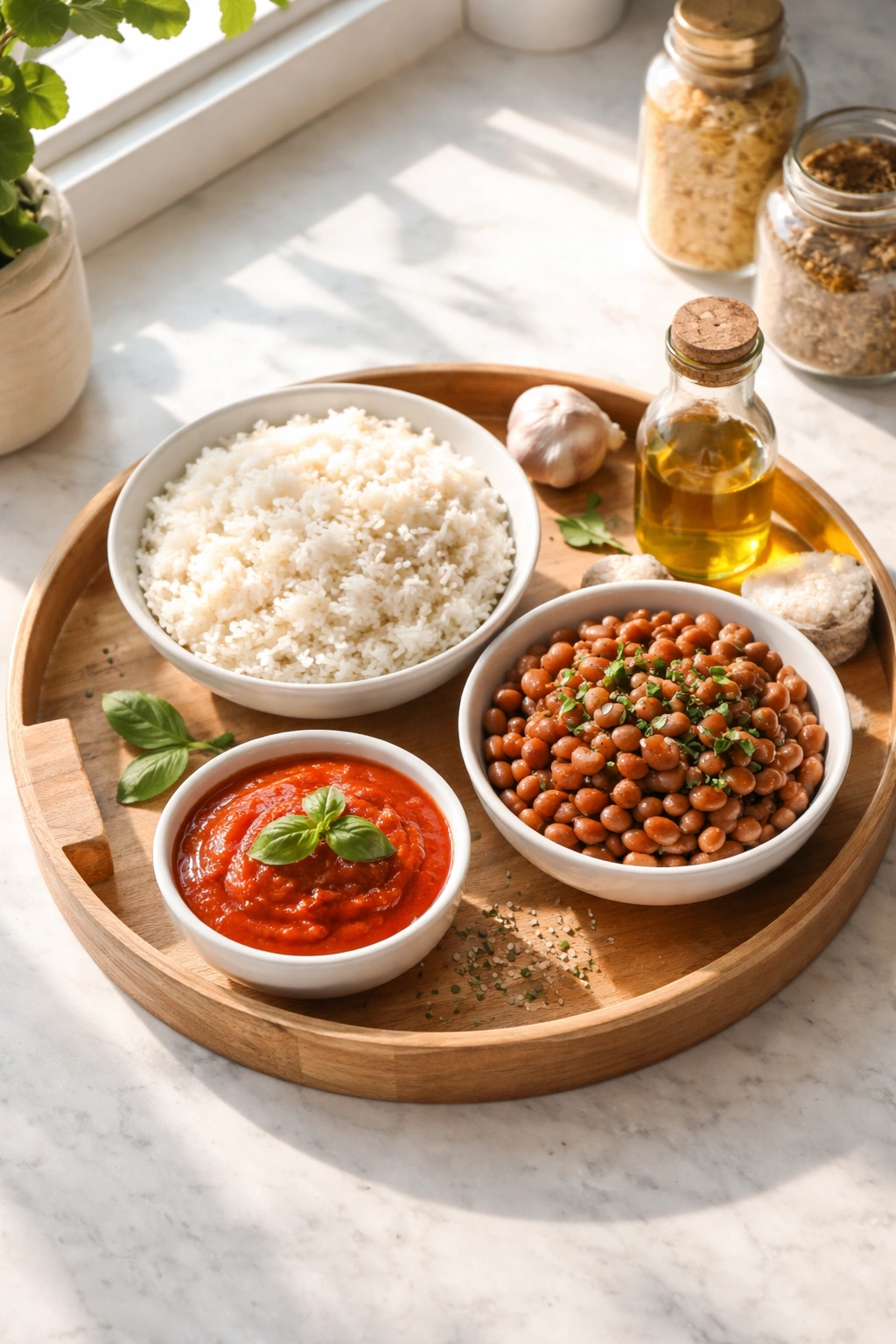
A budget pantry is not about deprivation or eating boring food. It’s about being intentional with your money and building a system where you’re always prepared to eat well. It takes a few weeks of effort to establish, but the payoff is permanent—you’ll never go back to the stress of figuring out dinner at 5pm with nothing in your house and no plan.
The foundation you’re building is actually an investment in your future flexibility. When your pantry is full of staples you know how to use, takeout becomes a choice, not a necessity. Expensive convenience foods become obviously unnecessary. You can navigate a tight week because you know you’ve always got rice, beans, and tomato sauce somewhere in your cabinet.
Start small, track what you buy and what you use, and don’t pressure yourself to have everything at once. A truly functional pantry built gradually over a few months with $100-150 invested will serve you far better than trying to stock everything at once. Pay attention to what you’re actually cooking, buy more of the things you use constantly, and let your pantry evolve into something that actually fits your life and your budget. That’s where the real money-saving happens—not from sacrifice, but from having exactly what you need, when you need it.
