



Greek cooking doesn’t require spending hours in the kitchen, contrary to what many home cooks believe. The cuisine is built on simple, high-quality ingredients and straightforward techniques that prioritize flavor over complexity. When you understand the core elements—olive oil, lemon, herbs, and fresh vegetables—you unlock the ability to prepare authentic Greek meals any weeknight, even when time is tight.
The key to weeknight Greek cooking lies in smart prep and choosing dishes that naturally come together quickly. Many traditional Greek recipes work beautifully as 30-40 minute meals once you’ve gathered your ingredients. The dishes in this collection represent the most approachable Greek dinners that still deliver genuine Mediterranean flavor without requiring you to sacrifice your evening to meal preparation.
What makes these recipes ideal for busy schedules is their reliance on one-pan cooking, minimal chopping, and components you can partially prepare ahead of time. A marinated protein, roasted vegetables, or quick sauce takes surprisingly little active cooking time but generates remarkable depth of flavor. These aren’t shortcuts or compromises—they’re the kinds of meals Greek home cooks prepare regularly for their own families when work and life demand efficiency.
1. Chicken Souvlaki Pitas with Crispy Chickpea Salad
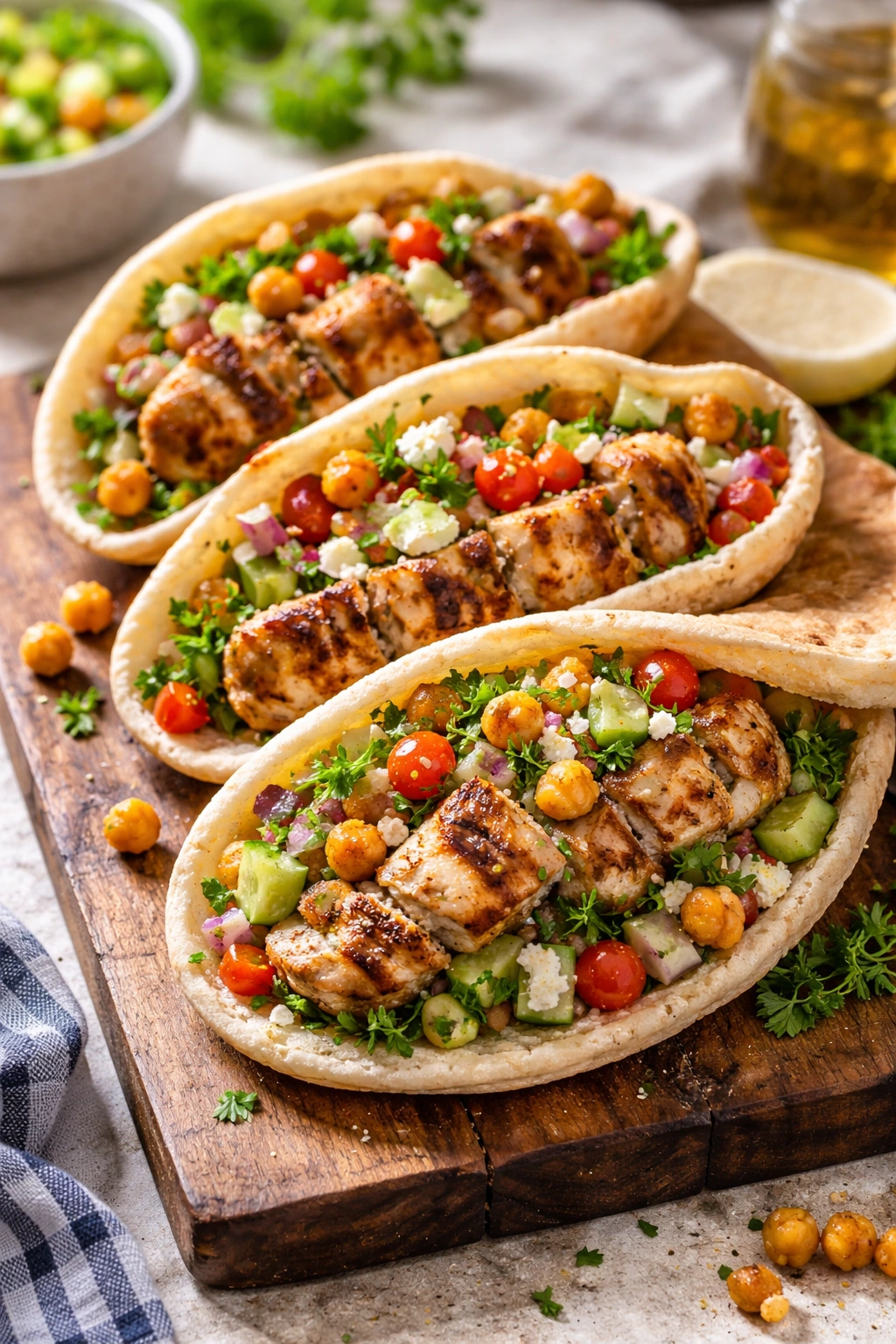
Chicken souvlaki represents the soul of Greek street food, and it’s one of the fastest proteins to prepare once marinated. The beauty of this dish lies in how the marinade does the heavy lifting—a combination of olive oil, lemon juice, garlic, and oregano transforms simple chicken breast into something genuinely spectacular in just 30 minutes total time. You’re not waiting for complex flavors to develop over hours; the acid from the lemon juice and the aromatics from the oregano and garlic work quickly to season and tenderize the meat.
How to Build the Perfect Marinade
The souvlaki marinade traditionally uses a 3-to-1 ratio of olive oil to lemon juice, with generous amounts of minced garlic and dried Greek oregano as the defining spice. If you’re using boneless chicken breasts, pound them to an even half-inch thickness before marinating so they cook uniformly and stay juicy throughout. Even 30 minutes of marinating time makes a noticeable difference in flavor penetration. If you have the forethought, marinating for 2-3 hours the night before transforms a quick weeknight dinner into something you barely have to think about when you arrive home from work.
Quick Cooking Methods for Weeknights
You have three realistic options for cooking souvlaki on a busy weeknight without complicated equipment: a grill pan over medium-high heat on your stovetop, a cast iron skillet, or your oven’s broiler set to high. Each method takes approximately 12-15 minutes for properly portioned chicken pieces. A grill pan gives you those characteristic charred lines and develops a light golden crust while keeping the interior moist. The stovetop method is genuinely faster than firing up an outdoor grill and waiting for charcoal to heat.
Building the Complete Meal
Serve the souvlaki in warm pita bread with traditional tzatziki sauce, sliced tomatoes, red onion, and crisp cucumbers. Many cooks make the mistake of piling toppings too high; restraint creates a more enjoyable eating experience. A quick side salad with chickpeas, diced cucumbers, diced tomatoes, red onion, and a drizzle of olive oil and lemon juice adds protein and a crisp texture that balances the warm pita.
Pro tip: If you’re concerned about dry chicken, slice the marinated breasts lengthwise into thinner strips before cooking—they’ll cook through faster while maintaining moisture in the center.
2. Greek Sheet-Pan Chicken with Roasted Summer Vegetables
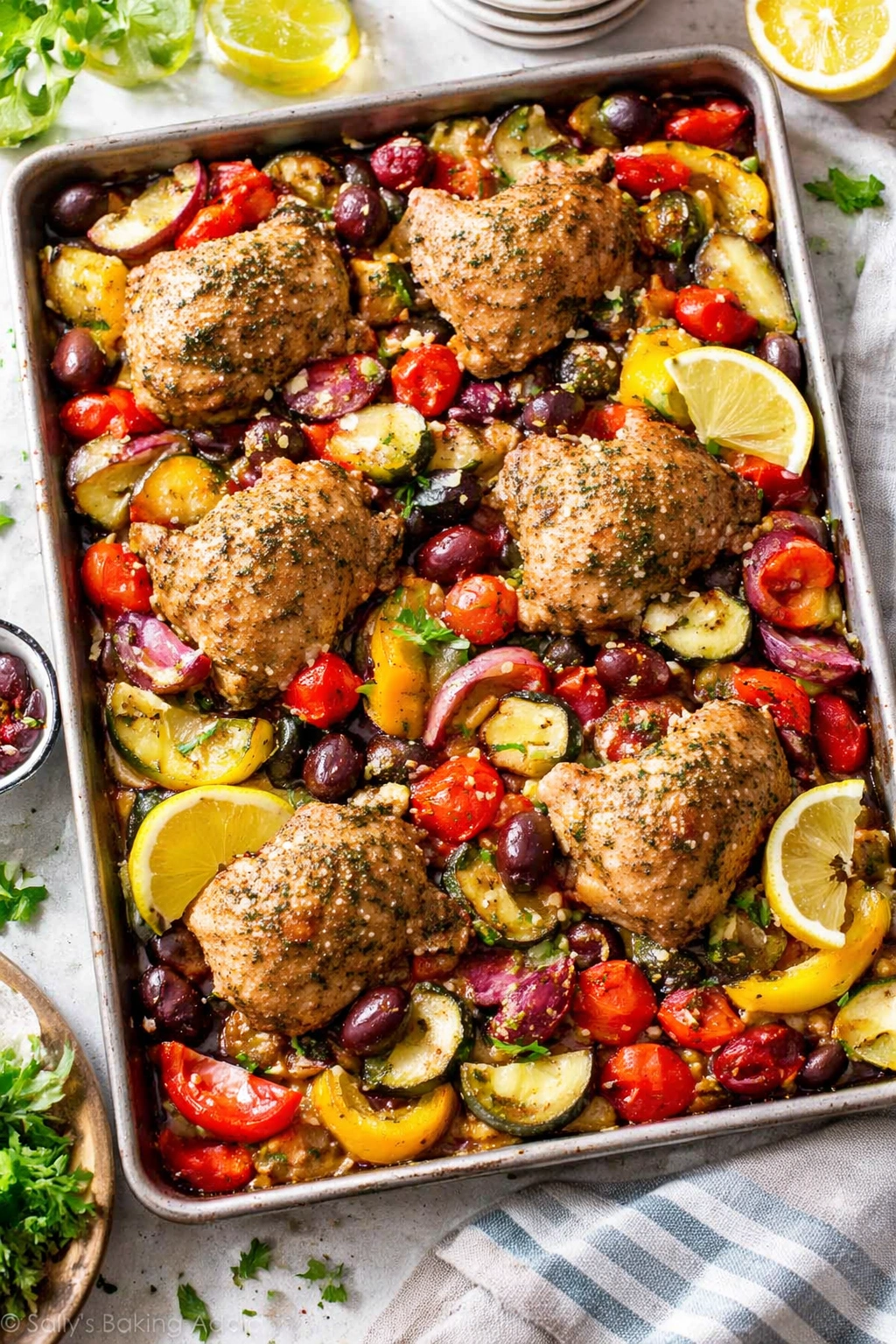
The sheet-pan approach to Greek cooking eliminates virtually all cleanup while concentrating flavors through roasting. Chicken thighs (which are far more forgiving than breasts) roast alongside bell peppers, zucchini, red onions, cherry tomatoes, and Kalamata olives, all seasoned with the same olive oil and herb base that ties everything together. The vegetable juices mingle with the chicken fat and olive oil, creating a natural pan sauce that requires zero additional work. This dish comes together in roughly 40 minutes from oven preheat to plating.
Why Thighs Beat Breasts on Sheet Pans
Chicken thighs contain significantly more fat and connective tissue than breasts, which means they stay moist even when roasted at high temperature. A skin-on, bone-in thigh develops a beautifully golden, slightly crisped exterior while the meat beneath remains tender and juicy. Breasts, by contrast, easily overcook and turn dry if you’re not checking them constantly. For weeknight cooking when you want to set it and forget it, thighs are simply the superior choice. The slight extra cost per pound is offset by the reduction in food waste and the actual enjoyment of eating the finished dish.
The Seasoning and Oil Strategy
Rather than fussing with multiple spice mixtures, use a single high-quality extra virgin olive oil as your base and layer flavor with dried oregano, fresh or dried thyme, minced garlic, lemon zest, and a pinch of red pepper flakes. Toss the chicken and vegetables together in a bowl with these seasonings and the olive oil before spreading them on the sheet pan. This ensures even distribution rather than having herbs clump in certain spots. Salt and pepper should be applied generously—Mediterranean cooking doesn’t shy away from seasoning.
Vegetable Selection and Timing
Cut vegetables into roughly similar sizes so they roast at comparable rates. Tomatoes and olives, which don’t need long cooking time, can be added halfway through if you prefer them slightly less soft. Everything else—peppers, onions, zucchini—benefits from the full roasting time and develops caramelized edges that add sweetness and depth. The pan is ready when the chicken skin is golden brown and the vegetables have softened with some browning on their cut sides.
Worth knowing: Don’t overcrowd the sheet pan. If vegetables are piled on top of each other, they’ll steam rather than roast, and you’ll miss out on the flavorful caramelization that makes this dish special.
3. Shrimp Saganaki with Warm Tomato-Feta Sauce
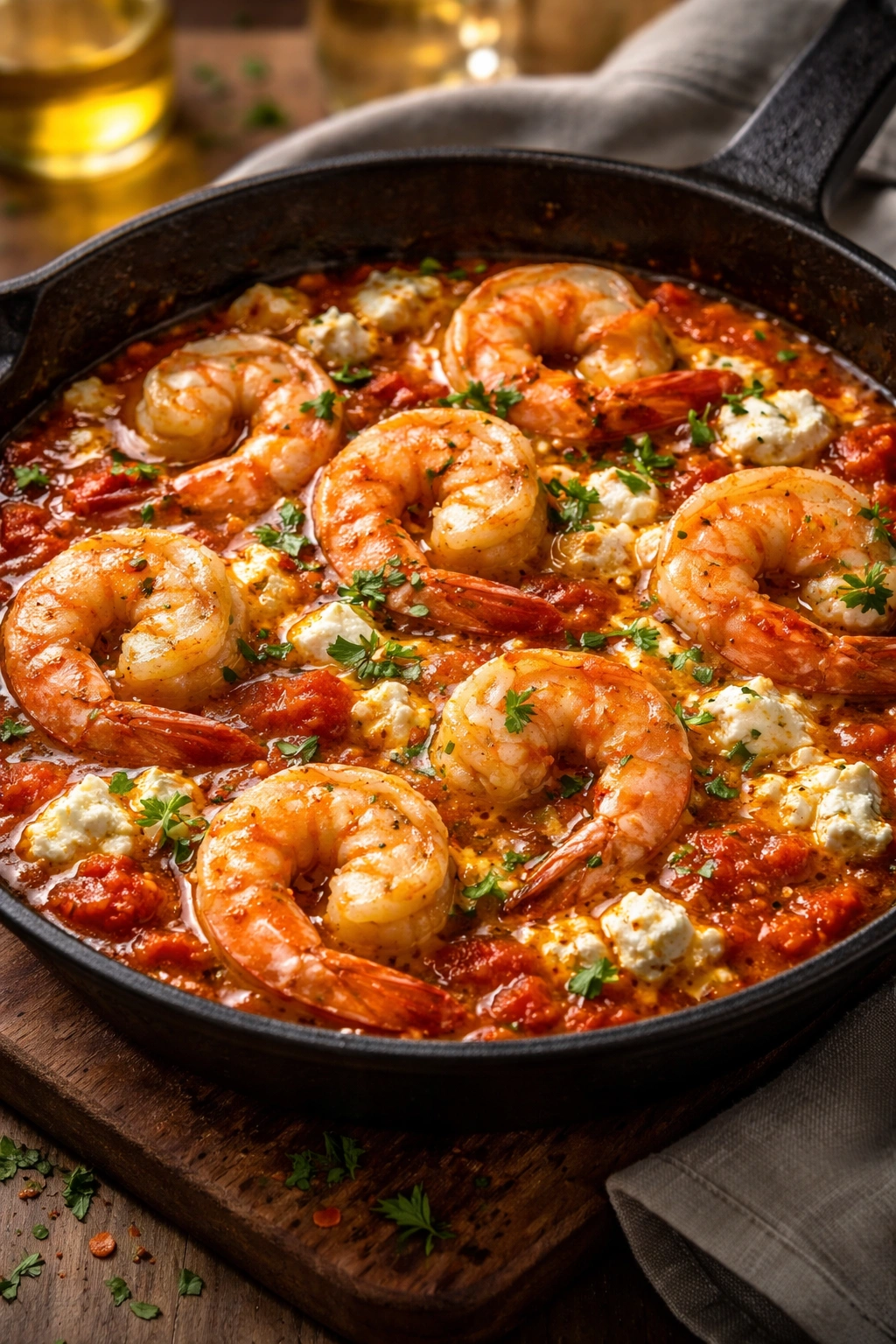
Saganaki traditionally refers to cheese that’s been fried, but modern Greek tavernas adapted the technique to create shrimp saganaki, where shrimp simmer in a vibrant tomato sauce and finish with melted feta cheese and olive oil. This dish hits every element of Greek cooking: bright acidity from tomatoes, the umami depth of olive oil, the creaminess of feta, and the briny sweetness of shrimp. It’s also one of the fastest weeknight dinners possible—the entire dish cooks in 20 minutes once you have your ingredients prepped.
Building the Tomato Foundation
Start with a sauté of garlic and red onion in olive oil, then add crushed canned tomatoes (which are perfectly acceptable and often superior to fresh tomatoes that lack season and flavor). Add a pinch of cinnamon, which isn’t traditional to saganaki but reflects how Greek cooks approach tomato-based dishes more broadly. Cinnamon adds an almost imperceptible warmth that elevates the tomato flavor without anyone identifying its source. Simmer this sauce for 5-7 minutes, which is enough time for the flavors to meld and the sauce to thicken slightly. The sauce should be rich and concentrated, not watery.
Adding Shrimp and Finishing the Dish
Once your tomato sauce is properly concentrated, nestle cleaned and deveined shrimp directly into the sauce. They’ll cook through in approximately 3-5 minutes depending on their size; large shrimp need longer than smaller ones. You’ll know they’re done when they’ve turned pink and opaque and have just started to curl slightly. Overcooking shrimp by even a minute makes them tough and rubbery, so stay close to the stove during this phase.
After the shrimp are cooked, crumble feta cheese over the top of the pan and drizzle generously with additional olive oil. The residual heat will soften the cheese without fully melting it, creating a creamy-textured topping that contrasts with the briny shrimp and acidic tomato sauce. A handful of fresh parsley or dill added at the very last moment adds color and a bright herbal note.
Serving Suggestions for Weeknight Efficiency
Serve this directly from the pan into bowls with crusty bread for soaking up the sauce, or over a bed of rice or orzo pasta if you want a more substantial meal. The beauty of this dish is its flexibility—it’s elegant enough for entertaining but simple enough that you can make it any Tuesday evening without stress.
Insider note: Frozen shrimp work perfectly here; just make sure they’re thawed before cooking so they cook evenly. Many high-quality frozen shrimp are actually fresher than what’s labeled “fresh” at the supermarket counter.
4. Greek Spaghetti with Cinnamon Meat Sauce
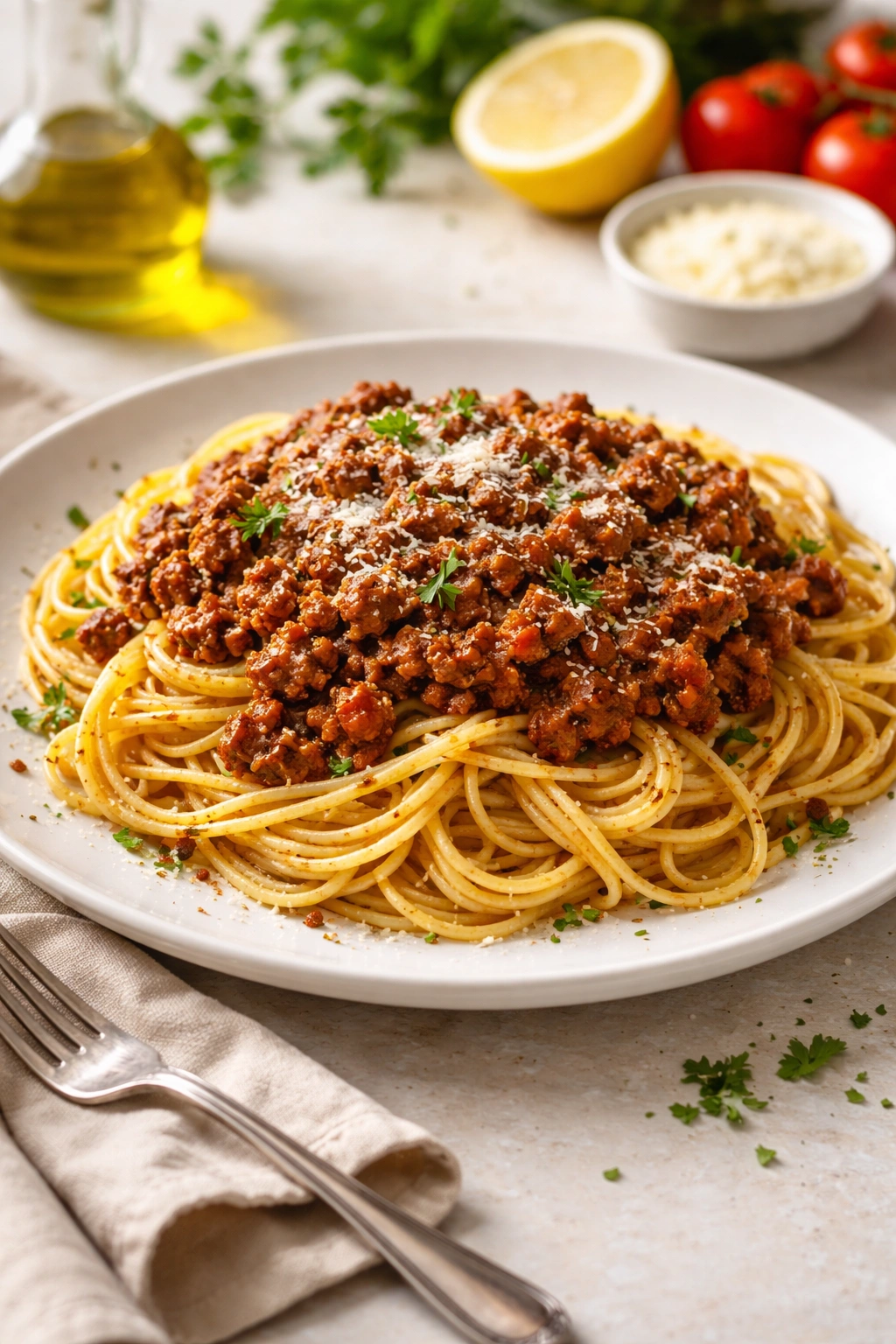
Makaronia me kima, Greek spaghetti with meat sauce, might seem like a simple dish, but it’s proof that Greek cooking achieves sophistication through ingredient quality and proper technique rather than complexity. The signature element here is cinnamon, which appears in Greek meat sauces far more than most non-Greek cooks expect. The spice creates a subtle warmth and roundness that makes the finished sauce taste richer and more developed than the ingredient list would suggest. This entire dinner comes together in 30 minutes and requires only one pot.
Creating the Aromatic Base
Heat olive oil in a large pot and sauté diced onion and minced garlic until the onion becomes translucent and just starts to turn golden at the edges. This stage is crucial—rushing this step or cooking at too low a temperature results in raw onion flavor rather than sweet, cooked onion. Once the aromatics are properly softened, add ground beef or lamb and cook, breaking the meat apart with a spoon, until it’s completely browned with no pink remaining. Don’t drain the meat; that fat is flavor.
Building Depth with Tomato and Spice
Add tomato paste to the pot and stir constantly for 1-2 minutes. This technique, called “blooming” the paste, concentrates its flavor and removes the slightly metallic taste that raw tomato paste can have. Then add crushed canned tomatoes, a generous pinch of ground cinnamon, dried oregano, salt, pepper, and a splash of red wine if you have it open. The wine isn’t essential, but it adds depth. Simmer this sauce for 10-15 minutes, which allows the flavors to meld and the sauce to thicken naturally.
Cooking the Pasta
While your sauce simmers, bring salted water to a boil and cook spaghetti according to package directions. The pasta water is valuable—before draining your pasta, reserve about a cup of the starchy water. If your sauce seems too thick when the pasta is finished cooking, add pasta water gradually until you reach the consistency you prefer. The starch helps the sauce cling to the pasta rather than pooling at the bottom of the bowl.
Final Assembly and Serving
Toss the hot pasta with the meat sauce and finish with a generous handful of grated Parmesan cheese and fresh parsley. A drizzle of quality olive oil over the top adds richness and shine. Serve immediately while everything is still hot. This is comfort food elevated—not fancy, but deeply satisfying.
Pro tip: Don’t oversalt the pasta water if you plan to use the cooking water in your sauce later; you can always add more salt, but you can’t remove it.
5. Quick Tzatziki Chicken with Roasted Root Vegetables
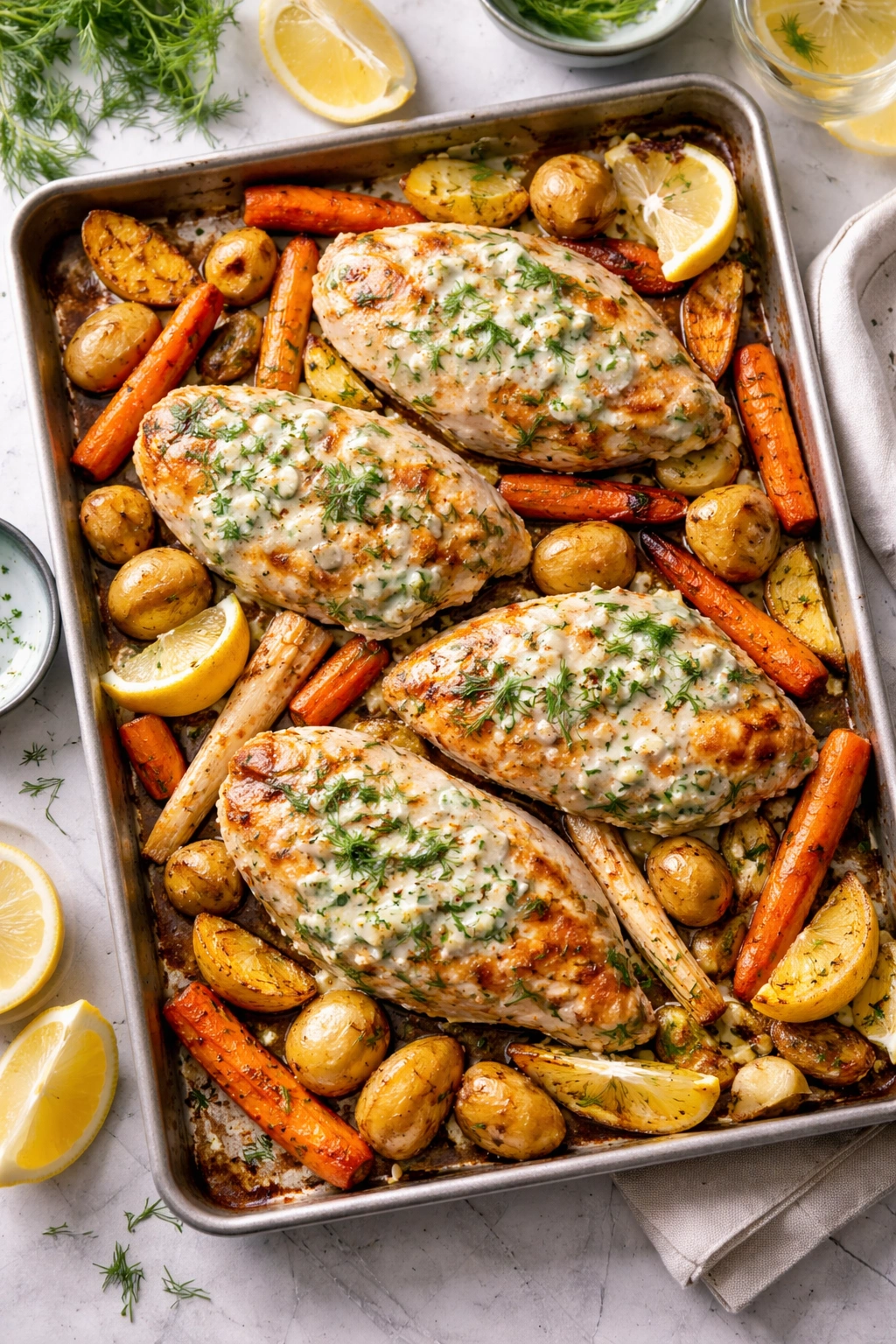
Tzatziki chicken represents one of the most elegant yet effortless approaches to weeknight Greek cooking, combining yogurt’s cooling properties with warm roasted chicken for textural contrast. The yogurt marinade keeps the chicken incredibly moist while the oven handles the vegetables simultaneously, resulting in a complete, well-balanced meal with virtually no stovetop time. Plan on approximately 35-40 minutes total, with the majority being hands-off oven time.
The Tzatziki Marinade and Why It Works
Traditional tzatziki combines Greek yogurt with grated cucumber, minced garlic, fresh dill, and olive oil. For the chicken marinade, use this exact mixture as your base. The yogurt’s lactic acid gently tenderizes the chicken while the garlic and dill infuse flavor throughout. Even 15-20 minutes of marinating time produces noticeably better results than unmarinated chicken; if you have the foresight to marinate for several hours, the difference is remarkable. The yogurt also creates a protective coating that prevents the chicken from drying out during cooking.
Choosing the Right Cuts and Cooking Method
Chicken breasts work fine here because the yogurt marinade provides protective moisture, but chicken thighs are equally valid if you prefer. Arrange the marinated chicken on a baking sheet alongside cut root vegetables—carrots, parsnips, beets, or sweet potatoes, depending on what’s available and what you enjoy. Toss vegetables with olive oil, salt, pepper, and dried oregano. The chicken and vegetables roast together at 400°F for 25-30 minutes, with the vegetables getting pleasantly caramelized and the chicken cooking through.
Building a Complete Plate
Once everything comes out of the oven, drizzle the chicken with additional fresh tzatziki sauce (either homemade or quality store-bought) and garnish with fresh dill and lemon wedges. The hot roasted chicken against the cool tzatziki sauce creates a temperature and flavor contrast that’s genuinely compelling. A simple green salad or steamed greens alongside provide freshness and complete the meal nutritionally.
Adaptations for Different Proteins
This same approach works beautifully with salmon, white fish, or even shrimp, though timing adjusts accordingly. Fish requires less roasting time than chicken, so add it to the pan 10-12 minutes into the cooking time. The tzatziki marinade and serving sauce remain exactly the same, making this a template you can apply to whatever protein you have on hand.
Worth knowing: Homemade tzatziki is genuinely simple if you want to make it fresh—just combine Greek yogurt with grated cucumber that’s been salted and drained, minced garlic, fresh dill, olive oil, salt, and pepper. It takes five minutes and tastes noticeably better than most store-bought versions.
6. Mediterranean Baked Cod with Olive and Tomato Topping
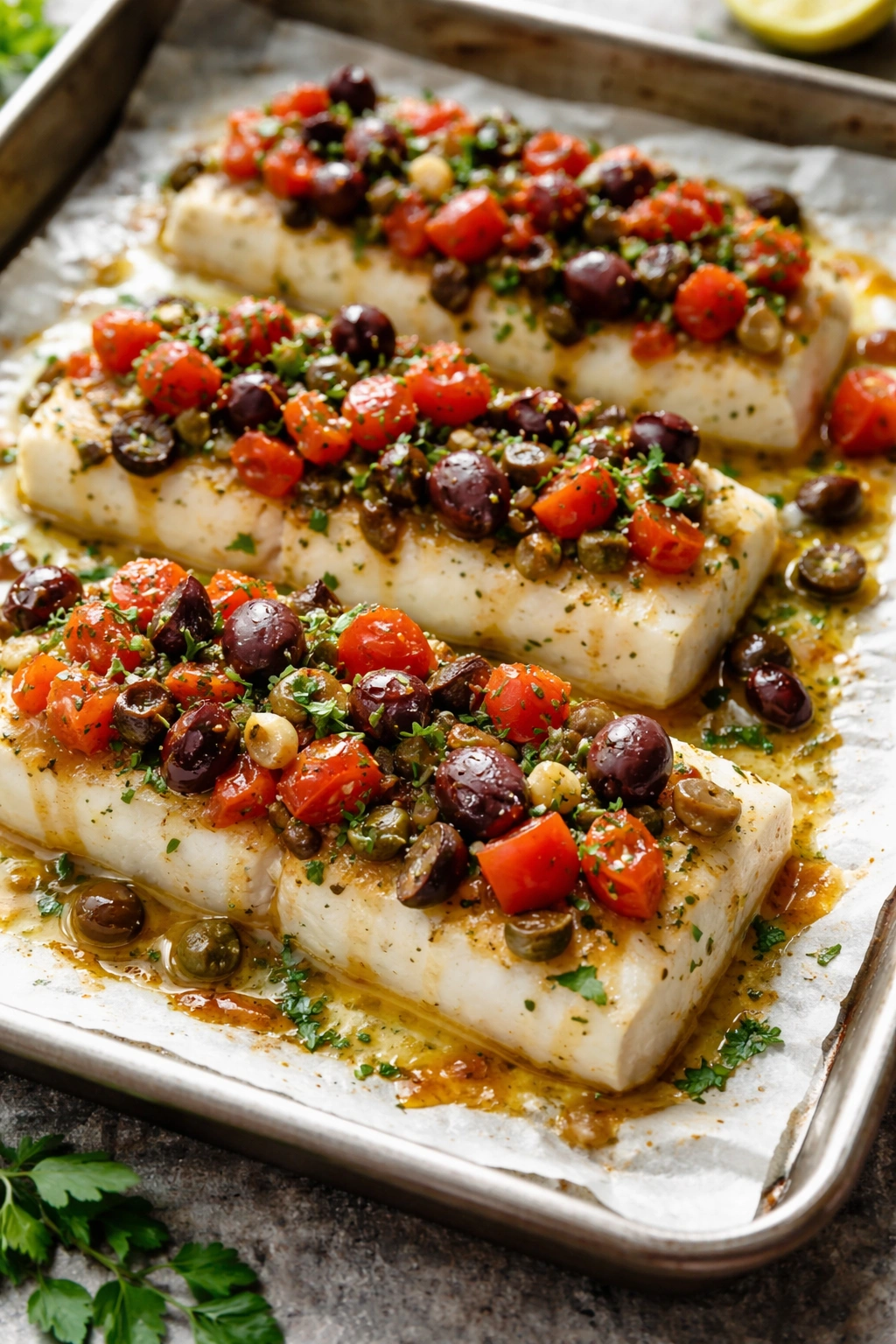
White fish baked with a simple topping of tomatoes, olives, capers, and garlic is the definition of Greek simplicity—a technique that produces restaurant-quality results in under 30 minutes with minimal technical skill. This dish celebrates ingredient quality and proper preparation rather than complicated cooking methods. The topping does double duty as both a flavoring agent and a protective layer that keeps the delicate fish moist during cooking.
Selecting Fish and Preparing for Cooking
Cod, halibut, or any firm white fish works beautifully here. Look for fillets that are roughly similar in thickness so they cook evenly. Pat the fish dry before cooking—moisture on the surface prevents proper browning and can make the fish steam rather than bake. Arrange the fillets on a baking sheet lined with parchment paper, which eliminates cleanup and prevents sticking. A very light coating of olive oil on the bottom helps with browning.
Creating the Flavor-Packed Topping
Combine diced fresh tomatoes (or halved cherry tomatoes if fresh tomatoes aren’t in season), Kalamata olives, brined capers, minced garlic, fresh parsley or oregano, and olive oil in a bowl. The beauty of this topping is its minimal prep—there’s no cooking required beforehand. Simply spoon the topping directly onto each fillet, distributing it evenly. The weight of the topping keeps the fish flat during cooking, and the natural juices from the tomatoes and olives create a light pan sauce.
Baking and Timing
Bake at 400°F for 12-15 minutes, depending on the thickness of your fillets. The fish is done when it flakes easily with a fork and is opaque throughout, but still moist in the very center. A quick visual check is usually sufficient—you’re not looking for the fish to be completely dry and falling apart, just cooked through. Overcooked fish is nearly impossible to recover, so err on the side of slightly underdone if you’re uncertain about timing.
Final Plating and Serving
Transfer the baked fish to a serving plate and spoon any pan juices over the top. A squeeze of fresh lemon juice and a drizzle of quality olive oil finish the dish beautifully. Serve alongside roasted vegetables, a fresh salad, or with crusty bread for soaking up the pan juices. This is the kind of meal that feels special despite requiring almost no effort.
Insider note: If you can’t find fresh tomatoes in season, high-quality canned whole tomatoes drained and roughly chopped are superior to mediocre fresh tomatoes. Greek cooks prioritize flavor over freshness when the alternative is using inferior ingredients.
Final Thoughts
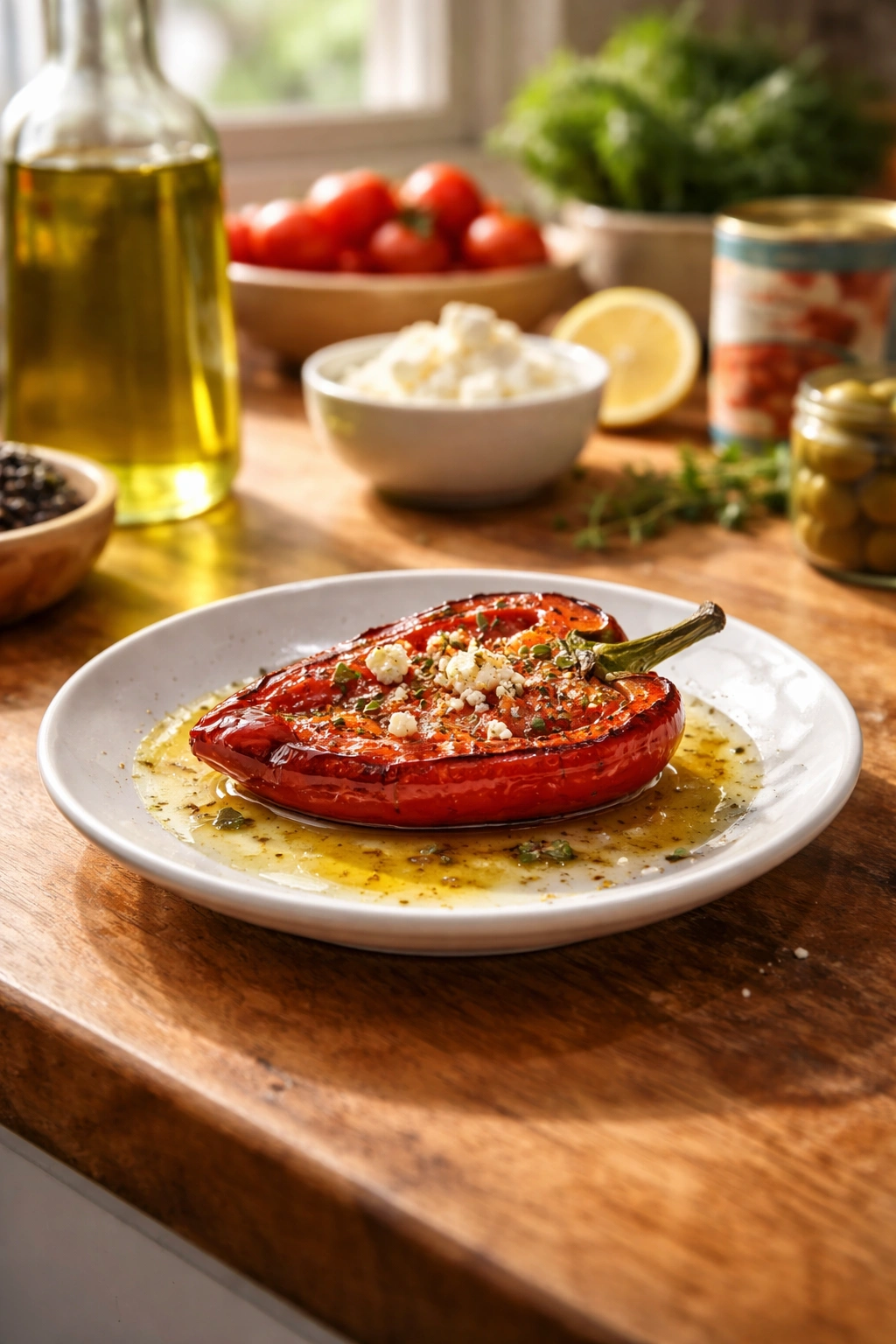
Greek weeknight cooking succeeds because it respects ingredient quality and relies on technique rather than complexity. Each of these six dinners demonstrates that authentic Mediterranean food doesn’t require hours of preparation or unusual ingredients. A well-stocked pantry with quality olive oil, dried oregano, canned tomatoes, olives, and feta cheese gets you most of the way there. The fresh components—lemon, garlic, and seasonal vegetables—complete the picture.
The real shift in perspective comes from understanding that Greek cooking prioritizes flavor development and simplicity over impressive technique. A perfectly roasted vegetable, properly seasoned protein, and a quality olive oil create more impact than complex preparations that obscure ingredient flavors. Once you’ve made a few of these dishes, you’ll notice patterns and variations that let you adapt them based on what’s available in your kitchen and what you’re craving that evening.
Start with whichever dinner appeals most to your palate and what proteins or vegetables you currently have available. You’ll likely find yourself returning to these recipes regularly because they’re genuinely good, genuinely fast, and genuinely satisfying.
