



There’s something almost magical about the moment temperatures drop and evening darkness settles in earlier than usual. Your body starts craving warmth, not just from the ambient temperature around you, but from the inside out. That’s where a truly exceptional comforting dinner becomes essential to weathering the coldest nights. These aren’t just meals—they’re the kind of dishes that fill your kitchen with irresistible aromas, wrap around you like a warm blanket, and deliver the kind of satisfaction that lingers long after the last bite.
The best cold-weather dinners share a common thread: they’re built on layers of flavor, generous portions that stick with you, and the kind of heartiness that makes harsh evenings feel a little less bitter. Whether you’re dealing with single-digit temperatures, wind that cuts through coats, or simply that bone-deep chill that comes with shorter days, these ten dinners deliver exactly what you need. Some simmer low and slow, building complexity over hours. Others come together quickly but taste like they’ve been simmering all day. All of them share the ability to transform a cold night into something genuinely cozy.
1. Boeuf Bourguignon: The Gold Standard of Braised Beef Stews
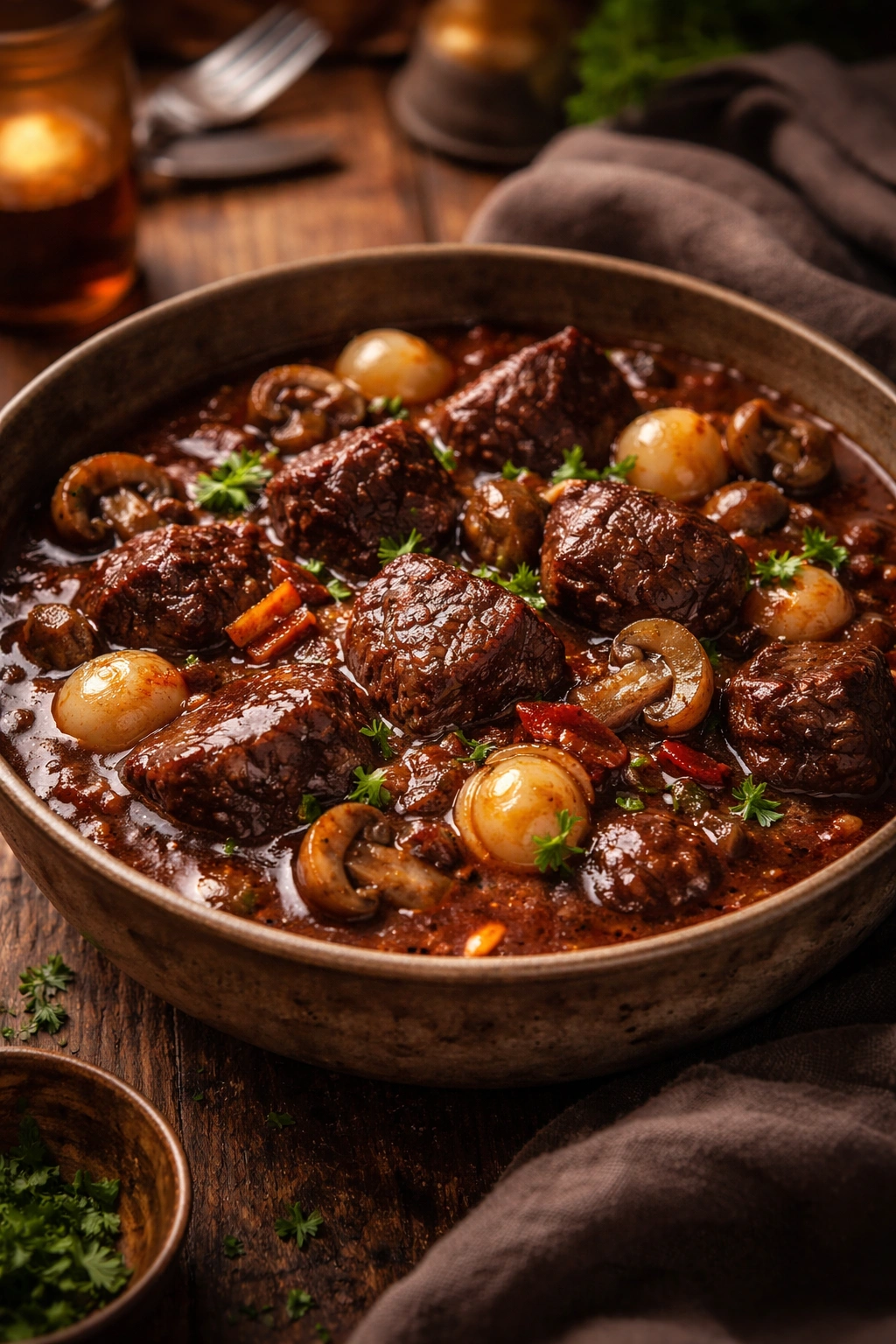
If you’re going to pick one beef stew that deserves to become a winter staple, boeuf bourguignon is it. This French classic combines deep, wine-rich sauce with meltingly tender beef and umami-packed mushrooms and pearl onions that elevate it far beyond ordinary stew territory. The magic happens when you start with a beef chuck roll—a cut absolutely loaded with collagen-rich connective tissue that transforms into silky gelatin as it braises, creating that luxurious mouthfeel that separates truly great stew from the mediocre kind.
Why This Stew Deserves Your Time
The depth of flavor here comes from multiple directions at once. You’re not just relying on the beef for savory richness. The wine adds bright acidity that keeps the sauce from feeling heavy. Tomato paste contributes concentrated umami. A touch of soy sauce and fish sauce work in the background, intensifying the savoriness without making anything taste fishy. Pearl onions turn silky-soft after hours of braising, and mushrooms—usually cremini or pearl varieties—soak up all those incredible flavors while adding their own earthy complexity.
How to Make It Right
- Brown your beef chunks thoroughly in batches, allowing proper caramelization rather than steaming them
- Sauté onions, carrots, and garlic to build an aromatic base layer
- Deglaze with dry red wine (Burgundy is traditional, but any decent dry red works) and use that to scrape up all the flavorful browned bits
- Add beef stock, tomato paste, bay leaves, and thyme sprigs
- Braise covered in a low oven (275°F / 135°C) for 3 to 4 hours until the beef tears easily with a spoon
- Sear mushrooms and pearl onions separately, then fold them in during the final 30 minutes of cooking
Pro tip: This stew tastes noticeably better the next day—the flavors continue developing and melding as it sits in the refrigerator overnight. Make it a day ahead, reheat gently on the stovetop, and you’ll be rewarded with even deeper complexity.
2. Creamy White Chicken Chili: The Spiced Comfort Bowl

White chicken chili takes everything you love about chili and strips away the tomato base, replacing it with a creamy, luxurious broth built on chicken stock and white beans. The heat comes from diced green chiles—either fresh charred ones or canned—which lend brightness and smokiness that cuts through the richness. This isn’t heavy; it’s balanced and addictive in ways that justify making it a regular rotation dinner.
What Makes This Chili Special
Unlike red chili, which builds flavor through hours of simmering dark spices and tomato, white chili lets fresh ingredients shine. Charred green chiles add roasted complexity. A generous amount of cheese—usually a combination of sharp cheddar and Monterey Jack—melts into the broth, creating creaminess without cream. White beans (typically Great Northern or cannellini) add body and starchy richness. The chicken stays tender because it spends minimal time in the pot, cooked through but never tough.
Building the Flavor Base
- Sauté diced onion, garlic, and jalapeños until softened
- Add chicken broth, diced green chiles, cumin, oregano, and white beans
- Bring to a simmer and add shredded cooked chicken (rotisserie chicken works perfectly here)
- Stir in cream and a generous amount of shredded cheese
- Season with salt, pepper, and a squeeze of lime juice just before serving
- Let everyone customize their bowl with avocado, tortilla strips, diced red onion, cilantro, and sour cream
Worth knowing: This chili reheats beautifully and actually tastes better the next day. Make a big batch, store it in the refrigerator, and you’ve got instant cozy dinners waiting for the busiest nights of the week.
3. Gamja-tang: Korean Pork and Potato Stew
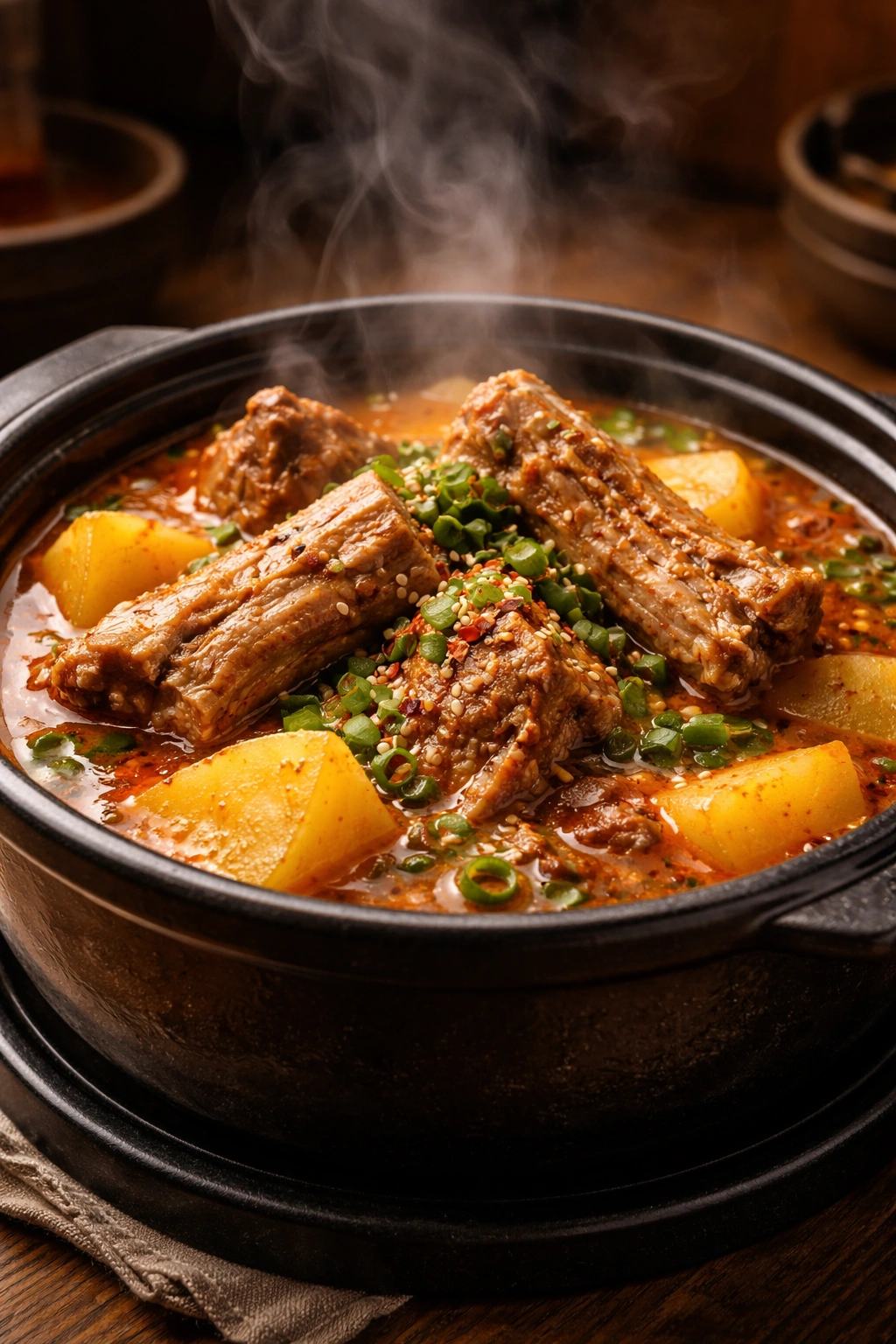
Gamja-tang brings serious heat and serious flavor to the cold-night dinner table. This Korean pork rib stew—traditionally made with meaty pork neck bones—combines tender meat, potatoes thickened with crushed perilla seeds, and a broth that builds heat gradually until it’s absolutely crave-worthy. Fresh perilla leaves and torn red chiles finish the bowl, adding brightness and visual punch to something deeply warming.
The Technique Behind the Heat
The beauty of gamja-tang lives in the layered approach to cooking. The pork ribs (or spareribs, which are easier to sear and eat) get browned first to build a flavorful crust. Aromatics—garlic, ginger, scallion whites—get added to that same pot, picking up all the browned bits. The broth comes together with gochugaru (Korean red chili flakes), which provide heat and fermented complexity rather than just burn. Crushed perilla seeds add nutty creaminess that thickens the broth naturally.
Core Flavor Components
- Pork spareribs, properly seared until golden
- Chunky potato pieces that stay intact during cooking
- Gochugaru (Korean red chili flakes) for authentic heat
- Crushed perilla seeds for nutty creaminess and thickening
- Soy sauce, sesame oil, and anchovy stock for umami depth
- Steamed rice served on the side to soak up the incredible broth
- Fresh perilla leaves and sliced scallions as garnish
Pro tip: Serve this alongside steamed rice and let everyone build their own perfect bite—some rice, some broth, some pork, fresh herbs, and heat all at once. This is comfort food designed to be customized.
4. No-Boil Baked Ziti: Effortless Italian Warmth
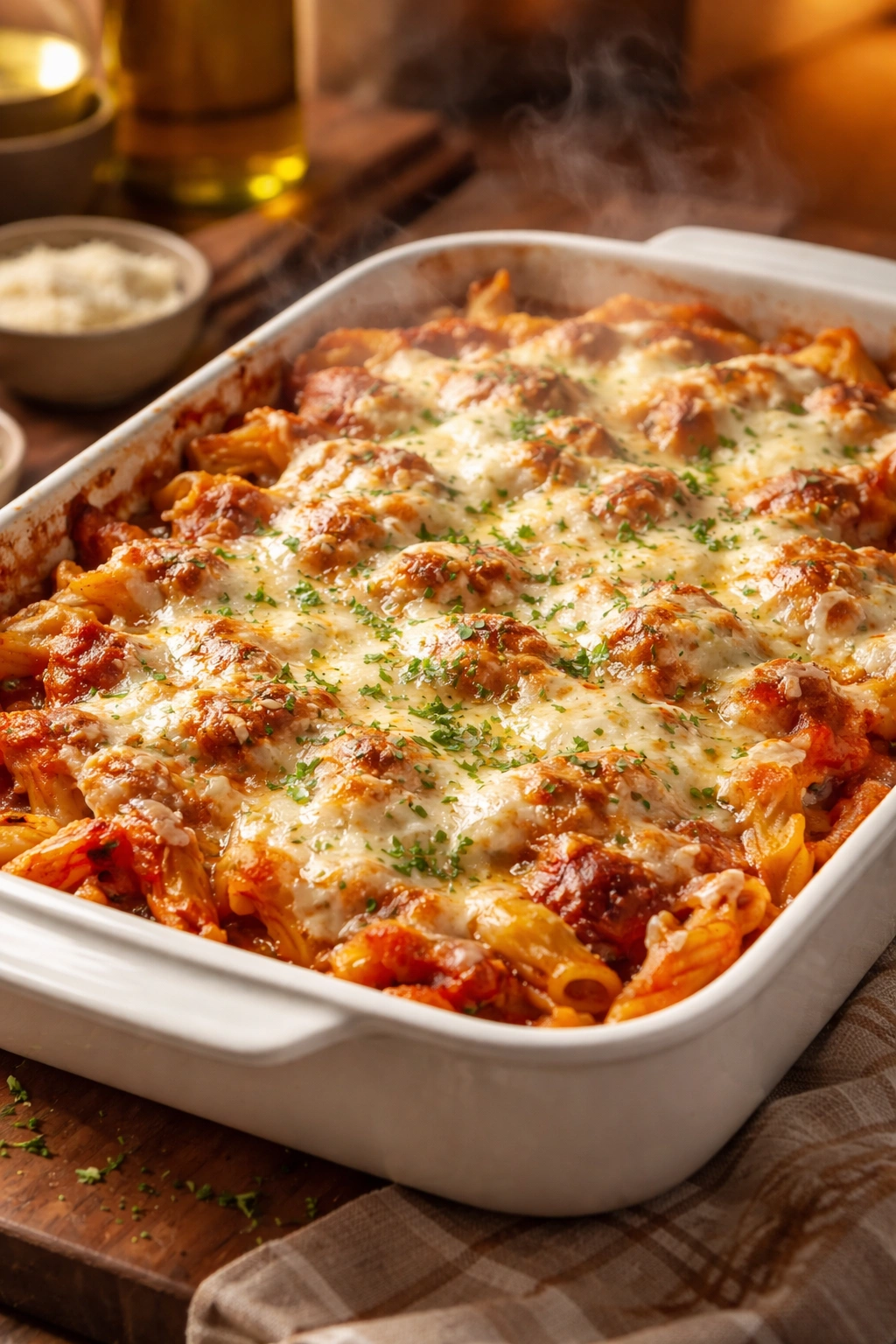
Sometimes the most comforting dinners are the simplest ones, and no-boil baked ziti absolutely qualifies. There’s nothing complicated happening here—dry pasta gets soaked briefly in hot water to hydrate it without overcooking, then it gets tossed with a simple combination of marinara sauce, creamy ricotta, and shredded mozzarella. Cube mozzarella scattered on top creates pockets of melted cheese that add textural contrast and indulgence.
Why This Works on Cold Nights
The magic of no-boil baked ziti is efficiency without sacrificing coziness. You don’t dirty a separate pot boiling pasta. You don’t have to wait for water to boil. Everything comes together in one baking dish. The dry pasta soaks in residual heat from hot water and the oven, emerging perfectly al dente. The cream mixed into the sauce creates a cohesive, slightly luxurious texture that tastes far more restaurant-quality than the minimal effort suggests.
The Assembly Method
- Place dry ziti in a baking dish
- Pour hot (not boiling) water over the pasta and let it sit for 10 minutes, stirring occasionally
- Drain thoroughly and toss with marinara sauce mixed with ricotta
- Stir in shredded mozzarella
- Top with cubed fresh mozzarella, creating pockets that’ll melt into indulgent stretches
- Bake covered at 375°F (190°C) for 25 to 30 minutes until everything is bubbling at the edges
Worth knowing: This reheats beautifully and freezes excellently. Make two batches at once, and you’ve got an emergency cozy dinner waiting in your freezer for the absolute busiest nights.
5. Chicken and Dumplings: The Ultimate Comfort Classic
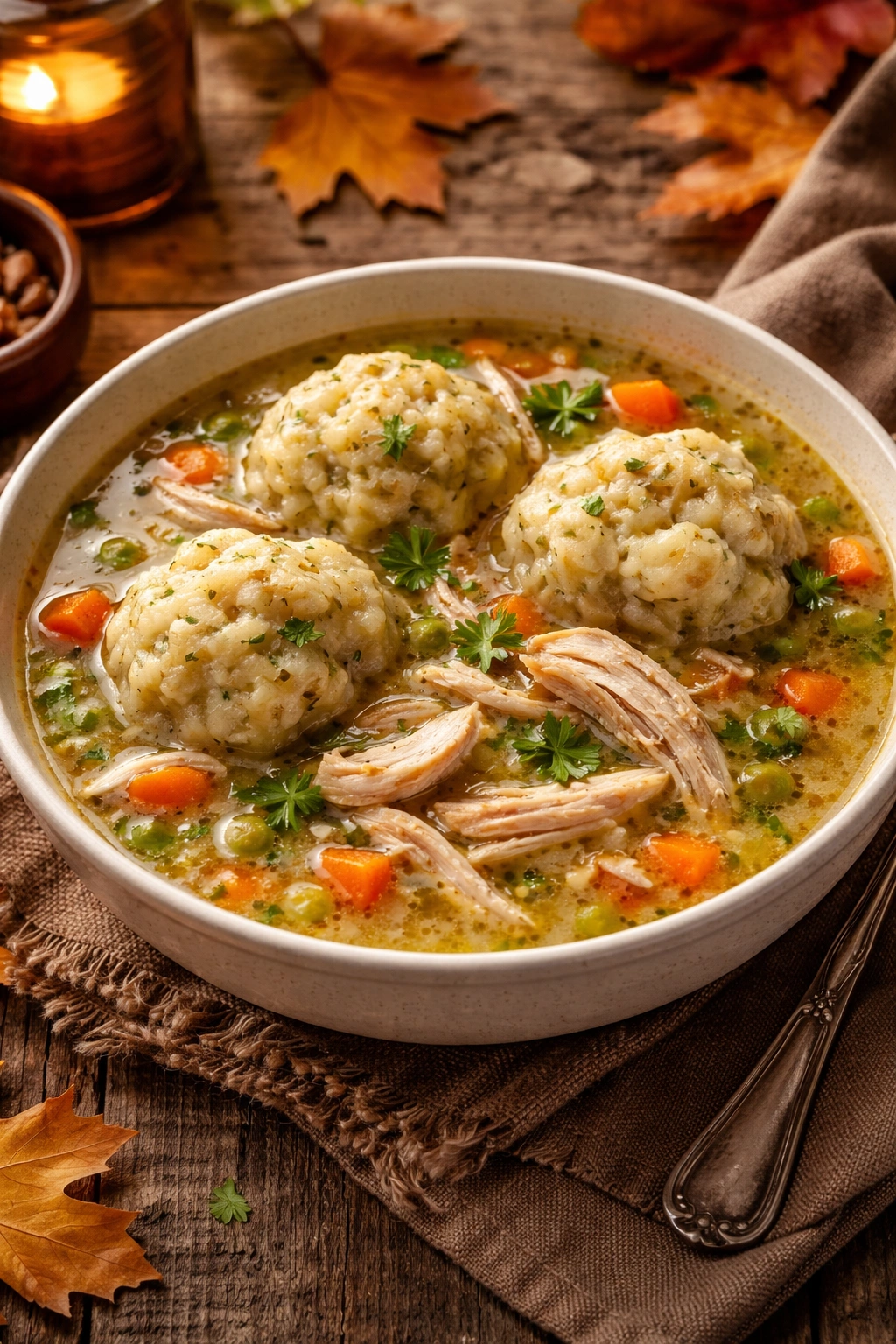
Chicken and dumplings hits differently on truly cold nights. There’s something about the combination of tender poached chicken, silky broth enriched with plenty of vegetables, and pillowy dumplings that just works when temperatures plummet. The best versions use homemade broth made by simmering a whole chicken with aromatics—this delivers flavor that no store-bought version quite matches.
Building the Foundation
The secret to exceptional chicken and dumplings is cooking the chicken just right. A whole chicken simmered gently with onion, celery, carrots, and fresh thyme releases all its flavor into the broth while staying tender. Separating the breast from the legs makes sense here—breast meat cooks faster and can overcook easily, so you pull it out first, then let the legs finish. Once the chicken cools, you shred it and return it to the broth along with fresh diced vegetables.
The Dumplings That Change Everything
- Combine flour, baking powder, salt, and butter (rubbed in cold) for a biscuit-like base
- Add buttermilk to create a soft, sticky dough
- A touch of baking soda mixed into sour cream adds lift and creates incredibly light, airy dumplings
- Drop spoonfuls directly into gently simmering broth
- They cook through in about 15 minutes, puffing up as they go
- Fresh thyme and cracked black pepper in the broth mean the dumplings absorb incredible flavor
Pro tip: Don’t skip the step of using a gentle simmer rather than a rolling boil. Violent boiling breaks the dumplings apart and makes them tough instead of tender.
6. Mississippi Pot Roast: The Surprising Favorite
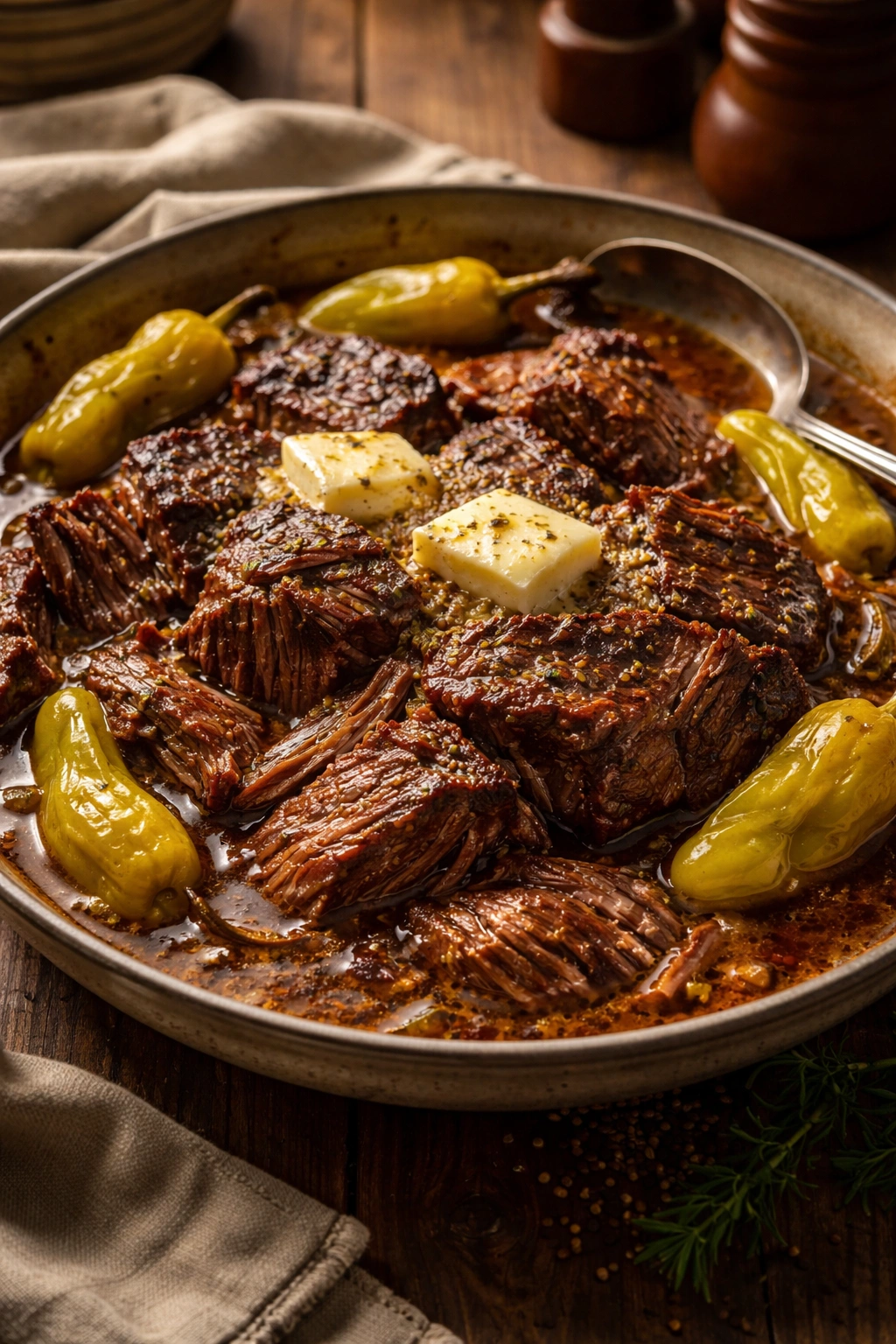
Mississippi pot roast has become one of the most reliable cold-weather dinners precisely because it sounds unusual but delivers incredible results. Inspired by viral quick-cook versions that use packaged dressing mixes, this from-scratch interpretation builds the same tangy, savory, buttery flavors from real ingredients. The result is a deeply flavorful braised roast that falls apart with a fork, surrounded by a sauce that’s essential for sopping up with bread.
What Makes It Sing
The genius of Mississippi pot roast lies in layering contrasting flavors. You’ve got richness from a generous amount of butter. You’ve got tang from dill and a buttermilk-gelatin mixture that mimics traditional au jus but tastes fresher and brighter. You’ve got umami punch from chicken broth fortified with unflavored gelatin. You’ve got heat and brine from pepperoncini peppers. None of these elements individually is revolutionary, but together they create something addictively complex.
Technique for Tender, Flavorful Meat
- Start with a beef chuck roast with good marbling
- Sear it hard in a Dutch oven until deeply browned on all sides
- Remove the roast and build the braising liquid in the same pot
- Return the roast and leave the lid cracked (not fully sealed) during braising
- The cracked lid allows moisture to escape slowly, concentrating flavors while the low, steady simmer keeps the meat tender
- Braise for about 3 hours at 300°F (150°C) until a fork shreds the meat effortlessly
Worth knowing: The pepperoncini peppers aren’t just a garnish—stir a good portion of them (and their liquid) into the braising liquid during the last 30 minutes of cooking so they perfume the entire dish.
7. Chicken Pot Pie: Elegant Enough for Guests, Easy Enough for Weeknights

Chicken pot pie walks a fascinating line between fancy and comforting. When you see the golden, shatteringly crisp puff pastry crust rising above creamy filling studded with tender chicken and vegetables, it feels like a special occasion meal. But it comes together so quickly that you can absolutely make it on a busy Wednesday and have it on the table before anyone gets too hungry.
The Secret to Quick Execution
This isn’t some laborious from-scratch affair. Store-bought puff pastry handles the crust with zero effort. The filling comes together in a single skillet in about 20 minutes. Sauté diced onion, celery, carrot, and minced garlic until softened. Add flour and let it cook in the butter for a minute to create a light roux. Add chicken stock and let it simmer until it thickens. Stir in shredded cooked chicken (again, rotisserie saves time), frozen peas, fresh thyme, and a hit of lemon zest for brightness.
Assembly and Baking
- Pour the filling into a baking dish
- Top with thawed puff pastry
- Brush with egg wash for a beautiful golden finish
- Bake at 400°F (200°C) for about 20 minutes until the pastry is puffed and golden
- Let it rest for 5 minutes before serving (this keeps the filling from running everywhere)
Pro tip: Fresh lemon zest makes an enormous difference here, cutting through the richness and adding the kind of brightness that transforms pot pie from heavy to sophisticated.
8. Beef Stew with Rich Red Wine Sauce: The Slow-Cooker Approach
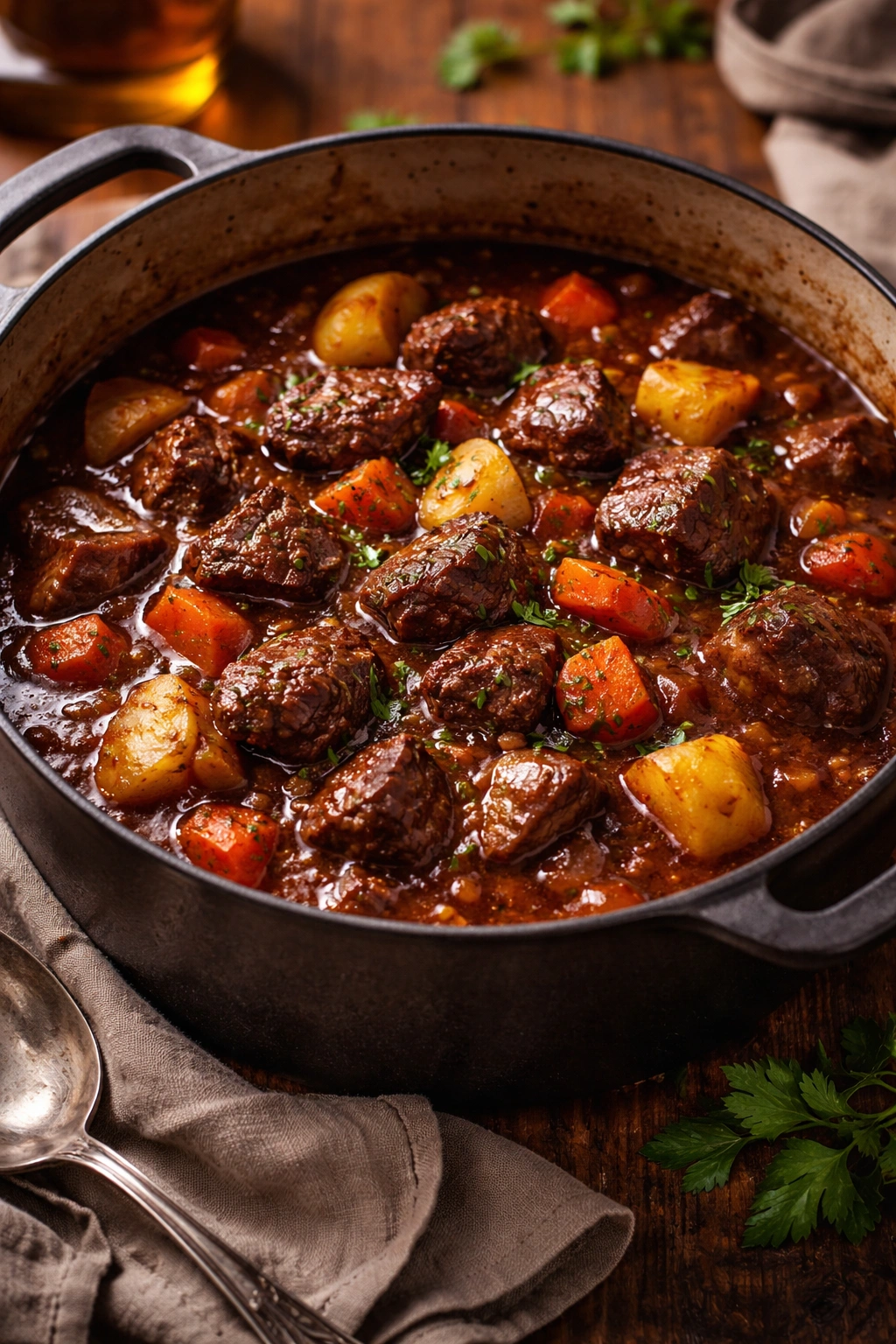
For nights when you want minimal effort but maximum reward, slow-cooker beef stew becomes your secret weapon. Everything goes into the slow cooker in the morning—and yes, it’s worth taking five minutes to properly sear the beef first, which builds flavor that can’t happen in the slow cooker. Eight hours later, you come home to the most incredible aromas and a dinner that’s ready to eat immediately.
Why Slow Cooking Works Here
The low, moist heat of a slow cooker creates the absolute perfect environment for collagen-rich beef chuck to transform into silky tenderness. Vegetables maintain better texture in the slower environment than they do in traditional braising. The long cooking time allows flavors to meld and deepen in ways that feel almost impossible. Plus, the filled house with amazing aromas all day creates genuine anticipation for dinner.
Building Flavor in the Slow Cooker
- Sear beef chunks in batches in a hot skillet, building deep brown crust
- Sauté onions, garlic, and tomato paste in the same skillet
- Transfer everything to the slow cooker
- Add beef broth, red wine, carrots, potatoes, and aromatic herbs
- Cook on low for 8 to 10 hours, or on high for 5 to 6 hours
- The stew thickens naturally as collagen breaks down into gelatin
- Taste and season with salt and pepper right before serving
Worth knowing: If the finished stew seems thin, you can strain the broth through a fine-mesh sieve, simmer it in a saucepan to reduce and concentrate it, then return it to the stew. But honestly, the thin sauce is part of the charm—it’s perfect for soaking into crusty bread.
9. Creamy Tortellini Soup with Sausage and Spinach: Restaurant-Quality in 30 Minutes
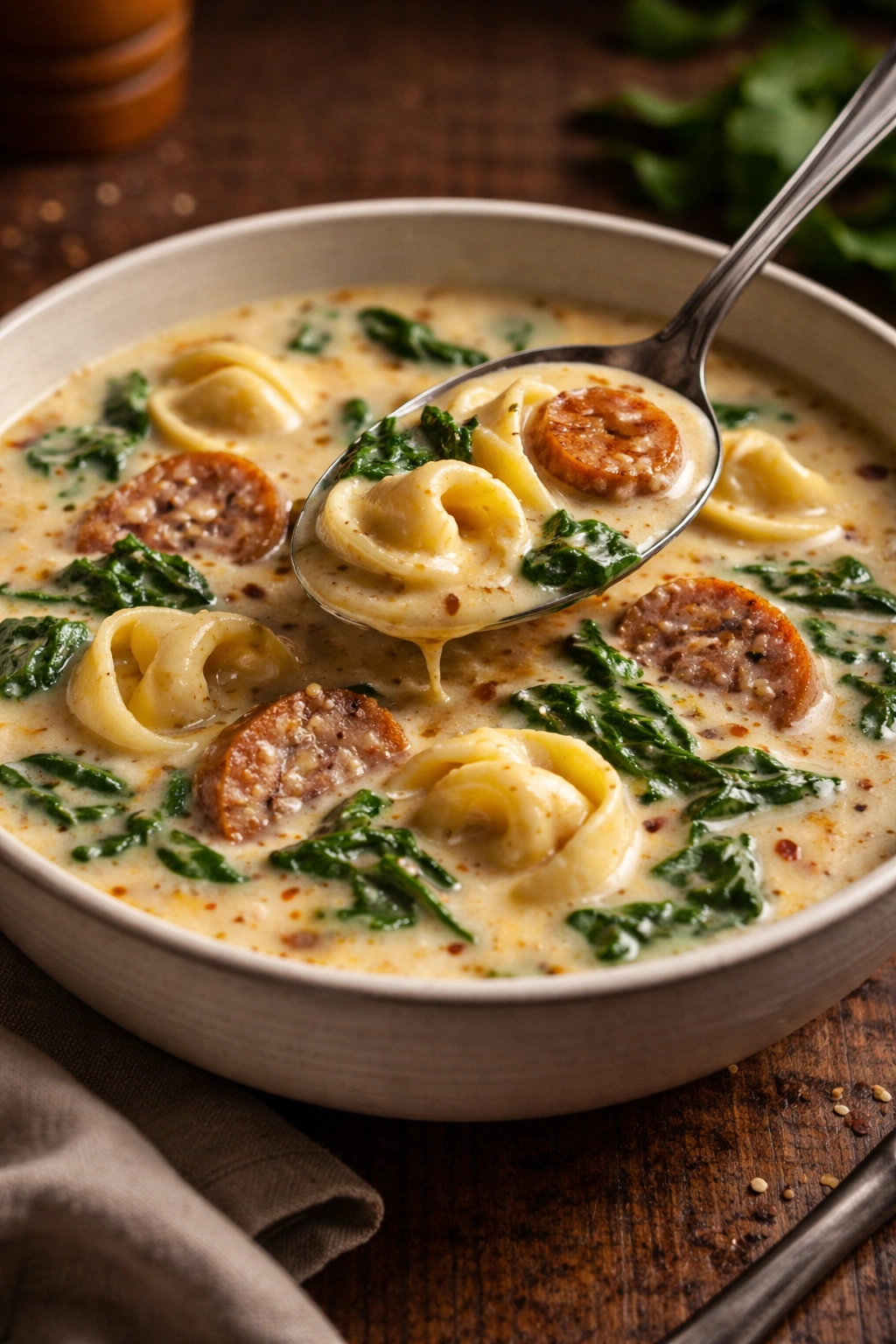
Tortellini soup represents the rare combination of remarkable speed and absolute comfort. Cheese-filled tortellini (available fresh or frozen in most grocery stores), spicy Italian sausage, fresh spinach, and a creamy broth come together in less than half an hour. This is the kind of dinner that tastes restaurant-quality while being absurdly easy to execute on even the most exhausting days.
Why This Works
The tortellini does multiple jobs simultaneously—it provides protein, it releases cheese into the broth, and it adds textural interest without requiring separate components. The Italian sausage browns in its own fat, seasoning the broth with fennel, garlic, and other savory spices. Fresh spinach wilts at the last second, adding color, nutrition, and a slight bitter note that balances the richness. The whole thing comes together in one pot.
The Straightforward Method
- Brown Italian sausage (hot or mild, depending on your preference) in a large pot
- Remove the sausage and sauté diced onion and minced garlic in the rendered fat
- Add chicken or vegetable broth and bring to a simmer
- Add the frozen tortellini and cook according to package directions (usually 4 to 5 minutes)
- Return the broth to a simmer and stir in heavy cream
- Fold in fresh spinach and cooked sausage
- Season with salt, pepper, and red pepper flakes for subtle heat
Pro tip: Finish each bowl with a scatter of freshly grated Parmesan and maybe a drizzle of excellent olive oil. These small touches elevate the entire experience.
10. Loaded Baked Potato Soup: Comfort Disguised as Sophistication
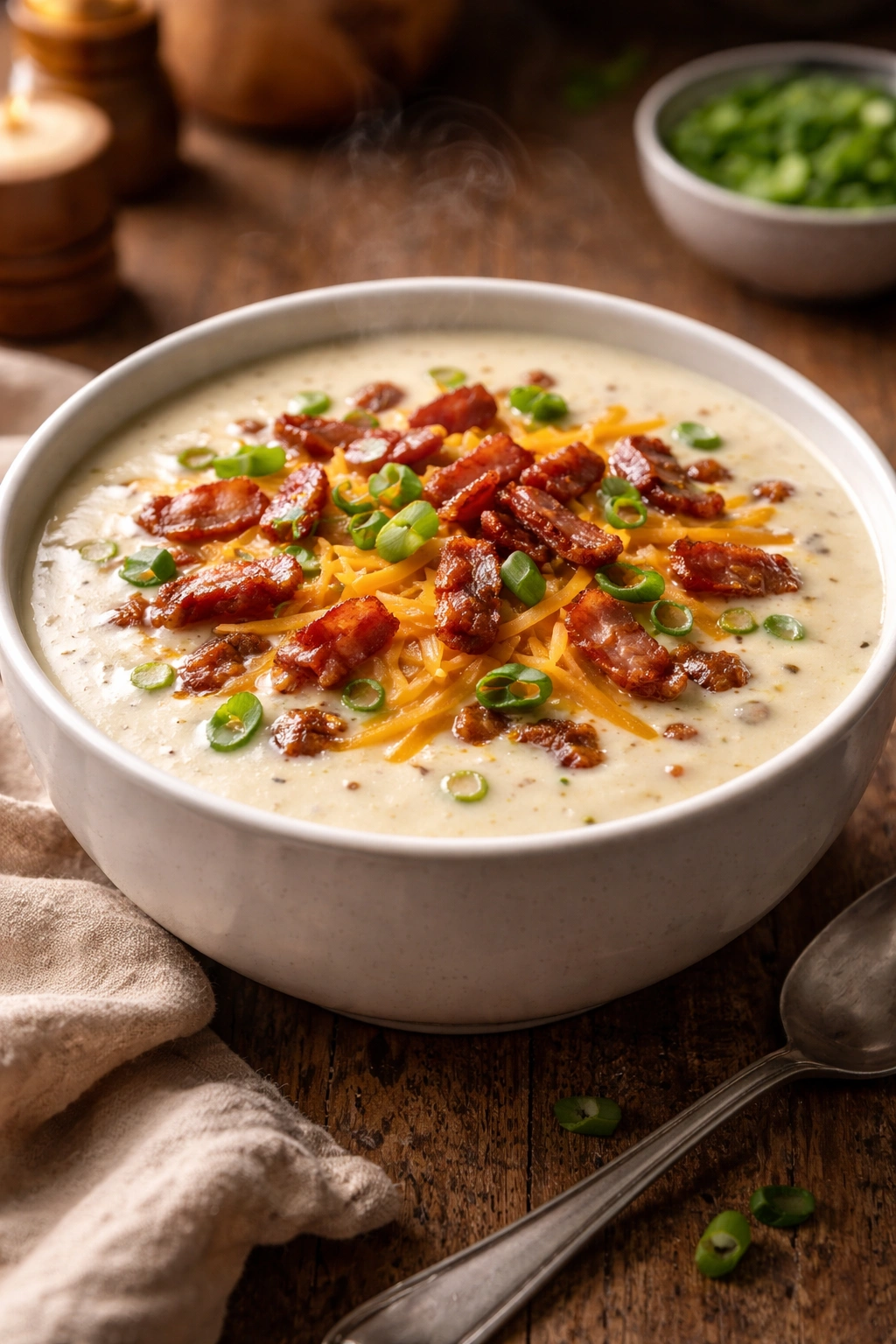
Loaded baked potato soup sits at the intersection of pure comfort and genuine elegance. Creamy potato soup base studded with all the best baked potato toppings—crispy bacon, sharp cheddar, bright green scallions—creates something that feels indulgent but somehow also grounding and nourishing. The secret to keeping it from turning into gluey, starchy mush is ricing the potatoes instead of blending them.
The Technique That Transforms Texture
Instead of using an immersion blender that breaks down the potatoes too much and releases excessive starch, creating a gluey consistency, you rice the potatoes through a ricer or food mill. This creates a naturally creamy texture from the starch of the potatoes themselves while maintaining a subtle graininess that feels luxurious rather than blended. The result is soup that’s genuinely silky without needing excess cream.
Building the Soup
- Dice potatoes and cook them gently in chicken broth until completely tender
- Rice about half the potatoes back into the pot, leaving the other half as chunks
- Add sautéed onion, minced garlic, and crispy bacon
- Stir in heavy cream and sharp cheddar cheese
- Season with salt, white pepper, and fresh thyme
- Top each bowl with more bacon, cheddar, scallions, and a dollop of sour cream
- Finish with crispy potato chips for textural contrast
Worth knowing: The sour cream serving at the end isn’t just garnish—it adds tang that prevents the soup from feeling heavy and one-note, brightening everything.
Final Thoughts
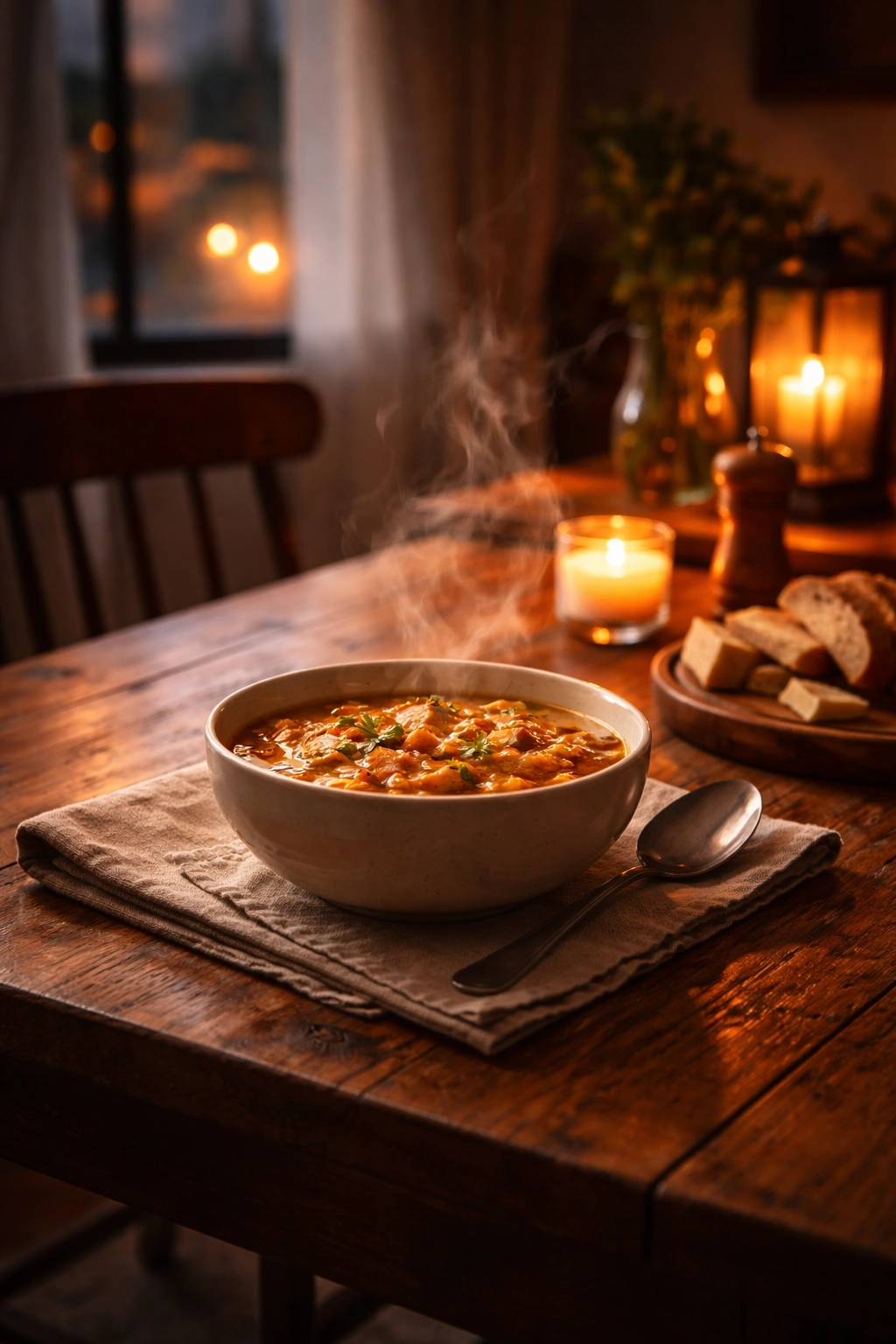
The thread connecting all of these warm dinners for cold nights isn’t the specific ingredients or techniques—it’s the intention behind them. Each dish exists to warm you from the inside out, to fill your kitchen with incredible aromas, and to deliver the kind of satisfaction that turns a harsh evening into something genuinely cozy.
The best approach is building a rotation. Make the boeuf bourguignon on a weekend when you have time for a long braise, knowing you’ll have leftovers for easy reheating. Keep the no-boil ziti in your regular weeknight rotation because it’s so fast. Prepare the slow-cooker stew on mornings when you’re leaving for work, confident that everything will be ready when you return. These aren’t meals you dread making; they’re dinners you start looking forward to the moment temperatures drop.
When the wind picks up and darkness comes early, you’ll have a reliable arsenal of comforting dinner recipes ready to turn a cold night into something genuinely warm.
