



Lunch is where most people’s healthy eating plans fall apart. You’re hungry, busy, and reaching for whatever’s quickest—which usually means something heavy, calorie-loaded, and leaving you sluggish by mid-afternoon. But here’s the reality: eating a high-protein lunch under 400 calories isn’t just possible, it’s actually delicious and keeps you full for hours. Protein is the nutrient that matters most for satiety—it keeps blood sugar stable, reduces cravings, and preserves muscle while you’re managing your weight.
The challenge is knowing which lunch combinations actually deliver enough protein to feel satisfying while staying lean on calories. Most quick-grab options are carb-heavy and protein-light, leaving you hungry again by 3 PM. The lunches in this guide flip that equation: they’re built around lean proteins as the foundation, paired with vegetables and smart carbs that add volume and nutrients without inflating the calorie count.
What makes these lunches different from generic “low-calorie” meals is that they’re designed to work for real people with real schedules. Some are prep-friendly and pack well; others come together in minutes when you’ve got access to a kitchen. None of them taste like deprivation. Each one delivers at least 25-30 grams of protein—the threshold where most people stop feeling hungry—while staying comfortably under 400 calories. Let’s dig into 15 lunches that prove eating light and eating well aren’t opposing goals.
1. Grilled Chicken Breast with Herb Quinoa and Roasted Vegetables
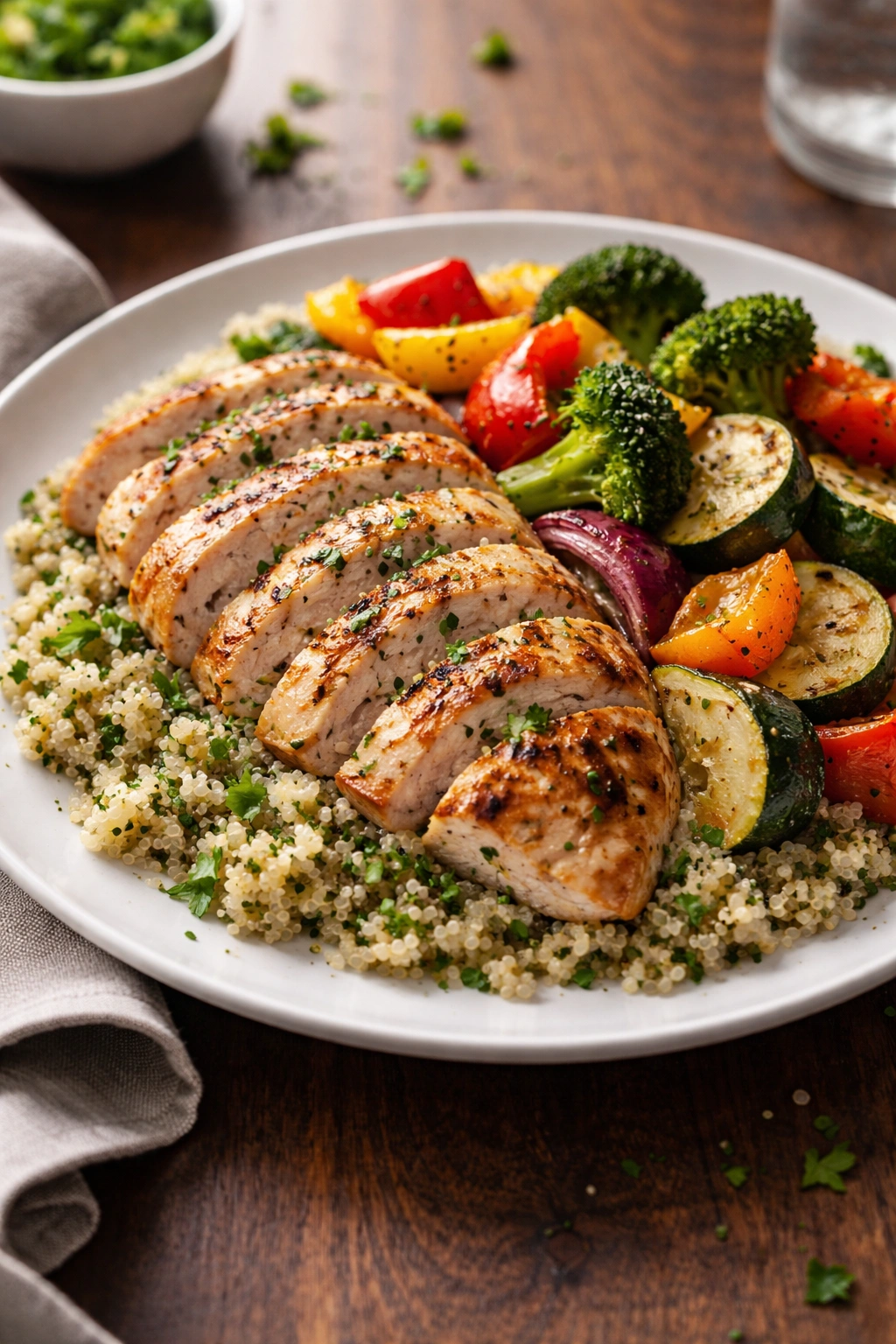
A classic foundation exists for a reason: lean chicken breast paired with nutrient-dense quinoa creates a complete protein source that keeps you satisfied deep into the afternoon. Grill a 5-ounce chicken breast until it’s just cooked through but still tender (about 6-7 minutes per side at medium-high heat), then slice it. Cook a half-cup of dry quinoa according to package directions and toss it with a squeeze of lemon, fresh herbs like parsley or dill, and a tiny bit of olive oil.
Why This Combination Works So Well
Chicken breast delivers roughly 35 grams of protein in just 165 calories, making it one of the leanest animal proteins available. Quinoa isn’t just a carb—it’s a complete protein containing all nine essential amino acids, which is rare in plant-based sources. Together, they create a meal where protein isn’t just present; it’s the dominant macronutrient. The addition of roasted vegetables (bell peppers, broccoli, zucchini) adds fiber and micronutrients without significant calories.
The Practical Details
- Grill the chicken in bulk on Sunday and refrigerate it in an airtight container for up to four days
- Quinoa reheats beautifully and tastes just as good cold, making this one of the most reliable prep-friendly lunches
- Roast vegetables at 425°F for 20-25 minutes with just a light spray of oil
- Season aggressively with salt, pepper, garlic powder, and fresh herbs—flavor doesn’t add calories
Pro tip: Cook quinoa in low-sodium vegetable broth instead of water for an extra flavor boost that costs you nothing calorically.
2. Turkey and Lettuce Wraps with Hummus and Veggies
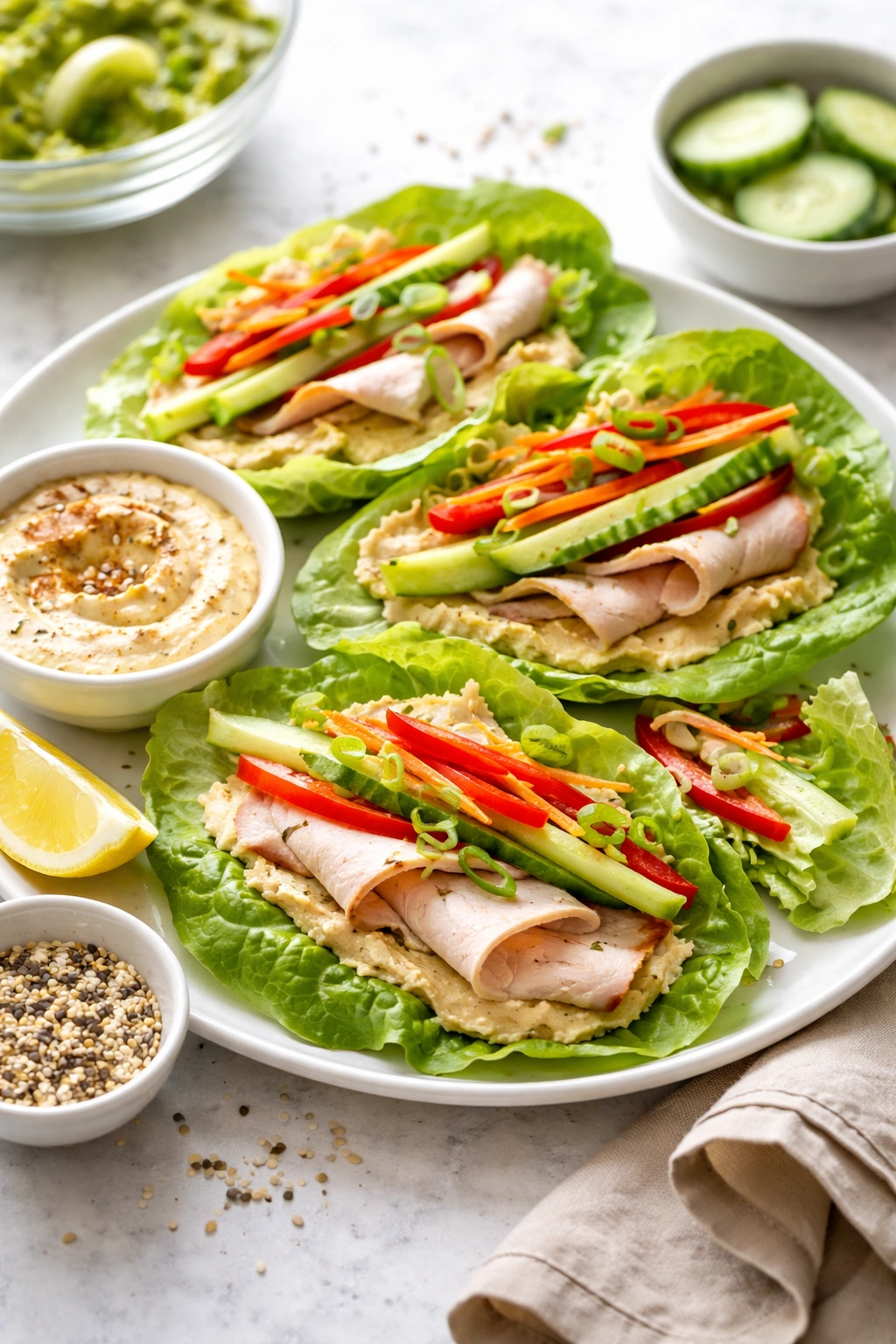
Forget bread—lettuce wraps are a game-changer for keeping calories down while actually increasing the volume of food you eat. Spread a thin layer of hummus on large lettuce leaves (butter lettuce or romaine work best), layer in sliced deli turkey, and fill with thinly sliced vegetables like cucumber, bell pepper, and grated carrots.
Why Lettuce Wraps Win Over Bread
A slice of bread adds 80-100 calories and minimal nutritional benefit beyond the carbs. Lettuce wraps flip that: they add zero meaningful calories, tons of texture, and actual water content that aids satiety. You’re eating more food—more volume, more crunch, more satisfaction—while consuming fewer calories than you would with a traditional sandwich. This psychological advantage shouldn’t be underestimated when it comes to sticking with a lunch pattern long-term.
Making Them Taste Restaurant-Quality
- Use freshly sliced deli turkey (about 3-4 ounces) rather than processed slices; it’s more tender and flavorful
- Hummus adds creaminess and plant-based protein—use about 2 tablespoons
- Add a pinch of hot sauce, a squeeze of lime juice, or fresh herbs to elevate flavor without calories
- Keep wraps intact by patting vegetables dry before assembling so excess moisture doesn’t make them soggy
Quick fact: Four lettuce leaves with 4 ounces of turkey, 2 tablespoons hummus, and unlimited vegetables totals roughly 200-220 calories with 28 grams of protein—leaving room for sides.
3. Tuna Salad with Chickpeas and Whole Grain Crackers
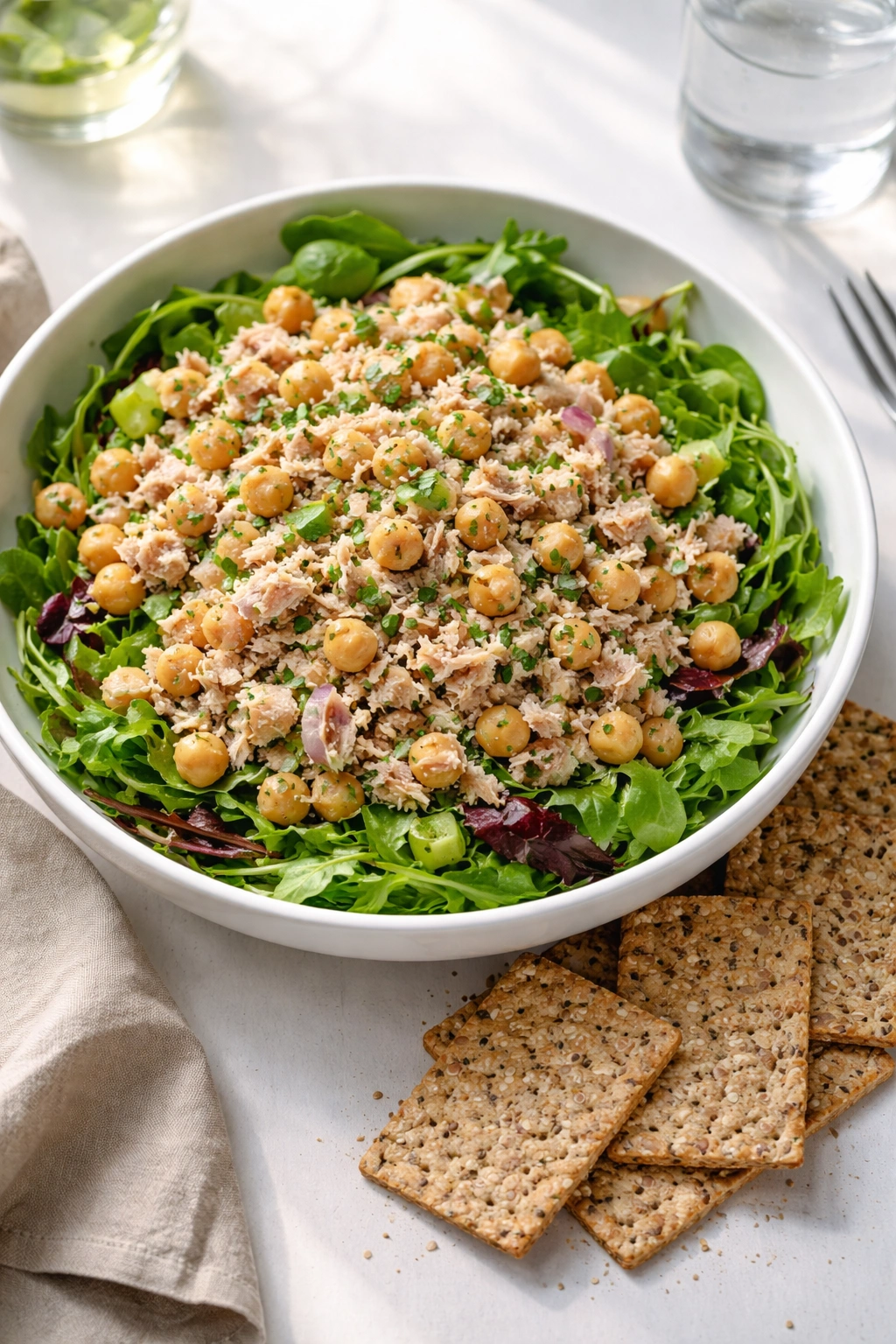
Canned tuna gets a bad rap, but it’s legitimately one of the most practical protein sources available: shelf-stable, affordable, and packed with omega-3 fatty acids. Mix one can of tuna (water-packed, drained) with half a can of chickpeas for double protein, add a modest amount of Greek yogurt instead of mayo, and pile it onto a bed of mixed greens.
The Double-Protein Strategy
Tuna alone delivers solid protein, but adding chickpeas stretches the amount of food while adding fiber, complex carbs, and plant-based amino acids. This combination prevents the “all protein, no substance” feeling that can make lighter lunches feel unsatisfying. The chickpeas also add a slightly creamy texture that makes you feel like you’re eating something more indulgent than you actually are.
Building the Bowl
- Use 5-6 cups of mixed greens as your base—this creates volume and fills you up without calories
- Add tuna and chickpeas, then dress with a light vinaigrette (2-3 tablespoons total)
- Include crunchy vegetables: cherry tomatoes, cucumber, red onion, bell peppers
- Pair with 4-5 whole grain crackers for a little textural contrast and crunch
Worth knowing: Water-packed tuna has slightly more protein than oil-packed and saves 100 calories per can. Rinse and drain thoroughly to remove excess sodium.
4. Shrimp and Brown Rice Power Bowl with Stir-Fried Vegetables
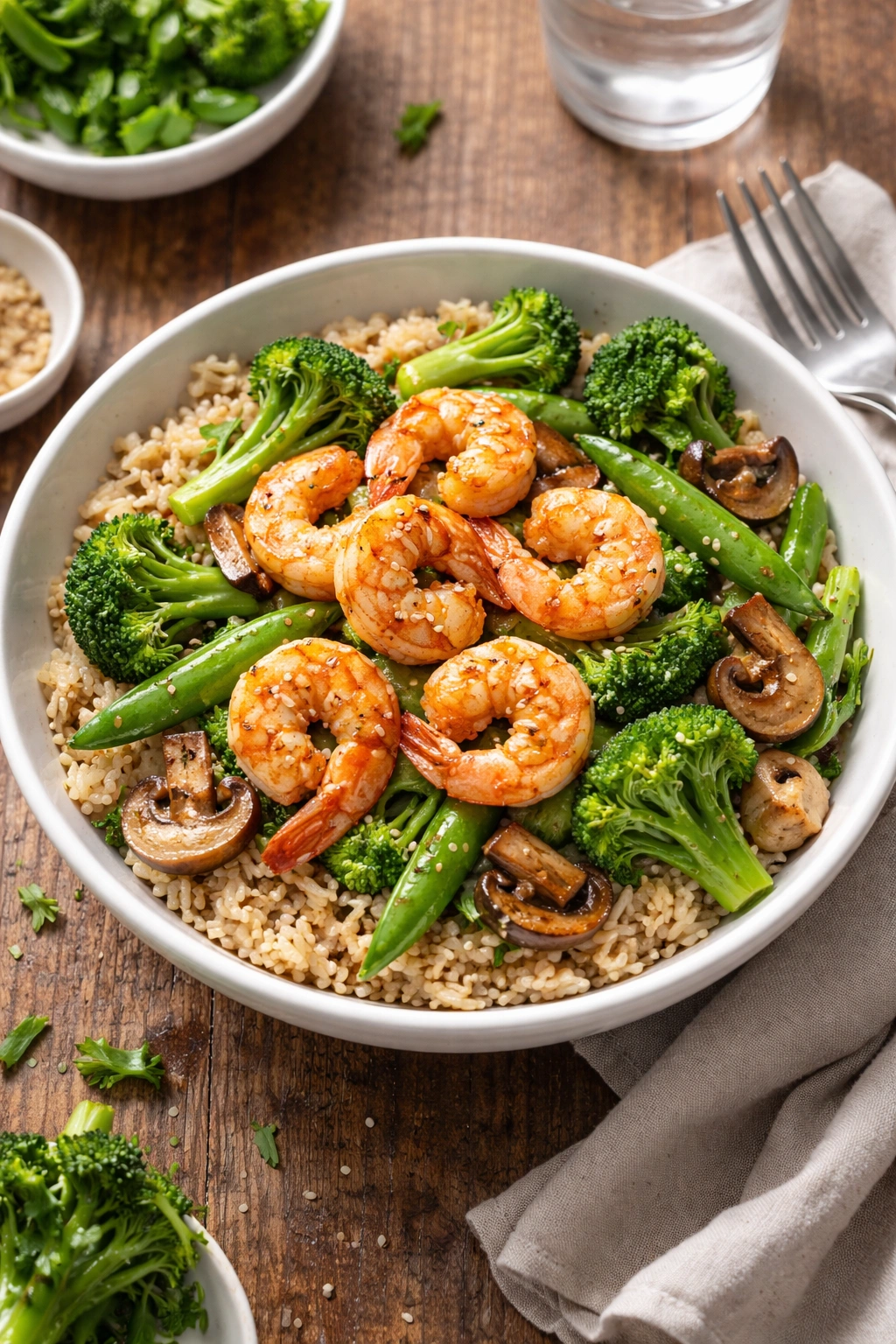
Shrimp is protein magic: it’s lean (just 99 calories per 3-ounce serving), cooks in minutes, and absorbs flavor from whatever seasoning you throw at it. Quickly stir-fry 4 ounces of shrimp in a hot pan with just a teaspoon of oil, add mixed vegetables (broccoli, snap peas, mushrooms, carrots), and serve over a half-cup of cooked brown rice.
Why Shrimp Deserves More Lunch Rotation
Most people relegate shrimp to dinner, but it’s actually perfect for lunch because it’s so quick to prepare. There’s no sitting time needed—just heat, cook for 2-3 minutes per side, and you’re done. The protein content is exceptional for the calorie count, and the iodine and selenium in shrimp support thyroid health and energy levels. This matters when you’re trying to maintain high energy without the afternoon crash.
Maximizing Flavor While Minimizing Calories
- Season shrimp generously with garlic, ginger, low-sodium soy sauce, and a squeeze of lime—flavor is free
- Use a light hand with oil; a teaspoon is enough for the entire batch
- Vegetables should take up more than half your bowl by volume
- Brown rice adds complex carbs that digest slowly and keep hunger at bay
Real talk: If you’re pressed for time, use pre-cooked frozen shrimp (thaw overnight) and pre-cut vegetables to reduce prep to under five minutes.
5. Lean Ground Beef and Broccoli with Sweet Potato
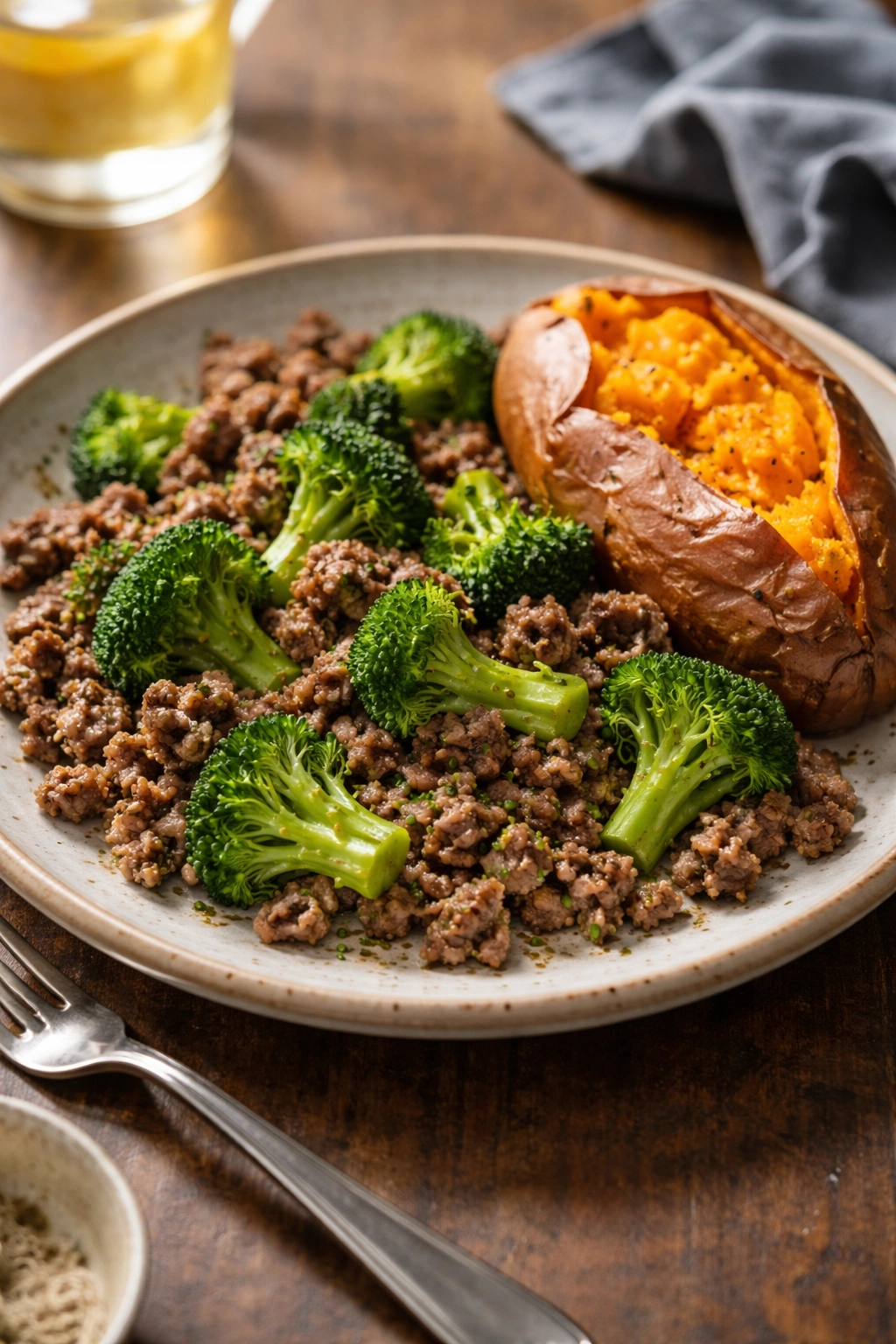
Ground beef gets unfairly pigeonholed as heavy and calorie-dense, but 93/7 lean ground beef is genuinely lean: just 180 calories per 4-ounce serving with 20 grams of protein. Brown the beef with garlic and onions, add a ton of broccoli to the pan, and pair with a small baked sweet potato for complex carbs and natural sweetness.
Why Beef Belongs in Your Lunch Rotation
While chicken is convenient, beef offers something crucial: creatine, B12, and heme iron (the most bioavailable form). These nutrients matter particularly if you’re active. The flavor is also more substantial than chicken, which makes the meal feel less “light” despite the lower calorie count. Psychologically, eating beef feels like a real lunch rather than a “diet meal.”
Cooking for Maximum Tenderness
- Don’t overcook ground beef; it should stay slightly pink in the center when you pull it off heat, then carry-over cooking finishes it
- Add the broccoli after browning the meat, then cover the pan to steam it partially—it stays tender rather than getting mushy
- Use low-sodium beef broth to deglaze the pan and add flavor
- Sweet potato needs just 5-7 minutes in the microwave—no need for oven time
Insider note: The potassium in sweet potato helps balance sodium retention, so this meal is particularly smart if you’re watching water weight fluctuations.
6. Baked Salmon with Roasted Asparagus and Lemon
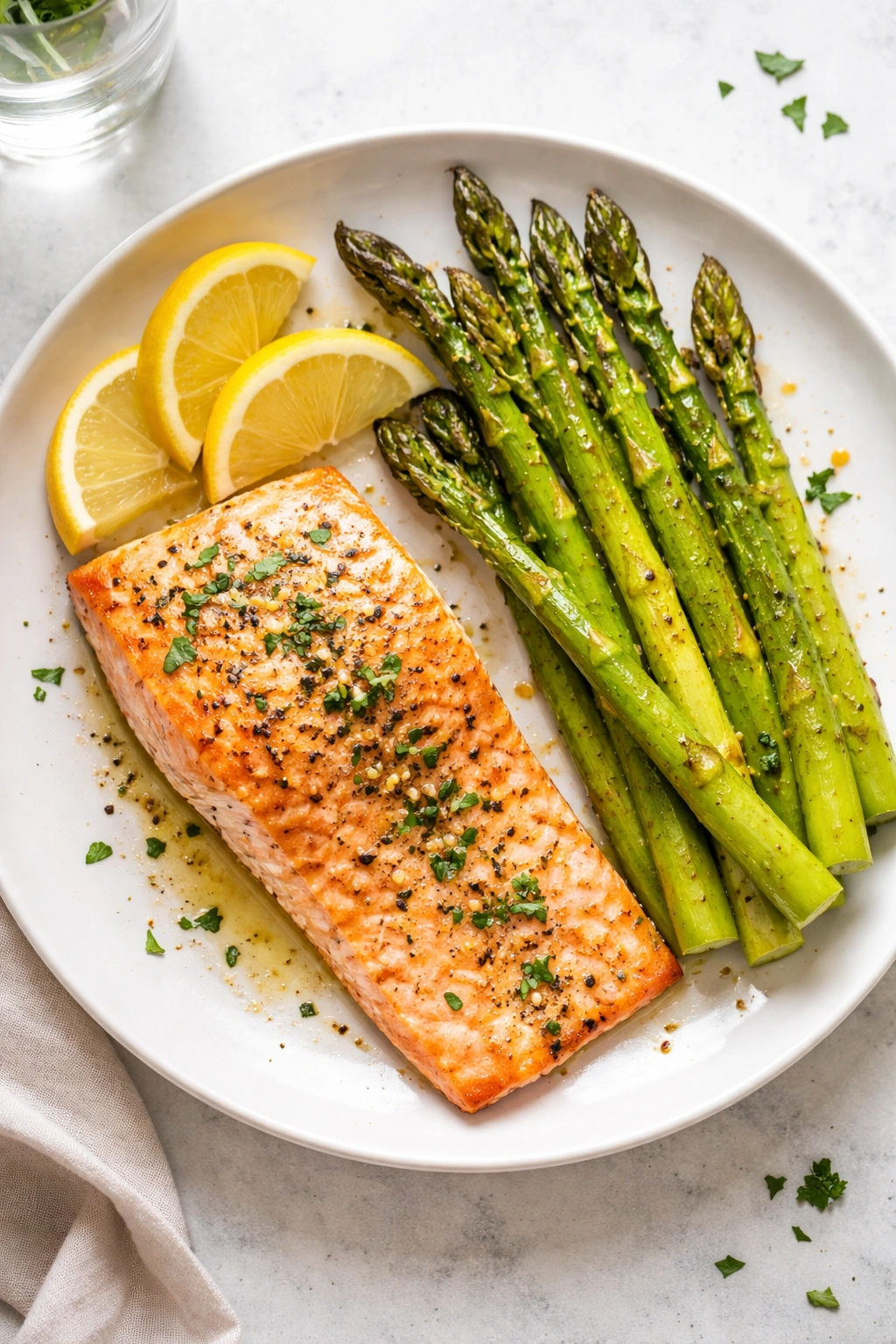
Salmon is arguably the best lunch protein from a health standpoint: it delivers high-quality protein and omega-3 fatty acids that reduce inflammation and support brain function. Bake a 4.5-ounce salmon fillet at 400°F for 12-14 minutes, season with just salt, pepper, and fresh lemon, then pair with a generous pile of roasted asparagus.
The Nutritional Case for Salmon at Lunch
Salmon isn’t light in calories compared to chicken or shrimp, but it’s nutrient-dense in a way that justifies every calorie. The omega-3s reduce inflammation that can stall weight loss and contribute to afternoon fatigue. Studies consistently show that people who eat fatty fish experience better satiety and lower overall calorie intake throughout the rest of the day—meaning the salmon lunch sets you up for better choices later.
Making It Travel-Friendly
- Salmon is one of the few proteins that tastes excellent cold or at room temperature
- Pack it in a container with lemon slices; the citric acid keeps it fresher longer
- Asparagus becomes tender when cool and is pleasant at any temperature
- Pair with a small portion of brown rice or whole grain bread for complete satiety
Worth knowing: Canned salmon (with bones) contains more calcium than fresh and costs significantly less while delivering the same protein content.
7. Crispy Tofu Scramble with Peppers, Onions, and Spinach
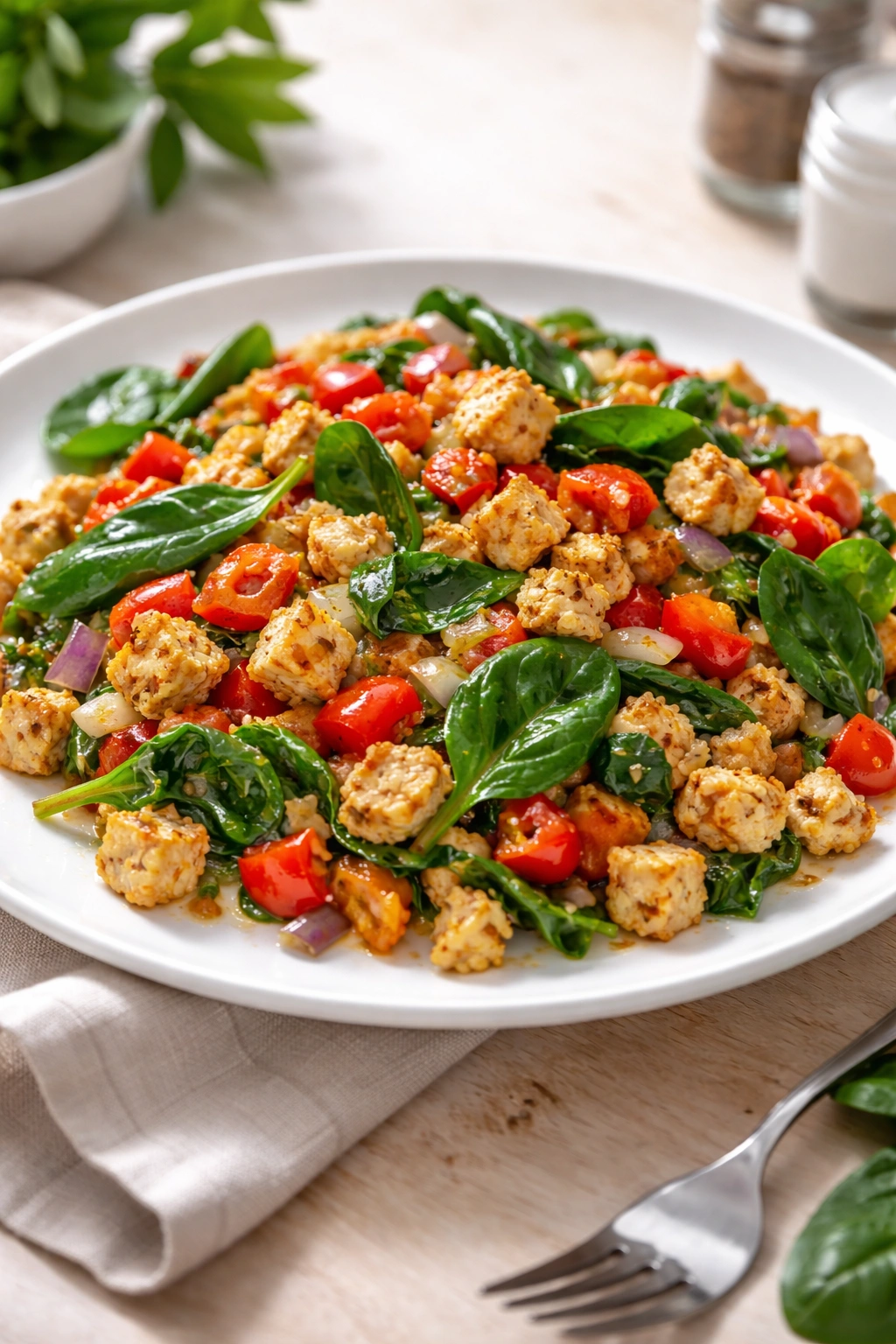
For vegetarians and those who want to rotate away from animal protein, pressed tofu becomes crispy and delicious when pan-fried—absolutely nothing like the rubbery tofu most people encounter. Crumble firm tofu, press out excess moisture, then pan-fry it until golden, then add sautéed peppers, onions, and a handful of spinach.
How to Actually Make Tofu Taste Good
The primary reason tofu disappoints most people is moisture—they don’t press it adequately. Wrap a block of firm tofu in a clean kitchen towel, place it on a plate, weight it down with another plate, and let it sit for 20-30 minutes. This removes enough water that the tofu can actually brown and develop flavor. Once pressed, it crisps beautifully and develops a texture that’s actually pleasant rather than mushy.
Building a Complete Protein Profile
- Tofu alone is a complete protein, but pairing it with a whole grain creates excellent amino acid complementarity
- Season assertively: nutritional yeast adds umami and B vitamins, soy sauce adds saltiness and depth
- The vegetables add volume so you’re eating a large, satisfying meal
- Add a small slice of whole grain toast to round out the carbs
Pro tip: Make a batch of pressed tofu on Sunday, store it in the fridge, and you can pan-fry it fresh each day in just 5-7 minutes.
8. Greek Yogurt Parfait with Granola, Berries, and Almonds
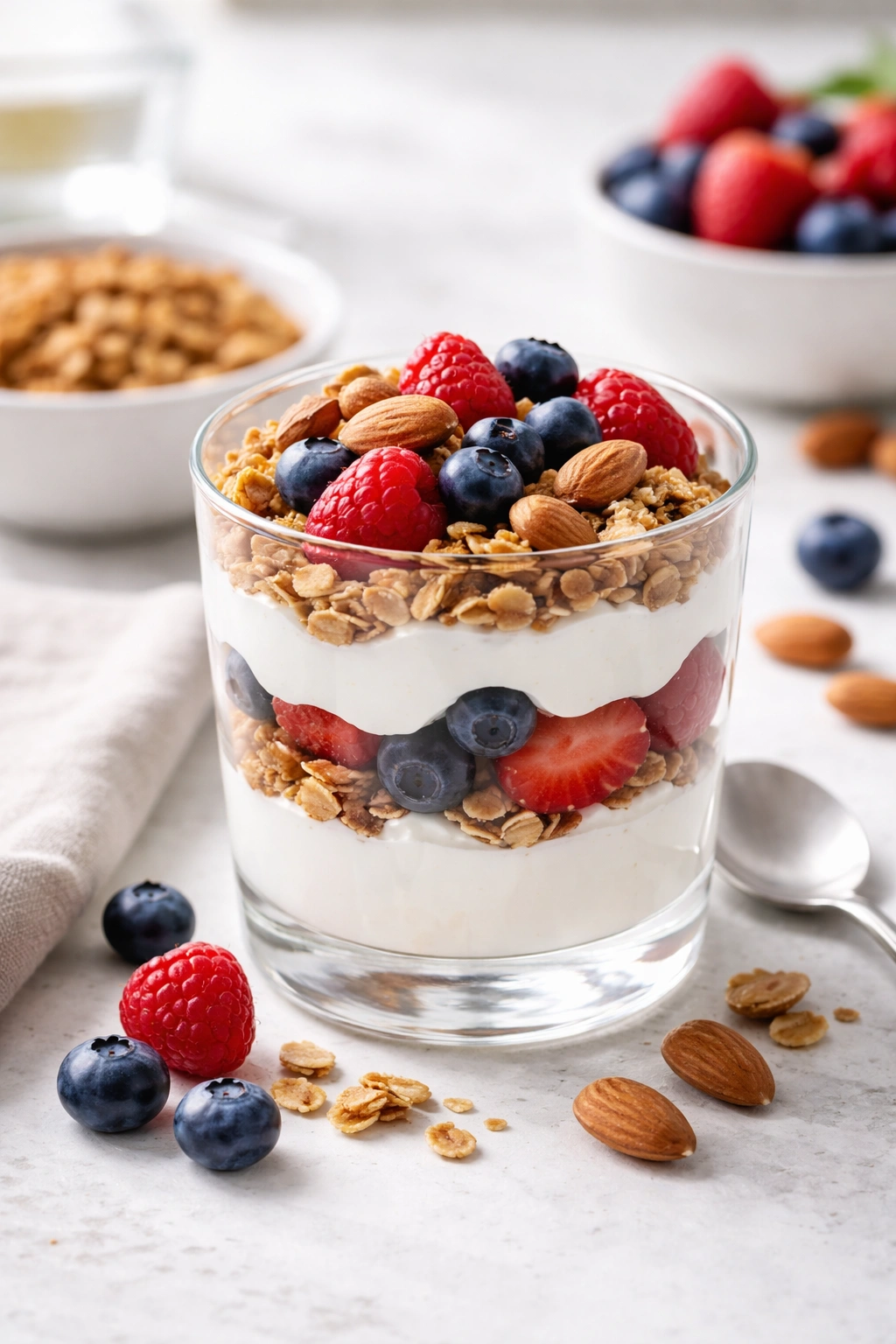
This one bends the lunch category slightly, but it works perfectly as a protein-heavy meal when done right—emphasis on “when done right,” because most yogurt parfaits are desserts masquerading as food. Use nonfat Greek yogurt (20 grams of protein per 6-ounce serving), layer it with berries, add just a quarter-cup of granola (measured, not poured), and top with a small handful of almonds.
Greek Yogurt as a Meal Foundation
The magic of Greek yogurt is the protein-to-calorie ratio and the probiotic content that supports gut health. Unlike regular yogurt, Greek yogurt is strained, removing much of the liquid whey and concentrating the protein. A 6-ounce serving delivers as much protein as 1 ounce of meat while adding beneficial live cultures that aid digestion. This means better nutrient absorption from everything else you eat.
Preventing Parfait Pitfalls
- Measured granola is essential; one handful can add 150+ calories if you’re careless
- Berries offer natural sweetness without added sugar unlike sweetened yogurts
- The almonds provide fat and crunch that makes the meal feel more substantial
- Skip yogurts with added sugars; the fruit and granola provide enough sweetness
Quick fact: One 6-ounce serving of nonfat Greek yogurt, one-third cup berries, one-quarter cup granola, and 1 ounce almonds totals approximately 280-300 calories with 20+ grams of protein.
9. Lentil Soup with Whole Grain Bread and Side Salad
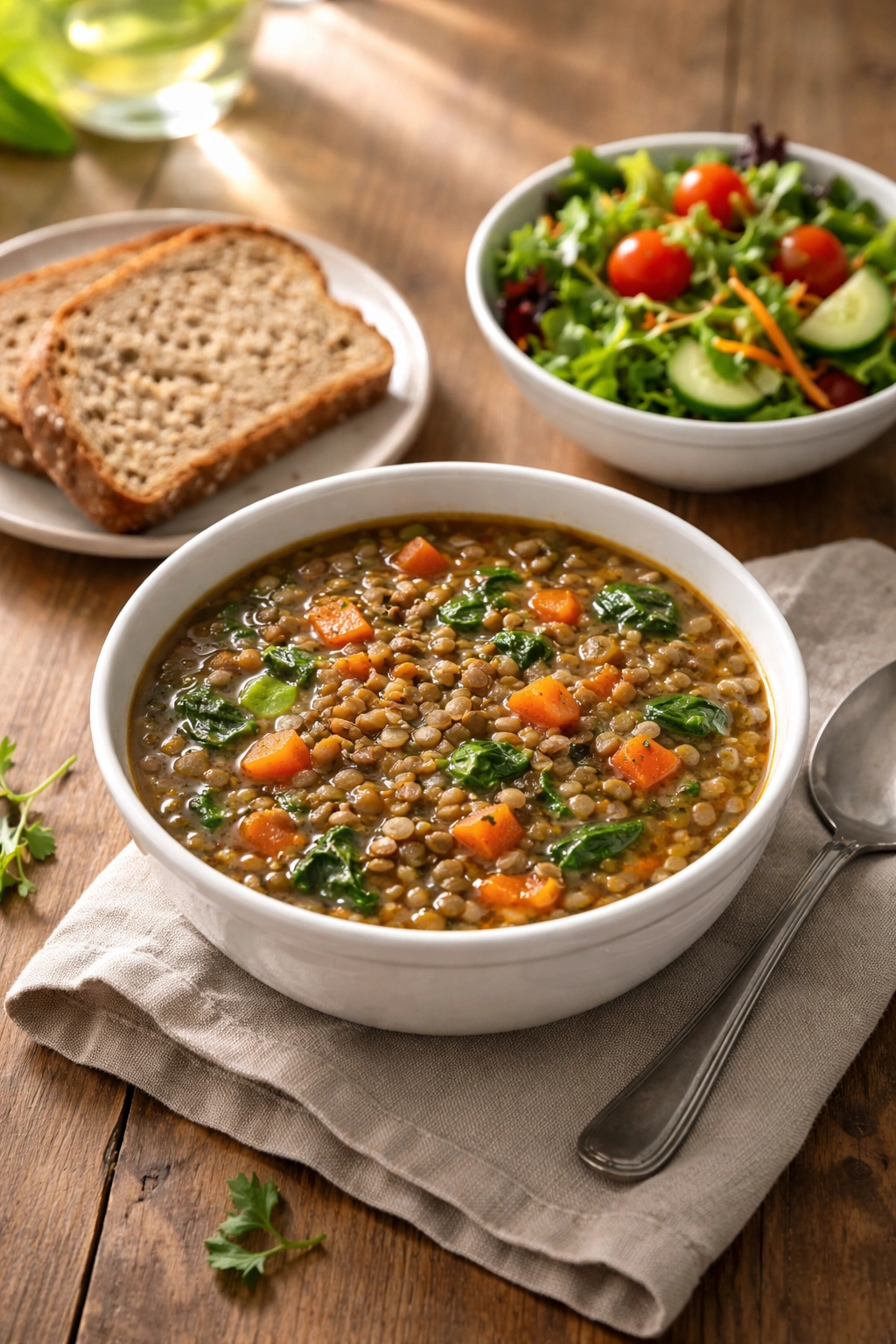
Soups don’t get enough credit as lunch vehicles. A hearty lentil soup delivers plant-based protein, fiber, and warming comfort—all for minimal calories. Make a batch on Sunday (lentils, low-sodium broth, carrots, celery, onion, spinach, and herbs), then portion it and refrigerate. Pair with one slice of whole grain bread and a small side salad.
Why Lentil Soup Outperforms Most Lunches
Lentils are nutritional powerhouses: one cup of cooked lentils provides 18 grams of protein and 15 grams of fiber, along with iron, folate, and polyphenols (plant compounds with antioxidant effects). When you cook them in broth with vegetables, you create a meal that’s high in volume, high in nutrition, and genuinely filling. The fiber content means hunger stays away longer than it would with lighter proteins.
Making It Convenient
- Soups freeze beautifully, so make a large batch and freeze in individual containers
- Reheat in the microwave in 2-3 minutes; no equipment needed
- The bread serves as a vehicle for creaminess if you want to mash some lentils into the broth
- Add fresh lemon juice and fresh herbs after heating for brightness
Worth knowing: Soups are actually more satiating than the same ingredients eaten separately, because the liquid adds volume without adding calories.
10. Grilled Tilapia with Roasted Cauliflower and Brown Rice
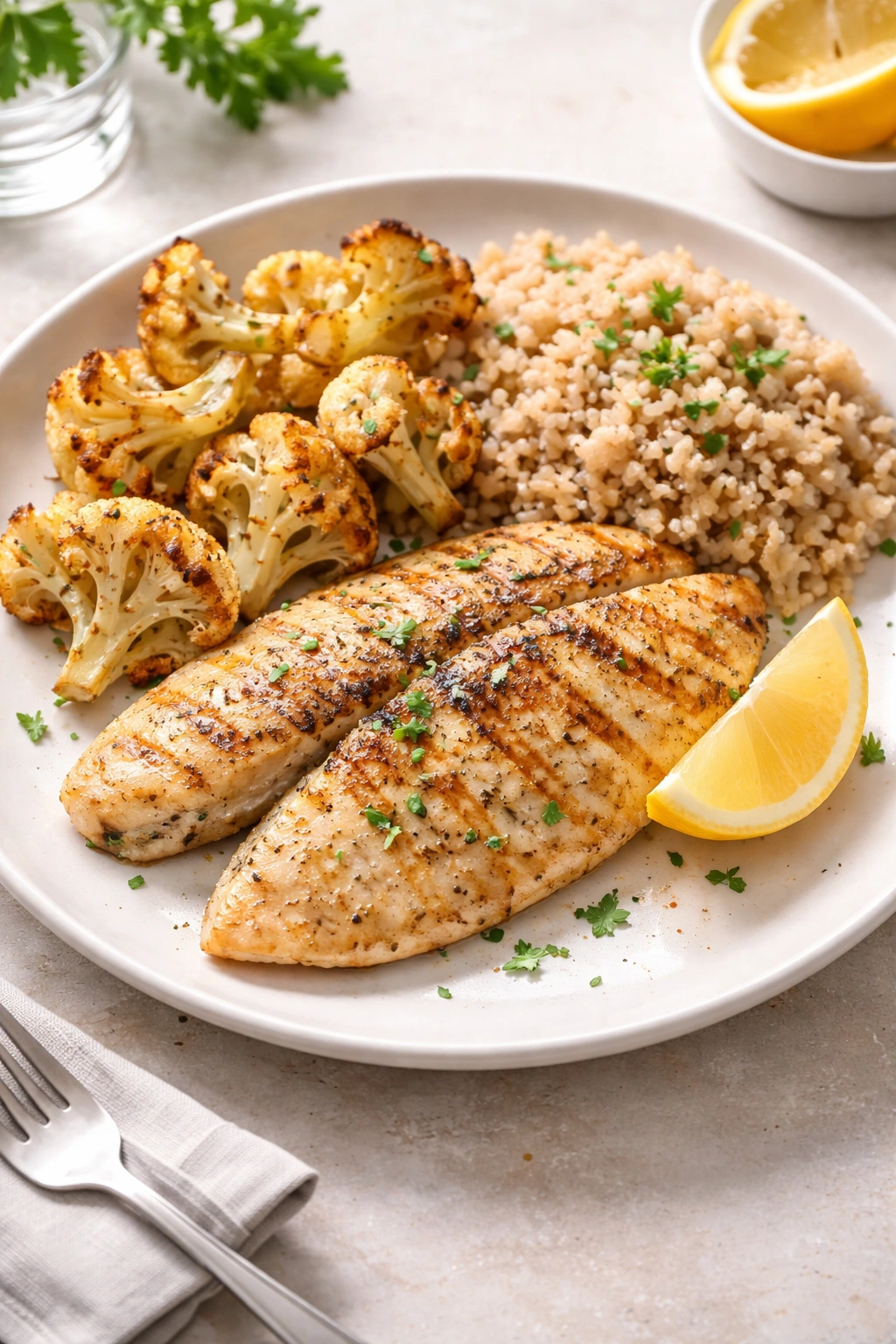
Tilapia is one of the most affordable and accessible white fish available, yet it remains wildly underutilized in lunch meal prep. It’s lean, flakes easily, and takes on flavor instantly. Grill a 5-ounce fillet (just 5 minutes per side), pair it with roasted cauliflower (which becomes caramelized and sweet at high heat), and add a small portion of brown rice.
The White Fish Advantage
While salmon is nutritionally superior due to omega-3 content, white fish like tilapia excels at being lean without compromising on taste. At just 90 calories per 3-ounce serving, tilapia allows you to eat a larger portion of protein for fewer calories. This matters when your goal is staying under 400 calories while maximizing protein intake. White fish also tends to be cheaper than salmon, making it more sustainable for regular meal prep.
Flavor Without Fat
- Grill tilapia with just a light spray of oil, season with paprika, garlic, and a squeeze of lime
- Cauliflower roasted at 425°F develops a nutty, almost creamy flavor from the natural sugars caramelizing
- Brown rice adds resistant starch, which improves insulin sensitivity and feeds beneficial gut bacteria
- Use hot sauce or a flavorful vinaigrette to boost taste without calories
Insider note: Buy tilapia frozen; it’s cheaper, lasts longer, and thaws quickly in a bowl of cold water.
11. Grilled Chicken with Whole Wheat Pasta and Marinara Sauce
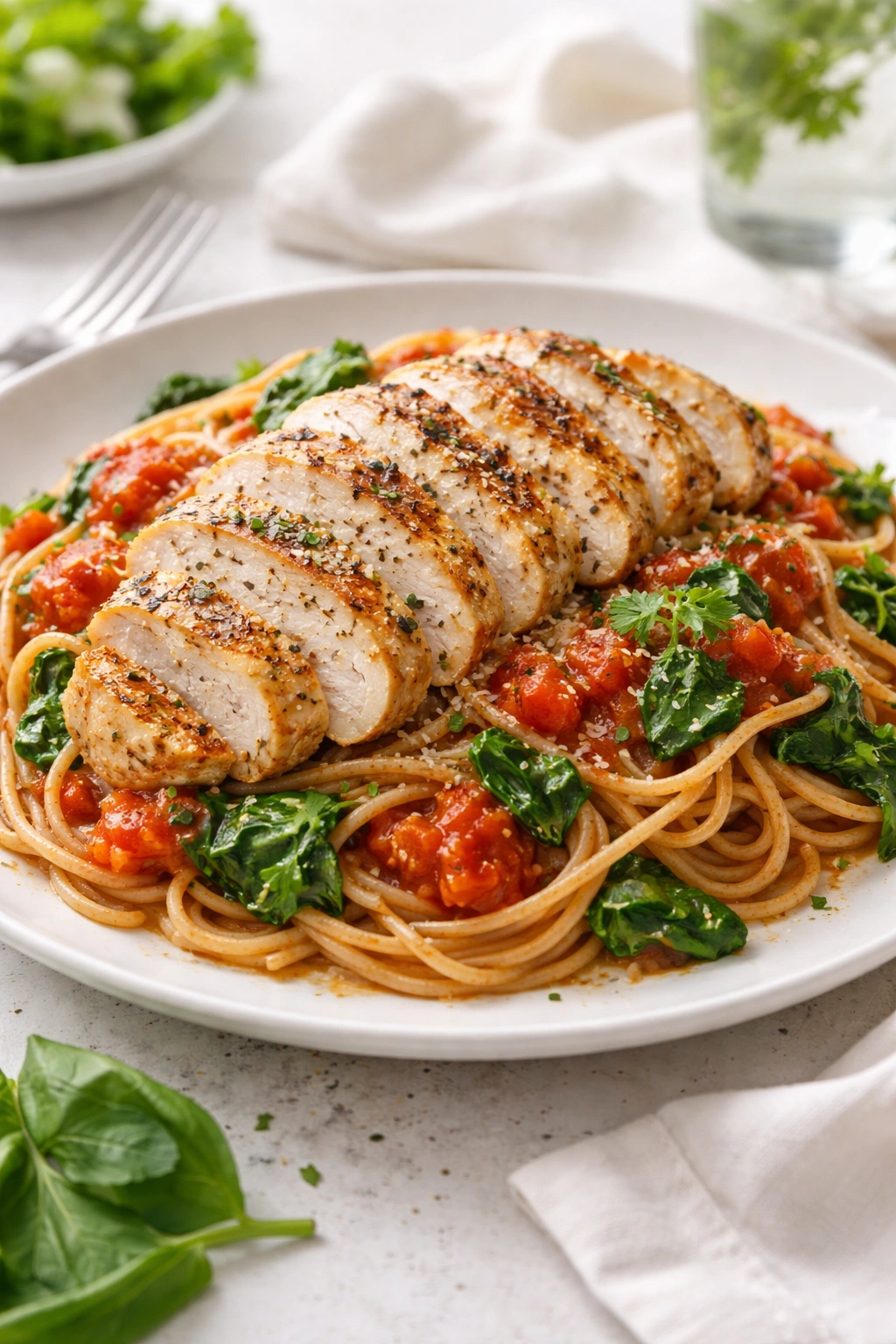
Pasta gets a bad reputation in the fitness world, but whole wheat pasta paired with lean protein and a vegetable-based sauce creates a legitimate, delicious, and satisfying lunch under 400 calories. Mix one cup of cooked whole wheat pasta with marinara sauce, add 4 ounces of grilled chicken, and stir in fresh spinach or zucchini.
Why Whole Wheat Pasta Actually Matters
The difference between regular pasta and whole wheat pasta is significant: whole wheat retains the bran and germ, which contain fiber and micronutrients that are stripped away in refined pasta. This fiber slows digestion, creates steadier blood sugar response, and helps you feel full longer. One cup of whole wheat pasta provides 6-7 grams of fiber compared to 1-2 grams in regular pasta, and that difference accumulates throughout the day.
Keeping Calories Down
- A cup of cooked pasta is the correct serving size (portion it carefully or measure when reheating)
- Marinara sauce adds virtually no calories but tons of umami and lycopene (a beneficial plant compound)
- The chicken and spinach boost protein and micronutrients without significantly raising calories
- Add red pepper flakes or fresh basil for flavor depth at zero calories
Pro tip: Cook pasta slightly al dente and rinse it with cool water before mixing; this lowers the glycemic impact.
12. Cottage Cheese Bowl with Berries, Nuts, and Honey
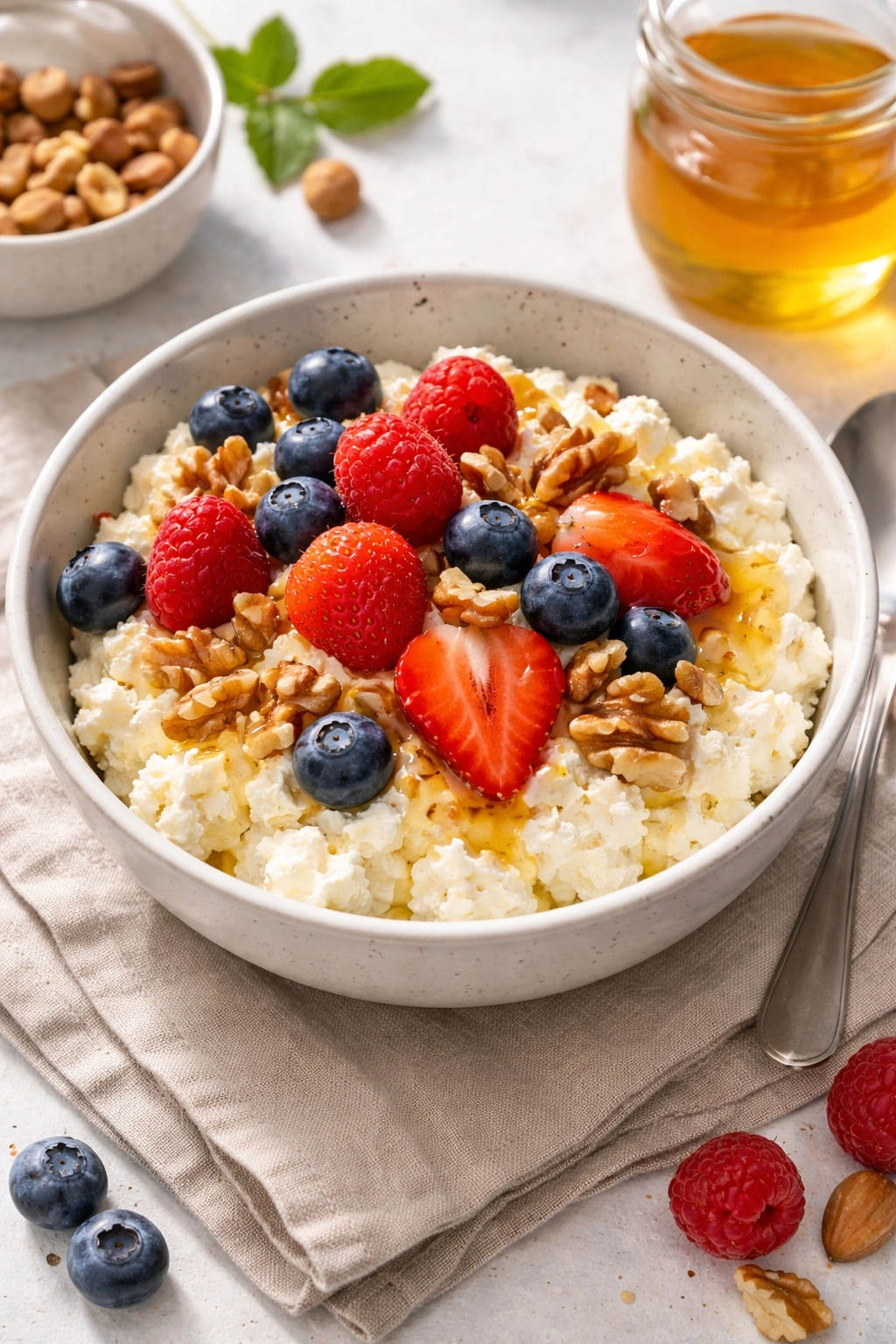
Cottage cheese is severely underrated as a lunch component. It’s not just for breakfast—a half-cup serving delivers 14 grams of protein with minimal calories, and the casein protein digests slowly, extending satiety for hours. Mix cottage cheese with fresh berries, add a small drizzle of honey, and top with a small handful of almonds or walnuts.
The Cottage Cheese Renaissance
Cottage cheese was pushed out of mainstream eating by Greek yogurt, but it deserves a comeback. It contains casein, a slow-digesting protein, whereas yogurt contains whey, which digests faster. For a lunch meal that needs to sustain you for hours, casein is superior. The creamy texture and mild flavor also pair beautifully with fruit in a way that feels indulgent rather than “healthy.”
Customizing Without Inflating Calories
- Use nonfat or low-fat cottage cheese (the fat content varies significantly between brands)
- Berries like blueberries and raspberries add fiber and antioxidants
- A teaspoon of honey provides sweetness without excessive calories
- Nuts are calorie-dense, so use a measured portion—about one ounce
Worth knowing: Cottage cheese is one of the few foods that seems to correlate with better hunger control in research; people who eat it report lower appetite later.
13. Turkey Meatballs with Zucchini Noodles and Pesto
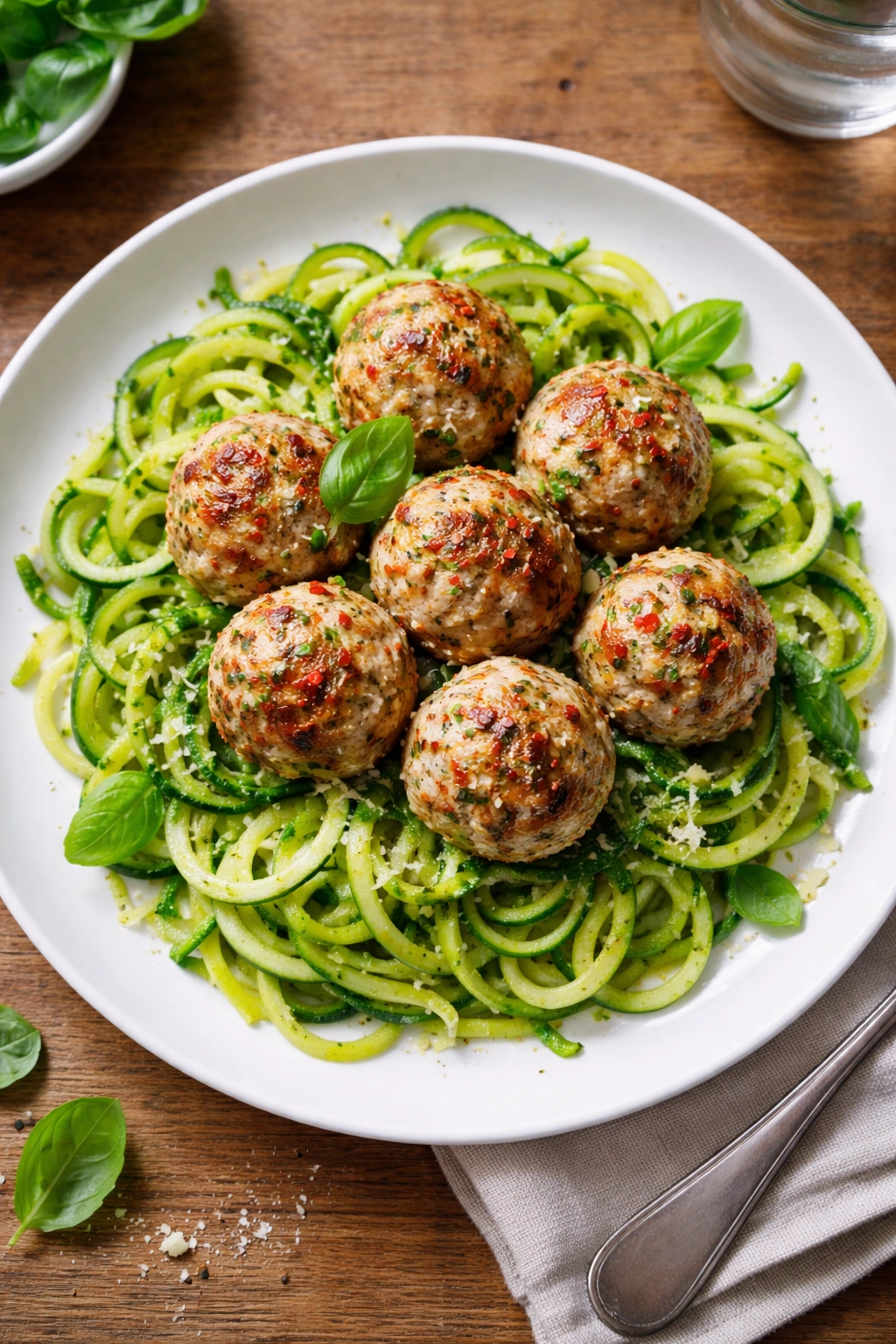
Ground turkey is leaner than ground beef but can be dry if not handled carefully—binding it with an egg and breadcrumbs, then baking rather than frying, keeps it tender. Make a batch of turkey meatballs, then serve them over zucchini noodles (which are virtually calorie-free) with a light pesto sauce.
Ground Turkey Done Right
The secret to moist turkey meatballs is the binding agent. One egg per pound of turkey, plus a quarter-cup of whole wheat breadcrumbs and seasonings, keeps the mixture from getting dense. Baking at 400°F for 15-18 minutes cooks them evenly without drying them out. Make a double batch and freeze half for future lunches.
Zucchini Noodles as Volume
Zucchini noodles (spiralized or julienned) are one of the best calorie-saving swaps in modern cooking: a cup of zucchini noodles contains just 19 calories compared to 220 in a cup of regular pasta. You can eat a massive pile of them and stay completely under calorie targets. The key is cooking them briefly—just 2-3 minutes—so they stay firm rather than becoming mushy.
Pesto Smartly
- Use store-bought pesto (2-3 tablespoons adds flavor without excessive calories) or make your own
- Fresh basil, pine nuts, garlic, Parmesan, and olive oil blended together creates incredible depth
- Toss the pesto with warm meatballs and zucchini noodles so it coats everything evenly
Real talk: If you hate zucchini noodles (and some people do), serve meatballs over mixed greens or spaghetti squash instead.
14. Edamame and Chickpea Salad with Feta and Lemon-Tahini Dressing
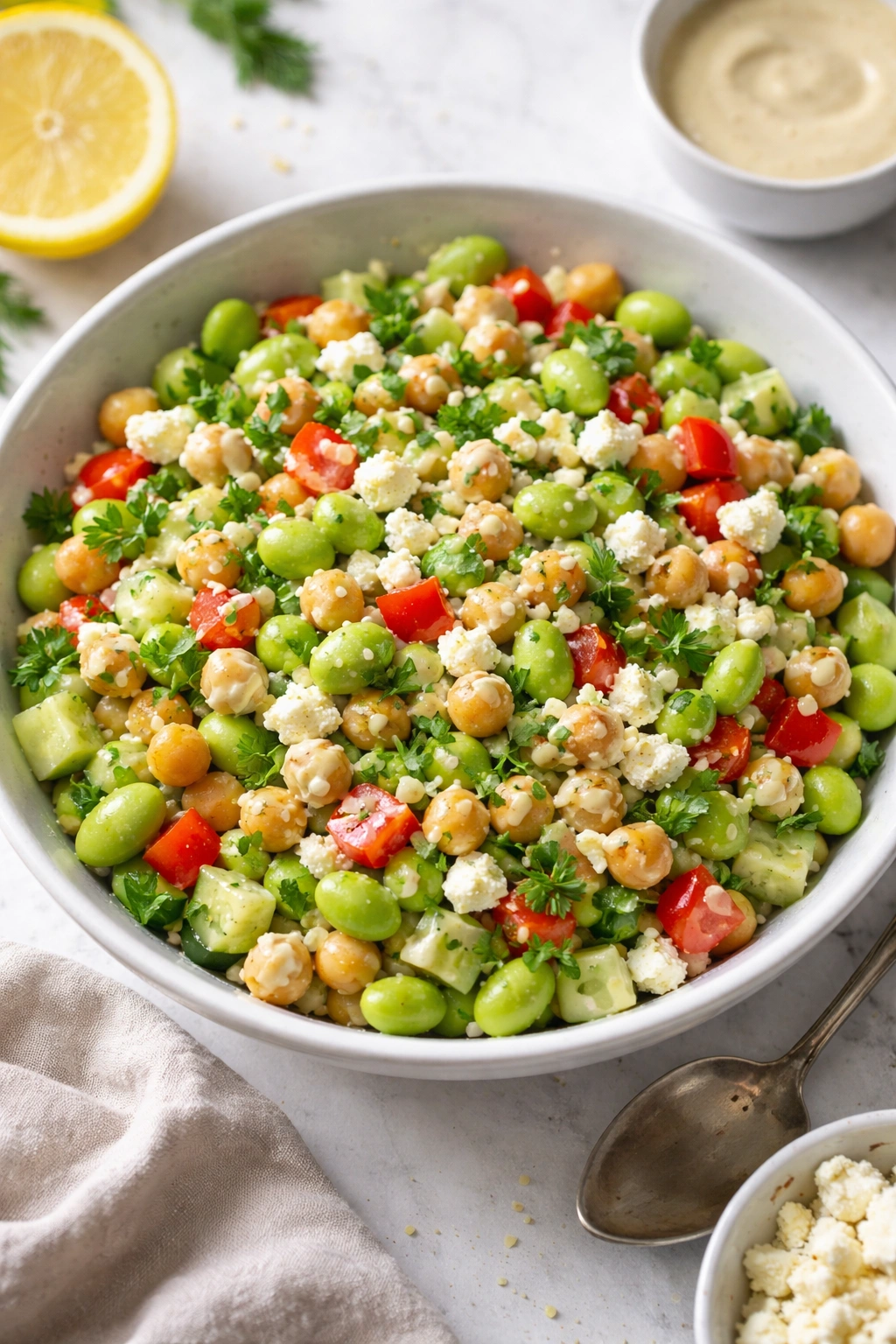
For vegetarian lunches that actually deliver protein, combining two legumes creates complete amino acid coverage. Mix shelled edamame with chickpeas, add diced cucumber and bell peppers, crumble a small amount of feta, and dress with lemon juice and tahini thinned with water.
The Plant-Based Protein Strategy
Edamame provides about 11 grams of protein per cup while chickpeas provide about 15 grams per cup. Together, they create substantial protein intake without relying on animal sources. The feta adds calcium and a salty, creamy element that makes the salad taste more luxurious than the calorie count suggests. Tahini provides fat, which aids satiety and nutrient absorption.
Dressing That Actually Works
- Tahini (2 tablespoons) mixed with lemon juice and a bit of water creates a creamy dressing with minimal calories
- The combination of sesame and lemon is bright and Mediterranean without being heavy
- A pinch of sumac or cumin adds complexity
- Feta should be used sparingly (just 2 tablespoons) for maximum flavor impact
Pro tip: Make the salad dressing-free and add dressing only before eating, so the salad doesn’t get soggy if you’re packing it.
15. Grilled Pork Tenderloin with Roasted Green Beans and Garlic Mashed Cauliflower
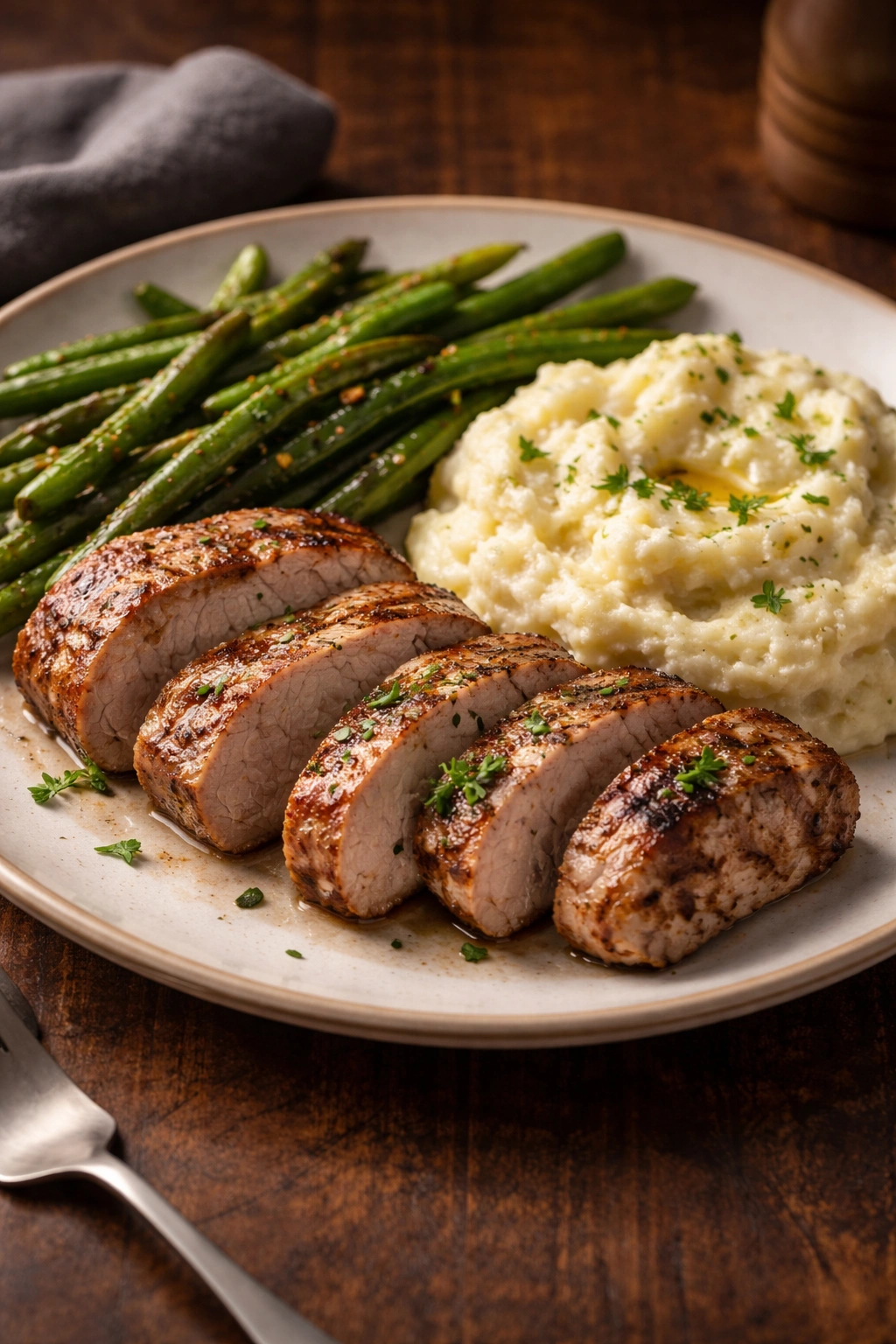
Pork tenderloin is an underrated protein: it’s leaner than chicken thigh, more flavorful than chicken breast, and dramatically more affordable than it used to be. Grill a 4-ounce portion, pair it with roasted green beans (just 30 calories per cup), and swap traditional mashed potatoes for creamy garlic mashed cauliflower.
Why Pork Tenderloin Deserves Regular Rotation
A 3.5-ounce serving of pork tenderloin contains 26 grams of protein with just 143 calories. It’s also rich in B vitamins (especially thiamine and niacin), which support energy metabolism. The flavor is more interesting than chicken without being as heavy as beef—it’s genuinely delicious when grilled with basic seasoning. Grocery stores often have sales on pork tenderloin, making it an economical option.
Making Cauliflower Taste Like Real Mashed Potatoes
- Boil cauliflower until completely tender (about 12-15 minutes), then drain very thoroughly
- Blend or mash with a small amount of Greek yogurt (instead of butter and cream) for creaminess
- Season generously with garlic, salt, pepper, and a tiny bit of nutmeg
- The result is genuinely creamy and satisfying without the extra calories
Insider note: Pork tenderloin stays tender as long as you don’t cook it past 145°F internal temperature; it continues to cook as it rests.
Final Thoughts

High-protein lunches under 400 calories aren’t a compromise—they’re genuinely delicious, filling, and sustainable. The common thread connecting all of these meals is that protein is the foundation, vegetables add volume and nutrients, and smart carbs round out the nutrition. When you structure lunch this way, hunger stays away, energy stays stable, and you avoid the 3 PM crash that derails most people’s healthy eating plans.
The lunches that work best are the ones you’ll actually make repeatedly. Start with two or three that sound genuinely appetizing to you, prep them once, and pay attention to how you feel. You’ll likely notice that afternoon hunger subsides, cravings diminish, and weight management becomes easier—not because you’re eating less overall, but because you’re eating in a way that actually supports your body’s hunger signals. Protein matters that much.
The investment in Sunday meal prep—a couple of hours to grill chicken, cook grains, and chop vegetables—pays dividends throughout the entire week. These aren’t fancy meals requiring specialty ingredients or techniques. They’re straightforward combinations of quality protein, real vegetables, and whole grains. That simplicity is exactly what makes them sustainable long-term.
