



Comfort Food Favorites Remade Under 400 Calories
The moment you decide to eat healthier, you think you’re saying goodbye to the foods you actually crave. Late-night cravings for pizza. Weekend breakfast pancakes. That crispy fried chicken your grandmother made. But here’s the truth: you don’t have to choose between comfort and health. The secret isn’t deprivation—it’s strategy. With smart ingredient swaps, portion-conscious preparation methods, and clever cooking techniques, you can remake nearly every comfort food favorite to fit a 400-calorie budget and still taste genuinely satisfying.
The best part? These aren’t sad, boring versions of the foods you love. They’re actual meals—filling, flavorful, and craveable enough that you’ll make them regularly, not as punishment but as genuine pleasure. This isn’t about eating less; it’s about eating differently. A cheeseburger made with ground turkey and a thinner patty can be just as juicy and delicious as the original. Mac and cheese made with sharp cheddar and a touch of Dijon mustard can hit that creamy comfort note without half a stick of butter.
Throughout this guide, you’ll discover that the most satisfying low-calorie versions aren’t those that try to be something they’re not. They’re the ones that lean into what makes comfort food work in the first place—bold flavors, appealing textures, and portions generous enough to feel like a real meal. Each recipe below delivers serious satisfaction while respecting a realistic calorie limit that fits into any healthy eating plan.
Crispy Fried Chicken That Stays Juicy Under 400 Calories
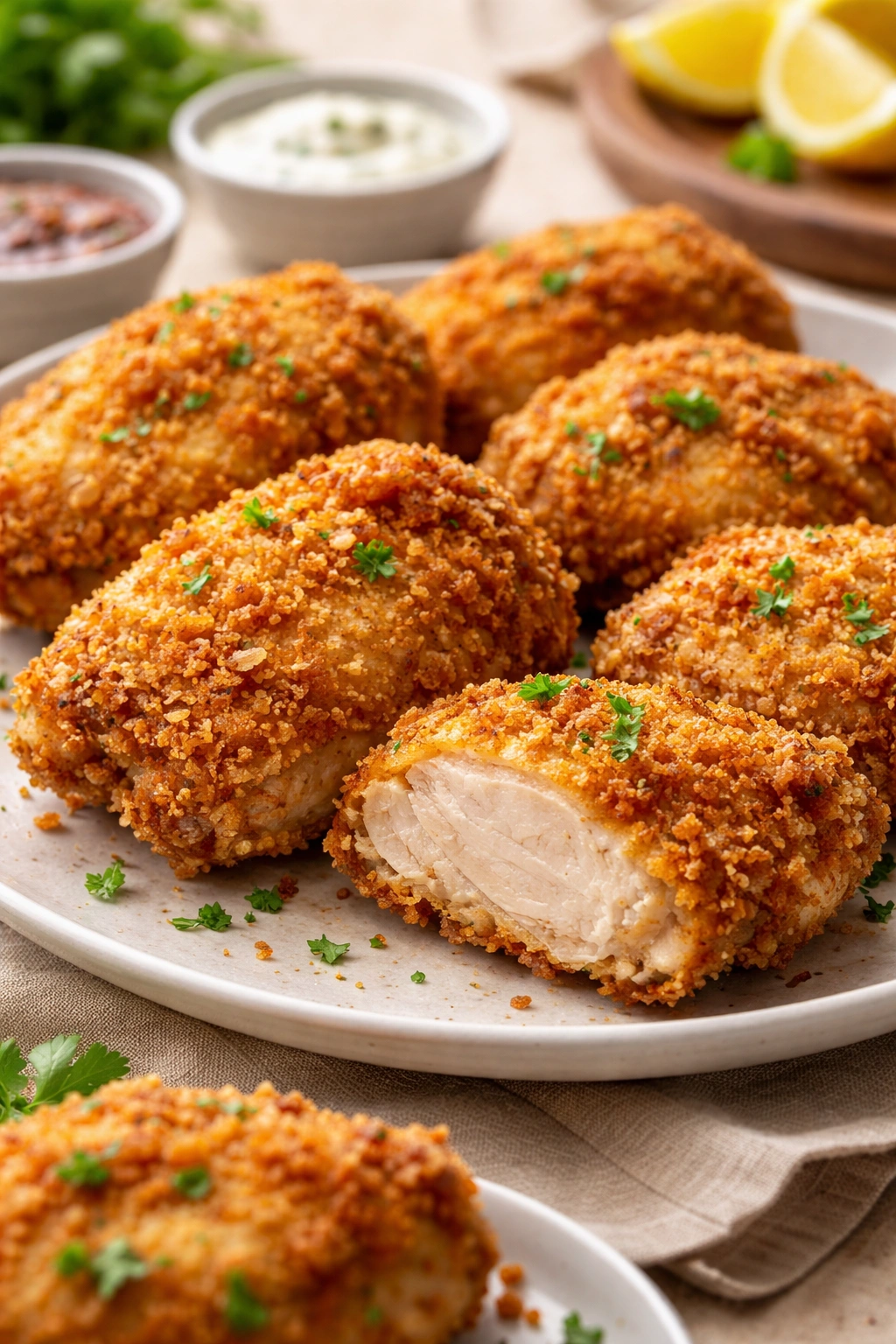
Fried chicken is one of those dishes that feels impossible to make light because the whole appeal is that shattering golden crust. The secret to sub-400-calorie fried chicken isn’t eliminating the frying—it’s using an air fryer or a clever oven method that gives you that textural contrast without deep frying in oil. Boneless, skinless chicken thighs (not breasts, which dry out) marinated briefly in buttermilk create an unexpectedly tender, juicy interior.
The coating makes this work. Mix panko breadcrumbs with a tablespoon of cornstarch, smoked paprika, garlic powder, cayenne, salt, and black pepper. The cornstarch creates extra crispness while keeping the overall ingredient list lean. A light spray of cooking oil on the breaded chicken before air frying at 400°F for 15 minutes gives you that fried-chicken exterior with only a fraction of the oil calories. One 4-ounce thigh plus a generous side of roasted broccoli or a simple green salad comes in around 380 calories and tastes like guilty pleasure.
Why This Works Better Than You’d Expect
The buttermilk marinade is critical—even just 20 minutes breaks down the proteins slightly and seasons the chicken from the inside out. Air fryer cooking circulates hot air at high velocity, which mimics the crispy effect of deep frying without submerging the protein in oil. Most of the calorie savings come from this cooking method, not from reducing portion size.
What to Know Before You Cook
- Patting the chicken completely dry before breading prevents soggy spots
- Don’t skip the light oil spray—it’s the difference between golden and pale
- Thighs have more natural fat than breasts, which keeps them tender through high-heat cooking
- A squeeze of fresh lemon immediately after cooking brightens the flavor without adding calories
Pro tip: Make a larger batch and reheat pieces in the air fryer the next day for meal prep that stays crispy.
Loaded Cheeseburger Remake Under 400 Calories
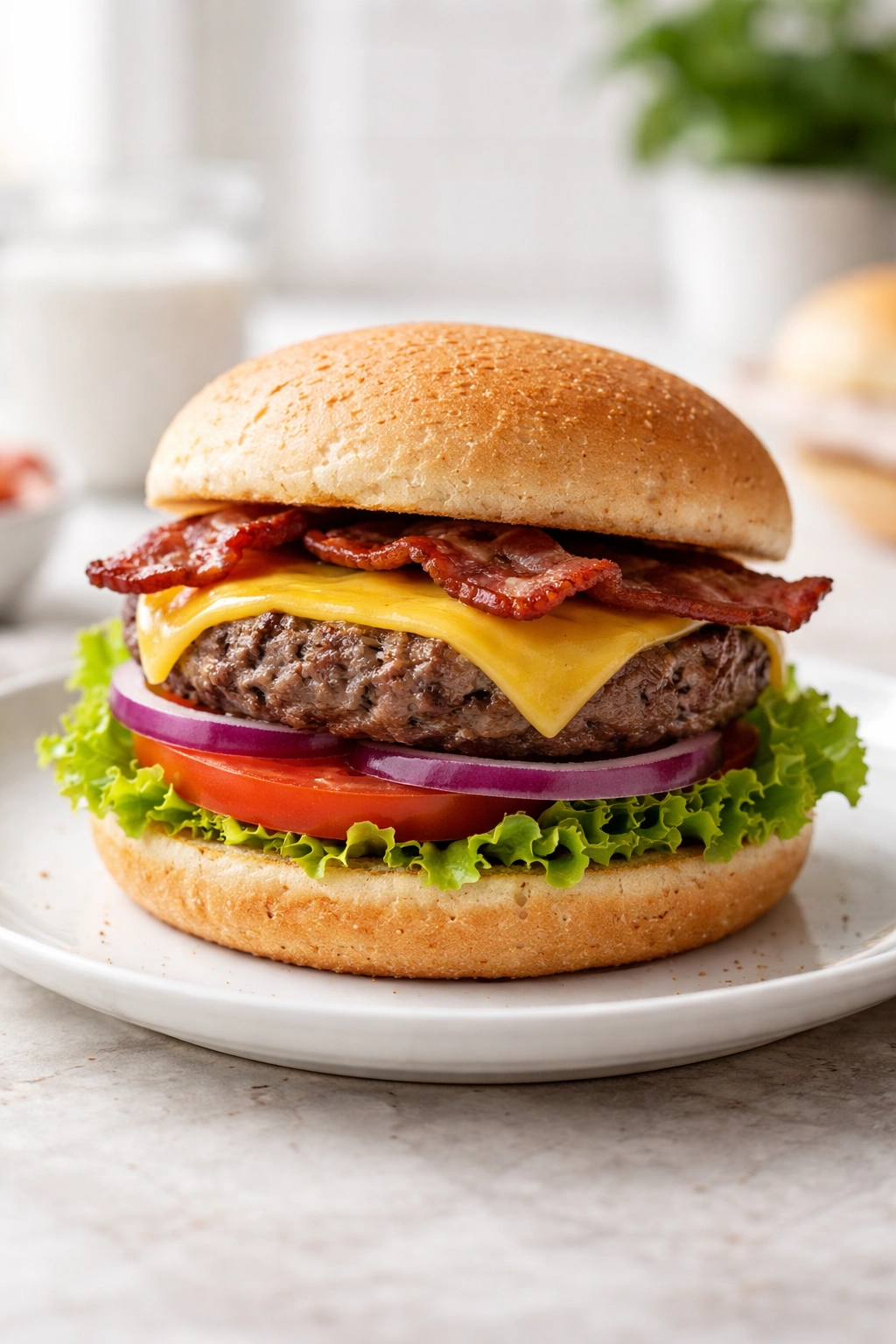
A traditional quarter-pound burger with cheese, bacon, and toppings easily hits 600 calories before you add fries. The lightened version starts with leaner ground meat—a blend of 93% lean ground beef with just enough 7% ground beef to keep it juicy and flavorful. A 3.5-ounce patty (instead of 4 ounces) is substantial enough not to feel wimpy, especially when cooked to medium with a proper sear.
Use a reduced-fat cheddar or swap the full slice for a half slice of full-fat cheese—it melts gorgeously and distributes flavor more evenly. One strip of center-cut bacon (14 calories per strip) delivers smokiness without derailing your calorie budget. Toast a thin-sliced burger bun lightly in a dry pan, which adds textural appeal without oil. Load it with tomato, lettuce, red onion, and pickles, then use a tablespoon of sriracha mayo (homemade with one part sriracha to three parts light mayo) for bold flavor at minimal caloric cost.
The Strategy Behind the Thinness
A thinner patty cooks faster, stays juicier, and is paradoxically more satisfying because you get that sear-crust quality on both sides. A 3.5-ounce patty seared hard in a cast-iron skillet develops a flavorful brown crust in just 3 minutes total. Thickness often compensates for lack of sear.
Building the Perfect Stack
- Toast bun in a dry skillet for texture and slight browning
- Layer lettuce directly on the bottom bun (prevents sogginess)
- Place patty on lettuce, add cheese while patty is still hot so it melts
- Top with bacon, tomato, onion, pickles, then sauce, then top bun
- Full burger with all toppings: approximately 350-380 calories
Worth knowing: The quality of your ground beef matters here more than on a regular burger. Buy from the meat counter and ask for a fresh grind of 93/7 if possible.
Creamy Mac and Cheese Under 400 Calories
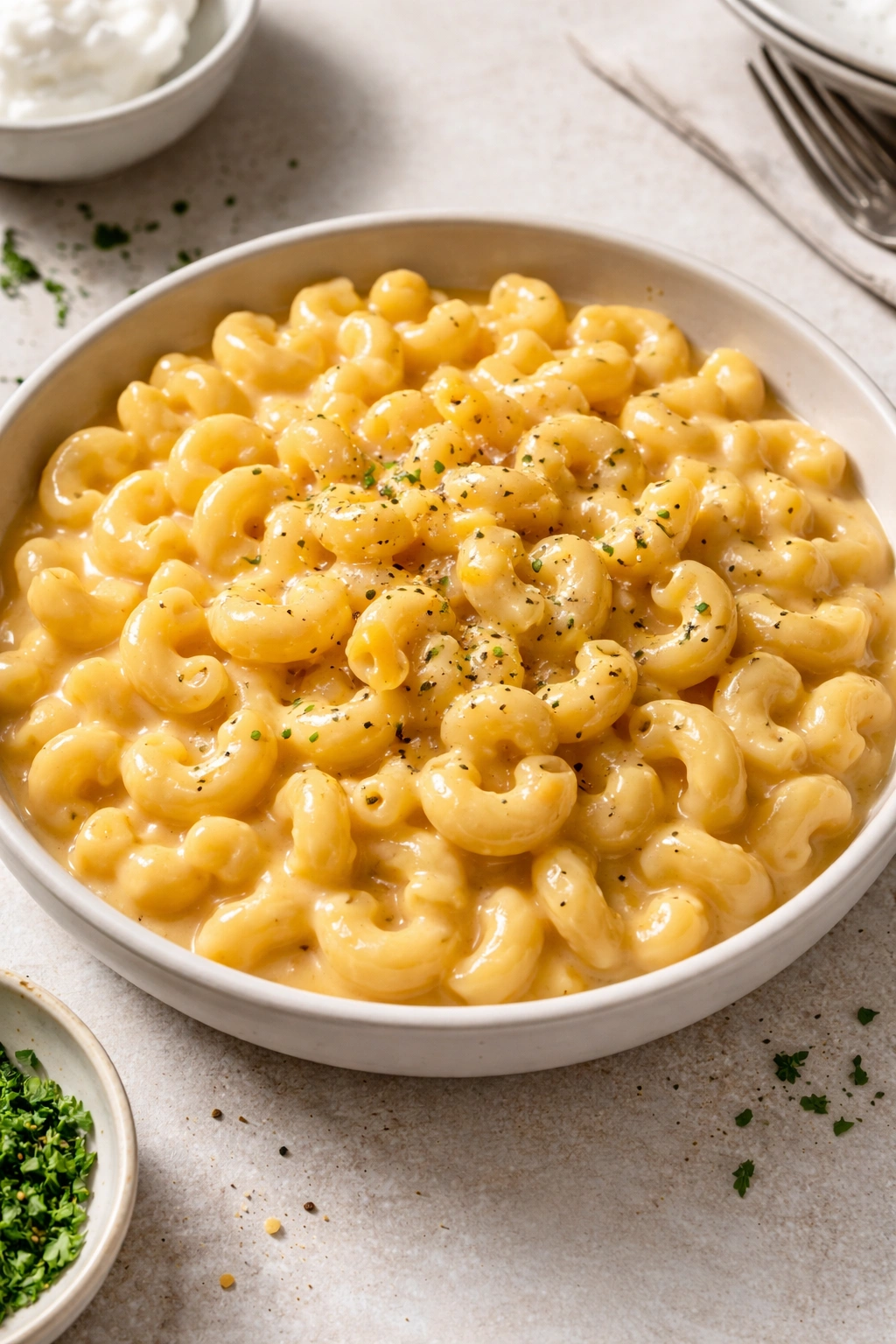
Traditional mac and cheese relies on a béchamel (butter and flour roux) combined with heavy cream and full-fat cheese. This version uses a smarter approach: chicken broth replaces much of the cream, sharp cheddar provides concentrated flavor so you need less cheese, and Greek yogurt adds creaminess and protein without excess fat.
Cook 8 ounces of small pasta shapes (like elbow or ditalini) just until al dente. In a separate pot, whisk together a tablespoon of butter with a tablespoon of flour, cooking for one minute. Add one cup of low-sodium chicken broth and a half cup of 2% milk, stirring constantly until thickened (about 3 minutes). Remove from heat and stir in half a cup of finely grated sharp white cheddar, a quarter cup of Greek yogurt, and a teaspoon of Dijon mustard. The Dijon amplifies the cheese flavor, so you need less cheese overall.
Toss with the cooked pasta, season with salt and white pepper, and if you want a crispy topping, transfer to a small baking dish, top with panko mixed with a teaspoon of melted butter and a bit of grated cheese, and bake at 400°F for 8 minutes until the topping is golden.
Why Greek Yogurt Changes Everything
Greek yogurt adds protein (which keeps you full longer), creaminess, and tang without the heavy feeling of cream. The thickness of the sauce comes from the roux and the broth reduction, not from excess fat. One serving (about 1.5 cups) delivers complete satisfaction at around 380 calories.
Flavor Amplifiers That Cost Nothing in Calories
- Dijon mustard sharpens the cheese flavor
- A pinch of smoked paprika adds depth
- Fresh cracked black pepper creates heat and complexity
- A tiny pinch of nutmeg (classic in béchamel) adds warmth
Insider note: Using a combination of sharp cheddar with a touch of gruyere (if you have it) creates restaurant-quality depth without doubling the cheese.
Pizza Slice Recreation at 350-380 Calories
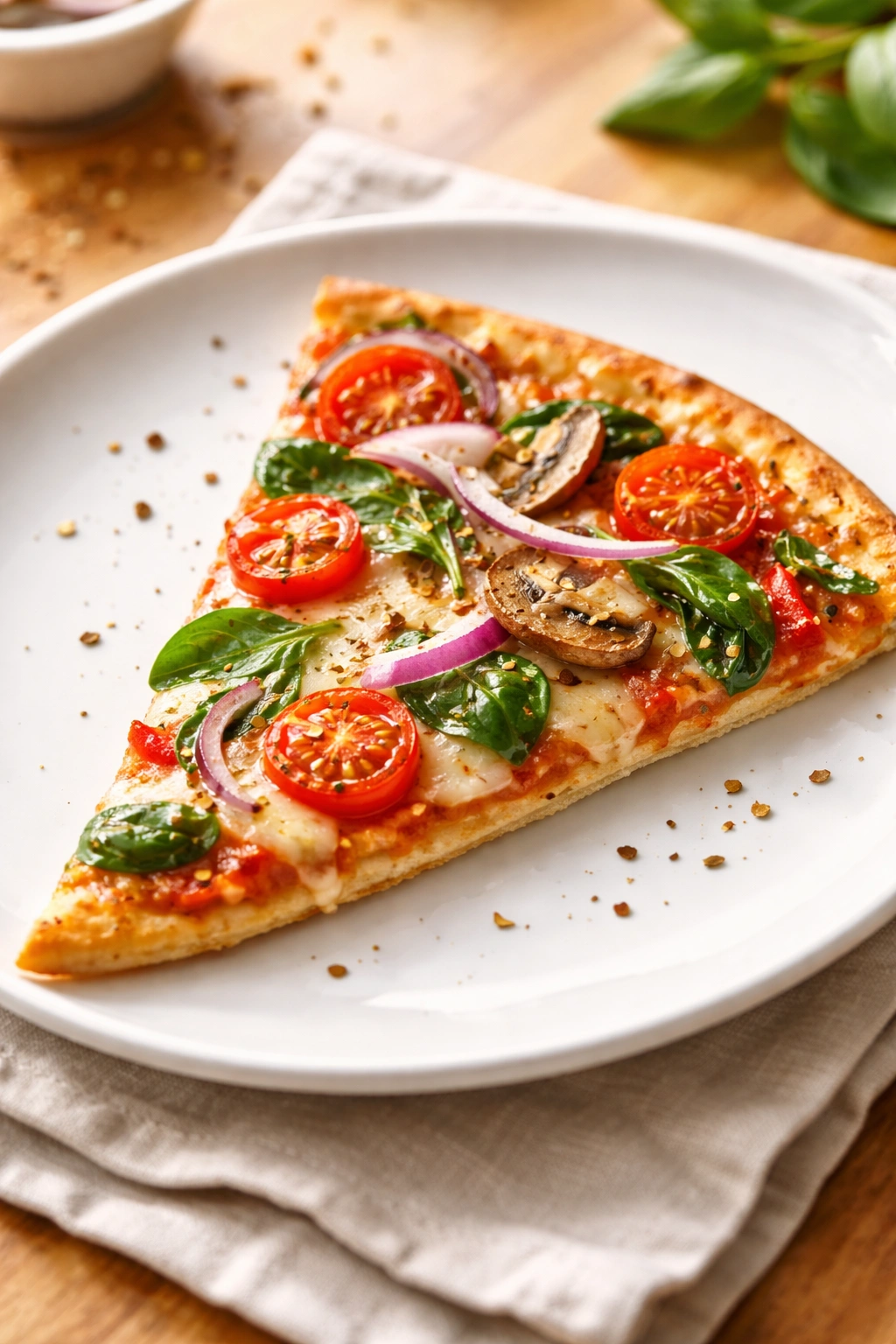
Pizza is challenging because a regular slice easily runs 250-350 calories before you’ve actually had a meal. The answer: a thin-crust base with strategic topping choices. Use a thin naan bread or a thin whole-wheat pita as your base—both are naturally thin and contain about 80-120 calories. Spread a light layer of tomato sauce (not oil), then add a half ounce of fresh mozzarella (which is lower in calories than aged cheeses).
The toppings determine your satisfaction. Choose vegetables first (peppers, mushrooms, onions, spinach all add volume and nutrition without calories), then one protein: three slices of pepperoni, a quarter cup of lean ground turkey seasoned Italian-style, or a bit of crumbled cooked sausage made from poultry. Bake at 400°F for 8 minutes until the cheese melts and the edges crisp slightly.
The secret to this tasting like real pizza is the char—putting it in a hot oven creates crispy edges and slightly caramelized cheese. The toppings-to-base ratio is higher than a traditional pizza slice, which means more flavor and texture in every bite.
Texture and Temperature Matter Most
Fresh mozzarella creates a melting, creamy layer that feels indulgent. A char on the crust (achieved only in a hot oven, not a toaster) creates the pizza experience you’re actually craving. The vegetable toppings add moisture and natural sweetness.
Custom Combinations That Work
- Spinach, mushrooms, and a small amount of feta cheese (Mediterranean style)
- Roasted peppers, olives, and caramelized onions (no cheese—still satisfying)
- Prosciutto, arugula (added after baking), and a drizzle of balsamic reduction
- Cooked seasoned ground turkey, bell peppers, and a bit of Mexican cheese blend
Quick fact: A thin-crust, vegetable-forward pizza with moderate cheese hits all the satisfaction markers of a traditional slice while staying under 400 calories.
Crispy Fish Tacos With Creamy Slaw Under 400 Calories
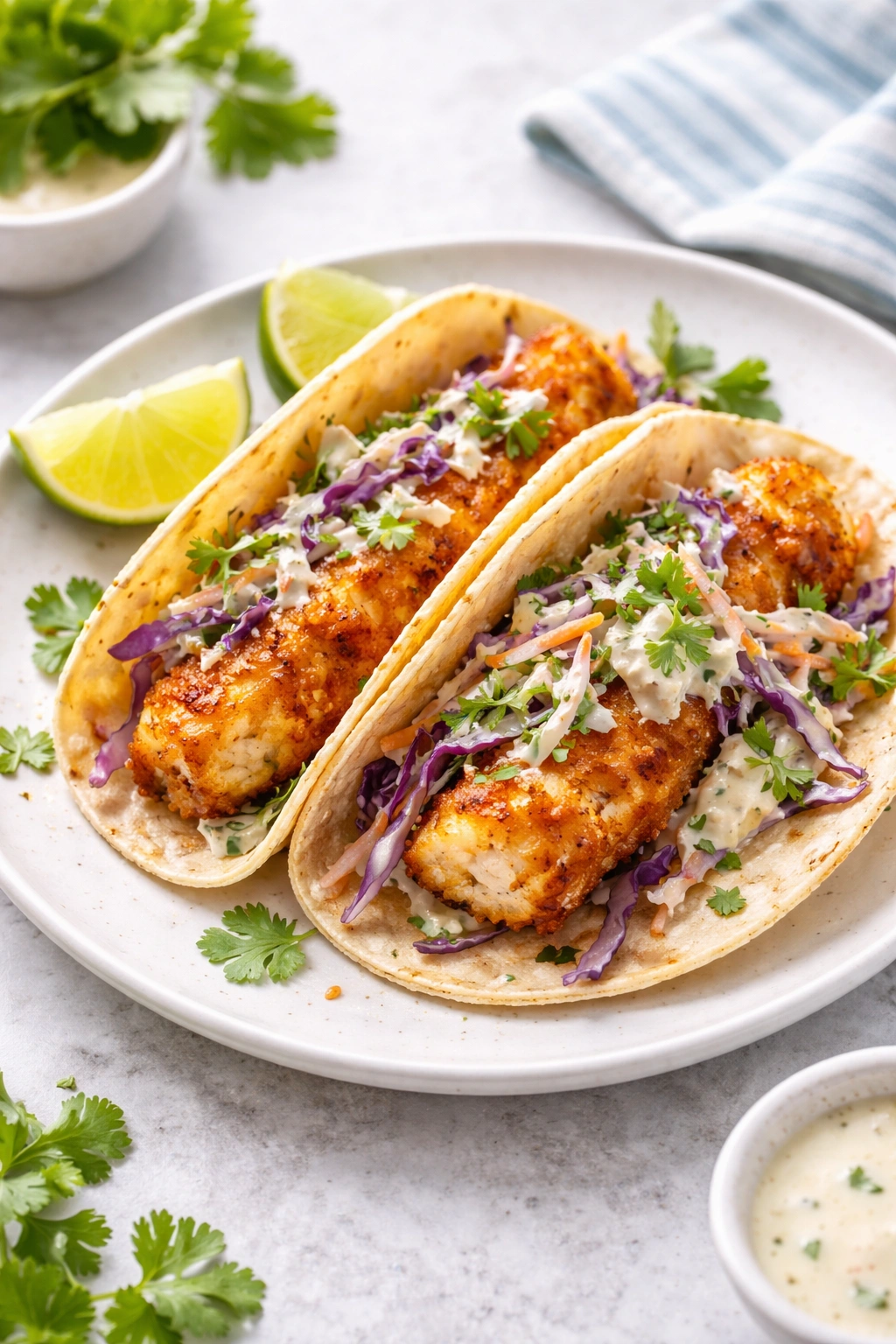
Fish tacos from a restaurant often contain fried fish at 200+ calories before the taco shell and toppings. Air-fried or baked fish seasoned boldly, combined with a strategic slaw and reasonable portions, creates a meal that tastes indulgent while respecting your calorie goals. Use a firm white fish like cod or halibut (which stays moist despite minimal fat) and season aggressively with chili powder, cumin, smoked paprika, garlic powder, and lime zest before air frying at 400°F for 12 minutes.
Make a quick slaw using 1 cup of shredded purple cabbage, a quarter cup of shredded carrot, and a dressing made from two tablespoons of light Greek yogurt, a tablespoon of lime juice, a teaspoon of honey, and a pinch of salt. The purple cabbage provides sweetness and crunch while purple vegetables contain beneficial antioxidants. Assemble in two small corn tortillas (60 calories each) with the fish, slaw, a quarter of an avocado (sliced thin to maximize coverage), fresh cilantro, and a small lime wedge for squeezing.
Why Corn Tortillas Over Flour
Corn tortillas are naturally lower in calories than flour tortillas and provide a more authentic taco experience. Two small tortillas give you the satisfaction of a two-taco meal without overdoing portions. You can eat these with your hands and feel satisfied.
The Avocado Strategy
A quarter avocado (50 calories) is the maximum you need for creaminess and healthy fat. Slicing it thin and spreading it across the taco gives better distribution than a thick wedge, making it feel more luxurious without using more.
Temperature and Texture Components
- Hot, crispy fish
- Cool, crunchy slaw
- Soft, creamy avocado
- Warm corn tortillas
Pro tip: Make the slaw 10 minutes before eating; it softens slightly and the flavors meld, creating better texture and taste.
Loaded Baked Potato With All the Fixings Under 400 Calories
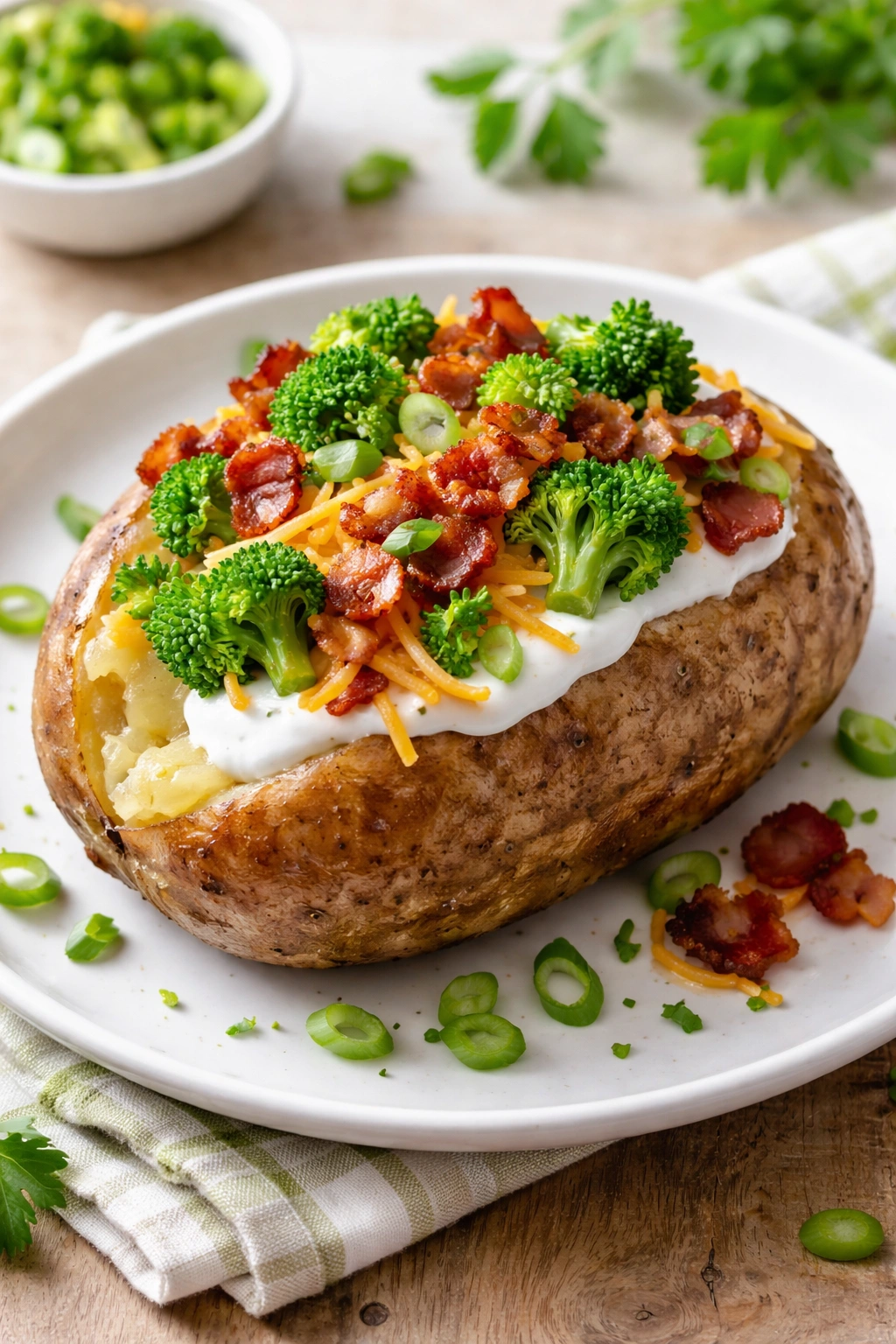
A loaded baked potato from a restaurant chains hits 600+ calories with the butter, sour cream, cheese, and bacon. A medium russet potato (170 calories) is a filling, nutritious base. The toppings are where most restaurants go overboard. Pile on half a cup of plain nonfat Greek yogurt (which subs beautifully for sour cream), a quarter cup of shredded reduced-fat cheddar, one strip of center-cut bacon (crumbled), a quarter cup of steamed broccoli florets, and two tablespoons of sliced scallions.
Bake the potato at 400°F for 25-30 minutes until tender, then split it open while hot so the interior is fluffy. The Greek yogurt melts slightly into the hot potato, creating creaminess that’s indistinguishable from sour cream in this context. The combination of textures—creamy, crispy bacon, soft broccoli, and fluffy potato—makes this feel like a legitimate indulgence.
Why This Feels Like the Real Deal
Greek yogurt has a tangy, creamy character that mimics full-fat sour cream almost perfectly when combined with hot food. The broccoli adds volume and nutrition, making the overall portion feel more substantial. One strip of bacon creates the smoky, salty note your brain expects from a loaded potato.
Flavor Layering That Prevents Blandness
- Season the potato’s interior with salt and pepper while it’s hot
- The broccoli can be steamed with a pinch of garlic salt
- Use sharp cheddar so less is needed for impact
- Fresh scallions add a fresh, pungent note
Worth knowing: Medium potatoes are around 170 calories; large ones jump to 280+. Stick with medium and load it generously with toppings instead.
Crispy Chicken Tenders With Honey-Mustard Sauce Under 400 Calories
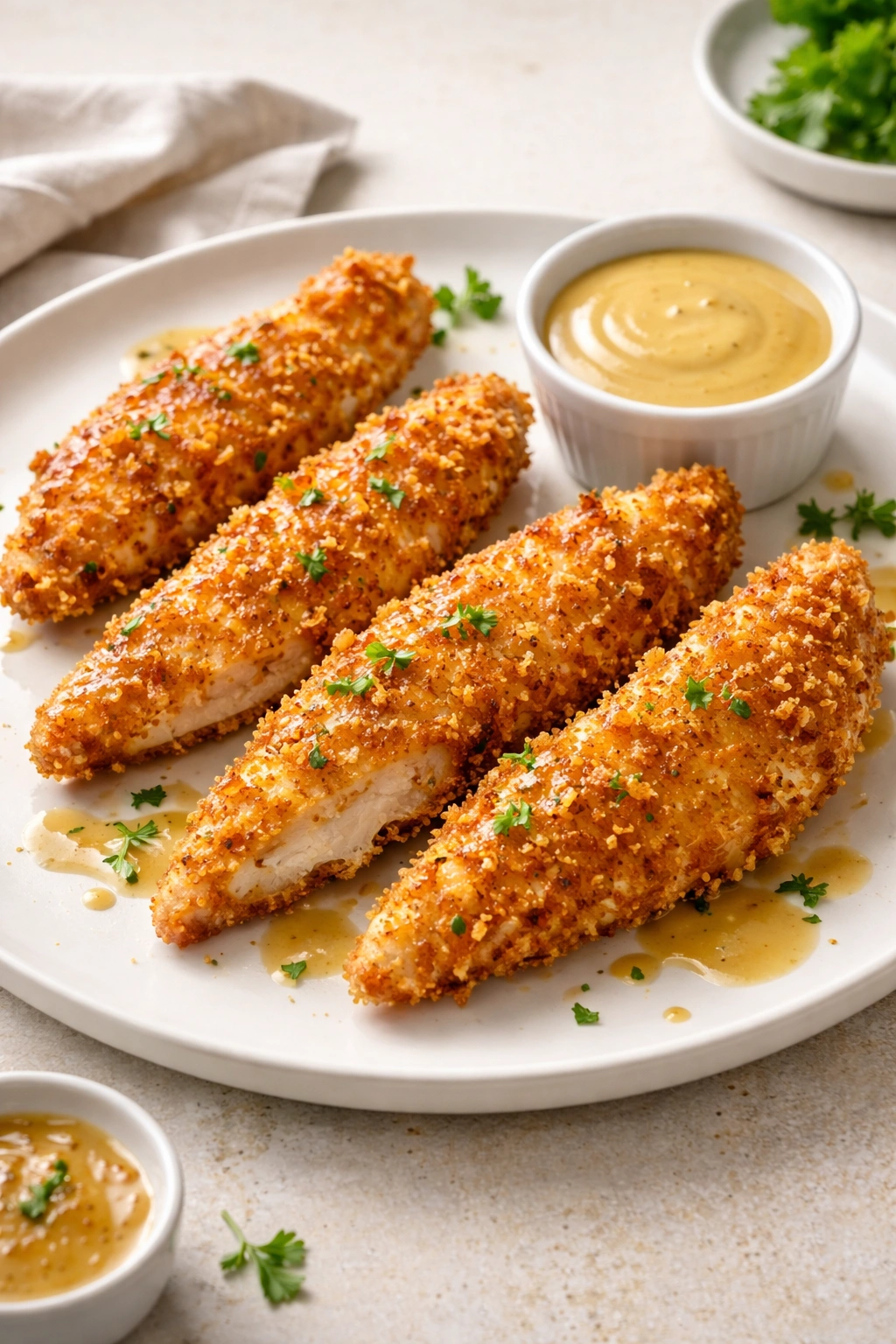
Chicken tenders fried in a traditional breading and deep-fried approach hit 300+ calories for just a few pieces before dipping sauce. The remake uses chicken breast cut into tender-sized strips, marinated briefly in buttermilk, then coated in seasoned panko and air-fried until golden. Four ounces of chicken breast (roughly four tenders) provides substantial protein at about 185 calories before the coating.
The panko coating adds crunch and carries the seasoning, with just a light oil spray before cooking. For honey-mustard sauce, combine two tablespoons of Dijon mustard, one tablespoon of raw honey, one tablespoon of apple cider vinegar, and a teaspoon of smoked paprika. This sauce (about 60 calories for the whole batch) is tangy, slightly sweet, and more complex than store-bought versions. The full meal—four tenders plus a small side of steamed broccoli and two tablespoons of sauce for dipping—lands at 380 calories.
Buttermilk’s Role in Tenderness
Buttermilk’s acidity and slight thickness coat the chicken, keeping it moist during high-heat cooking. Even 15 minutes of marinating makes a measurable difference in final texture. The lactic acid breaks down proteins slightly, making them more tender.
Panko vs Traditional Breadcrumbs
Panko is larger and airier than traditional breadcrumbs, creating a crispier exterior that requires less oil to achieve. It also browns more visibly, creating the appearance of being fried even though it’s air-fried. The visual cue matters psychologically—it feels more indulgent.
Sauce Variations That Stay Low-Calorie
- Frank’s hot sauce mixed with one tablespoon of Greek yogurt (buffalo style)
- Sriracha, lime juice, and a touch of honey (Asian-inspired)
- Barbecue sauce (choose low-sugar versions; 17 calories per tablespoon)
- Sriracha mayo made with light mayo (one tablespoon mayo + half teaspoon sriracha)
Quick fact: The panko exterior is where most of the appeal comes from; the sauce adds flavor complexity. Don’t skimp on either.
Creamy Tomato Pasta Under 400 Calories
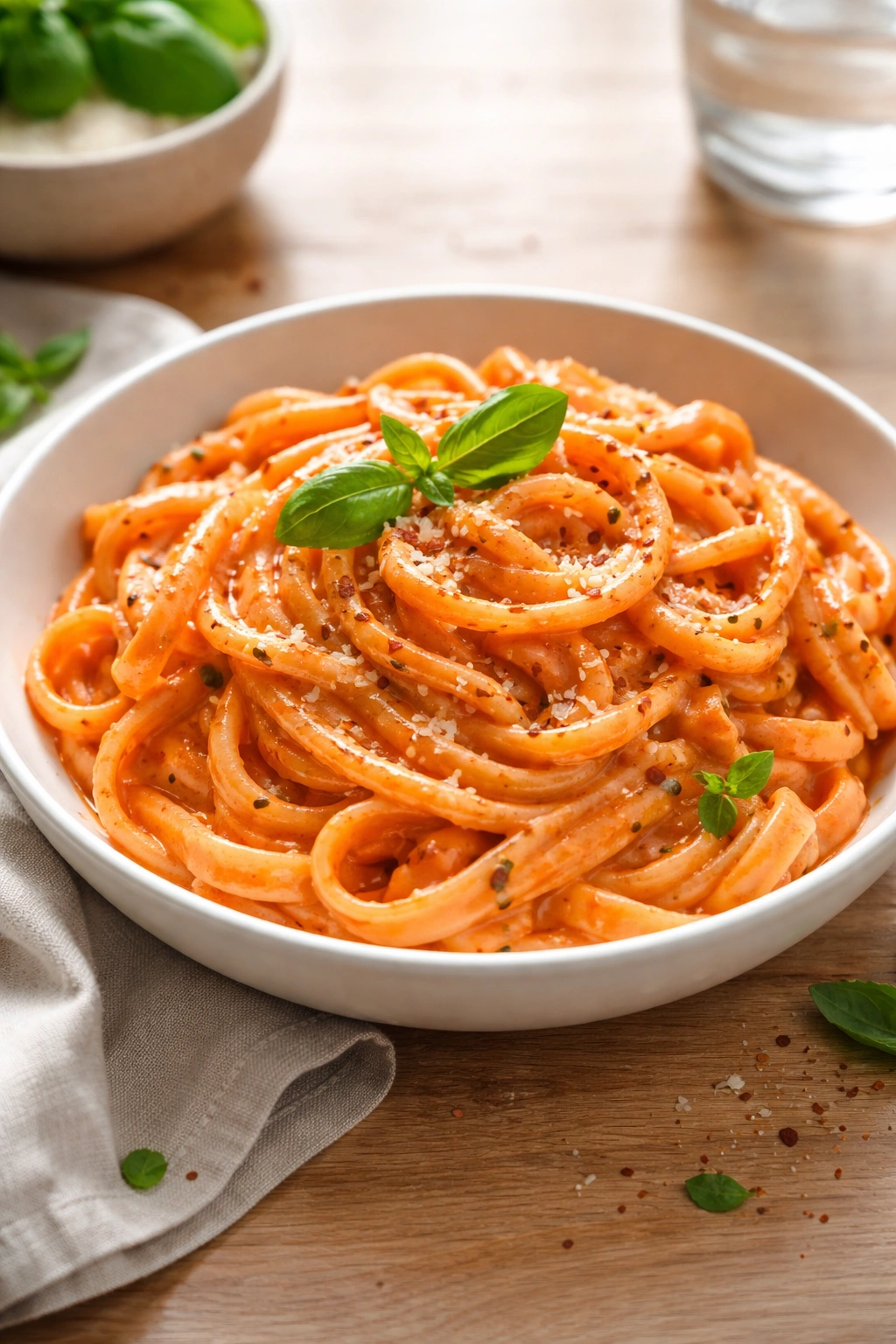
Pasta carbonara or creamy tomato pasta typically relies on cream, butter, or olive oil in quantities that turn a normal portion into a calorie bomb. A lighter version uses a silky tomato sauce enriched with Greek yogurt stirred in at the end, which creates creaminess and protein without requiring cream. Cook 2 ounces of dry pasta (about 1.5 cups cooked, approximately 190 calories) until just al dente.
Meanwhile, sauté two cloves of minced garlic in a teaspoon of olive oil for one minute, then add a half can (about 14 ounces) of crushed San Marzano tomatoes, a teaspoon of dried oregano, a pinch of red pepper flakes, salt, and black pepper. Simmer for 10 minutes while the pasta cooks. Remove from heat and stir in a quarter cup of nonfat Greek yogurt and a tablespoon of fresh basil (or half a teaspoon of dried). Toss with the cooked pasta and top with a tablespoon of grated Parmesan.
The Greek yogurt creates a creamy, luxurious sauce without the calories of cream. The concentrated tomato flavor combined with aromatic garlic and the slight tang from Greek yogurt creates depth. One serving (the full batch) comes in around 340 calories and feels like a proper meal.
Why San Marzano Tomatoes
San Marzano tomatoes are sweeter and less acidic than other canned varieties, requiring less sugar or cream to balance. They also have fewer seeds and thinner walls, creating a more naturally silky sauce. The brand matters here.
The Timing of the Greek Yogurt
Adding the yogurt to a hot sauce means it won’t curdle, but you want the heat to be below boiling. The residual heat from the cooked sauce brings the yogurt to temperature without breaking it. Stir constantly while adding it.
Protein Additions That Fit the Budget
- One tablespoon of pine nuts, toasted (adds richness and crunch)
- A quarter cup of white beans stirred into the finished sauce (adds 70 calories, increases fiber)
- One ounce of lean ground turkey browned separately and stirred in
- Fresh spinach (add a handful; it wilts into the sauce with minimal calories)
Insider note: The quality of your canned tomatoes determines the final flavor. Splurge on a good brand; it’s the main ingredient.
Crispy Fish and Chips Style Meal Under 400 Calories
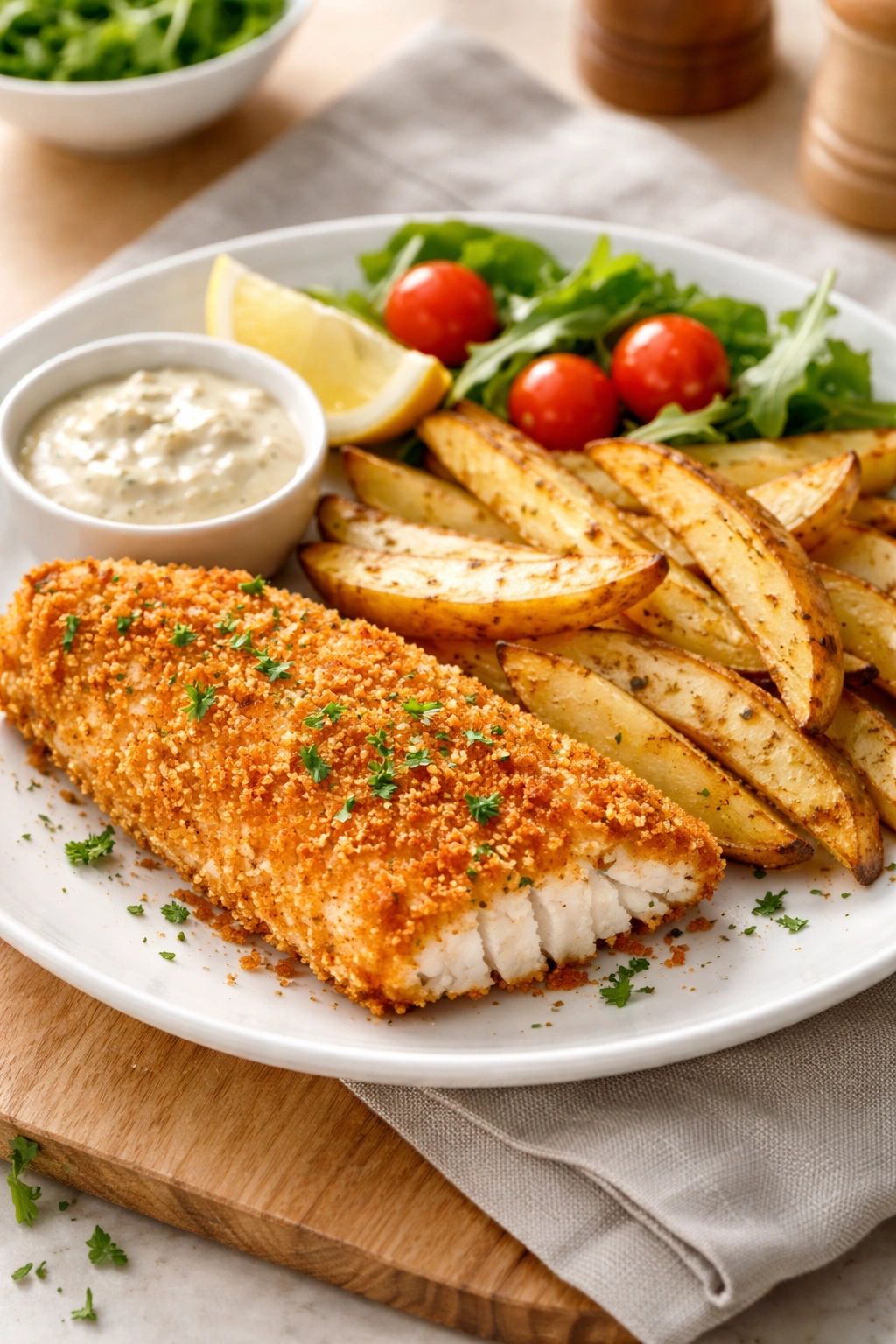
Fish and chips from a traditional source contains deep-fried fish and potatoes, easily hitting 800+ calories. The lightened version uses air-fried fish with a crispy coating and oven-baked chips (not fried) made from potato or, creatively, from parsnips or celery root. Cod or halibut (3.5 ounces, about 95 calories) gets a seasoned panko coating and air-fries at 400°F for 12 minutes until crispy outside and tender inside.
For chips, slice a small russet potato (about 150 calories) into thin wedges, toss lightly with a quarter teaspoon of olive oil, season with smoked paprika, salt, and pepper, and bake on a lined sheet at 425°F for 20 minutes until golden and crispy. Alternatively, use parsnip (which tastes slightly sweet and crispy when roasted) for similar calorie load but different texture variety.
Make tartar sauce by combining two tablespoons of light Greek yogurt, a teaspoon of pickle relish, a half teaspoon of fresh lemon juice, and a pinch of salt. The full meal—crispy fish, chips, and sauce—totals approximately 370 calories and tastes genuinely like the real thing, especially with the textural crispness from proper oven heat.
The Science of Crispy Roasted Potatoes
Higher heat (425°F) and proper spacing on the baking sheet ensures the potatoes crisp up rather than steam. The small amount of oil is distributed evenly via tossing, coating every surface minimally. This creates Maillard browning (the chemical reaction that creates flavor and color) instead of steam cooking.
Panko Coating for Fish
A wet breadcrumb coating (panko soaked in a beaten egg or buttermilk mixture) adheres better and creates a thicker, crunchier crust than a dry coating. A light oil spray before air frying ensures even browning.
Making Tartar Sauce Without the Fat
Traditional tartar sauce contains mayo (90 calories per tablespoon). Light Greek yogurt (20 calories per two tablespoons) provides tang and creaminess. The pickle relish brings the same briny, slightly sweet character.
Quick fact: Parsnips contain slightly more calories than potatoes but create a different flavor profile and slightly different mouth feel—both work well for this meal.
Pulled Pork Sandwich With Coleslaw Under 400 Calories
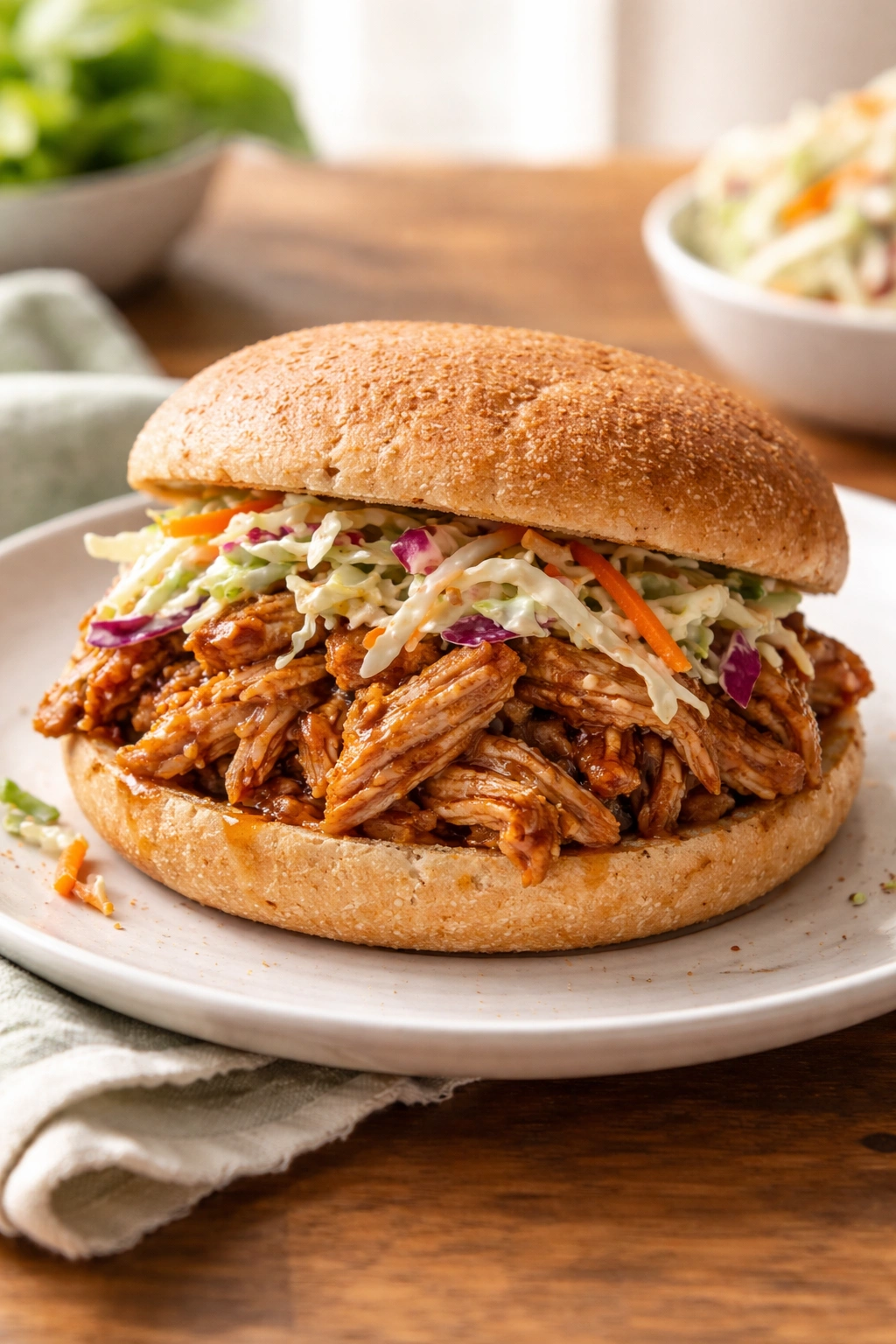
Pulled pork sandwiches are comforting but typically 500+ calories with sauce and bread. The lighter version uses a 3-ounce portion of lean pulled pork (about 120 calories) on a thin whole wheat roll (90 calories), topped with a sharp, vinegary coleslaw instead of creamy mayo-based slaw.
Slow-cook pork shoulder (a fattier cut) until it shreds beautifully, then drain the liquid and portion out 3 ounces. Toss with two tablespoons of vinegar-based barbecue sauce (choose low-sugar versions at about 25 calories per two tablespoons). For the slaw, shred half a cup of green cabbage, a quarter cup of shredded carrot, and toss with two tablespoons of vinegar (any variety), a teaspoon of Dijon mustard, and a pinch of salt. Let it sit for five minutes while the flavors meld.
Assemble the sandwich with the pulled pork on the toasted roll, top with the sharp vinegar-based slaw. The acidity from the slaw and sauce prevents the meal from feeling heavy, and the vegetable volume from the slaw makes the overall portion feel substantial.
Choosing the Right Sauce
Vinegar-based barbecue sauces run 20-30 calories per two-tablespoon serving, while tomato-based or creamy sauces run higher. Vinegar adds punch without added sugar or fat. The flavor is brighter and cleaner.
The Slaw as a Satiety Tool
The vegetables in the slaw add volume without calories, making the sandwich feel larger and more satisfying. The acidity also aids digestion and prevents the richness of pork from feeling overwhelming.
Making Pulled Pork Ahead
Slow-cooked pork keeps refrigerated for five days and freezes beautifully for two months. Portion into small containers immediately after cooking while it’s still warm, making weeknight assembly quick.
Pro tip: The rendered fat from the pork can be discarded, and reheating portions in a dry skillet prevents the meat from drying out while shedding additional fat.
Loaded Nachos With Seasoned Lean Meat Under 400 Calories
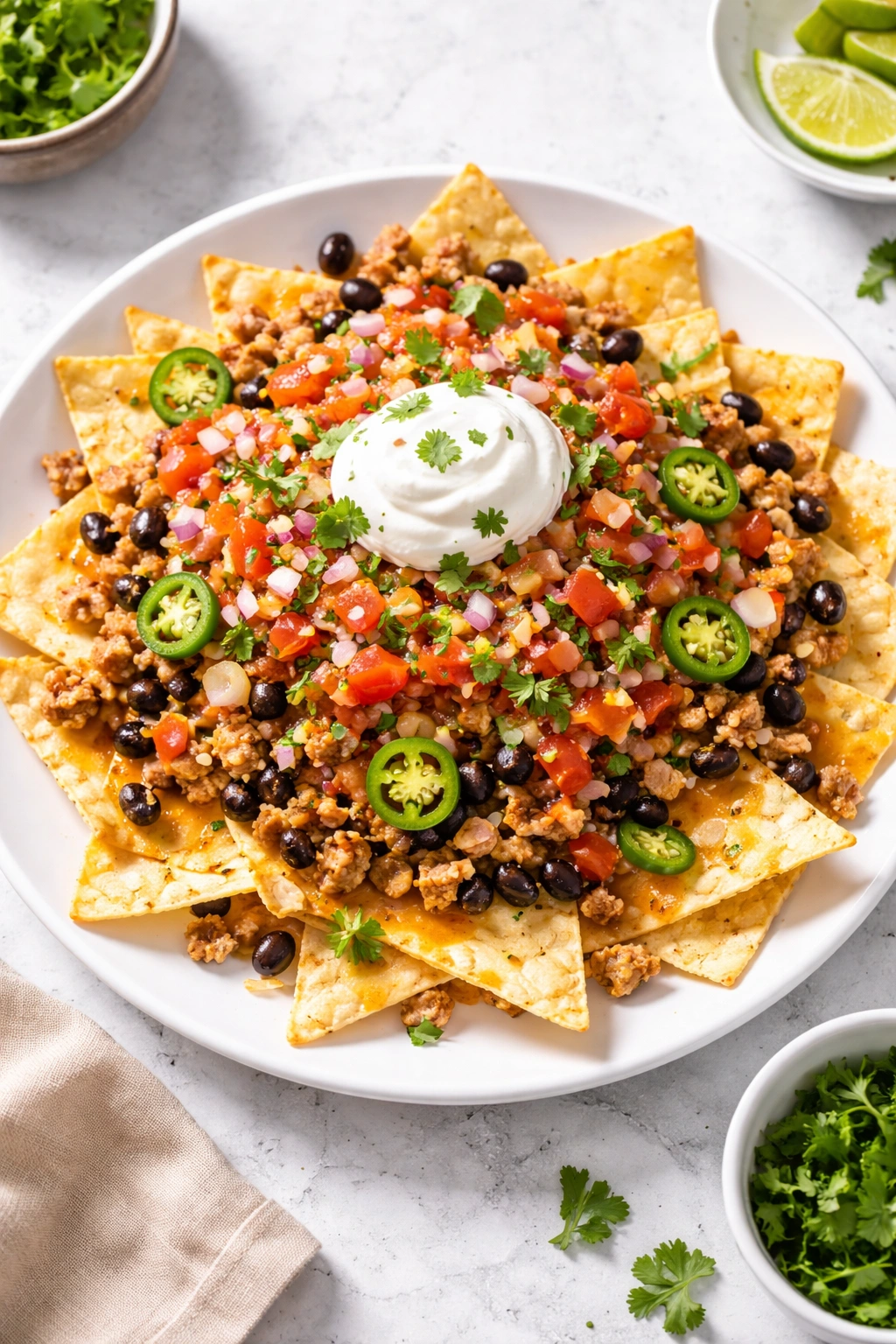
Nachos seem impossible to keep under 400 calories because of the cheese, sour cream, guacamole, and tortilla chips. The answer: precise portions of high-impact toppings rather than a huge pile. Use one ounce of baked tortilla chips (about one small handful at roughly 130 calories) as your base—baked chips are crispy enough not to feel like a compromise.
Layer with two ounces of seasoned ground turkey (browned with chili powder, cumin, garlic powder, and lime juice at about 80 calories), a quarter cup of black beans (40 calories), a quarter cup of shredded reduced-fat Mexican cheese blend (80 calories), two tablespoons of pico de gallo (5 calories), and two tablespoons of light sour cream (20 calories). Broil for two minutes to melt the cheese and warm everything through.
The key is choosing toppings that give you big flavor—the pico de gallo adds freshness and crunch without calories, the lime-seasoned turkey is flavorful enough to be the star, and a small amount of cheese provides richness. The finished plate (assembled on an actual plate rather than a paper boat, which matters for perception) comes in around 375 calories and feels like a real treat.
Why Baked Tortilla Chips Actually Work
Baked chips have a satisfying crunch when you choose a quality brand. They’re less greasy and less heavy than fried chips, so eating a small portion feels more intentional and satisfying. The flavor profile is cleaner, allowing the toppings to shine.
Assembling for Maximum Impact
Building the nachos on an actual plate rather than a paper boat slows you down and makes the portion feel intentional. Spreading toppings evenly across all chips ensures every bite has multiple components. This is key to satisfaction.
Toppings That Add Flavor Without Calories
- Fresh cilantro (0 calories, adds freshness)
- Sliced jalapeños (minimal calories, add heat and flavor)
- Lime juice squeezed over everything (0 calories, adds brightness)
- Red onion, finely minced (negligible calories, adds sharpness)
- A tiny drizzle of hot sauce (0-10 calories depending on sauce, adds complexity)
Worth knowing: The seasoning on the turkey matters enormously. Underseasoned meat makes the whole plate taste bland. Be generous with spices.
Crispy Chicken Parmesan Under 400 Calories
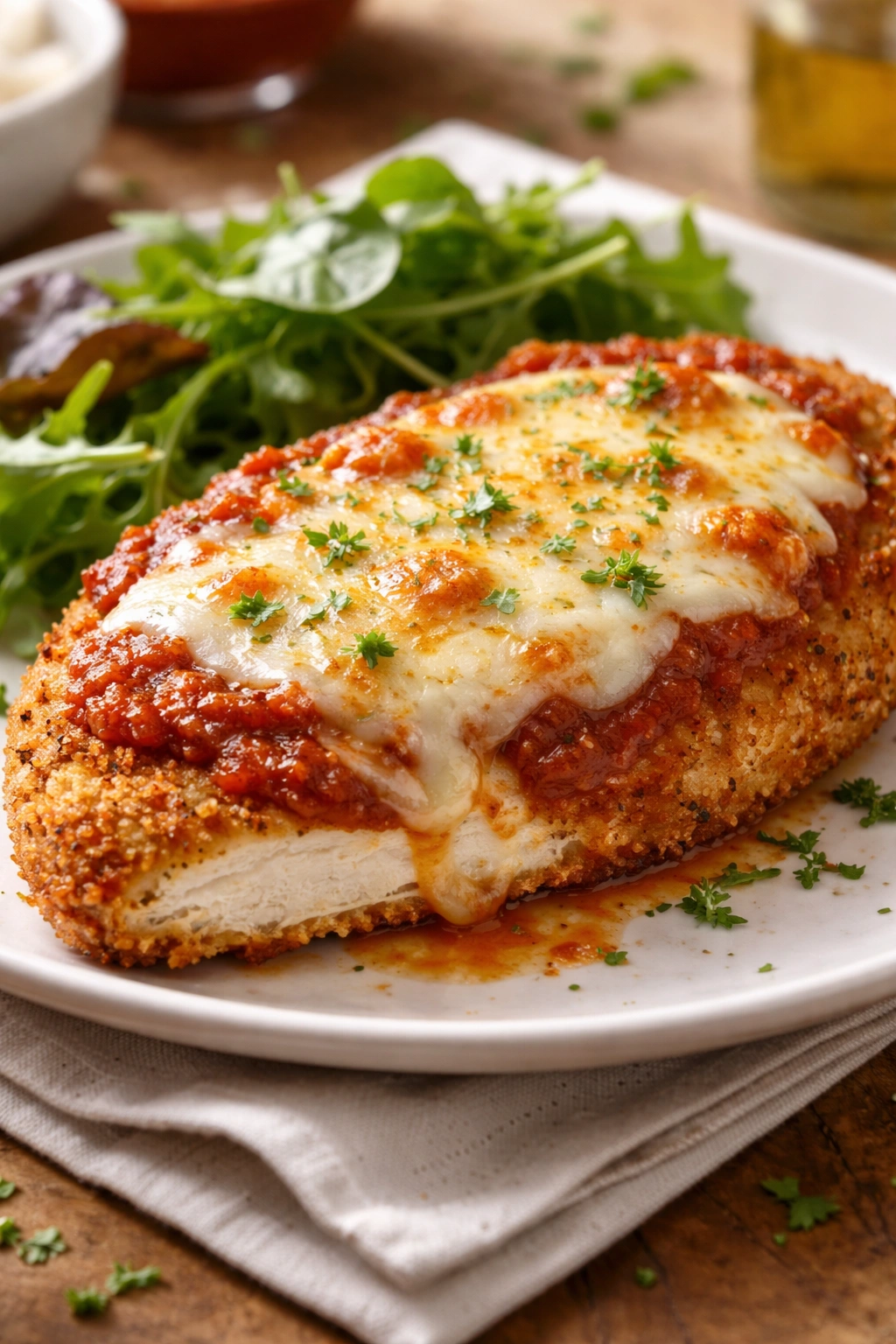
Chicken Parmesan typically means breaded, fried chicken topped with marinara and cheese, often running 600+ calories. The lightened version uses thin-pounded chicken breast (3 ounces, about 105 calories), coated in seasoned panko, and air-fried rather than deep-fried. Air frying at 400°F for 10 minutes creates a golden, crispy exterior that rivals traditional frying while using almost no oil.
Top with half a cup of simple marinara sauce (50 calories) and a quarter ounce of fresh mozzarella, then broil for two minutes to melt the cheese. Serve with one cup of cooked spaghetti squash or whole wheat pasta (for pasta, about 100 calories for a small portion), which gives you a complete plate with volume. The entire dish comes in around 370 calories and delivers that crispy-textured satisfaction you’re craving.
Pounding for Tenderness
Pounding chicken breast to an even thickness (about a quarter inch) ensures it cooks evenly and quickly, staying moist throughout. Thinner poultry also crisps better with panko coating because the surface area to weight ratio is optimal.
Fresh Mozzarella vs Aged Cheese
Fresh mozzarella contains less fat than aged cheeses like provolone, and it melts creamily without getting tough. A small amount covers a larger area, providing cheese flavor in every bite without excess calories.
The Sauce as Flavor Delivery
Good marinara sauce is critical—it should be made from tomatoes, garlic, and herbs, not cream or excessive oil. A half cup (50 calories) provides plenty for flavor and moisture without making the dish heavy.
Quick fact: Spaghetti squash creates the most dramatic visual presentation and adds volume; if you prefer pasta, use a small portion of whole wheat or legume pasta at around 100 calories for a standard serving.
Creamy Mushroom Risotto Under 400 Calories
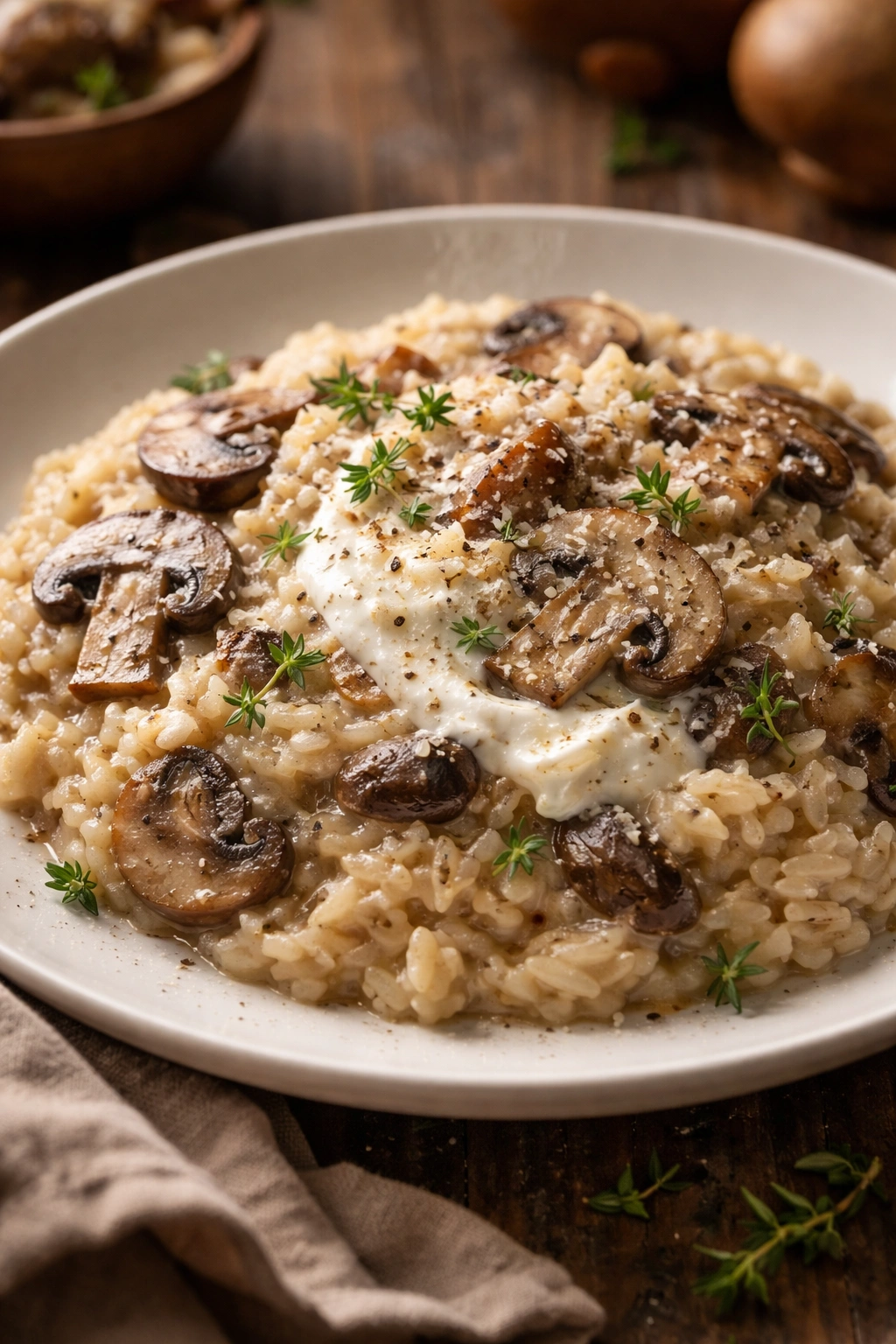
Risotto typically relies on butter, cream, and cheese in quantities that make a normal portion 400+ calories easily. A lighter version maintains the creamy texture using chicken broth, a small amount of butter, and Greek yogurt stirred in at the end, combined with mushrooms that contribute umami depth and moisture. Toast half a cup of Arborio rice (170 calories) in a teaspoon of olive oil for two minutes, then add chicken broth one cup at a time, stirring frequently until each cup is absorbed before adding more.
Meanwhile, sauté two cups of sliced mushrooms (button, cremini, or shiitake) in a separate skillet with a half teaspoon of olive oil until golden and concentrated (about 10 minutes). Season with salt and thyme. Once the rice is tender and creamy (about 18-20 minutes total), remove from heat and stir in a quarter cup of Greek yogurt, a half ounce of grated Parmesan, and the cooked mushrooms. Season with salt and pepper.
The result is creamy, rich, and deeply flavorful without the calorie load of traditional risotto. The mushrooms provide umami and moisture, the Greek yogurt creates creaminess, and the Arborio rice’s natural starch combined with the broth creates a silky sauce. One serving (the entire batch) is around 370 calories.
Why Constant Stirring Matters
Stirring releases the rice’s starches, which create the creamy texture. This is what separates risotto from regular rice. The constant stirring takes about 20 minutes but can’t be rushed.
Mushroom Preparation and Cooking
Mushrooms release moisture when heated, so cooking them separately allows them to caramelize and concentrate rather than steam. This creates deeper flavor and better texture than adding raw mushrooms to the risotto.
The Greek Yogurt Technique
Adding Greek yogurt off-heat prevents curdling and distributes it evenly. It creates the perception of cream and butter richness without the calories. The slight tang also provides balance.
Pro tip: Using homemade or low-sodium broth makes a difference in final flavor—commercial broths often taste overly salty, making the risotto one-dimensional.
Satisfying Chili Loaded With Vegetables Under 400 Calories
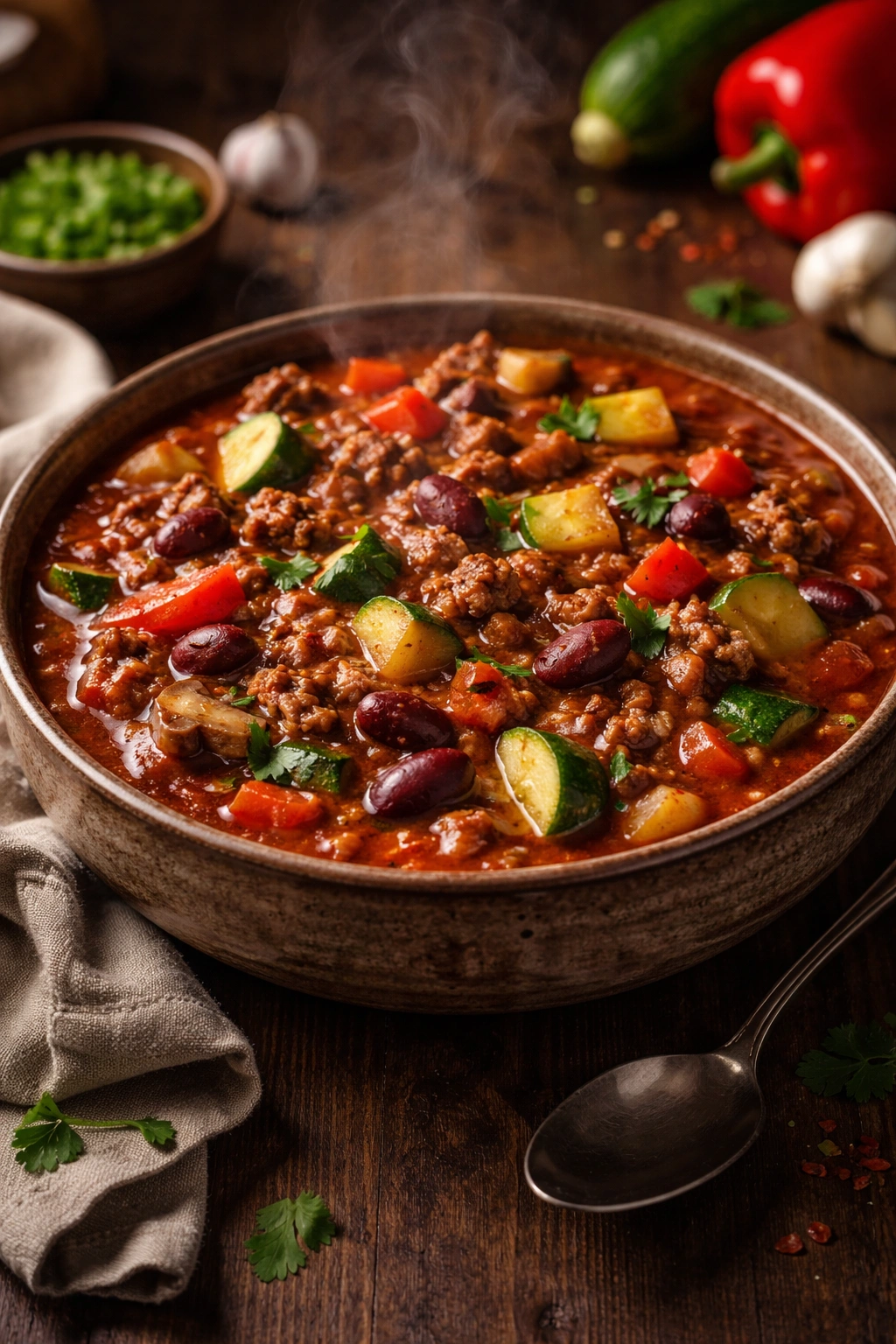
Chili made with ground beef, beans, and tomatoes can easily hit 400 calories for a modest bowl, especially with toppings. A vegetable-forward chili stretches ingredients further while increasing volume and nutrition. Use four ounces of 93% lean ground beef (170 calories), cooked and drained, combined with one can (15 ounces) of no-salt-added diced tomatoes, one half can of kidney beans (drained and rinsed, about 70 calories), and two cups of diced vegetables—zucchini, bell peppers, mushrooms, and onions are all excellent choices (about 60 calories combined).
Season with chili powder, cumin, garlic powder, oregano, and a pinch of cayenne. Simmer for 20 minutes, which allows flavors to meld and gives the vegetables time to soften slightly while retaining some texture. A single serving (assuming you make four servings and this is one of them) comes in around 380 calories. Top with a tablespoon of reduced-fat sour cream and fresh cilantro.
Volume Strategy
The vegetables nearly match the meat by weight and volume, making the chili feel hearty without excess protein calories. Vegetables also add fiber, which increases satiety beyond calorie count.
Flavor Building Without Fat
Chili powder, cumin, and oregano are virtually calorie-free but create deep, complex flavor. Cooking these spices in the rendered beef fat for one minute before adding other ingredients creates even more flavor extraction.
Make-Ahead and Freezing
Chili improves when made ahead; the flavors deepen overnight. It also freezes beautifully for three months, making it an excellent meal-prep base.
Worth knowing: The longer the simmer, the deeper the flavor, but 20 minutes is the minimum for flavors to properly incorporate. If you have time, 45 minutes to one hour develops richer taste.
Final Thoughts

Comfort food doesn’t have to be the enemy of your health goals. The meals above prove that satisfaction and reasonable calories aren’t opposing forces—they’re a matter of strategy. Whether it’s swapping deep frying for air frying, using Greek yogurt instead of cream, or choosing portions that align with your goals while still feeling substantial, comfort food can absolutely fit into a healthy eating plan.
The common thread through every single one of these dishes is that they don’t taste like compromises. They taste good because they’re built on the same flavor principles as their heavier originals: bold seasoning, appealing texture, and enough volume to feel like a complete meal. Make any of these regularly, and you’ll notice something shifts—you stop thinking of lighter eating as deprivation and start thinking of it as simply how you cook now.
Start by choosing the one or two comfort foods you miss most, then make them this way. You’ll be surprised how quickly satisfaction becomes automatic, and how cravings fade when you’re actually eating foods that please you.
