



If you’re looking for a meal that tastes indulgent while keeping you firmly in ketosis, low-carb chicken lettuce wraps hit that sweet spot perfectly. They’re crispy, savory, packed with protein, and feel so casual that you can eat them with your hands—no guilt, no carb regret. These aren’t some bland diet food either; they’re genuinely delicious, the kind of dish that makes you forget you’re being mindful about carbohydrates.
The beauty of chicken lettuce wraps lies in their simplicity and flexibility. You get tender, seasoned chicken bundled in cool, crisp lettuce leaves with whatever toppings speak to you—maybe a drizzle of sriracha mayo, some crispy bacon, fresh herbs, or a bright squeeze of lime. The contrast of temperatures, textures, and flavors is exactly what makes them crave-worthy. Plus, they come together fast, which means they work equally well as a casual weeknight dinner, a meal-prep anchor for the week ahead, or even an appetizer when you’re hosting people who are watching their carb intake.
What surprised me when I first started making these was how restaurant-quality they can taste with minimal effort. You’re not simmering sauce for hours or dealing with finicky steps. The chicken itself becomes the star—perfectly cooked, seasoned generously, and paired with the crispness of fresh lettuce. Once you dial in your technique and find your flavor preferences, you’ll find yourself making these constantly. They’ve quietly become one of my go-to meals whenever I need something satisfying, fast, and genuinely good.
What Makes Lettuce Wraps a Low-Carb Game-Changer
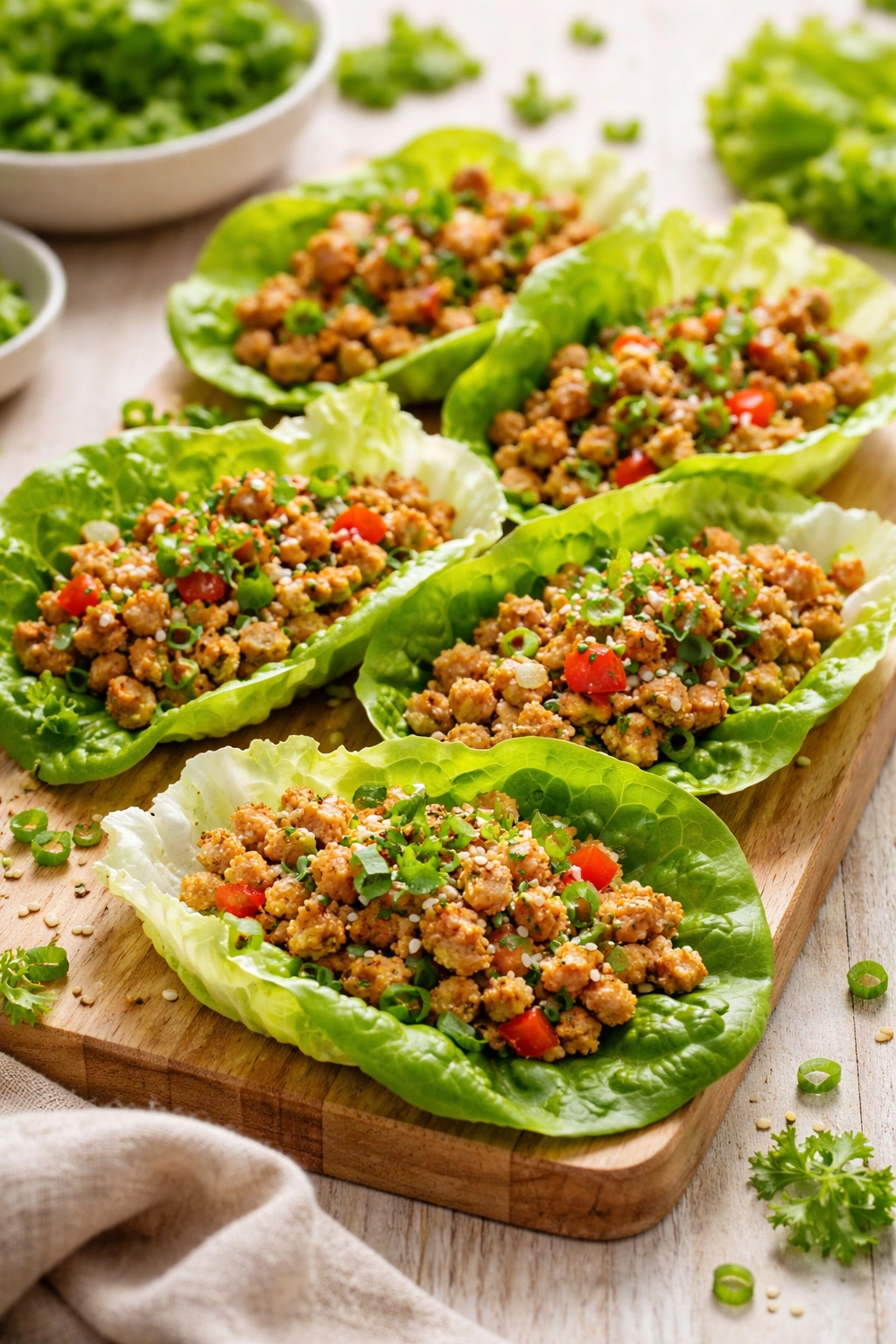
Traditional wraps use flour tortillas, corn tortillas, or even whole-wheat wraps—each one packing anywhere from 15 to 30 grams of carbs per wrap. Lettuce changes that equation entirely. A large lettuce leaf has virtually zero carbs and acts as the perfect structural base for all your fillings. The substitution alone eliminates a major carb source without sacrificing that satisfying, hand-held experience of eating a wrap.
Butter lettuce, romaine, or iceberg all work beautifully, though each brings something different to the table. Butter lettuce offers tender, pliable leaves that hold fillings without tearing. Romaine gives you a sturdier leaf with a pleasant crunch and slight bitterness that pairs well with savory flavors. Iceberg is the most delicate and crisp, and its mild flavor gets out of the way of whatever seasoning you put on the chicken.
The genius of this format is that it forces you to focus on quality ingredients rather than filler. Your chicken has to be good because there’s nowhere to hide. Your seasoning profile has to work because lettuce won’t mask mistakes. This pushes you naturally toward cleaner, bolder flavors—and that’s why lettuce wraps so often taste better than the alternatives, carbs aside.
Why These Wraps Work for Any Low-Carb Approach
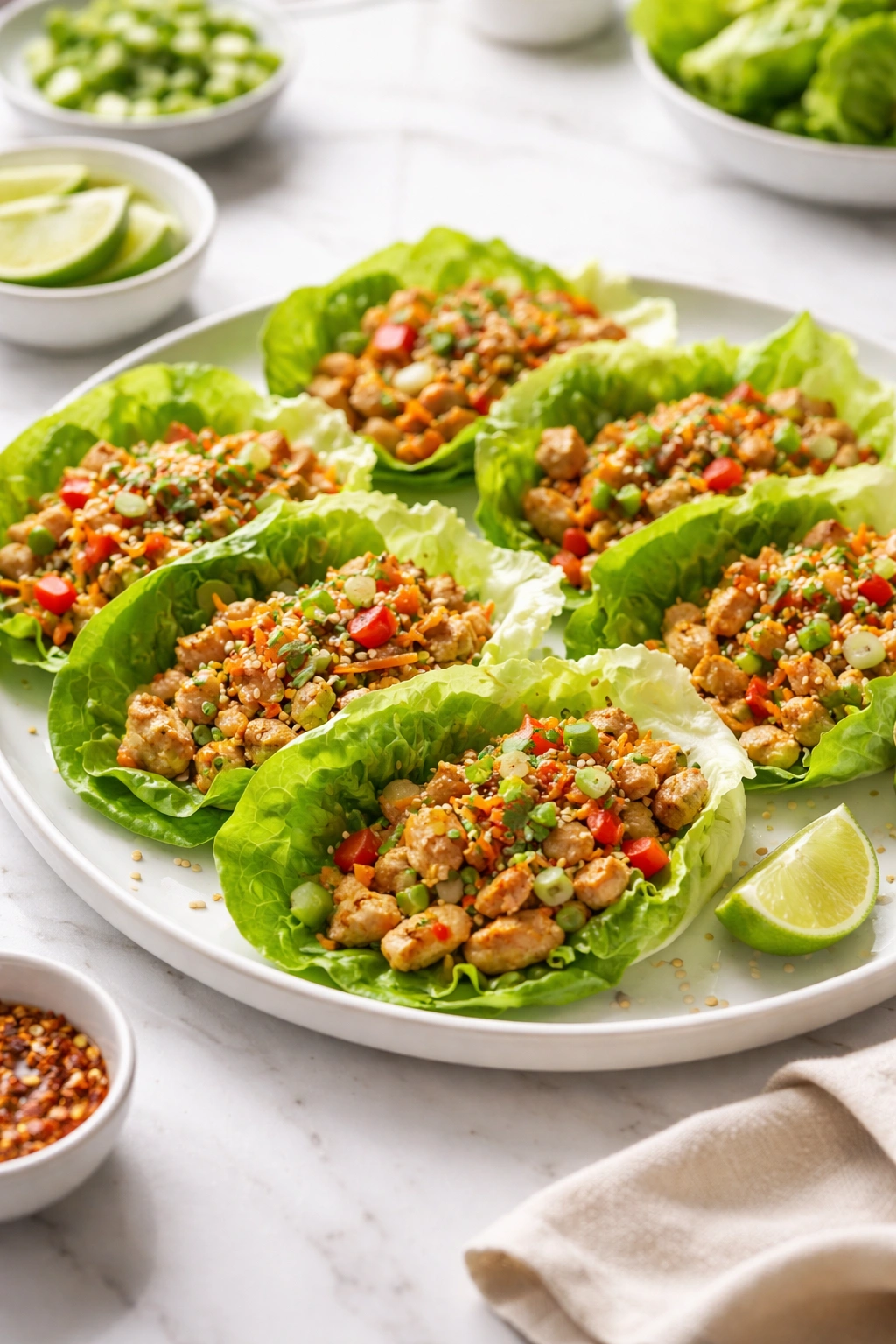
Whether you’re tracking macros strictly, following a keto diet, doing Whole30, or just trying to reduce carbs without being militant about it, lettuce wraps fit seamlessly. A proper serving contains roughly 25 to 35 grams of protein from the chicken alone, which makes them satiating and muscular enough to be a legitimate main course, not just a side.
The fat content depends entirely on what you choose to pair with them. If you make a mayo-based sauce, drizzle with oil, or add avocado, you’ll hit satisfying fat macros. If you go lighter and just season the chicken with spices and acid, you get a leaner option. You control the whole equation, which means these wraps adapt to whatever your current nutritional goal happens to be.
Nutritionally, lettuce wraps deliver micronutrients you might miss on a standard low-carb diet. Lettuce brings fiber, potassium, and vitamins A and K. If you top with cilantro, green onions, or parsley, you’re adding flavor, aroma compounds, and more trace minerals. The chicken provides B vitamins, selenium, and choline. You’re building a genuinely nutrient-dense meal, not just a carb substitute.
Choosing Your Chicken and Seasoning Strategy
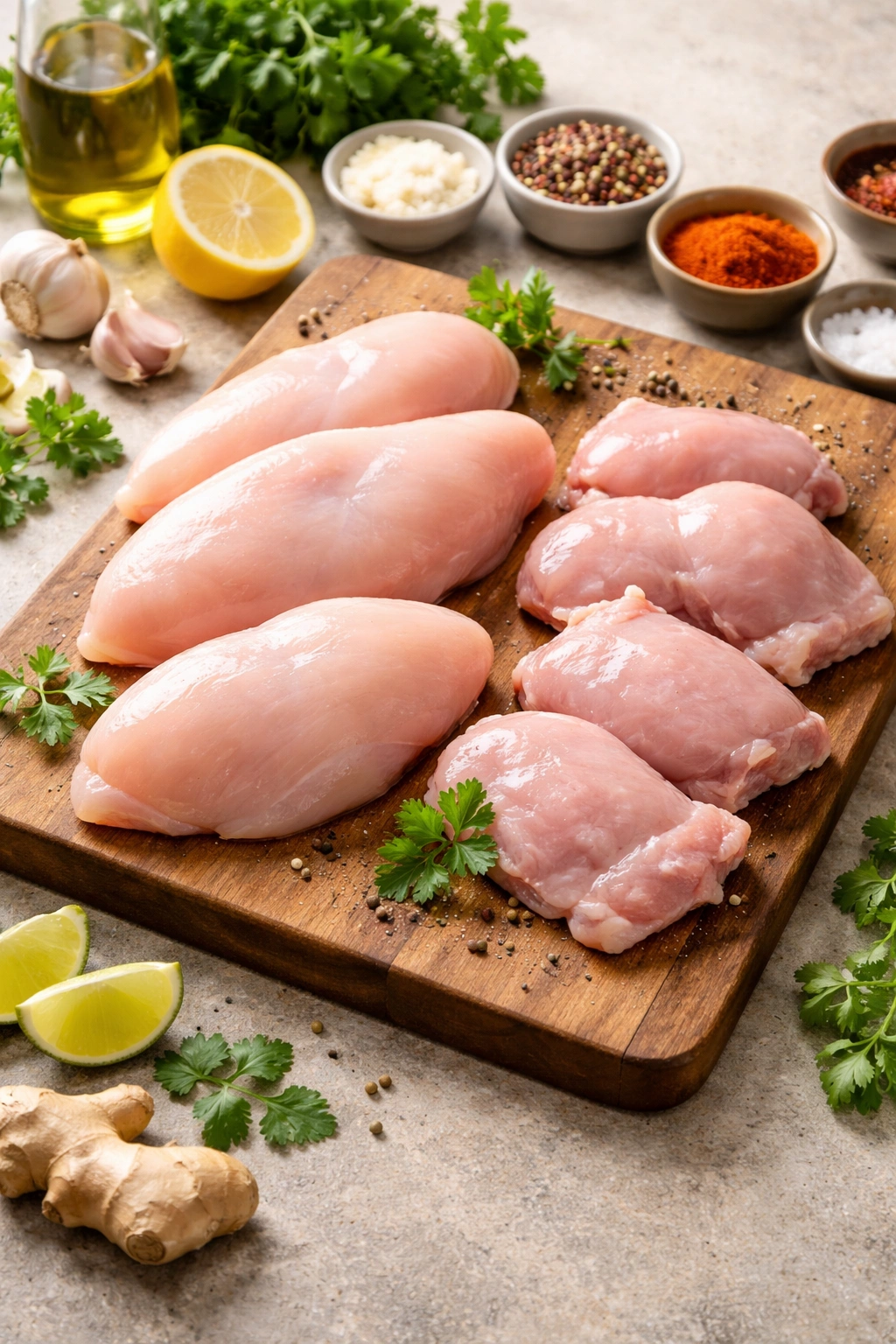
The chicken itself deserves attention. Boneless, skinless chicken breasts are the standard choice—they cook quickly and stay lean. But thighs work too; they’re more forgiving and stay juicier, though they have more fat. Ground chicken also works beautifully if you want a looser, more textured filling, closer to what you’d get from actual Asian-style chicken lettuce wraps.
For the best results, buy chicken that’s been properly stored and not too close to its sell-by date. If you have the option, choose air-chilled over water-chilled chicken; it browns better and has better texture. Let your chicken come to room temperature for 15 to 20 minutes before cooking—this ensures even cooking from outside to in.
Seasoning is where you can really make these shine. Traditional Asian-inspired wraps use a combination of soy sauce, sesame oil, garlic, ginger, and a touch of sweetness (from honey or a tiny bit of sugar). But you can go Mediterranean with lemon, oregano, and garlic. You could do a taco-inspired version with cumin, chili powder, and lime. The seasoning framework is flexible, which means you can rotate flavors and never get bored.
Master the Basic Cooking Technique
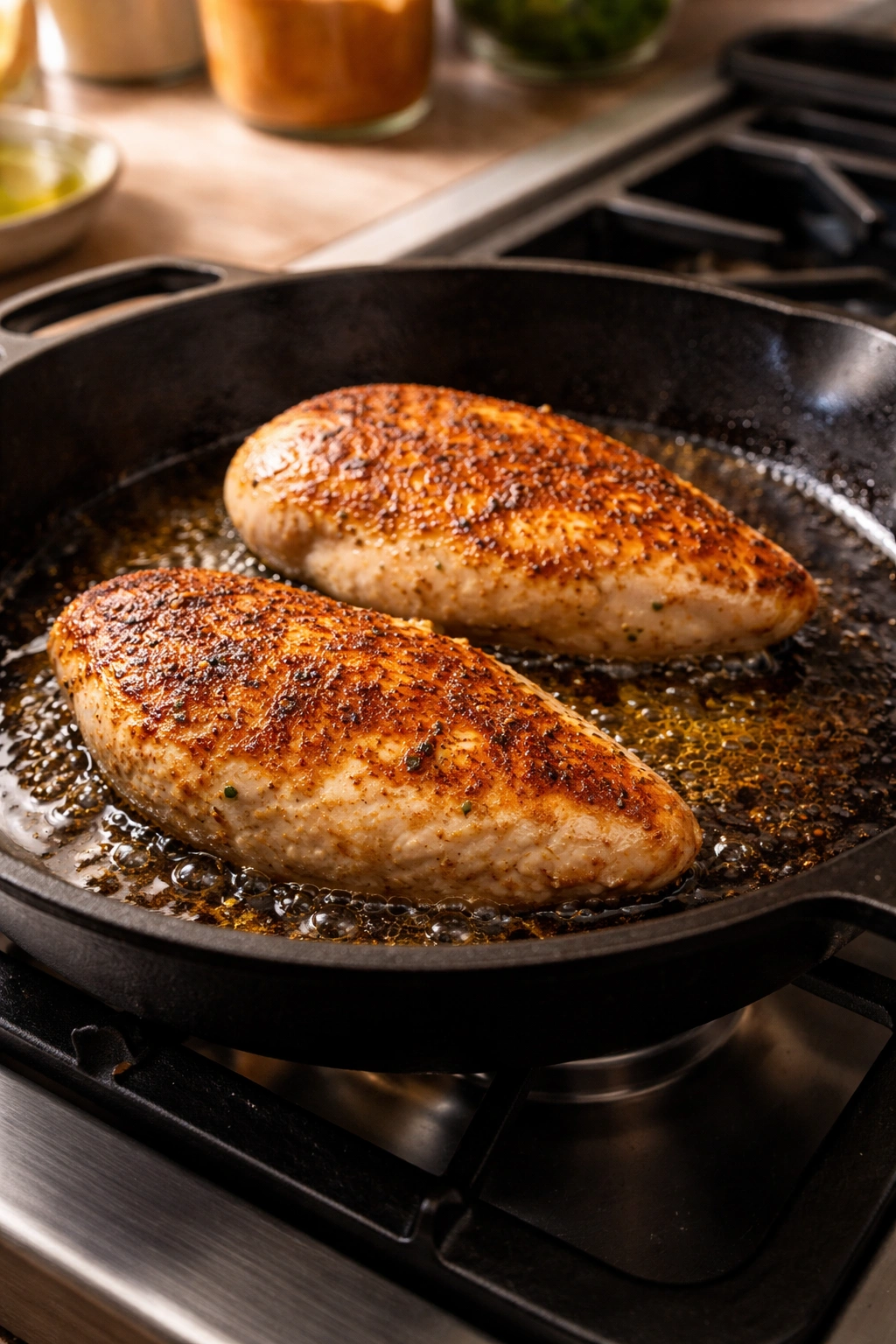
The most reliable method is to pound your chicken breasts to an even thickness—roughly half an inch—before cooking. This matters more than you’d think. Thick, uneven breasts cook unevenly; the edges dry out before the center is done. A quick pound with the flat side of a meat mallet fixes this instantly. You don’t need to smash them flat; just even them out so they cook consistently.
Heat your skillet properly. A large stainless steel or cast iron skillet over medium-high heat works best. Let it heat for a minute or two after you add oil or butter. You want enough fat to coat the pan generously—about a tablespoon for two breasts. When the fat is shimmering and just starting to smoke slightly, that’s when you lay in the chicken.
Let each side cook undisturbed for 5 to 6 minutes. This is the hardest part because every instinct tells you to flip early and often. Resist that urge. The chicken develops a golden-brown crust on the first side, which happens because you’re not messing with it. Flip only once. The second side needs less time, usually 4 to 5 minutes, since the interior is already warmer from the first side.
You know the chicken is done when the thickest part reaches 165°F on an instant-read thermometer. If you don’t have one, cut into the thickest section—there should be no pink, and the juices should run clear. Once it’s done, let it rest on a cutting board for 5 minutes before slicing or shredding. This resting period lets the juices redistribute throughout the meat, keeping it tender rather than tough.
Ingredients You’ll Need
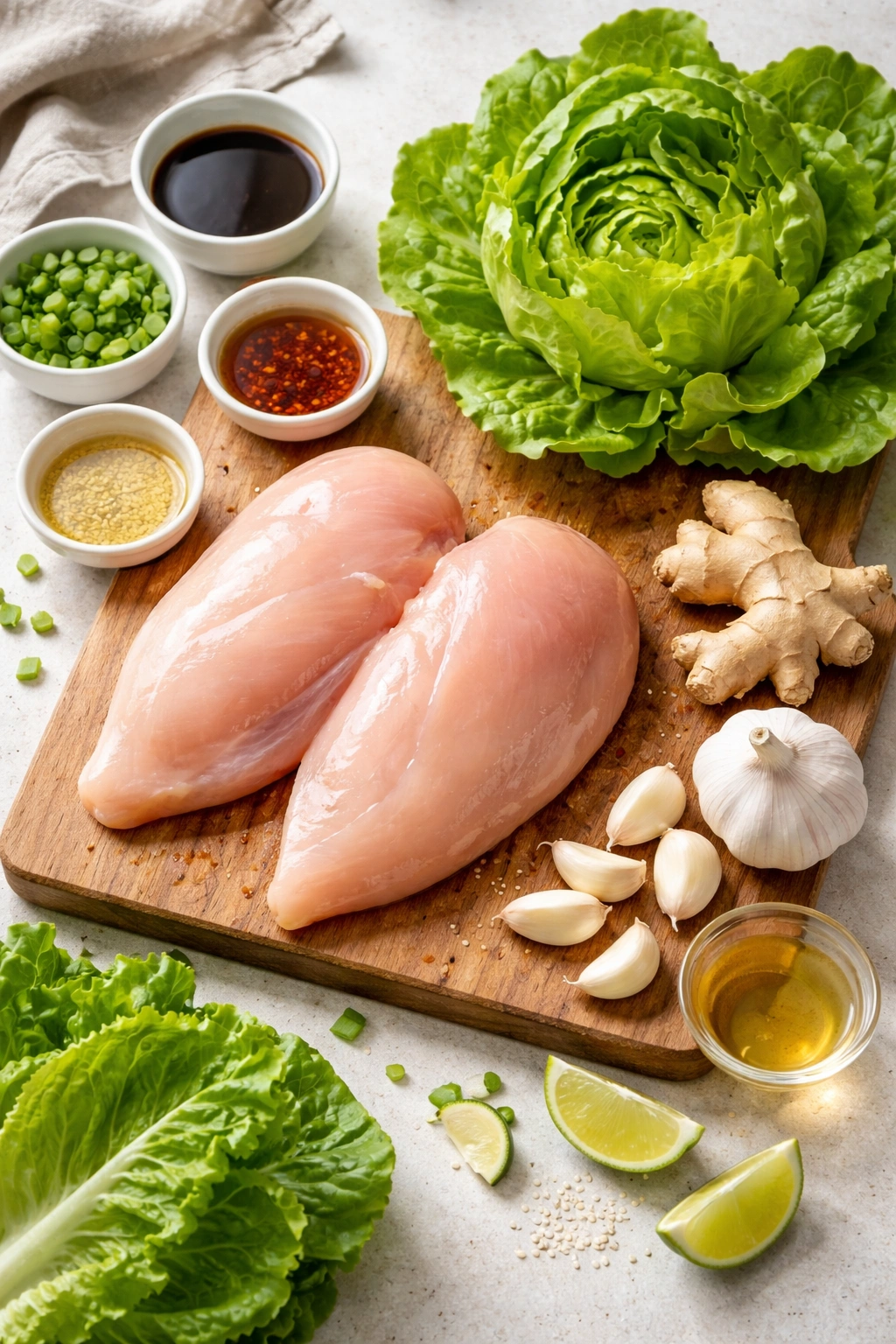
For the Chicken:
- 1½ pounds boneless, skinless chicken breasts, about 2 large breasts
- 2 tablespoons neutral oil or unsalted butter, divided
- ½ teaspoon fine sea salt
- ¼ teaspoon freshly ground black pepper
For the Asian-Inspired Sauce:
- 3 tablespoons soy sauce (or tamari for a gluten-free option)
- 1 tablespoon sesame oil
- 1 tablespoon rice vinegar (or white vinegar, though rice vinegar tastes smoother)
- 2 teaspoons minced fresh ginger (about a 1-inch piece)
- 3 cloves garlic, minced very fine (about 1 tablespoon)
- 1 teaspoon sriracha or chili paste (optional, for heat)
- ½ teaspoon monk fruit sweetener or erythritol (optional, to balance flavors—you can also use a tiny pinch of honey if not strict keto)
- 1 tablespoon sesame seeds, for garnish
For Assembly:
- 1 head of butter lettuce, romaine, or iceberg lettuce—you need enough whole, intact leaves (typically 8 to 12 large leaves)
- 3 green onions, white and light green parts sliced thin, dark green parts reserved for garnish
- ¼ cup fresh cilantro leaves, roughly chopped (optional but recommended)
- 2 tablespoons chopped roasted peanuts or cashews (optional, adds texture)
- Lime wedges, for serving
- Red pepper flakes or additional sriracha, for heat (optional)
Yield: Serves 4 as a main course (2 to 3 wraps per person) | Makes about 8 to 12 wraps depending on lettuce leaf size
Prep Time: 15 minutes (includes pounding, mincing aromatics, and making sauce)
Cook Time: 12 minutes (mostly hands-off simmering)
Total Time: 27 minutes
Difficulty: Beginner to Intermediate — The technique is straightforward, but even timing and proper resting matter. The only potential challenge is not overcooking the chicken, which is easy to avoid if you use a thermometer. No special equipment required.
Step-by-Step Instructions
Prepare the Ingredients:
-
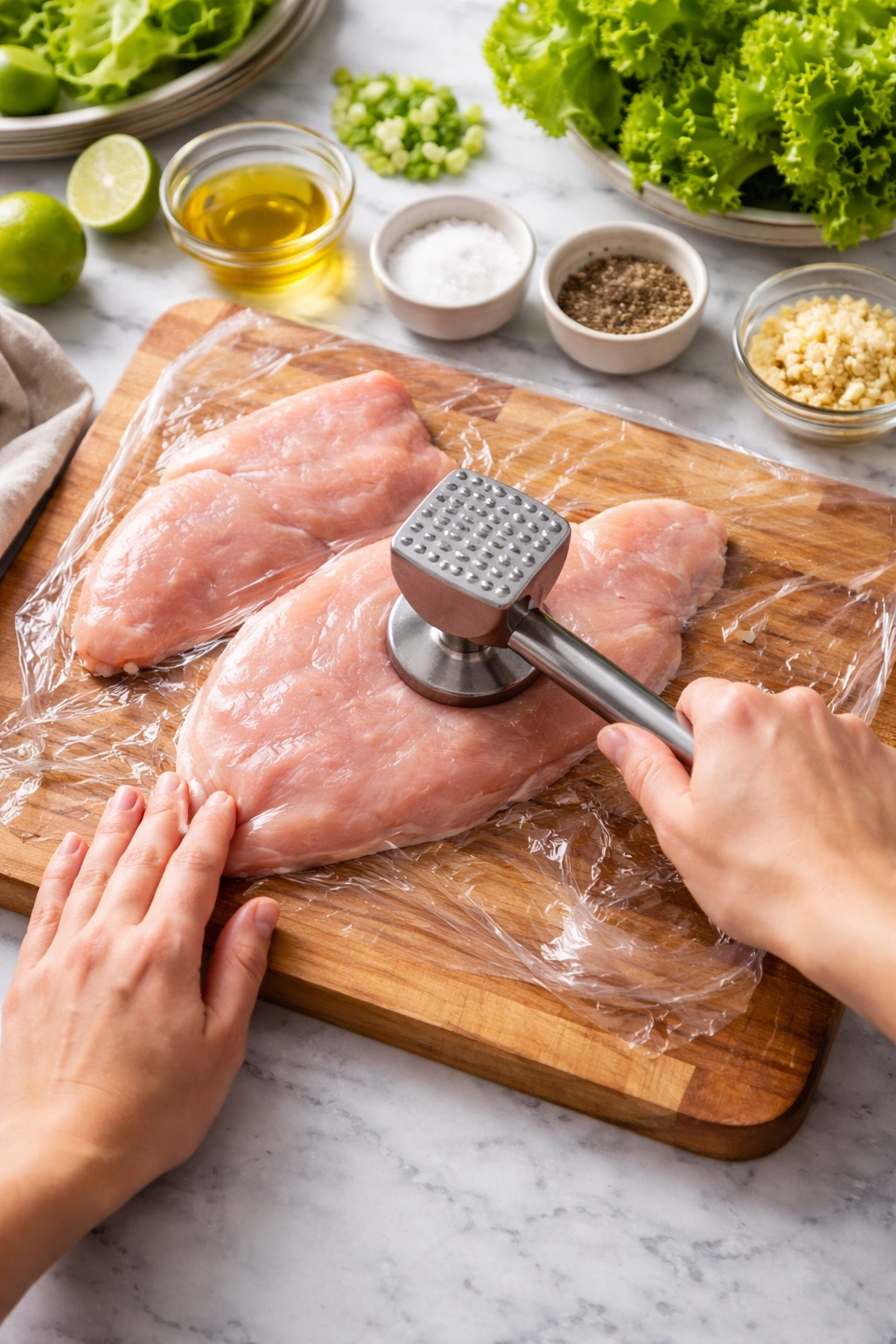
Remove the chicken breasts from the refrigerator and pat them completely dry with paper towels. Place each breast on a clean cutting board or between two pieces of plastic wrap.
-
Using the flat side of a meat mallet, pound each chicken breast gently but firmly until it’s an even thickness of about ½ inch throughout. Work from the center outward, being careful not to shred the meat. The chicken should look flattened and uniform, with no thick bulges.
-
Season both sides of each breast generously with fine sea salt and freshly ground black pepper. Let the seasoned chicken sit while you prepare the remaining ingredients—this gives the seasoning time to penetrate.
-
Mince the garlic very fine (you should have about 1 tablespoon total) and grate or mince the ginger. Slice the green onions, keeping the white and light green parts separate from the dark green parts. Roughly chop the cilantro if using. Measure out all sauce ingredients and set them near your cooking station.
Make the Sauce:
- In a small bowl, whisk together the soy sauce, rice vinegar, sesame oil, minced garlic, minced ginger, and sriracha (if using). If the sauce tastes too salty or soy-forward, add a tiny pinch of sweetener (monk fruit or erythritol)—this balances the umami and takes any harshness away. Taste and adjust seasoning to your preference. The sauce should taste balanced: salty, sour, aromatic, and slightly spicy if you included the sriracha. Set aside.
Cook the Chicken:
-
Heat a large skillet (ideally 12 inches) over medium-high heat for 1 to 2 minutes. Add 1 tablespoon of oil or butter and let it heat until shimmering and just starting to lightly smoke around the edges—this takes another 30 to 45 seconds. Do not skip this step; properly heating the fat is what creates the golden-brown crust.
-
Carefully lay both chicken breasts flat in the hot skillet. Do not move them. Let them cook undisturbed for 5 to 6 minutes without touching. You should hear a sizzle when they hit the pan, and after about 30 seconds, the sizzle will calm down as a crust forms. Resist the urge to flip or move the chicken—this is the critical moment for browning.
-
Flip the chicken using tongs or a spatula and immediately add the remaining tablespoon of oil or butter to the empty side of the pan, letting it pool under the chicken. Cook the second side for 4 to 5 minutes, until the internal temperature reaches 165°F on an instant-read thermometer inserted into the thickest part. The chicken should feel firm when pressed gently.
-
Transfer the cooked chicken to a clean cutting board and let it rest for 5 minutes before cutting or shredding. Do not skip this rest period—it redistributes juices and keeps the chicken from drying out. While the chicken rests, reduce the heat under your skillet to low.
Build the Sauce and Finish:
-
Pour the prepared sauce into the skillet (still over low heat) and let it warm gently for about 1 minute, stirring occasionally. The sauce should be warm but not bubbling vigorously. Taste and adjust seasoning once more if needed.
-
Slice or shred the rested chicken into bite-sized pieces (roughly ½-inch chunks for slicing, or pull apart with two forks for a shredded texture). Return the chicken pieces to the skillet and toss gently to coat evenly with the sauce. Let the chicken warm through in the sauce for about 1 to 2 minutes, then remove from heat.
Assemble the Wraps:
-
Carefully separate the lettuce leaves from the head, choosing the largest, most intact leaves (you need 8 to 12 depending on serving size). Rinse them under cool water and pat dry with paper towels—this is important for crispness. Wet lettuce falls apart when you try to wrap it.
Advertisements -
Lay out 2 to 3 lettuce leaves per person on a clean cutting board or serving platter. Spoon the warm sauce-coated chicken into the center of each leaf, about 3 to 4 tablespoons of chicken per wrap (don’t overstuff, or it becomes impossible to eat).
-
Top each wrap with some of the white and light green parts of sliced green onion, a small pinch of cilantro, a few sesame seeds, and a sprinkle of chopped peanuts or cashews if using. Serve immediately with lime wedges on the side, extra sriracha, and red pepper flakes for anyone who wants additional heat.
Timing Is Everything: Nailing Doneness
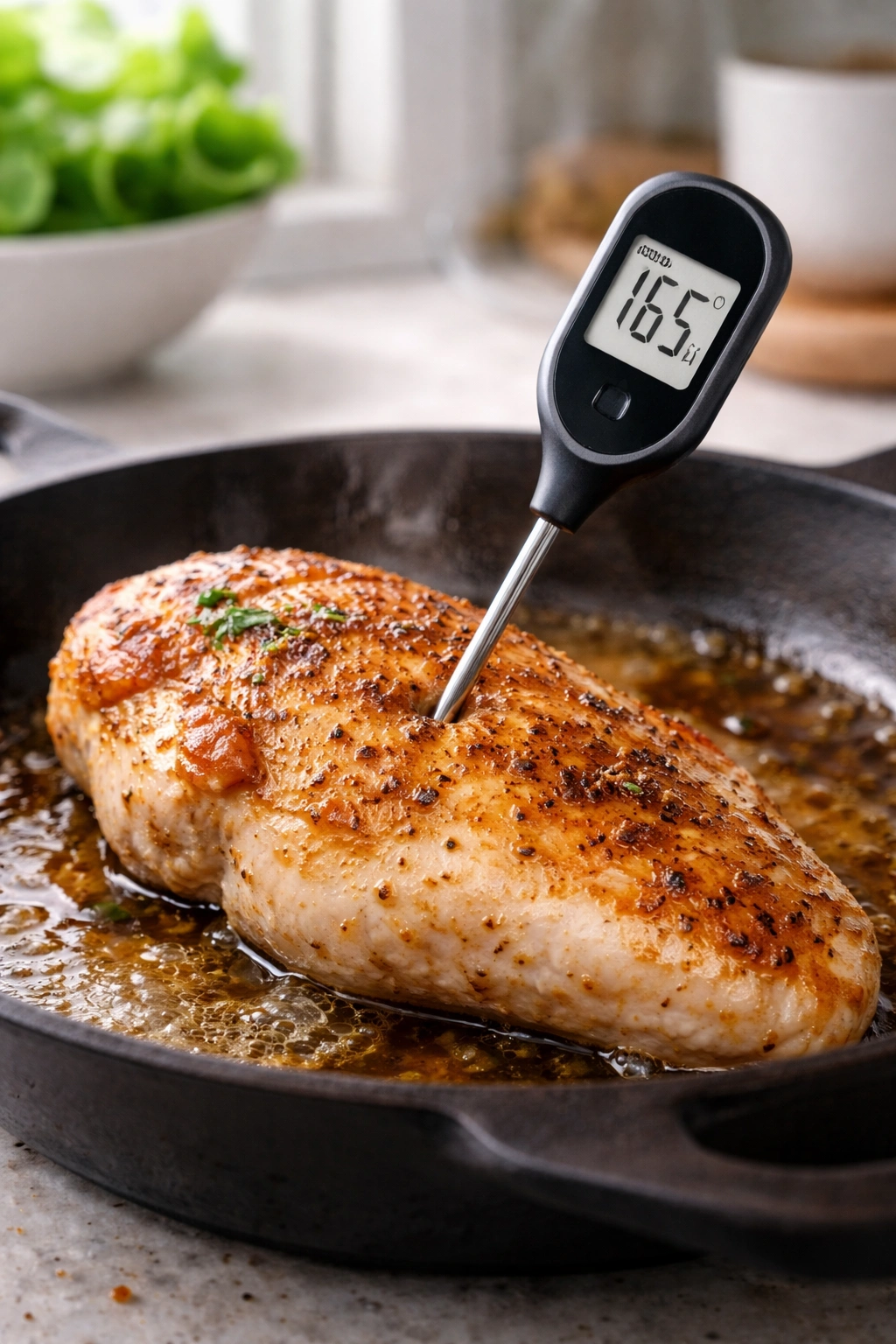
The biggest mistake people make with chicken lettuce wraps is overcooking the chicken. Overcooked chicken is dry, stringy, and unpleasant no matter how good your sauce is. The solution is simple: get an instant-read thermometer. They cost less than ten dollars and instantly tell you when your chicken has reached exactly 165°F—safe to eat and still moist.
If you don’t have a thermometer, use the cut test. Cut the thickest part of the thickest breast and look inside. The meat should be opaque white or pale golden throughout, with no pink whatsoever. The juices should run clear, not pink. If there’s any doubt, it’s not done—pop it back on the heat for another minute and check again.
The chicken carries over cooking after you remove it from heat, so there’s actually a benefit to pulling it off the heat just before it reaches 165°F, when it’s at about 162°F to 163°F. By the time it finishes resting, it’ll reach exactly 165°F and the residual heat will coast it into perfect doneness.
Let the cooked chicken rest for the full 5 minutes. I know it’s tempting to skip this when you’re hungry, but those 5 minutes are what separate moist, tender chicken from dry, stringy chicken. During rest, the muscle fibers relax and reabsorb the juices that cooking forced out. You literally cannot skip this step without sacrificing quality.
Common Mistakes and How to Prevent Them
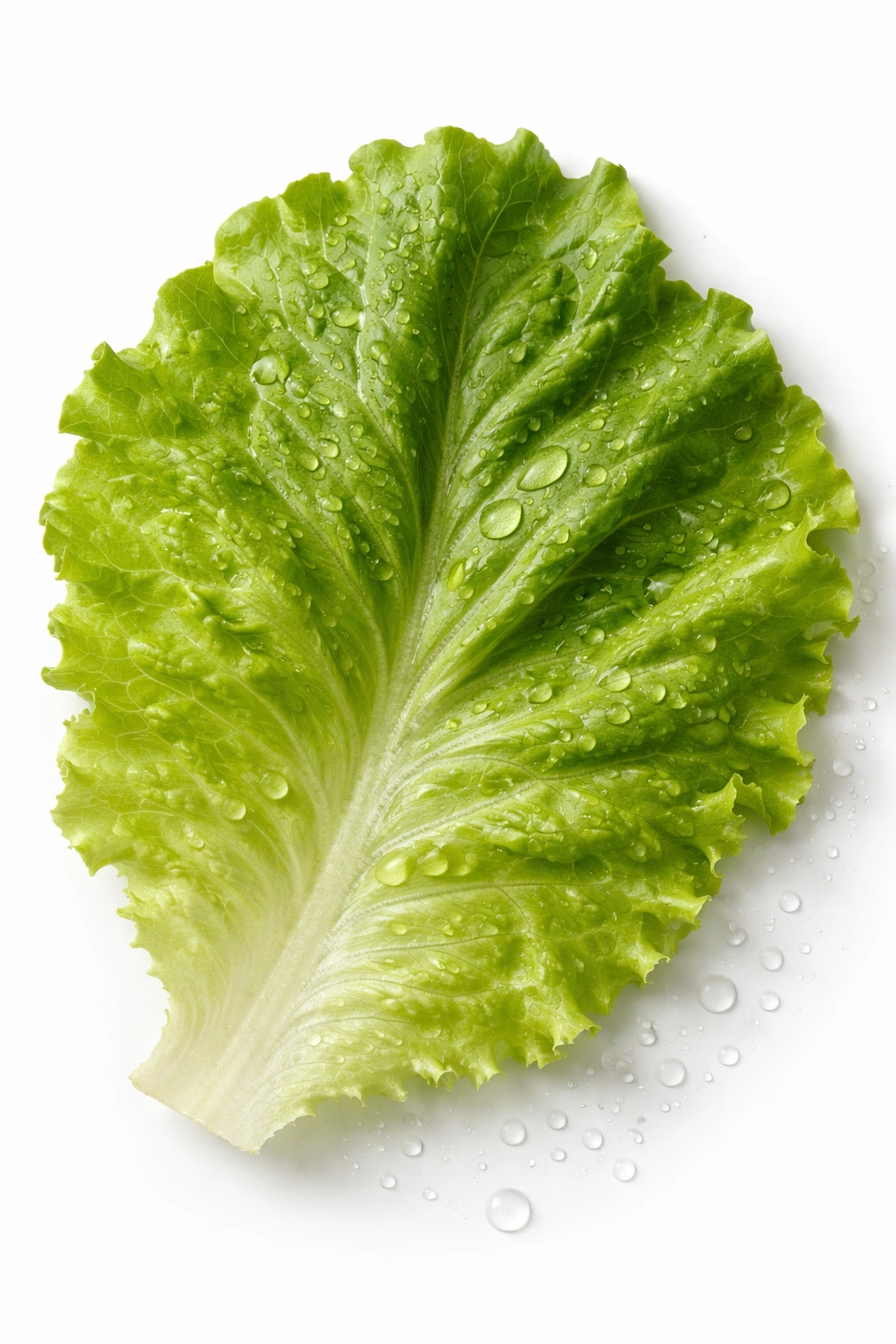
Wet lettuce wraps. This is the enemy of texture and your ability to eat without everything falling apart. Always rinse and thoroughly dry your lettuce leaves, and assemble the wraps just before eating. If you’re making these ahead for a packed lunch, keep the lettuce, chicken, and sauce separate and assemble right before eating.
Uneven chicken thickness. Thick spots overcook while thin spots are still raw in the center. Pounding to even thickness solves this instantly. It takes 30 seconds and changes everything.
Seasoning the chicken after cooking. Season the raw chicken before it hits the pan. Once the chicken is cooked, salt won’t penetrate as effectively, and you’ll end up with either underseasoned chicken or over-salted crust.
Not tasting the sauce. The sauce components vary in intensity depending on brand—some soy sauces are saltier than others; some ginger is more pungent. Taste your sauce before serving and adjust. A tiny pinch of sweetener can balance overly salty or sour sauce. A squeeze of fresh lime can brighten a sauce that tastes flat.
Cutting the chicken immediately. If you slice into the chicken the moment it comes off heat, all those juices run out onto the cutting board instead of staying in the meat. Rest it, then cut it. This is non-negotiable.
Overstuffing each wrap. Three to four tablespoons of chicken per wrap is the sweet spot. More and the lettuce tears, the wrap becomes impossible to hold, and you end up with filling all over your hands. Less, and it feels skimpy. You want each bite to be lettuce-to-chicken balanced.
Flavor Variations to Prevent Boredom
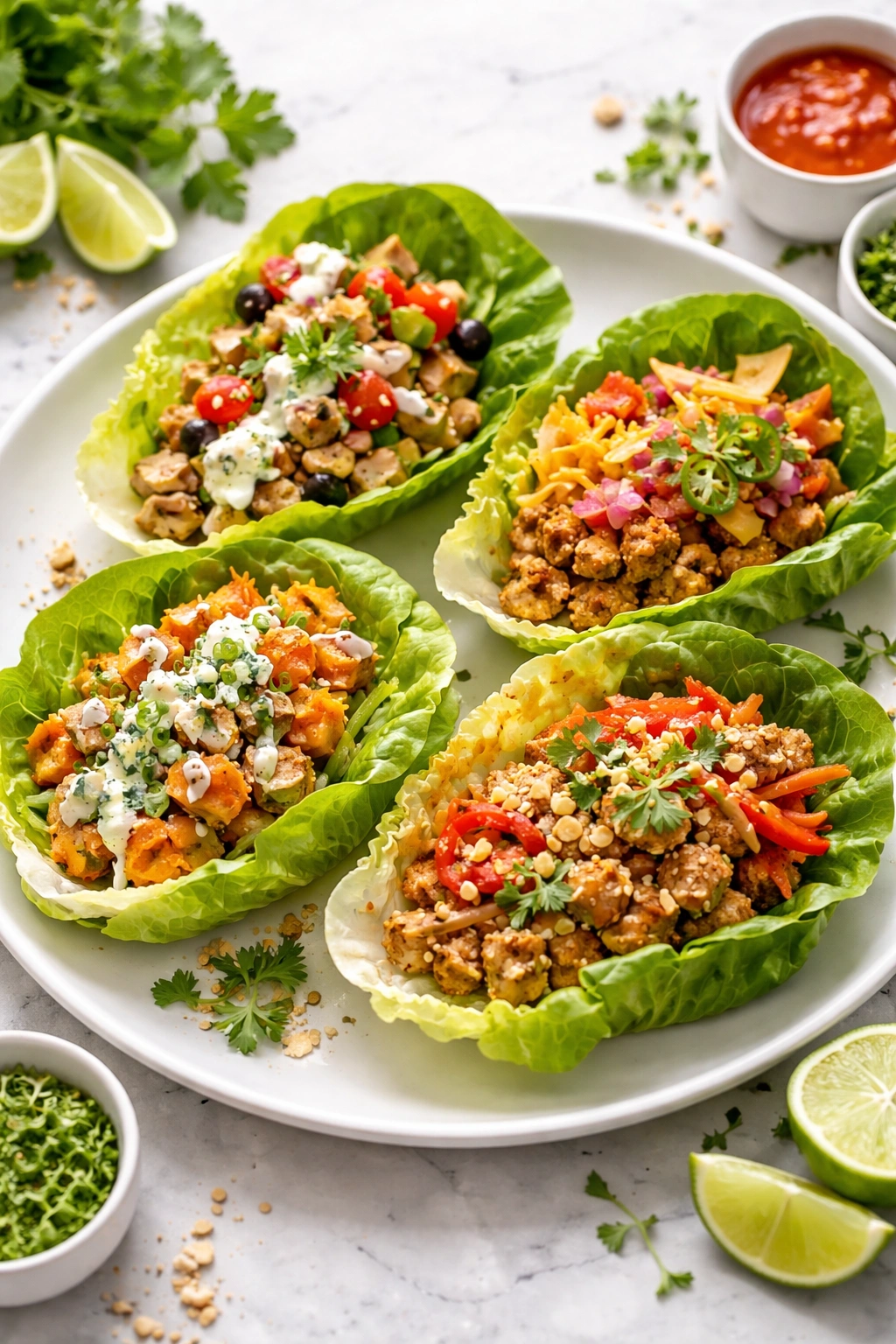
Once you’ve made the Asian-inspired version a few times, branch out. The beauty of lettuce wraps is that you can pivot flavors entirely while keeping the same basic structure.
Mediterranean Version: Skip the soy sauce and sesame oil. Instead, use olive oil, fresh lemon juice, minced garlic, oregano, and red pepper flakes. Cook the chicken the same way, then toss it with the lemon-herb mixture. Top wraps with crumbled feta, fresh mint, diced tomato, and a drizzle of olive oil. Serve with lemon wedges.
Taco-Inspired Version: Season the chicken with chili powder, cumin, paprika, garlic powder, and salt before cooking. After cooking, squeeze fresh lime juice over it. Serve with shredded cheddar, avocado slices, salsa, and cilantro. Add a dollop of sour cream or guacamole if you want richness.
Buffalo Chicken Version: Cook the chicken plain, then toss it with melted butter mixed with Frank’s RedHot sauce (or your favorite buffalo sauce). Serve with lettuce, blue cheese crumbles, sliced red onion, and celery slivers for crunch. Drizzle with ranch dressing made from Greek yogurt and herbs.
Thai Peanut Version: After cooking, toss the chicken with a sauce made from natural almond butter, lime juice, soy sauce, garlic, and a touch of sriracha. Top wraps with shredded carrots (yes, a small amount of carbs, but very low), cilantro, crushed peanuts, and lime wedges. The nuttiness is deeply satisfying.
Italian Herb Version: Season the raw chicken with Italian seasoning, salt, and pepper. Cook it, then finish with a squeeze of lemon and fresh basil. Serve with burrata or fresh mozzarella, roasted red peppers, and a light drizzle of balsamic vinegar. Add pine nuts for luxury.
Each variation shifts the lettuce wrap from Asian appetizer to globally inspired main course, and they all take roughly the same amount of time and effort.
Prep-Ahead Strategies for Busy Weeks
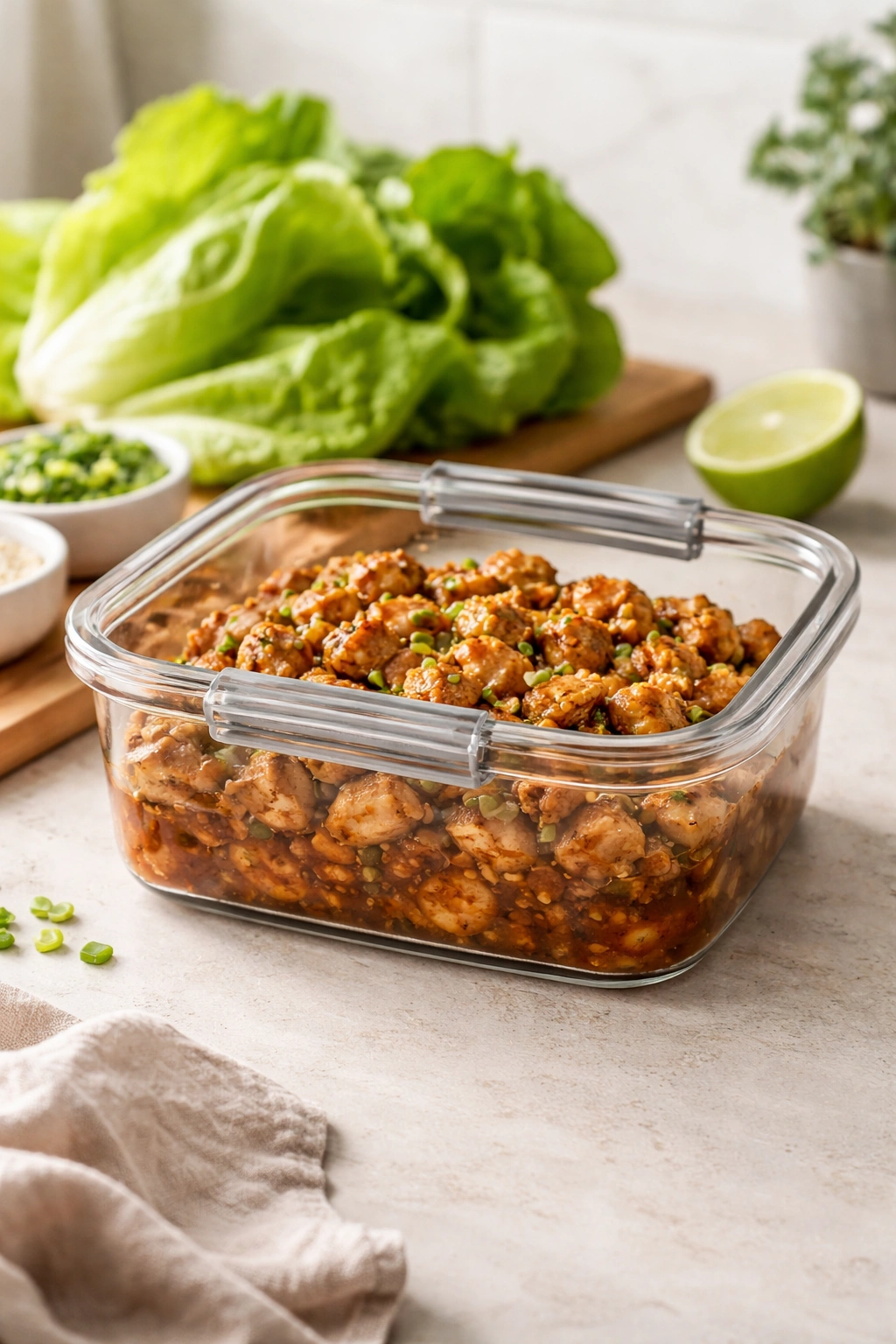
If you’re thinking of these as a meal-prep vehicle, you can definitely get ahead. The chicken itself keeps beautifully—cooked, it lasts 3 to 4 days in an airtight container in the refrigerator.
Cook the chicken through step 11, storing it in the sauce in a covered container. When you’re ready to eat, gently reheat it in a skillet over low heat or in the microwave (transfer to a microwave-safe dish first). The sauce prevents the chicken from drying out during reheating.
Keep the lettuce leaves separate and stored in a container lined with a paper towel to absorb excess moisture. Lettuce stays crispest when it has airflow and isn’t touching anything. Iceberg keeps the longest (5 to 6 days), romaine holds up for about 4 days, and butter lettuce for 3 to 4 days.
Store your garnishes separately—green onions in a container, cilantro loosely wrapped in a damp paper towel, sesame seeds and nuts in jars. This way, you can grab everything and assemble fresh wraps in about 2 minutes whenever you want them.
The real magic of lettuce wraps for meal prep is that they don’t get soggy or disappointing like many prepped meals do. The lettuce stays crisp when kept separate, and the chicken actually improves as the sauce flavors deepen over a day or two.
Storage, Reheating, and Food Safety
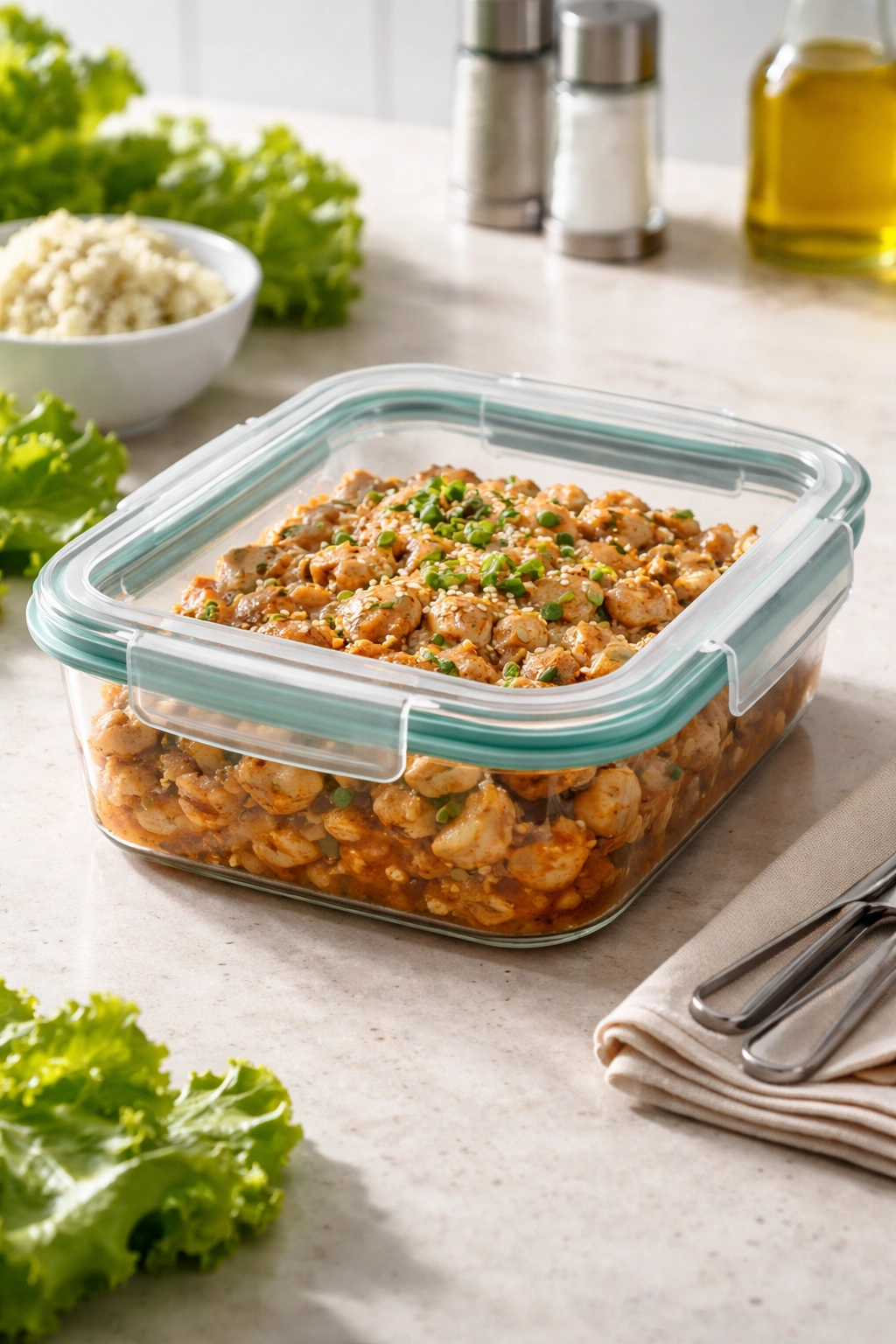
Room Temperature: Don’t leave assembled wraps at room temperature for more than an hour or two. The lettuce will start to wilt, and food safety becomes a concern with chicken sitting out. If you’re serving these at a gathering, assemble them in batches, serving fresh ones every 30 minutes or so.
Refrigerator: Cooked chicken in sauce keeps for 3 to 4 days in a covered, airtight container. The sauce actually helps preserve the chicken by protecting it from oxidation. Store the lettuce leaves separately for maximum crispness. Garnishes like cilantro, green onions, and nuts keep best in sealed containers, separate from moisture.
Freezing: Cooked chicken freezes well—up to 2 months in an airtight freezer container. The sauce freezes too. Lettuce, unfortunately, doesn’t; it gets mushy and sad when thawed. So if you’re freezing components, skip the lettuce and plan to use fresh leaves when you thaw the chicken.
Reheating: The gentlest method is the stovetop. Transfer the chicken and sauce to a skillet over low heat, stirring occasionally, until it’s warmed through—about 3 to 5 minutes. This keeps the texture from breaking down. Microwave reheating works in a pinch—transfer to a microwave-safe bowl, cover loosely, and heat in 30-second intervals, stirring between each, until warm.
Never reheat lettuce. If you’re using meal-prepped chicken for lettuce wraps, gently reheat the chicken and sauce, then assemble with fresh, cold lettuce right before eating. The temperature contrast—warm, savory chicken against cool, crisp lettuce—is part of what makes them great.
Serving Suggestions and Perfect Pairings
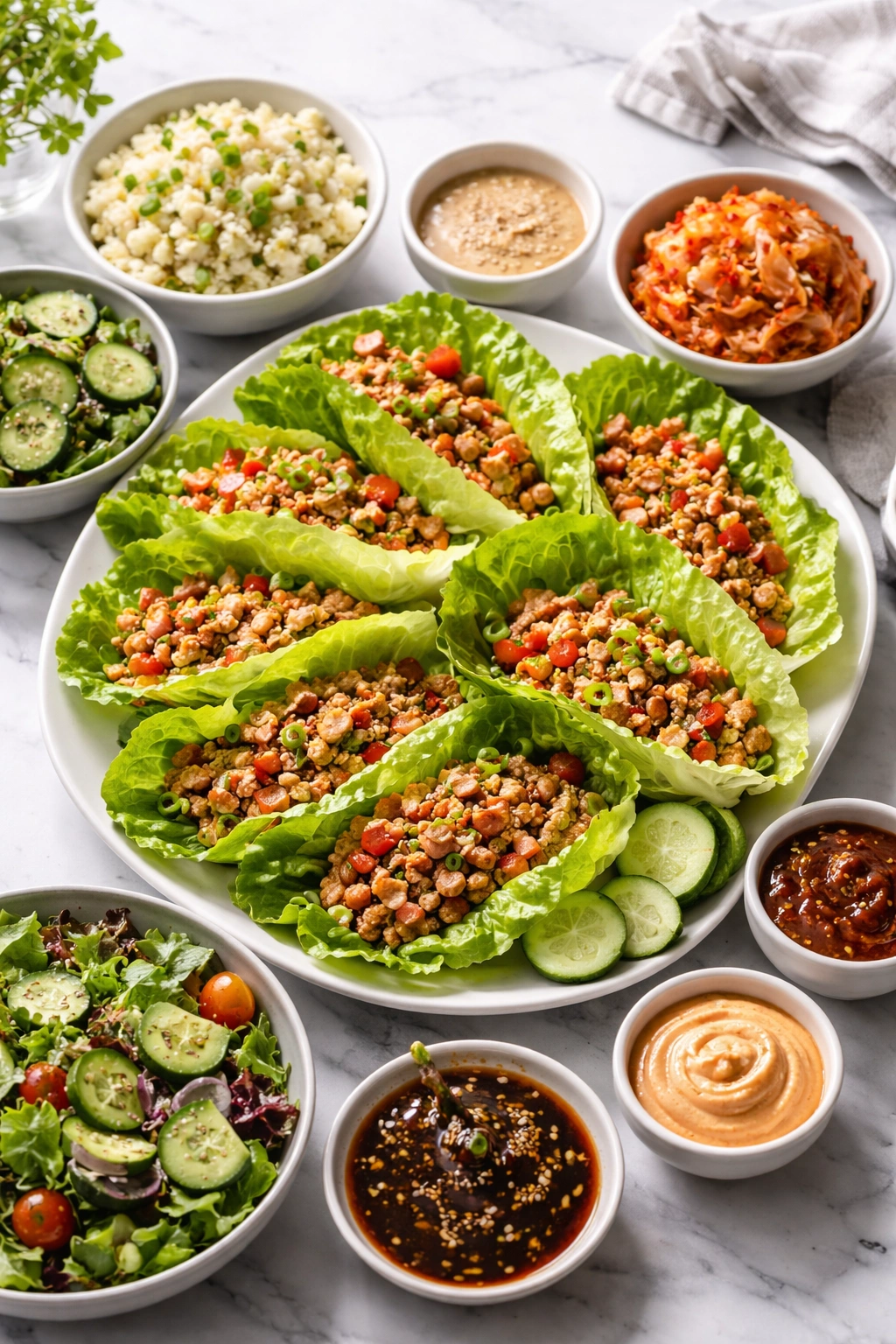
Lettuce wraps are so well-rounded that they work as a complete meal on their own, but a few strategic sides amplify the experience without adding lots of carbs.
Cold sides: A crisp salad dressed with rice vinegar and sesame oil complements the wraps beautifully. Cucumber slices with salt and a squeeze of lime add refreshing crunch. Kimchi or other fermented vegetables bring umami and tang that plays well with the chicken.
Warm sides: Cauliflower rice stir-fried with garlic and sesame oil mimics the texture of traditional fried rice without the carb load. Steamed broccoli with garlic and oil is simple and complements every flavor variation. A small bowl of bone broth sipped alongside adds warmth and collagen.
Sauces and condiments: Set out small bowls of extra sriracha, lime wedges, and additional sesame oil so people can customize their wraps. A ginger-scallion oil drizzled on top right before eating adds aromatic depth. Fish sauce (just a tiny splash) brings umami punch for the adventurous.
Beverages: Cold sparkling water with lime is refreshing and lets the chicken’s flavor shine. Green tea, iced or hot, pairs beautifully with the Asian-inspired version. Dry white wine like Albariño or Sauvignon Blanc works with any variation.
Occasions: These wraps shine at summer gatherings where you want something light but substantial. They’re excellent for lunch parties because they feel elegant and intentional while being casual enough to eat with your hands. They work as an appetizer when you double the recipe and serve smaller portions. They’re also perfect for weeknight dinner because they’re fast and feel like you actually cooked something.
Final Thoughts
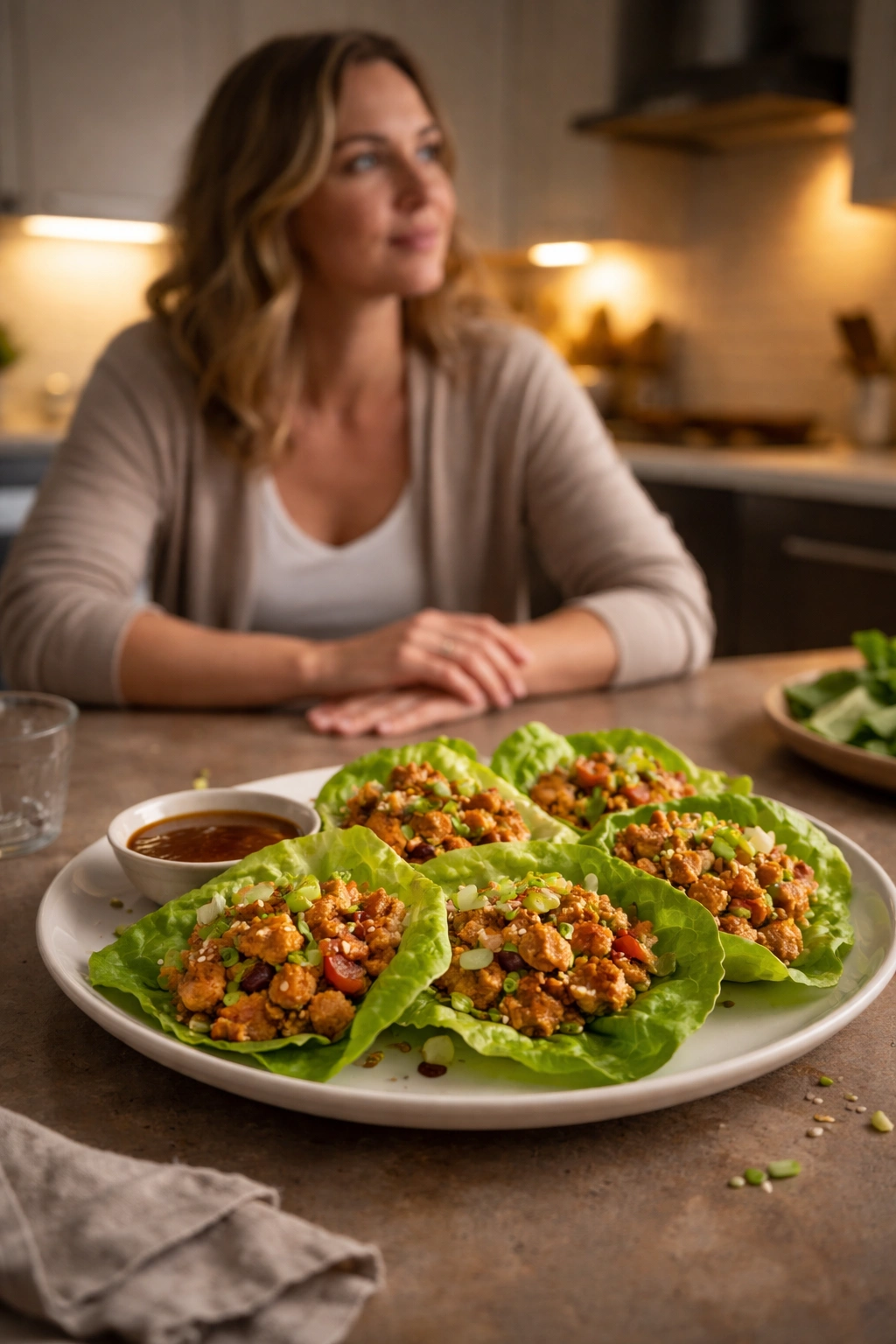
Low-carb chicken lettuce wraps sit at the intersection of delicious and practical. They’re so quick to make that you can have dinner on the table in less than half an hour, yet they taste like you spent way more effort than you actually did. The chicken absorbs whatever sauce you choose, the lettuce provides structure and freshness, and your hands-on involvement is minimal from beginning to end.
The real win here is that once you understand the basic formula—pounded chicken, proper browning, a balanced sauce, and crisp lettuce—you can endlessly riff on flavors and ingredients without feeling bored. You’ll find yourself making these constantly, not because you feel like you should as part of a diet, but because they’re genuinely crave-worthy and satisfying.
Start with the Asian-inspired version to nail the technique, then branch out to whatever flavor profiles excite you. Keep an instant-read thermometer handy, don’t skip the resting period, and always dry your lettuce. Do those three things and you’ll have perfectly cooked, moist chicken in crisp wraps every single time. Everything else is just building on that foundation.
