



You’ve just gotten home from the hospital (or you’re about to), and your body is running on fumes while your baby has other ideas about sleep schedules. The last thing you want to contemplate is dinner. Yet your family still needs to eat, and you absolutely cannot survive on takeout pizza and frozen nuggets forever—even though right now, it sounds pretty reasonable.
This is where freezer meals become your secret weapon. When you stock your freezer with thoughtfully prepared dishes before baby arrives, you’re not just cooking food—you’re giving your future exhausted, depleted self permission to focus on healing, bonding, and surviving those brutal first weeks. These meals are the difference between eating something nourishing that actually makes you feel human, and existing on whatever you can grab one-handed while feeding a newborn.
Postpartum nutrition matters more than most people realize. Your body has essentially completed an endurance event, and it needs real fuel to recover, repair tissues, support milk production (if you’re breastfeeding), and keep your energy stable when sleep is fragmented and elusive. Protein, iron, healthy fats, and fiber all become critical nutrients during this phase. When you have ready-to-eat meals waiting in your freezer, you’re much more likely to actually nourish yourself properly rather than defaulting to toast, crackers, or skipped meals altogether.
The best part? Most of these meals require zero thought to reheat. Pop them in the oven, the slow cooker, or the Instant Pot, and within minutes you have a complete, satisfying dinner that tastes like you spent hours cooking. That’s the whole point. Let’s walk through ten freezer meals that will genuinely change how you feel during those early postpartum weeks.
1. Chicken and Mushroom Risotto
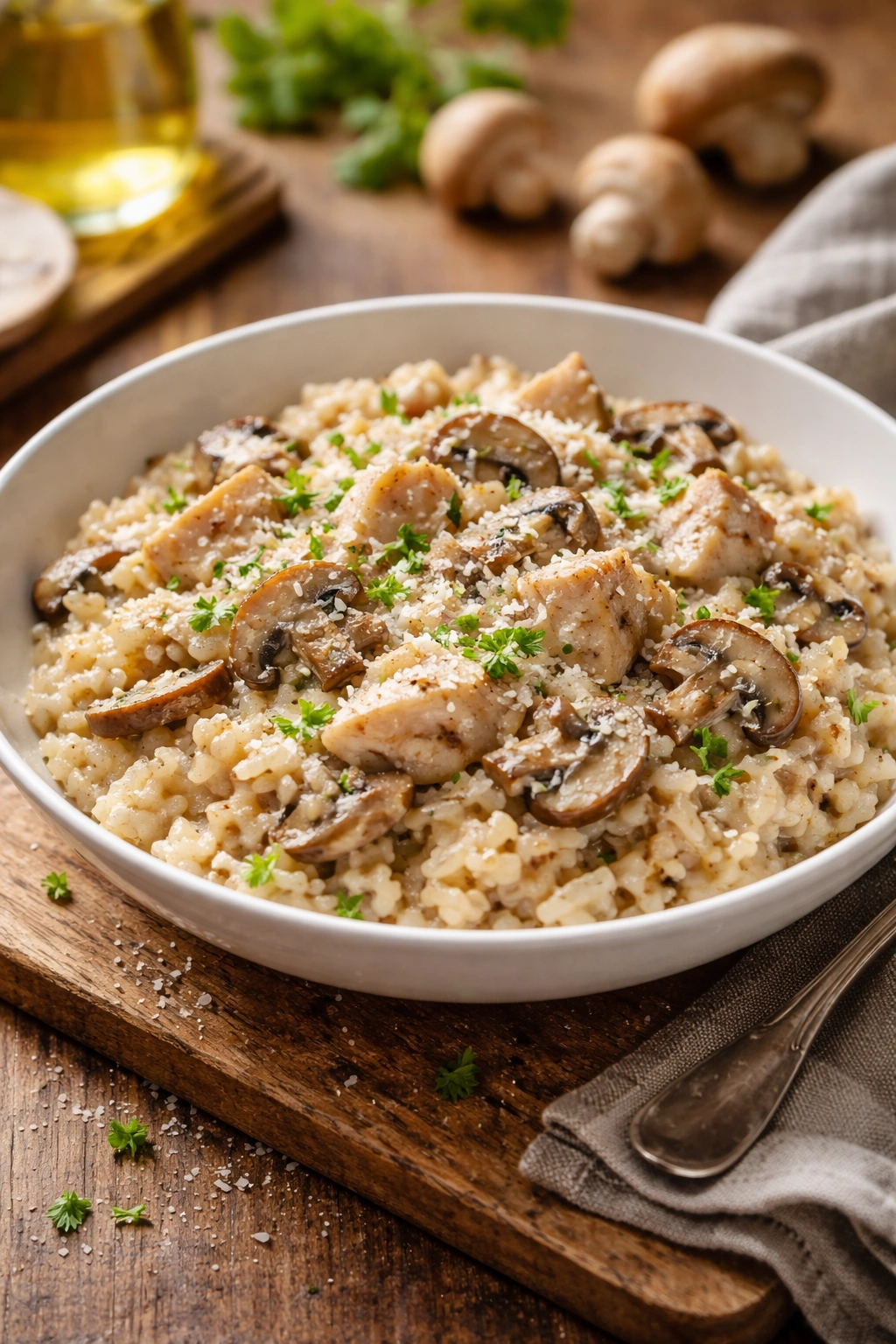
Risotto sounds fancy, which makes it feel like a treat when you’re living in survival mode. But don’t let the reputation intimidate you—this creamy, comforting dish is surprisingly straightforward to prepare ahead and freezes better than you’d expect. The key is to slightly undercook the rice before freezing so it doesn’t turn mushy when you reheat it.
Why This Works for Postpartum Recovery
This dish delivers creamy comfort food that’s gentle on a sensitive postpartum digestion while still being substantial enough to satisfy real hunger. Mushrooms add umami depth and are naturally easy to digest. The combination of protein from the cheese and chicken, plus carbs from the risotto rice, creates a balanced meal that stabilizes blood sugar during those exhausting days. It’s also a one-dish wonder, which means you don’t have to think about side dishes or complicated plating.
How to Prep and Freeze
Prepare the risotto according to your favorite recipe (or adapt one you find), cooking the rice until it’s just shy of fully tender—it should have a slight firmness in the center of each grain. Cook the chicken separately and dice it, then fold it into the risotto along with sautéed mushrooms, parmesan, and a touch of cream. Let the entire mixture cool completely, then portion it into freezer-safe containers or disposable aluminum pans. You can freeze individual portions in smaller containers for true convenience, or make family-sized portions depending on your household size.
Defrosting and Reheating
Thaw the risotto overnight in the refrigerator, then reheat it gently in a skillet over medium heat, stirring frequently and adding a splash of broth or cream if it seems too thick. The rice may be slightly gluggy compared to freshly made risotto, but it will taste delicious and comforting—which is honestly all that matters when you’re three weeks postpartum and running on minimal sleep. Top with extra parmesan and fresh parsley if you have the energy.
2. Taco Casserole
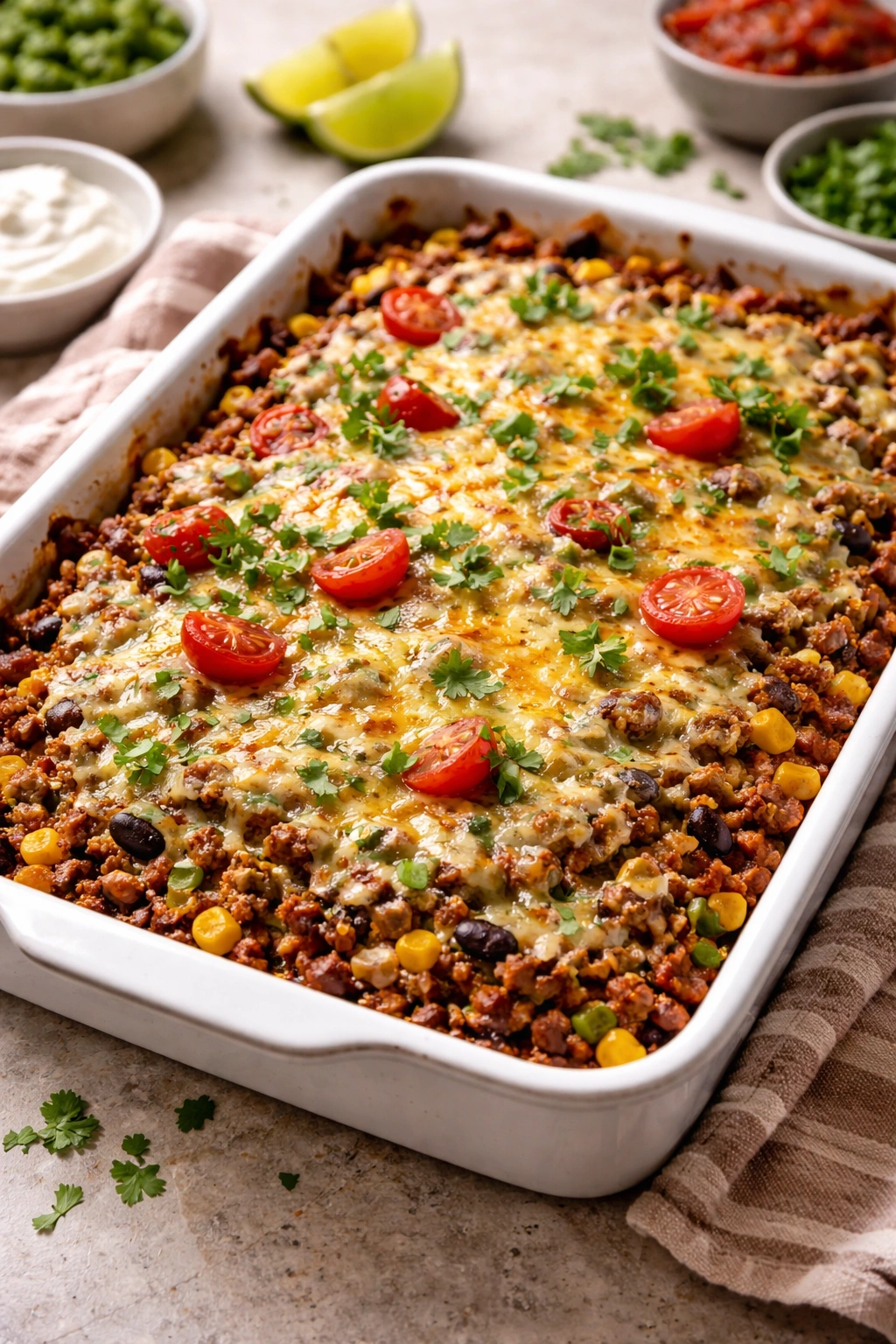
This is the meal that bridges the gap between “I need comfort food” and “this meal has actual vegetables in it.” A taco casserole layers seasoned ground beef, black beans, green chiles, cheese, and a picante sauce, creating something that’s deeply satisfying without being heavy. It reheats beautifully and tastes even better on day two or three from the freezer.
Why This Works for Postpartum Recovery
Taco casserole gives you iron-rich ground beef for blood replenishment, black beans for fiber and plant-based protein, and cheese for calcium—all stacked into one dish that requires zero decision-making on your part. The mild spice wakes up your palate without being aggressive, which matters when postpartum nausea or digestive sensitivity is still lingering. Plus, if you have a partner or older kids at home, they’ll actually want to eat this, which means fewer meals to prepare for different people.
Freezer-Friendly Assembly
Brown the ground beef with onions, garlic, and taco seasoning, then combine it with black beans, green chiles, tomato paste, and picante sauce in a large bowl. Spread half of the mixture into a 9×13-inch casserole dish (disposable aluminum pans work perfectly), top with half of your shredded cheese, then layer the remaining meat mixture on top. Do not add the final layer of cheese yet—that goes on top right before baking. Cover the casserole tightly with plastic wrap, then aluminum foil to prevent freezer burn, and label it clearly with the date.
Cooking from Frozen
You have two options here. If you remembered to thaw it overnight in the fridge, remove the plastic wrap and foil, top with the remaining cheese, and bake at 350°F for about 45 minutes until everything is hot and bubbly. If you forgot to thaw it (real life, am I right?), you can cook it straight from frozen—just give it about 60-75 minutes at 350°F, covered with foil for the first 45 minutes, then uncovered for the final 15-30 minutes so the cheese gets golden and bubbly on top.
3. Breakfast Burritos
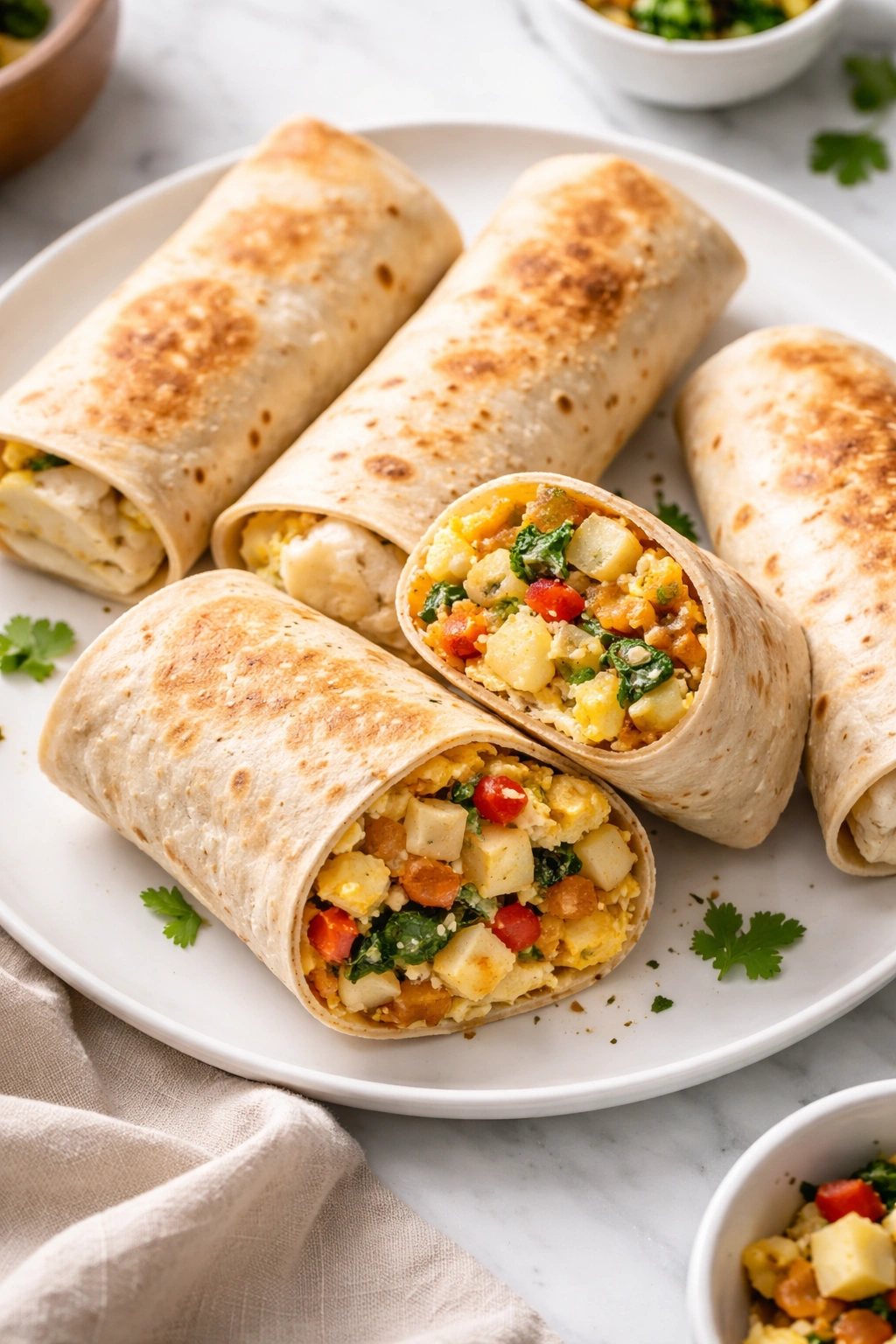
Breakfast burritos are the unsung hero of postpartum meal prep. They’re genuinely handheld food you can eat with one hand while holding a baby, they’re loaded with protein and vegetables, and they reheat in literally two minutes in the microwave. Make a big batch before baby arrives and you’ll have grab-and-go breakfast sorted for weeks.
Why This Works for Postpartum Recovery
Burritos contain scrambled eggs (protein and choline for brain health), hash browns (carbohydrates for sustained energy), roasted vegetables (fiber, vitamins, minerals), and cheese (calcium). The beauty is that you can customize them however you want—add bacon, sausage, peppers, onions, spinach, whatever appeals to you. These are genuinely satisfying enough to replace a full meal, not just a snack, which matters when you’re breastfeeding and experiencing intense hunger at odd hours.
Make-Ahead Prep Steps
Start by roasting diced potatoes, bell peppers, and onions with olive oil and salt at 400°F for about 20 minutes until the potatoes are tender. Scramble eggs with a splash of milk and season them well. Let everything cool to room temperature—this step is crucial because warm filling makes the tortillas soggy and hard to work with.
Set up an assembly station with your cooled ingredients, 10-inch flour tortillas, and shredded cheese. Lay a tortilla flat, sprinkle 2 tablespoons of cheese down the center, add about 1/4 cup roasted vegetables, 2 heaping tablespoons scrambled eggs, and any protein you’re using. Fold the sides in, then roll it tightly from bottom to top. Wrap each burrito individually in aluminum foil, then place them seam-side down on a baking sheet and freeze until solid (about 2-3 hours), then transfer them to a gallon-sized freezer bag.
Thawing and Eating
You can eat these directly from frozen—just unwrap the foil, wrap the burrito in a paper towel, and microwave on high for 1-2 minutes. Or thaw them overnight in the fridge and reheat for about 45 seconds in the microwave. The tortilla will stay soft and pliable, and the filling will be hot all the way through.
4. Chicken Pot Pie
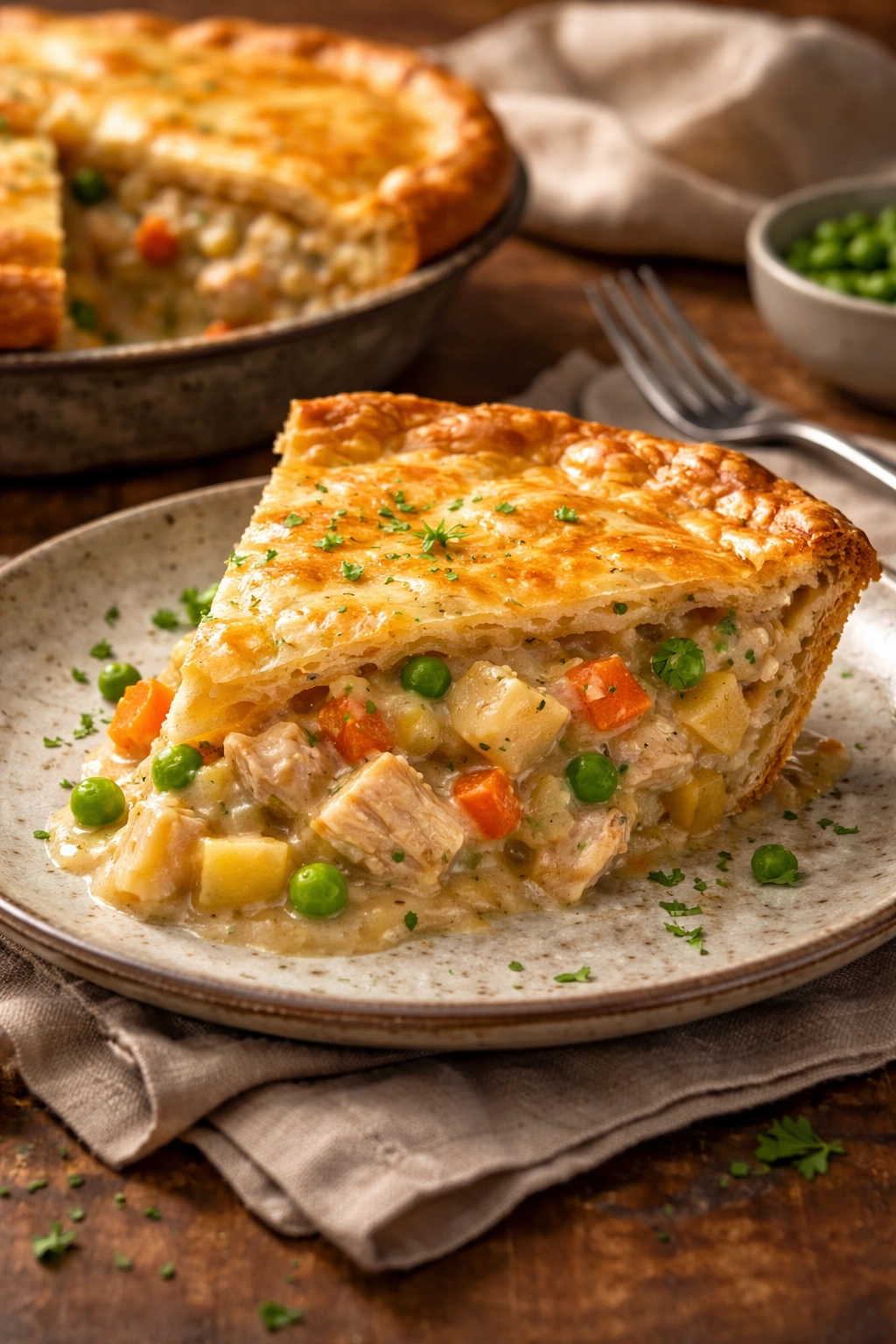
Chicken pot pie hits differently when you’re postpartum. It’s the ultimate comfort food that tastes like someone truly cared about you, which is especially powerful when that someone is your past self who had the foresight to prep this weeks ago. The creamy filling, tender chicken, and buttery crust combine into something that feels indulgent but is actually quite nourishing.
Why This Works for Postpartum Recovery
This meal combines protein (chicken and dairy), complex carbs (the crust and vegetables), healthy fats (from the cream and butter), and vegetables all in one package. The creamy sauce is easy to digest and feels soothing on a sensitive postpartum stomach. It’s also substantial enough that you won’t find yourself hungry again thirty minutes later, which is critical when you’re trying to eat enough calories to support milk supply while also being too tired to make another meal.
Assembly and Freezing
Combine cooked, shredded chicken (rotisserie chicken is perfectly acceptable) with diced potatoes, carrots, celery, onions, and frozen peas. Make or use a simple cream sauce (butter, flour, chicken broth, and heavy cream work beautifully), then combine it all together. Spoon the filling into a 9-inch pie plate lined with store-bought pie crust, top with a second crust, seal the edges by crimping with a fork, and poke a few small holes in the top to allow steam to escape.
At this point, you can either bake the pot pie and then freeze it, or freeze it unbaked. Unbaked freezes slightly better and actually has a crisper crust when you bake it from frozen. Wrap the unbaked pot pie tightly in plastic wrap, then aluminum foil, and freeze for up to 4-6 months.
Cooking Instructions
From frozen: Preheat your oven to 400°F, place the pot pie on a baking sheet (this catches any drips), cover it loosely with foil, and bake for 30 minutes. Remove the foil and bake another 35-40 minutes until the crust is golden and you can see filling bubbling at the edges. Let it rest for 10 minutes before cutting—this helps the filling set slightly so it doesn’t pour everywhere.
5. Lentil Soup
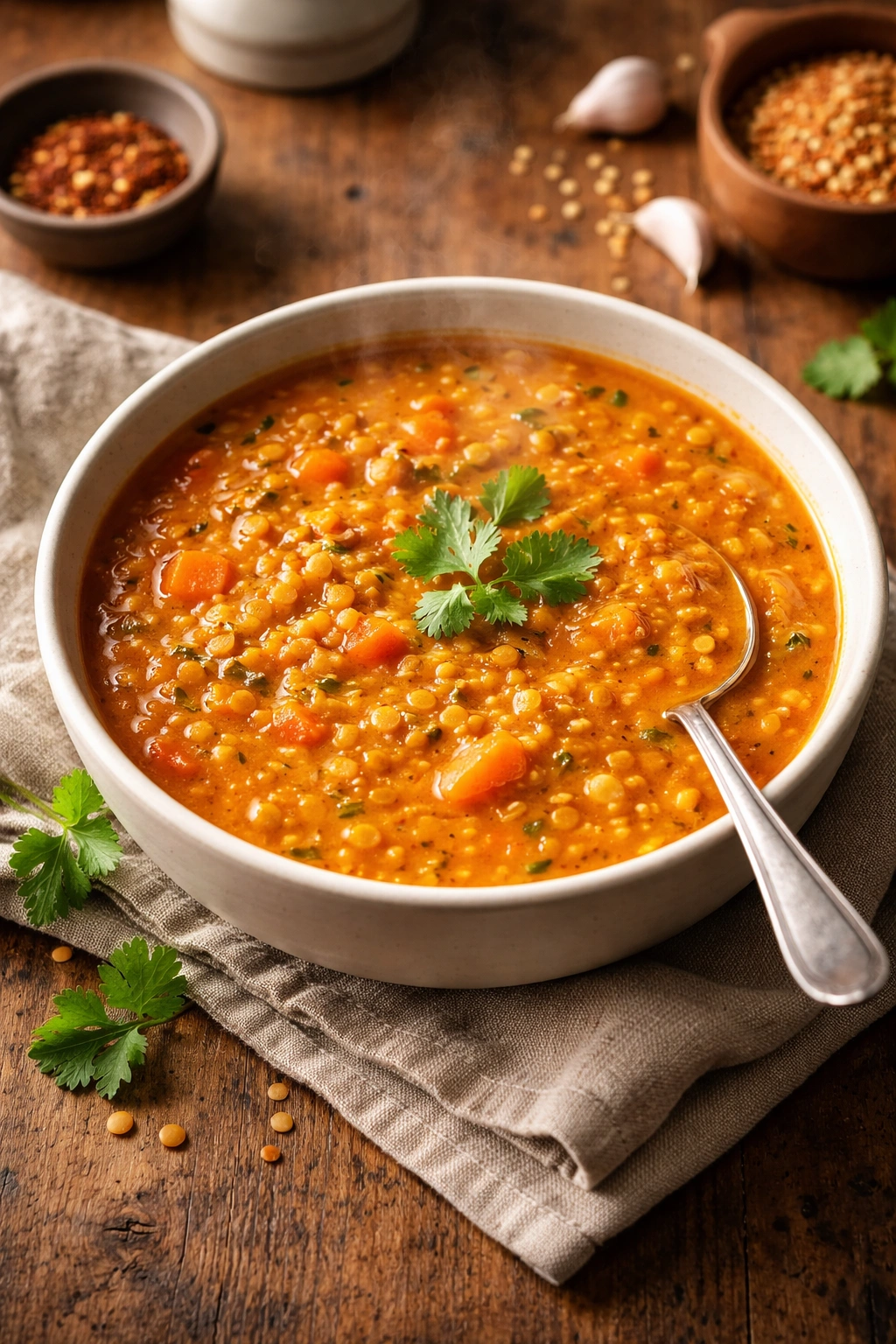
Soup is the overlooked MVP of freezer cooking. It reheats beautifully, it’s naturally high in fiber and protein (especially lentil soup), and it feels nourishing in a way that other meals sometimes don’t. Red lentils cook quickly, break down into a slightly creamy texture, and add subtle sweetness that pairs beautifully with warming spices.
Why This Works for Postpartum Recovery
Lentils are iron-rich plant-based protein, which is especially important if you’re vegetarian or just want variety beyond chicken in your freezer meals. The combination of lentils, sweet potato, coconut milk, and warming spices like cumin and turmeric creates a naturally anti-inflammatory meal that supports healing. Soup is also incredibly easy to eat when you’re sitting and feeding a baby—you can eat it with one hand, it’s warm and comforting, and there’s no chopping or plating required.
Simple Preparation
Heat olive oil in a large pot and sauté diced onion, carrots, and celery until soft. Add minced garlic and cooking spices (cumin, paprika, turmeric work wonderfully), then add rinsed red lentils, diced sweet potato, bone broth or vegetable broth, and canned diced tomatoes. Bring to a boil, then reduce heat and simmer for 25-30 minutes until the lentils and sweet potato are completely tender. Stir in full-fat coconut milk and chopped spinach, simmer for another 2-3 minutes, then let cool completely before freezing.
Freezing and Storage
Pour the cooled soup into freezer-safe containers—portion it into individual servings if you want maximum convenience, or keep it in larger portions depending on your household size. Label each container with the date. Soup keeps beautifully for up to 3 months in the freezer and reheats quickly either on the stovetop or in the microwave.
6. Slow Cooker Pulled Pork
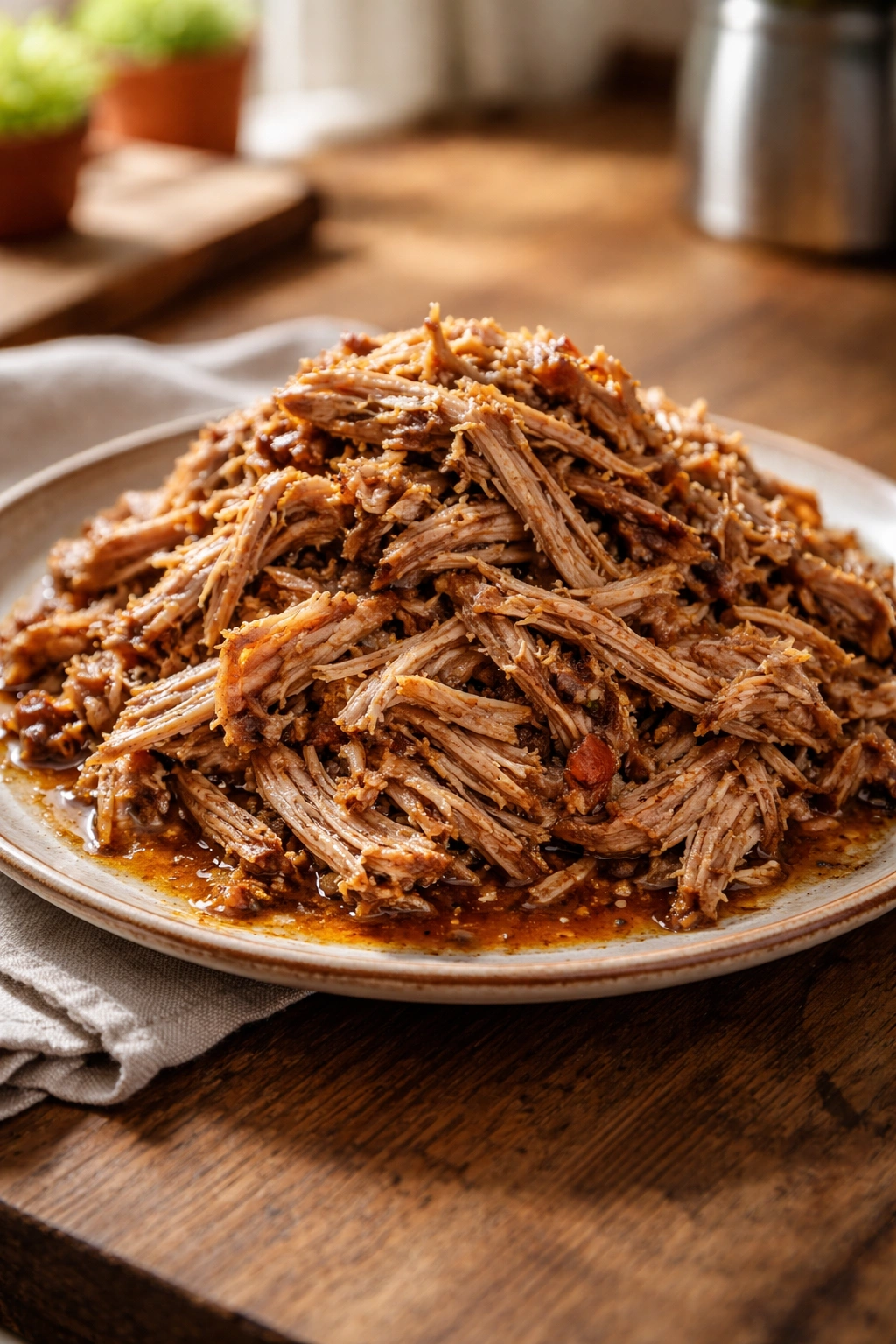
Pulled pork is the Swiss Army knife of freezer proteins. You make it once, and it becomes the base for dozens of different meals throughout the month. Pulled pork sandwiches, pulled pork tacos, pulled pork rice bowls, pulled pork over roasted vegetables—the possibilities are nearly endless, which matters when you need variety but don’t have the energy to think creatively.
Why This Works for Postpartum Recovery
Pork is an excellent source of B vitamins and selenium, both critical for energy production and immune function when you’re sleep-deprived and healing. The slow-cooking method makes the meat incredibly tender and easy to shred, requiring minimal effort from you. You can literally dump everything into a slow cooker before bed, and by morning you have several servings of protein ready to use in different ways throughout the week.
Incredibly Simple Prep
Place a 2-3 pound pork shoulder in your slow cooker with sliced onion and your favorite seasonings (garlic powder, cumin, paprika, salt, and pepper work beautifully). You can add a barbecue sauce, salsa, or just cook it plain and decide how to use it later. Cook on low for 8-10 hours until the meat shreds easily with a fork. Let it cool slightly, then shred the pork using two forks.
Freezing Options
You can freeze the pulled pork plain in portions, which gives you maximum flexibility for how to use it. Or mix it with your favorite sauce and freeze in portions ready to reheat. Plain is often better because you can decide later whether you want it in tacos, on a sandwich, or in a rice bowl without being locked into one flavor profile.
7. Green Chicken Enchiladas
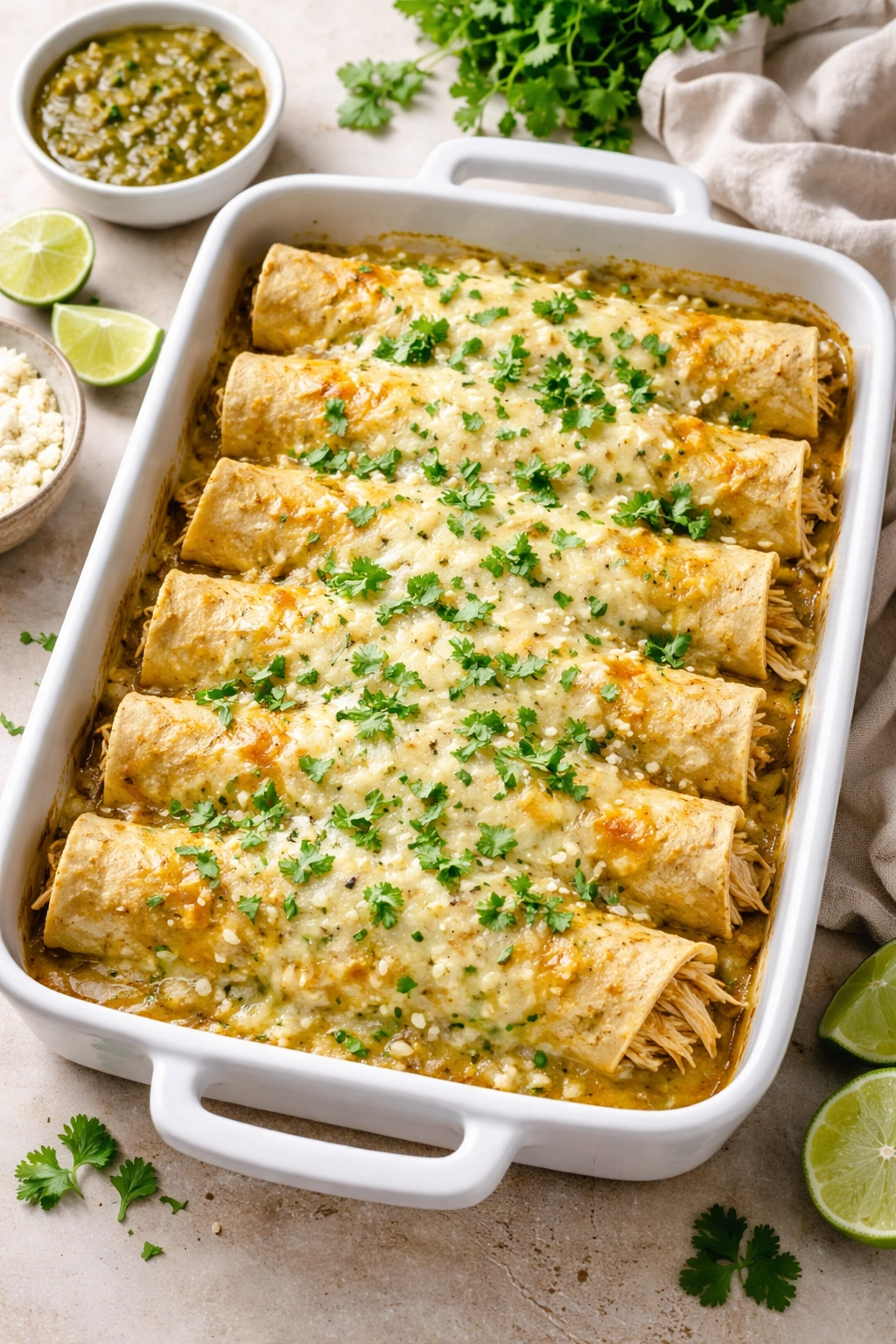
Enchiladas are a meal that feels special enough to boost your mood during a difficult week, but they’re actually straightforward to assemble. Green enchiladas specifically (made with a salsa verde sauce) are slightly lighter and feel less heavy than their red counterparts, which can matter when postpartum digestion is still settling.
Why This Works for Postpartum Recovery
This dish delivers easily digestible protein from the chicken and cheese, vegetables hidden in the sauce, and the psychological boost of eating something that looks and tastes restaurant-quality. It’s also a complete one-pan meal that reheats perfectly, giving you dinner sorted with zero additional cooking beyond heating it through in the oven.
Assembly for Freezing
Shred cooked chicken (rotisserie chicken is your friend here) and mix it with a little sour cream and cheese. Warm up corn tortillas so they’re pliable, fill each one with about 2 tablespoons of the chicken mixture, roll them tightly, and place them seam-side down in a greased 9×13-inch baking dish. Pour salsa verde over the top (you want enough to cover everything lightly), sprinkle additional cheese on top, cover tightly with plastic wrap and then foil, and freeze.
Cooking from Frozen
Preheat your oven to 350°F, remove the plastic wrap (but keep the foil on), and bake for about 45 minutes covered. Remove the foil and bake another 15-20 minutes until the cheese is bubbly and starting to brown. Let it rest for 5 minutes, then serve with fresh cilantro, sliced avocado, and lime wedges if you have them.
8. Beef Stew
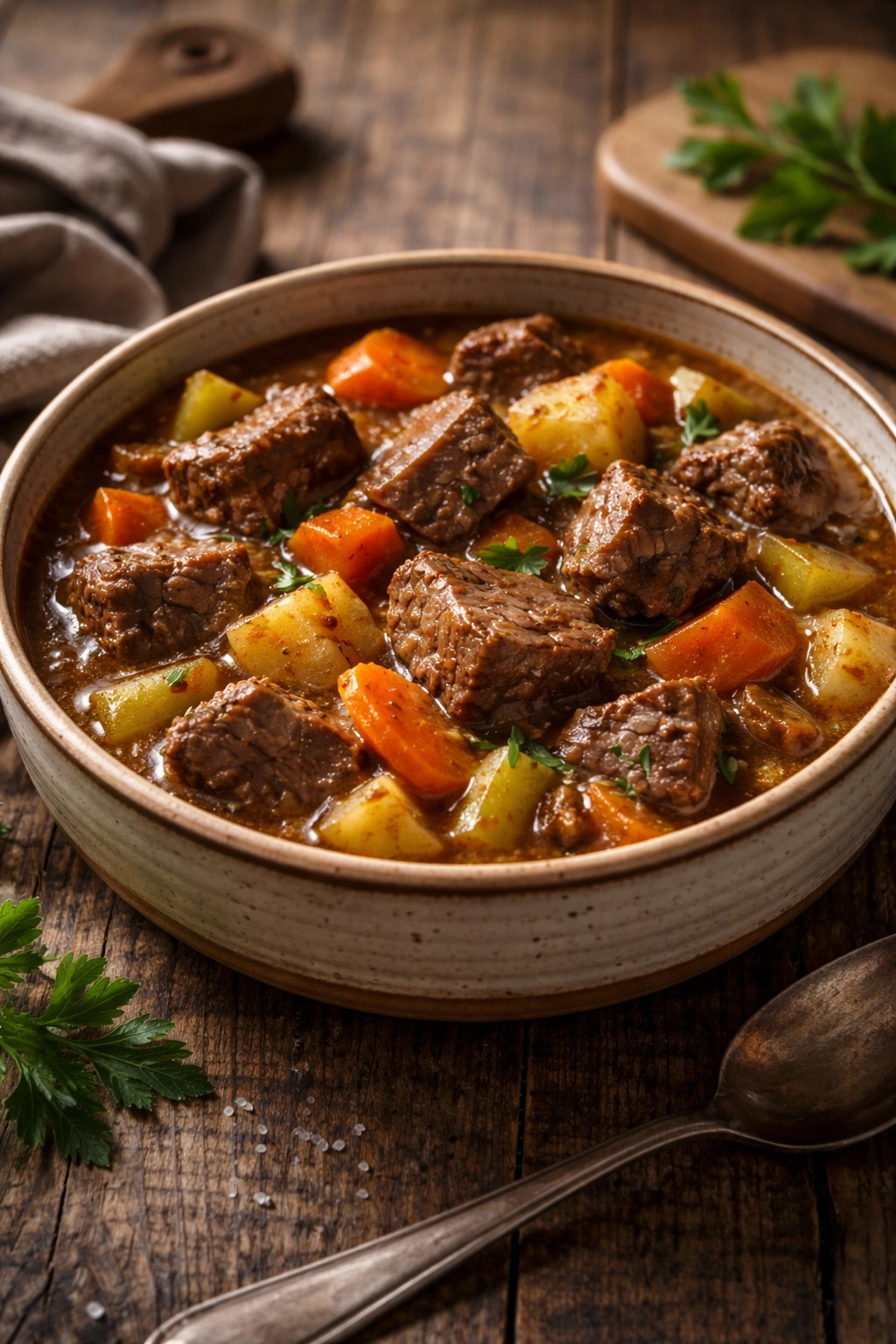
Beef stew is the ultimate cozy postpartum meal. It’s warm, deeply satisfying, and requires zero finesse to eat, which matters when you’re emotionally fragile and just need something that tastes like comfort. The long, slow cooking makes the beef incredibly tender, and all the vegetables add fiber and micronutrients essential for healing.
Why This Works for Postpartum Recovery
Beef provides highly bioavailable iron and zinc, both critical for postpartum recovery and healing. The vegetables add fiber to support digestion, which is often sluggish during the fourth trimester. The slow-cooking method means you can prep this before baby arrives, and it will taste perfect whether you reheat it in a slow cooker, Instant Pot, or regular pot. It’s the kind of meal that genuinely makes you feel nourished and cared for.
Simple Preparation for Freezing
Cube chuck roast into 1.5-inch pieces and combine with roughly chopped carrots, celery, and onion. Add herbs (thyme, rosemary, bay leaves), garlic, tomato paste, Worcestershire sauce, beef broth, and salt and pepper. You can either brown the meat first or skip that step and freeze everything raw—both methods work beautifully, though browning adds deeper flavor if you have the energy.
Transfer everything to a large freezer bag, label it clearly, and freeze flat so it takes up minimal space in your freezer.
Cooking Instructions
Either thaw overnight and cook in a regular pot on the stove for about 90 minutes on a gentle simmer, or cook from frozen in a slow cooker on low for 8-10 hours, or in an Instant Pot on high pressure for 35 minutes with a natural release. The result is tender, deeply flavorful stew that tastes like you spent all day cooking.
9. Spinach and Cheese Lasagna
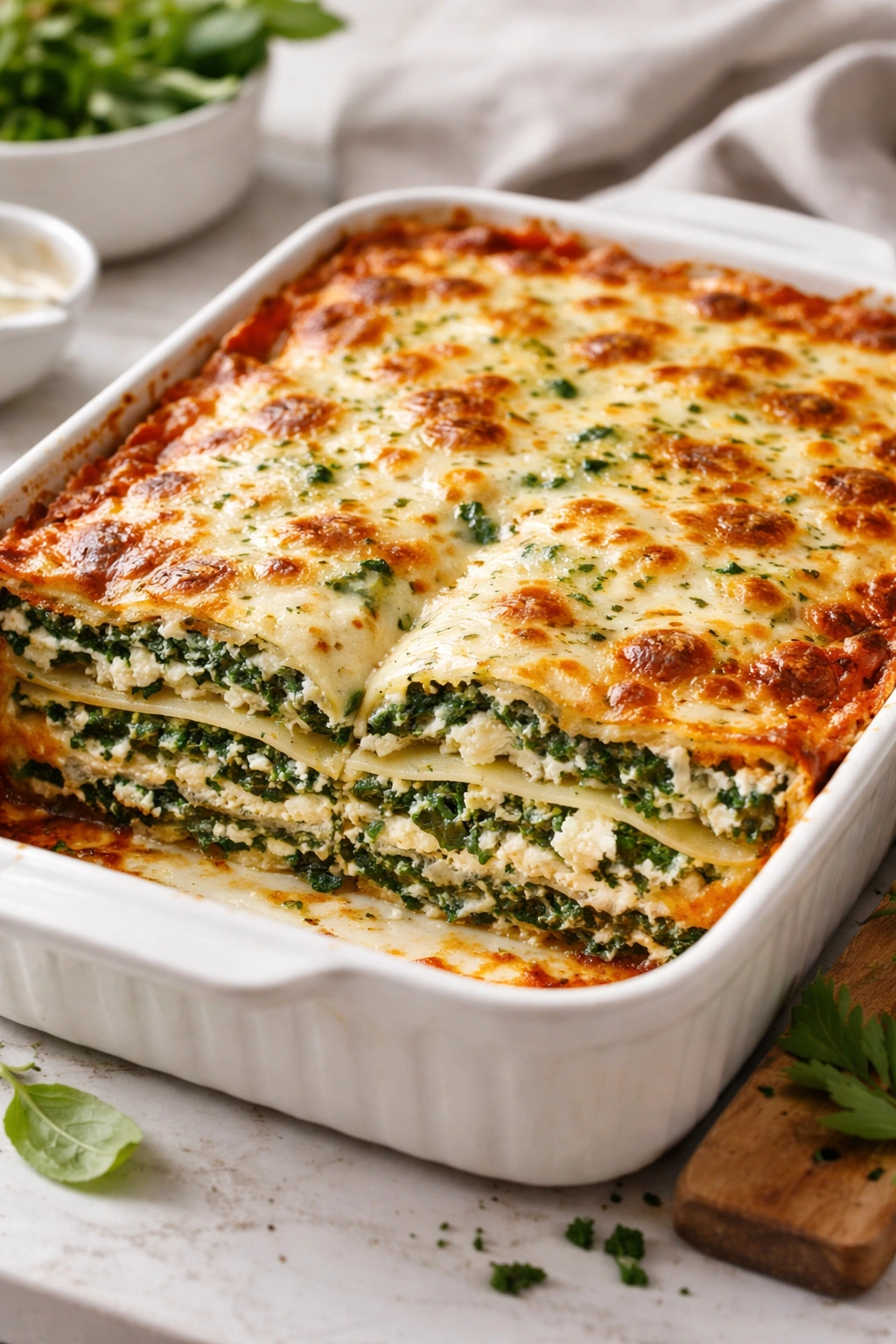
Lasagna is the ultimate freezer meal—it’s literally designed to be made ahead, frozen, and baked later. A spinach and cheese version is slightly lighter than meat-heavy lasagna, and it’s packed with iron from the spinach, calcium from the cheese, and hidden nutritional goodness that your exhausted brain doesn’t have to think about.
Why This Works for Postpartum Recovery
This is calcium-rich, iron-rich, fiber-rich comfort food that tastes indulgent but is genuinely nourishing. Spinach adds folate (important after pregnancy), the cheese provides calcium and protein, and the tomato sauce adds lycopene. It’s also a meal that doesn’t require a fresh salad or side vegetable because the vegetables are baked right in, which matters when you’re trying to minimize your workload.
Preparation for Freezing
Mix ricotta, mozzarella, parmesan, eggs, and chopped cooked spinach with salt, pepper, and nutmeg. Spread a thin layer of marinara sauce on the bottom of a 9×13-inch pan, then layer: noodles, ricotta mixture, sauce, mozzarella. Repeat until you reach the top, finishing with sauce and cheese. Cover tightly with plastic wrap, then foil, and freeze.
Cooking from Frozen
Preheat to 375°F, place the covered lasagna on a baking sheet (to catch drips), and bake for 60-75 minutes covered. Remove the foil and bake another 15 minutes until the cheese is golden and bubbly. Let rest for 10 minutes before serving—this helps it hold together when you slice it.
10. Butter Chicken
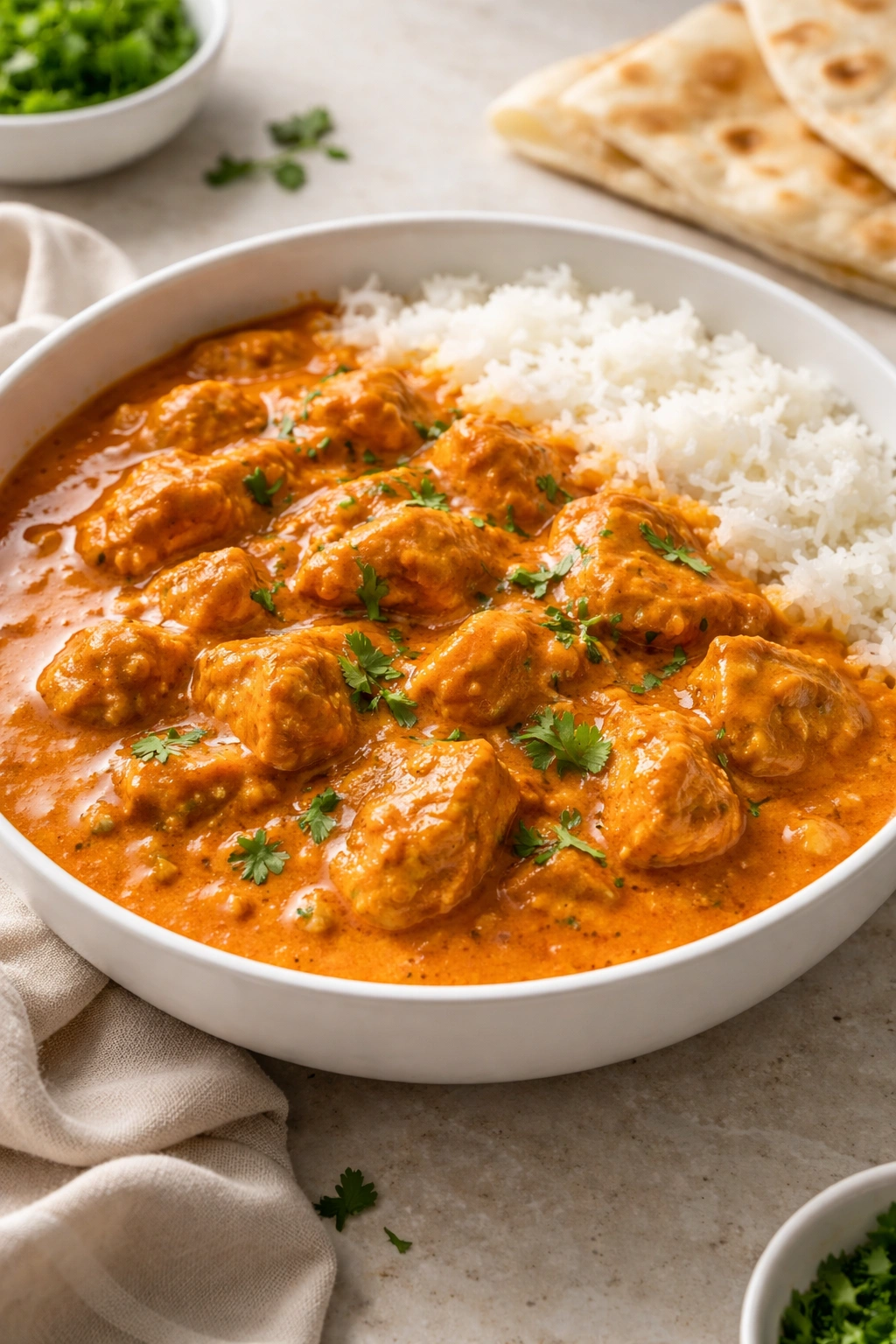
Butter chicken finishes this list because it’s secretly simple to make, genuinely impressive to eat, and reheats beautifully. While it might sound like something you’d order from your favorite Indian restaurant, the shortcut version using a jarred sauce and a yogurt marinade is actually quite straightforward to prep ahead.
Why This Works for Postpartum Recovery
This dish delivers creamy, spiced comfort without being heavy. The yogurt marinade tenderizes the chicken while the spices support digestion and have mild anti-inflammatory properties. It’s the kind of meal that feels like a real treat while still being genuinely nutritious—important for your mental health during early postpartum when every small win matters.
Preparation and Freezing
Cut boneless chicken breasts into bite-sized pieces and marinate them in a mixture of plain yogurt, garam masala, cumin, coriander, chili powder, turmeric, and salt. You can freeze the chicken in this marinade for up to three months, which means you literally just thaw it, cook it, and add it to a jar of butter chicken sauce.
When you’re ready to eat, thaw the chicken in the fridge overnight, then heat ghee or oil in a skillet, sauté diced onion until soft, add minced garlic, then add the marinated chicken and cook until mostly done. Stir in your favorite jarred butter chicken sauce and simmer for 10 minutes. Optional: add a splash of heavy cream or coconut milk for extra richness. Serve over rice, with naan bread, or both.
Final Thoughts

These ten meals represent your future self’s greatest act of kindness to your exhausted postpartum self. Every single one can be prepped before baby arrives, frozen, and reheated with minimal effort when you’re running on two hours of broken sleep and living in your pajamas. You don’t need to make all of them—pick the five or six that genuinely appeal to you and your family. You don’t need to double all of them either. Even having a handful of these meals waiting in your freezer will transform those early weeks from “how will we even eat?” to “okay, at least dinner is handled.”
The real magic of freezer meal prep isn’t the cooking itself—it’s the permission it gives you to stop thinking about meals and start focusing on what actually matters: healing, bonding with your baby, sleeping when you can, and being gentle with yourself during one of life’s most demanding transitions. When you pull a home-cooked meal out of your freezer at 6 PM and have dinner ready in 45 minutes, it genuinely changes how you feel about survival mode. You’re not just eating; you’re nourishing yourself intentionally, which is an act of self-care during a season when self-care often falls to the bottom of an already-impossible priority list.
Cook what excites you, label everything clearly, and trust that your freezer meals will be exactly what you need when baby finally arrives. You’ve got this.
