



Weeknight cooking doesn’t have to mean sacrifice—not when you’ve got a single pot and the right pasta recipe. If you’re tired of staring at a sink full of colanders, saucepans, and mixing bowls at the end of dinner, you’re not alone. The beauty of one-pot pasta is that it delivers everything you love about a home-cooked meal—layered flavors, satisfying portions, and genuine comfort—without the cleanup disaster that typically follows.
The magic happens because when you cook pasta directly in the sauce and broth instead of in plain water, something remarkable occurs: the pasta releases starch as it simmers, which naturally thickens the sauce and helps it cling beautifully to every strand. This means richer flavor, silkier texture, and less time standing at the stove stirring separate pots. Whether you’re cooking for yourself on a hectic Monday or feeding a hungry family on Friday, these eight recipes prove that minimal dishes don’t mean minimal satisfaction.
1. Creamy Tomato Basil Pasta With Garlic and Parmesan
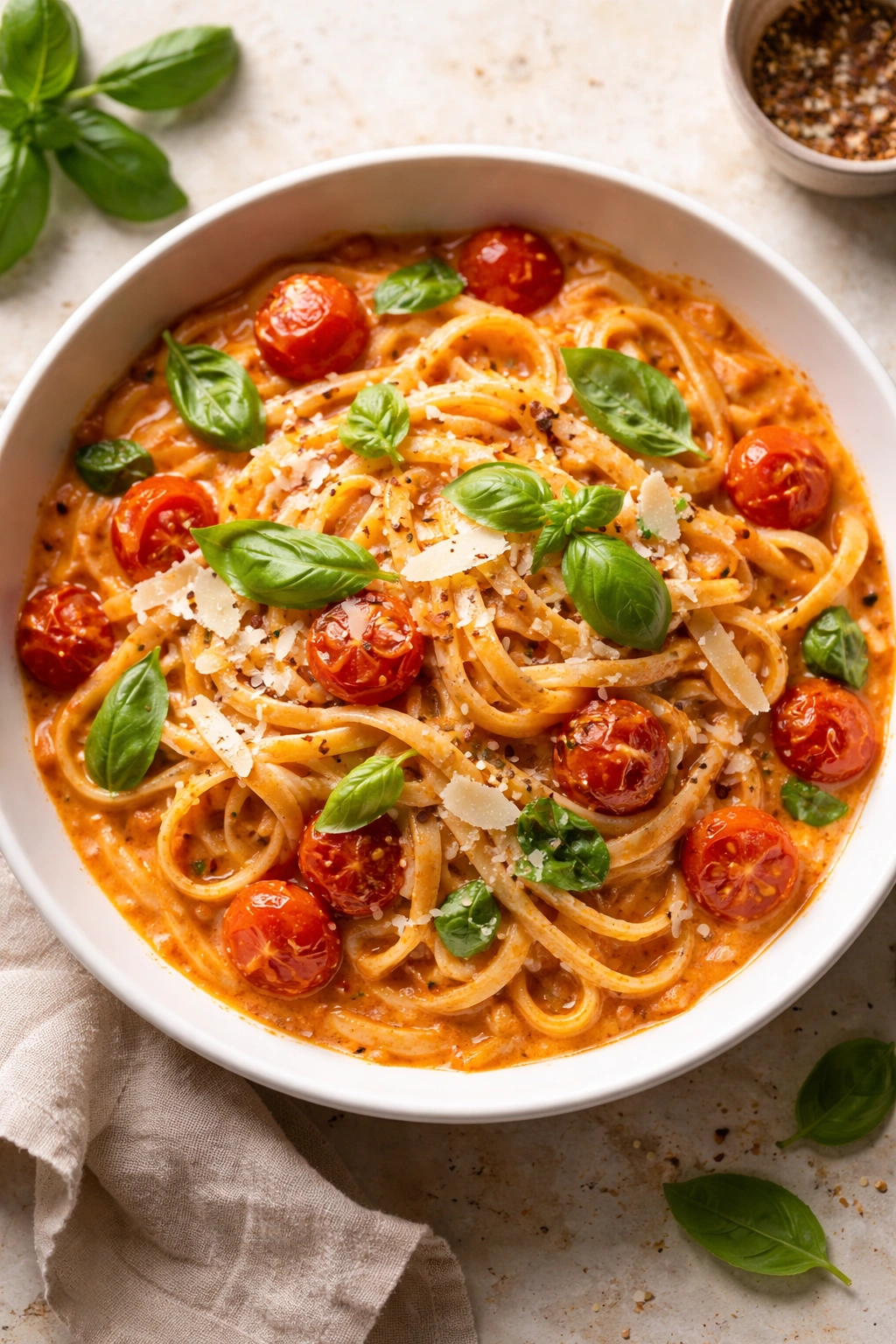
This is the one-pot pasta that changed everything for skeptics. Cherry tomatoes soften and burst into a light sauce as they simmer with fresh garlic, broth, and pasta all in the same vessel. The beauty of this approach is that the pasta’s released starch creates a naturally silky sauce without requiring heavy cream—though you can certainly add a splash if you’re feeling indulgent.
Start by heating olive oil in a large Dutch oven or deep skillet over medium-high heat. Add minced garlic and let it bloom for just 30 seconds until fragrant—don’t let it brown, or it will taste bitter and harsh. Immediately follow with halved cherry tomatoes, salt, pepper, and Italian seasoning. Let the tomatoes cook down for 2-3 minutes, releasing their juices and natural sweetness.
Pour in your pasta and broth (about 4½ cups of chicken or vegetable broth for 12 ounces of linguine or spaghetti), then bring everything to a rolling boil. Once boiling, reduce the heat to medium and let it simmer for 10-12 minutes, stirring frequently to prevent sticking and to ensure even cooking. The liquid will gradually reduce as the pasta absorbs it, creating that signature creamy sauce.
Why This Recipe Works
The ratio of liquid to pasta is crucial here—too much water and you’ll end up with soup, too little and your pasta will stick. The key is using approximately one cup of liquid per two ounces of dried pasta. As the pasta cooks, it releases starch molecules that act as a natural thickening agent, transforming thin broth into a glossy, coating sauce that feels luxurious without being heavy.
Customization Ideas
- Add protein: Stir in shredded rotisserie chicken, cooked shrimp, or crumbled Italian sausage halfway through cooking
- Boost vegetables: Toss in fresh spinach at the very end, or add sliced mushrooms and zucchini with the tomatoes
- Make it creamier: Stir in a splash of heavy cream or a dollop of mascarpone just before serving
- Spice it up: Increase the red pepper flakes or add a pinch of crushed fennel seed for more complexity
Finish by removing from heat and stirring in freshly grated Parmesan cheese and chopped fresh basil. A final drizzle of good-quality olive oil adds richness and brings everything into focus. Serve immediately while the sauce is still silky and the pasta is tender.
2. Easy One-Pot Mac and Cheese With Cheddar and Cream
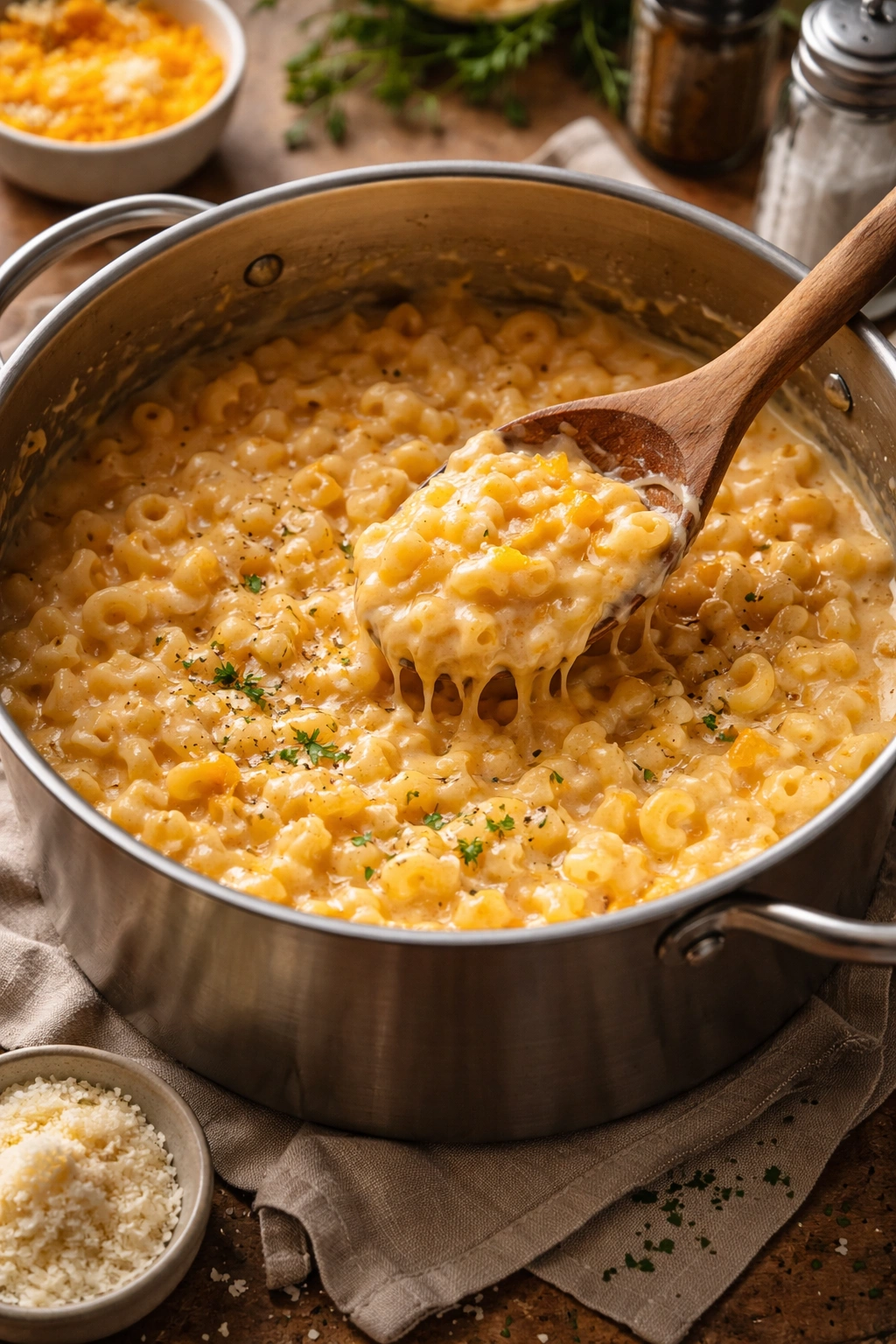
Forget the boxed version—this stovetop mac and cheese comes together in about 20 minutes and tastes infinitely more satisfying. The secret lies in cooking the pasta directly in a combination of milk and broth, which creates a naturally creamy sauce without requiring a flour-based roux or complicated technique.
Heat a large pot or deep skillet over medium-high heat and add the uncooked macaroni along with whole milk, chicken or vegetable broth, and a pinch of salt. The pasta will look completely submerged at first, which is exactly what you want. Bring the mixture to a boil, stirring occasionally to prevent sticking and ensure the pasta cooks evenly.
Once boiling, reduce heat to medium and let it simmer for 8-10 minutes, stirring frequently. The liquid will gradually decrease as the pasta absorbs it. You’ll know it’s nearly ready when the pasta is tender and most of the liquid has been absorbed, leaving just a small amount of sauce in the bottom of the pot.
Remove from heat and immediately stir in shredded sharp cheddar cheese and a splash of heavy cream or evaporated milk. The warmth of the pasta will melt the cheese smoothly into the sauce. A handful of freshly grated Parmesan adds nutty depth and complexity that pre-shredded cheese can’t match.
Why Evaporated Milk Works So Well
Evaporated milk is simply milk with about half the water content removed, making it richer and more concentrated than regular milk. When combined with the starch from the pasta, it creates an exceptionally creamy texture that feels indulgent without requiring pounds of cream. This technique comes from professional kitchens where efficiency and consistency matter—and it absolutely translates to home cooking.
Variations Worth Trying
- Smoked cheese version: Use a combination of sharp cheddar and smoked gouda for depth
- Bacon lover’s version: Stir in crispy bacon pieces and a small pinch of smoked paprika
- Upgraded classic: Add sautéed mushrooms, caramelized onions, or fresh thyme
- Make it healthier: Use a 50/50 split of whole milk and low-fat evaporated milk for lighter results
The finished dish should be creamy but not soupy—if it’s too thick, add a splash of milk. If it seems too thin, let it sit for a minute as it continues to thicken from residual heat. Serve immediately for the best texture and temperature.
3. Skillet Baked Ziti With Sausage, Ricotta, and Mozzarella
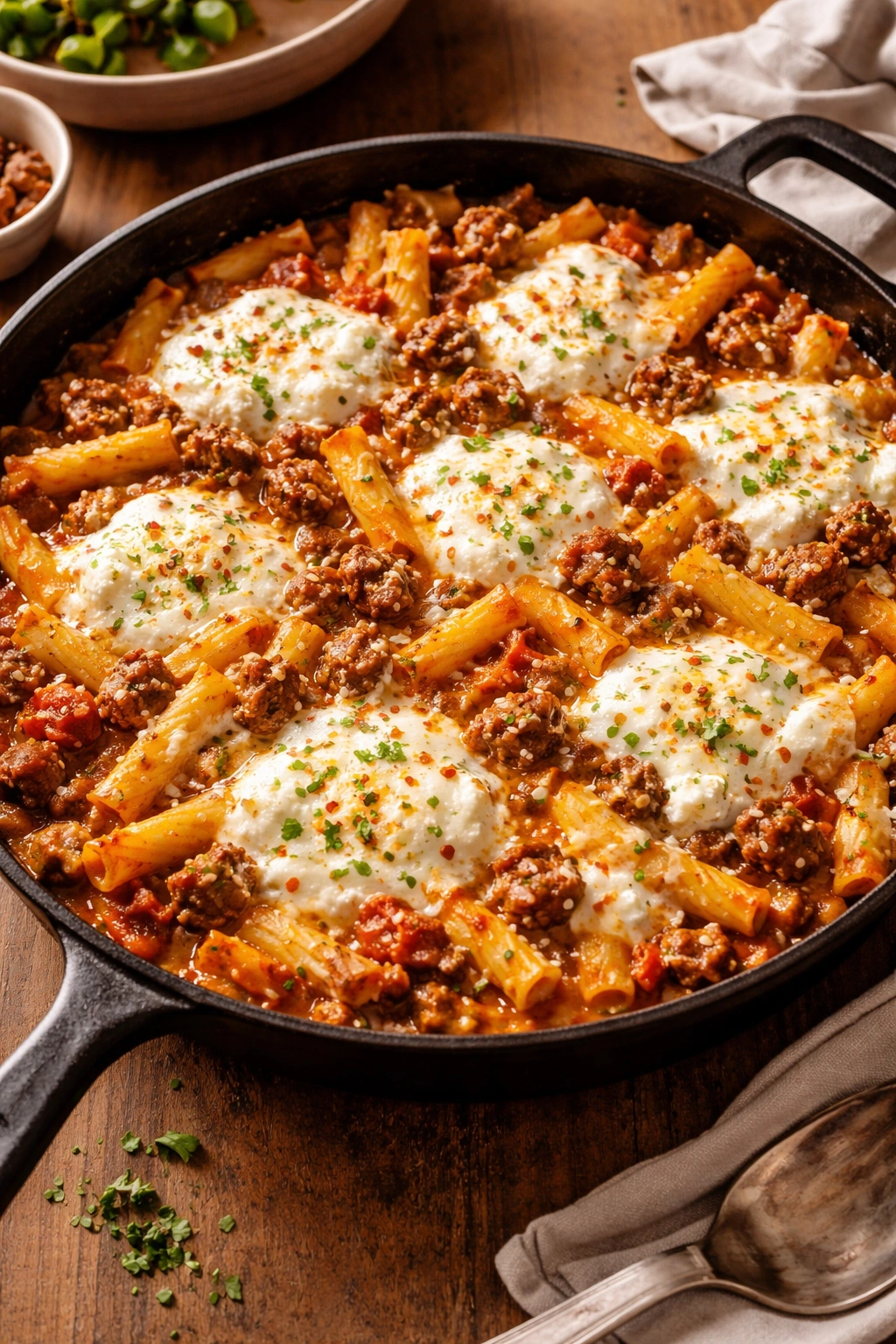
This is essentially a lasagna made easy—all the comfort and cheese of the classic, none of the layering. Browning Italian sausage first builds a flavorful foundation, while ricotta and mozzarella create pockets of creamy richness throughout. The result is a sophisticated yet straightforward dinner that feels special without requiring hours in the kitchen.
Start by browning one pound of Italian sausage in a large deep skillet over medium-high heat, breaking it apart with a wooden spoon as it cooks. Once the meat is fully cooked and no longer pink, drain any excess fat if needed. Add diced onion and minced garlic, sautéing until fragrant and the onion is soft, about 2-3 minutes.
Stir in your pasta sauce and diced tomatoes (about 2 cups combined), then add the uncooked ziti and enough broth or water to just cover everything. The pasta will soak up the liquid as it cooks, so you want slightly more liquid than seems comfortable at first.
Bring the mixture to a simmer and cook for 12-15 minutes, stirring occasionally, until the pasta is nearly tender. At this point, dot the surface with spoonfuls of ricotta cheese, then sprinkle shredded mozzarella over the top. Cover the skillet with a lid (or foil if you don’t have one) and reduce heat to low.
Building Layers of Flavor
The sausage is crucial—don’t skip browning it properly, as this creates fond on the skillet bottom that adds savory depth to the entire dish. The rendered fat carries flavors that water-based cooking simply can’t achieve. If you use very lean sausage, you might need to add a tablespoon of olive oil to prevent sticking.
Make-Ahead and Storage Tips
- Prepare ahead: Brown the sausage and sauté the aromatics up to 24 hours in advance, store in the fridge, then continue with the recipe
- Freeze completely: Let cool entirely, transfer to a freezer-safe container, and freeze for up to three months
- Reheat gently: Thaw in the fridge overnight, then warm in a 350°F oven for 15-20 minutes until heated through
Let the cheese melt uncovered for another 3-5 minutes until the mozzarella is bubbly and lightly golden in spots. The ricotta should be creamy but still distinct—don’t overmix it into the sauce. Serve directly from the skillet, making sure each portion gets a bit of both cheeses.
4. One-Pot Chicken Parmesan Pasta With Marinara and Mozzarella
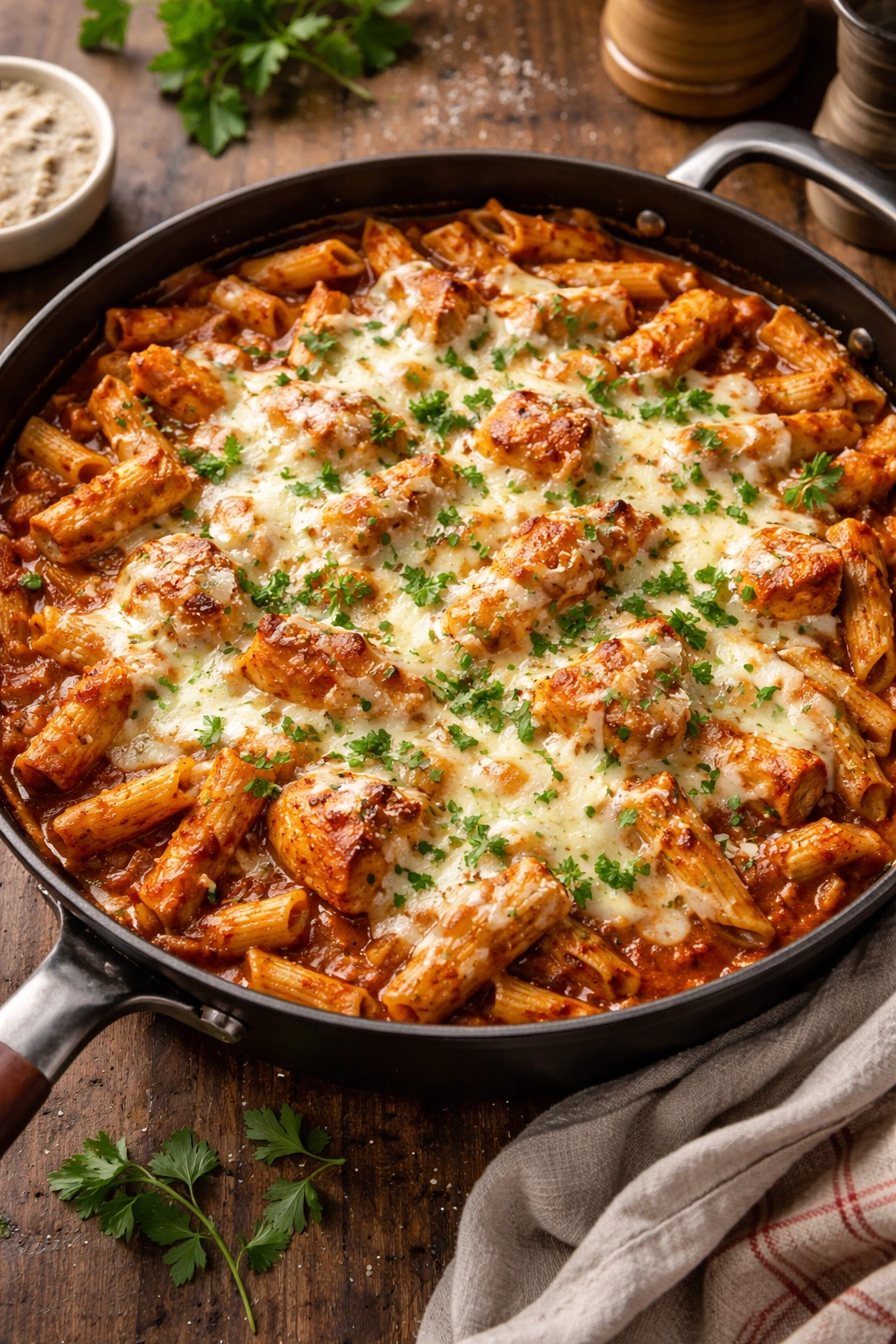
All the beloved flavors of chicken parmesan—crispy, salty, cheesy—translated into a foolproof one-pot meal. Diced chicken cooks directly in the pot with pasta and marinara, eliminating the need to bread and fry separately. This approach saves time while delivering that satisfying richness everyone expects.
Heat olive oil in a large skillet or Dutch oven over medium-high heat. Add diced chicken breast and cook until it’s no longer pink in the center, about 6-8 minutes depending on size. Season with salt, pepper, and Italian seasoning as it cooks—seasoning early allows flavors to penetrate the meat rather than just sitting on the surface.
Once the chicken is cooked through, add minced garlic and cook for 30 seconds until fragrant. Pour in your marinara sauce and broth (use about 3 cups of chicken broth for 12 ounces of pasta), then add the uncooked pasta and stir well to combine.
Bring the mixture to a boil, then reduce heat to medium and let it simmer for 10-12 minutes, stirring frequently. The pasta will cook and absorb the liquid while the flavors meld. When the pasta is nearly al dente and most of the liquid has been absorbed, remove from heat and stir in shredded mozzarella and grated Parmesan.
Chicken Selection Matters
Using diced chicken breast ensures even cooking and better texture than leaving it in large chunks. Breast meat is leaner than thighs, which means it cooks faster and won’t release as much fat into the sauce—though thighs will give you more flavor if you don’t mind a slightly richer dish. Pounding the chicken to even thickness before dicing helps everything cook at the same rate.
Simple Variations
- Add vegetables: Include sliced bell peppers, mushrooms, or zucchini with the garlic
- Make it creamy: Stir in a splash of heavy cream with the cheese for a richer sauce
- Spice it up: Add fresh red pepper flakes or a pinch of fennel seed for Italian sausage-like complexity
- Upgrade the sauce: Use a high-quality marinara from a specialty food store instead of the basic version
The cheese should melt into the hot pasta within a minute or two. If it seems like the sauce is too thick, thin it with a splash of pasta water or broth. Serve immediately, garnished with fresh basil and an extra pinch of Parmesan.
5. Pasta e Ceci (One-Pot Pasta With Chickpeas and Tomato)
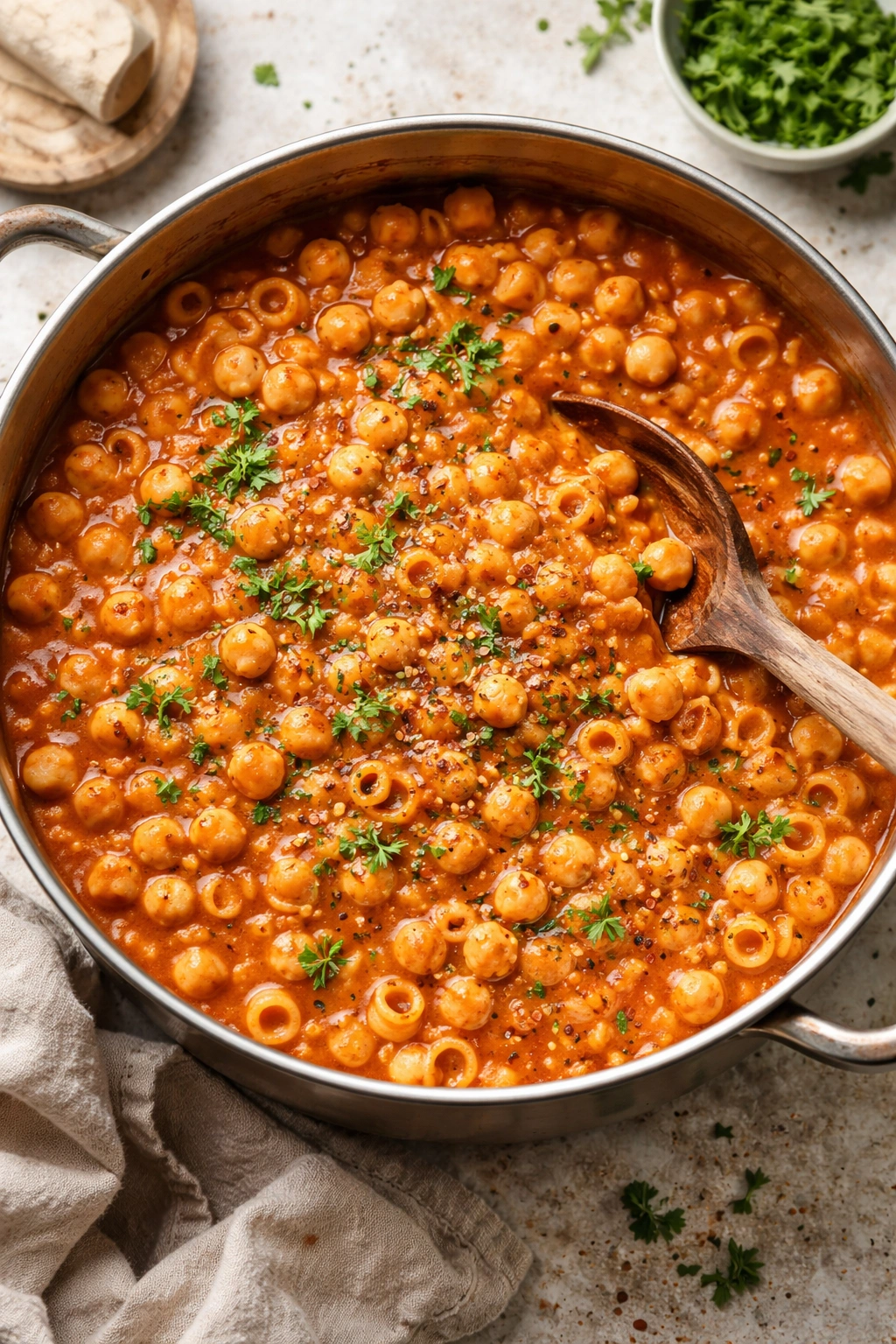
This rustic Italian dish sits somewhere between a soup, a stew, and a pasta—and honestly, it doesn’t matter what you call it, because it’s absolutely delicious. Chickpeas provide protein and fiber, making this far more satisfying than pasta alone, while tomato paste and aromatics create a deeply savory base.
Heat olive oil in a large pot over medium heat and add diced onion, celery, and carrot (the classic soffritto base). Cook gently for 5-7 minutes until very soft and fragrant. Add minced garlic and tomato paste, stirring constantly for about 2 minutes—this caramelizes the tomato paste slightly and deepens its flavor significantly.
Pour in your vegetable or chicken broth (about 4 cups), then add canned chickpeas (drained and rinsed, about 2 cans worth). Bring to a simmer and let it cook for 10 minutes to allow flavors to develop. At this point, transfer about one cup of the chickpeas and liquid to a blender and puree until smooth, then return this pureed mixture to the pot. This creates a naturally creamy sauce without any dairy.
Add the uncooked pasta (small shapes like ditalini or small shells work beautifully) and bring back to a simmer. Cook for 10-12 minutes, stirring occasionally, until the pasta is tender and the liquid has reduced to a stew-like consistency.
Why This Dish Is So Satisfying
Chickpeas are nutritional powerhouses—high in plant-based protein, fiber, and complex carbohydrates. When blended, they create a creamy texture that mimics the richness of cream-based sauces without any dairy. The soffritto base (onion, celery, carrot cooked slowly in oil) is where all the depth comes from, so don’t rush this step.
Serving Suggestions
- Drizzle generously with olive oil and top with grated Pecorino Romano or Parmesan
- Add fresh herbs: A handful of chopped parsley or basil stirred in at the end brings brightness
- Make it hearty: Add crumbled Italian sausage with the aromatics for more substance
- Serve with crusty bread for soaking up every drop of the richly flavored broth
The texture should be thicker than soup but looser than standard pasta sauce—more of a silky broth coating the pasta and chickpeas. If it gets too thick as it sits, thin it with additional broth or water. This dish actually improves as it sits, as the flavors continue to develop.
6. One-Pot Creamy Pesto Chicken Pasta With Spinach
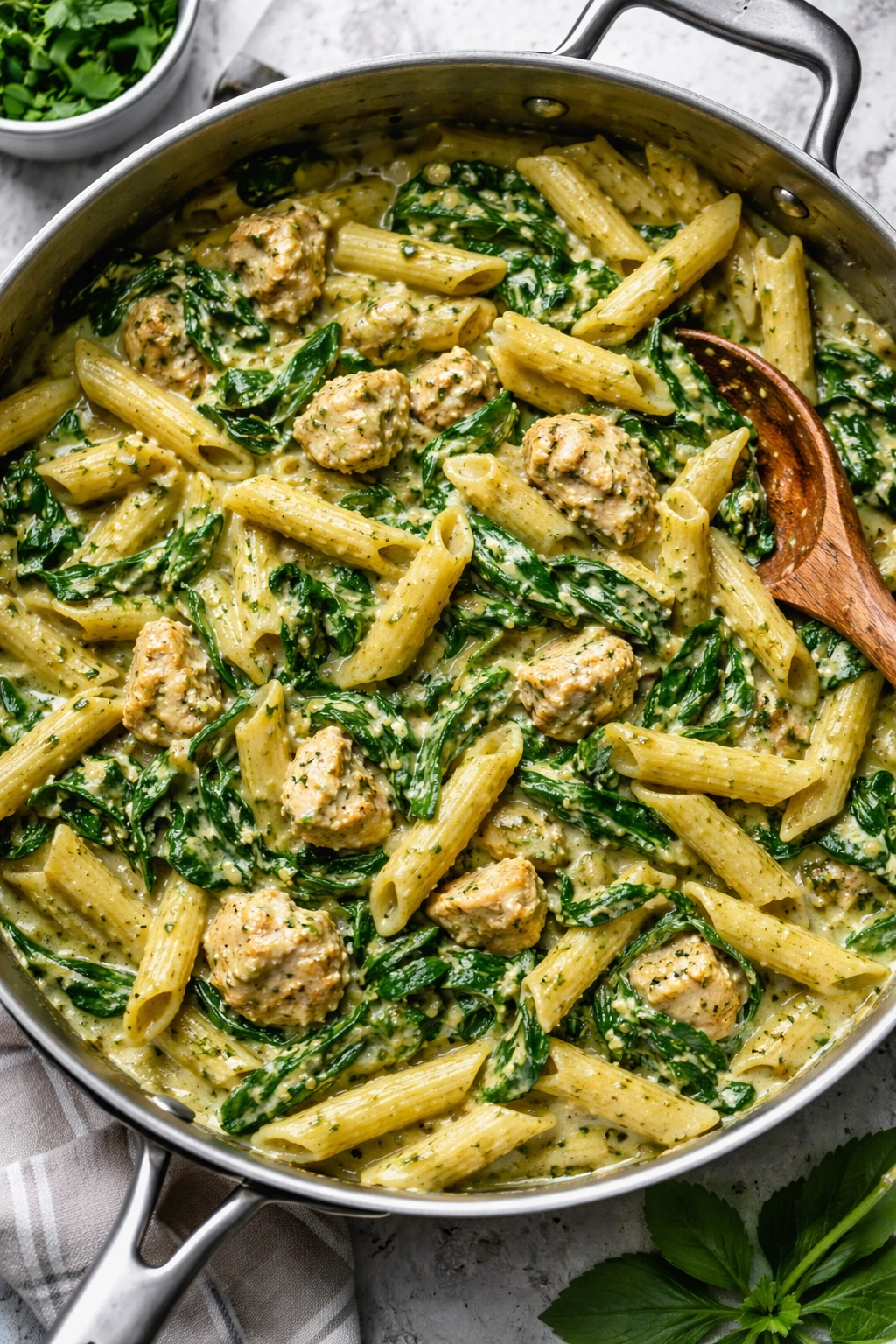
Pesto brings bright, herbaceous flavor that feels restaurant-quality but comes together in 25 minutes. The combination of fresh basil, garlic, pine nuts, and Parmesan creates complexity that feels fancy but requires almost no skill to execute. Adding cream makes it luxurious without being heavy.
Heat olive oil in a large skillet over medium-high heat and add diced chicken breast. Cook until golden and cooked through, about 6-8 minutes. Season with salt and pepper as it cooks. Once done, add minced garlic and cook for 30 seconds until fragrant.
Pour in chicken broth and bring to a simmer. Add the uncooked pasta and stir well, then let it cook for 10-12 minutes until nearly al dente and the liquid has mostly reduced. The pasta will still look slightly wet—this is exactly right.
Remove from heat and stir in your pesto (about ½ to ¾ cup, depending on how intense you want the flavor) and heavy cream (about ½ cup). The warmth of the pasta will incorporate everything smoothly. Stir until the sauce coats every strand and everything is evenly distributed.
About Store-Bought Pesto
High-quality store-bought pesto is your friend here—don’t feel obligated to make it from scratch. Just read the ingredient list and choose one that contains basil, garlic, pine nuts, Parmesan, and olive oil. Avoid versions with added sugar or stabilizers if you can. If you do want to make pesto quickly, roughly tear fresh basil and pulse it with minced garlic, toasted pine nuts (or walnuts), grated Parmesan, and olive oil in a food processor—it takes five minutes.
Variations on the Theme
- Add sun-dried tomatoes: Stir in a handful of chopped sun-dried tomatoes with the pesto for sweetness and tang
- Include fresh spinach: Add a few handfuls of fresh spinach with the cream, allowing it to wilt into the sauce
- Use shrimp instead: Replace the chicken with large shrimp, cooking for just 3-4 minutes until pink
- Make it lighter: Skip the heavy cream and use crème fraîche or Greek yogurt instead, which provides tang and creaminess with less fat
Finish with a final grating of fresh Parmesan and fresh basil leaves if you have them. The pesto already contains basil, but a bit more fresh at the end brightens the dish considerably. Serve immediately while everything is hot.
7. One-Pot American Chop Suey (Beefaroni Skillet Dinner)
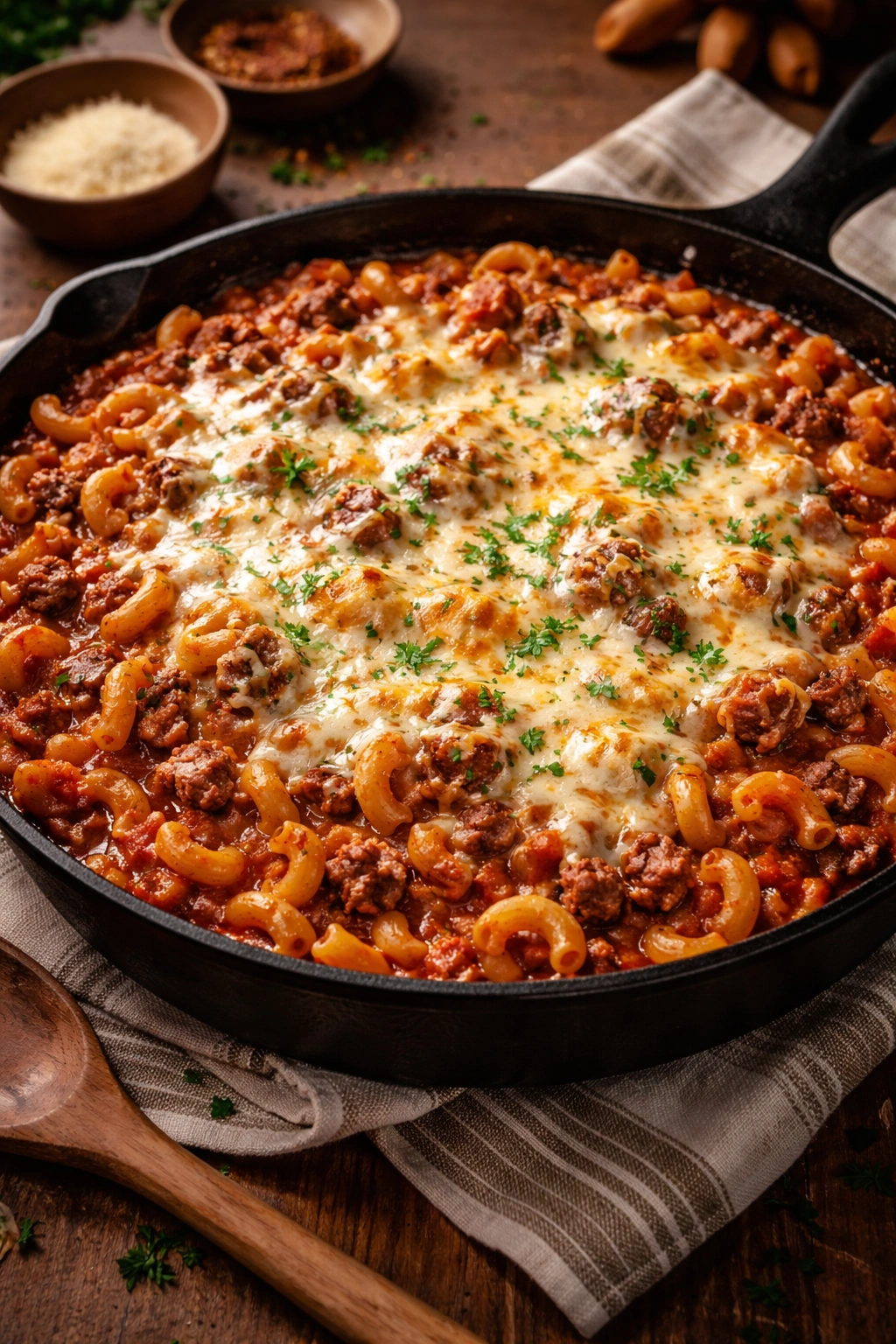
This nostalgic comfort food goes by many names—American Chop Suey, beefaroni, Johnny Marzetti, or chili mac depending on where you grew up. It’s ground beef, tomato sauce, and pasta unified in a single skillet, topped with melted cheese. This is the definition of weeknight dinner, the kind of meal that satisfies instantly and requires minimal effort.
Heat olive oil in a large skillet over medium-high heat and add diced onion. Cook until soft and fragrant, about 3 minutes, then add minced garlic and cook for another 30 seconds. Add ground beef (about 1 pound, preferably 85-90% lean) and cook, breaking it apart with a wooden spoon, until completely browned and no pink remains, about 6-8 minutes.
Drain any excess fat if there’s more than a thin coating on the bottom of the skillet. Add tomato sauce (one 28-ounce can or about 3 cups), chicken broth, and seasonings—salt, pepper, and Italian seasoning are essential, and a pinch of garlic powder and onion powder adds subtle depth.
Stir in the uncooked pasta (this recipe works beautifully with elbow macaroni, but any short pasta works) and bring the whole mixture to a simmer. Cover partially with a lid and cook for 12-15 minutes, stirring frequently to prevent sticking, until the pasta is tender and the liquid has reduced to a sauce-like consistency.
Building Flavor in the Base
The initial sauté of onion and garlic is where you build flavor—this step shouldn’t be rushed. When onions are caramelized even slightly, their natural sugars convert to complex compounds that taste savory and rich. Browning the beef properly (don’t just dump it in and stir constantly—let it sit for a minute to develop a crust) also adds depth through the Maillard reaction.
Topping Options
- Classic cheese: Stir in shredded cheddar just before serving, or sprinkle it on top and let it melt slightly in the residual heat
- Add corn: Stir in frozen corn kernels in the last 2 minutes of cooking for sweetness and texture
- Include bell peppers: Add diced bell pepper with the onion for freshness and color
- Top with crispy fried onions: Add a handful just before serving for crunch
Once the pasta is tender and the sauce is thick enough to coat a spoon, remove from heat. Stir in shredded cheddar cheese—use sharp cheddar for better flavor than mild—and let it melt into the hot pasta. A final grinding of black pepper and fresh parsley adds brightness to an otherwise rich dish.
8. One-Pot Tuna Noodle Casserole, Skillet Version
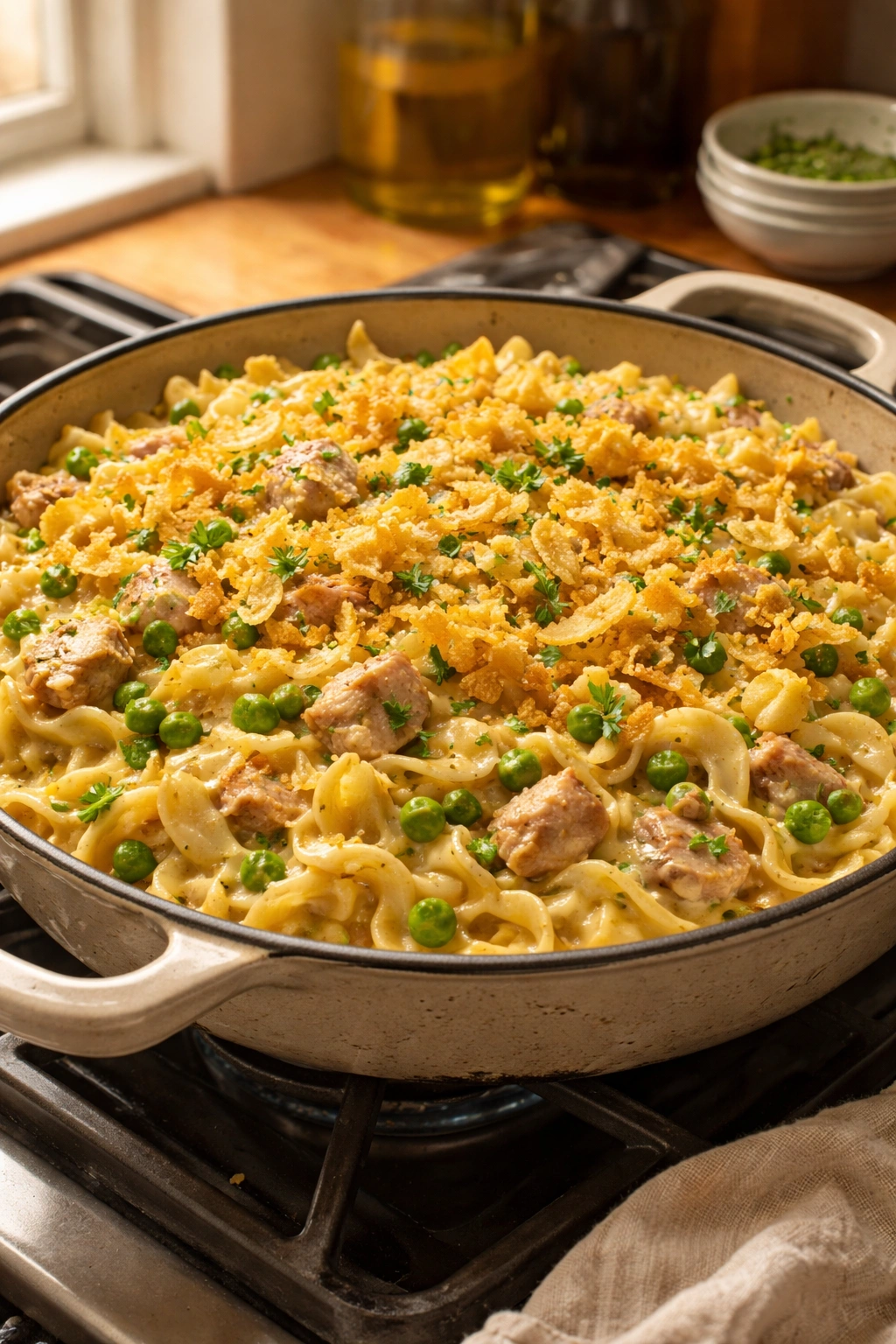
This lighter take on a classic transforms tuna noodle casserole into a fresh, weeknight-friendly skillet meal. Canned tuna cooks in seconds, and crème fraîche (or sour cream) creates creaminess without heavy cream. A crushed potato chip topping adds the signature crunch everyone loves about this nostalgic dish.
Heat olive oil in a large skillet over medium heat. Add diced onion and let it soften for 2-3 minutes, then add minced garlic and cook for 30 seconds until fragrant. Add the uncooked egg noodles (about 8 ounces) along with chicken broth (about 3 cups) and bring to a boil.
Once boiling, reduce heat to medium and let the mixture simmer for 8-10 minutes, stirring frequently, until the pasta is nearly al dente. The liquid will reduce as the pasta cooks and absorbs it.
In a small bowl, whisk together crème fraîche (about ½ cup), an egg yolk, and a teaspoon of cornstarch. This mixture will prevent the egg from scrambling when it hits the hot pasta. When the pasta is nearly done, remove the skillet from heat and stir in the drained tuna (two 5-ounce cans, or one larger can), the crème fraîche mixture, frozen peas, salt, pepper, and a pinch of dried dill.
Why The Egg Yolk Matters
The egg yolk acts as an emulsifier, helping to create a silky, creamy sauce without separating or becoming grainy. The cornstarch prevents the egg from scrambling by stabilizing it at lower temperatures. Together, they create a luxurious sauce that feels indulgent but uses less cream than traditional versions. Temper the egg mixture by stirring a few tablespoons of the hot pasta liquid into it before adding it back to the pan, which prevents the egg from cooking into chunks.
Upgrades Worth Considering
- Add fresh herbs: A handful of chopped fresh dill or parsley stirred in at the end is wonderful
- Use fresh tuna: If you can find sushi-grade ahi, sear it quickly in the skillet before adding everything else for more texture
- Crushed chip topping: Crush plain potato chips finely and scatter them over the top just before serving for signature crunch
- Mix in vegetables: Add fresh spinach, roasted mushrooms, or sautéed zucchini for more substance
- Make it spicier: Add a pinch of cayenne or smoked paprika for subtle heat and depth
The texture should be creamy and thick enough to coat a spoon, with visible chunks of tuna throughout. The peas add color, sweetness, and a bit of texture contrast. Top with crushed potato chips or crispy fried onions just before serving—the crunch is absolutely essential to this dish.
Mastering the One-Pot Pasta Technique
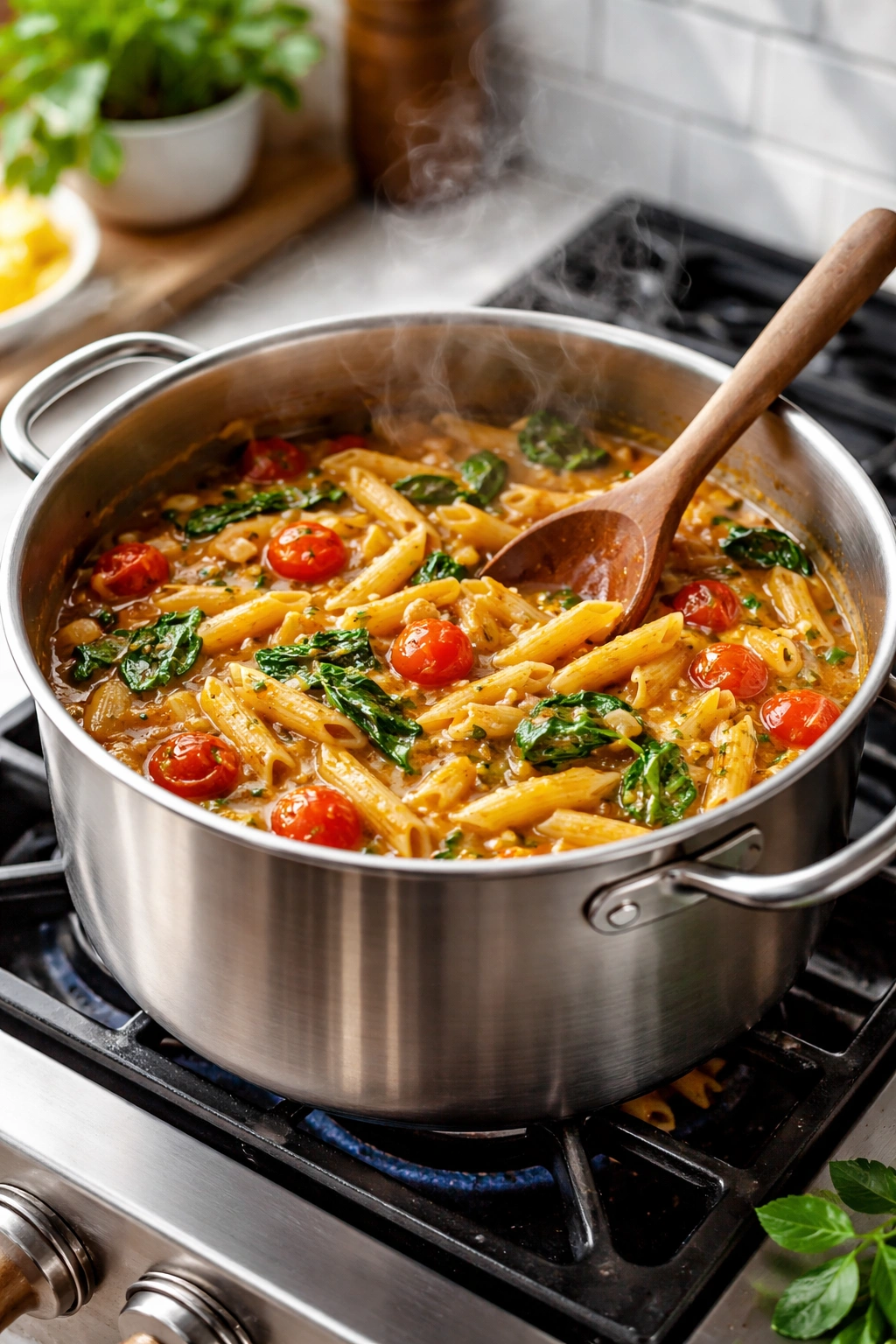
Understanding the fundamentals of one-pot pasta cooking means you can adapt these recipes endlessly. The key is getting the liquid-to-pasta ratio correct: generally, use about 1 cup of liquid per 2 ounces of dried pasta. This means for 8 ounces of pasta, you need approximately 4 cups of total liquid (broth, water, sauce, milk—it all counts).
The second crucial element is constant stirring during the first few minutes. This prevents the pasta from sticking together or to the bottom of the pot. Once the pasta has absorbed some liquid and softened slightly (after about 5 minutes), you can stir less frequently. However, keep an eye on the pot and give it an occasional stir to ensure even cooking and prevent sticking.
Type of pasta matters more than you might think. Short, sturdy shapes like penne, rigatoni, shells, and elbow macaroni work beautifully in one-pot recipes because they hold sauce well and cook evenly. Long noodles like spaghetti and linguine also work but can tangle more easily, so you’ll need to stir more frequently. Angel hair cooks so quickly it’s easy to overcook, so watch it carefully.
Finally, don’t drain the pasta at the end—the starch remaining in the pot is what creates that silky, naturally creamy sauce. If you accidentally overcook and your pasta absorbs too much liquid, you can always thin it with a splash of broth. If it’s too thin, let it sit off heat for a minute—residual heat will thicken it as the starch continues to hydrate.
Final Thoughts
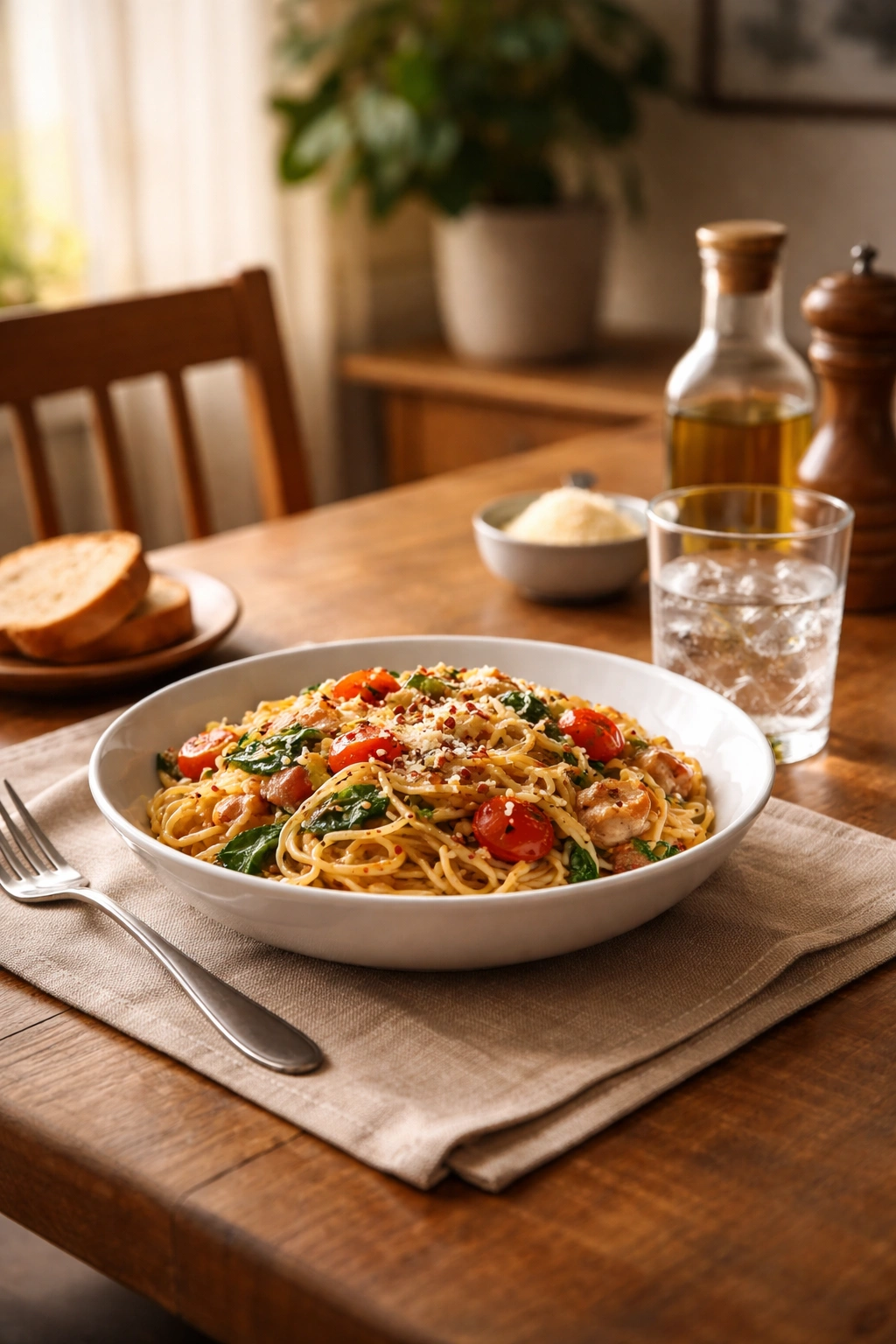
One-pot pasta represents more than just a cooking shortcut—it’s a philosophy that good food doesn’t require complicated technique or mountains of dishes. Each of these recipes proves that weeknight meals can taste restaurant-quality while keeping your weeknight sanity intact. The time you save on cleanup is time you can spend relaxing, enjoying your meal, or simply being present with the people you’re feeding.
Build confidence with whichever recipe speaks to you first, then experiment. Change the vegetables, add different proteins, adjust the seasonings to match your preferences. The beauty of the one-pot method is its flexibility—once you understand the fundamental technique, you’re equipped to create endless variations tailored exactly to what your family loves and what’s in your kitchen.
