



There’s something deeply satisfying about ladling a steaming bowl of stew into a wide-rimmed dish when temperatures drop and the world feels a little colder. Unlike lighter soups that refresh, stews wrap around you like a warm blanket—they’re hearty, substantial, and designed to stick with you through the longest nights. The beauty of a proper stew isn’t just in how filling it is, but in the way the flavors deepen and marry together as meat becomes impossibly tender, vegetables absorb the rich broth, and everything transforms into something far greater than its individual components.
What makes stew so universally comforting is that it doesn’t demand your constant attention. You brown your meat, sauté your aromatics, add your liquid and vegetables, then let time and gentle heat do the heavy lifting. Whether you’re using a traditional stovetop, a slow cooker, or a pressure cooker, the fundamental magic is the same: tough cuts of meat become fork-tender, complex flavors develop, and you end up with a complete meal that’s perfect served alongside crusty bread, over rice, or with thick biscuits on top.
I’ve collected ten stews that represent different traditions, flavor profiles, and cooking methods. Some are quick and come together in under an hour, while others reward the slow simmer with deeper, more complex tastes. Some are built around beef, others around chicken, pork, or plants. Some are rich and creamy, others are bright and spiced, and a few are thick enough to stand a spoon in. What they all share is the ability to transform a collection of everyday ingredients into something that feels genuinely nourishing—the kind of dinner that satisfies both hunger and the soul.
1. All-American Beef Stew
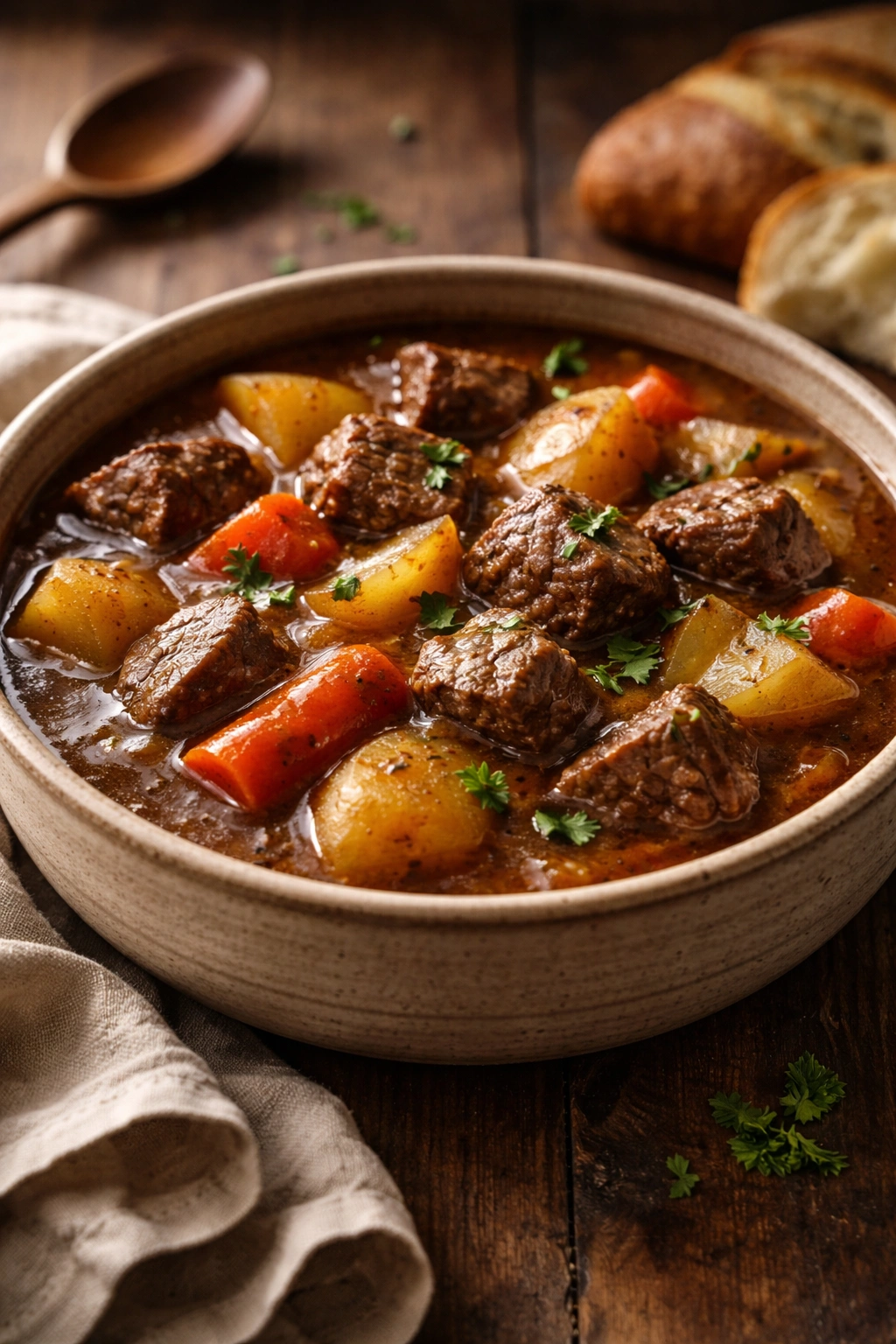
This is the stew that plays by no one’s rules but its own. It’s unapologetically hearty, deeply savory, and built on the foundation of beef chuck—a cut that’s practically designed for stewing thanks to its collagen-rich connective tissue. As that beef simmers for a couple of hours, the connective tissue breaks down into gelatin, which gives the stew its signature silky, luxurious mouthfeel.
The Secret to Tender, Juicy Beef
The key to getting beef that stays moist and tender—rather than stringy and dried out—is understanding that you only need about two and a half hours of simmering. It’s tempting to keep going, letting the stew bubble away on the back burner for half the day, but overcooked beef starts to dry out and lose its character. The best approach is to brown your beef in batches so each piece gets a proper sear, building a flavorful fond on the bottom of the pot that will become the base of your braising liquid. Then add your broth, tomato paste, and vegetables, and let the oven do the work at a low, steady temperature—around 325°F gives you that gentle braise without any aggressive boiling.
What Goes Into Each Bowl
- Big chunks of beef chuck that stay tender and retain their meaty texture
- Earthy mushrooms that add umami depth and a subtle earthiness
- Potatoes that become creamy and absorbent
- Carrots and onions that caramelize slightly and sweeten as they cook
- A savory broth enriched with soy sauce, anchovy paste, and tomato paste for complex, layered flavor
- Fresh peas stirred in at the end for brightness and color contrast
Pro tip: Don’t skip the anchovy paste or soy sauce—they dissolve into the broth and vanish, but they dramatically deepen the beef flavor without making anything taste fishy.
2. Boeuf Bourguignon (Beef Stew with Red Wine, Mushrooms, and Bacon)
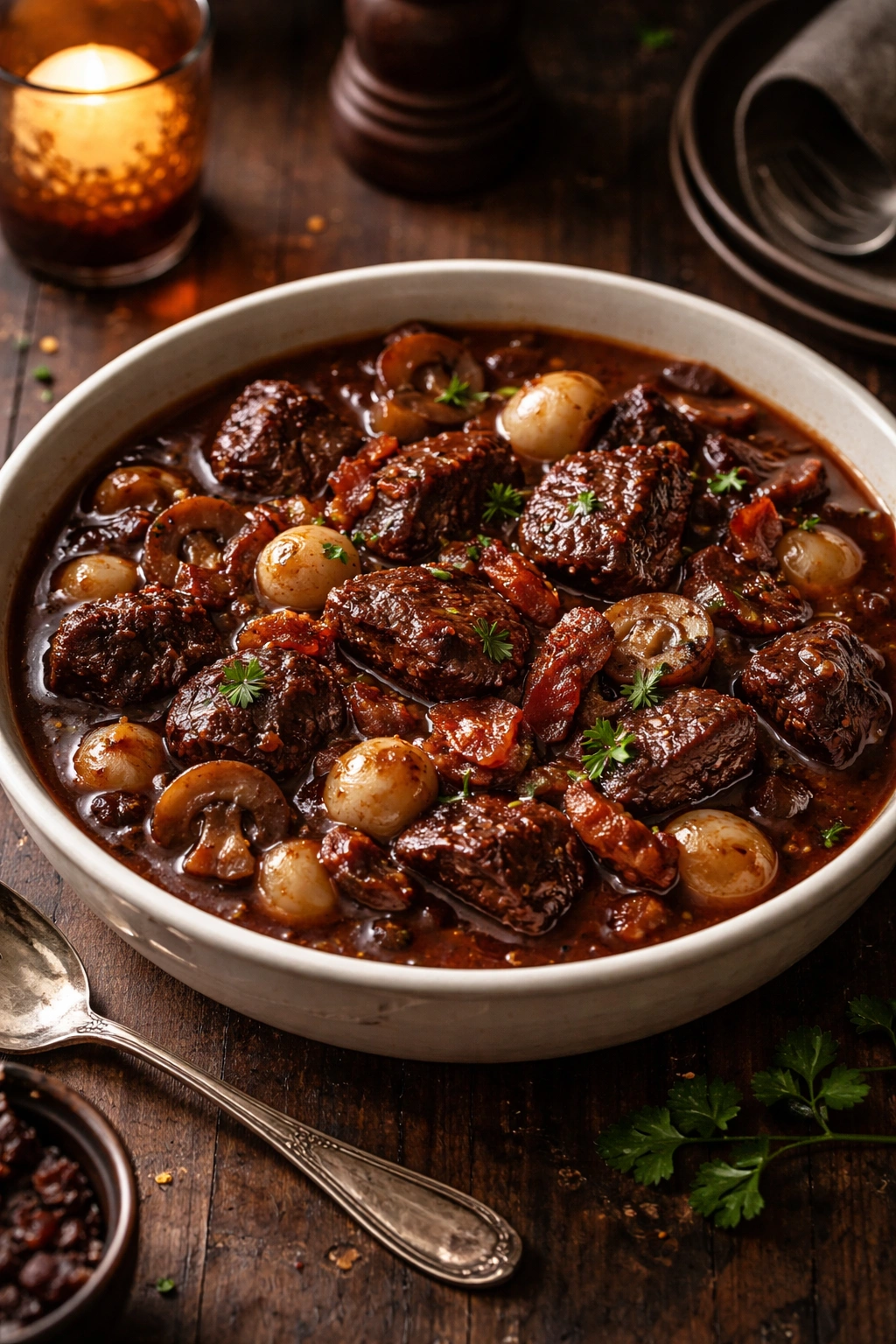
This is the stew that supposedly helped launch Julia Child’s legendary cooking career, and for good reason. It’s the kind of dish that feels fancy enough for a dinner party but straightforward enough that any home cook can pull it off. The combination of red wine, mushrooms, pearl onions, and bacon creates a stew that’s simultaneously rich and refined, with flavors that shift and develop with every spoonful.
Building Layers of Flavor
The secret here is using beef chuck roll—a cut with plenty of that collagen-rich connective tissue—and taking time to develop flavor at every stage. You start by searing your bacon until it’s crispy, then use that rendered fat to brown your beef in batches. You’ll get a deep, flavorful fond on the bottom of the pot that becomes the foundation of your braise. Next, you brown your pearl onions and mushrooms separately so they stay intact and don’t get mushy, then set them aside until the final stage of cooking.
The Components That Matter
- Tender beef chuck that braises slowly in red wine until it’s almost falling apart
- Smoky bacon that adds saltiness and depth
- Pearl onions that stay whole and sweet
- Fresh mushrooms (cremini, button, or a mix) sautéed until golden before being added back at the end
- Tomato paste, beef broth, and a full bottle of dry red wine that creates the braising liquid
- Carrots, celery, and aromatics that flavor the broth and then get strained out
- Optional soy and fish sauces that deepen the savoriness without announcing themselves
Worth knowing: The vegetables you cook with the meat during the long braise—the carrots, celery, onion—will basically fall apart. Don’t worry. Remove them at the end, and instead add freshly sautéed vegetables so you get that textural contrast and fresh flavor.
3. The Ultimate Chicken and Dumplings
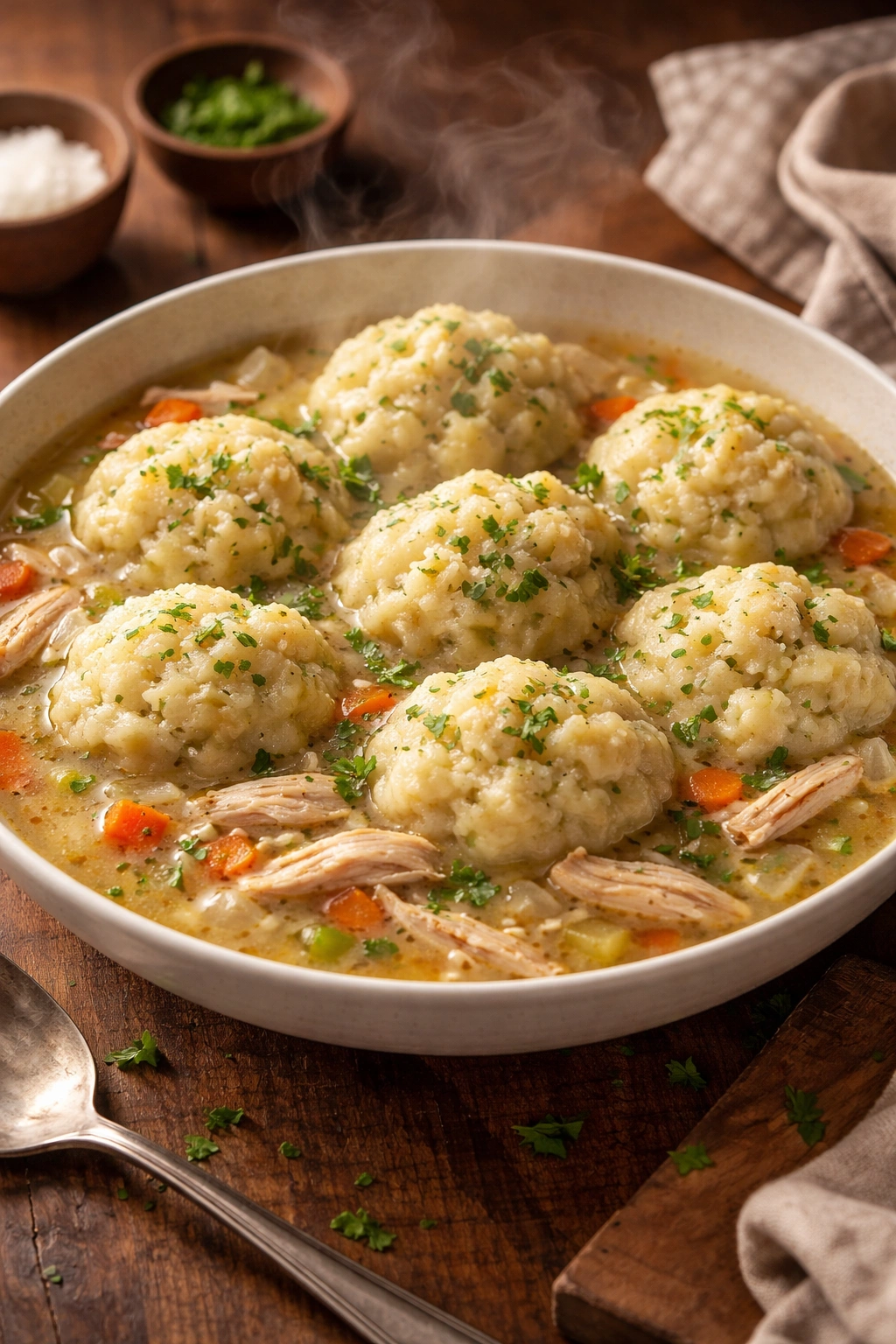
If beef stew is about richness and depth, chicken and dumplings is about comfort and ease. This is the stew you make when you want something that feels homemade and nurturing, the kind of dish that seems to warm you from the inside out. The magic here comes from making your own broth from a whole chicken—which is shockingly simple—then topping the whole thing with dumplings that are light and airy rather than dense and heavy.
Why Homemade Broth Makes All the Difference
Simmering a whole chicken with aromatics—onion, celery, carrot, bay leaves, thyme—for just an hour gives you broth that tastes unmistakably of chicken without being overly cooked. The key is separating the breast and legs from the rest of the carcass partway through cooking. Chicken breasts cook faster than dark meat, so pulling them out early prevents them from drying out while the legs continue to become tender. You end up with meat that’s genuinely moist and flavorful, not the stringy, sad chicken you sometimes get from long-cooked birds.
The Dumplings That Make This Special
For the dumplings themselves, baking soda and sour cream are your secret weapons. Baking soda tenderizes the dough, while sour cream adds tang and helps create those light, pillowy dumplings. You cook them directly in the broth—they don’t need a separate pot—and as they cook, they thicken the broth slightly and absorb all that chickeny flavor. This is the kind of stew where every element enhances every other element.
- Homemade broth made from a whole chicken and aromatics
- Tender chicken meat from both breasts and thighs
- Carrots, celery, peas, and sometimes mushrooms for texture
- Light, fluffy dumplings made with flour, baking soda, sour cream, and herbs
- Fresh herbs like dill or parsley stirred in at the end
4. Gamja-tang (Korean Pork and Potato Stew)
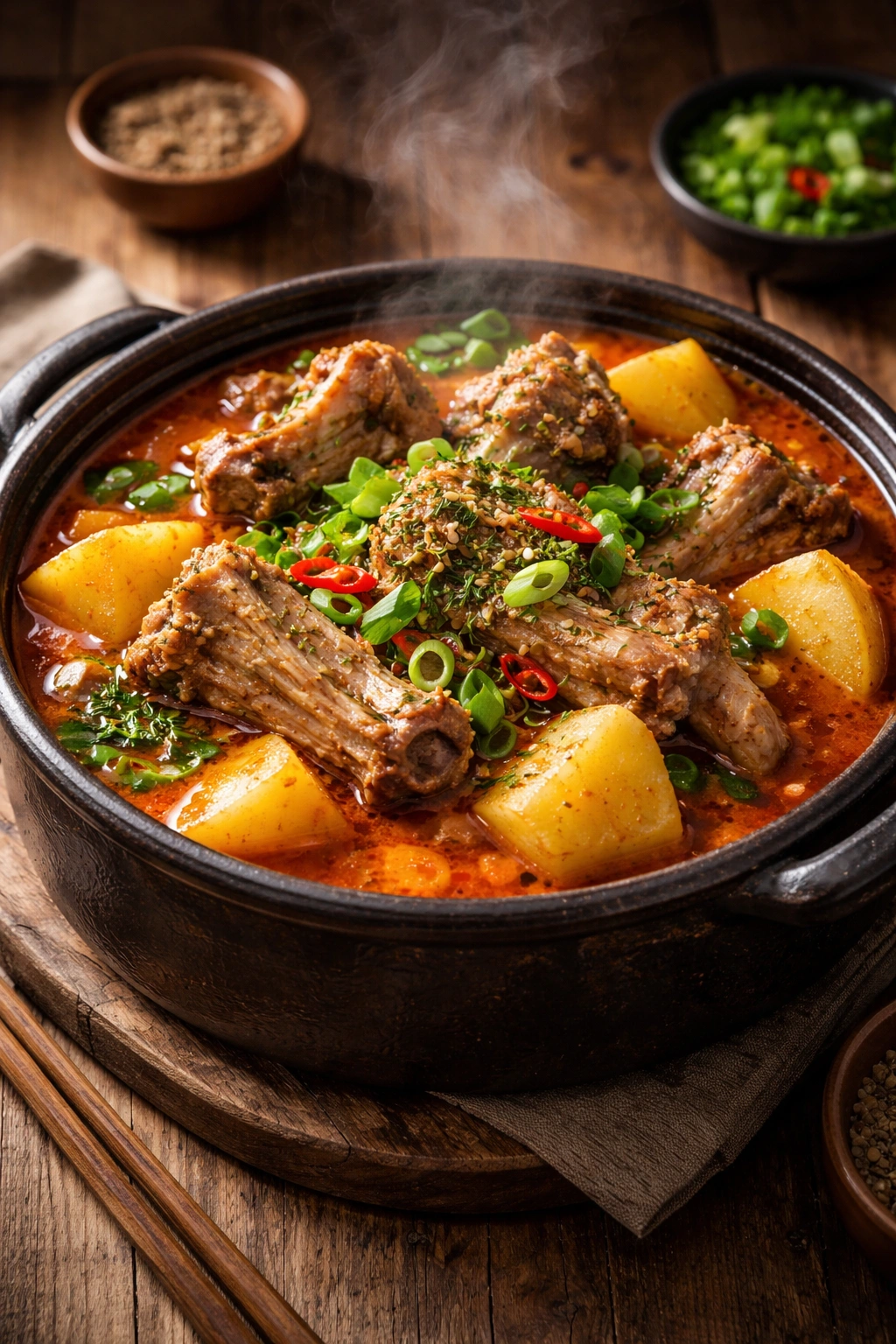
This is where stew gets spicy, warming, and unexpectedly elegant. Gamja-tang is a traditional Korean comfort food that’s built around pork neck bones or spareribs simmered until the meat falls from the bone. The broth gets thickened with crushed potatoes and perilla seeds, topped with fresh herbs and sliced chiles, and served alongside steaming white rice. It’s the kind of dish that clears your sinuses and makes you feel genuinely revived.
The Layered Cooking Approach
What makes this stew special is the attention to cooking each component to its perfect doneness. The meat and aromatics go in first and get a good sear, building flavor through caramelization. The potatoes are added next, and as they cook, they soften and help thicken the broth. Finally, the fresh elements—scallions, fresh chiles, perilla leaves, and cilantro—are added at the very end, so they stay bright and fresh against the rich, spicy broth. The crushed perilla seeds add a subtle, almost nutty flavor that anchors the whole dish.
What Makes It Special
- St. Louis-cut pork spareribs (easier to sear and eat than neck bones) that become fall-apart tender
- Waxy potatoes that thicken the broth as they cook
- A broth seasoned with gochugaru (Korean red chili flakes), gochujang (red chili paste), garlic, and soy sauce
- Crushed perilla seeds that add subtle, earthy depth
- Fresh scallions, sliced fresh chiles, and torn perilla leaves as garnish
- A squeeze of rice vinegar or lemon juice for brightness
Pro tip: Cook the meat and vegetables in stages so everything reaches its ideal texture—if you throw everything in at once, the potatoes dissolve before the meat gets tender enough, and the fresh herbs wilt into nothing.
5. Creamy Tomato-Coconut Soup
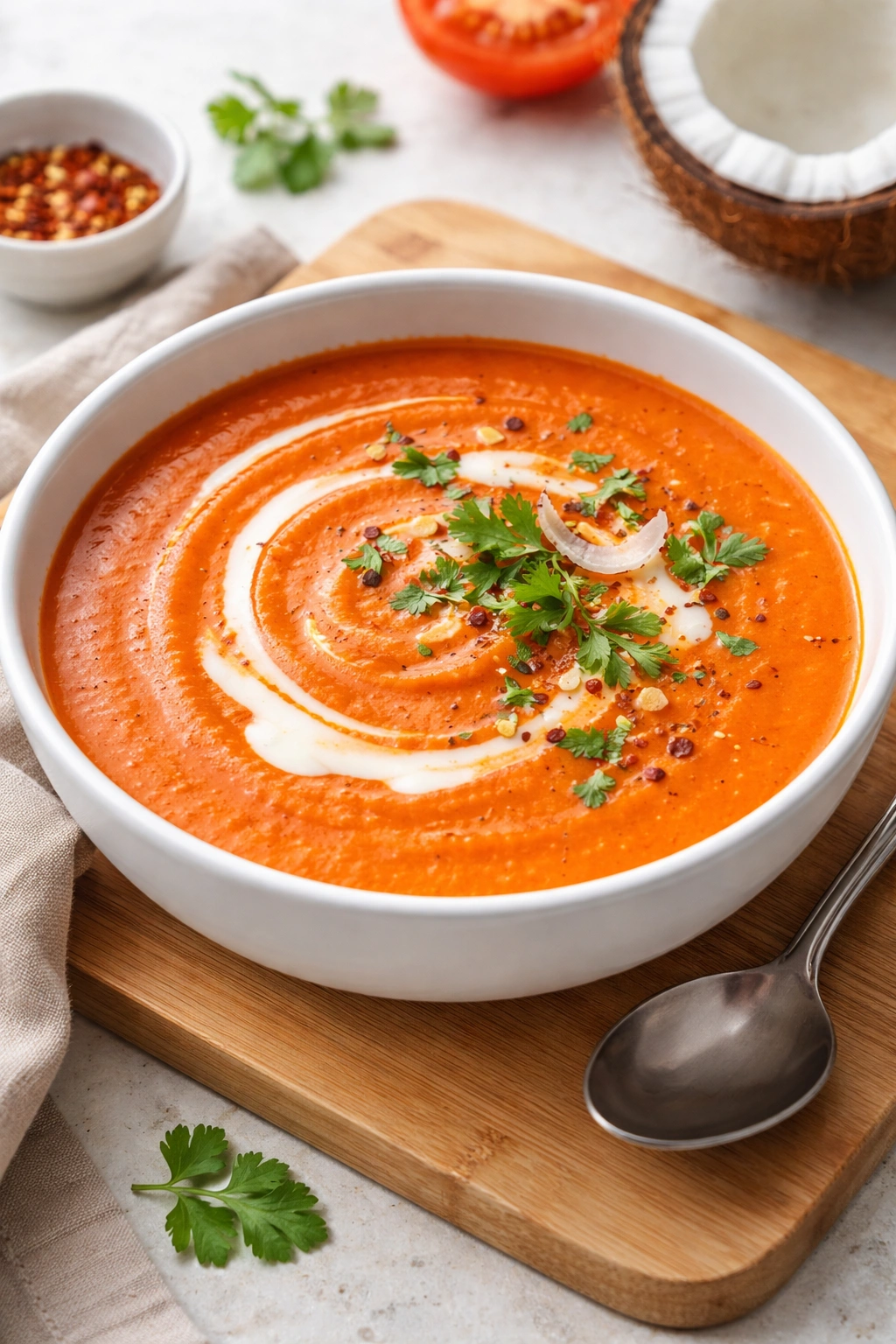
This stew sits at the intersection of simplicity and unexpected sophistication. It’s made almost entirely from pantry staples—canned tomatoes, coconut milk, aromatics, and spices—yet tastes like something from a restaurant kitchen. The combination of sweet, creamy coconut with tangy tomato and subtle heat from fresh ginger and chiles creates a broth that’s simultaneously comforting and intriguing.
Building Flavor from Simple Ingredients
The technique here is all about coaxing maximum flavor from minimal ingredients. You start by sautéing shallots and fresh ginger until they’re fragrant and golden, which builds an aromatic base. Then you add chili powder (or fresh chiles if you prefer), which blooms in the fat and releases its flavors. Then come the canned tomatoes—preferably sweet Italian San Marzanos if you can find them—and full-fat coconut milk. That’s really it. As everything simmers together, the flavors marry and mellow, the tomatoes break down and thicken slightly, and you end up with something that tastes far more complex than its ingredient list suggests.
Serving This Stew
- Ladle it over steamed basmati rice for the traditional approach
- Serve it on its own in wide bowls with crusty bread for dipping
- Top it with a dollop of plain yogurt and fresh cilantro for coolness and brightness
- Add cooked chickpeas or white beans for protein and substance
- Squeeze fresh lime juice over the top just before serving
Worth knowing: Full-fat coconut milk matters here—the low-fat versions break and separate in the pot, and you lose that creamy, luxurious quality that makes this stew special.
6. Rich and Flavorful Guinness Beef Stew
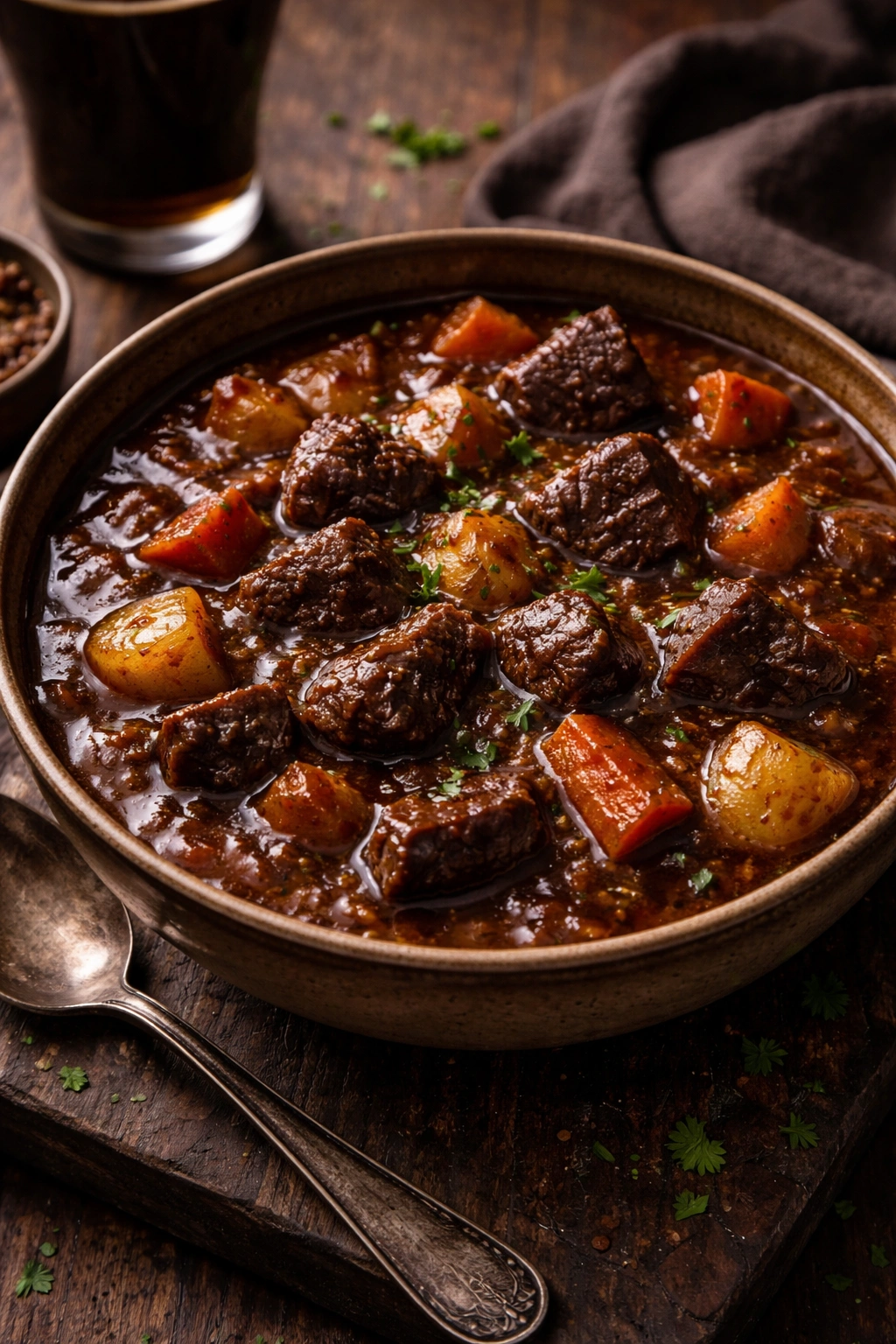
Stews made with beer are nothing new, but most versions have a problem: after hours of simmering, the beer flavor completely disappears, leaving you with just another beef stew that happens to have been flavored with beer. This version solves that problem by reinforcing the beer’s natural flavors. Guinness has subtle coffee and chocolate notes, so this recipe actually adds bittersweet chocolate and instant coffee to the pot. It sounds odd until you taste it—the chocolate doesn’t make the stew sweet, and the coffee doesn’t make it bitter. Instead, both ingredients deepen and intensify the stew’s overall savoriness, making it taste genuinely like Guinness in a way that beer alone could never achieve.
The Technique That Works
You build this stew much like the All-American version, browning beef in batches and building a flavorful fond, then braising low and slow until the meat is tender. The additions of instant coffee and bittersweet chocolate happen early, so they have time to integrate fully. Some soy sauce and anchovy paste add additional umami depth. What you end up with is a stew that tastes remarkably balanced—rich, beefy, with background notes that make you pause and wonder exactly what you’re tasting.
The Flavor Profile
- Tender beef chuck braised in a combination of beef broth and Guinness beer
- Carrots, potatoes, onions, and mushrooms for substance and sweetness
- Bittersweet chocolate (just a small amount) that deepens without sweetening
- Instant coffee that reinforces the beer’s natural flavors
- Soy sauce and tomato paste for umami complexity
- Fresh thyme and bay leaves for herbaceous notes
Pro tip: Use actual Guinness from a proper pour, not bottled if you can help it, and use a good bittersweet chocolate (70% cacao is about right). These small choices in ingredient quality actually make a noticeable difference.
7. The Best White Chili with Chicken
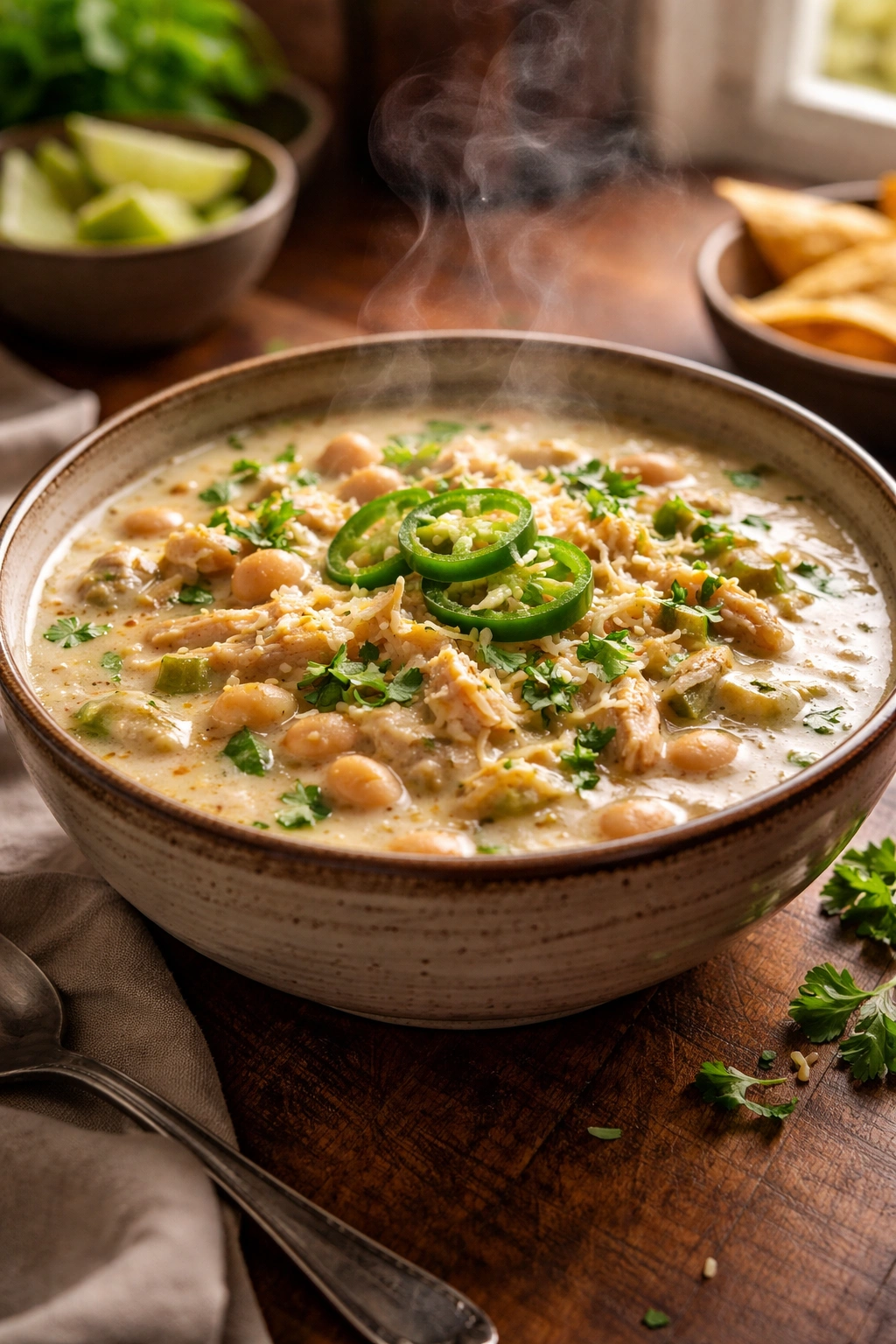
When temperatures drop and chili season arrives, most people reach for the classic red version. But white chili offers something different—it’s creamy where red chili is thick, it features white beans instead of kidney beans, and its flavors skew fresh and bright rather than deep and smoky. The secret to making white chili that actually tastes good is charring fresh green chiles until the skin blisters and blackens, then using that charred flavor as the foundation for everything else.
The Process That Creates Depth
Start by charring fresh green chiles over an open flame or under your oven’s broiler until the skin is completely blackened. This seems destructive, but what you’re actually doing is bringing out the chiles’ sweetness and creating a subtle smoky background. Once they’re cool enough to handle, you peel off the blackened skin and use the tender, sweet flesh. This step takes maybe ten minutes and transforms the entire stew.
From there, you simmer chicken with that charred chile base, add white beans, onion, garlic, and seasonings. Then here’s the magic: you add cheese—a generous amount of shredded cheese—which transforms the broth into something rich and creamy without requiring heavy cream. The cheese melts into the broth and creates a silky sauce that coats every spoonful.
Building the Layers
- Charred fresh green chiles that provide smoke and sweetness
- Tender chicken (thighs work best, but breasts are fine if that’s what you have)
- White beans—either cannellini or great northern, depending on your preference
- Onion, garlic, and cumin for warmth and spice
- Shredded cheese (Monterey Jack, sharp cheddar, or a blend) that creates creaminess
- Chicken broth and perhaps a splash of cream
- Fresh cilantro, lime juice, and crushed red pepper for finishing
8. West African Peanut Stew (Beef Mafé)
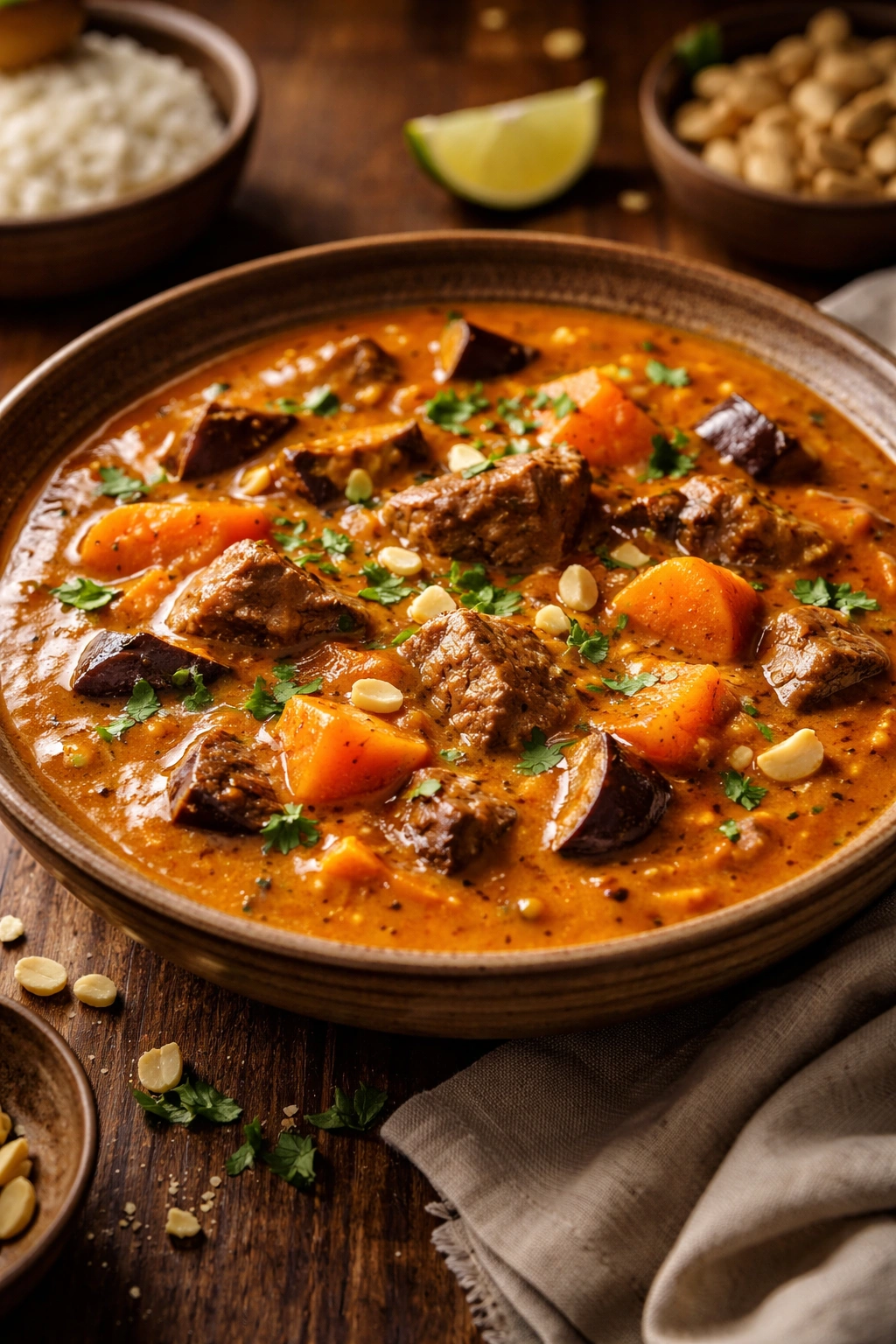
If you’ve never had peanut stew, you might be skeptical. But the moment you taste it, you’ll understand why this dish is beloved across West Africa and beyond. It’s creamy, rich, deeply flavored, and surprisingly elegant. The peanut butter (which is really ground peanuts) provides the base, but it’s supported by tomato paste, ginger, garlic, and warmth from spices like cayenne and paprika. The stew is loaded with beef, sweet potato, carrot, and eggplant—vegetables that absorb the rich sauce and add texture.
The Technique
The beauty of this stew is that it comes together in under an hour, making it more accessible than many of the others on this list. You brown your beef cubes to develop flavor, then sauté your aromatics—onion, garlic, ginger—until they’re fragrant. Add your tomato paste and let it cook for a minute so the raw tomato taste mellows. Then add your broth, bring it to a gentle simmer, and add your vegetables. As everything cooks together, the vegetables become tender, the broth reduces slightly and concentrates, and when you stir in the peanut butter near the end, the whole thing becomes creamy and luxurious.
The Complete Picture
- Cubed beef (chuck or another stewing cut) browned for flavor
- Sweet potato that becomes tender and slightly sweet
- Carrots and eggplant for substance and texture variety
- Onion, garlic, and fresh ginger providing aromatic depth
- Tomato paste that adds umami and acidity
- Peanut butter stirred in near the end for creaminess
- Beef broth and perhaps a splash of water for the braising liquid
- Paprika, cayenne, and other warming spices
- Served over brown rice to catch every drop of sauce
Worth knowing: Use natural peanut butter (the kind with just peanuts and maybe a little salt) rather than the sweetened commercial kind, or make it with actual ground peanuts if you can find them.
9. Lentil and Bean Stew with Gremolata
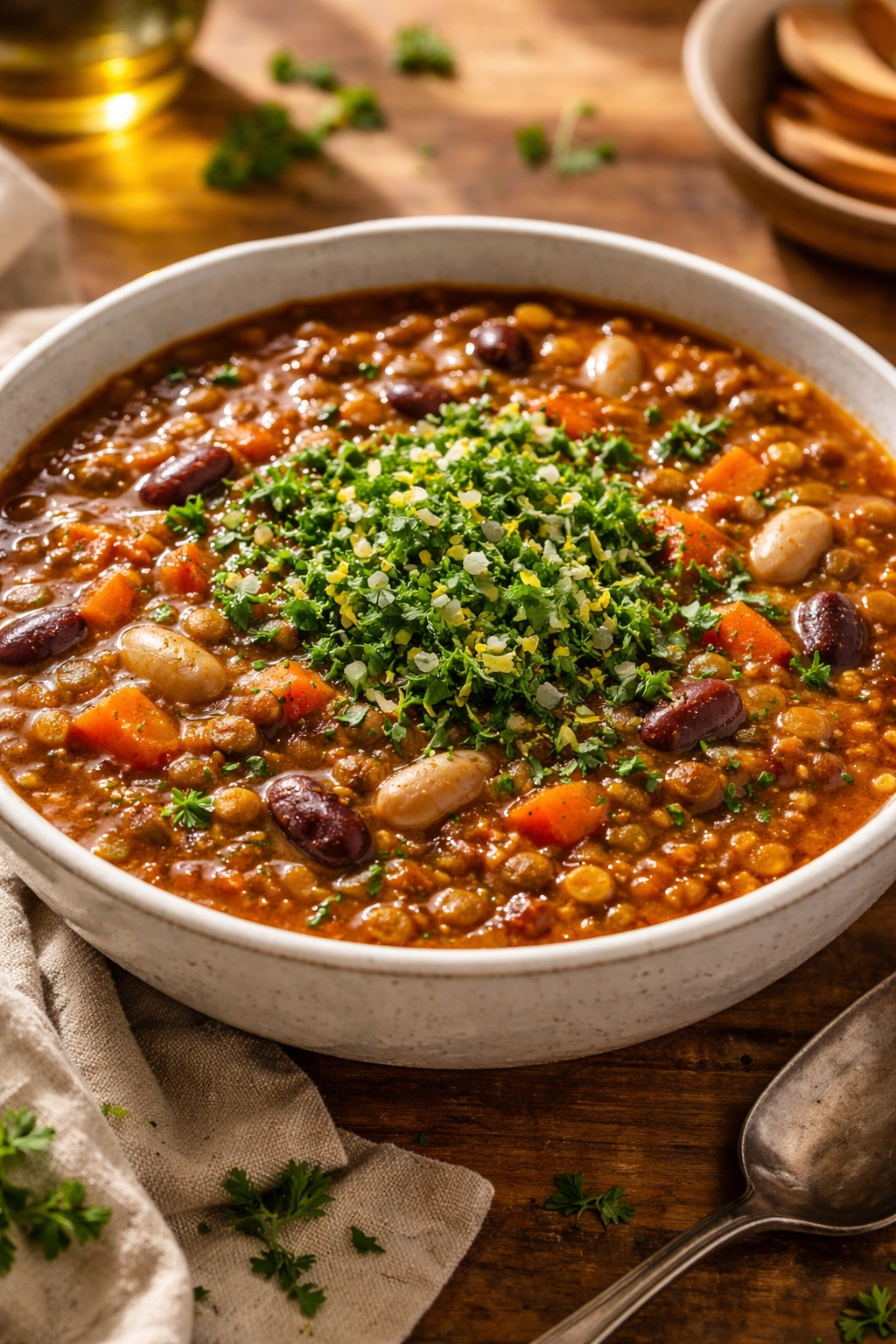
This is the stew for when you want something that sticks to your ribs without relying on meat. It’s loaded with legumes—lentils and your choice of cooked beans—which means it’s naturally high in protein and fiber, making it genuinely filling and satisfying. The gremolata (a bright mixture of lemon zest, garlic, and parsley) is stirred in at the very end, providing a counterpoint to the stew’s earthiness.
Why Lentils and Beans Together
French green lentils (also called lentilles du Puy) hold their shape better than brown lentils, so they won’t turn mushy even with extended cooking. Combined with beans—which can be almost any combination of white beans, kidney beans, chickpeas, or pinto beans—you get textural variety and different flavor notes. The vegetables (carrots, celery, onion) break down slightly as they cook, thickening the stew, and aromatics like thyme and bay leaves infuse everything with herbal depth.
The Elements
- French green lentils that hold their shape through cooking
- A mix of cooked beans (about six cups total, or four cans)
- Carrots, celery, and onion building an aromatic base
- Garlic, thyme, and bay leaves
- Vegetable or chicken broth, enough to create a stew consistency rather than a soup
- Gremolata (fresh lemon zest, minced garlic, and chopped parsley) stirred in at the end for brightness
- Optional: a splash of red wine vinegar to heighten the acidity
Pro tip: Make the gremolata fresh just before serving—if it sits for too long, the lemon zest loses its brightness and the parsley oxidizes.
10. Creamy Chicken Goulash
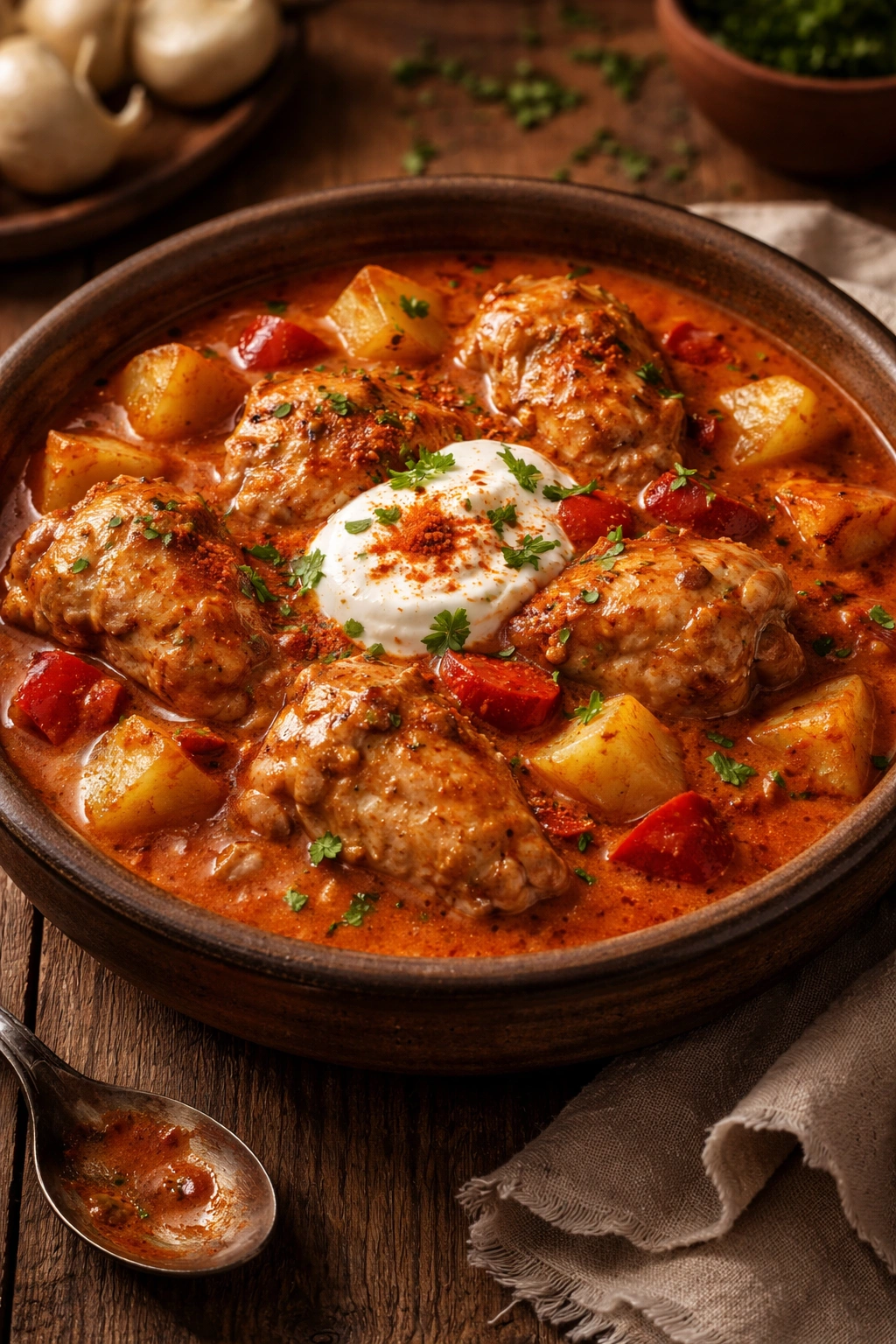
Goulash is a Hungarian classic that deserves more attention than it often gets. The star here is sweet Hungarian paprika—not the supermarket stuff, but actual Hungarian paprika with real depth and complexity. The recipe calls for a generous amount of it (we’re talking multiple tablespoons), making paprika the predominant flavor rather than just a seasoning in the background. Combined with tender chicken thighs, potatoes, onions, and sour cream stirred in at the end, you get something that’s comforting without being heavy.
The Paprika-Forward Approach
The technique is straightforward but requires patience. You sauté onions until they’re completely caramelized—this takes longer than you might expect, maybe 20 minutes, but the sweetness is essential to the stew. Then you add your tomato paste and let it cook briefly, followed by your paprika, which blooms in the fat and releases its deep, complex flavors. Add your chicken and broth, and let everything simmer until the chicken is fall-apart tender. Finally, a generous dollop of sour cream stirred in at the end provides creaminess and tanginess that balances the paprika’s richness.
What Goes Into the Pot
- Chicken thighs (which stay tender and flavorful much better than breasts)
- Potatoes cut into substantial chunks
- A significant quantity of sweet Hungarian paprika
- Deeply caramelized onions providing sweetness and body
- Garlic and tomato paste building savory depth
- Chicken broth and perhaps a splash of dry white wine
- Full-fat sour cream stirred in just before serving
- Fresh parsley for garnish and brightness
Worth knowing: Seek out actual Hungarian paprika if you can—it’s a completely different ingredient from what most supermarkets carry. The flavor is richer, more complex, and not at all spicy (unless you specifically get hot paprika).
Final Thoughts
The beauty of stew is that it’s infinitely forgiving and deeply adaptable. Each of these ten recipes can be made with what you have on hand—swap out vegetables, use different cuts of meat, adjust the spices to your taste. What matters is the process: taking time to brown meat thoroughly, building layers of flavor through caramelization and aromatics, then letting gentle heat do the work of making tough cuts tender and all those separate ingredients merge into something greater than the sum of its parts.
All of these stews are even better the next day, after the flavors have had time to settle and deepen. Many of them freeze beautifully, which means you can make a double batch on a weekend and have comforting meals waiting for you on nights when cooking feels like too much effort. On those cold evenings when you need something warm and sustaining, when the kind of hunger you’re feeling isn’t just physical but emotional, a bowl of good stew has a way of setting things right. Pick one, gather your ingredients, and let yourself settle in for the couple of hours it takes to transform them into something genuinely nourishing.
