



Baked Feta Pasta That Lives Up to the Hype
If you’ve scrolled through social media over the past several years, you’ve almost certainly encountered this creamy, tangy pasta dish that’s sparked grocery store shortages and inspired countless home cooks to give it a try. There’s something almost magical about how a simple block of feta cheese transforms into the most luxurious sauce imaginable when roasted with ripe cherry tomatoes and good olive oil. The beauty of this recipe lies not in complicated techniques or exotic ingredients, but in understanding the quiet chemistry that happens when you let these humble components do their work in the oven. The sweetness of bursting tomatoes mingles with the salty creaminess of melting feta, creating a sauce so good you’ll wonder why you’ve never thought to cook pasta this way before.
What makes this dish remarkable isn’t just that it tastes restaurant-quality—it’s that it proves you don’t need a simmering pot, a long ingredient list, or hours of prep work to create something genuinely special. This is the kind of meal that arrives at the table looking like you’ve spent the afternoon in the kitchen, when really you’ve barely lifted a finger. It’s fuss-free enough for a quiet weeknight at home, yet impressive enough to serve to guests who’ll ask for the recipe. That’s the real magic here, and why this dish has earned its place in kitchens all over the world.
Why This Recipe Became a Global Sensation
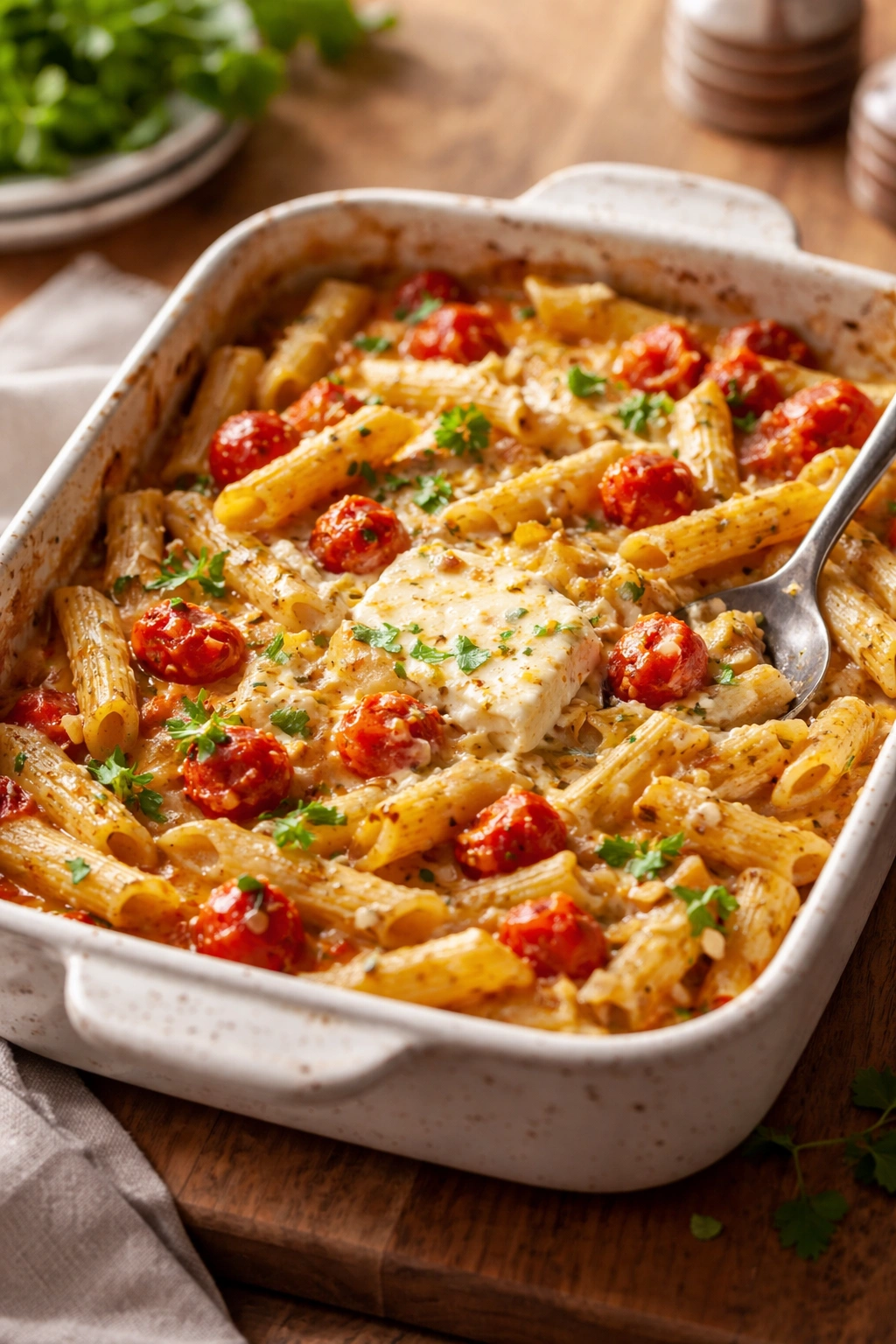
The story of baked feta pasta is a fascinating example of how food trends spread and evolve. This dish originated as “uunifetapasta” in Finland, where it was first shared by food bloggers Tiiu and later popularized by Liemessa around 2018 to 2019. The concept was simple enough to intrigue people, but it wasn’t until the recipe was shared on social media platforms that it truly exploded. When content creators began posting videos of the magical transformation—watching a solid block of cheese melt into a creamy sauce—people couldn’t resist trying it themselves.
The viral moment hit differently because this recipe challenges our expectations. Most of us are trained to make pasta sauce on the stovetop, stirring it constantly, building layers of flavor through sautéing aromatics and reducing liquids. This approach does none of that. Instead, it trusts the oven to do the work, and that simplicity is part of why it resonates. In a world where we’re often overwhelmed by complicated recipes and long ingredient lists, this feels like a breath of fresh air. It’s accessible to everyone—from confident home cooks to people who rarely cook at all.
What’s equally remarkable is that the hype is entirely justified. This isn’t a case where a trend promised more than it delivered. The dish genuinely is that good, which is why it hasn’t faded away like so many viral food moments do. Instead, it’s become a reliable weeknight dinner that people return to again and again, often making it their own by tweaking ingredients or adding extras.
Understanding the Magic of Baked Feta
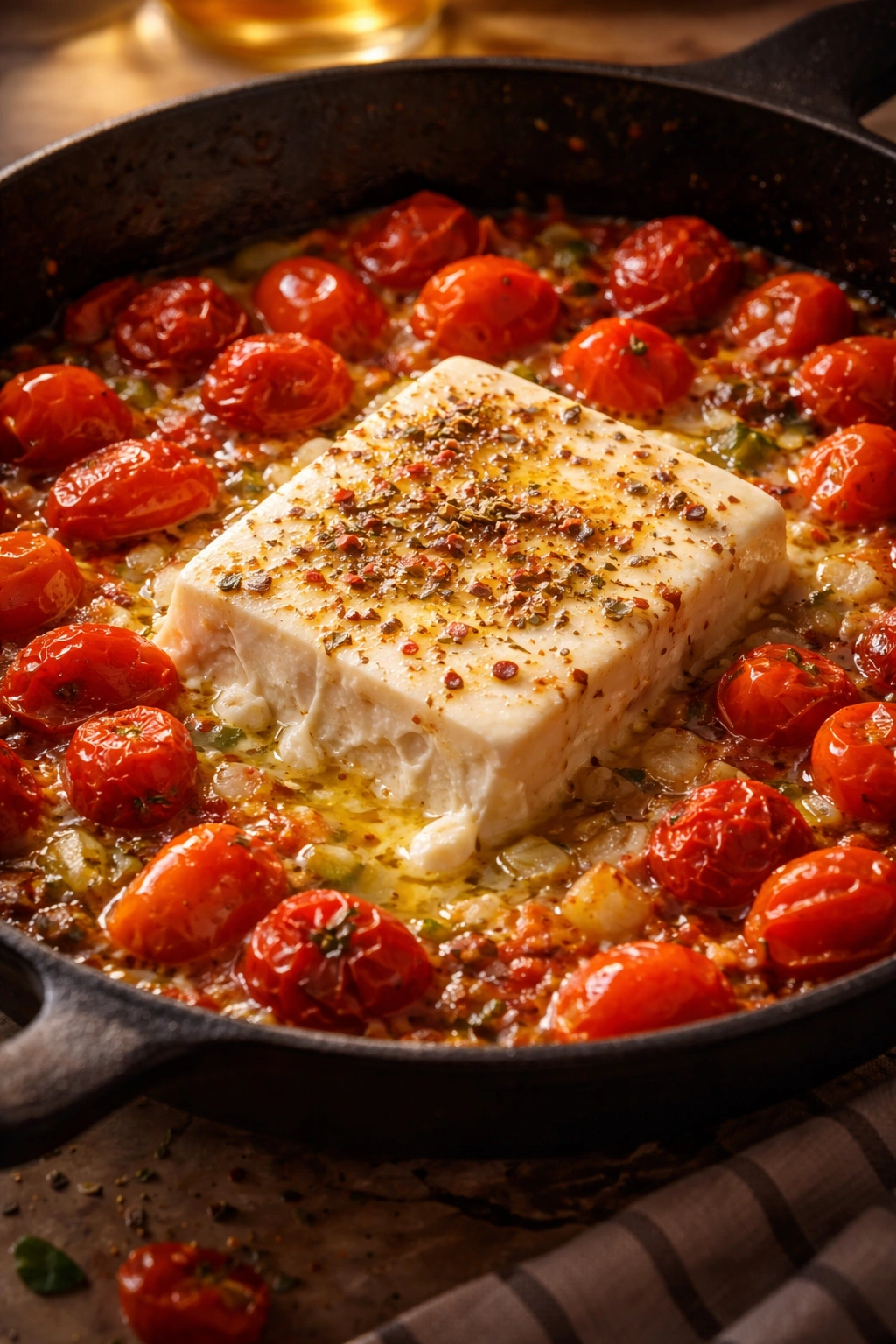
The success of this dish depends on understanding what actually happens inside that oven. When you expose feta cheese to moderate heat with moisture and fat, it doesn’t behave like mozzarella or cheddar. Feta doesn’t fully melt into a smooth pool, but rather softens and breaks down into creamy, sauce-like consistency. This is exactly what we want. The cheese becomes pliable and combines with the tomato juices and olive oil to form a luxurious coating for the pasta.
The cherry tomatoes are equally important to this equation. As they roast, their exterior skin softens and eventually bursts, releasing their juice into the pan. The natural sugars in the tomatoes concentrate with heat, becoming sweeter and more intense than when they were raw. The acidity softens and becomes more balanced. You end up with a sauce that’s simultaneously sweet, tangy, salty, and creamy—a flavor combination that works from the very first bite.
Olive oil acts as the binding agent here, emulsifying everything together and adding its own subtle complexity. Quality matters more in this dish than in many others, since olive oil comprises such a large proportion of the final sauce. A good extra virgin olive oil with bright, fruity notes will elevate the entire dish.
The magic comes from the combination of these three elements working together with minimal intervention. The tomatoes break down and release their liquid. The feta softens in the heat and fat. Everything comes together into something greater than the sum of its parts. It’s not complicated chemistry, but it is genuine technique—understanding how ingredients behave under heat and moisture, and using that knowledge to create something delicious.
The Secret to Perfect Results
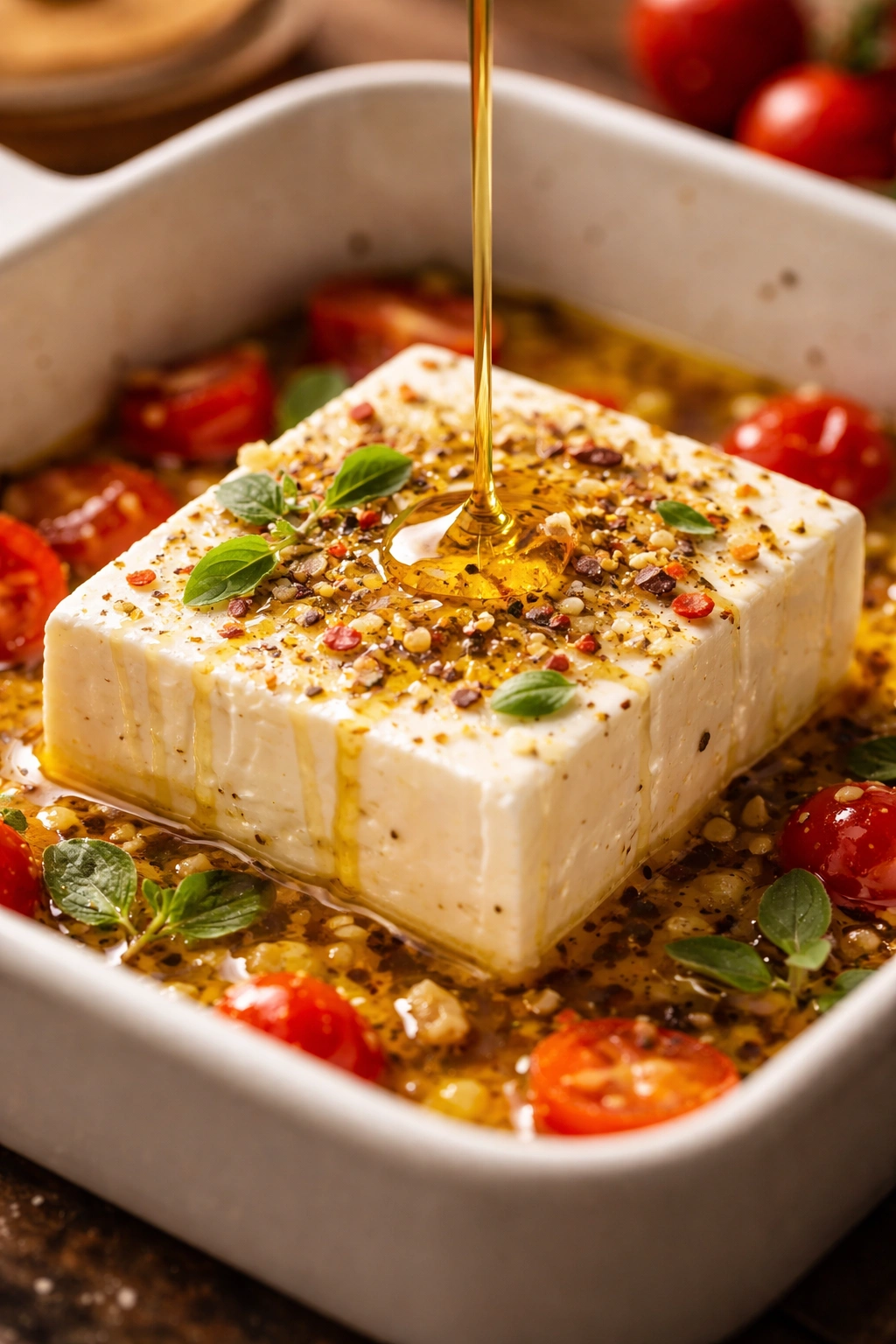
Before you even turn on the oven, the most important decision is choosing your ingredients—particularly the feta cheese. You’ll want to use a block of feta rather than crumbled feta from a container. Block feta typically has a creamier texture and fewer additives, so it breaks down more smoothly into a sauce. If you can only find crumbled feta, you can still make this recipe work, but pile the crumbles in the center of the dish and drizzle them generously with olive oil so they have the best chance of softening and combining into a cohesive sauce.
The type of feta matters too. Cow’s milk feta tends to be milder and creamier, while sheep’s milk feta is tangier and more assertive. Either works beautifully here—it’s really a matter of personal preference. If you love sharp, tangy flavors, reach for sheep’s milk. If you prefer something more mellow, go with cow’s milk. The key is choosing full-fat versions whenever possible, as reduced-fat feta won’t melt into as creamy a sauce.
Cherry tomatoes should be ripe and flavorful. This is where you really notice the difference between supermarket tomatoes and ones at their peak. If your tomatoes are a bit underripe or bland, don’t worry—the roasting process will concentrate their sweetness, but starting with good tomatoes gives you a head start. Look for tomatoes that give slightly when you squeeze them gently. If they’re still rock-hard, give them a day or two on the counter to develop flavor.
Using a crowded baking dish is another secret to success. You want the tomatoes packed together tightly, with minimal air space. This encourages them to steam slightly and burst, rather than dry out and become shriveled. An 8×8-inch or 9×9-inch baking dish works perfectly for a standard batch, creating the right density of ingredients.
Baked Feta Pasta Recipe
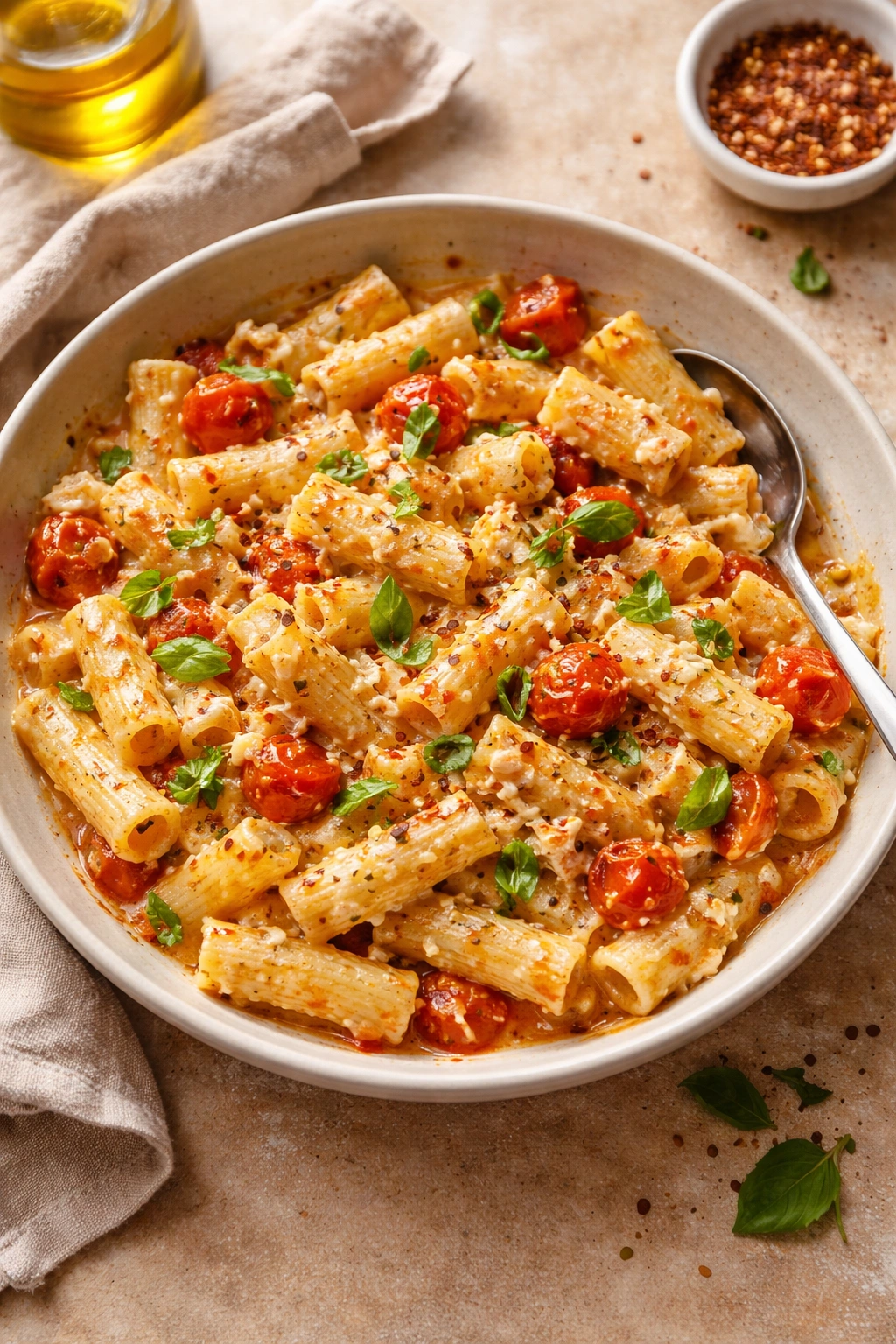
Yield: Serves 4 to 5 | Makes approximately 6 cups
Prep Time: 10 minutes
Cook Time: 35 minutes
Total Time: 45 minutes active
Difficulty: Beginner — The recipe requires minimal preparation and straightforward steps. No specialized equipment or techniques needed.
For the Baked Feta and Tomato Sauce:
- 2 pints (about 20 ounces) fresh cherry tomatoes, whole and uncut
- 1 (8-ounce) block feta cheese, full-fat, preferably cow’s milk feta
- ½ cup extra virgin olive oil, plus more for drizzling
- 4 to 5 garlic cloves, minced (about 2 tablespoons)
- ½ teaspoon kosher salt
- ¼ teaspoon freshly cracked black pepper
- ⅛ teaspoon red pepper flakes (optional, but recommended for subtle heat)
- 1 tablespoon fresh flat-leaf parsley, minced (or dried oregano, ½ teaspoon)
For the Pasta:
- 1 pound (16 ounces) dried pasta, any short shape like rotini, penne, rigatoni, or cavatappi
- Kosher salt for the pasta water
- ½ cup reserved pasta water (crucial for adjusting sauce consistency)
For Finishing:
- ¼ cup fresh basil leaves, torn or whole, plus more for garnish
- 2 cups fresh baby spinach, loosely packed (optional, but adds color and nutrition)
- ¼ cup grated Parmesan cheese (optional garnish)
Prepare the Oven and Baking Dish:
-
Preheat your oven to 400°F (205°C), positioning the rack in the center. Use an 8×8-inch or 9×9-inch oven-safe ceramic or glass baking dish—this size ensures the ingredients are crowded together, which encourages the tomatoes to release their juices and meld with the feta. Do not use a larger dish, as the ingredients will spread out too much and won’t create the same concentrated, saucy result.
Advertisements -
Rinse the cherry tomatoes under cool water and pat them completely dry with paper towels. Moisture is good once they’re in the pan, but you want to start with dry skins so they’ll brown slightly during roasting.
Layer the Tomatoes and Seasonings:
-
Place all of the cherry tomatoes directly into the prepared baking dish, arranging them in a single crowded layer. Leave a space in the center for the feta block—you’re creating a nest for the cheese to sit in.
-
Drizzle the ½ cup of olive oil over the tomatoes, coating them as evenly as possible. Sprinkle the kosher salt, cracked black pepper, and red pepper flakes over everything. Scatter the minced garlic throughout—some will settle among the tomatoes, and that’s perfect.
-
Give the tomatoes a gentle toss with a spoon or your hands, making sure they’re well coated with oil and seasonings. This helps them roast more evenly and encourages browning on the edges.
Add the Feta Block:
-
Place the entire block of feta cheese in the center of the dish, nestled among the tomatoes. If the feta block is irregularly shaped, that’s fine—just position it so it’s surrounded by tomatoes on all sides.
-
Drizzle another small glug of olive oil (about 1 tablespoon) directly over the feta block. Sprinkle a pinch of salt and pepper on top of the cheese, along with a small pinch of red pepper flakes if you’d like extra warmth. This ensures the cheese itself gets seasoned, not just the surrounding tomatoes.
Roast the Feta and Tomatoes:
- Transfer the baking dish to the preheated oven and bake uncovered for 35 to 40 minutes, depending on your oven and how juicy your tomatoes are. You’re looking for the cherry tomatoes to have burst open and released their juices into the pan, with some browning around the edges. The feta should be noticeably softened, with the edges beginning to turn golden. Do not skip checking the dish partway through—if the tomatoes are browning too quickly, reduce the temperature slightly to 375°F, but the cheese needs heat to soften properly, so don’t lower it too much.
Cook the Pasta Simultaneously:
-
While the feta and tomatoes roast, bring a large pot of salted water to a boil. The water should taste like seawater—generously salted. Salting the pasta water is your only opportunity to season the pasta itself, so don’t skip this step. Add the pasta and cook according to the package directions, stirring occasionally, until it reaches al dente (tender with a slight resistance when bitten).
-
About 2 minutes before the pasta finishes, reserve at least ½ cup of the starchy pasta water by dipping a measuring cup into the pot. This pasta water is essential—its starch helps emulsify the feta and tomato juices into a creamy, cohesive sauce that clings to every piece of pasta. Never discard this water without saving some first.
-
Drain the pasta in a colander, shaking it gently to remove excess water but leaving the pasta slightly damp. Don’t rinse the pasta—the starch on the surface helps the sauce cling to it.
Create the Sauce:
-
Remove the baking dish from the oven immediately and let it cool for just 1 minute so you can handle it safely. Add the minced fresh parsley and fresh basil to the hot pan along with the cooked pasta.
-
Using a fork or spoon, gently break up the feta block, pressing it against the side of the dish to combine it with the tomato juices and olive oil. The feta will soften further from the residual heat and begin to create a creamy sauce. Stir everything together gently but thoroughly, breaking up larger pieces of feta but being careful not to crush the tomatoes into oblivion—a few intact tomato pieces look lovely in the final dish. The mixture should be creamy, not soupy.
-
If the sauce looks thick or dry, add ¼ cup of the reserved pasta water and stir well. The sauce should coat the pasta and be creamy enough that it flows slightly when you tilt the bowl. Add more pasta water in small splashes if needed, stirring between additions, until you reach the consistency you prefer. Start conservative with the pasta water—you can always add more, but you can’t take it out.
-
If using fresh spinach, add it now, stirring it into the hot pasta so it wilts from the residual heat. The spinach will add color and a slight earthiness that balances the richness of the feta.
Serve Immediately:
- Divide the pasta among bowls or serve family-style on a large platter. Top with fresh basil leaves, a crack of black pepper, and optionally a light sprinkle of grated Parmesan cheese or a drizzle of good olive oil. Serve immediately while everything is still warm and creamy—this dish is at its absolute best fresh from the oven, when the sauce is silky and the ingredients haven’t had time to separate or cool.
Tips for Baking Success
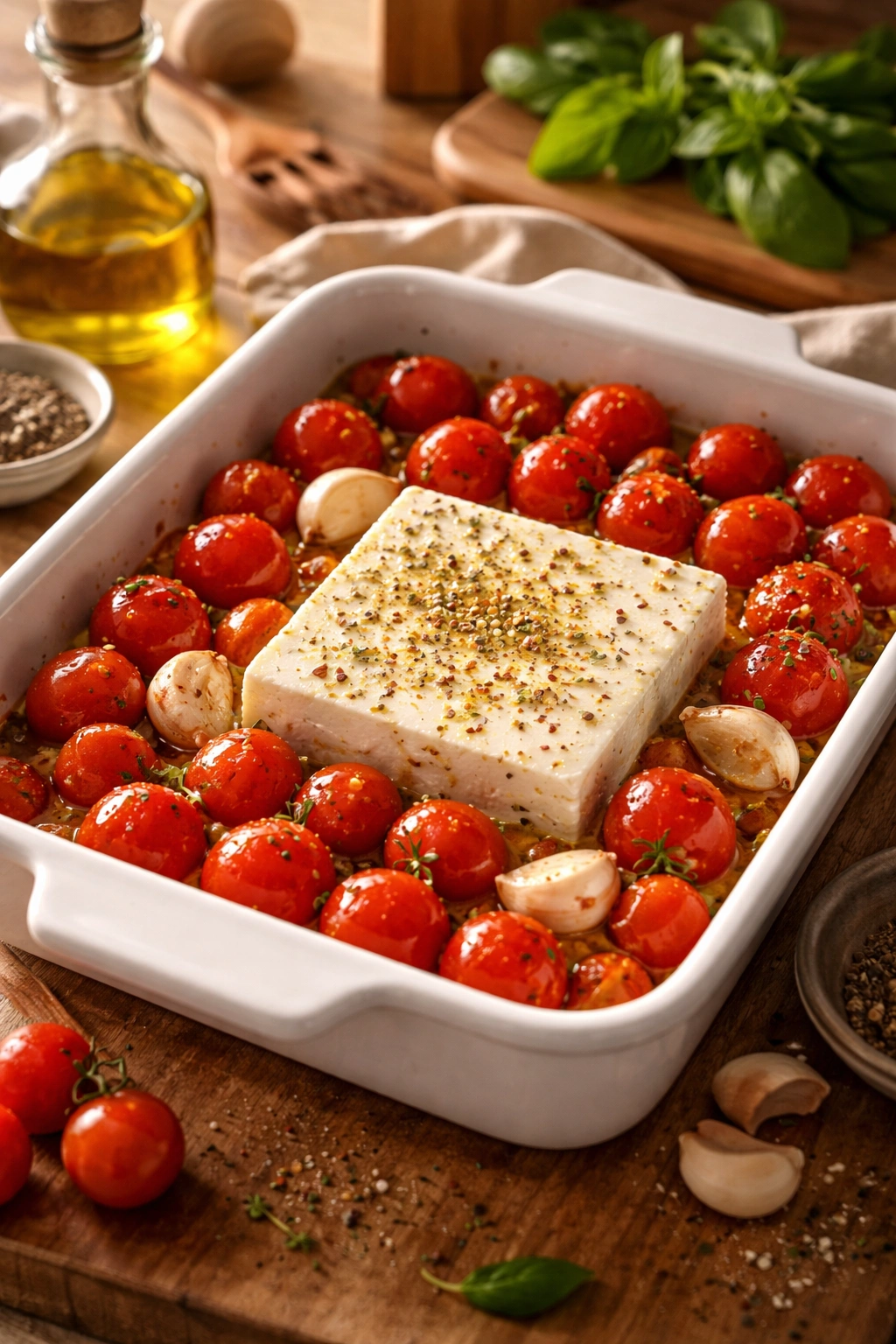
The most important tip for this recipe is to use a block of feta, not crumbled. This might seem like a small detail, but it genuinely changes the outcome. Block feta contains fewer anti-caking agents, which means it softens more smoothly and creates a better sauce texture. If you absolutely can only find crumbled feta, pile it in the center of the dish and keep it there during roasting—try not to let it scatter across the entire pan.
The size of your baking dish matters more than you might think. Too large, and the tomatoes won’t be crowded enough to release their juices efficiently. Too small, and everything becomes overcrowded and may cook unevenly. An 8×8 or 9×9-inch dish is the sweet spot for a standard batch serving four to five people. If you’re scaling the recipe up, increase the dish size accordingly.
Don’t peel the garlic cloves before adding them to the pan. Leaving them whole and unpeeled means they’ll roast gently and become sweet and mellow rather than sharp and bitter. You can either leave the skins on entirely (they slide off easily after roasting) or remove them before stirring everything together—either way works fine.
Temperature matters, but don’t stress about it too much. 400°F is the standard starting temperature because it’s hot enough to soften the feta and burst the tomatoes without burning them. Some recipes call for finishing at 450°F for the last few minutes to get more browning on the feta, but this isn’t necessary. A regular 400°F bake produces beautiful results.
Reserve your pasta water before you drain the pasta—seriously, this step is crucial. The starch in pasta water is what creates that silky, creamy sauce that clings to the noodles. Without it, you’re left with something that’s more oily than cohesive. Keep the reserved pasta water in a measuring cup right next to your stove so it’s accessible when you need it.
Cook your pasta to al dente, not soft. The pasta will finish cooking slightly when it’s tossed with the hot feta and tomato mixture, so you want it to have a slight resistance when you bite it. This ensures your final dish has nice texture rather than mushy pasta.
Don’t be timid about tasting and adjusting. If your sauce needs more salt, add it. If it needs more acidity and tanginess, a squeeze of fresh lemon juice works beautifully. If it’s too rich, another splash of pasta water helps balance everything. This dish is forgiving—it adjusts easily based on your preferences and the specific ingredients you used.
Common Mistakes and How to Fix Them
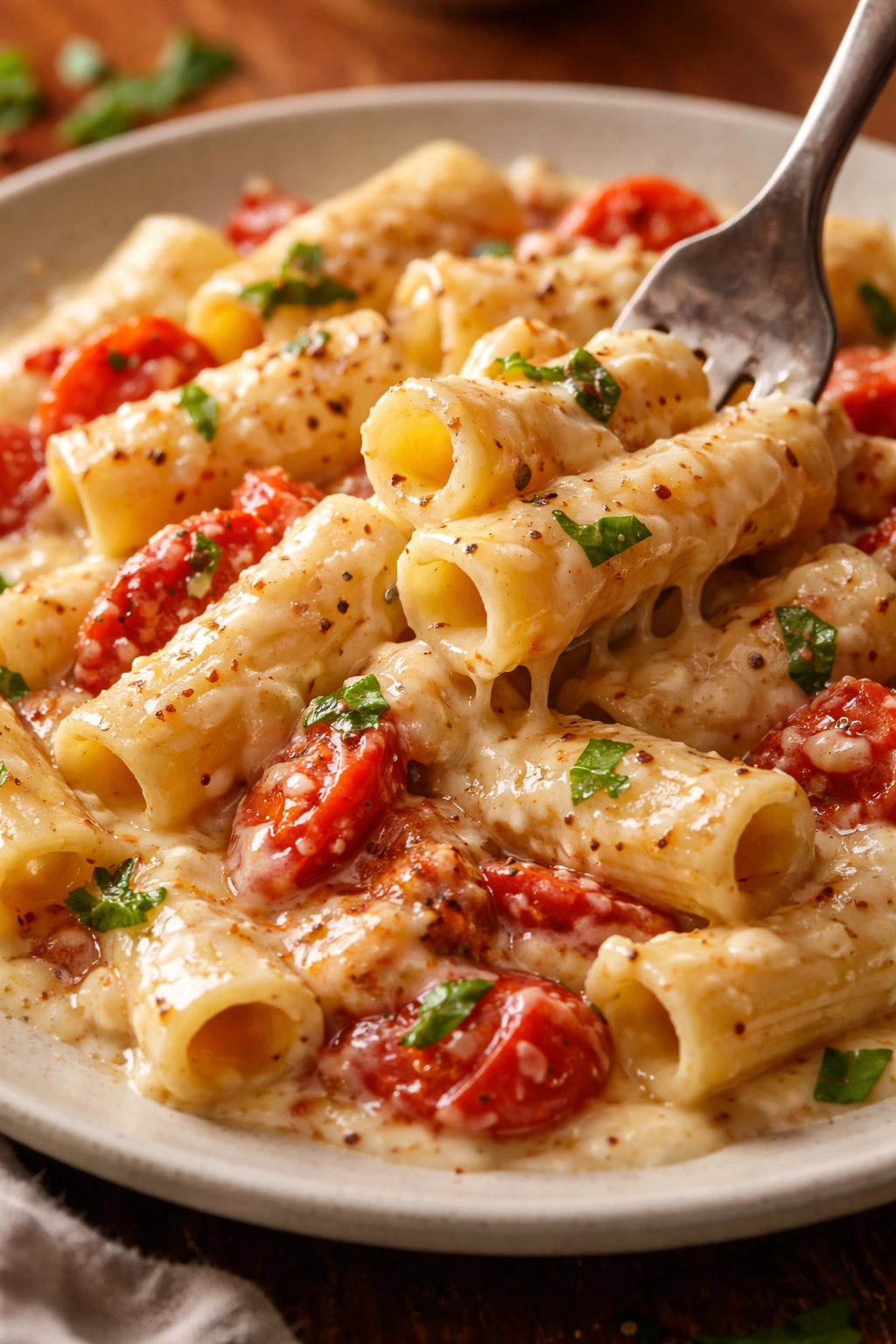
The most frequent problem people report is sauce that’s too dry or oily without coming together into a creamy coating. This almost always comes down to not using enough pasta water. The solution is simple: add more pasta water, a little at a time, stirring between additions. Start with ¼ cup, stir, wait 30 seconds, then assess. You’ll be amazed how much pasta water can transform the texture. The starch in that water is what emulsifies the feta and oil into something creamy rather than slick.
Another common issue is feta that doesn’t soften properly, leaving chunks in the sauce. This usually means either the oven temperature was too low, or the feta was removed from the heat before it had enough time to soften. Feta needs genuine heat to break down. At 400°F, you typically need 35 to 40 minutes minimum. If yours didn’t soften, place the baking dish back in the oven for another 5 to 10 minutes before stirring everything together.
Some people find the feta too salty or sharp-tasting. This isn’t really a mistake—it’s just personal preference. If your finished dish tastes too intensely salty or tangy, add a touch of honey (just ½ teaspoon to start) and stir it in. The sweetness balances the salt and sharpness beautifully. Alternatively, reduce the salt you add during roasting to ¼ teaspoon instead of ½ teaspoon, remembering that the feta itself contributes significant salt.
Using crumbled feta instead of block feta sometimes results in sauce that’s grainier or less smooth. This isn’t a failure—it’s just a textural difference. To improve the outcome when using crumbles, pile them tightly in the center of the dish, drizzle extra olive oil over them, and give them 40 to 45 minutes to soften and combine, stirring vigorously when you remove the pan from the oven.
Tomatoes that don’t burst or get juicy enough typically means they weren’t crowded enough in the pan, or your oven runs cool. To fix this, chop a couple of the tomatoes before adding them to the pan—this releases their juice immediately and helps create sauce. You can also raise the oven temperature to 425°F if you think your oven might run cool, checking the tomatoes at the 30-minute mark.
Using paste made from canned tomatoes instead of fresh cherry tomatoes will give a completely different result—one that’s thicker and more tomato-forward rather than creamy and balanced. Stick with fresh cherry tomatoes for the best version of this dish.
Variations to Try
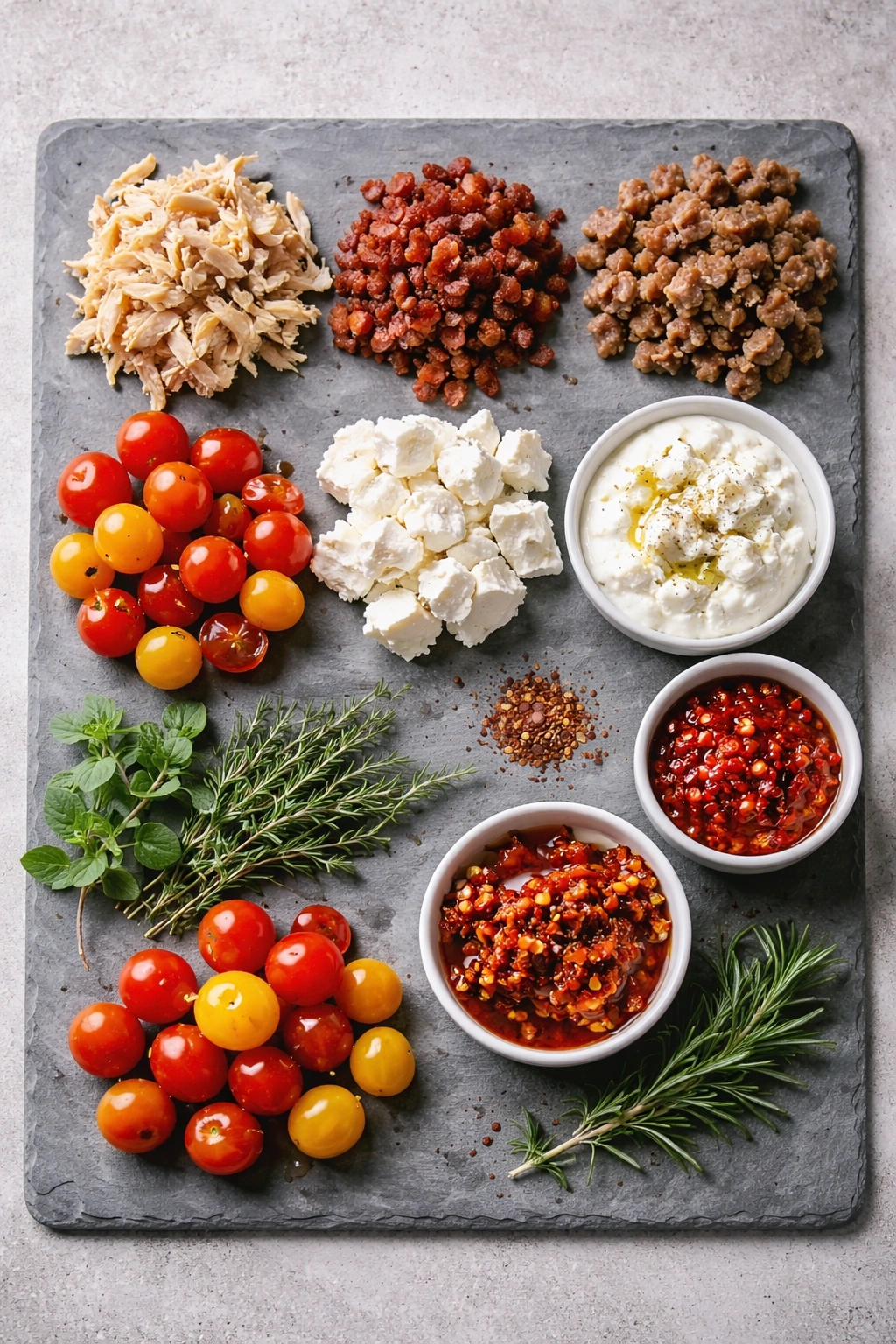
The beautiful thing about this recipe is how adaptable it is. Once you understand the basic technique, you can customize it to your tastes and what you have on hand.
Protein additions: Stir in cooked shredded chicken, crumbled cooked bacon, or Italian sausage for a heartier main dish. Add these right when you combine the feta and tomatoes, letting them warm through in the residual heat. Cooked white beans or chickpeas also work beautifully if you’re looking for vegetarian protein.
Different cheeses: Burrata adds incredible richness and creaminess—tear it into pieces and stir it in right after roasting. Goat cheese creates a different tanginess that some people prefer. Even a quality cream cheese works in a pinch, though it’s less interesting than the alternatives. Ricotta is another option that creates a very smooth, creamy sauce.
Herbs beyond basil: Fresh oregano, thyme, or rosemary all pair beautifully with the tomato and feta combination. Dried herbs work too if fresh aren’t available—use about one-third the amount of fresh herb if substituting.
Spice levels: If you love heat, increase the red pepper flakes or add fresh hot chiles. Some versions use calabrian chile paste for a fruity, spicy kick. Others add a pinch of cayenne pepper.
Additions to roast alongside: Halved bell peppers, zucchini chunks, or even asparagus can roast alongside the tomatoes and feta. You may need to extend the cooking time by 5 to 10 minutes to ensure everything is tender.
Gluten-free or alternative pastas: Gluten-free pasta works perfectly here. Brown rice pasta, chickpea pasta, or lentil pasta all pair well with the feta sauce, though they’ll absorb the sauce slightly differently than traditional wheat pasta.
Lemon version: Add fresh lemon zest and a squeeze of lemon juice when you combine the feta and tomatoes. This brightens the entire dish and cuts through the richness beautifully.
Honey drizzle: A small amount of good honey stirred into the sauce rounds out sharp flavors and adds subtle sweetness. Start with ½ teaspoon and add more if needed.
Storage and Make-Ahead Options
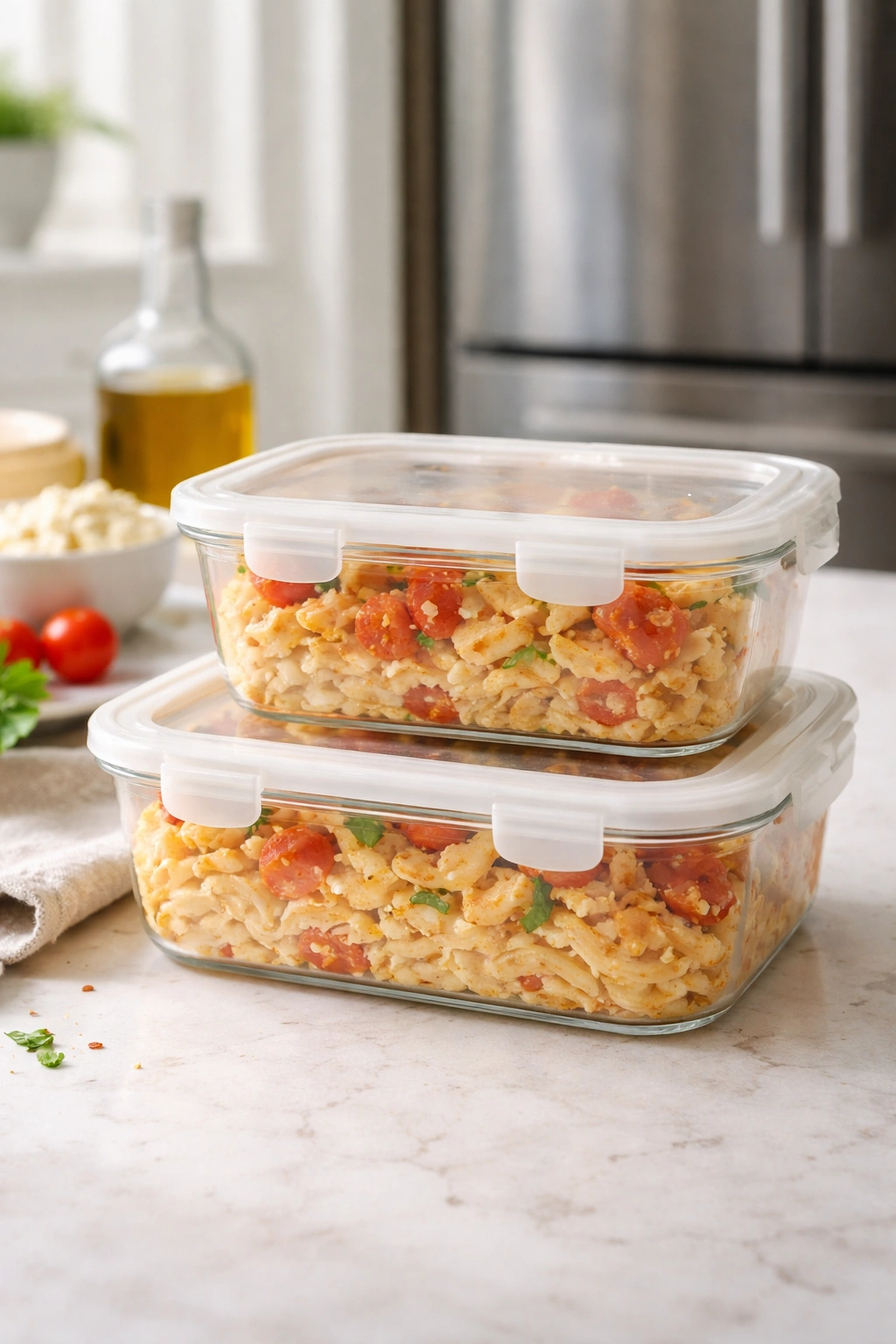
Baked feta pasta is best served immediately while the sauce is silky and warm. However, leftovers keep well in the refrigerator for 3 to 4 days stored in an airtight container. The sauce will thicken as it cools, which is completely normal.
To reheat, place the pasta in a microwave-safe bowl and heat in short 30-second bursts, stirring between bursts, until warmed through. Add a splash of water or a small drizzle of olive oil to loosen the sauce back to its original creamy consistency. Alternatively, reheat gently in a skillet over medium-low heat on the stovetop, stirring frequently and adding a splash of water or olive oil as needed.
The pasta is also delicious eaten cold straight from the fridge as a cold salad the next day. Toss it with a little extra olive oil and fresh herbs, and you have an entirely different but equally satisfying meal. The feta is firmer when cold but still flavorful.
You can prepare the feta and tomato portion in advance by completing steps through roasting the feta and tomatoes, then allowing it to cool completely and storing it in an airtight container. When you’re ready to serve, reheat the feta and tomato mixture in the oven at 350°F for about 15 minutes until warmed through, then proceed with stirring in fresh basil and combining with freshly cooked pasta. This saves time on busy evenings.
Do not freeze this pasta after assembly, as the texture of the sauce becomes grainy and separated when thawed. You can freeze the baked feta and tomato portion on its own, then thaw it and use it with fresh pasta, though the flavor is best when everything is freshly made.
Serving Suggestions and Pairings
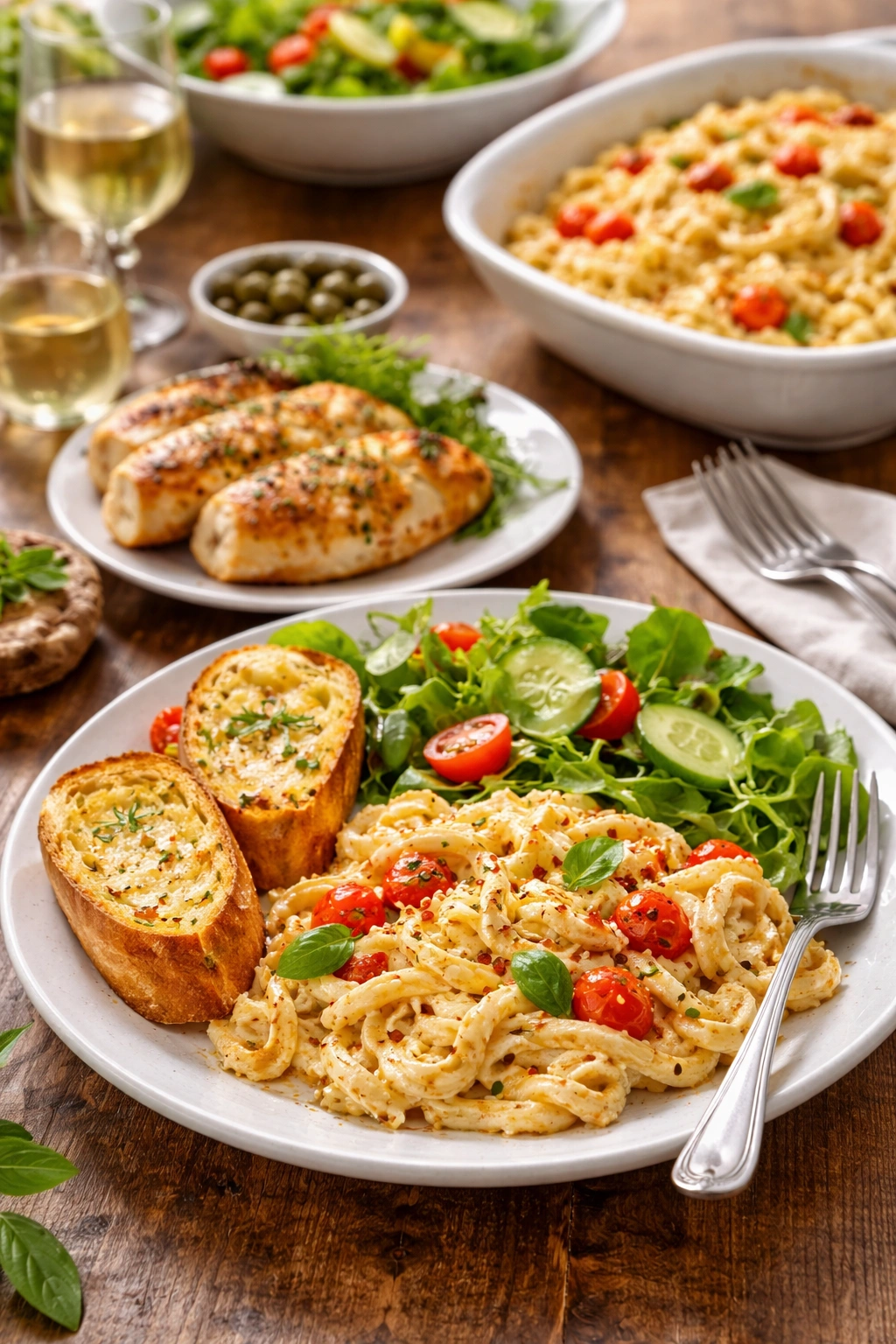
This pasta stands beautifully on its own as a main course, but it benefits from accompaniments that echo or balance its flavors. A crisp green salad dressed with a light vinaigrette—particularly one made with lemon juice or white wine vinegar—cuts through the richness of the cheese and sauce. The acidity is refreshing alongside the creamy pasta.
Garlic bread or crusty bread is perfect for soaking up every last bit of sauce. Brush thin slices of good bread with olive oil, garlic, and herbs, then toast until golden. This transforms the plate into something restaurant-quality.
If you want a protein alongside the pasta, roasted or grilled chicken breast works beautifully—keep it simple with just salt, pepper, and herbs so it doesn’t compete with the delicate balance of the feta dish. Grilled fish, particularly white fish like sea bass or cod, also pairs well. Pan-seared shrimp is another elegant option.
A chilled white wine is the perfect beverage pairing. Look for something crisp and unoaked like a Sauvignon Blanc, Pinot Grigio, or Greek white wine like Assyrtiko. The acidity and crispness cut through the richness perfectly. If you prefer red wine, a light Pinot Noir works nicely without overwhelming the dish.
For a vegetarian spread, add roasted vegetables like broccoli, zucchini, or asparagus. These add texture and substance without detracting from the main attraction. Even just a simple bowl of roasted green beans works beautifully as a side.
Finish the plate with a small garnish of fresh basil, a light crack of black pepper, and perhaps a tiny drizzle of good olive oil. These final touches elevate the presentation and add visual interest.
Ingredient Quality Matters More Than You Think
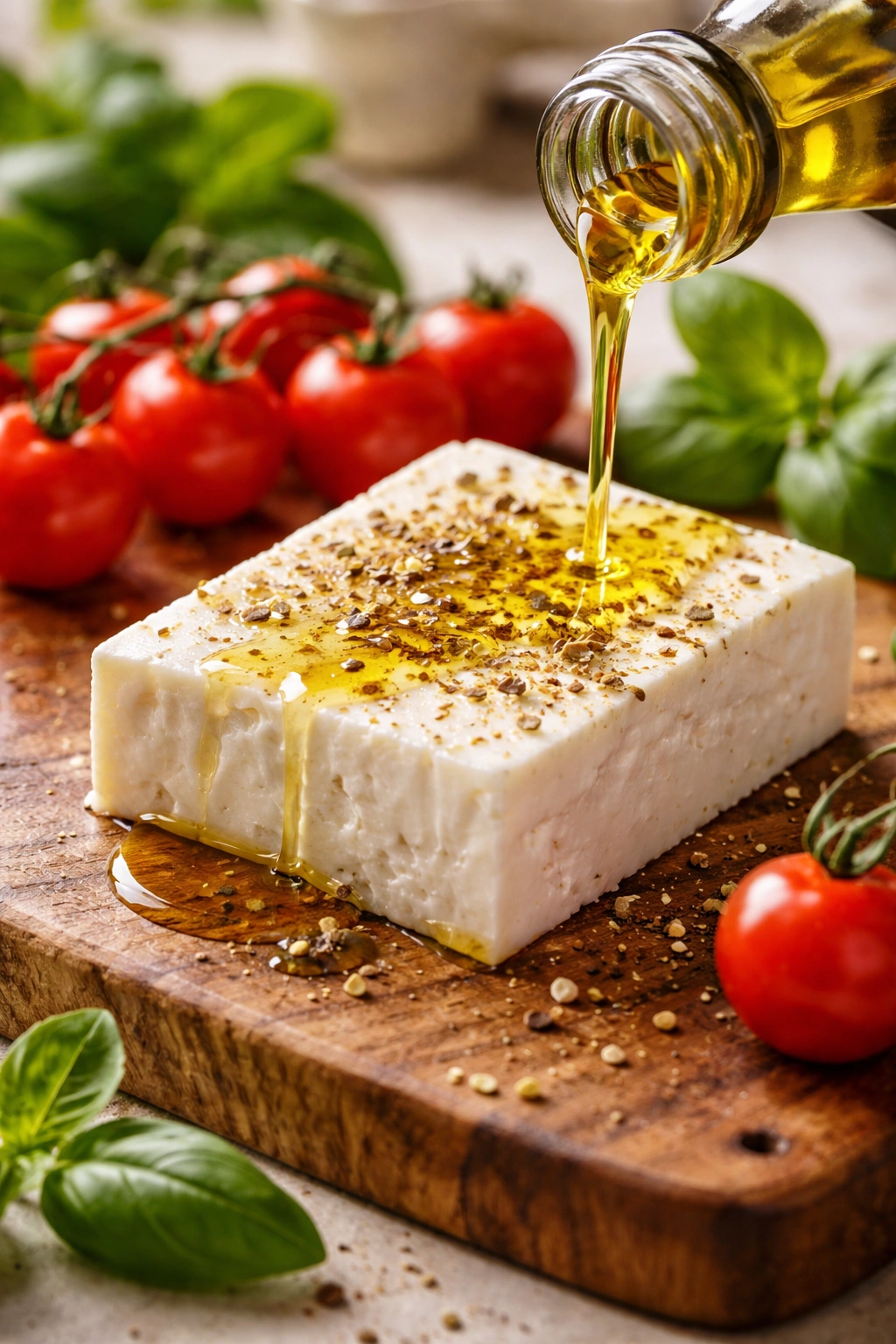
With such a minimal ingredient list, the quality of each component becomes exponentially more important. This isn’t the kind of dish where you can use mediocre ingredients and still get good results. Every single ingredient contributes noticeably to the final flavor.
Olive oil is perhaps the most important. It comprises a significant portion of the sauce, so its flavor comes through clearly. A good extra virgin olive oil—one with fruity, grassy notes—will make the entire dish taste better. Cheap, bland olive oil will make the sauce taste flat and one-dimensional. Invest in a bottle you actually enjoy eating. You don’t need the most expensive option on the shelf, but you do need one that tastes good on its own.
Feta cheese quality varies dramatically depending on where it comes from and what animal produced the milk. Feta from good sources, whether cow’s milk or sheep’s milk, will have vibrant flavor and a creamy texture that breaks down beautifully. Supermarket feta that’s been sitting on the shelf for months will taste dull and chalky by comparison. If possible, buy feta from a good cheese counter where you can ask questions about the source and freshness.
Cherry tomatoes should be genuinely ripe and flavorful. This is one of the most noticeable differences you can make in this dish. A vine-ripened tomato from a farmers market or good produce section will taste infinitely better than a hard, pale supermarket tomato. If you have access to heirloom cherry tomatoes, they’re often worth the premium price for this particular recipe.
Garlic should be fresh and good quality. Fresh garlic that’s been properly stored will be firm and flavorful. Old garlic that’s been sitting around develops a harsh, bitter quality. Buy garlic that feels solid when you squeeze it gently, and use it within a few weeks of purchasing.
Fresh herbs—basil and parsley—should be vibrant and aromatic. Wilted, browning herbs have lost their essential oils and won’t contribute much flavor. If buying ahead, store herbs in a damp paper towel wrapped loosely in plastic, which keeps them fresher longer than putting them directly in the crisper drawer.
Using good ingredients transforms this simple recipe from tasty to genuinely memorable. It’s worth taking the extra moment to source ingredients you’re excited about.
Scaling the Recipe
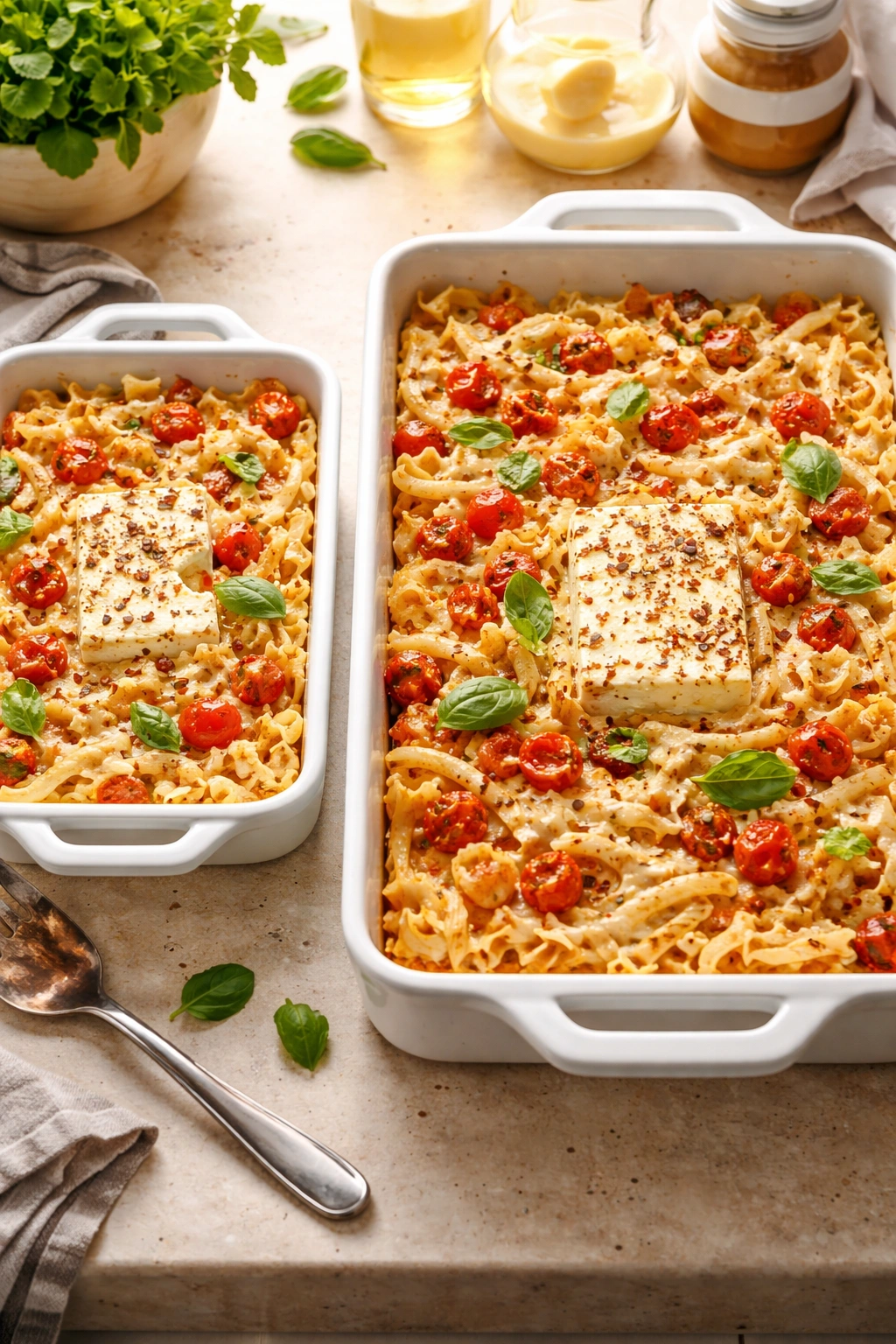
The basic formula translates well if you need to make this for more people. For every 8 ounces of feta cheese, use 2 pints of cherry tomatoes, ¼ cup of olive oil, and about 8 ounces of pasta. This ratio stays consistent whether you’re doubling, tripling, or scaling down.
If doubling the recipe, use a 9×13-inch baking dish instead of an 8×8-inch pan. The ingredients won’t be as tightly crowded, but they’ll still cook properly. You may need to extend the roasting time by 5 to 10 minutes since there’s more volume to cook through. Watch for the tomatoes to burst and the feta to soften, rather than relying solely on time.
For smaller portions, halve the recipe entirely and use a smaller 6×6-inch baking dish or even a small skillet. All cooking times remain roughly the same—it’s the temperature and mechanism that matter, not the volume.
When scaling up significantly for parties, it’s often better to make multiple batches in standard portions rather than trying to make one enormous batch. The pasta cooks better in smaller quantities, the feta distributes more evenly, and you have more flexibility with timing if people are serving themselves at different times.
Remember to scale the pasta water proportionally when you increase or decrease the recipe. Always reserve about ¼ cup of pasta water for every pound of pasta you cook, as you’ll need it to adjust the sauce consistency.
Why This Dish Endures
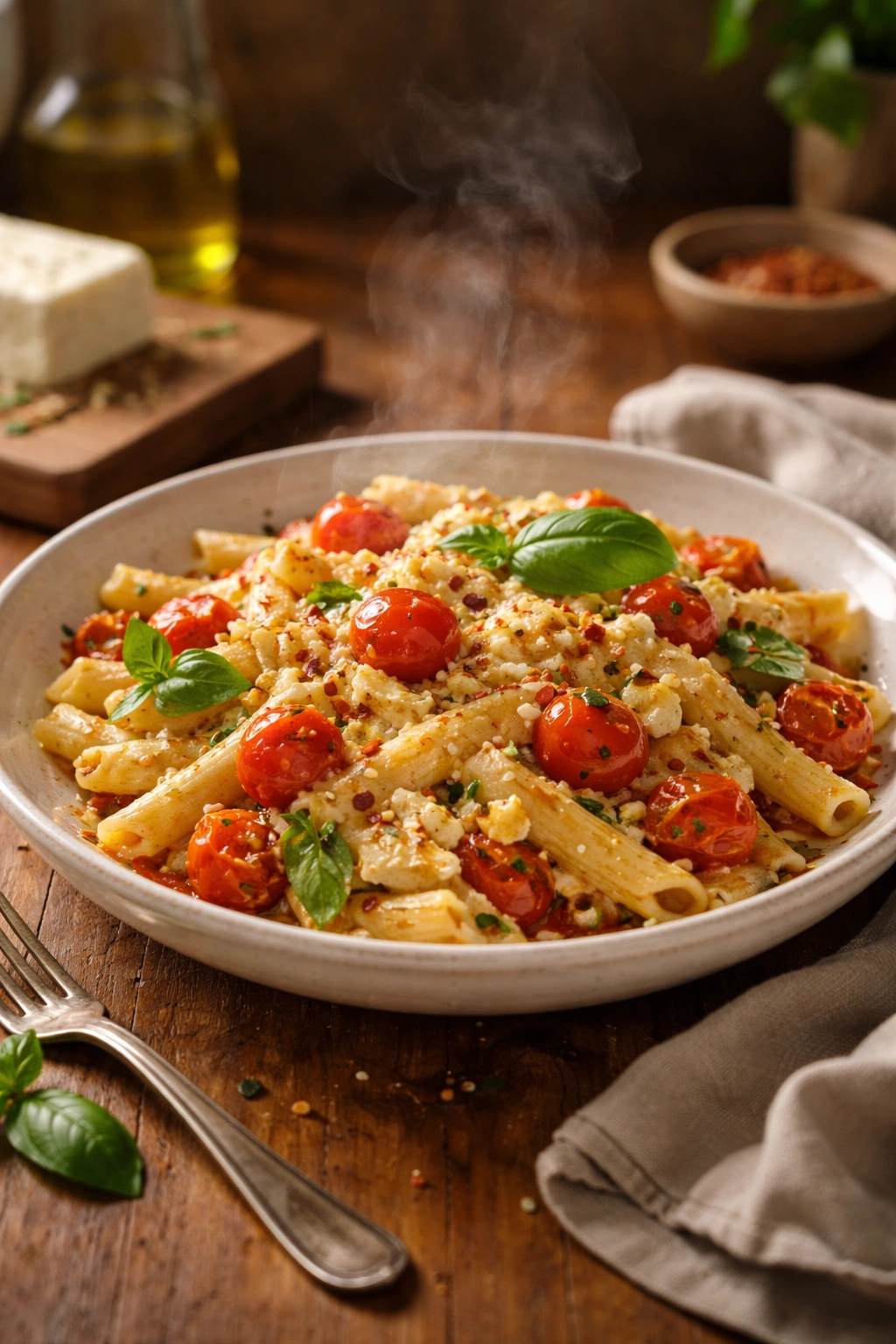
What’s remarkable about baked feta pasta is that it’s managed to avoid the fate of most viral food trends, which fade away once the novelty wears off. People still make this regularly, not because it’s trendy, but because it’s genuinely good and genuinely easy. The fact that it delivers restaurant-quality results with minimal effort is a combination that keeps people coming back.
There’s also something psychologically satisfying about this recipe. The transformation that happens in the oven feels almost like magic—you put separate ingredients into a dish, and they come together into something cohesive and delicious. Watching the tomatoes burst and the feta soften never gets old. It’s the kind of cooking that reminds people why they enjoy being in the kitchen.
The recipe is also flexible enough that people don’t get bored with it. You can make it the same way fifty times and never tire of it, or you can tweak it each time and explore different variations. Both approaches work beautifully.
Most importantly, this dish tastes good because it’s built on sound cooking principles. The balance of salt, fat, acid, and richness is genuinely well-thought-out, whether or not the original creators were thinking in those terms. The technique of roasting to concentrate flavors and create depth is time-tested. This isn’t a dish that’s good because it’s trendy—it’s trendy because it’s genuinely good.
Final Thoughts
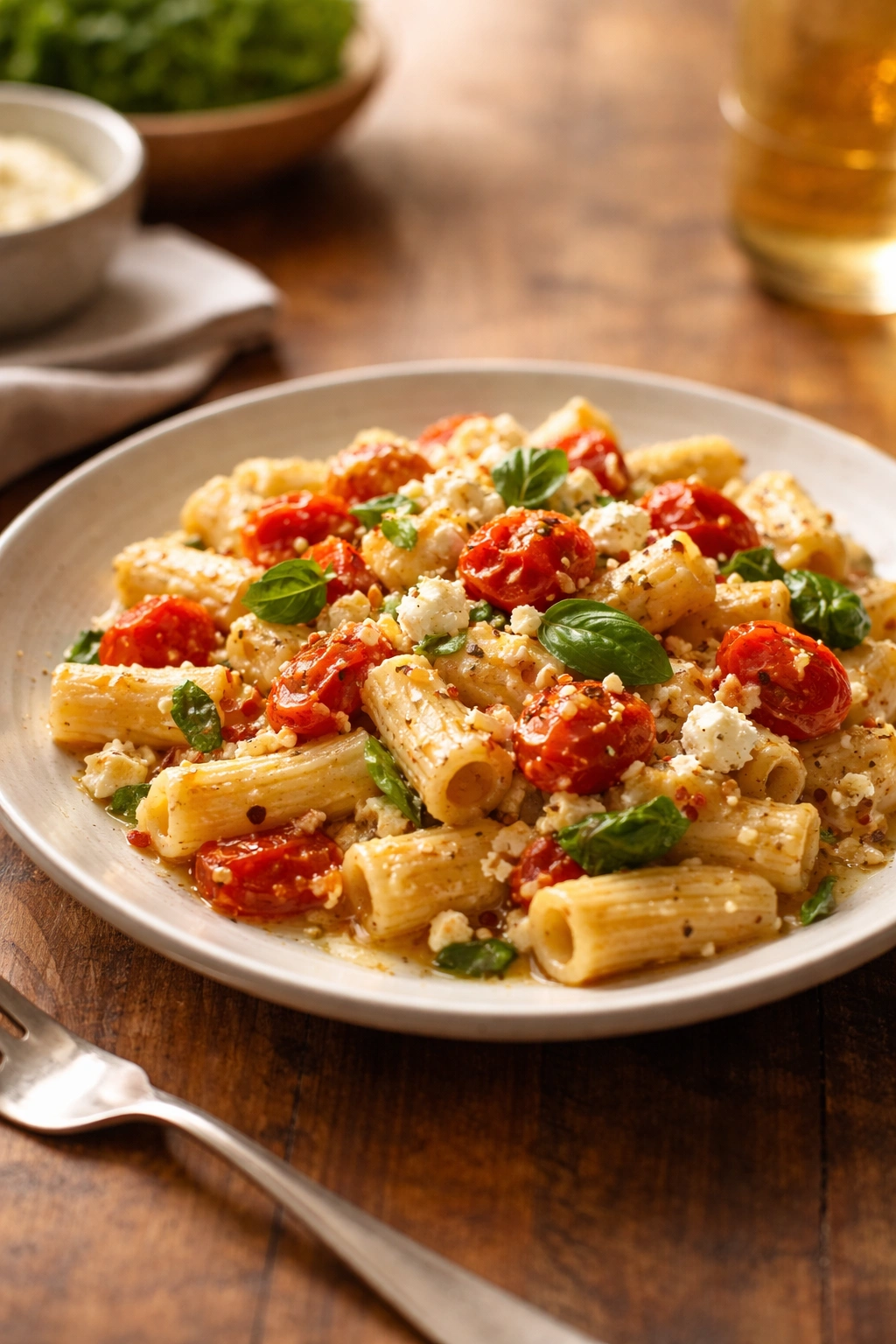
Baked feta pasta absolutely deserves the attention and admiration it’s received. It’s one of those rare recipes that delivers on its promises: simple, delicious, elegant, and satisfying. Whether you’re cooking for yourself on a quiet Tuesday night or preparing dinner for guests on the weekend, this dish performs beautifully every single time.
The secret to success lies in understanding that this recipe isn’t complicated—it’s just different from what most of us are used to. Instead of building sauce on the stovetop, you let the oven do the work. Instead of using canned tomatoes or complex spice combinations, you rely on the inherent goodness of fresh tomatoes and good feta. Instead of pretending this is more difficult than it actually is, you embrace its straightforward elegance.
Start with quality ingredients, follow the steps as written, don’t skip the pasta water, and serve it hot. Do those things and you’ll have a meal that tastes like you’ve spent hours in the kitchen, when really you’ve barely spent any time at all. That’s the real magic of this dish—not that it went viral, but that it stays in people’s regular rotation because it genuinely makes life easier and tastier.
