



The Mediterranean diet isn’t just about eating better—it’s about cooking food that actually tastes incredible while making you healthier in the process. If you’ve been thinking about what’s for dinner tonight, the Mediterranean approach offers dishes that feel indulgent but are loaded with heart-healthy fats, lean proteins, fresh vegetables, and the kinds of flavors that make you look forward to mealtimes instead of dreading them.
What makes Mediterranean cooking so special is its foundation: olive oil, fresh herbs, seasonal vegetables, fish, whole grains, and legumes. These aren’t expensive, exotic ingredients. They’re things you can find at any grocery store, and they come together in ways that feel both effortless and elegant. A simple grilled fish fillet with lemon and oregano, a pot of warm chickpea stew, a bowl of pasta with fresh tomatoes and basil—these are the dinners that have sustained people in Mediterranean regions for generations, and they remain some of the most satisfying meals you can put on the table.
The beauty of Mediterranean dinners is that they’re surprisingly quick to prepare, especially once you understand the basic flavor patterns. You’re not dealing with complicated techniques or hard-to-source ingredients. Instead, you’re working with the principle that quality ingredients don’t need to be complicated—they need to be treated with respect and combined intelligently. A dinner that takes 30 minutes from start to finish can feel like something you spent hours on, and that’s exactly what you want on a weeknight.
Whether you’re cooking for yourself, your family, or trying to impress someone, Mediterranean dinners deliver both satisfaction and authenticity. These ten recipes represent some of the most reliable, most craveable options from across the region. Each one is straightforward enough that you can execute it confidently, detailed enough that you’ll understand exactly why it works, and delicious enough that you’ll find yourself returning to it again and again.
1. Grilled Branzino with Lemon and Fresh Herbs
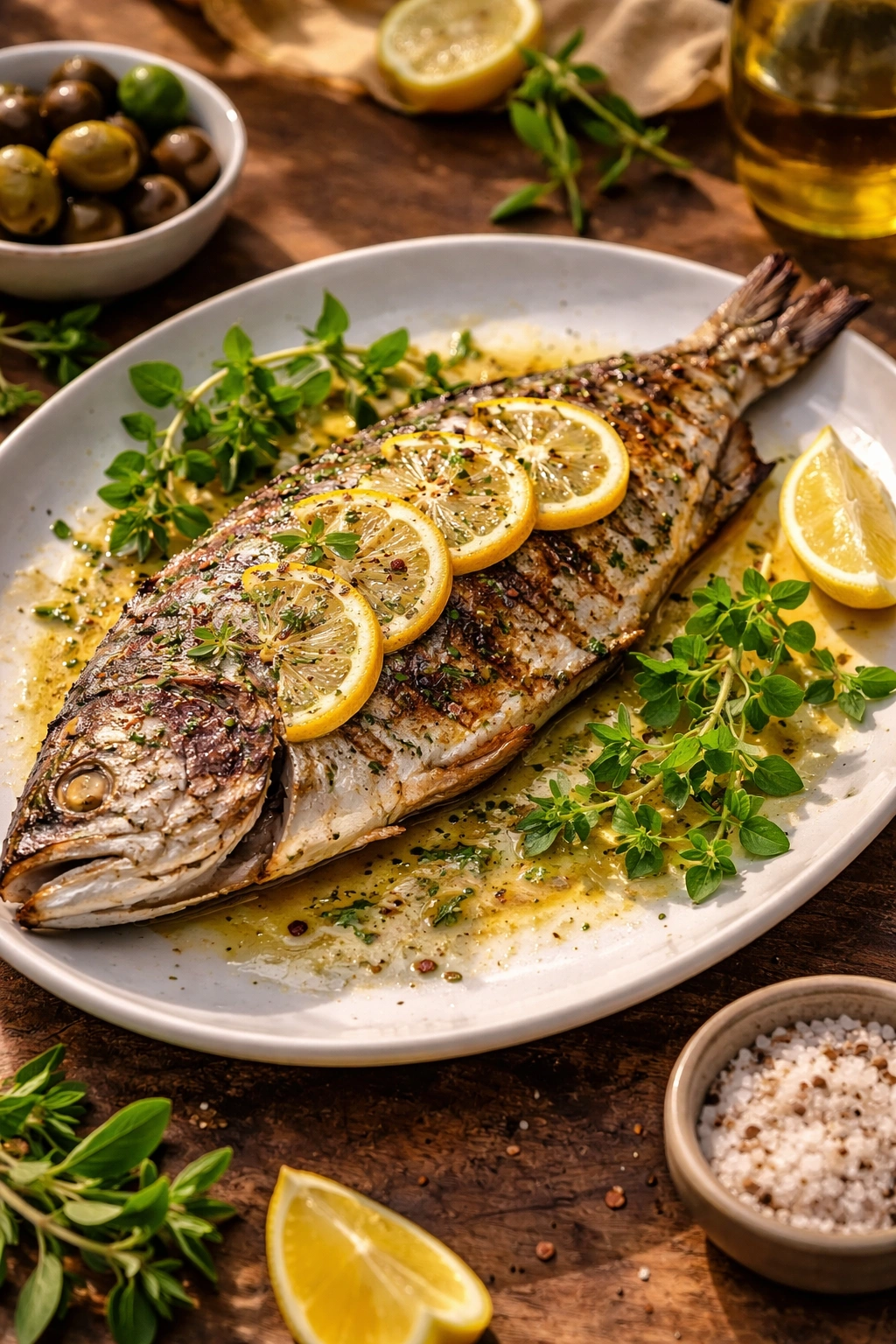
Branzino, a mild white fish from Mediterranean waters, is one of those ingredients that elevates dinner without requiring any fancy technique. This fish has delicate, flaky flesh and enough natural fat that it stays moist even with minimal added oil. When you grill or pan-sear it whole with just lemon, olive oil, and fresh oregano or thyme, the result tastes restaurant-quality but takes barely twenty minutes from start to finish.
Why This Works So Well
The magic here is in the simplicity. Branzino has a subtle, sweet flavor that pairs perfectly with bright acidity and aromatic herbs. Whole fish, cooked with the head and skin intact, stays moister than fillets because the skin creates a protective barrier. The high heat of grilling creates a crispy, flavorful exterior while the inside remains tender and buttery. This isn’t just nutritious—it’s genuinely delicious in a way that feels special but uncomplicated. If you can’t find branzino at your market, dorade (sea bream) or sea bass work beautifully as substitutes.
What You Need to Know Before Cooking
- Ask your fishmonger to clean and scale the fish, but leave it whole—this takes 30 seconds and makes cooking much simpler
- Pat the fish completely dry before cooking; moisture prevents browning and crispy skin
- Use high-quality olive oil and fresh lemon juice—these two ingredients are doing all the flavor work
- Stuff the cavity with fresh lemon slices, herbs, and a little salt to flavor the flesh from the inside
- A hot cast-iron skillet or grill produces the best results—medium-high to high heat is key
Pro tip: If you’re nervous about cooking whole fish, ask the fishmonger if they’ll remove the head for you. It won’t affect the cooking, and it might feel less intimidating on your first try.
2. Creamy Tomato Pasta with White Beans and Garlic
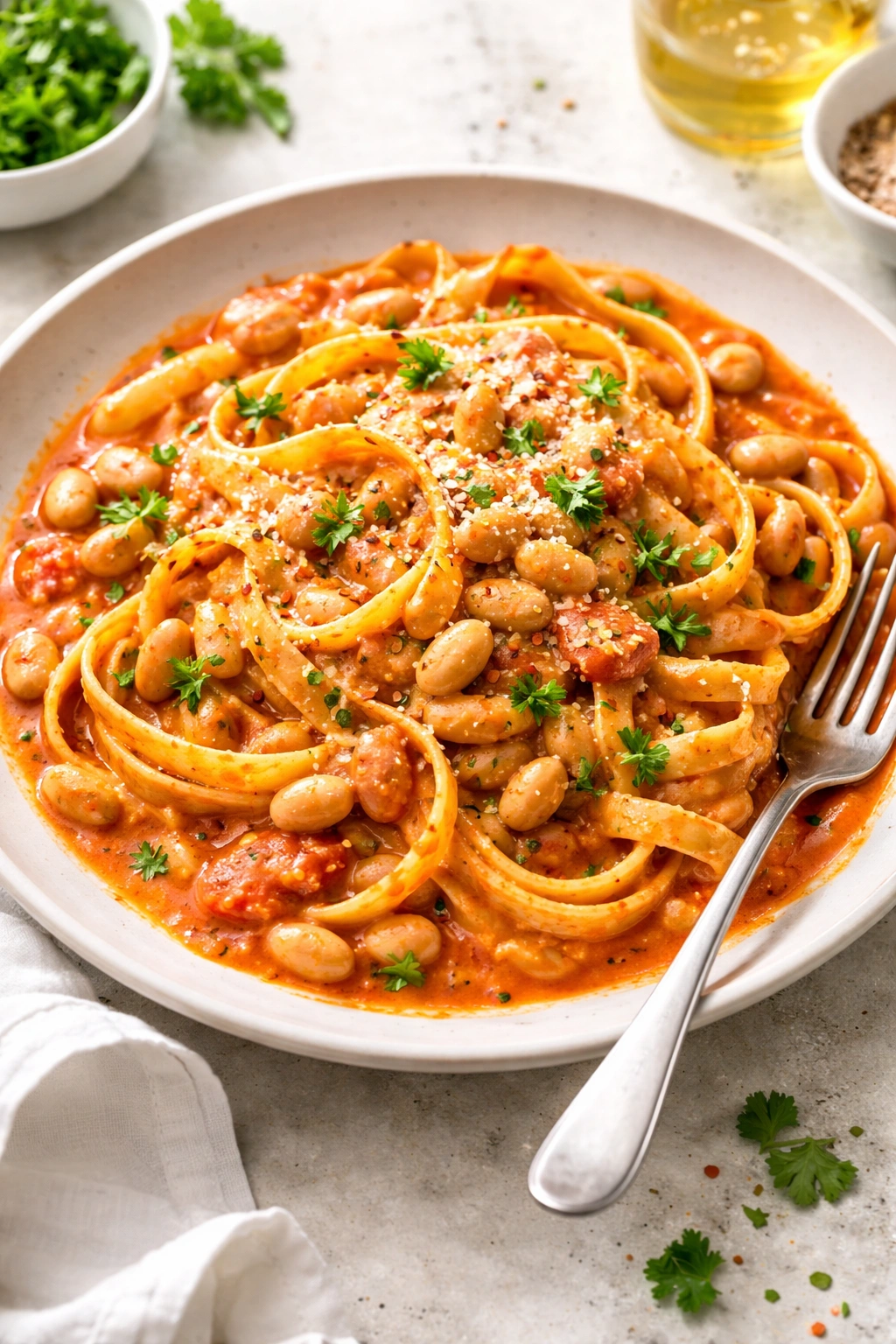
This is the dinner you make when you want something that feels indulgent but is actually built on humble, nourishing ingredients. Canned tomatoes, white beans, garlic, and a modest amount of cream come together into a sauce that’s rich, silky, and packed with fiber and plant-based protein. Toss it with fresh pasta, and you’ve got a meal that tastes like comfort food but delivers the nutrition of a well-balanced dinner.
What Makes This Special
The combination of tomatoes and beans is traditionally Mediterranean—it creates natural creaminess without relying on heavy cream alone. The beans break down slightly as they simmer, thickening the sauce while adding body and protein. Garlic infused into hot olive oil releases its sweetest, most savory notes. The whole thing comes together in under 30 minutes, and the flavors actually improve if you make it ahead and reheat it gently. This is the kind of dish that teaches you how Mediterranean cooking works: it takes the simplest ingredients and coaxes out their best qualities.
Essential Details for Success
- Use San Marzano tomatoes if you can find them; they have fewer seeds and less water than other canned varieties
- Don’t skip the step of cooking the garlic gently in olive oil until fragrant—this is where the flavor foundation is built
- Add the beans with their liquid; they’ll thicken the sauce naturally as they cook
- Finish with a small splash of heavy cream or Greek yogurt—this rounds out the acidity and adds richness without overwhelm
- Fresh basil stirred in at the end brightens everything immediately
Worth knowing: If you don’t have fresh pasta, dried pasta works perfectly well. Just add about 2 minutes to your cooking time. The sauce is forgiving and delicious with any shape.
3. Mediterranean Roasted Chicken with Root Vegetables and Olives
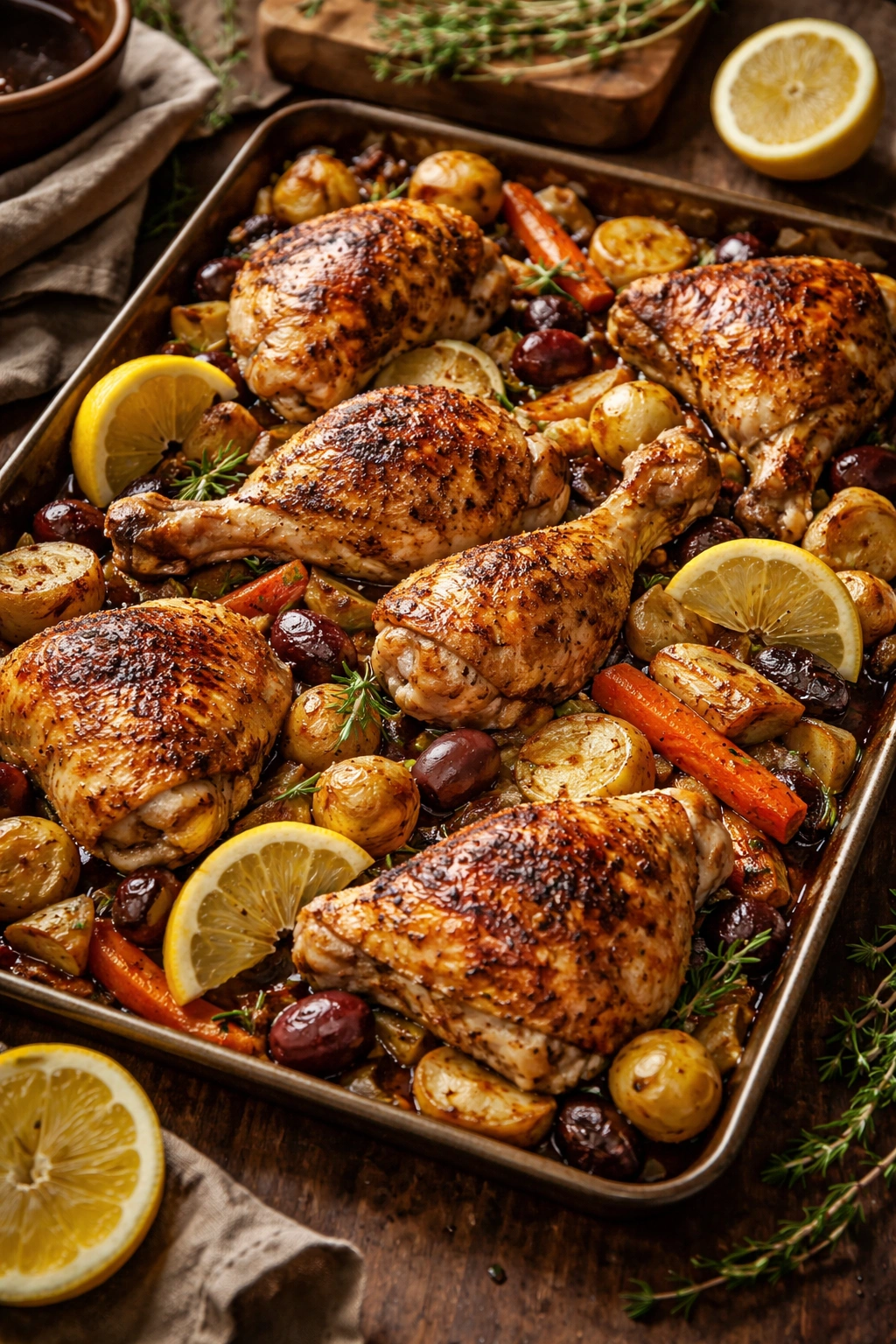
Roasted chicken is one of those dinners that feels special enough for company but simple enough for a weeknight. When you add Mediterranean aromatics—garlic, lemon, olives, and herbs—and roast it alongside hearty vegetables, you get something warm, deeply satisfying, and visually impressive all at once. One sheet pan does most of the work while your oven does the rest.
Why This Dish Works Every Time
Bone-in, skin-on chicken thighs and drumsticks cook faster than a whole bird and stay incredibly moist because dark meat has more fat. The lemon, garlic, and herbs infuse the meat as it roasts, creating flavor throughout instead of just on the surface. Kalamata olives add briny pops of flavor and richness, while roasted root vegetables (carrots, parsnips, potatoes) become caramelized and sweet. The pan drippings create a natural sauce that needs nothing more than a squeeze of fresh lemon. This is straightforward enough that anyone can execute it, but thoughtful enough that it feels like real cooking.
Technique Tips That Make the Difference
- Pat the chicken dry before roasting; moisture prevents browning and crispy skin
- Arrange the chicken skin-side up so the skin crisps in direct oven heat
- Cut vegetables into roughly equal sizes so they cook evenly
- Start the chicken and root vegetables together; they’ll finish at nearly the same time
- Use a meat thermometer—thighs are done at 165°F (74°C), which gives you perfect doneness without guessing
Insider note: Squeeze half a lemon over the chicken and vegetables about halfway through roasting. It adds brightness and helps crisp the skin even more.
4. Seafood Stew with Tomato, Saffron, and Fennel
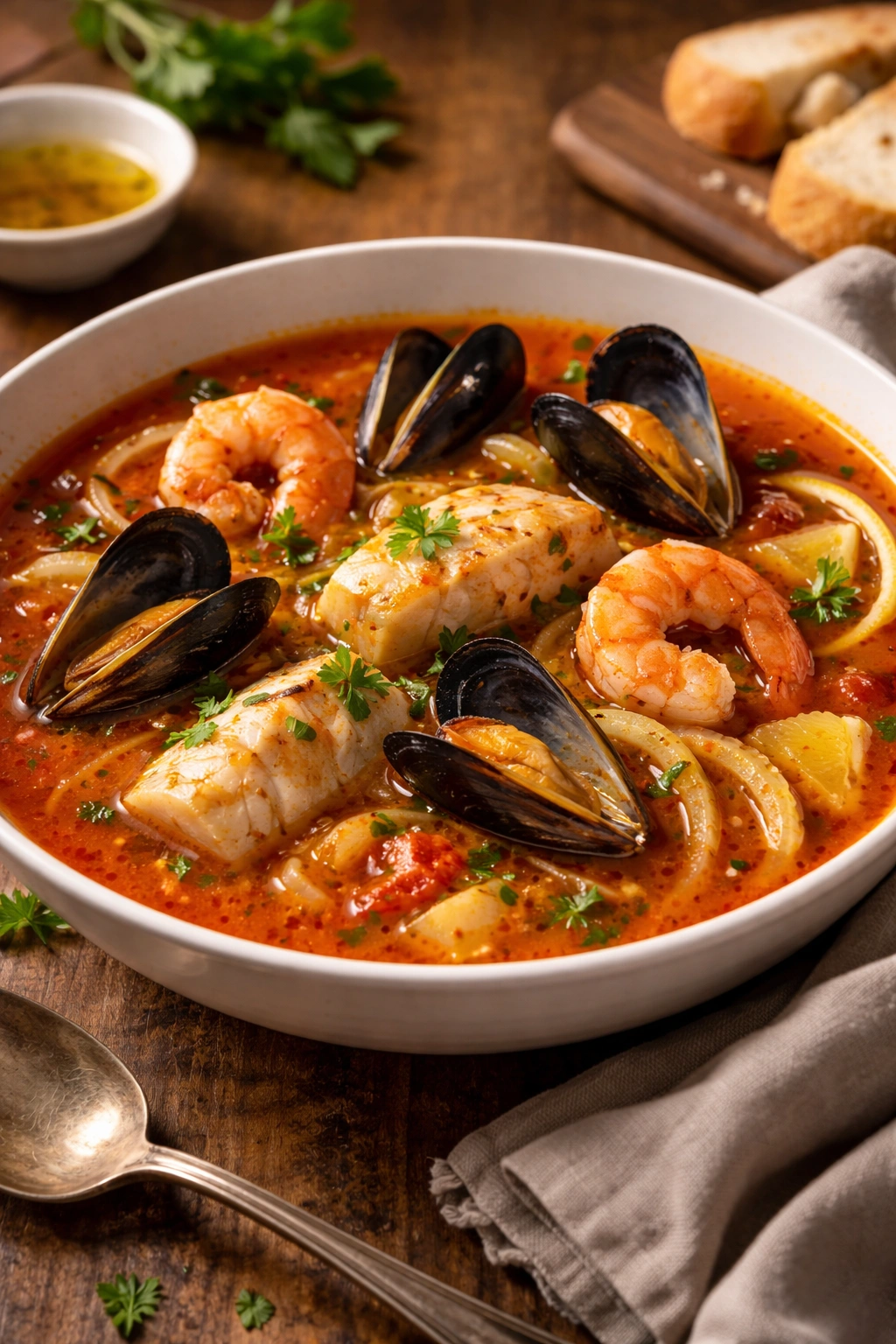
This is the dish to make when you want something that tastes like a long, slow simmer but comes together in under an hour. A fragrant base of fennel, garlic, and saffron-infused tomato broth becomes a vehicle for tender fish, shrimp, and mussels. It’s warming, aromatic, and feels like something special—the kind of meal that makes you appreciate both the quality of the ingredients and the care taken in cooking them.
The Magic of This Stew
Saffron is the key ingredient here; it adds both flavor and a beautiful golden color that makes this stew visually striking. Fennel brings a subtle anise note that complements seafood perfectly. The tomato broth is light enough not to overwhelm delicate fish, but rich enough to create real depth. You’re using the technique of gradually layering flavors—starting with aromatics, building a broth, then adding seafood at carefully timed intervals so everything finishes at exactly the right moment. It’s more structured than it sounds, but the process is genuinely simple once you understand it.
What Matters in Execution
- Use the best saffron you can afford; it makes a real difference in both flavor and color
- Slice the fennel thinly so it cooks through and becomes very tender and sweet
- Toast whole fennel seeds briefly in the pan before adding the base aromatics—this releases their oil and intensifies the flavor
- Add heartier fish (halibut, sea bass) before delicate fish (cod, sole) because they take longer
- Add mussels and shrimp in the final few minutes; they cook very quickly and become tough if overdone
- Serve in shallow bowls with crusty bread for soaking up every drop of broth
Real talk: If you can’t find all three types of seafood, use whatever looks freshest at your market. The stew is forgiving and delicious with different combinations.
5. Spiced Chickpea and Vegetable Tagine with Preserved Lemon
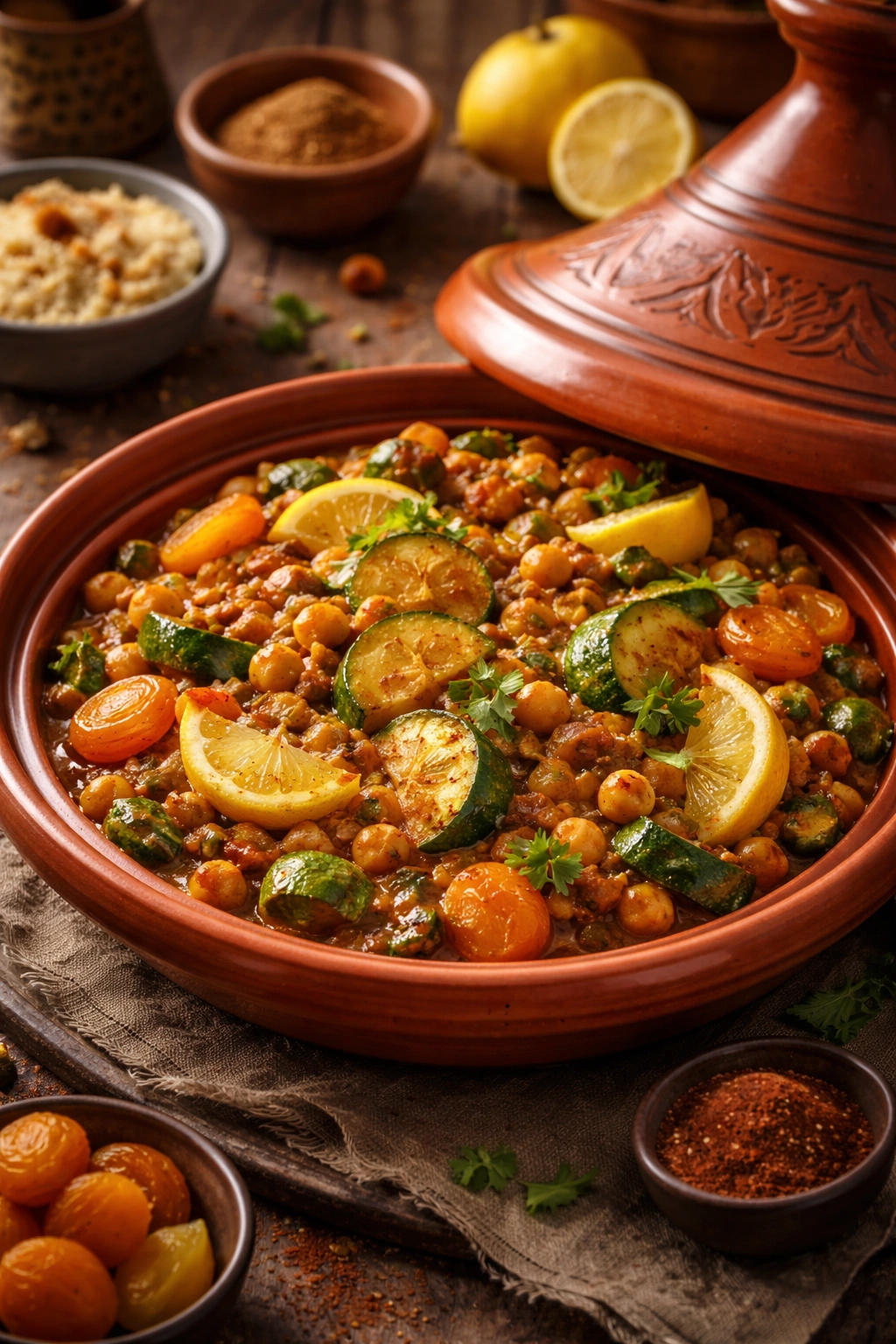
A tagine is a North African slow-cooked stew that occupies an interesting place in Mediterranean cuisine—it’s geographically at the southern edge of the Mediterranean region and brings warming spices and unique ingredient combinations. Chickpeas, zucchini, dried apricots, and warm spices like cumin and paprika create a dish that’s both familiar and unexpectedly interesting. Preserved lemon adds brightness and complexity that regular lemon juice simply can’t replicate.
Why This Belongs on Your Table
Preserved lemon is the revelation in this dish. If you’ve never used it, this is your chance. It brings a deep, complex citrus flavor that’s more interesting than fresh lemon. The warmth of the spices contrasts beautifully with the brightness of the preserved lemon. Dried apricots add natural sweetness that balances the salt and spice. This is vegetarian cooking that doesn’t feel like it’s missing anything—the spices and textured vegetables create real satisfaction and interest. You can make it ahead and it actually tastes better the next day as the flavors meld.
Important Technique Points
- Preserved lemon is available at specialty markets or online; you can also make your own a few weeks in advance
- If you can’t find preserved lemon, use regular lemon zest mixed with salt (it’s not identical, but it’s a reasonable substitute)
- Slice the zucchini into thick coins; they’ll hold their shape better during the long simmer
- Don’t skip toasting your spices in dry pan for a minute or two; this wakes them up and deepens their flavor
- Serve over couscous, rice, or with crusty bread to soak up the sauce
Pro tip: This tagine freezes beautifully. Make a double batch and freeze half for an easy dinner another week.
6. Pan-Seared Salmon with Caramelized Lemon and Dill Sauce
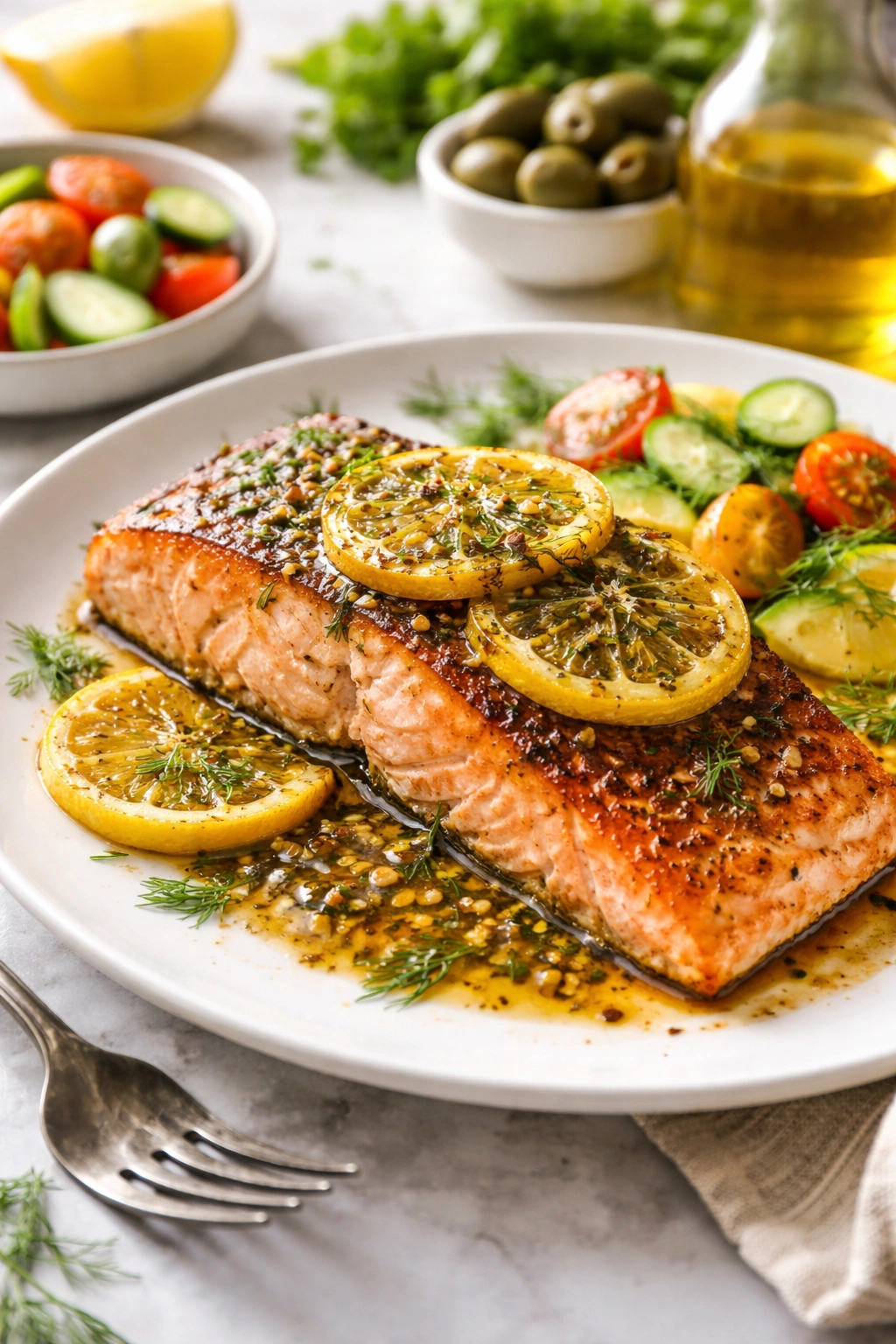
Salmon is a Mediterranean staple, particularly in the northern Mediterranean regions. The fish’s natural richness and high fat content mean it can handle bold flavors without becoming overwhelmed. When you sear it in a hot pan and finish it with a simple pan sauce built from caramelized lemon and fresh dill, you get something restaurant-quality that takes about 20 minutes total.
What Makes This Work So Well
The caramelized lemon sauce is the critical technique here. Instead of making a traditional sauce with cream or butter, you’re caramelizing lemon slices in a hot pan with a little sugar, then deglazing with white wine or broth. This creates a concentrated, slightly sweet and tart sauce with real complexity. The salmon’s richness balances the brightness perfectly. Dill’s herbaceous, slightly mineral quality pairs beautifully with both lemon and salmon—this combination is found throughout Scandinavian-Mediterranean fusion cooking. High-quality salmon with good color and a firm texture is worth the investment here because the dish is so simple; the ingredient quality really shows.
Cooking Steps That Matter
- Bring salmon to room temperature for 15 minutes before cooking; this helps it cook evenly
- Pat completely dry—moisture is the enemy of browning
- Use a cast-iron or heavy stainless steel pan at medium-high heat
- Don’t move the salmon once it hits the pan; let it develop a golden crust for 4-5 minutes
- Flip only once, then finish cooking skin-side up (skin-side down if skin was removed)
- Cook until the thickest part of the fillet reaches 125°F (52°C) for medium-rare, 130°F (54°C) for medium
Worth knowing: Frozen salmon thaws beautifully and often tastes just as good as fresh, especially if it was frozen immediately after being caught.
7. Herbed Shakshuka with Crispy Bread and Labneh
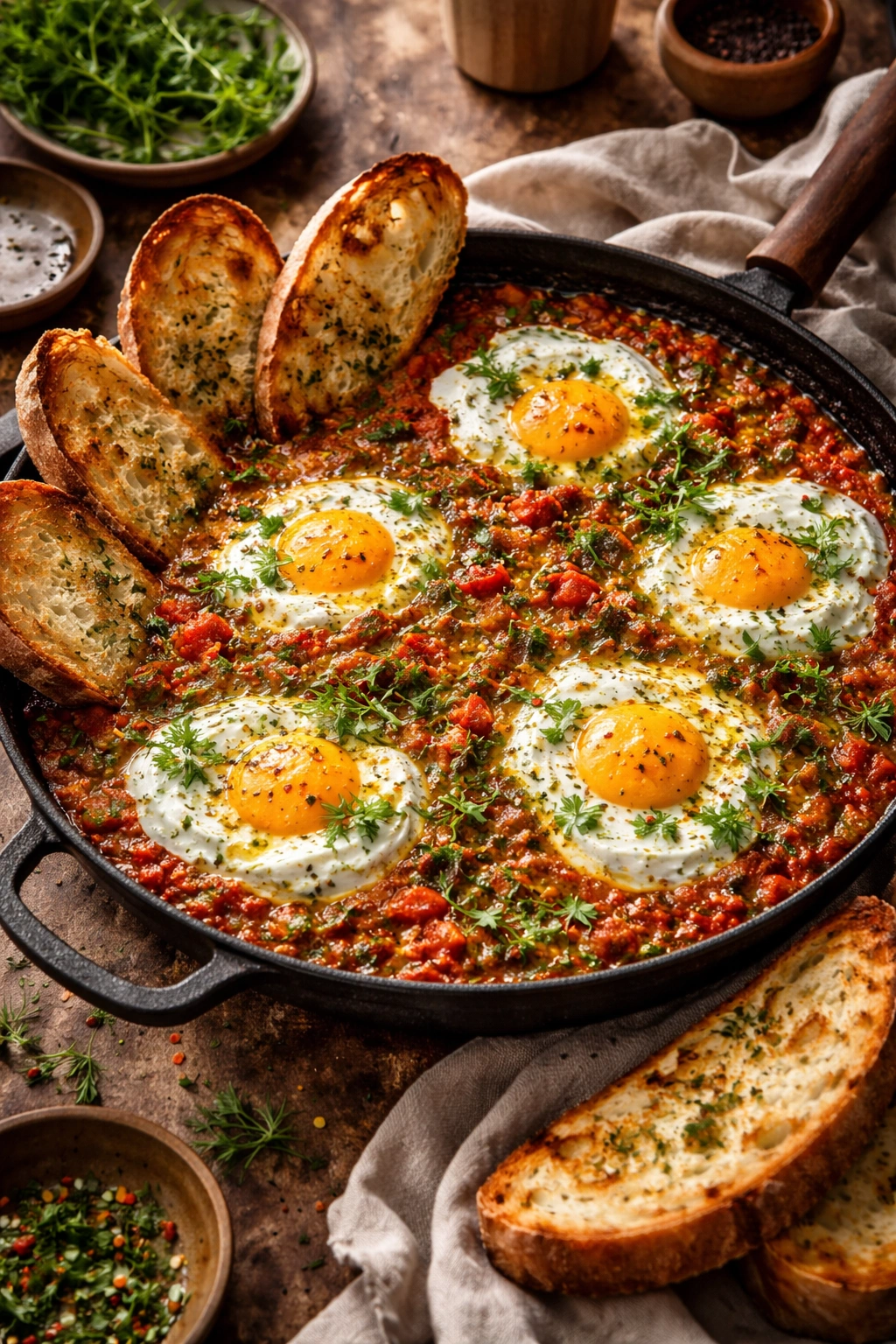
Shakshuka is a Middle Eastern and North African egg dish that’s gained popularity throughout the Mediterranean. Eggs poach in a fragrant tomato sauce infused with warm spices and fresh herbs, then the whole thing is finished with thick, creamy labneh (strained yogurt) and crispy bread for scooping. It’s equally good for dinner or breakfast, which makes it incredibly versatile.
Why This Dish Is Special
The eggs cook gently in the tomato sauce, so the yolks stay runny and rich while the whites set to a perfect tender texture. The sauce is built on tomato paste and canned tomatoes, so it comes together quickly without compromising depth. Labneh adds creaminess and tang that completely changes the character of the dish—the contrast between the warm spiced tomato sauce and cool, tangy labneh is genuinely delightful. This is comfort food in the best sense: warm, forgiving, and deeply satisfying. You can customize it easily by adding different herbs or vegetables to the sauce base.
Execution Details
- Use a wide, shallow skillet or a large sauté pan so you have room for all the eggs
- Build the tomato sauce first, seasoning it well with salt, pepper, cumin, and paprika
- Make small wells in the sauce for the eggs; this helps them stay together instead of spreading thin
- Cover the pan while the eggs cook so they poach in the steam and residual heat
- Don’t skip the labneh; it’s the finishing touch that makes this special
- Have crispy bread ready for scooping (toasted pita, crusty bread, or even crispy flatbread)
Pro tip: Labneh can be made at home by straining Greek yogurt through cheesecloth for a few hours, but most Middle Eastern markets sell it. Save time and buy it ready-made.
8. Baked White Fish with Cherry Tomatoes, Capers, and Basil
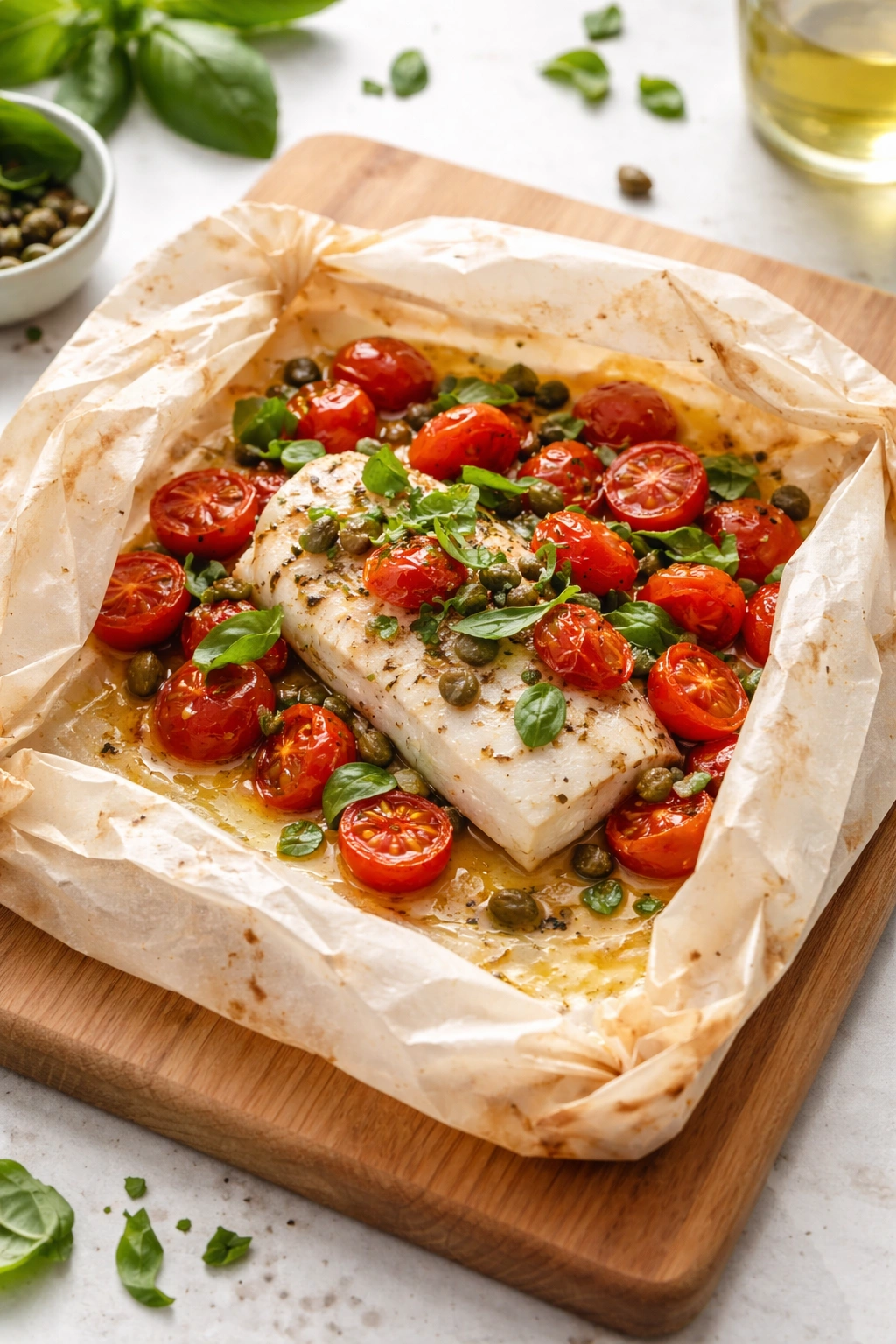
This is the dinner you make when you want something light, fresh, and elegant in the simplest possible way. A mild white fish like halibut or cod bakes gently in a parchment en papillote (in a sealed packet), steaming in its own juices along with bright cherry tomatoes, briny capers, and fresh basil. The parchment method makes cleanup effortless and keeps the fish incredibly moist.
Why This Technique Works
Cooking en papillote means the fish cooks in a completely sealed, steamy environment. Because there’s no direct dry heat, the fish stays tender and moist no matter your skill level. The cherry tomatoes break down slightly and release their juices into the poaching liquid, creating a light sauce. The capers contribute salt and briny flavor without needing additional salt. Basil stirred in after cooking stays bright and fresh-tasting instead of wilting away. This is a technique that looks impressive but is actually foolproof—if you can fold parchment, you can make this. It also scales easily from one person to a dinner party.
Key Technique Points
- Pat the fish dry before wrapping; any surface moisture will steam off and create a less pleasant texture
- Cut parchment into a large square, then fold and crimp the edges tightly so steam can’t escape
- Place the fish on the lower half of the parchment with vegetables and aromatics on top
- Bake at 400°F (200°C); the parchment will puff up as steam builds inside
- Serve the packet at the table and carefully open it; the aroma that escapes is part of the experience
- Be careful when opening; the steam inside is quite hot
Insider note: If you don’t have parchment paper, you can use aluminum foil, but parchment creates a more elegant presentation when opened at the table.
9. Slow-Cooked Lamb Shoulder Stew with Tomato and Red Wine
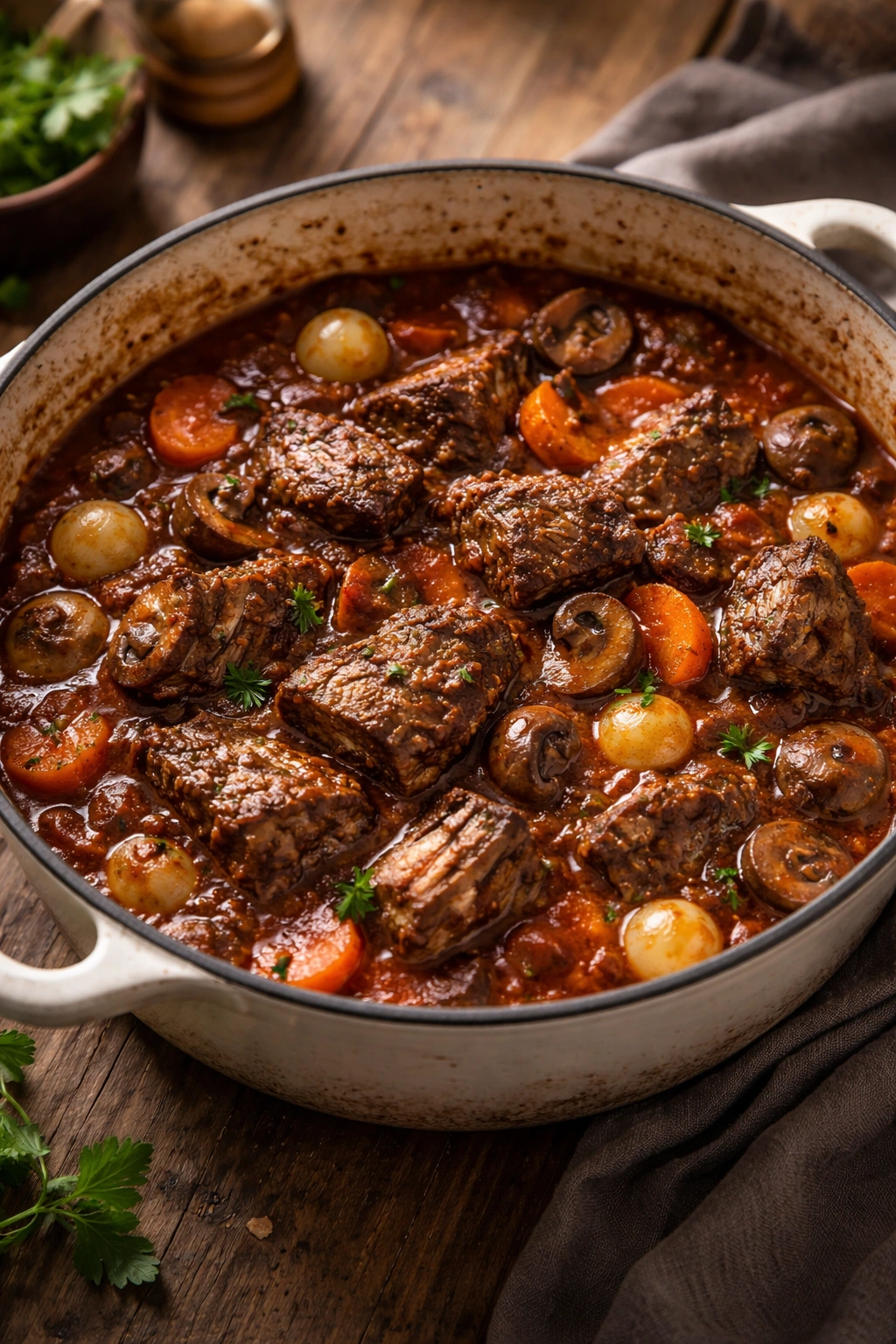
Lamb is a cornerstone of Mediterranean cooking, particularly in the Eastern and Southern regions. A slow-cooked stew of shoulder meat (which becomes incredibly tender with long, gentle cooking) with red wine, tomatoes, and aromatic vegetables creates something deeply warming and rich. This is the kind of dinner that fills your house with extraordinary aromas and delivers genuine comfort on your plate.
What Makes This Stew Special
Lamb shoulder contains enough connective tissue and fat that it becomes silky and almost buttery after several hours of gentle simmering. The red wine adds depth and subtle tannins that complement the lamb’s richness. Tomato paste provides concentrated tomato flavor without adding too much liquid. Pearl onions, carrots, and mushrooms cook in the stew, absorbing the sauce and becoming incredibly tender. This is a dish that actually improves if you make it a day or two ahead and reheat it gently—the flavors meld and become more integrated. Serve it with crusty bread, polenta, or over egg noodles.
Cooking Process Details
- Trim excess surface fat from the lamb, but keep some; fat carries flavor and keeps the meat moist
- Brown the meat well in batches before adding anything else; this creates a flavorful crust
- Sauté onions, garlic, and tomato paste together before adding the wine and broth
- Add the lamb back to the pot with red wine, broth, and herbs; bring to a simmer
- Cook covered at a very gentle simmer for 2.5 to 3 hours; the meat should be fork-tender
- Don’t rush it with high heat; low and slow is the only way to achieve the right texture
- Add the harder vegetables (carrots) about 1.5 hours into cooking; softer vegetables (mushrooms) near the end
Real talk: Beef stew made the same way is equally delicious if you can’t find lamb or prefer beef.
10. Eggplant Parmesan with Fresh Mozzarella and Basil
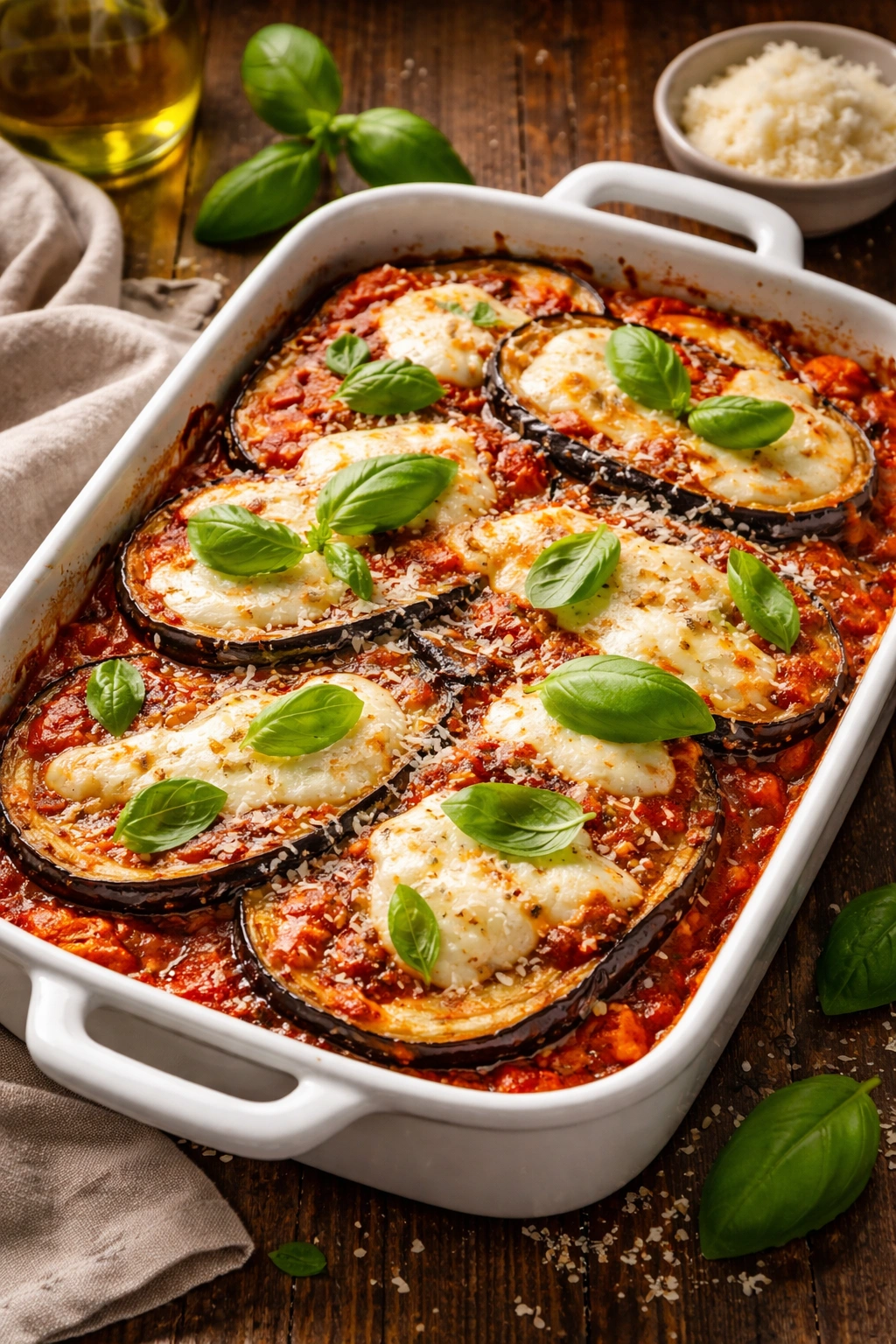
Eggplant parmesan is a Southern Italian classic that’s often made heavier than necessary with too much cheese and fried eggplant. This version uses roasted instead of fried eggplant, which cuts down on oil significantly while creating a silky, naturally sweet texture. Fresh mozzarella added just before serving keeps everything lighter and fresher tasting.
Why Roasting Changes Everything
Roasted eggplant has a completely different character from fried eggplant—it’s more delicate, less greasy, and has a subtle caramelization that adds depth. Brushing thin eggplant slices with olive oil and roasting them at high heat creates crispy edges and tender centers without the mess of frying. Layering roasted eggplant with tomato sauce and a small amount of Parmigiano-Reggiano, then baking the whole thing together creates something that’s rich and satisfying but not heavy. Fresh mozzarella stirred in at the very end or torn on top just before serving stays creamy and tender instead of melting into the dish. Finish with fresh basil and you’ve got something that tastes restaurant-quality but comes together in about an hour.
Technique Details That Matter
- Slice eggplant into ¼-inch thick rounds; thinner slices cook through, thicker ones stay watery in the center
- Salt the sliced eggplant and let it sit for 15-20 minutes; this draws out excess moisture and prevents a watery dish
- Pat the eggplant dry with paper towels before brushing with oil and roasting
- Roast at 425°F (220°C) for about 20 minutes until the edges are crispy and golden
- Use a good-quality tomato sauce (or make your own with canned tomatoes, garlic, and herbs)
- Don’t overload each layer; it should feel like a composed dish, not a thick casserole
- Add fresh mozzarella in the final minutes of baking or immediately after, so it stays tender
Pro tip: Make the tomato sauce a day ahead if you have time. Letting the flavors sit overnight deepens everything, and it makes assembly quicker.
Final Thoughts
Mediterranean dinners share a philosophy that goes beyond recipes: they’re built on the principle that good food doesn’t require complicated technique or exotic ingredients. Instead, it relies on understanding how flavors work together, respecting the quality of what you’re using, and resisting the urge to overcomplicate things.
Each of these ten dinners teaches you something about Mediterranean cooking. The grilled fish shows you how simplicity and high-quality ingredients create elegance. The pasta teaches you how humble items like beans and canned tomatoes become something deeply satisfying. The stews and braises demonstrate how low, slow cooking creates richness that takes minimal active effort. The vegetable dishes prove that vegetables aren’t side dishes here—they’re the foundation of meals that stand entirely on their own.
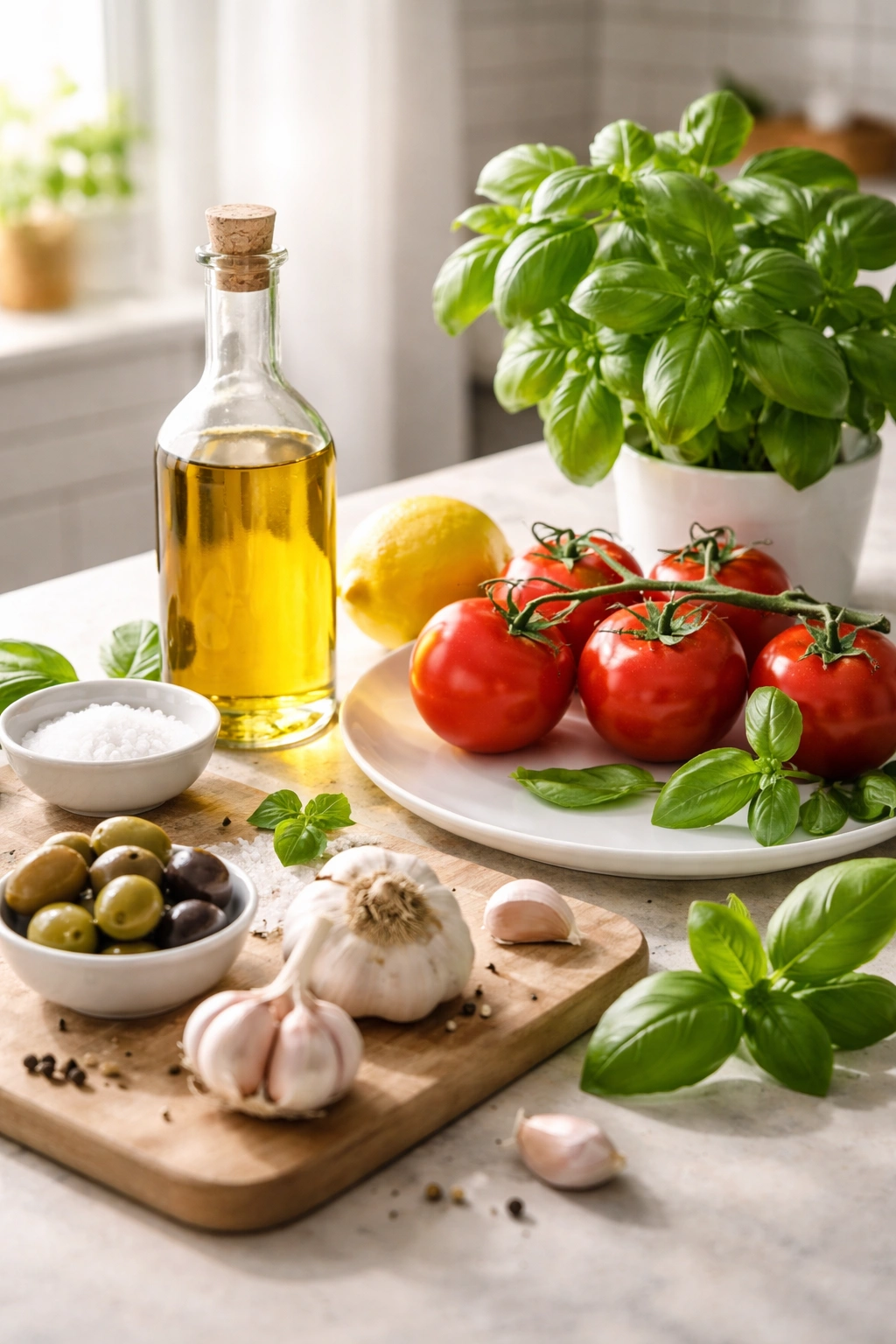
The real takeaway isn’t about following these recipes exactly, though they’ll absolutely guide you to delicious dinners. It’s about understanding the building blocks: quality olive oil, fresh or high-quality canned tomatoes, aromatic herbs, good seafood or meat, and vegetables at their peak. When you have those things and understand how they combine, you can create Mediterranean dinners that feel both effortless and special, whether you’re cooking for yourself on a Tuesday night or serving guests on the weekend.
