



Comfort food calls to us for a reason. There’s something deeply satisfying about a heaping plate of mac and cheese, a warm slice of pizza, or a crispy fried chicken sandwich — these are foods tied to memory, relaxation, and genuine pleasure. The problem isn’t that comfort foods are inherently bad; it’s that the traditional versions often pack excessive calories, saturated fat, refined carbohydrates, and sodium without much nutritional return for what you’re eating. But here’s the good news: you don’t have to choose between food that tastes indulgent and food that actually nourishes your body.
The trick is learning to remake your favorite comfort meals with ingredient swaps that preserve the taste and satisfaction you crave while dramatically improving what those meals do for your health. These aren’t deprivation strategies or “fake” substitutes that leave you unsatisfied — they’re strategic replacements that often add more flavor, texture, and genuine nutrition than the originals. You’ll enjoy richer, more complex tastes, better satiety, and the confidence that you’re feeding yourself well without the post-meal guilt or energy crashes.
Let’s walk through eight comfort food classics and the smarter swaps that prove you can have your cake (yes, there’s chocolate cake on this list) and eat it healthily too. Each of these swaps comes from tested cooking principles and real-world practicality — the kind that actually works in your kitchen, not just in theory.
1. Mac and Cheese → Butternut Squash Mac and Cheese
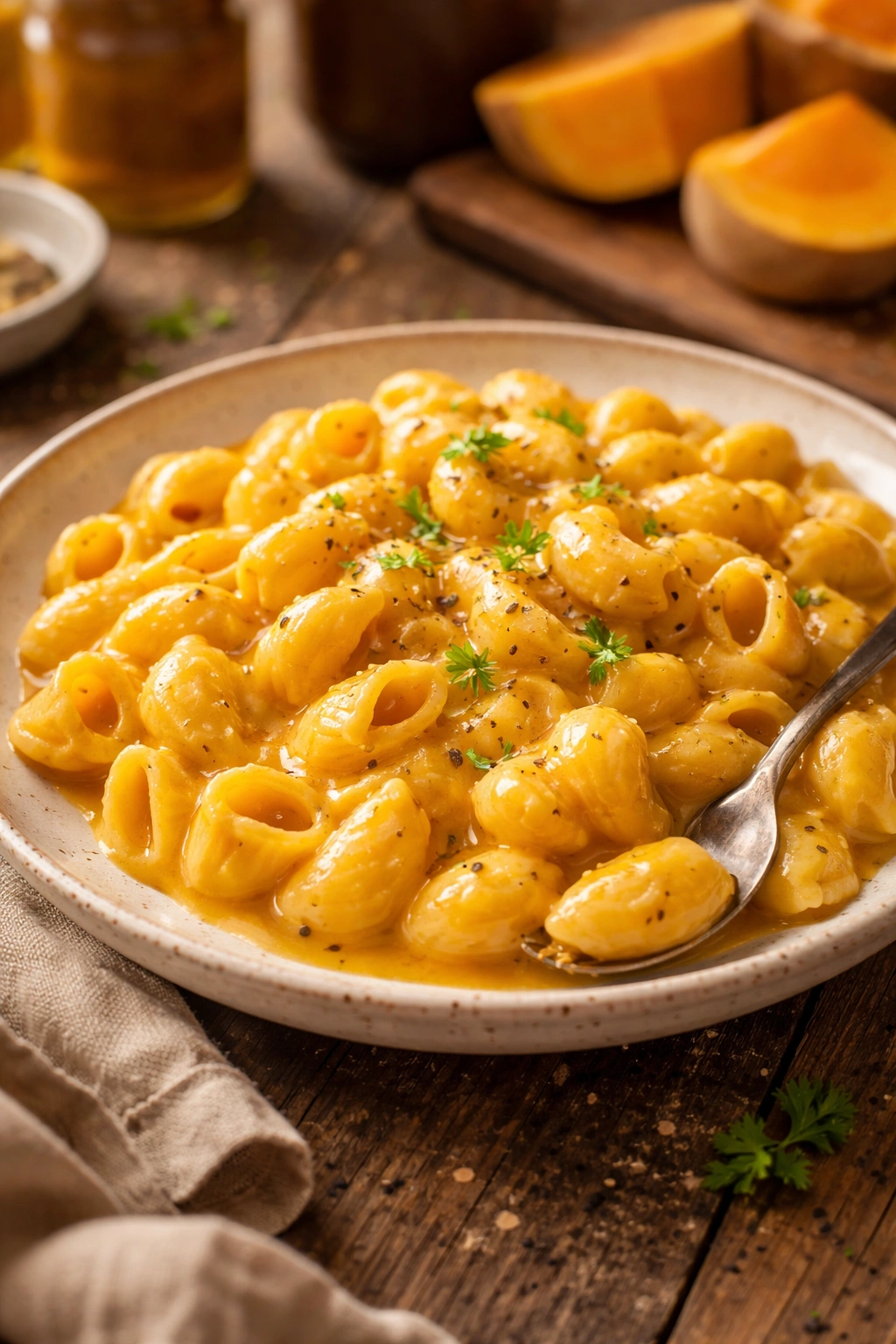
Traditional mac and cheese relies on a heavy cream and butter sauce, often made with processed cheese powder that tastes bright and salty but leaves your digestive system working overtime. The real magic of this dish is the richness and creamy coating on each pasta piece — and that’s exactly what you can preserve while removing the heaviest elements.
Why This Swap Transforms the Dish
Butternut squash puree creates the exact same luxurious mouthfeel as cream-based sauce, but the squash is primarily water and fiber rather than pure fat. When you roast and blend butternut squash, it becomes naturally silky and sweet, which means you need far less actual cream or butter to achieve that indulgent feel. The squash also brings its own subtle sweetness, which plays beautifully against sharpened cheese flavor — many people actually find this version more interesting than the original because there’s more flavor complexity happening.
What Makes It Work So Well
- The natural sweetness of butternut squash (about 8 grams per cup) reduces cravings for the salt-heavy cheese powder traditionally used
- You’re still getting real cheese in the sauce, just less of it and combined with a vegetable base that extends the sauce without adding more fat
- Roasted squash adds about 10 grams of fiber per cup, which slows digestion and keeps you satisfied longer than regular pasta alone
- The beta-carotene from butternut squash converts to vitamin A, which supports everything from eye health to immune function
- A typical serving drops from around 400+ calories in traditional mac and cheese to around 320-350 calories while actually tasting richer
Pro tip: Make a big batch of roasted butternut squash at the start of your week and freeze it in portions — this swap becomes genuinely quick once you have the puree ready to go.
2. Pizza → Cauliflower Crust Pizza
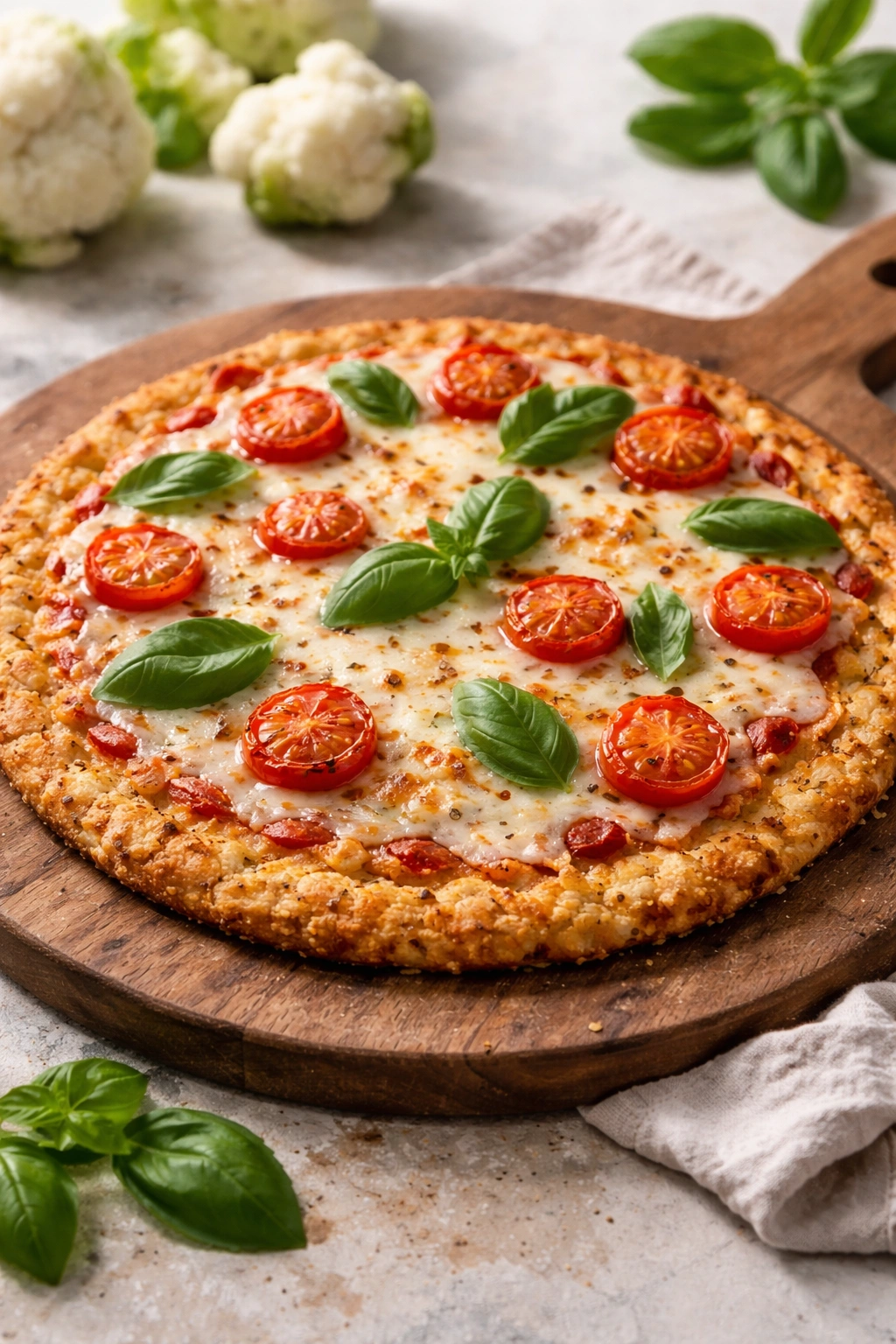
The resistance to cauliflower crust is real and mostly justified — early versions were genuinely disappointing, more vegetable mush than actual crust. But cauliflower crust technology has evolved dramatically, and more importantly, you can make a version at home that tastes nothing like wet vegetables and everything like actual pizza.
Why Cauliflower Works Better Than You’d Expect
The issue with traditional pizza crust isn’t the format — it’s the refined carbohydrates and lack of fiber that cause blood sugar spikes and leave you hungry again ninety minutes later. Cauliflower crust lets you keep the pizza experience (toppings, melted cheese, that satisfying bite) while swapping the carb base for something that stabilizes your blood sugar and adds actual nutrients. When cauliflower is squeezed dry, mixed with cheese and eggs, and baked until crispy, it develops a genuinely pleasant texture — more like a thin savory pancake than a vegetable.
What Changes When You Make This Swap
- One slice of cauliflower crust pizza typically has 80-120 calories compared to 250+ calories in traditional pizza crust — same toppings, same satisfaction, dramatically lower calorie load
- Cauliflower contains sulforaphane, a compound that research has linked to anti-inflammatory and potential cancer-fighting properties
- The fiber content (about 3 grams per cup of cooked cauliflower) keeps your digestive system moving and blood sugar stable
- You can load up on toppings without guilt — the lighter crust base means you can add extra vegetables or go heavier on protein without exceeding reasonable calorie bounds
- Many people find they eat less overall because the crust is denser and more satisfying than regular pizza bread, which tends to encourage multiple slices
Pro tip: Buy frozen riced cauliflower and squeeze it aggressively in a clean kitchen towel over the sink — the drier you get it, the less soggy your finished crust will be.
3. Burgers → Black Bean or Ground Turkey Burgers
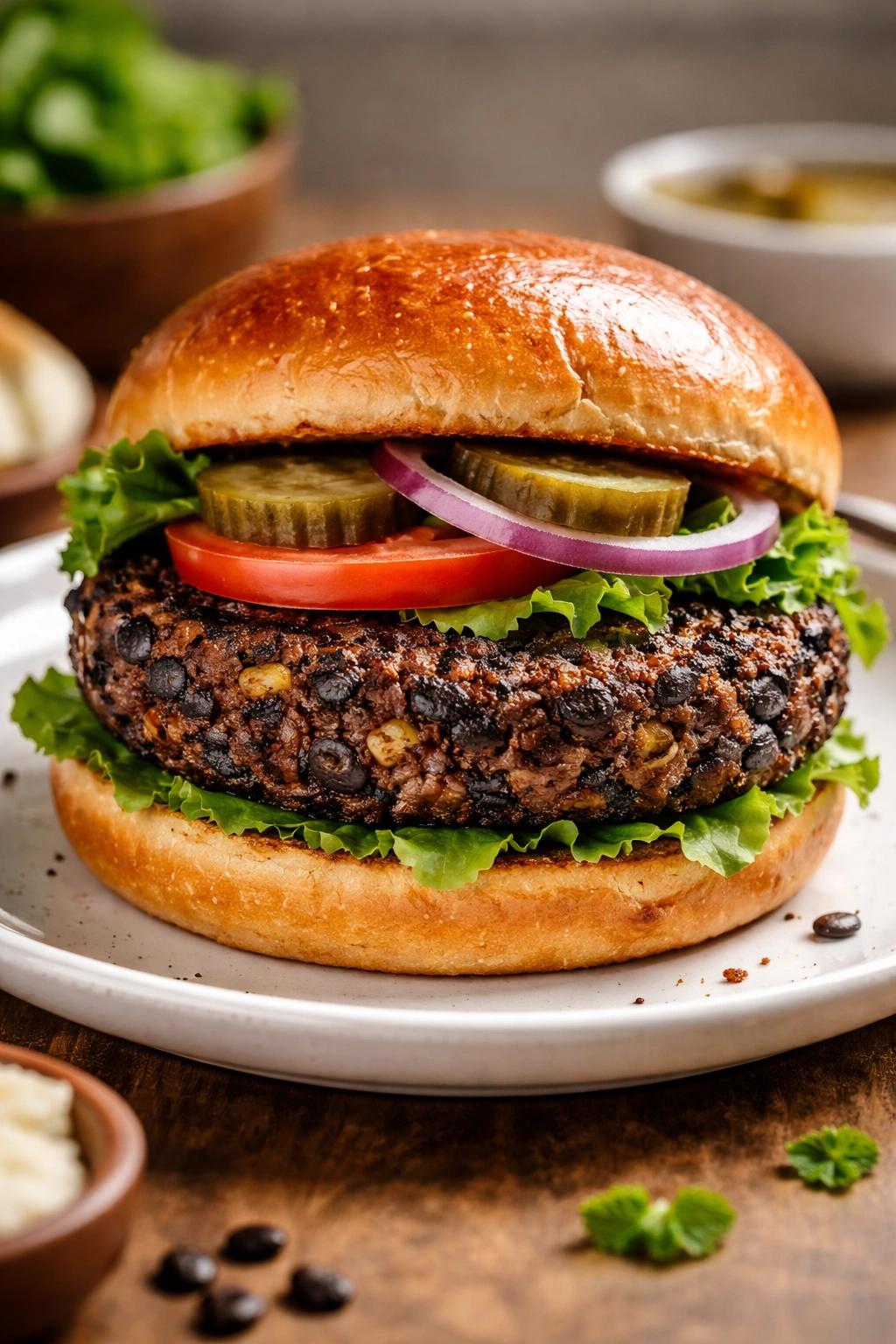
The burger is comfort food royalty, and the good news is that moving away from all-beef patties doesn’t mean losing the satisfaction that makes burgers so appealing. Black bean burgers and ground turkey burgers each solve the problem in different ways — black beans add fiber and plant protein while turkey leans down the fat content without sacrificing juiciness if you prepare it correctly.
Why These Alternatives Actually Deliver
An all-beef burger (typically 85/15 ground beef) is about 30% fat by weight, which is why it tastes so good but also why it sits heavily. Black beans contain about 15 grams of fiber and 15 grams of protein per cooked cup, both of which increase satiety — you feel fuller longer and don’t experience the energy crash that comes after a traditional burger. Ground turkey is dramatically leaner but can easily turn dry and flavorless, which is why the technique matters: you add moisture-retaining ingredients like grated zucchini, egg, and panko plus plenty of seasoning so the burger stays juicy and flavorful.
The Real Advantages of Switching
- A black bean burger delivers around 150-200 calories per patty compared to 250+ for beef, and the beans provide sustained energy that lasts hours
- Black beans contain kaempferol, a flavonoid with antioxidant and anti-inflammatory properties that your body can actually use
- Ground turkey at 93/7 leanness has about 7 grams of fat per 3-ounce serving compared to beef’s 20+ grams, which means less inflammation triggered in your body
- Both alternatives cost less per serving than quality ground beef, so you’re eating better and saving money
- You can stack these burgers with toppings guilt-free — lettuce, tomato, avocado, pickles, and a reasonable amount of condiments still keeps you within reasonable nutrition bounds
Pro tip: Don’t skip the seasoning and binders — black bean burgers especially need salt, cumin, chili powder, and something like grated onion or bell pepper to taste genuinely burger-like rather than like a bean patty.
4. Fried Chicken → Air Fryer Chicken with Herb Coating

Fried chicken’s appeal is straightforward: the contrast between crispy exterior and juicy interior, plus the savory richness from the deep frying oil. You can recreate this exact textural experience using an air fryer and a well-seasoned coating, losing almost all the excess oil without losing any of the satisfaction.
Why Air Frying Creates That Crispy Exterior
An air fryer works by circulating extremely hot air at high velocity around the food, which creates a crispy exterior through the Maillard reaction (the same browning that happens during traditional frying, but without the oil). When you coat chicken pieces in seasoned flour or panko mixed with spices and a light oil spray, the high heat turns that coating golden and crunchy while the interior stays moist because the air circulation is so fast that it doesn’t dry out the meat the way traditional baking would.
What You Gain and Lose With This Swap
- Traditional fried chicken gets about 50-60% of its calories from fat, often from lower-quality oils reused multiple times in commercial fryers; air fryer chicken gets maybe 20-30% of its calories from fat, mostly from the thin coating
- A 3-ounce piece of traditional fried chicken breast has around 320 calories; the same piece air-fried has around 180-200 calories
- You eliminate the inflammatory oxidized vegetable oils that come from deep frying at industrial scales, which your body has to work to process
- The crispy texture is genuinely there — most people cannot tell the difference in a blind taste test, especially once you nail the seasoning
- Cleanup is infinitely easier, and you can make fried chicken on a random Tuesday without heating up your entire kitchen
Pro tip: Don’t spray oil directly on the chicken itself (it tends to drip and create pooling); instead, toss the coated chicken pieces in a bowl with a light misting of oil, which distributes it evenly and prevents soggy spots.
5. Pasta Carbonara → Creamy Avocado Pasta
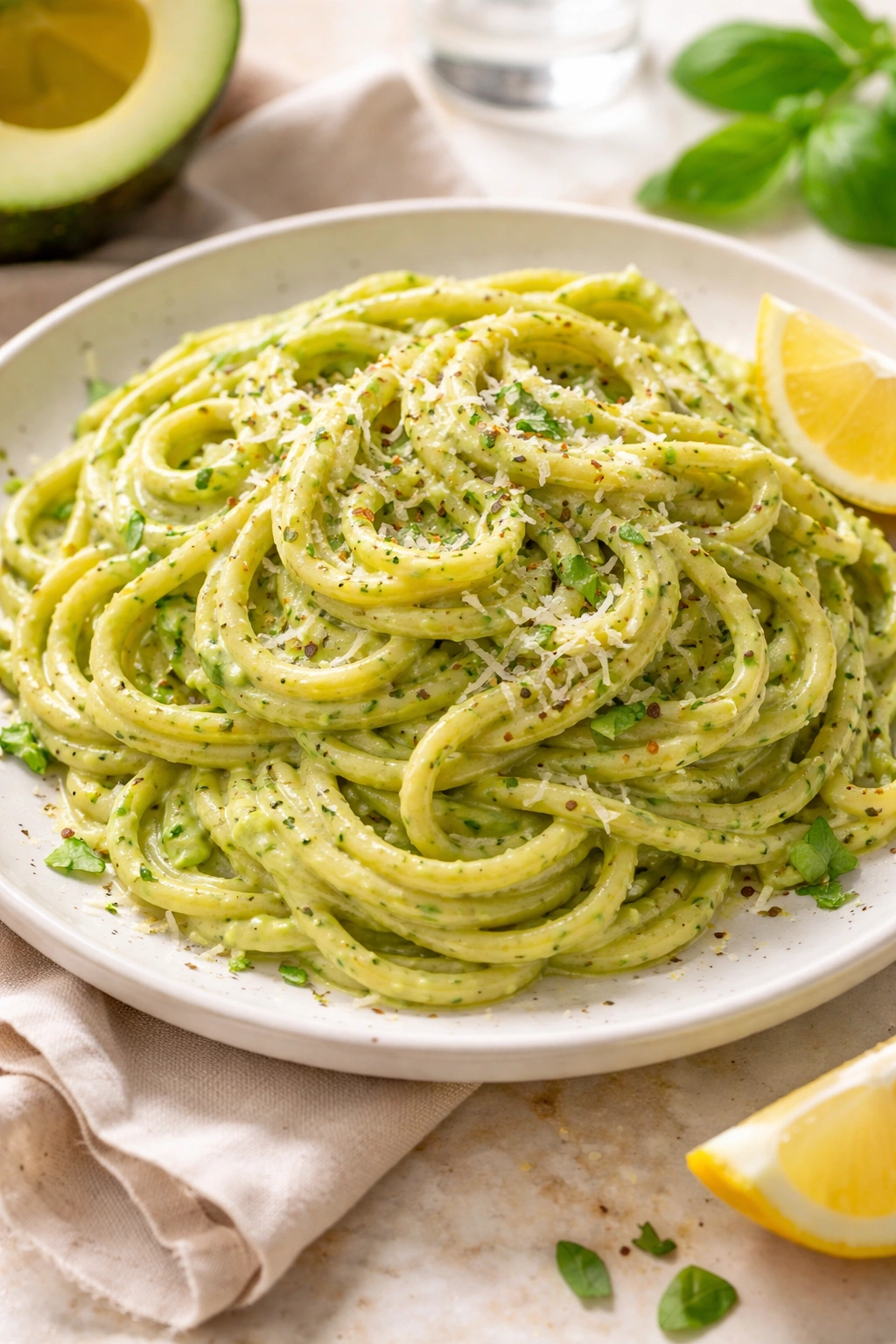
Carbonara is one of the richest pasta dishes in existence — eggs, bacon, pecorino cheese, and plenty of black pepper create a silky, intensely satisfying sauce that’s genuinely addictive. The problem is that a typical bowl contains around 900+ calories and is almost entirely fat and refined carbohydrates. Avocado sauce preserves the creaminess and richness while adding fiber, healthy fats that actually support your body, and nutrients that pasta and bacon simply don’t contain.
Why Avocado Creates the Perfect Carbonara Swap
Avocado’s texture is fundamentally similar to an egg-and-cream base when blended smoothly with pasta water and a bit of lemon juice — it becomes silky and clings to the pasta in exactly the way carbonara sauce does. The mild, buttery flavor of avocado plays beautifully against bacon, garlic, and parmesan, creating a sauce that tastes indulgent while delivering completely different nutrition than the original.
The Nutritional Shift
- A traditional carbonara gets about 85% of its calories from fat, much of it saturated; avocado pasta gets about 60% of its calories from fat, mostly the monounsaturated kind that research links to better heart health
- Avocado brings roughly 10 grams of fiber per fruit, which the original carbonara has essentially none of
- You’re still getting bacon and parmesan (because life), so the dish tastes unmistakably rich and savory, not like a “healthy” compromise
- A serving of avocado carbonara typically lands around 450-500 calories compared to 900+ for traditional carbonara, even when using the same amount of bacon and cheese
- Avocado contains lutein and zeaxanthin, carotenoids specifically linked to eye health and vision protection
Pro tip: Mash the avocado with a fork rather than using a food processor — you want some texture and slight chunks, not a perfectly smooth sauce, which actually tastes better and more interesting.
6. French Fries → Baked Sweet Potato Fries
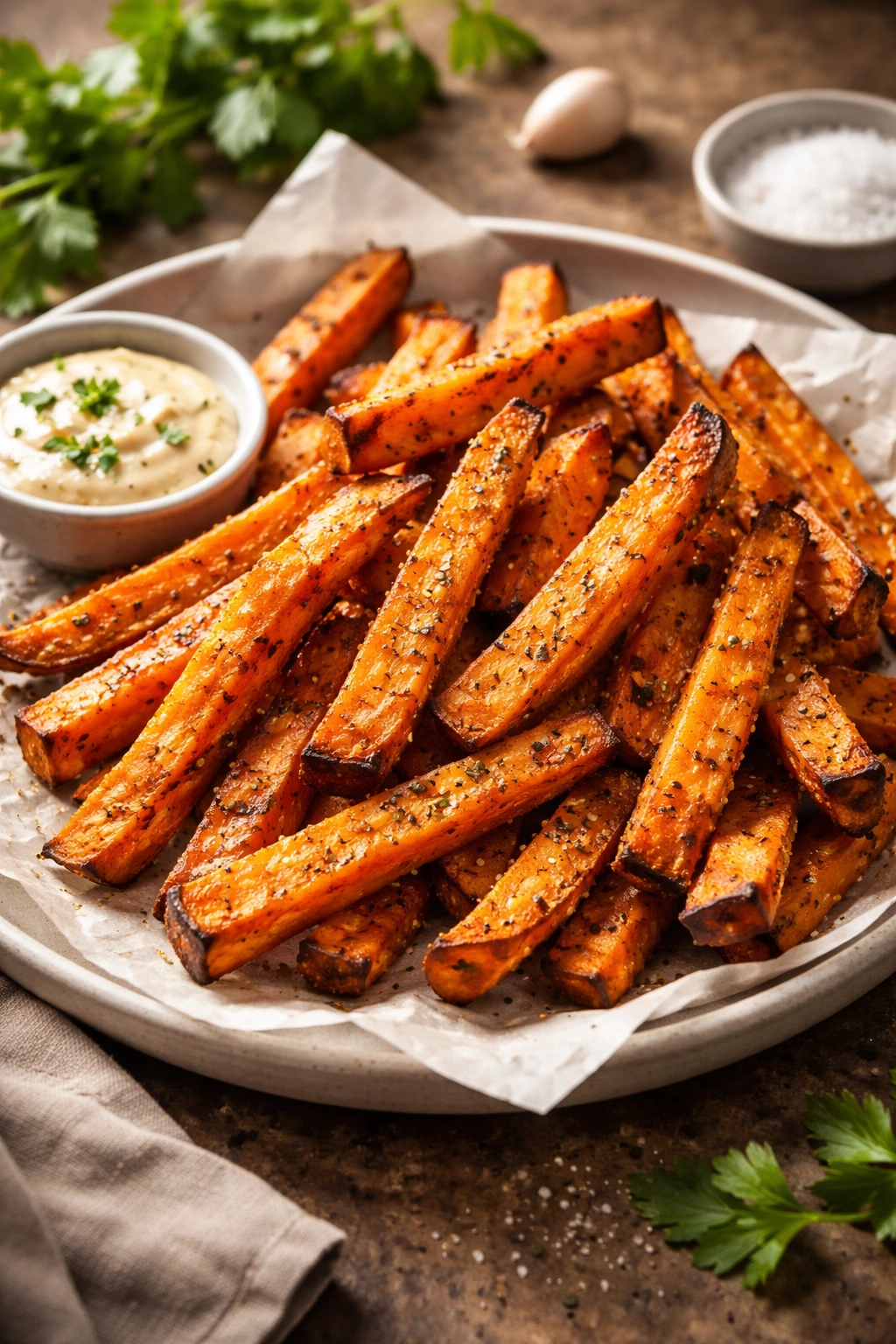
French fries are the ultimate comfort food side — golden, crispy, salty, and deeply satisfying in a way few foods can match. The problem is that they’re fried in oil, typically served in massive portions, and made from white potatoes that are pure starch with minimal nutritional return. Baked sweet potato fries deliver the same crispy-exterior, soft-interior experience while adding fiber, vitamins, and a naturally sweet note that makes them feel like more of a treat.
Why Sweet Potato Fries Rival Traditional Fries
Sweet potatoes have a completely different starch structure than white potatoes — they’re naturally slightly sweet and have a denser texture that crisps up beautifully in a hot oven without needing deep frying. When you cut them into fries, toss them lightly with oil, salt, and spices, and roast them at high heat (around 425°F / 220°C), they develop crispy, browned edges while staying soft inside, creating that contrast that makes fries so addictive.
The Real Benefits of This Swap
- Sweet potatoes have a glycemic index around 63 compared to white potatoes at 85+, meaning they cause a slower, more stable blood sugar response
- One medium sweet potato contains about 100 calories and 3.6 grams of fiber, while a standard serving of french fries (about 100 calories) has almost no fiber
- The beta-carotene in sweet potatoes (which gives them their orange color) converts to vitamin A and supports immune function, eye health, and skin health
- You can make a big batch and reheat them easily — they stay crispy in a 350°F oven for 5-8 minutes
- Even with a light coating of oil, baked sweet potato fries contain about 1/3 to 1/2 the fat of traditional fried potatoes
Pro tip: Cut them all roughly the same thickness (about ¼-inch) so they cook evenly, and don’t crowd the baking sheet — they need space for air to circulate and create that crispy exterior.
7. Chocolate Cake → Black Bean Brownies or Avocado Chocolate Mousse
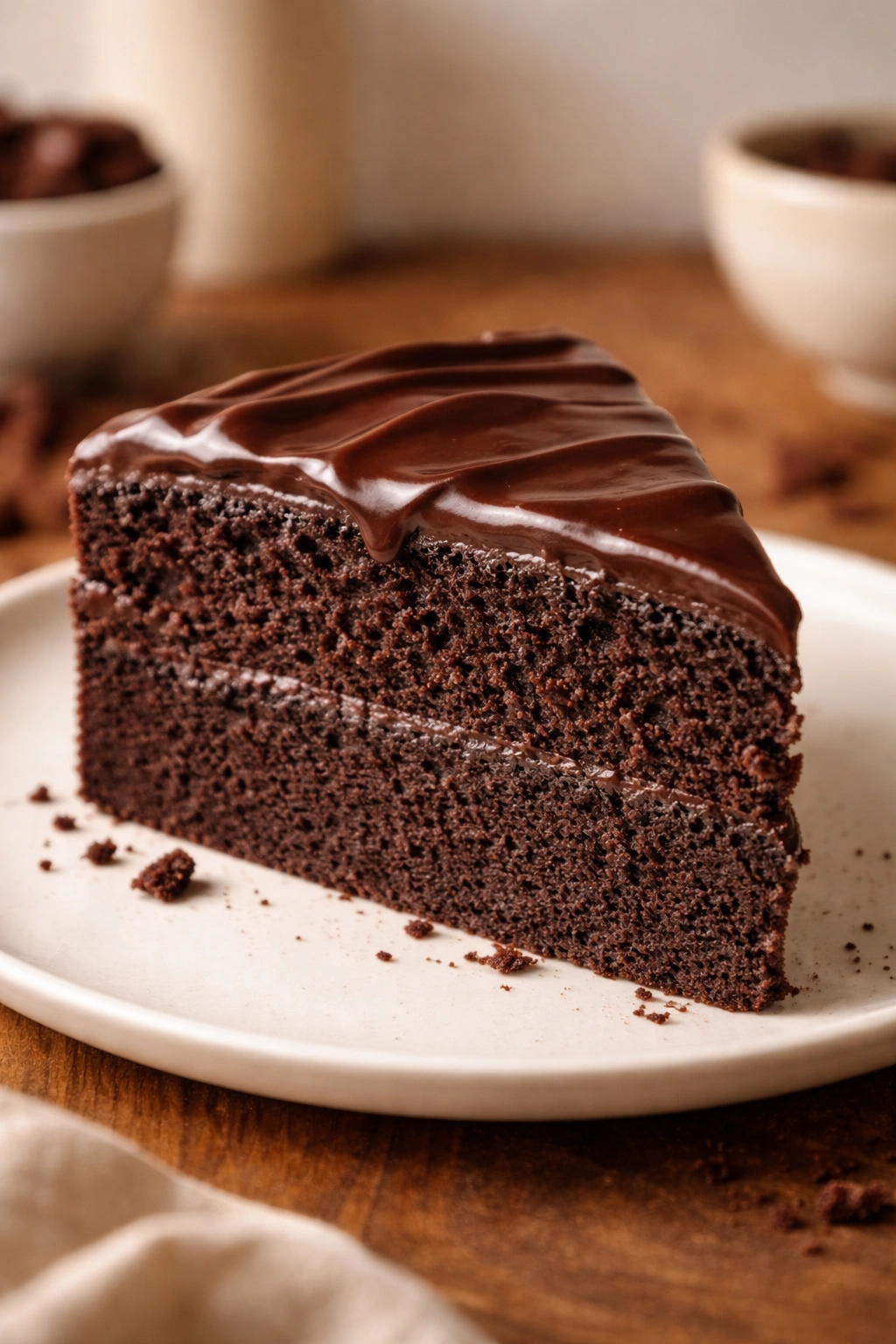
Chocolate cake is the comfort food that hits on an emotional level — it’s associated with celebration, indulgence, and a momentary escape from everyday restraint. You can absolutely recreate that experience with a brownie made from black beans (which you won’t taste) combined with cocoa powder, or with a silky chocolate mousse made from avocado, both of which deliver the richness and satisfaction of traditional chocolate cake without the refined flour and excessive sugar.
Why Black Beans and Avocado Work as Cake Bases
Both ingredients contain fiber and fat, two components that make baked goods feel indulgent and rich. Black beans are nearly flavorless when pureed and add moisture and density to brownies while providing protein and fiber that regular flour simply doesn’t contain. Avocado creates a mousse texture that’s naturally creamy and luxurious — when blended with cocoa powder, a little maple syrup or honey, and vanilla, it becomes a chocolate mousse that tastes like a legitimate dessert rather than a vegetable.
The Nutritional Transformation
- A typical brownie made from black beans has around 120-150 calories per piece and 4-5 grams of fiber; a traditional chocolate brownies has around 180-220 calories and minimal fiber
- Black bean brownies contain resistant starch, which behaves differently in your digestive system than regular starch and may support better metabolic health
- An avocado chocolate mousse delivers that silky, indulgent mouthfeel of chocolate cake without any flour, refined sugar, or eggs — it’s genuinely dessert, just made from whole foods
- Both versions satisfy chocolate cravings more effectively than traditional cake because they contain enough fat and fiber to actually feel substantial
- You can make black bean brownies in about 25 minutes with a food processor, making them genuinely quick when chocolate cravings hit
Pro tip: If using black beans, rinse them thoroughly and pat them dry before blending — this removes the cooking liquid that can make brownies taste slightly metallic if you don’t get rid of it.
8. Creamy Soup → Cashew-Based Creamy Soup
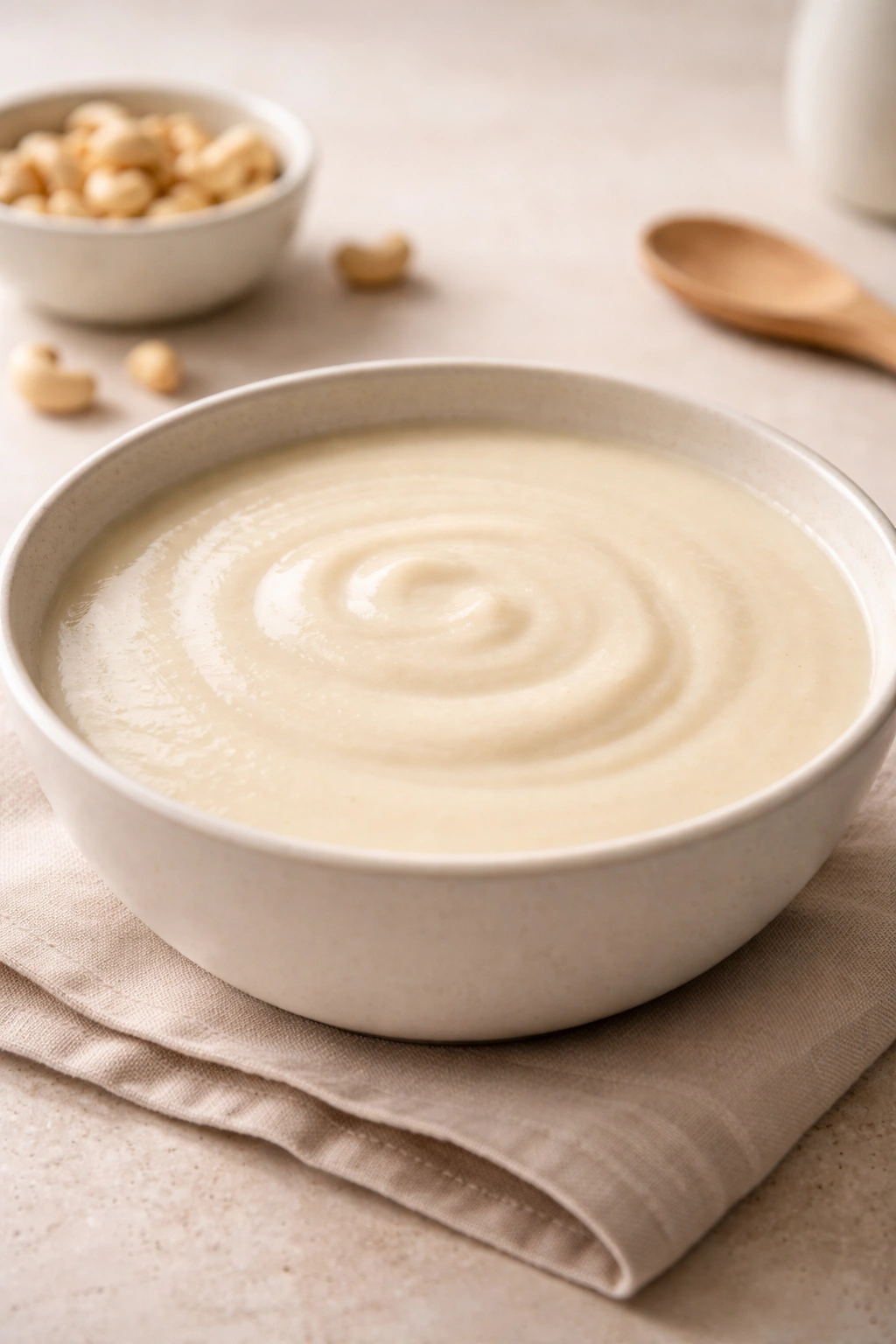
Creamy soups — whether it’s potato soup, tomato bisque, or cream of mushroom — typically rely on heavy cream, butter, and sometimes flour to create that velvety texture. Cashew cream provides the exact same mouthfeel and richness but comes from a whole food with different nutritional properties: cashews contain magnesium (which most people don’t get enough of), copper, and manganese, plus monounsaturated fats that support heart health.
Why Cashew Cream Rivals Dairy Cream
When you soak raw cashews in hot water for 15-20 minutes and then blend them until completely smooth, the result is indistinguishable from heavy cream in terms of texture and richness. The mild, slightly sweet flavor of cashews won’t compete with soup seasonings the way dairy cream sometimes can, and cashew cream is naturally shelf-stable and doesn’t curdle the way real cream can under certain conditions.
The Advantages Over Traditional Cream Soups
- Dairy cream is about 36-40% fat, and most of it is saturated fat; cashew cream is about 47% fat but mostly monounsaturated, which your body processes more favorably
- Cashew cream contains about 5 grams of protein per quarter cup; heavy cream has almost none
- A serving of cashew-based soup typically has 40-50% fewer calories than cream-based soup because you need less cashew cream to achieve the same richness
- Cashews contain magnesium, and research consistently shows that magnesium supports better sleep, reduced anxiety, and improved muscle function — nutrients that traditional cream soup doesn’t provide
- Cashew cream is naturally vegan-friendly if you’re making soup for mixed dietary needs, but doesn’t taste like a dietary compromise
Pro tip: Make cashew cream in batches and store it in glass jars in the refrigerator for up to 5 days, then you can add it to soups throughout the week without the extra prep step.
Final Thoughts

The beauty of these swaps is that they’re not about deprivation or forcing yourself to eat food you don’t actually enjoy — they’re about understanding that comfort food’s appeal comes from texture, flavor, and satisfaction, all of which can be preserved with smarter ingredient choices. Once you’ve made a butternut squash mac and cheese that tastes as rich as the original, or a cauliflower crust pizza you actually crave, the original versions often feel unnecessarily heavy by comparison.
These swaps also represent a shift in how you think about food: not as categories of “healthy” versus “unhealthy,” but as opportunities to create meals that taste the way you want them to while actually nourishing your body rather than working against it. Start with one or two that appeal to you most, master those, and then explore the others. Within a few weeks, these become your new normal, not an alternative you’re tolerating.
The secret is that whole foods — vegetables, legumes, nuts, properly cooked proteins — are genuinely delicious when you use them intentionally. You’re not eating less tasty food; you’re eating food that tastes good and makes you feel good afterward, which might actually be the most important kind of comfort food there is.
