



Everyone arrives at a potluck with the same hope: bring something so delicious that people crowd around asking for the recipe. The recipes that inspire these requests share certain qualities — they’re visually impressive but not complicated, they transport and reheat well, they feed a crowd without requiring fancy equipment, and they taste genuinely good, not like someone cut corners to save time. Most importantly, they feel special enough that guests assume they must be harder to make than they actually are.
The potluck recipes that generate the most requests aren’t necessarily the most exotic or ingredient-heavy. They’re the ones that hit a sweet spot: approachable enough that someone confident in the kitchen feels proud serving them, but impressive enough that casual cooks wonder how they missed such a good idea. They’re the recipes that sit empty on the table and leave guests hunting for a pen to write down instructions before they leave.
If you’re tired of bringing store-bought sides or tired casseroles that no one remembers, it’s time to build a rotation of crowd-pleasing potluck recipes that actually earn their place at the table. The recipes that follow have all been tested in the chaos of real potlucks — they hold up during transport, reheat beautifully, taste even better the next day, and spark genuine interest from guests who taste them. These are the recipes that get requests forwarded in group texts and that friends specifically ask you to bring year after year.
1. Creamy Garlic Parmesan Pasta Bake
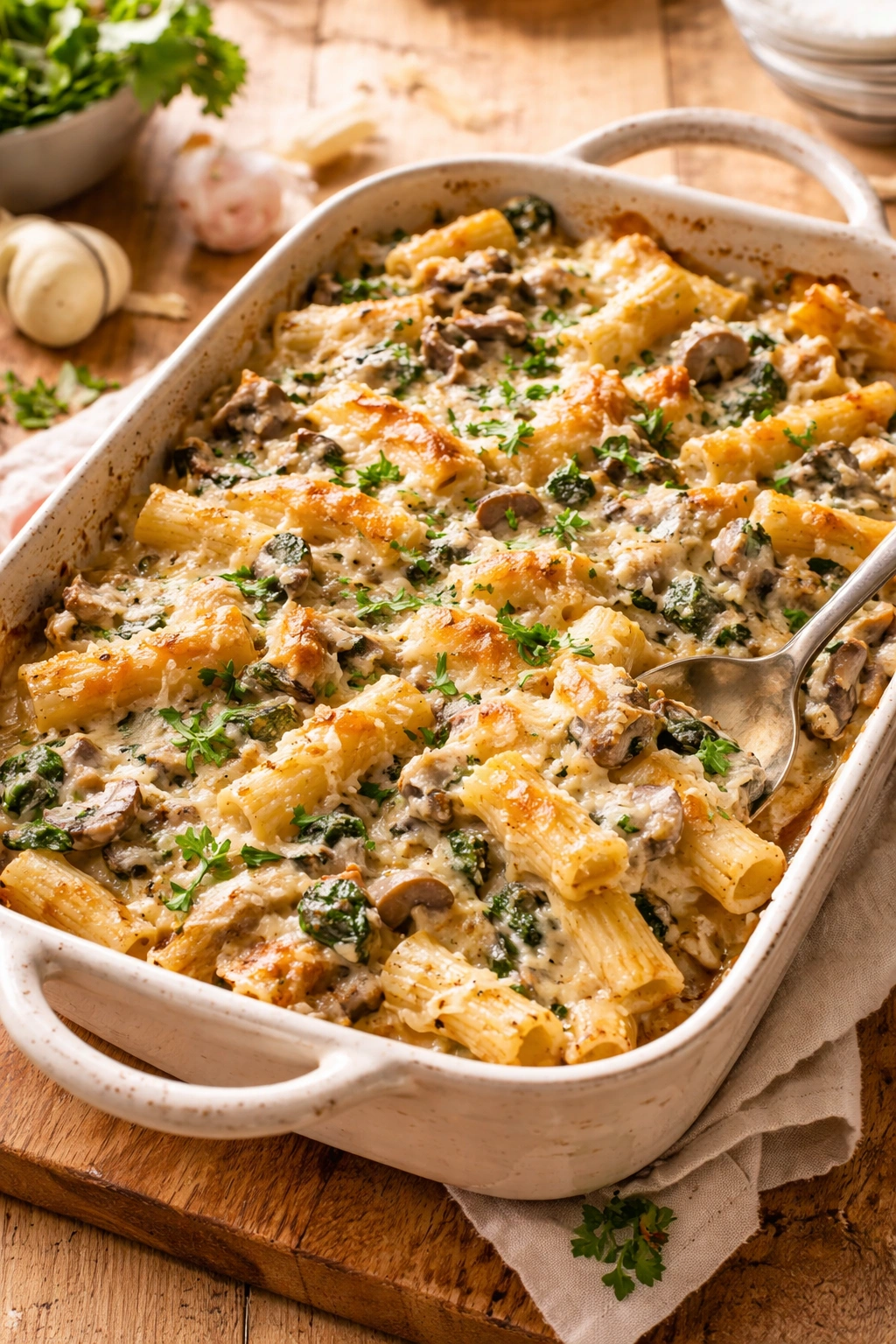
Creamy pasta bakes sit in a unique category at potlucks — they’re hearty enough to serve as a main dish, vegetable-forward enough that they don’t feel indulgent, and they look elegant when presented in a beautiful dish. This particular version combines al dente pasta, a silky Parmesan cream sauce, roasted garlic, fresh spinach, and tender mushrooms in a way that tastes like you spent hours layering flavors, when the actual cooking time is less than 45 minutes.
Why Potluck Guests Love It
This is the recipe people eat two full servings of, then come find you asking for the ingredient list. The combination of garlic, Parmesan, and cream hits that savory note everyone craves at a potluck, but the fresh spinach and mushrooms keep it from feeling heavy. It reheats perfectly — you can bring it fully baked in a disposable aluminum pan, and hosts can simply pop it in the oven for 20 minutes to warm through without any effort on their part.
The Key to Success
Start by roasting whole garlic cloves with olive oil until they’re completely soft and golden — this mellows the garlic bite and creates a creamy base when you mash them into the sauce. Toast the mushrooms separately in a hot skillet until they release their moisture and begin browning; this concentrates their flavor instead of making the sauce watery. Use a combination of Parmesan and Gruyère cheese for complexity — Gruyère adds nutty notes that pure Parmesan alone won’t deliver.
Transport tip: Let the baked pasta cool to room temperature before covering and transporting. Aluminum pans with cardboard sleeves keep it stable in a car, and you don’t need to worry about getting your own dish back home.
2. Crispy Smashed Potato Bake with Herb Oil and Crispy Shallots
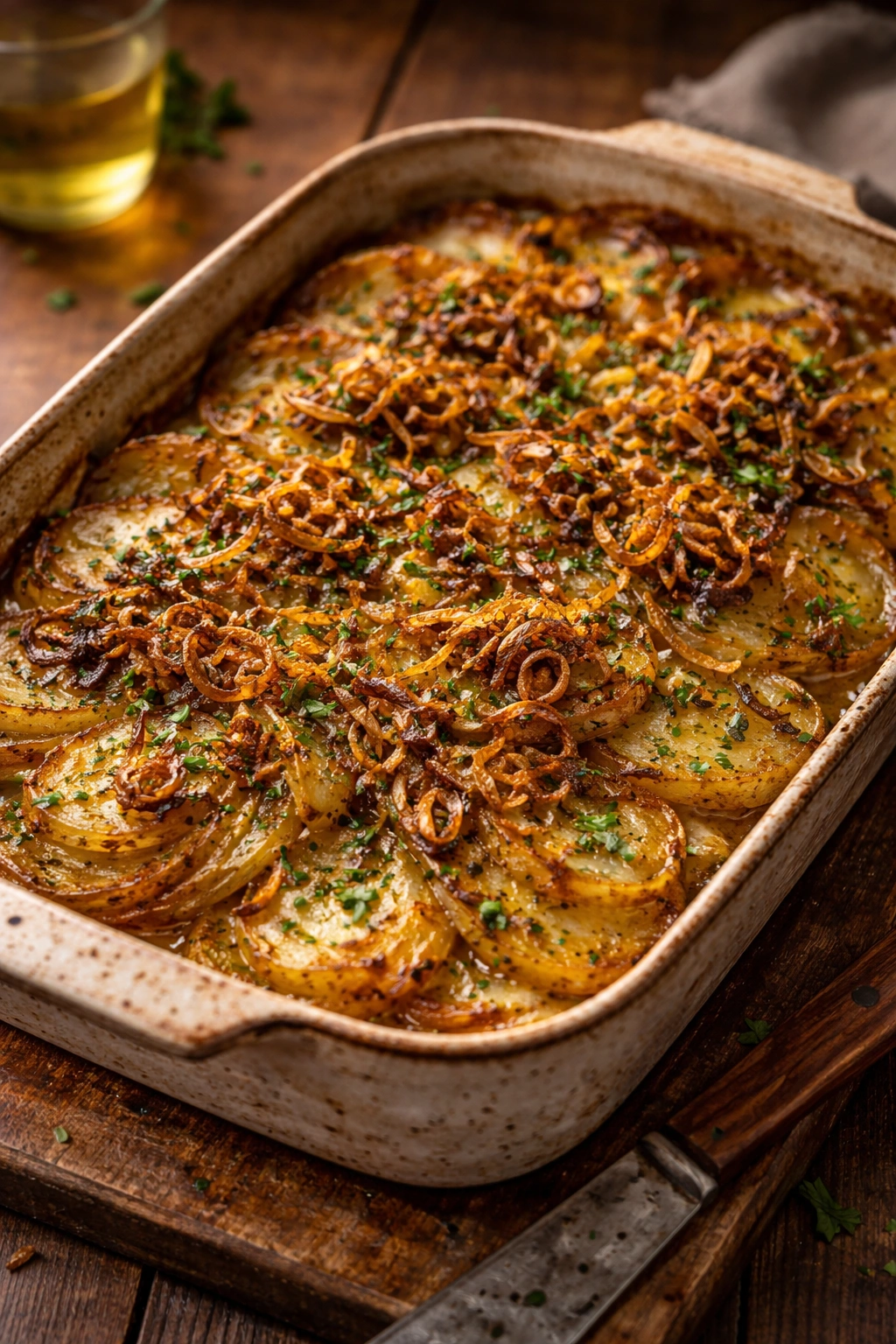
Everyone assumes this recipe requires complicated technique, which is what makes it such a conversation starter. It’s simply thin layers of sliced potatoes mixed with cream, stock, and butter, topped with shallots crisped in herb-infused oil, but the result looks like something from a restaurant menu. The potatoes crisp at the edges while staying creamy inside, and the fried shallots add crunch that contrasts beautifully with the soft potatoes underneath.
Why People Ask for This Recipe
Potato casseroles are potluck standards, but most of them feel thick and heavy. This version stays lighter because you use more stock and cream than flour, which lets the potato flavor shine through. The crispy shallot topping is the element that surprises everyone — that texture contrast transforms an ordinary side into something guests genuinely enjoy eating, not just tolerate as filler.
Building the Layers Right
Slice potatoes on a mandoline to ensure even thickness — too thick and they won’t cook through properly, too thin and they turn to mush. Don’t skip the step of soaking sliced potatoes in cold water for 30 minutes before baking; this rinses off excess starch and prevents the casserole from becoming gluey. Toast your fresh herbs (thyme, sage, rosemary) in olive oil at least 30 minutes before assembling so the flavors infuse fully. Prep and fry the shallots the morning of the potluck, then store them in an airtight container so they stay crispy.
Real talk: Use good quality cream and stock — the simplicity of this dish means the ingredients speak for themselves. Thin, watery stock will result in a watery bake.
3. Slow-Cooker Meatballs in Ginger-Soy Glaze
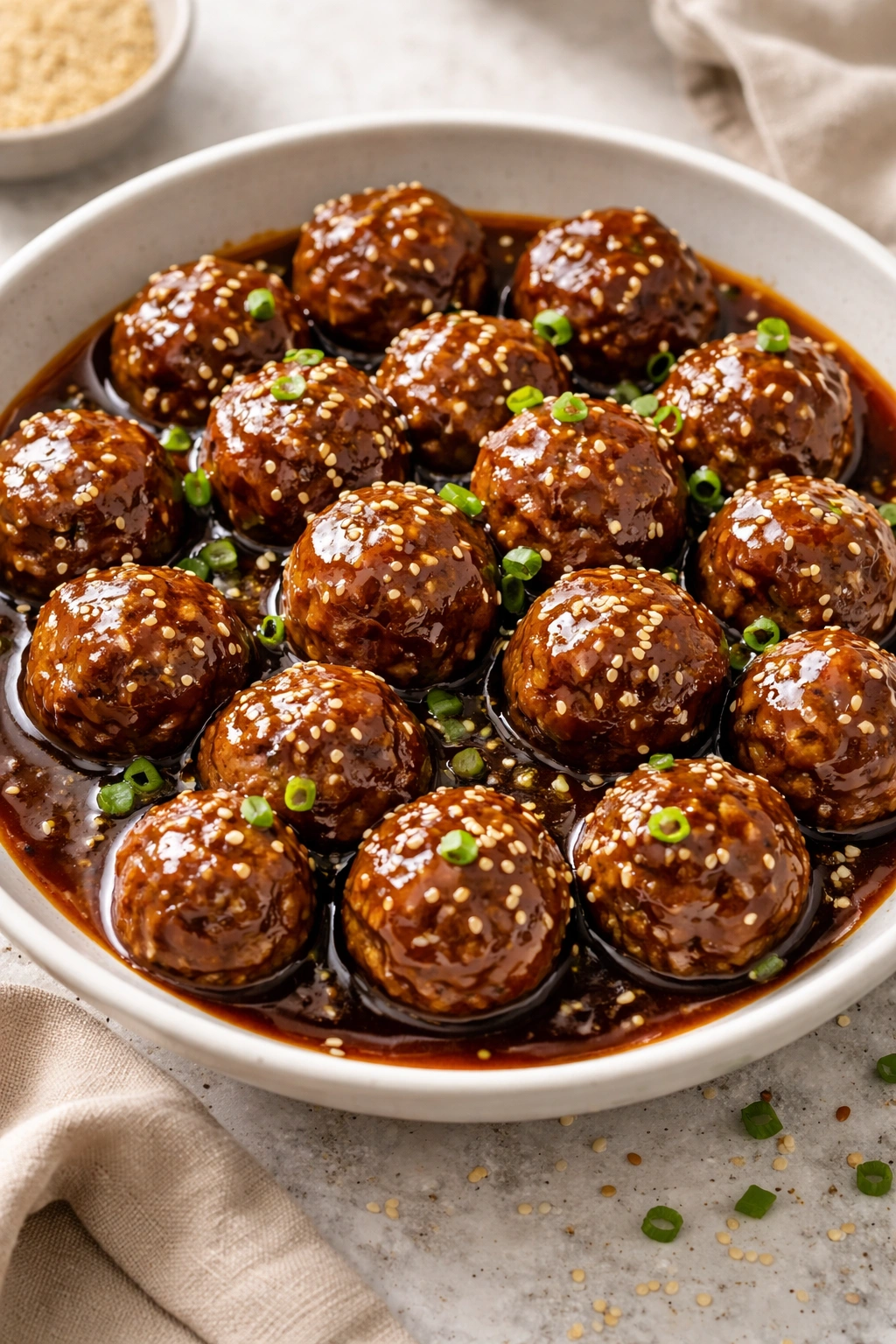
These meatballs work as an appetizer or main dish component, travel beautifully in a slow cooker, and taste complex enough that guests assume you made them from scratch with a carefully developed recipe. The reality is that tender beef meatballs get simmered in a glossy sauce of soy sauce, fresh ginger, brown sugar, and rice vinegar until the glaze becomes thick, shiny, and slightly caramelized. A handful of sesame seeds scattered on top adds visual polish that feels intentional without requiring extra work.
The Crowd-Pleasing Appeal
These meatballs occupy the sweet spot between familiar and interesting. Everyone recognizes meatballs, so there’s no hesitation trying them, but the Asian-inspired glaze is different enough from typical brown gravy to spark questions. They’re also one of the easiest recipes to make ahead — you can form meatballs the night before, refrigerate them, then bake them the morning of the event and slide them into the slow cooker before you leave.
Making Them Stand Out
Fresh ginger is non-negotiable here — it provides brightness and heat that powdered ginger can’t match. Mince it fine so it distributes throughout the sauce instead of appearing in chunks. Make your meatballs slightly smaller than you think they should be (about the size of walnuts), which creates more surface area for the glaze to coat and makes them easier to eat with toothpicks. Let the sauce reduce in the slow cooker uncovered for the last 30 minutes before serving — this concentrates the flavors and creates the glossy, clingy texture people expect from a good glaze.
Pro tip: Bring the slow cooker to a potluck where electrical outlets are available and let it sit on warm for serving. The meatballs stay at the perfect temperature without drying out.
4. Loaded Broccoli Cheddar Bread Pudding

Savory bread puddings have become trendy appetizer-to-main-course dishes at potlucks because they bridge the gap between comfort food and elegance. This version uses day-old crusty bread cubes soaked in a custardy mixture of eggs, whole milk, sharp cheddar, and broccoli, baked until golden and crispy on top with a creamy interior. It’s essentially a deconstructed broccoli and cheese situation that happens to have the texture of bread pudding.
What Makes Guests Want the Recipe
The combination of crispy bread edges, creamy cheese custard, and tender broccoli feels substantial without being heavy. Unlike traditional broccoli casseroles heavy with cream of mushroom soup, this relies on real cheese and eggs to create its richness, so it actually tastes like broccoli and cheese rather than soup. The texture is entirely different — somewhere between a savory strata and a soufflé — which is why people find it so interesting.
Essential Technique Points
Cube your bread and let it dry out overnight, uncovered, on the counter. Wet, soft bread will turn to mush instead of creating structure. Toast the bread cubes in the oven at 350°F for 8 minutes before combining with the custard — this adds crunch to the finished dish. Use sharp aged cheddar, not mild — you need cheese flavor bold enough to come through the eggs and milk. Steam your broccoli for only 4 minutes so it stays bright green and holds its shape during baking; fully raw broccoli won’t cook through, but pre-cooked broccoli turns mushy.
5. Cilantro Lime Chicken with Black Beans and Corn

This one-pan Mexican-inspired dish works at any season and appeals to diverse palates. Shredded chicken breasts simmer in a bright broth infused with cilantro, lime juice, and cumin, then get mixed with black beans, corn, and diced peppers. It comes together in about 35 minutes, travels easily, reheats without losing flavor, and pairs with chips, rice, or tortillas depending on what other dishes show up.
Why This Recipe Gets Requests
The combination of lime and cilantro is immediately recognizable and consistently popular. Unlike heavy cream-based dishes, this tastes fresh and vibrant even after sitting for a few hours. It’s also inherently flexible — vegetarians can skip the chicken and nobody notices it’s missing, guests with dietary restrictions can control what they add, and it works equally well eaten warm or at room temperature.
Flavor-Building Details
Don’t just throw everything into a pot. Toast the cumin and garlic in oil for 30 seconds before adding liquid — this blooms the spices and deepens their flavor significantly. Use fresh cilantro both cooked into the base and sprinkled fresh on top so you get both cooked and fresh herbal notes. Add lime juice in two stages: some during cooking, then taste and add more after the chicken shreds, since acidity can fade during simmering. Fresh jalapeños stirred in near the end provide heat that diced canned chiles can’t match.
Worth knowing: Cook with chicken breasts that are as uniform in thickness as possible, or pound them flat before cooking. This ensures even cooking and prevents some pieces from drying out while others finish.
6. Roasted Vegetable and Goat Cheese Galette with Herbs
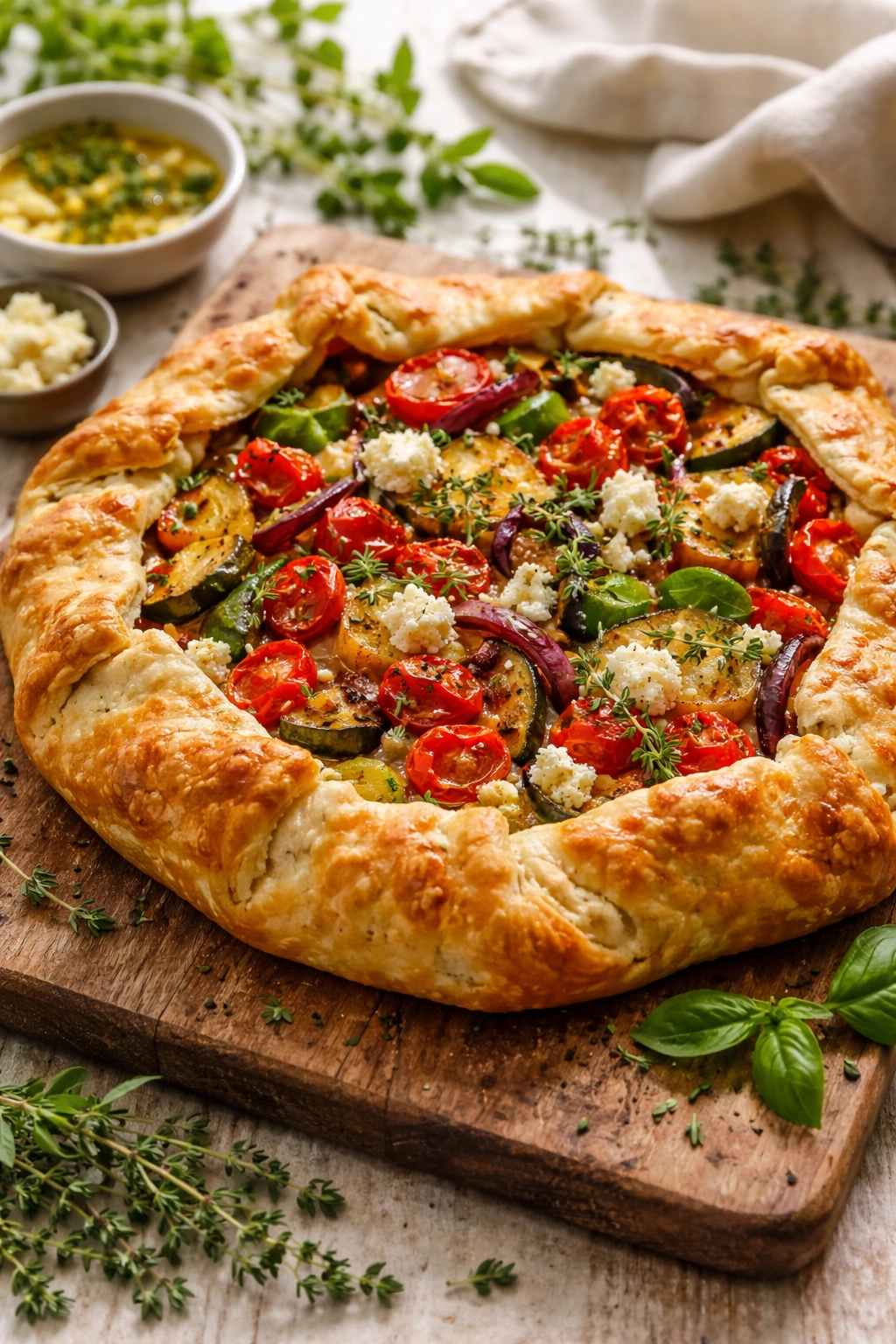
A galette is essentially a rustic free-form tart — pastry dough layered with roasted vegetables, goat cheese, and fresh herbs, baked until the crust is golden and crispy. It looks impressive enough to earn genuine compliments, tastes elegant, can be eaten warm or at room temperature, and serves a crowd beautifully when cut into wedges.
The Hidden Appeal
Galettes feel fancy because they’re less familiar than traditional casseroles, but they’re actually easier than pie because you don’t need to fuss with a pie pan or achieve even edges. The rustic, slightly imperfect presentation actually adds to the charm. Vegetable galettes also attract diverse eaters — people who might skip a meat dish will take a piece, people avoiding dairy often appreciate it as an alternative, and it legitimately tastes delicious rather than feeling like a health-focused compromise.
Success Factors
Make your pastry dough the day before so it’s fully chilled and relaxed when you work with it. Roast your vegetables separately from the galette so they reach proper caramelization without overcooking the pastry. Slice vegetables thin so they distribute evenly and cook completely. Brush the crust with egg wash and sprinkle with fleur de sel before baking — this creates texture and seasoning without requiring you to season the inside of the galette.
Practical note: Bake the galette at home, let it cool, wrap it tightly, then transport it. It’s sturdy enough to travel well and actually tastes better at room temperature than piping hot.
7. Sticky Sesame Tofu with Green Beans and Cashews
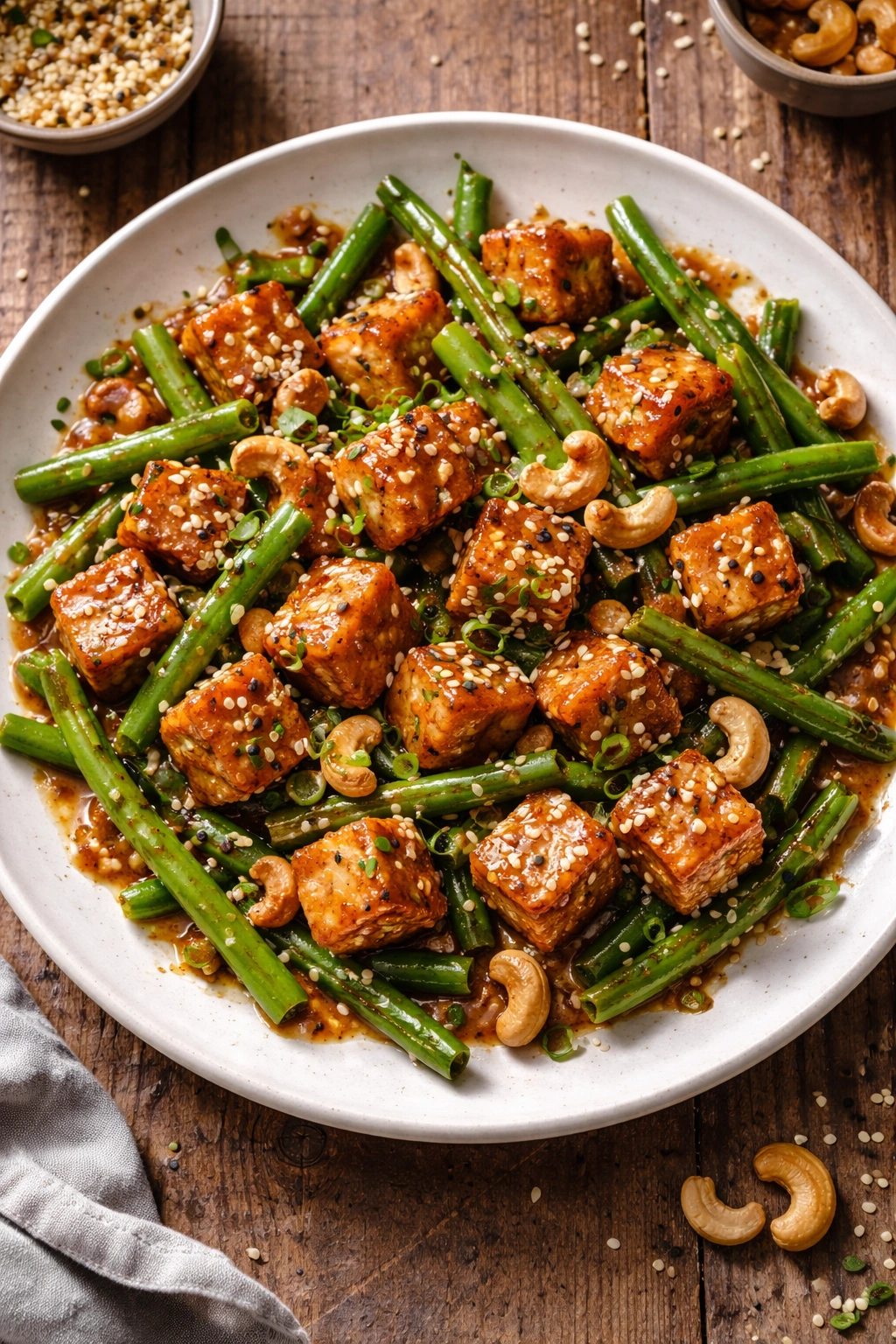
Tofu dishes rarely dominate potluck conversation, which is exactly why serving one well-executed version stands out. Crispy pan-fried tofu cubes get tossed with green beans in a sticky-sweet glaze made from soy sauce, honey, rice vinegar, and sesame oil, then topped with crushed cashews and sesame seeds. It’s hearty enough to serve as a main, interesting enough to appeal to non-vegetarians, and nothing like the bland tofu dishes that give the ingredient a bad reputation.
Why Guests Are Surprised
Most people don’t expect vegetarian dishes to generate recipe requests at potlucks, so serving something with this much depth and flavor surprises everyone. The combination of crispy tofu, tender green beans, sticky glaze, and crunchy cashews hits multiple textures in a single bite — that complexity makes people wonder how you made something taste so good. It also addresses the widening gap at potlucks between people eating meat and those eating plant-based — it satisfies both groups without feeling like a compromise.
Critical Tofu Preparation
Press tofu for at least 30 minutes (use a tofu press or wrap it in a clean towel and weight it with a cast iron pan). Wet tofu will steam instead of crisping. Cut it into cubes and let them sit uncovered in the fridge for an hour — this dries the surface and helps them crisp better. Use a hot skillet with plenty of oil and resist the urge to move the tofu around; let each side sit undisturbed for 2–3 minutes so it develops a proper crust.
8. Smoked Paprika Chicken Thighs with Olives and Capers
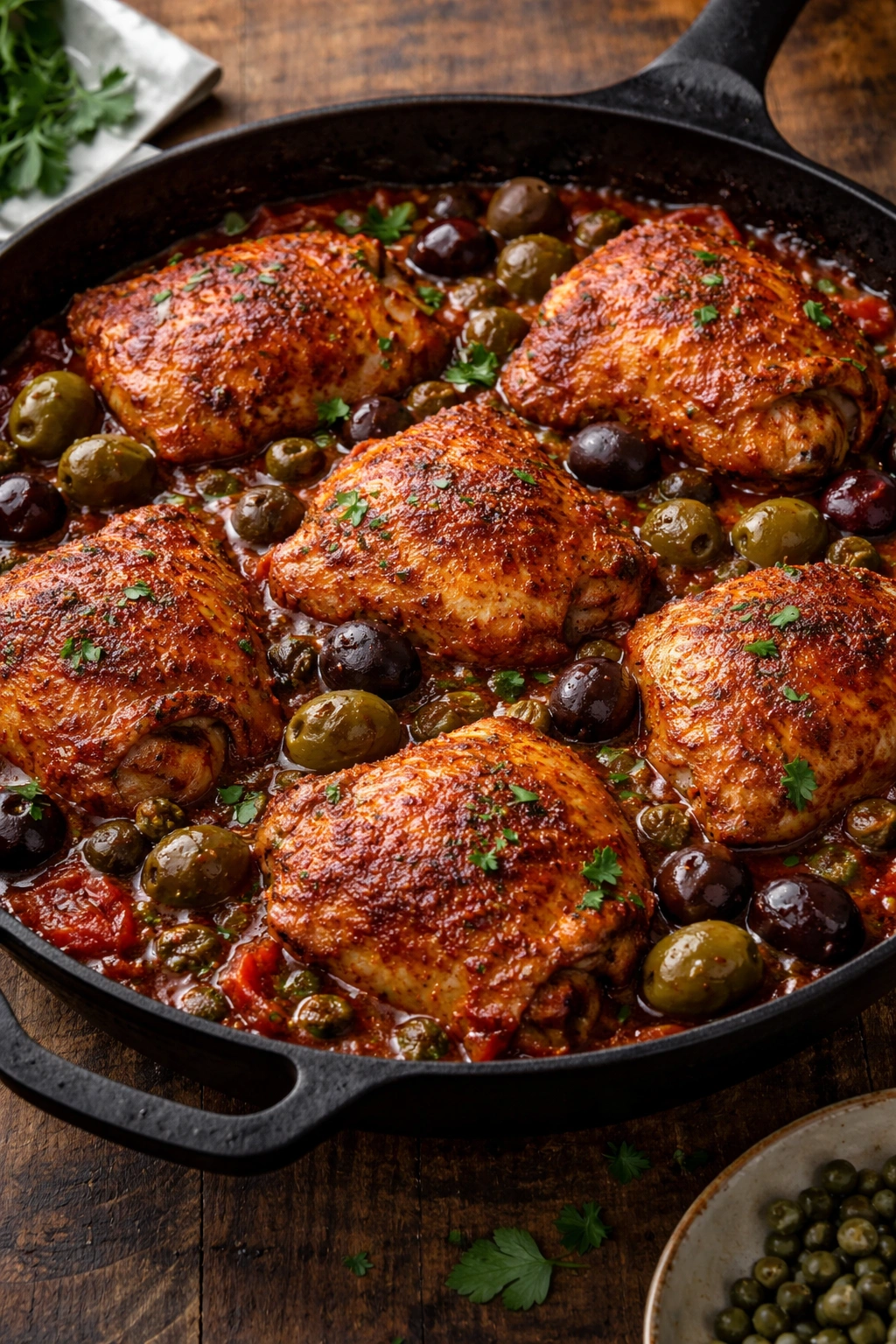
Chicken thighs baked in tomato-based sauce with briny olives and capers sounds traditional enough to seem reliable, yet the addition of smoked paprika gives it a smoky complexity that keeps people coming back. The dark meat stays moist through transport and reheating, the sauce becomes richer and more concentrated as it sits, and it tastes like Spanish or Mediterranean home cooking — substantial and flavorful without being fussy.
What Makes This Stand Out
Most potluck chicken dishes lean toward cream-based or sweet-and-sticky glazes. This version is bright, briny, and savory, which makes it feel different. Chicken thighs are also far more forgiving than breasts — you can cook them past the optimal point without them drying out, which matters when you’re traveling with hot food. The olive-and-caper component adds visual interest and distinct pockets of flavor throughout the dish.
Making It Restaurant-Quality
Brown the chicken skin-side down first and finish skin-side up; this creates crackling skin and renders fat that seasons the sauce. Toast the smoked paprika in the pan drippings for a minute before adding other ingredients — this blooms the spice and prevents it from tasting one-dimensional. Use good olives and capers (not the cheap salty kind), but rinse the capers to remove excess brine. A splash of red wine vinegar added at the end brightens everything without making it taste acidic.
Transport secret: Bring this in a shallow disposable aluminum pan with the chicken skin-side up so the skin stays as crispy as possible during transport. Aluminum foil tented loosely over the top protects it without trapping steam.
9. Brown Butter Sage Butternut Squash Risotto
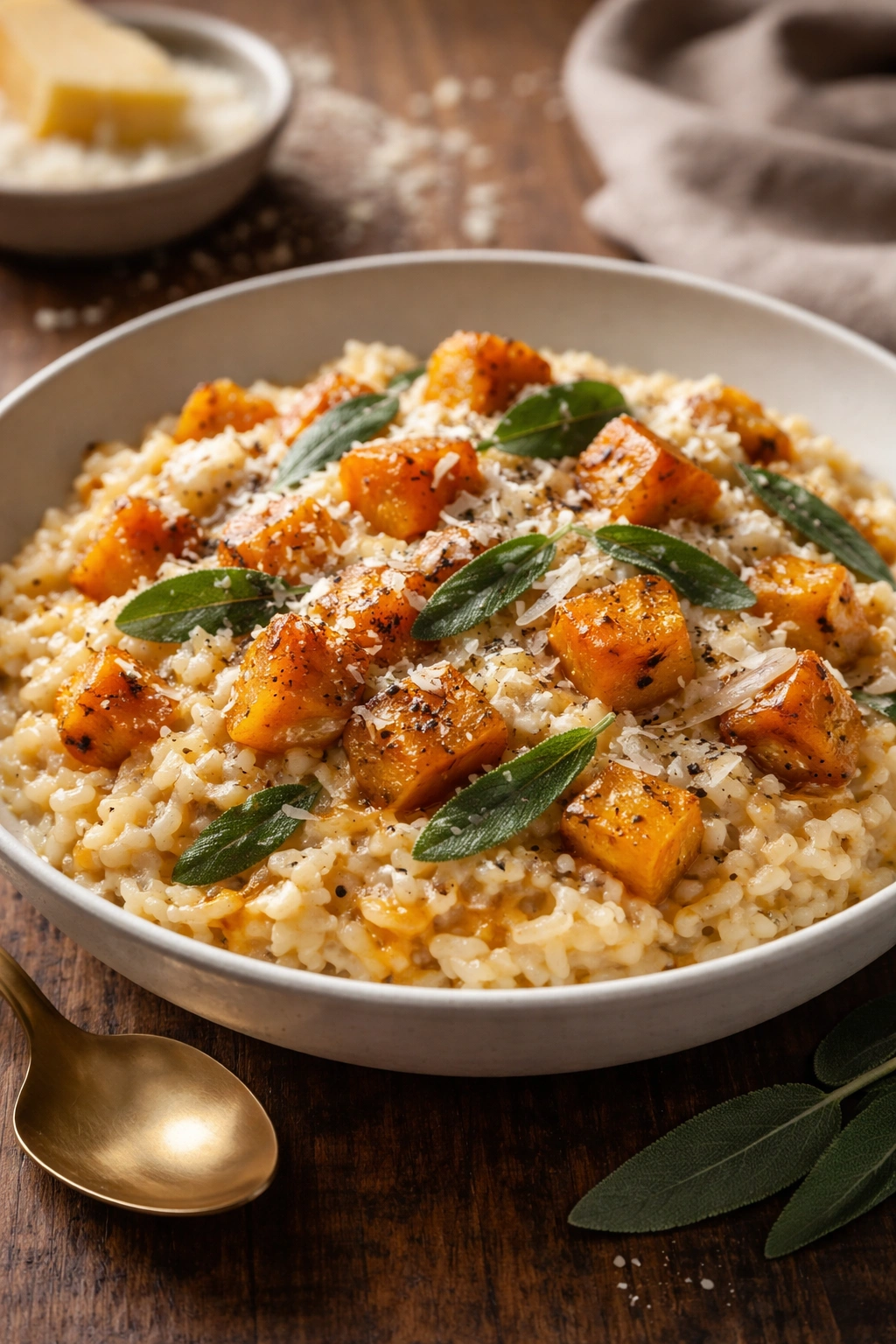
Risotto has a reputation for being finicky and requiring constant stirring, which is why serving it at a potluck feels like a power move. Here’s the secret: you can prep risotto almost entirely in advance, then finish it quickly in a pot at the venue. The combination of creamy Arborio rice, roasted butternut squash, brown butter infused with sage, and Parmesan is warming, elegant, and nothing like typical potluck starches.
Why This Wins People Over
Most guests assume risotto is restaurant-only food because they’ve never had it outside a restaurant. Serving something that challenging and delicious makes an impression. The butternut squash adds natural sweetness and visual warmth, the sage brings savory complexity, and brown butter creates a richness that feels luxurious. It’s also surprisingly sturdy — risotto doesn’t dry out or split like some creamy dishes, and it actually improves as it sits because the flavors continue infusing.
The Make-Ahead Strategy
Toast the Arborio rice in butter at home until it’s translucent at the edges and lightly nutty-smelling. Add the first addition of stock, let it absorb, then spread the partially cooked risotto on a sheet pan to cool. Slice roasted butternut squash into cubes. When you arrive at the potluck, bring risotto to a simmer with remaining stock and continue stirring while adding the squash. The finish takes maybe 5 minutes and produces risotto that tastes freshly made.
Important note: Brown butter can separate or break if overheated. Keep it warm but not hot, and stir it in gently at the very end just before serving, along with fresh sage leaves.
10. Baked Buffalo Cauliflower with Blue Cheese Crema

Buffalo sauce isn’t revolutionary, but applying it to roasted cauliflower florets instead of wings elevates it into something unexpected and substantial. The florets crisp in the oven, get tossed with Buffalo sauce, then served alongside a cooling blue cheese sour cream that cuts the heat. It works as an appetizer, a vegetable side, or even a light main, and it appeals to spice lovers and people seeking substantial vegetable dishes alike.
The Surprise Factor
Most people don’t expect potluck vegetables to be interesting enough to eat as a standalone dish. Buffalo cauliflower breaks that expectation because it’s genuinely craveable rather than virtuous-tasting. The combination of crispy roasted vegetable, tangy Buffalo sauce, and cool creamy blue cheese dip is addictive. It also appeals across dietary preferences — vegetarians get a satisfying dish, spice enthusiasts are happy, and people avoiding heavy cream-based sides find something they actually want to eat.
Technique for Maximum Crispness
Toss cauliflower florets in olive oil and salt before roasting at 425°F, spreading them in a single layer with space between each piece. Roast for 20 minutes, shake the pan, then roast another 10–12 minutes until the edges are deeply browned and crispy. The dark caramelization is essential — pale roasted cauliflower will be mealy and boring. Toss the hot florets with Buffalo sauce immediately so it adheres while they’re still warm and steaming.
Blue cheese crema base: Stir together sour cream, crumbled blue cheese, a squeeze of lemon, and a tiny pinch of cayenne. The acid keeps the blue cheese from tasting flat, and the cayenne connects it back to the Buffalo sauce.
Final Thoughts

The recipes people ask for aren’t necessarily the most complicated or the most exotic — they’re the ones that taste polished without requiring constant attention, that transport without drama, and that genuinely taste good instead of just filling space on a potluck table. Each of these recipes has a story that makes it memorable: the surprise of a good pasta bake, the elegance of a galette, the complexity hiding inside simple ingredients like tofu or cauliflower.
Building a rotation of reliable potluck recipes means you’ll always have something that impresses. Pick one or two that match your comfort level and start there. Cook them a few times at home so you’re confident with the techniques, then bring them to a potluck and watch people gather around. By the third time you bring a recipe, someone will definitely ask for it — and then you’ll know you’ve found a keeper.
