



Finding dinner ideas that satisfy both your toddler and the grown-ups at the table feels nearly impossible some nights. You want something nutritious, something that doesn’t require cooking multiple meals, and something that won’t end up on the floor after five minutes of effort. The good news? It doesn’t have to be this complicated. Family meals—meals where everyone eats the same food together—are actually one of the most powerful tools you have as a parent, even when your little one just smears it everywhere or refuses to touch it.
Research consistently shows that eating together as a family, regardless of what each person actually consumes, builds stronger connections, encourages kids to try new foods, and creates positive associations with mealtimes that last a lifetime. But beyond the developmental benefits, family meals make your evening infinitely easier. You’re not running a restaurant. You’re making one meal, serving it family-style so everyone can choose what goes on their plate, and actually sitting down together. That’s the win right there.
The dinners in this list work because they’re built on a principle that pediatric nutritionists call the “division of responsibility.” You decide what foods appear on the table and when and where eating happens. Your toddler decides whether and how much they eat from what’s offered. This approach respects your child’s natural hunger cues while you maintain control over the overall nutrition and structure. Many of these recipes feature ingredients and textures that toddlers naturally gravitate toward—creamy sauces, mild flavors, soft proteins, fun shapes—without the cloying sweetness or heavily processed feel of typical “kids’ meals.” The adults at the table get genuine flavor, interesting vegetables, and satisfying portions. Everyone wins.
1. Sheet Pan Honey Mustard Chicken and Roasted Broccoli
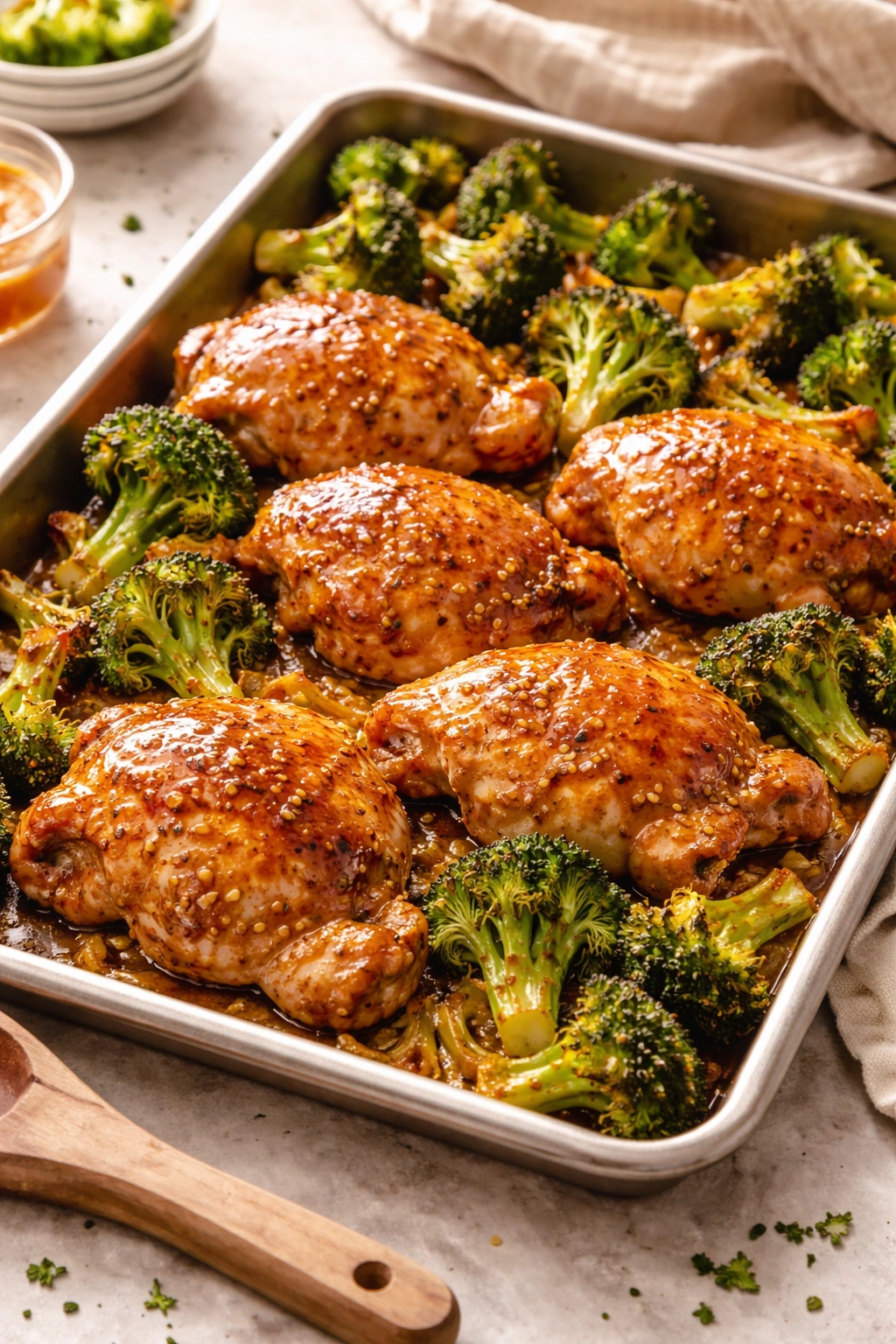
This one-pan wonder from Carolina Gelen combines tender chicken thighs with broccoli florets and stems, all finished with a sweet-tart honey and Dijon mustard glaze. The beauty here is that everything cooks together on a single sheet, meaning minimal cleanup and maximum family appeal. Boneless chicken thighs stay incredibly moist compared to chicken breasts, and they finish cooking at roughly the same pace as the broccoli, so there’s no juggling multiple cooking times.
Why It Works for Families with Toddlers
Toddlers love anything finger-friendly, and when you cut the broccoli stems into coins rather than leaving them as traditional florets, they become easy little discs for small hands to grab. The honey-mustard glaze is mild enough that even picky eaters won’t find it off-putting, but it’s genuinely flavorful for the adults—there’s no need to make a separate, bland version. The chicken practically melts in a toddler’s mouth, which means less choking worry and fewer frustrated moments at the table. Some kids will eat just the chicken and stems; others will surprise you and dip the florets into the sauce. Both outcomes are completely fine.
How to Customize and Serve
- For toddlers who are texture-sensitive, cut the chicken into smaller bite-sized pieces before serving rather than handing them a full thigh
- Swap the broccoli for cauliflower, carrots, or a mix if your family prefers—the glaze works beautifully on almost any vegetable
- Add a side of buttered rice or baby potatoes to round out the meal and add starch
- For spice-loving grown-ups, dust your portion with a pinch of smoked paprika or red pepper flakes before eating
- The entire sheet can be made ahead through the glaze application, then popped in the oven 40 minutes before dinner
Pro tip: Don’t skip cutting those broccoli stems into coins—they’re sweeter and more appealing than you’d expect, and they cook faster than florets, which prevents overcooking the chicken.
2. One-Pot Cheesy Beef Taco Pasta
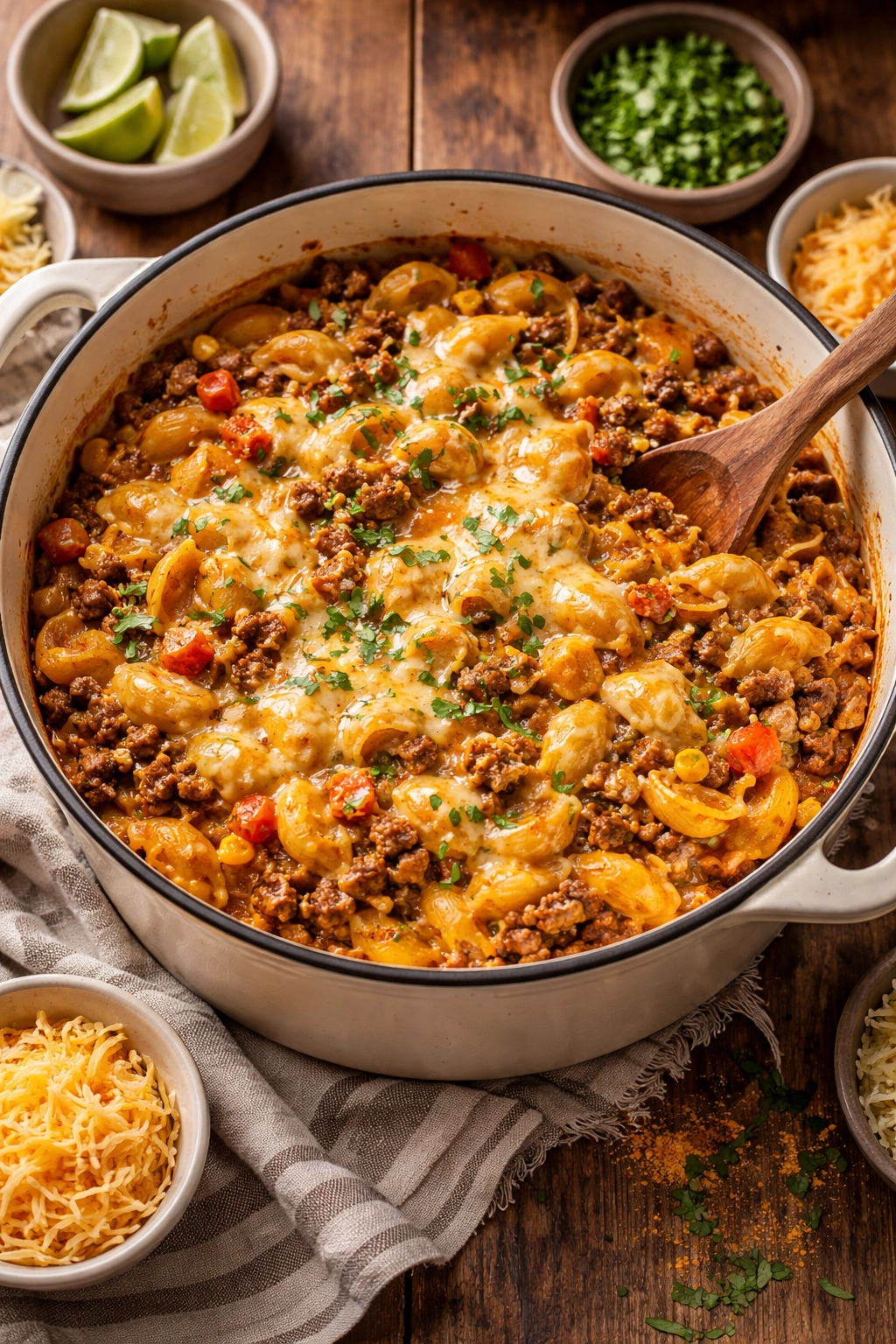
Imagine tacos and pasta had a baby, and that baby was ready on your table in under 30 minutes with one pot to wash. Ground beef is browned with taco seasoning, then pasta is cooked directly in the same pot with broth, beans, and tomatoes. Once everything’s tender, a generous handful of shredded cheese is stirred in, creating a creamy, cohesive dish that tastes like comfort food but requires almost no planning.
Why Kids and Adults Both Devour This
Toddlers recognize the familiar flavors of tacos but in a format that’s easier to eat than handheld shells. There’s no deconstructed mess, no ingredients falling all over their lap, yet the flavors they expect are still there. For older family members, you can customize your bowl with extra toppings—sour cream, salsa, fresh cilantro, diced jalapeños—but the base meal is already complete and satisfying. The cheese pulls everything together into a unified dish that even skeptical eaters find hard to resist.
Building Flavor Without Extra Steps
- Brown the ground beef with onion and garlic before adding the pasta—this takes just five minutes but builds serious flavor depth
- Use a combination of cheddar and Monterey Jack cheese for better flavor than using just one type
- Stir in one can of diced tomatoes with green chilies for a subtle spice level that toddlers can handle but that adds complexity for adults
- Add black beans or kidney beans for fiber and to stretch the recipe further—they’re soft and easy for little mouths to manage
- A squeeze of fresh lime juice right before serving brightens everything without adding heat
Worth knowing: If your toddler tends to refuse foods that are “mixed together,” you can serve the components slightly deconstructed—pasta and cheese sauce in one bowl, beans and meat on the side, toppings in small cups—and they can explore each element separately.
3. Sesame Salmon Noodle Bowls with Ponzu
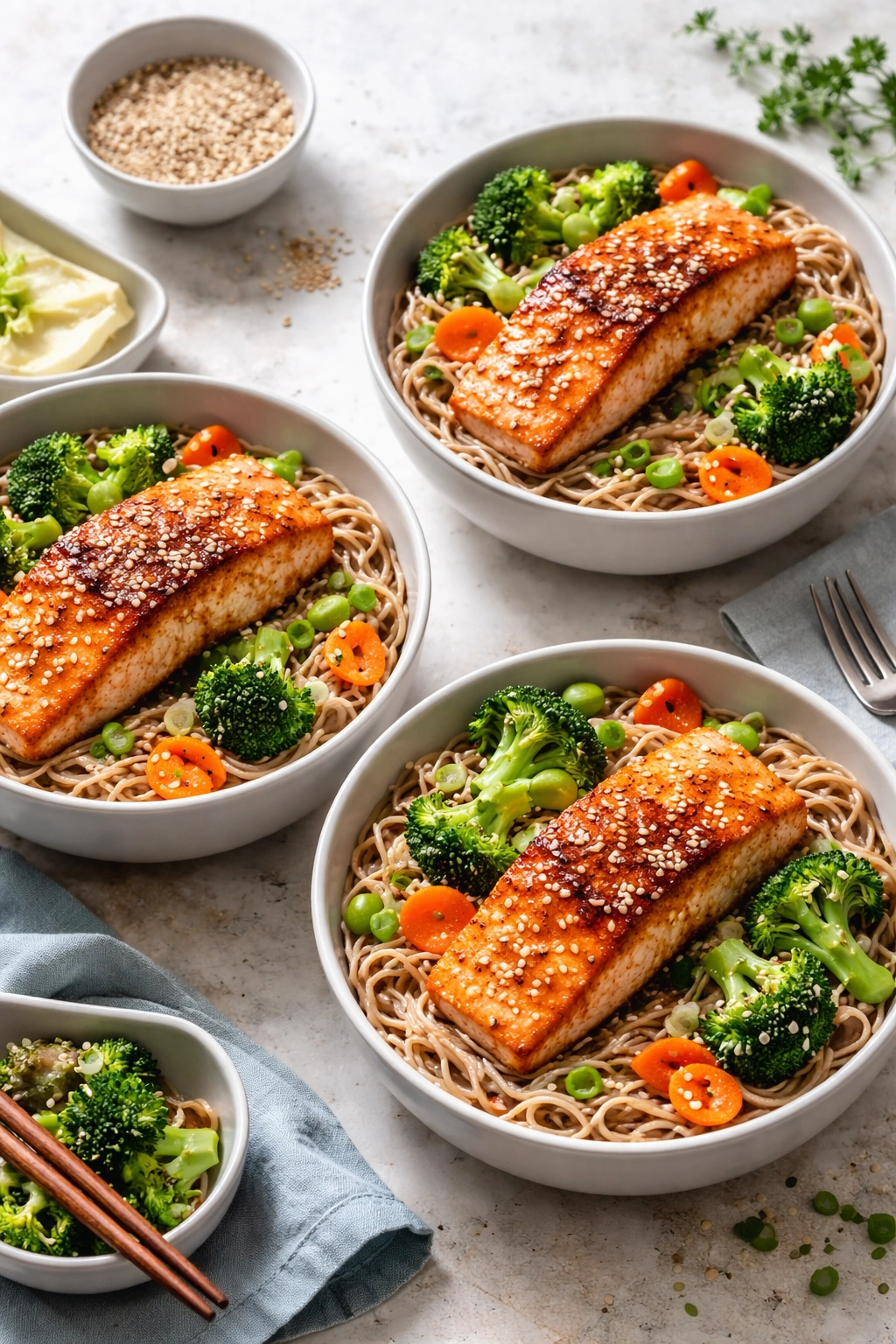
Salmon fillets brushed with sesame oil and topped with sesame seeds are the centerpiece of these beautiful bowls from Ali Slagle. They’re served over tender noodles with blanched or steamed vegetables, then drizzled with ponzu sauce—a store-bought condiment made with citrus, soy sauce, and dashi that tastes restaurant-quality but requires zero cooking skill from you.
Building Healthy Habits Early
Omega-3 fatty acids in salmon support brain development and eye health in toddlers, but serving fish to a young child can feel intimidating. This preparation removes that fear. The sesame oil adds richness that makes the fish taste indulgent rather than lean and fishy, and the mild sesame flavor is comforting rather than challenging. By serving salmon alongside noodles and vegetables they already know and trust, you’re giving them a low-stakes opportunity to explore a new protein. Whether they eat the salmon or just the noodles, you’ve succeeded in normalizing it at the table.
Making It Toddler-Accessible
- Choose thinner salmon fillets that cook quickly (12-15 minutes) and break into smaller, boneless pieces easily
- Keep ponzu on the side rather than drizzling it directly onto a toddler’s portion—let them control how much sauce touches their food
- Use thin noodles like soba or ramen that are easier for toddlers to manage than thicker pasta shapes
- Blanch broccoli, snap peas, or thinly sliced carrots until they’re tender-crisp rather than crunchy—softer vegetables are easier for little ones to bite through
- Serve the noodles slightly cooled so they’re safe to eat immediately without waiting
Quick fact: Ponzu is an umami-rich sauce that makes even mild-flavored foods taste more interesting—it’s a secret weapon for getting toddlers excited about vegetables they might otherwise ignore.
4. Slow Cooker Chicken and Bean Tacos with Veggie-Loaded Sauce
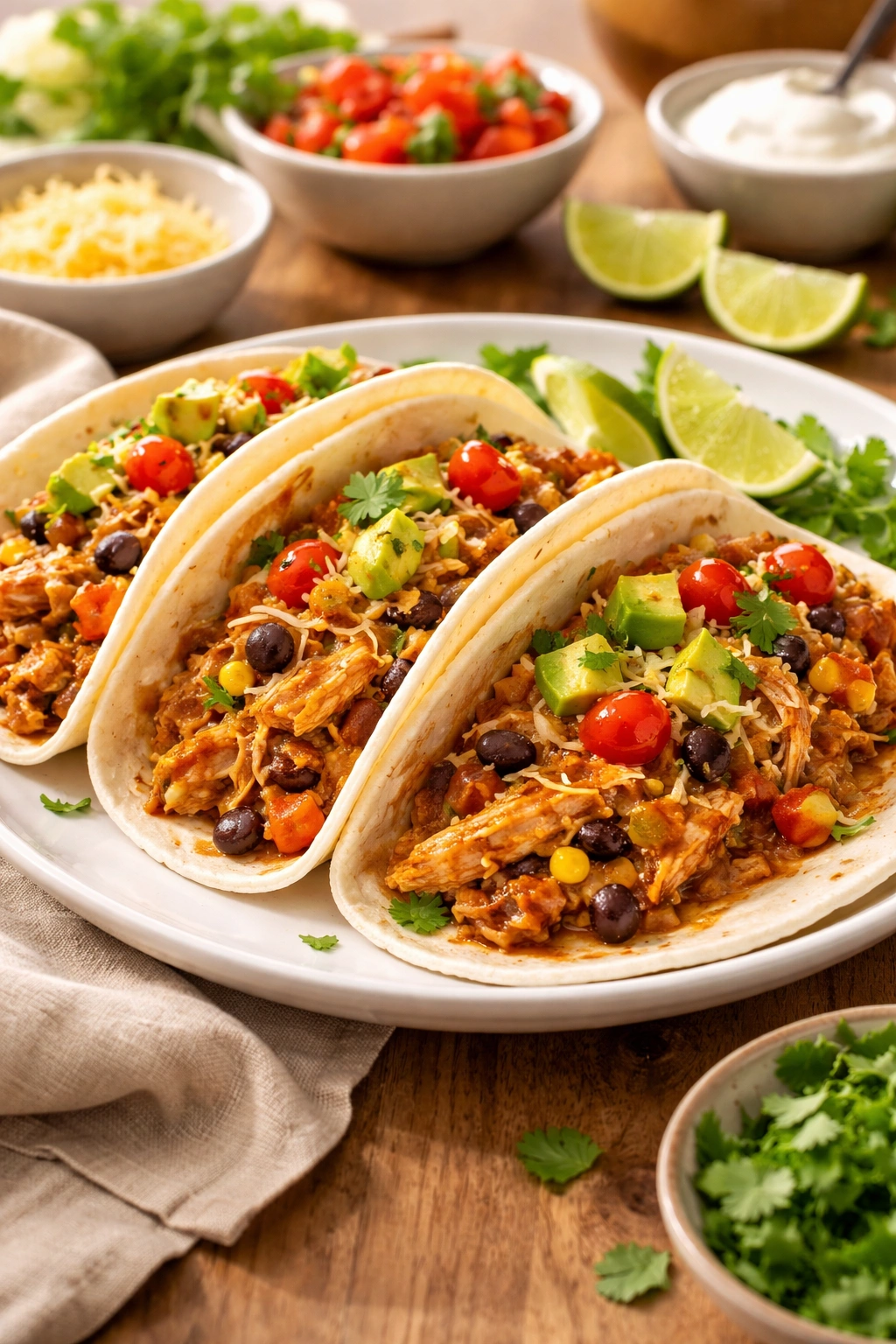
Set chicken breasts in the slow cooker with salsa, beans, and spices in the morning, and by dinner you’ve got tender, flavorful shredded chicken that’s ready to be served however your family likes it. Some eat it in soft tortillas, some eat it over rice, some eat it straight from a bowl with a fork. The short ingredient list means there’s nothing complicated here—just real food that’s been cooking all day and tastes like you spent hours in the kitchen.
Why This Meal Scales So Well Across Ages
A toddler can eat shredded chicken with a spoon from a bowl. A preschooler can wrap it in a soft tortilla and dip it in sour cream. A school-age kid can build their own taco with toppings. The grown-ups can add hot sauce, fresh cilantro, pickled onions, and extra lime juice. The same meal satisfies everyone’s preferences without requiring you to cook anything different. The beans add fiber and protein, making this a genuinely complete meal that will keep everyone full until breakfast.
Customization Options That Actually Work
- Use mild salsa for the base—you can always add hot sauce to your own portion
- Include both black beans and pinto beans for variety in texture and flavor
- Serve with sides of sour cream, avocado, diced tomato, shredded cheese, and soft tortillas so each person builds their own experience
- Add corn and diced bell pepper to the slow cooker for extra vegetables and sweetness that toddlers appreciate
- Make enough to freeze half—this recipe doubles beautifully and gives you an emergency dinner for future busy nights
Insider note: The longer this cooks, the better it tastes, so don’t skip the slow cooker thinking a quick-cook method will produce the same result. That all-day cooking time is what makes the chicken so tender it practically dissolves, which is exactly what toddlers need.
5. One-Pot Creamy Pasta with Carrots, Peas, and Chicken
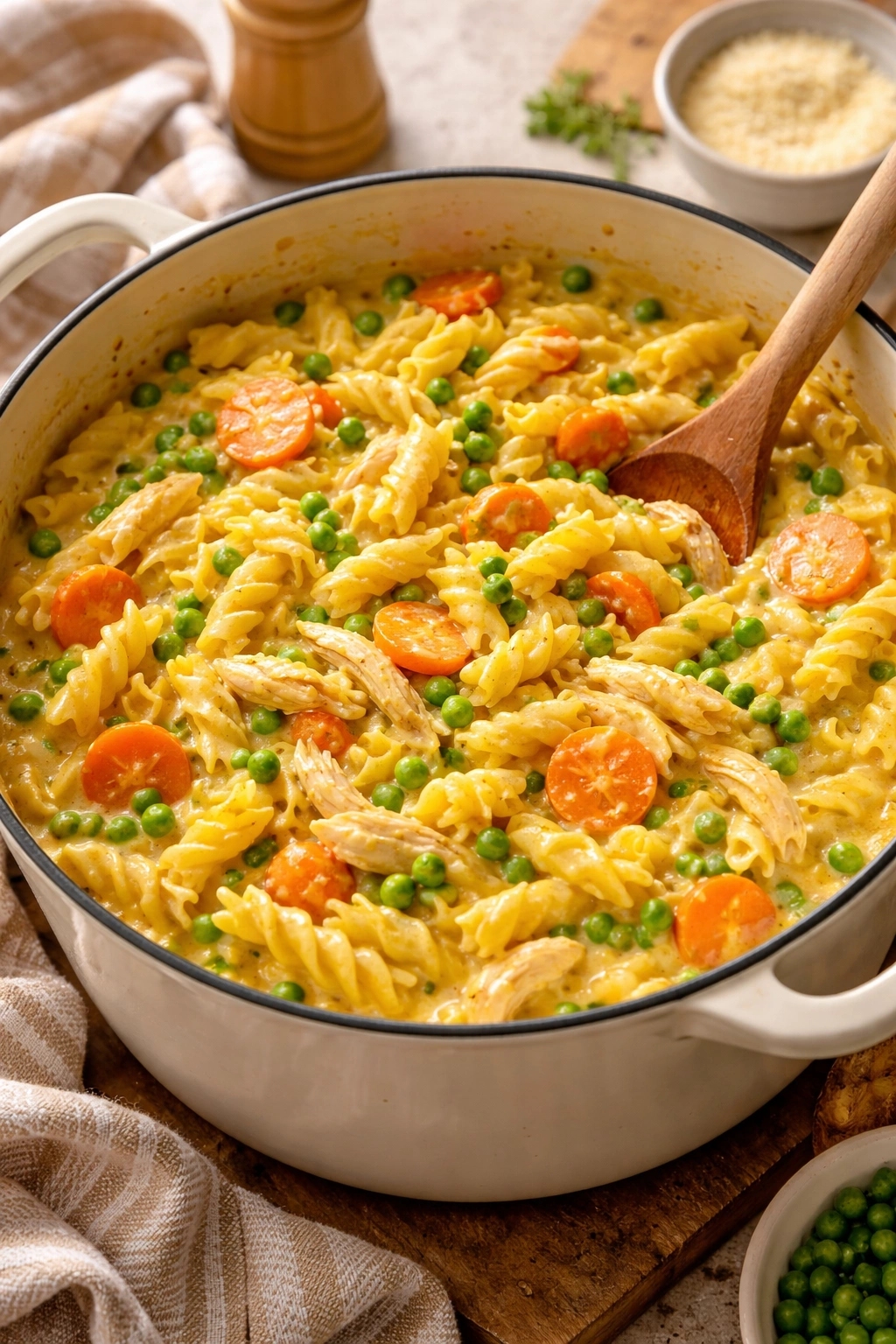
Nargisse Benkabbou’s 20-minute pasta comes together in a single pot with a touch of heavy cream, earthy turmeric, and colorful pops of peas and carrots. All the pasta cooks in broth rather than water, which means it absorbs flavor as it cooks and arrives at the table more interesting than plain pasta. You can stir in shredded rotisserie chicken for protein without any additional cooking.
Why Toddlers Actually Finish This Meal
The turmeric adds a subtle warmth and beautiful golden color without any spice, and it’s mild enough that toddlers won’t detect it as “different.” The carrots and peas are soft enough to squish between your fingers after cooking, and their natural sweetness is appealing to young palates. The cream sauce makes everything feel rich and comforting—no child feels like they’re being served “healthy” food, even though they absolutely are. Rotisserie chicken means you’re not standing at the stove cooking chicken separately; you’re literally pulling a store-bought bird apart and tossing it in.
Speeding This Up Even More
- Use pre-shredded rotisserie chicken from the grocery store instead of cooking fresh chicken
- Buy pre-cut carrots if that’s what it takes to get this meal on the table without stress
- Frozen peas cook just as well as fresh and require zero prep
- Heavy cream can be replaced with half-and-half or even whole milk if you want to reduce richness
- Cook the pasta in chicken broth (preferably low-sodium) rather than water for better flavor
- A pinch of turmeric adds color and wellness vibes without any flavor toddlers will object to
Real talk: This meal tastes like you fussed, but you genuinely didn’t. It’s the kind of dinner that makes you look like a competent adult while requiring almost zero actual skill—which is exactly what a weeknight needs.
6. Sheet Pan Feta, Corn, and Shishito Peppers with Rice or Naan
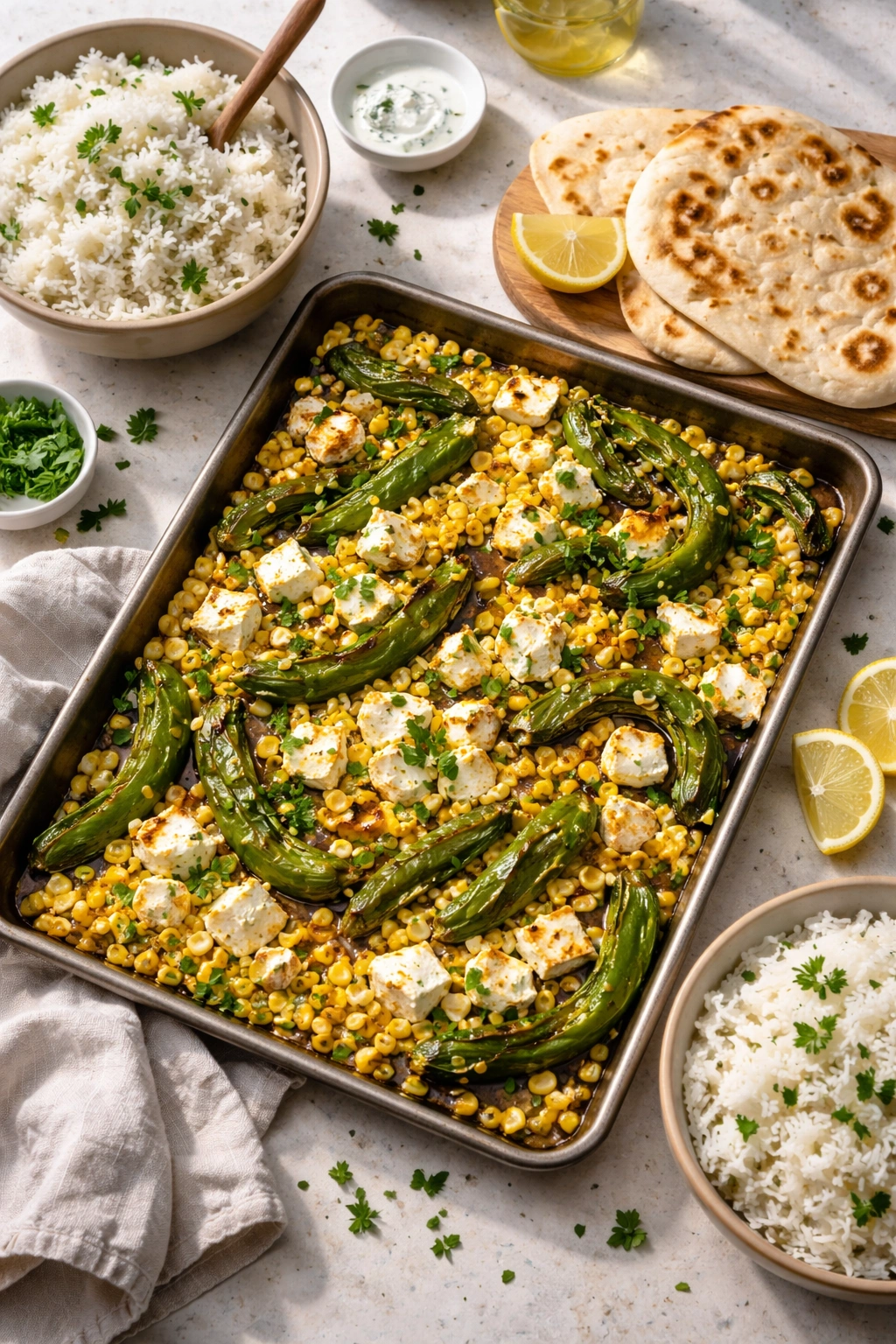
Ali Slagle’s sheet pan dinner features creamy crumbled feta, sweet corn, and snappy shishito peppers—mild peppers that are typically gentle but occasionally surprising with a little heat. Everything roasts together on a single pan, and you serve it alongside warm rice, naan, or pita for dipping and building little plates.
Making It Work for Mixed Eaters
Vegetarian meals can feel risky with picky toddlers, but this one works because every element is recognizable and mild on its own. The feta is salty and creamy in a way kids understand. Corn is universally beloved. Peppers—even unfamiliar shishito peppers—are mild and slightly sweet when roasted, making them far less intimidating than raw bell peppers. Because it’s served family-style with the starches on the side, each person builds their own plate exactly how they want it. Your toddler might eat only corn and naan. That’s completely acceptable and still a win.
Keeping It Toddler-Friendly
- Use mini sweet peppers instead of shishito peppers if your family tends toward extreme caution—they’re always mild
- Crumble the feta into smaller pieces rather than leaving large chunks, which makes it easier to incorporate into bites
- Serve the naan warm and soft, which is much more appealing to toddlers than cold, chewy bread
- Keep the peppers whole or cut into manageable pieces rather than chopping them small—whole vegetables look less suspicious than chopped ones to cautious eaters
- Add a squeeze of lemon juice over everything right before serving for brightness that doesn’t add heat
What makes this different: Most sheet pan dinners feel like you’re trying to trick your toddler into eating vegetables. This one just is vegetables, served in a format that’s genuinely appealing. The roasting caramelizes everything slightly, which naturally increases sweetness and reduces any vegetal harshness.
7. Skillet Broccoli Cheddar Rice
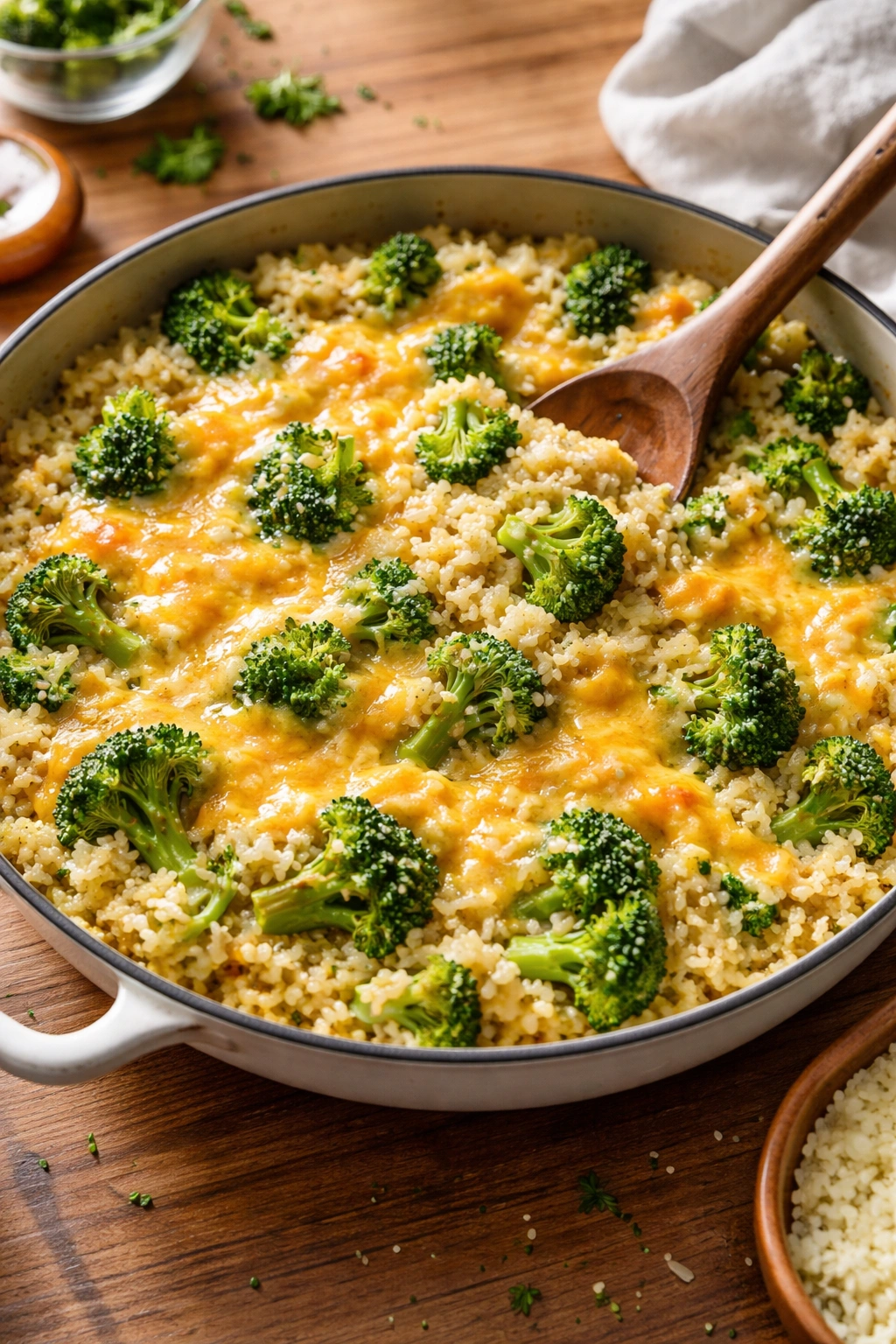
Ali Slagle’s one-pot recipe is like the cooler, lighter cousin of broccoli and cheese casserole. Rice simmers with onion and broccoli stems, then broccoli florets are added on top to steam until bright green, and the whole thing is finished with a shower of cheese and a quick broil until bubbly and crispy on top. You’ve got creamy comfort food that doesn’t feel heavy, and it’s ready in 45 minutes with minimal hands-on time.
Why This Becomes a Toddler Favorite
Broccoli can be a tough sell to young kids because it’s often either raw and crunchy or overcooked and mushy. This version hits the sweet spot—cooked through but still bright and slightly crisp on the florets, with no chance of that sulfurous, overcooked broccoli smell that makes kids wrinkle their noses. The cheese isn’t a thin sauce; it’s melted right into the rice, creating pockets of creamy, salty goodness. Your toddler can eat the rice and cheese and leave the broccoli stems, or they can try a little of everything. Either way, you’re serving one cohesive meal that the whole table can enjoy.
Building More Flavor
- Sauté the onion before adding the rice for a deeper, more complex base
- Use sharp cheddar rather than mild—it has more flavor, so you can use less and keep the overall dish lighter
- Toast the rice briefly in the pan before adding broth to deepen the nutty flavor
- Add a pinch of garlic powder or a small amount of sautéed garlic to the broth for extra depth
- The broiler step at the end is what creates the crispy, bubbly top that makes this feel special—don’t skip it
Worth knowing: The broccoli stems are actually the best part—they’re sweeter and more tender than the florets, and they add textural variety that keeps the dish from being monotonously creamy.
8. Cheesy Tuna and Tomato Orzo
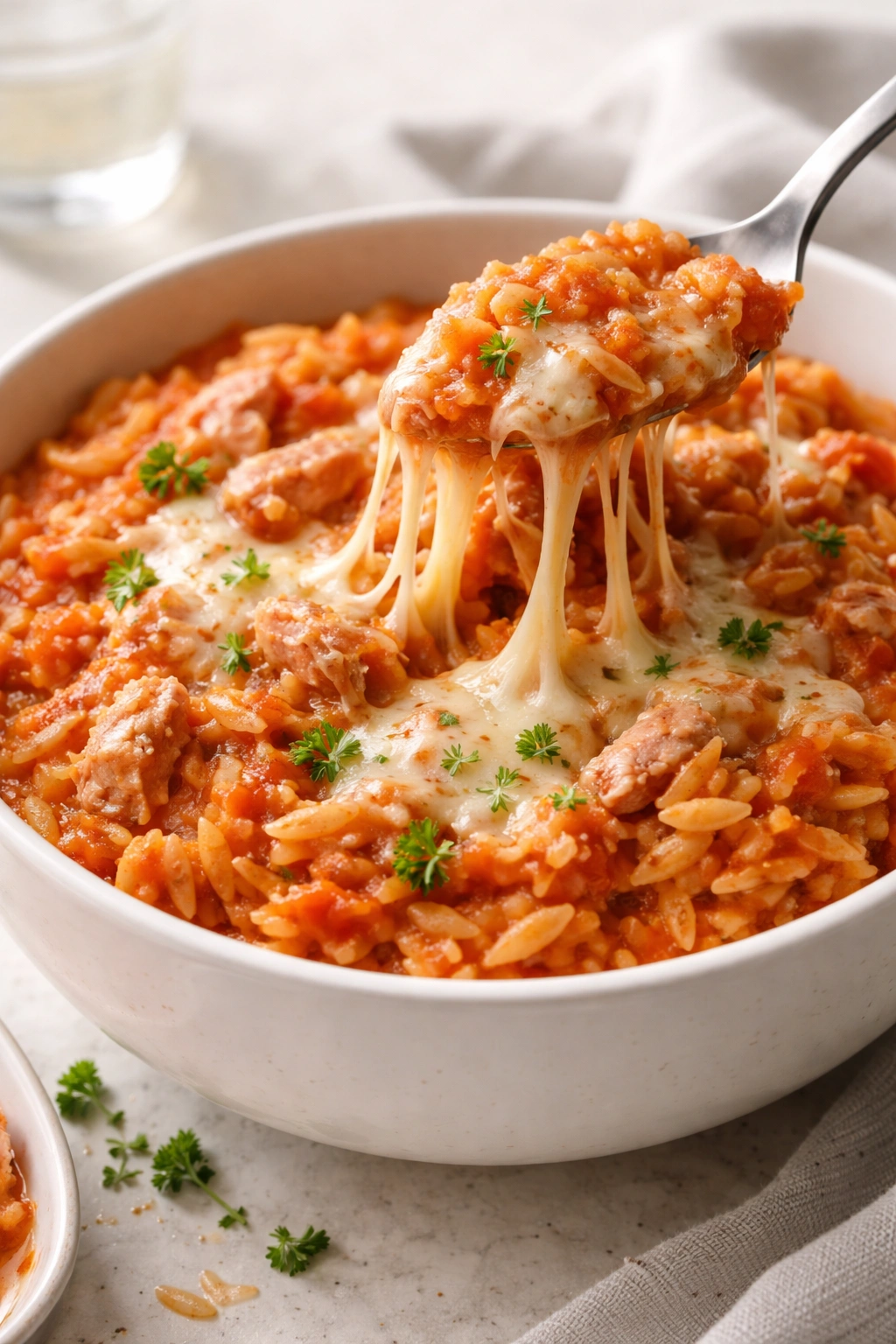
Nargisse Benkabbou’s one-pot cozy dish practically begs to be eaten on the couch under a blanket, though you probably won’t let your toddler do that. Orzo pasta simmers in marinara until tender, then canned tuna and melty cheddar or mozzarella are stirred in, creating something that feels indulgent but requires just five ingredients and 20 minutes of your time.
Why Canned Tuna Works for Family Meals
Cooking fresh fish feels intimidating and creates strong smells that linger in your kitchen. Canned tuna requires zero cooking and costs almost nothing. The texture of canned tuna is already soft and flaked, which is ideal for toddlers—no choking concerns, and it’s easy to mash with a fork if needed. The tomato sauce provides moisture, so the dish never feels dry, and the cheese makes everything taste like a treat rather than a healthy meal.
Elevating This Beyond the Basic Version
- Use good-quality canned tuna packed in water, not oil—drain it thoroughly before adding
- Mix the marinara with a splash of reserved pasta water to create a silky sauce
- Stir in fresh parsley or a pinch of Italian seasoning right before serving for brightness
- Add frozen peas for color and sweetness without extra prep work
- Grate fresh Parmesan over the top just before eating for a flavor boost that kids notice
Quick fact: Orzo has the appearance and texture of rice but is actually tiny pasta, which makes it especially appealing to toddlers who might reject full-sized pasta shapes. It also cooks faster and has a softer texture than larger pastas.
9. Crispy Baked Tomato-Oregano Chicken with Cherry Tomato Sauce
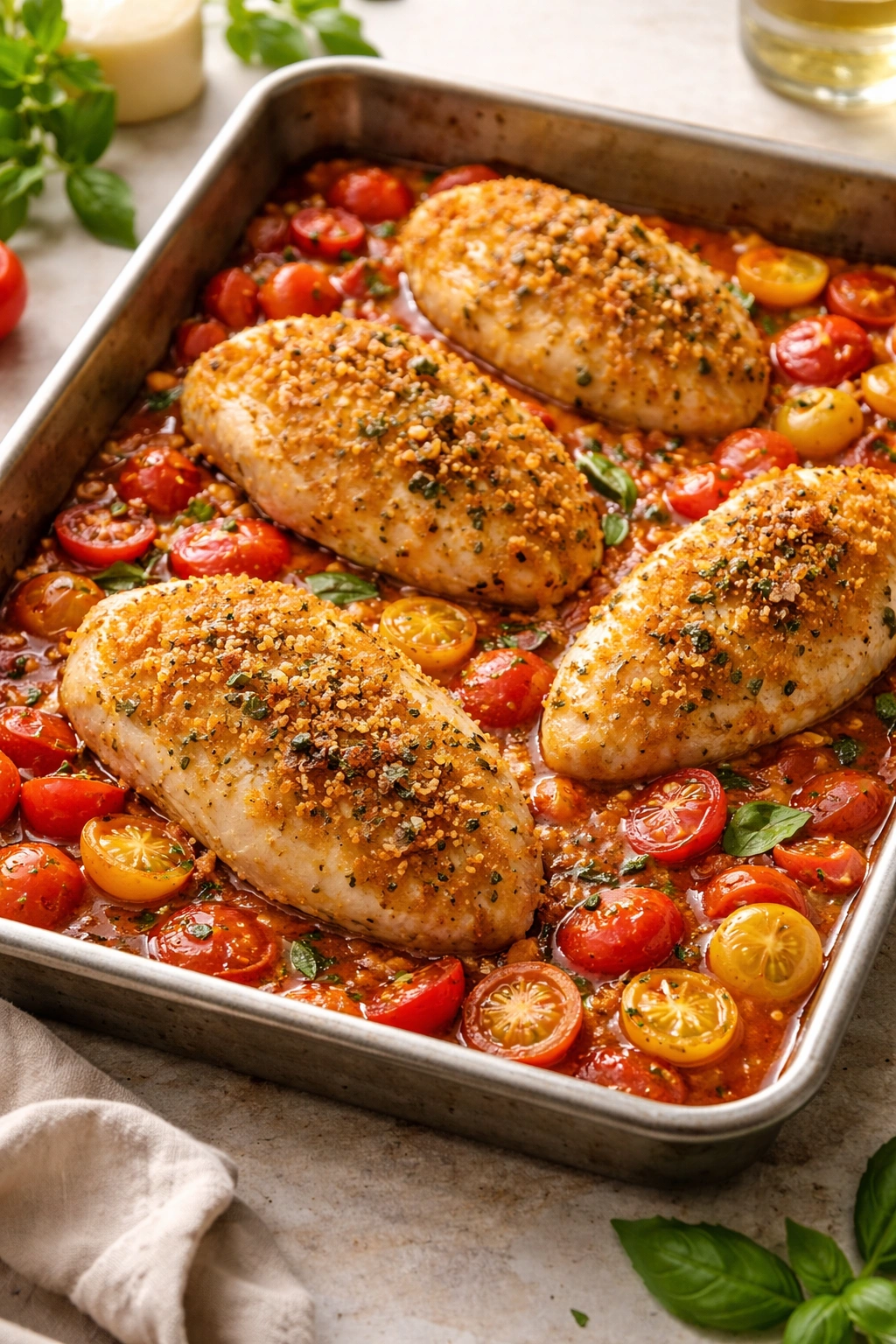
Yasmin Fahr’s nugget-adjacent-but-with-way-more-personality recipe involves marinating boneless chicken pieces in yogurt, tomato sauce, and soy sauce, then nestling them atop a layer of halved cherry tomatoes, topping with panko, and baking until the chicken is crunchy on top and bathed in a fresh tomato sauce. It looks restaurant-quality but requires zero specialized skills.
Making This a Weeknight Reality
Yogurt as a marinade base keeps the chicken impossibly tender while the soy sauce adds umami depth that makes even toddlers think the flavors are interesting. The cherry tomatoes break down during cooking, creating a light sauce rather than requiring you to make tomato sauce from scratch. Panko gives you that crispy exterior that makes children feel like they’re eating something special, but you’re baking rather than deep-frying, which means less cleanup and fewer oil splatters. The whole dish comes together in about 40 minutes from start to finish.
Making It Feel Special
- Cut boneless chicken breasts into bite-sized nugget pieces so they cook evenly and are already the right size for toddler hands
- Let the chicken marinate for at least 30 minutes, or up to overnight, for maximum tenderness—this is the part that makes the difference
- Mix a little salt into the panko before applying it so you get seasoning throughout rather than just on the surface
- Add a splash of good olive oil to the panko mixture for extra crispiness
- The pan-roasted cherry tomatoes create a light sauce that feels fresher than marinara sauce
Pro tip: This recipe works beautifully with chicken thighs instead of breasts if you prefer darker meat—thighs are more forgiving and stay moist even if you accidentally overbake slightly.
10. Burrito Bowls with Beans, Rice, and Customizable Toppings
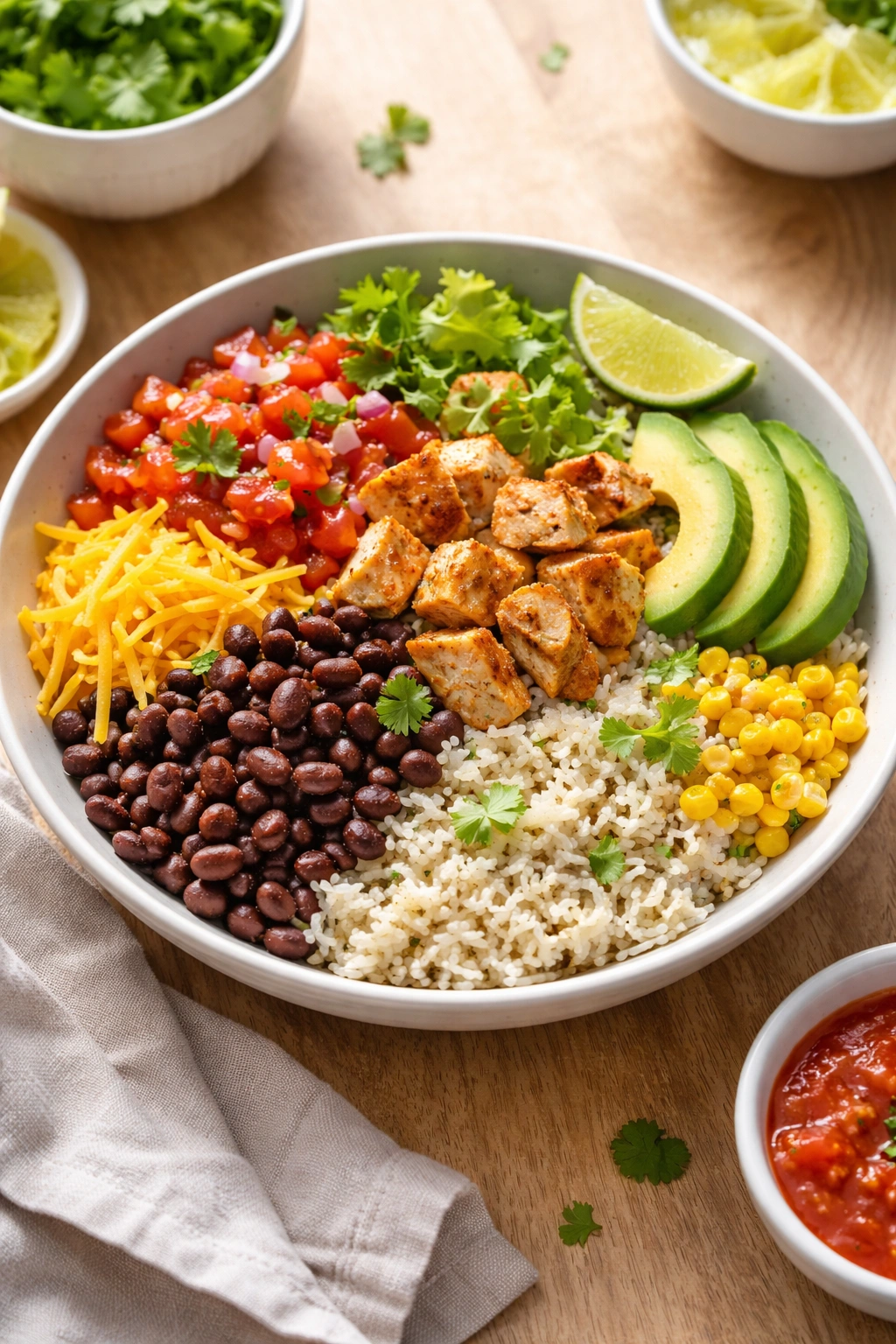
Ali Slagle’s crowd-pleasing burrito bowl recipe involves cooking beans and rice together in the same pot, then serving them in a bowl topped with whatever jumble of ingredients each person chooses. It’s the definition of family-style dining—the work is done, and everyone builds their own plate exactly how they want it.
Why This Approach Works for Toddlers Specifically
A toddler with rigid food preferences can have plain beans and rice. A toddler who’s exploring new foods can add cheese, avocado, and salsa. The grown-ups can build loaded bowls with all the toppings and hot sauce. No one’s needs are unmet, and you’re not cooking multiple meals. The beans and rice provide complete protein together, so even if your toddler avoids the meat and other toppings, they’re still eating a nutritionally balanced meal. Because everything is separate, your child with sensory sensitivities can keep foods from touching, while your adventurous eater can mix everything together.
Building Your Burrito Bowl Bar
- Cook beans and rice together with a little olive oil and onion for flavor
- Set out bowls of shredded cheese, diced tomato, avocado, sour cream, salsa, and fresh cilantro
- Include both mild and spicy salsa so everyone can choose their heat level
- Add lime wedges so people can adjust the brightness to their taste
- Warm the tortillas so they’re flexible and soft rather than cold and brittle—toddlers are more likely to eat them warm
Insider note: The magic of this meal is that it requires almost zero coordination from you. The beans and rice are done, plated, and ready. Everything else is just assembly, which means less stress during the actual dinner hour and more energy for actually connecting with your family.
Final Thoughts
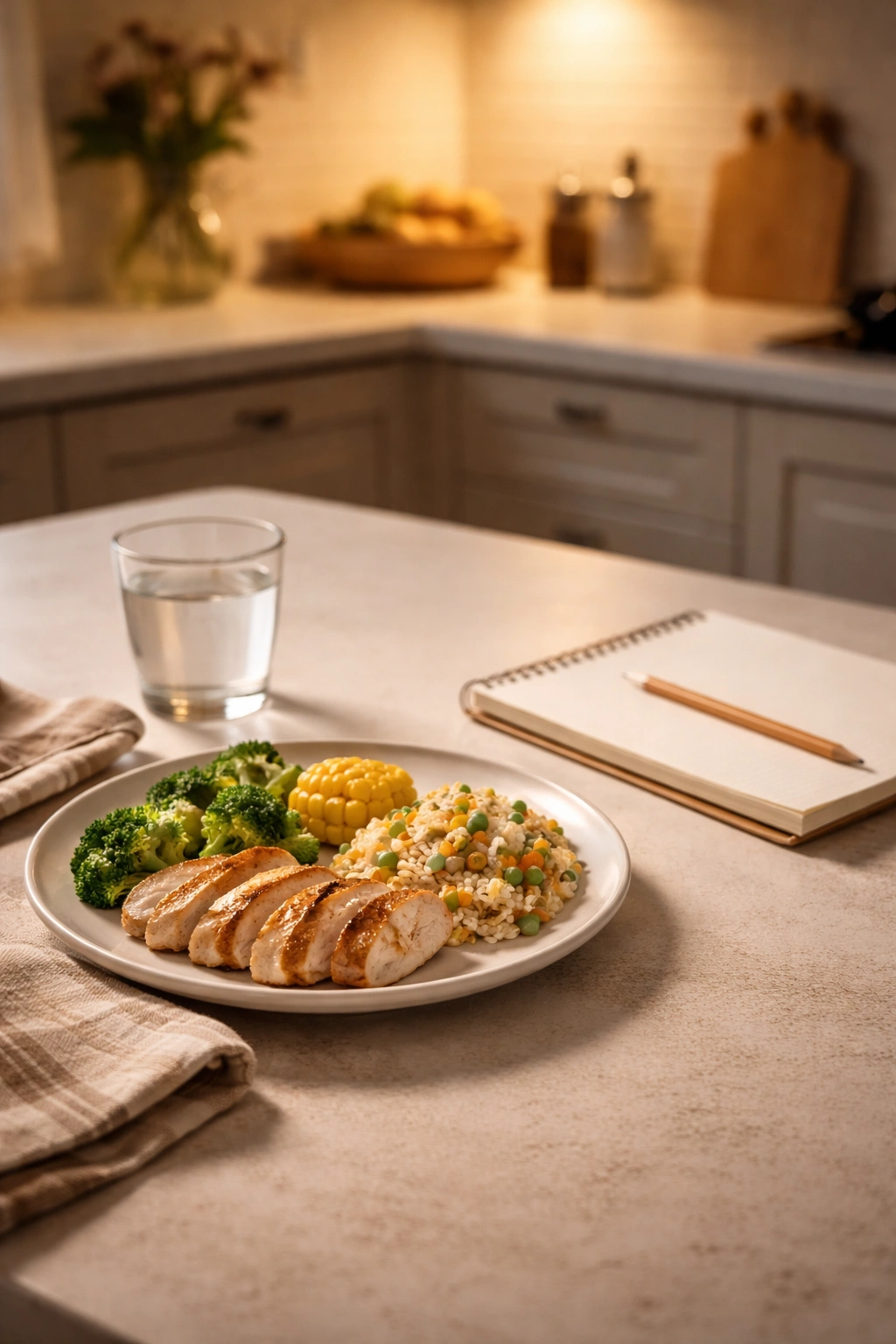
The real magic of these dinners isn’t the recipes themselves—it’s the principle behind them. Every single one of these meals works because it respects that toddlers and grown-ups can eat the same food when that food is thoughtfully constructed with both groups in mind. Your toddler doesn’t need “kid food.” They need food that’s soft enough to chew easily, flavors that aren’t overwhelming, and choices they can control. The grown-ups need actual flavor, nutrition, and variety. These dinners deliver all of that without requiring you to become a short-order cook.
The research is clear: families that eat together, even imperfectly, raise children with better nutrition, healthier relationships with food, and stronger family bonds. You don’t need fancy recipes or hours of cooking time. You need simple, honest meals that work for everyone at the table. You need to let go of the expectation that your toddler will eat everything, celebrate the fact that they’re exposed to new foods week after week, and focus on the actual connection happening during the meal. Whether your toddler eats or plays or refuses everything—that time together is the real win, and these dinners make it achievable on a regular Tuesday evening when nobody has any energy left.
