



When you think about restaurant tortilla soup, you probably picture that perfect balance of smoky depth, tangy brightness, silky texture, and those addictively crispy tortilla strips you can never resist ordering. The warm, comforting aroma. The careful layering of flavors that somehow tastes both simple and sophisticated. The generous toppings that make every spoonful feel a little bit luxurious. Here’s what most people don’t realize: that restaurant version you’ve been paying good money for takes roughly 30 minutes to make at home, uses ingredients you probably have in your pantry already, and tastes better because you’re in complete control of every element. No cutting corners, no reheating from a prep station, no time sitting under a warming lamp—just genuine, vibrant flavor made in your own kitchen while the aroma fills your home.
This tortilla soup sits somewhere between pure comfort and genuine sophistication. It’s the kind of meal that feels like you’ve put in way more effort than you actually have, which is exactly why it works as both a quick weeknight dinner and something impressive enough to serve to guests. The base is a deeply flavored, tomato-forward broth infused with chicken, chile peppers, and warming spices. Nothing heavy, nothing complicated—just the right balance of ingredients building on each other to create something that tastes like it’s been simmering for hours when it’s actually ready in less than 45 minutes. Then come the toppings: freshly fried tortilla strips with that perfect shatter, creamy avocado, bright cilantro, cooling sour cream, and a squeeze of lime that ties everything together.
What makes this version restaurant-quality is not a secret ingredient or some fancy technique you’ve never heard of—it’s the combination of thoughtful ingredient choices and proper layering of flavors. You’re going to build a base with real depth using tomato paste, chile peppers, and spices toasted properly. You’re going to cook chicken gently so it stays juicy. You’re going to make your own tortilla strips because the difference between homemade and store-bought is honestly night and day—they’re crispier, fresher, and they add this textural element that elevates the entire bowl. And you’re going to set up a toppings station because the real magic of tortilla soup happens when each person can customize their bowl to their exact preference.
Why This Homemade Version Beats Restaurant Tortilla Soup Every Single Time
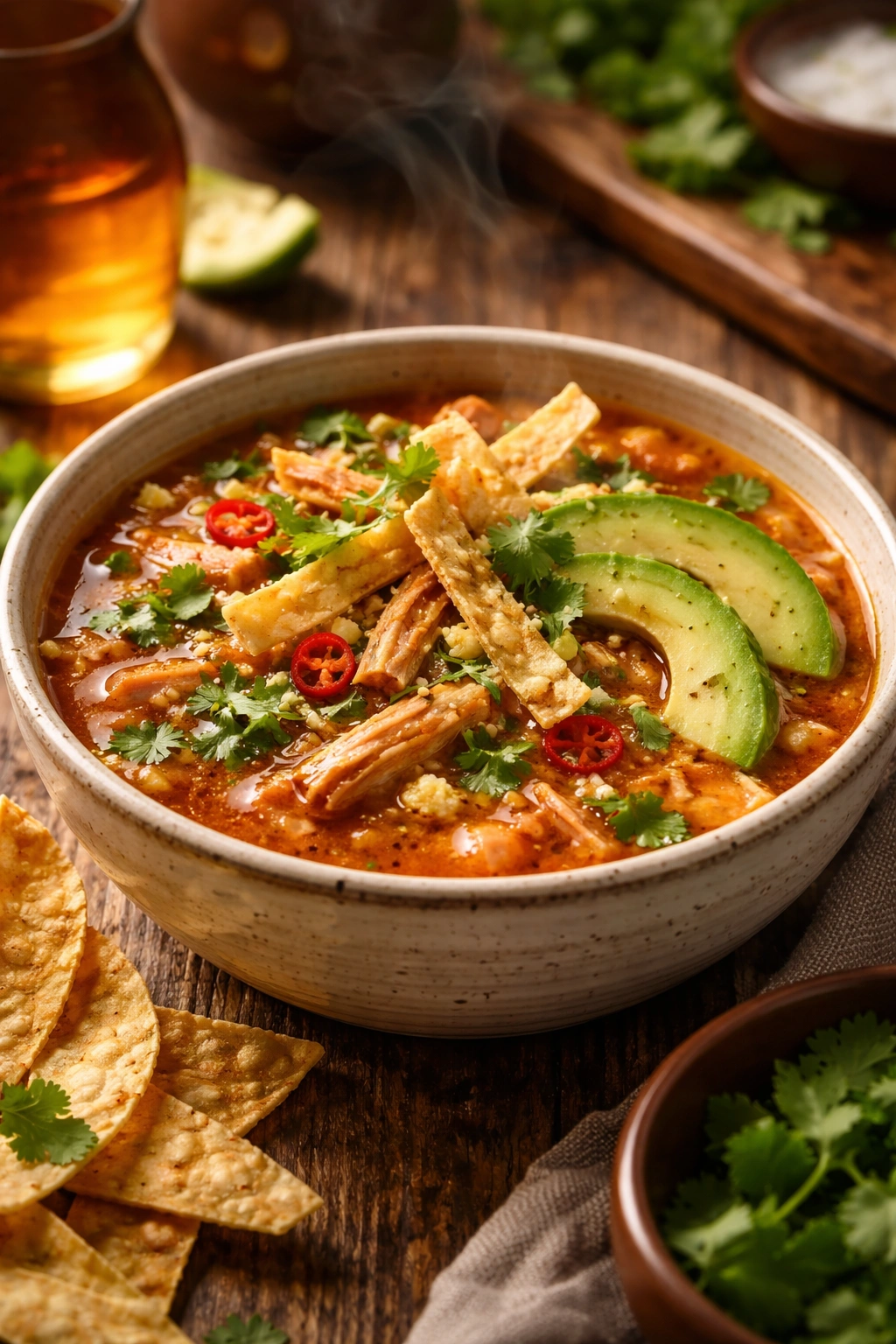
There’s a specific reason homemade tortilla soup tastes better than what you get at most restaurants, and it comes down to freshness and control. When a restaurant makes tortilla soup, it’s often part of a batched recipe that’s been sitting in a warmer, flavors flattening over hours. When you make it at home, you’re eating it at its absolute peak—the moment those flavors have just come together, the tortilla strips are still crispy, the avocado is freshly cut, and everything is hot.
Beyond freshness, you get to control every single variable. Want more garlic? You add it. Prefer your soup spicier? Crank up the jalapeños and chile powder. Like your broth richer and deeper? You simmer it a touch longer or use a better quality of chicken stock. Restaurants operate on margins and timelines—they can’t customize like this. They’re using shortcuts because they have to, and while those shortcuts don’t ruin the soup, they do flatten the experience. Homemade tortilla soup has a clarity to it, a brightness and depth simultaneously that comes from intentional choices, not cost-cutting decisions.
The financial angle deserves a mention too. A bowl of decent tortilla soup at a restaurant runs you $12 to $18 easily, more in upscale places. This recipe serves six people and costs roughly $15 to $18 total for everything—that’s less than $3 per serving, and you’re eating better food. You can make a double batch and freeze half for genuinely easy dinners during busy weeks. This is the kind of recipe that teaches you that restaurant food seems fancy partly because you’re paying someone else’s overhead and labor—but when you do it yourself, you get fancier results at a fraction of the cost.
The Secret to Restaurant-Quality Flavor at Home
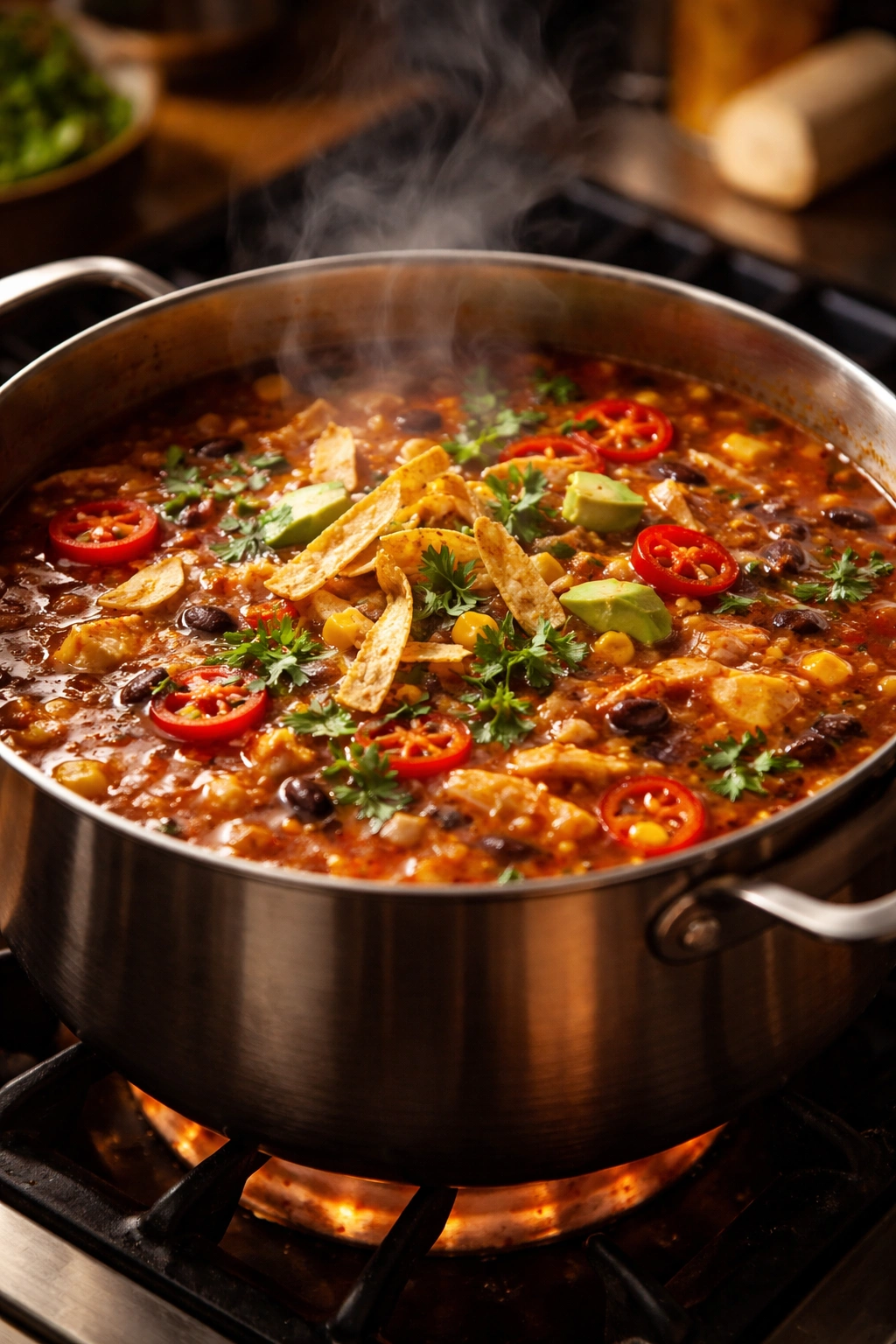
The first thing that separates restaurant-quality tortilla soup from mediocre home versions is understanding that flavor builds in layers. You’re not dumping everything in a pot at once and hoping for the best. You’re creating a foundation.
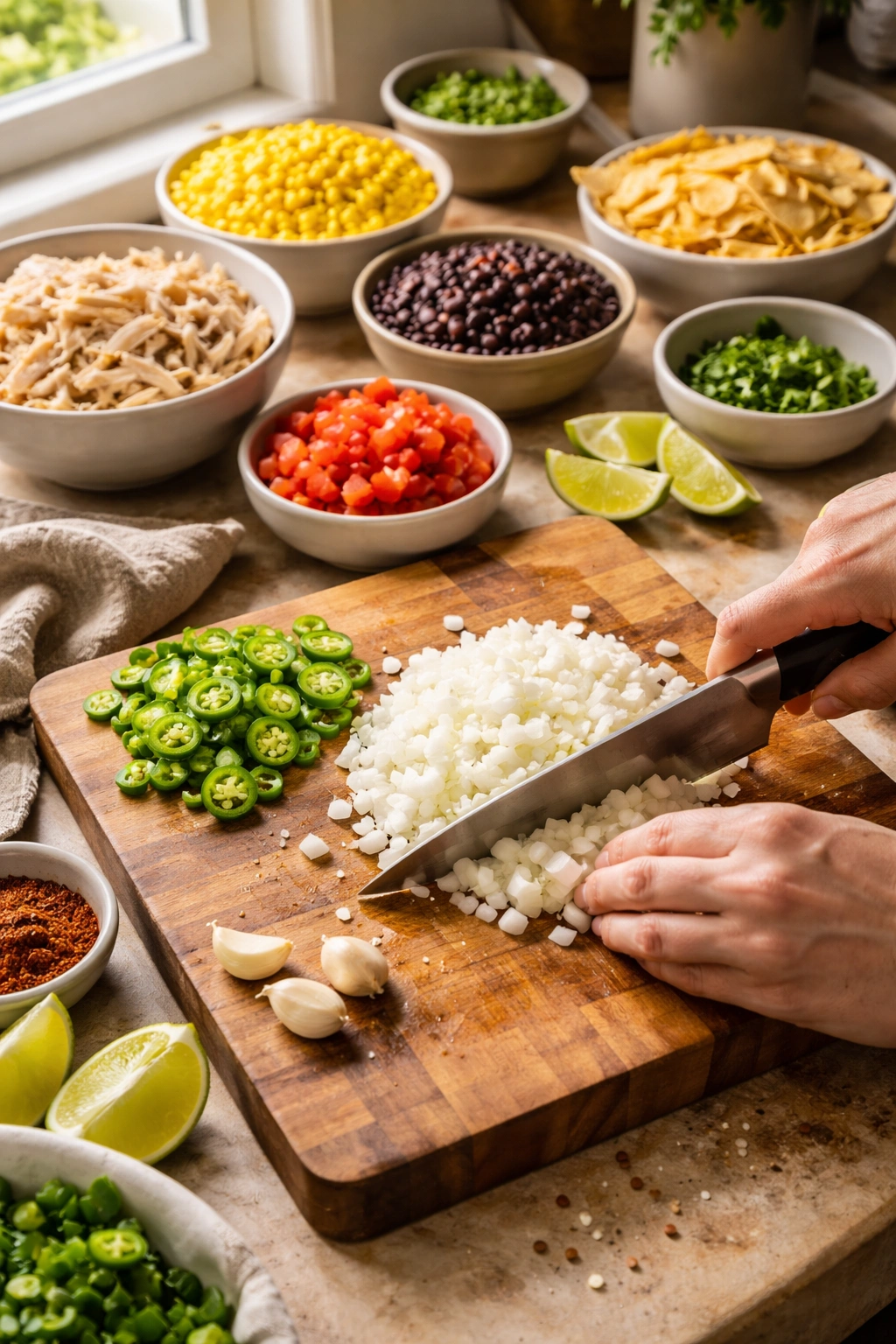
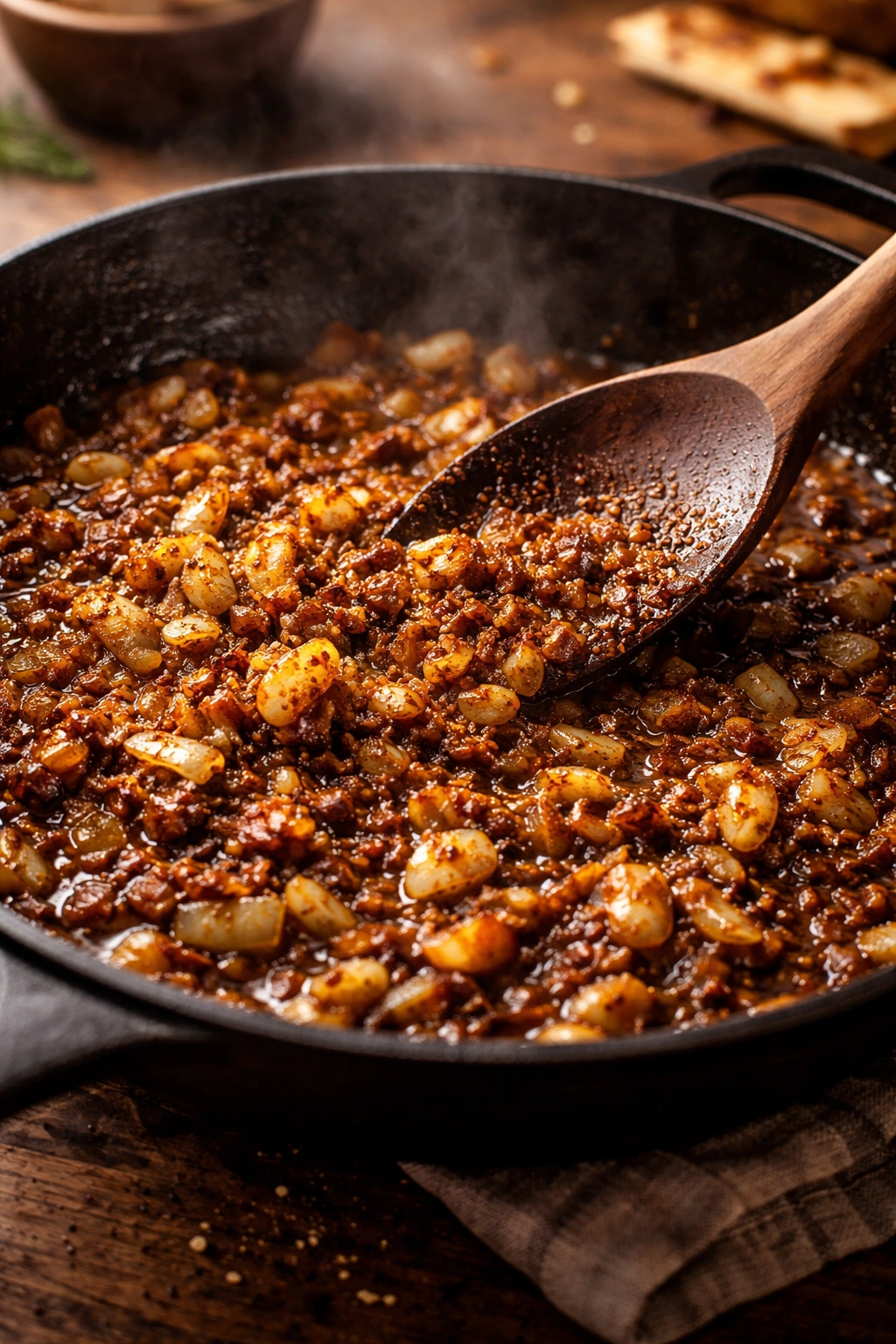
Start with your aromatics—the onions, garlic, and jalapeños. These aren’t supporting actors; they’re the backbone. When you sauté them properly in butter and oil until they’re soft and just beginning to caramelize at the edges, you’re developing their natural sweetness and depth. This takes about 5 minutes and changes everything. Too many recipes skip this step or rush it, and the soup never quite reaches that savory richness restaurants are known for.
Next comes tomato paste, not just canned tomatoes. Tomato paste is tomatoes concentrated down to pure umami—that savory, mouth-filling quality that makes you feel satisfied. When you cook the tomato paste with your aromatics for a minute or two, it deepens even further, the sugars beginning to caramelize slightly. This is a professional technique that home cooks often skip, and it’s why their soup tastes bright but not deep. You’re literally building a richer flavor foundation with this one step.
Then your spices—cumin, chili powder, maybe a touch of smoked paprika or chipotle powder depending on the depth you’re after. These go into the warm oil and tomato paste for about a minute before adding liquid, which allows the oils in the spices to bloom and release their flavor compounds more fully. It sounds almost alchemical, but it’s just chemistry: heat helps unlock the essential oils in dried spices, which is why toasting them matters so much.
Finally, your broth, your chicken, your supporting vegetables. Each layer builds on what came before it. By the time everything’s simmering together, you’ve already created a flavor foundation that’s working hard to make the final soup taste restaurant-quality without any single ingredient dominating the bowl.
Building a Crispy Tortilla Strips Topping Worth Making Yourself

Here’s what separates a really good bowl of tortilla soup from a transcendent one: homemade tortilla strips. Not the stale, slightly-rancid-tasting chips from a bag, and definitely not the pre-fried tortilla strips that have been sitting in a warehouse for months. Real, freshly fried corn tortilla strips—crispy, golden, with a subtle toasted corn flavor.
Store-bought tortilla chips have oil that’s been oxidizing, stabilizers added for shelf life, and a staleness that you don’t realize is there until you taste homemade strips by comparison. Homemade strips are literally fresh corn tortillas cut into thin ribbons and fried for less than a minute in hot oil until they’re crispy all the way through. The difference in texture alone transforms the entire eating experience—that satisfying shattering crunch when you bite down, versus the slightly soft, slightly stale feeling of pre-made chips.
Making your own tortilla strips adds maybe five extra minutes to your overall soup prep time, and it’s actually one of the more therapeutic kitchen tasks. Cut corn tortillas into thin strips (about the width of your pinky finger), heat some oil to medium-high until it’s hot enough that a test strip sizzles immediately, then fry the strips in batches until they’re golden brown with slightly darker edges. The moment they come out, transfer them to a paper-towel-lined plate and sprinkle with salt while they’re still hot. That’s it. By the time your soup is done, you’ve got what might be the best texture component you’ve ever added to a bowl of soup.
The beauty of making them just before serving is that they stay crispy. Store-bought strips soften as they sit; homemade ones maintain that structural integrity, that contrast with the soft soup and creamy toppings that makes tortilla soup actually interesting to eat, not just warm and comforting.
Choosing the Right Ingredients for Maximum Depth
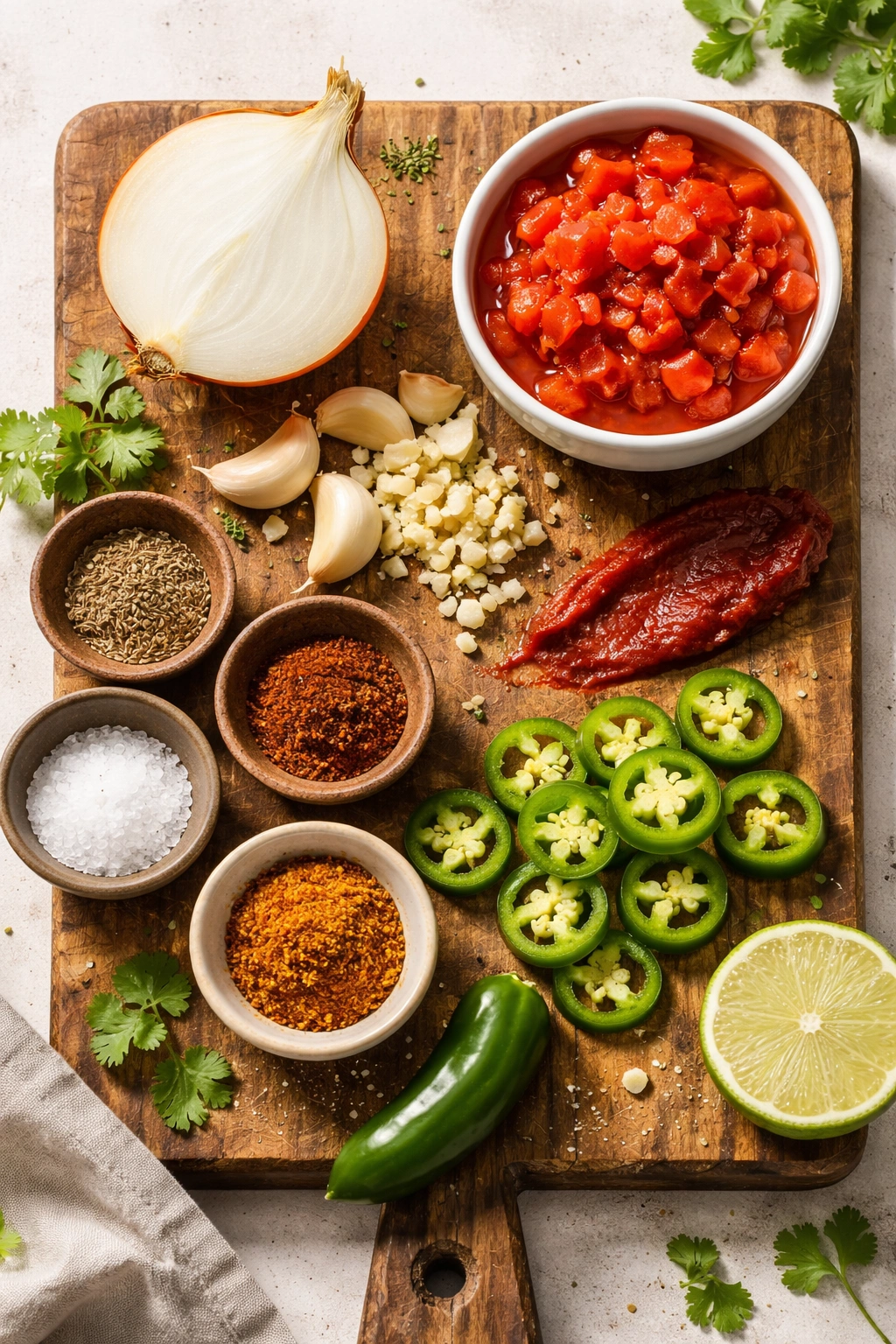
This recipe works because every ingredient is doing specific work. There’s nothing in here that’s just filler—everything is either building flavor or providing texture or brightness. Understanding why each ingredient matters makes you a better cook and gives you permission to adjust confidently based on what you have on hand.
Chicken broth forms your liquid foundation, and its quality matters. A thin, salty canned broth will give you a thin, salty soup. A good-quality low-sodium broth, whether store-bought or homemade, gives you room to season properly and lets the other flavors come through. You’re not looking for the most expensive broth; you’re looking for one that tastes like actual chicken, not like salt and food coloring.
Fresh jalapeños are your heat source, but they’re also contributing flavor—a grassy, slightly fruity quality that balances the tomato richness. The heat is in the seeds and the white membrane inside, so you control your spice level by deciding whether to remove them or leave them in. This single choice can take your soup from pleasantly warm to genuinely spicy.
Tomato paste and canned diced tomatoes work together. The paste gives you concentrated depth and umami; the diced tomatoes give you texture and acidity. This combination creates complexity that using just one wouldn’t achieve. Fire-roasted canned tomatoes add a subtle smokiness if you can find them, which is a nice touch but not essential.
Corn and black beans add body, sweetness, and a little nutritional heft. They’re also traditional in this style of soup, which means they contribute to that “rightness” factor where a spoonful tastes like tortilla soup should taste. Canned corn and beans work beautifully here (drained and rinsed), or you can use frozen corn if you prefer—it actually has better texture than some canned versions.
Your actual chicken can be rotisserie chicken from the store (which is seasoned and moist and saves you cooking time), cooked chicken breasts, or thighs. The beauty of adding it to a flavorful broth is that even plain cooked chicken tastes great surrounded by this much flavor. If you want to cook it in the soup itself, chicken thighs stay juicier than breasts, but breasts work fine if you don’t overcook them.
Lime juice is not optional. This is crucial. The acid brightens everything—cuts through the richness, makes all the spices pop, and creates that final-sip satisfaction. Fresh lime juice only takes 30 seconds and is worth the time investment. Bottled lime juice works if fresh isn’t available, though the flavor’s a touch flatter.
Yield: Serves 6
Prep Time: 15 minutes
Cook Time: 30 minutes

Total Time: 45 minutes

Difficulty: Beginner — This recipe is straightforward even if you’ve never made it before. Everything goes into one pot, and the most involved step is making fresh tortilla strips, which is simply frying and draining.
Ingredients
For the Tortilla Strips:
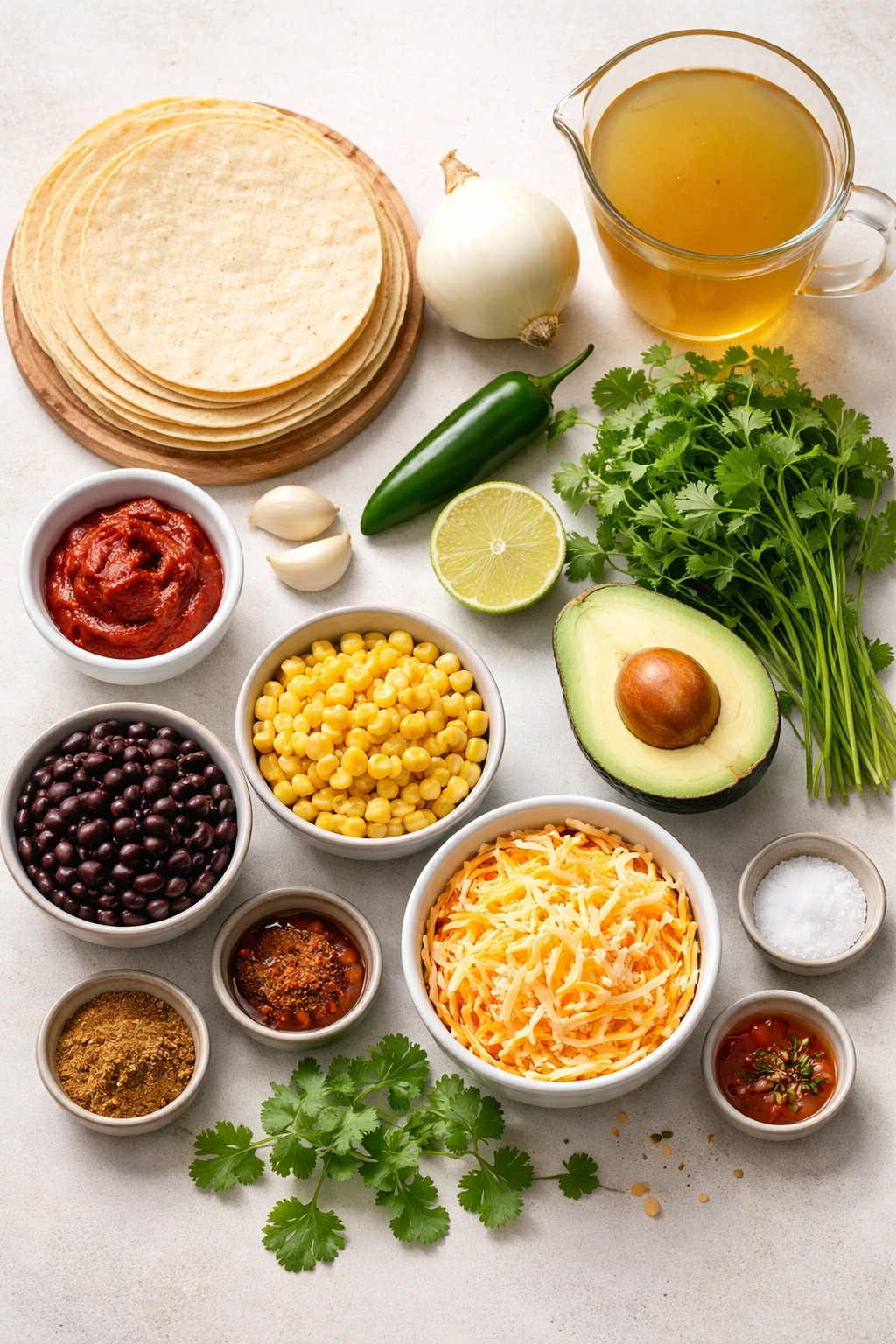
- 8 corn tortillas (6-inch), cut into thin strips about 1/4-inch wide
- 1/4 cup neutral oil (vegetable, canola, or light olive oil)
- 1/2 teaspoon kosher salt, or to taste
For the Soup:
- 2 tablespoons butter
- 2 tablespoons olive oil
- 1 large yellow onion, diced small
- 1 large jalapeño pepper, seeded and diced (or leave seeds in for more heat)
- 4 garlic cloves, minced
- 3 tablespoons tomato paste
- 1 teaspoon ground cumin
- 1 teaspoon chili powder
- 1/2 teaspoon smoked paprika (optional but recommended)
- 6 cups low-sodium chicken broth
- 1 (28-ounce) can crushed fire-roasted tomatoes (or regular diced tomatoes)
- 2 cups shredded cooked chicken (rotisserie, store-bought or homemade)
- 1 (15-ounce) can black beans, drained and rinsed
- 1 (15-ounce) can corn, drained and rinsed (or 1 1/2 cups frozen corn)
- 1 1/2 tablespoons fresh lime juice (about 1 lime)
- 1 teaspoon salt, or to taste
- 1/2 teaspoon black pepper, or to taste
- 1/4 teaspoon cayenne pepper (optional, for extra heat)
For Serving and Garnish:
- Fresh cilantro, roughly chopped
- 1 ripe avocado, sliced or diced
- Sour cream or Mexican crema
- Lime wedges for serving
- Shredded Monterey Jack, cheddar, or cotija cheese
- Additional diced jalapeño slices (optional)
Instructions
Make the Tortilla Strips:
-
Heat the neutral oil in a large skillet over medium-high heat until a test strip of tortilla sizzles immediately when touched to the oil (about 2–3 minutes). The oil should shimmer and move easily across the pan.
-
Working in batches of about 8–10 strips at a time (don’t overcrowd the pan), carefully place the tortilla strips into the hot oil and fry for about 45 seconds to 1 minute, stirring gently with tongs as they cook. The strips should turn from pale to golden brown with slightly darker edges—this happens quickly, so watch carefully.
-
Using slotted spoon or tongs, remove the cooked strips and transfer immediately to a paper-towel-lined plate. While still hot, sprinkle lightly with kosher salt. The strips will crisp up completely as they cool. Set aside until serving. (They’ll stay crispy at room temperature for up to 5 days if stored in an airtight container.)
Make the Soup:
-
In a large Dutch oven or heavy-bottomed pot, combine the butter and olive oil over medium-high heat. Once the butter is melted and the pan is hot, add the diced onion and jalapeño. Sauté, stirring occasionally, for about 5 minutes until the onion is softened and just beginning to turn golden at the edges—do not rush this step, as this is where the base flavor develops.
-
Add the minced garlic and cook for about 1 minute more, stirring constantly, until fragrant. You should smell the garlic clearly at this point; it should not brown.
-
Add the tomato paste to the pan and stir continuously for 1–2 minutes. The tomato paste will darken slightly as it cooks in the hot oil and begins to caramelize at the bottom of the pan—this is exactly what you want. This step concentrates the tomato flavor and adds savory depth.
-
Sprinkle the cumin, chili powder, and smoked paprika directly over the tomato paste mixture. Stir well to combine, and let the spices cook in the oil for about 1 minute. You’ll smell the spices bloom and release their essential oils—this is how you unlock their full flavor.
-
Pour in the chicken broth, scraping the bottom of the pot with a wooden spoon to release any flavorful browned bits (this is called deglazing). Add the can of crushed tomatoes with their juices, stirring to combine everything fully.
-
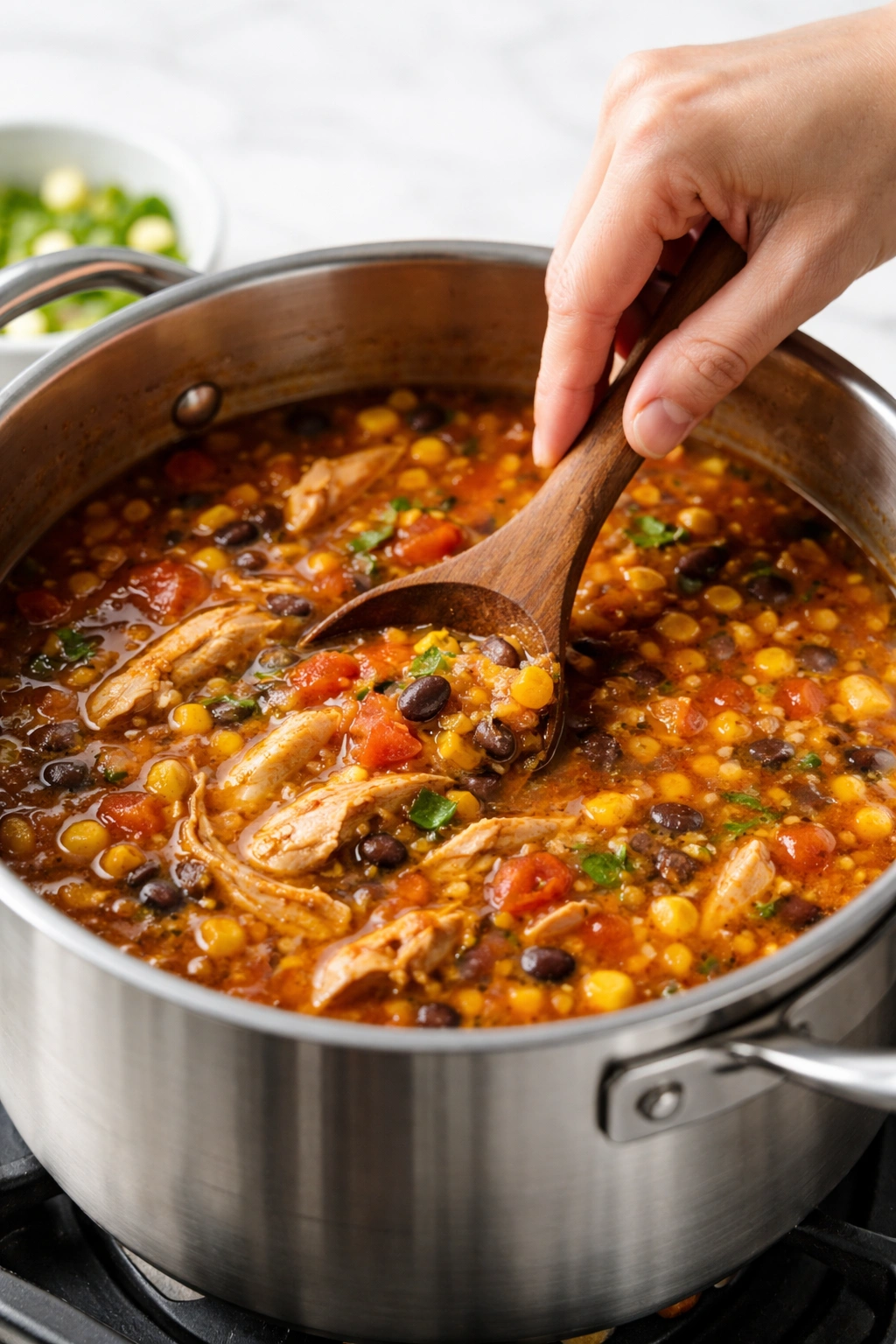
Bring the broth to a gentle boil, then reduce the heat to medium-low and add the shredded chicken, drained black beans, and drained corn. Stir to combine. Do not let the soup boil rapidly once the chicken is added—a gentle simmer keeps the chicken from becoming tough and stringy.
-
Simmer gently for about 10 minutes, allowing the flavors to meld and marry together. You’ll notice the soup smells increasingly fragrant as it simmers. Taste a spoonful and adjust from here.
-
Remove from heat and stir in the fresh lime juice. Taste the soup and adjust seasonings: add more salt if it tastes flat, more black pepper if you want more warmth, or more cayenne if you want additional heat. The lime juice should brighten everything noticeably—if the soup still tastes a bit muted, you may need a touch more lime.
-
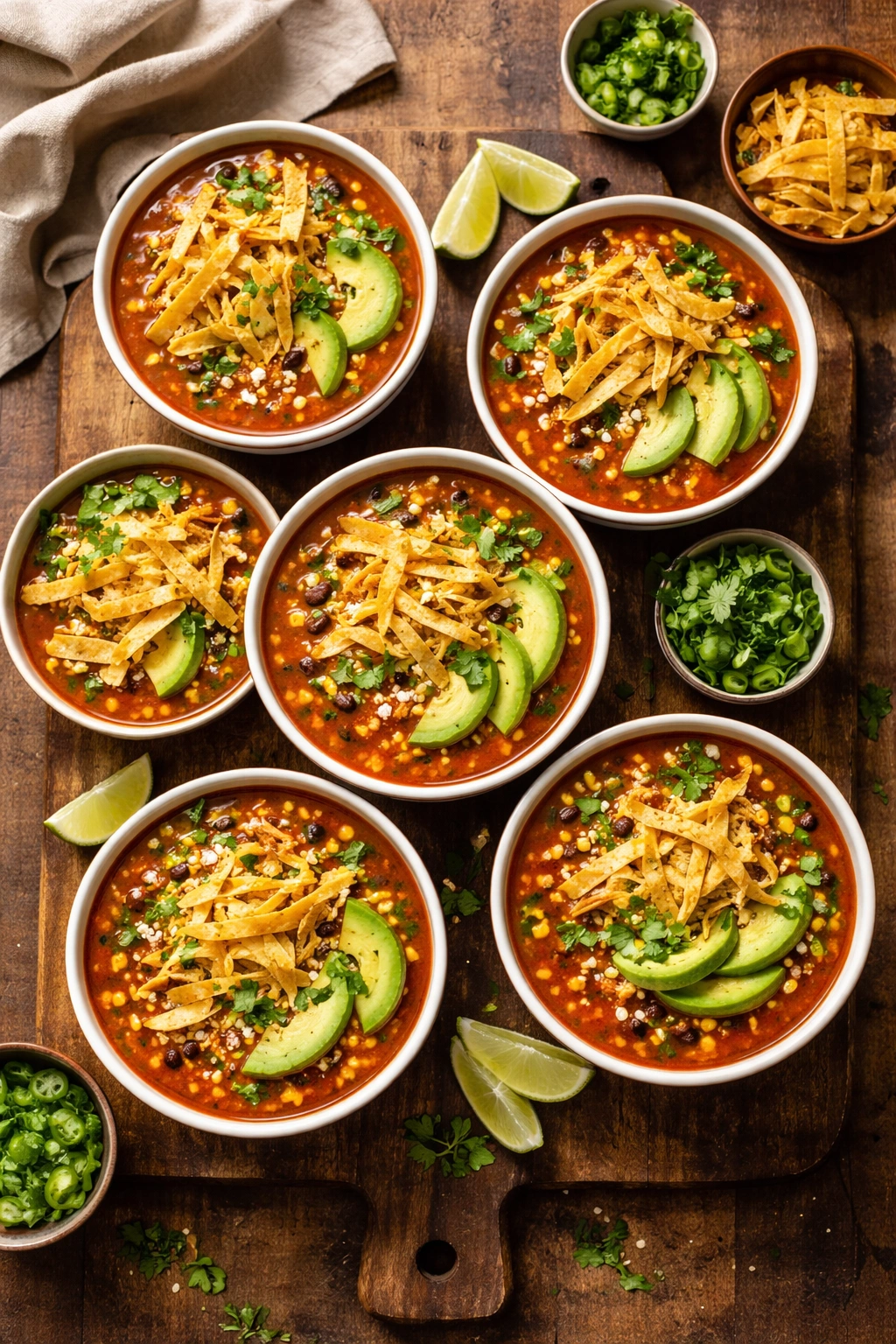
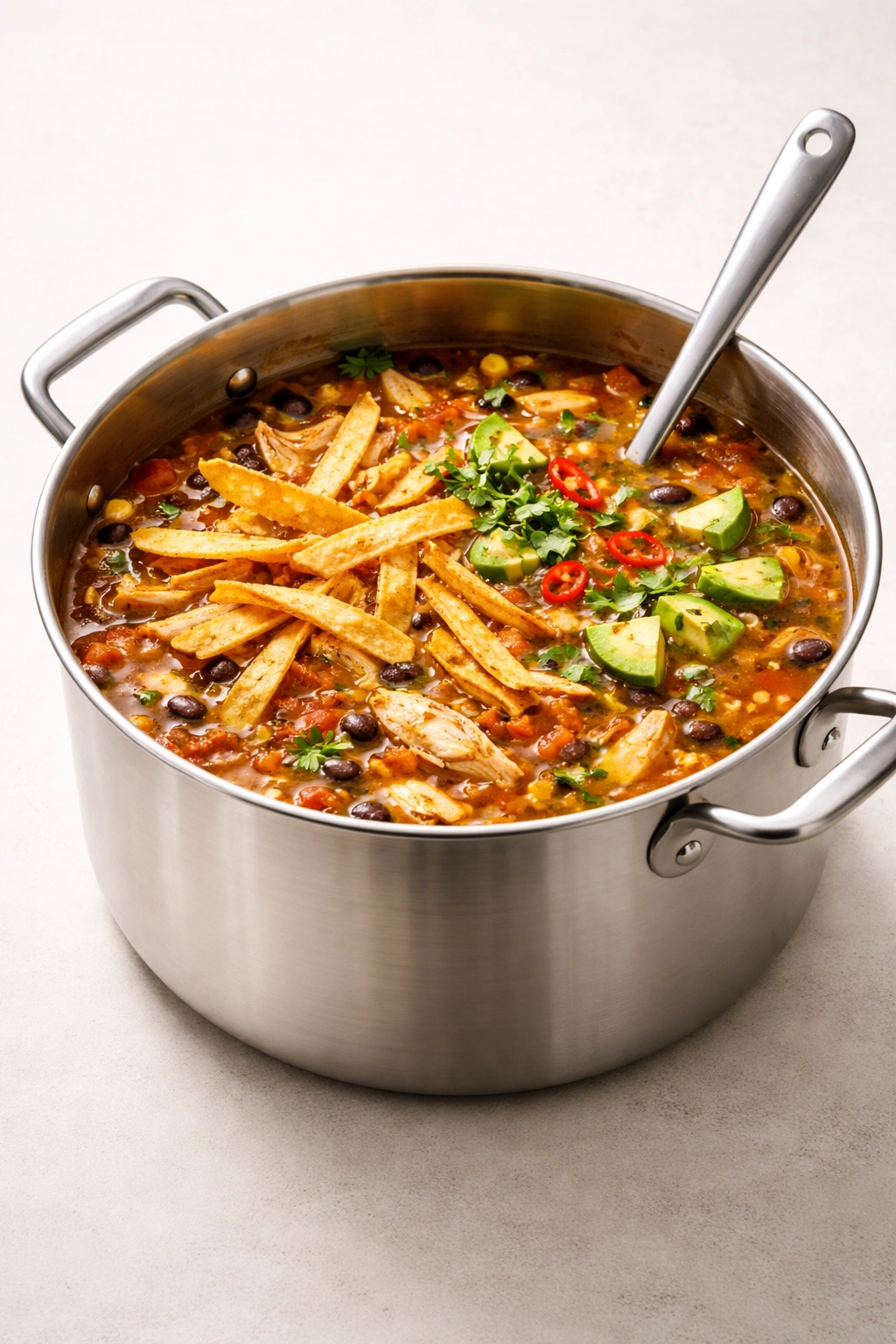
Ladle the hot soup into serving bowls. Top each bowl generously with homemade tortilla strips (they should still be crispy and warm, or at least at room temperature), fresh cilantro, a few slices of avocado, a dollop of sour cream, a pinch of cheese, and a lime wedge on the side. The toppings are not optional extras—they’re integral to the experience of eating this soup.
-
Serve immediately while the soup is hot and the tortilla strips are still at peak crispiness.
Advertisements
Why These Specific Technique Choices Matter
Every technique in this recipe exists for a reason, and understanding why helps you understand cooking more broadly. You’re not just following steps; you’re learning how to build flavor intentionally, which is what separates good home cooks from great ones.
Sautéing the aromatics properly is about breaking down the cellulose in the vegetables and releasing their natural sugars so they develop sweetness and savory depth. This is why you see that golden-brown color at the edges—that’s the Maillard reaction, literally the chemical process that creates complex, delicious flavors. Rushing this step by cranking up the heat or not giving it enough time means your soup loses out on this layer of depth.
Cooking tomato paste in the fat is a technique borrowed from professional kitchens. When you cook tomato paste in hot oil or butter, you’re caramelizing the natural sugars and making the flavors more concentrated. Compare this to just adding tomato paste to liquid cold—the cold liquid stops any caramelization, and the paste never develops that extra layer of flavor. It’s a small tweak with an outsized effect on the final taste.
Toasting spices in fat (cumin, chili powder, and paprika) before adding liquid is similarly important. Dried spices contain volatile essential oils that dissolve and disperse better in hot fat than in water. When you toast them, you’re essentially waking them up, making their flavor brighter and more present. This is why toasted spice blends always taste better than cold-spice additions.
Cooking the chicken gently in the broth rather than adding pre-cooked chicken from the start means the chicken absorbs the flavors of the broth while simmering. Even more importantly, if you’re starting with raw chicken breasts or thighs, this gentle heat keeps them from turning tough and rubbery. Tough chicken is almost always the result of too-high heat or too long of cooking time. Medium-low heat, covered or partially covered, lets the internal temperature rise gradually without the exterior overcooking.
Adding lime juice at the end, after removing from heat prevents the volatile aromatic compounds in lime juice from cooking off into the steam. If you add lime juice too early, you lose some of that bright, fresh quality that makes the final taste so crisp and alive. This is why restaurant chefs add citrus at the absolute last moment—it’s the difference between “good” and “wow.”
Making the Tortilla Soup Base Smoky and Rich
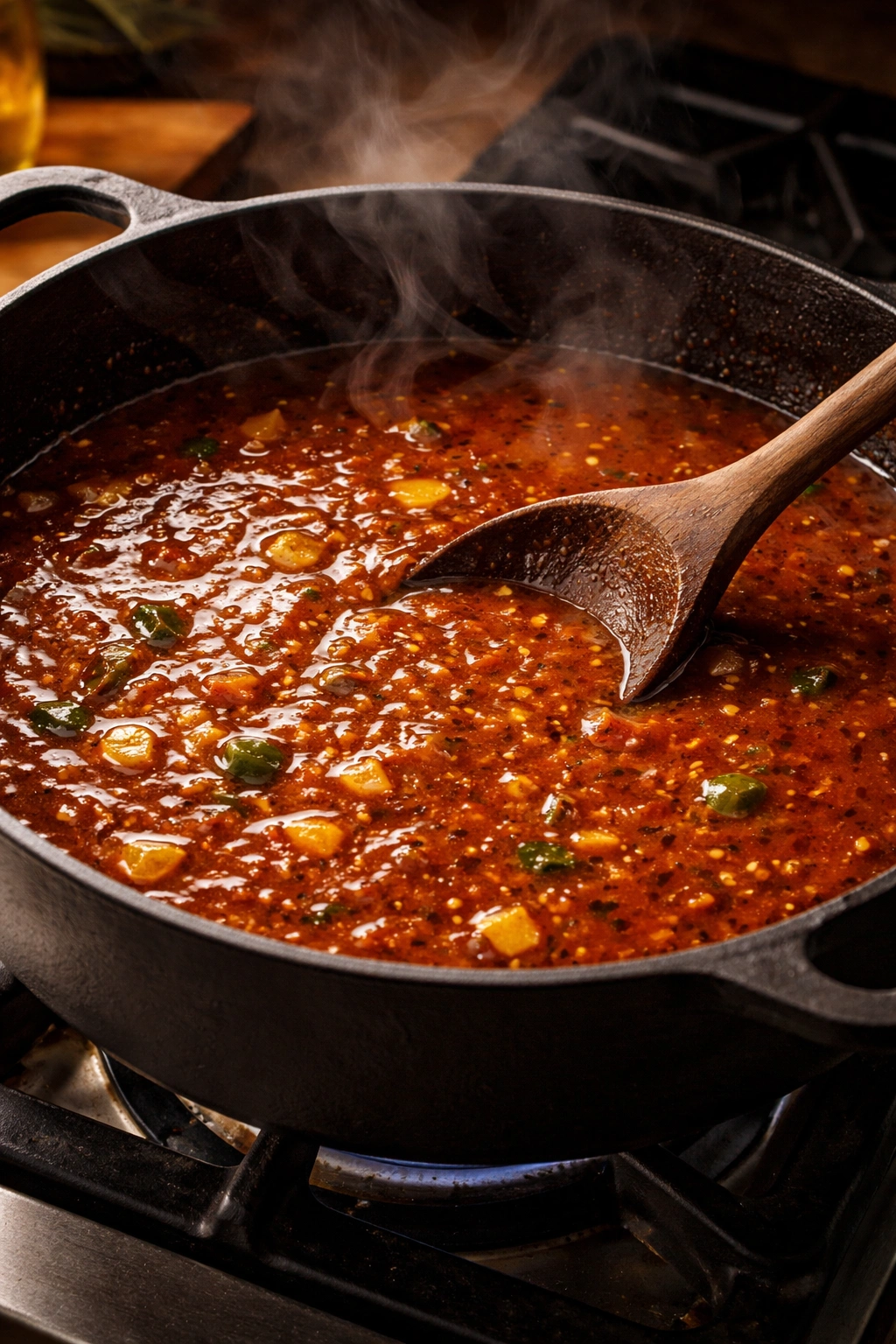
If you want your tortilla soup to taste genuinely sophisticated and restaurant-quality, the foundation broth itself has to be rich and smoky enough to stand on its own before you even add the chicken and vegetables. This is where most home recipes falter—they create a broth that tastes pleasant but feels one-dimensional.
The smoky quality comes primarily from smoked paprika (if you use it), but also from the caramelization of the tomato paste. Fire-roasted canned tomatoes contribute subtle smokiness too. If you really want to amp up that smoky depth, you can add a pinch of chipotle powder or a small pinch of cayenne pepper in addition to the basic chili powder. These additions are optional, but they push the flavor from “good” into “restaurant-quality.”
The richness comes from layering your aromatics properly, developing them with color before adding other ingredients, and using butter in addition to olive oil. Butter contains milk solids that add a velvety quality to broth. Many recipes use only oil, but butter contributes a subtle richness that makes the soup feel more indulgent and complete. You’re not tasting butter specifically, but rather the soup feels rounder, more satisfying.
Some people add a touch of unsweetened cocoa powder (like 1/4 teaspoon) to deepen the overall flavor profile without making anything taste like chocolate. This is a professional trick that adds complexity without announcing itself. The cocoa contributes a subtle earthiness that makes all the other flavors pop more. It’s totally optional, but if you’ve ever wondered why some restaurant tortilla soups taste slightly more interesting than others, this might be why.
The final richness boost is time. Letting the soup simmer for that 10 minutes (or even longer if you have it) allows the flavors to fully blend and mature. There’s a noticeable difference between soup that’s just come off the boil and soup that’s had 10 minutes to settle. Flavors meld, the liquid becomes more silky, and everything tastes more integrated.
Shredding and Adding the Chicken at the Perfect Moment
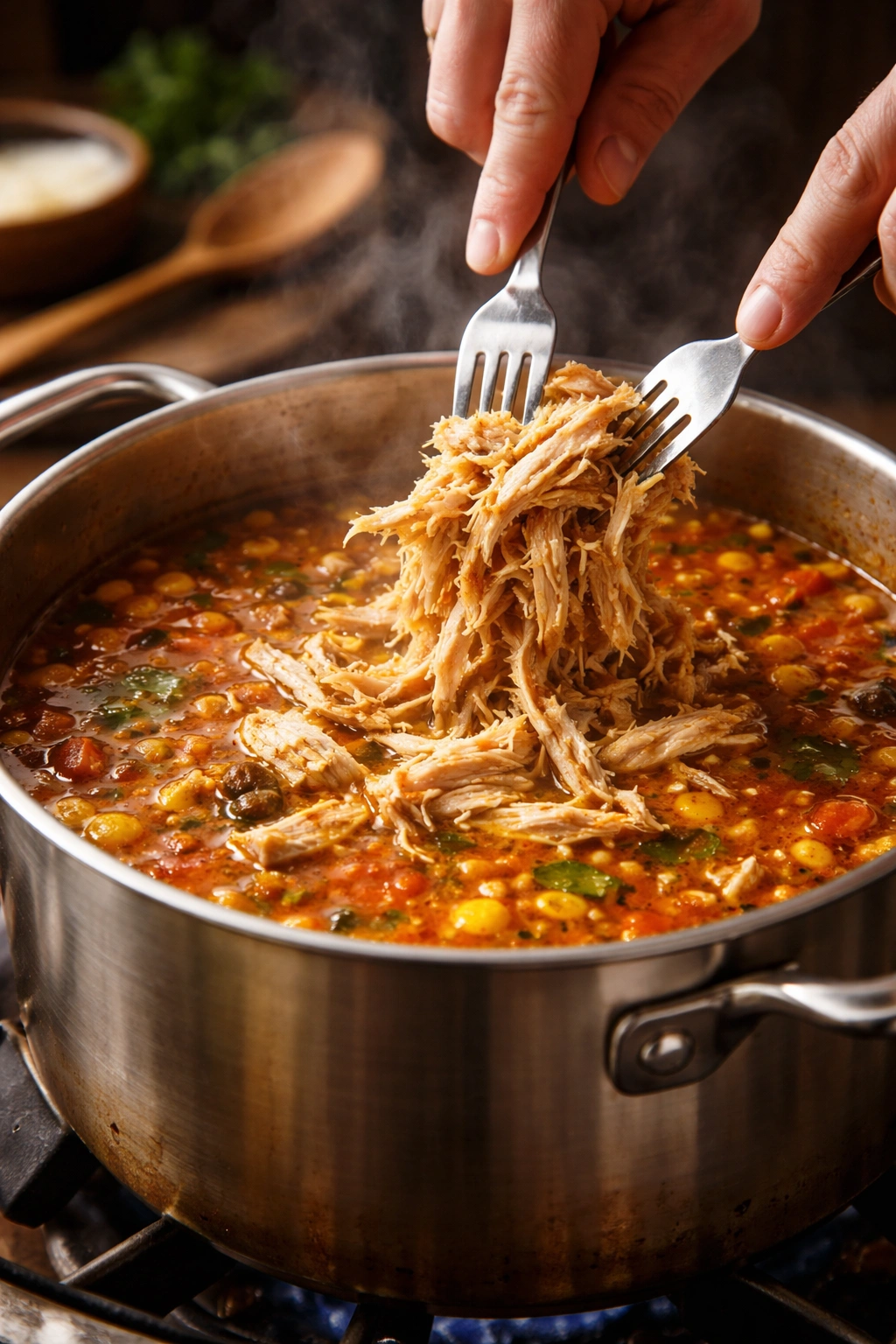
The chicken in tortilla soup is important, but it’s not the star—it’s supporting the broth, the toppings, and the overall experience. The most common mistake is adding chicken that’s already been overcooked, which makes it dry and stringy instead of tender and juicy.
If you’re using rotisserie chicken (which I recommend for this recipe because it saves time and stays incredibly moist), tear the meat apart into bite-sized shreds while the broth is still simmering. Look for pieces roughly the size of your thumb—big enough that you notice them in each spoonful, but small enough that they blend naturally into the soup. Add the shredded rotisserie chicken in the final few minutes just to warm it through.
If you’re starting with raw chicken breasts or thighs, add them to the simmering broth (not actively boiling—gentle simmer) and let them cook for 12–18 minutes depending on thickness. Chicken breasts cook faster than thighs; you’ll know they’re done when a meat thermometer inserted into the thickest part reads 165°F (74°C). Once cooked through, remove them to a cutting board, let them cool for a minute or two, then shred them with two forks using a pulling motion. The forks tear the meat into irregular shreds that have better texture than cubed chicken. Return the shredded chicken to the soup immediately.
The secret to keeping chicken moist is two-fold: (1) don’t let the broth boil rapidly once the chicken is in—a gentle simmer is all you need, and (2) don’t let it sit in the hot liquid longer than necessary. The residual heat will continue cooking the chicken even after you remove it from the direct heat.
Some recipes blend a portion of the soup for a creamier texture, which is delicious if you prefer a thicker consistency. If you want to try this, after everything is cooked, carefully remove about 2 cups of the soup (roughly one-quarter) and blend it separately using an immersion blender or regular blender until completely smooth, then stir it back into the pot. This gives you a silky, slightly thickened base while maintaining the chunks of chicken, beans, and corn that give texture. It’s optional, but it’s a technique that elevates the experience.
The Toppings That Transform a Good Soup Into a Great One
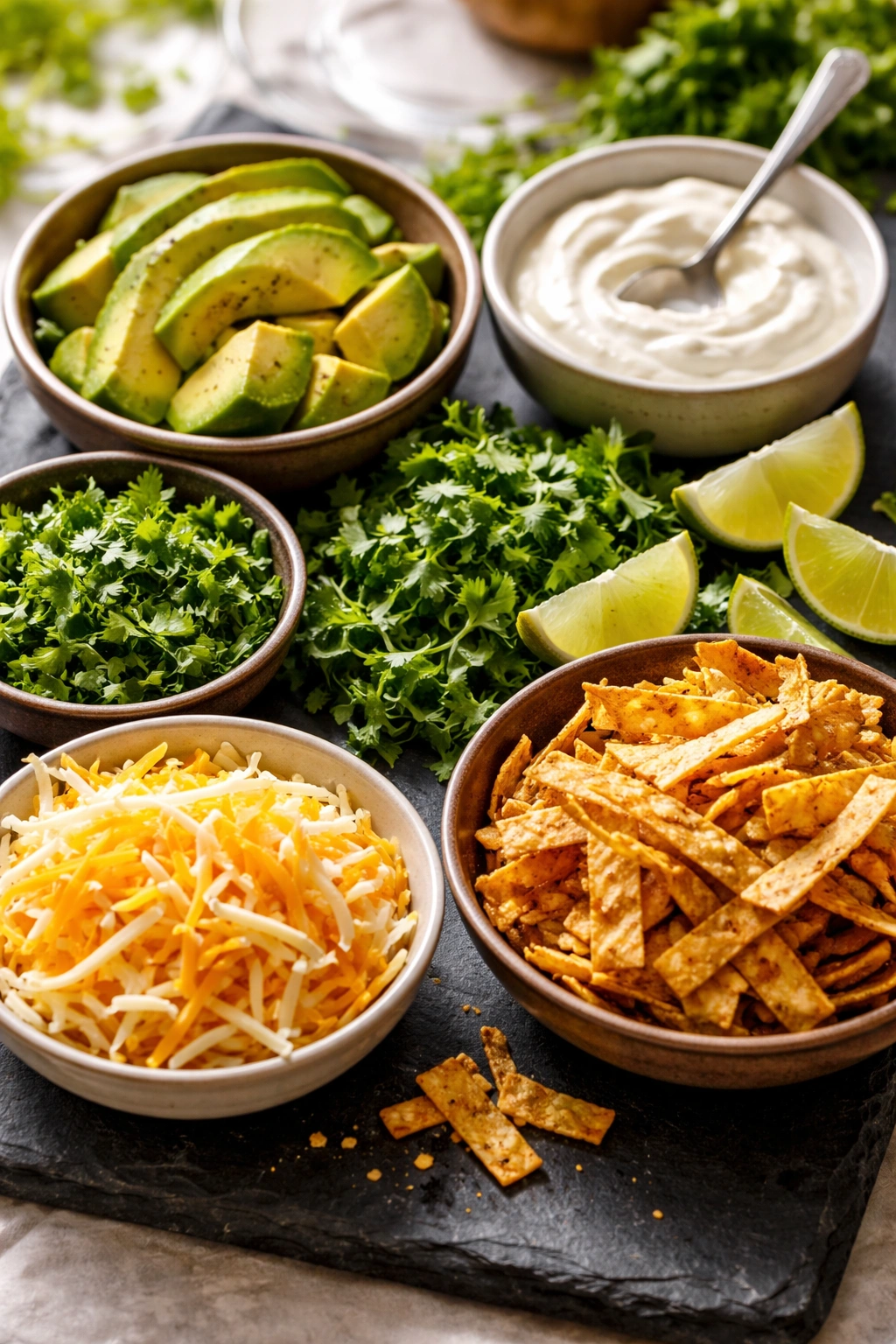
Here’s something people often underestimate about tortilla soup: the toppings aren’t garnish—they’re essential to the actual eating experience. The moment those toppings hit the hot soup, they begin interacting with it. The cold avocado creates temperature contrast and adds creaminess. The cilantro adds fresh, bright herbaceousness. The lime juice adds acid. The sour cream adds tang and body. The cheese adds umami and saltiness. The crispy tortilla strips add the textural contrast that keeps every spoonful interesting.
Never serve tortilla soup without a proper toppings station, whether you’re eating it yourself or feeding others. Cut your avocado fresh, right before serving—sliced lengthwise into the pit, twisted, spooned out, then sliced or diced as you prefer. Avocado oxidizes quickly, so this isn’t a step you can do ahead of time. The creaminess of fresh avocado with the hot soup is genuinely transformative.
Fresh cilantro should be roughly chopped, not finely minced. The larger pieces look better and have a better texture. If you don’t love cilantro (and some people’s genetics make it taste like soap), skip it entirely or substitute fresh parsley, which is more widely liked.
Sour cream or Mexican crema adds richness and tang. A small dollop melts into the hot soup, making it creamier. Mexican crema is slightly thinner and tangier than sour cream; both work beautifully. Some people prefer not to use dairy here—if that’s you, coconut cream or a dollop of Greek yogurt works in a pinch.
Shredded cheese—Monterey Jack, cheddar, or cotija (a crumbly Mexican cheese)—adds saltiness and umami. A small handful is perfect; too much and the cheese is all you taste. Cotija is particularly nice because it’s crumbly rather than melting, so it maintains its texture in the hot soup.
Lime wedges are your final seasoning control. Each person squeezes their lime directly into their bowl, adjusting the brightness to their taste. This is important because lime juice is the bridge that ties all the flavors together—without it, the soup tastes good but not alive.
The crispy tortilla strips are texture and visual appeal. They should still be warm and at peak crispiness when they hit the soup. If making them fresh isn’t possible, at minimum buy the thinnest, crispiest store-bought tortilla strips you can find (not chips—thinner strips stay crispy longer in the liquid).
Customizing Spice Levels for Your Preference
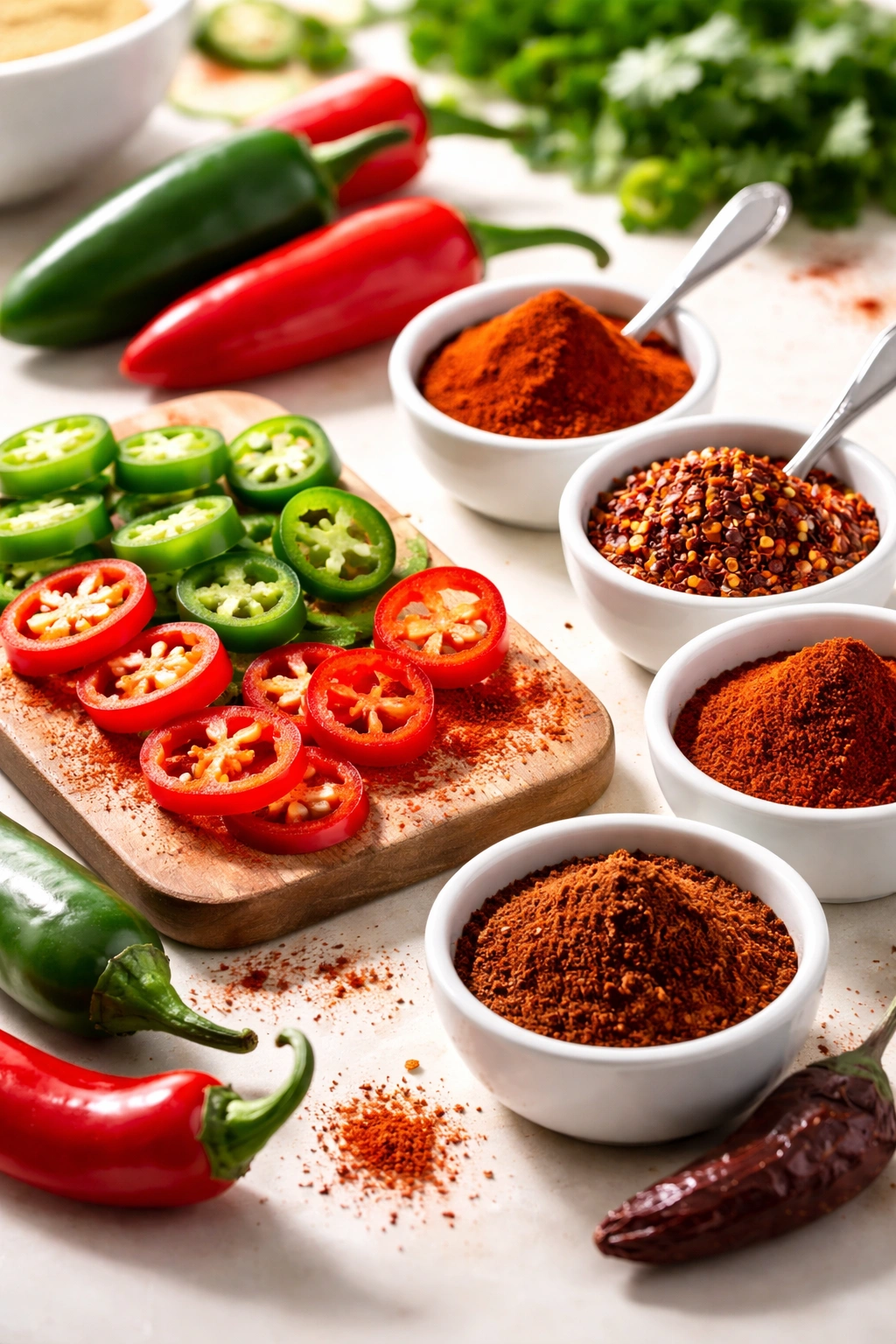
One reason restaurants struggle with tortilla soup is that it has to appeal to a broad range of spice tolerances, which means they often underseasoned it. When you make this at home, you can season it exactly to your preference.
For a mild, family-friendly version, remove all the seeds and white membrane from the jalapeño before adding it to the soup. Use no cayenne pepper. Stick with regular chili powder rather than anything smoked. This version is warming and flavorful but not spicy at all—perfect if you’re cooking for people who don’t enjoy heat.
For a medium, traditionally spicy version, keep the jalapeño seeds in (they contain most of the heat). Use the smoked paprika as written. Skip the cayenne. This is pleasantly warm without being overwhelming.
For a genuinely spicy version, use two jalapeños instead of one and don’t remove the seeds. Add the full 1/4 teaspoon of cayenne pepper. You can also add a tiny pinch of chipotle powder if you have it. This version will have a real kick that builds as you eat—the kind of heat that makes you reach for lime and sour cream between spoonfuls.
You can always add more heat but you can’t remove it, so start conservative and increase if needed. Add heat ingredients incrementally—a quarter-teaspoon more cayenne, another jalapeño slice, a dash of hot sauce at the table. Taste and adjust as you go.
Make-Ahead Tips and Time-Saving Shortcuts
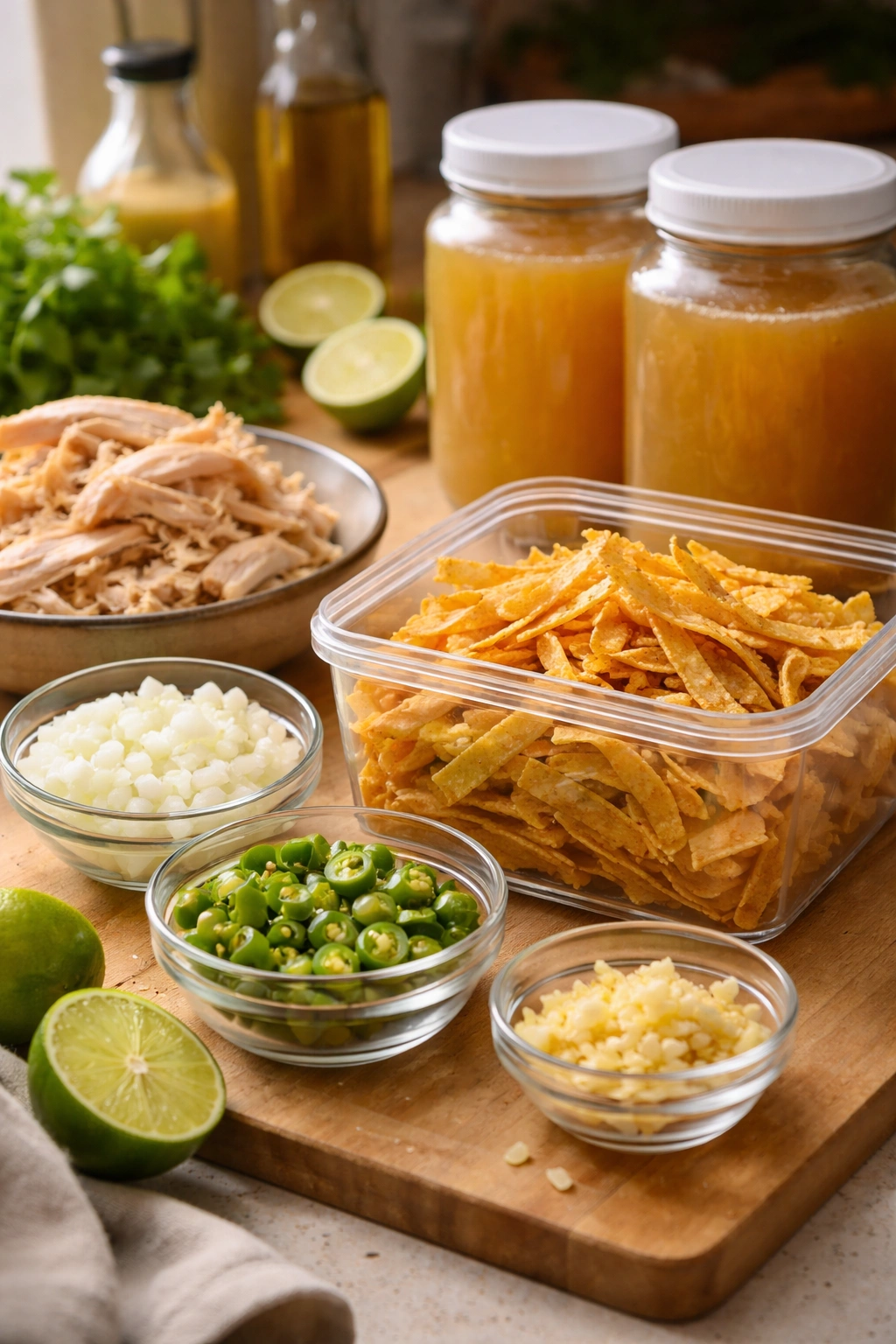
The beauty of this recipe is that it’s actually quite fast, but you can make it even faster with smart choices. If you’re busy, use rotisserie chicken from the grocery store—fully cooked, perfectly moist, seasoned, and requires zero cooking time on your part. This saves you 20–30 minutes if you were planning to cook chicken separately.
Prep your vegetables ahead of time. Dice your onion, jalapeño, and mince your garlic, then store them in separate containers in the fridge for up to 3 days. When you’re ready to make soup, you skip the prep time entirely and go straight into cooking.
Make the tortilla strips a day or two ahead. They stay crispy in an airtight container at room temperature for up to 5 days. This way, when you make the soup, the strips are ready to go and you don’t have to manage frying while the soup is on the stove.
Make a double batch of broth and freeze half. If you’re already doing the work of building the flavorful base, why not make twice as much? Once cooled, freeze the broth portion (without the chicken, beans, and corn, which can be mushy after freezing) in a freezer bag or container. When you want soup again, thaw overnight and finish it with freshly cooked or rotisserie chicken and fresh vegetables. A full batch takes 45 minutes; finishing a half-batch with pre-made broth takes maybe 15 minutes.
Sauté your aromatics with the chickpeas already on the stove. While you’re waiting for the onions and jalapeño to soften, get your tortilla strips frying if you haven’t made them ahead. Multi-tasking like this can cut your total active time significantly.
How to Store and Reheat for Best Results
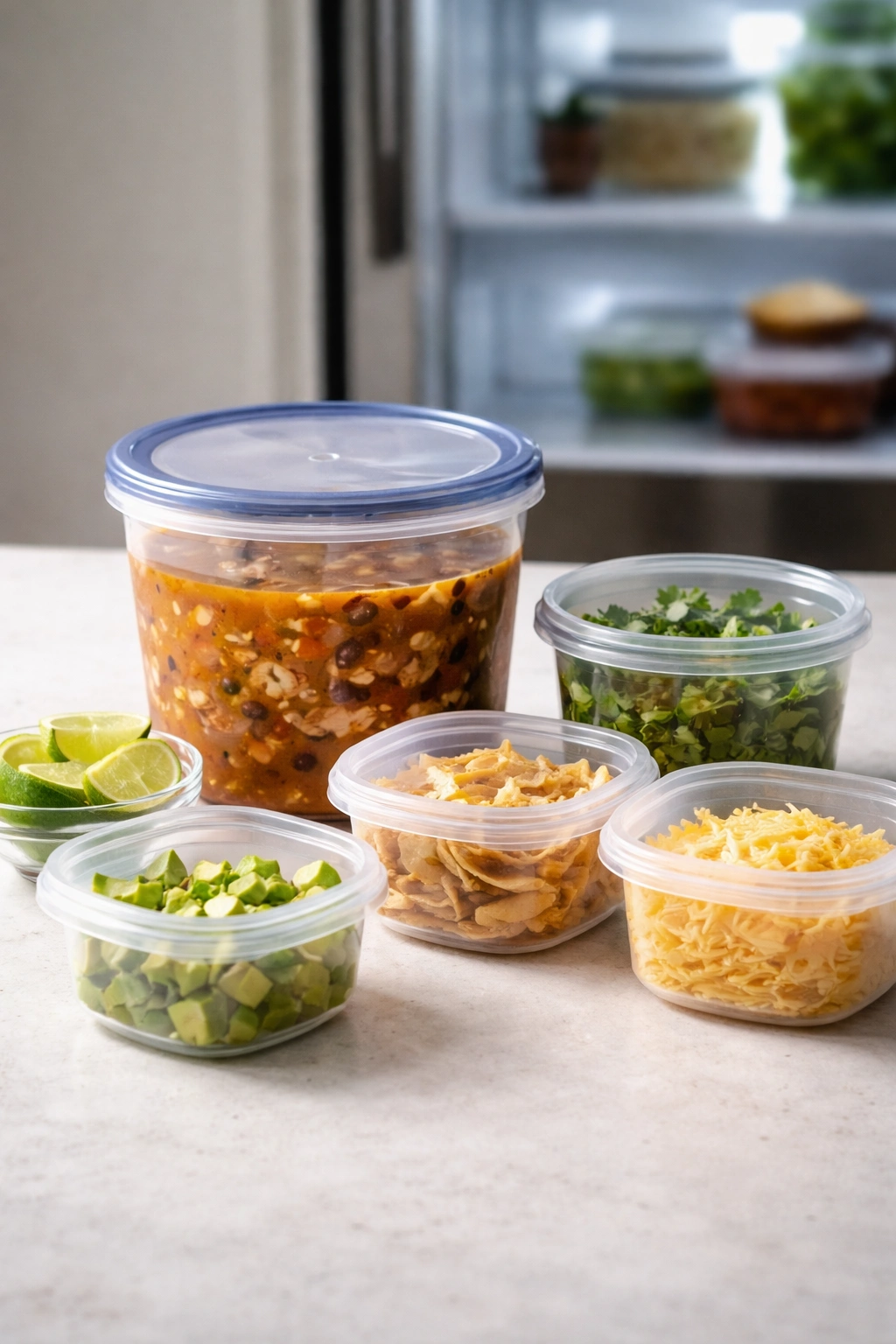
This soup stores beautifully and actually tastes better the next day once the flavors have had time to fully integrate and marry together. Store the broth portion separately from the toppings in airtight containers. The broth (with chicken, beans, and corn) keeps in the refrigerator for up to 5 days or in the freezer for up to 3 months.
When reheating, bring the broth to a gentle simmer on the stovetop rather than heating it aggressively. Pour it into bowls and add fresh toppings—fresh avocado, fresh cilantro, crispy tortilla strips, and a squeeze of fresh lime juice. The fresh toppings are key here because they provide the brightness and textural contrast that make the soup come alive.
Don’t freeze the tortilla strips—they lose their crispness. Make fresh ones when you reheat the soup, or store strips in an airtight container at room temperature for up to 5 days and use those. If you’ve already used the frozen soup once and defrosted it, you can reheat it in the microwave in a bowl for 2–3 minutes, stirring halfway through.
If you’re meal-prepping, freeze the broth in individual portions using muffin tins or ice cube trays, then transfer to freezer bags once solid. This way you can thaw exactly the amount you need rather than the whole batch.
Variations to Keep It Fresh All Season Long
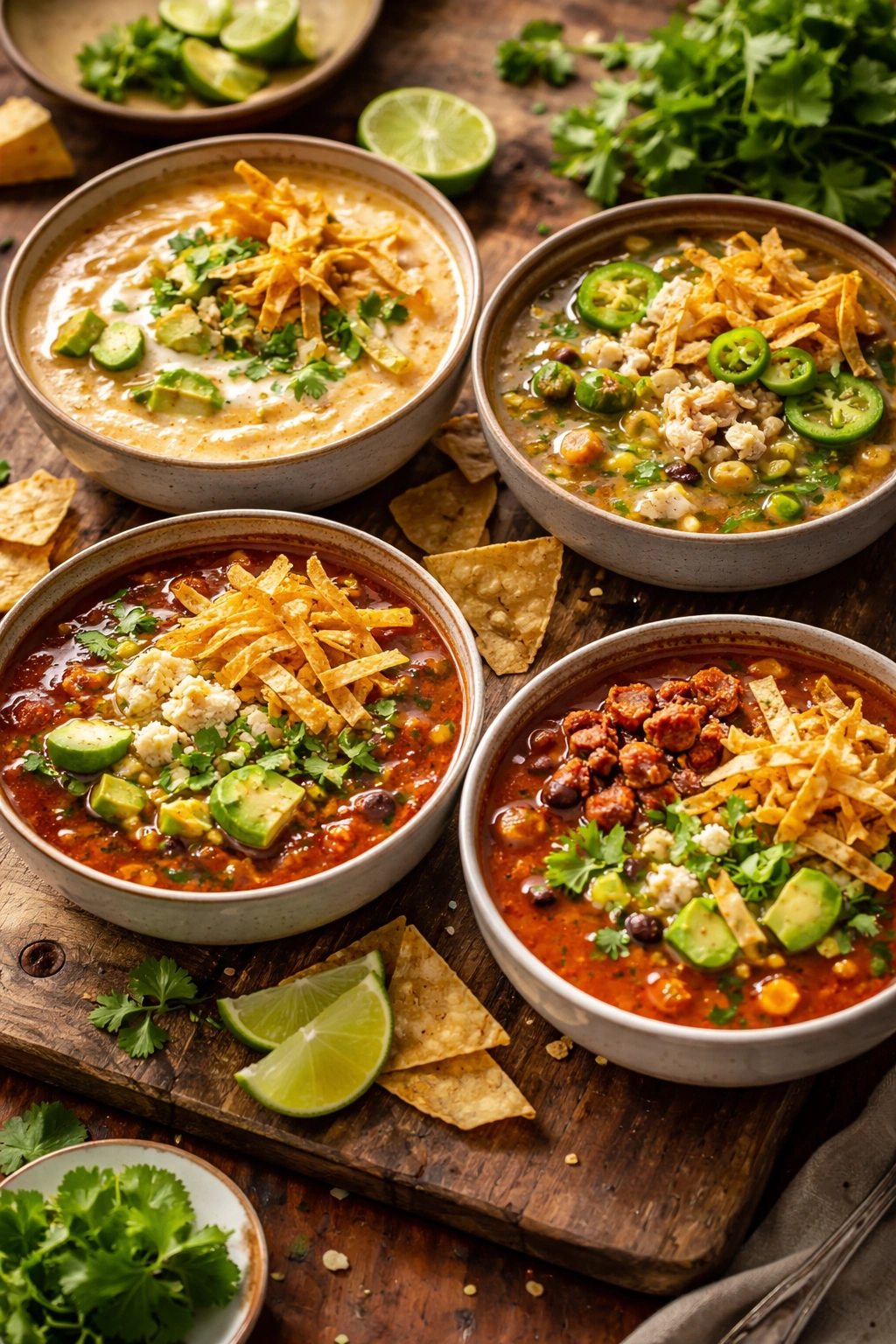
Once you’ve mastered the basic recipe, you can adapt it based on what you have on hand and how you want to change the flavor profile. This flexibility is part of what makes it such an appealing recipe to keep in rotation.
For a creamier, richer version, stir in 1/2 cup of heavy cream or Mexican crema in the last minute of cooking. This transforms it into something between tortilla soup and a Mexican cream soup—luxurious and deeply satisfying. Add the cream after removing from heat so it doesn’t break or separate.
For a white chicken tortilla soup, skip the tomatoes entirely and use 7 cups chicken broth, 1 (4-ounce) can diced green chiles instead of jalapeños, 1/2 teaspoon ground cumin, and finish with heavy cream or sour cream. This is completely different flavor profile—milder, brighter, with the green chiles providing all the heat and flavor. Top with the same toppings.
For extra depth and smokiness, add 1/2 teaspoon of chipotle powder or a single chipotle pepper from a can in adobo sauce, minced fine. This adds a complex smokiness that tastes like the soup simmered for hours.
For additional protein and texture, add 1 cup of shredded cooked chorizo along with or instead of some of the chicken. Chorizo adds spicy, rich, pork-forward flavor that plays beautifully with the tomato broth. Brown it separately first if using raw chorizo, then stir it in.
For a vegetarian version, skip the chicken and use vegetable broth instead. Add an extra can of beans or a cup of diced zucchini and diced bell peppers for substance. This version is lighter and brighter, leaning more on the spices and toppings for flavor.
For a tortilla and lime version with added texture, crisp some thin-sliced corn tortillas (not strips) and add them directly to the soup just before serving for added body and a corn-forward flavor.
For a spicier version that approaches a chile-forward intensity, add an additional dried chile (ancho or guajillo work beautifully) by toasting it in a dry pan for 30 seconds, then soaking it in hot water for 10 minutes, removing the stem and seeds, and blending it smooth before adding to the broth. This adds depth and heat without aggressive spiciness.
Pairing Suggestions Beyond the Bowl
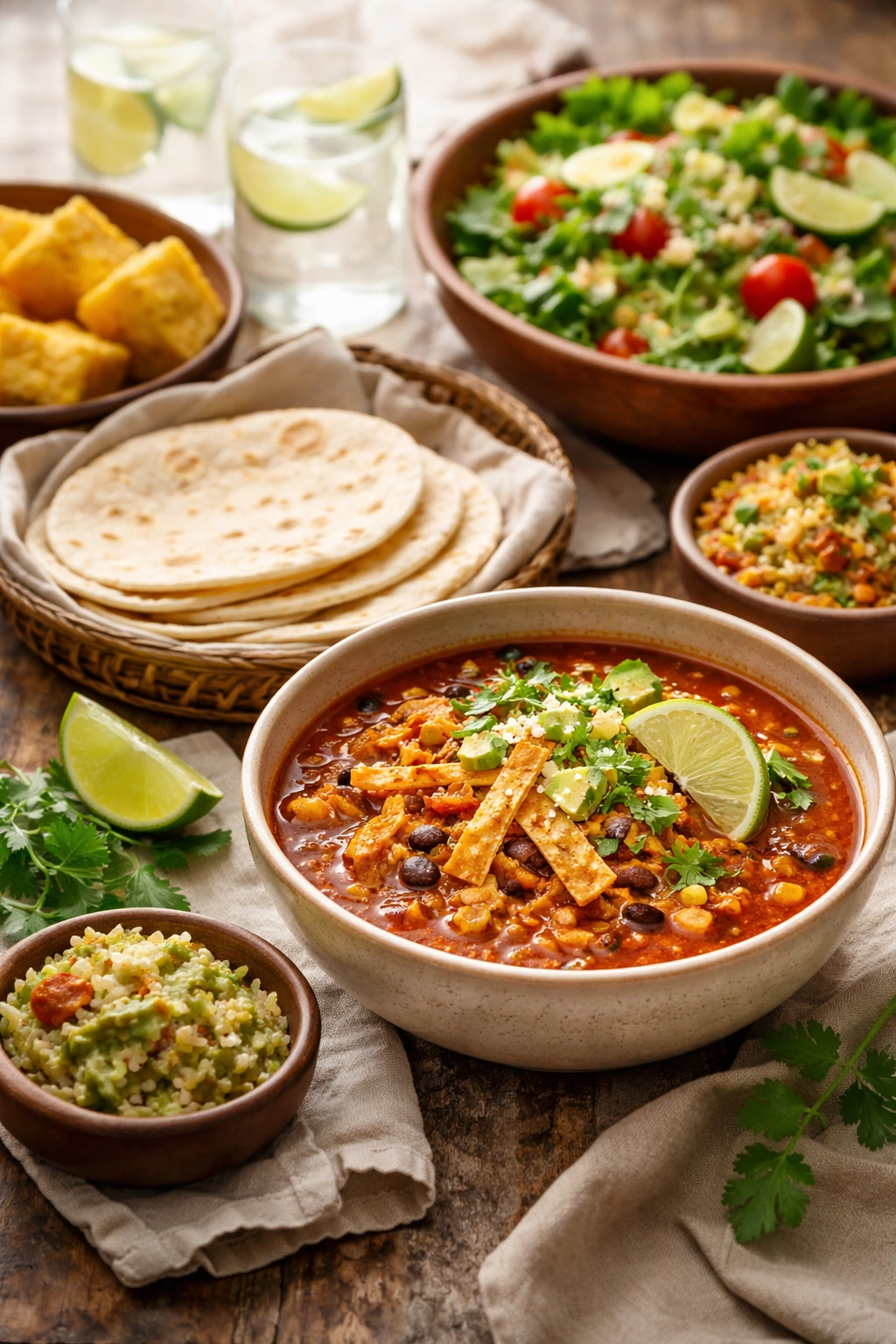
Tortilla soup is substantial enough to be a complete meal on its own, but it pairs beautifully with a few carefully chosen accompaniments if you want to make an entire experience.
Fresh flour tortillas or cornbread are the natural pairing—something warm and slightly bread-like to soak up broth. Warm flour tortillas can be filled with the soup’s components (especially chicken and avocado) for a more hands-on eating experience.
A simple green salad with lime vinaigrette provides textural contrast and brightness. The acid in the vinaigrette echoes the lime in the soup, creating cohesion between the courses.
Mexican rice or cilantro-lime rice is a traditional side that makes the meal feel more substantial. Cook it while your soup simmers, and you have a full dinner ready.
Margaritas or horchata are the beverages of choice. A margarita’s citrus and tequila echo the lime in the soup and complement the heat beautifully. Horchata’s sweet creaminess provides a cooling counterpoint if your soup is genuinely spicy.
Tres leches cake or flan makes an elegant finish, playing off the Mexican flavors without competing with them.
Just Mexican beer with a lime wedge is honestly perfect too—simple, refreshing, and exactly right.
Final Thoughts
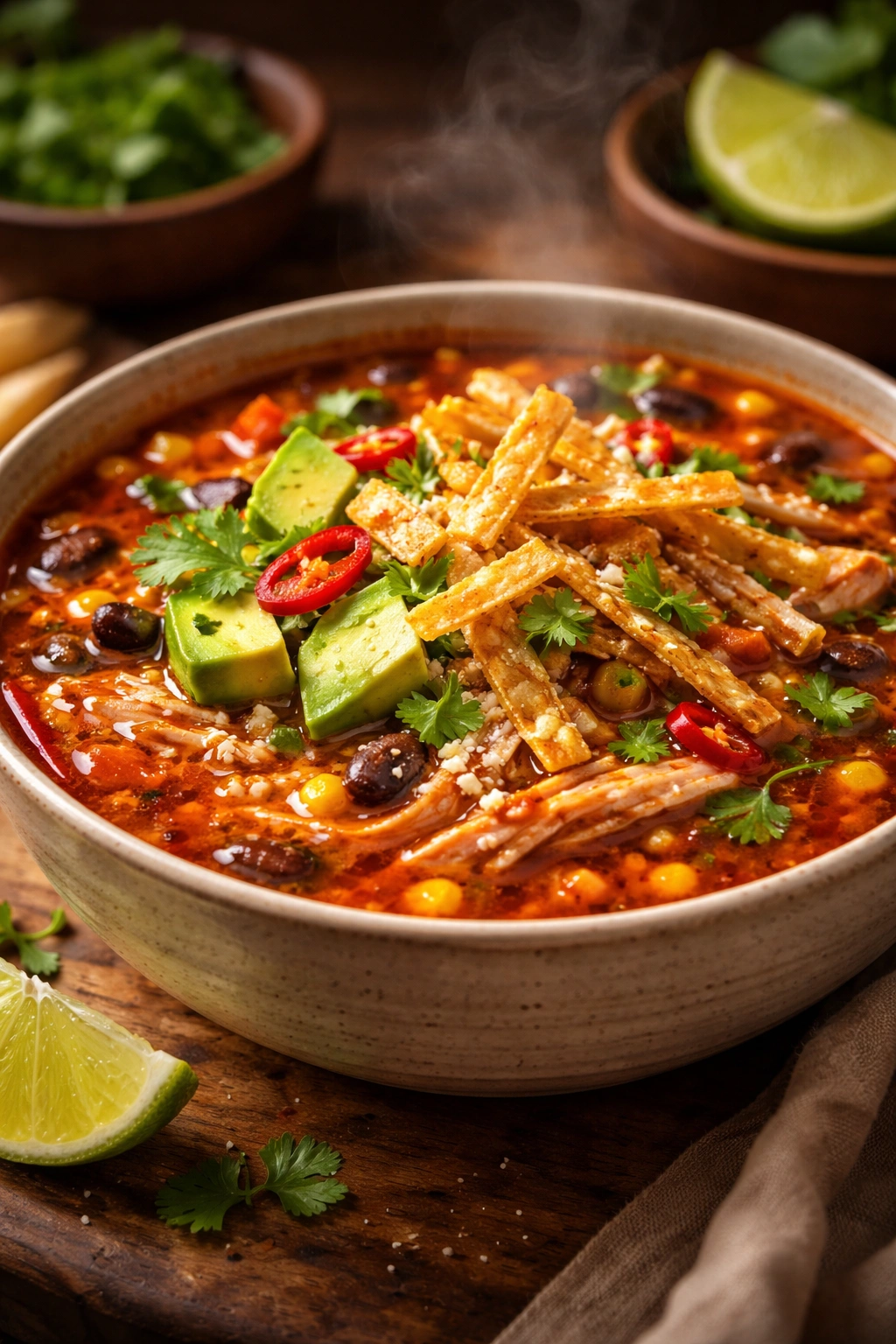
The reason this tortilla soup tastes better than restaurant versions comes down to intentionality. You’re not making it in bulk on autopilot. You’re sautéing your aromatics until they develop color and sweetness. You’re toasting your spices to release their flavor oils. You’re using real lime juice, fresh avocado, crispy homemade tortilla strips. You’re controlling the seasoning to your exact preference. You’re eating it at the moment of maximum freshness.
This is a recipe that works as a weeknight dinner when you need something warm and satisfying in under an hour, and it also works as something you’d be proud to serve to guests because it tastes genuinely good. Make it a few times and you’ll develop an intuition for adjusting flavors, which is the moment cooking stops being about following instructions and starts being about understanding how to create the dish you actually want to eat. That’s when recipes truly become yours.
