



A perfectly grilled steak doesn’t need much to shine, but tucked into crisp greens with fresh vegetables and creamy cheese, it becomes something transcendent. This is the magic of a grilled steak salad — a meal that feels light enough for those warmer months yet substantial enough to satisfy anyone at your table. The contrast of warm, juicy beef against cool, peppery arugula, punctuated by sweet tomatoes and tangy blue cheese, creates a balance that keeps you reaching for bite after bite. Unlike heavy dinner plates, this salad lets you enjoy steak’s luxurious protein and iron without the heaviness, making it perfect for when you want something genuinely nourishing but don’t want to abandon the grill.
The beauty of this dish lies in its deceptive simplicity. On the surface, you’re tossing together salad components and sliced meat, but the real work happens in understanding how each element plays its part. The steak needs proper seasoning and resting to deliver tenderness and flavor. The greens require freshness and the right texture to withstand a warm protein without wilting into mush. The dressing walks a fine line between bold enough to complement meat and bright enough to cut through richness without overwhelming delicate vegetables. Get these fundamentals right, and you’ve got a dish that looks restaurant-quality and tastes like you spent hours perfecting it — even though you can have it on the table in under 30 minutes once your grill is heated.
This isn’t some fussy summer salad that requires obscure ingredients or technical prowess. Everything here is straightforward. What makes the difference is choosing quality components and treating them with respect. A good steak, crisp romaine or arugula, peak-season tomatoes, and a simple vinaigrette made with care transform a basic salad into something memorable. Whether you’re cooking for two, feeding a family, or impressing guests at a casual patio dinner, this salad delivers every single time.
Why Grilled Steak Salad Beats Other Summer Meals
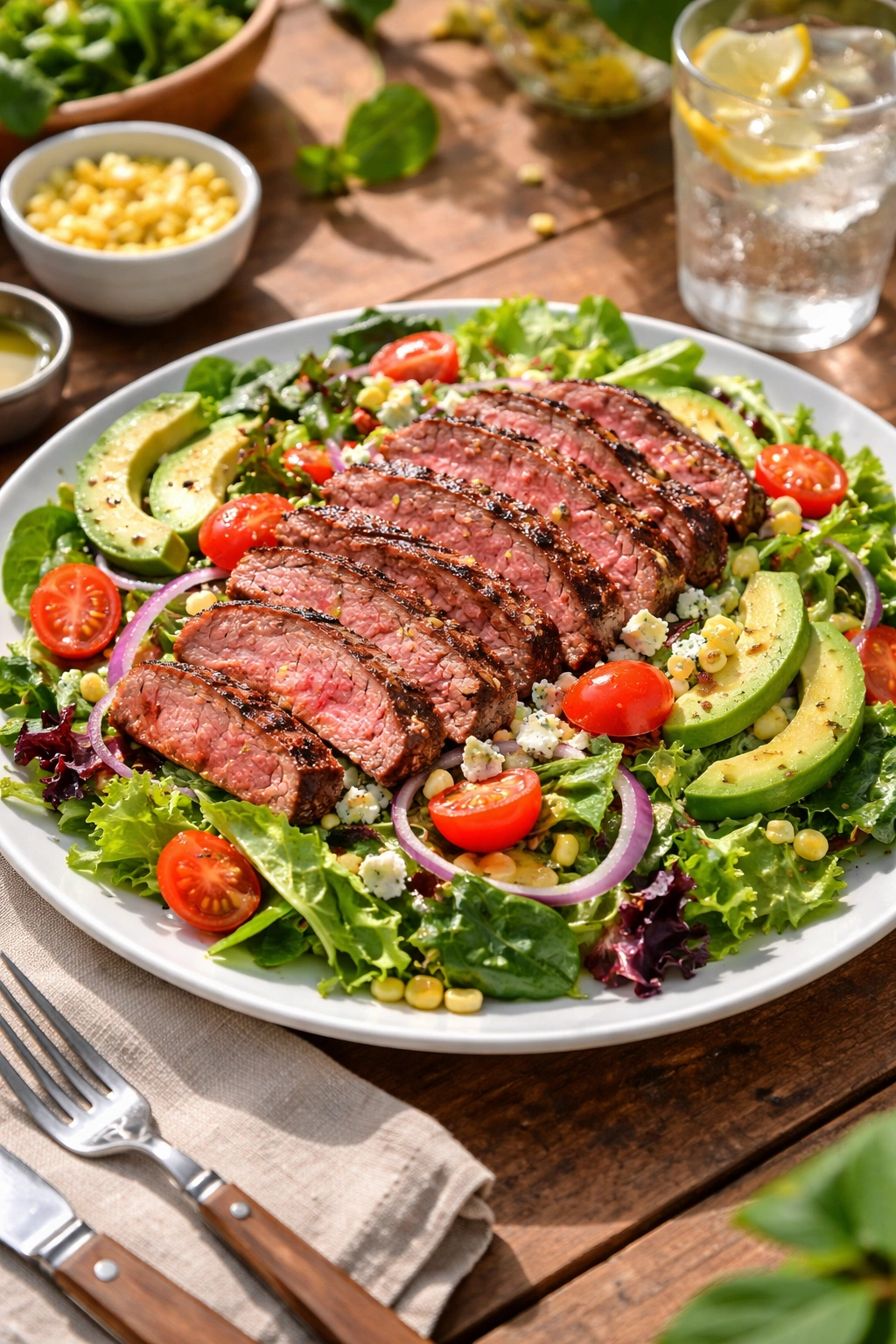
When temperatures climb, the last thing most cooks want to do is turn on the oven and heat up the kitchen. A grilled steak salad solves this problem completely — your heat source is outdoors where it already is hot anyway, and you’re doing minimal cooking inside. You’re not juggling multiple pots and pans or standing over a stove watching something simmer. The grill does the heavy lifting while you prep vegetables in air-conditioned comfort.
This meal also delivers on nutrition in a way that feels indulgent. A single serving gives you roughly 30 grams of protein from the steak, along with fiber and micronutrients from the greens and vegetables. The healthy fats from avocado or a quality vinaigrette keep you satisfied for hours. You’re getting the pleasure of a steak dinner without feeling weighed down afterward — a genuine win for those watching their intake or simply preferring lighter meals when it’s hot outside.
The customization factor sets this apart from more rigid recipes. Don’t have blue cheese in your fridge? Crumbled feta or goat cheese work beautifully. Missing arugula? Any peppery green or even plain romaine gets the job done. Want to add corn, cucumber, or grilled vegetables? Absolutely. This salad adapts to what you have on hand and what your guests actually enjoy. That flexibility makes it ideal for meal prep, entertaining, or those nights when you’re working with whatever’s in your vegetable drawer.
Choosing the Right Cut of Steak
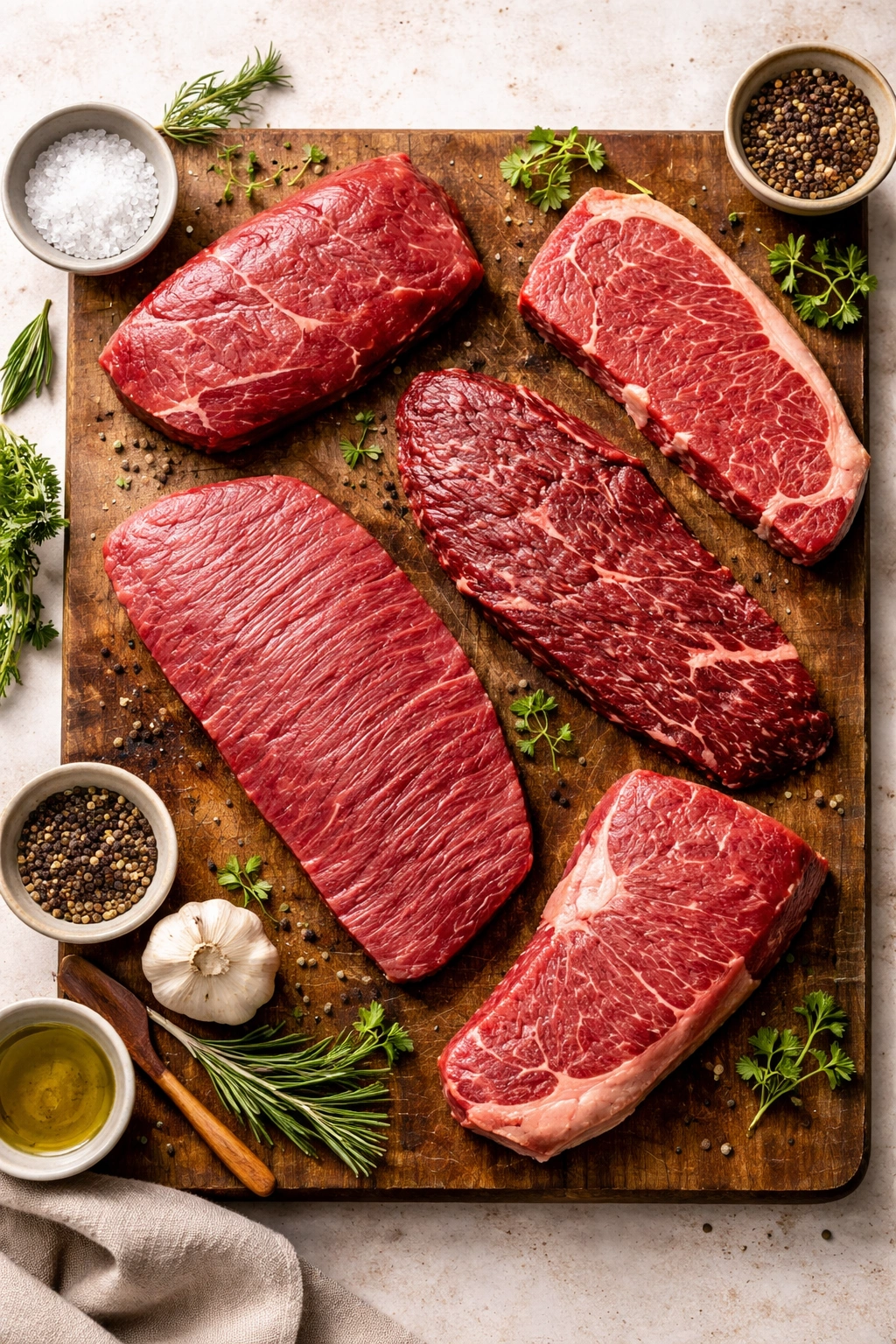
The steak is the anchor of this dish, so selecting well matters. You want something that grills quickly, slices cleanly, and has enough flavor to stand up to bold salad components. A petite sirloin strikes an excellent balance between price and quality — it’s lean with visible grain that makes it perfect for marinating, cooks fast over high heat, and slices beautifully into thin strips for a salad.
Flank steak and skirt steak are equally wonderful choices if you prefer. Both benefit from a good marinade and develop tremendous flavor when grilled hot and fast. They’re also leaner than fattier cuts, which appeals to many home cooks. If you want something more luxurious, a New York strip steak or even a flat iron steak works beautifully. The key quality is that the meat can be sliced thin without falling apart — avoid very tender cuts like tenderloin that become mushy when sliced against the grain, or very tough cuts that need long, slow cooking.
Thickness matters more than you might think. A steak between three-quarters and one and a half inches thick cooks more evenly than something paper-thin, giving you a better chance at a properly seared exterior with a juicy, medium-rare interior. Thinner cuts can be overdone before you know it. When you bring your steak home, keep it in the coldest part of your refrigerator and plan to use it within a day or two for peak freshness and flavor.
Marinating Your Steak for Maximum Flavor
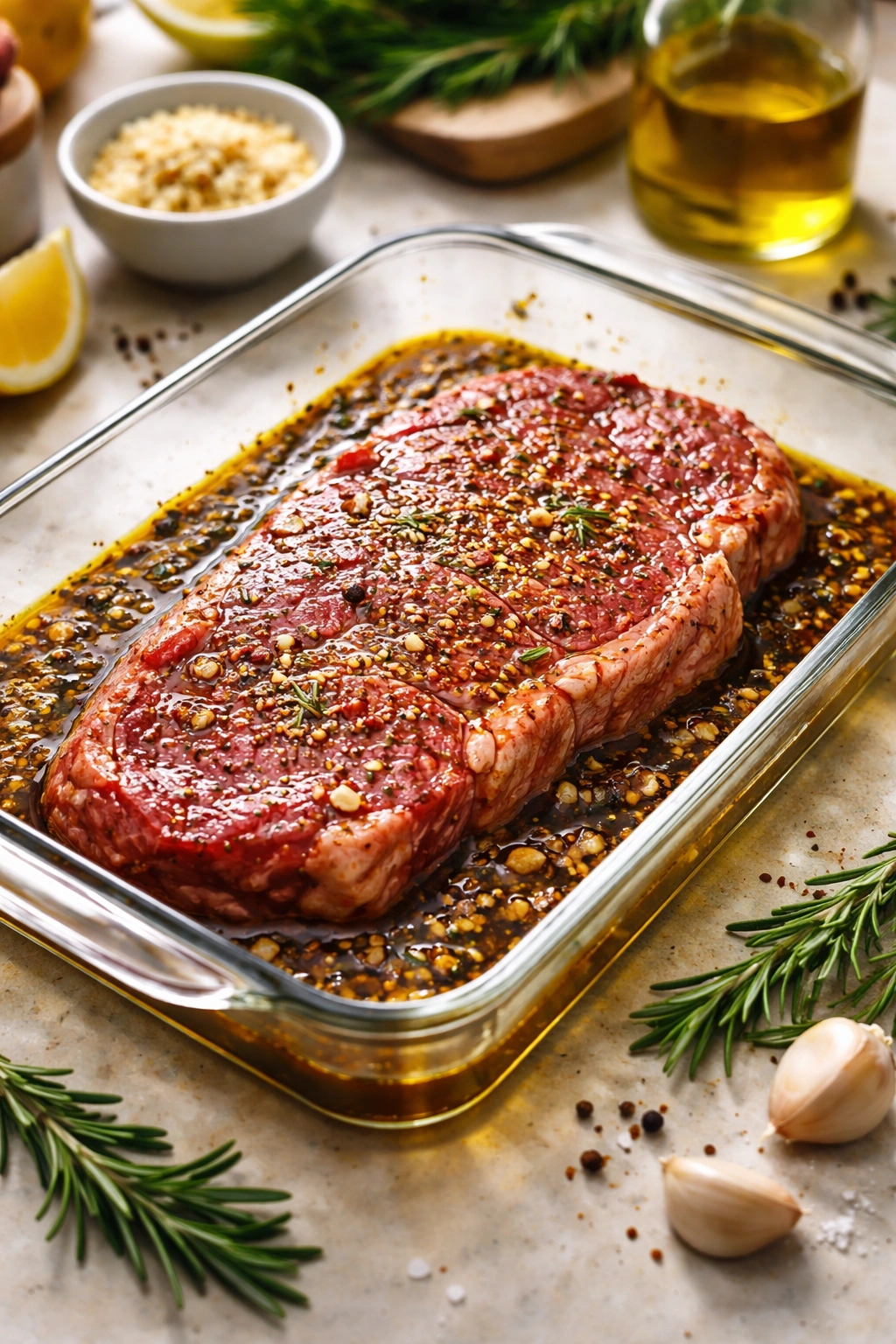
A good marinade does two things simultaneously: it tenderizes the meat through acid and adds flavor throughout. For a steak salad, you don’t need an elaborate marinade — something simple and quick works beautifully. A mixture of balsamic vinegar, Worcestershire sauce, soy sauce, or lime juice combined with olive oil, garlic, and basic seasonings infuses the meat with depth without overpowering its natural taste.
The timing of marination is important. Too short — under 30 minutes — and the flavors haven’t really penetrated. Too long — beyond 24 hours — and the acid begins breaking down the muscle fibers too aggressively, leaving you with mushy meat instead of tender slices. Aim for somewhere between 2 and 8 hours as your sweet spot. If you’re marinating overnight, that’s perfectly fine, but don’t exceed 24 hours total. Room-temperature marinating accelerates the process, though refrigerated marinating is safer if your kitchen is very warm. Either way, bring the steak back to room temperature about 30 minutes before grilling — cold meat cooks unevenly and won’t develop a proper sear.
Dry your steak well before it hits the grill. Pat it down with paper towels to remove excess marinade, which would create steam and prevent browning. You want that beautiful caramelized crust that develops when meat makes direct contact with high heat. Season generously one more time with kosher salt and fresh cracked pepper right before grilling — this helps form that flavorful, textured exterior that contrasts beautifully against the juicy interior.
Grilling Steak to Perfect Doneness
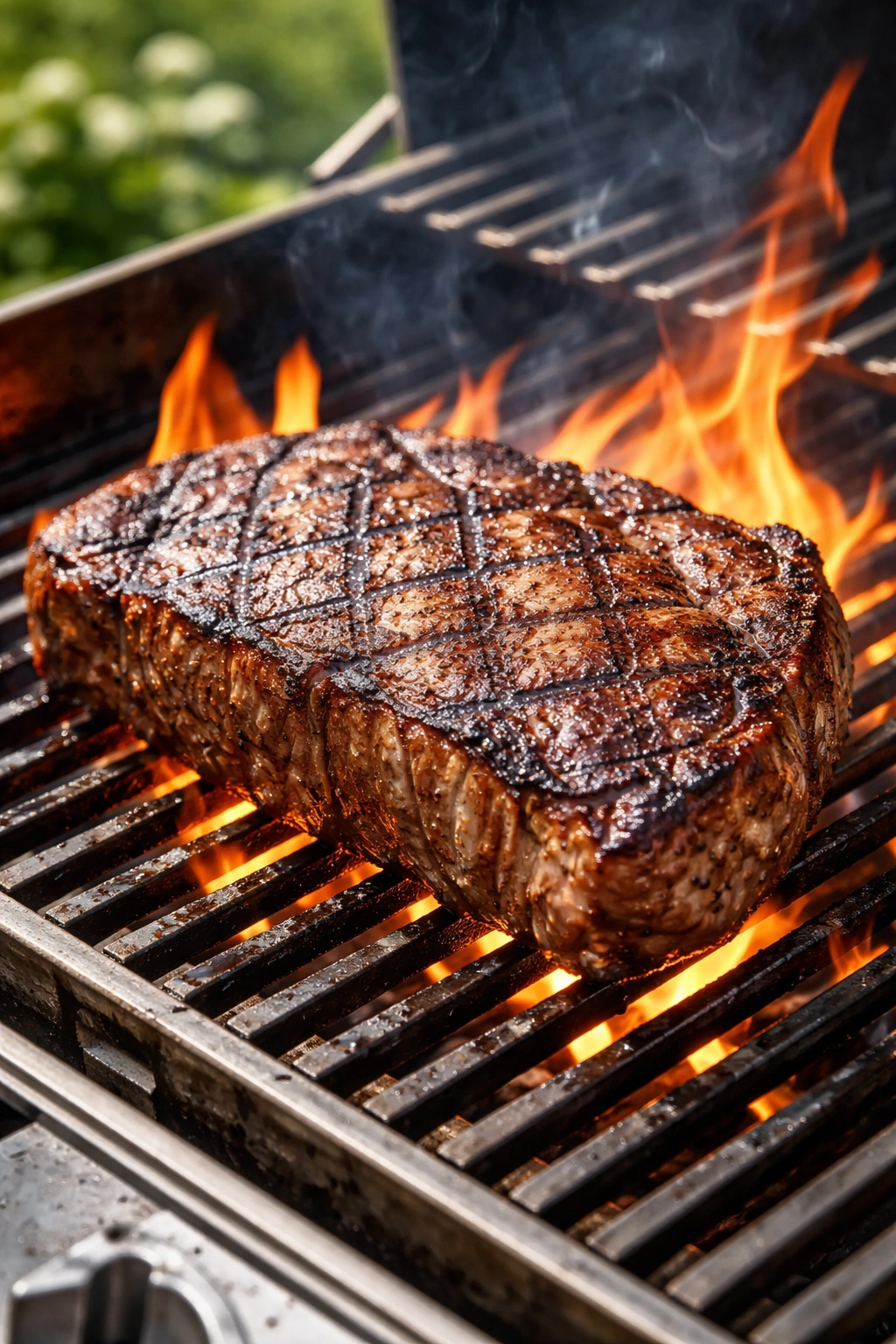
The grill should be hot — genuinely hot. Aim for medium-high heat, around 425 to 450 degrees Fahrenheit. If you’re using a charcoal grill, the coals should be glowing and you shouldn’t be able to hold your hand over the grates for more than a few seconds. This heat sears the exterior quickly while the interior cooks gently, giving you that restaurant-quality result.
Place your steak on the grill and resist the urge to move it around. Let it sit undisturbed for about 5 minutes on the first side — this is when that gorgeous crust develops. Flip once, only once, and let it cook for another 3 to 5 minutes depending on thickness and your target doneness. Use a meat thermometer, not guesswork. For medium-rare, aim for an internal temperature of 130 to 135 degrees Fahrenheit. Remember that the steak continues cooking even after you remove it from the grill, a process called carryover cooking, so pull it off a few degrees before your target.
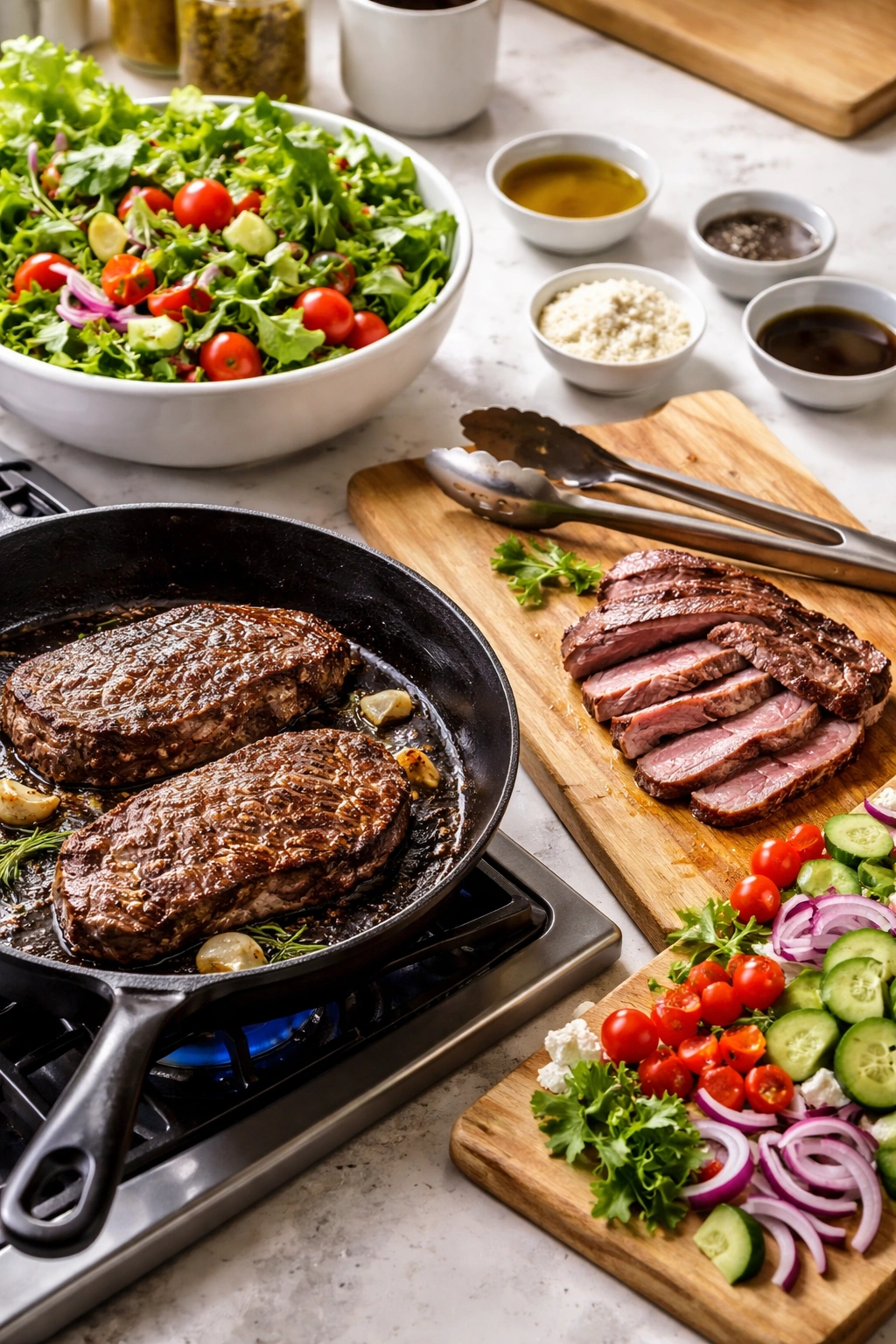
No access to a grill? A cast-iron skillet on your stovetop delivers nearly identical results. Heat the skillet over medium-high heat until it’s smoking hot, add just a touch of high-heat oil, and sear the steak for about 2 to 3 minutes per side to develop that crust. Then either finish in a 400-degree oven for a few minutes or reduce the heat and continue cooking over lower flame until you reach your target temperature. The results are genuinely excellent, and you won’t taste a meaningful difference between this method and grilling.
Letting Steak Rest Changes Everything
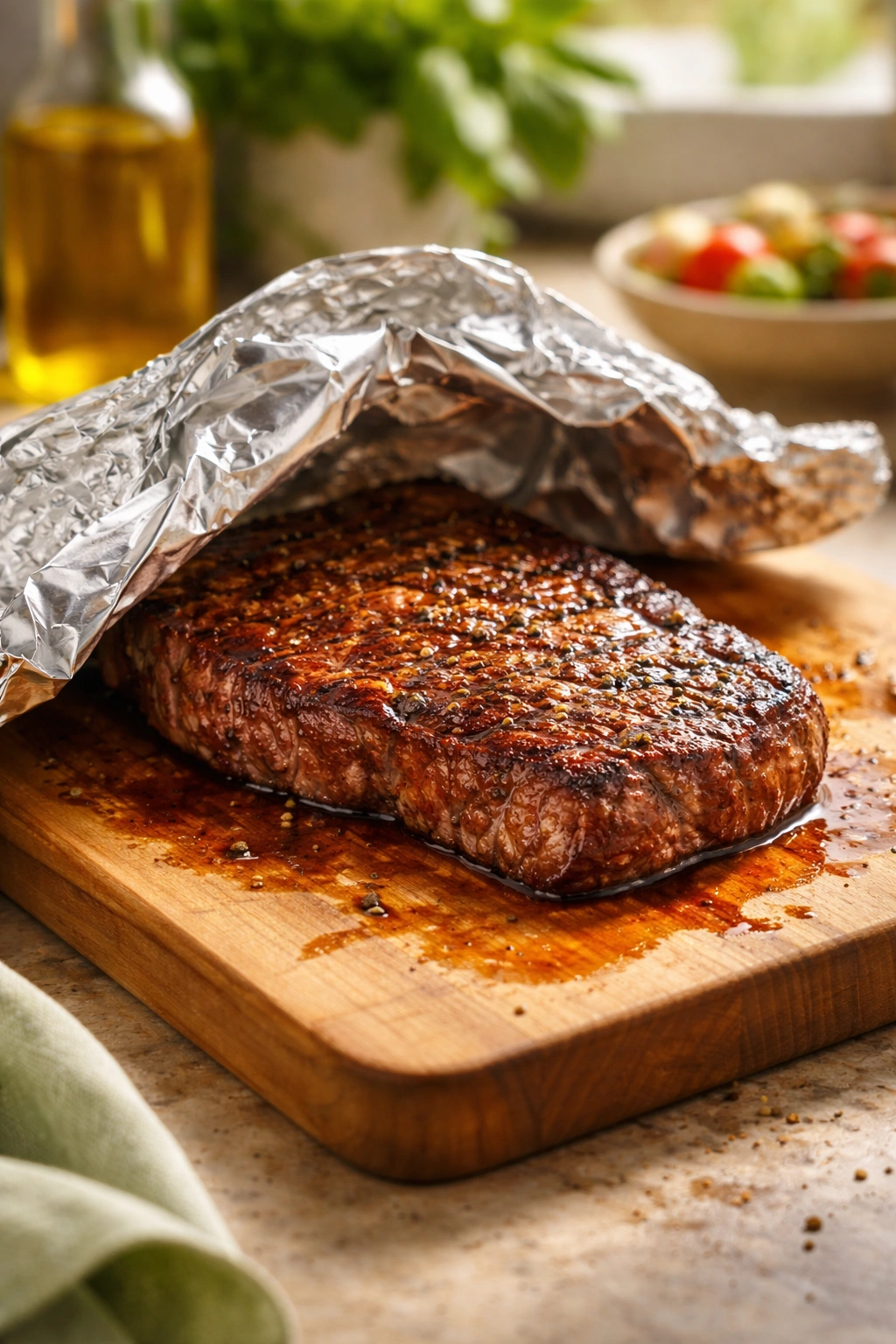
Once your steak reaches temperature, resist the temptation to slice into it immediately. Remove it from heat and let it rest, loosely tented with foil, for at least 5 to 10 minutes. During cooking, the heat pushes all the meat’s juices toward the center. Resting allows those juices to redistribute evenly throughout the meat. If you slice right away, all those delicious juices end up on your cutting board instead of staying locked inside each bite, leaving you with dry, disappointing meat.
This short rest also allows the carry-over cooking to complete — the internal temperature will climb a few degrees as residual heat continues working. That’s why you pull the steak off the grill before it reaches your final target temperature. Slice against the grain — look at the direction of the muscle fibers running through the meat and cut perpendicular to them. This breaks up those long fibers, making the meat more tender and easier to chew. Slicing with the grain, even if the meat is technically tender, leaves long fibers that feel tough and stringy in your mouth.
Building Your Salad Foundation
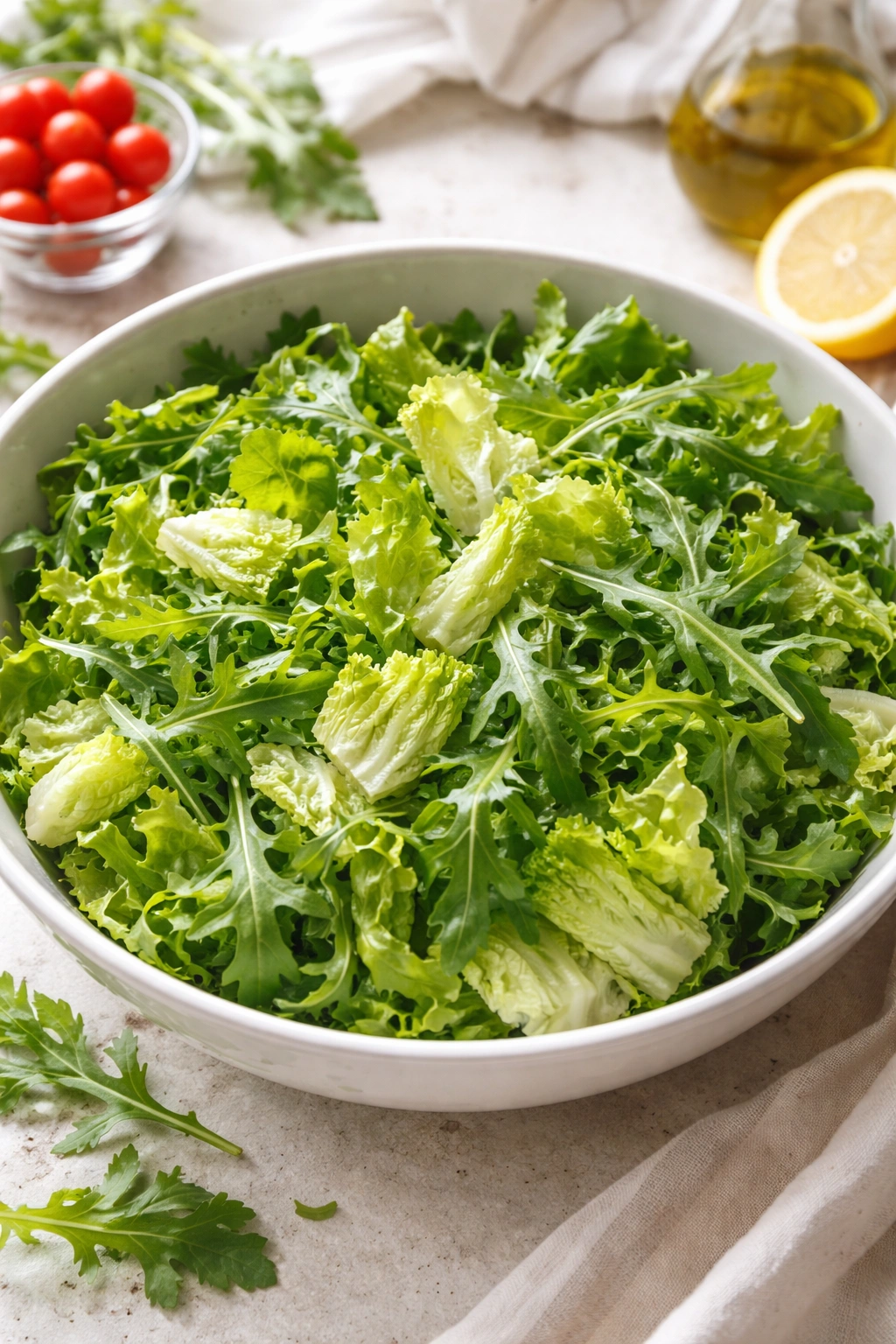
The greens are where you start. A combination of crisp romaine lettuce and peppery arugula provides the ideal base — the romaine gives crunch and structure while the arugula adds a subtle bite that pairs beautifully with beef and blue cheese. If you can’t find baby arugula, mature arugula works fine, though it has a spicier kick. Some cooks prefer using all romaine or even mixed greens, and that’s perfectly valid. The key is choosing something fresh and crisp.
Wash your greens well and spin them dry in a salad spinner, or wrap them in a clean towel and refrigerate for an hour before serving. Moisture clinging to leaves prevents proper tossing and dilutes your dressing. For the best texture, separate romaine hearts from their base, wash the individual leaves, and wrap them in paper towels. Store in the fridge for a day or two — the moisture in the paper towels keeps them crisp and fresh.
Keep your greens cool until the last moment. Warm steak meeting cold greens creates an appealing temperature contrast, and the greens slightly wilt from the heat just enough to become tender without becoming mushy. If you’re making this salad ahead for a gathering, prep the greens separately and add them to your serving platter or individual bowls just before plating the warm steak. This keeps everything at its best texture and prevents the salad from wilting while sitting.
Fresh Vegetables That Shine
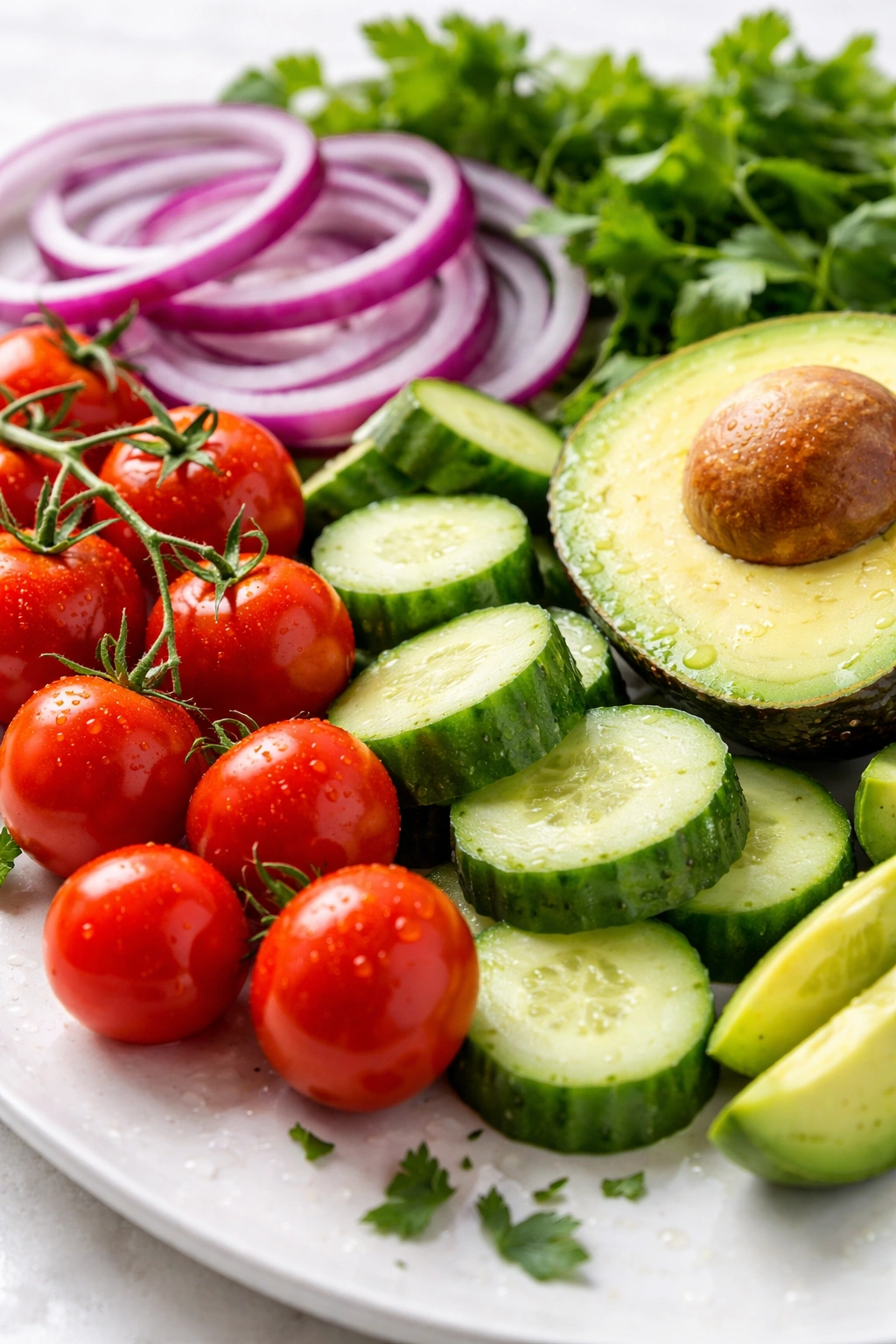
Cherry tomatoes are ideal for this salad — their small size and natural sweetness shine without needing any special preparation. Simply halve them and toss them in. If you can only find larger tomatoes, dice them, but save this for peak-season tomatoes that are truly flavorful. An out-of-season tomato that’s pale and mealy will disappoint you. During those months when good fresh tomatoes aren’t available, consider using other vegetables like grilled corn, roasted bell peppers, or cucumber slices instead.
Red onion adds pungency and color, but raw red onion can be harsh. Thinly slice it, and if it tastes too sharp, soak the slices in ice water for 10 minutes, then drain well. This mellows the bite without removing the flavor entirely. Cucumber brings refreshing crunch — English cucumbers with their thin skins are preferable to conventional varieties because you don’t need to peel them. Slice them into coins or half-moons, depending on how formal your plating is.
Avocado deserves its own mention because it’s truly transformative in this salad. The creaminess balances the richness of the steak and the tanginess of the cheese, and it adds healthy monounsaturated fats that help your body absorb the fat-soluble vitamins in the leafy greens. Slice avocado at the very last moment before assembling the salad. Avocado flesh browns quickly once exposed to air. If you must slice ahead, squeeze fresh lime juice over the slices — the acid slows oxidation and keeps them green and gorgeous. Choose an avocado that yields slightly to gentle pressure, not one that’s rock-hard or already soft and mushy.
The Cheese Factor
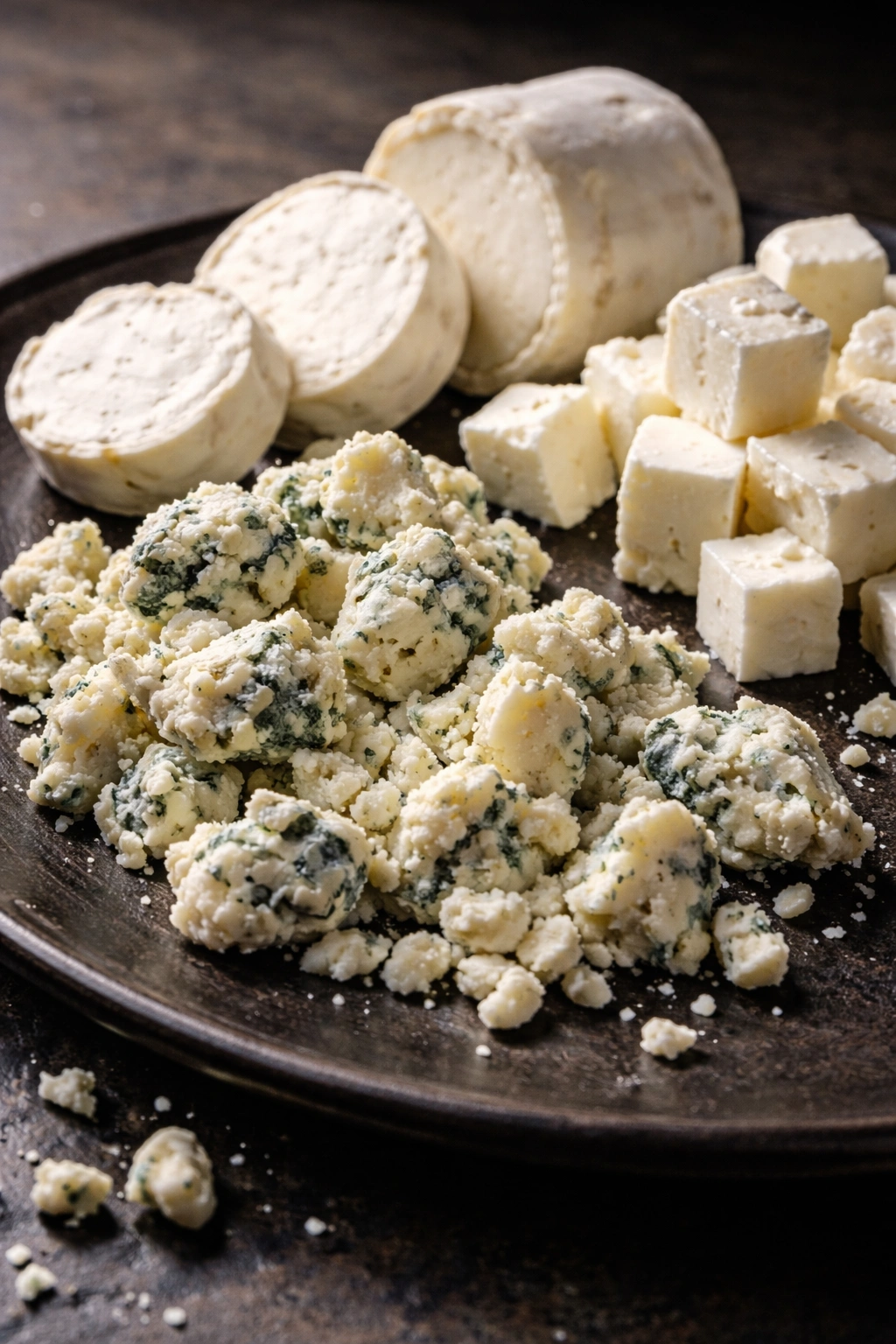
Blue cheese is the classic choice, and for good reason — its funk and salinity punch through the richness of beef beautifully. Gorgonzola is a specific type of blue cheese with a creamier, less intensely funky profile than sharp blue cheeses. Both work wonderfully. If blue cheese isn’t your thing or your guests aren’t fans, feta provides a tangy, salty alternative. Goat cheese offers creaminess without the funk. Even a sharp cheddar or Parmesan can work if you’re being creative.
Crumble the cheese just before serving rather than preparing it ahead. Once crumbled, cheese dries out and can taste overly intense. A quarter to a half cup of cheese per salad is plenty — these are flavorful cheeses that don’t need to be heavy-handed. If you’re concerned about salt intake, rinse the cheese briefly under cold water and pat it dry. This removes some surface salt while maintaining the flavor.
Creating the Perfect Vinaigrette
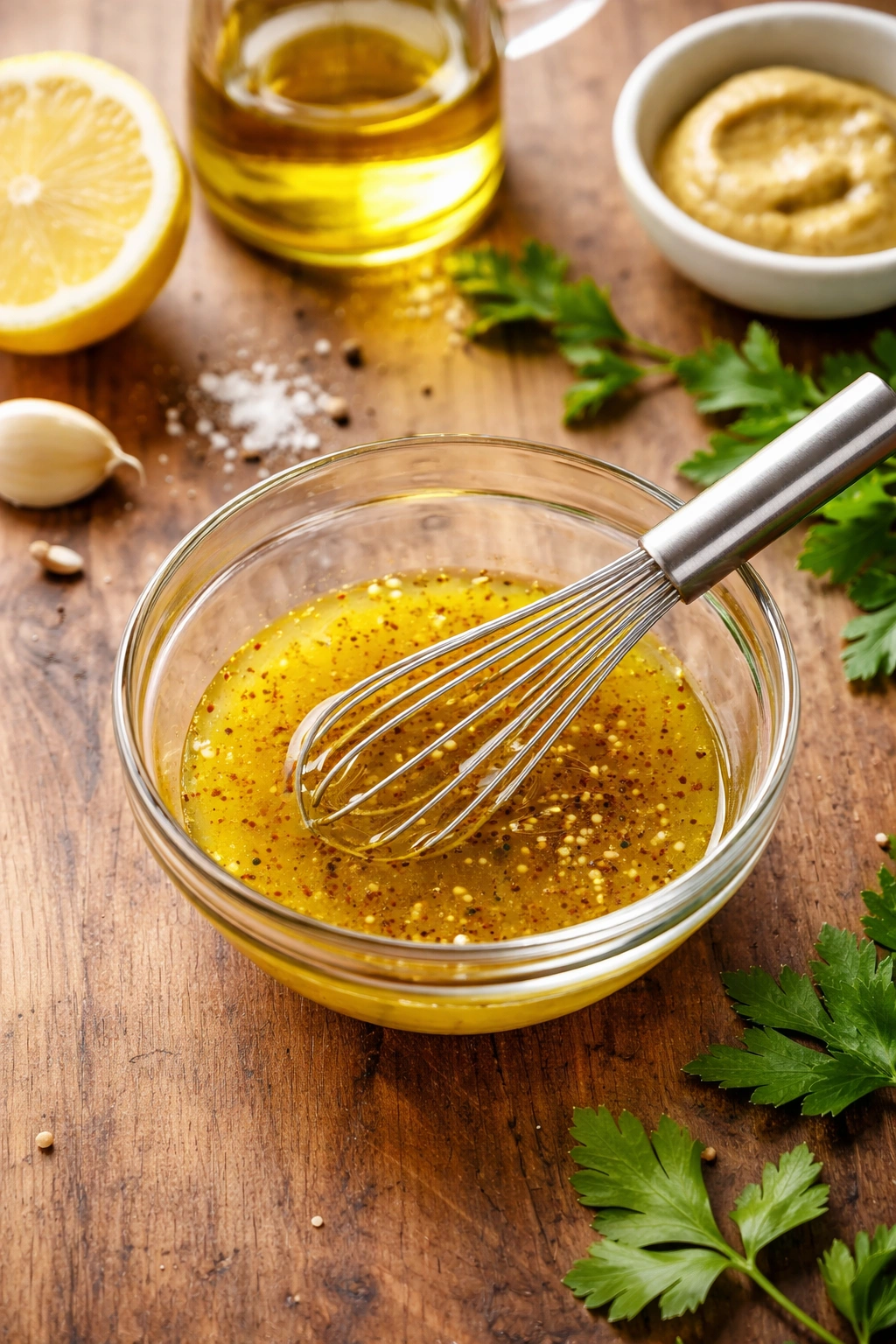
A quality dressing ties everything together, but it doesn’t need to be complicated. The best vinaigrettes for steak salad are acidic enough to cut through richness without being so intense they overwhelm delicate vegetables. Balsamic vinegar is classic — it’s slightly sweet, rich, and pairs beautifully with both beef and cheese. Red wine vinegar is brighter and more assertive. Lime juice brings freshness. Even a combination of vinegars works well.
For a simple vinaigrette, whisk together one part acid (vinegar or citrus juice) with three parts good-quality olive oil. Add a small spoonful of Dijon mustard, which acts as an emulsifier and helps bind the oil and acid together, creating a cohesive dressing rather than a separated, oily mess. Season with kosher salt and fresh cracked pepper to taste. Some recipes add a small touch of honey to balance acidity, though it’s entirely optional. Fresh herbs like basil or cilantro add brightness, or you can keep it simple and let the steak and cheese flavors dominate.
Make your vinaigrette immediately before serving. Dress the salad at the very last moment — if greens sit in dressing, they wilt. If you’re serving a crowd and need to prepare ahead, keep the dressing in a separate container and let each person dress their own plate, or dress right before plating. A light hand with dressing is better than drowning your salad; you can always add more, but you can’t remove it.
The Complete Grilled Steak Salad Recipe
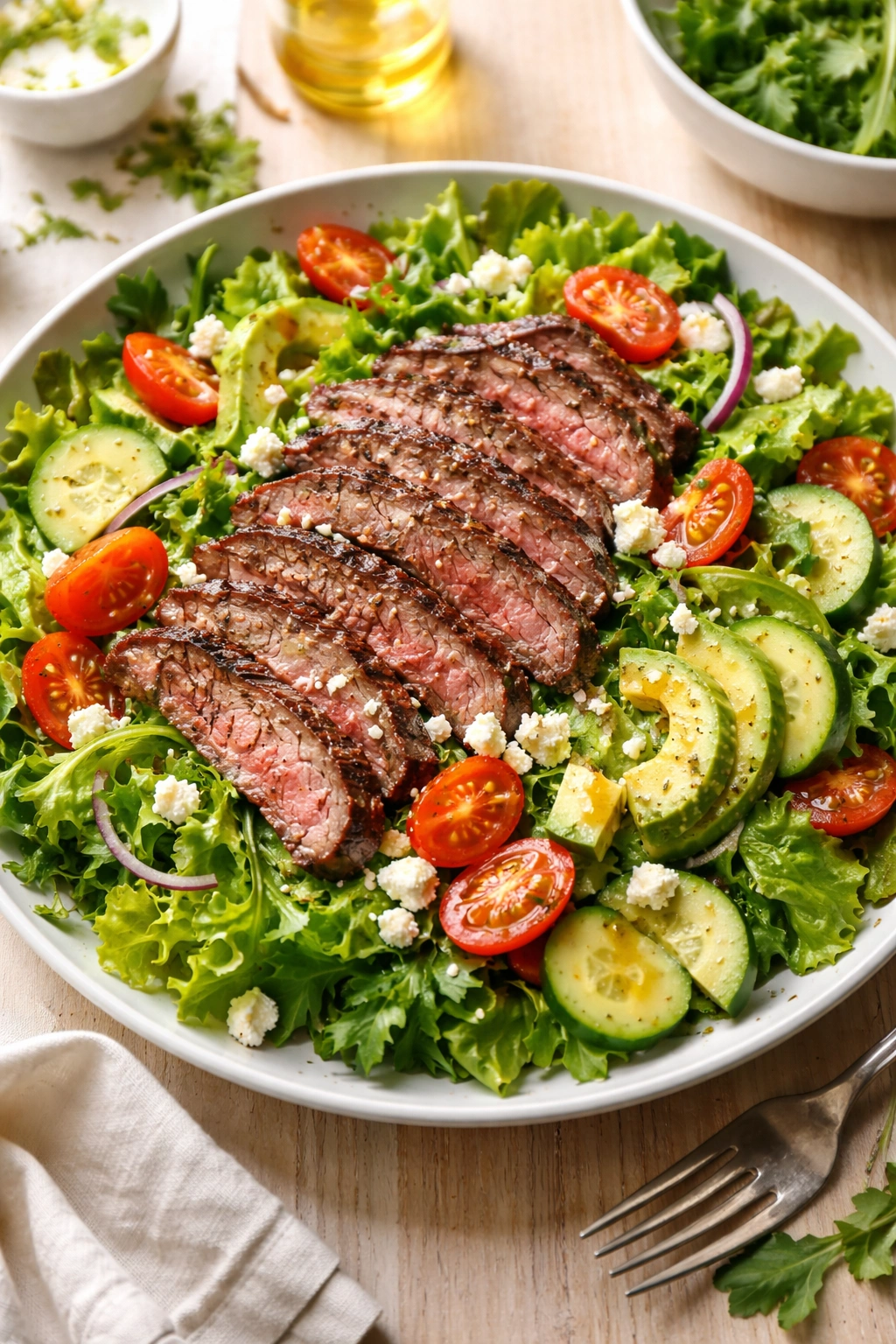
Yield: Serves 4 | Prep Time: 20 minutes | Cook Time: 10 minutes | Total Time: 30 minutes (plus 2-8 hours marinating) | Difficulty: Beginner — No special equipment required beyond a grill or cast-iron skillet; the steps are straightforward even for first-time grill cooks.
Ingredients for the Steak Marinade
- ¼ cup balsamic vinegar
- ¼ cup extra virgin olive oil
- 2 tablespoons Worcestershire sauce
- 1 tablespoon Dijon mustard
- 2 cloves garlic, minced
- 1 teaspoon kosher salt
- ½ teaspoon freshly ground black pepper
- ½ teaspoon garlic powder
- Zest and juice of 1 fresh lime
Ingredients for the Salad
- 1½ pounds steak (petite sirloin, flank, or skirt steak)
- 4 cups chopped romaine lettuce (from about 1 heart)
- 2 cups baby arugula
- 1½ cups cherry tomatoes, halved
- 1 large ripe avocado, sliced
- ½ medium red onion, thinly sliced
- ½ English cucumber, sliced into coins
- ½ cup crumbled blue cheese or gorgonzola
- Kosher salt and freshly ground black pepper for finishing
Ingredients for the Vinaigrette
- ¼ cup balsamic vinegar
- 3 tablespoons extra virgin olive oil
- 1 teaspoon Dijon mustard
- 1 teaspoon honey (optional)
- ¾ teaspoon kosher salt
- ⅛ teaspoon freshly ground black pepper
- 1 tablespoon fresh basil or 1 teaspoon dried basil (optional)
Prepare the Steak:
-
In a shallow bowl or gallon-size ziplock bag, whisk together the balsamic vinegar, olive oil, Worcestershire sauce, Dijon mustard, minced garlic, kosher salt, pepper, garlic powder, and lime zest and juice.
-
Pat the steak dry with paper towels and place it in the marinade. If using a bag, seal it and turn to coat the steak thoroughly with the marinade, removing as much air as possible. If using a bowl, turn the steak several times to coat all sides evenly.
-
Refrigerate for 2 to 8 hours. The marinade begins working immediately, but longer marinating (up to 24 hours maximum) develops deeper flavor. Do not marinate longer than 24 hours, as the acid will begin breaking down the meat’s texture too aggressively.
-
About 30 minutes before grilling, remove the steak from the refrigerator and let it come to room temperature. This ensures even cooking from edge to center.
Grill the Steak:
-
Preheat your grill to medium-high heat, around 425 to 450 degrees Fahrenheit. If using charcoal, the coals should be glowing and you shouldn’t be able to hold your hand over the grates for more than a few seconds.
-
Remove the steak from the marinade and pat it dry with paper towels, allowing excess marinade to drip away. Do not skip this step — excess moisture prevents proper browning and creates steam instead of a beautiful crust.
-
Season both sides of the steak generously with kosher salt and freshly cracked black pepper, pressing the seasonings into the meat with your fingers to help them adhere.
-
Place the steak on the preheated grill and cook undisturbed for 4 to 5 minutes on the first side, until a dark, caramelized crust forms and the meat releases easily from the grates. Do not move it around — letting it sit develops that delicious char.
-
Flip the steak once and cook for another 3 to 5 minutes, depending on thickness and your target doneness. For medium-rare, aim for an internal temperature of 130 to 135 degrees Fahrenheit using an instant-read meat thermometer. Remember that carryover cooking will raise the temperature a few more degrees after you remove the steak from heat, so pull it off the grill slightly before your final target temperature.
Advertisements -
Transfer the steak to a cutting board and loosely tent it with aluminum foil. Let it rest for 5 to 10 minutes. This resting period is crucial — it allows juices to redistribute throughout the meat, ensuring every slice is moist and tender rather than drying out as you cut into it.
Prepare the Vinaigrette:
-
While the steak rests, whisk together the balsamic vinegar, Dijon mustard, honey (if using), salt, and pepper in a small bowl or measuring cup.
-
Slowly drizzle in the olive oil while whisking constantly until the dressing emulsifies and thickens slightly. If using fresh basil, mince it finely and stir it in at the end. Taste and adjust seasonings as needed — the dressing should be balanced between acidic and rich.
Assemble the Salad:
-
In a large shallow bowl or on a serving platter, arrange the chopped romaine lettuce and baby arugula as your base. Sprinkle with a pinch of kosher salt and pepper.
-
Arrange the halved cherry tomatoes, avocado slices, thinly sliced red onion, and cucumber coins on top of the greens in whatever pattern appeals to you. Don’t toss yet — arranging components separately creates a more attractive presentation.
-
Sprinkle the crumbled blue cheese over the vegetables.
-
Thinly slice the rested steak against the grain, cutting perpendicular to the direction of the muscle fibers. Each slice should be roughly ¼ inch thick and completely tender. If you notice the meat is tough and stringy, you’re slicing with the grain rather than against it — this happens because the grain direction can vary on different parts of a single steak. Adjust your knife angle and continue.
-
Arrange the warm steak slices on top of or alongside the vegetables. The warm meat slightly wilts the greens just enough to make them tender without making them mushy, creating an appealing temperature contrast.
Advertisements -
Immediately before serving, drizzle the vinaigrette over the salad. Do not dress the salad ahead of time — greens will become limp and wilted if they sit in dressing.
-
Serve immediately while the steak is still warm and the greens are still crisp.
Secrets to Restaurant-Quality Results
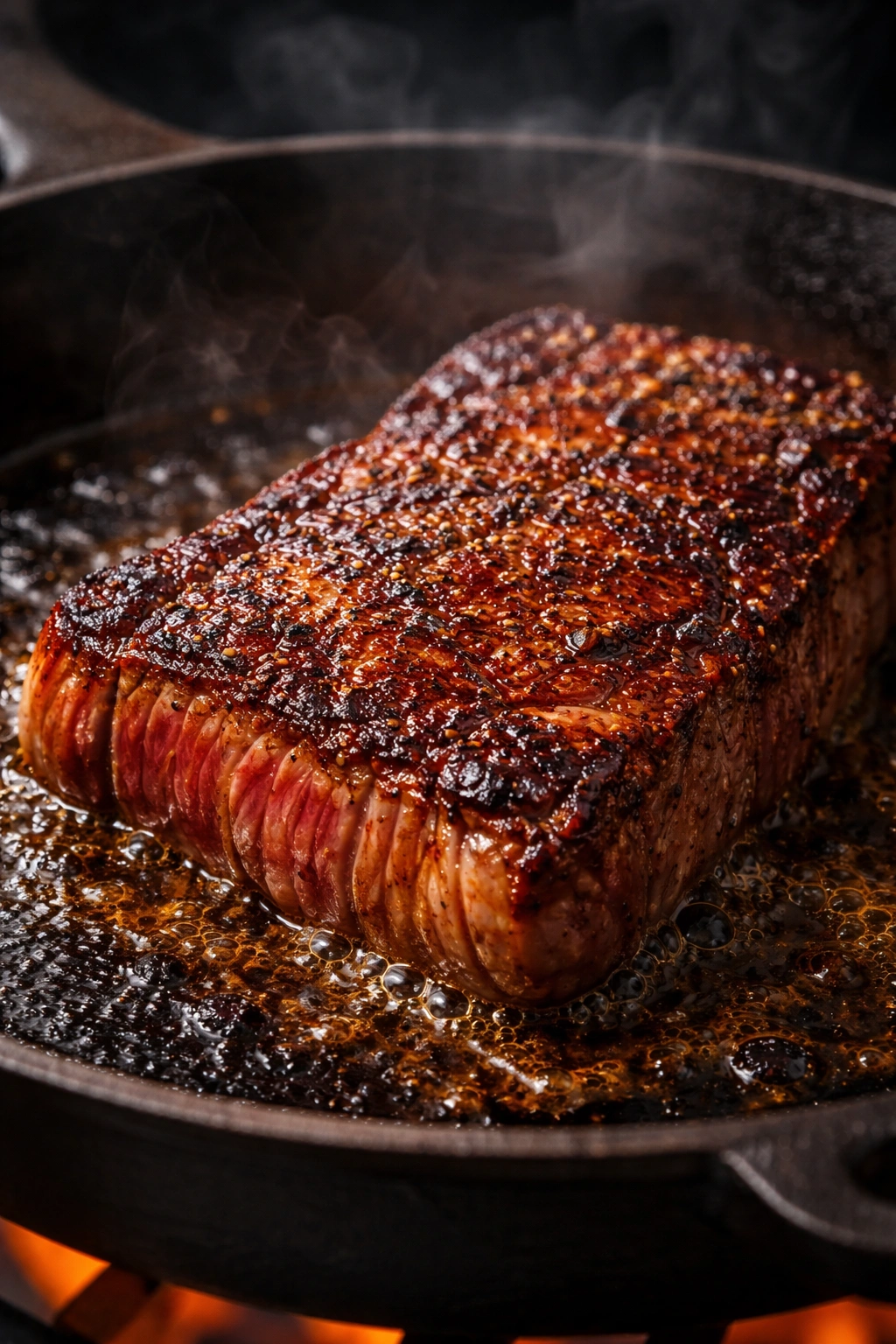
The difference between a good steak salad and a great one often comes down to understanding the mechanics of what’s happening at each stage. Dry your steak before grilling. This single step makes an enormous difference. Moisture on the surface converts to steam under heat, which prevents browning. A properly seared steak develops a crust through the Maillard reaction — a chemical process that creates hundreds of new flavor compounds when proteins and sugars react to high heat. Steam prevents this reaction entirely, leaving you with meat that’s cooked through but pale and lacking that savory crust.
Season in layers. Season the marinade, season again before grilling, and even consider a final pinch of sea salt over the finished slices. This layered approach builds flavor without making any single component overwhelming. The salt seasons the meat throughout the marinade, creates a flavorful crust on the grill, and adds a finishing touch of texture and brightness.
Temperature control matters profoundly. Many home cooks cook steak at too low a temperature, which results in meat that cooks through without developing a proper crust. You want that initial sear on high heat. If you’re concerned about overshooting your target internal temperature, remember that carryover cooking adds about 3 to 5 degrees as the meat rests. Pull your steak when it’s still a few degrees short of your goal.
Making This Salad Ahead
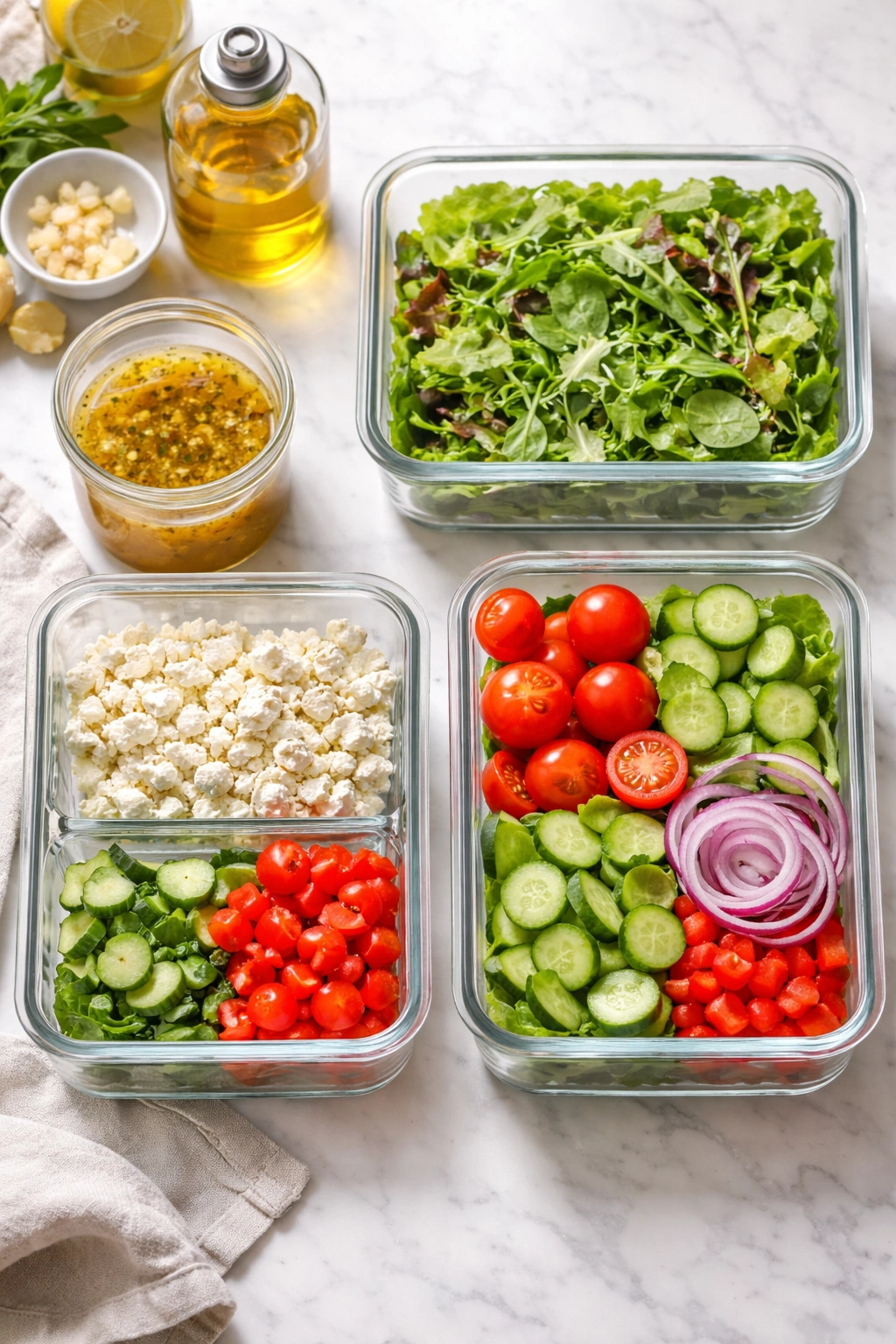
For a dinner party or large gathering, strategic advance preparation keeps you relaxed and able to enjoy your guests. Up to 24 hours ahead: Marinate your steak in the refrigerator. Wash your greens and spin them dry, then wrap them in paper towels and refrigerate. Prep and store other vegetables separately in airtight containers.
A few hours ahead: Make your vinaigrette and store it in an airtight container at room temperature. Crumble your cheese and store it separately. Prep your cutting board and have your knife ready for slicing the cooked steak.
Right before serving: Bring the steak to room temperature. Light your grill or heat your skillet. Arrange the greens and vegetables on your serving vessel. Cook the steak, let it rest, and slice it. Dress the salad and serve immediately while everything is at its best texture and temperature.
The one thing you absolutely cannot do ahead is dress the greens. Even 10 minutes in dressing will begin wilting them. For this reason, if you’re making individual plates rather than serving family-style, dress each plate just before setting it in front of a guest.
Delicious Variations to Try
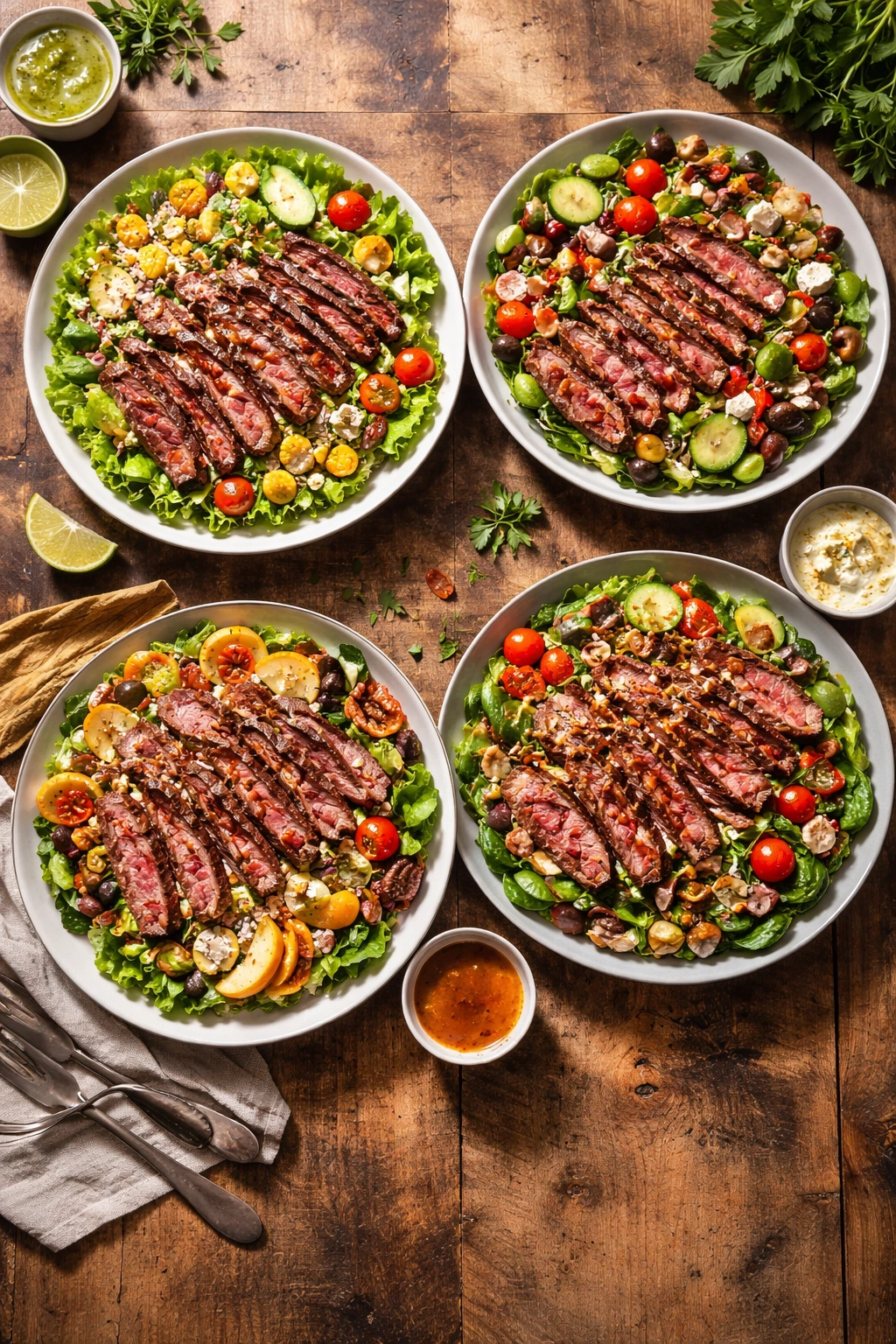
Cilantro Lime Version: Swap the balsamic vinegar for lime juice and add fresh cilantro to your vinaigrette. Include grilled corn kernels in the salad and use queso fresco instead of blue cheese. This variation brings brightness and a slightly Mexican-inspired flavor profile that works beautifully in warmer months.
Mediterranean Style: Use arugula as your primary green and add grilled zucchini, roasted bell peppers, and Kalamata olives. Swap blue cheese for crumbled feta. Make your vinaigrette with red wine vinegar, oregano, and minced garlic instead of balsamic. Add a handful of fresh mint if you have it.
Autumn Version: During cooler months when tomatoes aren’t at peak season, roast squash cubes, toss in some crispy pancetta, and add toasted nuts for crunch. Use apple slices instead of tomato. Keep the arugula and add some baby spinach. Everything else stays the same but the seasonal vegetables completely transform the dish.
Warm Bacon Dressing: For something richer, cook bacon until crispy, crumble it into the salad, and make a warm vinaigrette by whisking together bacon fat (about 2 tablespoons), red wine vinegar (2 tablespoons), Dijon mustard (1 teaspoon), and honey (½ teaspoon). Drizzle this warm over the cool greens and sliced steak — the contrast of temperatures is divine.
Grilled Vegetable Additions: Grill corn on the cob until charred, then cut the kernels off. Grill thick zucchini slices until they have beautiful char marks. Grill onion rings until soft and caramelized. Any of these additions boost the “grilled” element and add textural variety.
Dairy-Free: This salad works beautifully without cheese if you’re avoiding dairy. The steak, fresh vegetables, and a bright vinaigrette are satisfying on their own. Some cooks add extra nuts or seeds for richness and texture instead.
Storage and Leftovers
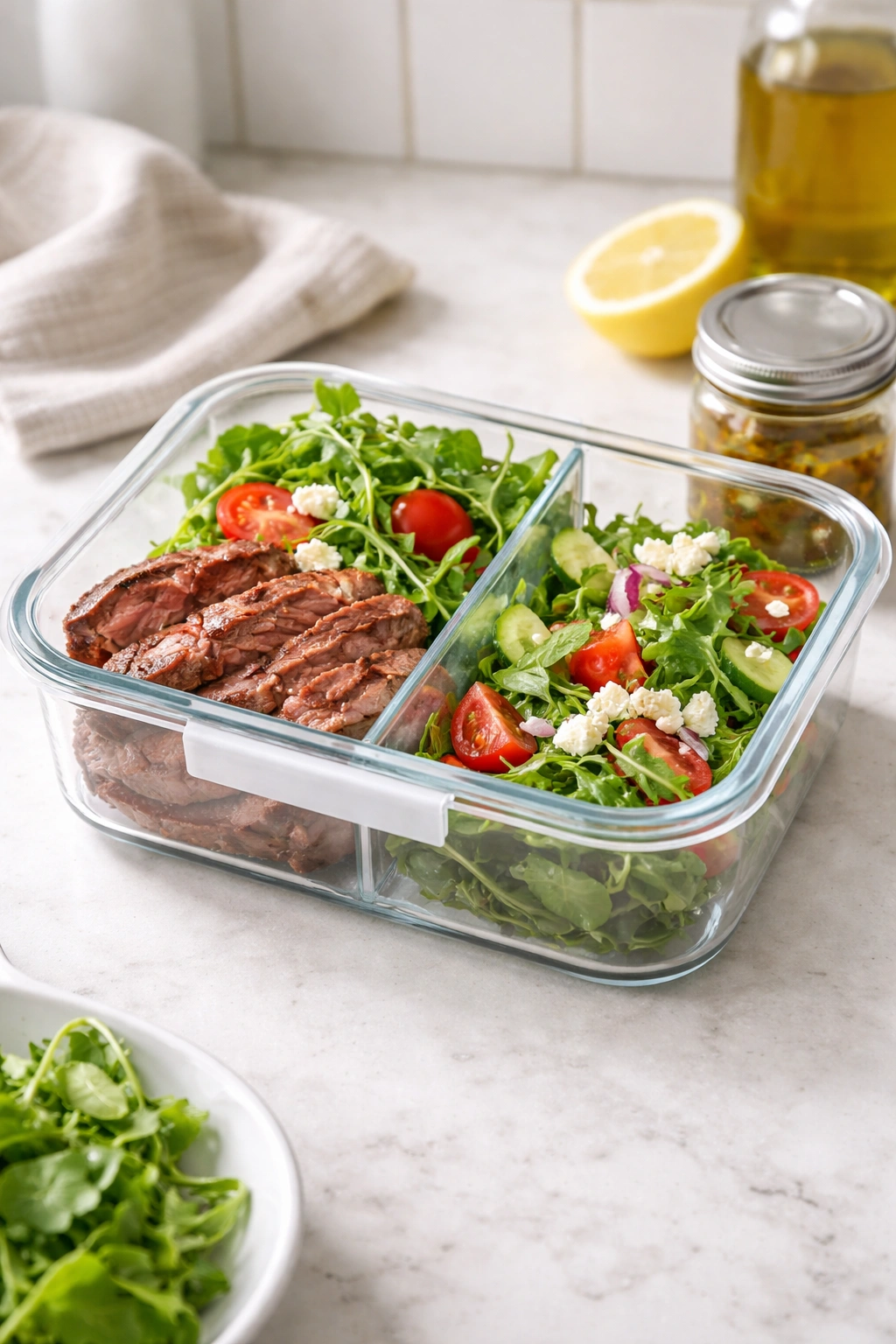
Leftover steak keeps beautifully and actually improves a cold steak salad the next day. Store cooked steak in an airtight container in the refrigerator for up to 4 days. To reheat, place it in a skillet over medium-low heat with just a tiny bit of water or broth, covering the pan so steam gently rewarms the meat without drying it out. Alternatively, microwave on medium power for a minute or two, checking frequently so it doesn’t overheat.
Don’t store the assembled salad. Keep components separate and assemble just before eating. The greens will remain crisp, the vegetables won’t absorb dressing and become soggy, and the steak won’t be cold and tough by serving time. Dress the greens only at the last moment you’re about to eat.
If you have leftover vinaigrette, store it in an airtight container in the refrigerator for up to 2 weeks. It’s perfect on other salads, drizzled over roasted vegetables, or used as a marinade for chicken or fish. The flavors meld and deepen over time, making day-old dressing sometimes even better than fresh.
What to Serve Alongside
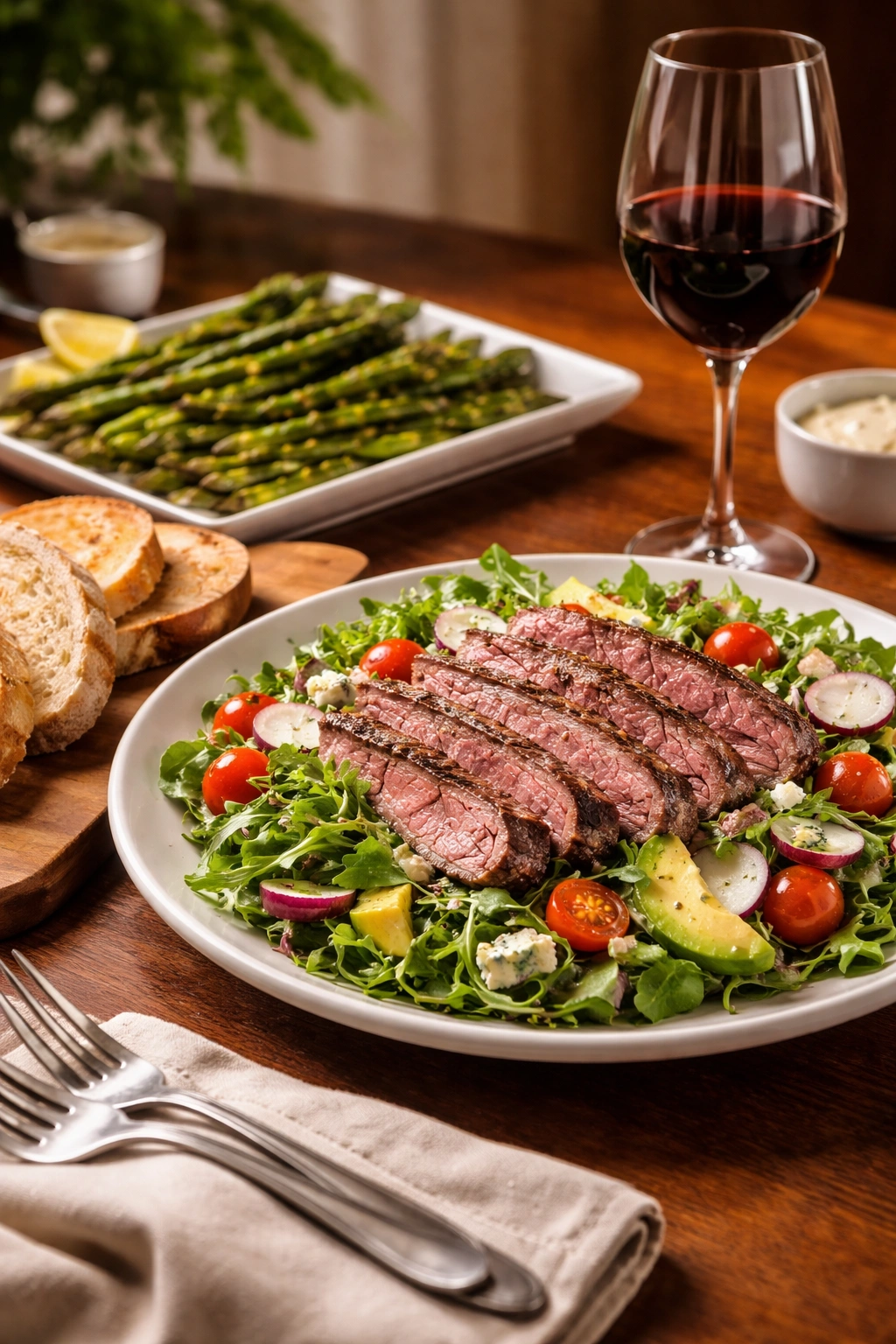
This salad is substantial enough to be a complete meal, but some additions round out the dinner. Crusty bread is classic — a slice of grilled garlic bread or toasted ciabatta soaks up every drop of vinaigrette from your plate. Grilled asparagus or green beans make a lighter side. Roasted potatoes add heartiness, especially if you’re feeding a crowd with varying appetites.
For beverages, pair with wines that complement beef and salad’s brightness. A Cabernet Sauvignon, Pinot Noir, or even a lighter red like Beaujolais works beautifully. If you prefer white wine, a Sauvignon Blanc brings enough acidity and minerality to balance rich steak and cheese. Non-drinkers might enjoy a sparkling water with fresh lemon, iced tea with fresh mint, or lemonade.
Dessert should be light — you’ve eaten well and don’t need anything heavy. Fresh berries with whipped cream, a fruit sorbet, or even just fresh melon feel perfect after this kind of meal.
Common Questions About Steak Salad
Can I use ground beef instead of steak? You certainly can, though the result is quite different. Brown ground beef in a skillet, season it well, and crumble it over the salad. It works, but you lose the pleasure of those beautiful caramelized slices and the contrast of warm beef against cool greens. The texture is also completely different. If steak isn’t available, consider using grilled chicken breast or shrimp instead.
What if I don’t have a grill? As mentioned, a cast-iron skillet on your stovetop works beautifully. You can also use a grill pan — those ridged skillets designed to mimic grill marks. An oven broiler works in a pinch, though you lose some of the charred flavor. Any high-heat cooking method that develops a crust on the meat will work.
Can I use vegetable oil instead of olive oil? Absolutely. For the marinade, any neutral oil works fine. For the vinaigrette, olive oil adds flavor and is traditional, but vegetable, canola, or avocado oil work if you prefer. Avocado oil has a higher smoke point and a slightly buttery flavor that complements salad beautifully.
How do I know if my steak is done without a thermometer? A meat thermometer is the most reliable method, but if you absolutely don’t have one, you can use the hand-feel method — press the meat with your finger and compare the firmness to the fleshy area below your thumb. Relaxed (thumb open) equals rare, when you touch thumb to index finger equals medium-rare, and continuing through your other fingers shows increasing doneness. This method takes practice, so investing in an inexpensive instant-read thermometer is genuinely worthwhile.
Can I marinate the steak in the morning for evening dinner? Yes, marinating for 8 hours is ideal. Just bring the steak back to room temperature about 30 minutes before grilling. Don’t marinate longer than 24 hours total or the acid will over-tenderize the meat and change its texture unpleasantly.
What if some of my guests don’t eat meat? The salad base of greens, vegetables, and dressing is delicious on its own. Some guests might add extra cheese, nuts, beans, or grilled vegetables for protein instead of steak. Make the components available and let everyone build their own plate.
Bringing It All Together
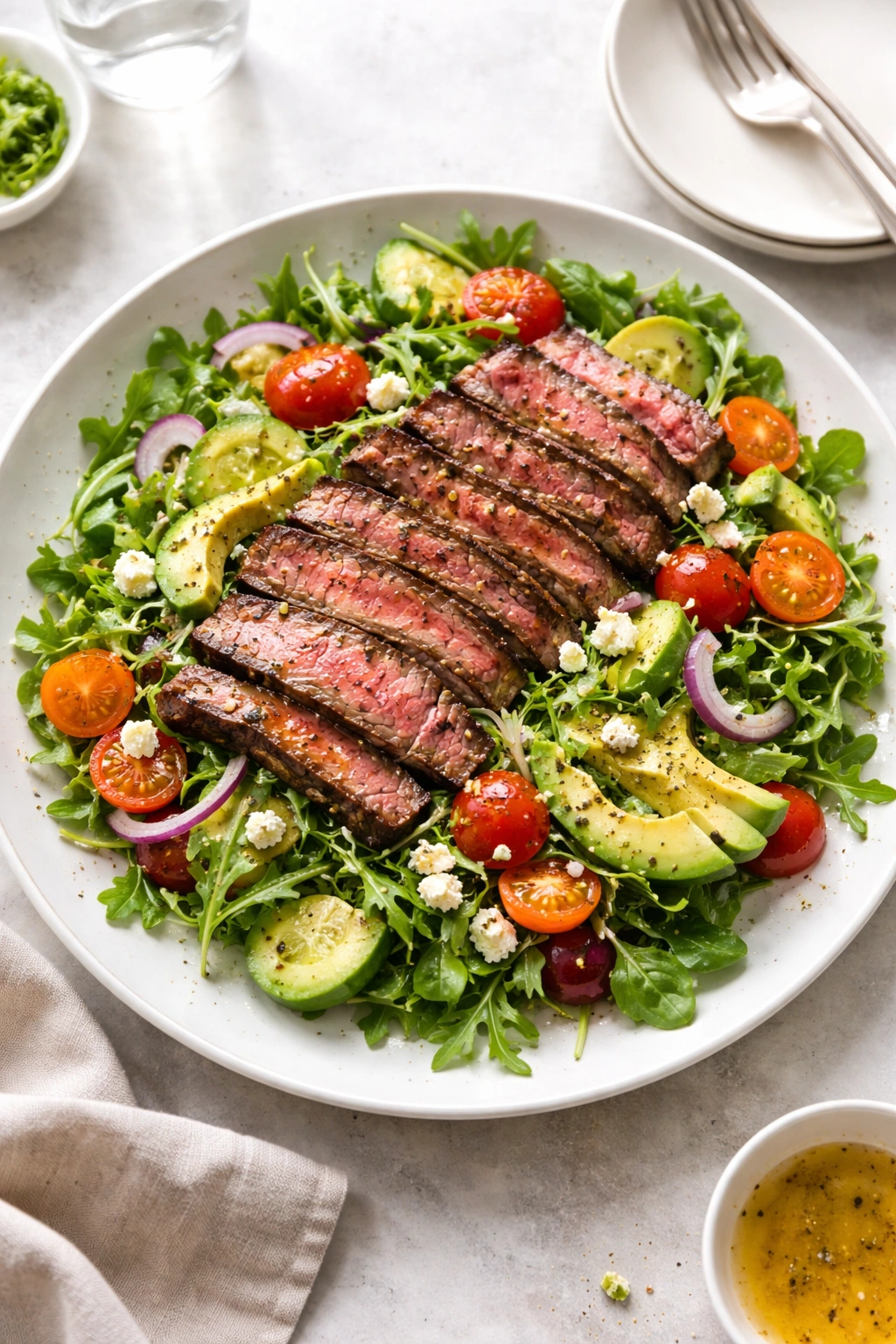
A grilled steak salad represents something fundamental about good cooking — understanding quality ingredients and treating them with respect. You’re not trying to hide the steak under heavy sauce or mask the vegetables under thick dressing. Instead, each element plays its part in a composition where the whole becomes greater than the sum of its pieces.
The beauty of this dish is that it delivers genuine nourishment in a form that feels celebratory rather than restrictive. You’re eating beef, full-fat cheese, and olive oil alongside your vegetables, yet the final meal feels light and fresh rather than heavy. There’s genuine pleasure in every bite because everything has a reason for being there.
This salad works whether you’re entertaining or cooking for yourself. It comes together quickly once the steak has marinated, making it perfect for weeknight dinners when you want something special without spending hours in the kitchen. The flavors are bold enough to impress guests at a summer gathering, and the components are simple enough that a beginning cook can execute it beautifully.
Make this salad once and it becomes part of your regular rotation. You’ll find yourself adjusting vegetables with the seasons, experimenting with different vinaigrettes, and maybe even trying new steak cuts. Each iteration teaches you a little more about how flavors work together, building your confidence as a cook. That’s the real gift of a recipe this versatile — it teaches while it nourishes, impresses while remaining approachable, and tastes better each time you make it.
Final Thoughts
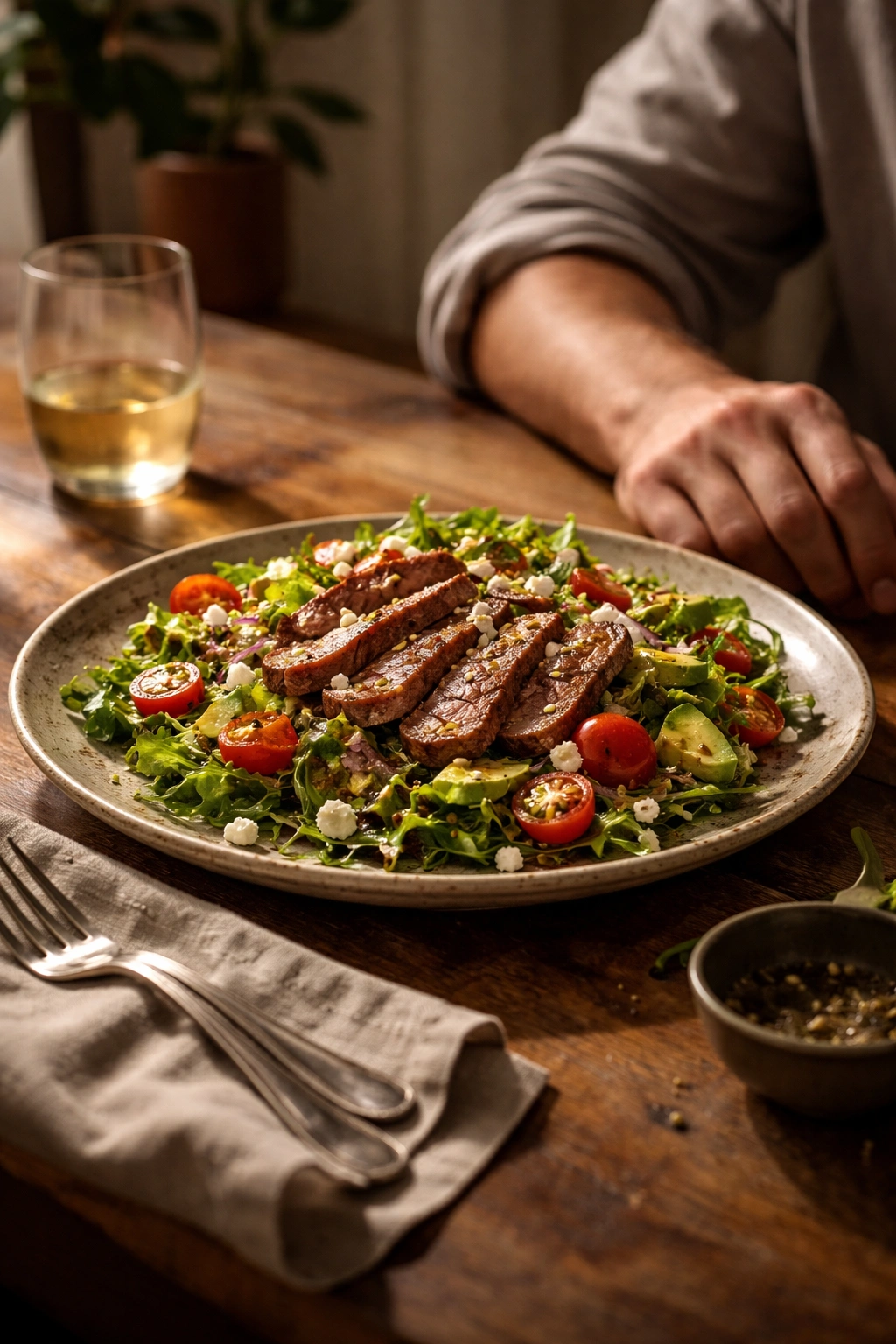
The next time you light the grill, don’t just cook burgers or chicken. Take 30 minutes to compose a proper steak salad. Pat your steak dry, season generously, develop that crust over high heat. Let it rest while you finish prepping. Arrange cool, crisp greens on your plate and crown them with warm, juicy slices of beef, creamy avocado, bright tomatoes, and tangy cheese. Drizzle with a simple vinaigrette you made with your own hands, tasting as you go.
That one meal — made with care and attention to detail — reminds you why you enjoy cooking in the first place. It’s not complicated. It doesn’t require special ingredients or technical prowess. What it requires is respect for quality components and understanding of basic principles. Nail those fundamentals, and you’ve got a dish that belongs on any table, any season, any occasion.
