



When dinner needs to be on the table in 15 minutes flat, this pesto tortellini is your secret weapon. It’s the kind of meal that looks impressive enough to serve guests yet so simple you can actually pull it off on a Wednesday night when you’re running on fumes. Fresh, vibrant, and genuinely delicious—this dish proves that weeknight dinners don’t have to be a compromise between speed and flavor.
I fell in love with this recipe the first time I made it almost out of desperation. The kids needed to eat before soccer practice, my pantry felt bare, and I had maybe three ingredients that seemed remotely promising. That’s when I discovered that tortellini, pesto, and pasta water are honestly all you need for something genuinely restaurant-quality. Over the years, I’ve refined it, added variations, and realized this has become the meal I make when I need a guaranteed win on the dinner table. My family requests it regularly, and once you make it, you’ll understand why.
Why This Recipe Works So Well
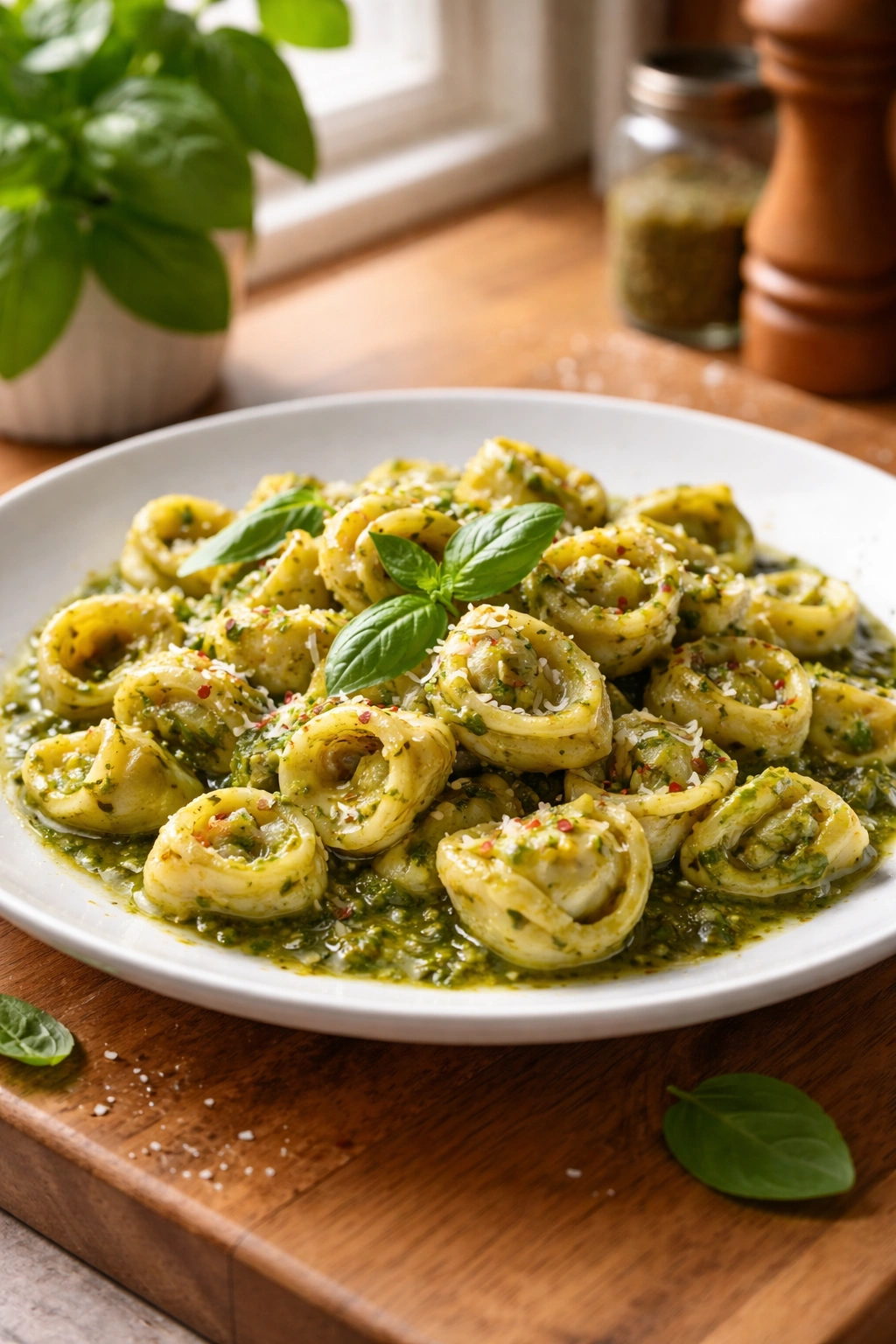
The magic of pesto tortellini lies in its elegant simplicity. You’re not fussing with multiple pans, complex techniques, or a long ingredient list. Instead, you’re working with store-bought components—refrigerated tortellini and jarred or fresh pesto—that do most of the heavy lifting for you.
Refrigerated tortellini is the real MVP here. Unlike dried pasta that takes 8-10 minutes, fresh tortellini cooks in just 2-3 minutes, which is the primary reason this meal comes together so quickly. The filled pasta is already tender and flavorful on its own, so the pesto sauce doesn’t need to do as much work to make the dish taste restaurant-quality.
Pesto itself is brilliance in a jar or bowl. It’s concentrated basil flavor, fatty richness from olive oil and pine nuts, salty notes from cheese and garlic—basically everything you’d want in a pasta sauce, already blended and ready to go. You’re not making a sauce from scratch; you’re simply coating cooked pasta with something that’s already perfect.
The reserved pasta water is the secret ingredient that ties everything together. That starchy liquid emulsifies with the pesto, creating a silky coating that clings to each tortellini. Without it, you’d have clumpy pesto and dry pasta. With it, you get restaurant-quality creaminess from nothing but water and starch.
About Your Ingredients
Tortellini Options and Quality
The type of tortellini you choose genuinely matters here because it’s the star of the show. Fresh, refrigerated tortellini is absolutely the best option—it cooks in 2-3 minutes, has a tender texture, and the filling tastes noticeably fresher than frozen or dried varieties. You’ll find these in the refrigerated pasta section of most supermarkets, often near the fresh ravioli. Brands like Buitoni, Trader Joe’s spinach tortellini, or store brands typically work beautifully.
Frozen tortellini is your second-best option. It takes slightly longer to cook (4-5 minutes instead of 3), but the flavor is still excellent. Just be sure not to thaw it before cooking—add it straight from the freezer to boiling water. The cooking time will be printed on the package, and it’s worth following exactly so you don’t end up with mushy pasta.
Dried tortellini works in a pinch, though it’s my least favorite option because it takes 15-20 minutes to cook. At that point, you’ve lost the speed advantage that makes this recipe so appealing. Still, if it’s what you have on hand, absolutely use it and adjust your timing accordingly.
Pesto: Fresh, Jarred, or Homemade
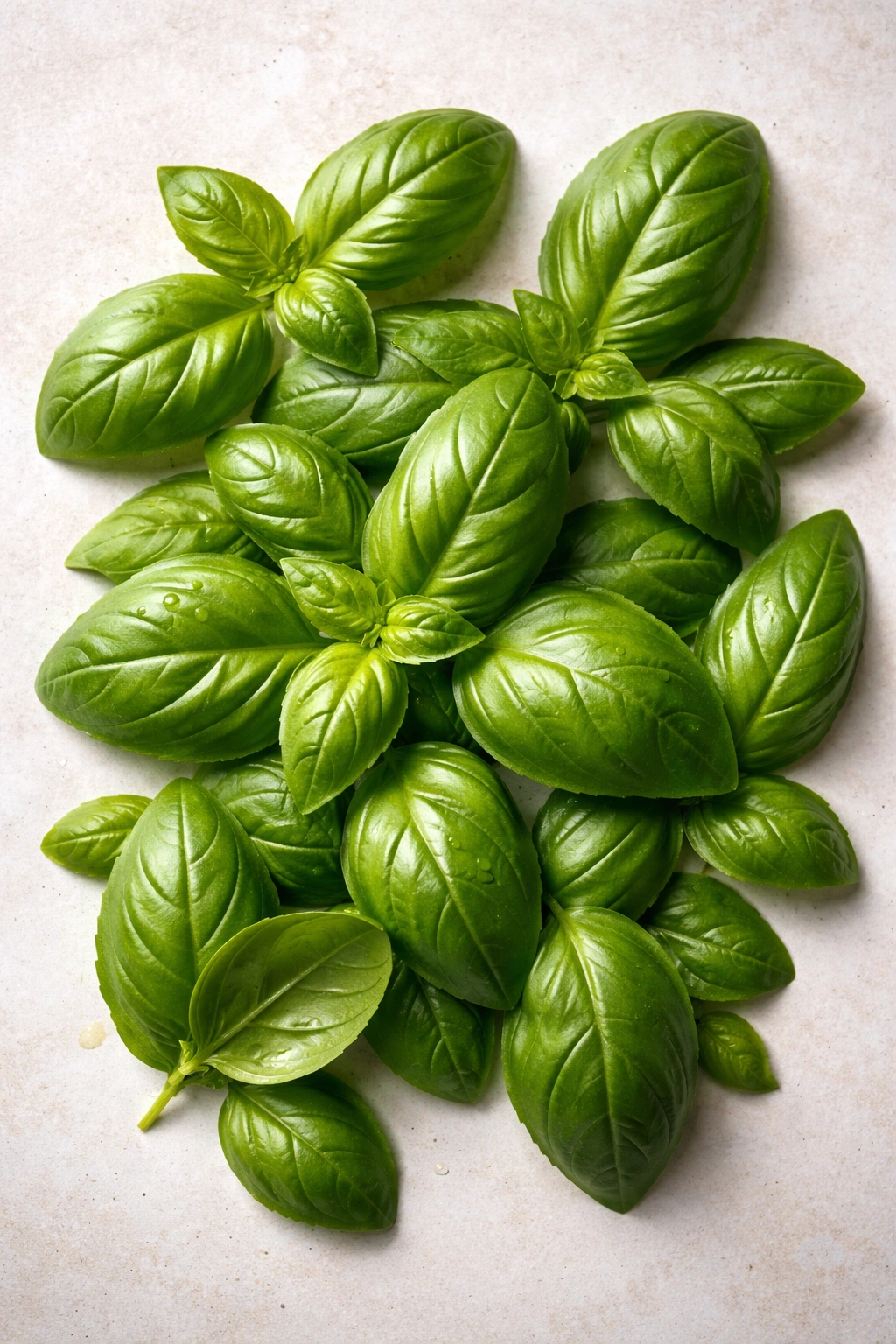
If you have fresh basil growing in a garden or potted on a windowsill, making pesto from scratch transforms this into something genuinely magical. Fresh basil pesto takes only 10 minutes to blend together and tastes incomparably bright and vibrant compared to jarred versions. The color is vibrant green, the flavor is fresh, and it feels like you’ve put in effort even though you haven’t.
Jarred pesto is absolutely acceptable and honestly the most realistic choice for a 15-minute dinner. Not all jarred pestos are equal, though—spend a moment finding one your family actually enjoys. Some brands taste grassy or too salty. Others are creamy and complex. Kirkland (from Costco), Barilla, Genova, and Trader Joe’s versions are all solid choices worth trying. The refrigerated varieties (usually near the fresh tortellini) tend to taste fresher than shelf-stable jars.
Sun-dried tomato pesto is a delicious variation if you want something slightly different. It’s more subtle than basil pesto but pairs beautifully with tortellini and adds a hint of warm, concentrated tomato flavor.
Parmesan Cheese
Freshly grated parmesan cheese makes a noticeably better finished dish than pre-shredded varieties. Pre-shredded cheeses are coated with anti-caking agents that prevent them from melting smoothly and create a slightly grainy texture when stirred into warm pasta. It’s worth using a microplane or box grater on a wedge of parmesan—it takes 30 seconds and the difference is real. If you absolutely must use pre-shredded, choose refrigerated containers of freshly shredded parmesan over the shelf-stable canisters with the green lid.
Spinach
Fresh baby spinach wilts almost instantly in the residual heat of hot tortellini, adding color, nutrition, and a subtle mineral note that makes the dish feel more complete. It’s optional but genuinely worthwhile if you have it on hand.
Yield: Serves 4 | Makes approximately 4 servings
Prep Time: 5 minutes
Cook Time: 8 minutes
Total Time: 13 minutes (plus draining)
Difficulty: Beginner — This recipe requires no special skills. If you can boil water and stir, you can make this successfully on your first try.
Ingredients
For the Tortellini and Pesto:
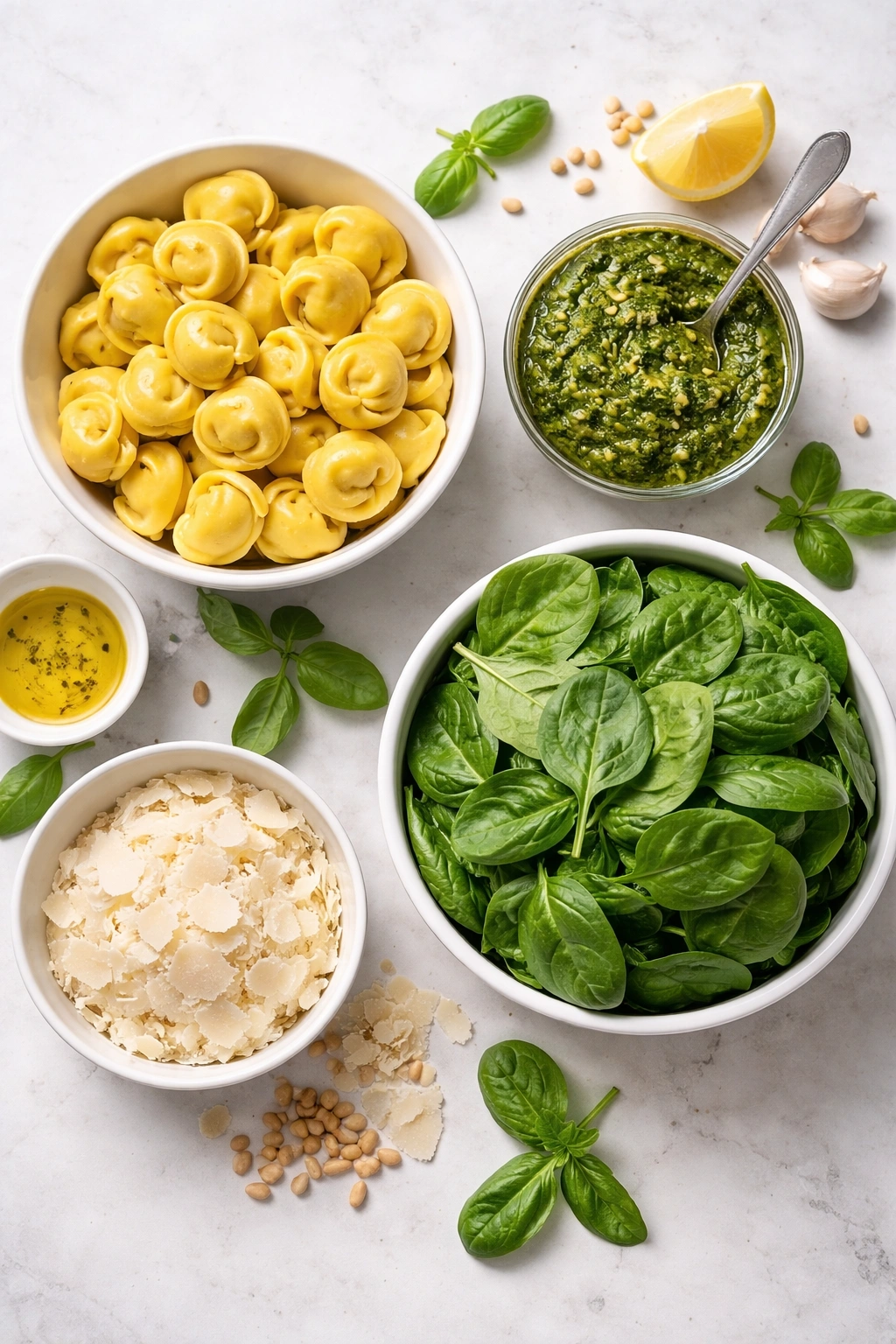
- 20 oz fresh refrigerated cheese tortellini (or spinach tortellini)
- ¾ to 1 cup basil pesto (store-bought or homemade)
- 2 cups fresh baby spinach (optional but recommended)
- ¼ cup reserved pasta water
- 2 tablespoons freshly grated parmesan cheese, plus extra for serving
- Salt and freshly cracked black pepper to taste
- Red pepper flakes (optional, for serving)
Optional Additions:
- 2 tablespoons toasted pine nuts
- Fresh cherry tomatoes, halved
- Extra fresh basil leaves for garnish
- Shredded rotisserie chicken (if making this more substantial)
Prepare the Pot:
-
Fill a large pot with water (at least 3 quarts) and bring it to a rolling boil over high heat. Salt the water generously—it should taste noticeably salty, like the sea. This is the only opportunity to season the pasta itself, so don’t skip this step. The salt seasons the tortellini from the inside out and prevents the finished dish from tasting bland.
-
Once the water is at a full boil (you’ll see big, rolling bubbles breaking the surface consistently), add the tortellini carefully, using a wooden spoon to gently stir them so they don’t stick together. The tortellini will sink initially, then float to the surface as they cook.
Cook the Tortellini:
-
Check the package directions for exact cooking time—most fresh tortellini cook in 2 to 3 minutes. Set a timer and watch carefully. The tortellini is done when it floats to the surface and a gentle bite test shows tender pasta that still has a slight firmness in the center (this is called al dente, and it’s crucial because the pasta will continue absorbing liquid as you toss it with pesto).
Advertisements -
Do not overcook. Overcooked tortellini falls apart and becomes mushy when you stir it into the pesto. If you’re unsure, fish one out with a slotted spoon and taste it. It should be tender enough to eat easily but still hold its shape when you bite it.
Reserve Pasta Water and Add Spinach:
-
Before draining, use a measuring cup or ladle to carefully scoop out ¼ cup of the starchy pasta cooking water and set it aside in a small bowl. This water is essential—the starch in it will emulsify with the pesto and create a silky sauce that clings to each piece of tortellini.
-
If you’re using spinach, add it directly to the pot of boiling water with the cooked tortellini. Stir gently for about 30 seconds until the spinach is completely wilted and deep green. It will wilt almost instantly in the residual heat.
Drain the Pasta:
- Pour the tortellini (and spinach if using) into a large colander to drain completely. Do not rinse the pasta—the starch clinging to it is what helps the pesto coat evenly.
Combine and Toss:
-
Return the hot, drained tortellini and spinach to the empty pot (off heat). Add ¾ cup of the pesto and pour in the reserved pasta water.
-
Using a wooden spoon or silicone spatula, toss gently but thoroughly for 1 to 2 minutes. Keep stirring until every piece of tortellini is coated in a light, even layer of pesto and the sauce looks creamy rather than clumpy. This vigorous stirring helps the starch in the pasta water emulsify with the oil-based pesto, creating luxurious creaminess without any cream.
Taste and Adjust:
- Taste a bite and adjust seasoning as needed. Add a pinch of salt if it tastes flat, or more pesto if you prefer a more pronounced basil flavor. Stir in the fresh parmesan cheese.
Serve:
- Transfer to serving bowls or plates immediately while still warm. Top with extra freshly grated parmesan, a crack of black pepper, a pinch of red pepper flakes if desired, and any optional garnishes like toasted pine nuts or fresh basil leaves.
Master Tips That Actually Make a Difference
Salt your pasta water aggressively. I know it feels like a lot, but this is your only chance to season the pasta itself. Unsalted pasta water produces bland tortellini no matter how good your pesto is. The water should taste distinctly salty—similar to seawater is the standard restaurant guideline.
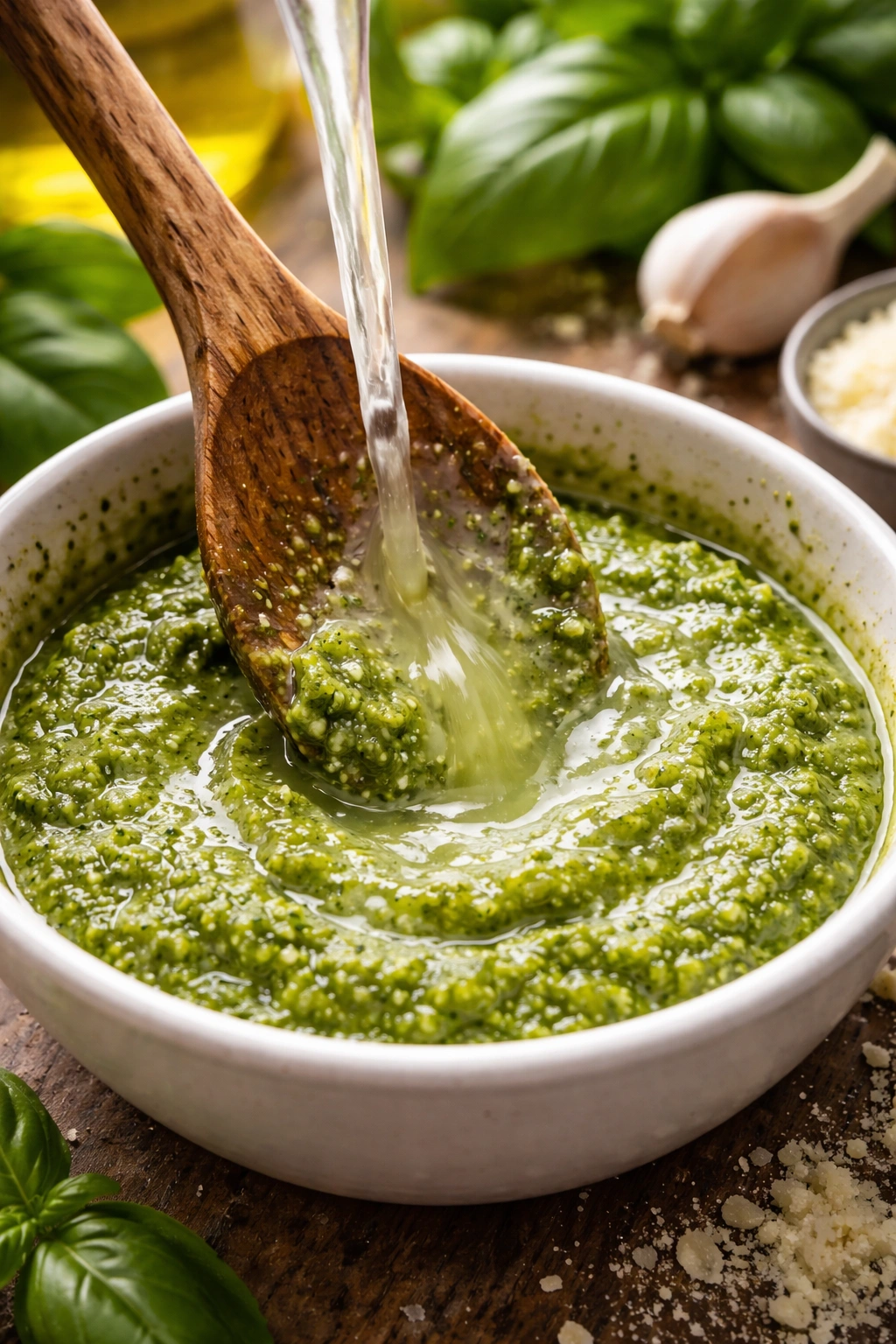
Use that pasta water religiously. This single element separates mediocre pesto pasta from something genuinely creamy and restaurant-quality. The starch acts as a natural emulsifier when you stir it vigorously with the oil-based pesto. Without it, you’ll have clumpy pesto that doesn’t cling to the pasta. With it, you get silky, luxurious coating.
Don’t rinse the drained pasta. That thin layer of starch clinging to the tortellini is essential for helping the pesto adhere properly. Rinsing washes away this natural adhesive and results in pesto that slides off instead of clings to the pasta.
Time your cooking if you’re adding spinach. Add it only during the last 30 seconds of cooking time. If you add it earlier, it becomes mushy and breaks down. Those last 30 seconds are enough for it to wilt completely while maintaining a pleasant texture.
Choose pesto quality carefully. Taste a spoonful of your pesto before you use it. If it tastes metallic, overly bitter, or just off, your entire dish will suffer. This is too simple a recipe to mask poor ingredients, so find a brand you genuinely enjoy. It’s worth the five minutes spent testing a few different jarred versions.
Don’t heat the pesto separately. Pesto is meant to be a raw sauce. The residual heat from the hot tortellini is enough to warm it through gently, preserving the bright basil flavor and vibrant green color. If you cook it on the stove, it becomes darker, tastes slightly bitter, and loses its fresh appeal.
Have everything ready before you start cooking. Since this comes together so quickly, there’s no time to chop or measure mid-recipe. Set out your pesto, measure your pasta water cup, grab your colander, and have your serving bowls ready. Being organized is what makes this actually 15 minutes.
Avoiding the Mistakes That Ruin This Dish
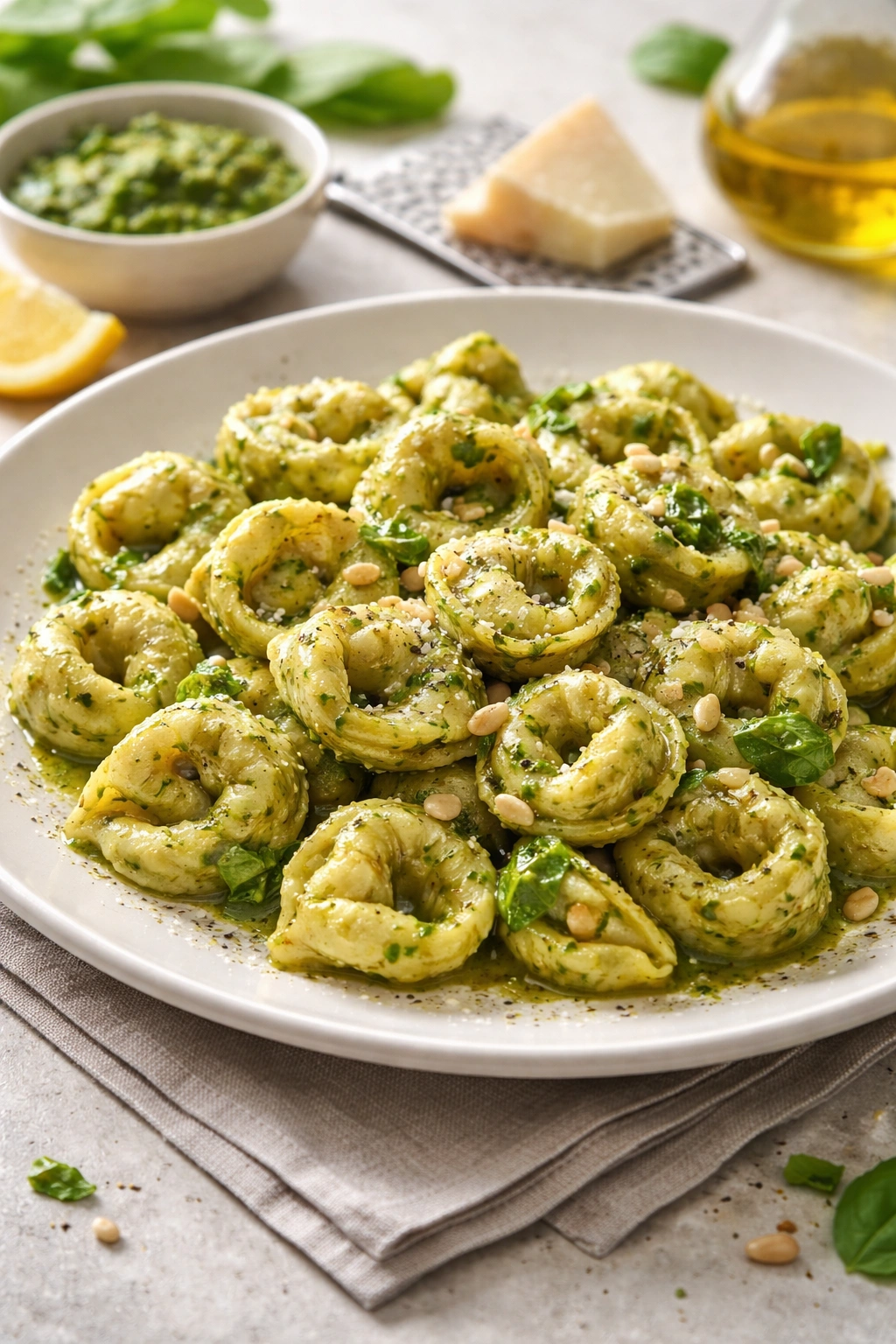
Overcooking the tortellini is the most common mistake. Fresh tortellini can go from perfect to mushy in about 60 seconds. Follow the package directions exactly, and if you’re unsure, taste one at the minimum recommended time rather than cooking longer. You can always cook it a few more seconds; you can’t uncook it.
Not reserving enough pasta water makes the pesto clumpy and thick instead of silky. Measure that ¼ cup before you drain. If you forget and only have a tablespoon left, add a tiny splash of olive oil or water to thin the pesto instead.
Forgetting to salt the pasta water is surprisingly common, and it results in a dish that tastes flat no matter how good your pesto is. The salt brings out the flavor of the cheese tortellini and balances the richness of the pesto. Without it, everything tastes dull.
Rinsing the pasta after draining washes away the starch that helps the pesto cling. This seems intuitive (we often rinse pasta), but it’s one of the worst things you can do to this particular recipe. Leave it wet and starchy.
Using cold pesto from the refrigerator on the hot pasta works fine flavor-wise, but the temperature contrast prevents the sauce from coating evenly. If your pesto is straight from the fridge, let it sit at room temperature for a few minutes, or briefly warm the bowl with hot water before stirring in the pesto.
Easy Variations and Adaptations
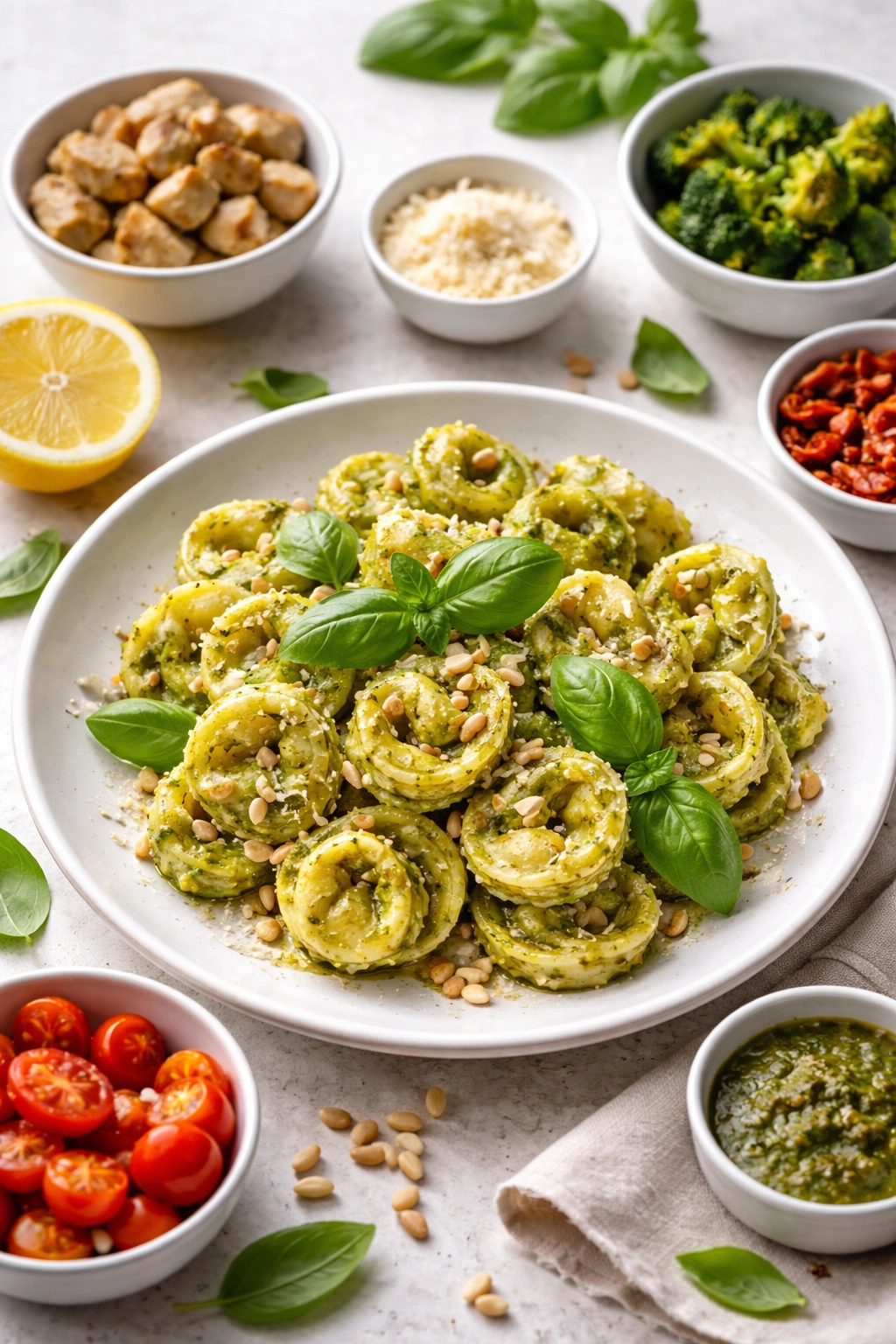
Protein Additions
This dish is vegetarian as written, but adding protein is simple if you want something more substantial. Shredded rotisserie chicken stirred in at the end adds about 150 calories and makes it feel more like a main course. Cooked sausage crumbles work beautifully—just sauté them in a separate pan while your water boils and stir them in at the end. Lightly seared shrimp adds elegance if you’re serving this to guests. Even a can of white beans drained and rinsed contributes heartiness and protein.
Vegetable Variations
Sun-dried tomatoes are an excellent addition—they add concentrated tomato flavor and visual interest. Stir in about ¼ cup (drained from oil if using oil-packed) during the final tossing step. Cherry tomatoes halved and added raw at the end burst slightly from the heat and add freshness. Roasted red peppers bring sweetness. Sautéed mushrooms add earthiness. Any of these can be added without changing the cooking method.
Different Pesto Styles
Sun-dried tomato pesto creates a warmer, slightly sweeter version that pairs beautifully with tortellini. Arugula pesto (more peppery) is fantastic if you want something with a sharper edge. Cilantro pesto transforms this into something with more Asian-inspired flavors. Even just using regular basil pesto but adding a squeeze of fresh lemon juice at the end brightens everything noticeably.
Creamy Version
Stir in 2 to 3 tablespoons of heavy cream after you add the pesto for a richer, more indulgent version. Add it while the pot is off heat and fold it in gently. This elevates the dish for company dinners and makes it feel more luxurious.
Temperature Options
This is equally delicious served cold or at room temperature, which makes it perfect for meal prep or next-day lunches. Simply allow it to cool, store it in an airtight container, and eat it straight from the fridge or at room temperature.
Storage, Make-Ahead, and Reheating
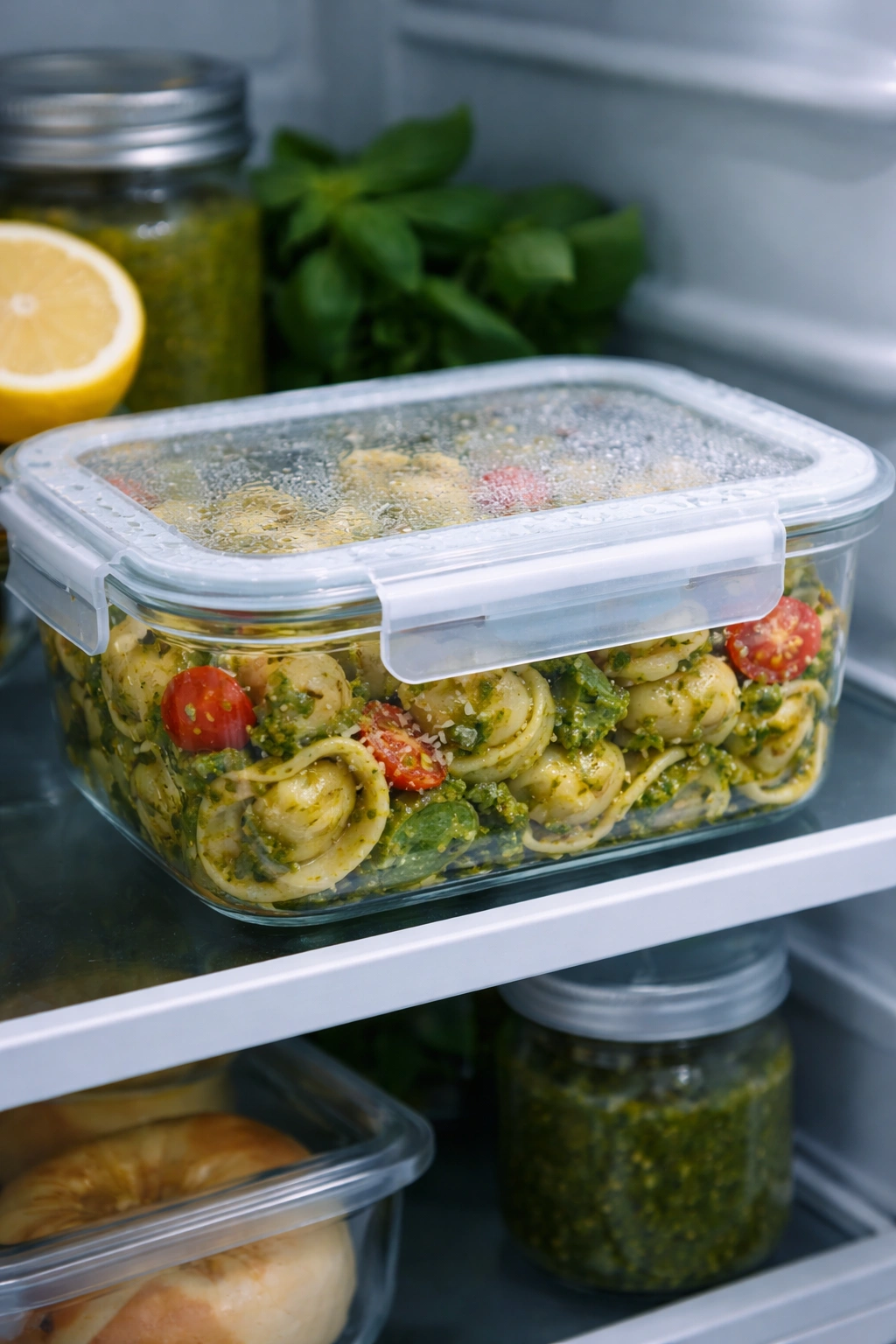
Storing Leftovers
This dish keeps beautifully in an airtight container in the refrigerator for 3 to 4 days. The pasta will continue absorbing the pesto as it sits, so day-two leftovers might look slightly drier than freshly made. This is completely normal and not a sign of spoilage.
Reheating Without Drying It Out
The key to reheating is adding a little moisture back. Place leftover pesto tortellini in a microwave-safe bowl, add a splash of water (about 2 tablespoons per serving), cover loosely, and microwave for 60 to 90 seconds until warmed through. Alternatively, reheat gently on the stovetop over medium-low heat with a splash of water, stirring occasionally for about 2 to 3 minutes.
Make-Ahead Strategy
You can make the pesto up to 2 days in advance if making it from scratch. Store it in an airtight container in the refrigerator with a thin layer of olive oil on top to prevent browning. You can also cook the tortellini ahead and store it separately from any sauce. When you’re ready to eat, simply reheat the tortellini gently with a splash of water and toss with the pesto.
Freezing
This dish can be frozen for up to 1 month in an airtight freezer container, though the texture of the tortellini becomes slightly softer after thawing. Thaw overnight in the refrigerator and reheat gently with a splash of water on the stovetop or in the microwave.
What to Serve Alongside Pesto Tortellini
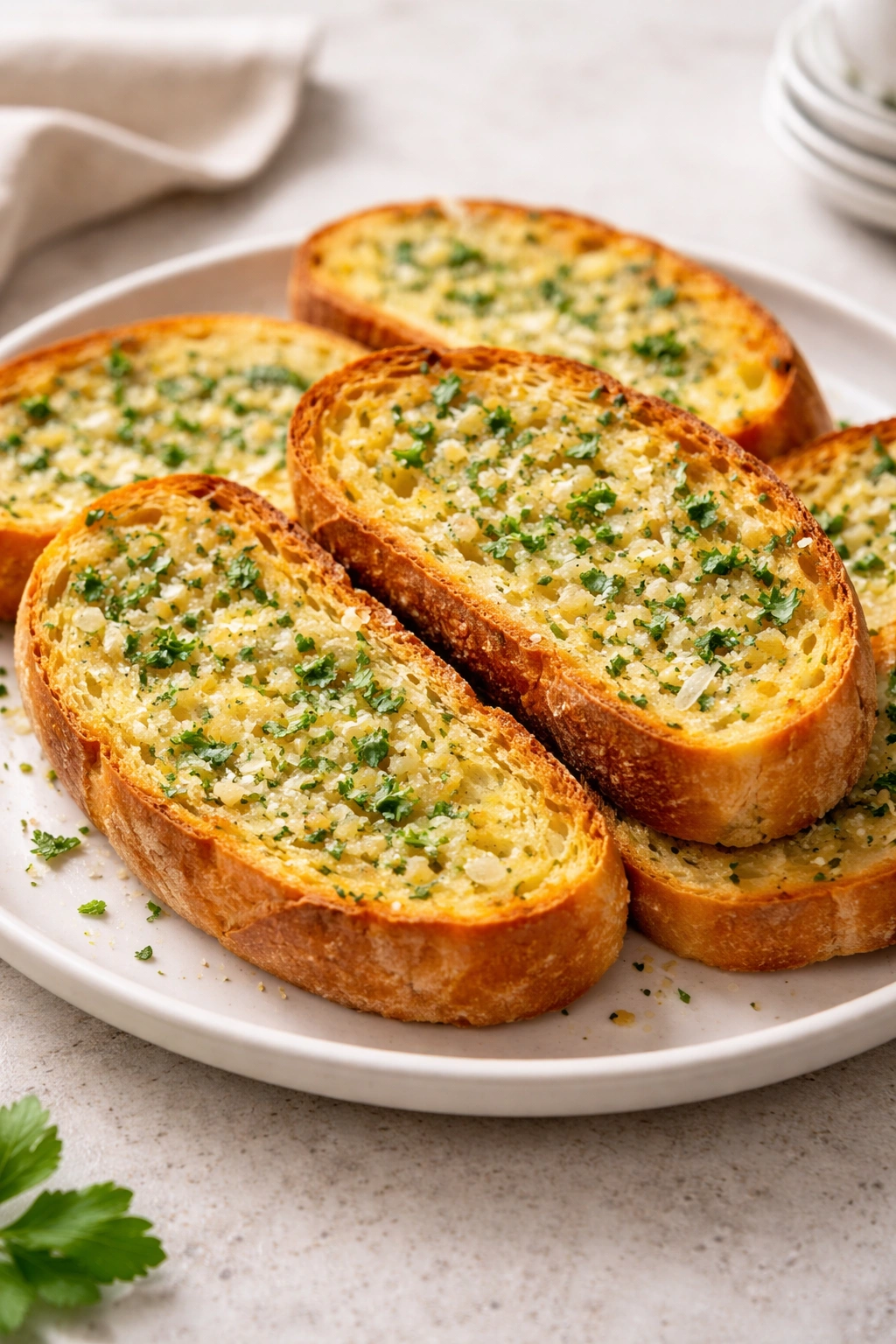
This is a complete meal on its own, but if you want to add sides, these pairings work beautifully.
Salads balance the richness of the pesto perfectly. A simple green salad dressed with lemon vinaigrette, a Caesar salad, or even a Tuscan kale salad all complement this dish. The acidity in the dressing cuts through the fat and makes the entire meal feel more balanced.
Bread is always welcome for soaking up any extra pesto. Toasted garlic bread is classic, but even a crusty baguette or warm focaccia works. Some people make a simple garlic butter for dipping.
Vegetables add color and nutrition. Roasted broccoli florets, sautéed green beans, or roasted asparagus all pair well. You can even toss these directly into the pesto tortellini if you want everything in one bowl.
Fruit seems unexpected but works surprisingly well. Fresh berries, sliced peaches, or even a simple fruit salad adds refreshing contrast to the rich, savory main course.
Garlic Parmesan Pull-Apart Bread is indulgent but delicious—those warm, buttery, garlicky pieces are irresistible with this dish.
Frequently Asked Questions

Can I use frozen tortellini and will it work as well?
Yes, frozen tortellini works fine. It takes about 4 to 5 minutes to cook instead of 2 to 3, but the final result is delicious. Just check the package directions and cook until they float to the surface and feel tender. The dish will still come together quickly and taste great.
What if I don’t have fresh spinach? Can I skip it?
Absolutely. The spinach is purely optional and doesn’t affect the core recipe. Omit it if you don’t have it on hand. The pesto tortellini stands perfectly on its own without it.
Is homemade pesto worth making, or should I use jarred?
Both are absolutely valid. Homemade tastes slightly fresher and more vibrant, while jarred is more realistic for a 15-minute weeknight dinner. If you enjoy making pesto and have basil available, homemade is a lovely touch. If you don’t, a good jarred version is completely respectable.
How do I prevent the tortellini from getting mushy?
Cook it according to the package directions—not longer. The tortellini continues cooking slightly from residual heat even after you drain it, so slightly undercooking is actually safer than overcooking. Taste one at the minimum recommended time and cook longer only if needed.
Can I make this with dried tortellini?
Yes, but it defeats the purpose since dried tortellini takes 15 to 20 minutes to cook. The whole appeal of this recipe is the speed. If dried tortellini is all you have, it’s still delicious—just allow extra time.
What if my pesto is too thick or too thin?
Pesto consistency varies by brand. If it’s too thick and clumpy, use more of the reserved pasta water to thin it (add tablespoon by tablespoon while stirring). If it seems too thin and oily, you can add a tiny pinch of salt to help it cling better, or just use slightly less of it.
Can I make this ahead for meal prep?
Yes, with one caveat: store the tortellini and pesto separately if you’re prepping more than a day ahead. The pasta absorbs the pesto over time, causing the dish to become dry. Combine them just before eating, or combine ahead and know that day-two leftovers might need a splash of water when reheating.
What protein pairs best with this?
Rotisserie chicken is the easiest and quickest option. Shrimp is elegant. White beans add creaminess. Even simply serving it with grilled chicken on the side works beautifully. The key is adding whatever protein makes sense for your schedule.
Final Thoughts
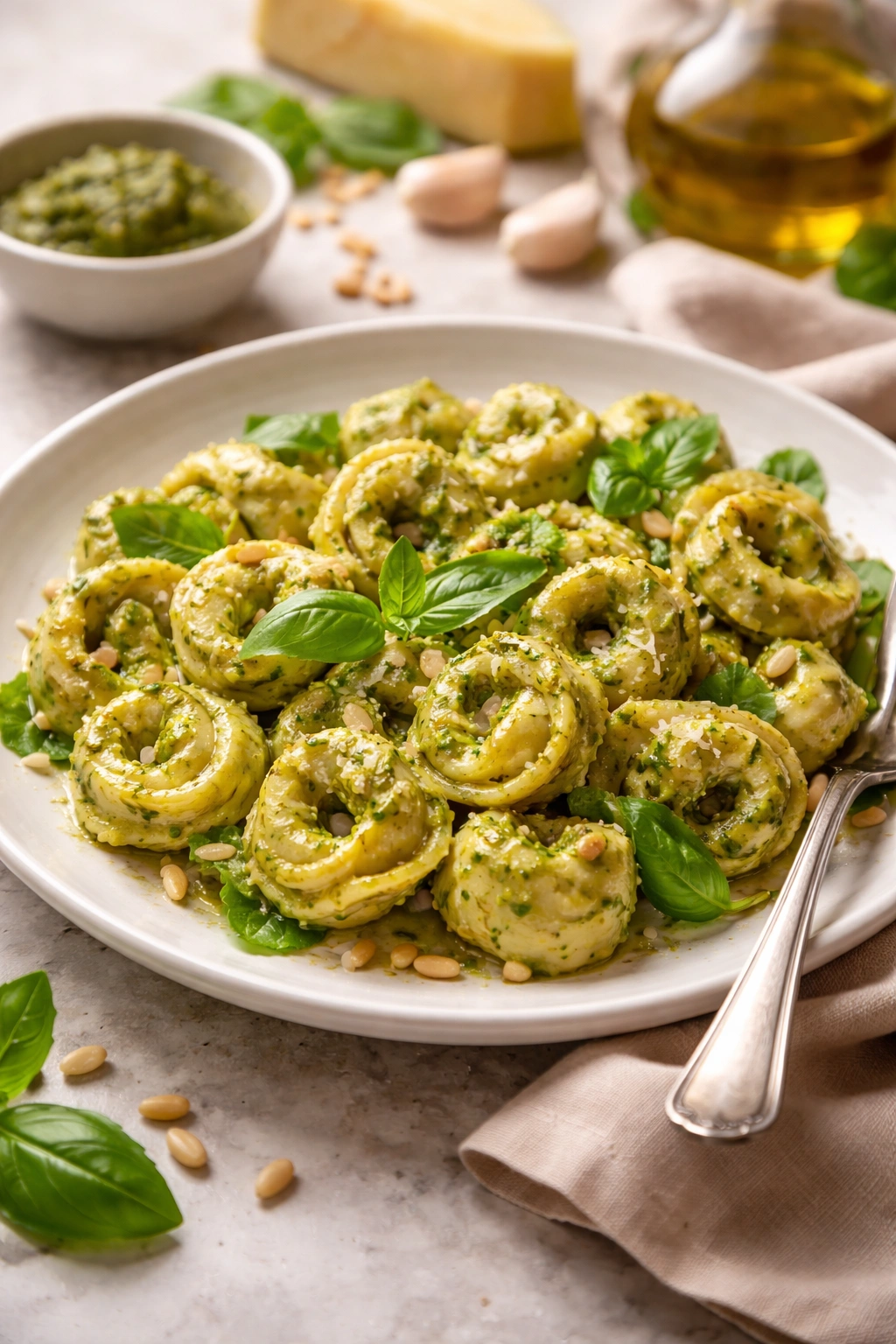
This recipe exists in that magical space where genuinely impressive food comes together faster than you could order takeout. It’s the kind of meal that feels like a win on hectic weeknights, yet looks elegant enough for casual entertaining. The combination of tender cheese tortellini, vibrant pesto, and that crucial pasta water emulsion creates something that tastes far more complicated than its actual simplicity.
Keep refrigerated tortellini and jarred pesto in your kitchen as pantry staples, and you’ll always have the foundation for a 15-minute dinner that actually satisfies. Once you’ve made this a few times, it becomes automatic—the kind of recipe you can execute on autopilot while managing homework questions or work emails.
The beauty is in its flexibility too. Add protein one night, vegetables the next. Make it hot or serve it cold. Pair it with salad or bread depending on what’s available. This isn’t a rigid formula; it’s a framework for genuinely delicious weeknight dinners that don’t require stress or a complicated ingredient list. That’s the real magic here.
