



Nothing beats coming home to the aroma of a perfectly slow-cooked beef stroganoff simmering away, filling your kitchen with the unmistakable scent of tender beef, caramelized onions, and rich cream sauce. There’s something almost magical about a dish that requires just 15 minutes of prep work but delivers restaurant-quality results—especially when your family gathers around the table with genuine excitement. Easy slow cooker beef stroganoff has become the kind of recipe that busy families lean on week after week, and for good reason: it’s foolproof, deeply satisfying, and turns one of the most economical cuts of beef into something unforgettably tender and delicious.
The beauty of this dish lies in its simplicity combined with its ability to impress. While the traditional stovetop version demands constant attention and precise timing, the slow cooker transforms the entire experience. You start your day, add ingredients to the pot, and let hours of gentle, moist heat do the heavy lifting. The result is meat so tender it practically falls apart, vegetables infused with savory depth, and a sauce so velvety and rich that your family will be scraping their plates clean. This is the kind of dinner that works equally well for a Monday night when everyone’s exhausted or a weekend when you want to spend more time with loved ones than hunched over a stove.
Why Slow Cooker Stroganoff Is Perfect for Family Dinners
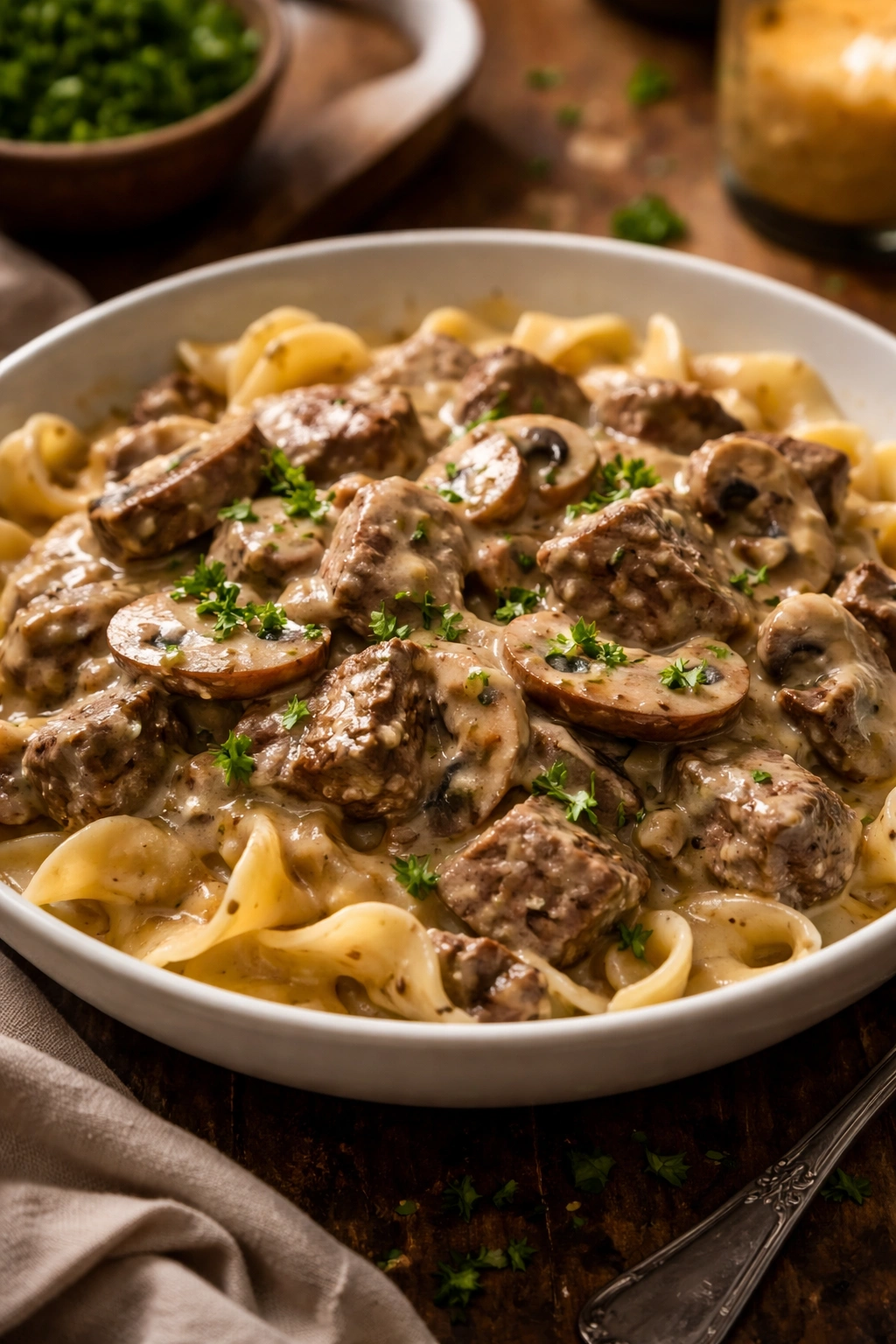
Stroganoff might have Russian aristocratic origins, but it’s become the ultimate comfort food for families everywhere, and the slow cooker version is why. The slow cooking method isn’t just convenient—it’s transformative. The long, low heat breaks down the connective tissues in tougher beef cuts, rendering them so tender that even the pickiest family members will actually want seconds. Meanwhile, the steam trapped inside the pot keeps everything moist, so there’s zero risk of dry, rubbery meat, a common pitfall with faster cooking methods.
From a practical standpoint, slow cooker stroganoff solves the biggest challenge of weeknight cooking: timing. You’re not juggling multiple pans, watching the clock, or hoping dinner finishes before everyone gets hangry. Instead, you prep ingredients before work, turn on the slow cooker, and life happens normally until dinner time. This predictability is what families actually need—not exotic ingredients or complicated techniques, but reliable meals that work within real life.
The flavor development that happens over 5 to 8 hours is another game-changer. The beef doesn’t just soften; it absorbs flavors from the mushroom soup, onions, garlic, and seasonings, becoming more deeply savory with each passing hour. The mushrooms break down slightly, thickening the sauce naturally while adding earthy umami that makes every spoonful satisfying. Unlike quick-cooking methods that produce good results, slow cooking produces something that tastes like you’ve been thinking about this meal all day—because in a way, you have been.
Understanding the Classic Stroganoff Sauce
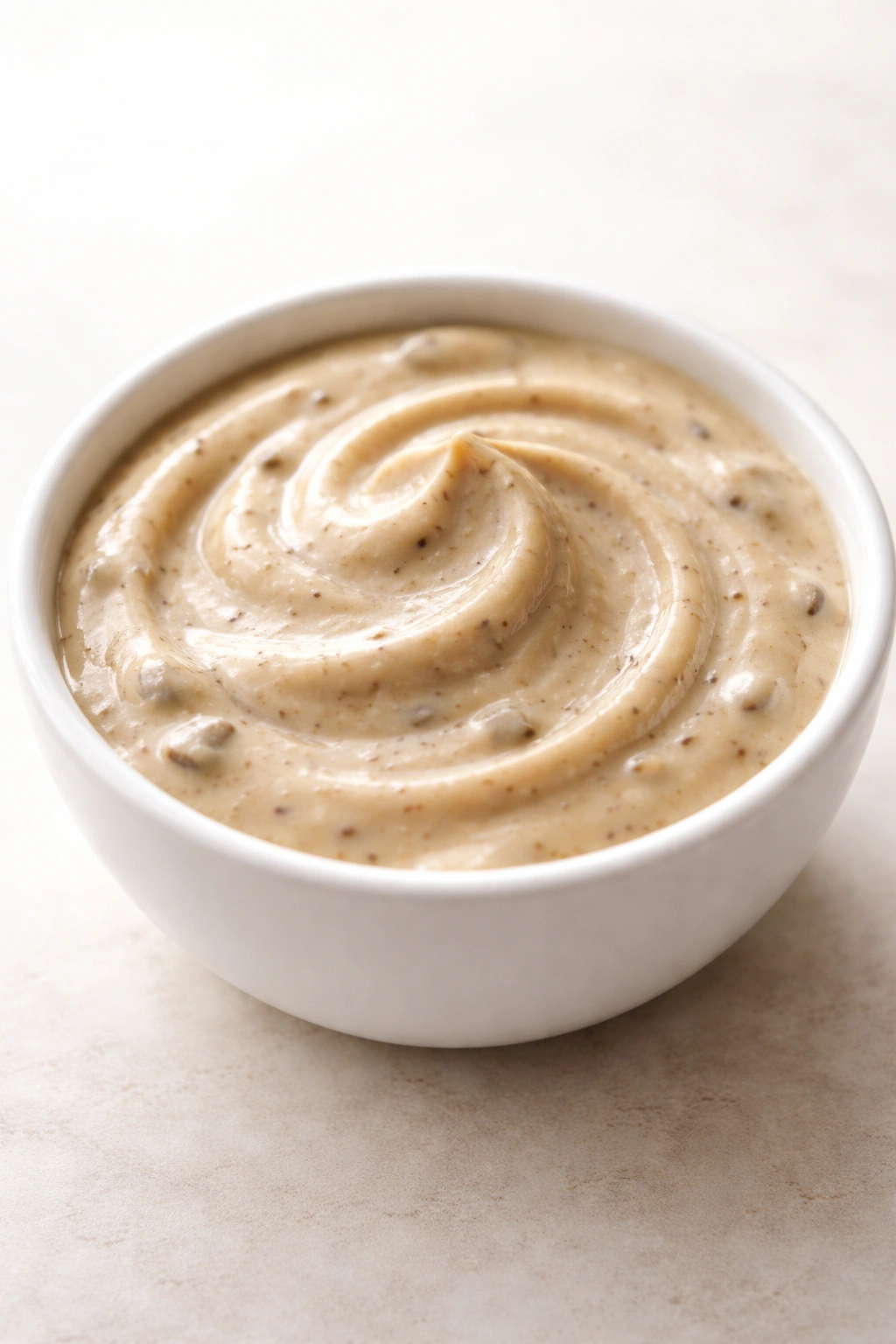
A truly exceptional stroganoff sauce strikes a specific balance: creamy but not heavy, rich but not cloying, and deeply savory with a subtle hint of tang. Understanding what makes this balance possible helps you nail the technique every time. Traditional stroganoff in Russia was made with smetana, a type of soured heavy cream that provided both richness and that distinctive tangy note that grounds the entire dish. When smetana isn’t readily available (which is most of the time), home cooks have figured out that a combination of sour cream and cream cheese actually works beautifully, sometimes even better.
Here’s the chemistry: cream cheese provides the richness and helps thicken the sauce naturally without flour, which keeps the texture velvety rather than starchy or heavy. Sour cream contributes that essential tangy brightness that prevents the dish from tasting one-dimensional or overly fatty. Together, they create a sauce with body and personality. The condensed mushroom soup (whether golden mushroom or cream of mushroom) adds umami depth and additional thickening power, plus it contains seasonings that give you a head start on flavor without extra effort.
Many people worry about the sauce being too thick or too thin. Here’s what actually happens: during the slow cooking, the beef and mushrooms release moisture, so the sauce starts relatively thin. By the time the beef is tender, you’ll have plenty of flavorful liquid. Only at the very end do you stir in the cream cheese and sour cream, which both thicken and enrich the sauce simultaneously. The result should coat the back of a spoon and cling beautifully to the noodles—not gravy-thick, but definitely creamy and substantial.
Choosing the Best Cut of Beef
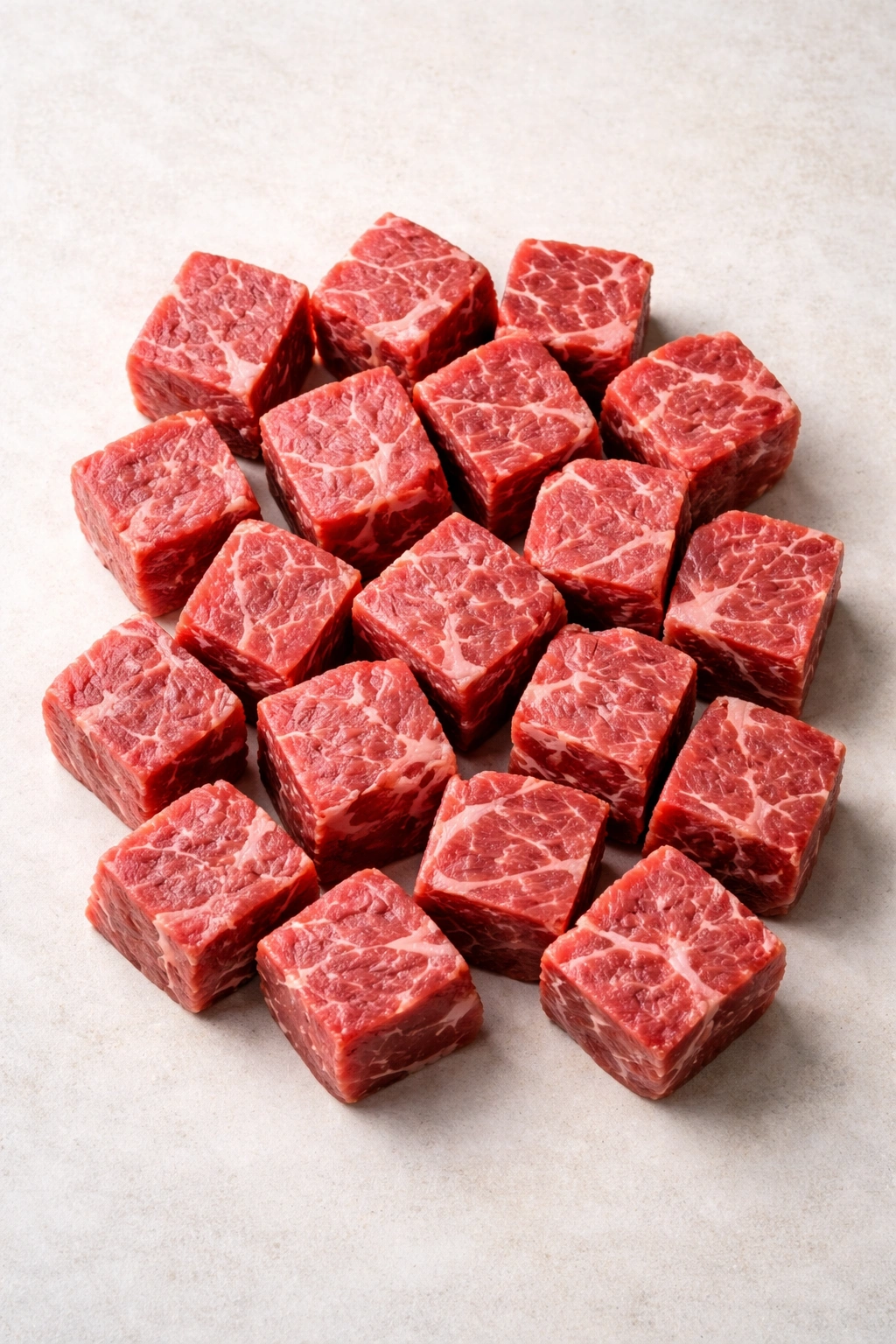
The slow cooker was basically designed for tough, economical cuts of beef, and stroganoff is the perfect showcase. This is where home cooks can save significant money without sacrificing quality. While expensive, tender cuts like filet mignon would actually become mushy in the slow cooker—wasting both money and the meat’s best qualities—affordable cuts like chuck roast, chuck steak, or beef stew meat actually improve with long, slow cooking.
Chuck roast is widely considered the gold standard for slow cooker stroganoff. It contains beautiful marbling—fat distributed throughout the muscle rather than sitting on the edges—which renders into the meat during cooking, keeping everything moist and deeply flavorful. A 2.5 to 3-pound chuck roast, trimmed of excess surface fat and cut into roughly 1-inch cubes, is ideal. The size matters: pieces that are too large take forever to cook through, while tiny pieces can become stringy or mushy.
Some recipes call for sirloin steak, which is slightly leaner and less rich but still works well if you’re watching fat intake. Rump roast and bottom round are also acceptable choices. The key characteristic you’re looking for is adequate marbling and connective tissue—things that sound unappetizing but actually become your best friends in the slow cooker. These “flaws” that make the meat tough when grilled or pan-seared transform into tenderness and flavor after hours of gentle, moist heat.
The Secret to Tender, Flavorful Meat
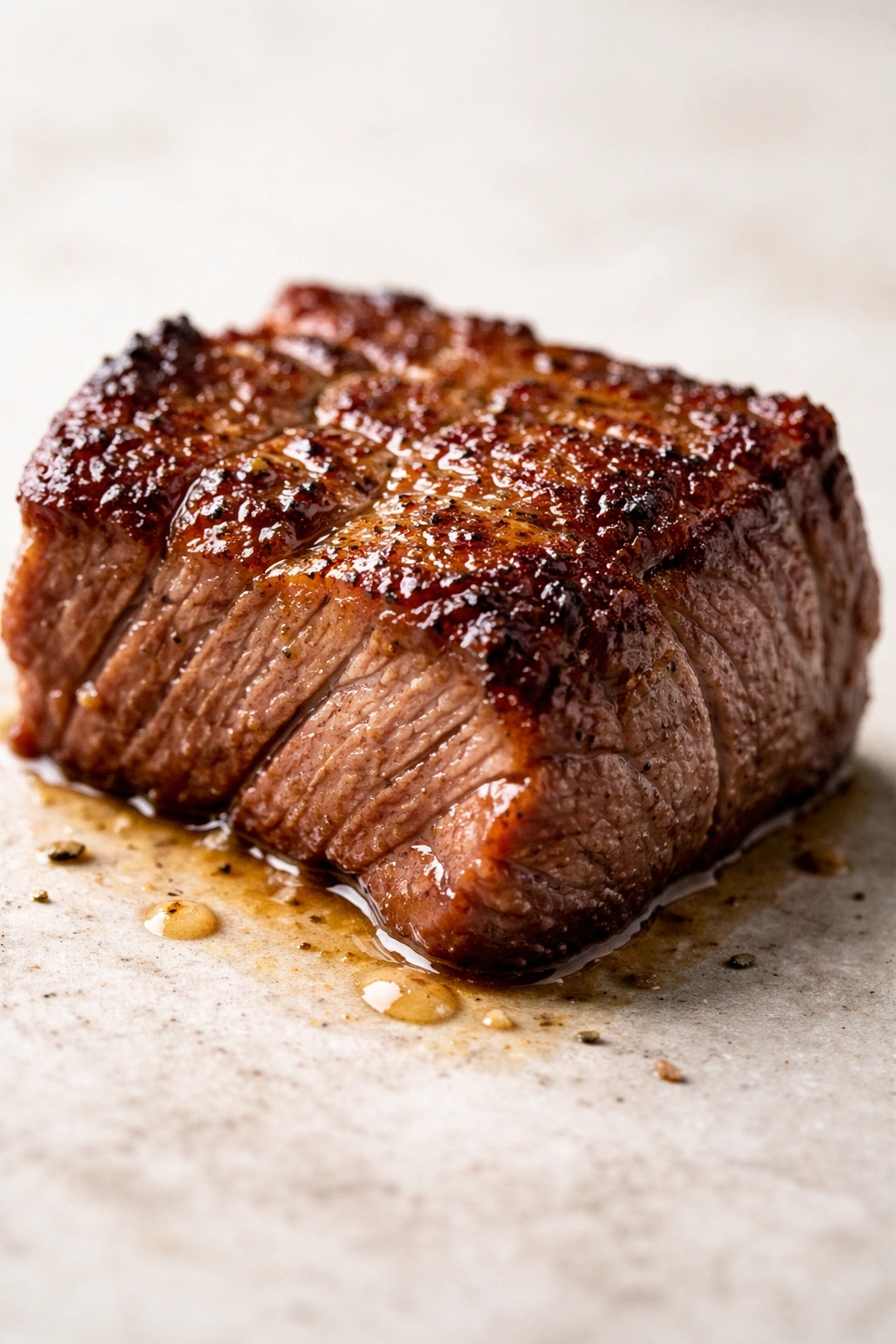
The most important step in creating stroganoff with complex, developed flavor is browning the beef before it goes into the slow cooker. Yes, it’s an extra step, and yes, you can skip it if you’re in a genuine rush. But if you have even 10 extra minutes, browning is the difference between “pretty good” and “absolutely delicious.” The browning process, called the Maillard reaction, creates hundreds of new flavor compounds on the surface of the meat that wouldn’t develop in the slow cooker’s steamy environment. These compounds add savory depth and a subtle caramelized richness that make people say, “Wow, this is really good,” without being able to pinpoint exactly why.
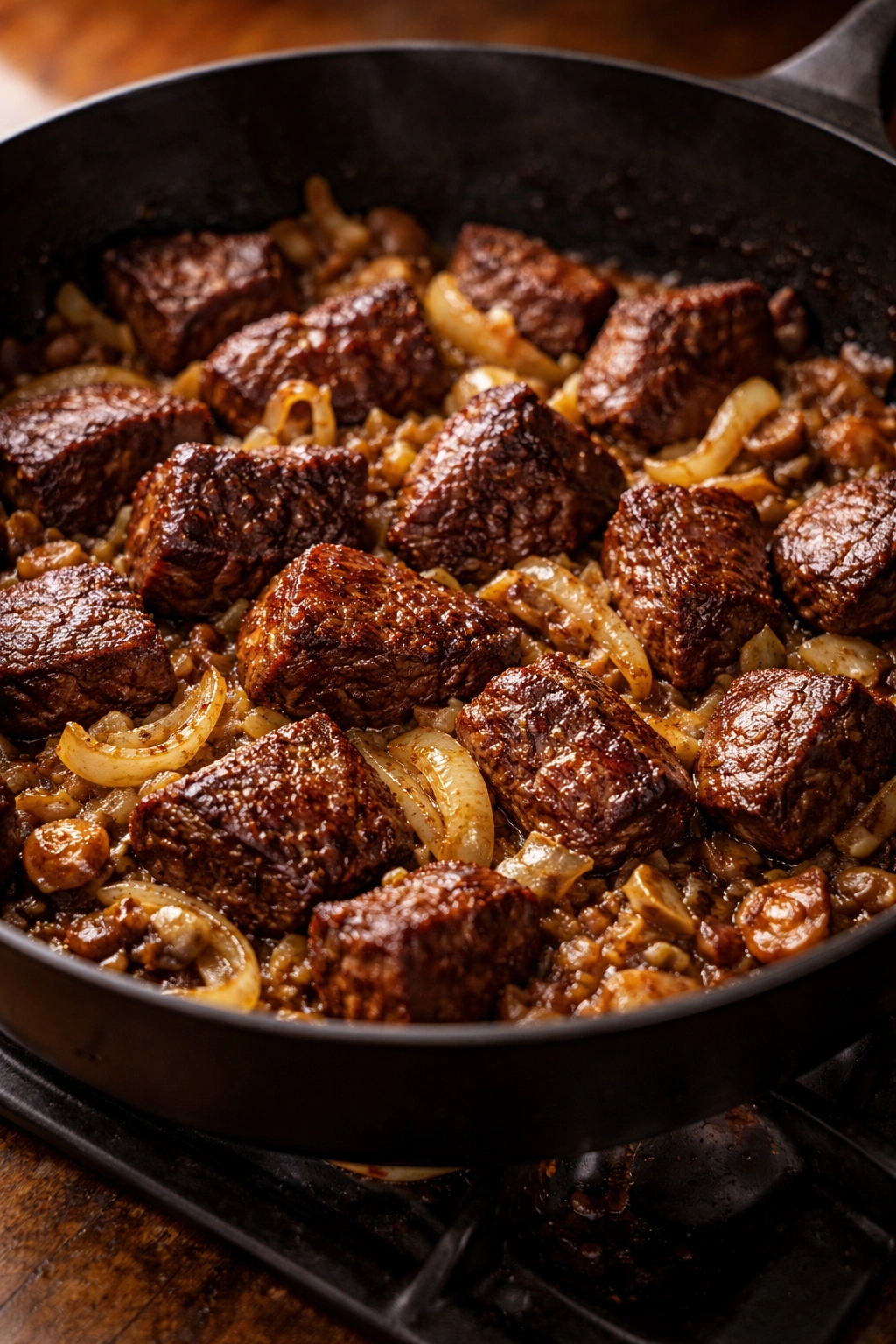
To brown beef properly, first pat it completely dry with paper towels—moisture prevents browning and instead creates steam. Season the pieces generously with salt and pepper. Heat 2 to 3 tablespoons of oil (vegetable or olive oil work equally well) in a large, heavy skillet over medium-high heat until it’s shimmering. Working in batches to avoid crowding the pan, add the beef and let it sit undisturbed for about 45 seconds per side. You’re aiming for a golden-brown crust, not cooking it through. This takes only a few minutes total. Transfer each batch to a plate as it finishes.
The reason you don’t stir constantly while browning is that movement prevents contact with the hot pan surface, which prevents browning. Once you’ve browned the beef on two sides, you’ve done your job—the inside will cook perfectly in the slow cooker. Some recipes brown all four sides; you don’t need to unless you have the time and want maximum browning. Even two sides gives you the flavor boost.
Building Layers of Flavor: Aromatics and Seasonings
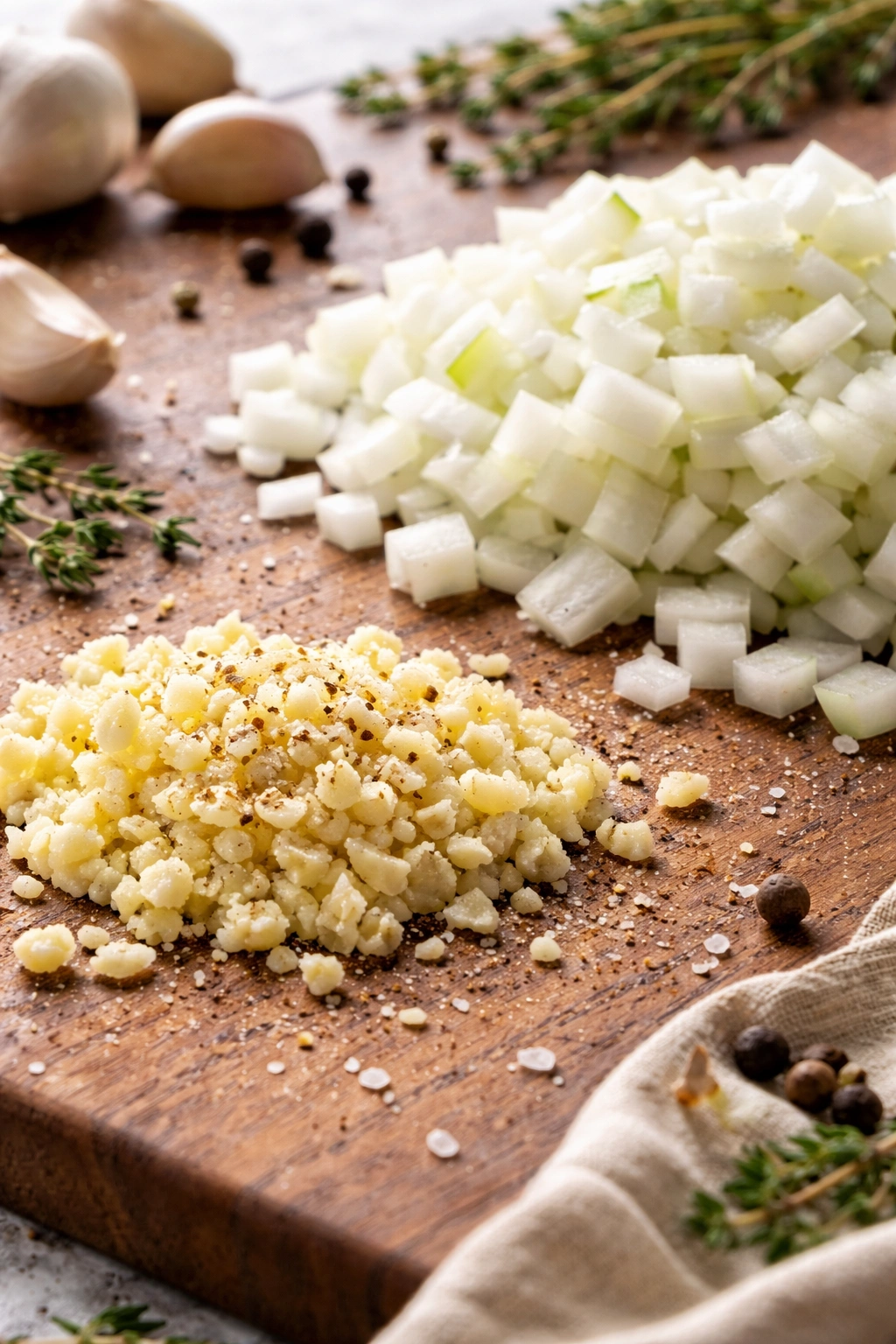
After removing the browned beef, the same skillet becomes your flavor-building station. Add a tablespoon of butter and pour in about ½ cup of dry white wine (or chicken broth if you prefer not to use wine). Use a wooden spoon to scrape the bottom of the pan, loosening all those brown bits—they’re pure, concentrated flavor. This deglazing step takes two minutes and elevates the entire dish. Let the wine reduce slightly, about one to two minutes, then add your aromatic vegetables.
Dice one medium onion (about 1 cup) into roughly quarter-inch pieces, and mince 4 cloves of fresh garlic. Add both to the pan and cook for about 4 to 5 minutes, stirring occasionally, until the onions become translucent and the raw garlic smell softens. This brief cooking mellows the garlic’s sharp bite while allowing the onions to start releasing their natural sweetness. You’ll notice the pan’s residual heat helps extract flavor from the aromatics. Some recipes skip this sautéing step and add raw onions and garlic directly to the slow cooker, but cooking them first ensures they distribute flavor evenly and taste pleasant rather than harsh.
For seasoning, you need salt, black pepper, and that’s technically sufficient. However, some stroganoff recipes add a teaspoon of sweet paprika (not the hot kind) and a tablespoon or two of Worcestershire sauce. The paprika adds a subtle warmth and slight earthiness, while Worcestershire brings umami depth and complexity without tasting overtly fishy or salty. Dijon mustard (a teaspoon) can also work beautifully, adding sharpness that balances the richness of the cream sauce.
Why Cream Cheese Works Better Than Sour Cream Alone
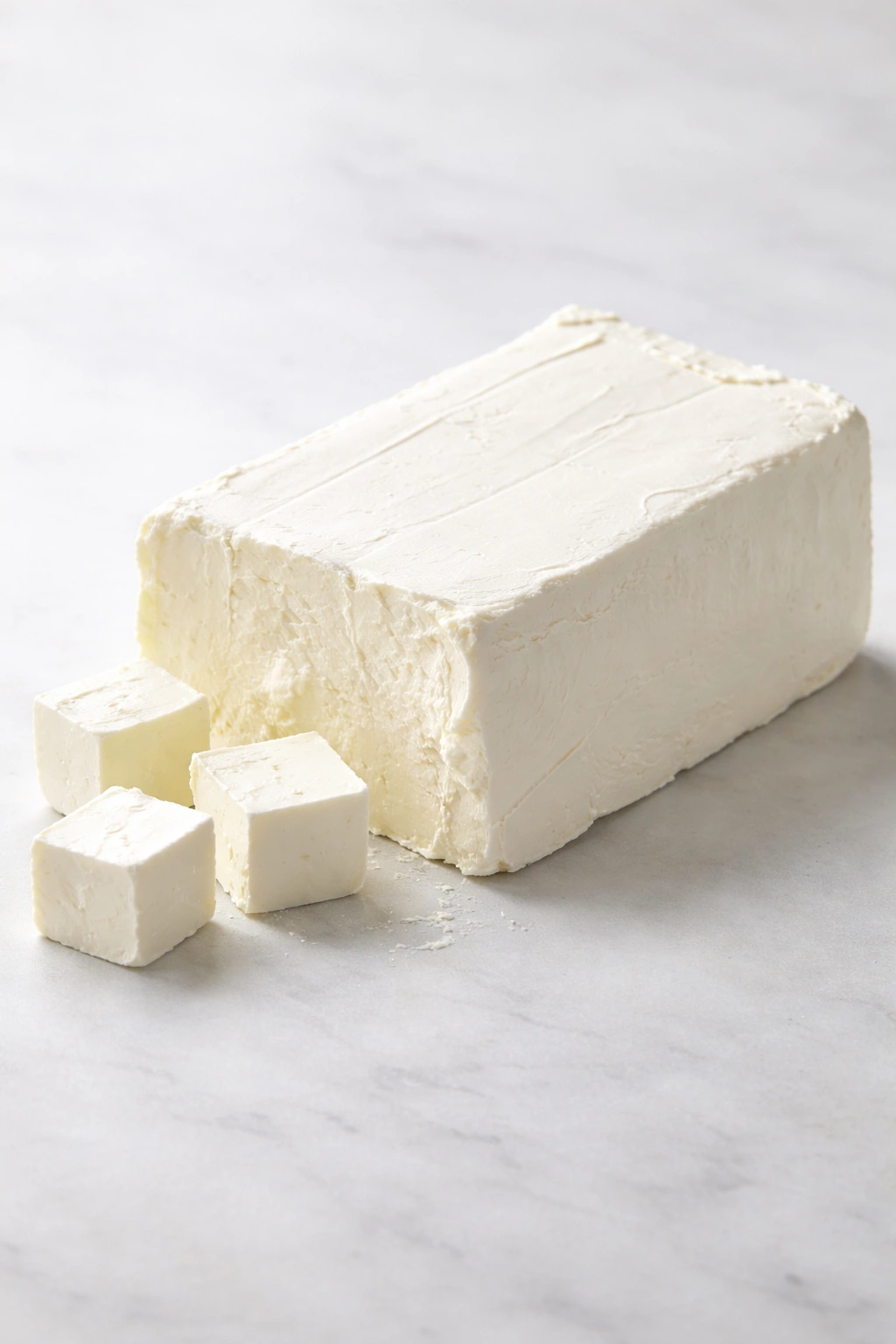
Here’s a debate that’s been settled by thousands of home cooks: cream cheese as part of the stroganoff sauce genuinely produces superior results compared to sour cream alone. This doesn’t mean sour cream isn’t essential—it absolutely is—but cream cheese serves a critical function that sour cream can’t replicate on its own.
Cream cheese is remarkably stable and creates an incredibly velvety, smooth sauce. It thickens naturally without flour or cornstarch, avoiding any starchy taste or overly gelatinous texture. Most importantly, cream cheese remains stable when reheated, which matters enormously for a dish that families often eat as leftovers or that gets reheated for lunch the next day. Sour cream, when used alone, can sometimes break or separate during reheating, creating a grainy, less appealing texture. Combining them gives you the best of both worlds.
The technique matters: stir in the cream cheese first, in small cubes, stirring constantly until it’s completely melted and incorporated. Only then do you stir in the sour cream. If you reverse the order or add both simultaneously, you’ll spend the next five minutes stirring and the cream cheese won’t incorporate smoothly. Adding the sour cream last also helps ensure it stays silky rather than breaking from the heat. The final sauce should be smooth, glossy, and thick enough to coat the back of a spoon with a visible line if you run your finger across it—that’s the sign of a perfect stroganoff sauce.
Mushroom Selection and Preparation
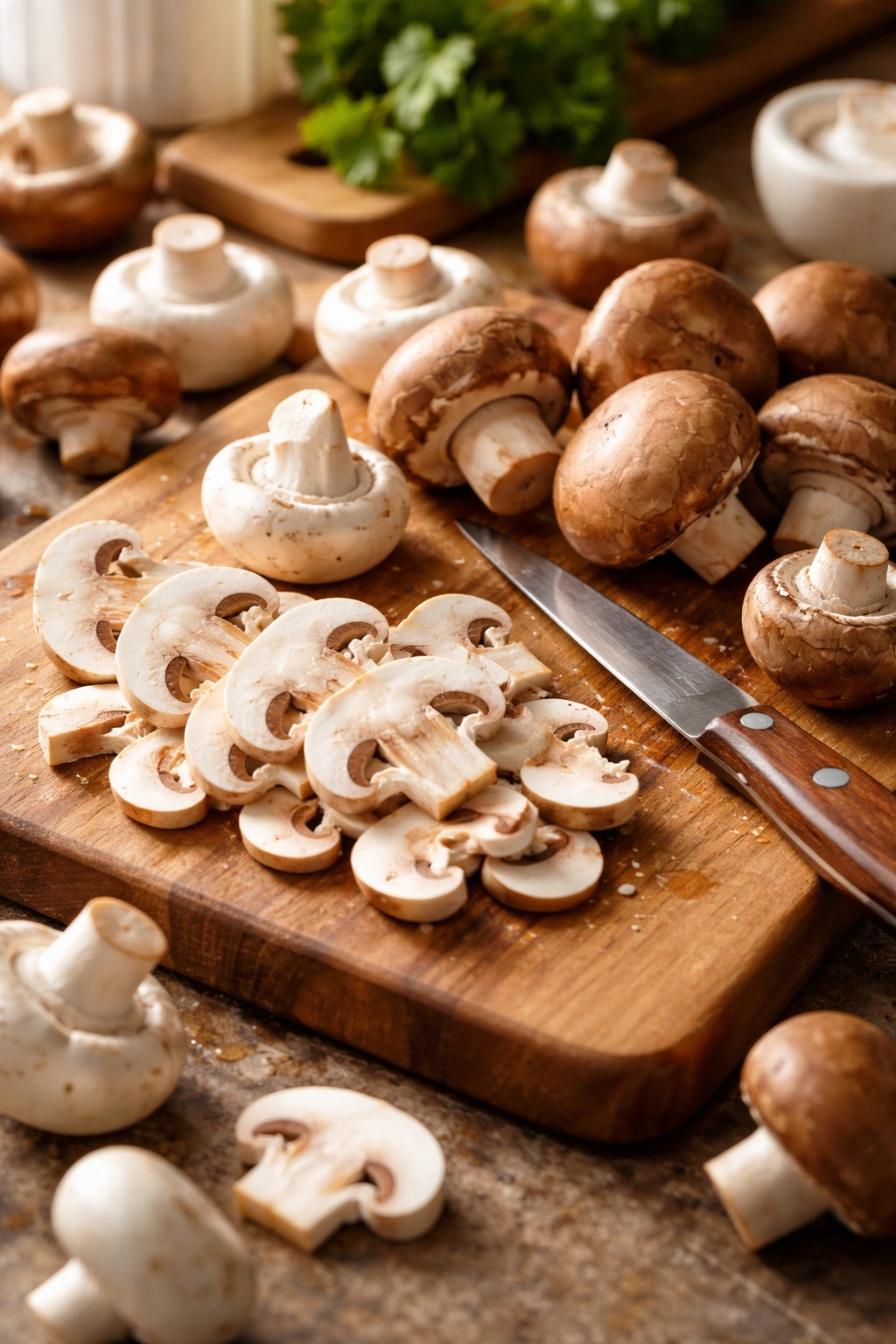
Mushrooms are absolutely essential to stroganoff, and while this might sound like a simple choice, there’s actually strategy involved. White button mushrooms are the most economical option and work perfectly well—their mild, slightly earthy flavor won’t compete with the beef and other elements. Baby bella mushrooms (cremini mushrooms) offer a bit more robust, earthier flavor that some people prefer. Avoid large portobello mushrooms, which have a very strong flavor that can dominate the dish.
The key is purchasing mushrooms that are fresh and relatively firm. Squishy, darkened mushrooms are past their prime and will create a mushy, unpleasant texture. Plan to use about 8 ounces of mushrooms for a stroganoff serving 6 to 8 people. Slice them into approximately quarter-inch thick slices—thick enough that they’ll hold their shape during the long cooking time but thin enough that they cook through evenly.
Should you sauté the mushrooms separately, or add them raw to the slow cooker? Either approach works, but raw mushrooms will be soft by the end of cooking, while pre-sautéed mushrooms retain slightly more texture. Most home cooks skip the extra pan and add them raw to the slow cooker, which is perfectly fine. If you do sauté them (a quick 4-minute sauté in a bit of butter adds flavor), add them in the last hour of cooking rather than at the beginning, so they don’t become completely soft.
Yield: Serves 6 to 8 | Makes approximately 10 cups stroganoff base
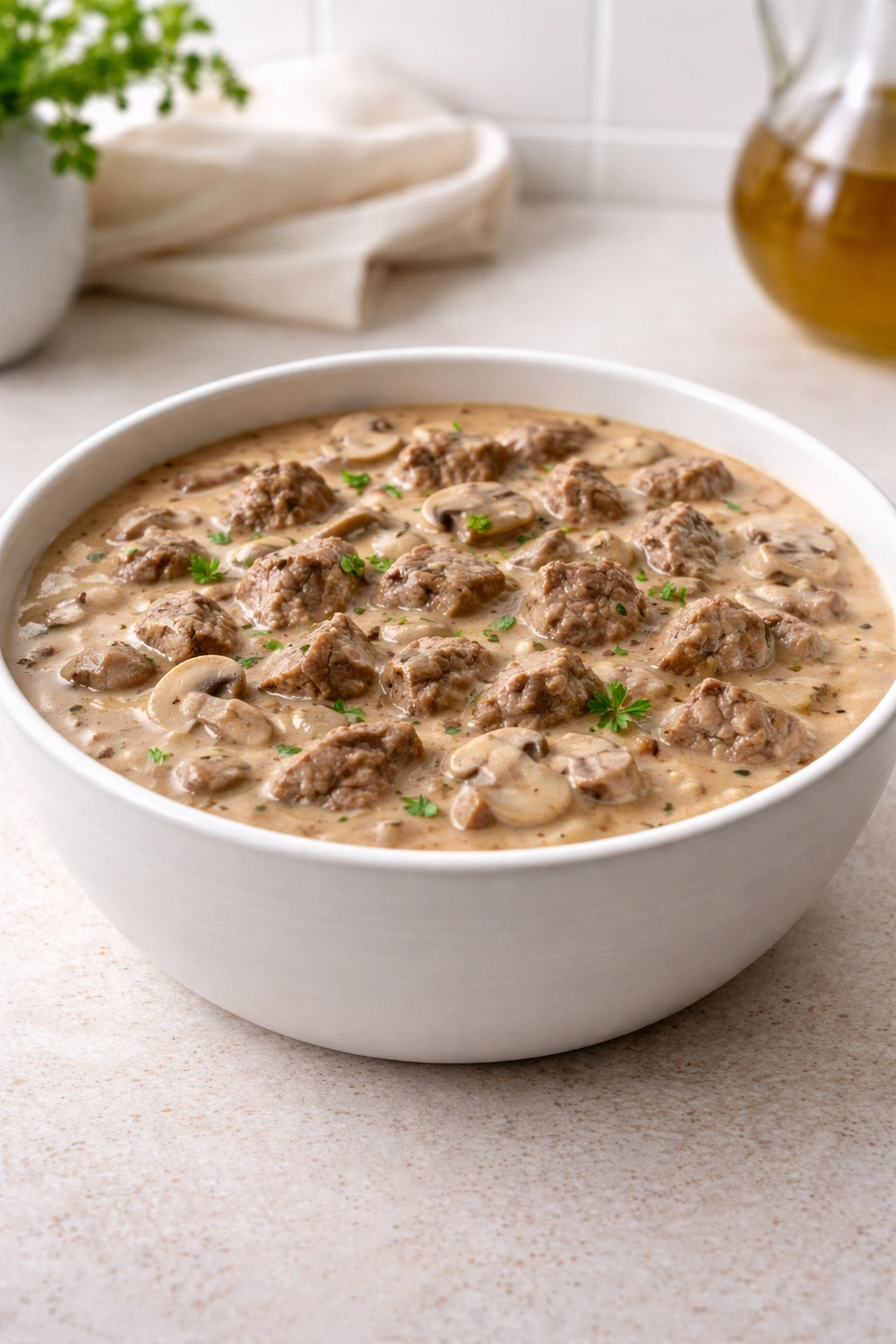
Prep Time: 20 minutes
Cook Time: 5 hours (on high) or 8 hours (on low)
Total Time: 5 hours 20 minutes (on high) or 8 hours 20 minutes (on low)
Difficulty: Beginner to Intermediate — The browning step requires basic skillet cooking skills, but the slow cooker portion is essentially hands-off. Even if you skip the browning, this recipe remains beginner-friendly.
For the Stroganoff Base:
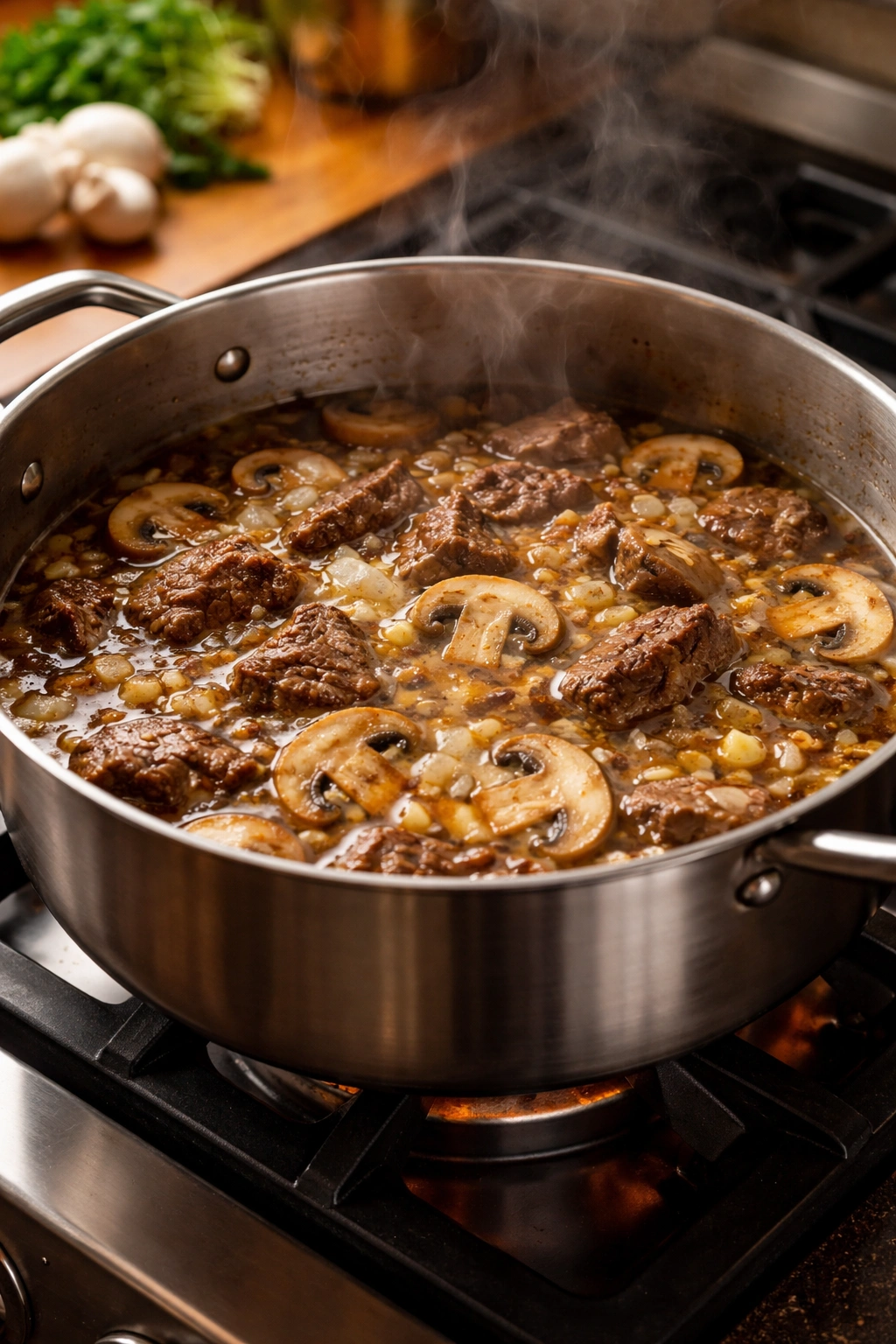
- 2.5 to 3 pounds beef chuck roast, trimmed of excess surface fat and cut into 1-inch cubes
- 3 tablespoons vegetable oil (for browning)
- 1 tablespoon butter
- ½ cup dry white wine (or ½ cup beef broth if you prefer)
- 1 medium yellow onion, diced (about 1 cup)
- 4 cloves fresh garlic, minced
- 8 ounces fresh mushrooms (white button or baby bella), sliced
- 4 cups beef broth (or bone broth for richer flavor)
- 1 teaspoon better than bouillon beef base (optional, for deeper flavor)
- 2 tablespoons Worcestershire sauce
- 2 tablespoons red wine vinegar
- 1 teaspoon sweet paprika
- 1 teaspoon Dijon mustard
- 1.5 teaspoons kosher salt (adjust to taste)
- ½ teaspoon freshly ground black pepper
- 4 ounces cream cheese, cut into cubes
- ¾ cup full-fat sour cream (not reduced-fat)
For Serving:
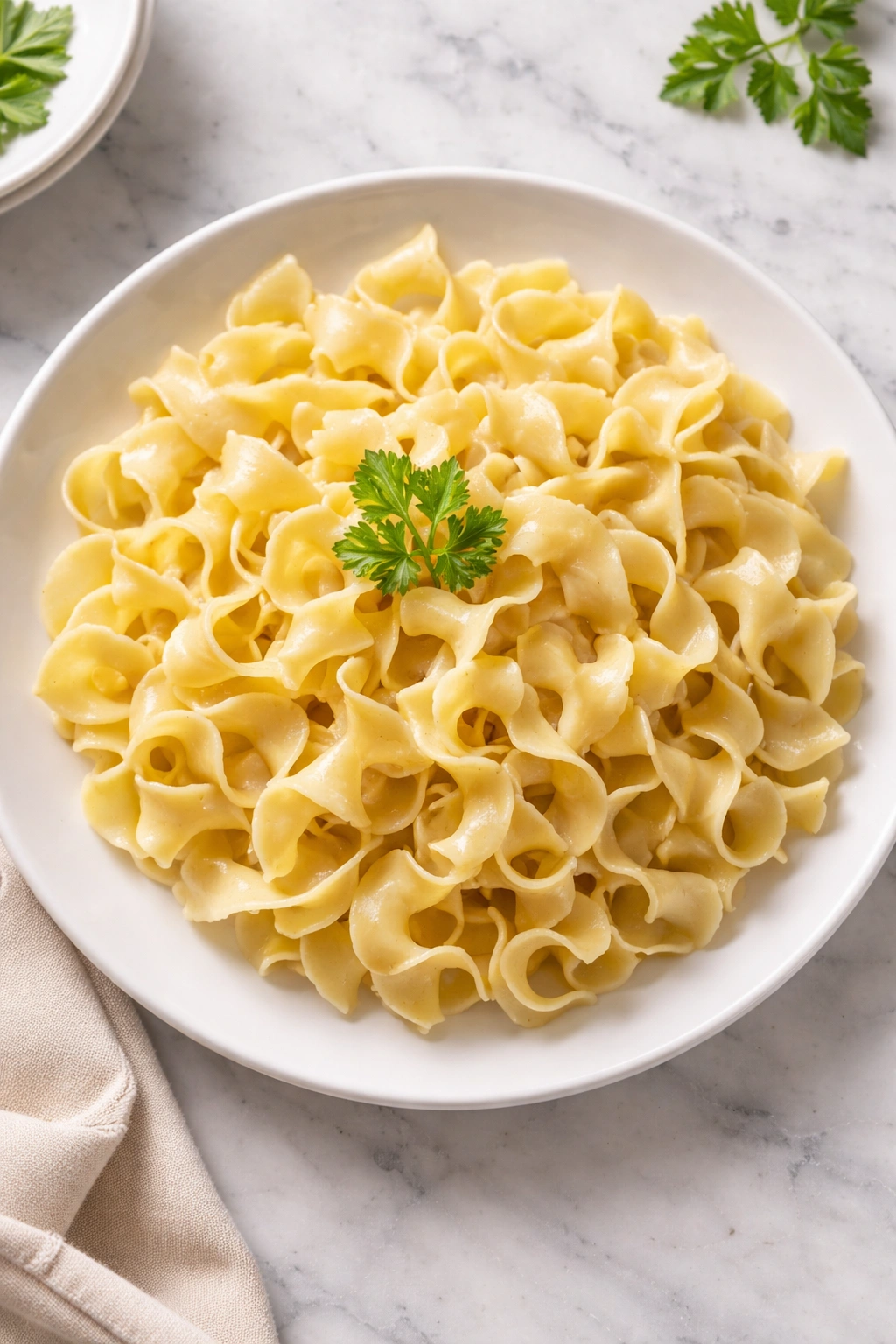
- 1 pound wide egg noodles, cooked according to package directions
- 2 tablespoons fresh parsley, finely chopped (for garnish)
- Additional salt and black pepper to taste
Brown the Beef and Aromatics:
-
Pat the beef cubes dry with paper towels and season generously with ½ teaspoon salt and ¼ teaspoon black pepper, distributing the seasoning evenly.
-
Heat 3 tablespoons vegetable oil in a large, heavy skillet (12-inch is ideal) over medium-high heat. Once shimmering, add beef in a single layer in batches, being careful not to crowd the pan. Do not stir constantly; let each piece sit undisturbed for about 45 seconds to develop a golden-brown crust. Turn and cook the second side for another 45 seconds. You’re aiming for color, not cooked-through meat. Transfer each batch to a clean plate as it finishes.
-
Once all beef is browned, add 1 tablespoon butter and the ½ cup white wine to the empty skillet over medium heat. Use a wooden spoon to scrape the bottom of the pan vigorously, dislodging all the brown bits—these contain concentrated flavor and are essential to the final taste. Allow the wine to reduce by about half, which takes roughly 2 to 3 minutes.
Advertisements -
Add the diced onion and minced garlic to the pan and cook for 4 to 5 minutes, stirring occasionally, until the onion becomes translucent and the raw garlic smell softens. You’ll notice the onion pieces becoming slightly caramelized at the edges—this is exactly what you want.
Build the Slow Cooker:
-
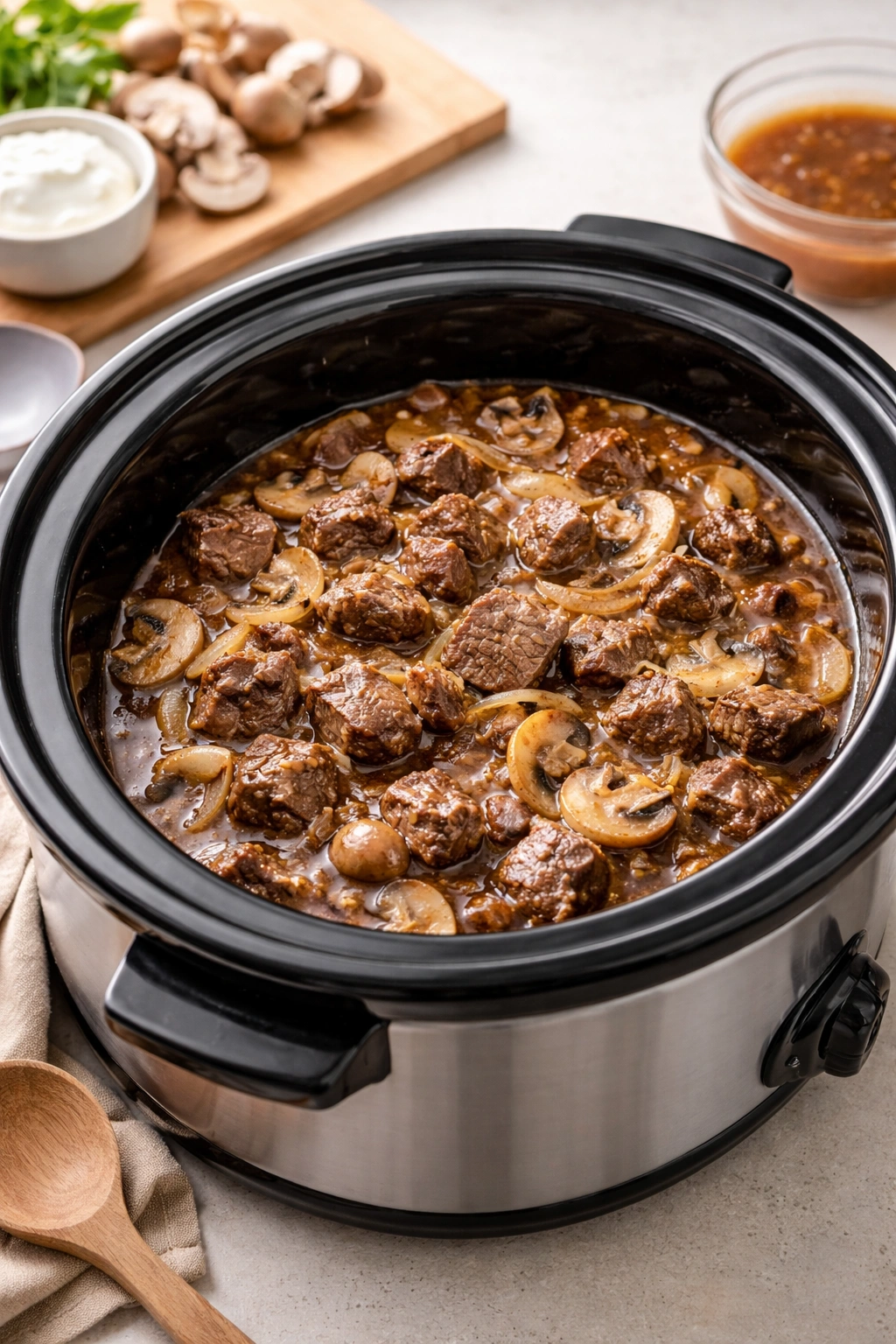
Transfer the browned beef and all the pan juices to your slow cooker (a 5.5-quart to 6-quart size works best; smaller cookers might overflow slightly, larger ones will work but the dish won’t be quite as concentrated). Add the sautéed onion and garlic mixture.
-
Pour in 4 cups beef broth, then add the Worcestershire sauce, red wine vinegar, sweet paprika, Dijon mustard, remaining 1 teaspoon salt, and ½ teaspoon black pepper. Stir everything together thoroughly, making sure the seasonings are evenly distributed. Arrange the sliced mushrooms on top of the beef mixture.
-
Cover and cook on HIGH for 5 to 6 hours or on LOW for 8 to 9 hours. The beef is done when it’s so tender that a fork easily breaks apart the meat. Important: resist the urge to lift the lid and peek. Every time you remove the lid, you release trapped steam and add approximately 15 to 20 minutes to the cooking time. Trust the process—the time given is reliable.
Create the Creamy Sauce:

-
After the beef is fork-tender, taste the broth and adjust salt and pepper if needed. The flavor should be deeply savory and beef-forward at this point.
-
Add the cream cheese cubes directly to the slow cooker and stir constantly for about 2 to 3 minutes, until the cream cheese is completely melted and incorporated into the sauce. This step is important: don’t add the sour cream yet, and don’t stop stirring until you see no visible cream cheese pieces.
-
In a separate bowl, whisk together the sour cream with 1 cup of the hot liquid from the slow cooker, stirring until completely smooth. Pour this mixture back into the slow cooker and stir gently to combine, being careful not to break up the beef pieces unnecessarily. The sauce should now be visibly creamy, glossy, and thick enough to coat the back of a spoon.
-
Turn the slow cooker to the WARM setting and let everything sit for 15 to 20 minutes, allowing flavors to meld. Do not leave on HIGH or it may cause the sour cream to separate.
Cook and Serve the Noodles:
-
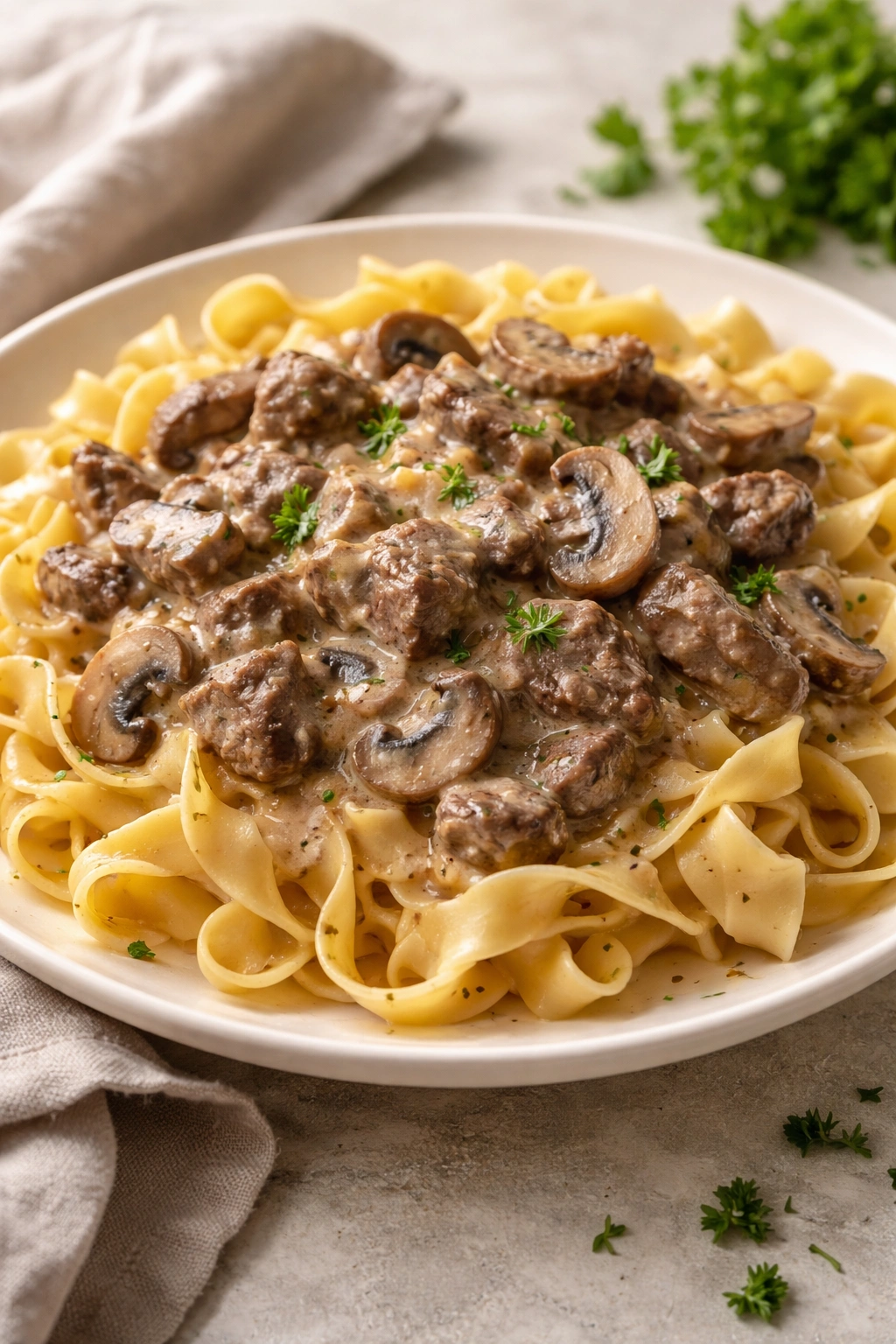
While the stroganoff is resting on warm, bring a large pot of salted water to a boil. Add the wide egg noodles and cook according to package directions until tender but not mushy (usually 7 to 9 minutes). Drain well—you want minimal water clinging to the noodles so the sauce coats them properly rather than getting diluted.
-
To serve, divide the cooked noodles among plates or bowls, then ladle the stroganoff generously over top. Garnish with fresh parsley if desired. The noodles should be well-coated with creamy sauce.
Advertisements
Pro Tips for Perfect Results Every Time
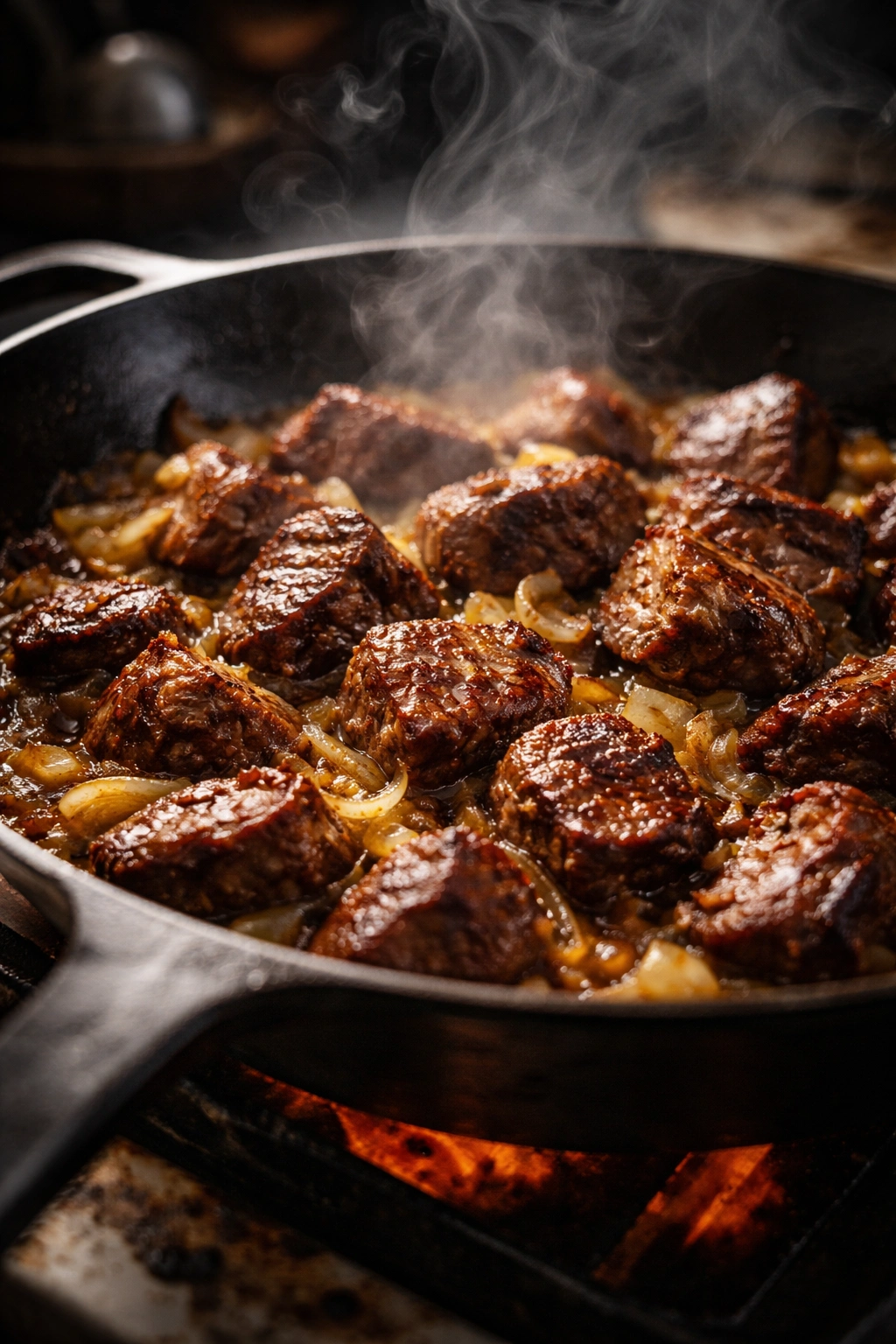
The browning step deserves repeating as a pro tip because it genuinely makes the difference between standard stroganoff and one that people request by name. If you’re absolutely rushed, you can skip it, but the extra 10 minutes invested pays enormous dividends in flavor. When you do brown the beef, make sure your skillet is legitimately hot—test by flicking a drop of water on it; it should sizzle immediately. A lukewarm pan just steams the beef rather than browning it.
The order of adding the cream cheese and sour cream matters more than you’d think. Cream cheese needs direct heat and stirring to melt smoothly; sour cream, when added to very hot liquid, can break and separate. By tempering the sour cream with hot broth before adding it back to the pot, you prevent this separation and maintain that silky texture that makes stroganoff so appealing. This technique is foolproof and takes only one minute.
If you’re concerned about the stroganoff being too thin or too thick, remember that the beef and mushrooms release moisture as they cook, so the liquid thins out over time. By the end of cooking, you typically have more sauce than you might expect. If you genuinely prefer a thicker stroganoff, you can mix 1 tablespoon of cornstarch with 2 tablespoons of cold water and stir this slurry into the hot stroganoff before adding the dairy—but honestly, this is rarely necessary. The cream cheese already provides excellent thickening.
One often-overlooked tip: taste and adjust seasoning right before serving. Slow cooking can sometimes mute salt perception, so a pinch more salt added at the end—along with a small grind of fresh black pepper—can make the flavors suddenly pop into focus. Don’t oversalt initially; you can always add more, but you can’t remove it.
Common Stroganoff Mistakes and How to Avoid Them
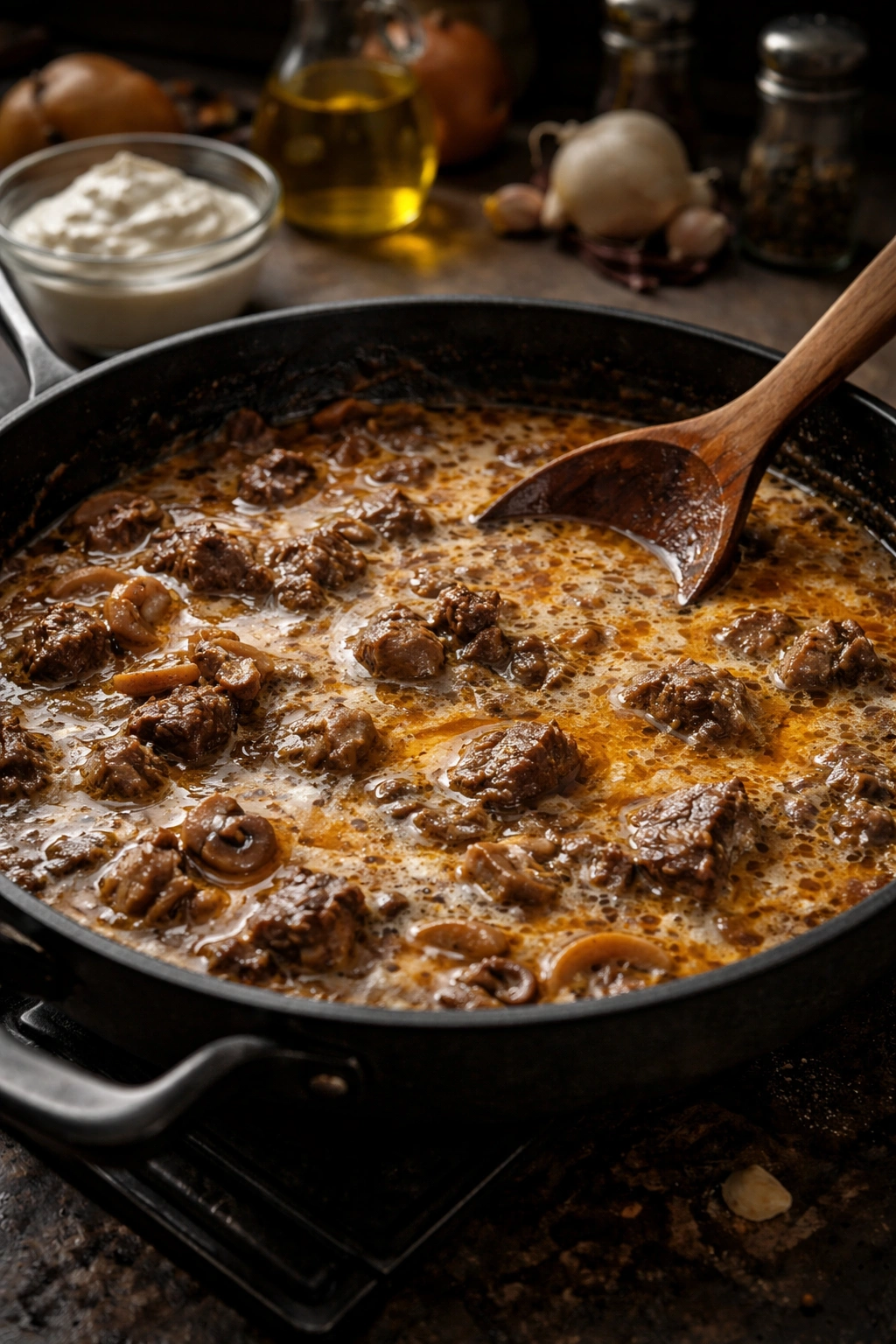
The most frequent mistake is adding the sour cream at the beginning or middle of cooking. Sour cream contains dairy proteins that can curdle if exposed to prolonged high heat, creating a grainy, unappetizing sauce. Always add it in the final 20 minutes, and always temper it with hot broth first. This is non-negotiable for the best texture.
Another common error is using reduced-fat or fat-free sour cream. Yes, it saves a few calories, but stroganoff is inherently a rich dish, and the fat in full-fat sour cream is essential to both flavor and texture. Reduced-fat versions often taste watery and produce a less velvety sauce. Full-fat sour cream is the right choice here.
Overcrowding the beef when browning causes the temperature to drop, trapping steam and preventing browning. Work in batches even if it feels inefficient; you’ll get better browning and therefore better flavor. Similarly, using too little oil in the skillet prevents proper browning. Use the full 3 tablespoons—it’s not wasteful when you’re building foundational flavor.
Some home cooks neglect to trim excess surface fat from the chuck roast before cutting and browning. While the marbled fat within the meat is desirable, thick caps of exterior fat can make the finished stroganoff excessively greasy. Trim with a sharp knife to roughly ¼-inch thickness, leaving enough fat to contribute flavor and moisture but not so much that you’re eating mostly fat.
Adding the mushrooms at the very beginning of cooking sometimes results in them breaking down into the sauce entirely, disappearing as distinct pieces. If you prefer mushrooms with some texture remaining, add them in the final hour of cooking, or sauté them briefly in butter beforehand and add them only in the last 30 minutes.
Variations for Different Tastes and Diets
Stroganoff is inherently adaptable, which is part of what makes it so appealing for families with different preferences or dietary needs. For a lighter version without sacrificing flavor, substitute half the sour cream with plain Greek yogurt (full-fat works best). The tang remains strong, the protein content increases, and the dish becomes somewhat less heavy. Don’t use low-fat yogurt, which produces a chalky texture.
If you’re dairy-free, this becomes trickier but not impossible. Substitute the cream cheese with dairy-free cream cheese (brands like Kite Hill or Go Dairy Free work reasonably well), and use dairy-free sour cream or a combination of dairy-free sour cream and full-fat coconut cream. The sauce won’t taste identical to traditional stroganoff, but it will be creamy and satisfying.
For a leaner beef stroganoff, use bottom round roast instead of chuck, though be aware it’s slightly less tender and contains less fat. You might need an extra 30 minutes to 1 hour of cooking to achieve the same tenderness. Alternatively, use ground beef stroganoff (though this is a different recipe entirely and doesn’t require browning).
If fresh mushrooms aren’t appealing to your family, you can omit them entirely—the stroganoff will still be delicious. Alternatively, some people substitute frozen peas (added in the last 30 minutes), diced bell peppers, or sliced carrots. These vegetables add color and texture variation without requiring a completely new recipe.
For extra depth of flavor, substitute half the beef broth with bone broth, or add 1 teaspoon of tomato paste along with the other seasonings. A splash of Cognac or brandy in place of some of the wine creates a more elegant version suitable for dinner parties.
Vegetarian stroganoff is entirely possible: substitute the beef with hearty mushrooms (cremini, portobello, or oyster mushrooms cut into chunks) and use vegetable broth instead of beef broth. Add more mushrooms to the base for substance and umami. The cooking time reduces to 3 to 4 hours on high.
Storage, Reheating, and Make-Ahead Strategies
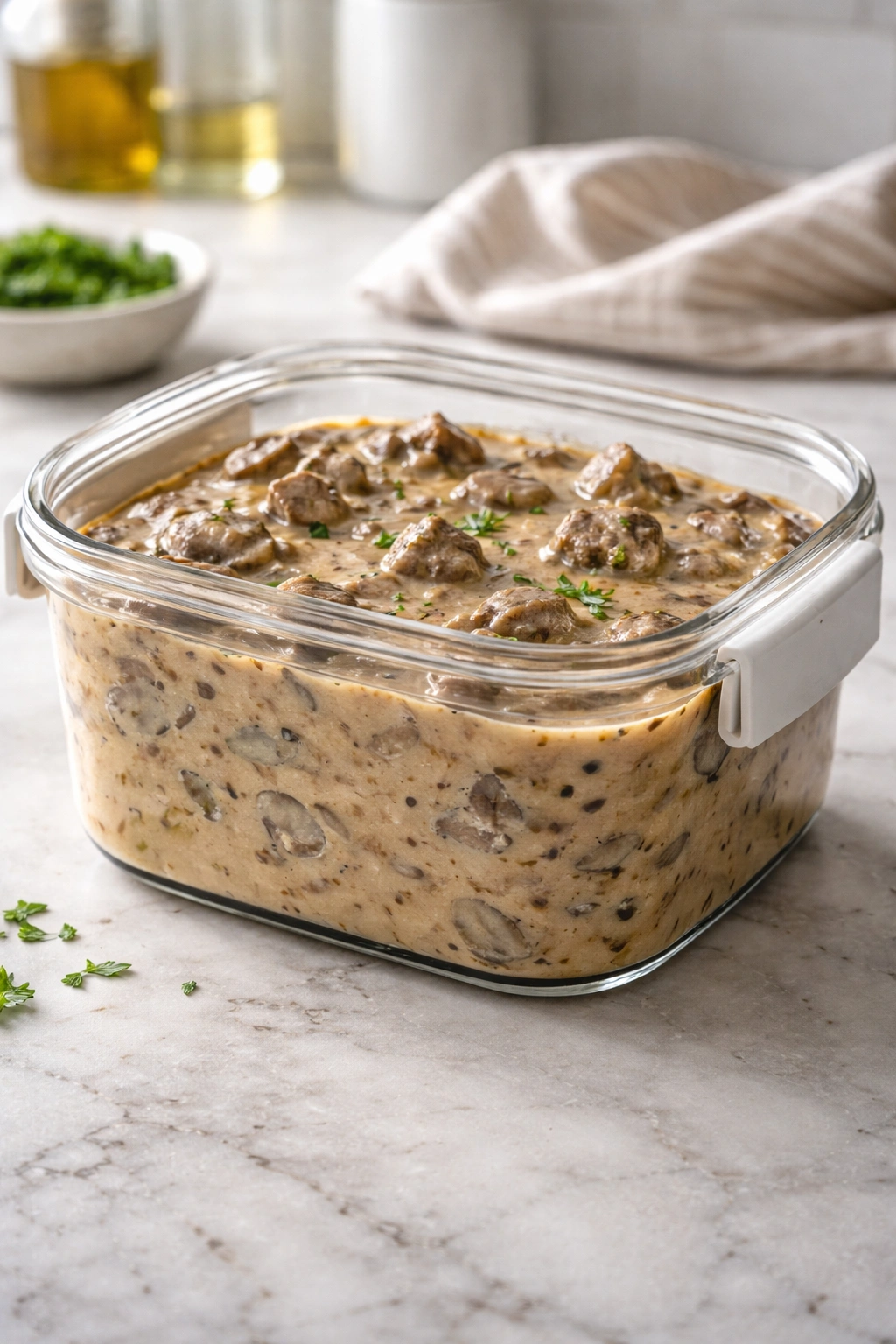
One of stroganoff’s greatest strengths is its excellent keeping quality. Stored properly, the flavors actually meld and improve over 24 to 48 hours, making this an ideal make-ahead dinner for busy families. Let the finished stroganoff cool to room temperature, then transfer it to airtight containers. It keeps refrigerated for up to 4 days, though it’s best within the first 3 days.
Do NOT freeze the stroganoff with the noodles mixed in—the noodles become mushy when thawed. Instead, freeze the stroganoff sauce separately in a freezer-safe container for up to 3 months. When ready to serve, thaw it in the refrigerator overnight, then reheat gently in a saucepan over medium heat, stirring frequently. Cook fresh noodles just before serving.
To reheat refrigerated stroganoff, transfer it to a saucepan and warm over medium heat, stirring occasionally, for about 10 to 15 minutes until heated through. If it’s thick after refrigeration (the sauce often thickens as it cools), thin it with a splash of beef broth or milk. Cook fresh noodles or reheat frozen cooked noodles separately.
Microwave reheating works in a pinch: transfer a portion to a microwave-safe bowl, cover loosely, and heat at 50% power for 3 to 5 minutes, stirring halfway through. Use lower power rather than full power to prevent the sour cream from breaking.
For truly hands-off make-ahead, you can prep the stroganoff completely the night before, store it in the slow cooker insert in the refrigerator, and simply place the insert into the slow cooker base the next morning and cook on low for 5 to 6 hours (refrigerated inserts need slightly longer than room-temperature). Check that the beef is tender before adding the cream cheese and sour cream, proceeding as normal from there.
Serving Suggestions and Side Dish Pairings
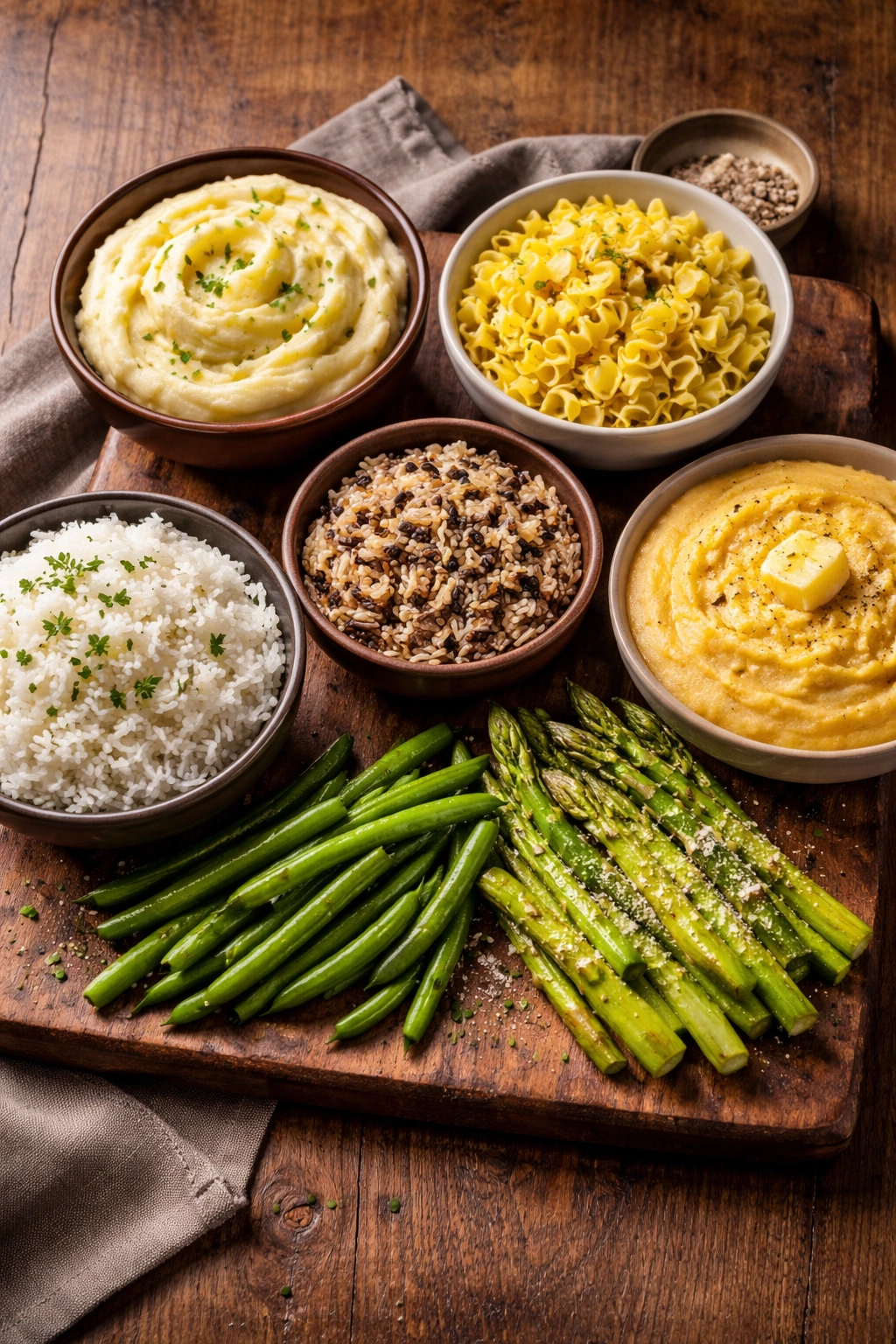
While stroganoff is traditionally served over egg noodles, it pairs beautifully with other starches. Buttered mashed potatoes are arguably even more luxurious than noodles—the creamy sauce mingles with the potatoes in an addictively rich way. Polenta, wild rice, or regular white or brown rice also work as excellent vehicles for the stroganoff sauce.
For a lower-carb approach, serve stroganoff over zucchini noodles, cauliflower rice, or even mashed cauliflower. The sauce is rich enough that it doesn’t need a starchy base—it stands perfectly well on mashed vegetables.
As for sides, stroganoff is rich and doesn’t require much. A simple green salad with a bright vinaigrette cuts through the cream beautifully—try arugula with lemon vinaigrette, or a mixed green salad with balsamic dressing. Steamed or roasted asparagus, green beans, or broccoli provides vegetable content and color contrast on the plate. Buttered egg noodles are already rich, so if serving stroganoff over noodles, keep vegetable sides light and fresh.
Crusty bread is optional but lovely for soaking up any extra sauce on the plate. A simple salad of thinly sliced radishes with salt, pepper, and a touch of vinegar provides palate-cleansing crispness that complements stroganoff beautifully.
For beverages, stroganoff pairs well with red wine (Pinot Noir or a light Merlot work nicely), or simply with ice water or unsweetened tea. The creaminess of the dish doesn’t require heavy beverages—stick with lighter, refreshing options.
Final Thoughts
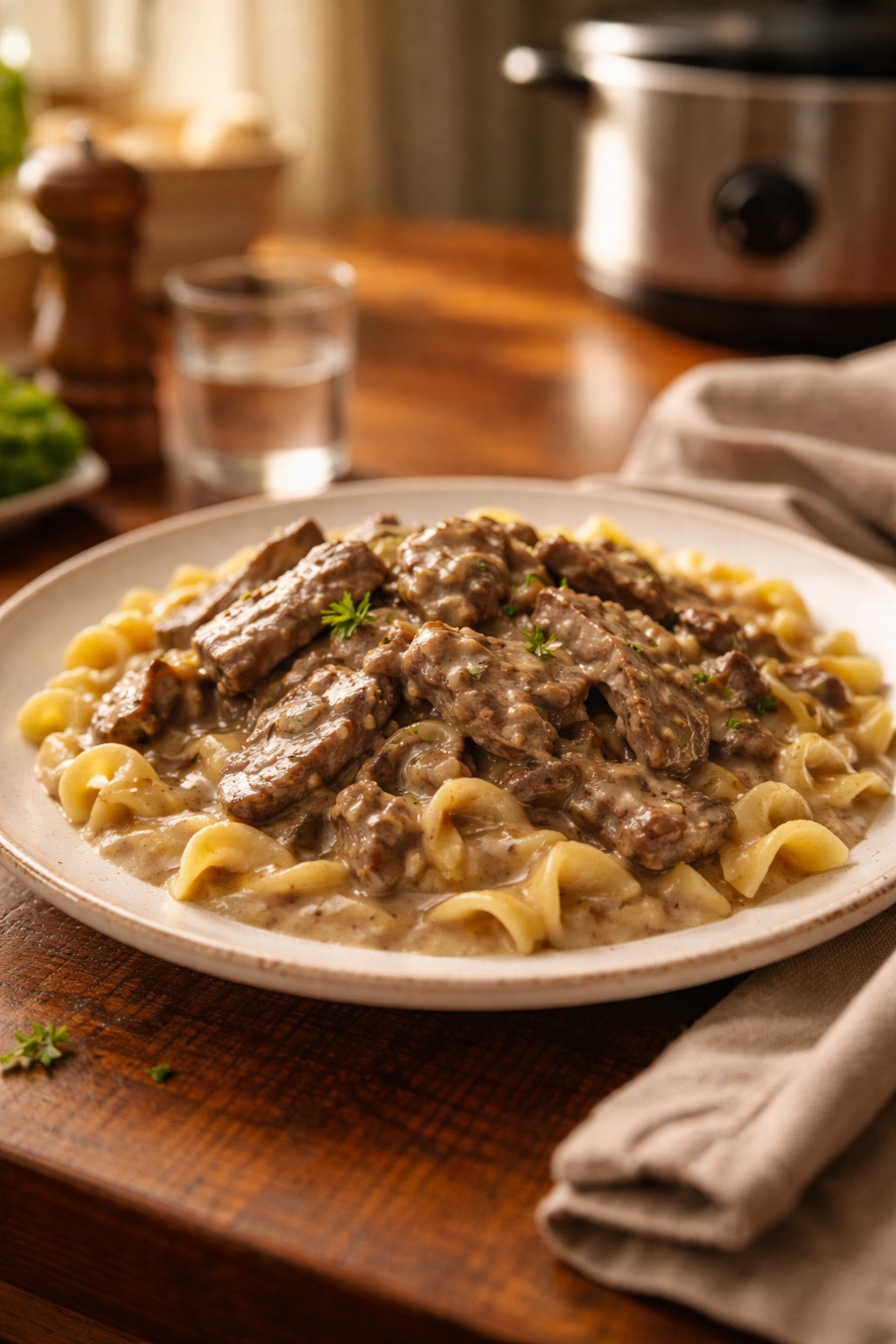
Easy slow cooker beef stroganoff has earned its place in the family dinner rotation for reasons that go far beyond mere convenience. Yes, it’s simple, and yes, it requires almost no active cooking time. But more importantly, it reliably produces a meal that tastes like genuine comfort—the kind of food that brings people together and makes them grateful to be at the table. The beef becomes so tender it barely needs chewing. The sauce coats everything in creamy, savory richness. The flavors develop and deepen over hours in a way that rushing simply can’t replicate.
What makes this stroganoff special is that it doesn’t feel like a weeknight shortcut—it feels like something you carefully crafted. Your family doesn’t need to know that you spent 15 minutes prepping and 8 hours letting a machine do the work. They just taste the results: meat that’s better than they could have imagined, sauce so good they ask for the recipe, and a dinner that feels like you genuinely care. In the end, that’s what home cooking is really about.
