



Lamb has an undeserved reputation for being difficult or intimidating to cook at home. The truth is that many of the most impressive lamb dishes are surprisingly simple to execute—even for home cooks with moderate kitchen skills. What makes lamb perfect for special occasions isn’t the complexity of preparation; it’s the rich, naturally elegant flavor of the meat itself combined with the warm hospitality that serving lamb conveys to your guests.
The beauty of cooking lamb for a special dinner lies in its inherent versatility. You can work with everything from quick-searing lamb chops that cook in minutes to slow-roasted legs that fill your home with an irresistible aroma, from delicate racks worthy of Michelin-star treatment to deeply flavorful ground lamb preparations that taste far more luxurious than their ingredient list suggests. Whether you’re planning a spring celebration, an intimate dinner party, or a memorable holiday meal, lamb deserves a permanent place in your special-occasion rotation.
The recipes that follow represent five distinct approaches to lamb cookery—each one elegant enough to impress your guests, yet straightforward enough that you won’t spend the entire evening stressed in the kitchen. These dishes span multiple cuisines and cooking techniques, proving that lamb truly is a canvas for culinary creativity. You’ll find that lamb’s natural affinity for Mediterranean herbs, Middle Eastern spices, and bright citrus flavors makes creating restaurant-quality dishes at home feel effortless once you understand the fundamentals.
1. Herb-Crusted Rack of Lamb with Red Wine Reduction
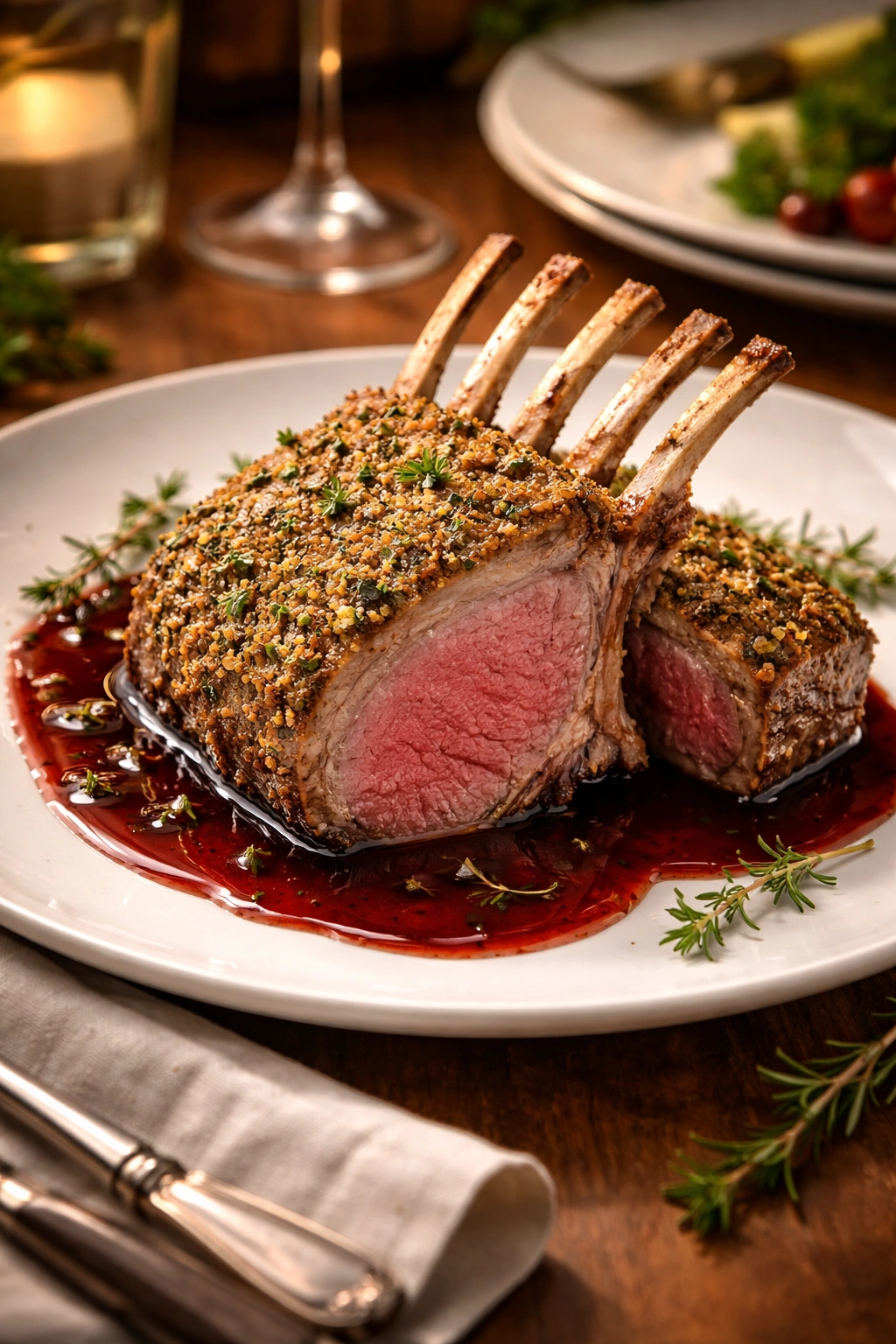
A rack of lamb is the ultimate showstopper for special dinners—visually stunning, deeply flavorful, and remarkably easy to prepare. The Frenched lamb chops (where the meat is cleaned from the ends of the bones) create an elegant presentation that immediately signals “special occasion” before your guests even taste it. This preparation method allows the herb crust to adhere beautifully to the meat while the bones stay pristine and dramatic on the plate.
The magic of this dish lies in the simplicity of the herb coating combined with the depth of a red wine reduction. A mixture of fresh rosemary, thyme, and garlic—combined with breadcrumbs, olive oil, and salt—creates a fragrant, crunchy exterior that contrasts wonderfully with the tender, pink interior of properly cooked lamb. The beauty is that you can prepare the herb crust hours in advance and refrigerate it, making the actual cooking process feel almost effortless when your guests arrive.
Why This Recipe Shines for Special Dinners
Rack of lamb cooks in roughly 25 to 35 minutes total, making it perfect timing for a dinner party where you want to spend time with guests rather than fussing in the kitchen. The presentation speaks for itself—individual bones arranged in a crown shape are inherently impressive without requiring any culinary school training to achieve. Lamb’s rich, savory flavor pairs beautifully with the concentrated, slightly tannic notes of a red wine reduction, creating a sophisticated flavor combination that tastes like you spent hours in the kitchen.
Timing and Execution Tips
- Sear the herb-crusted lamb in a hot cast-iron skillet over medium-high heat for 2 to 3 minutes per side to create a golden, flavorful crust
- Transfer to a 400°F oven and roast for 12 to 15 minutes until the internal temperature reaches 130–135°F for medium-rare doneness
- Allow the lamb to rest for 5 minutes before serving—this preserves the juices and makes carving or plating much cleaner
- While the lamb rests, use the same skillet to create a quick red wine reduction by deglazing with good-quality red wine and beef stock, then reducing by half
Pro tip: Purchase a Frenched rack from your butcher rather than trying to trim it yourself—they know exactly how to prepare it, and the cost difference is minimal.
2. Moroccan-Spiced Lamb Shoulder with Apricot and Olive Tagine
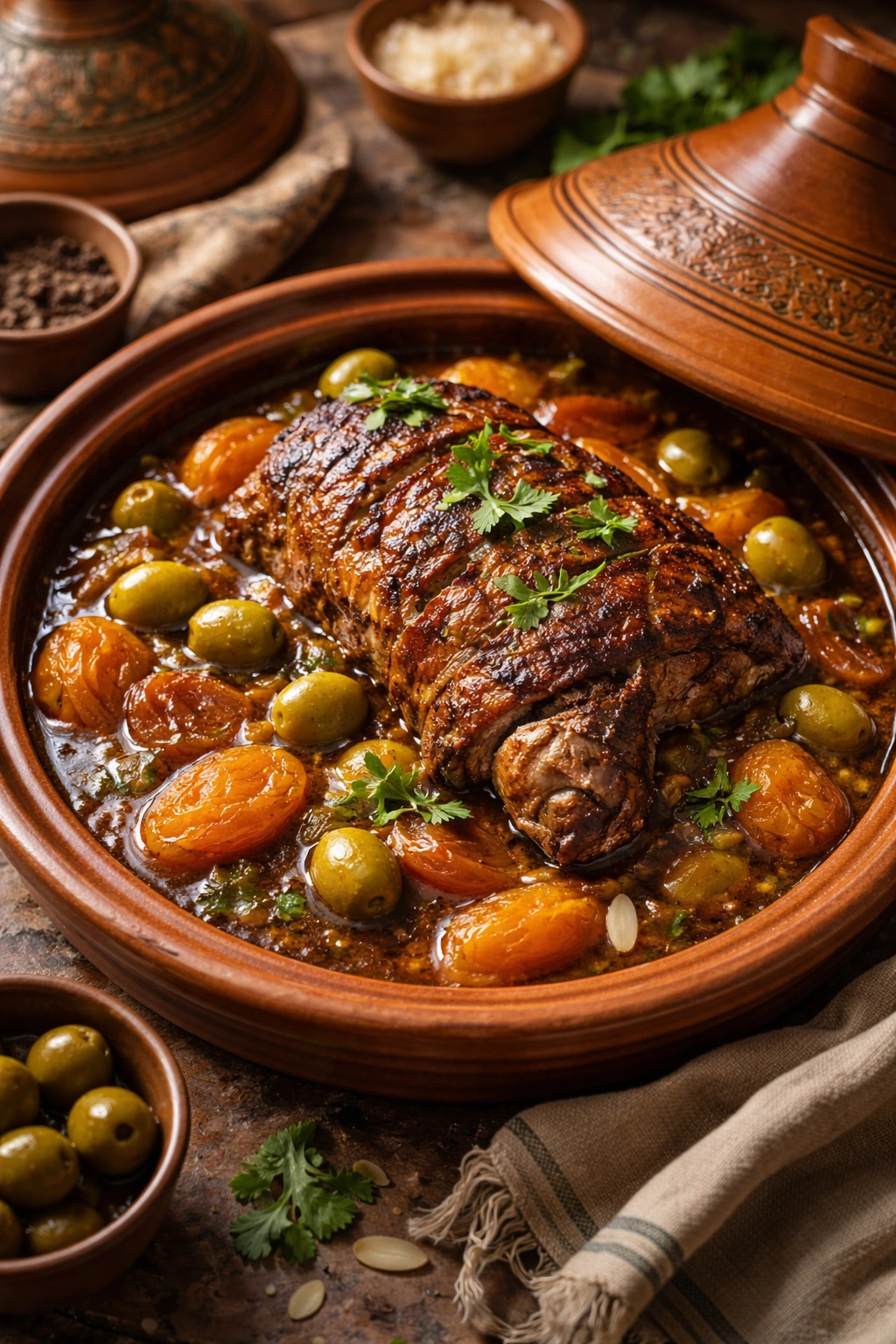
Moroccan tagine represents one of the most elegant slow-cooked preparations for lamb, and despite the lengthy cooking time, the actual hands-on effort is minimal. The magic happens passively in your oven while you finish preparations, entertain guests, or simply relax. A lamb shoulder becomes impossibly tender through slow braising, and the spice blend—featuring warm cinnamon, bright cumin, earthy paprika, and the floral notes of saffron—creates a deeply satisfying complexity.
The inclusion of dried apricots and green olives provides pops of brightness and contrasting sweetness that balance the richness of the lamb. This isn’t heavy food masquerading as sophisticated—it’s genuinely refined cooking that celebrates both the meat and the supporting ingredients. Tagines are traditionally served over fluffy couscous or alongside warm flatbread for soaking up every drop of the silky sauce.
The Flavor Profile and Why It Works
Moroccan spice blends leverage the natural sweetness of spices like cinnamon and turmeric to create something that tastes exotic without being overly complex or requiring hard-to-find ingredients. The slow braising process allows these spices to permeate every fiber of the lamb, creating a unified, harmonious dish rather than a collection of individual flavors competing for attention. The lamb shoulder’s marbled fat renders throughout the cooking process, becoming part of the sauce and creating an incredibly luxurious mouthfeel.
Making It Elegant for Entertaining
- Brown the lamb shoulder thoroughly in a hot Dutch oven before adding the braising liquid—this crucial step develops flavor through the Maillard reaction
- Layer sliced onions beneath the lamb to create flavor depth and prevent sticking
- Add the couscous directly into the Dutch oven with the lamb during the final 15 minutes, allowing it to absorb the flavorful braising liquid
- Garnish generously with fresh cilantro and a sprinkle of toasted almonds for textural contrast and visual appeal
This dish actually improves if you make it a day or two ahead, which removes enormous stress from special dinner planning. Simply reheat gently in a 325°F oven for 20 to 25 minutes until warmed through.
3. Grilled Lamb Chops with Lemongrass and Thai Flavors
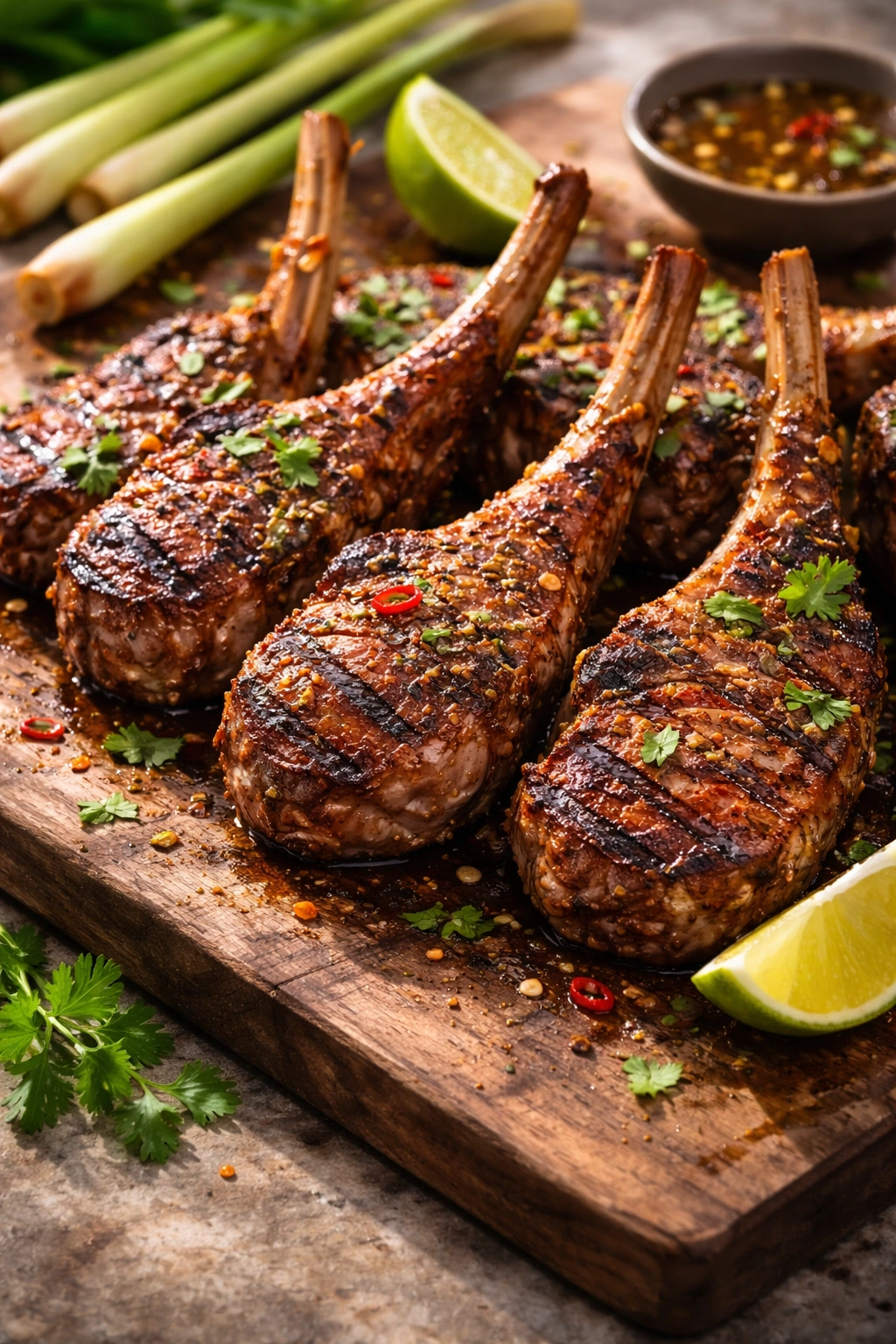
Lamb chops represent the fastest path to an impressive special dinner—they cook in roughly 10 minutes once you’ve marinated them properly. Lamb’s rich, slightly gamey flavor pairs unexpectedly well with the bright, citrusy notes of lemongrass and the complex heat of Thai chilies. This approach brings sophistication without requiring you to spend your evening hovering over the stove.
A fragrant marinade featuring fresh lemongrass, Thai red or green chiles, fish sauce, lime juice, and cilantro transforms lamb chops into something that tastes like it comes from a high-end Thai restaurant. The beauty of this preparation is that lamb can marinate for as little as 2 hours or as long as 24 hours without becoming mushy or over-flavored—the acid from the lime juice won’t overpower the meat the way it might with more delicate proteins.
Why Marinades Matter for Lamb Chops
Marinades serve multiple functions beyond just flavor. The acidic components (lime juice, vinegar) help tenderize the meat, the oil creates a flavorful coating that develops a beautiful crust during grilling, and the aromatics penetrate the surface to create a complete flavor experience rather than just a surface garnish. For lamb chops specifically, a 4 to 8-hour marinade strikes the perfect balance between adequate seasoning and maintaining the lamb’s natural texture and integrity.
Grilling Strategy for Perfect Results
- Pat the lamb chops completely dry before grilling—moisture on the surface prevents proper caramelization
- Preheat your grill to high heat, aiming for 450–500°F
- Grill the chops for 3 to 4 minutes per side for medium-rare doneness, resisting the urge to move them constantly
- Resist the temptation to flip repeatedly; a single flip per side creates the best crust
- Serve immediately with a squeeze of fresh lime juice and additional cilantro scattered on top
The entire cooking process from fridge to table takes roughly 15 minutes, making this perfect for dinners where you want something impressive but don’t want to spend hours cooking.
4. Slow-Roasted Lamb Leg with Garlic, Rosemary, and Pomegranate Glaze
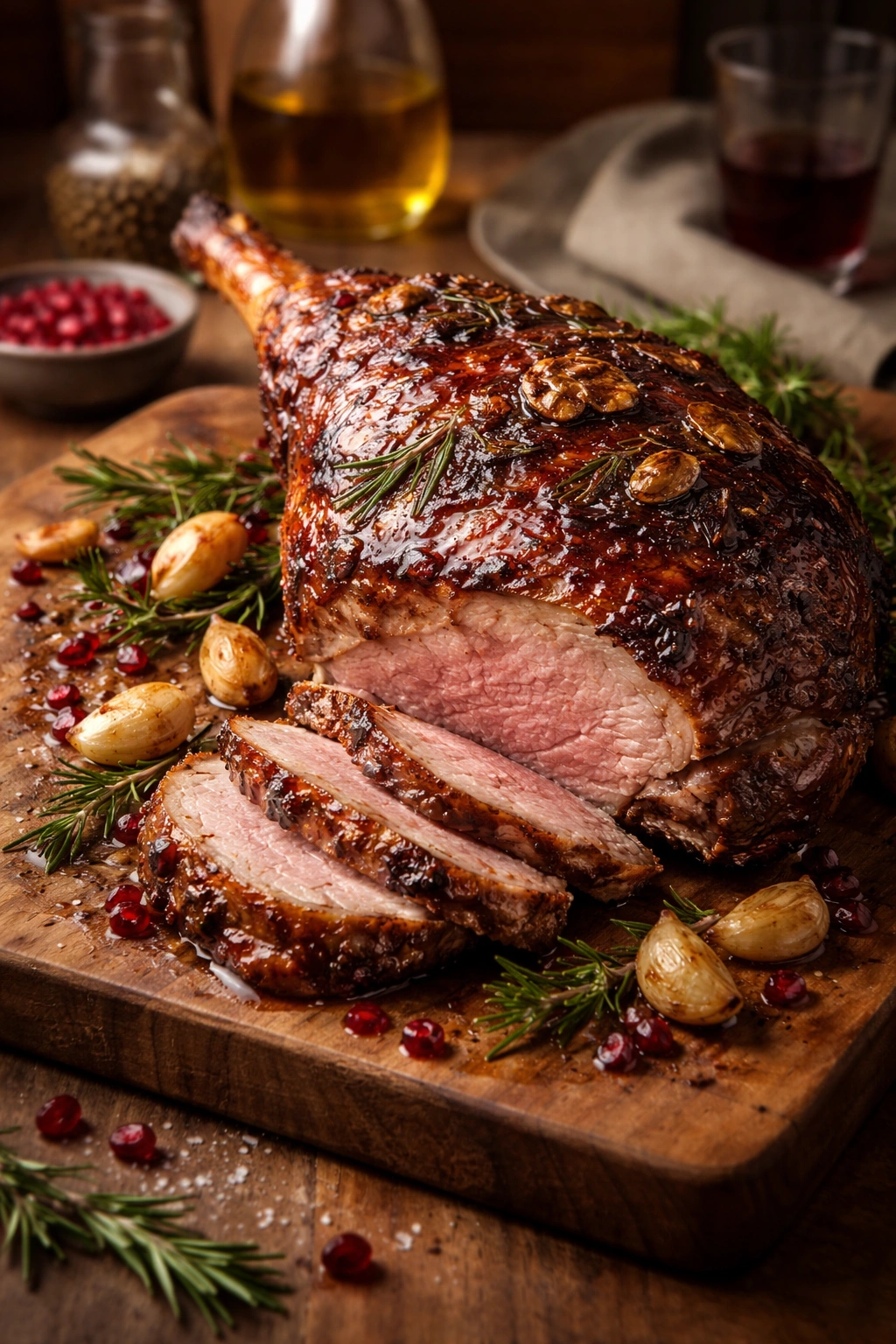
A whole leg of lamb represents the centerpiece roast for special occasions—visually impressive, feeds a group, and develops incredible flavor through slow roasting. The traditional approach involves studding the lamb with garlic cloves and fresh rosemary sprigs pushed into slits cut across the surface, allowing the aromatics to perfume the meat from the inside while it roasts. A final pomegranate glaze adds brightness, visual drama, and a subtle tart sweetness that cuts through the richness of the meat.
This is old-world, elegant cooking at its finest. The low-and-slow roasting method ensures that the lamb emerges incredibly tender and pink throughout—not dried out or gray like a poorly executed roast. The house smells absolutely magnificent during cooking, filling guests with anticipation before they even sit down at the table.
The Science Behind Tender, Juicy Roasted Lamb
Lamb leg benefits from roasting at a lower temperature (325–350°F) for a longer period rather than the quick sear-and-blast approach. This gentler approach gives the muscle fibers time to relax and become tender while the collagen in the connective tissue gradually breaks down into gelatin. The interior remains perfectly medium-rare while the exterior develops a mahogany crust. A meat thermometer is essential—aim for 130–135°F for medium-rare, which will continue cooking slightly during resting.
Creating Visual Impact with the Pomegranate Glaze
- During the final 20 minutes of roasting, brush the lamb with a mixture of pomegranate molasses, Dijon mustard, and honey
- The glaze caramelizes slightly in the heat, creating a glossy, jewel-toned exterior
- Scatter pomegranate arils over the finished roast just before serving for color and fresh flavor contrast
- Serve alongside roasted root vegetables that have cooked alongside the lamb, absorbing its rich drippings
This roast requires minimal attention once it’s in the oven, leaving you free to prepare sides, set the table, or simply enjoy aperitifs with your guests.
5. Pan-Seared Lamb Loin Chops with Crispy Shallot Crust and Tarragon Butter
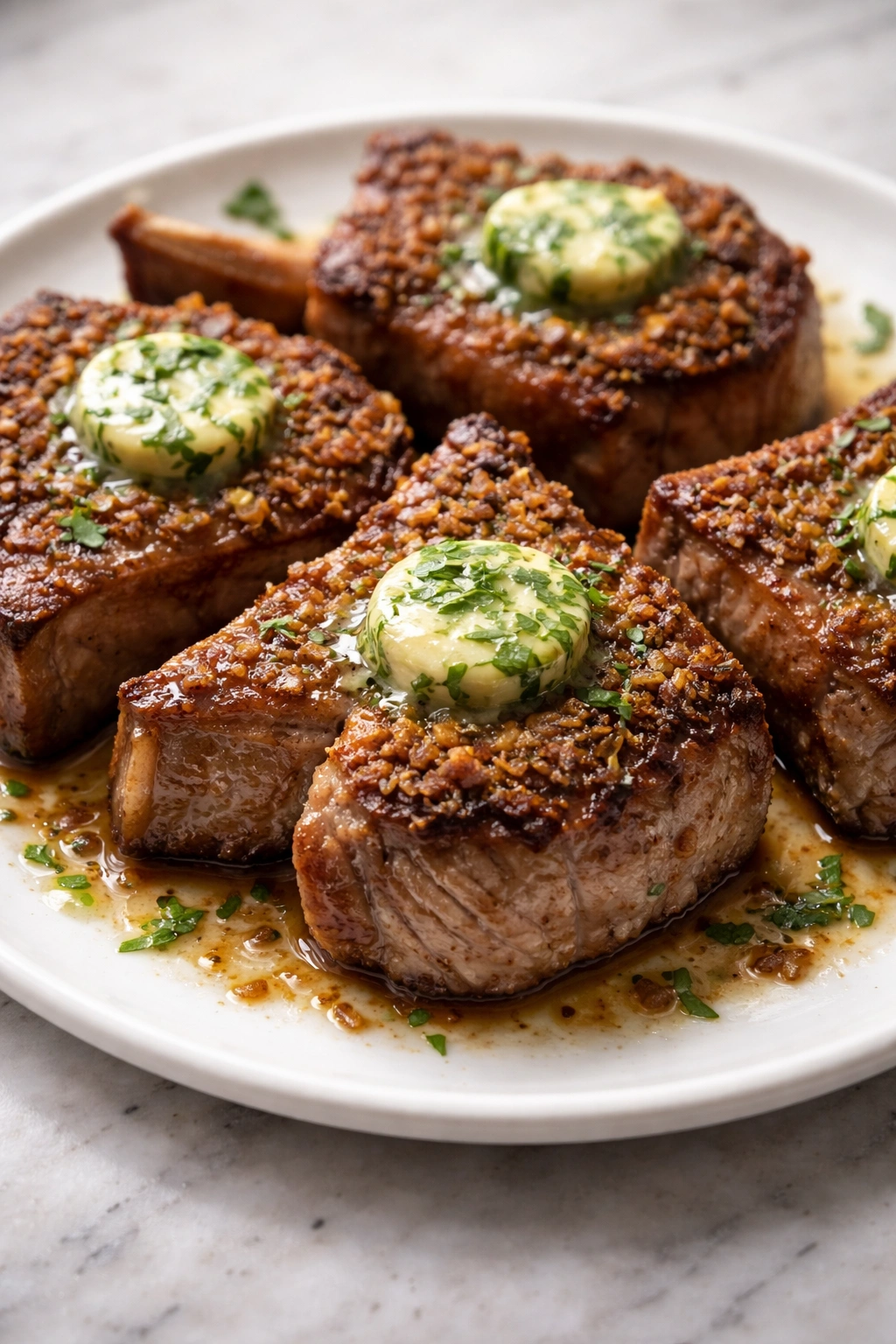
Lamb loin chops represent the sweet spot between quick-cooking and elegance—they’re meatier than Frenched rack chops, cook in under 10 minutes per side, and cost significantly less than racks while delivering the same impressive presentation. A crispy shallot crust adds textural contrast and sophisticated flavor depth, while a simple tarragon butter melting on top of the hot lamb creates a luxurious, restaurant-quality finish.
This preparation celebrates the lamb rather than masking it—minimal components allow the meat’s natural flavor to shine while the supporting elements elevate it to special-occasion territory. Tarragon’s distinctive licorice-like notes provide an unusual but complementary flavor bridge between the rich lamb and any wine pairing you choose.
Building Layers of Flavor
The crispy shallot crust comes from cooking thinly sliced shallots until golden and caramelized, then mixing them with breadcrumbs, fresh thyme, and Dijon mustard. This mixture adheres to the surface of the lamb through a combination of its moisture and the rendered lamb fat. The tarragon butter—made by simply combining softened butter with fresh tarragon, lemon zest, and a pinch of fleur de sel—melts into the hot lamb chops immediately upon plating, creating a luxurious sauce without any actual cooking required.
Timing for Perfect Execution
- Sear the lamb chops in a hot cast-iron skillet with a thin coating of olive oil for 3 to 4 minutes per side for medium-rare
- During the final 2 minutes of cooking, press the crispy shallot mixture firmly onto the surface, allowing it to brown and adhere
- Transfer to a warm plate and immediately top with a small piece of tarragon butter, allowing it to melt into the hot lamb
- Serve with roasted asparagus or tender spring peas for color contrast
The entire process from raw chops to plated, finished dish takes roughly 15 minutes.
Understanding Lamb Cuts and Which Work Best for Special Dinners
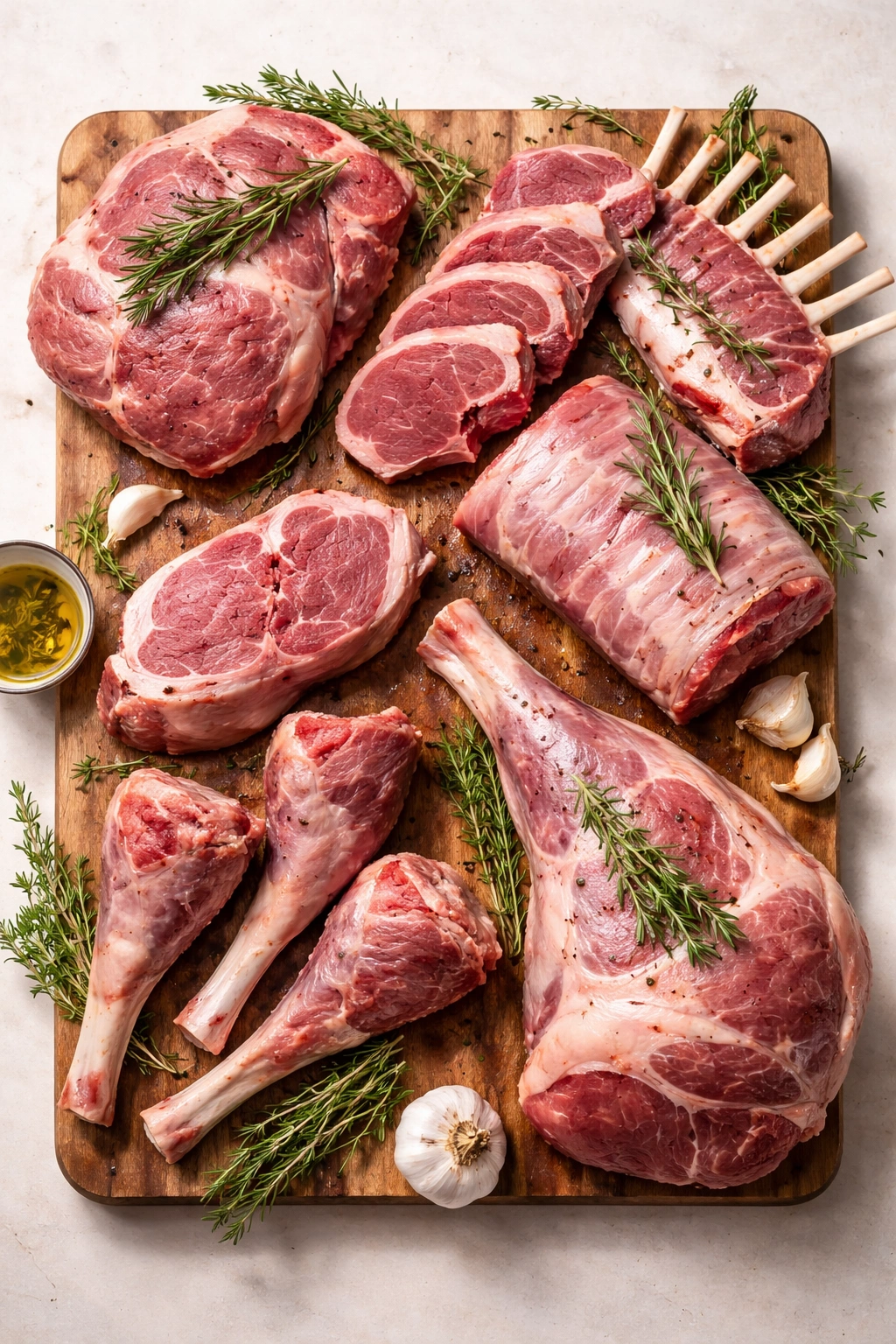
Choosing the right cut of lamb is fundamental to success, and understanding the distinctions between cuts ensures you select the perfect option for your specific cooking method and timeline. Each cut has distinct characteristics that make it ideal for certain preparations and problematic for others.
Lamb chops—whether Frenched racks, loin chops, or rib chops—are your fastest option, cooking in under 15 minutes total and creating visual drama through their presentation. Racks are the most elegant and most expensive; loin chops offer better value and slightly more meat relative to bone. Lamb shoulder, whether whole or cut into chops, contains more connective tissue and requires slow, moist cooking to become tender—it’s perfect for braises, tagines, and slow roasts. The leg, whether bone-in or boneless, works beautifully for larger roasts and can be butterflied for grilling or cooked whole through slow roasting.
Ground lamb is endlessly versatile and far less intimidating than whole cuts. It works beautifully in meatballs, patties, and sauces, delivering sophisticated flavor from a protein form that feels approachable even to cooks with limited lamb experience. Ground lamb also offers excellent value and allows you to create dishes that feel fancy without the investment required for premium cuts.
The Art of Seasoning Lamb: Creating Complexity Without Complication
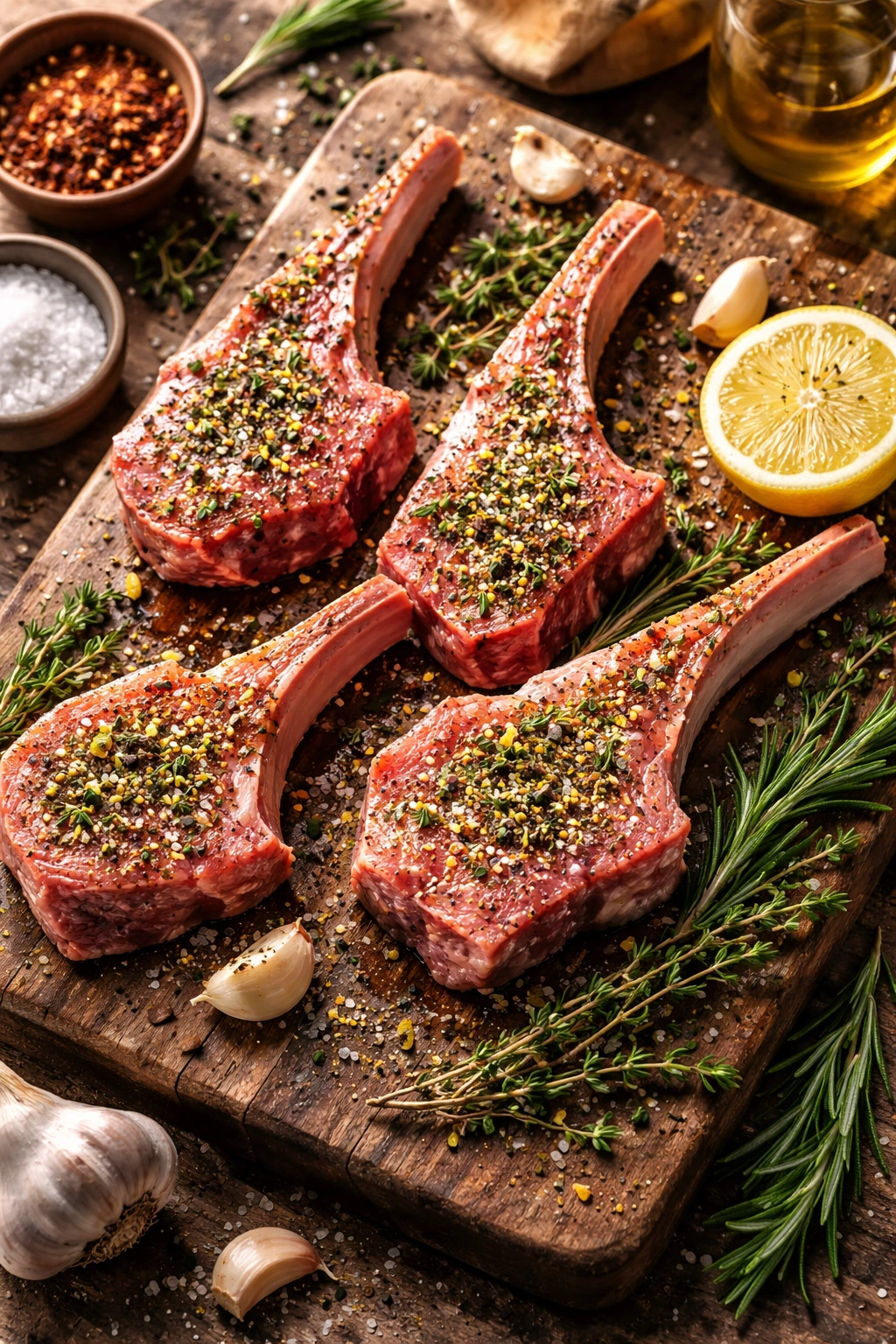
Lamb’s natural flavor is rich and distinctive enough that it needs minimal seasoning, yet it responds beautifully to bold, complementary flavors. The most important thing to understand is that lamb pairs exceptionally well with specific ingredient categories while clashing with others.
Lamb has a natural affinity for Mediterranean herbs—rosemary, thyme, oregano, and mint all enhance rather than mask its flavor. These pairing aren’t accidents of culinary tradition; they’re rooted in the fact that lamb and these herbs share overlapping aromatic compounds that create harmony rather than competition. Salt and pepper are essential, but garlic, lemon, and olive oil complete the Mediterranean flavor circle that feels almost universally appealing.
Beyond Mediterranean, lamb pairs beautifully with the warm spices found in Moroccan and Middle Eastern cooking. Cumin, coriander, cinnamon, and paprika create complex, savory depth that complements lamb’s richness. The natural sweetness of many of these spices—cinnamon, cumin—creates an intriguing sweet-savory balance that feels sophisticated and surprising.
Asian preparations featuring soy sauce, ginger, lemongrass, and Thai chiles work wonderfully because the salt and umami-rich soy sauce cuts through the richness of the lamb while the bright citrus and heat provide contrast. These aren’t traditional pairings, but they’re absolutely successful from a flavor chemistry perspective.
Wine Pairings for Lamb Dinners
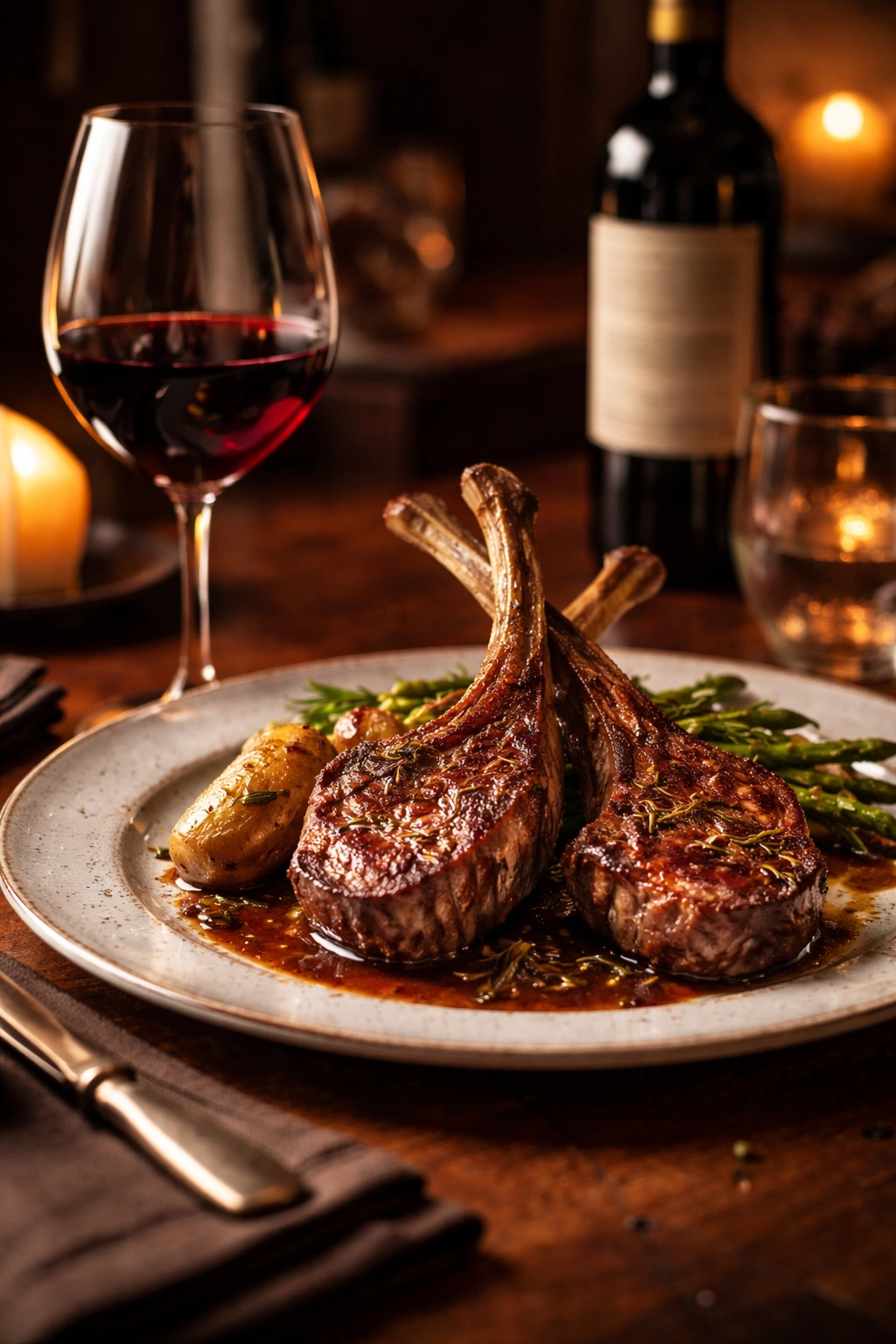
The rich, flavorful nature of lamb requires wines with enough structure and acidity to cut through the fat and complement the meat without being overwhelmed. Full-bodied red wines are the classic pairing—Bordeaux, Rhône wines like Côtes du Rhône, and Tuscany’s Brunello all work beautifully with most lamb preparations.
For lighter lamb dishes or warmer weather entertaining, don’t overlook rosé wines. A quality dry rosé, particularly from Provence, provides enough tannin and acidity to pair with lamb while offering a refreshing quality that feels less heavy than full-bodied reds. Lamb leg with Mediterranean herbs particularly welcomes a chilled rosé.
If you’re serving spiced lamb—Moroccan tagine or Indian-influenced preparations—consider slightly off-dry wines or even lighter reds like Pinot Noir. The slight sweetness balances the spices rather than clashing with them, and Pinot Noir’s lower tannin level means it won’t fight with complex spice combinations the way a bigger wine might.
Building a Complete Special Dinner Menu Around Lamb
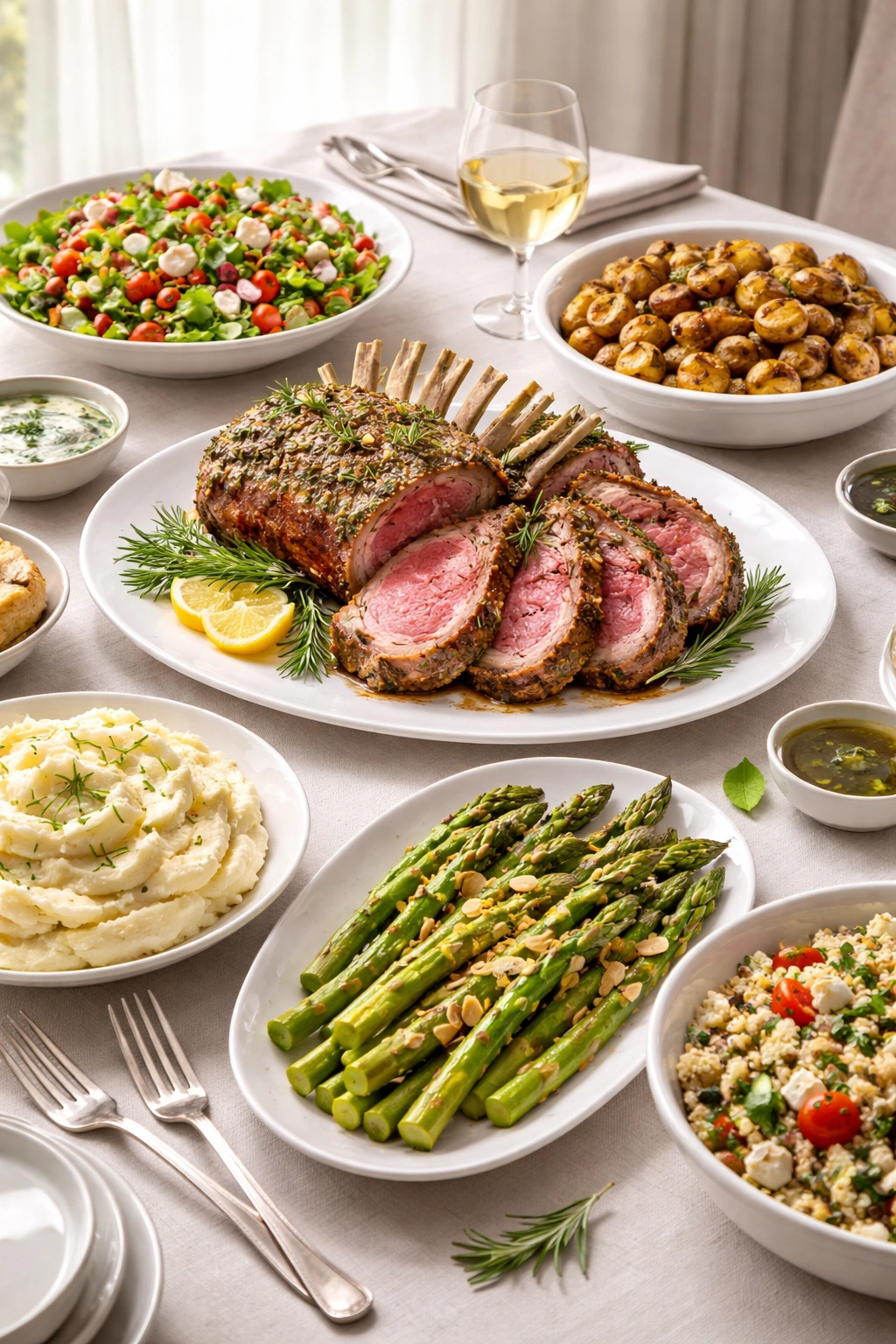
The key to a successful special dinner is selecting sides and components that complement rather than compete with your lamb centerpiece. If your lamb dish is heavily spiced, keep the supporting elements simple and let those flavors shine. If your lamb preparation is more subtle, side dishes can be slightly more elaborate.
For elegant spring or summer entertaining with herb-crusted or Mediterranean-seasoned lamb, serve alongside tender spring peas with butter and mint, roasted asparagus with lemon, or a crisp green salad with sherry vinaigrette. These lighter sides allow the lamb to remain the star while providing vegetable components that feel fresh and seasonal.
For darker months or heartier preparations, roasted root vegetables—parsnips, carrots, beets—work beautifully alongside slow-roasted or braised lamb. Creamy potato preparations like mashed potatoes with garlic and herbs, or gratinéed potatoes, provide comfort and luxury without distracting from the main protein.
Finishing with a simple dessert that doesn’t compete with the rich lamb course works best. Fresh fruit preparations, mousses, or delicate cakes feel appropriate and prevent the meal from becoming overwhelming.
Preparing Ahead to Reduce Dinner-Day Stress
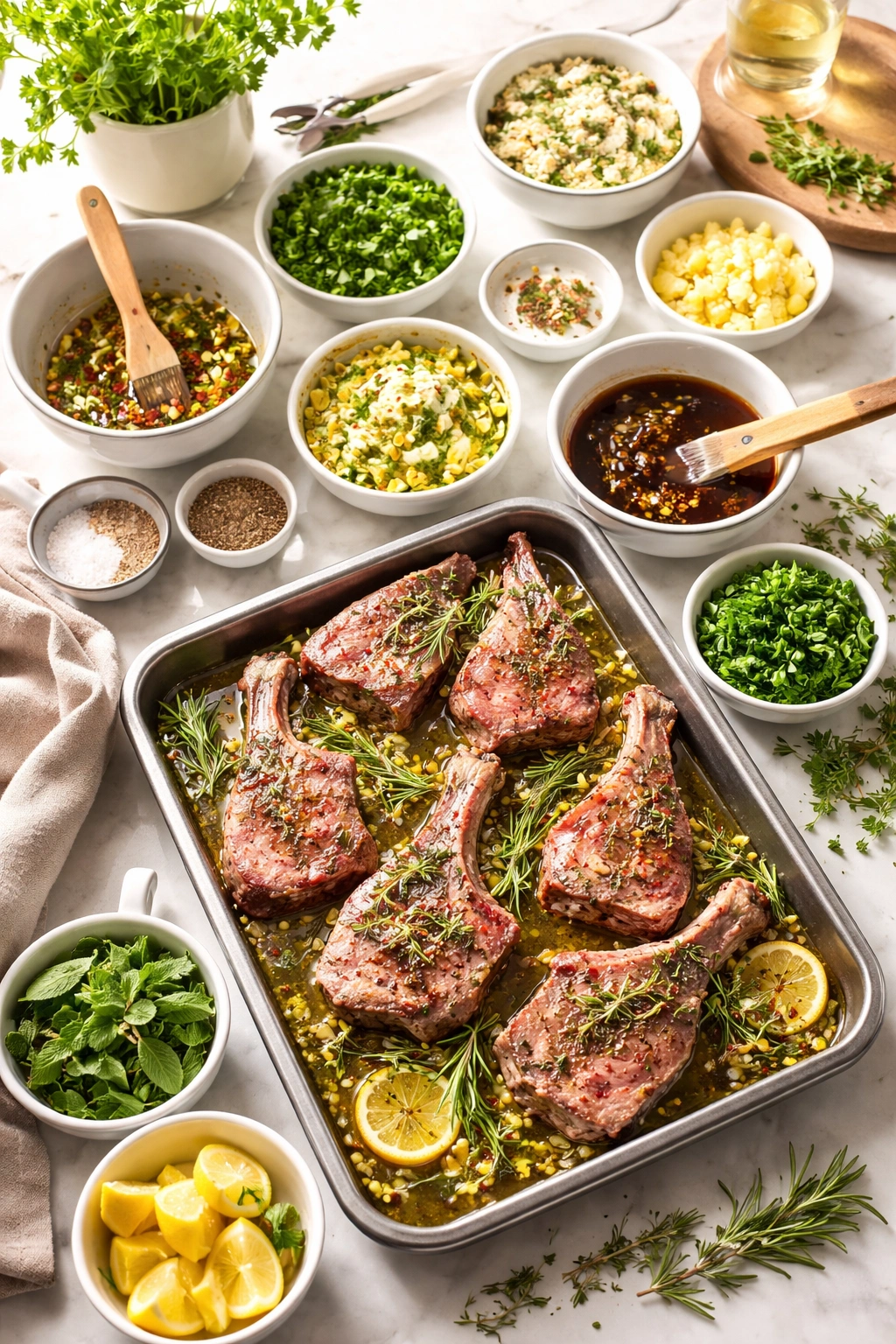
One of the greatest advantages of lamb for special entertaining is how much can be prepared in advance without compromising quality. Marinades can be applied 24 hours ahead, herb crusts can be prepared and refrigerated the morning of your dinner, and braised lamb dishes actually improve when made a day or two in advance.
Your sides can be prepped entirely in advance—vegetables washed and cut, potatoes peeled and soaking in water, salads assembled in advance. The only components requiring last-minute attention are the actual cooking of the lamb and final plating. This front-loading of work removes enormous stress and allows you to actually enjoy your guests rather than spending the evening tied to the kitchen.
A simple strategy is to organize your prep work around a timeline. Identify which components require cooking first (usually the slowest), which can be completed earlier in the day, and which need absolutely no advance preparation. Write a brief timeline on a note card—even this small step reduces mental load and prevents mistakes born from rushing.
Final Thoughts
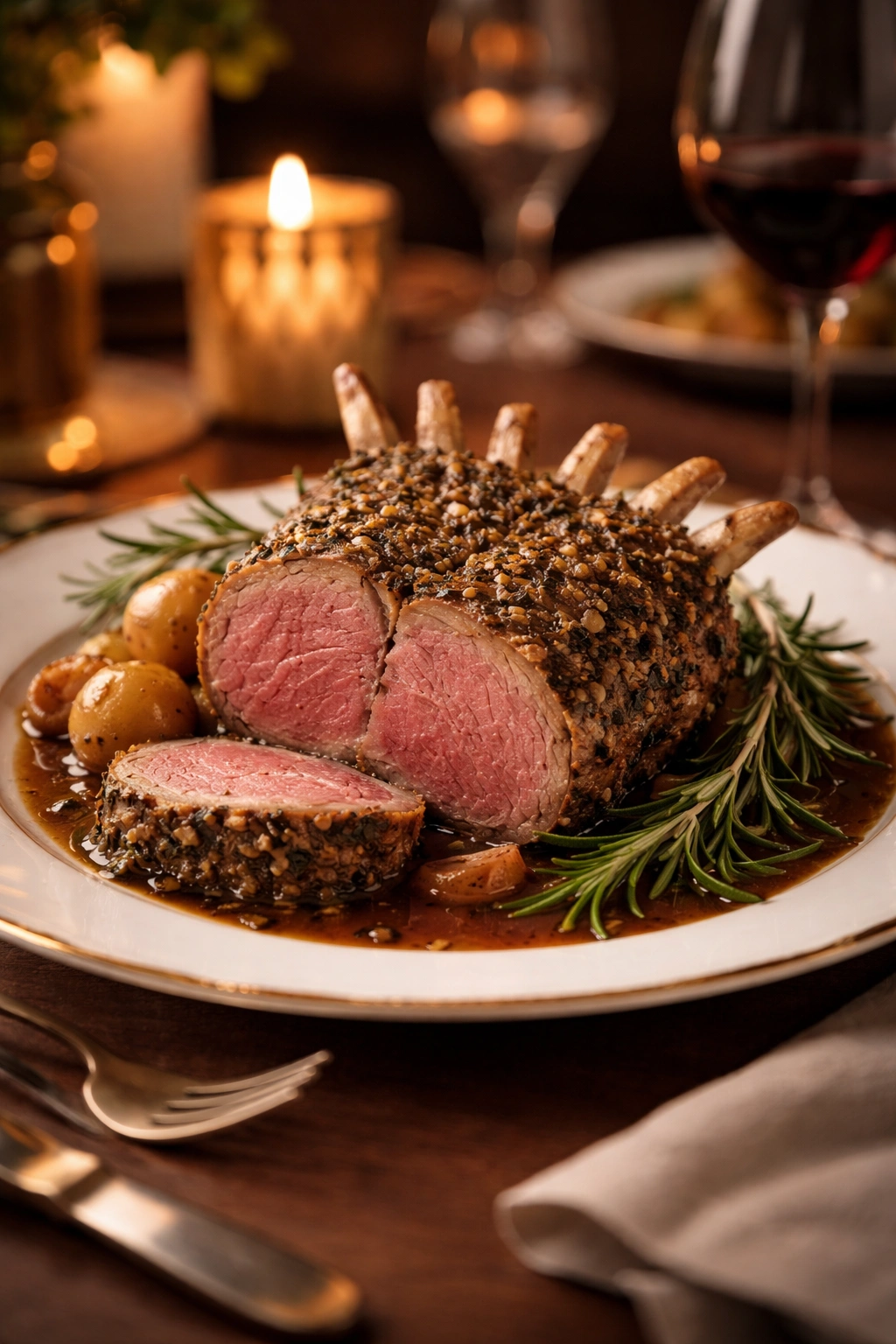
Lamb deserves a permanent place in your special-occasion cooking rotation. These five preparations represent entirely different flavor profiles, cooking methods, and time investments, proving that there’s a perfect lamb dish for virtually any occasion or skill level. Whether you choose the dramatic elegance of a herb-crusted rack, the sophisticated simplicity of pan-seared chops with tarragon butter, or the warm welcome of a slow-roasted leg studded with garlic and rosemary, lamb will deliver impressive results.
Start with whichever preparation appeals most to your taste and your comfort level in the kitchen. Once you’ve successfully cooked one lamb dish for company, you’ll discover that the confidence gained translates directly to trying others. The beautiful truth about lamb is that it wants to taste good—it just needs minimal intervention and good technique to shine.
