



Building a restaurant-quality burrito bowl at home has become one of those kitchen breakthroughs that completely changes the way you eat. There’s something deeply satisfying about layering each component into your bowl—watching the vibrant cilantro-lime rice meet the smoky, tender chicken, the bright salsas, creamy guacamole, and all those fresh toppings you didn’t have to pay extra for. Once you realize how simple it is to create something that tastes every bit as good as (or better than) your favorite fast-casual spot, you’ll never look at takeout the same way. The real magic of a burrito bowl lies in the customization: every person at your table gets exactly what they want, nothing more, nothing less. This approach to building bowls transforms dinner from a one-size-fits-all meal into an interactive, personalized experience where dietary preferences, flavor preferences, and heat tolerance all get respected without compromise.
What makes building your own burrito bowl at home so compelling is the control you gain over quality. When you’re the one sourcing the chicken, you can choose responsibly raised meat. When you’re making the rice, you control the butter and salt. When you’re preparing the salsa, you decide how fresh, how chunky, how spicy it becomes. You’re not constrained by a restaurant’s prep schedule or portion calculations. You can load up on the black beans if that’s your protein of choice, add extra corn salsa because you adore it, use actual avocado instead of guacamole powder, and pile on all the cilantro your heart desires without anyone batting an eye at your order or your wallet. The bowls also come together faster than you’d expect—most of the components can be prepared in advance and stored separately, making these ideal for busy weeknights, meal prep sessions, or feeding a crowd where everyone has different preferences.
Why You’ll Love Making These Bowls at Home
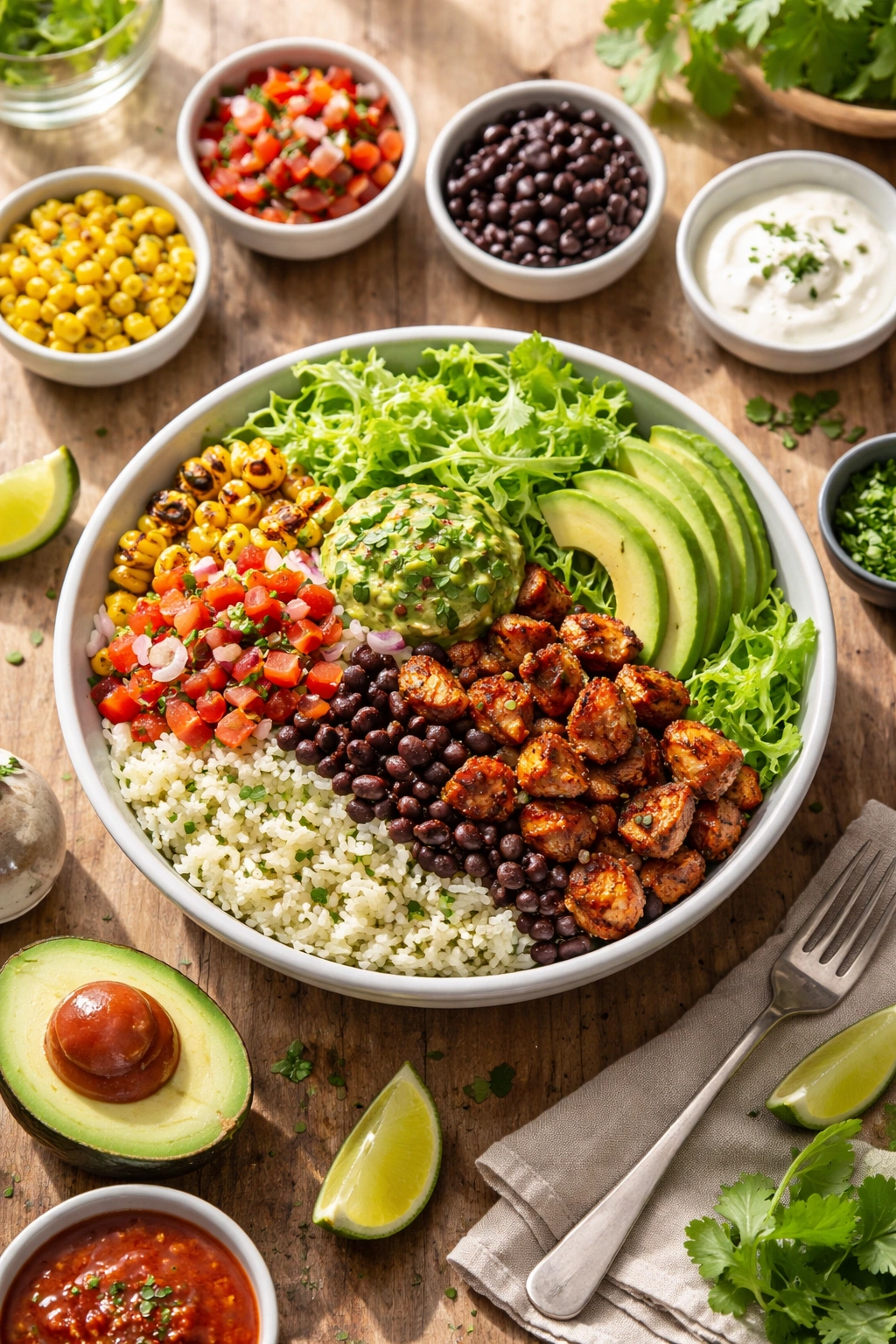
The appeal of burrito bowls extends far beyond just the food itself. These bowls represent freedom in the kitchen—freedom to experiment, to customize, to eat exactly what you want. Unlike ordering at a restaurant where your options are limited to what’s on the menu and your budget constraints, making them at home means you’re limited only by your imagination and your pantry. You can go traditional with chicken, steak, carnitas, or barbacoa. You can go vegetarian with roasted vegetables, beans, and extra avocado. You can make them vegan by swapping out sour cream and cheese for cashew crema and nutritional yeast. You can adjust spice levels for your family’s preferences—dial down the jalapeños for the kids, amp up the chipotle heat for the adults.
There’s also the meal prep advantage that can’t be overstated. Prepare your components on a Sunday afternoon and you’ve got the building blocks for four to five quick dinners throughout the week. The chicken keeps perfectly, the rice reheats beautifully, the salsas actually taste fresher on day two or three, and the beans just get better as they sit. Meanwhile, the fresh components—lettuce, avocado, tomatoes, sour cream—stay crisp and bright when stored separately and added right before eating. This structure means burrito bowls fit seamlessly into a busy schedule without requiring takeout or restaurant visits.
Building Blocks of a Perfect Burrito Bowl
Yield: Serves 4 to 5 | Makes 4 to 5 individual bowls
Prep Time: 45 minutes (hands-on, not including marinating time)
Cook Time: 30 minutes
Total Time: 1 hour 15 minutes (plus 1 to 2 hours marinating if making fresh chicken)
Difficulty: Intermediate — No special equipment required beyond a skillet and basic kitchen tools. The individual components are straightforward; assembly is intuitive even for beginners.
The Chipotle Chicken: Mastering the Marinade
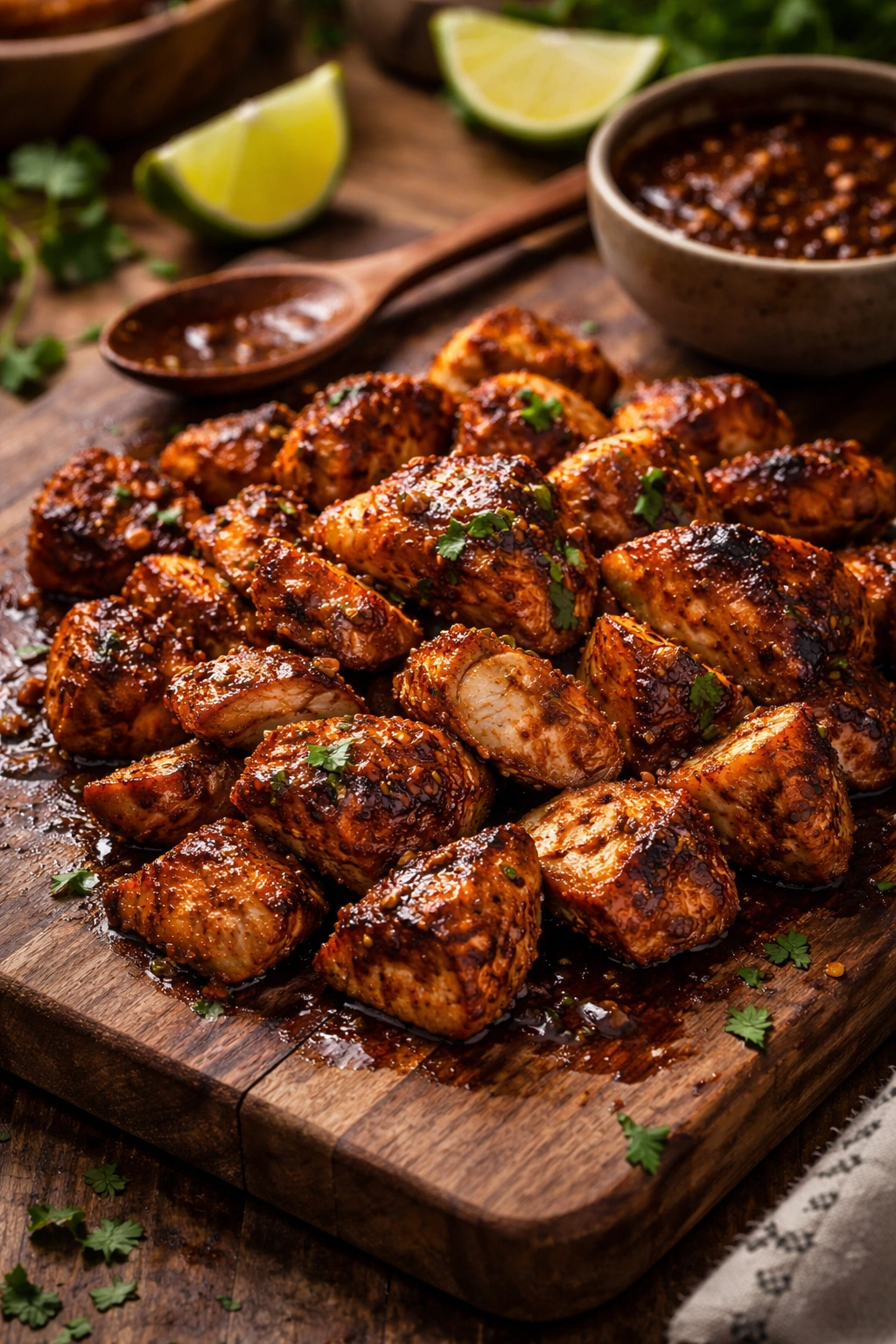
The foundation of an exceptional burrito bowl starts with the protein, and the chicken is where deep, smoky flavor happens. The secret isn’t complicated: it’s the marinade. A proper chipotle marinade—made with actual chipotle peppers in adobo sauce, garlic, lime juice, cumin, and dried oregano—transforms ordinary chicken breasts into something that tastes restaurant-quality and genuinely craveable.
For the Chipotle Chicken:
- 2 pounds boneless, skinless chicken breasts (or chicken thighs, which stay juicier)
- 2 to 3 chipotle peppers in adobo sauce, finely chopped
- 3 tablespoons adobo sauce (the sauce from the can)
- ¼ cup fresh lime juice (from 2 to 3 limes)
- ¼ cup red onion, finely diced
- 3 cloves garlic, minced
- 2 tablespoons olive oil
- 2 teaspoons ground cumin
- 1 teaspoon dried oregano (Mexican oregano if you can find it)
- 1 teaspoon chili powder
- 1 teaspoon kosher salt
- ½ teaspoon black pepper
- ½ teaspoon brown sugar
The magic happens in the marinade preparation. Combine the chopped chipotle peppers, adobo sauce, lime juice, red onion, minced garlic, olive oil, cumin, oregano, chili powder, salt, pepper, and brown sugar in a small bowl and stir until well combined. The brown sugar is the secret ingredient that rounds out the heat and adds subtle sweetness. Place your chicken in a large zip-top plastic bag and pour the marinade over it, making sure every piece gets coated. Seal the bag, massage it gently to distribute the marinade evenly, and refrigerate for at least 1 hour—but ideally 4 to 8 hours, or even overnight if you have the time. The longer the chicken sits, the more the flavors penetrate the meat.
When you’re ready to cook, remove the chicken from the refrigerator and let it rest at room temperature for 10 minutes. This helps it cook more evenly. Heat a large cast-iron skillet or heavy-bottomed pan over medium-high heat until shimmering. Add a splash of olive oil if your pan needs it, then carefully place the chicken pieces in a single layer. Resist the urge to move them around—let them sit undisturbed for 6 to 7 minutes, developing a golden, slightly charred crust on the bottom. Flip each piece and cook for another 6 to 7 minutes on the second side, until an instant-read thermometer inserted into the thickest part registers 165°F (74°C). Remove the chicken to a clean cutting board and let it rest for 5 minutes—this seals in the juices. Once cool enough to handle, slice or chop into bite-sized pieces.
The Cilantro-Lime Rice: Creating the Flavorful Base
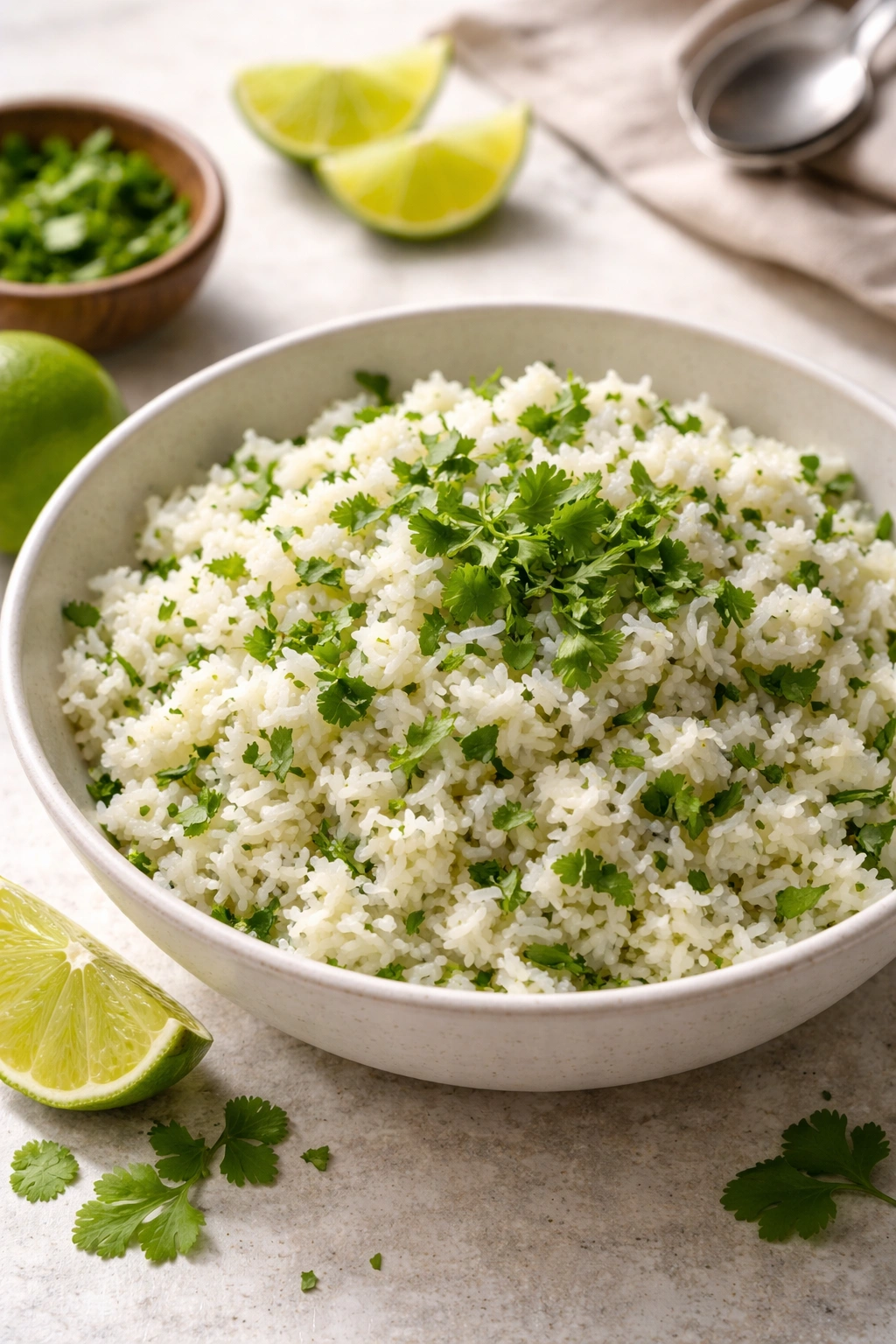
Rice serves as the foundation for everything else in your bowl, and a good cilantro-lime rice elevates the entire experience. The key is starting with quality rice, rinsing it thoroughly to remove excess starch, and finishing it with bright citrus and fresh herbs that make every bite sing.
For the Cilantro-Lime Rice:
- 1½ cups long-grain white rice (jasmine or basmati works beautifully)
- 3 cups water
- 2 tablespoons unsalted butter
- 1 bay leaf
- 1 teaspoon kosher salt (plus more to taste)
- ¼ cup fresh cilantro, finely chopped
- 3 tablespoons fresh lime juice
- 1 tablespoon fresh lemon juice
- ½ teaspoon ground cumin
Rinse your rice thoroughly under cold running water, swishing it gently with your fingers until the water runs clear—this removes the starch that makes rice gluey. In a medium pot, bring 3 cups of water to a boil over high heat. Add the rinsed rice, butter, bay leaf, and salt. Stir once, then return to a boil. Once boiling, reduce heat to low, cover tightly with a lid, and simmer for 18 to 20 minutes, until the rice is tender and all the liquid has been absorbed. Remove from heat and let stand, covered, for 5 minutes.
Fluff the rice gently with a fork, being careful not to crush the grains. Remove the bay leaf and discard. While the rice is still warm, stir in the fresh cilantro, lime juice, lemon juice, and ground cumin. The warm rice will absorb these flavors beautifully, creating a dish that’s bright, aromatic, and genuinely addictive. Taste and adjust seasoning with more salt or lime juice as needed.
The Salsas: Fresh, Bright, and Endlessly Variable
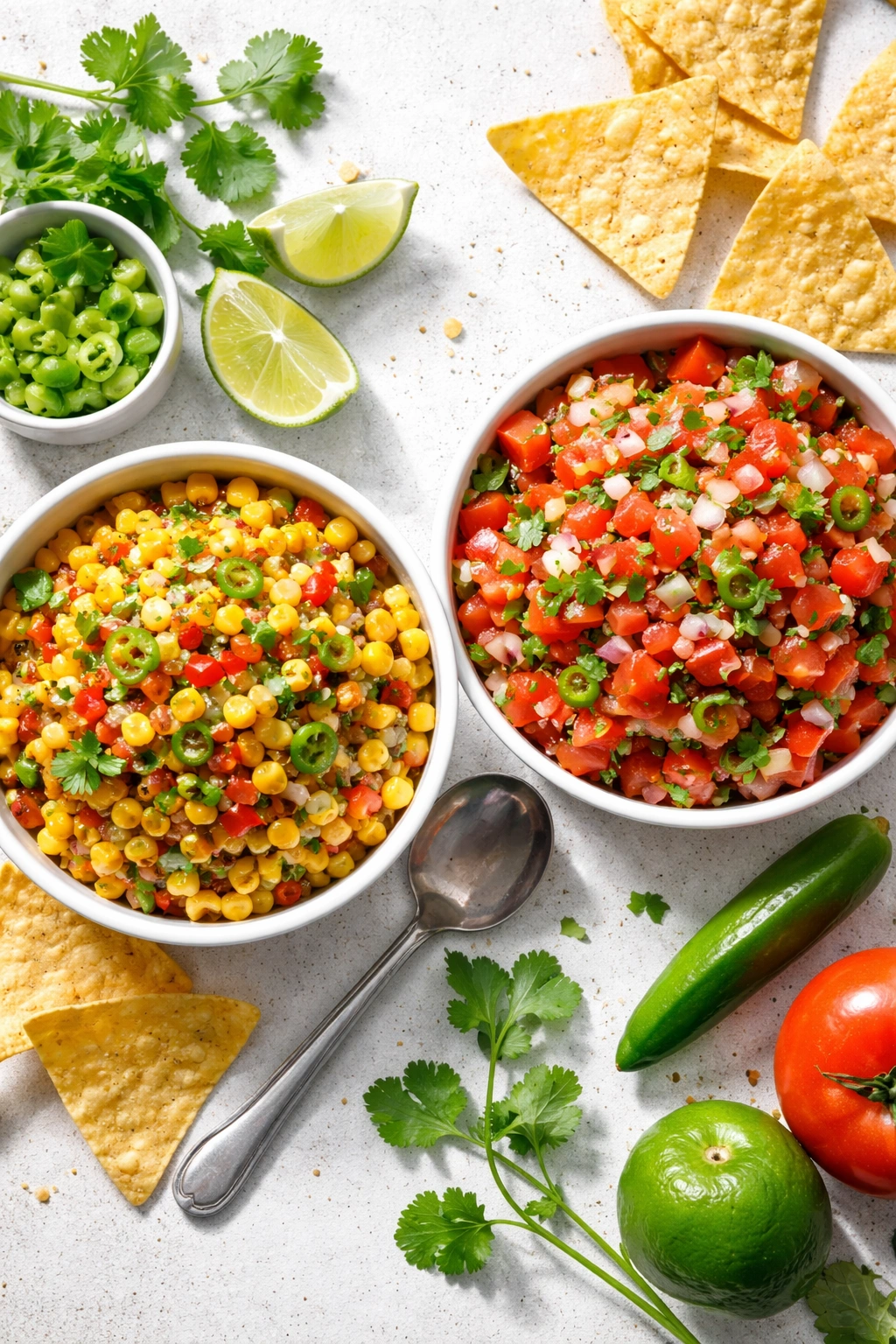
Salsas are where fresh flavor truly shines in a burrito bowl. Unlike restaurant versions that sit under heat lamps, homemade salsas can be as fresh and vibrant as you want them. A good burrito bowl includes at least two distinct salsas: a charred corn salsa that brings sweetness and texture, and a fresh tomato salsa (pico de gallo) that adds bright acidity and crunch.
For the Charred Corn Salsa:
- 2 cups corn kernels (frozen, canned and drained, or fresh)
- 1 jalapeño pepper, seeded and finely diced
- ⅓ cup red onion, finely diced
- ¼ cup fresh cilantro, chopped
- 2 tablespoons fresh lime juice
- 1 tablespoon fresh lemon juice
- 1 teaspoon ground cumin
- ½ teaspoon kosher salt
- ¼ teaspoon black pepper
If using frozen corn, cook according to package directions and drain well. If using canned, simply drain and rinse. For extra flavor, char the corn briefly in a dry skillet over medium-high heat for 3 to 4 minutes, stirring occasionally, until some kernels develop light brown spots—this caramelization adds depth. Combine the corn with the diced jalapeño, red onion, cilantro, lime juice, lemon juice, cumin, salt, and pepper. Stir gently until well combined. This salsa tastes even better if made a few hours ahead or the day before, as the flavors deepen and meld.
For the Fresh Tomato Salsa (Pico de Gallo):
- 1 pound fresh tomatoes (roma, beefsteak, or heirloom), seeds removed and finely diced
- ⅓ cup red onion, finely diced
- ¼ cup fresh cilantro, chopped
- 2 to 3 jalapeño peppers, seeded and finely minced
- 3 tablespoons fresh lime juice
- 1 tablespoon fresh lemon juice
- ½ teaspoon kosher salt
- ¼ teaspoon black pepper
To remove seeds from tomatoes, cut them in half horizontally and gently squeeze out the excess juice and seeds—this prevents your salsa from becoming watery. Dice the tomato flesh into ¼-inch pieces and place in a medium bowl. Add the red onion, cilantro, jalapeños, lime juice, lemon juice, salt, and pepper. Stir gently until combined. For the freshest, brightest flavor, make this salsa no more than 2 hours before serving, though it can be made up to 4 hours ahead and refrigerated.
The Guacamole: Creamy, Luxurious, and Simple
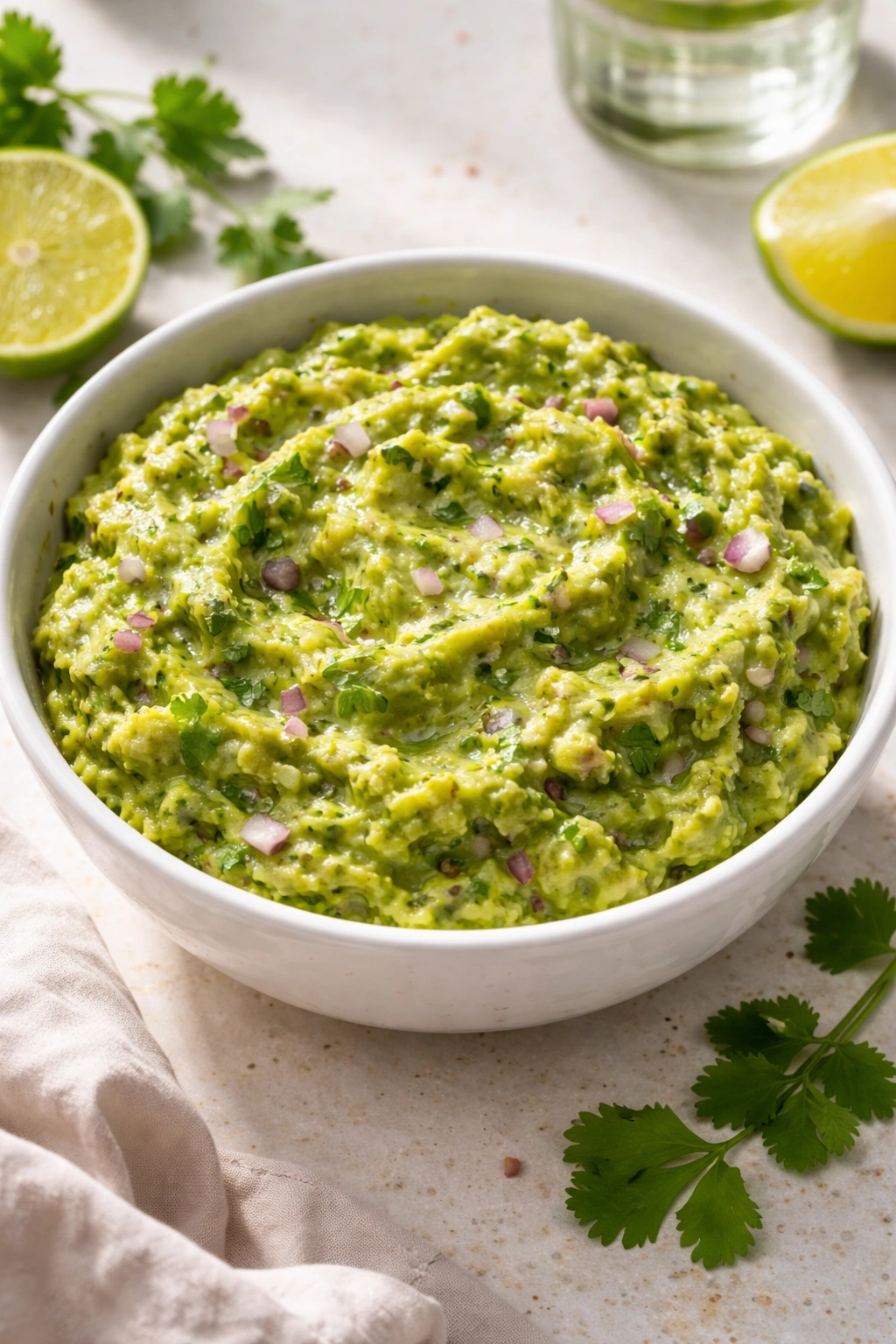
Guacamole might be the most essential component of a truly excellent burrito bowl. Quality avocados, properly ripened and handled gently, become something transcendent when mashed with just lime juice, salt, cilantro, and a touch of red onion and jalapeño.
For the Guacamole:
- 3 to 4 ripe avocados, halved and pitted
- 3 tablespoons fresh lime juice
- ½ cup red onion, finely diced
- 2 to 3 jalapeño peppers, seeded and minced
- ¼ cup fresh cilantro, chopped
- ¾ teaspoon kosher salt
- ¼ teaspoon black pepper
The most important step is selecting avocados at the perfect ripeness. They should yield to gentle pressure but not be mushy. Scoop the flesh into a medium bowl. Add half the lime juice and sprinkle with salt. Using a fork, mash gently until you reach your desired consistency—some people prefer completely smooth, while others like a few small chunks remaining. The key is working quickly and gently; overmashing breaks down the cell structure and creates a dense, unappetizing texture.
Fold in the red onion, jalapeños, cilantro, remaining lime juice, and black pepper. Taste and adjust seasoning. If making ahead, press a piece of plastic wrap directly against the surface of the guacamole to prevent browning from oxidation. This works far better than storing it in an airtight container, as the plastic wrap creates a seal that keeps air away from the surface. Guacamole is best made within an hour of serving, but can be made up to 4 hours ahead using this storage method.
Bringing Everything Together: Assembly and Customization
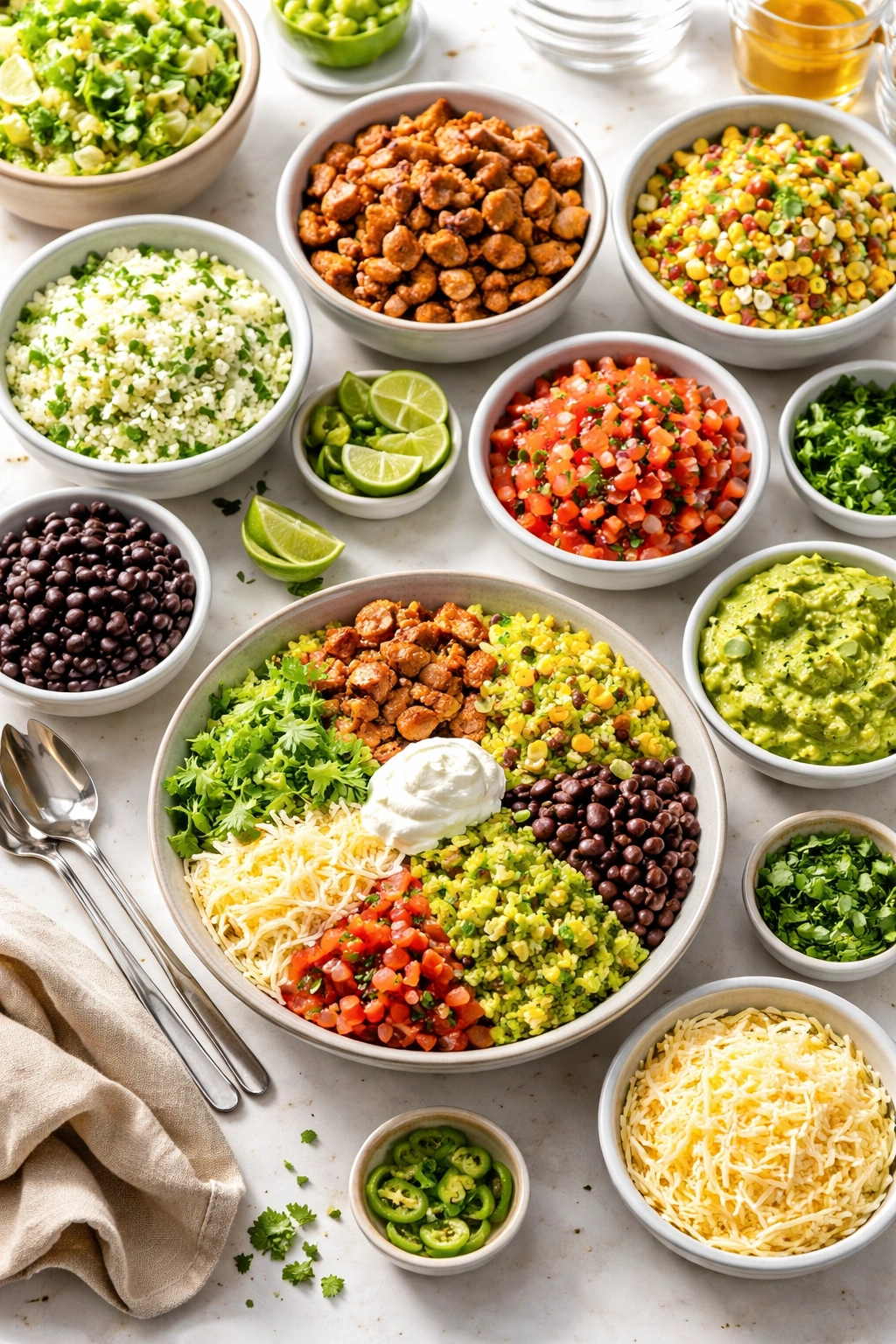
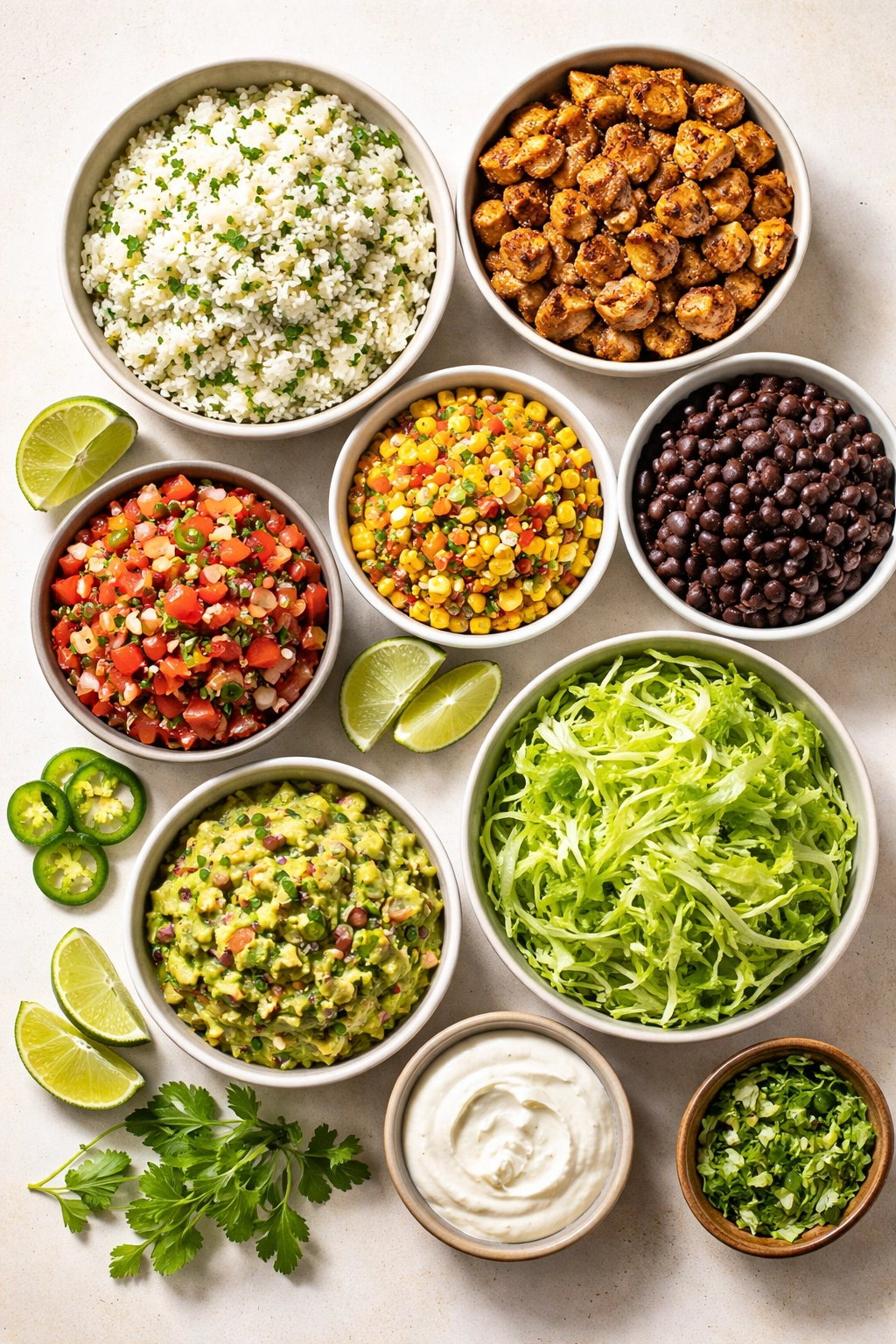
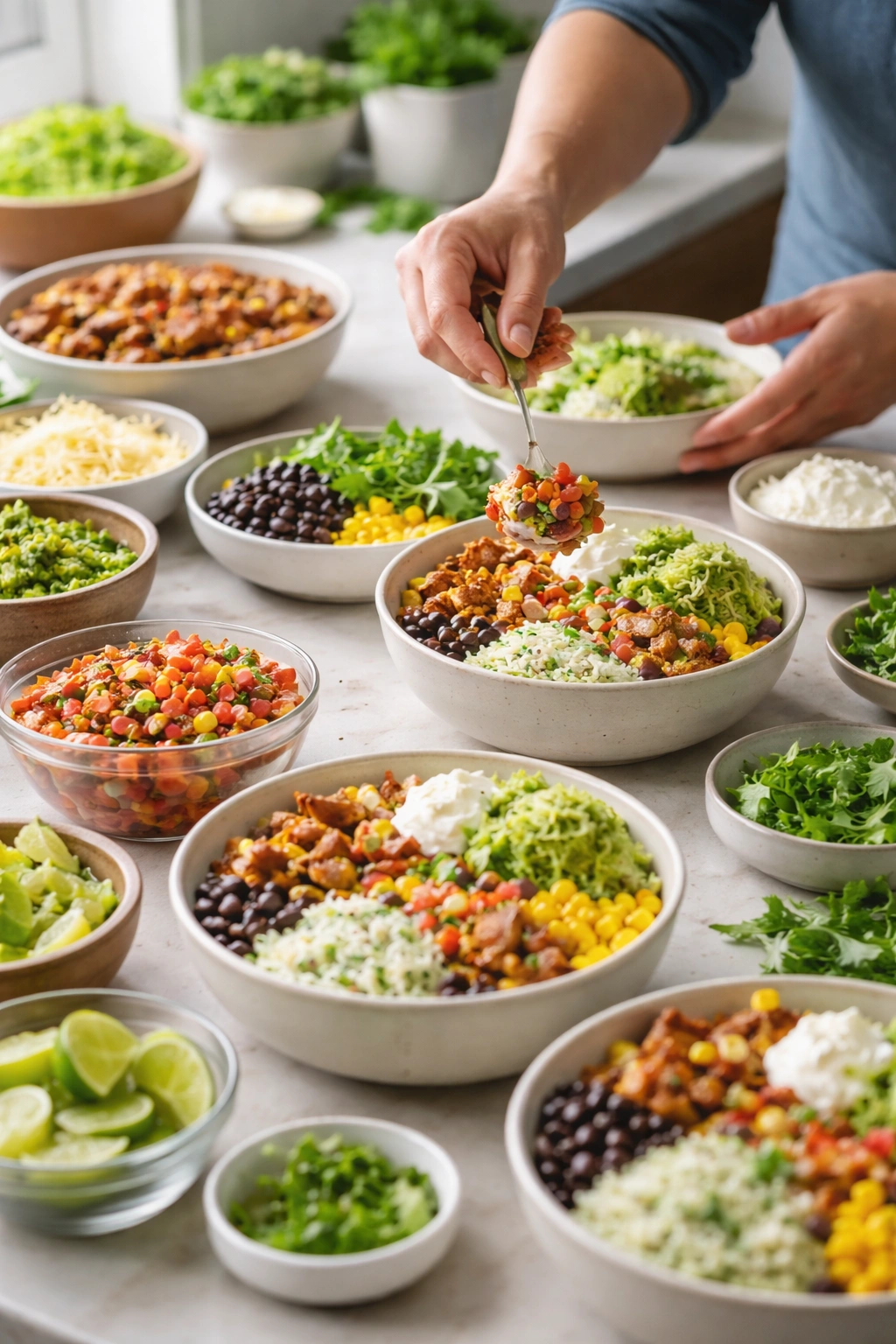
The real beauty of a burrito bowl lies in the assembly process. Each person builds their own bowl exactly how they want it, which means no complaints, no special orders, and maximum satisfaction. Set up all your components in separate bowls, and let people build their own creations.
For Assembling the Bowls:
- The cilantro-lime rice (warm or room temperature)
- The chipotle chicken (warm or room temperature)
- The charred corn salsa
- The fresh tomato salsa
- The guacamole
- 1 (15-ounce) can black beans, drained, rinsed, and warmed
- 3 cups shredded romaine lettuce
- 1 cup shredded Monterey Jack or cheddar cheese
- ½ cup sour cream or Mexican crema
- Fresh cilantro for garnish
- Lime wedges
- Hot sauce (optional)
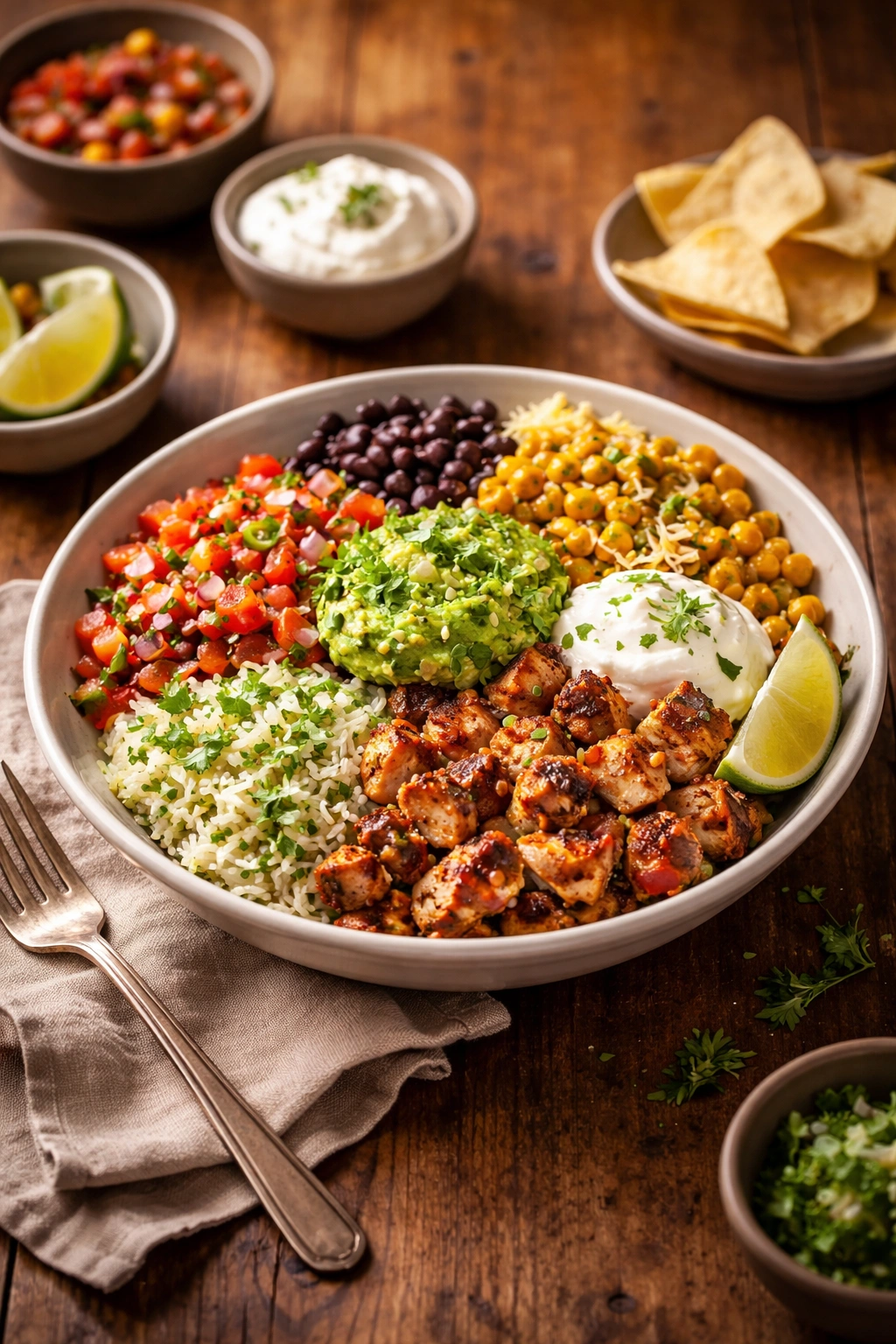
Start each bowl with a generous base of the cilantro-lime rice, about ¾ to 1 cup per bowl. Layer on the shredded romaine lettuce, creating a bed that will catch all the flavors. Add a portion of the warm chipotle chicken—about ¼ pound per bowl—right in the center. Spoon on the charred corn salsa and fresh tomato salsa, distributing them evenly so you get both in every bite. Add a generous scoop of guacamole—don’t be shy here; there’s no upcharge for guac when you’re making it yourself. Distribute the warmed black beans around the bowl.
Top everything with a dollop of sour cream, a sprinkle of shredded cheese, and fresh cilantro. Serve with lime wedges on the side and hot sauce if that’s your preference. The beauty of this assembly method is that everyone gets exactly what they want in the proportions they prefer, and the bowl stays warm because all the components are still warm when combined.
Make-Ahead Wisdom: Strategizing for Busy Weeknights
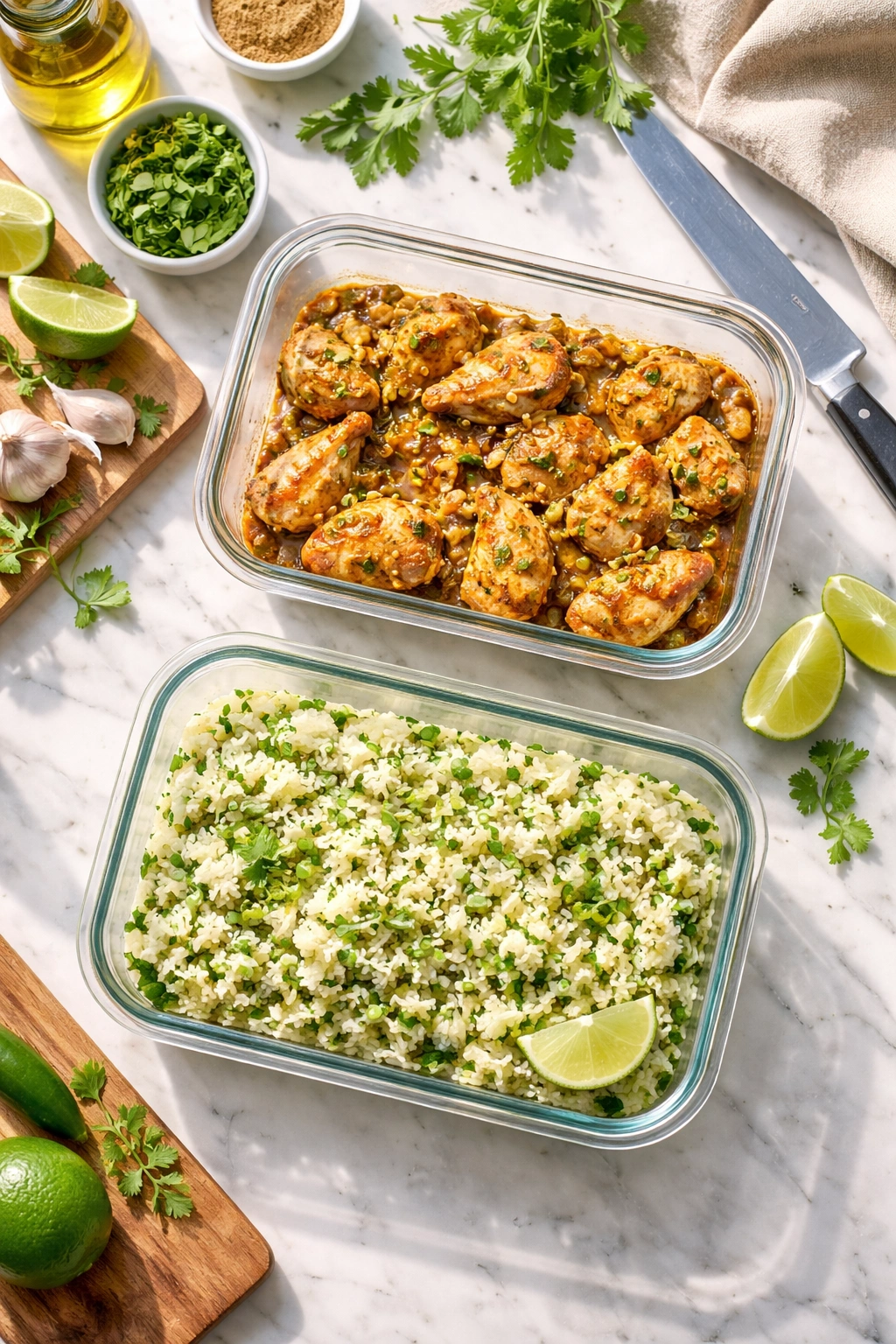
Understanding which components can be prepared in advance—and which should be made fresh—transforms burrito bowls into the ultimate meal-prep vehicle. Smart preparation means you can have dinner on the table in minutes, even on nights when you’ve had no time to cook.
The chipotle chicken is one of your best make-ahead options. Prepare the marinade and combine it with the chicken in the morning or the night before, then simply cook when you’re ready. The marinating actually improves the flavor, so this isn’t cutting corners—it’s improving your result. Once cooked, the chicken keeps perfectly in an airtight container in the refrigerator for up to 5 days, and reheats beautifully either in a skillet over low heat with a splash of olive oil or in the microwave with a damp paper towel covering it to retain moisture.
The cilantro-lime rice can also be made a full day ahead. Store it in an airtight container in the refrigerator. To refresh it before serving, sprinkle lightly with water and reheat gently in a covered skillet over low heat, stirring occasionally, for 5 to 7 minutes. You can also reheat it in the microwave, covered, in 30-second intervals, stirring between each interval, until warmed through. The rice won’t be quite as fluffy as fresh, but it remains perfectly delicious.
Both salsas—the charred corn salsa and the fresh tomato salsa—can be made up to a day ahead and stored in separate airtight containers in the refrigerator. The corn salsa actually improves as it sits, with flavors deepening and melding. The fresh tomato salsa is best made within a few hours but definitely works made the morning of if you’re prepping for dinner.
The only component that truly must be made fresh is the guacamole. If you’re meal prepping for multiple days, make fresh guacamole in batches as needed, or prep the avocados by halving and pitting them, storing them in an airtight container with the pit (which helps prevent browning), and mashing them into guac right before serving.
Cheese, lettuce, and beans can all be prepped in advance. Shred your cheese and store it in an airtight container for up to 5 days. Chop your lettuce and store it in a container lined with paper towels (the paper towels absorb excess moisture) for up to 3 days. Warm your beans gently in a small saucepan with a pinch of salt and a splash of lime juice just before serving.
Variations and Customizations: Making Them Your Own
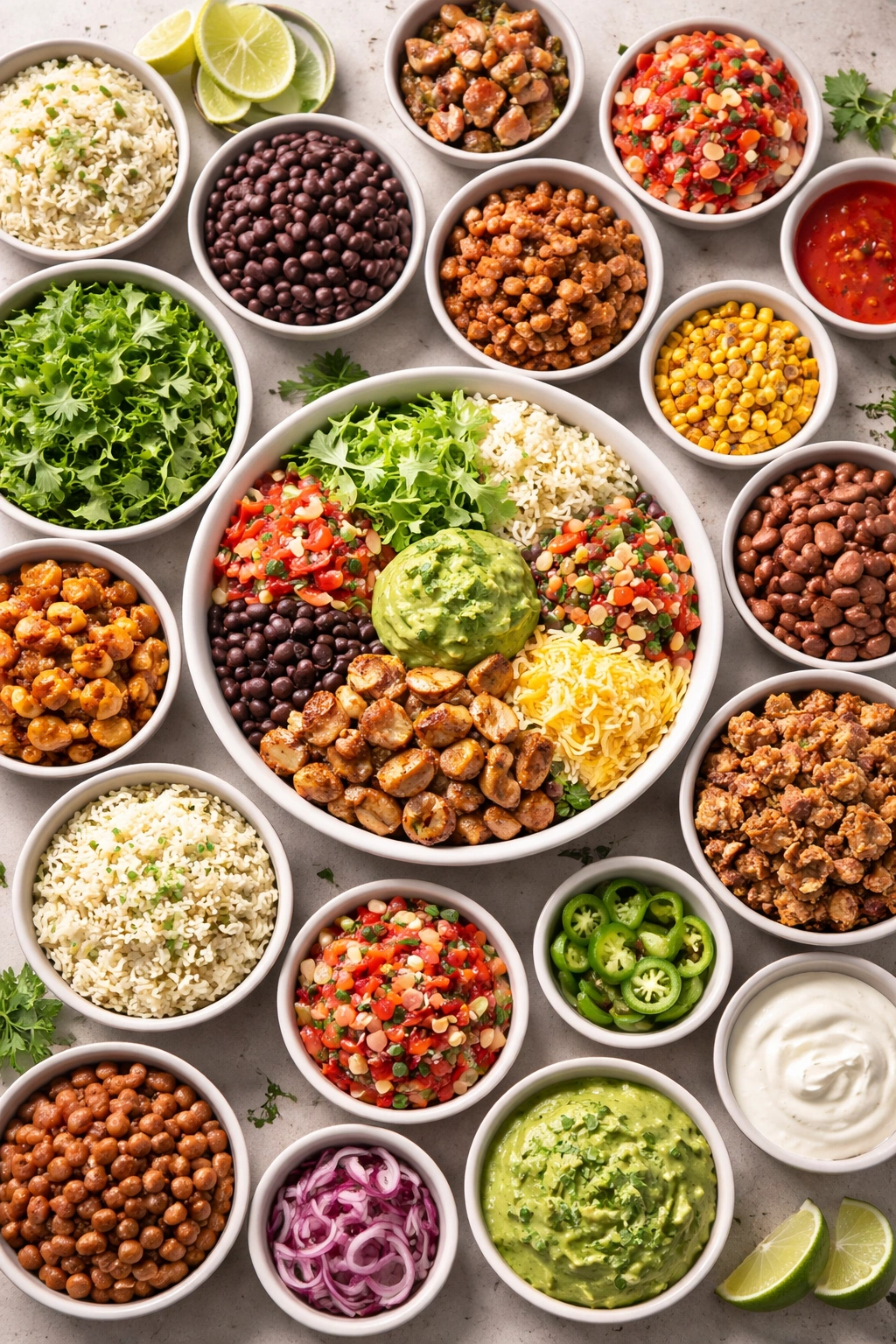
The genius of the burrito bowl concept is its flexibility. Every person at your table can have a completely different experience based on their preferences, dietary needs, and cravings. This section covers ways to adapt the basic bowl for virtually any preference or dietary requirement.
Protein variations are the most obvious starting point. While chicken is classic, steak makes these bowls feel more indulgent—use the same chipotle marinade with flank steak, sliced thin against the grain after cooking. Carnitas (slow-roasted pork) bring richness and a completely different flavor profile. For a vegetarian option, roasted cauliflower, seasoned with the same spice blend as the chicken, becomes surprisingly satisfying. Shrimp marinated in the same chipotle mixture and pan-seared is another elegant variation. Tofu, pressed and pan-fried or baked after marinating in the same chipotle sauce, works beautifully for vegan bowls.
Rice alternatives let you customize for different dietary preferences. Brown rice adds nuttiness and extra fiber. Quinoa introduces a slightly different texture and more protein. Cilantro-lime cauliflower rice makes these bowls lower-carb without sacrificing flavor. Sweet potato, roasted and cubed, creates a different kind of sweetness that plays beautifully with the smoky chicken and salsas. Even a simple bed of crisp romaine lettuce (essentially turning the bowl into a salad) works wonderfully for very low-carb approaches.
Bean options extend beyond black beans. Pinto beans bring earthier flavor. Refried beans add creaminess. A combination of black beans and pinto beans gives complexity. For a protein boost, add extra beans instead of extra rice or meat. For a lower-carb approach, use extra beans to replace rice entirely.
Topping additions and swaps let everyone build their perfect bowl. Roasted corn instead of raw creates deeper caramelized flavor. Charred poblano peppers add smoke and complexity. Fajita-style sautéed peppers and onions (cooked until slightly caramelized and seasoned with cumin, garlic, and lime) create a more complete meal. Shredded cabbage, either raw or quickly sautéed, adds crunch. Diced fresh pineapple brings unexpected sweetness that complements the smoke and heat beautifully. Fresh diced mango creates a lighter, more tropical variation. Crispy tortilla strips or fried onions add textural contrast.
Sauce and creamy topping options multiply your possibilities. Regular sour cream is classic, but Mexican crema is slightly less tangy and more luxurious. For dairy-free bowls, cashew crema (soaked raw cashews blended with water, lime, and salt) is rich and delicious. A drizzle of chipotle lime crema (sour cream mixed with lime juice, a minced chipotle pepper, and salt) adds extra flavor. Jalapeño ranch dressing brings coolness to balance heat. A spoonful of fresh salsa verde (made from tomatillos) adds brightness.
Cheese variations invite creativity. Monterey Jack is mild and melts nicely. Sharp cheddar brings tangy depth. Crumbled cotija is more authentically Mexican and adds wonderful salty, slightly crumbly texture. A combination of cheese types—part Jack, part cotija, part sharp cheddar—creates complexity. For dairy-free, nutritional yeast mixed with salt creates a surprising “cheesy” flavor.
Practical Tips for Restaurant-Quality Results at Home
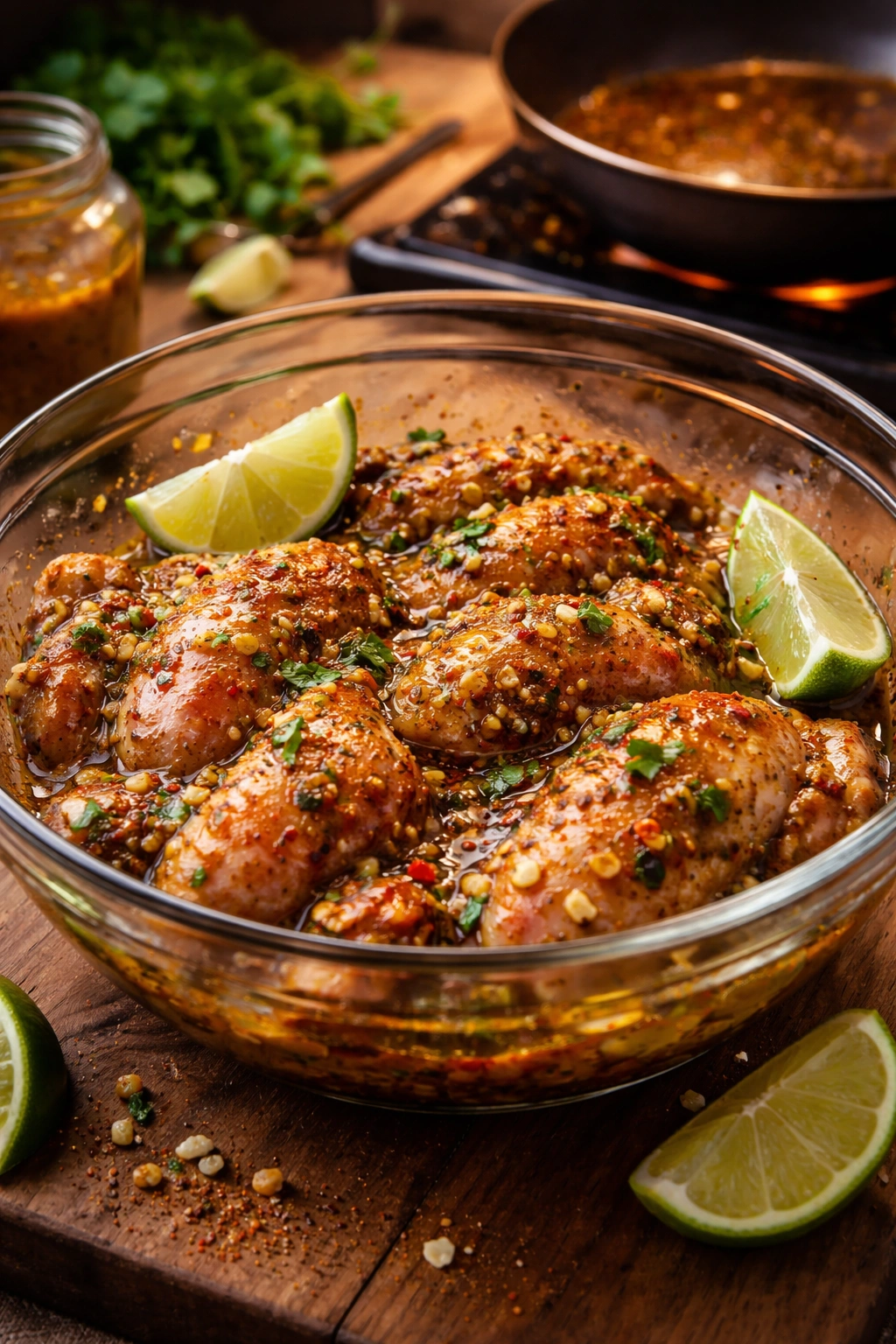
Achieving consistently excellent burrito bowls starts with understanding the mechanics of why certain techniques work. Marinating the chicken for adequate time isn’t just about flavor—it also helps the protein retain moisture during cooking, creating tender, juicy results. A rushed 30-minute marinade works, but 2 to 4 hours produces noticeably superior results. The acids in the marinade (lime juice) begin breaking down the muscle fibers, and the oils help distribute flavors evenly throughout the meat.
Allowing proteins to rest after cooking is essential and often overlooked. Whether you’re cooking chicken, steak, or any other protein, letting it sit undisturbed for 5 to 10 minutes after coming off the heat allows the muscle fibers to relax and retain the juices. If you cut into a hot protein immediately, all those juices run out onto the cutting board instead of staying in the meat, leaving you with something dry. This five-minute wait is the difference between good and excellent.
Seasoning each component independently transforms a good bowl into a great one. Rather than underseasoning everything and hoping the cumulative effect works, season the rice properly, season the beans, season the salsa, season the chicken. When each element tastes good on its own, they build on each other when combined, creating a bowl that tastes exponentially better than one where everything is underseasoned.
Keeping components warm separately rather than mixed preserves texture and allows people to customize temperature preferences. Some people love everything warm; others prefer cool fresh components with warm proteins. Storing rice, beans, and chicken in separate containers means you can serve them how you want.
Using fresh citrus juice rather than bottled makes a noticeable difference, especially in components like the cilantro-lime rice and guacamole where the citrus isn’t being cooked away. Fresh lime juice has brightness that bottled versions, often preserved with sulfites, simply can’t match.
Storage, Reheating, and Make-Ahead Strategies
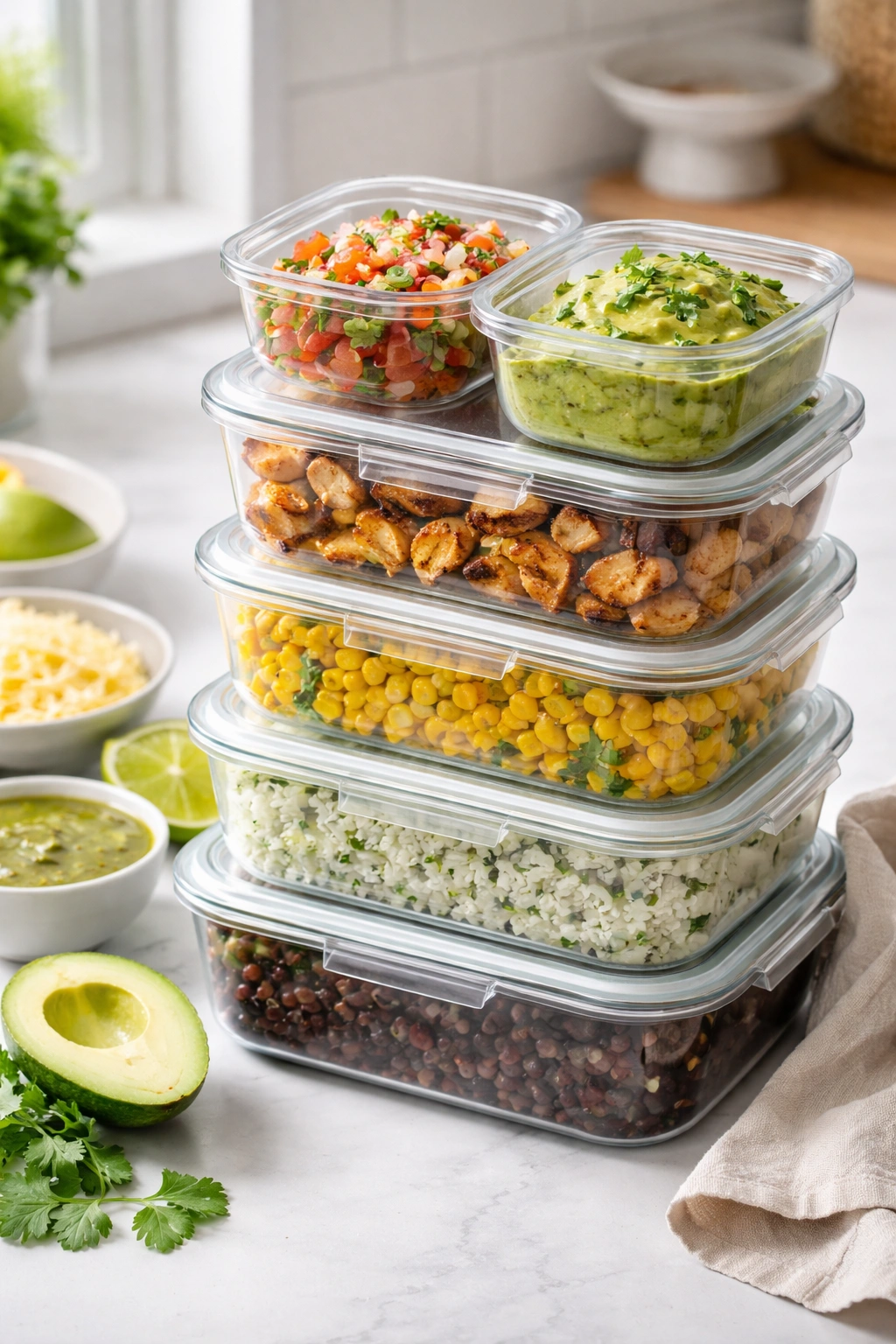
Properly stored, the components of a burrito bowl keep well throughout the week. Cooked chicken lasts up to 5 days in an airtight container and reheats gently in a covered skillet over low heat with a splash of water or broth. Cooked rice keeps for 5 days and rehydrates beautifully with a light sprinkle of water and gentle reheating. Cooked beans last 5 days and reheat with a pinch of salt and a squeeze of lime juice to brighten them. Salsas keep 3 to 4 days in airtight containers. The corn salsa actually improves as it sits. The tomato salsa is best made within a day or two for maximum freshness and brightness.
Fresh components require different handling. Lettuce stays crisp for 3 days when stored in a container lined with paper towels that absorb excess moisture. Avocado and guacamole should be made fresh or prepared within a few hours. If making ahead, press plastic wrap directly against the surface. Cheese keeps well for a week in an airtight container. Sour cream lasts well past its printed date when stored properly in an airtight container.
The ideal meal-prep strategy involves cooking all proteins, rice, and beans once at the beginning of the week, then assembling fresh bowls from stored components. This way, the warm components stay warm, the fresh components stay fresh, and everything tastes as good as freshly made.
Serving Suggestions and Occasions
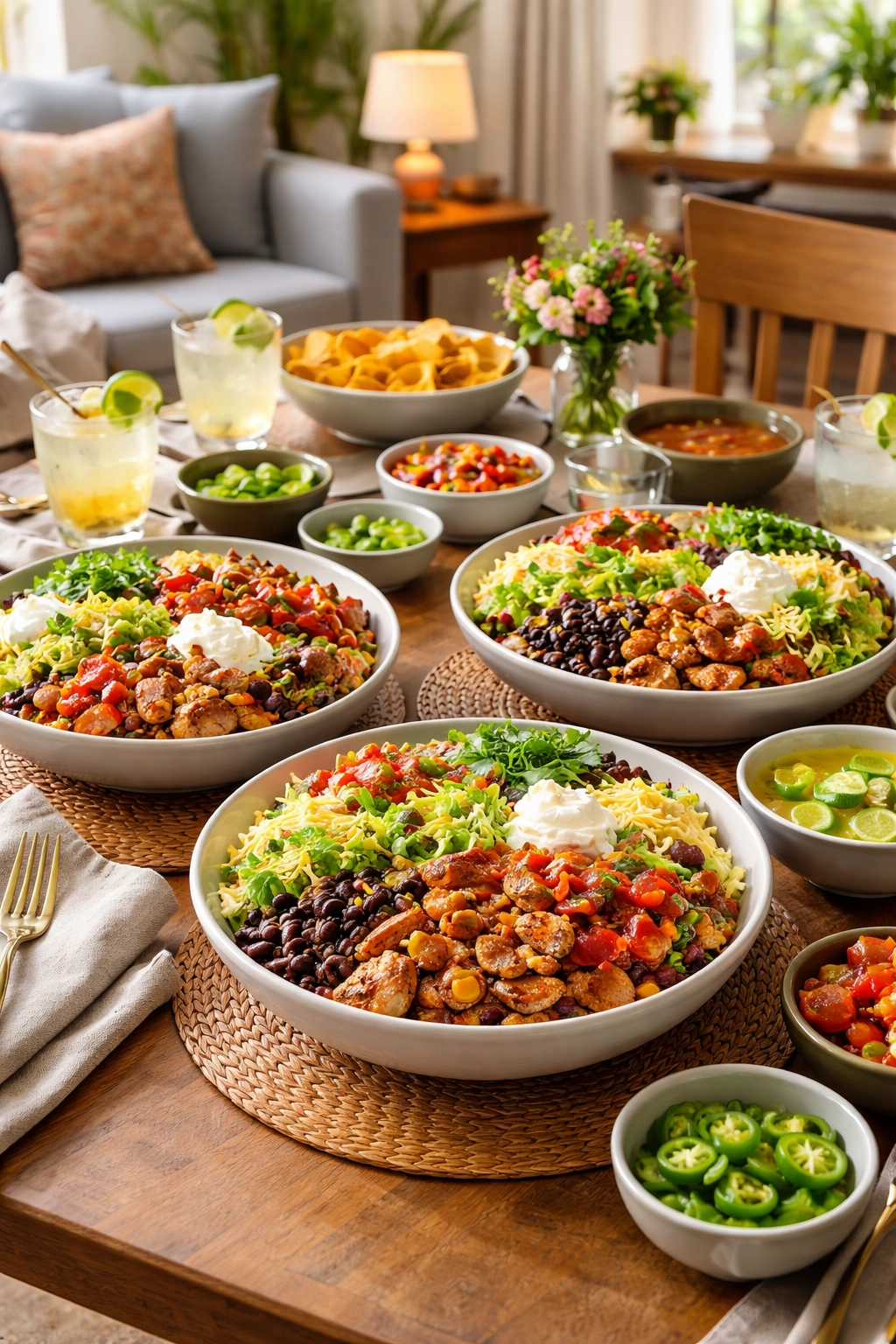
Burrito bowls work beautifully for far more occasions than just casual weeknight dinners. For meal prep lunches, assemble all components into portable containers, keeping sour cream, salsa, and guacamole separate until eating. For easy family dinners, set up a build-your-own-bowl station where everyone customizes their own creation. For casual entertaining, this is genuinely one of the best options—impressive-looking, completely customizable so you’re not tracking multiple dietary restrictions, and easier on your hosting duties than plated dishes.
Pairing options are straightforward and delicious. Serve with crispy tortilla chips on the side for scooping salsas and enjoying alone. A cold Mexican lager or light beer pairs beautifully, as does sparkling limeade with fresh lime juice and minimal sugar. A simple green salad with lime vinaigrette complements heavier, cheese-laden bowls. Mexican street corn salad (elote) creates a fun side that echoes flavors already present. Black bean dip with crispy chips makes an excellent appetizer if you’re serving these for gathering.
For presentation, serve in wide, shallow bowls that showcase all the components. The visual appeal of the colorful layers—bright green cilantro, white rice, golden corn, red salsa, green guacamole—is part of the appeal. A squeeze of fresh lime right before eating brightens everything, and a sprinkle of fresh cilantro on top adds visual appeal and fresh herbal notes.
Mastering Your Technique Through Practice
The wonderful thing about burrito bowls is that they improve with repetition. Your first time making these components, you’re learning. Your second time, you’re refining. By your fifth time, you’ve internalized the techniques and can make these beautifully with minimal effort. You’ll develop preferences—maybe you prefer your guacamole slightly chunkier, or your chicken more finely chopped. Maybe you discover you love roasted peppers more than corn salsa, or that a touch of cilantro-lime crema beats sour cream every time. These bowls invite personalization and evolution.
Pay attention to which components become your favorites. Do you always reach for extra sour cream? Make sure you have plenty on hand. Does your family consistently choose the corn salsa over the tomato salsa? Cook extra corn salsa and skip the tomato next time. Does someone always load up on guacamole? That’s not a mistake—that’s information about what makes them happy, and you can factor that into shopping and prep.
The more you make these, the faster they become. What takes 45 minutes the first time becomes a 20-minute assembly by your tenth time. Components that seemed complex become instinctive. You’ll develop shortcuts—maybe you start buying rotisserie chicken for nights when you’re truly short on time, or discover that canned pico de gallo works surprisingly well when you’re in a pinch. These aren’t compromises; they’re evolution of technique.
Final Thoughts
Burrito bowls represent something increasingly important in home cooking: the shift from “I’m making dinner” to “I’m creating an experience.” You’re not just cooking chicken and rice; you’re building something that meets everyone at the table where they are, respects their preferences, and delivers genuine flavor and satisfaction. You’re spending an afternoon preparing components that feed you all week, saving money and time while actually eating better than takeout. You’re developing a skill—understanding how flavors work together, how to properly marinade and cook proteins, how to balance freshness and richness—that extends far beyond this one bowl to improve your overall cooking.
The beautiful truth is that these bowls don’t need to be perfect. Your chicken doesn’t have to be exactly as smoky as the restaurant version. Your rice doesn’t need to be exactly 18 minutes—16 or 20 works fine. Your salsas don’t need to match a specific recipe. What matters is that you’re making something fresh, customized, and genuinely delicious, with ingredients you selected and prepared with your own hands. That’s worth infinitely more than any takeout order, and it’s surprisingly attainable for any home cook willing to invest a little time in understanding the components.
Make these bowls regularly and they become part of your cooking language. You’ll have them down so well that you can throw them together for an unexpected dinner guest, pull together a quick lunch from what’s in your fridge, or host a casual gathering where everyone builds their perfect meal. You’ll discover new variations and combinations. You’ll perfect your technique, develop your preferences, and create something entirely your own—a version of the burrito bowl that’s uniquely suited to you and everyone you cook for.
