
Italian sausage is one of those ingredients that transforms weeknight cooking from stressful to straightforward. Here’s why: the meat arrives fully seasoned with fennel, garlic, herbs, and spices already built in, meaning you skip the step of rummaging through your spice cabinet just to build flavor. Whether you’re dealing with a hectic Tuesday or a relaxed weekend, an Italian sausage dinner comes together faster than you’d expect while tasting like you spent hours on it.
The beauty of Italian sausage isn’t just speed—it’s versatility. You can simmer it into creamy pasta sauces, pile it onto sheet pans with roasted vegetables, nestle it into soups, bake it into casseroles, or toss it into skillets with rice. Each preparation method delivers completely different results, so you won’t tire of cooking with it. Plus, because the meat is already packed with aromatic spices, even simple preparations feel restaurant-quality.
If you’re looking to break out of your dinner routine without adding complexity to your kitchen life, these six Italian sausage dinners deliver maximum flavor with minimum fuss. Each one uses straightforward techniques, common pantry staples, and ingredients you probably already have on hand or can grab in a single shopping trip.
1. Sausage and Peppers Skillet
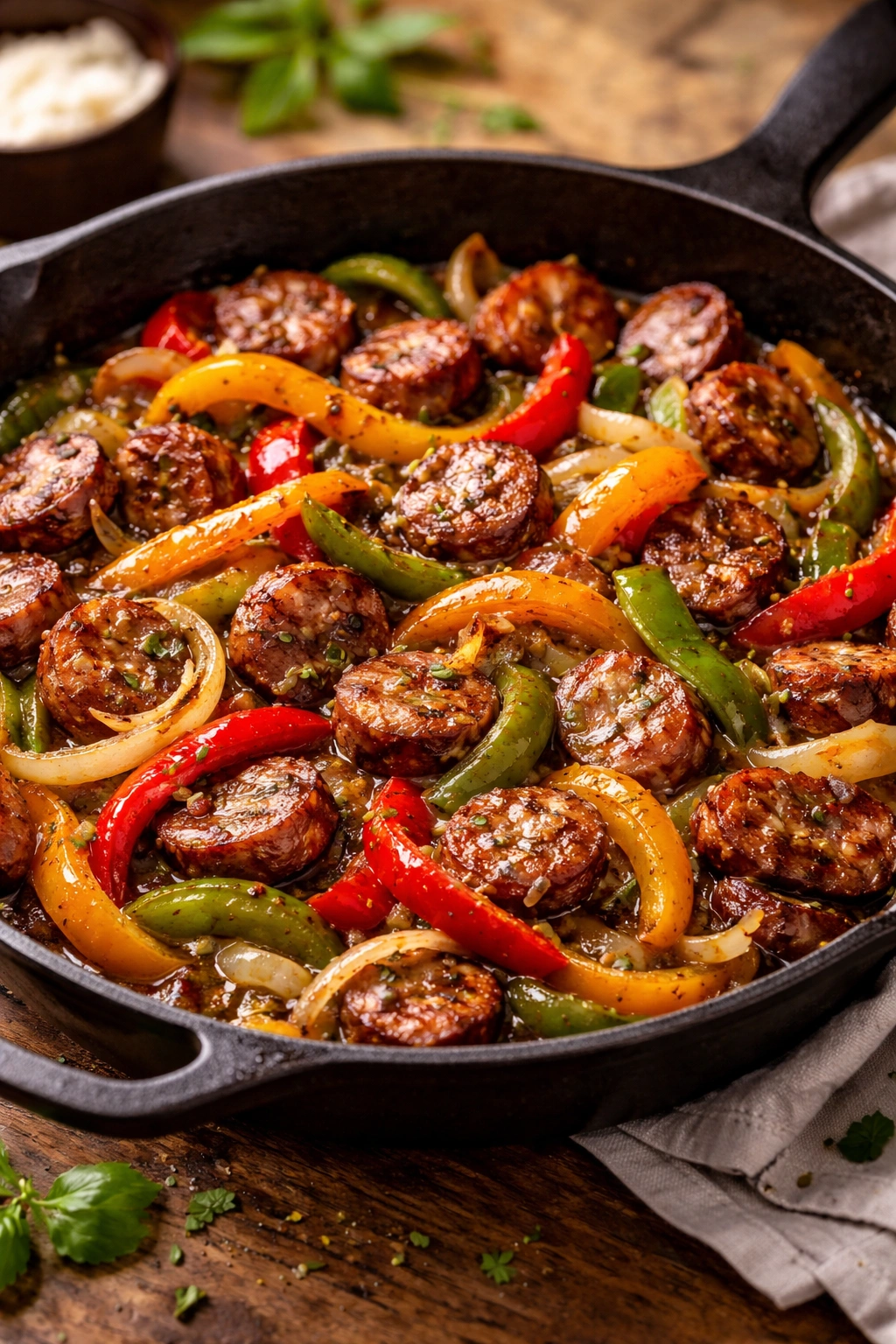
There’s a reason sausage and peppers has remained a classic for decades—it’s the kind of dish that tastes impressive but requires almost nothing in terms of technique. You brown the sausage, add sliced peppers and onions to the same skillet, finish with a splash of broth or wine to deglaze the pan, and dinner is done. The peppers turn silky and slightly caramelized while the sausage releases its juices into the mix, creating a simple sauce that feels special.
The magic happens when you don’t rush the peppers. After browning the sausage and setting it aside temporarily, give the bell peppers and onions time to soften and develop some color—this takes around five to seven minutes over medium heat. The vegetables release their natural sugars, creating sweetness that contrasts beautifully with the savory, spiced sausage. Fresh garlic stirred in during the last minute adds aromatics without overpowering the dish.
When you deglaze the pan by pouring in chicken broth or red wine and scraping up those brown bits from the bottom, you’re capturing all the flavor that’s stuck to the pan. This step matters more than most home cooks realize—those caramelized bits are concentrated sausage flavor, and they belong in your dinner, not abandoned in a dirty skillet.
Why This Dinner Works
The entire recipe comes together in under thirty minutes, making it perfect for busy weeknights when you need something hearty but don’t have hours to cook. The ratio of vegetables to meat is generous, so you’re getting plenty of nutrition alongside the protein. Most importantly, this dish is endlessly flexible—you can serve it over pasta, rice, polenta, or cauliflower rice, pile it into a crusty roll for sandwiches, or eat it straight from the skillet with nothing but a salad on the side.
What to Serve Alongside
Crusty bread is the obvious choice—use it to soak up every bit of sauce left in the skillet. A simple arugula salad with lemon vinaigrette adds brightness and cuts through the richness. Creamy mashed potatoes turn this into comfort food territory, while a fresh green salad keeps things lighter.
2. Creamy Italian Sausage Pasta
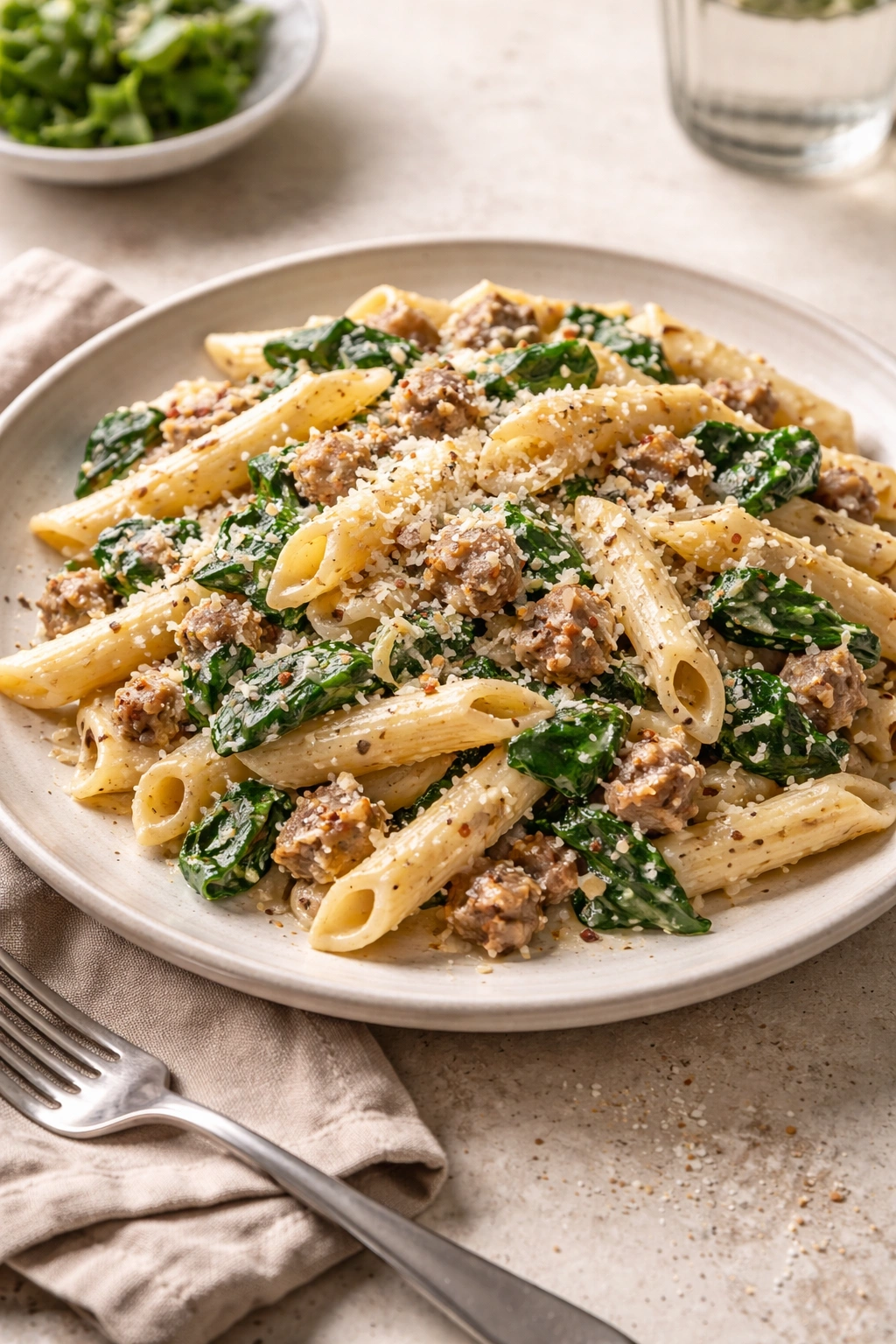
Creamy sausage pasta hits different from tomato-based versions—it feels luxurious without being heavy, ready in under twenty minutes, and the kind of thing people ask for seconds of at the dinner table. The sauce comes together through a surprisingly simple method: you brown the ground sausage, sauté onions and garlic, then finish everything with heavy cream, fresh spinach, and grated Parmesan cheese that melts right into the sauce.
The trick to nailing this dish is not overcooking the spinach. Fresh spinach wilts almost immediately—you’re looking at three to five minutes of gentle cooking before it softens completely. Add it too early and you’ll end up with mushy greens; add it too late and it stays raw. The sweet spot is right when you’re about to combine the sauce with your drained pasta.
Penne is the traditional choice here because its ridged surface and hollow center trap the creamy sauce in every bite. Farfalle (bow-tie pasta) works beautifully too, catching pockets of sauce in the ruffled edges. Even simple spaghetti works if that’s what you have, though you lose some of the textural interplay between pasta shape and sauce.
Building the Flavor
Ground Italian sausage is essential for this preparation—links won’t distribute evenly throughout the cream sauce the way crumbled sausage does. Cook it over medium-high heat until it’s no longer pink, breaking it apart with a wooden spoon as it cooks. Once it’s cooked through, drain excess fat if necessary—you want the rich sausage flavor without puddles of grease in your finished dish.
The garlic and onion get sautéed in the same pan, absorbing those sausage drippings and developing a golden, slightly caramelized quality. This base is where your sauce builds its depth. When you add the heavy cream and bring it to a simmer, you’re creating an environment where the Parmesan can melt smoothly into something silky rather than breaking into grainy clumps.
Seasoning Notes
Red pepper flakes add a gentle heat that balances the richness of the cream and cheese. Fresh parsley scattered over the finished dish adds color and a bright herbal note. Taste before adding extra salt—the sausage and Parmesan are both salty ingredients, and you’ll likely find the dish is perfectly seasoned without additional salt added.
3. Italian Sausage and Rice Casserole
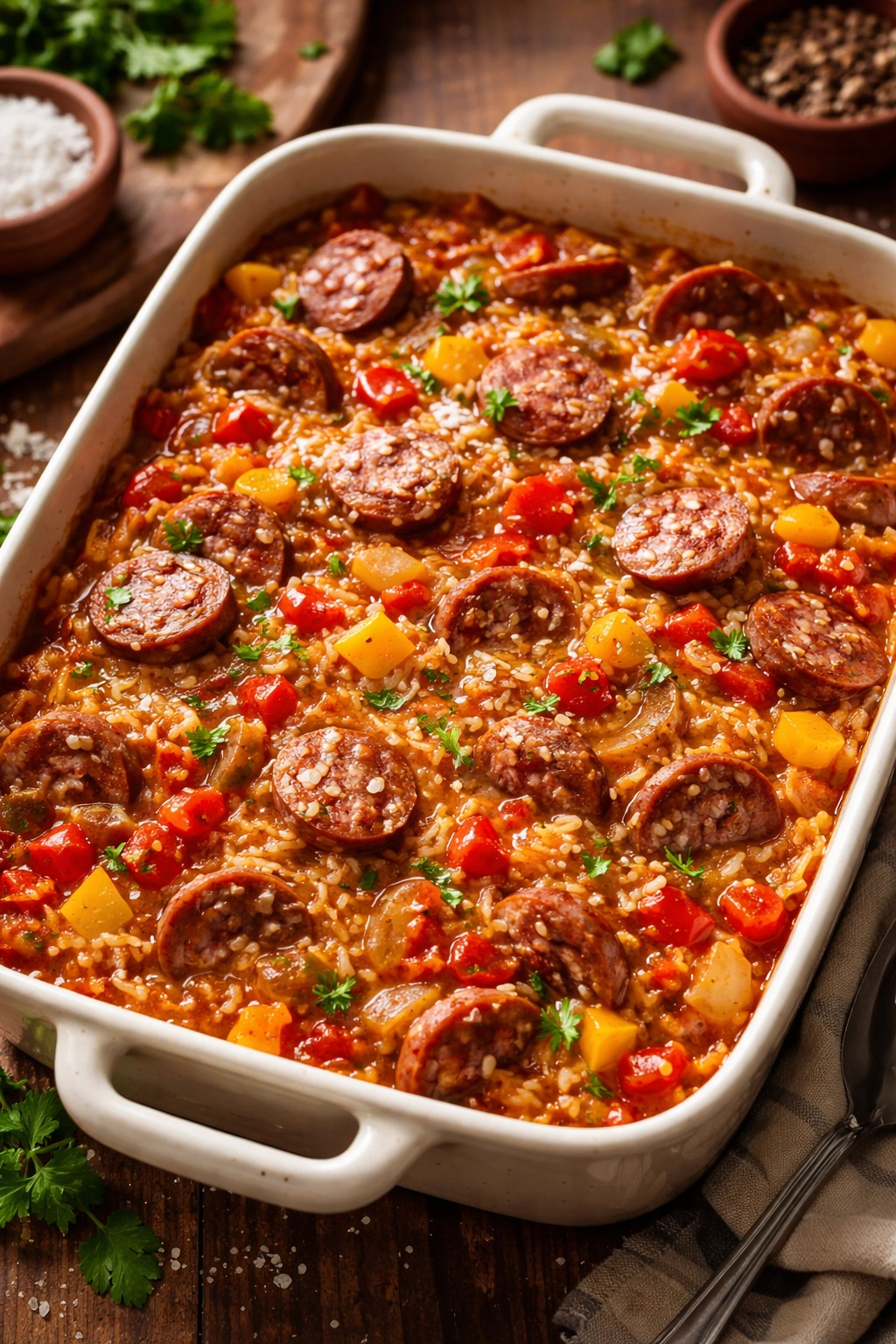
One-pan dinners appeal to everyone for the same reason: cleanup is minimal and everything cooks together, with flavors mingling throughout. A sausage and rice casserole delivers all that convenience while tasting like a proper dinner rather than a hastily thrown-together meal.
The technique is straightforward: brown sliced or ground sausage, sauté diced peppers and onions until they start softening, then add instant rice (which cooks in about five minutes) along with chicken broth and canned fire-roasted tomatoes. Everything simmers together under a lid until the rice absorbs the liquid and becomes tender, with the sausage seasoning infusing every grain.
Using instant brown rice is the key to keeping this to a thirty-minute timeline. Regular brown rice takes nearly an hour, but instant rice is parcooked, requiring only five minutes of simmering to finish cooking. The trade-off in nutrition is minimal—you still get the fiber and minerals of brown rice, just in a fraction of the time. If you prefer white instant rice, it works too, though you may need slightly less liquid.
Ingredient Swaps That Work
The beauty of a rice casserole is that it adapts to whatever vegetables you have on hand. Bell peppers are traditional, but diced zucchini, asparagus, broccoli, or mushrooms all work beautifully. Frozen vegetables are perfectly acceptable and save prep time—no thawing required. Simply add them straight to the skillet; they’ll cook during the rice-simmering phase.
Pre-cooked sausage links speed things up even further, though you’ll want to slice them into bite-sized pieces rather than leaving them whole. Fresh Italian chicken sausage is leaner than pork sausage, making this a slightly lighter option if that’s your preference. Hot, mild, or sweet sausage all work—choose based on your family’s heat tolerance.
Finishing Touches
A sprinkle of fresh parsley and a dusting of Parmesan cheese just before serving add brightness and richness without requiring additional cooking. Some people like a squeeze of fresh lemon juice over the top, which cuts through the richness nicely. The casserole reheats beautifully, making it an excellent choice for meal prep or having leftovers for quick lunches.
4. Zuppa Toscana (Creamy Sausage Soup)
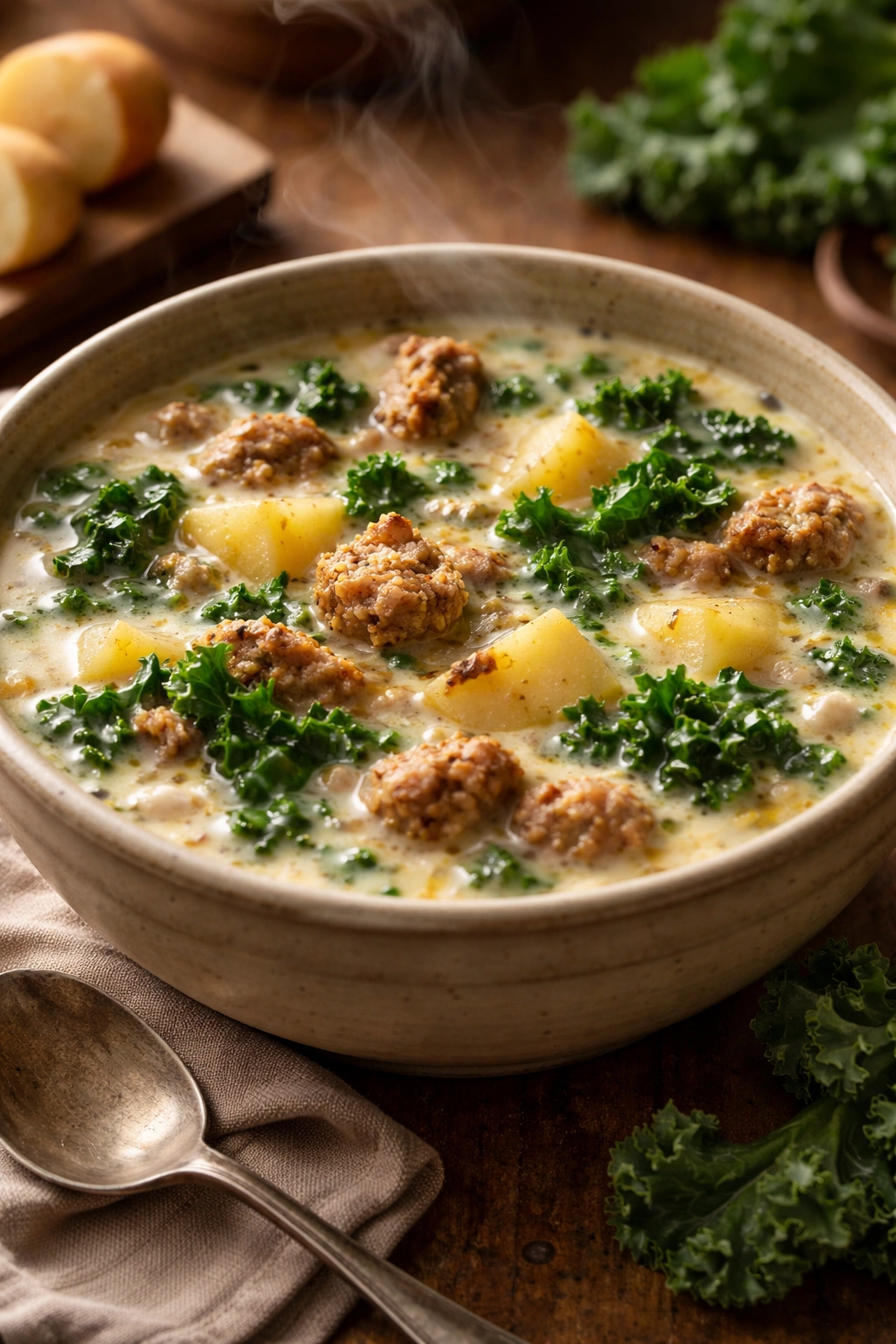
Zuppa Toscana proves that restaurant dishes don’t require restaurant-level complexity. This Tuscan soup combines Italian sausage, potatoes, kale, and cream in a way that feels both elegant and entirely doable on a random Tuesday night. It’s the kind of soup that warms you from the inside out, satisfying without being overly heavy.
The foundation starts with browning Italian sausage and letting it render its fat—you want golden, crispy sausage pieces with some caramelization on the edges. Once cooked through, you remove it temporarily and use that rendered fat to sauté diced onions and garlic. This builds a flavorful base that will season your entire pot.
Diced potatoes go in next, followed by chicken or vegetable broth, which simmers until the potatoes become tender enough to break with a spoon. The magic happens when you add chopped kale—the heat from the broth wilts it almost instantly, turning bright green into soft, tender greens that absorb all the flavors around them. Finally, a splash of heavy cream (or even half-and-half) comes in, making the broth silky and luxurious.
Why Kale in Particular
While other leafy greens like spinach or chard work, kale has a sturdier texture that holds up better to the longer cooking time without becoming mushy. Its slight bitterness plays beautifully against the sweet potatoes and rich sausage, creating complexity in the bowl. Massage your kale gently before chopping if you want it softer, or leave it as-is for more texture.
The potatoes should be cut into bite-sized cubes—if they’re too large, they take forever to cook; if they’re too small, they’ll disintegrate into the broth. Aim for roughly ½-inch cubes. Red potatoes hold their shape better than russets in a simmering soup, though both work if that’s what you have.
Serving and Storage
This soup tastes even better the next day, after flavors have had time to meld and intensify. Store it in the refrigerator for up to four days, or freeze in portions for up to three months. Reheat gently on the stovetop, adding a splash of broth if it’s thickened too much during storage.
5. Sheet Pan Sausage and Vegetables
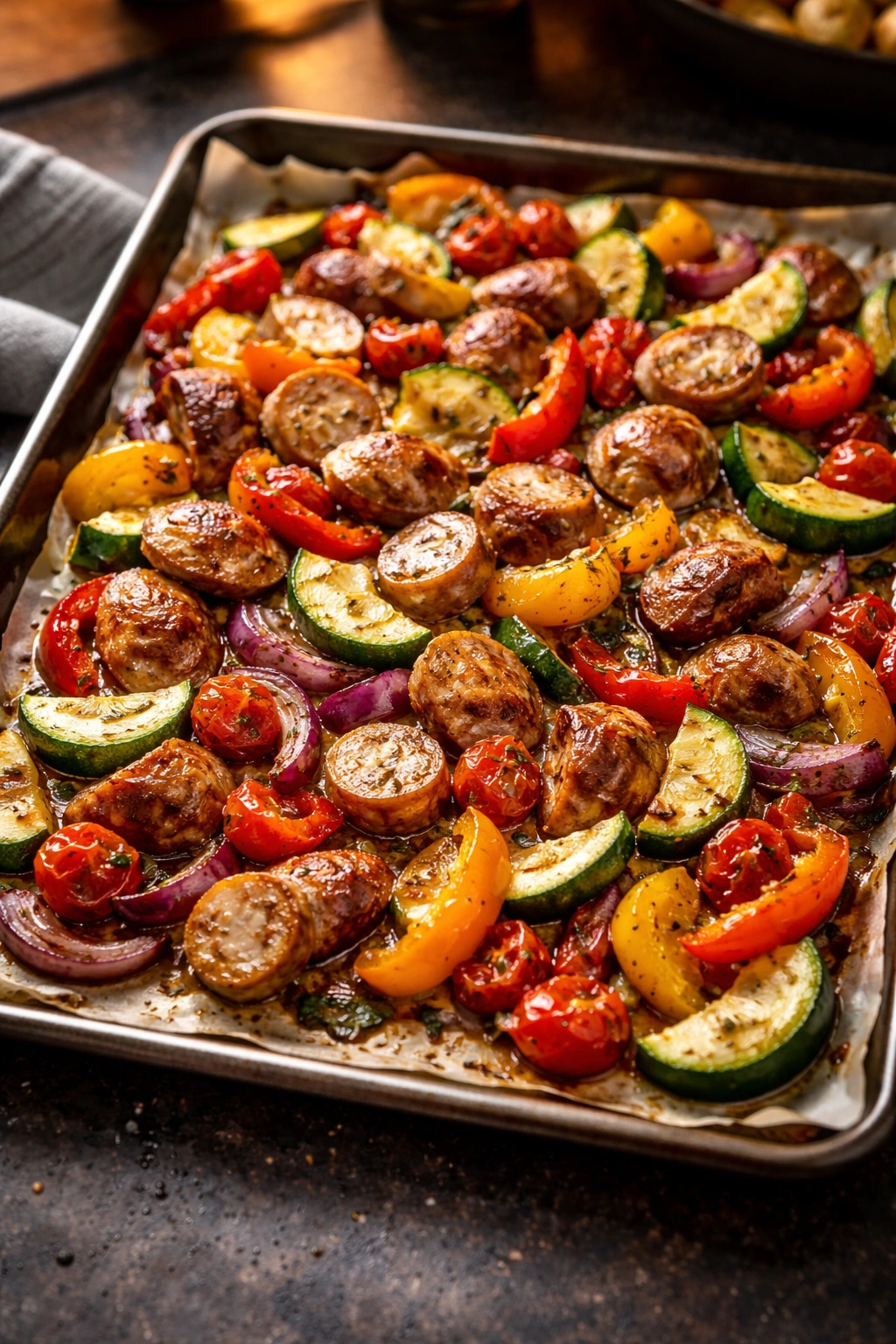
Sheet pan dinners appeal to home cooks because they minimize dishes and allow everything to roast together, mingling flavors through shared oven time. A sheet pan of sausage, peppers, onions, and additional vegetables requires virtually no technique beyond chopping and roasting.
Cut your sausage links into 1 to 2-inch pieces (leaving some whole pieces is fine too). Toss them onto a rimmed baking sheet along with rough-chopped bell peppers, red onions, and whatever additional vegetables sound appealing—zucchini, mushrooms, cherry tomatoes, and asparagus all work beautifully. Drizzle everything with olive oil, season with salt, pepper, and dried Italian herbs, then roast at 400°F until the sausage is cooked through and the vegetables are starting to char at the edges.
The charring is important. Those dark, crispy spots on the vegetables aren’t burn marks—they’re caramelization, which adds depth and complexity to the finished dish. The vegetables release their juices, which mingle with the sausage fat and olive oil to create a simple pan sauce that’s better than anything you could make separately.
Timing and Temperature
Most sheet pan dinners come together in twenty-five to thirty minutes at 400°F. The sausage cooks through while the vegetables soften and slightly char. If your vegetables are cut particularly large, they may need a few minutes longer—check the doneness of the thickest pieces before calling it done.
Give everything a stir halfway through cooking to ensure even heat distribution and browning. This also helps the sausage render its fat throughout the pan, seasoning everything. If some pieces are charring faster than others, turn the pan or move slower-cooking vegetables to hotter spots on the sheet.
Serving Options
Serve this straight from the pan with crusty bread for scooping up pan juices. It’s equally delicious over pasta, creamy polenta, or simple white rice. A side salad with bright vinaigrette provides contrast to the rich, roasted components. Leftovers reheat beautifully and work wonderfully in grain bowls or tossed into pasta salads.
6. One-Pan Ravioli with Sausage
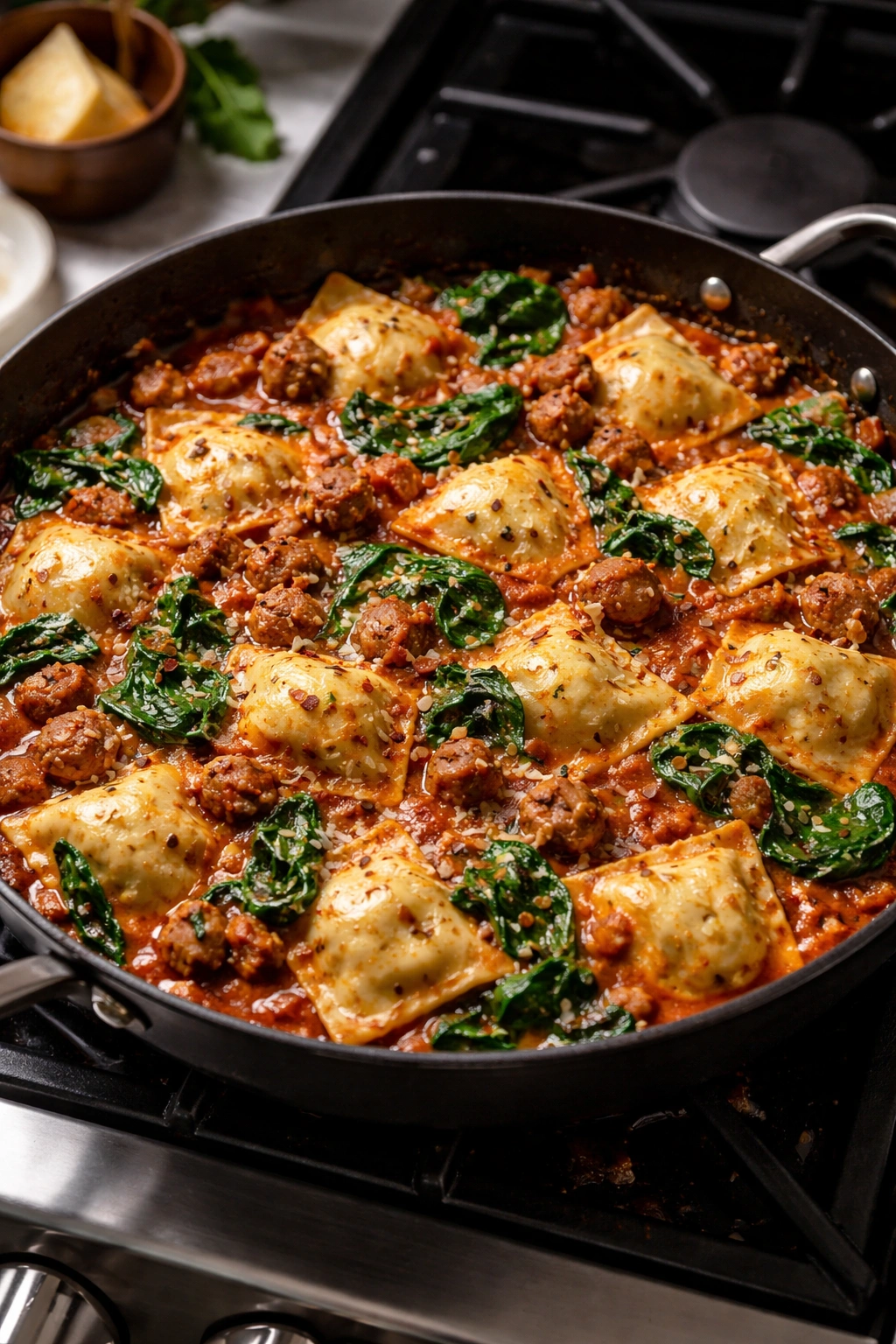
This final dinner proves that “homemade” doesn’t require making pasta from scratch or spending hours assembling layers. Using store-bought ravioli combined with fresh Italian sausage creates something that tastes thoroughly homemade in under twenty minutes.
The technique is almost absurdly simple: brown sausage in a large skillet, add diced tomatoes and tomato sauce, simmer briefly, then add frozen ravioli directly to the sauce without cooking them separately first. The ravioli releases its filling into the surrounding liquid as it heats through, thickening the sauce while simultaneously cooking the pasta. This method keeps everything in one pan and ensures the ravioli absorbs flavors from the sausage and tomatoes.
Fresh spinach or chopped fresh kale can be stirred in during the last few minutes of cooking, wilting from residual heat. A handful of fresh basil added just before serving brings brightness and herbal freshness. A dusting of Parmesan and red pepper flakes finishes the dish perfectly.
Choosing Quality Ravioli
Refrigerated ravioli from your grocery store’s fresh pasta section works better than frozen for this preparation—they cook more quickly and have better texture. Cheese ravioli is traditional, but meat-filled ravioli also works beautifully with Italian sausage. Some people prefer seafood ravioli for interesting flavor combinations. Follow the package cooking times as a guide, though since the ravioli is cooking in tomato sauce rather than water, they may cook slightly faster.
Building Depth Without Complexity
The sausage provides richness and spice, so your sauce doesn’t need to be complicated. Good-quality canned tomatoes, garlic, and basic herbs create the perfect backdrop for the sausage’s built-in seasoning. If you want to add a splash of red wine or a pinch of sugar to balance acidity from the tomatoes, these additions enhance without complicating.
Why Italian Sausage Makes Everything Easier
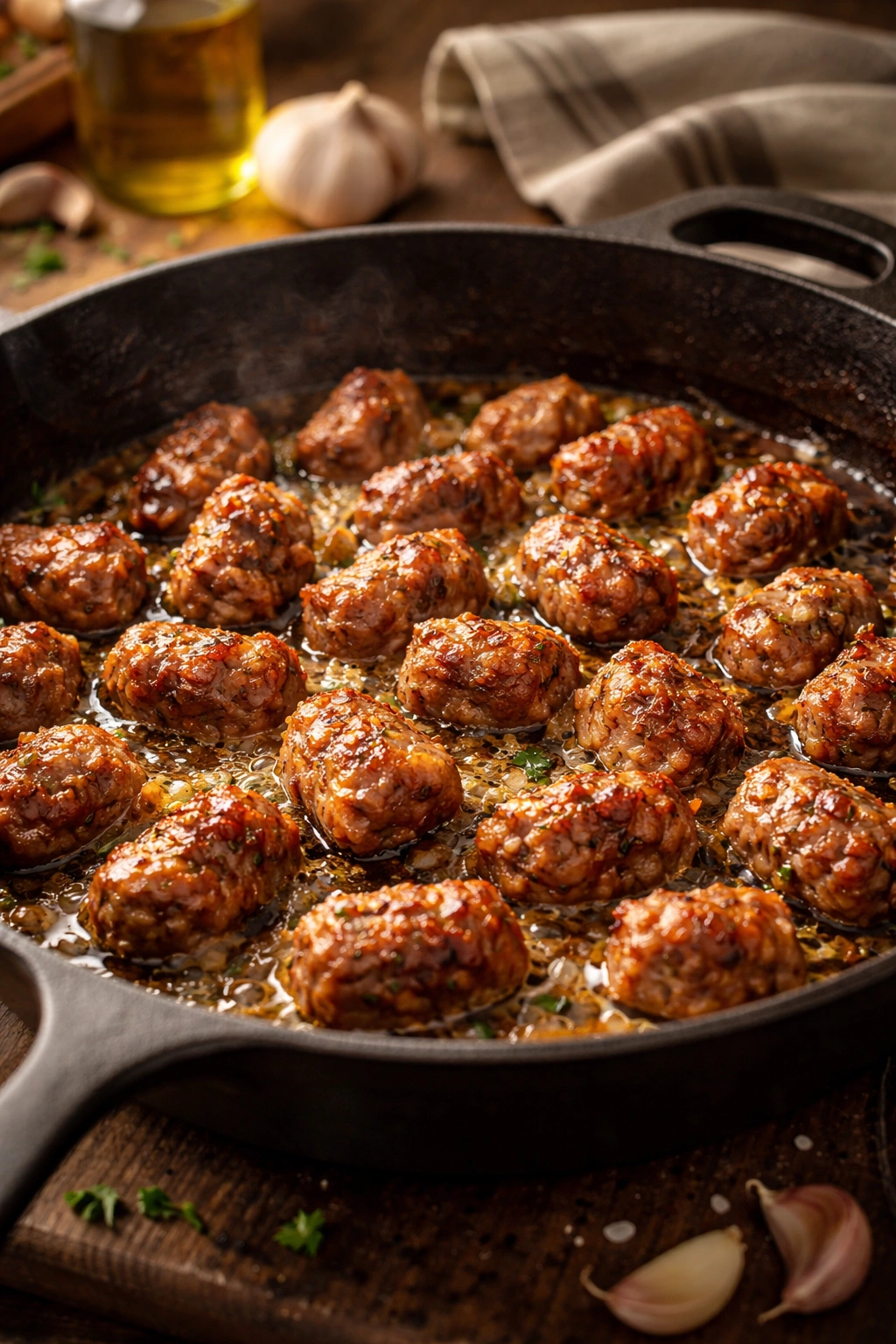
Italian sausage succeeds where other proteins sometimes struggle because it arrives pre-seasoned with the exact flavors that make Italian food taste Italian. Most sausage contains fennel seed, a characteristic flavor that’s immediately recognizable and impossible to replicate by adding individual spices. You also get garlic powder, onion powder, black pepper, and various herbs depending on the brand—basically a complete seasoning blend in meat form.
This matters more than it might initially seem. When you’re cooking on a busy weeknight, you don’t want to stand in front of your spice rack for ten minutes deciding which flavors to add. You want to open a package, brown the meat, and move forward knowing it’ll taste delicious because the seasoning work is already done.
The fat content in Italian sausage matters too. Unlike lean ground chicken, sausage has enough fat to render and create pan drippings that season everything else in the dish. This rendered fat is where flavor lives—it’s what makes the peppers in a sausage and pepper skillet taste so good, and it’s what creates the silky mouthfeel in a creamy sausage pasta.
How to Choose Between Sausage Types
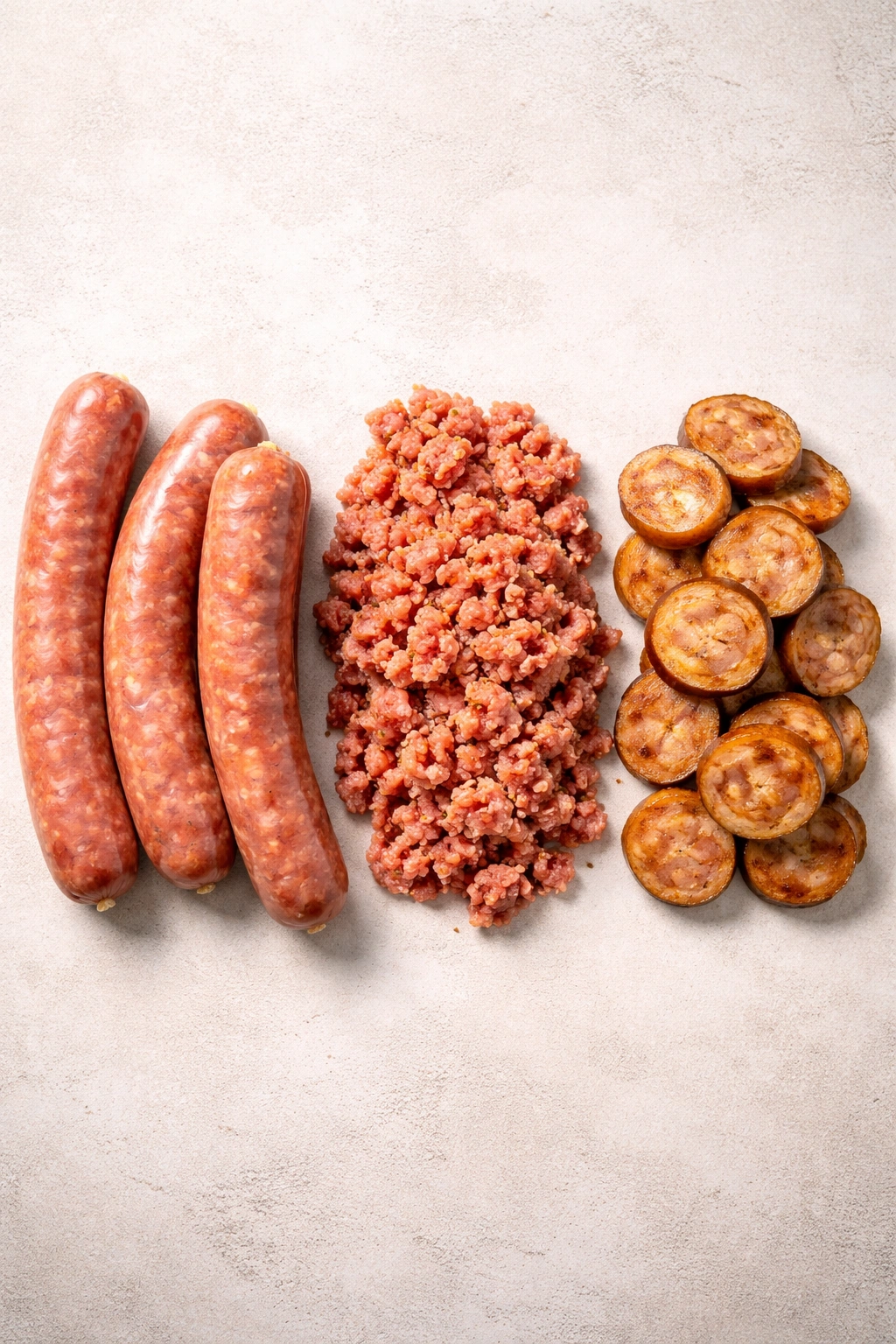
You’ll find Italian sausage in several forms: links in casings, ground sausage, and pre-cooked sliced sausage. Links are great for sheet pan dinners and some skillet preparations. Ground sausage works beautifully for pasta-based dishes where you want the meat distributed throughout. Pre-cooked sliced sausage saves time if you’re making a rice casserole or adding sausage to soup, though the flavor is sometimes slightly less robust than fresh sausage.
In terms of heat level, sweet Italian sausage has a milder flavor with slightly more emphasis on herbs like fennel and sage. Hot Italian sausage delivers more pepper heat and garlic intensity. Mild sausage sits somewhere in the middle. Choose based on your family’s preferences and heat tolerance. You can always add red pepper flakes to a milder sausage dish if you want additional heat, but you can’t remove heat once it’s there.
Pork sausage is traditional, but Italian chicken sausage and Italian turkey sausage work in all these applications and deliver leaner results if that’s important to you. The flavor profile differs slightly—poultry-based sausages taste a bit brighter and less rich—but they’re all delicious. Many families keep both pork and poultry sausage on hand, choosing based on what they’re making or what they’re in the mood for.
Make-Ahead and Storage Tips
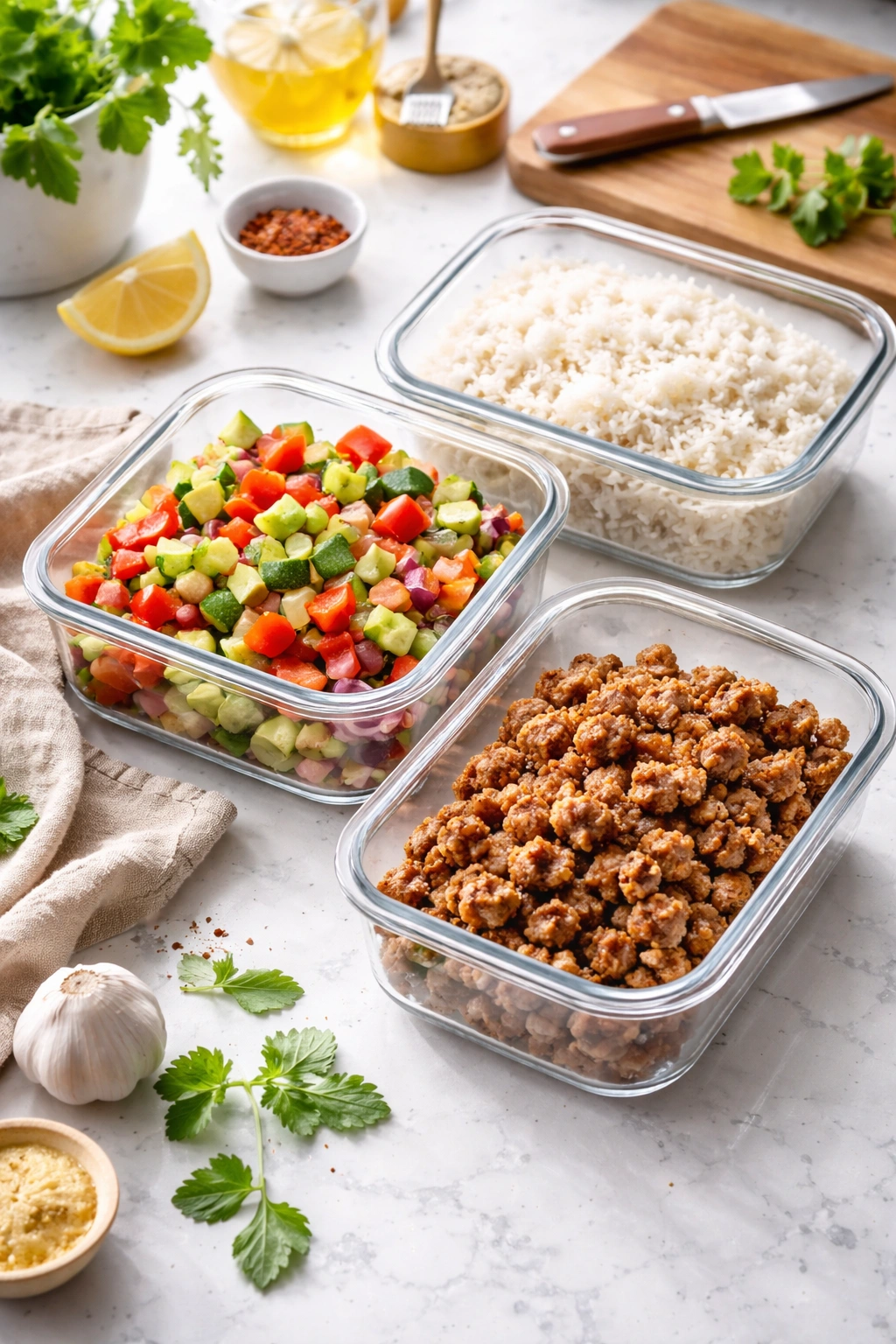
All six of these dinners reheat beautifully and benefit from make-ahead preparation. You can brown the sausage and chop vegetables in advance, storing them separately in airtight containers for up to two days. When dinner time arrives, you simply combine components and finish cooking.
Most of these dishes actually taste better the next day, after flavors have had time to meld and intensify overnight. Store leftovers in airtight containers in the refrigerator for up to four days. Rice and pasta dishes freeze beautifully for up to three months—portion them into individual containers so you can grab a single serving on a morning when you need a quick lunch.
When reheating, use gentle heat rather than blasting everything at high temperature. Stovetop reheating is ideal for maintaining texture, though microwave reheating works in a pinch. Add a splash of broth or water to pasta or rice dishes that seem dry, as these starches absorb liquid during storage.
Final Thoughts
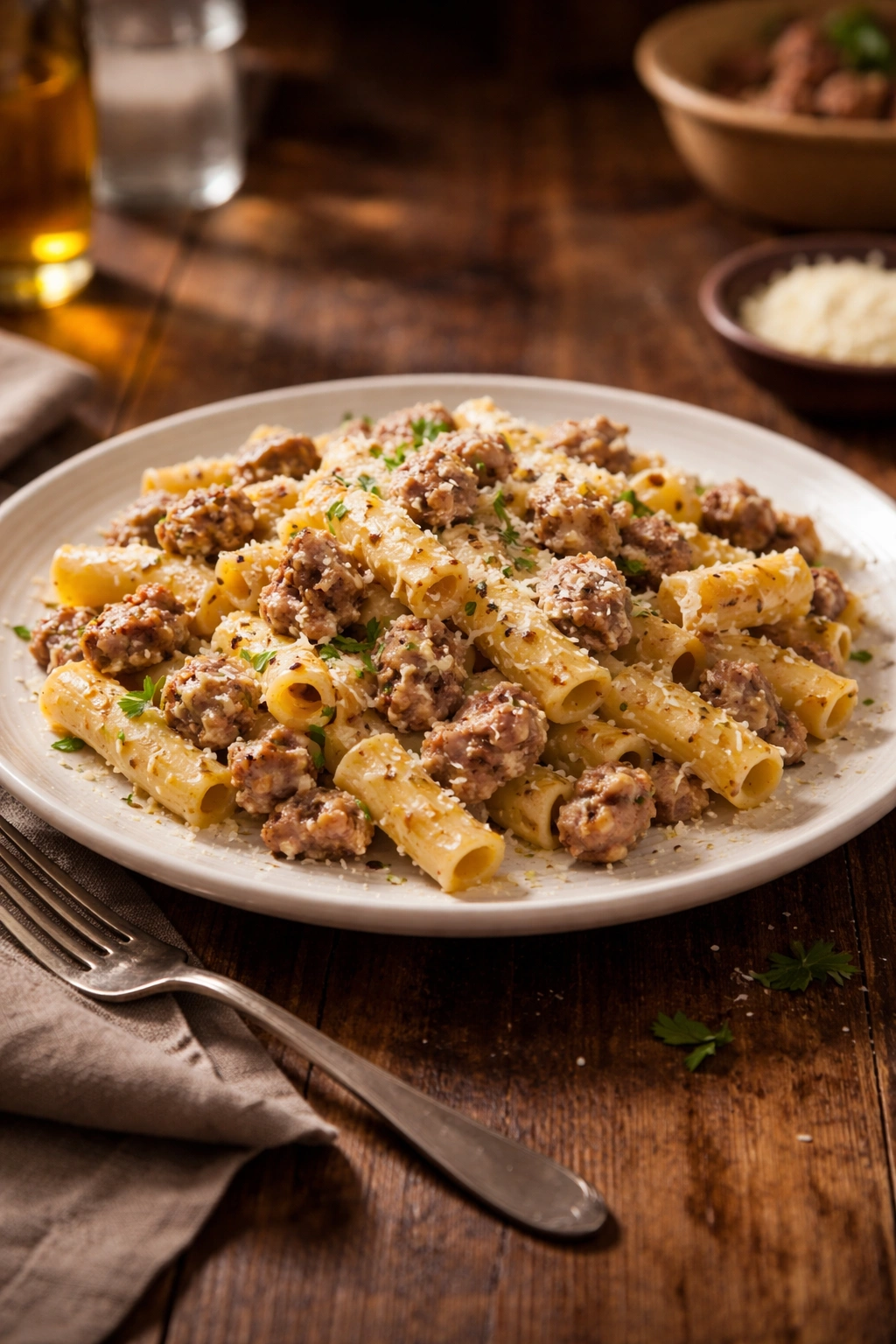
Italian sausage dinners occupy a sweet spot in home cooking: they taste special without requiring special technique, they accommodate numerous flavor variations and ingredient swaps, and they come together quickly enough for weeknight reality. Whether you’re drawn to creamy pasta, comforting soups, roasted vegetables, or simple skillet preparations, Italian sausage shines as the foundation that makes everything else possible.
The best Italian sausage dinner is the one you’ll actually make, so choose based on what appeals to you right now. Keep your freezer stocked with sausage, and you’ll always have a foundation for an easy, delicious dinner waiting.