



There’s something magical about casseroles on busy weeknights. You dump ingredients into a single dish, slide it into the oven, and suddenly you’ve transformed scattered components into a complete, comforting meal—with minimal effort and even fewer dirty dishes. If you’re juggling work, family commitments, and the constant question of “what’s for dinner,” casseroles become your secret weapon.
The beauty of casseroles lies in their flexibility. They accommodate whatever proteins, vegetables, and pantry staples you have on hand. They cook unattended while you help with homework, answer emails, or simply collapse on the couch. Most importantly, they taste like you spent hours in the kitchen when you actually spent ten minutes prepping. That’s real-world cooking magic.
This collection features ten casserole recipes that have earned their place on family dinner tables across the country. Each one comes together quickly, requires ingredients you likely already have stocked, and delivers the kind of warm, satisfying food that makes weeknight dinners feel intentional rather than rushed. Whether you’re feeding picky kids, impressing unexpected guests, or simply trying to survive another hectic week, one of these casseroles will become your new go-to solution.
1. Cheesy Chicken and Rice Casserole
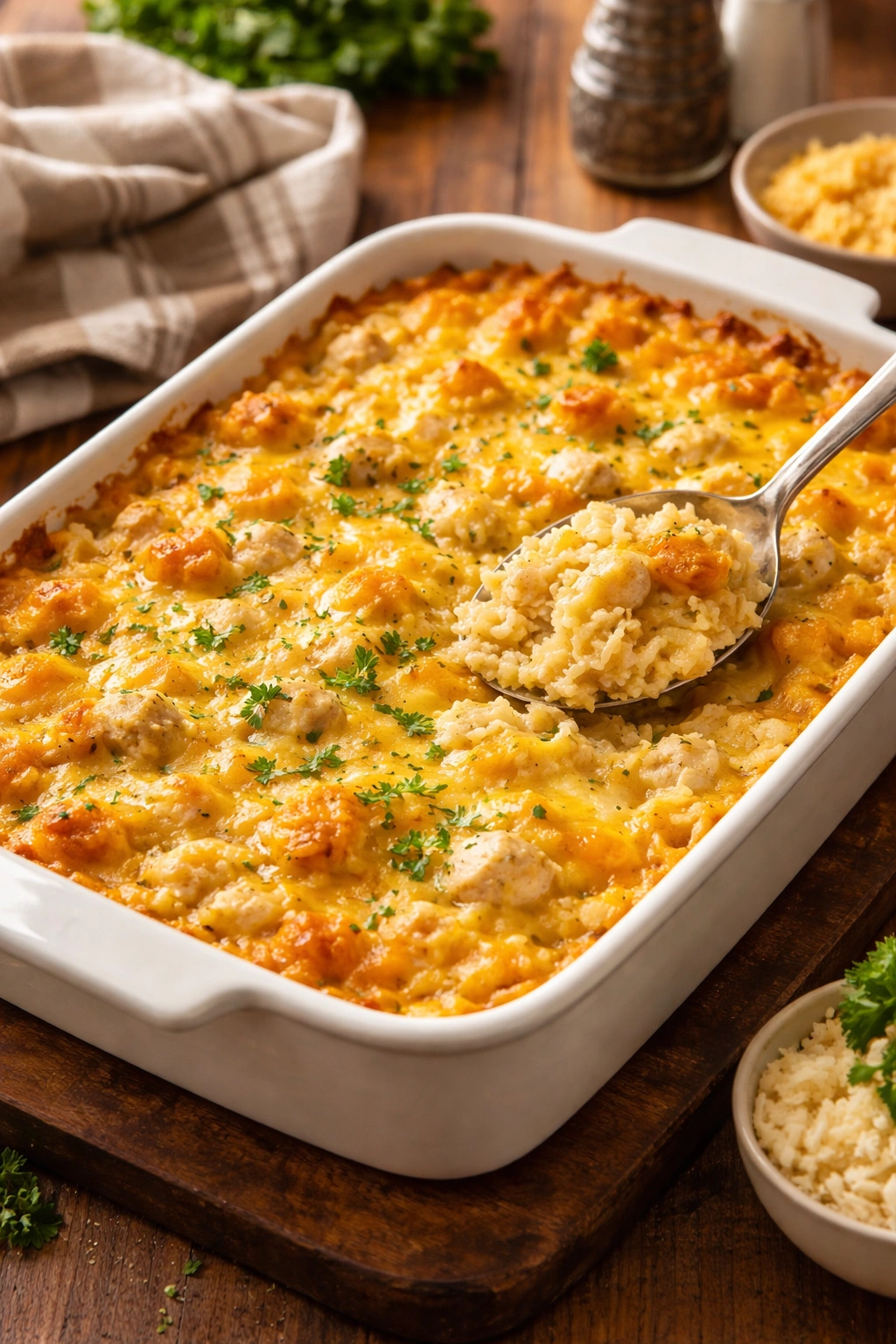
This classic combination of tender chicken, fluffy rice, and a creamy cheese sauce represents everything people love about one-dish dinners. It’s forgiving enough for beginners but flavorful enough to impress, and it comes together in under fifteen minutes of hands-on time. The beauty of this casserole is that uncooked rice bakes right alongside the chicken, absorbing all the savory broth and cream as everything cooks together.
The magic happens in the oven. As the dish bakes, the rice transforms from hard grains into tender, creamy clusters that taste like you’ve been stirring a stovetop risotto for half an hour. The cheese melts into the sauce, creating pockets of richness throughout, while the chicken stays moist from the surrounding liquid. You’ll know it’s done when the rice is tender and a bit of liquid still clings to the bottom of the dish—that starchy pool keeps everything from drying out as it sits.
Why It Works So Well
This casserole succeeds because it respects the different cooking times of its components. The liquid-to-grain ratio matters; too much water and you’ll end up with mush, too little and the rice stays crunchy. Most recipes use about two parts broth to one part rice, which allows the grains to absorb liquid evenly. Chicken breast cooks gently in this steamy environment, emerging tender rather than dry—a common struggle with baked chicken.
The cream component is crucial. Whether you use cream of chicken soup or make a simple sauce from butter, flour, and heavy cream, this richness protects the other ingredients and creates that signature casserole texture people crave. Some versions add sour cream for tang, while others lean into sharp cheddar for bold flavor.
Quick Tips for Success
- Use boneless, skinless chicken breasts cut into bite-sized pieces so they cook evenly
- Don’t skip the initial mixing step—combine rice, chicken, and sauce before baking for even distribution
- Add frozen peas or broccoli in the last ten minutes of baking to preserve their color and texture
- Top with crispy fried onions or breadcrumbs in the final five minutes for textural contrast
- Stir gently once halfway through baking to redistribute the rice
Pro tip: Make this recipe freezer-friendly by assembling everything in a disposable aluminum pan, covering it tightly, and freezing before baking. When you’re ready to cook, add about 15 extra minutes to the baking time since you’re starting from frozen.
2. Loaded Taco Casserole
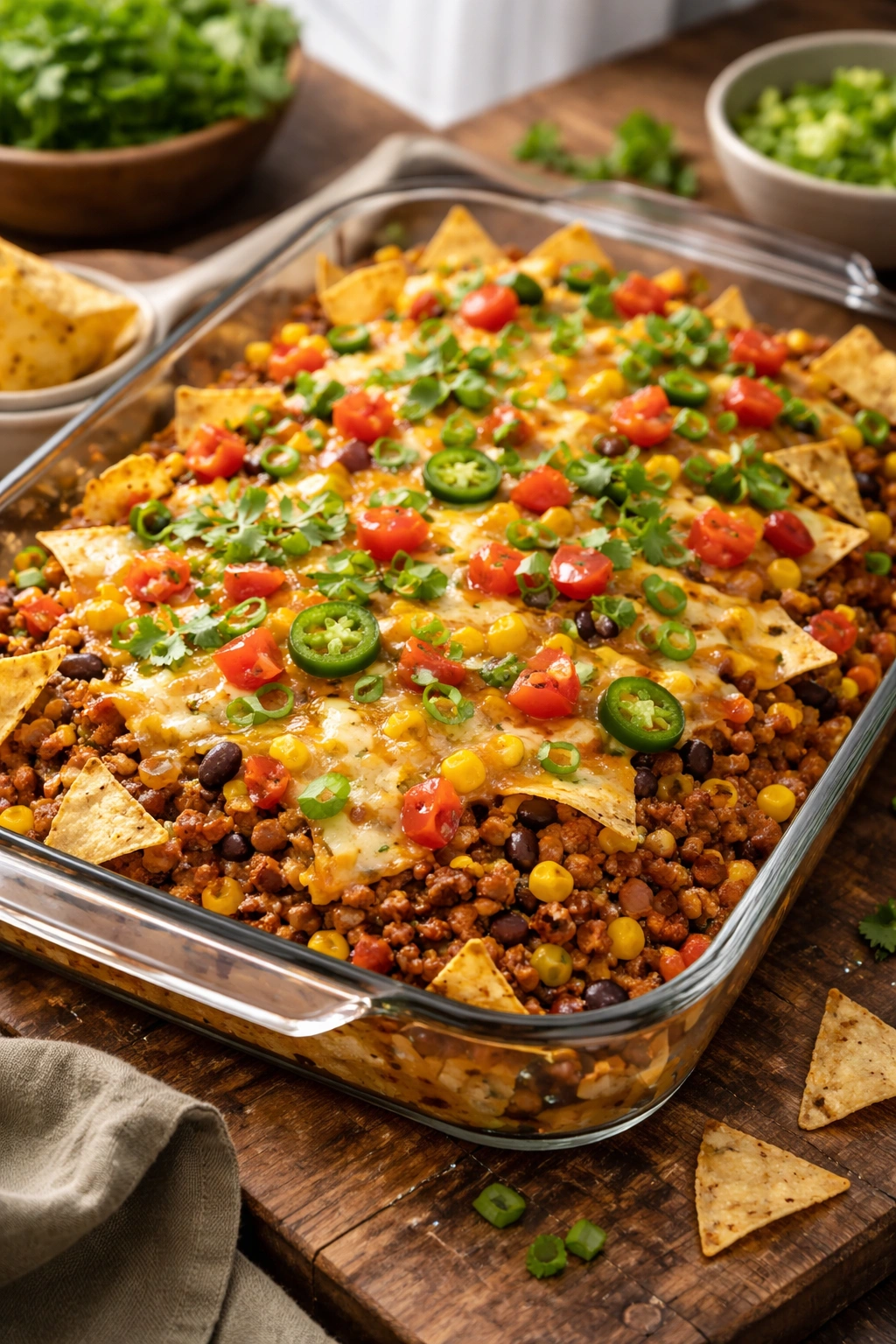
If your family loves tacos but you’re tired of assembly-line dinner prep, this casserole delivers all those flavors in a fraction of the time. Ground beef seasoned with warm spices layers with beans, corn, crispy tortilla chips, and melted cheese to create something that tastes indulgent but requires virtually no skill to execute. Kids who turn their noses up at traditional tacos often embrace this version because the familiar ingredients are presented in a more approachable form.
The tortilla chips serve multiple purposes here. They provide structural support for the layers, soak up the savory meat and bean mixture, and then transform into crispy pockets throughout the dish as it bakes. Some versions layer the chips strategically to keep the bottom crispy, while others stir them directly into the meat mixture for more even distribution. Both approaches work beautifully, depending on whether you prefer distinct layers or a more homogenous texture.
What Makes It Different from Regular Tacos
Casserole versions of tacos eliminate the need for individual assembly while actually intensifying the flavor. The ingredients have time to meld together as they bake, creating a more cohesive dish than you’d get from a taco you assemble and eat immediately. The heat distribution is even, so every bite contains meat, beans, and cheese rather than requiring careful balance on a tortilla shell.
Refried beans provide bulk and creaminess that elevates this beyond ground beef with seasonings. They spread easily, bind ingredients together, and add their own subtle flavor that complements the other components. Some cooks use black beans for a different flavor profile or mix the two varieties for even more complexity.
Customization Ideas That Really Work
- Substitute ground turkey or a plant-based meat for a lighter version
- Add diced jalapeños between layers for heat
- Mix cream cheese into the layers for extra richness
- Use different cheeses—a combination of cheddar and Monterey Jack creates complexity
- Top with fresh cilantro, diced avocado, and sour cream after baking rather than before
Worth knowing: Assemble this casserole a few hours ahead and let it rest in the refrigerator before baking. This allows the tortilla chips to partially soften and absorb flavors, preventing the dish from becoming too crunchy once it bakes.
3. Creamy Chicken and Broccoli Bake
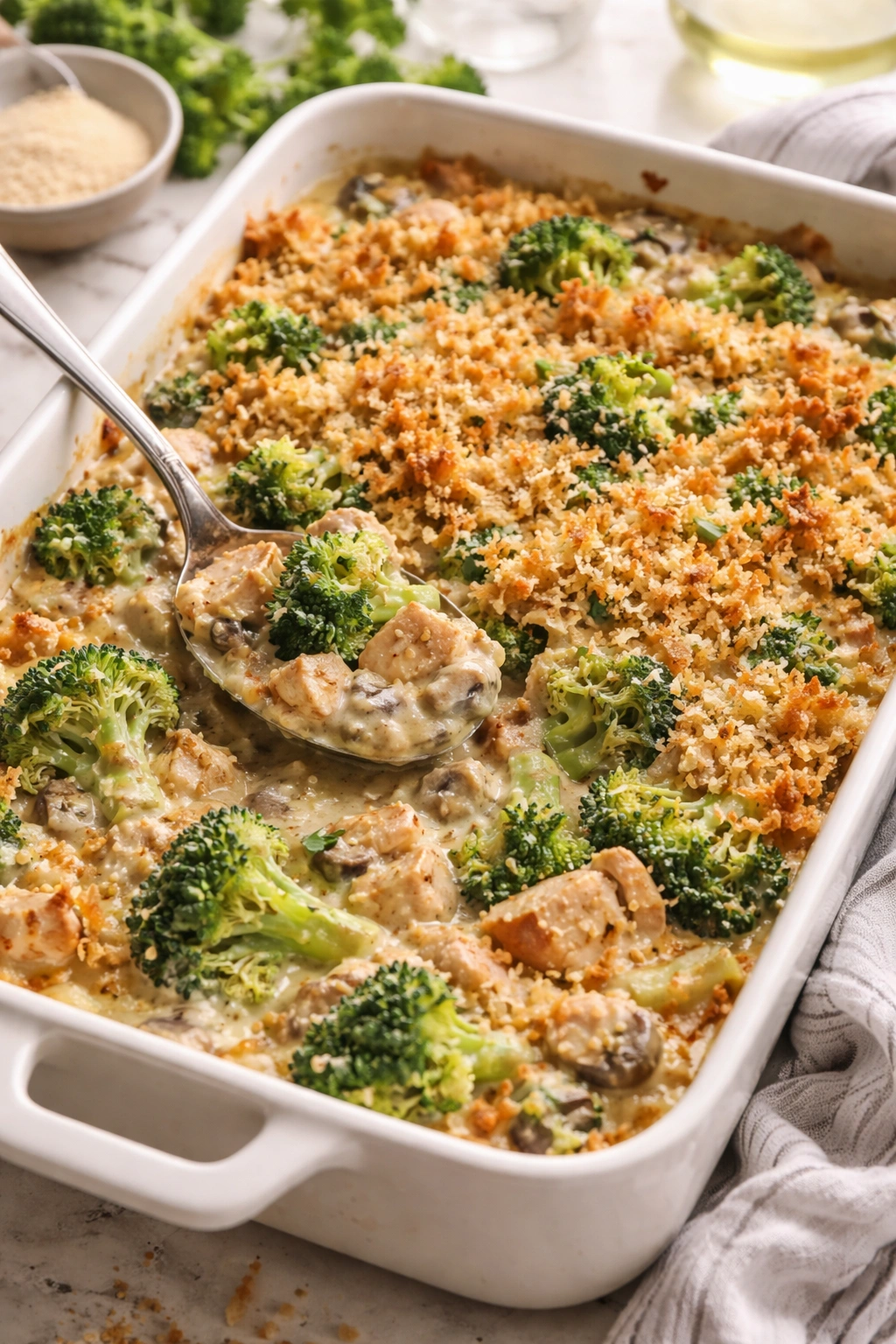
This casserole occupies a special place in American comfort food culture. It combines protein, vegetables, and sauce into one reliable dish that satisfies cravings while delivering genuine nutrition. Unlike casseroles where vegetables feel like an afterthought, this version puts broccoli front and center, with each floret coated in creamy sauce and baked until just tender.
The cream of mushroom soup base has been fueling busy weeknight dinners for generations, and for good reason. It creates a sauce without requiring you to make one from scratch. But the real secret to an excellent version is using actual pieces of chicken rather than canned versions, and using fresh or frozen broccoli rather than the mushy canned variety. These small choices transform a decent casserole into something genuinely crave-worthy.
Why This Version Surpasses Others
The texture contrast between crispy topping and creamy interior makes this casserole addictive. Whether you use breadcrumbs mixed with melted butter, crispy fried onions, or panko for the topping, this layer prevents the dish from feeling one-note. The topping also provides structural contrast that makes the creamy portions feel even more luxurious by comparison.
Broccoli has a natural earthiness that pairs beautifully with the rich, umami-forward cream sauce. It doesn’t disappear into the background the way some vegetables do in casseroles. Instead, it maintains its integrity while becoming infused with the sauce flavors. Each broccoli floret acts like a little sponge, absorbing the creamy mixture while contributing its own gentle mineral notes.
Honest Suggestions for Improvement
- Use a combination of mushroom and chicken broths instead of straight cream soup for more authentic flavor
- Add shredded cheese—a mix of cheddar and gruyere creates depth
- Include diced onions and garlic sautéed briefly before combining with other ingredients
- Use boneless, skinless chicken thighs instead of breasts for more forgiving, juicier meat
- Roast broccoli pieces for five minutes before assembling if you prefer them firmer
Insider note: This casserole actually improves when made a day ahead. The flavors meld and intensify overnight in the refrigerator, and the broccoli softens slightly from absorbing the sauce—add 10 minutes to the baking time if cooking from cold.
4. Beef and Potato Comfort Bake
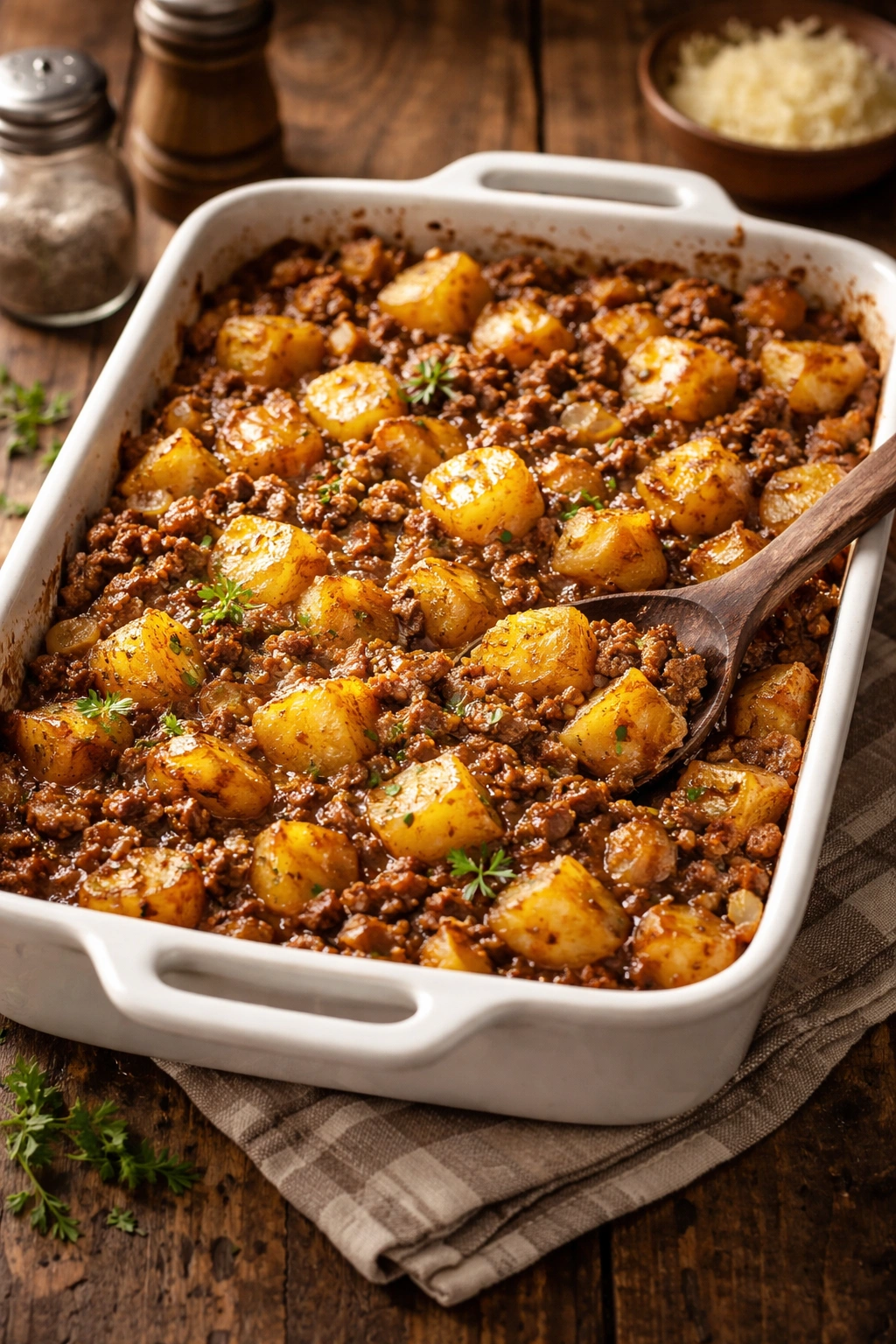
Ground beef and potatoes represent one of cooking’s most time-tested partnerships, and this casserole proves why that combination endures. Seasoned ground beef mingles with cubed potatoes, onions, and a simple sauce, then bakes into a hearty meal that feeds families without requiring expensive cuts of meat. The magic is that nothing complicated happens here—just good ingredients cooked together until tender and delicious.
The potatoes are the real star. As they bake, they absorb the savory beef juices and any sauce liquid, becoming tender and flavorful. They start the cooking process raw, so they cook right alongside everything else, developing a slightly creamy interior from the starch they release while maintaining enough structure not to fall apart. This is comfort food in its purest form, the kind of dish that tastes like home no matter where you grew up.
How It Compares to Stovetop Versions
Oven-baked versions achieve something impossible on the stovetop: even cooking of hard vegetables without requiring constant monitoring. A stovetop version demands careful heat management and frequent stirring to prevent sticking. The casserole version simply requires you to assemble ingredients and trust the oven to do its work. The enclosed environment keeps everything moist while still allowing enough heat circulation to cook potatoes through.
The one-dish advantage shouldn’t be underestimated. Instead of a pot for browning beef, a pan for cooking potatoes, and another pot for combining everything, you have one dish and one cleanup job. This matters on nights when the dishwasher is full and your energy reserves are depleted.
Tested Variations That Elevate the Basics
- Add sliced mushrooms and sautéed onions for umami depth
- Stir in cream cheese or sour cream for richness
- Top with crispy bacon and cheddar before the final ten minutes of baking
- Include diced bell peppers for color and sweetness
- Layer vegetables strategically so sturdier ones sit on the bottom
Pro tip: Cube potatoes slightly smaller than you think you need them—they’ll shrink as they cook, and smaller pieces cook through before the bottom of the casserole dries out.
5. Creamy Pasta and Sausage Bake
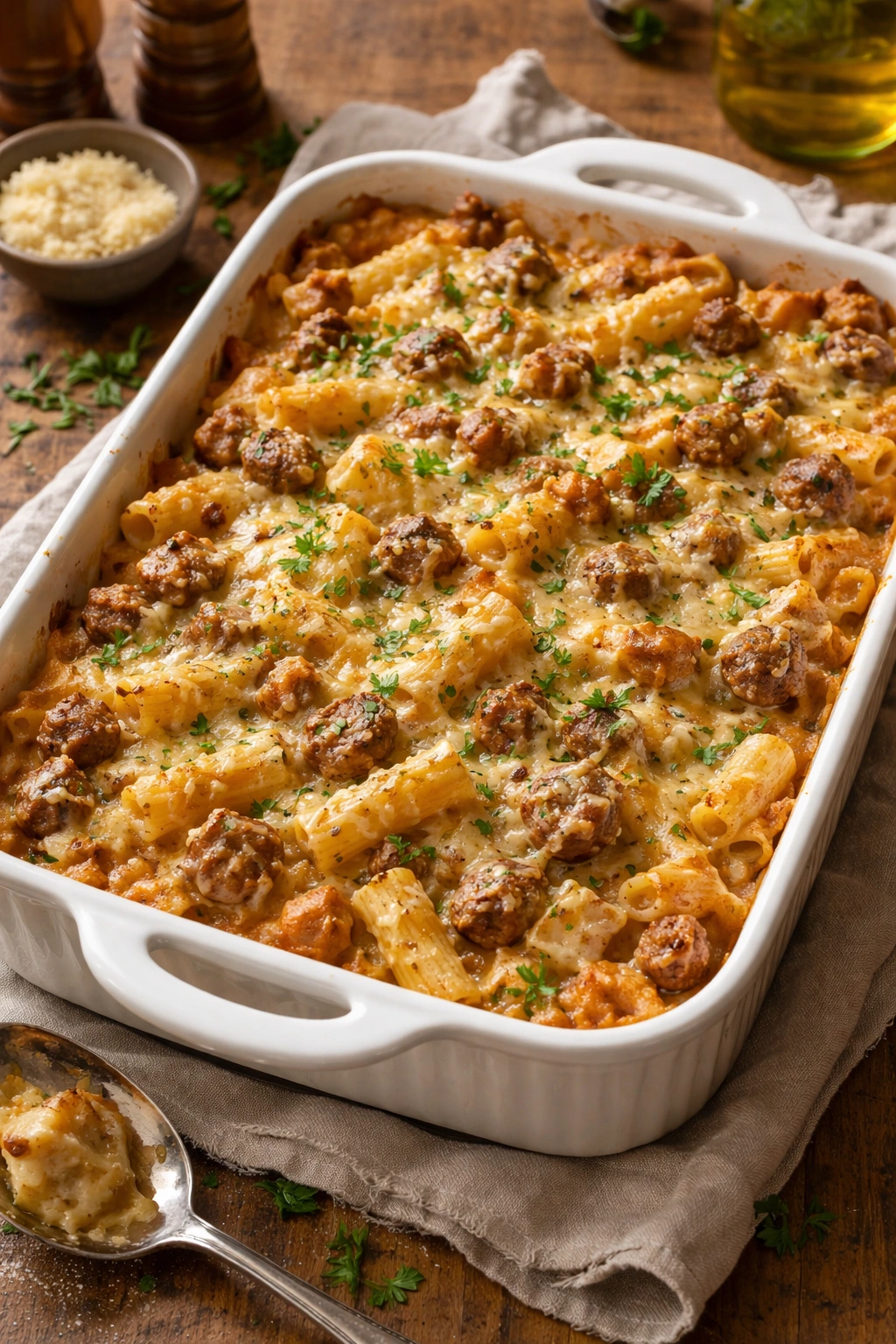
This casserole combines tender pasta, spicy sausage, and a rich cream sauce into something that feels special enough for company but simple enough for Tuesday night. The sausage provides significant flavor and richness, so you don’t need a long ingredient list or complicated techniques. Just good-quality sausage, decent pasta, and a straightforward sauce create something restaurant-quality.
The beauty of pasta casseroles is that uncooked pasta bakes right into the final dish. You simply layer raw pasta with sauce, cover, and let the oven hydrate the noodles while everything cooks together. This method saves a pot of boiling water and simplifies cleanup significantly. The pasta absorbs all the sauce flavors directly, creating something more integrated than pasta that cooks separately and gets combined with sauce afterward.
Why Sausage Performs So Well Here
Sausage contains enough fat and seasoning to flavor an entire dish without needing additional components. One pound of sausage seasons enough pasta and sauce for six to eight servings. This efficiency matters when you’re trying to minimize ingredients and complexity. Italian sausage varieties—whether hot or mild—contain fennel, garlic, and pepper that create depth without tasting one-dimensional.
The sausage also creates a flavorful fond as it browns, adding an extra layer of umami to the finished dish. When you scrape those browned bits and combine them with cream and pasta, magic happens. You’re building flavor progressively, not just assembling pre-made components.
Simple Additions That Make a Real Difference
- Fresh spinach stirred in during the last few minutes for color and nutrition
- Roasted red peppers layered between pasta and sauce
- Fresh basil added after baking for aromatic brightness
- Mozzarella and parmesan combination instead of just one cheese
- Crispy breadcrumb topping mixed with parmesan and fresh herbs
Worth knowing: Brown the sausage thoroughly before assembling. This extra step takes five minutes but prevents the casserole from feeling greasy and ensures the sausage flavors are concentrated rather than diffused through the dish.
6. Nacho Chicken and Cheese Casserole
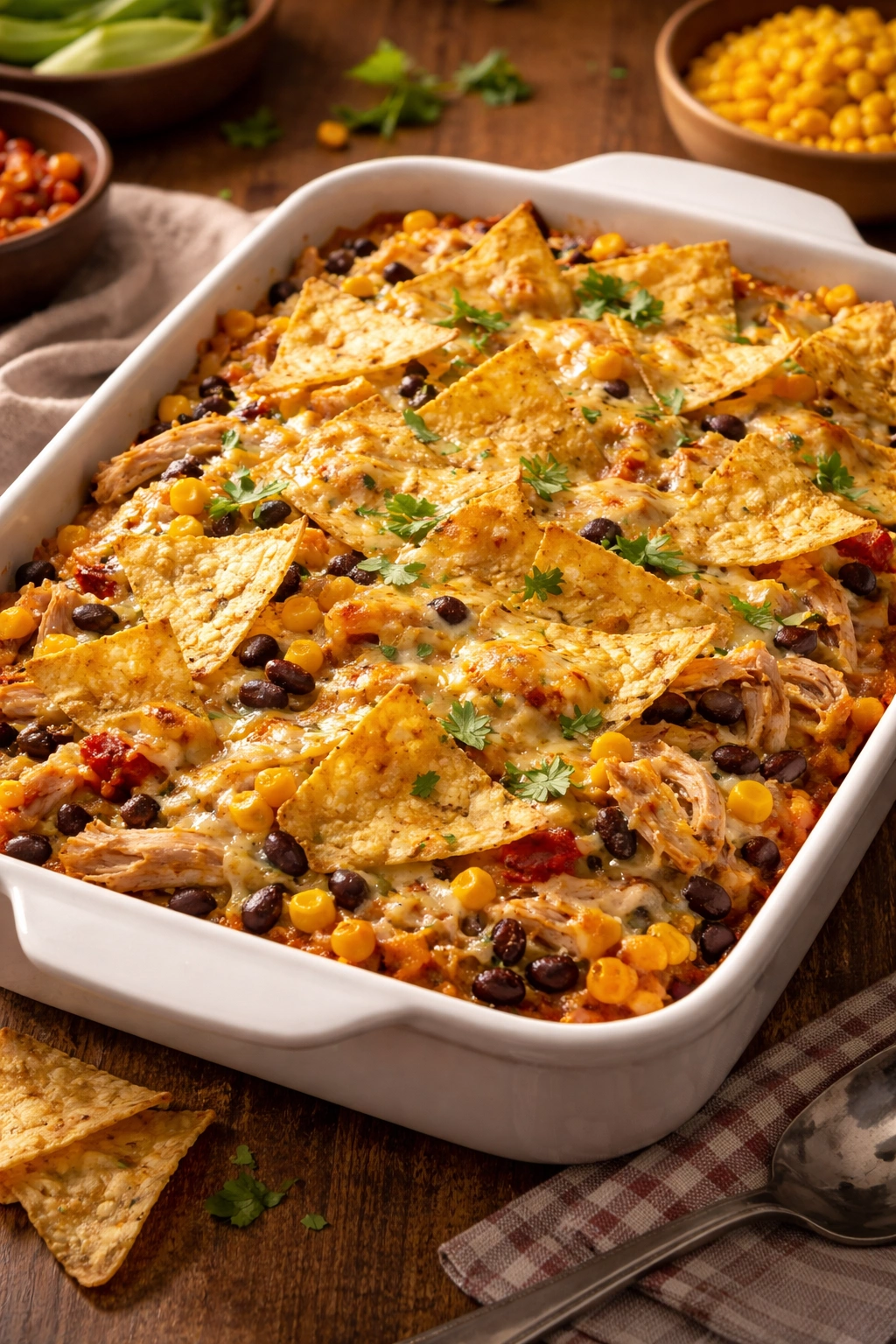
This casserole delivers everything you love about loaded nachos without the structural challenges of keeping tortilla chips sturdy. Shredded chicken, black beans, corn, and melted cheese create a Tex-Mex flavor profile that resonates with families, especially those with kids. The combination is familiar enough to be immediately appetizing yet flavorful enough to feel special.
Shredded chicken—whether from rotisserie birds or home-cooked breasts—works beautifully here because you’re not relying on perfect texture. The chicken shreds absorb the surrounding sauce and spice flavors, becoming more flavorful than it would be alone. This is an ideal use for leftover chicken from rotisserie birds you’ve bought for other meals, stretching their usefulness and reducing food waste.
What Makes It Stand Out
The layering strategy matters significantly. If you arrange ingredients thoughtfully rather than haphazardly tossing everything together, you create a more balanced eating experience. Beans on the bottom provide structure, chicken in the middle adds protein, and cheese on top melts into every layer. This intentional assembly transforms a casual dish into something more refined.
Cream cheese stirred into the sauce creates unexpected richness and helps bind ingredients together. Combined with salsa and a touch of cumin, it creates a sauce that’s more interesting than plain cheese alone while remaining simple to execute. The acidity of salsa balances the richness beautifully.
Topping Strategies That Genuinely Improve Texture
- Layer crispy tortilla chips on top during the final five minutes of baking
- Top with shredded cheddar in the last few minutes for a crispy cheese layer
- Add sliced jalapeños between layers for heat
- Sprinkle with cilantro after baking for fresh brightness
- Serve with sour cream and guacamole on the side
Insider note: If you prefer less heat, use mild salsa and go easy on jalapeños. If heat isn’t an issue, a hot salsa and chipotle powder create addictive complexity that keeps people reaching for seconds.
7. Turkey and Green Bean Casserole
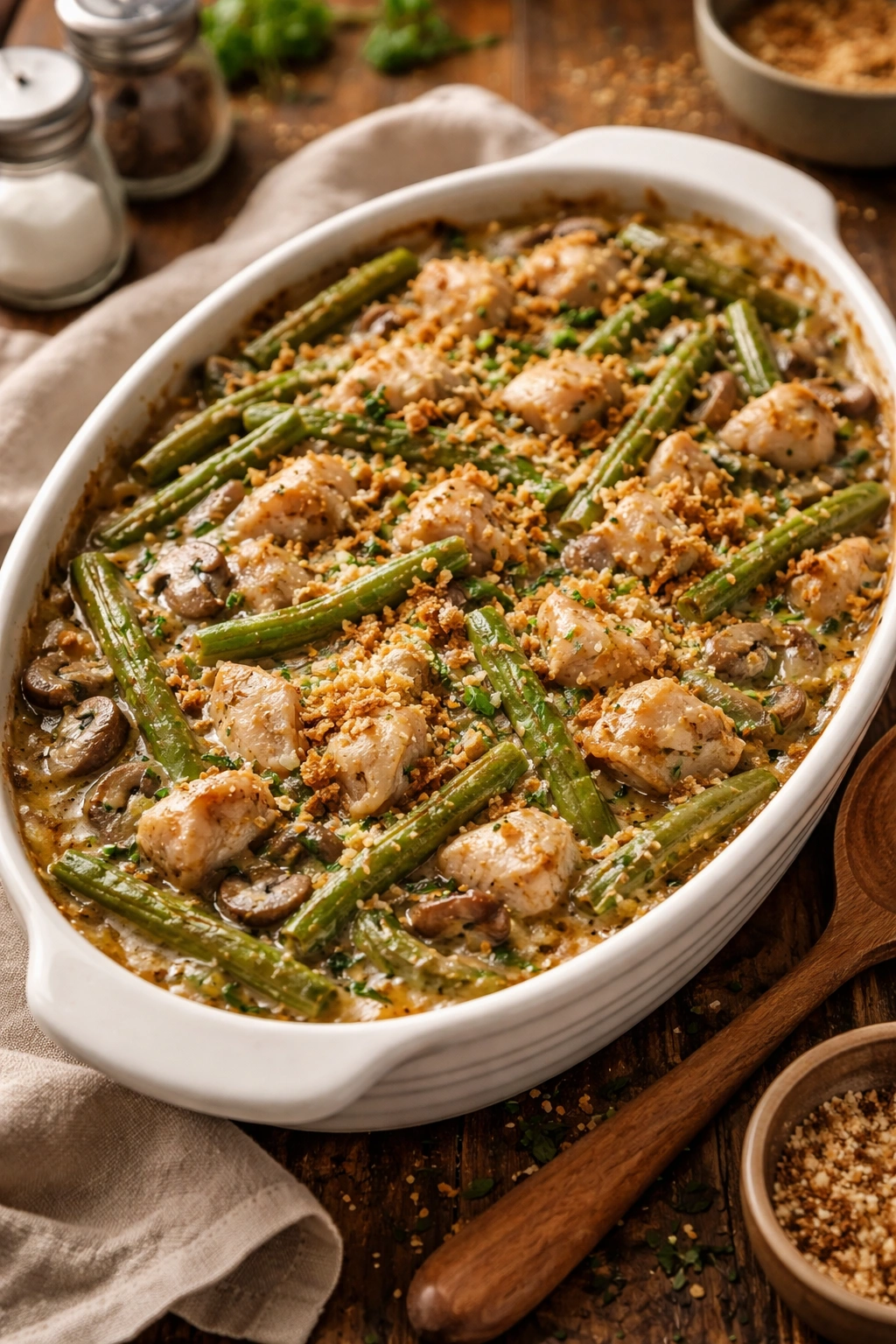
This casserole stands apart because it’s genuinely vegetable-forward without feeling like a compromise. Green beans provide textural contrast and nutritional value, while turkey offers lean protein without the heaviness of beef. This combination appeals to people who want substantial, satisfying meals but prefer lighter proteins. Fresh green beans deliver better texture than canned, making this casserole feel more refined.
Green beans cook perfectly during the baking time, becoming tender while maintaining enough firmness to contribute meaningful texture. They absorb the creamy sauce coating them, becoming infused with flavor rather than simply sitting alongside other components. This is important—ingredients should work together, not just coexist.
Why This Version Works Better Than You’d Expect
Ground turkey is often treated as a default diet option, but it’s actually delicious when properly seasoned and cooked. Combined with cream sauce, onions, and herbs, it becomes something genuinely crave-worthy rather than a guilt-free substitute. The key is not underseasoning it. Turkey needs bold flavors—garlic, thyme, a bit of mustard—to shine in casserole format.
Fresh green beans make an enormous difference. Frozen ones work fine, but fresh ones maintain more structure and contribute a subtle vegetal sweetness that elevates the overall dish. If you do use frozen, thaw them first and pat them dry to remove excess moisture.
Honest Improvements Over Standard Versions
- Add sautéed mushrooms and onions to the meat base for deeper flavor
- Stir in fresh thyme or sage while browning the turkey
- Use a combination of chicken and beef broths instead of just cream soup
- Top with crispy fried onions and fresh parmesan in the final minutes
- Include diced roasted garlic in the cream sauce
Pro tip: Cook the turkey until it’s browned but still moist—overcooking it creates a dry, grainy texture. Once it’s cooked through, stop stirring it around; let the cream sauce coat it and add richness.
8. Cornbread and Chili Bake
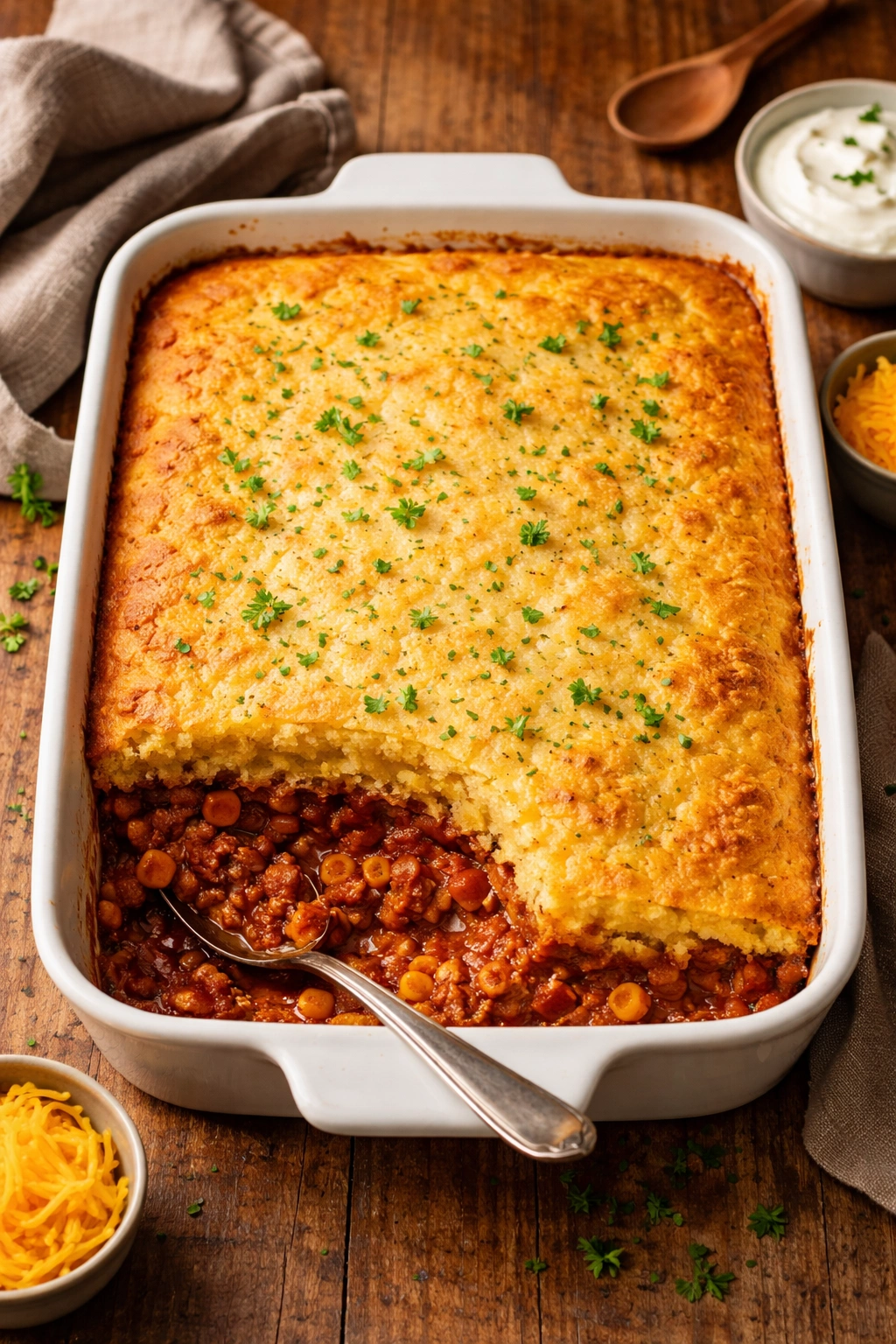
This casserole combines two beloved dishes into one glorious hybrid. Spiced chili topped with cornbread batter creates a meal that’s hearty, warming, and comforting in ways few dishes can match. The chili can be made from scratch or come from leftovers you’re repurposing, making this an excellent option for after-chili nights when you want to transform leftovers into something new.
The magic is the combination of textures and temperatures. Hot, spiced chili provides savory base notes, while cornbread batter bakes into something golden, slightly sweet, and tender. The two complement each other perfectly—the slight cornmeal sweetness balances the chili’s heat, while the chili’s richness prevents the bread from feeling one-dimensional.
Why This Combination Feels So Satisfying
Cornbread and chili represent the intersection of comfort and substance. Neither is light, but together they create something that feels indulgent without being overwhelming. The meal has built-in flavor complexity—the chili brings heat and umami, the cornbread brings sweetness and textural lightness. This combination triggers deep satisfaction at a primal level.
If you’re starting from scratch with chili, simple is best. Browned ground beef, beans, tomato sauce, and spices create a perfectly respectable chili in about thirty minutes. You don’t need to simmer for hours to achieve good results in casserole format.
Simple Elevations That Create Restaurant-Quality Results
- Add crispy bacon bits mixed into the cornbread batter
- Top with sharp cheddar and fresh jalapeños before baking
- Stir cream cheese into the chili for unexpected richness
- Include diced onions and bell peppers in the chili base
- Brush the cornbread top with melted butter mixed with jalapeño juice
Worth knowing: Let chili cool slightly before topping with cornbread batter. This prevents the bottom of the cornbread from cooking too quickly while the top stays underdone. Room-temperature chili accepts the cornbread batter perfectly.
9. Seafood and Rice Casserole
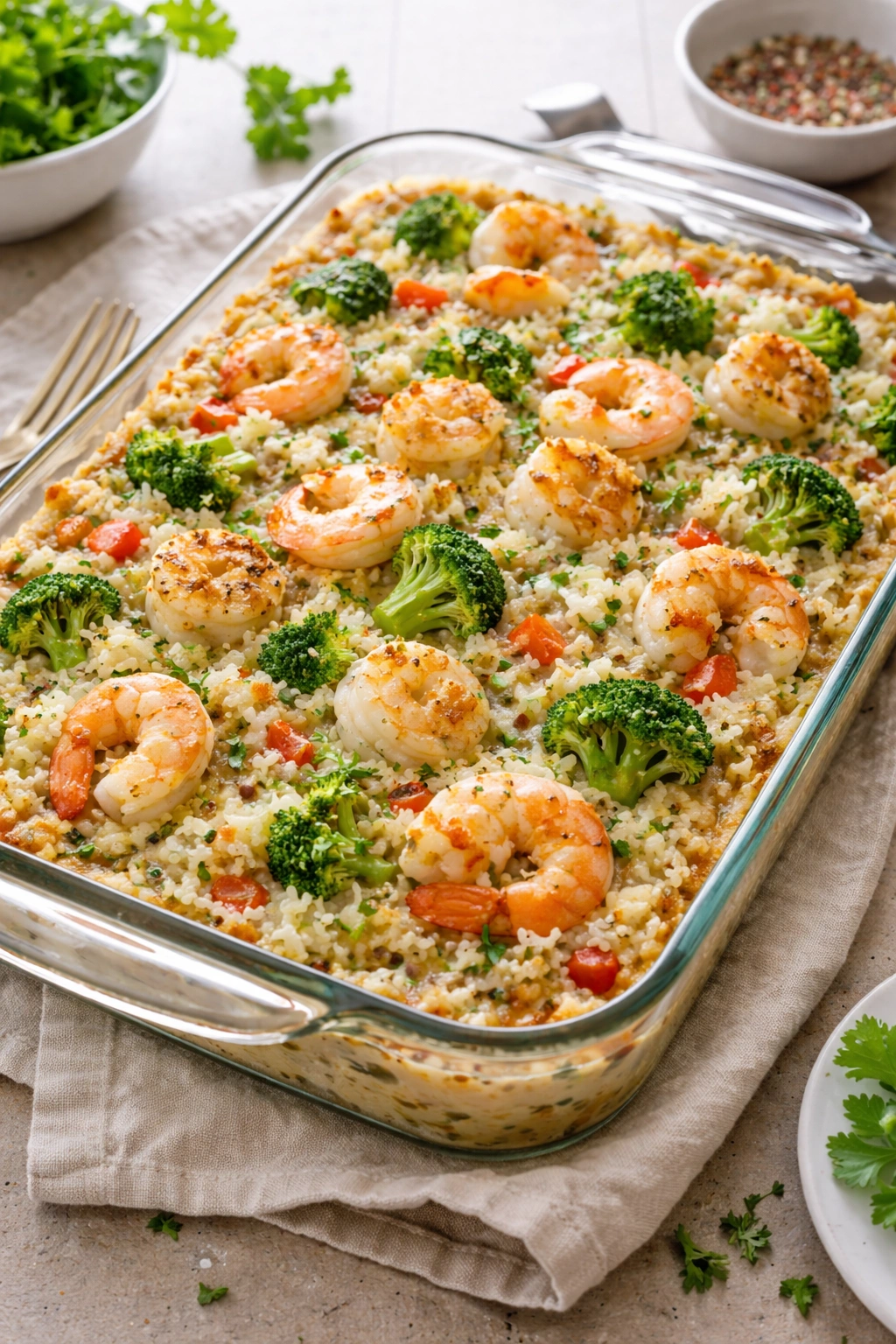
Seafood casseroles deserve more attention than they typically receive. This version combines shrimp, scallops, or white fish with rice, vegetables, and a light cream sauce into something elegant yet practical. Seafood cooks quickly, making it ideal for weeknight dinners, and the mild flavors of rice and cream create a canvas that lets the seafood shine.
The key to excellent seafood casserole is not overcooking delicate proteins. Shrimp takes three to four minutes maximum once the casserole reaches the proper temperature. Fish should flake gently with a fork but still contain moisture. This requires stopping the oven at just the right moment—when everything is cooked through but nothing has toughened from prolonged heat.
How It Compares to Heavier Casseroles
Seafood casseroles feel lighter than beef or chicken versions without sacrificing satisfaction. The rice provides bulk and substance, the vegetables add texture and nutrition, and the seafood contributes protein and subtle oceanic flavors. You end up with a meal that’s genuinely satisfying but doesn’t leave you feeling heavy afterward.
The sauce should be cream-based but not heavy. A simple béchamel or even evaporated milk creates the right consistency without overwhelming the delicate seafood flavors. Save the intensely creamy sauces for beef—seafood benefits from relative restraint.
Ingredients and Techniques That Elevate the Dish
- Use fresh seafood if possible, as frozen varieties can become rubbery when overcooked
- Add white wine to the sauce for acidity that brightens seafood flavors
- Include fresh herbs like dill, parsley, or tarragon
- Layer with thinly sliced lemon between the rice and seafood
- Top with crispy breadcrumbs mixed with Parmesan and fresh herbs
Insider note: Assemble the casserole completely except for the seafood, bake it at temperature until the rice is nearly tender, then add the seafood and bake for just five additional minutes. This prevents overcooking delicate proteins.
10. Vegetarian Black Bean and Quinoa Bake
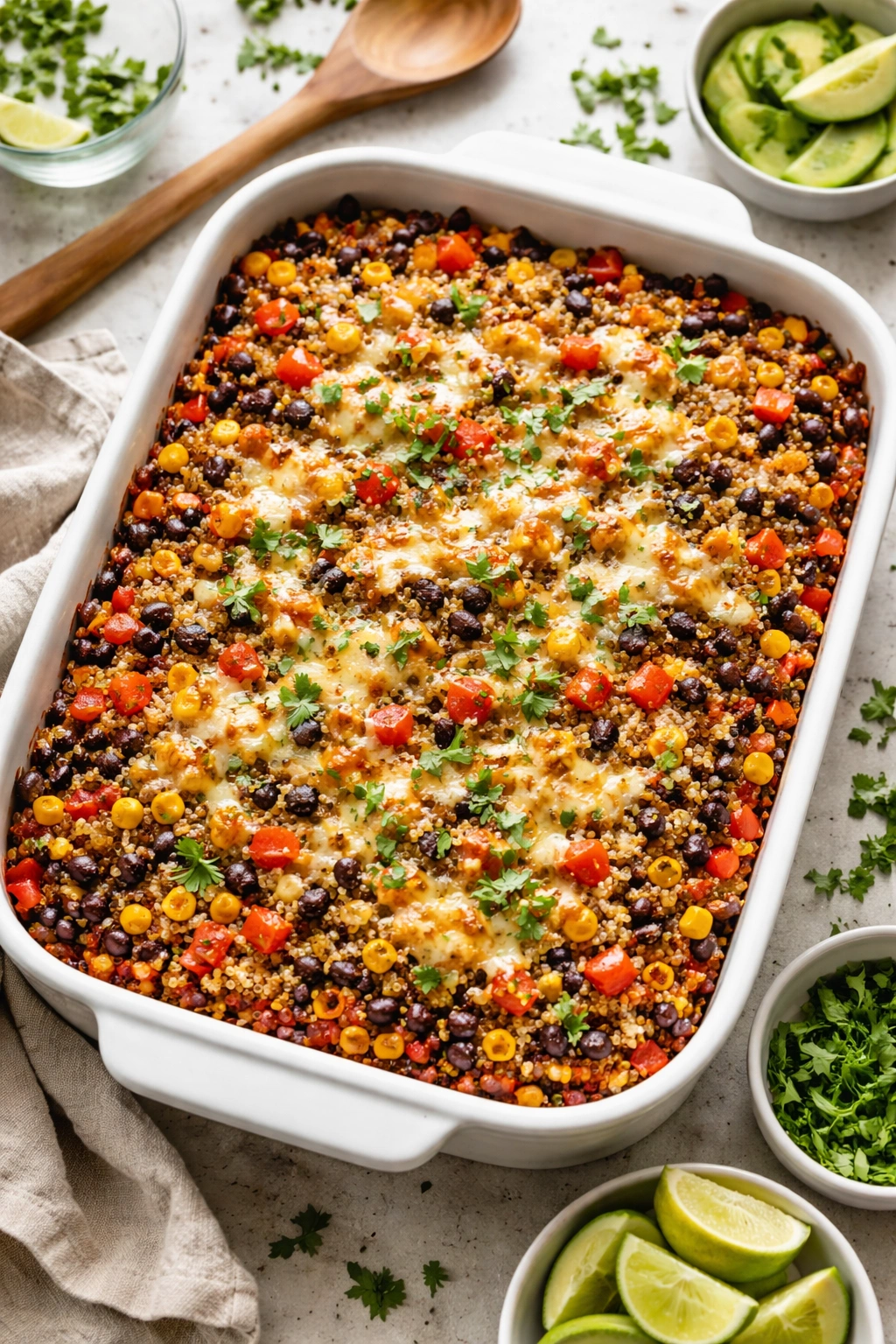
This casserole proves that plant-based meals can be substantial, satisfying, and genuinely delicious without any compromise. Black beans provide protein and earthiness, quinoa adds complete amino acids and nutty flavor, and vegetables contribute color, nutrition, and texture. This is the kind of vegetarian main course that omnivores enjoy without thinking of it as a diet dish.
Quinoa’s slightly nutty flavor pairs beautifully with cumin, chili powder, and lime—the same seasonings that enhance bean dishes. When everything bakes together, the flavors integrate into something greater than their individual components. This isn’t a salad in casserole form; it’s a proper cooked dish with depth and warmth.
What Makes This Version Work So Well
The combination of textures is crucial. Soft beans, slightly chewy quinoa, and tender vegetables create interesting variety in each bite. Nothing dominates; everything contributes. If this casserole were all one texture, it would feel monotonous no matter how flavorful it was. The textural variety keeps eating it interesting from first bite to last.
Black beans specifically work well here because they’re sturdy enough not to disintegrate during baking but soft enough to become creamy. They also have an earthy, slightly mineral flavor that complements the other ingredients beautifully. Corn adds sweetness, diced tomatoes add acidity and brightness, and cheese (if you include it) adds richness and helps bind everything together.
Real Improvements That Deserve Your Attention
- Add roasted sweet potato cubes for color and natural sweetness
- Include diced bell peppers and onions sautéed before assembly
- Top with crushed tortilla chips and cotija cheese for texture and salty brightness
- Stir in fresh cilantro and lime juice after baking
- Layer with creamy avocado slices just before serving
Pro tip: If you’re not vegan, stirring in a dollop of sour cream or crema creates unexpected richness that transforms the dish. If you are vegan, cashew cream provides similar luxurious texture.
Final Thoughts
Casseroles represent something important in home cooking—the recognition that feeding people doesn’t require hours in the kitchen or complicated techniques. These ten options prove that you can create deeply satisfying, genuinely delicious meals by assembling simple, quality ingredients and letting your oven do the work.
The beauty of developing a casserole repertoire is that you can rotate through different options based on what you have on hand, what your family is craving, and how much energy you have for cooking. They freeze beautifully, travel well to potlucks, and taste even better as leftovers once flavors have time to meld. That’s genuine weeknight victory—meals that taste intentional, satisfy deeply, and require minimal effort.
Start with one or two that speak to your family’s preferences, master them, and build from there. Before you know it, you’ll have a collection of trusted casserole recipes that transform your dinner table from a stress point into something genuinely enjoyable. That’s when cooking becomes less about obligation and more about genuine nourishment and care.
