



If you’ve just brought home your first air fryer and you’re staring at it wondering where to start, you’re in exactly the right place. The air fryer might look intimidating—all those dials and baskets and mysterious functions—but here’s the truth: it’s actually one of the most forgiving cooking appliances you’ll ever use. The magic lies in how the machine works. A powerful heating element combined with a high-speed fan circulates superheated air at tremendous velocity, creating that coveted crispy exterior that normally requires deep frying, but without the mess, the oil splatters, or the lingering kitchen smell that drives you crazy for days.
What makes the air fryer especially brilliant for beginners is that it’s nearly impossible to mess up once you understand the basic principles. There’s no flipping food constantly like you would on a stovetop. There’s no monitoring a burner to prevent boiling over. There’s no watching through an oven window and second-guessing your timing. You set the temperature, set the timer, and the air fryer handles the rest with remarkable consistency. Most foods cook in roughly half the time they would in a traditional oven, which means weeknight dinners that once felt like a production now come together in 20 to 30 minutes flat.
The dinners I’m sharing here aren’t complicated. They don’t require obscure ingredients or special techniques you’ll need to practice. Instead, they represent the kinds of meals that have become staples in households across the country—proteins that everyone loves, prepared in ways that guarantee success. I’ve chosen these eight because they showcase different cooking methods and protein types, which means once you master them, you’ll have the confidence to tackle virtually anything in your air fryer. By the time you’ve worked through this list, you won’t be thinking of yourself as a beginner anymore.
1. Crispy Air Fryer Chicken Breast
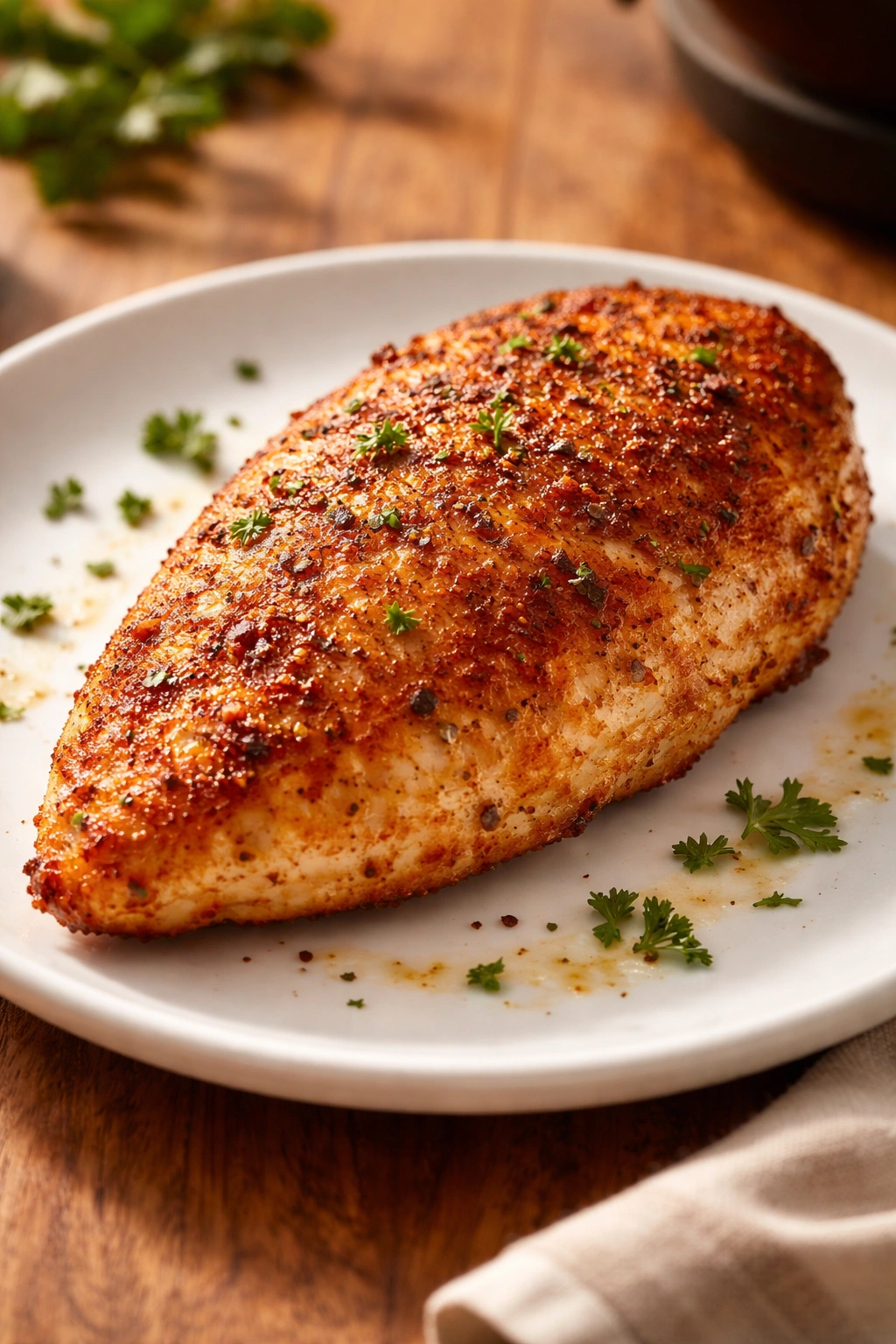
Chicken breast has a bad reputation in many kitchens. It dries out easily, becomes tough when cooked even slightly too long, and requires constant vigilance to keep it from becoming a sad, stringy disappointment. The air fryer completely changes this equation. When you cook chicken breasts in an air fryer, they emerge juicy and tender, with a thin, delicate golden exterior that feels almost luxurious for such a humble ingredient.
Why This Works So Well for Beginners
The air fryer’s intense, circulating heat seals the outside of the chicken quickly while the inside cooks through evenly, without the dry exterior/undercooked interior problem that plagues oven-roasted chicken. Because the cooking happens so fast—typically just 15 to 18 minutes for boneless, skinless chicken breasts—there’s a much smaller window where things can go wrong. The meat stays tender and moist, and you’re not fighting against yourself to prevent overcooking.
How to Make It
Pat your chicken breasts dry with paper towels (this helps them brown better), then season generously on both sides with salt and pepper. You can add whatever seasonings appeal to you—garlic powder, paprika, dried herbs, everything works beautifully. Lightly spray the air fryer basket with oil, then arrange the chicken in a single layer without crowding. Set the temperature to 375°F and cook for 15 to 18 minutes, checking for doneness by cutting into the thickest piece—the juices should run clear and a meat thermometer should read 165°F. If it’s close but not quite there, add two to three minutes and check again.
Pro tip: Use the rested chicken for salads, wraps, stir-fries, or grain bowls throughout the week. A batch of four chicken breasts, cooled and stored in the fridge, becomes the foundation for multiple easy dinners.
2. Simple Pan-Seared Salmon Fillets
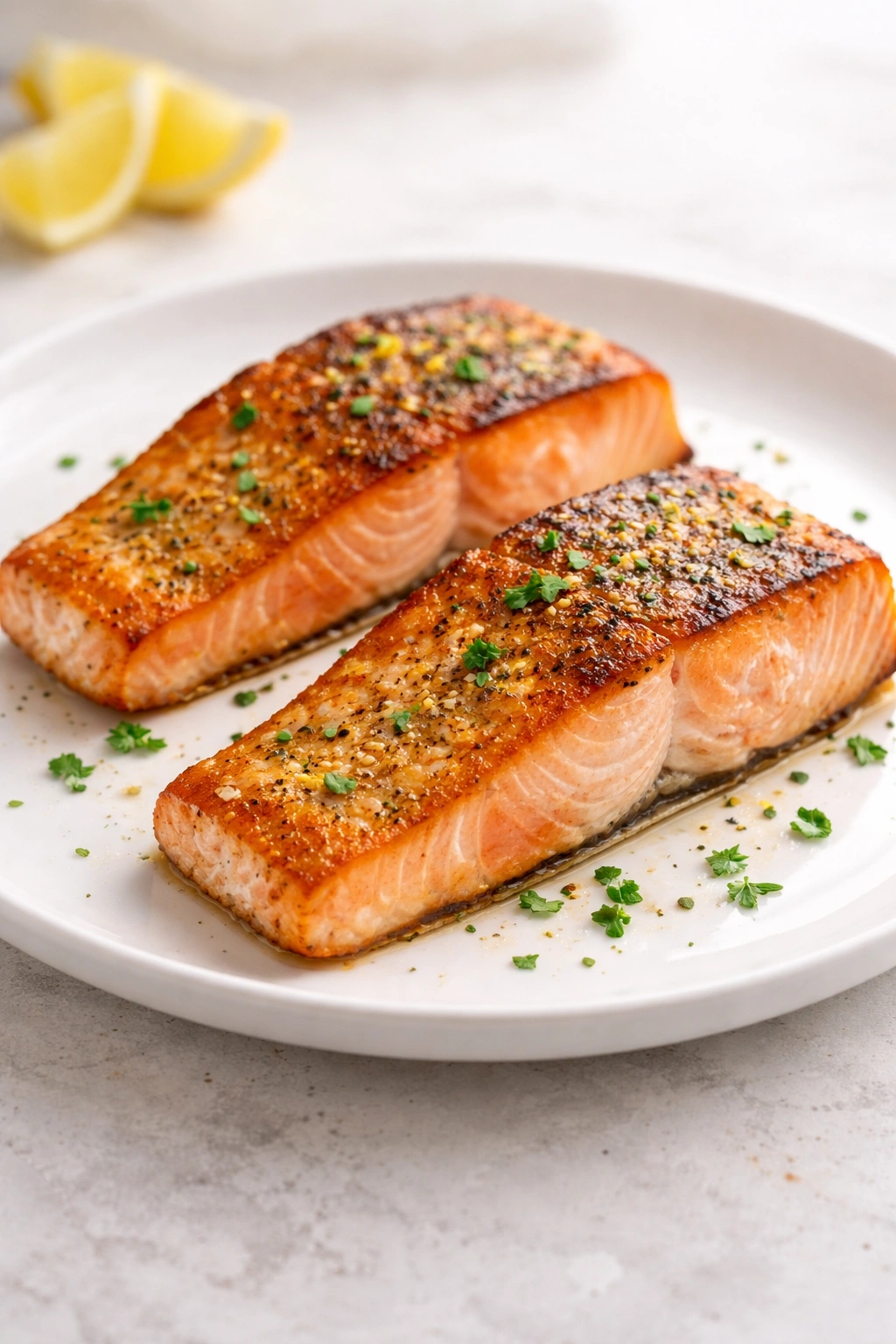
Salmon represents the moment when people realize the air fryer isn’t just for casual weeknight food—it’s capable of creating genuinely impressive dinners that feel restaurant-quality. A perfectly cooked salmon fillet has a slight crispy exterior and a flaky, tender interior, and the air fryer delivers this consistently. Unlike stovetop methods, you won’t have fish smell dominating your kitchen for hours. The enclosed cooking chamber contains all those aromatic compounds, and you get salmon for dinner without the lingering fishy odor that normally follows.
What Makes Air Fryer Salmon Special
Fish cooks so quickly in an air fryer that there’s barely any time for the delicate flesh to dry out. The even heat penetrates from all angles, cooking the interior thoroughly while the exterior crisps up just enough to give you texture contrast. You can even cook salmon straight from the freezer—just add a few extra minutes to the cooking time. Because salmon is naturally fatty, you don’t need much oil, and the fat renders out during cooking, keeping the flesh moist and luxurious.
Simple Steps to Follow
Pat your salmon dry and place it skin-side down in the basket (lining with parchment paper prevents sticking). Drizzle lightly with olive oil, then season with salt, pepper, and lemon if you have it. Set the air fryer to 375°F and cook for 8 to 10 minutes if the fillets are fresh, or 12 to 14 minutes if frozen. You’ll know it’s done when the thickest part flakes easily with a fork and the flesh is opaque throughout. Serve immediately with a squeeze of fresh lemon and whatever sides appeal to you—roasted vegetables, rice pilaf, or a simple salad.
Worth knowing: Tuck thin lemon slices under the salmon in the basket. They create a barrier so the skin doesn’t stick, and they infuse the fish with subtle flavor as it cooks.
3. Juicy Air Fryer Pork Chops
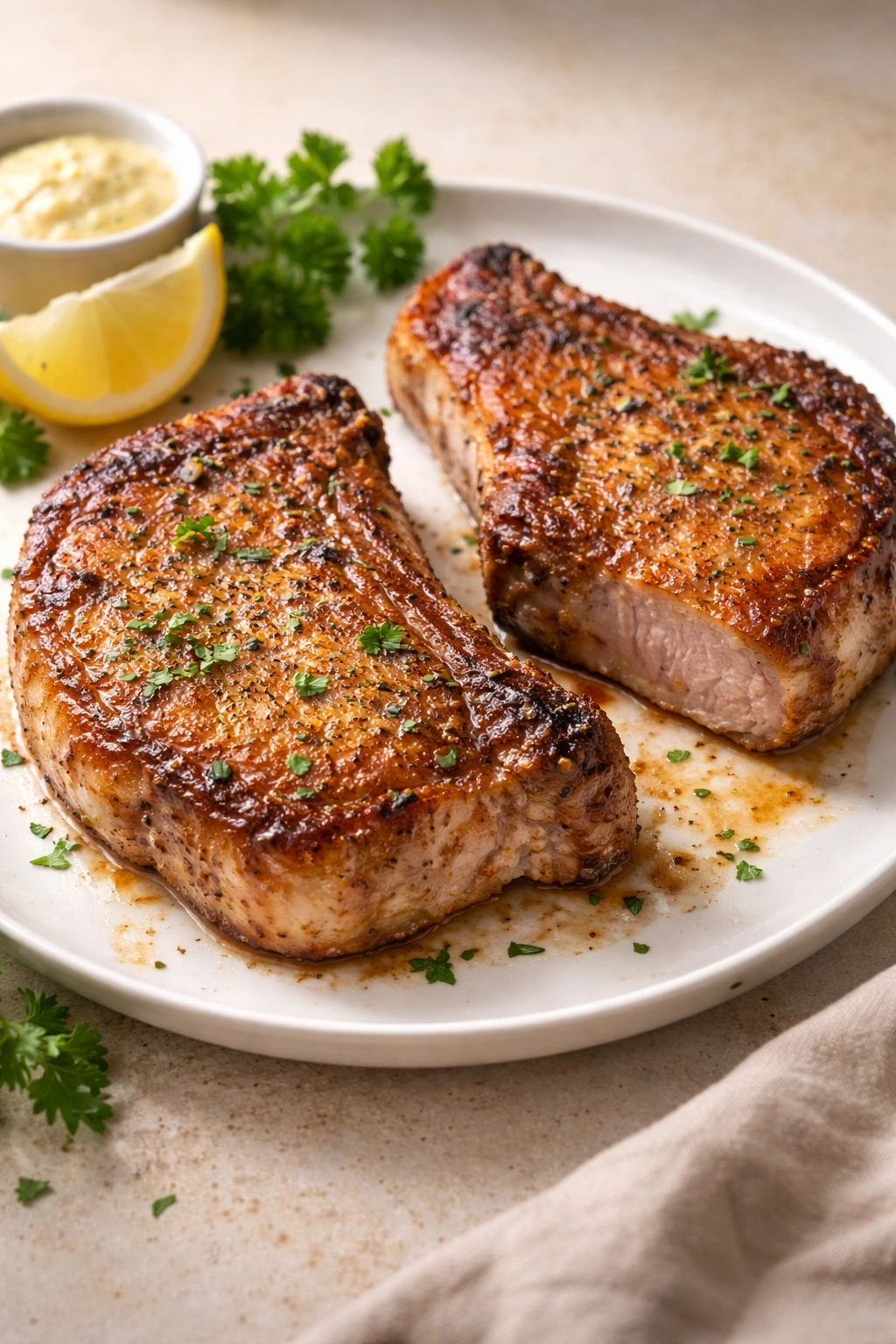
Pork chops are the underrated hero of the air fryer world. They cook faster than chicken, they’re harder to dry out, and they take on seasoning beautifully. A pork chop that cooks in the air fryer emerges with a golden, slightly crispy exterior and meat that’s impossibly tender inside. For beginners, they’re wonderfully forgiving—even if you cook them a few minutes longer than intended, they’ll still taste good.
The Science of Tender Pork Chops
The high heat in an air fryer browns the exterior through the Maillard reaction, creating flavor and texture, while the meat itself remains juicy because the cooking time is short enough that the proteins don’t have time to squeeze out all their moisture. A brown sugar and salt dry rub applied before cooking helps draw out just a tiny bit of moisture, which concentrates the flavors on the surface and creates that crackling crust everyone loves.
Cooking Them Perfectly
Pat your pork chops dry and rub them all over with a mixture of brown sugar, salt, black pepper, and cumin (though you can use whatever spices you prefer). Let them sit for five minutes while the rub starts to adhere. Place them in the air fryer basket without crowding, then set the temperature to 400°F. Cook for 12 to 15 minutes, depending on thickness, until a meat thermometer reads 145°F. The meat should still have a slight pink blush inside—this is where pork is most tender. Let them rest for three to four minutes before serving, which redistributes the juices throughout the meat.
Quick fact: Center-cut pork chops (from the middle of the loin) tend to cook most evenly because they’re more uniform in thickness than chops from the ends of the loin.
4. Golden Roasted Chicken Thighs
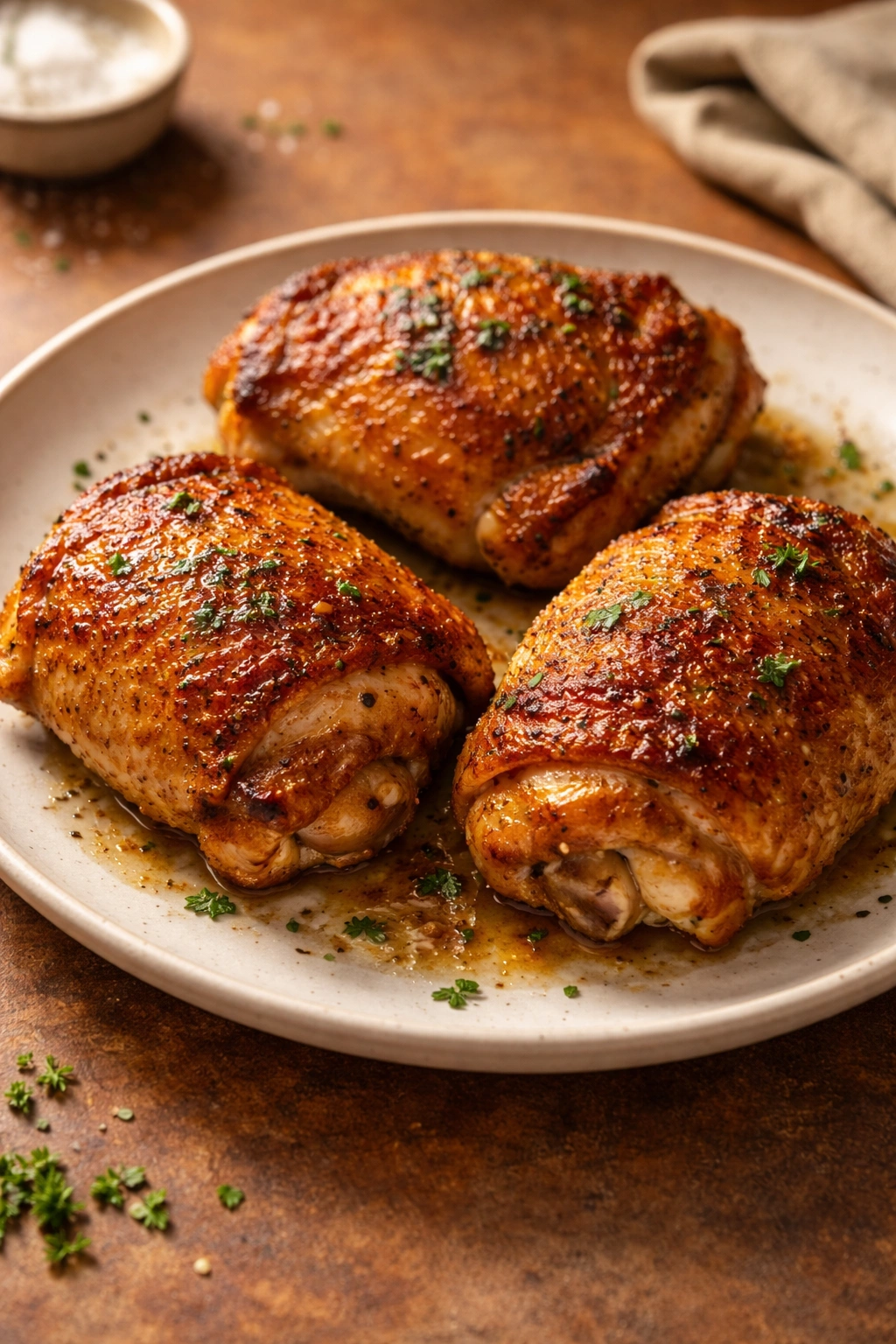
While chicken breasts get all the attention, chicken thighs are the smarter choice for beginners and seasoned cooks alike. They have more fat, which means they stay moist even if you accidentally overcook them slightly. They brown beautifully in the air fryer, developing a crispy skin and succulent meat underneath. Thighs taste more interesting than breasts—richer, more flavorful, more forgiving of mistakes.
Why Thighs Win in an Air Fryer
The dark meat in chicken thighs contains more myoglobin and fat, which means it can handle the intense, dry heat of the air fryer without drying out. The skin crisps up gorgeously in the circulating hot air, becoming almost caramelized. Because the meat is naturally juicier, you have more margin for error—you can cook them a few minutes longer without the disappointing dryness that would plague chicken breasts.
Preparation and Cooking
Pat your chicken thighs dry (this is crucial for crispiness). Season them generously with salt, pepper, and garlic powder on both sides. If you want extra richness, brush them lightly with a mixture of sour cream and rice vinegar, which adds tang and helps them brown. Arrange them skin-side up in the air fryer basket, then set the temperature to 400°F. Cook for 20 to 25 minutes until the skin is mahogany brown and a meat thermometer reads 165°F at the thickest part. The skin should sound crispy when you tap it with a fork.
Insider secret: Cook more than you need and use the leftovers for salads, tacos, grain bowls, or simple reheating—thighs reheat beautifully in the air fryer, staying moist and regaining their crispy exterior.
5. Easy Air Fryer Fish Tacos
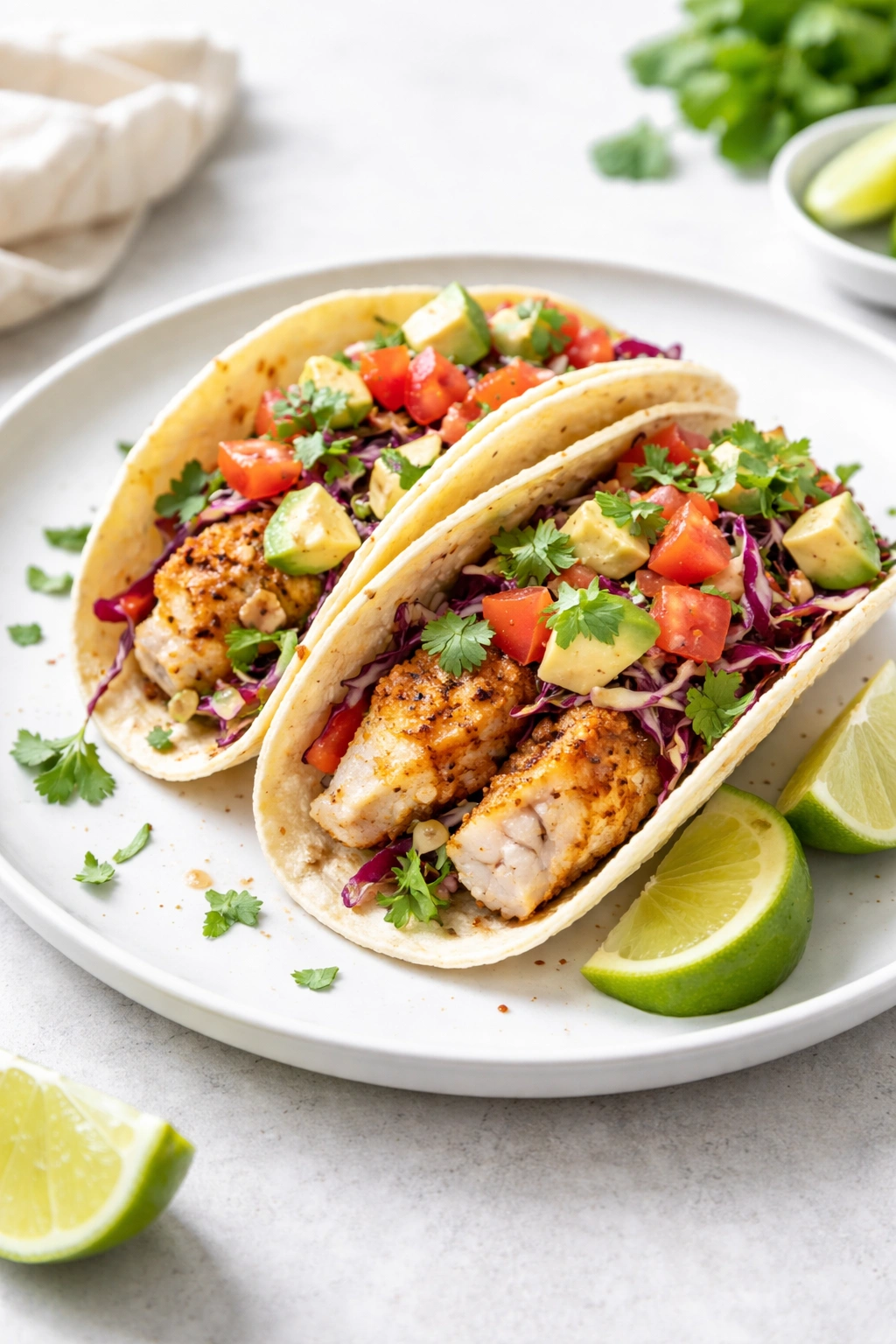
Fish tacos represent a completely different category of dinner—lighter, brighter, and surprisingly fast. Because the air fryer cooks fish so quickly and keeps the flesh moist, tacos become an excellent option even on busy weeknights. There’s something special about putting a meal together with fresh toppings and flaky white fish that tastes like you went to significantly more effort than you actually did.
What Makes This Dinner Beginner-Friendly
The whole meal comes together in under 20 minutes because cooking the fish takes just 10 to 12 minutes. You’re building tacos, not laboring over a hot stove, which means everything stays efficient and manageable. Any white fish works beautifully—cod, tilapia, halibut, or even frozen fish fillets. The seasoning is simple: salt, pepper, and paprika, which provides warmth and color without requiring special ingredients.
How to Build Them
Pat your fish fillets dry and season both sides with salt, pepper, and smoked paprika. Place them in the air fryer basket and cook at 400°F for 10 to 12 minutes until the flesh flakes easily. While the fish cooks, warm your taco shells or tortillas and prepare toppings: shredded cabbage, sliced jalapeños, fresh cilantro, lime wedges, and your favorite sauce (a simple crema of sour cream and lime juice works beautifully). When the fish is done, flake it into the shells and let everyone build their own tacos.
Real talk: Don’t skip the fresh toppings. What makes fish tacos special isn’t the fish—it’s the contrast between the flaky, warm fish and the crisp, cool, bright toppings that come together in every bite.
6. Quick Beef Steak Bites
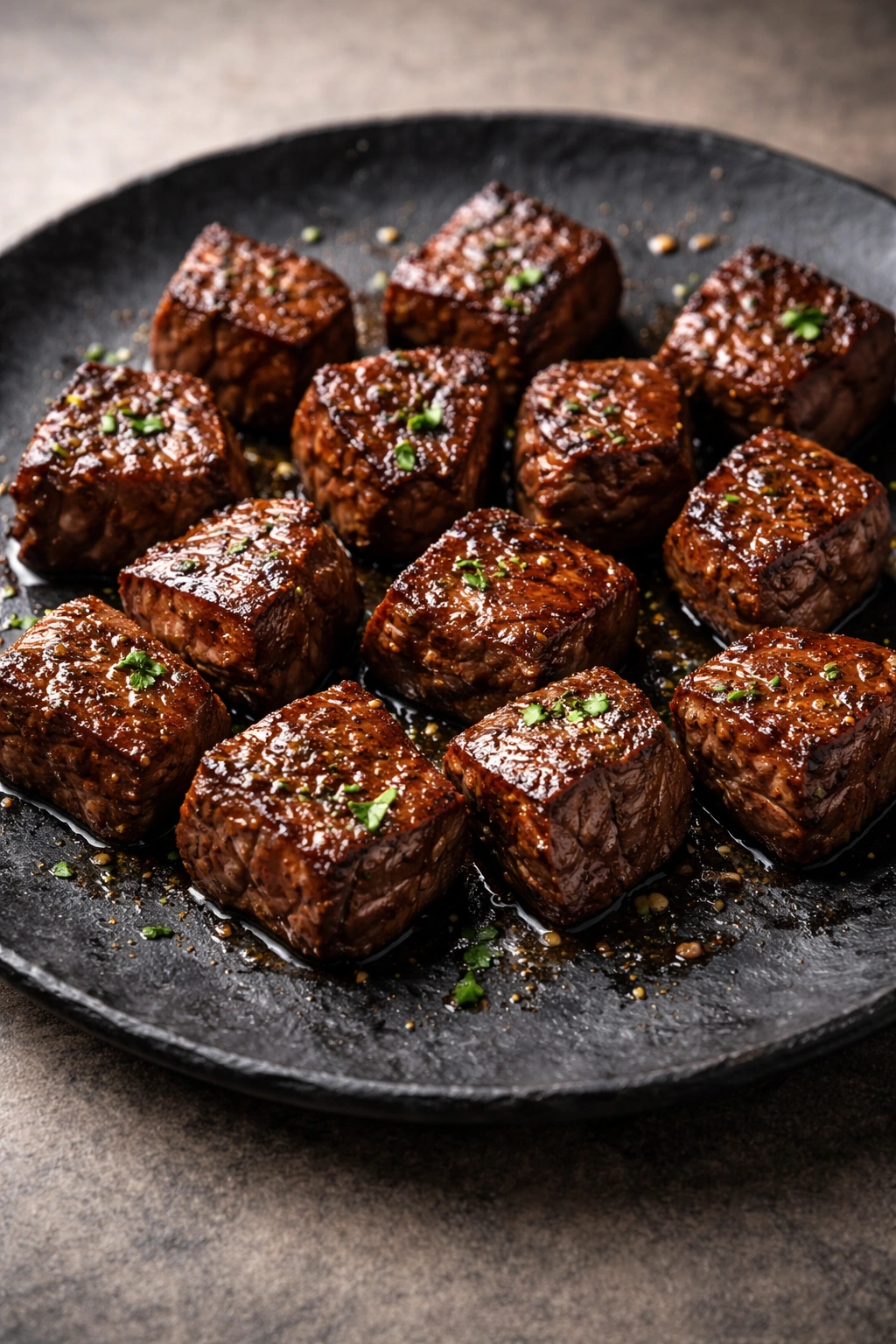
Steak in an air fryer sounds like it shouldn’t work, but it absolutely does. Unlike whole steaks, which require careful temperature monitoring and resting times, steak bites are forgiving and fast. They cook evenly throughout, they’re hard to overcook because they’re small, and they develop a nice caramelized exterior while staying tender inside. Served over rice or with roasted vegetables, they feel like a proper dinner despite requiring minimal effort.
Why Steak Bites Make Sense for Beginners
You’re not trying to nail a specific temperature on a large piece of meat. Instead, you’re cooking many small, uniform pieces that finish at roughly the same time. Because there’s more surface area on the bites, you get more of that delicious, caramelized crust. They’re also naturally portion-controlled and versatile—serve them as a main with sides, over rice, in wraps, or on salads.
Cooking Them Successfully
Cut boneless steak (ribeye or sirloin work well) into 1-inch cubes and pat them completely dry. Toss them lightly with oil and season generously with salt, pepper, and garlic powder. Arrange them in a single layer in the air fryer basket—don’t crowd them, as they need space for air circulation. Set the temperature to 400°F and cook for 10 to 12 minutes for medium-rare, stirring halfway through so they brown evenly on all sides. A meat thermometer should read 130-135°F for medium-rare.
What to know: The cubes will continue cooking slightly after you remove them from the air fryer, so pull them at 130°F rather than waiting for them to reach your final desired temperature while still cooking.
7. Tender Air Fryer Shrimp Dinner
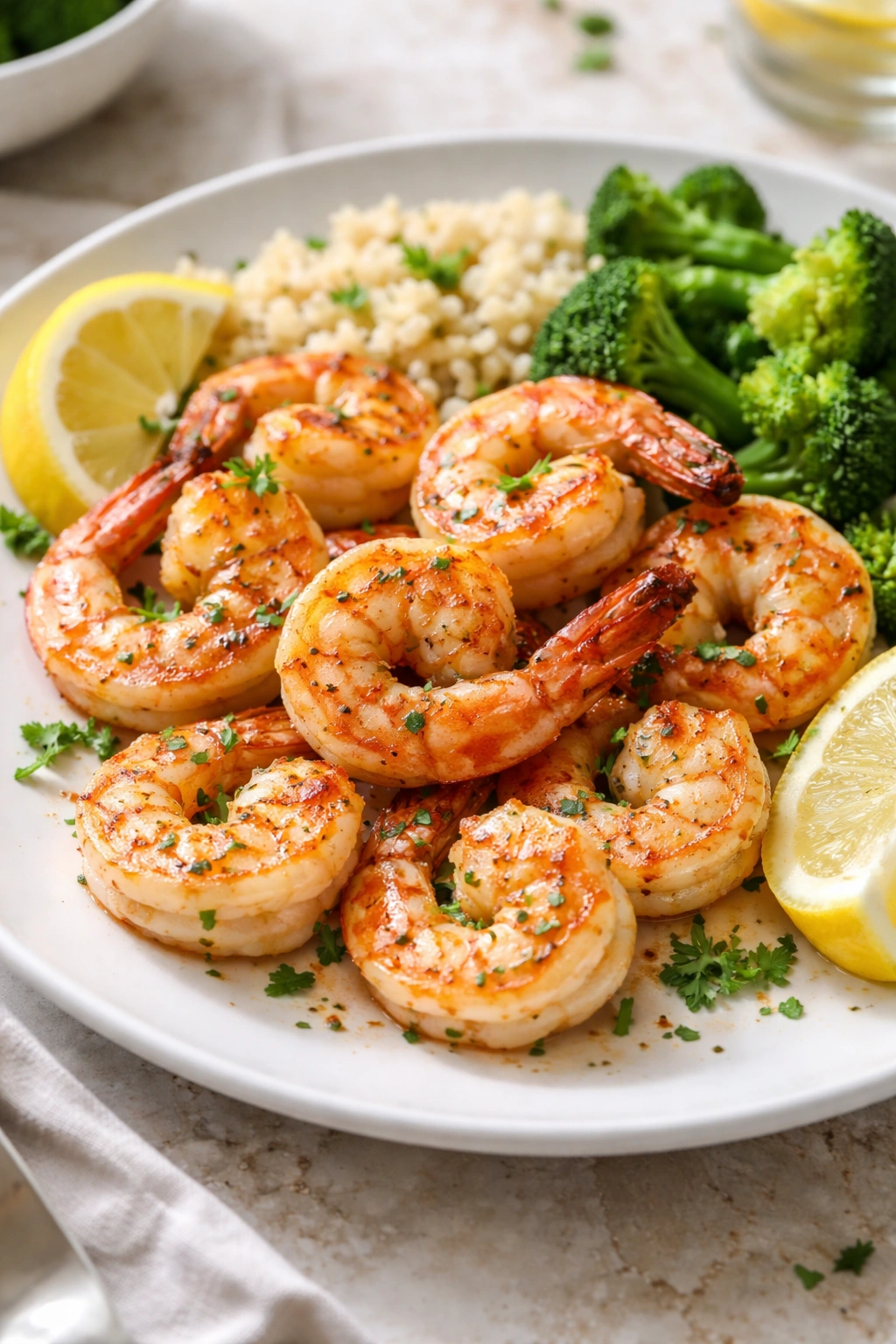
Shrimp cooks almost impossibly fast in an air fryer—we’re talking three to five minutes for medium-sized shrimp. This makes it perfect for beginners because there’s almost no time window where things can go wrong. Overcooked shrimp becomes rubbery, which is a real concern on the stovetop, but in an air fryer, the speed and intensity of the heat work in your favor. Shrimp also pairs beautifully with countless sides and sauces, making it endlessly adaptable to whatever ingredients you have on hand.
The Appeal of Air Fryer Shrimp
There’s zero mess—no splattering oil, no pans to scrub, no lingering seafood smell. The shrimp cooks evenly and quickly, developing a slight char on the exterior while staying tender inside. You can cook shrimp straight from frozen, which makes this meal possible even when you’ve forgotten to plan ahead. The clean, simple preparation lets the natural sweetness of the shrimp shine through.
Simple Preparation
Pat your shrimp dry (frozen shrimp should be thawed and patted dry). Toss them with a drizzle of oil and season with salt, pepper, and garlic powder, plus lemon zest if you have it. Spread them in a single layer in the air fryer basket and cook at 400°F for 4 to 5 minutes, shaking the basket halfway through. The shrimp should be pink and opaque throughout, with a slight char on the outer edges. That’s it. Serve with rice, roasted vegetables, or over a simple salad.
Quick tip: Double or triple the batch and use the extras for a grain bowl the next day, or toss them into a pasta with olive oil and garlic.
8. Versatile Air Fryer Hamburgers
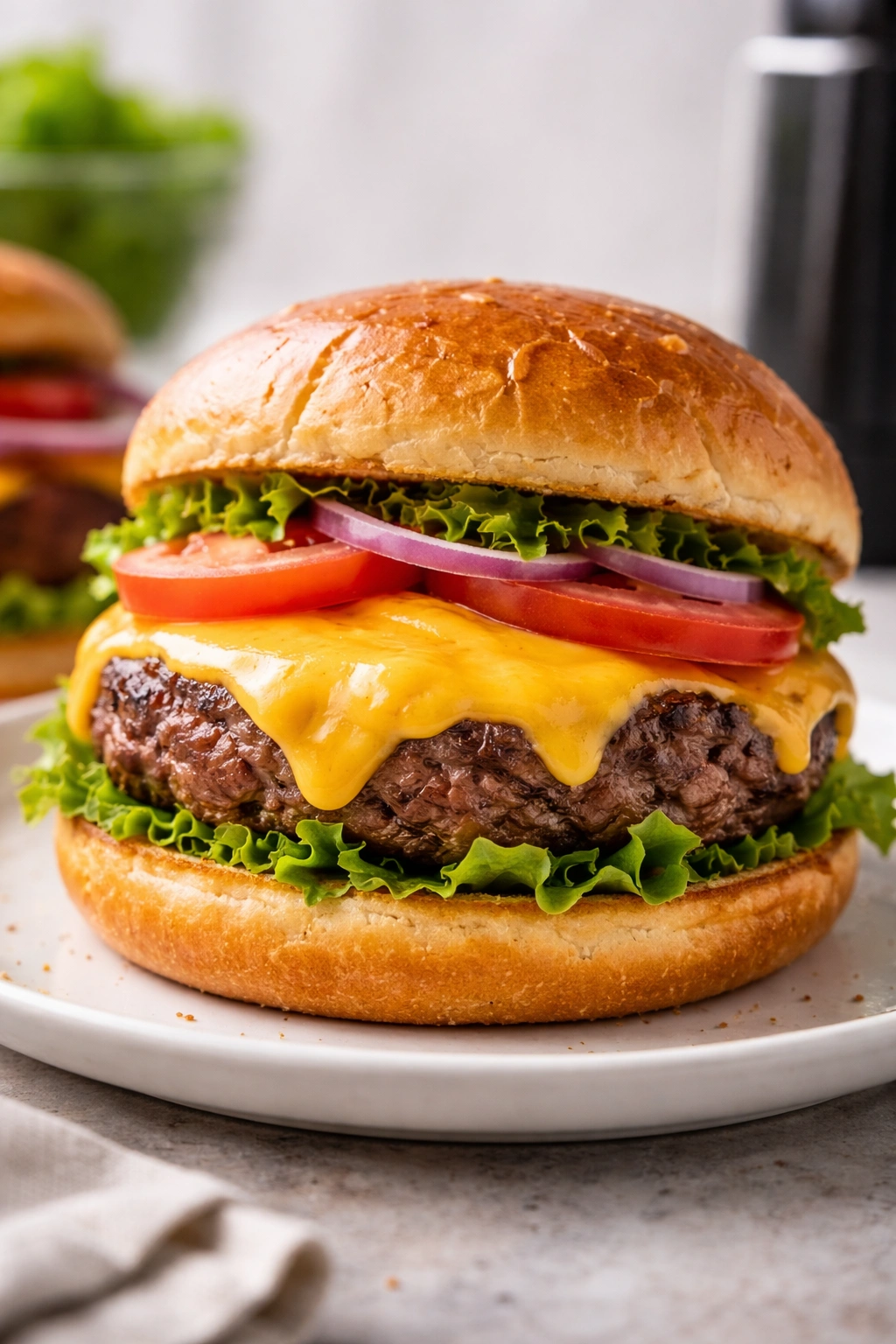
Hamburgers in an air fryer produce something remarkable: a burger that’s grilled on both sides without you having to stand over a grill or deal with a hot pan splattering grease everywhere. The burger cooks cleanly, the cheese melts evenly, and you can toast the bun in the same basket at the end, creating a complete meal in one appliance. For beginners, hamburgers are deeply satisfying because the results feel impressive despite the simplicity.
Why Air Fryer Burgers Work So Well
The intense, circulating heat browns both sides of the patty simultaneously while cooking the interior through evenly. Because there’s no direct flame or searing surface, the meat doesn’t burn on the outside before the inside cooks through. The fat renders out during cooking but doesn’t splash or smoke excessively. You can add cheese in the last minute of cooking and have perfectly melted, evenly distributed cheese rather than the inconsistent melt you get from some methods.
Making Them Step by Step
Form ground beef (use at least an 85-15 blend, meaning 85 percent lean and 15 percent fat—the fat is essential for flavor and juiciness) into patties about three-quarters of an inch thick. Make a small indent in the center of each patty with your thumb, which prevents them from puffing up as they cook. Season generously with salt and pepper just before cooking (salting too early draws out moisture). Place the patties in the air fryer basket and set the temperature to 375°F. Cook for 10 to 12 minutes for medium doneness, adding cheese in the last minute if desired. Toast the buns in the basket for the final two minutes if you want them warm and crispy.
Pro tip: Let the burgers rest for two to three minutes after cooking—this allows the juices to redistribute throughout the meat, making each bite juicier and more flavorful.
Essential Equipment That Makes Everything Easier
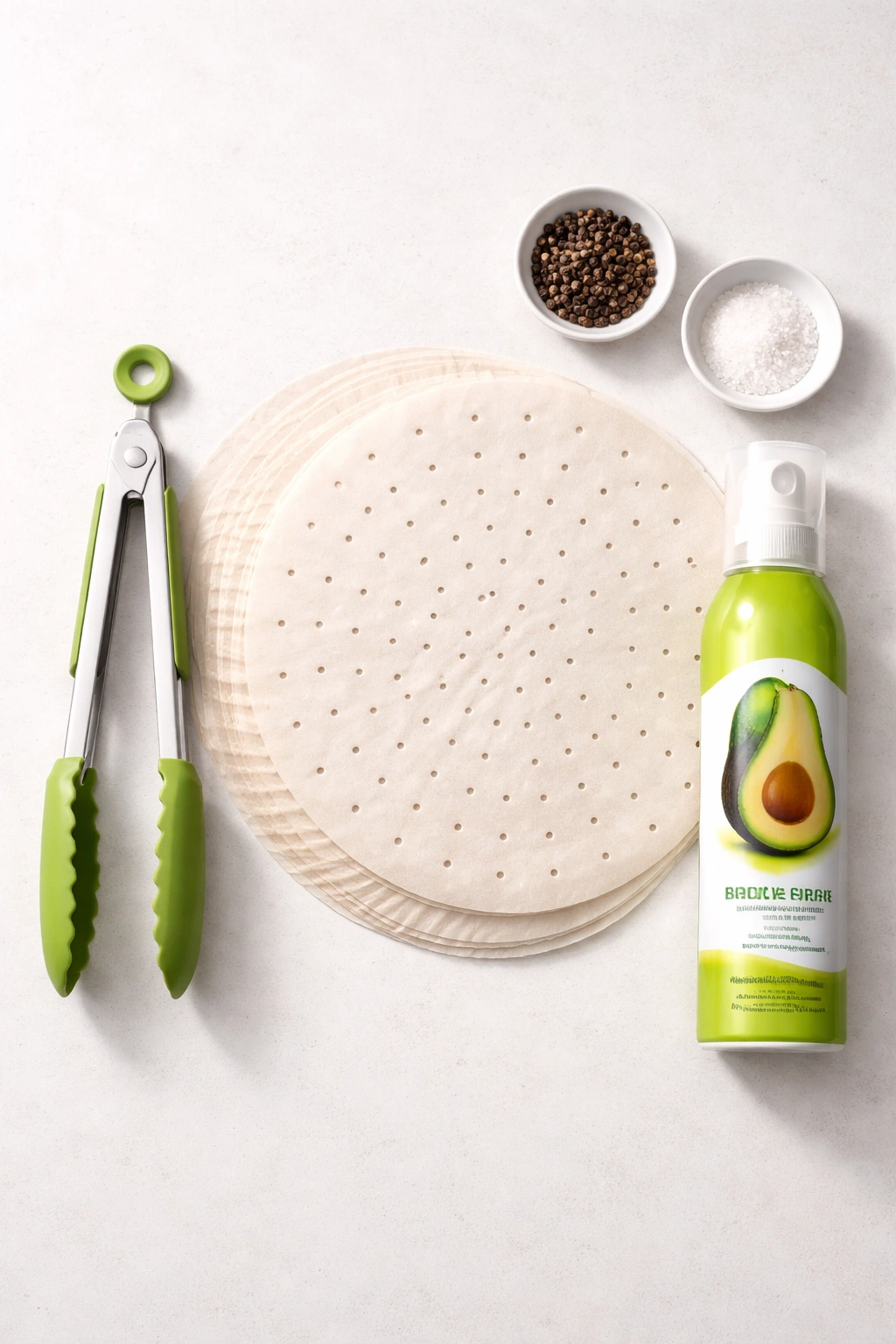
Beyond the air fryer itself, a few simple tools make the experience dramatically better. Silicone tongs protect your air fryer’s nonstick coating from scratches while giving you a secure grip for flipping or removing items. Parchment paper liners (the ones with air holes designed specifically for air fryers) prevent sticking and make cleanup almost effortless. Avocado oil spray with a high smoke point is my first choice for oiling foods before cooking, though any spray oil works fine. Having these three things on hand transforms the air fryer experience from functional to genuinely enjoyable.
Common Mistakes That Derail Beginners
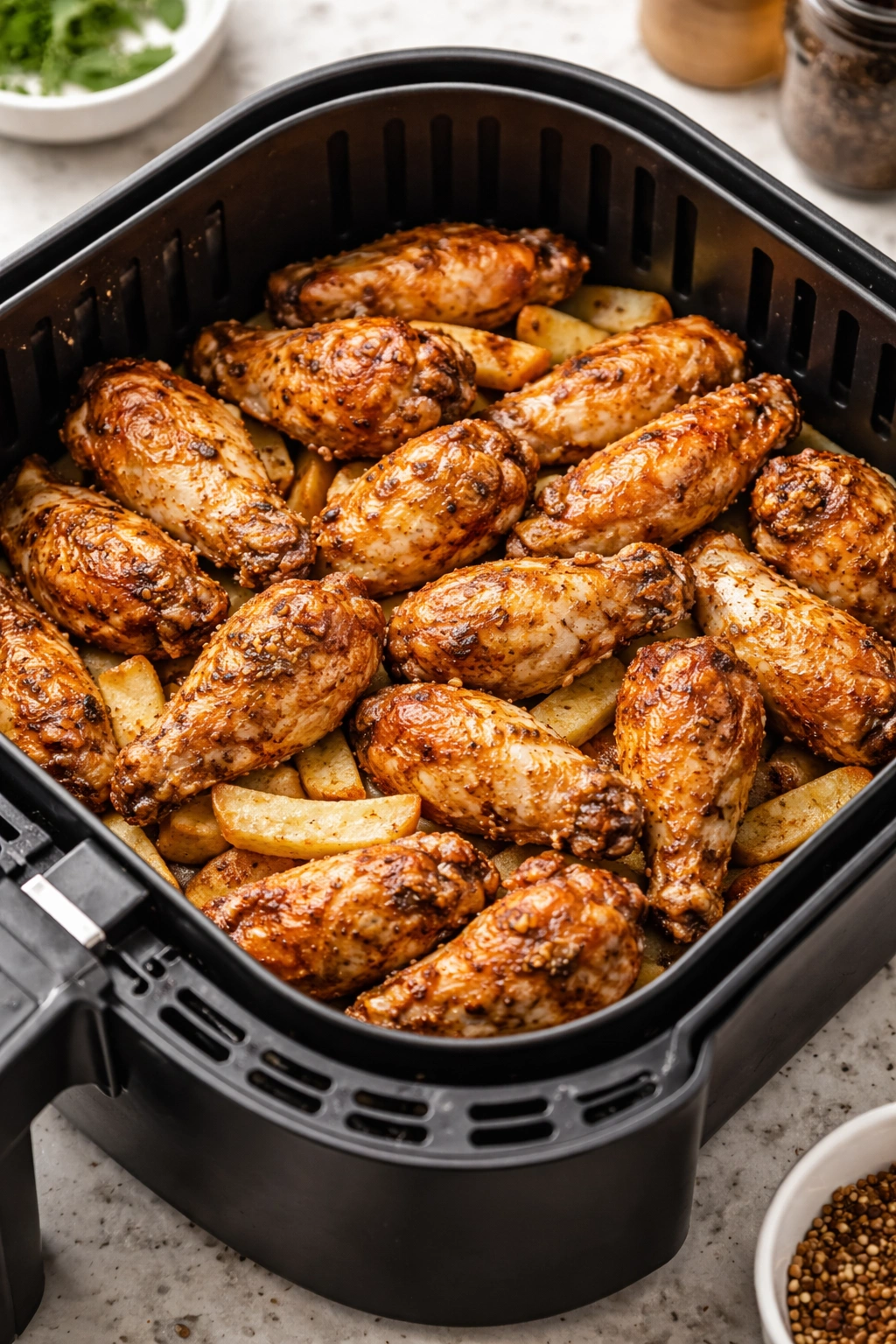
The most common mistake new air fryer users make is overcrowding the basket. It’s tempting to cram extra food in there to cook more at once, but the entire mechanism depends on air circulating around and underneath the food. When you crowd the basket, you’re essentially blocking that circulation, and you end up with unevenly cooked food. For the crispiest results, keep things in a single layer with some space between pieces.
Another mistake is cooking without any oil. While it’s true that air fryers use far less oil than traditional frying, a little bit of oil genuinely improves browning and crisping. You don’t need much—just a light spray before cooking makes a noticeable difference in texture and color.
Finally, beginners often trust the printed cooking times too rigidly without checking their food. Every air fryer varies slightly in temperature accuracy and heat distribution. After you’ve made a recipe once and know how your specific machine performs, you’ll adjust more confidently. For now, treat the suggested cooking times as a starting point, then check your food at the end of that time to see if it needs more.
Learning From Your First Meals
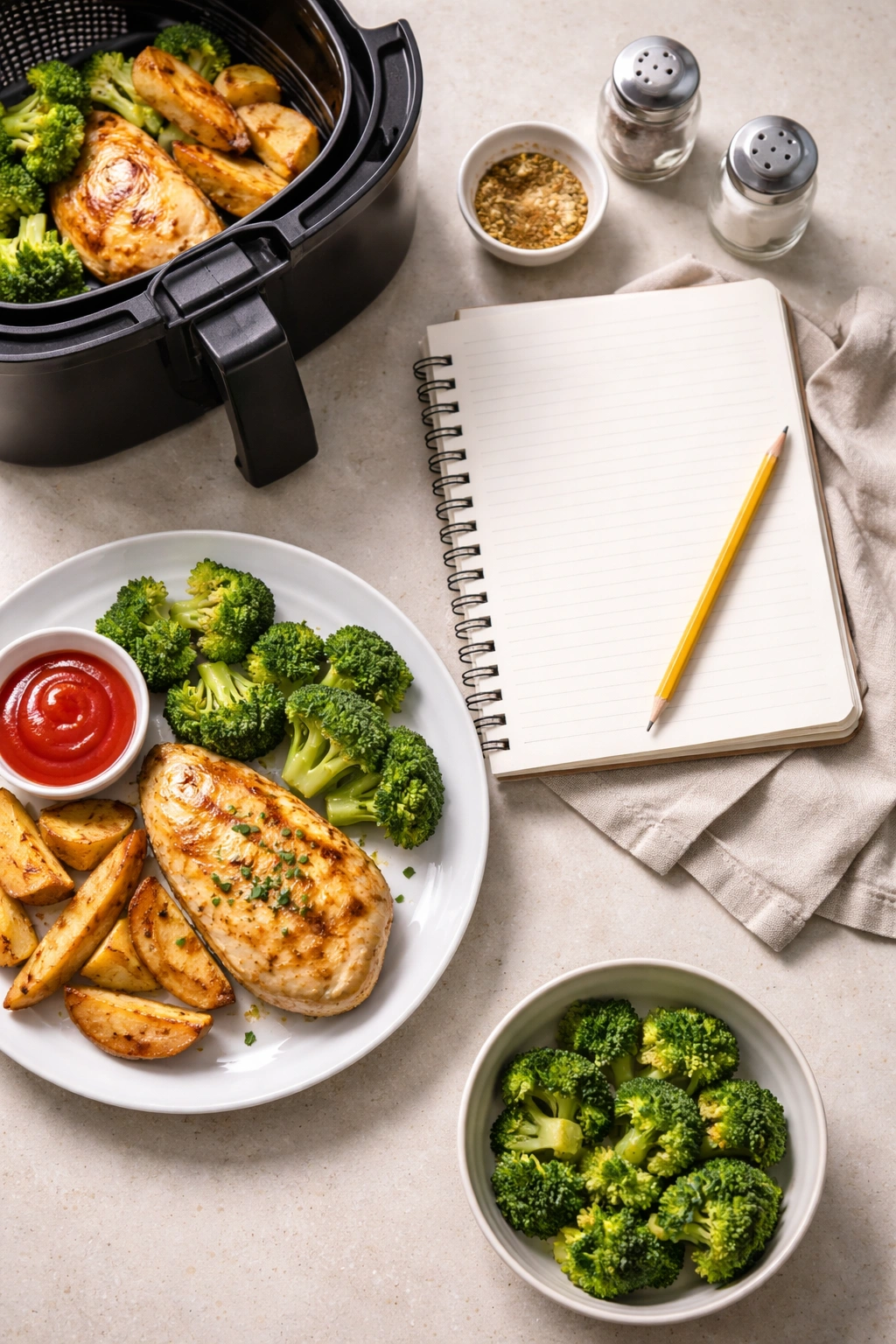
As you cook these dinners, you’re not just making food—you’re learning how your specific air fryer behaves. You’re discovering which spots in the basket tend to cook hotter, which foods need a shake halfway through, and how your particular machine’s temperature accuracy compares to the dial. This knowledge makes every subsequent meal easier and more confident.
Keep mental notes: Did the chicken finish in 17 minutes or did it need the full 18? Did the salmon skin stick to the basket? Did the hamburger patties puff up more than expected? These small observations, accumulated over a handful of meals, transform you from someone following recipes precisely to someone who understands the machine well enough to adapt and improvise.
Final Thoughts
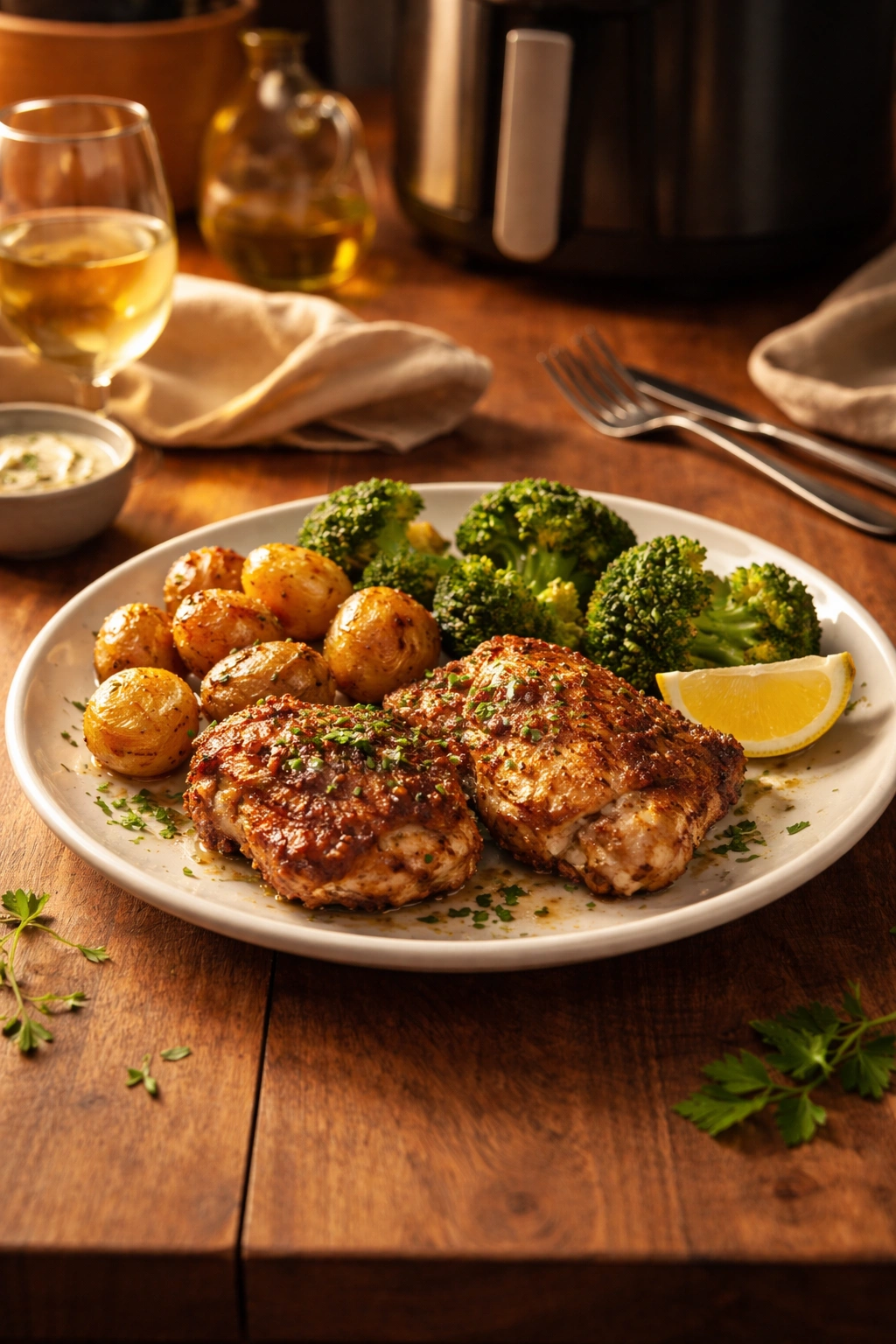
The beautiful thing about these eight dinners is that they’re just the beginning. Once you’ve mastered chicken breast, you can experiment with different seasonings. Once you’re comfortable with salmon, you’ll try other fish. The techniques and principles you learn from these foundational recipes transfer directly to vegetables, side dishes, and more adventurous mains.
Your air fryer isn’t a complicated appliance—it’s an incredibly efficient tool that makes dinner faster, easier, and less stressful. These eight dinners will build your confidence, expand your weeknight repertoire, and probably lead you to use the machine far more often than you initially expected. Start with whichever option appeals to you most, follow the guidelines, and trust that the air fryer will deliver excellent results. After that first successful meal, you’ll be wondering why it took you so long to figure this out.
