



Here’s what separates a memorable camping trip from a forgettable one: the food. Sure, the natural scenery and fresh air matter, but let’s be honest—the meals you eat around the campfire are what you’ll actually remember. Too many camping trips end up with the same tired rotation of hot dogs, canned beans, and sad sandwiches. But it doesn’t have to be that way. With the right approach and a little planning, you can serve yourself and your camping crew meals that genuinely taste good—the kind of food that makes you grateful to be outside, not just tolerating it.
The secret isn’t fancy ingredients or complicated techniques. Most of the best camping meals rely on simple, reliable cooking methods that work beautifully over a fire or camp stove. Foil packets, cast iron skillets, and Dutch ovens do the heavy lifting, while thoughtful seasoning and quality ingredients make the magic happen. What really matters is choosing recipes that hold up to outdoor cooking, travel well in a cooler, and actually deliver flavor instead of just filling your stomach.
The camping meals on this list have been tested by real people in real campfire conditions—people who’ve hiked all day and have actual appetites, not just people eating to pass the time. Each one is designed to be doable with limited equipment, though it helps if you’re willing to pack a decent cooler and bring a few key tools. You’ll notice a lot of make-ahead prep potential too, because nobody wants to spend three hours chopping vegetables at camp when you could be enjoying the outdoors.
What you’ll find here aren’t gimmicks or novelty recipes that look good in photos but disappoint in reality. These are meals that taste genuinely delicious, feel substantial after a day outside, and won’t leave you wishing you’d just brought takeout. Let’s dive into eight camping meals that’ll make you a better camp cook.
1. Foil Packet Shrimp Boil
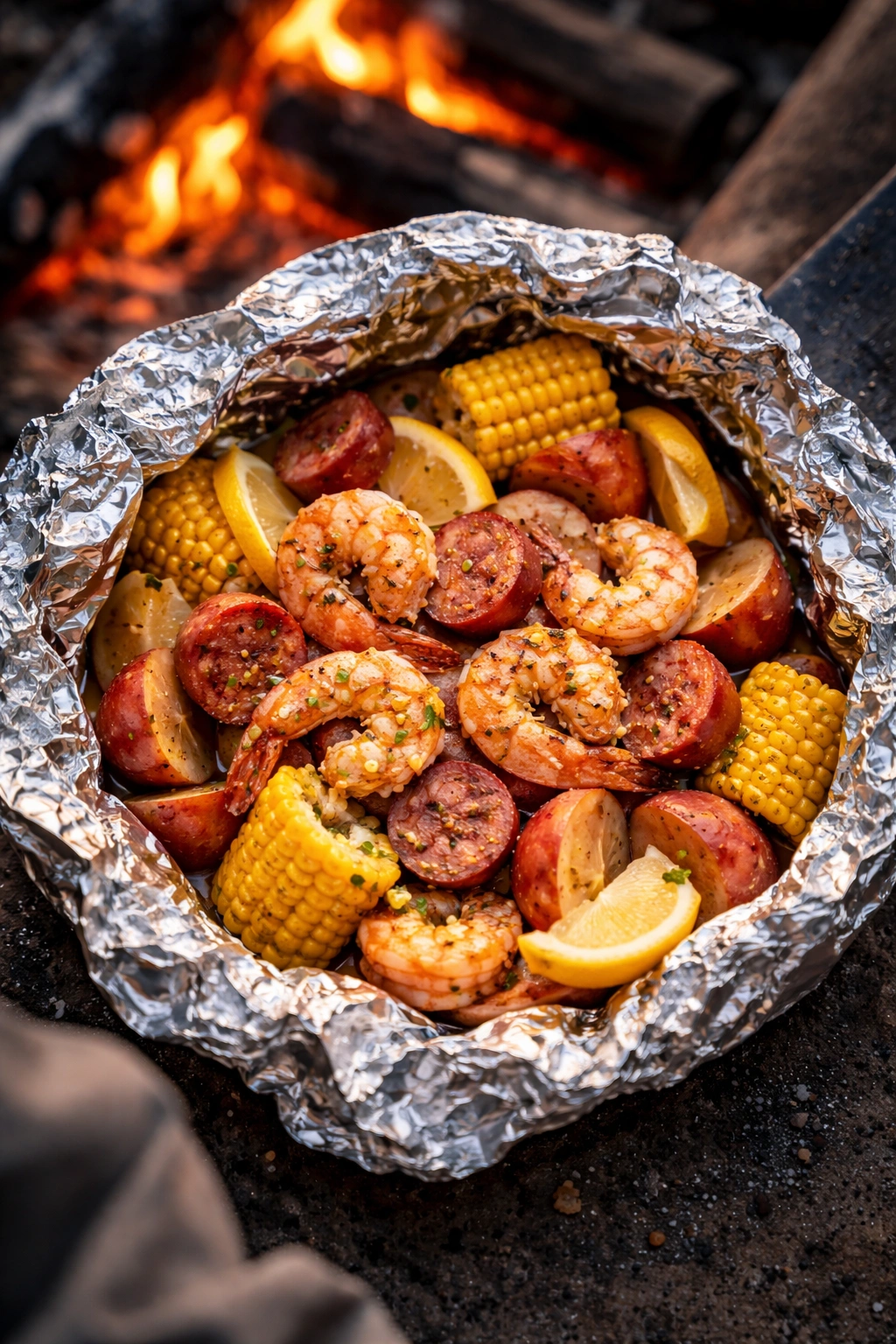
A proper shrimp boil is pure summer magic, and the fact that you can make it completely in foil over a campfire feels like cheating. The genius of foil packet cooking is that everything steams together, letting the flavors meld while you do absolutely nothing. One packet contains protein, carbs, vegetables, and sauce—which means one meal and minimal cleanup.
Why This Works So Well for Camping
The beauty of a foil packet shrimp boil is that it’s endlessly customizable while remaining incredibly hard to mess up. Shrimp cooks fast—usually in 5-7 minutes—so there’s almost no window where you can overcook it into rubbery sadness. The combination of smoked sausage, buttery corn, red potatoes, and zesty lemon creates a complete dish that feels indulgent without being complicated. Everything can be prepped at home and thrown into foil packets before you leave, so campside assembly is literally just tossing packets onto hot coals.
What You’ll Actually Put in the Packet
- Peeled and deveined shrimp (medium size, about 1 pound per two people)
- Smoked sausage sliced into rounds (the andouille version is phenomenal)
- Baby red potatoes cut into quarters or halves
- Fresh corn kernels (or thawed frozen corn—it works just as well)
- Fresh lemon, sliced thin
- 4-5 tablespoons of butter per packet
- Old Bay seasoning, garlic powder, salt, and black pepper
- Fresh herbs like thyme or dill if you’ve got them
The pro move is doing your potato prep at home and packing them in a sealed container. Use heavy-duty foil—the kind that’s extra thick—and fold your packets carefully so nothing punctures during transport or cooking.
Make-ahead tip: Slice your sausage and portion everything into containers before you leave home, then simply assemble foil packets at camp. The potatoes will take longest to cook, so cube them small so they soften quickly over the fire.
2. Cast Iron Skillet Carnitas Tacos
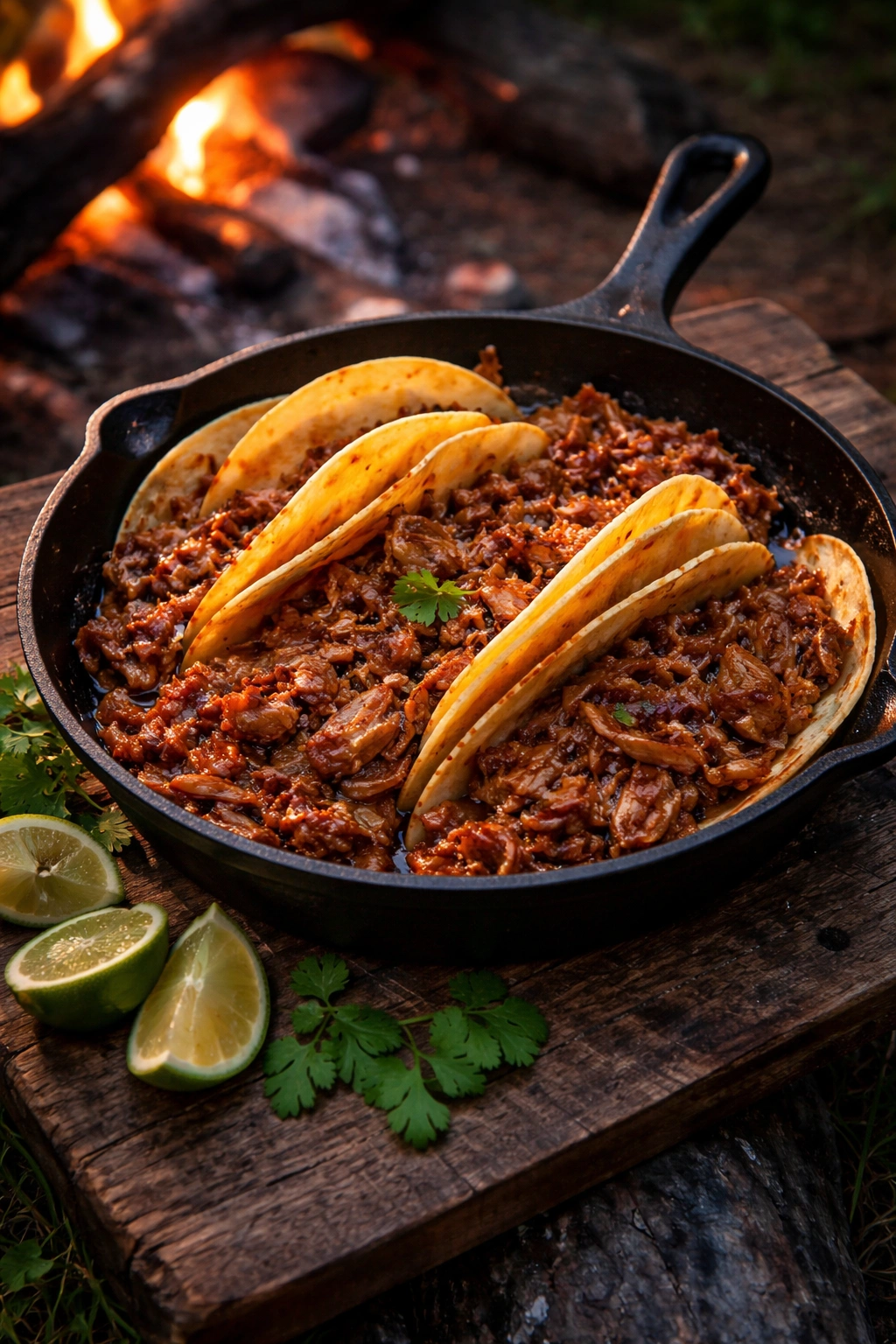
If there’s one thing that transforms camp food from basic to genuinely crave-worthy, it’s tender, flavorful pulled pork. Making carnitas in your Instant Pot at home before the trip is the real hack here—you get restaurant-quality meat that you can literally just reheat in a skillet over the fire. Pile it into corn tortillas and suddenly you’re eating something that tastes like you spent hours tending a slow cook, when really all you did was pack the right leftovers.
The Make-Ahead Magic
This is the meal where preparation at home elevates everything. Slow-cooked carnitas made the day before your trip pack into a container and sit perfectly fine in the cooler. The flavors actually get better as they sit, the meat becomes even more tender, and when you reheat it in cast iron with just a little bit of lard or oil, it crisps up at the edges. This is the difference between “I ate this at camp” and “I’m still thinking about that pork I had at camp.”
Building Your Taco Setup
The tacos themselves are just the vehicle for the real star—that silky, flavorful pork. Bring corn tortillas (they pack better than flour and taste better over fire), some diced white onion, fresh cilantro if your cooler has room, lime wedges, and maybe some salsa or hot sauce. Some people bring a simple cabbage slaw, which adds crunch and cuts through the richness of the pork beautifully.
The magic happens when you warm those corn tortillas directly over the fire or on your cast iron griddle. Charred, slightly crispy tortillas with tender carnitas and bright toppings—this tastes genuinely good, like something you’d get from a proper taco stand, not camp food at all.
Pro tip: Carnitas keeps for 3-4 days in the cooler, so you can easily make this meal twice during a longer camping trip without any additional cooking time.
3. Dutch Oven Mac and Cheese
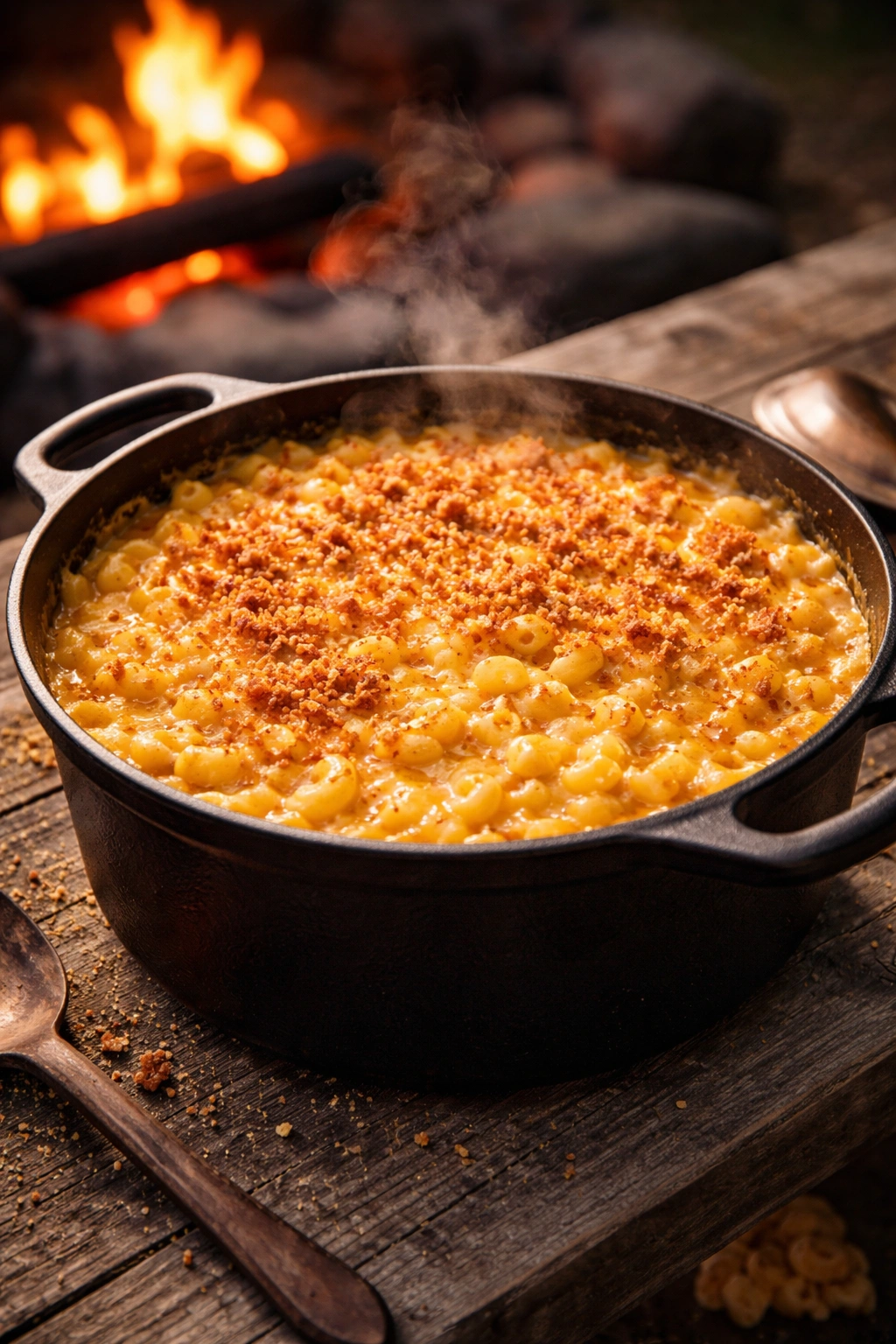
Mac and cheese in a Dutch oven is one of those camping recipes that seems almost too easy to work, but it’s genuinely foolproof and absolutely delicious. The Dutch oven’s heat distribution means everything cooks evenly, you can make it ahead of time, and it feeds a crowd without any fussing. Best of all, you’re eating actual comfort food, not some diminished camping version of it.
Why the Dutch Oven Approach Changes Everything
Unlike stovetop mac and cheese where you’re constantly stirring and worrying about scorching the bottom, a Dutch oven lets you combine everything dry, add liquid, and then let the heat do the work. The pasta cooks right in the cheese sauce instead of separate, which means less equipment and deeper flavor development. You dump in uncooked pasta, elbow macaroni works perfectly, then add your sauce components and let it all meld together over coals.
The Ingredient List That Actually Works
- One pound of elbow pasta (uncooked)
- 4 tablespoons of butter
- 3-4 cups of sharp cheddar cheese, shredded (bring it from home, pre-shredded is fine)
- One can of evaporated milk (this is the secret—it creates a creamier sauce than regular milk because the water content is lower)
- Salt, black pepper, and a little dry mustard powder if you have it
- Optional but excellent: crispy bacon bits, or a handful of breadcrumbs on top
The beauty is that everything goes into the Dutch oven at once. You’re not making a béchamel sauce first or doing a whole separate thing. It’s genuinely just combining ingredients and letting the oven do the work.
Real talk: If your camp stove is more powerful than your fire setup, this is actually easier to make on the stove inside the Dutch oven rather than trying to manage coals underneath and on top. Either way works beautifully.
4. Campfire Grilled Fish Tacos
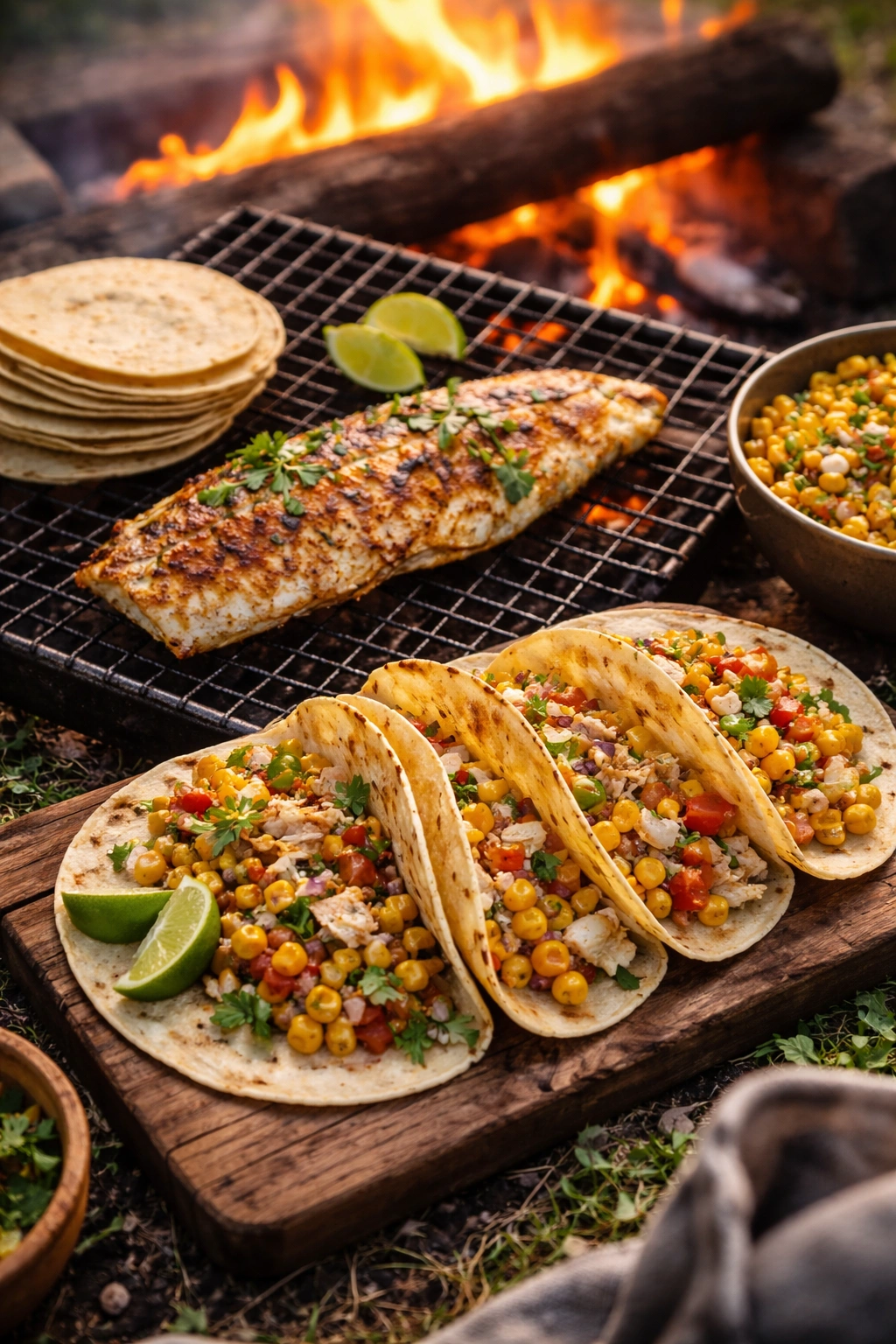
Fish tacos might seem fancy for camping, but they’re actually one of the most elegant and easy meals you can pull off outdoors. A simple white fish—whether it’s mahi-mahi, cod, or whatever’s available—gets a quick spice rub and hits the grill for about 5 minutes per side. Paired with a bright corn salsa and fresh toppings, this tastes like you’ve stumbled into a beachside restaurant, not cooked over an open fire.
The Fish Preparation That Works Every Time
The key to not destroying your fish on the grill is using a well-oiled grill grate and not moving it too much. Let it sit for 3-4 minutes on the first side, then flip once and cook for another 2-3 minutes until it’s opaque all the way through. The spice rub—typically chili powder, cumin, garlic powder, salt, and a pinch of cayenne if you like heat—creates a flavorful crust while keeping the inside moist.
Building a Taco That Actually Impresses People
Warm corn tortillas over the fire to char them slightly. Fill with your grilled fish, then layer on a spicy corn salsa (corn kernels, roasted poblano peppers, jalapeño, red onion, cilantro, lime juice, and salt stirred together). Some crumbled cotija cheese adds richness, and a squeeze of fresh lime at the end ties everything together. The contrast between warm fish, bright salsa, and crispy-charred tortillas is exactly what makes this feel like a real meal instead of camping food.
You can make the corn salsa at home and pack it in a container, which means your actual cooking time at camp is maybe 10 minutes total. Serve it with a simple lime crema (sour cream mixed with lime juice) if you want to get fancy.
Make-ahead wisdom: The salsa actually tastes better the day after it’s made, so this is genuinely easier to prepare the day before and just reheat your fish at camp.
5. One-Pot Chili Mac
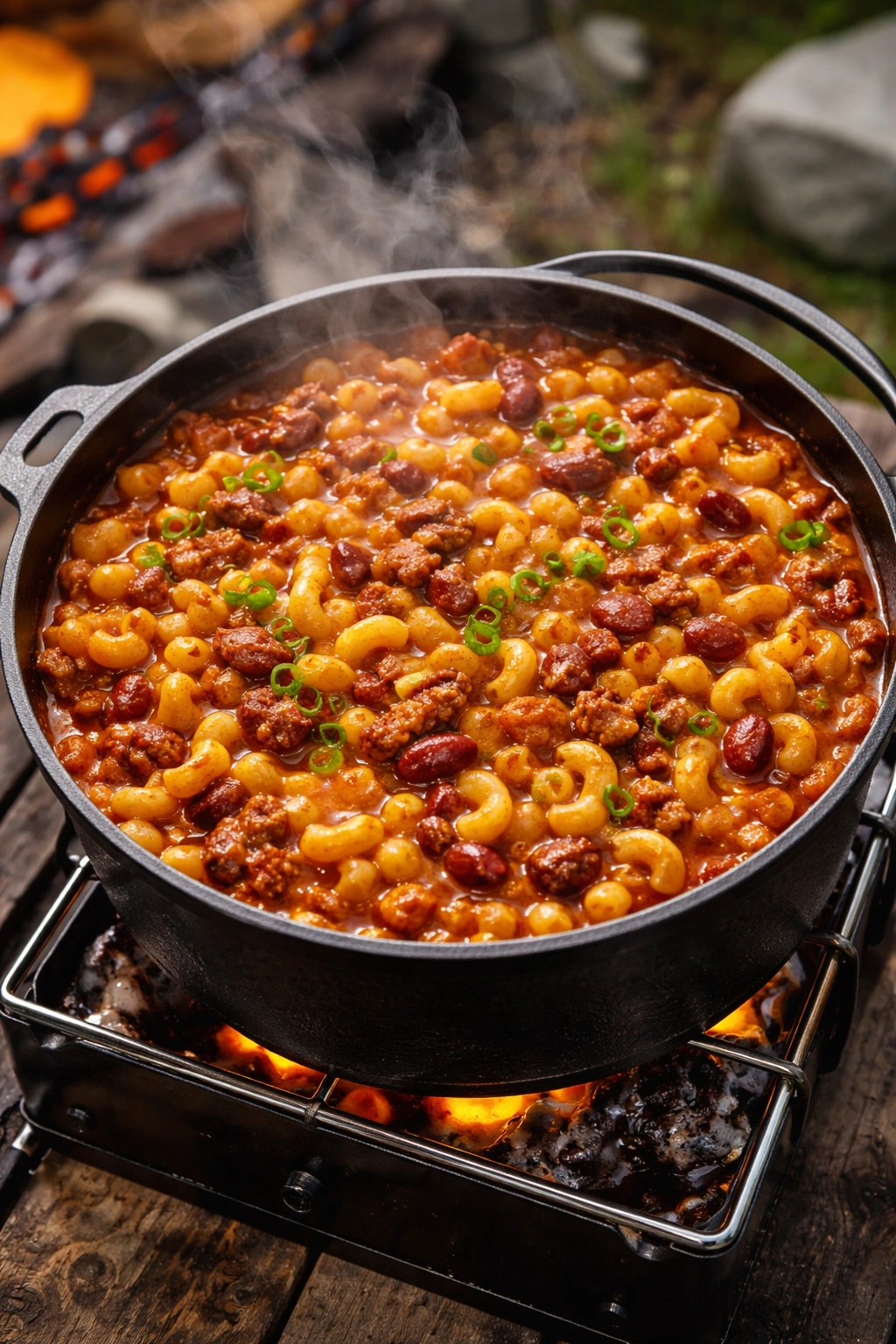
One-pot chili mac is the definition of practical camping food that doesn’t taste like compromise. Everything cooks together in a single pot, flavors develop beautifully, and you end up with a complete meal that’s warming, filling, and genuinely delicious. There’s something about cooking pasta directly in chili that makes it taste better than when the components are separate.
The Cooking Method That Saves You
Start by browning ground beef with onions and garlic in your pot, then add chili powder, cumin, and tomato paste to build flavor. Add diced tomatoes, beans (black, kidney, whatever you have), and beef broth. Let that simmer for 10 minutes or so to let the spices bloom, then add your uncooked pasta and let it cook right in the pot. The pasta absorbs the chili flavor as it cooks, making every bite taste intentional rather than like two separate components.
Why This Beats Camp Chili Every Single Time
Traditional chili is fine, but most camp chili tastes like you dumped canned ingredients together. This version has actual depth. The spices matter—don’t skip them. The technique of letting pasta cook directly in the mixture matters. And the fact that you’re serving something warm and filling after a day outside just hits different when it actually tastes good.
You can easily customize this based on what you have in your cooler. Some people add diced bell peppers and jalapeños. Others throw in a can of corn. Some camps swear by adding a tablespoon of cocoa powder to deepen the chili flavor. All of these work beautifully.
Scale note: This recipe makes enough for 6-8 people, and it gets better the next day, so if you’re camping for multiple days, this is actually more efficient to make once and reheat.
6. Foil Packet Steak and Potatoes
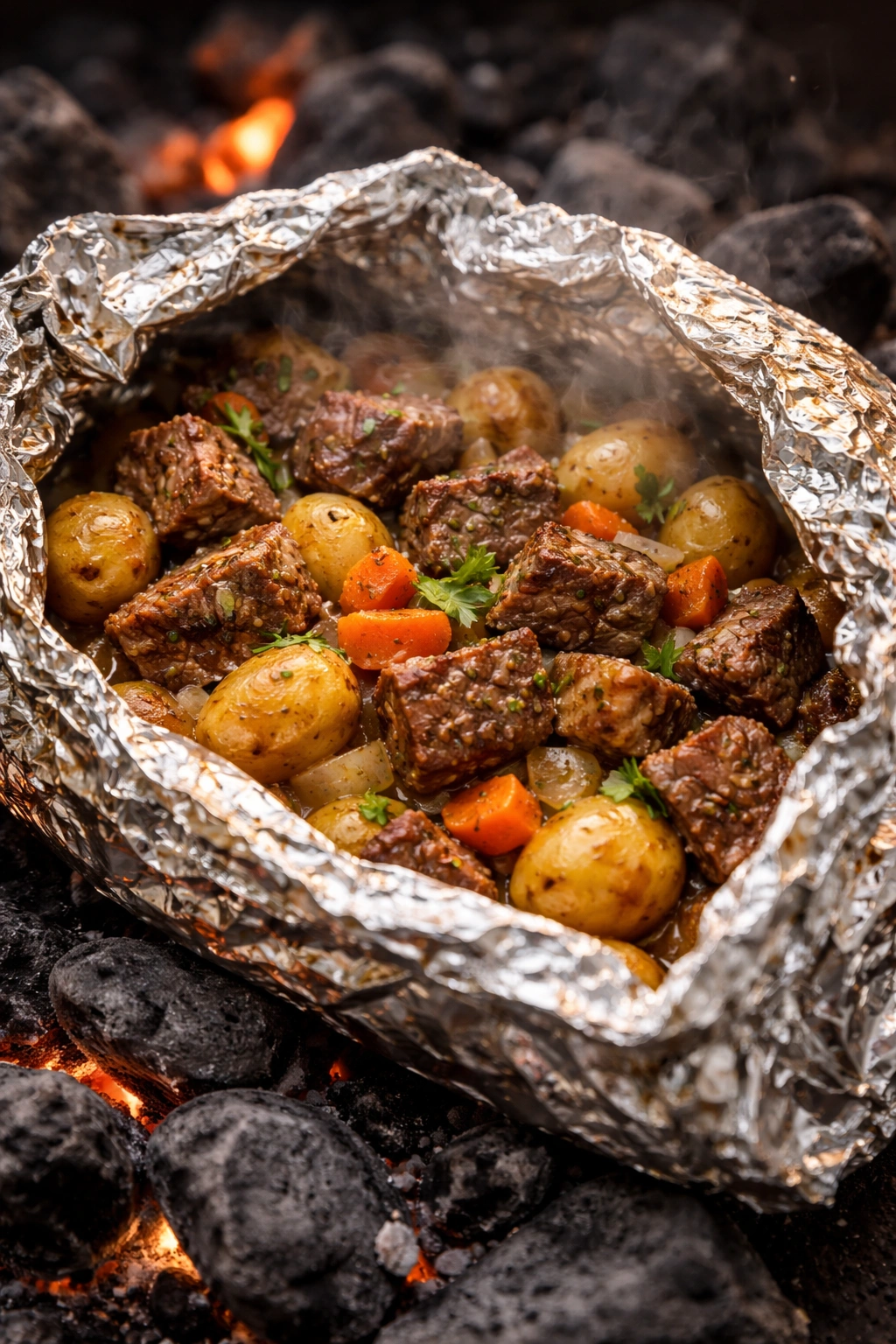
There’s nothing quite like grilled steak over a campfire, and when you pair it with vegetables and potatoes all in one foil packet, you’ve got dinner completely sorted. The beauty of foil packet cooking is that it’s impossible to dry out—everything steams in its own juices while picking up that essential campfire flavor.
Setting Up Your Packets for Success
Cut your steak into smaller portions—flank steak or sirloin works better than thick steaks because they cook faster in foil. Cube your potatoes small so they actually cook through in the time the steak needs. Layer everything in heavy foil: potatoes on the bottom (they take longest), then steak, then vegetables like bell peppers, onions, and mushrooms. Add butter, garlic, fresh thyme if you have it, salt, and pepper.
The packet approach means you can prepare everything at home in individual portions, so each person gets exactly their preferred amount of each component. It’s customizable, which matters when you’re feeding different tastes.
The Cooking and Timing That Works
Place your packets directly on coals or on a grill grate 4-5 inches above coals. After about 8-10 minutes, carefully open a packet (watch the steam!) and check if the potatoes are fork-tender. Most packets will be done in 12-15 minutes depending on heat intensity. The steak will be perfectly cooked, not dried out, because it’s steaming in its own juices the whole time.
Equipment reality: You genuinely need heavy-duty foil here. Regular foil tears too easily, and then you’ve got juice leaking everywhere. The slightly heavier stuff (18 microns vs 12) is worth the investment for camping trips.
7. Campfire Pulled Pork Sandwiches
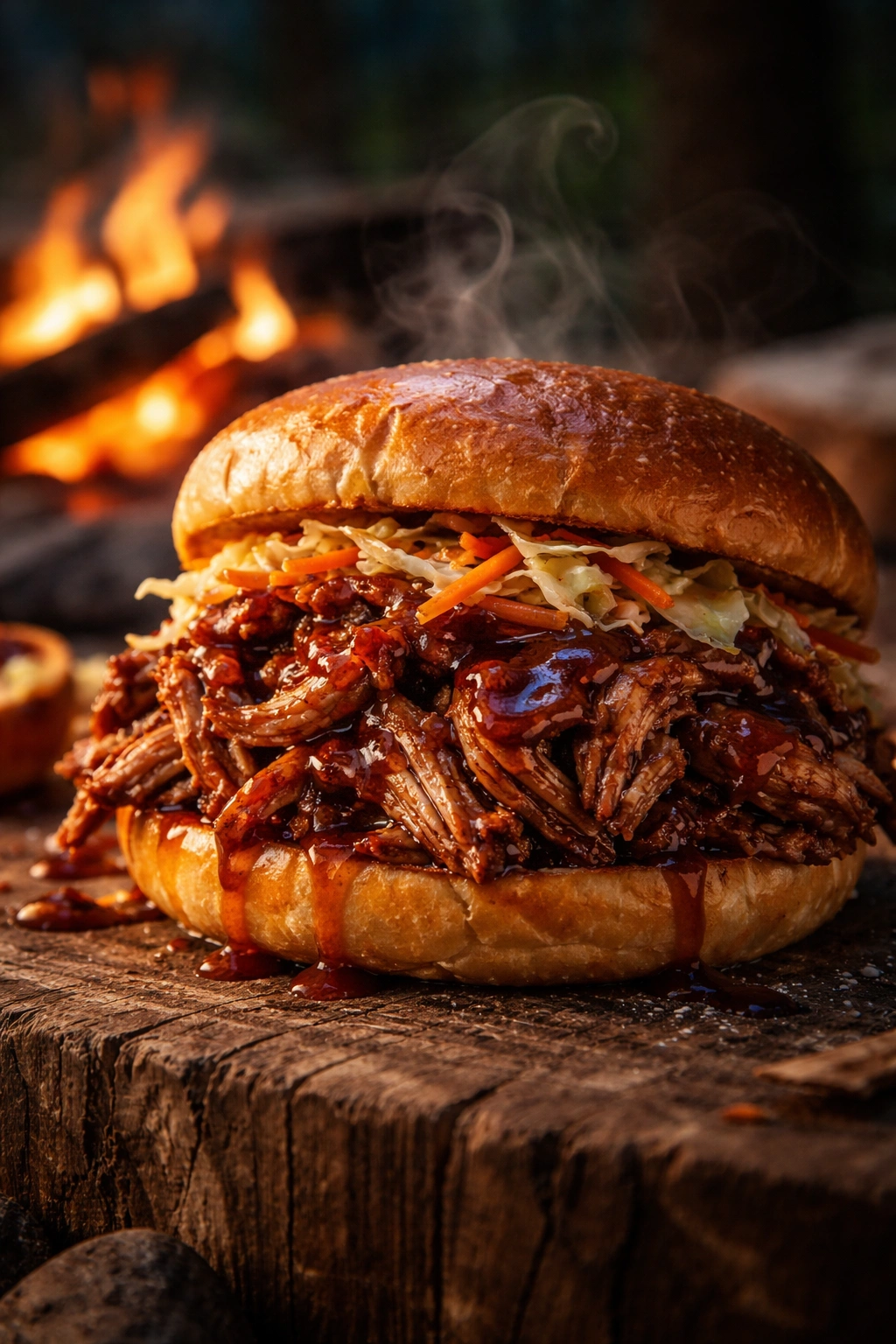
Pulled pork sandwiches are camping’s greatest make-ahead hack. Cook a pork shoulder in your Instant Pot before the trip, shred it, pack it in a container with barbecue sauce, and you’ve basically got free dinners every night. Just warm it up, pile it on buns, and you’re eating something that tastes genuinely good without any actual cooking time at camp.
The Home Preparation That Changes Everything
This is where meal planning beats everything else. A pork shoulder (usually 3-4 pounds) cooks beautifully in an Instant Pot in about 90 minutes on high pressure, then you can shred it right there in the cooker. The slow cooker method works too if you have access to one before your trip—8 hours on low creates incredibly tender meat. Toss it with your favorite barbecue sauce (homemade or store-bought, it doesn’t matter) and let it sit in a sealed container for a day or two. The flavors meld and intensify.
Why This Becomes Your Camping MVP
Once you have pulled pork at your campsite, you’re not stressed about meals. You’ve got a reliable option that takes literally 5 minutes to warm up. Serve it on soft buns with coleslaw, pickles, or whatever toppings you like. This is the meal you come back to when you’re exhausted, when the weather is unpredictable, or when you just want something satisfying and delicious.
The really smart move is making extra pulled pork so you can have it two different ways—sandwiches one night, tacos another night, maybe even in chili or nachos. Different meals from the same make-ahead component.
Cooler strategy: Pulled pork keeps for 4-5 days in the cooler because it’s already cooked, so it’s genuinely safe and delicious for an entire camping weekend.
8. Maple Sriracha Chicken Skewers
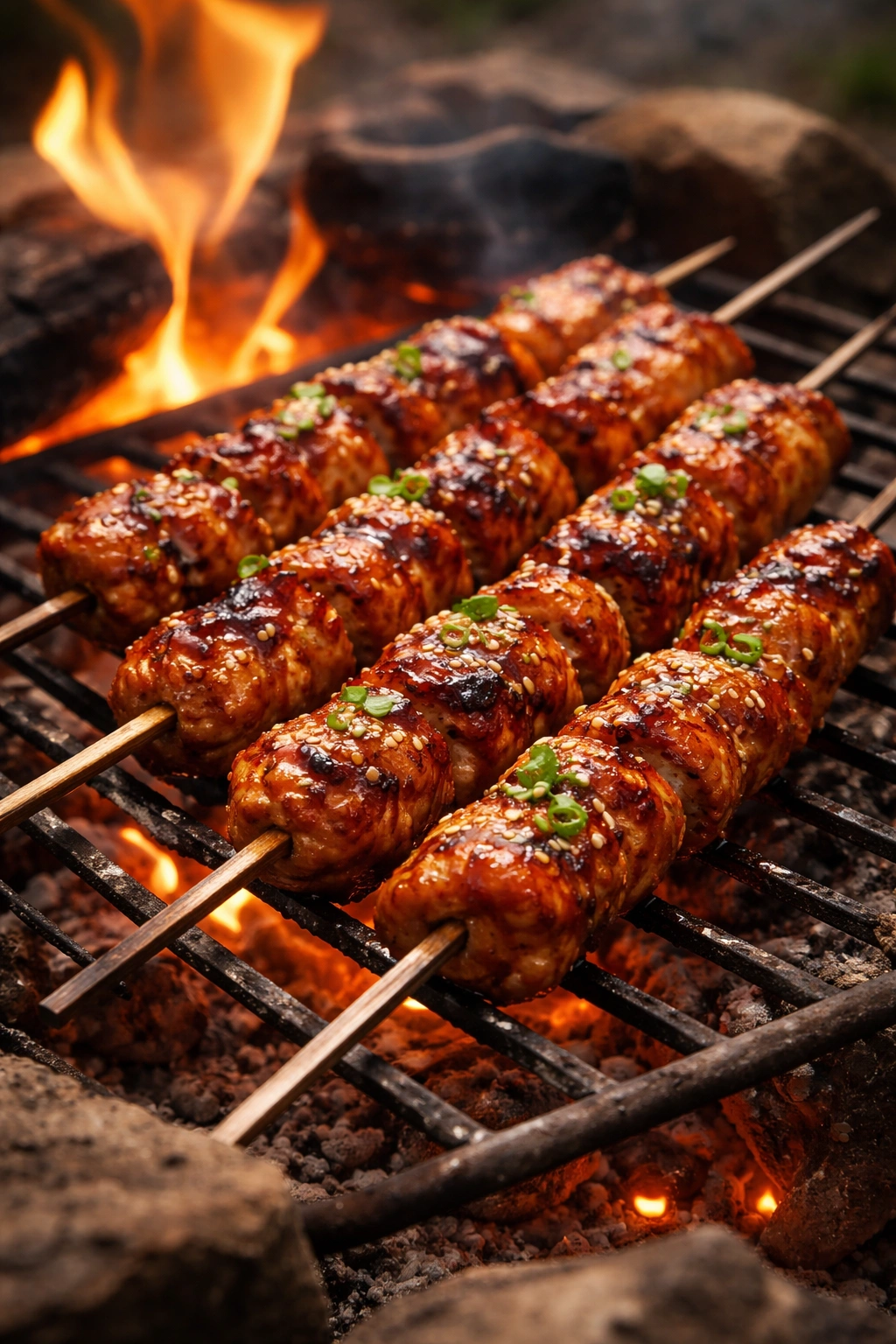
Chicken skewers sound simple, but when they’re glazed with a sticky, spicy, sweet maple-sriracha sauce and cooked over a campfire, they’re absolutely remarkable. The sauce caramelizes as the chicken cooks, creating a complex flavor that tastes intentional and delicious rather than like something you just threw together at camp.
The Marinade That Does the Heavy Lifting
Mix maple syrup, sriracha, soy sauce, garlic, ginger, and a little lime juice to create a marinade that’s spicy, sweet, and deeply flavorful. Thread cubed chicken breast onto skewers (soak wooden skewers in water first so they don’t burn), then brush them generously with the marinade. You can absolutely do this at home—throw the chicken and marinade into a sealed container, pack it in the cooler, and by the time you’re setting up camp, the flavors have really started developing.
The Cooking That Creates Magic
The magic happens when you cook these over medium-high heat. The edges of the chicken start to caramelize, the sauce gets sticky and glossy, and everything develops this beautiful color. You’ll want to brush the marinade on multiple times as they cook, which takes about 8-10 minutes total. The combination of sticky caramelized sauce, tender chicken, and that essential campfire taste is honestly hard to beat.
What to Serve Alongside
Pair these with something simple like a quick vegetable slaw or some charred corn. The chicken is flavorful enough to stand alone, but vegetables add freshness and balance. Some camps serve them over rice, which is excellent for soaking up any leftover sauce.
Prep wisdom: The chicken doesn’t actually need to be skewered at home. You can prep the marinade, bring cubed raw chicken in a sealed container, and assemble everything at camp. Sometimes the simplest approach is the best approach when you’re actually outdoors.
Final Thoughts
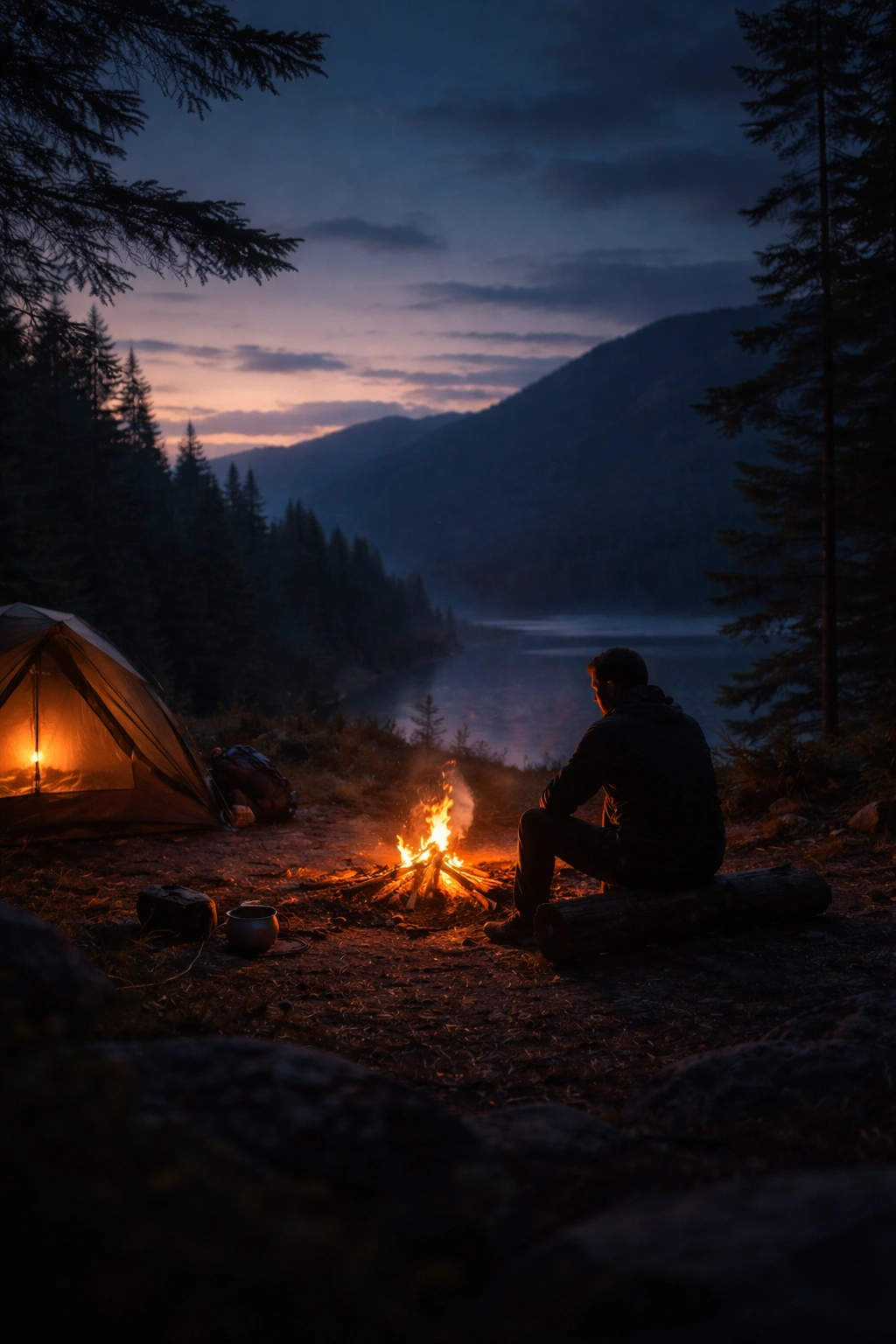
The difference between forgettable camping food and memorable meals really comes down to a few simple things: choosing recipes that actually work over a campfire or camp stove, doing prep work at home so you’re not stressed at camp, and selecting ingredients that genuinely taste good. None of these eight meals require special equipment beyond what most camping setups already have. Most of them benefit from a bit of advance planning but don’t demand it.
The meals on this list have one thing in common—they all taste intentional. Someone didn’t just open cans or slap together whatever was in the cooler. There’s actual thought in the seasoning, the technique, and the combinations. That’s what makes them stick with you long after the camping trip ends.
When you’re planning your next trip, pick two or three of these to make, prep what you can at home, and pack what you need. You’ll spend less time cooking at camp and more time actually enjoying your surroundings. Plus, you’ll eat food that’s genuinely delicious instead of just tolerable. That’s the whole point of camping meals that actually taste good—they make being outside even better.
