



When you’re serious about meal prep, salads rarely come to mind as satisfying main dishes—but they absolutely should. A protein-packed vegan tofu salad transforms the humble salad into a complete, nourishing meal that keeps you feeling full for hours, costs far less than buying prepared lunches, and tastes genuinely delicious cold or at room temperature days after you’ve made it. The key isn’t just throwing vegetables together; it’s building layers of protein, texture, and flavor that hold up beautifully through the week without becoming soggy, bland, or boring.
This approach to salad-making is what separates occasional side dishes from sustainable meal prep staples. When you combine crispy baked or fried tofu with whole grains, legumes, and fresh vegetables, you’re creating a meal that delivers upward of 20-30 grams of protein per serving—rivaling most meat-based options while being naturally cholesterol-free and packed with fiber. Unlike traditional salads that wilt within hours, these salads actually improve as the flavors meld together, making them ideal for the time-crunched reality of weekday eating.
The beauty of this recipe lies in its flexibility and the speed with which you can prepare multiple servings at once. You can have five days’ worth of lunches ready in under an hour, with simple component swaps that let you cycle through different flavor profiles without repeating the same salad twice. Whether you’re vegetarian, vegan, trying to eat more plant-based meals, or simply looking for an efficient way to prep nutritious lunches, this method works.
Why Tofu Salad Becomes Your Go-To Meal Prep
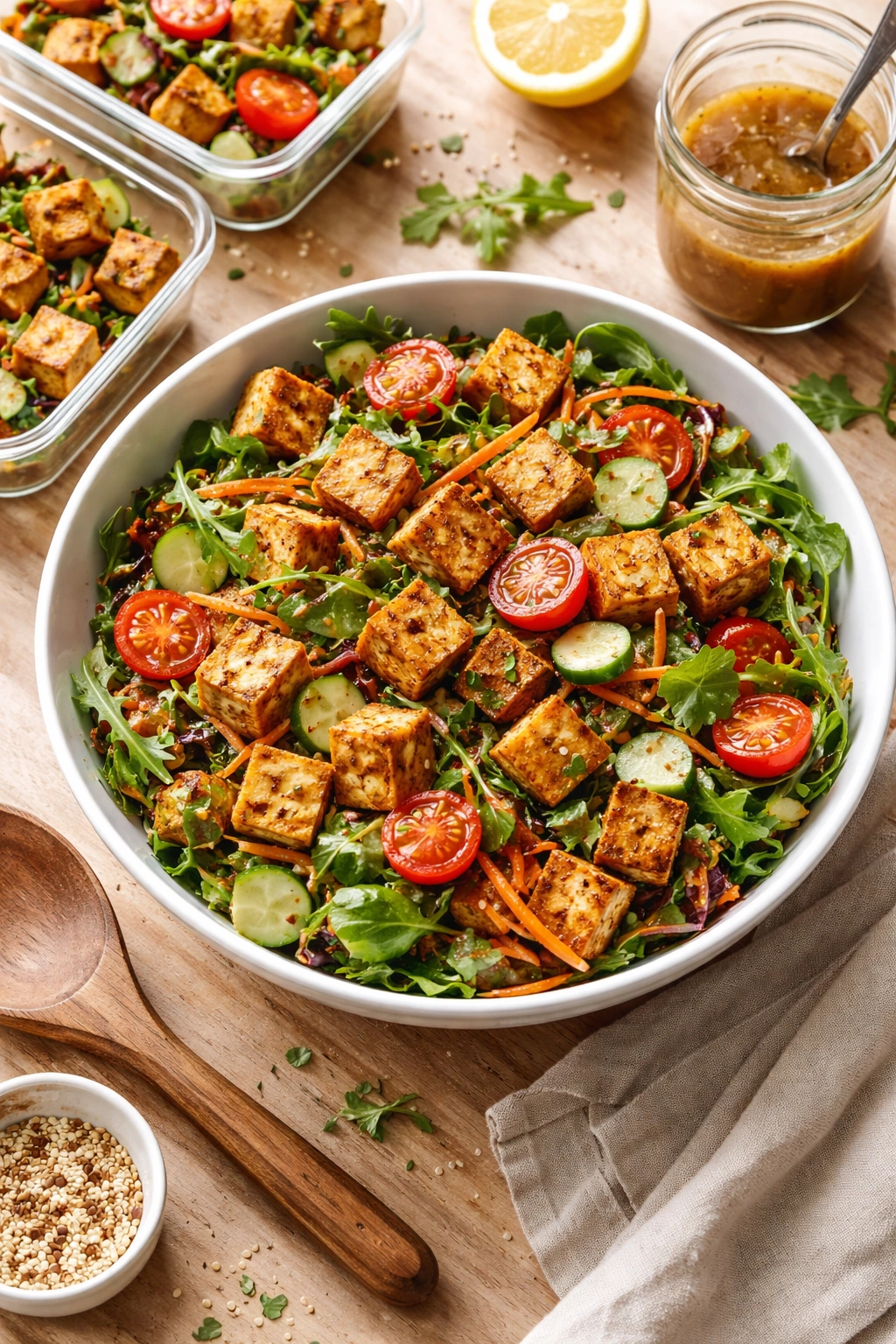
Most people who struggle with meal prep do so because they’re preparing food they don’t actually want to eat by Wednesday afternoon. A protein-packed vegan tofu salad sidesteps this problem entirely because it tastes genuinely good multiple days in, not just on day one. The tofu absorbs the flavors of your dressing, the vegetables maintain their crisp texture when stored properly, and the whole thing comes together faster than you’d expect.
Tofu is exceptionally meal-prep friendly for several reasons that go beyond just protein content. It’s shelf-stable in your refrigerator for a week or more, making it far more forgiving than animal proteins. Unlike cooked chicken or fish, baked or fried tofu doesn’t dry out or develop off-flavors after a few days; if anything, it continues to absorb the flavors of your dressing and seasonings. You can prepare the tofu component in bulk—say, batches of 40-50 cubes—and store it separately from the vegetables, giving you maximum flexibility in assembly.
From a cost perspective, tofu is genuinely economical. A single block of extra-firm tofu typically costs between two and four dollars, contains roughly 20 grams of protein, and can serve two people as a main course ingredient. This makes it one of the least expensive plant-based protein sources available, especially when compared to specialized meat alternatives or premium grocery store prepared foods.
Understanding Plant-Based Protein Sources in Your Salad
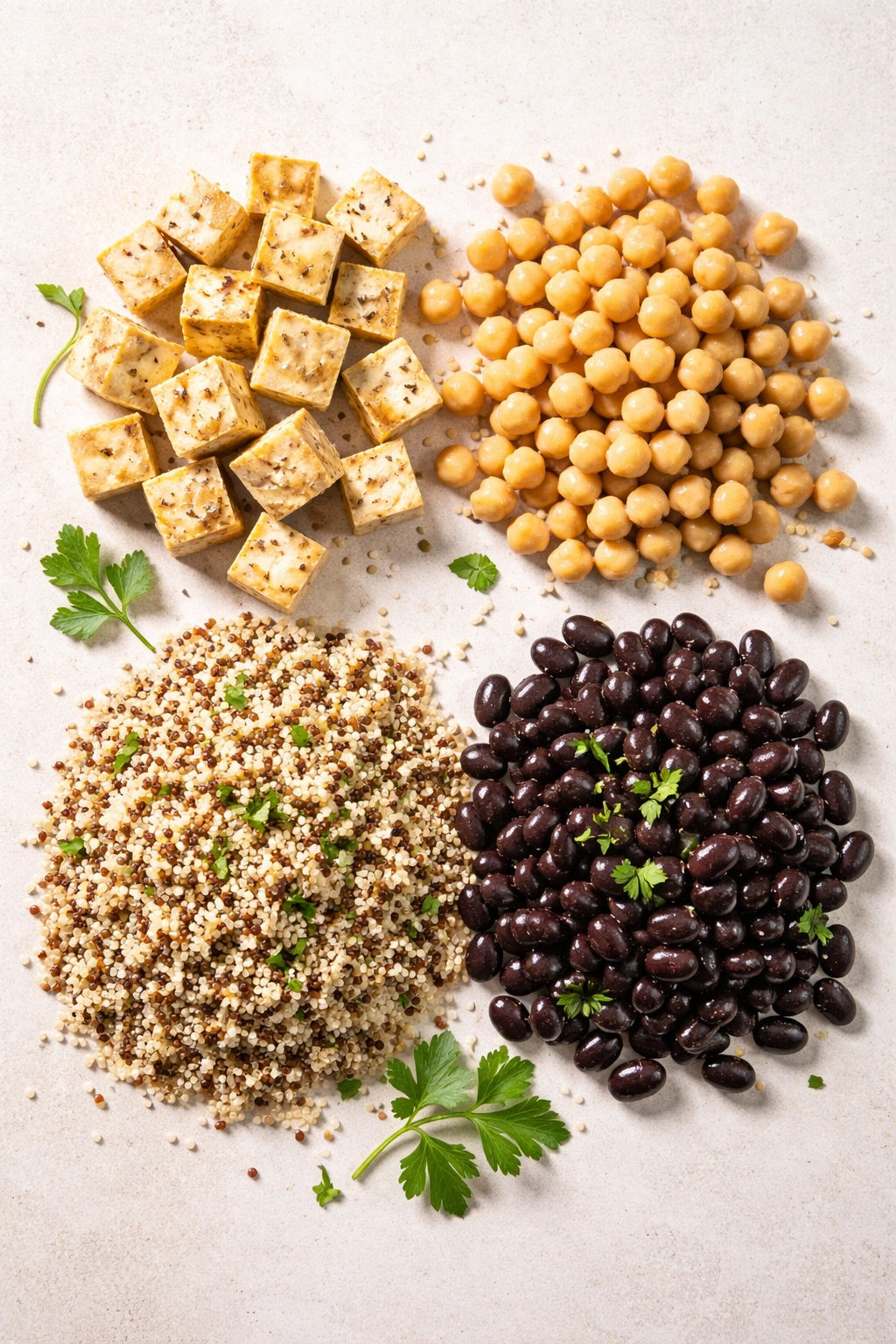
Building a complete protein isn’t as complicated as you might think, but understanding which plant foods work together matters. Tofu is a complete protein on its own, meaning it contains all nine essential amino acids your body cannot produce independently. This makes it unique among plant-based foods. However, creating salads with multiple protein sources actually makes sense from both a nutritional and flavor perspective—varied proteins create more interesting texture contrasts and ensure you’re getting a wider spectrum of micronutrients.
A well-designed protein-packed vegan tofu salad typically includes three to four protein components working together. The primary component is always the tofu itself, which you’ll prepare with a crispy exterior and seasoning. The secondary layer often comes from legumes like chickpeas, black beans, or lentils, which add fiber, minerals like iron, and additional protein while creating textural variety with their dense, slightly creamy interior. Many recipes incorporate whole grains like quinoa or farro, which complement the tofu’s neutral flavor and add complex carbohydrates alongside their protein content.
The final protein boost often comes from seeds like hemp seeds, sunflower seeds, or pepitas (pumpkin seeds). Hemp seeds are particularly impressive, delivering about 10 grams of protein per three tablespoons while also providing omega-3 fatty acids that reduce inflammation. These seeds also add pleasant crunch and work beautifully in any flavor profile, from Asian-inspired to Mediterranean-style salads. One cup of cooked quinoa alone delivers 8 grams of protein, while one cup of edamame (fresh young soybeans) provides approximately 17 grams—making these ingredients genuinely impactful for your protein calculations.
Choosing and Preparing Your Tofu
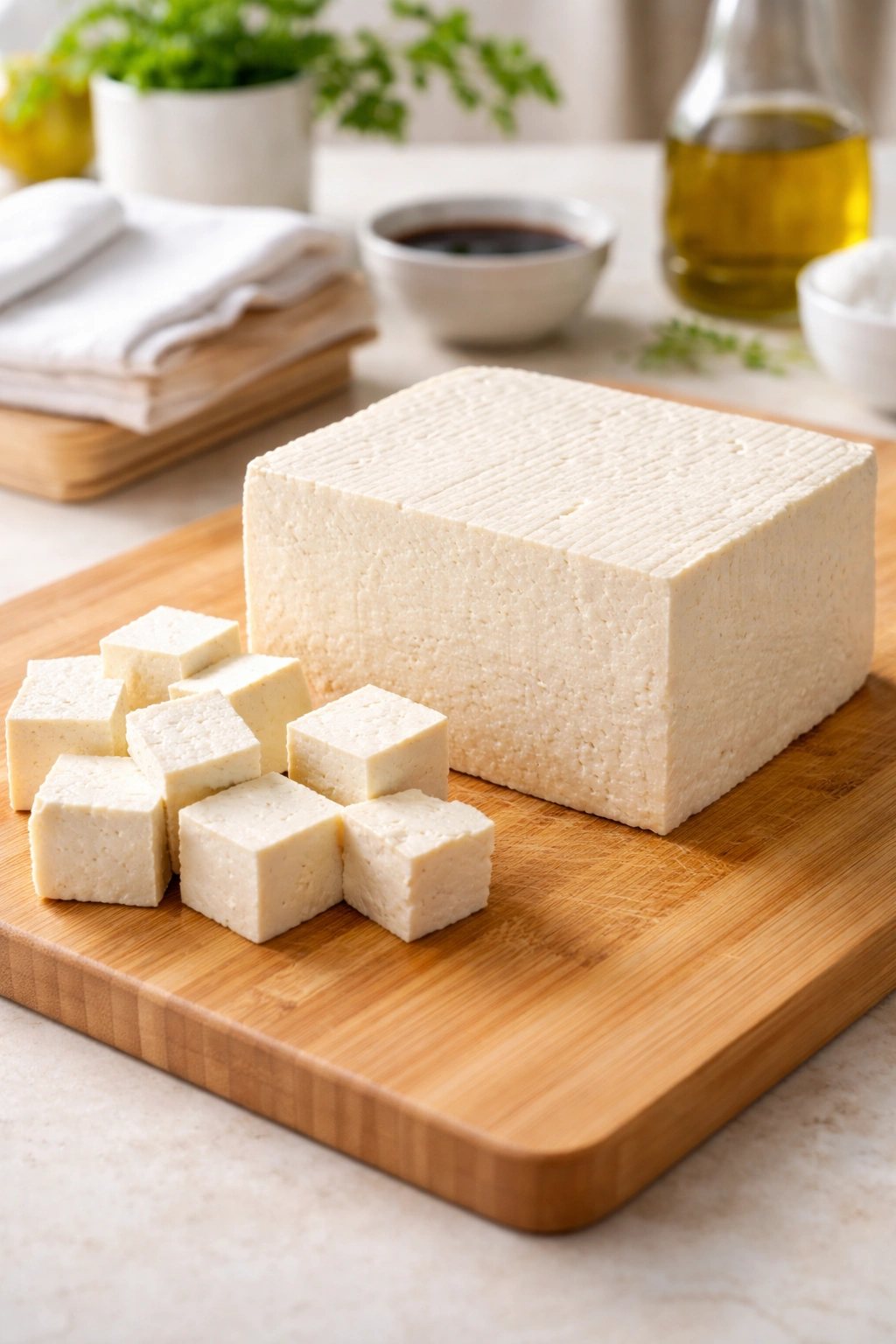
The foundation of your entire salad starts with selecting the right type of tofu and preparing it correctly. Silken tofu—the soft, delicate variety sold in aseptic packaging—is the wrong choice for this application. Instead, you want firm or extra-firm tofu, the denser variety usually found in plastic packaging in the refrigerated section of your grocery store. Extra-firm tofu has a chewy, substantial texture that crisps beautifully and holds together during salad assembly and storage far better than soft varieties.
Pressing your tofu isn’t absolutely mandatory, but it makes a significant difference in the final texture and crispiness. Tofu contains a substantial amount of water; pressing removes excess moisture so that when you cook it, the exterior can brown and crisp rather than steam. You can use a specialized tofu press if you own one, but you don’t need one. Simply wrap your drained tofu block in a clean kitchen towel, place it on a plate, set another plate on top, and weight that down with canned goods or heavy cookbooks for at least 20-30 minutes. Some people prefer to slice the block first, then press the slices between paper towels—this method works faster because it increases the surface area exposed to the pressing weight.
Cooking methods matter for texture and flavor. Baking tofu at 400°F for 20-25 minutes produces consistently crispy cubes without the watchfulness that pan-frying requires. You’ll toss pressed and cubed tofu with a small amount of oil, soy sauce or tamari, and seasonings, then spread it on a parchment-lined baking sheet in a single layer. Pan-frying on medium-high heat for 12-15 minutes, stirring every 2-3 minutes, creates an exterior with more caramelized browning and depth, though it requires more attention. The secret to pan-fried crispiness is coating the tofu in cornstarch before frying—just transfer cubed tofu to a container, sprinkle two to three tablespoons of cornstarch over it, seal the container, and shake vigorously until every piece is coated. This creates a golden, crispy shell that actually stays crisp even after refrigeration.
Once cooked, you can finish your tofu with flavor in multiple ways. Some people toss hot tofu with barbecue sauce, creating a smoky-sweet component perfect for salads with ranch dressing and chickpeas. Others prefer an Asian-inspired approach, drizzling finished tofu with a mixture of soy sauce, rice vinegar, maple syrup, and sesame oil. The advantage of seasoning tofu after cooking rather than before is that raw marinades don’t adhere well and cook off—applying flavor to hot tofu lets it absorb much more effectively.
Essential Salad Vegetables and Combinations
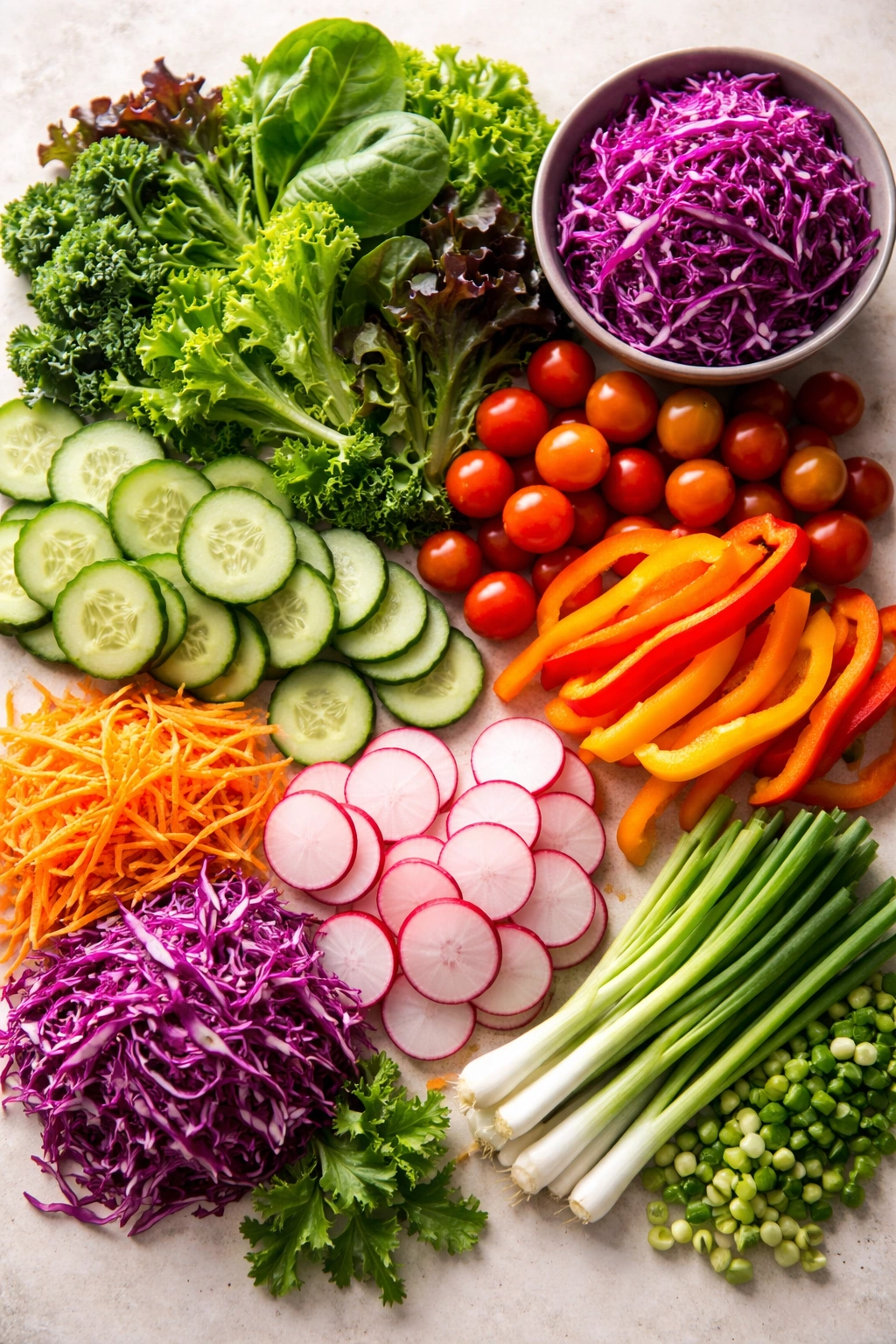
Raw vegetables are your canvas, and part of the joy of this salad approach is cycling through seasonal produce while maintaining the same basic formula. The foundation typically starts with leafy greens—romaine lettuce, spinach, arugula, mixed salad greens, or even shredded kale (massage raw kale with a touch of oil to soften it and remove bitterness). Use roughly four to eight cups of greens per salad serving, depending on how dense you like your salad and whether other components will fill the bowl.
From there, the combinations become flexible but thoughtful. Crunchy vegetables create essential textural contrast to the soft tofu and creamy dressing. Sliced cucumber, shredded carrots, diced radishes, and shredded red cabbage all maintain their crispness for multiple days when stored properly. Cherry tomatoes or diced plum tomatoes add juiciness and brightness. Sliced snap peas or snow peas bring both crunch and a subtle sweetness that pairs beautifully with Asian-inspired dressings. Bell peppers—red, yellow, or orange—add color and sweet flavor without overwhelming the other components.
One crucial ingredient is sliced green onion or scallions, which add a mild onion bite without the aggressiveness of raw red onion. If you prefer red onion, soaking thin slices in ice water for 15-20 minutes before adding them to the salad mellows their sharpness considerably. Fresh herbs like cilantro, parsley, or dill brighten the entire salad and take almost no prep time—simply roughly chop what you need and scatter it over the top.
The vegetable strategy that works best for meal prep is to include one truly crunchy element (like carrots or radishes), one juicy element (like tomatoes or cucumber), one slightly chewy element (like cooked vegetables or softly cooked beets), and one fresh, aromatic element (like herbs or green onion). This combination ensures variety in every single bite, which keeps the salad feeling fresh even when eating the same lunch three days in a row.
Building Protein Layers
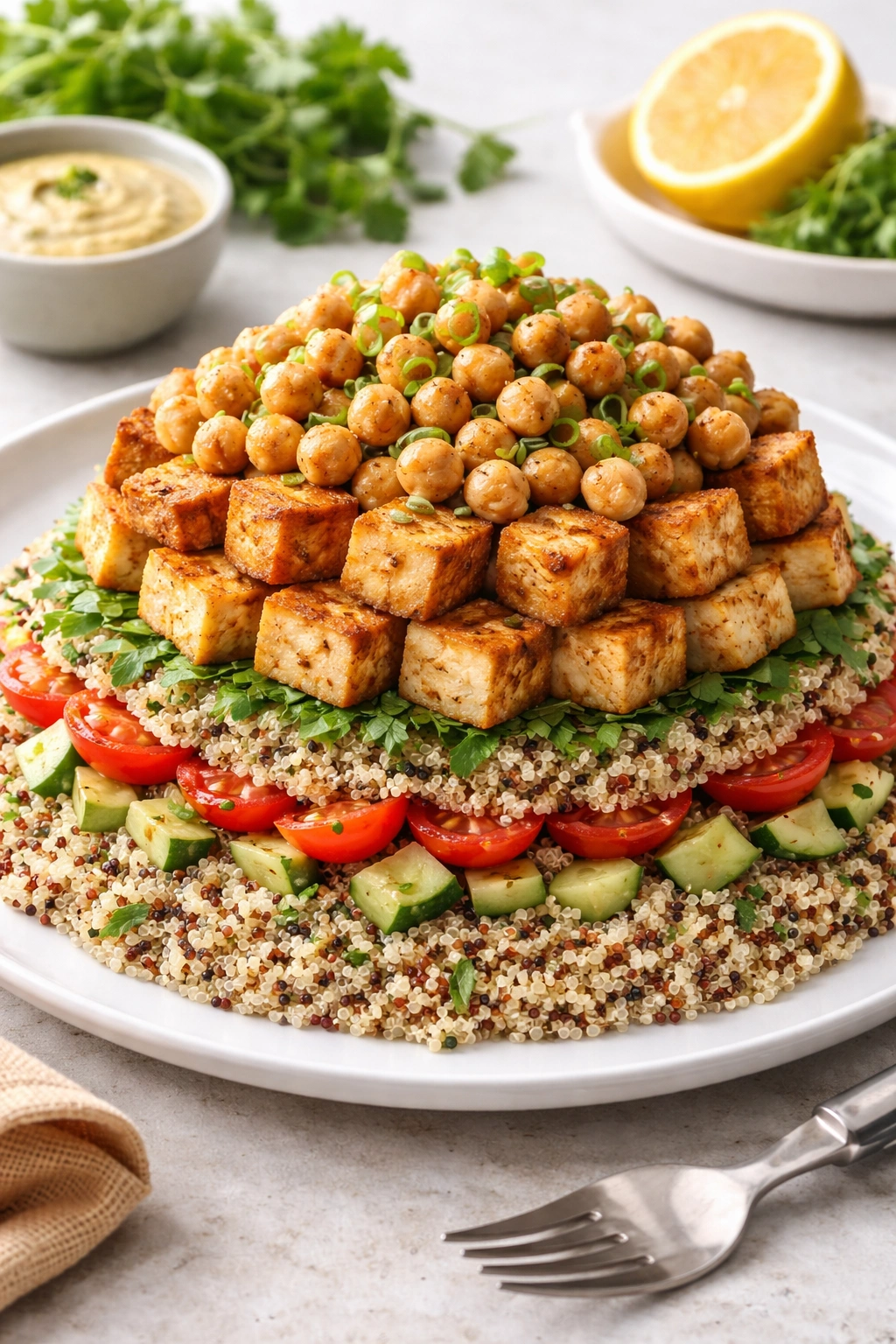
Creating a salad that actually keeps you full until dinner requires strategic protein layering rather than relying on tofu alone. The most effective approach combines firm, complete-protein tofu with two additional complementary protein sources that bring different nutritional and textural benefits to your meal.
Legumes serve as your secondary protein, and canned varieties offer convenience without sacrificing nutrition. One cup of drained and rinsed canned chickpeas delivers approximately 12 grams of protein, 11 grams of fiber, and considerable amounts of iron, magnesium, and folate. Black beans, white beans, or lentils work equally well depending on your flavor profile. These ingredients don’t require cooking—just drain, rinse thoroughly to remove excess sodium, and add them cold directly to your salad. If you make your own cooked beans or legumes, you’ll save money while improving control over sodium content, though the convenience factor of canned options makes them ideal for meal prep efficiency.
Whole grains add another dimension of protein and staying power. Cooked quinoa provides about 8 grams of protein per cooked cup, making it the highest-protein grain option available. Cook quinoa according to package directions, then let it cool completely before adding to your salad—this prevents it from becoming mushy. Farro, brown rice, barley, and even farro add 5-7 grams of protein per cooked cup along with satisfying, chewy texture and subtle nutty flavors. For maximum meal prep convenience, cook grains in bulk and store them in the refrigerator for up to five days, then simply portion them into your salad containers.
Seeds and nuts provide textural contrast plus healthy fats and additional protein. Hemp seeds are exceptional for salads—three tablespoons provide 10 grams of protein along with omega-3 and omega-6 fatty acids that support brain and heart health. Sunflower seeds, pepitas (pumpkin seeds), and sesame seeds all deliver protein in the 5-8 gram range per quarter-cup serving, plus they stay crunch-perfect even after days of refrigeration. Chopped nuts like almonds, pecans, or walnuts add richness and about 5-6 grams of protein per quarter-cup, though they can soften slightly over time if soaked in dressing.
The Complete Recipe
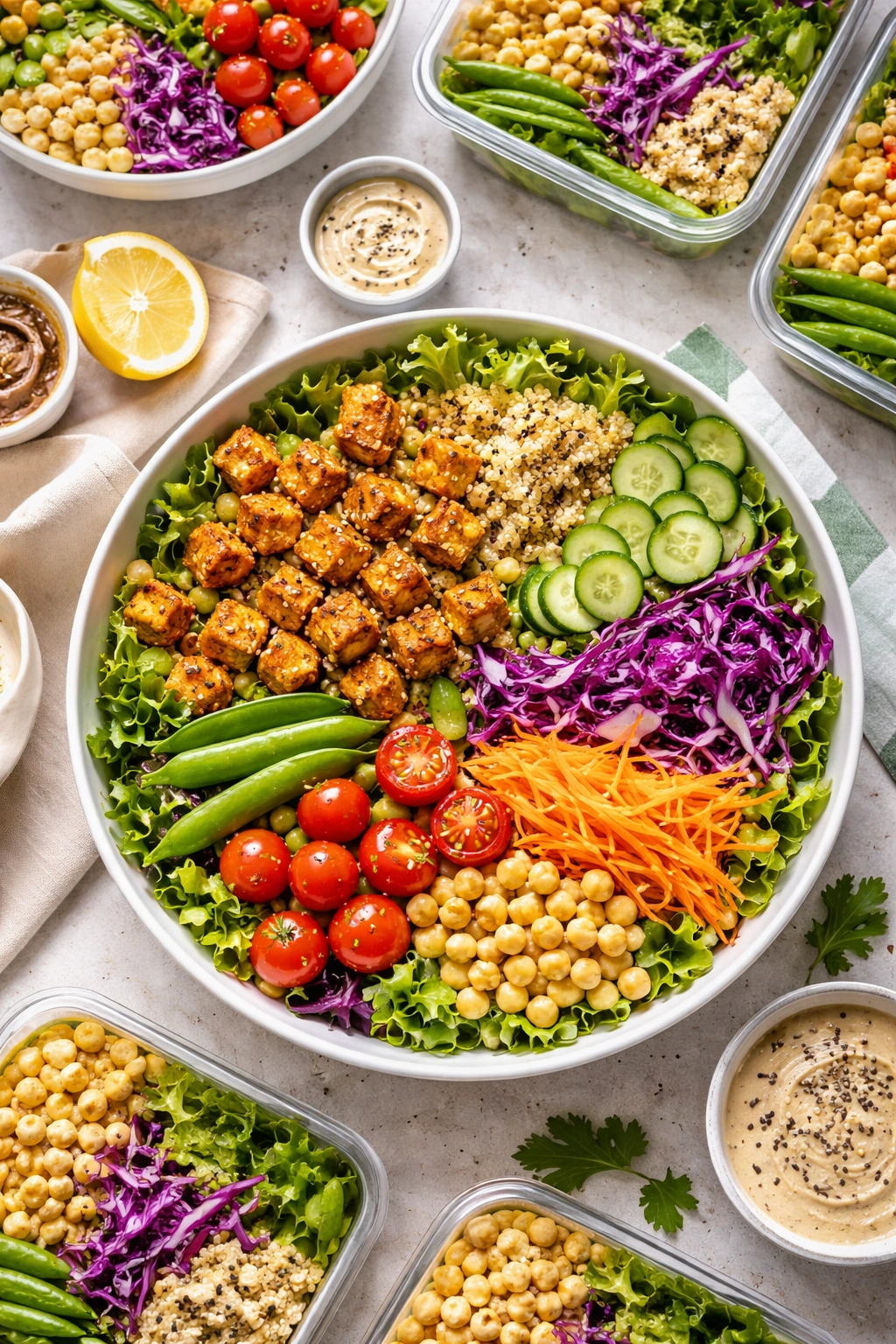
Yield: Serves 4 to 5 as a main course | Makes 5 single-serving meal prep containers
Prep Time: 30 minutes
Cook Time: 25 minutes (baking tofu; can happen simultaneously with grain cooking)
Total Time: 55 minutes active + cooling time
Difficulty: Beginner — the steps are straightforward, the ingredients are accessible, and the recipe requires no specialized equipment beyond a baking sheet and basic kitchen tools.
For the Baked Tofu:
- 1 block (14 ounces) extra-firm tofu, drained and pressed
- 1½ tablespoons extra-virgin olive oil
- 1 tablespoon soy sauce or tamari
- ½ teaspoon garlic powder
- ¼ teaspoon freshly ground black pepper
- Pinch of fine sea salt
For the Salad Base:
- 4 cups mixed salad greens or romaine lettuce, roughly chopped
- 1 cup cooked quinoa or brown rice, cooled completely
- 1 can (15 ounces) chickpeas, drained, rinsed, and patted dry
- 1 cup cucumber, diced into small pieces
- 1 cup shredded red or purple cabbage (buy pre-shredded to save time)
- 1 cup shredded carrots (buy pre-shredded)
- ¾ cup cherry tomatoes, halved
- ¾ cup snap peas or snow peas, sliced lengthwise into thin strips
- 3 green onions (scallions), sliced into thin rings
- ¼ cup fresh cilantro or parsley, roughly chopped
- 3 tablespoons hemp seeds or sunflower seeds
- 1 avocado, sliced (add just before serving to prevent browning)
For the Creamy Asian Dressing:
- ⅓ cup tahini (sesame paste)
- 3 tablespoons rice vinegar or unseasoned rice vinegar
- 2 tablespoons soy sauce or tamari
- 1 tablespoon pure maple syrup
- 1 tablespoon toasted sesame oil
- 1 tablespoon fresh lime or lemon juice
- ½ teaspoon grated fresh ginger, minced very finely
- 1 clove garlic, minced or crushed
- 3-4 tablespoons water (add to reach pourable consistency)
- Fine sea salt and freshly ground black pepper to taste
Prepare the Tofu:
-
Preheat your oven to 400°F (205°C) and position a rack in the center. Line a baking sheet with parchment paper for easy cleanup and to prevent sticking.
-
If you haven’t already pressed your tofu, drain it, wrap it in a clean kitchen towel, place it on a plate, set another plate on top, and weight it down with heavy cookbooks or canned goods. Let it press for at least 20 minutes while you prepare everything else.
-
Once pressed, unwrap the tofu and cut it into ½-inch cubes (about the size of a dice). You want consistent sizing so they bake evenly and develop an evenly golden exterior.
-
Transfer the cubed tofu to a mixing bowl. Drizzle it with the olive oil and soy sauce, then sprinkle the garlic powder, black pepper, and salt over the top. Toss gently but thoroughly using a spatula or wooden spoon, being careful not to break the delicate cubes. Every piece should be lightly coated with the oil and seasoning mixture.
-
Spread the tofu cubes across the prepared baking sheet in a single even layer. Avoid crowding them or stacking them—they need exposure to dry heat on all sides to develop that desirable crispy, golden exterior. If your baking sheet is crowded, use two sheets.
-
Bake for 20-25 minutes, gently stirring the tofu and rotating the baking sheet halfway through the baking time. The tofu is finished when the exterior is noticeably golden brown and has hardened slightly—it should feel firm when you press on a cube with a fork, and the edges should have a darker, caramelized appearance.
-
Remove the tofu from the oven and let it cool on the baking sheet for at least 5 minutes before handling. The tofu will continue to crisp as it cools, so don’t taste-test immediately—it will be quite hot.
Make the Dressing:
-
While the tofu bakes, prepare your dressing. In a medium bowl, combine the tahini, rice vinegar, soy sauce, maple syrup, sesame oil, lime juice, ginger, and garlic. Use a small whisk or fork to blend everything together until smooth.
-
Add the water one tablespoon at a time, whisking constantly. The dressing will seem thick at first, but it will loosen as you whisk in the water and the tahini continues to incorporate. Continue until you reach a consistency that’s pourable but still coats the back of a spoon—you want it thick enough to cling to the vegetables but thin enough to drizzle easily.
Advertisements -
Taste the dressing and adjust the seasoning. If it needs brightness, add more lime juice. If it needs depth, add a pinch more soy sauce. Salt and pepper to taste. Remember that the dressing will seem concentrated at this stage, but it will balance beautifully once tossed with all the salad components.
Prepare the Vegetables:
-
While the tofu and dressing are coming together, prepare all your vegetables. Chop the lettuce into bite-sized pieces, dice the cucumber, shred the cabbage and carrots (or buy pre-shredded versions), halve the cherry tomatoes, slice the snap peas, and slice the green onions. Roughly chop the fresh herbs.
-
Make sure the quinoa or rice has cooled completely. If you just cooked it, spread it on a plate or in a shallow bowl and let it sit at room temperature for 5-10 minutes, or place it in the freezer for 5 minutes to speed cooling. Warm grains will make the salad feel mushy and warm when you’re ready to eat it cold.
-
Drain and rinse the canned chickpeas in a fine-mesh strainer, then pat them thoroughly dry with a clean kitchen towel. This removes excess starch and sodium while also preventing the salad from becoming watery.
Assemble for Meal Prep:
-
You have two options here: assemble five individual salad containers right away, or keep components separate and assemble salads fresh when you’re ready to eat them. For maximum crispness and freshness throughout the week, separating components is ideal. However, if you want grab-and-go convenience, assembly now makes sense.
-
If assembling now: Divide the mixed greens evenly among five meal prep containers, using approximately ¾ to 1 cup of greens per container. Greens should form the base layer.
-
Top the greens with equal portions of cooked quinoa, chickpeas, cucumber, shredded cabbage, shredded carrots, cherry tomatoes, and snap peas. Divide the cooled tofu equally among the containers, placing it on top so it stays visible and relatively separate from the dressing.
-
Scatter the sliced green onion and fresh herbs over each salad. Sprinkle each container with hemp seeds or sunflower seeds.
Advertisements -
Store the dressing separately in an airtight container or in small mason jars—one jar per salad container if you’re pre-portioning, or one larger container if you’ll dress the salads as you eat them.
-
Add avocado slices just before eating—never pre-add them to the container, as they’ll brown and oxidize over several days of storage.
Alternatively, if keeping components separate: Transfer cooled tofu to one container, cooked grains to another, chickpeas to a third, and all fresh vegetables and herbs to separate storage containers. Keep your dressing in its own container. When you’re ready to assemble a salad, simply layer greens, grains, tofu, chickpeas, and vegetables into a bowl, drizzle with dressing, top with seeds and avocado, and toss well before eating.
Tips for Crispy, Flavorful Tofu Every Time
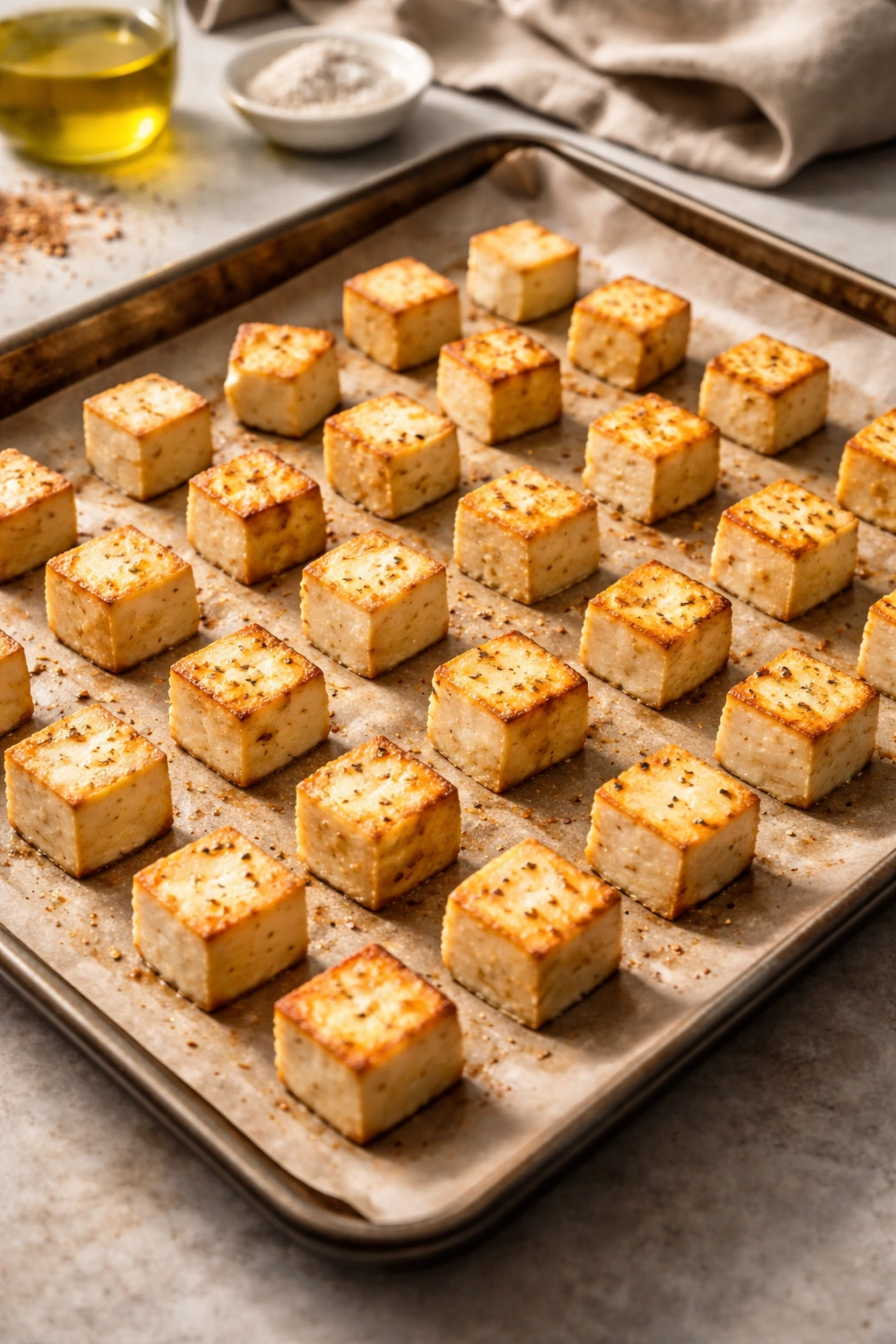
Achieving consistently excellent results with baked tofu comes down to understanding a few key principles that professional home cooks know from experience. The absolute most important factor is pressing your tofu thoroughly. Don’t rush this step even if you’re busy—the difference between pressing for 20 minutes and 45 minutes is tangible in the final crispiness. More pressed tofu means less water content, which means the exterior can brown and crisp rather than steam.
The second critical detail involves spacing on your baking sheet. Crowded tofu steams rather than crisps, creating a soft, mushy texture that falls apart in your salad. Your tofu cubes should not be touching each other. If your baking sheet can’t accommodate them in a single layer with space between each cube, use two baking sheets or cut your batch into smaller portions and bake in two rounds.
Oil is essential, but more isn’t better. You want just enough to coat every piece—typically 1-1.5 tablespoons per block of tofu. Too much oil and your tofu becomes greasy; too little and the exterior won’t brown evenly. The same principle applies to salt—a generous pinch is flavorful, but oversalting makes the final product taste harsh.
The oven temperature matters far more than you might think. At 375°F, tofu bakes but doesn’t brown well. At 425°F, the exterior can burn before the interior cooks through. At 400°F, you’re in the sweet spot—high enough to create browning and crispness through the Maillard reaction, low enough to cook the interior evenly without charring. Rotate your baking sheet halfway through baking to ensure even browning on all sides.
Finishing your tofu with additional seasoning after cooking boosts flavor significantly. A drizzle of sesame oil, a sprinkle of everything bagel seasoning, or tossing with your favorite sauce while the tofu is still warm allows it to absorb those flavors. Cold tofu doesn’t absorb seasonings effectively, so this timing matters.
Dressing Options for Meal Prep Success
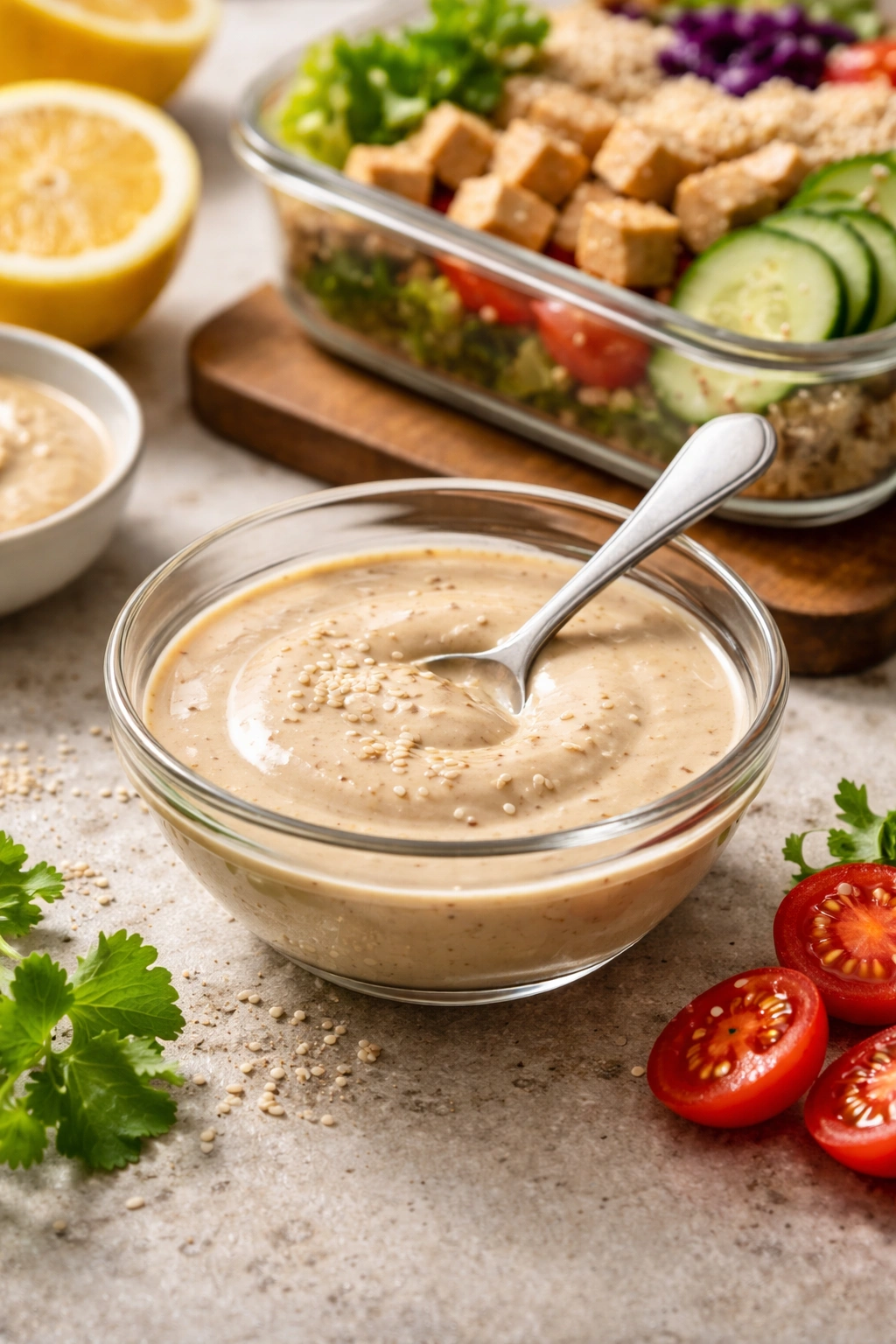
The dressing is what transforms a collection of vegetables and tofu into a cohesive, delicious meal. Creamy, tahini-based dressings are exceptional for meal prep because they coat vegetables beautifully and seem to actually improve in flavor as they sit—the sesame and spice flavors become more pronounced over several days. The tahini-based dressing in this recipe is versatile enough for Asian-inspired variations but simple enough that it works across multiple flavor profiles.
If you prefer something lighter, a miso-ginger dressing brings serious umami punch with minimal added fat. Whisk together three tablespoons of white or yellow miso paste with two tablespoons of rice vinegar, one tablespoon of maple syrup, one tablespoon of toasted sesame oil, ½ teaspoon of grated ginger, and three to four tablespoons of water to reach the right consistency. This dressing is so flavorful that you actually need less of it than you would with oil-based vinaigrettes, making it economical and health-conscious simultaneously.
For a completely different vibe, a lemon-herb dressing brings brightness and keeps things light. Combine ¼ cup of extra-virgin olive oil, three tablespoons of fresh lemon juice, one tablespoon of Dijon mustard, two cloves of minced garlic, one tablespoon of fresh minced dill (or one teaspoon dried), salt, and pepper. Whisk thoroughly and taste for balance—you want the lemon to be prominent but not overpowering.
A balsamic vinaigrette works beautifully with tofu that’s been finished with barbecue sauce or maple syrup. Whisk together three tablespoons of balsamic vinegar, two tablespoons of extra-virgin olive oil, one tablespoon of Dijon mustard, one tablespoon of pure maple syrup, one minced garlic clove, and salt and pepper to taste. The slight sweetness of the balsamic complements crispy tofu in a way that feels almost indulgent.
All of these dressings store beautifully for four to five days in airtight containers or mason jars. You can make them in advance—even preparing an entire week’s worth of dressing takes under five minutes. The advantage of keeping dressing separate from your salad is that you control the wetness and prevent vegetables from wilting. Some people prefer their salads heavily dressed; others prefer a light hand. Separate storage lets everyone customize to their preference.
Storage, Make-Ahead, and Meal Prep Strategy
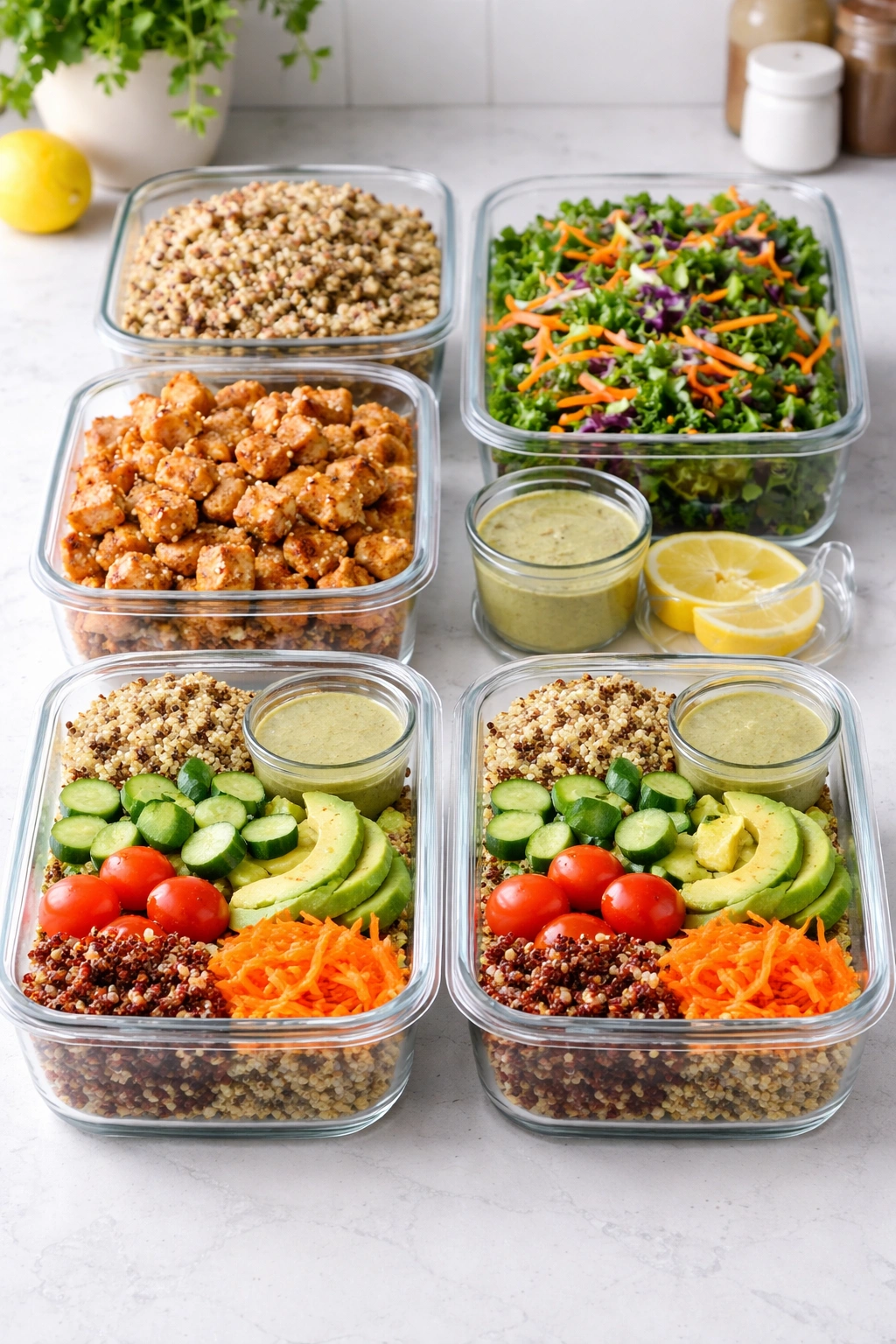
Storage strategy determines whether your meals stay fresh and appetizing for five days or become sad and soggy by day three. The most crucial rule is keeping components separate until you’re ready to eat. Vegetables release moisture as they sit, and that moisture will wilt lettuce and soften everything if mixed together too early.
The ideal meal prep approach uses clear glass containers with divided sections, or five individual containers for each component. Store cooked tofu in one airtight container—it keeps perfectly for five to six days and can actually be eaten cold directly from storage. Cooked grains last five to six days in the refrigerator in an airtight container. Chickpeas keep for the same duration. Fresh vegetables—cucumber, carrots, cabbage, tomatoes, and snap peas—maintain their crispness for five to seven days when stored properly in airtight containers, though tomatoes are best kept separate as they release more moisture than other vegetables.
Fresh leafy greens are your only real time constraint. Raw spinach and mixed greens typically stay crisp for five days, while heartier greens like kale or arugula can last up to a week. If you’re concerned about wilting, store your greens in a separate container and assemble them into your salad just before eating. The thirty seconds it takes to add greens is absolutely worth having a salad that feels fresh.
Avocado should never be added to meal prep salads in advance. Slice it fresh the morning you plan to eat that particular salad, or store it separately and add it when you’re ready to eat. The same applies to seeds and nuts—while they don’t spoil, they can absorb moisture and soften slightly over days. If you want maximum crunch, add seeds just before eating, though honestly, lightly softened seeds still taste delicious.
Make-ahead dressing is a genuine convenience factor that shouldn’t be overlooked. Preparing your entire week’s worth of dressing on Sunday takes five minutes and ensures you never skip a salad because you didn’t feel like making dressing. All of the dressings mentioned above keep beautifully for four to five days in sealed mason jars or airtight containers. Shake the jar vigorously before using—the ingredients naturally separate slightly during storage, which is completely normal and exactly what you want.
The most efficient meal prep workflow is to: (1) cook your tofu and let it cool while prepping vegetables, (2) cook your grains if using them, (3) prepare your dressing, (4) chop all vegetables, (5) store everything in separate containers. When you’re ready to eat a salad, you simply assemble by layering greens, grains, tofu, legumes, vegetables, and seeds, then drizzle with dressing and toss well.
Popular Variations and Flavor Combinations
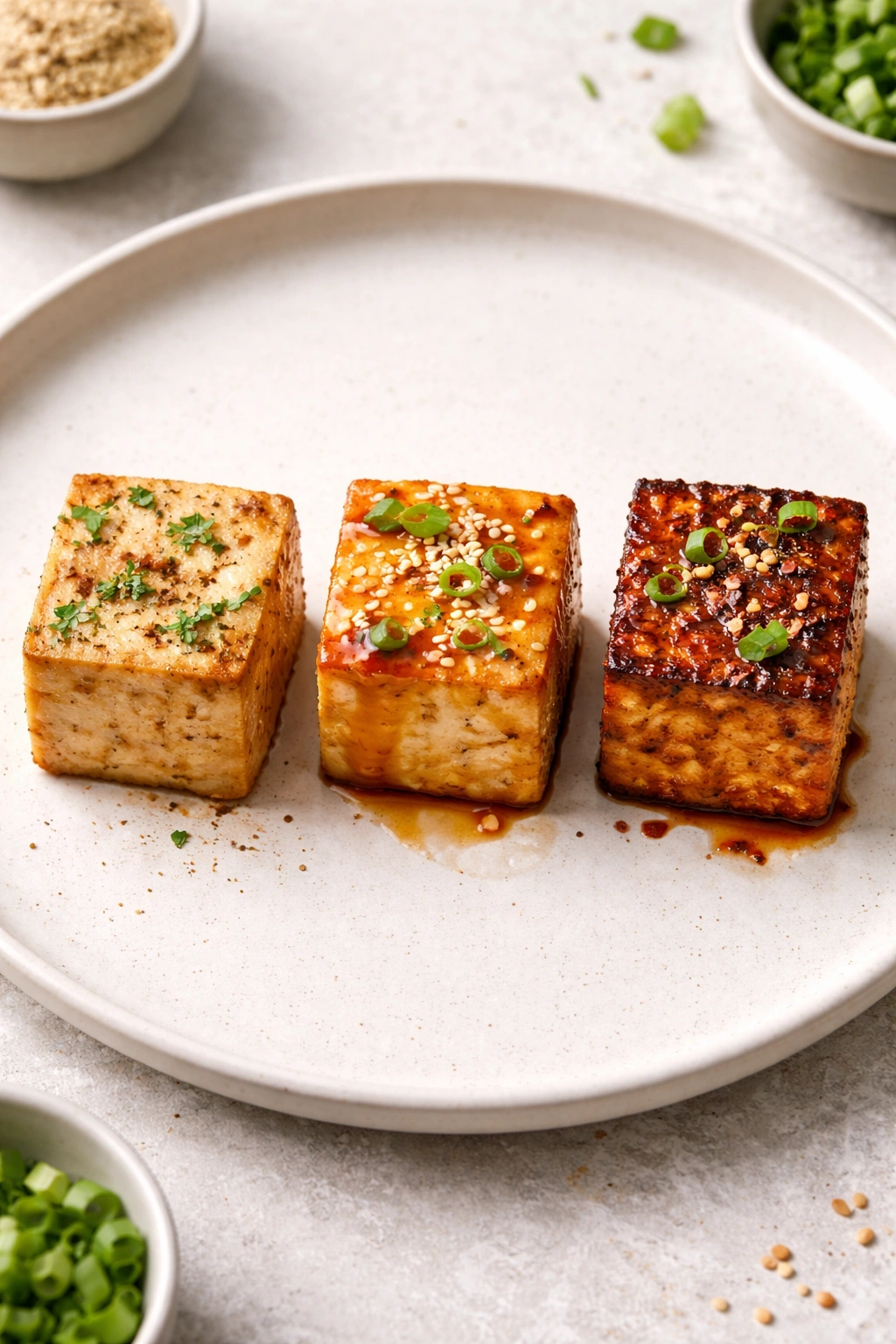
The incredible thing about this formula is that you can create completely different-tasting salads using the exact same components, just with different finishing touches and protein combinations. An Asian-inspired version uses the tahini-sesame-ginger dressing, edamame instead of chickpeas, shredded purple cabbage as the primary vegetable, carrots, snap peas, green onion, cilantro, and sesame seeds. Finish the tofu with soy sauce and sesame oil rather than just the basic seasonings.
A Mediterranean-style variation swaps the tahini dressing for a simple lemon-herb vinaigrette, uses white beans or lentils instead of chickpeas, adds diced tomatoes, cucumber, red onion, fresh parsley, and maybe Kalamata olives for richness. Finish the tofu with dried oregano, garlic powder, and a touch of balsamic vinegar.
A Southwest-inspired version uses black beans instead of chickpeas, diced bell peppers, corn, shredded red cabbage, cilantro, avocado, and lime juice in the dressing. Finish the tofu with cumin, chili powder, and smoked paprika, then toss with salsa for extra flavor.
A completely unadorned but deeply satisfying simple version uses just mixed greens, quinoa, chickpeas, shredded carrots, cucumber, cherry tomatoes, sliced green onion, and crispy tofu with nothing but a basic lemon-olive oil dressing and salt and pepper. Sometimes the simplest approach is the most elegant.
You can also create variations by changing your protein grains—farro has a lovely chewy texture and nutty flavor, barley is hearty and sustaining, brown rice is neutral and affordable, and millet has a delicate, slightly sweet taste. Each grain pairs with different vegetables and dressings for subtly different final salads.
Common Mistakes and How to Avoid Them
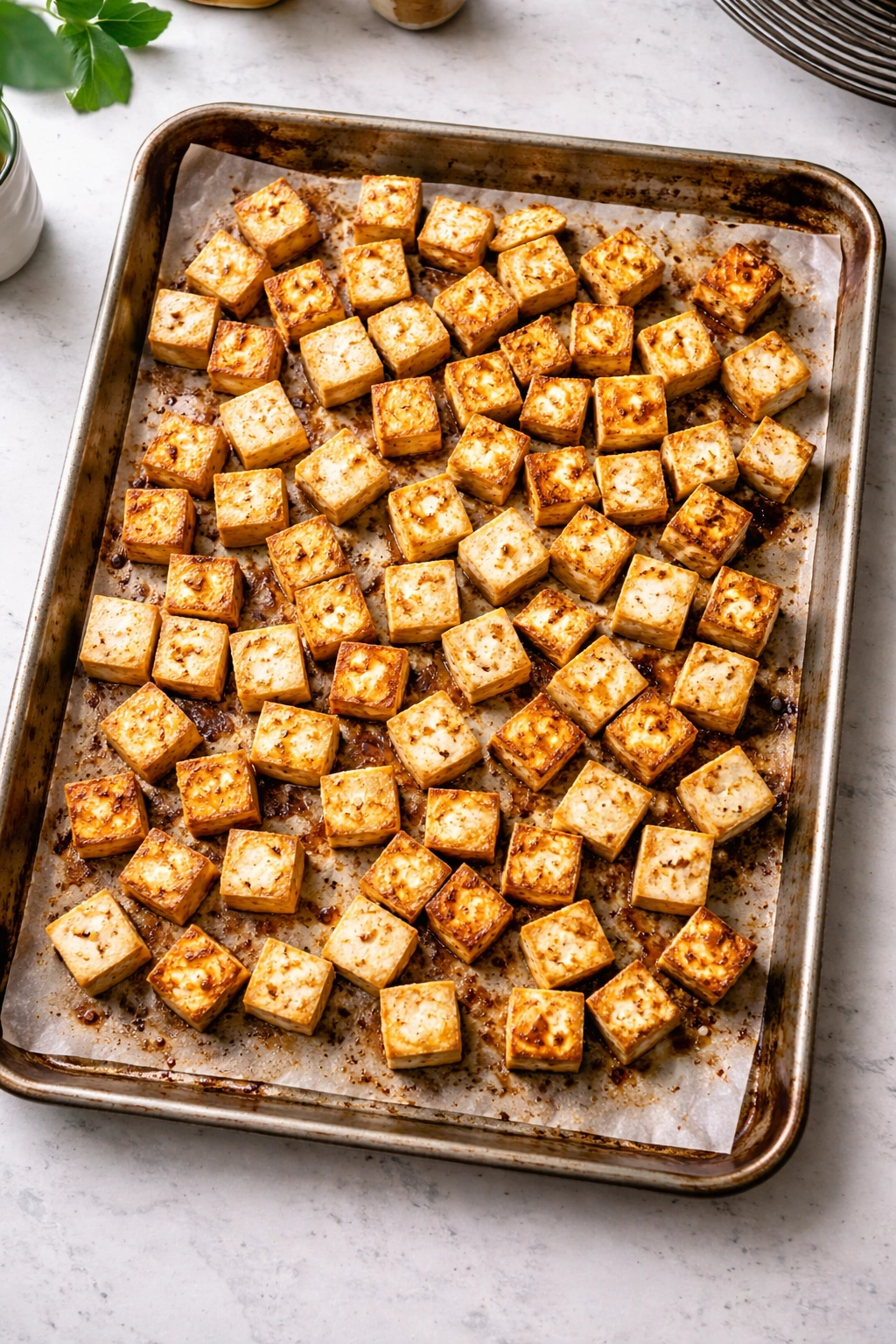
The most frequent mistake is not pressing tofu thoroughly enough. People assume that draining it is sufficient, but the difference between drained and pressed tofu is dramatic in the final cooked texture. Commit to pressing for at least 30 minutes—it’s the single most impactful factor in achieving crispy exterior, and the time passes while you’re prepping vegetables anyway.
The second mistake is overcrowding your baking sheet. Tofu cubes touching each other steam rather than crisp, and you end up with a mushy, disappointing texture. Use two baking sheets if you need to—it takes the same amount of time and produces vastly superior results.
Adding dressing too early wilts your vegetables and creates a watery, sad salad by day three. Keep dressing completely separate and only add it just before eating. This one adjustment makes the difference between a salad that tastes great all week and one that’s only palatable on day one.
Many people make their tofu pieces too large or too small. Pieces smaller than ½-inch tend to brown too quickly on the outside while staying soft inside, or they can brown unevenly. Pieces larger than ¾-inch can brown before the interior cooks through. Consistent ½-inch cubing is the sweet spot.
Not rinsing canned chickpeas leaves excess sodium and starch that makes the salad feel mushy and overly salty. A quick rinse under cold water in a fine-mesh strainer takes 20 seconds and dramatically improves the final result.
Some people forget that warm grains will make your entire salad warm and mushy. Always cook grains well in advance and let them cool completely to room temperature, or even briefly chill them, before adding to your meal prep salad.
Finally, not seasoning as you go results in a salad that tastes flat and uninspired. Taste the tofu while it’s still warm and add salt or sesoning as needed. Taste your dressing and adjust the balance of acid, salt, and sweetness. Taste your finished salad before eating and add more salt, lime juice, or seasoning if needed. Salt isn’t the enemy when used thoughtfully—it’s what makes food taste like something rather than nothing.
Final Thoughts
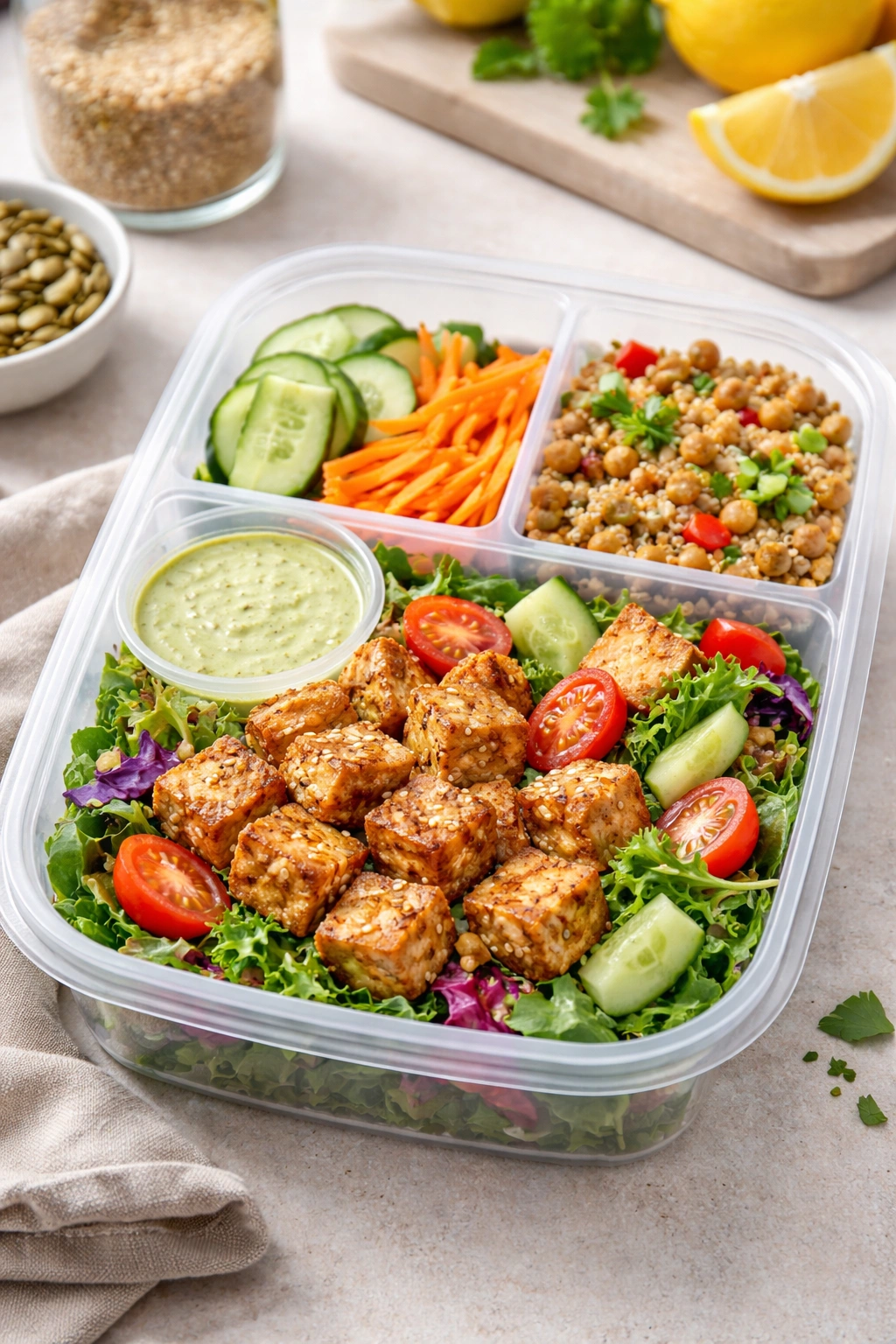
A protein-packed vegan tofu salad isn’t a deprivation meal or a punishment for health goals—it’s genuinely delicious, satisfying food that happens to be plant-based and efficient for meal prep. The magic happens when you approach salad-making not as an afterthought side dish but as a complete meal deserving real ingredients, proper technique, and thoughtful seasoning.
The time investment on Sunday—roughly 45 minutes to an hour—yields five complete, nutritious, protein-rich lunches ready to grab and go. That’s a 9-minute lunch preparation time averaged across five days, or to put it another way, you’ve just given yourself back roughly seven hours of lunch-making time during busy weekdays. The quality and cost per meal usually works out to roughly five to seven dollars, a fraction of what you’d pay for takeout.
More importantly, you’ll actually eat these salads because they taste genuinely good, they keep you full, and they genuinely feel like meals rather than rabbit food. By the second or third time through a particular flavor combination, you’ll be making the recipe from memory, swapping components based on what looks good at the market that week, and experimenting with new dressing variations. What starts as a meal prep strategy becomes genuine cooking you enjoy.
