



The moment you taste a crisp, perfectly composed kale apple quinoa salad—one where the kale is tender but still vibrant, the apples are bright and juicy, the quinoa is fluffy and nutty, and everything’s held together by a whisper-light dressing—you’ll understand why this has become the gold standard of healthy meal prep. This salad doesn’t just look good in a container. It actually improves over the first few days as the kale continues to soften and the flavors marry together. It fills you up without weighing you down, travels beautifully, and tastes so satisfying that you’ll genuinely want to eat it again on day three, not force it down out of obligation.
Unlike salads that wilt, soggy, and taste like cardboard by midweek, this one was specifically designed for longevity. The raw kale becomes more tender and palatable as it sits—not wilted, but genuinely more pleasant. The apples stay crisp when stored separately (which takes ninety seconds extra but makes a real difference). The quinoa acts as a sturdy structural element that doesn’t turn to mush. Everything about this formula is built for the person who wants real food for lunch tomorrow, not a sad sad desk salad.
The beauty of this recipe is that it looks restaurant-quality, tastes genuinely delicious, and requires no special skills or equipment. If you can boil water and chop vegetables, you can make this. And if you’re going to spend time prepping lunch for the week, you might as well prep something this good.
Why This Salad Works for Meal Prep
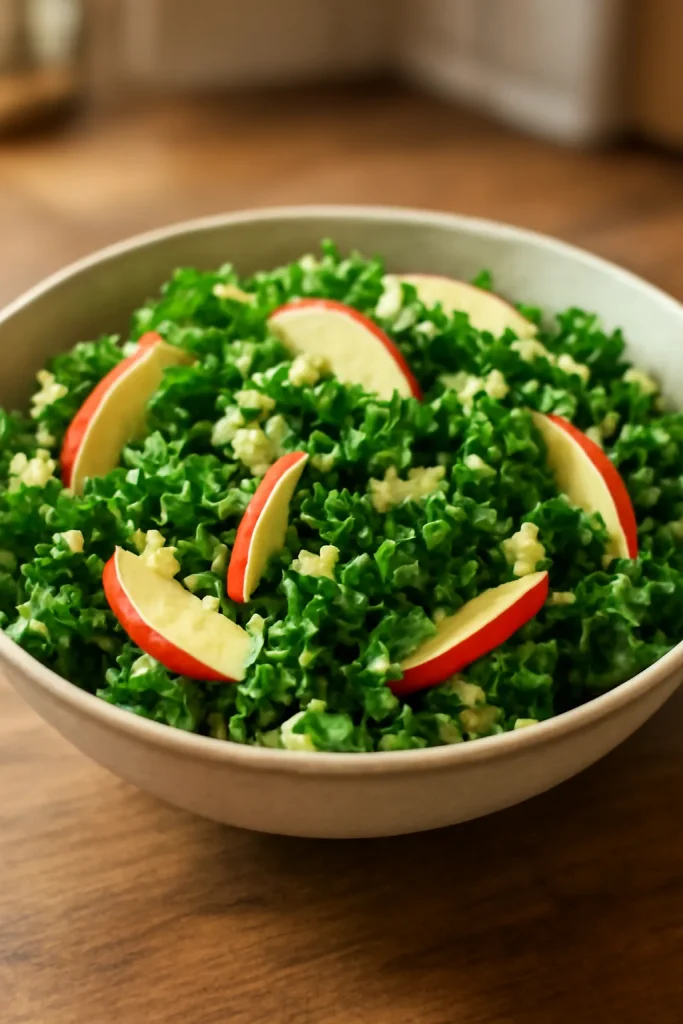
Meal prep success comes down to one simple truth: the food has to taste good enough that you actually want to eat it. That’s where most meal-prep salads fail. They’re built on what seems like smart nutritional logic—raw vegetables, lean protein, minimal dressing—but they become unappetizing by day three. This salad sidesteps that entirely.
Kale is the secret weapon here. Unlike delicate lettuces that break down into slime when dressed, kale gets better with time. The leaves actually become more tender and more palatable as they sit with the dressing. A proper massage with salt and lemon juice starts the softening process before you even finish assembling the bowl. By tomorrow, it won’t feel like eating raw leaves anymore—it’ll feel like eating something intentionally prepared and perfectly seasoned.
Quinoa adds substance and nutrition without heaviness. It’s a complete protein containing all nine essential amino acids, it’s gluten-free if that matters to you, and it has a naturally nutty flavor that complements both apples and kale without competing. More importantly, cooked quinoa doesn’t get soggy or mushy. It stays fluffy and maintains its texture all week long, creating a satisfying bite that keeps you full longer.
Apples bring sweetness, crunch, and brightness. Their natural tartness cuts through the earthiness of the kale and balances the richness of any nuts or cheese you add. The key is storing them separately and adding them just before eating—apples oxidize and soften when exposed to acid for too long, so the five-minute wait before assembly preserves that essential crunch.
The dressing is deliberately light and acidic. A sharp vinaigrette (not a heavy cream-based dressing) means the salad won’t feel heavy at lunch and you won’t need a nap afterward. The acidity actually improves the kale’s texture over time, making the salad better, not worse, as the days pass.
The Nutritional Powerhouses in This Recipe

Understanding why each ingredient matters makes you more confident in the recipe and more likely to stick with it. This salad isn’t built on marketing hype—it’s built on real nutritional density.
Kale is a nutritional juggernaut. One cup of raw chopped kale contains about 33 calories but delivers more than 100% of your daily vitamin K (crucial for bone health and blood clotting), nearly 200% of your vitamin A (vital for eye health), and significant amounts of vitamin C, calcium, and manganese. It’s also packed with phytonutrients and antioxidants that protect your cells. The dark leafy green color is itself a signal of nutritional density—the deeper the green, the more nutrients packed into each leaf.
Quinoa is one of the rare plant proteins that’s a complete amino acid profile. That means it contains all nine amino acids your body can’t manufacture on its own. One cooked cup of quinoa delivers about 8 grams of protein along with 5 grams of fiber, magnesium for muscle function, and manganese for metabolism. It’s more nutrient-dense than brown rice and cooks faster too.
Apples bring fiber, particularly soluble fiber called pectin, which feeds your gut bacteria and helps regulate blood sugar. They’re also rich in quercetin, a plant compound with anti-inflammatory properties. The skin contains most of the fiber and antioxidants, so you definitely want to eat the skin—just make sure to source organic apples so you’re not worried about pesticide residue.
The nuts (whether you choose walnuts, pecans, or almonds) add healthy fats that help you absorb the fat-soluble vitamins from the kale. They also add crunch, satiety, and make the salad feel more like a complete meal. Walnuts are particularly rich in omega-3 fatty acids, which have well-documented anti-inflammatory benefits. Toasting them brings out their flavor and makes them more interesting—a five-minute step that’s genuinely worth it.
Selecting Quality Ingredients for Best Results
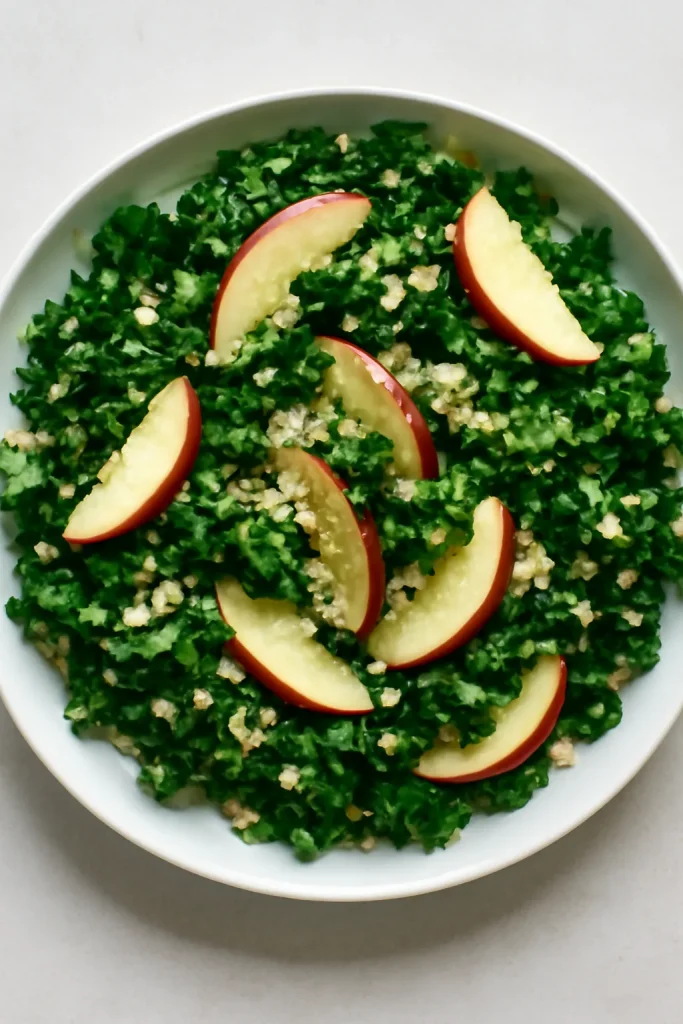
The beauty of simple salads is that they have nowhere to hide. You can’t cover up mediocre ingredients with a complicated recipe or fancy technique. That means ingredient quality directly translates to salad quality.
For kale, buy the darkest, crispest bunch you can find. Curly kale (also called Scots kale) is the most forgiving for beginners and the most tender after massaging. Lacinato or dinosaur kale is slightly more tender to begin with but requires less massage. Avoid any bunches with yellowing leaves, wilting, or visible damage. If your kale is sad when you bring it home, it won’t improve much with massaging—start with vibrant, healthy leaves. Store kale in the crisper drawer, ideally unwashed until the day you use it (moisture accelerates decay).
For apples, variety matters. You want a balance of sweetness and tartness, so avoid purely sweet varieties like Gala or Fuji if you’re eating this salad with other slightly sweet components. Honeycrisp apples are exceptionally crisp and their tartness comes through, making them my top choice. Granny Smith apples are crisp and tart but can be a bit aggressive. A mix of two apple varieties—one tart, one slightly sweeter—often works beautifully. Choose apples that feel dense and heavy for their size and have no soft spots. Store them in your crisper, where they’ll actually stay fresher longer than at room temperature.
For quinoa, choose white or red quinoa depending on what you prefer (red quinoa holds its shape slightly better, white quinoa is slightly fluffier). Buy from a source with good turnover—quinoa that’s been sitting on a shelf for months can develop off-flavors. Always rinse quinoa thoroughly before cooking, even if the package says pre-rinsed. This removes the naturally occurring bitter saponin coating. You’ll notice the water running clear when you’re done rinsing—that’s how you know it’s truly clean.
For nuts, buy raw or lightly roasted without added oil or salt. You’ll be toasting them yourself, which gives you complete control over the final flavor. If you’re buying already-toasted nuts, be honest about how quickly you’ll use them—they oxidize over time and can turn rancid. Store nuts in the freezer, where their oils stay stable and they last significantly longer than at room temperature.
Preparing Your Quinoa: The Foundation of the Salad
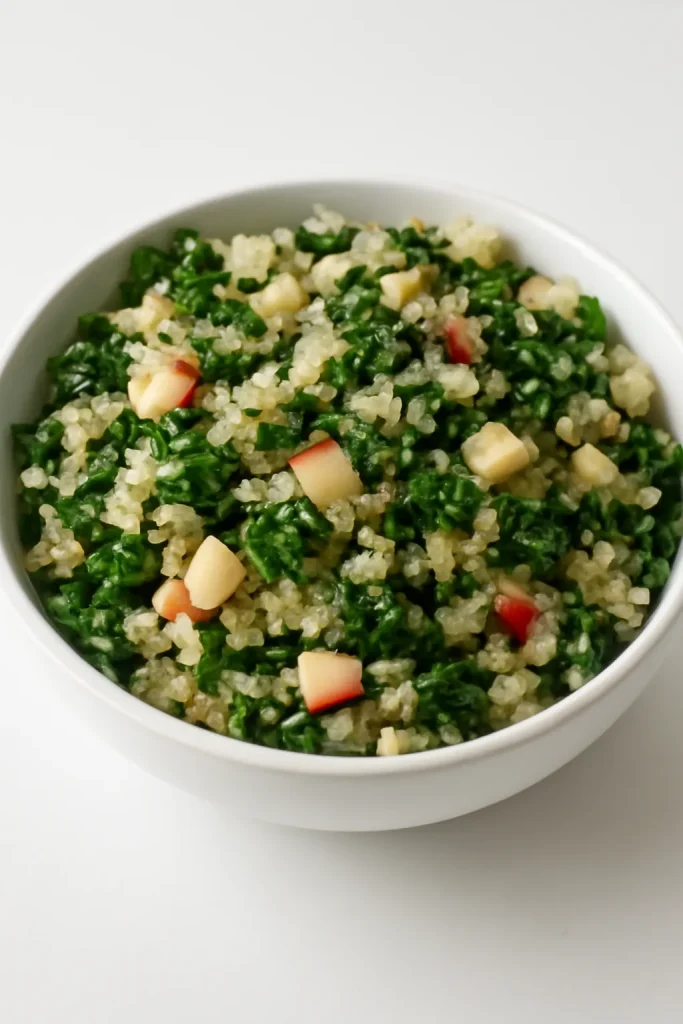
Perfectly cooked quinoa should be fluffy with a slight nutty flavor and individual grains that don’t clump together. Most people either undercook it (leaving it crunchy at the center) or overcook it (turning it mushy). The technique below consistently delivers perfect results.
Start with a ratio of one part quinoa to two parts liquid. Measure your quinoa in a fine-mesh sieve and rinse it thoroughly under cold running water for about one minute, stirring occasionally, until the water running through is completely clear. This removes the slightly bitter saponin that naturally coats the grains and ensures better flavor.
Add the rinsed quinoa to a medium pot along with two cups of water and a pinch of salt (about ¼ teaspoon per cup of quinoa). Bring it to a boil over high heat—you’ll hear it bubbling vigorously. Once it reaches a full boil, reduce the heat to low and cover the pot tightly. Set a timer for exactly 15 minutes. Don’t lift the lid to check—that releases steam and extends cooking time unpredictably.
When the timer goes off, remove the pot from heat while still covered and let it sit undisturbed for another 5 minutes. This “rest” allows any remaining moisture to distribute evenly and allows the grains to finish setting their texture. After five minutes, remove the lid and fluff the quinoa gently with a fork. All the water should be absorbed and the grains should look separate and light, with a little white spiral tail visible on each grain—that’s the germ separating from the grain as it cooks, and it’s a sign of properly cooked quinoa.
Spread the cooked quinoa on a large plate or baking sheet to cool to room temperature. This stops the cooking process and prevents the grains from continuing to soften and clumping together. Once cooled, you can refrigerate it for up to five days or use it immediately. Many people prefer to cook their quinoa a day ahead so it’s completely chilled and ready to go when they’re assembling the salad.
Massaging Kale: The Game-Changing Technique
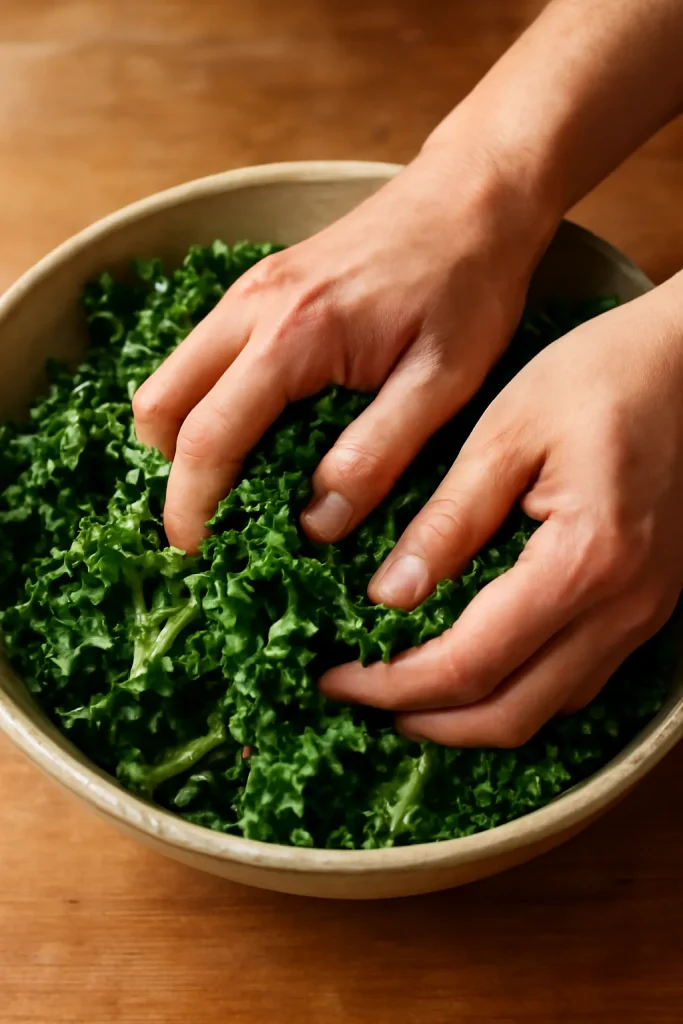
This is the step that transforms raw kale from something that feels harsh and stringy to something genuinely pleasant to eat. Massaging kale isn’t a metaphor—you’re actually physically breaking down the cell walls and softening the leaves through mechanical action, which makes them more tender and more flavorful.
Wash your kale thoroughly and pat it completely dry. Moisture is the enemy of both massaging and storage—wet kale is hard to massage and will spoil faster. Remove the thick center stem from each leaf by holding the leaf in one hand and stripping the leafy part away from the stem with your other hand in one swift motion. The tender inner leaves near the top of the bunch often have thinner stems that are worth keeping; save just the thick outer stems for vegetable stock or compost.
Chop the kale into bite-sized pieces—about one to two inches is ideal. You want pieces big enough to feel substantial but small enough to not feel awkward to eat. Place the chopped kale in a large bowl.
Add a generous pinch of sea salt (about ½ teaspoon per large bunch of kale) and the zest of one lemon directly to the bowl. The salt is crucial—it draws out moisture from the leaves and helps break them down. The lemon zest adds flavor and the acid begins the tenderizing process.
Now, use your hands to massage the kale. This sounds silly but it’s essential. Grab a handful of kale and using the heel of your hand, rub and squeeze and knead it between your hands for about 30 seconds. The leaves will begin to darken and soften visibly. Continue this for about 2-3 minutes total, until all the kale has been massaged and the leaves have noticeably changed texture—they should feel softer and more supple rather than rigid and stringy.
You can do this massaging up to a few hours before assembly, which is perfect for meal prep. The kale will continue to soften as it sits, and when you squeeze it with your hands, you’re increasing surface area and helping the dressing penetrate more evenly.
Assembling Your Kale Apple Quinoa Salad
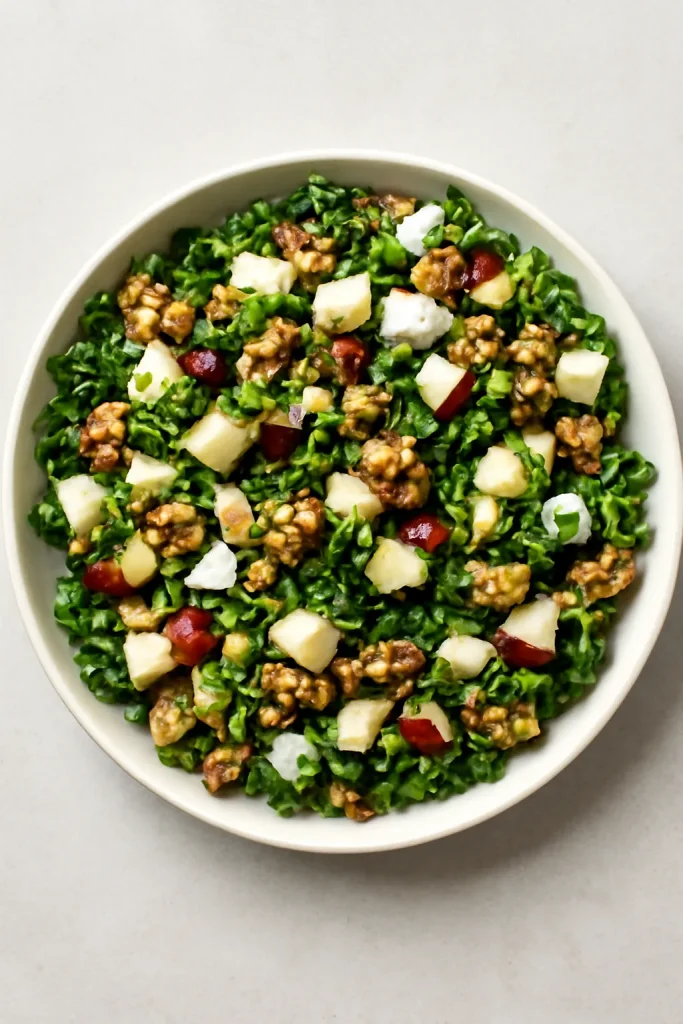
Yield: Serves 4 as a main course | Makes 4 large containers for meal prep
Prep Time: 30 minutes (including cooking time for quinoa if not made ahead)
Cook Time: 15 minutes (for quinoa only; if using pre-cooked quinoa, cook time is 0 minutes)
Total Time: 30 minutes active + 5 minutes resting
Difficulty: Beginner — All steps are straightforward, no special equipment needed, and the technique is very forgiving.
Ingredients
For the Salad:
- 1 large bunch fresh kale (about 8 ounces or 6 cups chopped), stems removed
- 2 cups cooked quinoa, cooled to room temperature
- 2 medium crisp apples (Honeycrisp or a mix of Granny Smith and Honeycrisp), cored and thinly sliced
- ¾ cup raw walnuts or pecans, roughly chopped
- ¼ cup dried cranberries or raisins (optional, but adds pleasant sweetness and chew)
- ½ cup crumbled feta cheese or goat cheese (or omit for vegan)
- Zest of 1 lemon
- ¼ teaspoon fine sea salt (in addition to salt used for massaging)
For the Lemon-Dijon Dressing:
- ¼ cup extra-virgin olive oil
- 3 tablespoons fresh lemon juice (about 1 medium lemon)
- 1 tablespoon raw apple cider vinegar
- 1 teaspoon Dijon mustard
- 1 clove garlic, minced very finely
- ¼ teaspoon fine sea salt
- Pinch of freshly cracked black pepper
Instructions
Prepare the Nuts:
- Heat a dry skillet over medium heat. Once hot, add the chopped walnuts or pecans and toast them, stirring frequently, for about 5 minutes, until they smell fragrant and slightly darken in color. Be careful not to walk away—nuts burn quickly and will taste bitter if overtoasted. Transfer to a plate to cool completely. Toasted nuts can be made up to 5 days ahead and stored in an airtight container at room temperature.
Prepare and Massage the Kale:
-
Wash the kale thoroughly under cold running water and pat it completely dry using paper towels or a clean kitchen towel.
-
Remove the tough center stem from each leaf by grasping the leafy part with one hand and stripping it away from the stem with a swift downward motion using your other hand.
-
Chop the de-stemmed kale into bite-sized pieces (roughly 1 to 2 inches) and place in a large bowl.
-
Add the zest of one lemon and approximately ½ teaspoon of fine sea salt to the chopped kale.
-
Using your hands (this is important—don’t use tools), massage the kale by grabbing handfuls and rubbing, squeezing, and kneading the leaves between your palms for 2 to 3 minutes, until all the leaves have noticeably darkened and softened. The texture should transition from stiff and fibrous to tender and supple. The massaging breaks down the cell walls and makes the raw kale significantly more pleasant to eat.
Prepare the Dressing:
- In a small jar or bowl, combine the olive oil, fresh lemon juice, apple cider vinegar, Dijon mustard, minced garlic, salt, and black pepper. Whisk vigorously or cover the jar and shake for 30 seconds until the emulsion is smooth and slightly thickened. The mustard acts as an emulsifier and helps keep the oil and acid from separating. Taste and adjust seasonings—it should taste bright and acidic, slightly puckering, with the mustard providing a subtle tang.
Assemble the Salad:
-
Add the cooled cooked quinoa to the massaged kale and toss gently to combine.
-
Pour the prepared dressing over the kale and quinoa mixture and toss thoroughly until all the greens and grains are evenly coated. You should see a light sheen on everything.
-
Add the toasted nuts to the bowl and toss gently again. Fold in the dried cranberries if using. Do not add the sliced apples yet — they will oxidize and soften if added more than 10-15 minutes before eating.
-
Divide the salad among four containers if meal prepping, or transfer to a serving bowl if eating immediately.
-
Slice the apples just before eating or serving. Add the apple slices to each serving immediately before eating for maximum crispness and to prevent browning. If you absolutely must add apples to containers ahead of time, toss them with a squeeze of fresh lemon juice to slow oxidation.
-
Top each serving with a handful of crumbled feta or goat cheese just before eating, if using.
Tips and Common Mistakes to Avoid
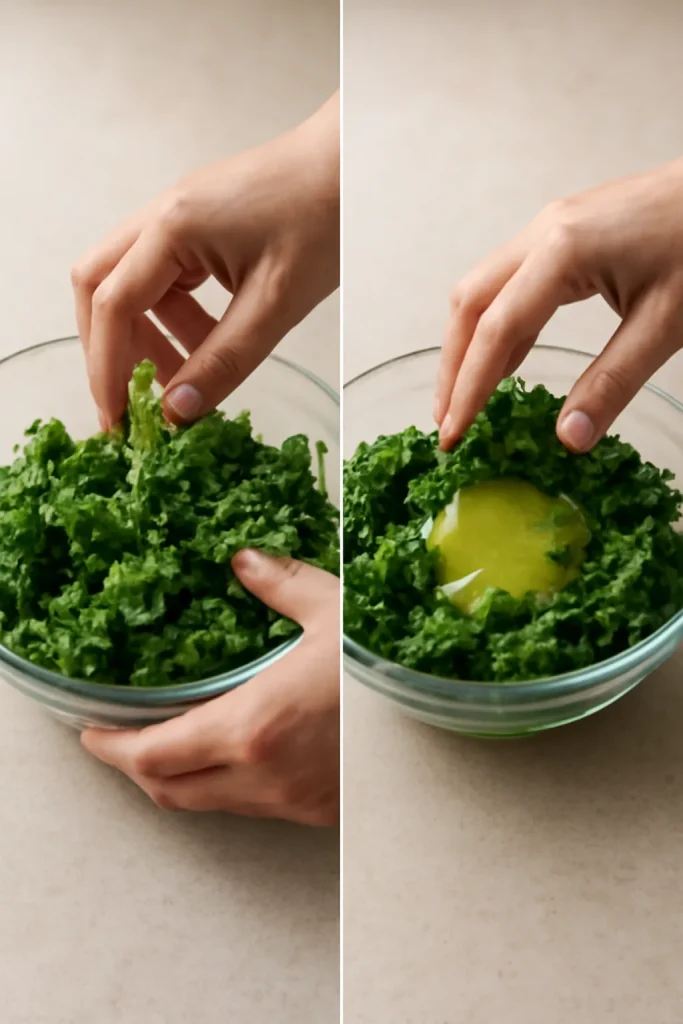
The most common mistake people make with this salad is dressing it too early or using too much dressing. A light hand with dressing is crucial—you want to coat every element, not create a puddle at the bottom of the container. Start with three-quarters of the dressing, toss well, taste, and add more if needed. You can always add more dressing, but you can’t remove it.
Storing the apples separately is non-negotiable for a five-day salad. Apples release moisture and absorb liquid, which means they’ll soften and brown within hours if stored with dressing. They’re worth the 60 seconds it takes to slice them fresh each morning. If you’re being strategic, you can even slice all five apples on Sunday (for five days of lunches) and store them together in a sealed container with a squeeze of lemon juice—the lemon juice slows browning remarkably well.
Massaging the kale thoroughly makes a profound difference in whether you’ll actually enjoy eating this salad. Undercooked kale feels aggressive and chalky; properly massaged kale feels intentionally prepared and pleasant. Set aside three full minutes for this step and really work the leaves. Your jaw will thank you.
Make sure your quinoa is truly cooled before assembling the salad. Warm quinoa will soften the other ingredients and create a mushy texture. If you’ve just cooked your quinoa and can’t wait for it to cool naturally, spread it on a baking sheet in the refrigerator—it’ll cool in about 10 minutes.
Toast your nuts right before assembly or up to three days ahead, but don’t skip this step. Raw nuts taste flat and a bit papery compared to toasted nuts. Five minutes in a dry pan transforms them into something genuinely delicious. If your nuts are already starting to go rancid (you’ll notice a stale, slightly oily smell), throw them out and start fresh—rancid nuts will ruin the entire salad.
Don’t skip the lemon zest in the massage step. It adds brightness and depth that’s difficult to replicate with just lemon juice in the dressing. Fresh lemon zest also contains aromatic oils that raw lemon juice alone doesn’t fully capture.
Storage and Make-Ahead Strategies
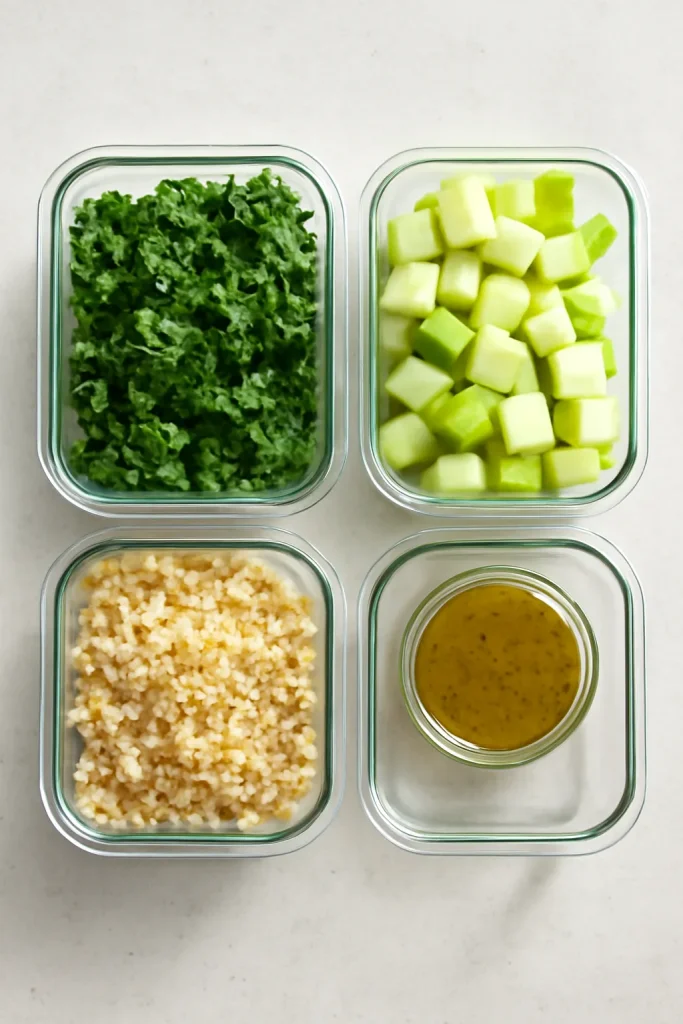
This salad actually tastes better on day two or three than it does on day one—the flavors meld, the kale becomes more tender, and everything reaches a kind of equilibrium. This is genuinely unusual for salads and it’s one of the main reasons this works so well for meal prep.
Container Strategy: Assemble the kale, quinoa, nuts, and dried fruit in containers on Sunday evening or Monday morning. Store with the dressing separate. The salad components will stay fresh and crisp for up to five days in the refrigerator in airtight glass containers. Each morning, add a few tablespoons of dressing to your container and shake well. This approach prevents sogginess and keeps everything tasting intentional.
Or, Dress Everything: If you prefer to have a completely assembled salad that’s grab-and-go, you can dress the entire salad right away. It will taste great for three days and still be good on day four, though the kale will be softer. Most people still find this preferable to day-five salad. The dressing actually softens the kale in a pleasant way, making it feel more like a prepared dish than raw vegetables.
Storing Dressing: Make extra dressing and keep it in a sealed jar in the refrigerator. The dressing stays fresh for up to 10 days and tastes good on almost anything—grain bowls, roasted vegetables, grilled chicken. Just shake before using, as the oil and acid will separate slightly with time.
Storing Quinoa: If you’re cooking quinoa specifically for this salad, make a double or triple batch. Cooked quinoa stores for five to six days in the refrigerator in an airtight container. Use it in grain bowls, toss it into soups, add it to scrambled eggs for breakfast, or blend it into smoothies for added protein and texture.
Storing Nuts: Keep toasted nuts in an airtight container at room temperature for up to five days, or in the freezer for up to three months. Cold nuts actually taste fresher because the cold slows the oxidation of their oils.
Component Timing: For maximum flexibility, you can prepare different components on different days. Cook your quinoa on Sunday, massage and store your kale on Monday morning (it’ll be even more tender by lunch), toast your nuts the morning you eat the salad, and slice your apples that very morning. This actually takes very little extra time over the week and ensures maximum freshness for everything.
Make-Ahead Salad Jars: Layer your salad in tall containers in reverse order—dressing on the bottom (in a thin layer in a wide-bottomed container, or in a small jar taped to the side), then quinoa, then massaged kale, then nuts, then dried fruit on top. Keep apples and cheese separate. This layering keeps heavier ingredients from crushing delicate kale, and when you shake or invert the container before eating, everything mixes beautifully.
Variations and Seasonal Adaptations
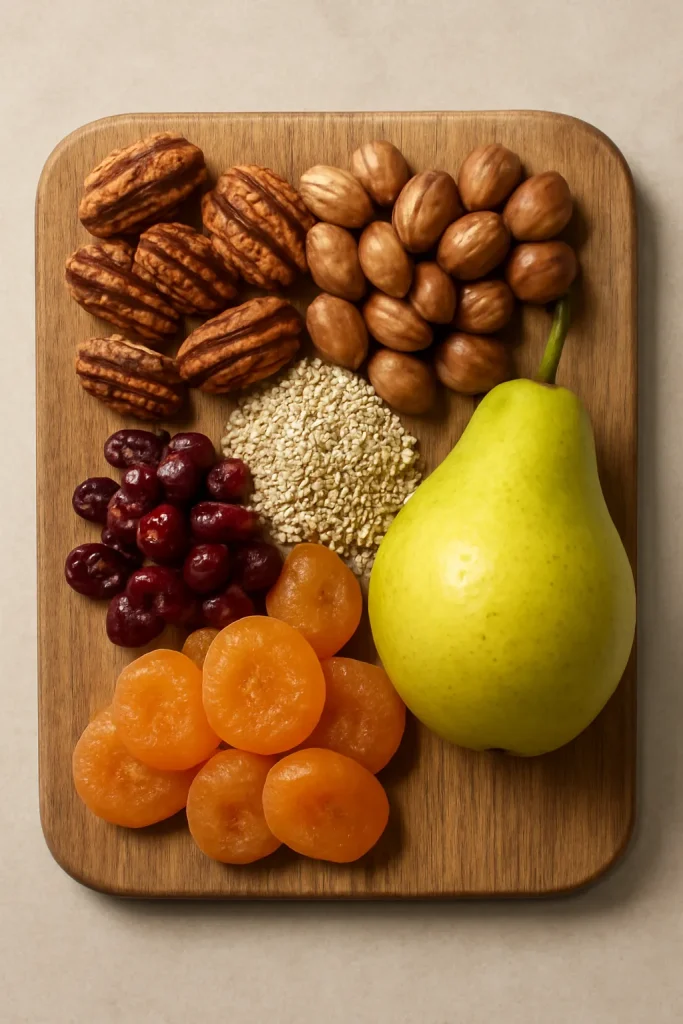
The foundation of this recipe is rock-solid, but you have tremendous flexibility in how you customize it. These aren’t wild departures—they’re thoughtful adaptations that work within the same basic framework.
Swap Nuts: Pecans, almonds, hazelnuts, or sunflower seeds all work beautifully. Pecans taste slightly sweeter, almonds are more neutral and delicate, hazelnuts add a roasted depth, and sunflower seeds are a nut-free option with a pleasant earthiness. Stick with about ¾ cup for the base recipe and toast whatever you choose.
Swap Apples: During winter months when other apples are best, try Honeycrisp, Pink Lady, or a mix of tart and sweet. In cooler months when stone fruits are out of season, you can actually use crisp pears (Bosc or Bartlett) with equally delicious results. The same oxidation issue applies—store separately and add at the last moment.
Add or Substitute Dried Fruit: Dried cranberries are the standard, but dried cherries, dried blueberries, diced dried apricots, or even chopped dates bring different sweetness and texture. Use about ¼ to ½ cup total—you want a sprinkle of sweetness, not a dried-fruit-heavy salad.
Cheese Options: Feta brings tanginess and a creamy texture. Goat cheese is tangier and slightly denser. Shredded sharp cheddar adds a different kind of richness. Crumbled blue cheese transforms this into something more assertive (and genuinely delicious). For a vegan approach, omit cheese entirely—the salad is already nutritionally complete and satisfying without it. Or use a cashew-based vegan cheese if you want that creamy element.
Add Protein: While this is a vegetarian salad, you can make it more of a complete one-bowl meal by adding protein. Roasted chickpeas (simply toss canned, drained chickpeas with oil and spices, then roast at 400°F for 20 minutes) add protein and crunch. Grilled chicken breast, chopped, works well. Cooked lentils add earthiness. A fried or poached egg on top transforms it into a breakfast salad. Cooked shrimp is delicious if you eat seafood.
Dressing Variations: This Dijon-lemon dressing is deliberately light and acidic, but you can create variations. A balsamic vinaigrette swaps the lemon juice and apple cider vinegar for balsamic vinegar—richer and more complex, particularly good with the addition of roasted beets or sweet potato. A honey-mustard version swaps the apple cider vinegar for honey and doubles the mustard—sweeter and slightly creamy. A tahini dressing (substitute 2 tablespoons of tahini for half the olive oil) creates something creamier and more substantial.
Seasonal Additions: In warmer months, add thinly sliced red onion (about ¼ cup), which adds bite and freshness. In cooler months, try shredded roasted beets or butternut squash, which add earthiness and natural sweetness. During fall, add toasted pumpkin seeds instead of walnuts. During spring, add fresh mint or basil (add these just before eating to prevent wilting).
Raw vs. Roasted: While this is a raw salad, you could roast some of the vegetables for variety—roasted beet cubes, roasted Brussels sprout leaves (tossed with oil and roasted until crispy), or even roasted cauliflower florets. These add heartiness and a different texture.
Serving Suggestions and Pairings
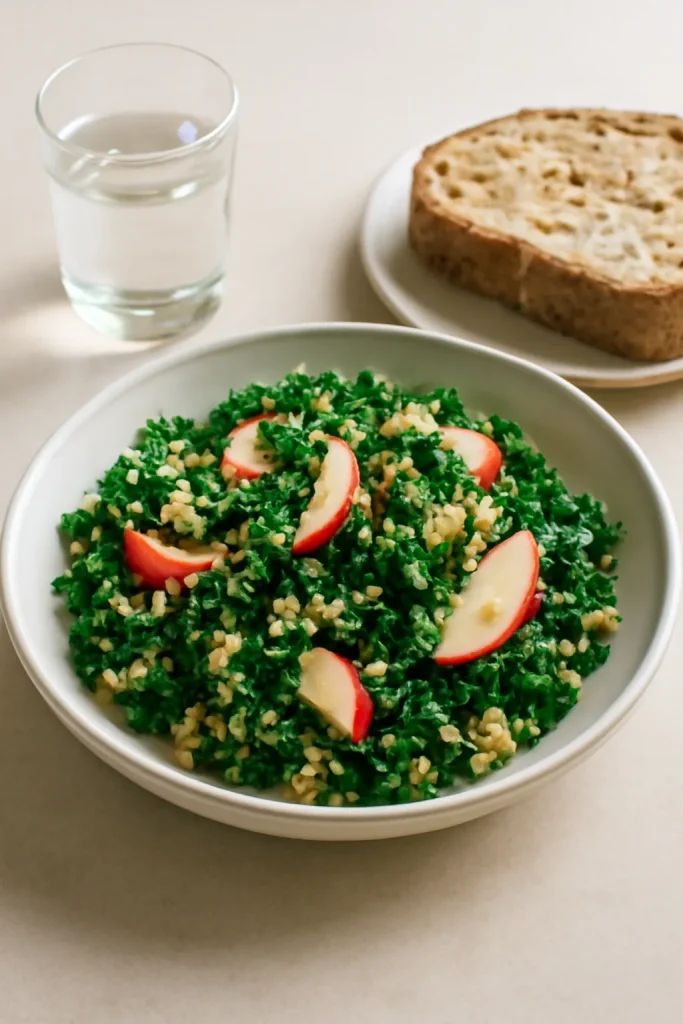
This salad is substantial enough to be a complete main course, but it also plays beautifully with other foods if you’re planning a larger meal.
As a Solo Lunch: Serve it in a bowl with crusty bread on the side and you have everything you need. The salad provides vegetables, whole grains, healthy fats, and protein—it’s a complete meal. Pair with sparkling water with lemon or a crisp white wine if you’re not at your desk.
With Additional Protein: Add a grilled chicken breast, baked salmon fillet, or a piece of frittata on the side for extra protein and satiety. This transforms it from vegetarian to a more traditional balanced plate.
With Warm Elements: In cooler months, serve this salad alongside a warm element—a cup of lentil soup, a small portion of roasted sweet potato, or a warm grain like farro. The contrast of cold salad and warm soup or grain is genuinely pleasant.
Alongside Roasted Vegetables: Roasted broccoli, cauliflower, or Brussels sprouts complement this salad beautifully. The roasted vegetables add heartiness and create a more robust meal.
With Whole Grain Bread: This salad eats like a slightly more refined, vegetable-forward bowl, so it pairs well with whole grain bread (sourdough, sprouted grain, or seeded bread all work). Butter or hummus on the bread makes it feel intentional.
In a Lettuce Wrap: For a grain-free approach, use large raw kale leaves as wraps, fill them with the other salad components (skipping the quinoa or using it in a smaller quantity), and eat them as handheld meals.
Deconstructed and Layered: Instead of a mixed salad, plate each component separately on a wide, shallow bowl—a mound of quinoa, a pile of massaged kale, sliced apples arranged artfully, nuts scattered across, cheese crumbled on top. Drizzle with dressing on the side. This looks more impressive and lets people eat it deconstructed if they prefer.
At Picnics or Travel: This salad travels beautifully. Pack it in containers with the dressing separate and you have an elegant meal that works in any setting. The fact that it improves over a few days means you can pack it Thursday for a Friday picnic and it’ll be even better than if you’d made it that morning.
Final Thoughts
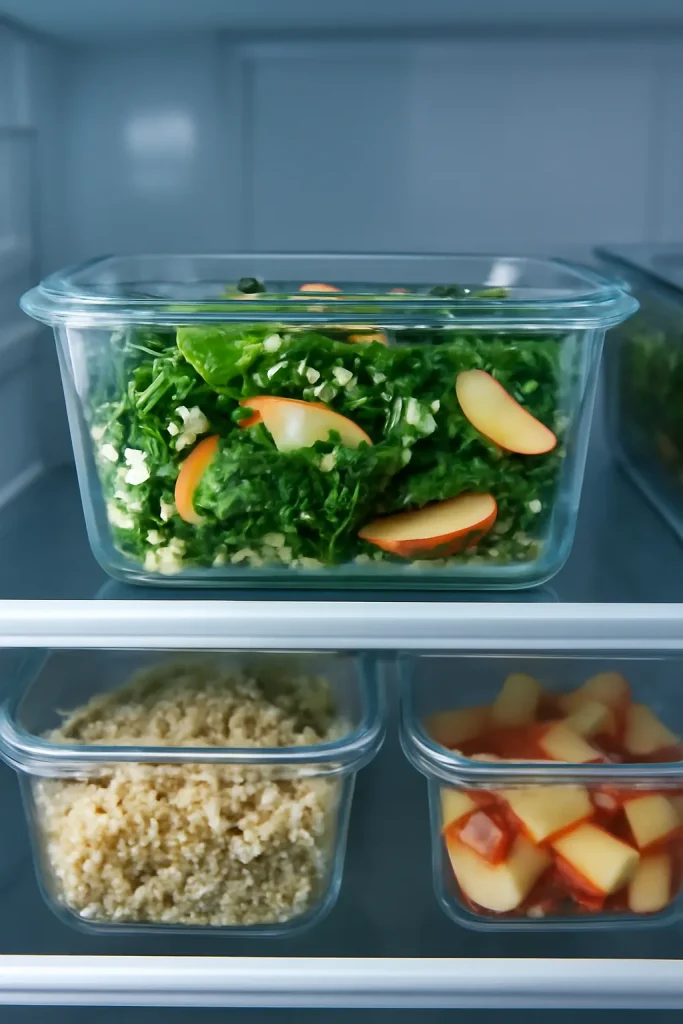
This salad earns its place in your regular rotation because it solves the most annoying problem with meal prep: the food actually tastes good enough that you want to eat it. There’s no willpower required, no suffering through something mediocre because you prepped it. You’ll make this once, fall into the routine of Sunday prep, and realize you’ve accidentally solved the “what’s for lunch” question for an entire week.
Start with the exact recipe, make it once or twice, and then begin experimenting with the variations. The framework is so solid that it accommodates customization beautifully. Add seasonal vegetables, swap the nuts, change the cheese—it all works because the base of massaged kale, properly cooked quinoa, and a bright lemon dressing is genuinely delicious on its own.
Your future self will be grateful every single morning when you open the refrigerator and see containers of this salad waiting. You’ll save money compared to buying lunch out, you’ll eat better nutrition than most restaurant salads offer, and you’ll reclaim a small amount of mental energy by removing the “what should I eat” question from your weekdays. That’s the real magic of good meal prep—it’s not about deprivation or discipline, it’s about setting yourself up to make the best choice the easiest choice.
