



Meal prep doesn’t have to mean boring, repetitive lunches. When you build your week around beef meal prep bowls, you’re committing to a simple truth: good food that actually tastes exciting is the difference between sticking with your goals and giving up by Wednesday. These bowls deliver serious protein, flexible customization, and the kind of flavors that make you want to eat lunch instead of scrolling through takeout apps.
The beauty of beef bowls is their simplicity paired with endless variety. Ground beef cooks in minutes, absorbs every flavor you throw at it, freezes beautifully, and costs less than most restaurant meals. Whether you’re building muscle, managing portions, or just tired of decision-making on weeknights, beef bowls solve multiple problems at once. You prep once, eat well all week, and actually enjoy every bite.
Let’s walk through exactly how to build beef meal prep bowls that fit your schedule, your taste preferences, and your nutritional goals.
Why Ground Beef Is the Meal Prep Powerhouse
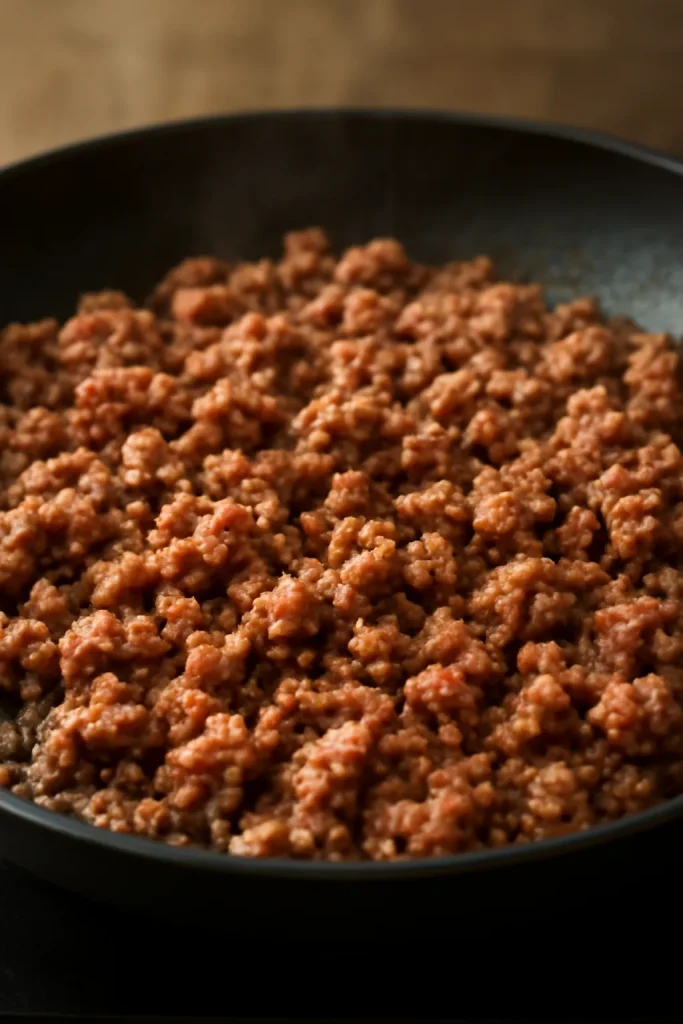
Ground beef has earned its place in meal prep for solid reasons. Unlike whole cuts that require careful trimming and precise cooking temperatures, ground beef is forgiving, fast, and transformative. It browns in about 6 minutes, absorbs marinades and sauces instantly, and delivers substantial protein with minimal fuss.
A single pound of lean ground beef (90/10 blend) provides roughly 90 grams of protein total—enough for 3-4 generous portions depending on how you’re building your bowls. Beyond protein, ground beef delivers B vitamins, iron, and zinc, all the nutrients that get depleted when you’re busy and stressed. Those micronutrients matter for energy and recovery in ways that cheap protein options simply don’t provide.
The cost-to-nutrition ratio of ground beef is genuinely hard to beat. While chicken breast might seem cheaper per pound, when you factor in prep time and how much you’re actually eating, beef delivers better value. You’re buying real nutrients, not just calories.
Why Ground Beef Reheats Better Than You’d Expect
Most people assume ground beef dries out when reheated. That’s only true if you’ve cooked it wrong in the first place. Beef that’s been cooked gently, coated in sauce, and stored properly stays tender and juicy through the entire week. The sauce is the secret—it clings to the meat and protects it during reheating.
Choosing the Right Lean Ratio
The 85/15 and 90/10 blends are your sweet spots for meal prep. Anything leaner (93/10 or higher) tends toward dry and mealy when reheated. The small amount of fat in the 85/15 blend keeps things moist and actually tastes better. If cost is tight, 80/20 works fine—you’ll just drain a bit of excess fat after browning, which takes 30 seconds.
Building Your Bowl Foundation: The Base Layer

Every beef bowl needs a foundation that gives it structure and absorbs all those delicious pan juices. Your base choice dramatically affects the final meal’s nutrition, texture, and how well it reheats. This is where you set the tone for the entire bowl.
Brown rice is the classic choice because it’s neutral, absorbs flavors, reheats perfectly, and offers whole-grain benefits. Cook it using an Instant Pot or rice cooker while you’re working on other components—it requires zero attention and finishes exactly when you need it.
White rice works equally well if you prefer a lighter texture or faster cooking time. It’s more neutral in flavor than brown rice, making it ideal when you’re building bold, spicy bowls where you want those flavors to shine without competition.
Cauliflower rice transforms your bowls into a low-carb option without changing the formula. Frozen cauliflower rice goes straight into containers and reheats alongside your beef mixture. You get all the satisfaction with 75% fewer carbs.
Alternative Bases Worth Trying
- Quinoa adds extra protein and a subtle nuttiness that pairs beautifully with Mediterranean or Asian flavors
- Noodles (soba, rice, or ramen noodles) create a completely different eating experience while staying just as meal-prep friendly
- Roasted potatoes or sweet potatoes make the bowl more substantial and add natural sweetness that balances spicy seasonings
The key is cooking your base separately, letting it cool, then portioning it into containers. When you top it with warm beef later in the week, the heat distributes evenly without drying anything out. This simple step is why restaurant-quality meal prep works—each component stays properly textured.
The Flavor Profile Approach: Korean-Inspired Bowls
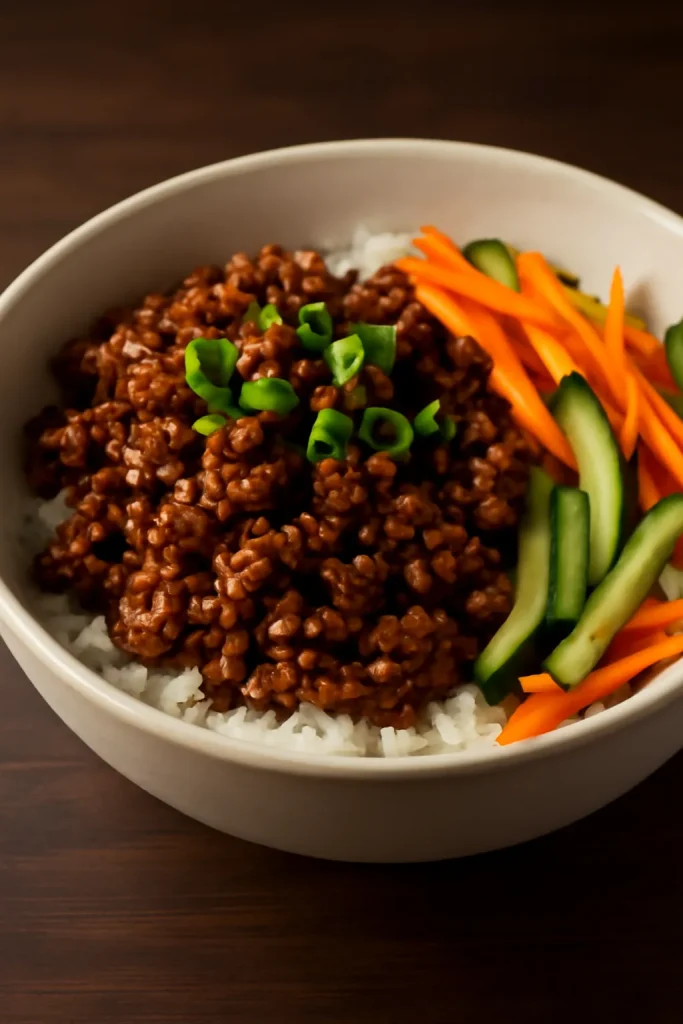
Korean beef bowls have taken over meal prep for good reason—the combination of savory, slightly sweet, and deeply satisfying is almost foolproof. The classic approach uses ground beef with a simple sauce built on soy sauce, ginger, garlic, brown sugar, and sesame oil.
Brown 1 pound of ground beef over medium heat while mincing 3 cloves of garlic and 1-2 tablespoons of fresh ginger. Once the beef is cooked through, set it aside and make your sauce: whisk together ¼ cup soy sauce (reduced sodium works perfectly), 2 tablespoons brown sugar, 2 teaspoons sesame oil, ¼ teaspoon ground ginger, and a pinch of red pepper flakes for subtle heat.
Pour this sauce back over the beef and let it simmer for another minute. The sauce reduces slightly, becoming glossy and coating every bite. This entire process takes less than 15 minutes, and you’ve got 4 servings of deeply flavorful beef that reheats beautifully.
Why This Flavor Profile Works for Meal Prep
The sweetness from brown sugar keeps the beef from tasting one-note or bland when reheated. Sesame oil adds aromatic depth that reminds your palate that this is actually special food, not just leftovers. The soy sauce provides salt and umami—that savory quality that makes you keep eating.
Top these bowls with steamed broccoli florets, sliced green onions, and a sprinkle of sesame seeds. The crunch of fresh green onions and seeds provides texture contrast that makes the meal feel complete and carefully composed, even though you’re eating it from a container.
The Spicy Route: Mexican-Inspired Beef Bowls
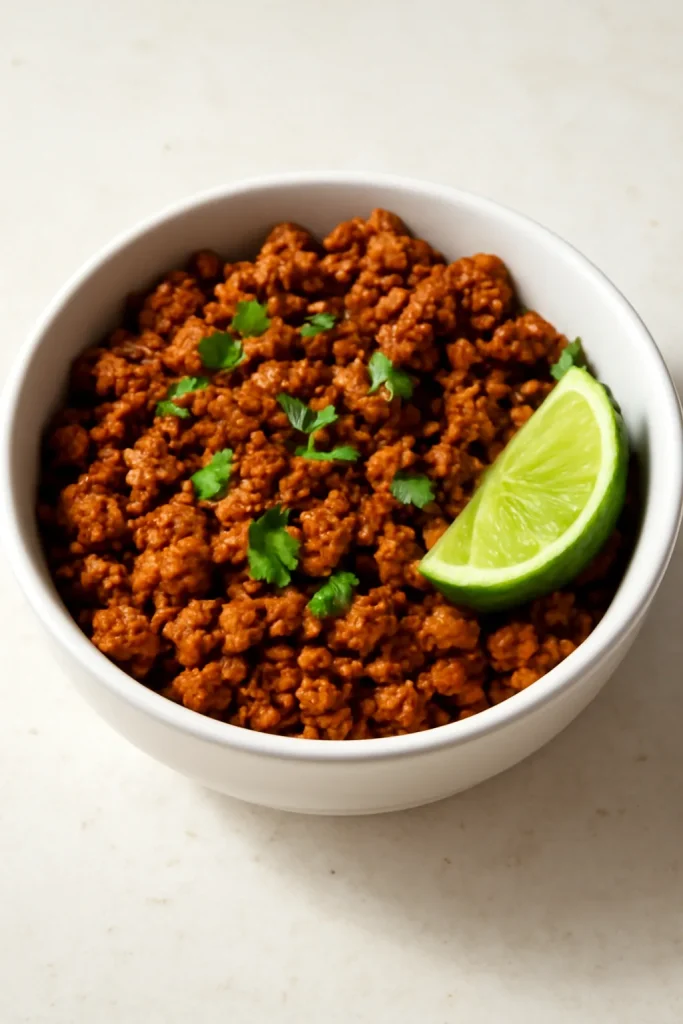
If Korean flavors aren’t calling you, Mexican-inspired beef bowls deliver completely different satisfaction. These use taco seasoning, cumin, lime, and cilantro as the flavor foundation, creating something bright, punchy, and fun to eat.
Cook your ground beef and add a packet of taco seasoning with about ⅔ cup water. Let it simmer until most of the liquid absorbs and you’re left with seasoned, moist beef rather than dried-out crumbles. Some people add a tablespoon of tomato paste, which deepens the flavor and adds moisture.
Your toppings become the star here: black beans, corn (roasted for extra flavor), diced tomatoes, sliced avocado, shredded cheese, cilantro, and lime wedges. The best part about this approach is that you can prep almost everything in advance—the only thing you don’t prepare early is the avocado, which you add fresh on eating day.
Why Mexican Bowls Are Incredibly Customizable
These bowls work whether you’re building a high-carb version with rice and beans, a protein-focused version with extra cheese and meat, or a lower-carb version with cauliflower rice and extra vegetables. The beef base stays the same; everything else adjusts based on your current goals and preferences.
Store the beef separately from wet ingredients like salsa and avocado. This prevents sogginess and means you can assemble bowls exactly the way you want them on eating day. It’s not laziness—it’s strategy that keeps food tasting fresh all week.
The Asian Fusion Approach: Ginger Ground Beef Bowls
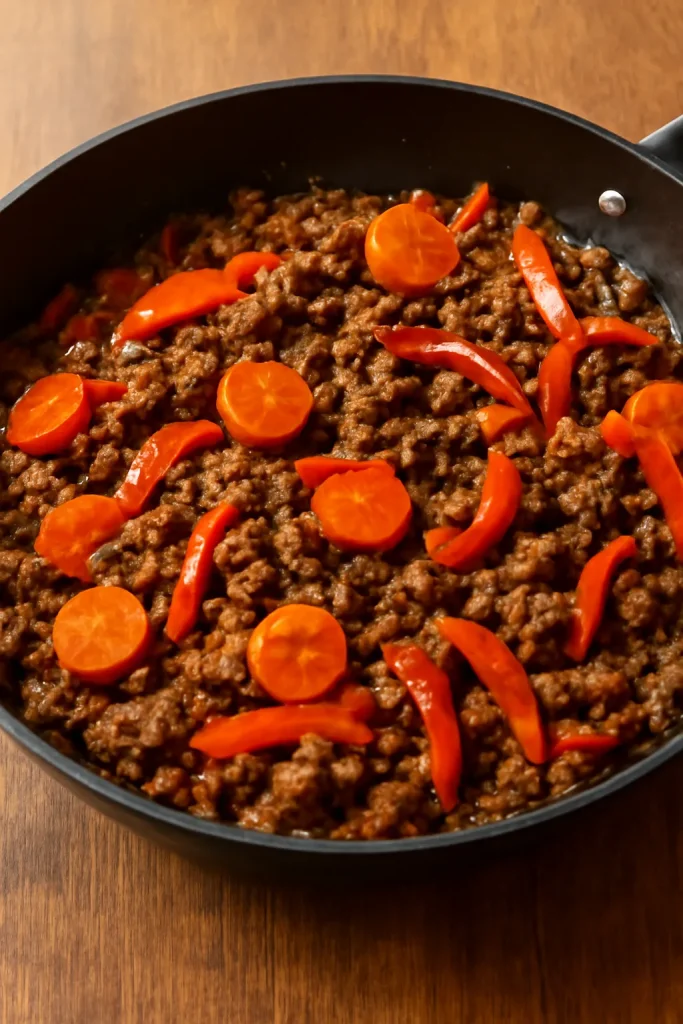
For something a bit different from standard Korean bowls, ginger beef bowls amp up the fresh ginger and add complementary vegetables that cook right alongside the meat. This approach gives you tender carrots and bell peppers infused with ginger flavor, creating a complete meal in one pan.
Dice your vegetables finely—2 medium carrots and 1 red bell pepper, cut small so they cook quickly and absorb flavor. Brown your ground beef first (2 pounds for heartier portions), then reduce heat and add minced garlic and ginger to a small well in the center of the pan. Sauté for 30 seconds until fragrant, then add your vegetables.
The magic sauce combines ½ cup coconut aminos (or soy sauce if you prefer), 1 tablespoon sesame oil, 1 teaspoon onion powder, 1 teaspoon crushed red pepper flakes, and 1 teaspoon fish sauce. Fish sauce sounds intimidating if you’ve never used it, but it adds umami depth that makes people say “this tastes amazing but I can’t figure out why.” It’s the secret ingredient that separates good from great.
Cook the vegetables for 6-8 minutes until they’re tender but still have slight texture. The beef and vegetables combine into a single cohesive mixture that you portion over rice or cauliflower rice.
The Fish Sauce Question
If the idea of fish sauce genuinely upsets you, skip it. The bowl will still be delicious. But if you’re willing to take the leap, it transforms the entire flavor profile into something that tastes more complex and restaurant-quality. It’s one of those ingredients that proves good food is about balance, not individual ingredients being dramatic by themselves.
The Mediterranean Direction: Herb and Spice Beef Bowls
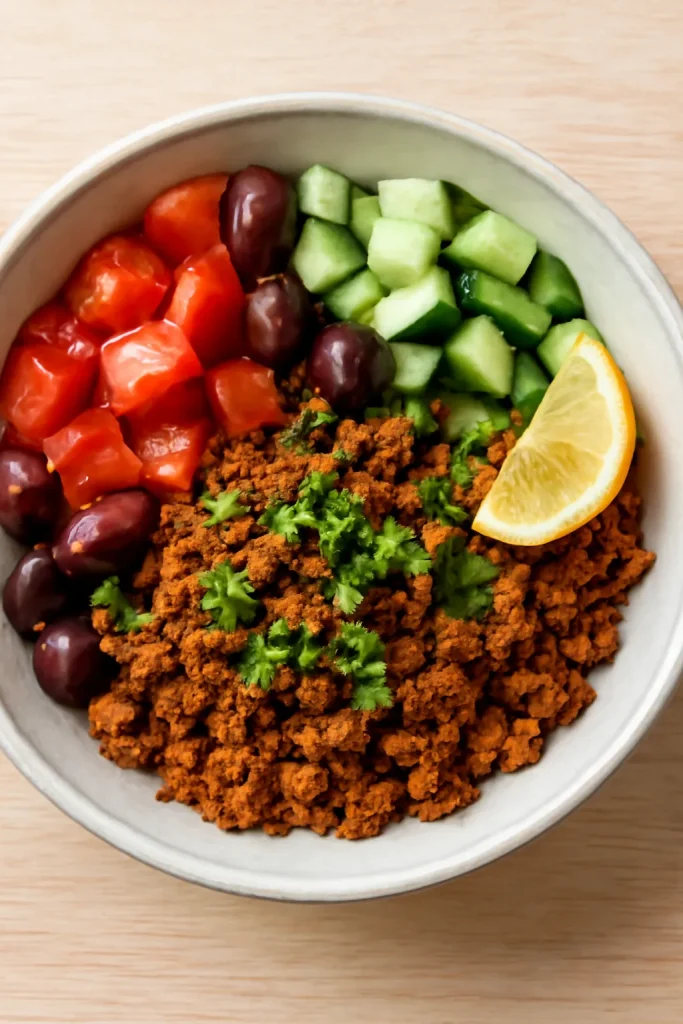
Not every beef bowl needs to follow Asian templates. Mediterranean flavors—cumin, paprika, fresh herbs, and citrus—create completely different bowls that feel lighter and brighter while staying hearty.
Brown your ground beef with diced onion and garlic, then season with 1 teaspoon cumin and 1 teaspoon paprika. Add fresh tomatoes, kalamata olives, and diced cucumber. Finish with fresh cilantro and a squeeze of lemon.
These bowls pair beautifully with quinoa instead of rice, adding protein and a subtle nuttiness. Serve with a dollop of hummus stirred into the base. The result feels Mediterranean and sophisticated while requiring the exact same prep effort as any other bowl.
This flavor profile is particularly good for people who are tired of the Asian takeout bowl experience. It’s genuinely different, still uses ground beef as the hero, and introduces you to seasoning combinations you might not have considered for bowls before.
Hot Honey Beef Bowls: The Sweet and Spicy Twist
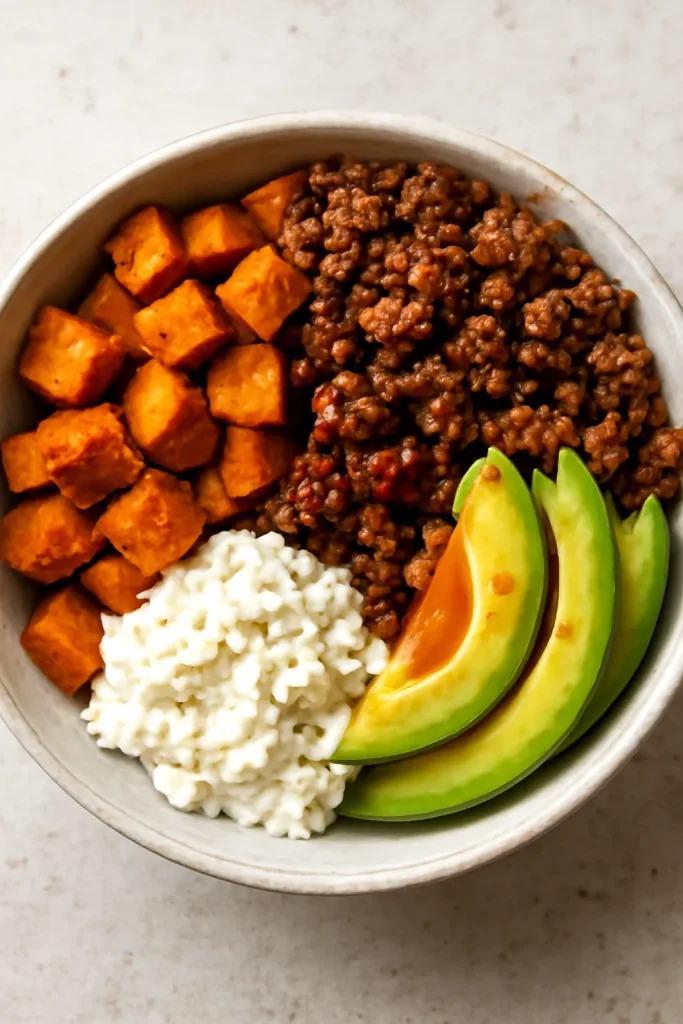
A newer trend in beef bowl culture combines roasted sweet potatoes, seasoned ground beef, creamy cottage cheese, fresh avocado, and drizzled hot honey. This might sound like an odd combination, but the sweet-spicy-creamy-savory balance creates something genuinely addictive.
Roast your cubed sweet potatoes at 425°F for about 30 minutes, tossing halfway through. Season them with salt, pepper, and a pinch of cinnamon. While they roast, brown your ground beef with taco seasoning and tomato paste.
Assemble by layering roasted sweet potatoes, seasoned beef, a generous scoop of low-fat cottage cheese (trust me on this—the creaminess is exactly what these bowls need), sliced avocado, and a drizzle of hot honey. The hot honey can be store-bought or homemade (just warm honey with red pepper flakes stirred in).
Why This Combination Actually Works
The sweetness of roasted sweet potatoes creates a canvas for the spice. The cottage cheese adds creaminess without heaviness. Avocado brings richness and smooth texture. The hot honey drizzle ties everything together with a sweet-spicy finish. Each component has a job, and together they create something greater than the sum of parts.
These bowls pack about 42 grams of protein per serving, making them genuinely filling and appropriate for muscle-building or just staying satisfied through your afternoon.
Mastering the Batch Cooking Method
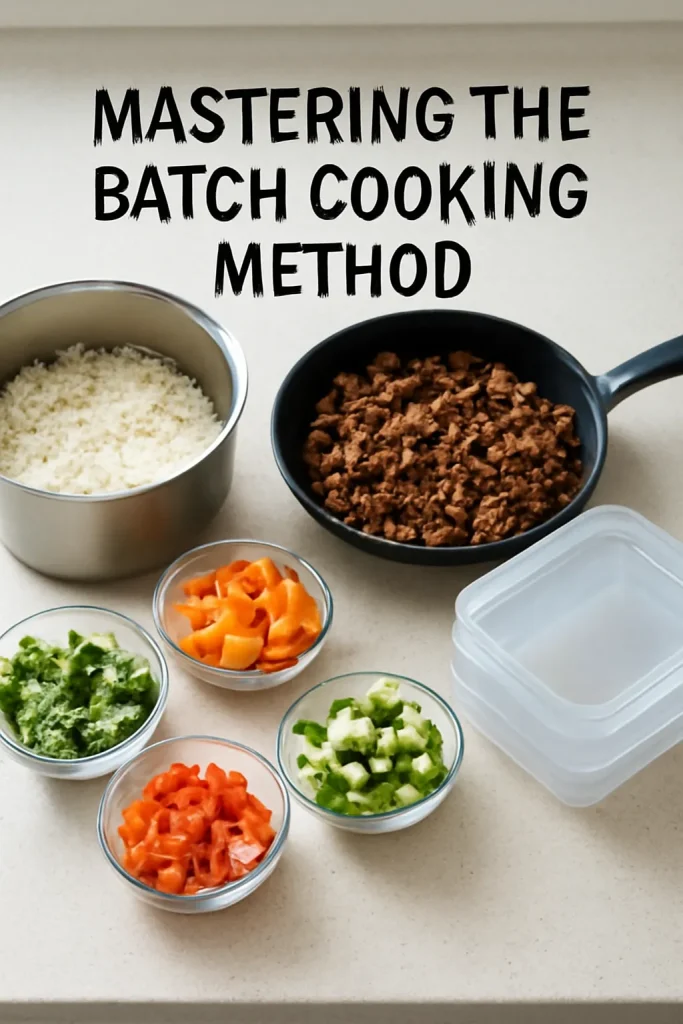
The difference between “I’ll make these bowls” and “I actually have beef bowls for the whole week” is organization. Batch cooking requires a simple system that prevents burnout.
Pick your day: Sunday afternoon is classic, but honestly any day works. What matters is consistency. If Sunday works, protect that time like it’s a real appointment.
Start with rice: Get your grain of choice on the stove or in your Instant Pot immediately. It needs the most hands-off time, so it should be first. While that’s going, prep your other components.
Prep vegetables next: Wash, peel, and chop everything you’ll need. This actually takes longer than cooking, so doing it early prevents you from standing around waiting at the end.
Cook your beef mixture: While vegetables finish prepping, brown your beef. Add seasonings and sauce in the final minutes. Let everything cool slightly.
Assemble if your time allows, or just portion components: If you have 15 extra minutes, assemble everything into containers. If you’re tired, portion components separately and assemble on eating days. Both work perfectly—it’s just about what fits your energy level.
The entire process takes 45-60 minutes for 4-5 servings. You’re not spending hours in the kitchen. You’re using dedicated time efficiently.
Equipment That Actually Helps
A large skillet or Dutch oven (at least 5 quarts) prevents overflow and makes turning meat easy. A good chef’s knife saves minutes on vegetable prep—a dull knife is actually slower and more dangerous. Glass meal prep containers with snap lids stack neatly, reheat evenly, and don’t absorb flavors or stains. Buying these things isn’t fancy—it’s practical investment in a system you’ll actually use.
Storage and Food Safety: Keeping Everything Fresh
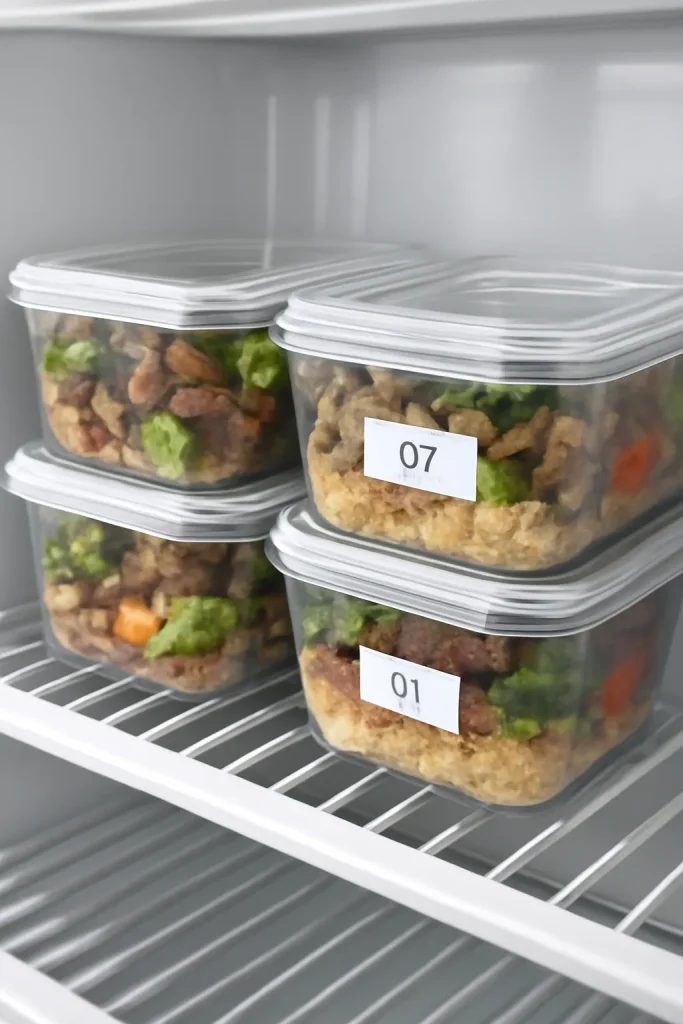
Properly stored beef bowls stay fresh and safe for up to 4 days in the refrigerator when stored in airtight containers. The key is cooling everything completely before sealing—hot food creates steam that promotes bacterial growth and soggy textures.
Let your cooked beef cool for 15 minutes at room temperature before portioning into containers. If you’ve made rice, spread it on a clean plate or sheet pan to cool faster. This isn’t being fussy—it’s basic food safety that also improves texture.
Label everything with the date you prepped it. Use masking tape or a permanent marker directly on the container. This takes 15 seconds and completely eliminates guessing games about whether something’s still good.
Freezing for Extended Storage
If you want to stretch your meal prep across two weeks, freeze half your portions. Beef bowls freeze beautifully for up to 3 months. Store components in airtight, freezer-safe containers, and thaw overnight in the refrigerator before reheating.
The best approach: keep 4 days in the fridge, freeze the rest. By day 4, you can thaw day 5’s meal and continue eating your beef bowls without any disruption.
Reheating Without Drying Everything Out
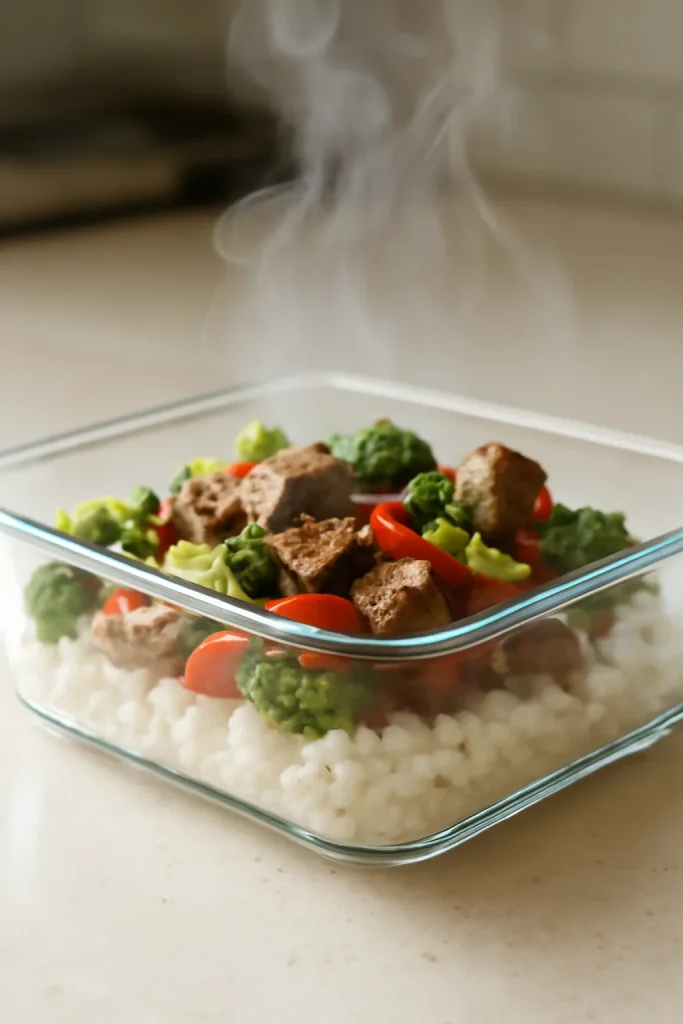
The secret to perfect reheating is adding moisture back. Drizzle 1-2 tablespoons of water or broth over your beef and rice before covering loosely with the container lid (don’t seal it tight—you want steam to escape).
Microwave on high for 90 seconds, then stir and continue heating in 30-second increments until everything is hot. This takes 2-3 minutes total and produces restaurant-quality results. The brief burst of steam rehydrates everything without overcooking.
Alternatively, reheat on the stovetop in a large skillet over medium heat. Stir occasionally and add a splash of water if things stick. This gives you more control and often produces better texture, though it requires more active attention.
Never use high heat for leftovers. It dries out the beef and can overcook vegetables. Medium or medium-high is always better.
Customization Strategies: Making Them Truly Yours
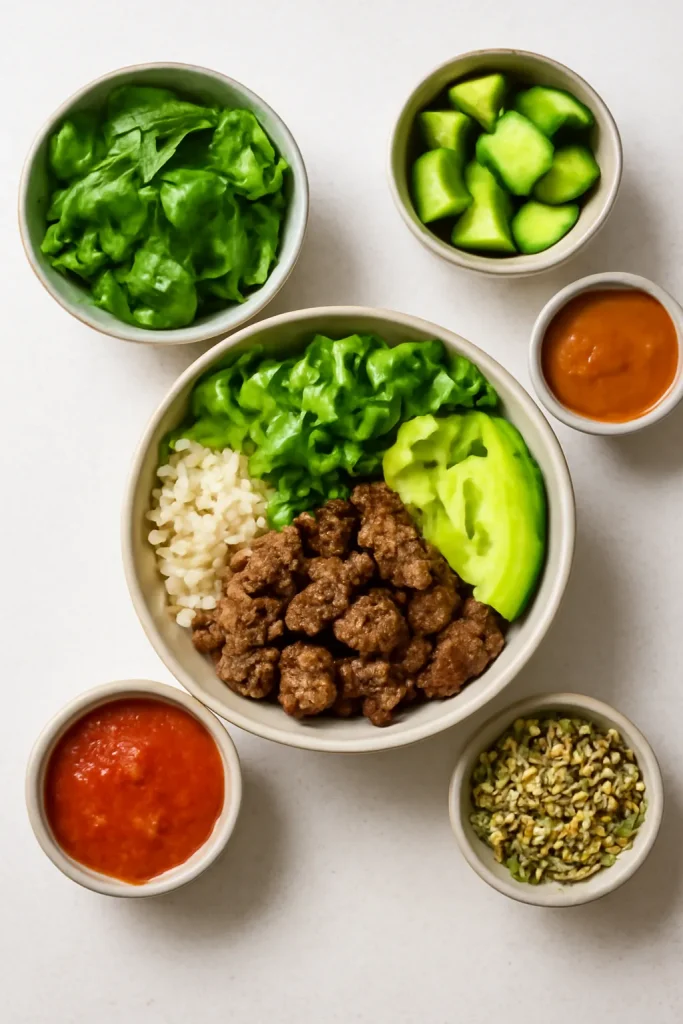
The real power of beef bowls is that once you understand the formula, you can build infinite variations. You’re not locked into specific recipes—you’re learning a system.
Start with your base: rice, quinoa, noodles, or cauliflower rice.
Choose your protein seasoning: Korean (soy-ginger-sesame), Mexican (cumin-chili-lime), Asian fusion (fish sauce-ginger), Mediterranean (paprika-cumin), or hot honey (taco seasoning-honey).
Add your vegetables: These can be cooked into the beef or raw as toppings. Carrots, bell peppers, broccoli, snap peas, mushrooms, or green beans all work beautifully.
Pick your toppings: Green onions, cilantro, sesame seeds, avocado, fresh lime juice, cheese, or hot sauce. These are what take a meal from “fine” to “I actually look forward to eating this.”
Making Low-Carb Versions
Swap white rice for cauliflower rice or double your vegetable portions. Use 93% lean ground beef instead of 85/15. Everything else stays the same. You’re now eating roughly half the carbs with the same amount of protein.
Gluten-Free Adjustments
Replace soy sauce with tamari, which is naturally gluten-free and tastes virtually identical. Check your other seasonings—most are fine, but some store-bought taco seasoning blends include wheat. Making your own seasoning blend takes 2 minutes and costs less than buying pre-made.
The Nutrition Reality: What You’re Actually Getting
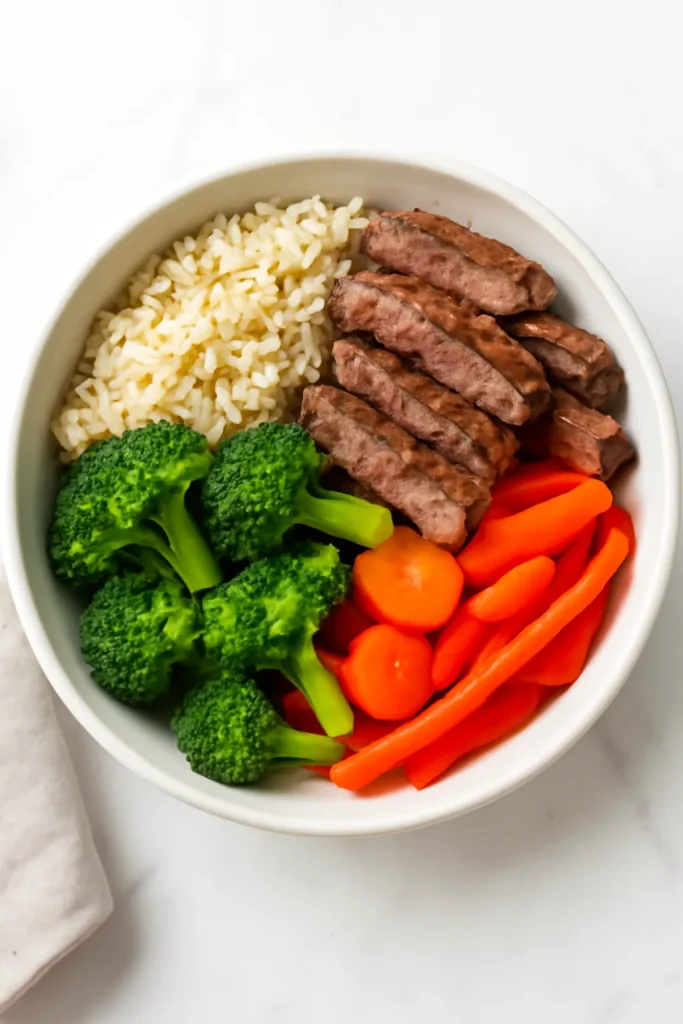
A typical beef bowl with 1 pound of 85/15 ground beef, 2 cups cooked rice, and vegetables contains approximately 2,500 calories and 90 grams of protein across 4 servings. That breaks down to 625 calories and 22 grams of protein per serving—proper macros for muscle building or general health.
If you’re building cauliflower rice versions instead, you’re looking at roughly 450 calories and 25 grams of protein per serving, with the same amount of beef and vegetables. The carb difference is meaningful if you’re managing blood sugar or trying to lose weight while keeping protein high.
Ground beef at 85/15 provides 12-15 grams of fat per serving, which includes saturated fat. This isn’t something to fear—that fat carries fat-soluble vitamins and keeps you genuinely satisfied. People on super-low-fat diets get hungry because fat is what creates satiety.
The actual nutrition is secondary to consistency, though. A bowl you’ll actually eat all week beats a “perfect” bowl that makes you quit by Wednesday. Optimize for food you enjoy first, nutrition second.
Final Thoughts
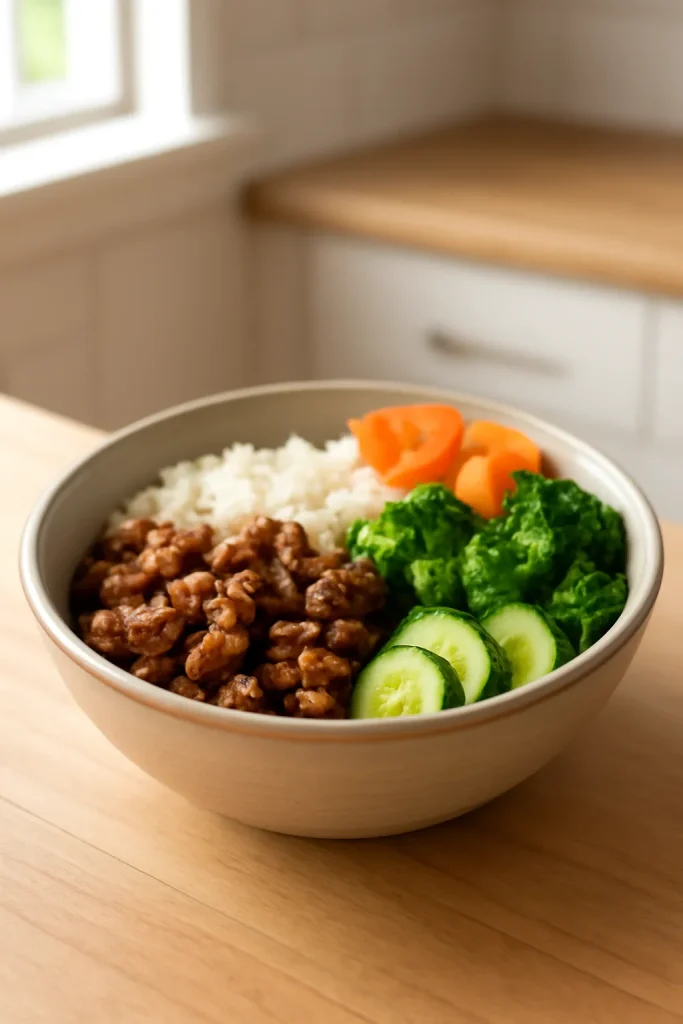
Beef meal prep bowls are genuinely the simplest way to solve the “what am I eating” problem for an entire week. They require zero special skills, work beautifully with freezing, taste better than most restaurant meals, and actually cost less when you do the math.
Start with whichever flavor profile appeals to you most. Don’t worry about perfection—just get one batch in your fridge. Once you’ve done it once, you’ll realize there’s nothing complicated about the process. It’s actually just browning beef, cooking rice, and putting them in containers.
By next week, you’ll be the person at work who brought interesting, genuinely delicious lunch while everyone else is figuring out where to order. That’s not luck—that’s just spending 60 minutes on Sunday doing something that pays dividends all week long.
