



Italian food doesn’t need to be complicated, and that’s precisely what makes it so brilliantly adaptable to busy weeknights. Whether you’re juggling work, kids, or just a crammed calendar, the magic of Italian cuisine lies in its philosophy of simplicity — a handful of quality ingredients, straightforward techniques, and meals that come together faster than you’d expect. The beauty is that you don’t need a culinary degree or hours of prep time to serve your family something genuinely delicious that tastes like you’ve been simmering it all afternoon.
What separates authentic Italian cooking from other cuisines is this commitment to doing more with less. Rather than relying on complex sauces or elaborate plating, Italian dinners succeed because they respect the ingredients themselves. A perfectly ripe tomato, good quality olive oil, fresh basil, and properly cooked pasta — that’s not simplicity born from laziness, it’s simplicity born from confidence. When you taste real Italian food made right, you realize that less is genuinely more, and that’s exactly what makes these dinners approachable for anyone, regardless of cooking experience.
The eight dinners in this collection represent different cooking styles and ingredient combinations, but they all share one thing: they’re genuinely easy to execute, they deliver serious flavor, and they’re the kind of meals you’ll want to make repeatedly, not just once. Some take less than thirty minutes start to finish, while others are set-and-forget dishes that give you the evening back. All of them are designed so you can pull ingredients from your pantry or a quick grocery run, skip the fancy equipment, and have dinner on the table without stress or shortcuts that compromise taste.
This isn’t about trendy restaurant interpretations or “modern twists” on tradition — this is about time-tested, family-friendly Italian food that works on real weeknights. Let’s dig into eight dinners worth trying this week.
1. Spaghetti Carbonara with Crispy Pancetta
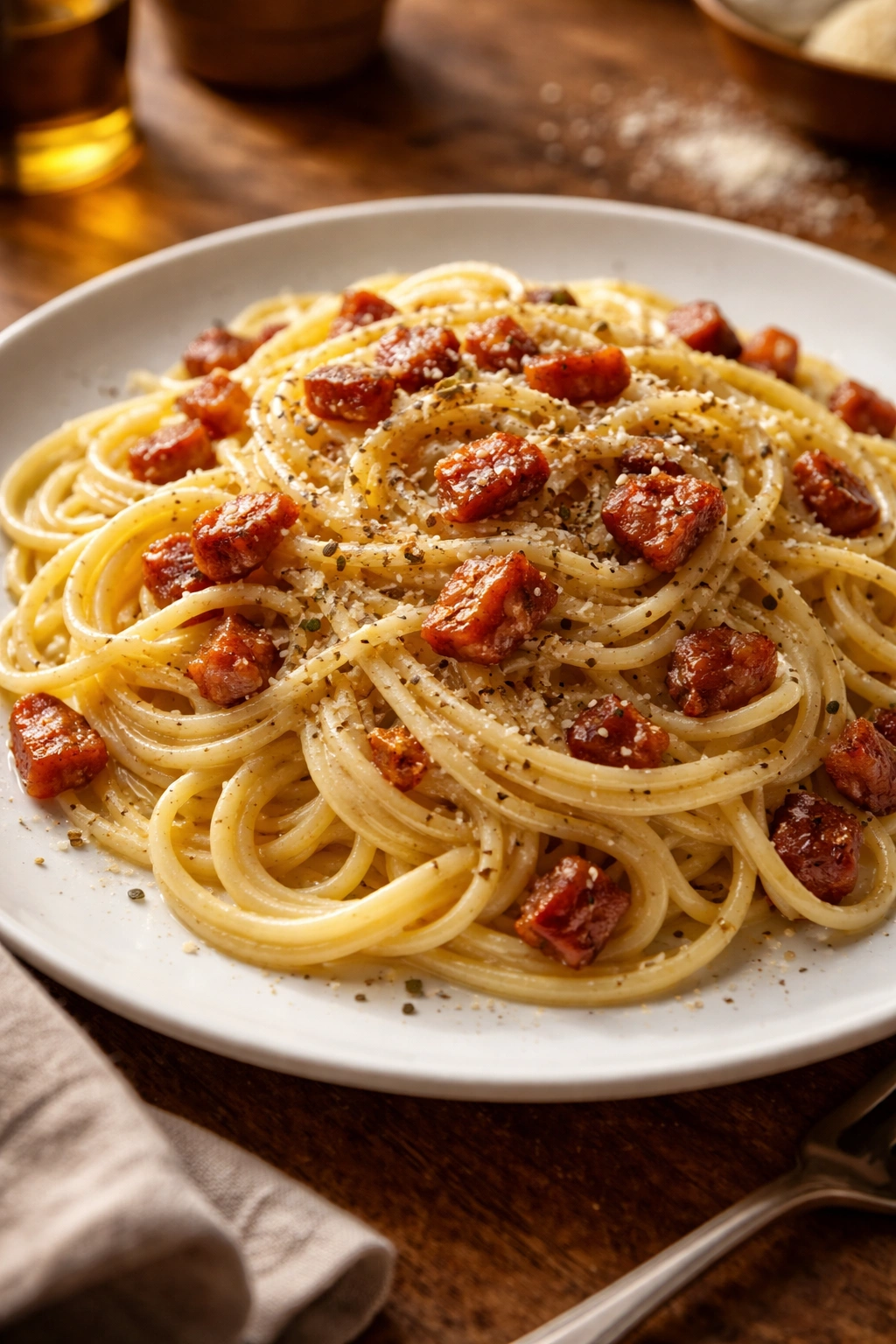
Carbonara sits at the intersection of simple and elegant, which is exactly why it’s become such a reliable weeknight go-to in homes across Italy and beyond. The dish relies on a perfectly balanced sauce made from eggs, cheese, and rendered pancetta fat — no cream required, despite what many restaurant versions suggest. When made correctly, the heat of the hot pasta cooks the eggs into a silky, luxurious sauce that coats every strand without scrambling. It’s the kind of dish that tastes indulgent while actually being straightforward enough to pull off on a Tuesday night.
The critical part of carbonara isn’t finding rare ingredients or buying specialty equipment — it’s understanding the technique. The eggs need to be combined with grated cheese and a splash of pasta water before the hot pasta ever touches them, and the whole mixture needs to come together off the heat. This prevents the eggs from scrambling and keeps the sauce impossibly smooth. Many home cooks skip this step and end up with a lumpy, cooked-egg texture, which is why carbonara has a reputation for being tricky. It’s not tricky; it’s just particular.
Why This Works for Weeknights
Carbonara takes approximately 20 minutes from start to finish, which means it fits into any schedule. You’ll need spaghetti (or another long pasta), pancetta or guanciale if you can find it, eggs, and Pecorino Romano or Parmigiano-Reggiano. Nothing requires advance prep, and everything is likely already in your kitchen or a quick stop at the store. The ingredient list is shorter than most recipes you’ll consider for dinner, which makes this one mentally easy to plan and execute.
How to Make It Right
- Cook the pancetta in a large skillet over medium heat until the fat renders and the edges become crispy, about 5 minutes
- Add the spaghetti to boiling salted water and cook according to package directions until al dente
- While the pasta cooks, whisk together 4 egg yolks and 1 whole egg with 1 cup grated Pecorino Romano and plenty of cracked black pepper
- Drain the pasta, reserving 1 cup of pasta water, then immediately add it to the skillet with the pancetta fat (off heat)
- Pour the egg mixture over the hot pasta and toss constantly, adding pasta water a splash at a time, until the sauce becomes creamy and coats the pasta
- Taste, adjust seasoning, and serve immediately with extra cheese and pepper
The payoff is a dinner that tastes like something you’d order at a proper Roman trattoria, made in your own kitchen in the time it takes to watch a couple of television episodes.
2. Chicken Piccata with Lemon and Capers
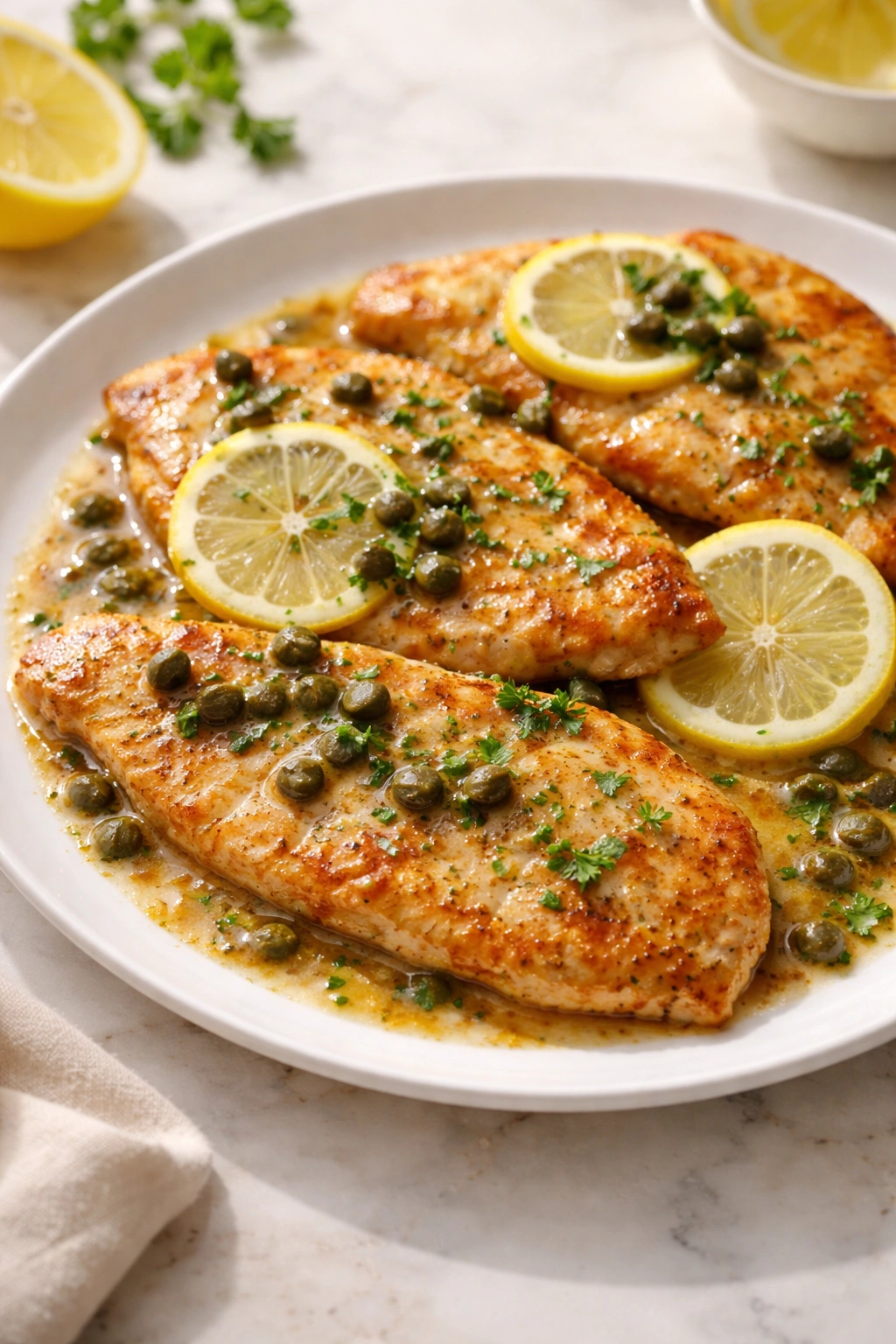
Chicken piccata represents Italian cooking at its most straightforward — thin chicken cutlets pan-fried until golden, then finished with a bright, acidic pan sauce made from white wine, lemon juice, and briny capers. The whole dish comes together in about 25 minutes, and the flavor profile is clean and sophisticated enough that it works for both family dinner and impressing guests. The chicken itself cooks so quickly that it stays tender, and the sauce is light enough that you don’t feel weighed down afterward.
The technique here is almost as important as the ingredients. You’ll pound chicken breasts thin (about a quarter-inch) so they cook through in just a couple of minutes per side. This is where many home cooks hesitate, but pounding chicken is genuinely one of the easiest kitchen skills, and once you do it, you open up an entire category of quick, elegant dinners. The sauce comes together directly in the same pan, which means minimal cleanup and maximum flavor from the browned bits left behind from cooking the chicken.
What Makes It Special
The combination of lemon and capers creates a bright, salty, slightly tangy sauce that feels restaurant-quality but requires no special technique. Capers are essentially the entire flavor workhorse here — they provide salt, brininess, and acidity without needing to be cooked down or intensified. Lemon juice added at the very end stays bright and doesn’t cook away, and the white wine adds body and a subtle sweetness that balances the acid. This is the kind of dinner that tastes more involved than it actually is.
Simple Method
- Pound boneless, skinless chicken breasts to an even quarter-inch thickness
- Season generously with salt and pepper on both sides
- Heat 2 tablespoons olive oil and 1 tablespoon butter in a large skillet over medium-high heat until shimmering
- Add the chicken and cook for 2 to 3 minutes per side until golden and cooked through (don’t move it constantly; let it develop color)
- Transfer the chicken to a plate, then add 1 cup white wine and juice from 2 lemons to the same skillet
- Scrape up the browned bits on the bottom, then add 1/3 cup briny capers and a pinch of red pepper flakes
- Simmer for 2 to 3 minutes until the sauce reduces slightly and thickens
- Return the chicken to the pan to coat it in sauce, then taste and adjust seasoning
Serve over fresh pasta, rice, or with crusty bread to soak up every bit of sauce. This dinner works year-round and becomes a reliable favorite once you master the technique.
3. One-Pan Tuscan Ravioli with Beans and Vegetables
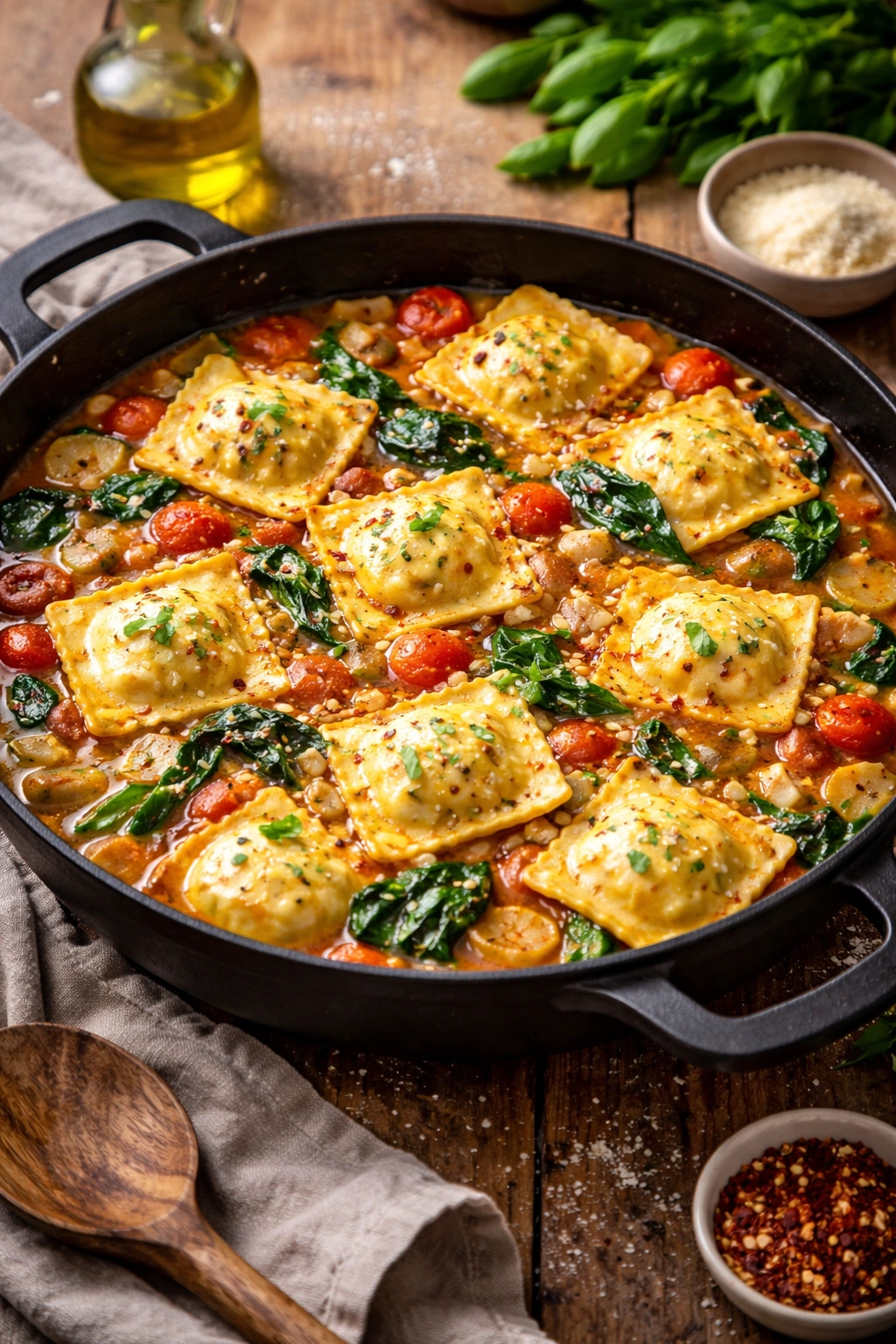
This is comfort food for people who don’t want to feel guilty about eating comfort food. Frozen ravioli gets tossed with fresh vegetables, cannellini beans, and a light tomato broth, all in a single pan, creating a meal that feels rustic and deeply Italian despite relying on a grocery store shortcut. The beauty of using frozen ravioli is that it removes the pressure of making pasta from scratch while still giving you the satisfaction of a homemade-style dinner. You’re not cheating; you’re working intelligently.
The dish comes together in about 20 minutes because you’re essentially building a one-pot meal where the ravioli cooks directly in the broth with the vegetables and beans. Everything absorbs the flavors of the tomato sauce, herbs, and garlic, and by the time it’s done, you have a cohesive, flavorful dinner that tastes like someone spent significantly more time on it. The vegetables soften while staying firm enough to maintain their texture, and the beans add protein and earthiness that makes this genuinely filling.
Why One-Pan Cooking Matters Here
One-pan meals aren’t just about reducing cleanup (though that’s nice) — they’re about building flavor efficiency. All the ingredients cook together, sharing and intensifying flavors as the liquid reduces. The ravioli releases starch into the broth, which creates a silky sauce without any cream or additional thickening. The beans absorb the tomato and garlic flavors, and by the end, you’ve created something with remarkable depth for the minimal effort involved.
Building the Dish
- Heat 2 tablespoons olive oil in a large skillet or shallow pot, then add diced zucchini, diced eggplant, sliced bell peppers, and minced garlic
- Cook for about 5 minutes, stirring occasionally, until the vegetables begin to soften
- Add a 28-ounce can of crushed tomatoes, 1 cup vegetable broth, a 15-ounce can of cannellini beans (drained), 1 teaspoon dried basil, salt, and pepper
- Bring to a gentle simmer, then add 1 pound frozen cheese ravioli directly to the liquid
- Stir gently to prevent sticking and cook for 8 to 10 minutes (follow package directions, as ravioli usually cook faster in simmering liquid than in boiling water)
- Taste, adjust seasoning, and finish with fresh basil, a drizzle of quality olive oil, and grated Parmesan
This dinner is particularly nice in fall and winter when the comfort factor matters, but it works equally well year-round because the vegetables are flexible — use whatever’s available, whether that’s fresh summer tomatoes or the contents of your crisper drawer.
4. Creamy Prosciutto Pasta with Peas
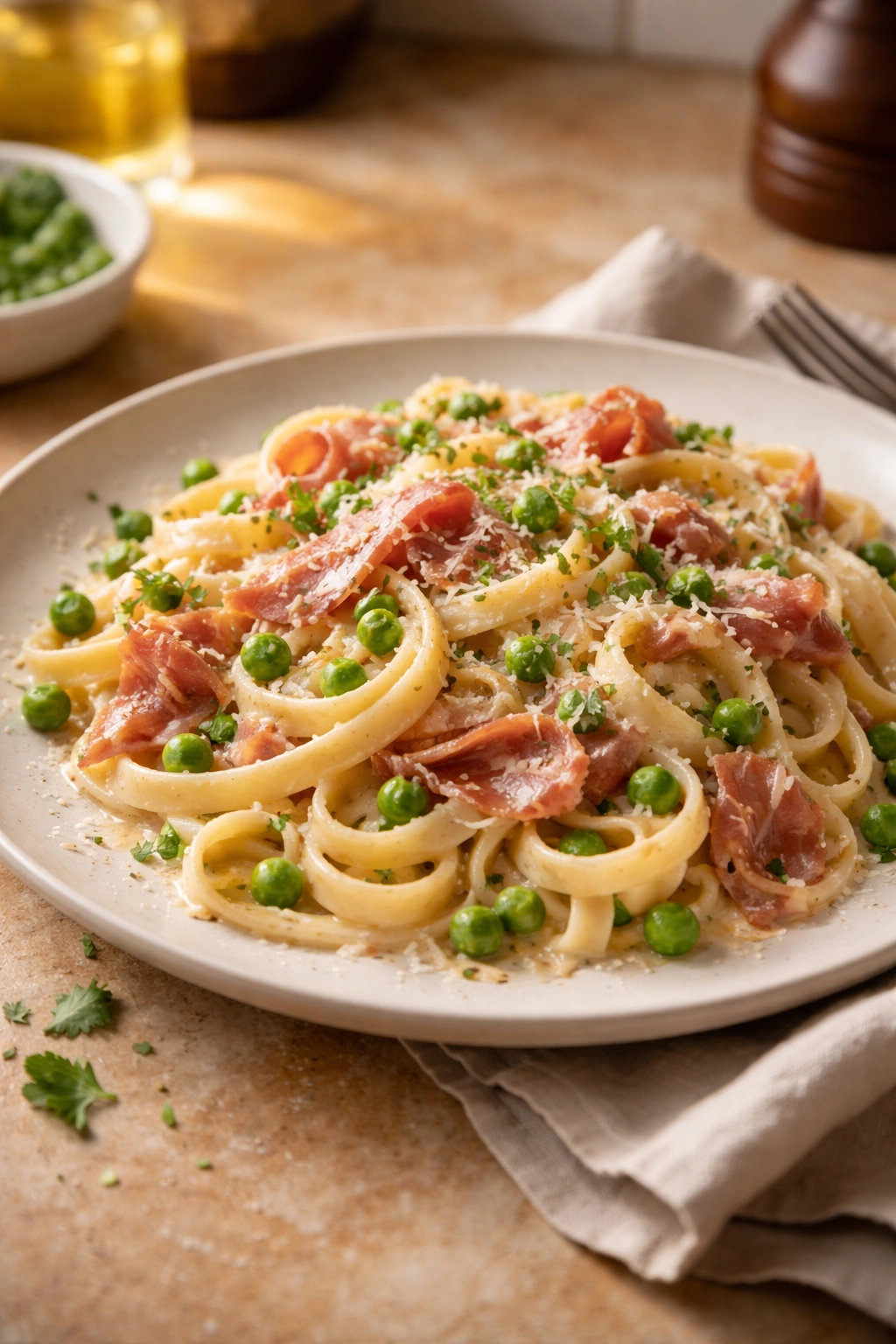
Sometimes the best dinners come together from things already in your pantry, and this pasta is the textbook example of that. Prosciutto (even the sliced deli kind), frozen peas, cream, and Parmesan come together into something unexpectedly luxurious in about the time it takes for pasta water to boil. This is the kind of dinner you make when you haven’t had time to think about meal planning but you still want something that tastes intentional and delicious, not like an afterthought thrown together from desperation.
The combination of salty, savory prosciutto with sweet peas and creamy sauce is genuinely addictive. Prosciutto renders slightly in the pan, adding richness and salty depth. The peas stay slightly firm and bright, providing contrast to the creamy sauce. It’s simple in the best possible way — straightforward enough that it feels achievable, but elegant enough that you’d feel confident serving it to people you’re trying to impress. The whole process is about 20 minutes, and most of that time you’re just waiting for water to boil and pasta to cook.
The Pantry-Friendly Advantage
This dinner works because there are virtually no fresh ingredients that can go bad or require special sourcing. The only thing with a limited shelf life is the prosciutto, and even that keeps for weeks. Frozen peas are honestly better than fresh for this application because they’re picked at peak ripeness and won’t introduce excess water into the sauce. Cream, Parmesan, and pasta are staples in most kitchens, making this a dinner you can literally make any night without advance planning.
Quick Assembly Method
- Cook 1 pound pasta (penne or similar shape works well) according to package directions, reserving 1 cup pasta water
- While pasta cooks, dice 4 ounces prosciutto and add it to a large skillet over medium heat
- Cook for 3 to 4 minutes, stirring occasionally, until the prosciutto begins to crisp and render fat
- Add 1 cup frozen peas and cook for 2 minutes until heated through
- Pour in 1 cup heavy cream and bring to a gentle simmer
- Add 1/2 cup grated Parmesan, salt, and cracked black pepper (taste before adding salt since prosciutto and Parmesan are already salty)
- Simmer for 2 to 3 minutes until the sauce thickens slightly
- Toss the drained pasta with the sauce, adding pasta water a splash at a time until you reach your preferred consistency
- Serve immediately with extra Parmesan and cracked pepper
This is genuinely restaurant-quality in terms of flavor, yet it requires no specialized ingredients or techniques. That’s the sweet spot of smart weeknight cooking.
5. Rustic Tomato and Sausage Pasta
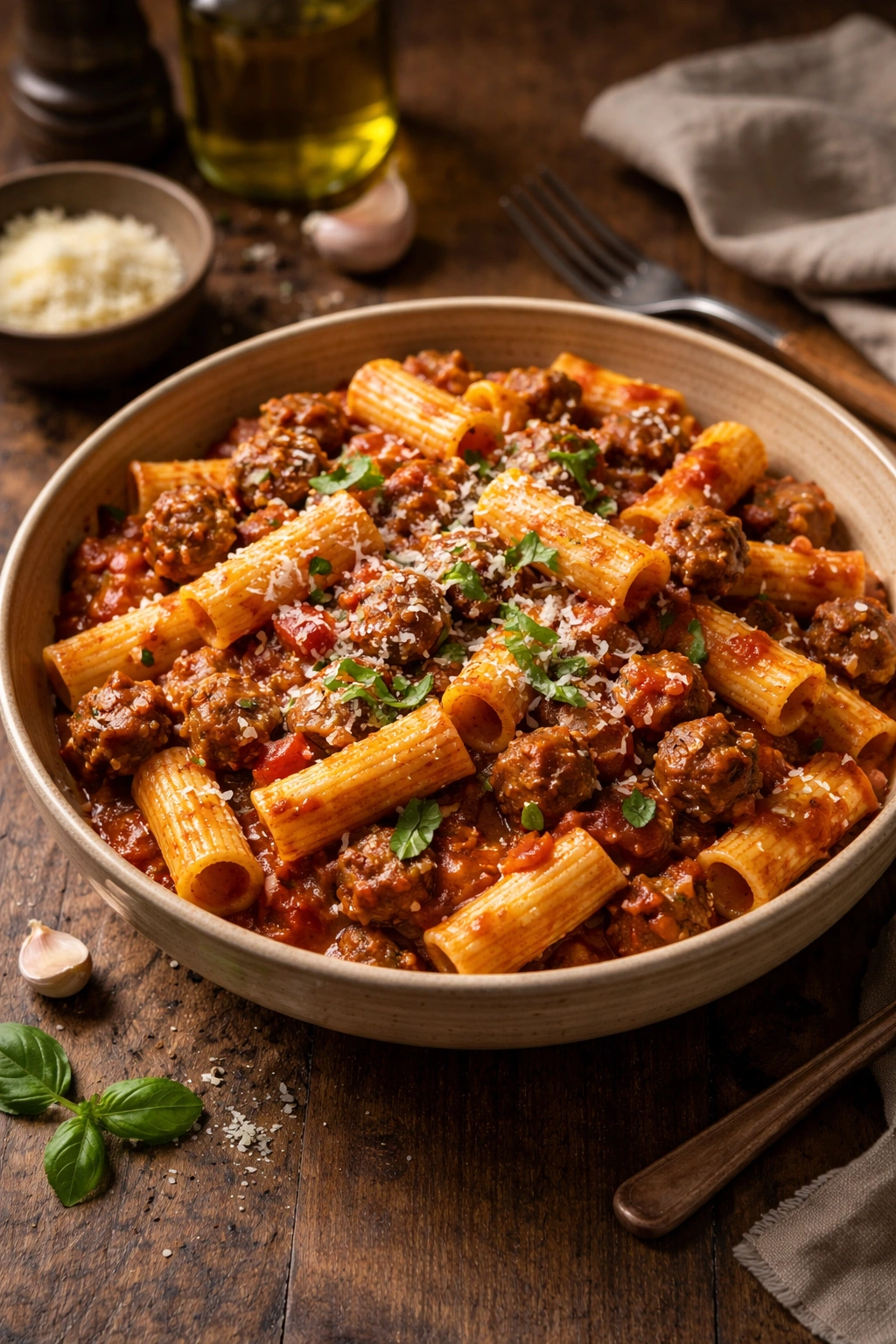
There’s something deeply satisfying about a pot of pasta with a good meat sauce, and this version uses Italian sausage instead of ground beef, which adds more flavor and fat without requiring hours of simmering. The sausage renders quickly, creating a rich, meaty base for a simple tomato sauce that comes together in about 30 minutes. This is the kind of dinner that feels like comfort in a bowl, something that becomes a reliable favorite once you’ve made it a couple of times.
The magic here is letting the sausage do most of the heavy lifting in terms of flavor. Ground meat releases fat as it cooks, which becomes the base for your sauce. Rather than cooking it in a separate pan and draining it (which loses a lot of flavor), you’re keeping that rendered fat and using it as the foundation for building everything else. The sausage also brings herbs and spices to the party — fennel, garlic, and other seasonings that are already built in — so you don’t need to do much besides add tomatoes and let it simmer.
Why Sausage Works Better Than Beef
Sausage contains more fat than ground beef, which means the sauce becomes naturally creamy and rich. The fennel seed that’s typically in Italian sausage adds a subtle sweetness that balances the acidity of tomatoes. The result is a sauce that tastes like it’s been simmering all day, even though it’s been cooking for less than half an hour. This is one of those dinners that proves that good ingredients and proper technique matter far more than time.
Building the Sauce
- Brown 1 pound Italian sausage (casings removed if it’s bulk sausage) in a large pot over medium-high heat, breaking it into small pieces as it cooks, about 5 to 7 minutes
- Add minced garlic (3 to 4 cloves) and cook for 1 minute until fragrant
- Pour in a 28-ounce can of crushed tomatoes, 1 cup beef or chicken broth, and 1 tablespoon balsamic vinegar
- Add 1 teaspoon dried oregano, 1/2 teaspoon dried basil, salt, and pepper
- Reduce heat to low and simmer, partially covered, for 15 to 20 minutes, stirring occasionally
- Taste and adjust seasoning — the sauce should taste balanced between tomato acidity and sausage richness
- Cook 1 pound pasta according to package directions and toss with the sauce
- Finish with fresh basil, grated Parmesan, and a drizzle of olive oil
The balsamic vinegar is a secret weapon here — just a small amount rounds out the flavors and adds subtle sweetness without making anything taste vinegary. This dinner improves even more if you make it earlier in the day and let the sauce sit, which gives the flavors time to marry together.
6. Sheet Pan Chicken Parmesan with Roasted Vegetables
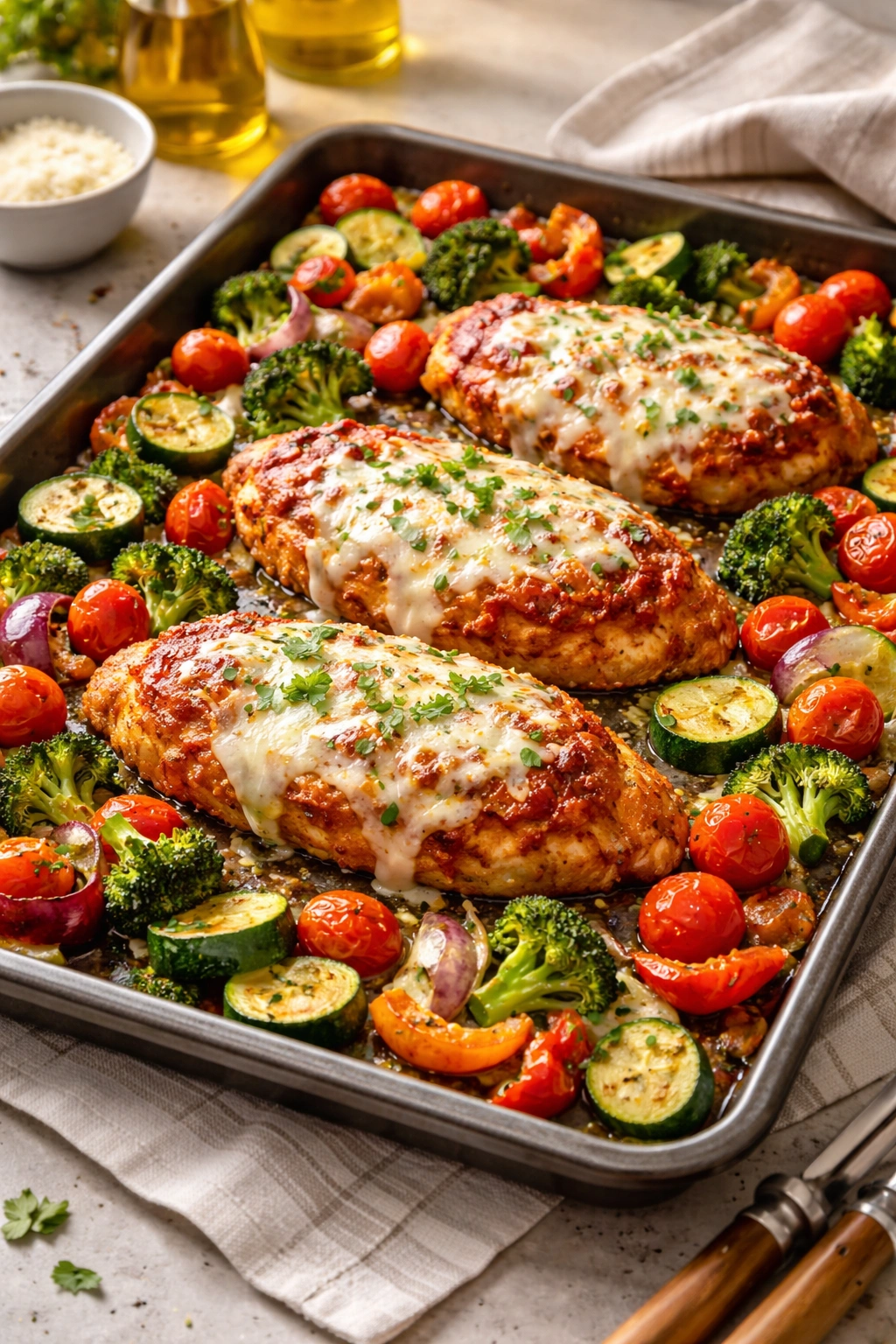
Sheet pan dinners deserve their reputation for being weeknight lifesavers, and this version ditches the traditional deep-frying in favor of baking, which means less oil, less mess, and less time managing a hot stove. Breaded chicken gets baked on one side of the pan while vegetables roast on the other, everything finishes with a quick broil under melted mozzarella and marinara, and you’re done in about 35 minutes with minimal hands-on time. This is the kind of dinner where the oven does most of the work while you handle other things.
The beauty of baking the chicken instead of frying is that you get crispy breading without the oil splatter and vigilance that pan-frying demands. You’re trading some of the crunch for convenience, but the result is still genuinely crispy and delicious, especially if you use panko breadcrumbs and let the chicken dry thoroughly before breading. The vegetables roast in the same pan, absorbing the flavors of olive oil, garlic, and whatever seasonings you choose, creating a complete dinner with essentially no sides needed.
Why This Matters for Busy Nights
Sheet pan meals are about efficiency. You’re using one pan, which means one thing to clean. You’re using the oven, which means you can walk away instead of hovering over a stovetop. You’re building in vegetables so there’s no separate side dish to prepare. This approach to cooking works particularly well when you’re juggling multiple things, because once everything is assembled on the pan and in the oven, you’re essentially hands-off for the cooking time.
Simple Execution
- Arrange boneless, skinless chicken breasts on a large sheet pan lined with parchment paper, patting them dry thoroughly
- Spread 1 cup mixed bell peppers and 1 cup zucchini on the other side of the pan, drizzle with 1 tablespoon olive oil, salt, and pepper
- Set vegetables aside temporarily
- Combine 1/2 cup panko breadcrumbs, 1/2 cup grated Parmesan, 1 teaspoon Italian seasoning, salt, and pepper in a shallow bowl
- Set up a dredging station: put 2 beaten eggs in one shallow bowl and the breadcrumb mixture in another
- Dip each chicken breast in egg, then coat thoroughly in the breadcrumb mixture, pressing gently so the coating adheres
- Arrange coated chicken on the prepared sheet pan
- Bake at 400°F for 15 minutes until the chicken is cooked through
- While chicken bakes, roast the vegetables in a separate small pan at the same temperature
- After 15 minutes, remove both pans, top each chicken breast with 2 tablespoons marinara sauce and 2 tablespoons shredded mozzarella
- Broil for 2 to 3 minutes until the cheese melts and the breadcrumb coating becomes deeply golden
- Toss the roasted vegetables with the chicken before serving
This dinner tastes like you’ve gone to considerably more effort than you actually have, which is precisely the point of smart weeknight cooking.
7. Baked Ziti with Sausage and Three Cheeses
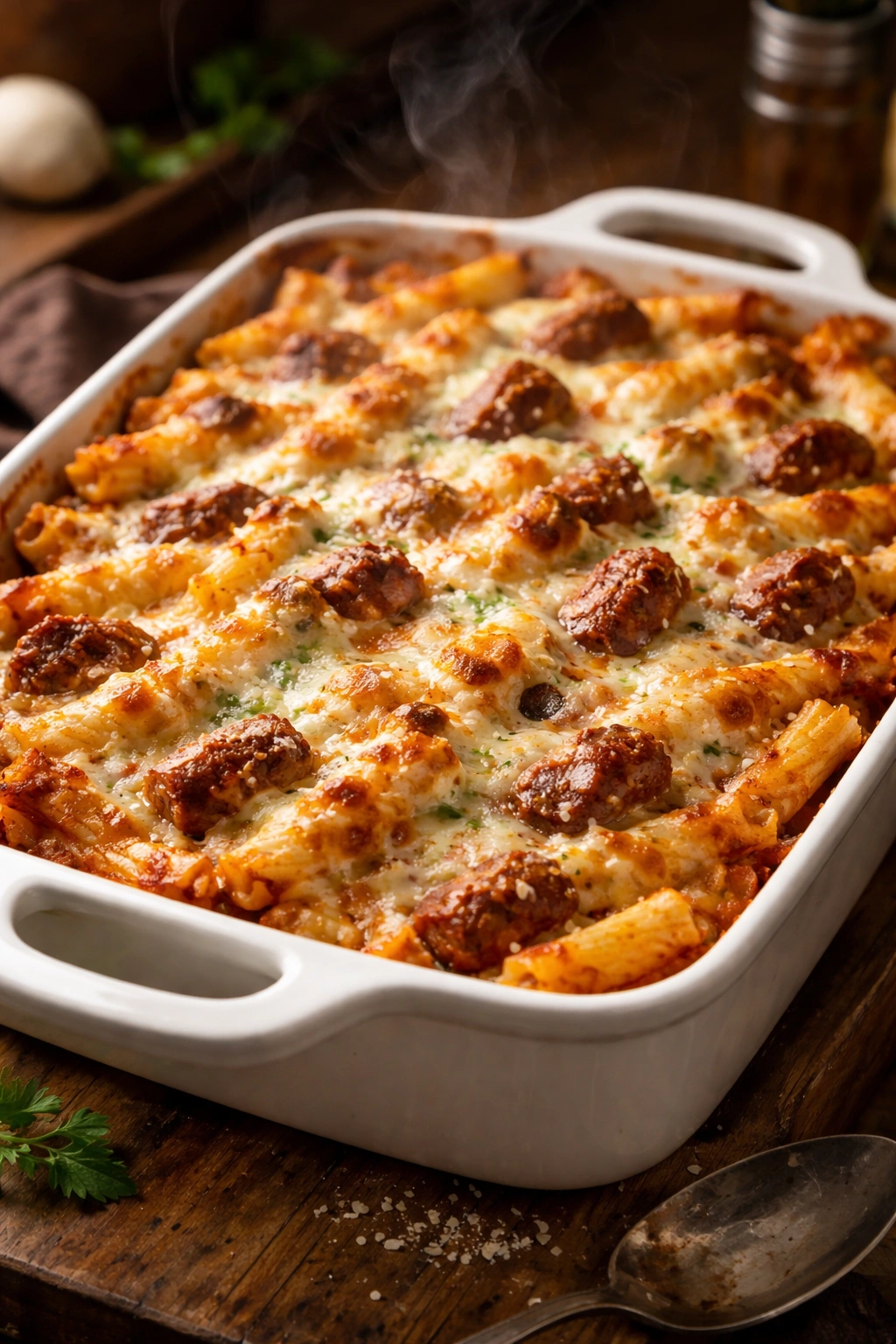
Baked pasta dishes are the ultimate comfort food, and they’re particularly valuable because you can prepare them ahead and bake them whenever you’re ready, making them perfect for nights when timing is uncertain. This version combines ground sausage, marinara sauce, ricotta, mozzarella, and Parmesan into something hearty and deeply satisfying. The pasta finishes cooking directly in the oven as the cheese melts and everything melds together, creating a cohesive, restaurant-quality dish.
What makes this particular baked ziti special is the combination of three cheeses, which creates layers of flavor and texture. Ricotta provides creamy richness and acts as a binder, mozzarella creates the stretchy, melty top that everyone loves, and Parmesan adds sharp, salty depth. Together, they’re more complex than any single cheese could be, and the result is something you’ll want to keep making repeatedly. This is a dinner that freezes beautifully, which means you can double the recipe and have an emergency backup meal ready whenever you need it.
The Make-Ahead Advantage
Baked pasta can go from assembly to the oven in under 20 minutes, then bake while you attend to other things. You can also assemble it in the morning, cover it tightly, refrigerate it, and bake it that evening — the baking time increases slightly (about 45 to 50 minutes instead of 35 to 40) because it starts cold. This flexibility makes it particularly valuable when you’re managing an unpredictable schedule. You can assemble it in a moment of calm and bake it whenever dinner actually needs to happen.
Building the Dish
- Brown 1 pound Italian sausage over medium-high heat, breaking it into small pieces, about 5 to 7 minutes
- Add 4 cloves minced garlic and cook for 1 minute until fragrant
- Stir in a 24-ounce jar marinara sauce and simmer for 5 minutes
- Cook 1 pound ziti according to package directions until just shy of al dente (it’ll finish cooking in the oven)
- In a medium bowl, combine 1 pound ricotta, 1 egg, 1 cup shredded mozzarella, 1/2 cup grated Parmesan, 1 teaspoon Italian seasoning, salt, and pepper
- In a 9×13-inch baking dish, combine the drained pasta, sausage sauce, and ricotta mixture, stirring until everything is evenly distributed
- Top with 1 additional cup shredded mozzarella and 1/4 cup grated Parmesan
- Bake at 375°F for 35 to 40 minutes until the pasta is tender, the cheese on top is golden and bubbling, and the edges are slightly crispy
- Let rest for 5 minutes before serving
This dinner is particularly nice because it’s the kind of meal where everyone’s happy — it’s hearty enough to satisfy anyone, it’s cheesy without being overwhelming, and it’s genuinely delicious whether you eat it immediately or reheat it the next day.
8. Garlic and Herb Shrimp with Linguine
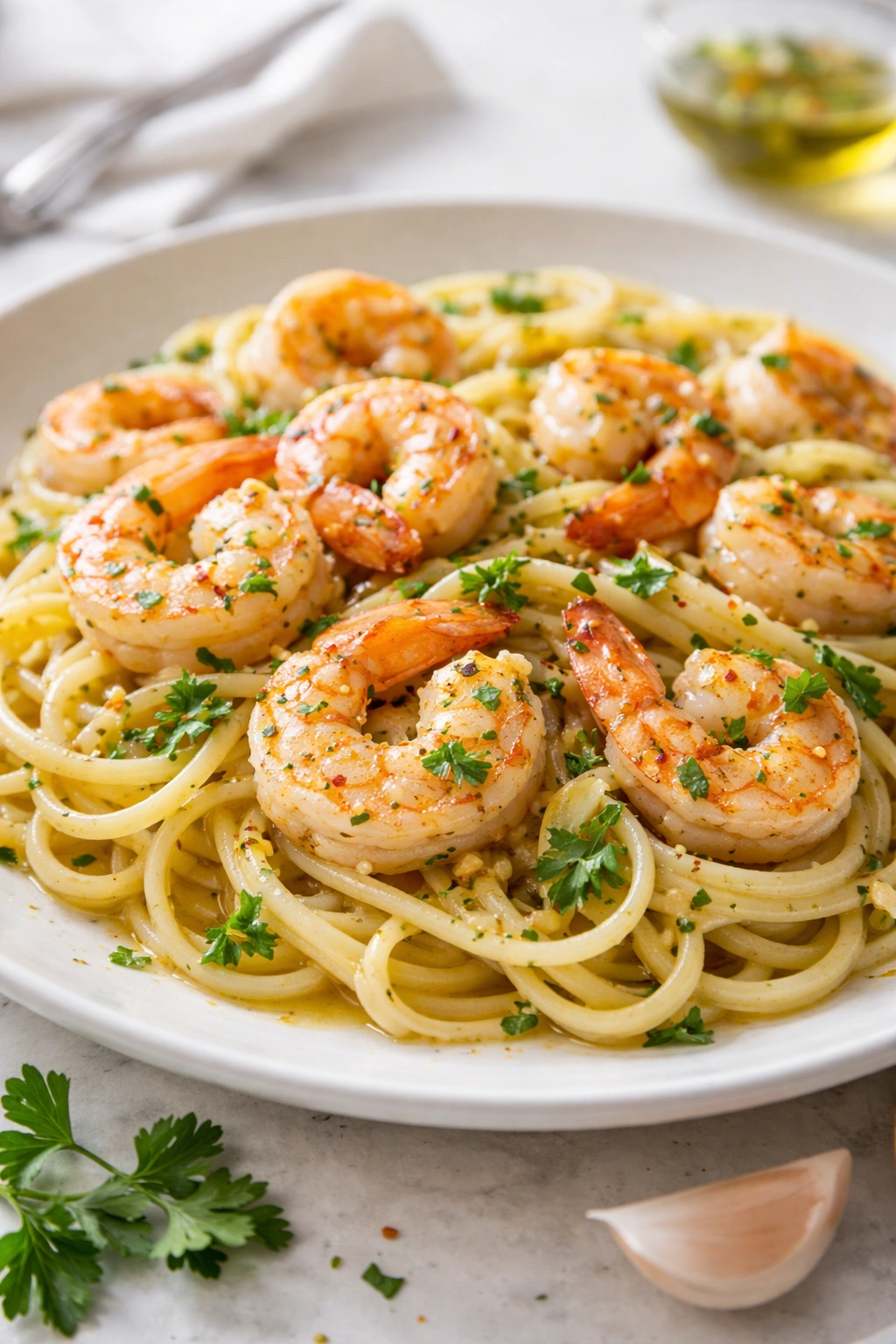
Shrimp cooks faster than almost any protein you can buy, which makes it perfect for nights when you want something elegant but don’t have much time. This version combines shrimp with a simple garlic and herb sauce, finished with a squeeze of fresh lemon and tossed with linguine. The whole dinner takes about 20 minutes and tastes far more impressive than the minimal effort involved. This is the dinner you make when you want to feel like you’ve done something special without actually spending hours in the kitchen.
The key to perfect shrimp is not overthinking it. Shrimp cook in just a couple of minutes, and overcooking them by even 30 seconds turns them rubbery and unpleasant. You want to cook them until they’re just opaque all the way through, then stop. The sauce comes together while the pasta cooks, so you’re managing multiple things at once, but none of those things are complicated or require special technique. Even if you’ve never cooked shrimp before, this is a forgiving introduction.
Timing Is Everything
The elegance of this dinner relies on good timing — you want everything finishing at approximately the same moment so you can combine it while everything’s hot. Start the pasta first, then begin cooking the shrimp when the pasta is a few minutes away from being done. By the time the pasta is al dente, your shrimp will be cooked and the sauce will be ready. Combine them at the last moment and serve immediately.
Quick Method
- Cook 1 pound linguine according to package directions, reserving 1 cup pasta water
- While pasta cooks, pat 1 pound large shrimp (peeled and deveined) completely dry with paper towels
- Heat 3 tablespoons olive oil and 2 tablespoons butter in a large skillet over medium-high heat
- Add 6 cloves minced garlic and cook for 30 seconds until fragrant (don’t let it brown)
- Add the shrimp, season with salt and red pepper flakes, and cook for about 1 minute per side until just opaque all the way through
- Pour in 1/2 cup dry white wine, 1 tablespoon fresh lemon juice, and 1 teaspoon dried Italian seasoning or fresh herbs (parsley, basil, or a combination)
- Simmer for 1 minute, then remove from heat
- Toss the drained pasta directly into the shrimp and sauce, adding pasta water a splash at a time until you reach your preferred consistency
- Taste, adjust seasoning, and serve immediately with fresh parsley, additional lemon wedges, and grated Parmesan if desired
This dinner works year-round and becomes something you’ll make repeatedly once you realize how simple and delicious it actually is. It’s also adaptable — you can add fresh tomatoes, swap in different herbs, or serve it over different pasta shapes depending on what you have on hand and what sounds good that particular evening.
Final Thoughts

These eight dinners represent the spirit of Italian cooking at its best — they’re straightforward, they rely on quality ingredients rather than complicated technique, and they deliver genuine satisfaction without demanding hours of your evening. Some are faster than others, but all of them are accessible to home cooks of any experience level. The point isn’t to follow these recipes as rigid instructions; it’s to understand the fundamentals so you can adapt them based on what you have available and what sounds appealing at any given moment.
The real value of these dinners is that once you’ve made them a couple of times, they become automatic. You’re not consulting recipes or measuring ingredients — you’re cooking from memory and intuition, making small adjustments based on what you’re in the mood for and what’s available. That’s when cooking stops feeling like a task and starts feeling like something you actually enjoy doing. Give these dinners a try, adjust them as needed, and start building the kind of weeknight rotation that makes everyone happy without causing you stress.
