



Ordering a cocktail while watching your calorie intake doesn’t mean settling for a boring soda water or skipping the bar entirely. The trick isn’t deprivation—it’s understanding which spirits pair best with low-calorie mixers, which sweeteners won’t derail your goals, and how to build drinks with maximum flavor on a minimal calorie budget. Most bartenders can make you something genuinely delicious in under 150 calories if you know what to ask for, and many of these drinks taste better than their full-sugar cousins because they let the spirit shine through instead of drowning it in syrup and fruit juice.
The biggest mistake people make when ordering light cocktails is asking for diet soda and artificial sweeteners—a combination that often tastes flat and chemical. Real cocktails depend on balance: acid from citrus, subtle sweetness from quality spirits themselves, and enough body to make the drink feel substantial on your palate. Some of the world’s most celebrated cocktails happen to land well under 150 calories because they were designed around restraint and precision, not volume. Spirits like tequila, gin, and vodka are actually quite low in calories (around 65-70 calories per 1.5-ounce shot), so the calorie count is almost entirely dependent on what you mix them with.
What follows are eight cocktails that deliver real bartending craft without the guilt. Each one includes the exact recipe, calorie breakdown, customization options to fit your preferences, and ordering tips so you can ask for these drinks with confidence whether you’re at a craft cocktail bar or a neighborhood spot. These aren’t gimmicks or watered-down imitations—they’re drinks that respect both your palate and your goals.
1. Skinny Margarita with Fresh Lime
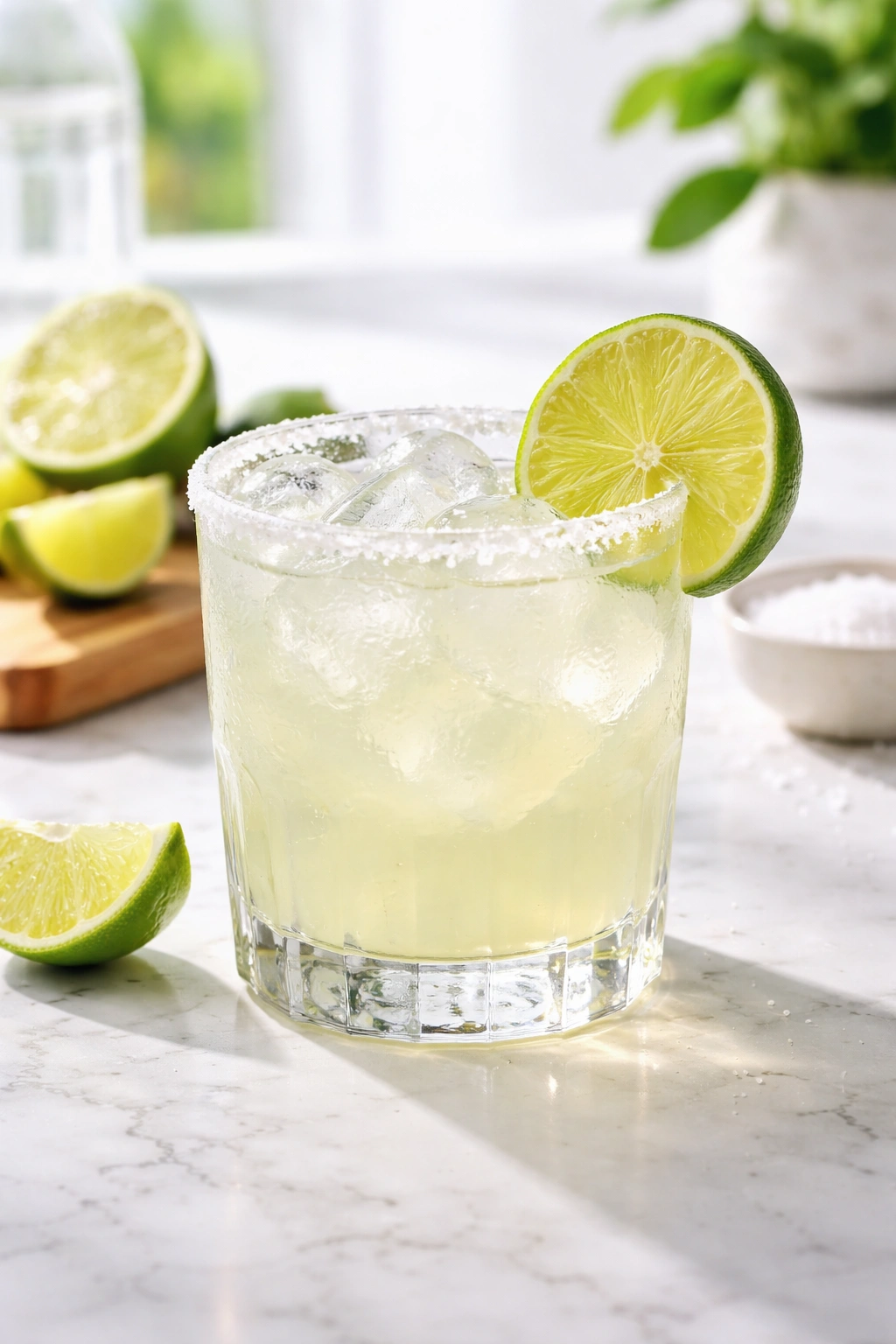
The margarita’s reputation as a calorie bomb comes from the pre-made sour mix and heavy-handed triple sec that dominate dive bar versions. A proper skinny margarita strips that away and returns to what made the drink legendary in the first place: excellent tequila, fresh lime juice, and just enough citrus sweetness to balance the spirit’s natural complexity. The result tastes cleaner, brighter, and actually more sophisticated than the syrupy version most people order.
Why This Works for Low-Calorie Drinking
A standard margarita made with bottled sour mix and premium triple sec can easily hit 250-300 calories. This version cuts that by half by using fresh lime juice for acidity and minimal added sweetener—often just a tiny amount of agave nectar or even skipping sweetener entirely if you’re using a reposado tequila with subtle vanilla notes. The quality of the tequila matters enormously here because you’re not masking inferior spirit with sweetness; you’re letting the tequila’s natural character shine. Freshly squeezed lime juice provides genuine tartness that tricks your brain into perceiving sweetness that isn’t there, so the drink tastes satisfyingly rounded even without added sugar.
The Recipe Breakdown
- 1.5 ounces (45 ml) 100% agave tequila—blanco or reposado work equally well
- 1 ounce (30 ml) fresh-squeezed lime juice
- 0.5 ounce (15 ml) fresh-squeezed lemon juice for depth
- 0.25 ounce (7.5 ml) agave nectar or simple syrup—optional; many bartenders skip this entirely
- Pinch of fine sea salt to rim the glass (optional, adds no calories)
- 2-3 ice cubes
Calorie count: 110-130 calories (depending on whether you include the agave)
The lime and lemon juice are the workhorses here. Fresh citrus provides natural acidity and subtle sweetness from the fruit itself, which means you need very little added sweetener. If you’re ordering at a bar, always specify “no simple syrup” and request fresh lime juice—this single specification cuts 50+ calories and dramatically improves the flavor. Ask the bartender to go light on the agave if they use any; you’ll be surprised how little sweetness you actually need once the citrus is fresh.
Pro tip: If the bar has fresh grapefruit juice on hand, ask them to add a splash—pink grapefruit brings tartness and subtle bitterness that makes the tequila taste even more complex, and it only adds 10-15 calories. Some high-end bars infuse their agave nectar with a tiny amount of Cointreau or triple sec for flavor without adding sweetness; if they offer that, it’s worth trying.
2. Vodka Soda with Fresh Citrus
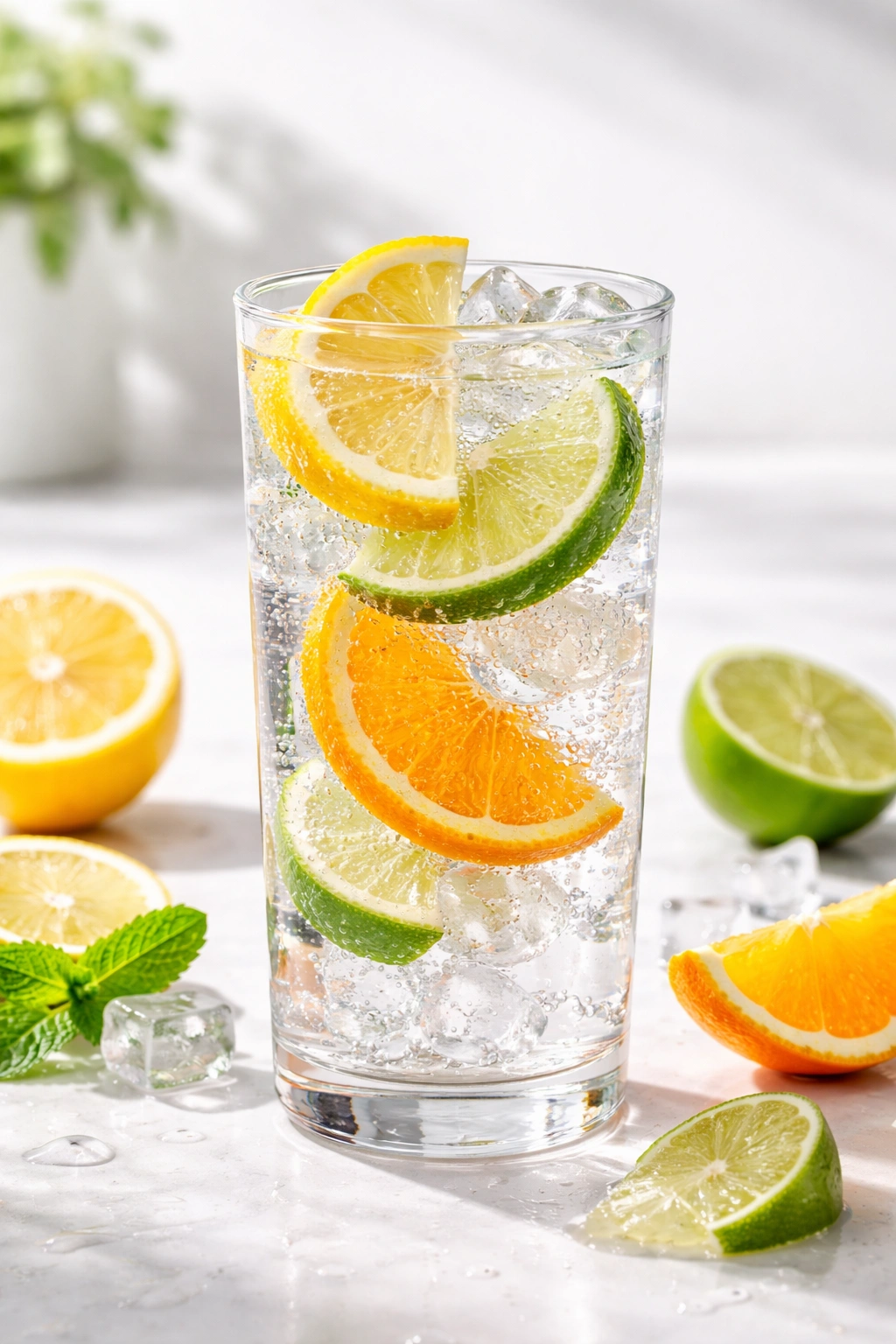
This sounds deceptively simple, but ordering it correctly transforms it from a boring default into a genuinely refreshing, spirit-forward drink that showcases excellent vodka. Most bars fumble this because they add too much citrus juice or use stale lime juice that’s been sitting in a plastic squeeze bottle since morning. When you specify exactly what you want, this drink becomes a canvas for clean flavors and a reliable choice that never tastes like deprivation.
What Makes It a Smart Calorie Choice
Vodka soda is basically the floor of low-calorie drinking—a standard 1.5-ounce pour of vodka at 80 proof contains roughly 96 calories, while soda water adds absolutely nothing. The entire drink lands at roughly 100-110 calories, sometimes lower. Because there’s so little else going on in the glass, the quality of the vodka becomes obvious; this is where you actually want to upgrade to a premium bottle if the bar has one. The vodka’s natural flavor—whether it’s peppery, creamy, or grassy depending on the brand—becomes the entire experience, which is why a properly made vodka soda from a quality spirit tastes substantially better than one made with cheap vodka that’s all harsh edges and burn.
How to Order It Right
- 1.5 ounces (45 ml) vodka—premium brand if available
- 3-4 ounces (90-120 ml) soda water, well-chilled
- Fresh lime, lemon, or grapefruit wedge
- Ice cubes (not crushed ice, which melts faster and dilutes the drink)
Calorie count: 96-110 calories
When you order, ask specifically for “a vodka soda with fresh lime” instead of just “a vodka soda”—this signals to the bartender that you’re paying attention, and they’ll usually slice a fresh lime wedge rather than using pre-cut fruit. If they have flavored soda waters (like Perrier or La Croix) available, that’s your chance to add subtle flavor without calories; ask for vodka with plain soda and a splash of the flavored water. Request the drink with ice cubes, not crushed ice, and ask them to fill it generously with soda water—a 3:1 ratio of soda to vodka makes the drink feel more substantial.
Worth knowing: Many bars use bottom-shelf vodka for well drinks because customers often can’t taste the difference in mixed cocktails. With vodka soda, they absolutely can. If the bar’s house vodka tastes harsh or chemical to you, ask what premium vodkas they carry—the upgrade to something like Belvedere, Grey Goose, or Ketel One costs only 2-3 dollars more and transforms the experience entirely.
3. Light Mojito Without Excess Sugar
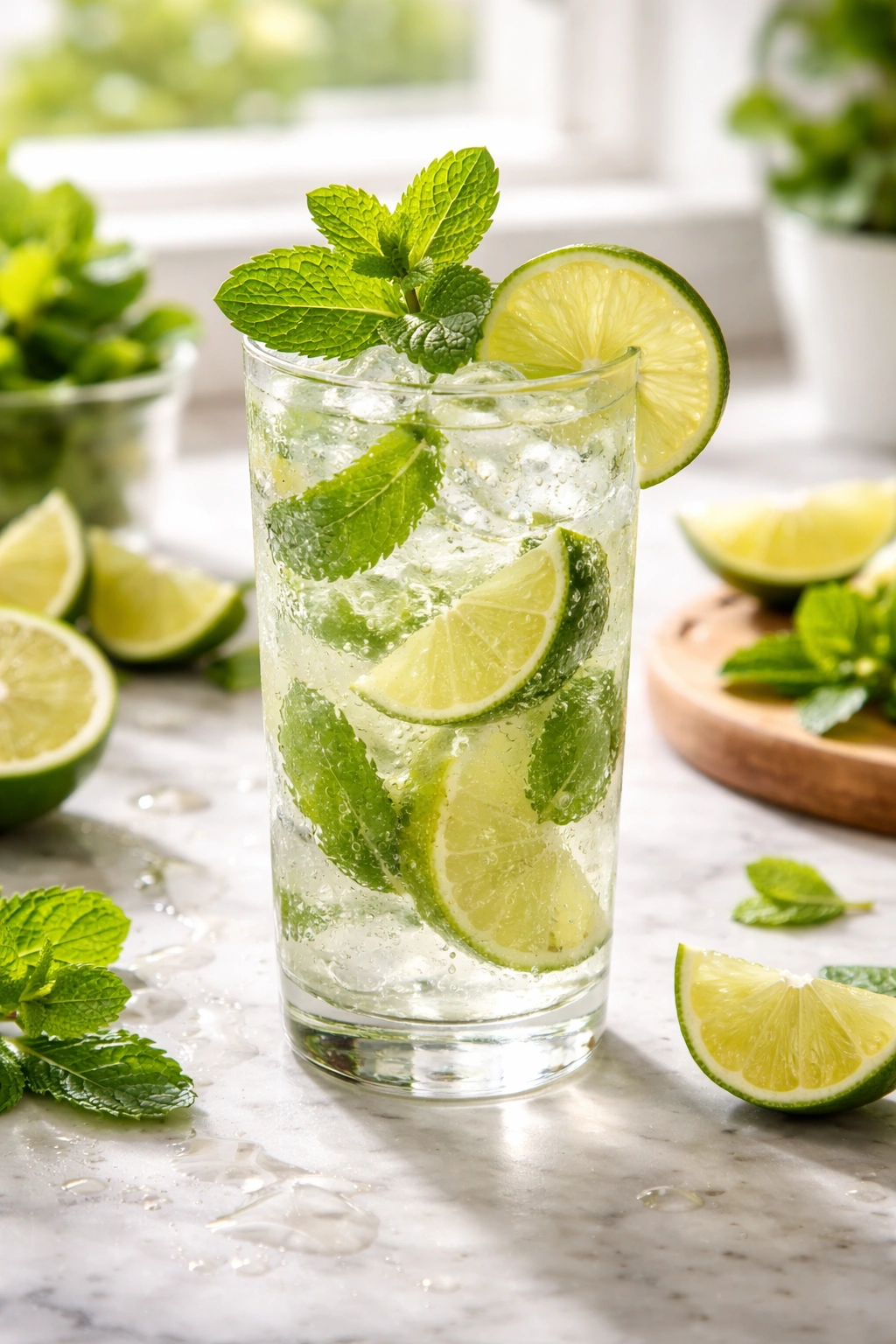
A mojito should taste like summer in a glass—refreshing, herbaceous, and bright. The traditional recipe is built on sugar and mint, which means most mojitos contain 200+ calories before you’ve even sipped once. The lighter version keeps the mint muddling and the citrus but approaches sweetness with discipline and substitution, creating a drink that actually feels more minty and fresh because nothing is coating your palate with syrup.
Why Fresh Mint Changes Everything
The secret to a low-calorie mojito is recognizing that fresh mint leaves contain natural flavor compounds that taste genuinely sweet to your brain without any actual sweetness. When you muddle mint properly—pressing the leaves gently against the ice and glass to release their oils, not pulverizing them into mush—those aromatic compounds become the dominant flavor. The citrus (lime and lemon) provides tartness, and you need remarkably little added sweetener. Many bartenders muddle mint too aggressively, which turns the leaves bitter and brown; a proper muddling gently bruises the leaves and preserves their bright green color and fresh taste.
The Recipe Breakdown
- 8-10 fresh mint leaves—the larger, more fragrant the better
- 0.75 ounce (22.5 ml) fresh lime juice
- 0.5 ounce (15 ml) fresh lemon juice
- 0.25 ounce (7.5 ml) simple syrup—or use 0.25 ounce agave nectar
- 1.5 ounces (45 ml) white rum (ideally a molasses-forward variety like Bacardi 8)
- Club soda to top, about 2 ounces
- Ice (cubed, not crushed initially for proper muddling)
Calorie count: 125-140 calories
When you order this drink, be very specific: “Light mojito with fresh mint, fresh citrus, and just a touch of sweetener.” Watch the bartender muddle the mint—they should use the back of a bar spoon to gently press the leaves against the side of the glass for about 5-10 seconds, releasing the oils without shredding the leaves. Request that they use fresh lime and lemon juice, not bottled, and ask them to go light on the simple syrup. Some bars will substitute stevia or monk fruit syrup if you request it, shaving another 20-30 calories off the drink.
Pro tip: Ask if the bar has white rum aged in charred oak (like Bacardi 8 or Diplomatico Plata) rather than completely clear white rum—the slight barrel contact adds subtle vanilla and caramel notes that make the drink taste naturally sweeter without any added sugar.
4. Dry Vermouth Spritz with Sparkling Water
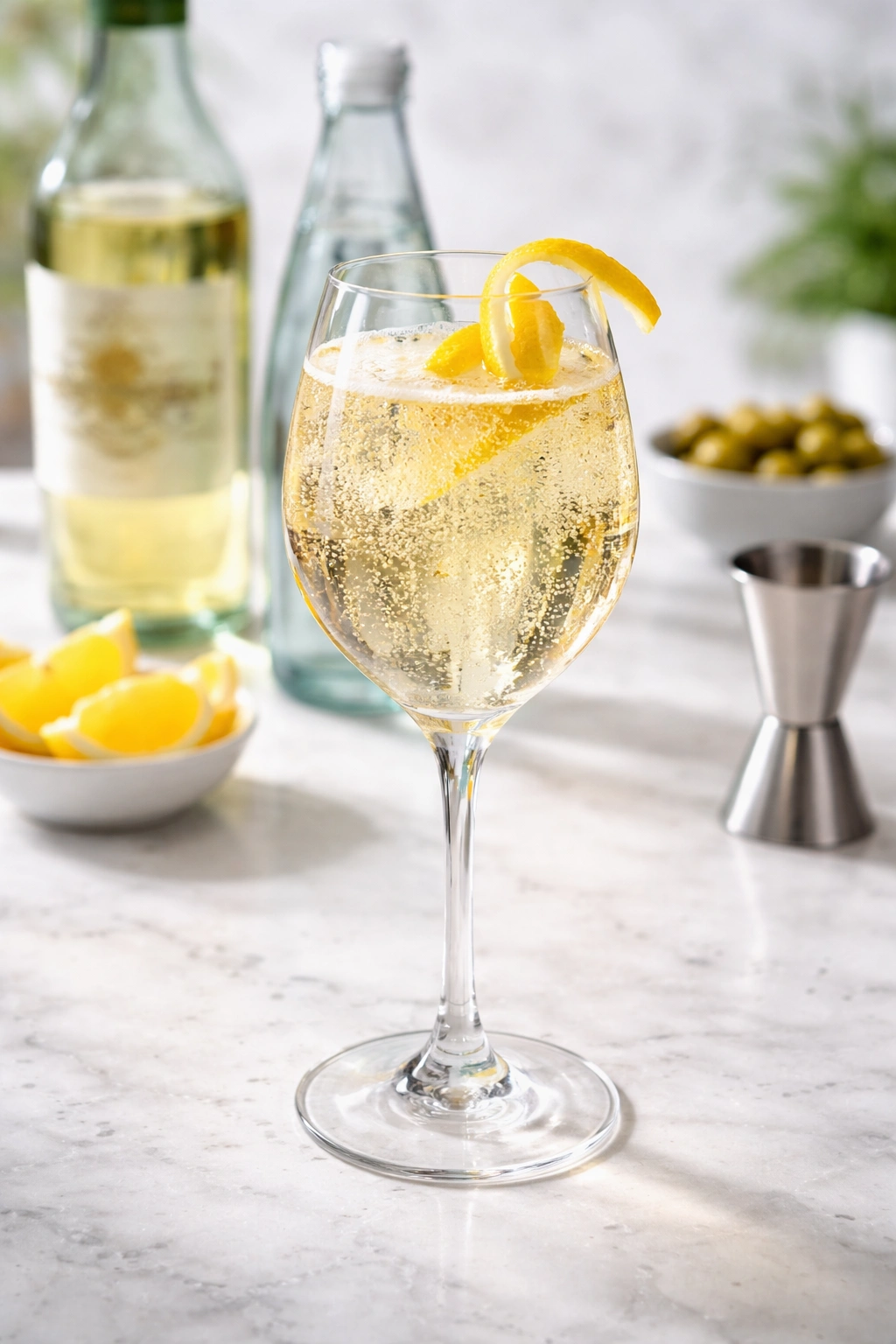
This is the cocktail that feels like a cheat code because it tastes indulgent and special while being almost absurdly low in calories. A spritz should feel celebratory—something with bubbles, a garnish, and enough visual drama that you feel like you’re genuinely having a cocktail, not just a diet drink. This version uses dry vermouth, which is botanical and complex despite having only about 70 calories per 1.5-ounce pour, combined with sparkling water and a single modifier that adds flavor without calories.
What Makes Vermouth the Secret Weapon
Vermouth is a fortified wine infused with botanicals—herbs, spices, and roots that give it remarkable flavor depth. Dry vermouth specifically (as opposed to sweet vermouth) contains minimal residual sugar, and its herbal profile is genuinely interesting even in a simple drink. Most people think of vermouth only as a modifier in a martini, but a spritz built around vermouth becomes a sophisticated, sipping-worthy cocktail that doesn’t taste like a compromise at all. The botanicals provide all the sensory interest you’d normally get from liqueurs or syrups, but without the calories.
The Recipe Breakdown
- 1 ounce (30 ml) dry vermouth—a quality brand like Dolin or Carpano Dry
- 2 ounces (60 ml) Prosecco or Cava (optional, but adds elegance)
- 2-3 ounces (60-90 ml) sparkling water, well-chilled
- Twist of lemon peel and fresh thyme sprig for garnish
- 3-4 ice cubes
Calorie count: 75-95 calories (without Prosecco; 100-130 calories if Prosecco is included)
The beauty of this drink is flexibility. At home, you can batch-make it as a pitcher drink: combine equal parts dry vermouth and sparkling water, chill heavily, and pour over ice with a lemon twist. When ordering at a bar, request “a dry vermouth spritz with extra bubbles and a lemon twist.” Many bartenders aren’t accustomed to this drink, so you might need to explain it briefly: vermouth, sparkling water, ice, lemon. If the bar stocks Prosecco and you want to go slightly higher in calories (but still land well under 150), ask them to add a float of Prosecco on top—the bubbles and the subtle yeasty sweetness make it feel even more special.
Worth knowing: Some bars make herb-forward spritzes using vermouth, sparkling water, and a dash of Campari or Aperol (bitter Italian aperitifs). If you’re feeling adventurous and the bar offers it, Campari adds only about 20 calories while bringing complex bitterness that makes the drink taste more grown-up and less like a health-conscious compromise.
5. Gin and Tonic with Quality Tonic and Citrus
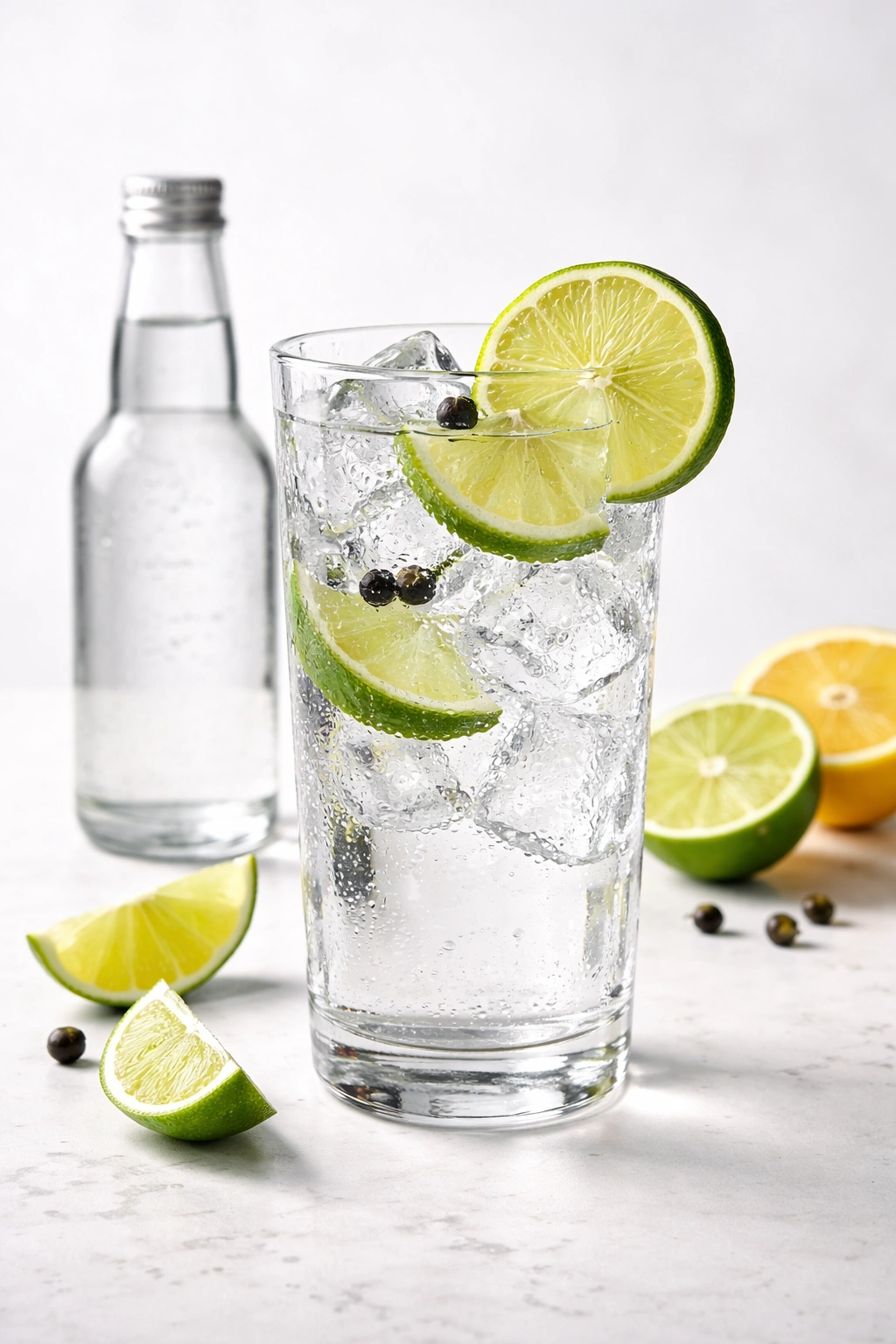
The gin and tonic gets a bad reputation for calories because commercial tonic water contains roughly 10-12 grams of sugar per 4 ounces—which means a standard drink with 2 ounces of tonic water adds 20-25 calories of pure sugar. The low-calorie version uses less tonic water overall, relies on premium quality tonic where a little goes much further flavor-wise, and builds the drink around the botanicals in an excellent gin rather than drowning them in sweetness. The result tastes more like actual gin and actual tonic, not like soda.
Why Tonic Quality Matters More Than You’d Think
Cheap tonic water is essentially sugar with a hint of quinine flavor masked by artificial sweeteners and preservatives. Premium tonic water (made by brands like Fever-Tree, 1724, or Q Tonic) contains real botanicals, better quinine extraction, and far less sugar because the flavor is genuinely complex and doesn’t need to rely on sweetness to taste good. A gin and tonic made with premium tonic is noticeably more flavorful and more satisfying in smaller quantities than one made with generic tonic; you feel less like you’re rationing yourself and more like you’re simply drinking less because the drink is richer.
The Recipe Breakdown
- 1.5 ounces (45 ml) gin—ideally a London Dry style with strong juniper
- 2 ounces (60 ml) premium tonic water
- Squeeze of fresh lime or lemon
- Ice cubes
- Garnish: fresh rosemary sprig or thin slice of cucumber
Calorie count: 110-130 calories
When you order, ask specifically for “a gin and tonic with premium tonic and fresh lime”—this tells the bartender you care about quality and you’re paying attention. Request that they use less tonic than a standard pour and build the drink on a large cube or multiple large cubes rather than crushed ice, which melts faster and dilutes the drink. If the bar stocks tonic water with minimal added sugar (some varieties contain only 1-2 grams of sugar instead of the standard 10-12 grams), ask for that specifically—it slashes another 15-20 calories while tasting even cleaner.
Pro tip: Cucumber or rosemary work better as garnishes than lime or lemon alone because they add visual interest and subtle flavor without adding calories. If you’re at a craft cocktail bar, ask the bartender what garnish they’d recommend pairing with their house gin—many bartenders have thoughtfully paired garnishes that complement the specific botanicals in their gin selection.
6. Prosecco with Fresh Berries and Herbs
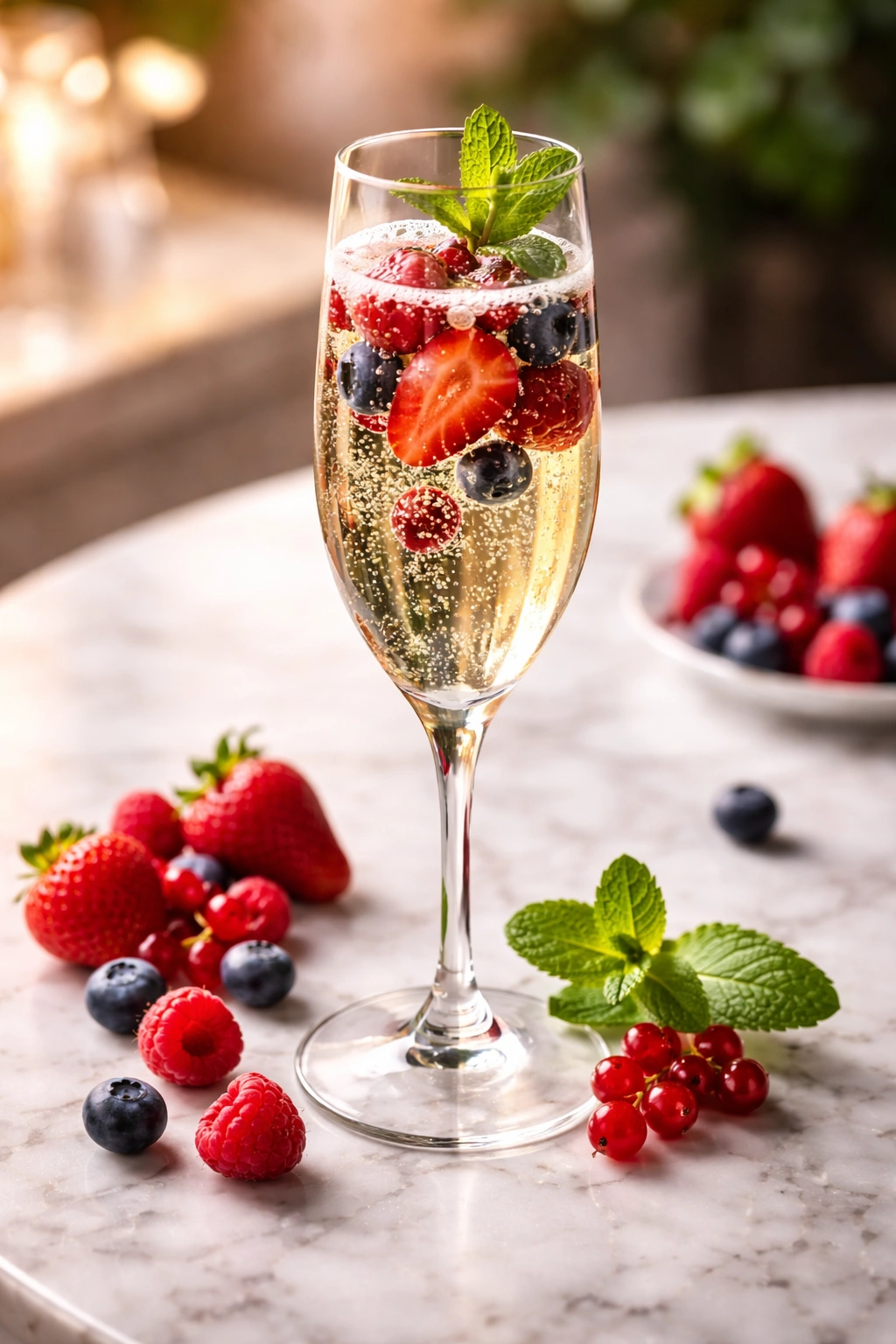
This is the drink that feels like a celebration in the most minimal-effort way possible. Prosecco is already quite low in calories (a 5-ounce pour contains about 90-100 calories depending on the dryness), and adding fresh berries and herbs adds flavor complexity and makes the drink feel deliberately crafted rather than just wine in a glass. The visual appeal of berries floating in sparkling wine also makes the drink feel more special, which is surprisingly important for how satisfied you feel with what you’re drinking.
Why Fresh Fruit Makes This Work
Fresh berries and herbs provide flavor without adding meaningful calories. A few fresh raspberries or blackberries might add 5-10 calories, while a sprig of fresh mint or basil adds virtually nothing. What they do provide is sensory richness—the slight tartness of raspberries, the floral sweetness of strawberries, the herbal notes of mint or basil. These flavors complement Prosecco’s delicate yeasty sweetness and make the drink feel more substantial and more deliberately designed than plain wine. The ritual of eating the berries as you drink also slows down your consumption, which means the drink lasts longer and feels more indulgent.
The Recipe Breakdown
- 5 ounces (150 ml) Prosecco, well-chilled—preferably Extra Dry or Brut style (less residual sugar)
- 4-5 fresh raspberries or blackberries
- 3-4 fresh strawberry slices
- Small sprig of fresh mint or basil
- Ice if desired (some serve without ice; some prefer it)
Calorie count: 100-115 calories
When ordering, request “Prosecco with fresh berries”—the bartender will know what to do. If you’re at a craft bar, ask specifically for berries in season and ask what herb pairings they recommend. If you’re making this at home, chill your Prosecco glasses in the freezer for at least 15 minutes before pouring; the colder glass keeps the wine colder longer and makes the drink feel more luxurious. Add the berries to the glass first, pour the Prosecco over them, and garnish with the herb sprig on top.
Worth knowing: Prosecco from the Veneto region of Italy tends to be drier and slightly more complex than budget Prosecco; the difference in quality isn’t huge, but it’s noticeable and usually costs only 2-3 dollars more per bottle. If you’re buying for home, that upgrade is worth it. The Extra Dry designation (which is confusing because it’s actually slightly less dry than Brut) contains a bit more residual sugar, while Brut contains almost none—Brut is your best choice for lowest calories and the most elegant taste.
7. Tequila Paloma with Fresh Grapefruit and Lime
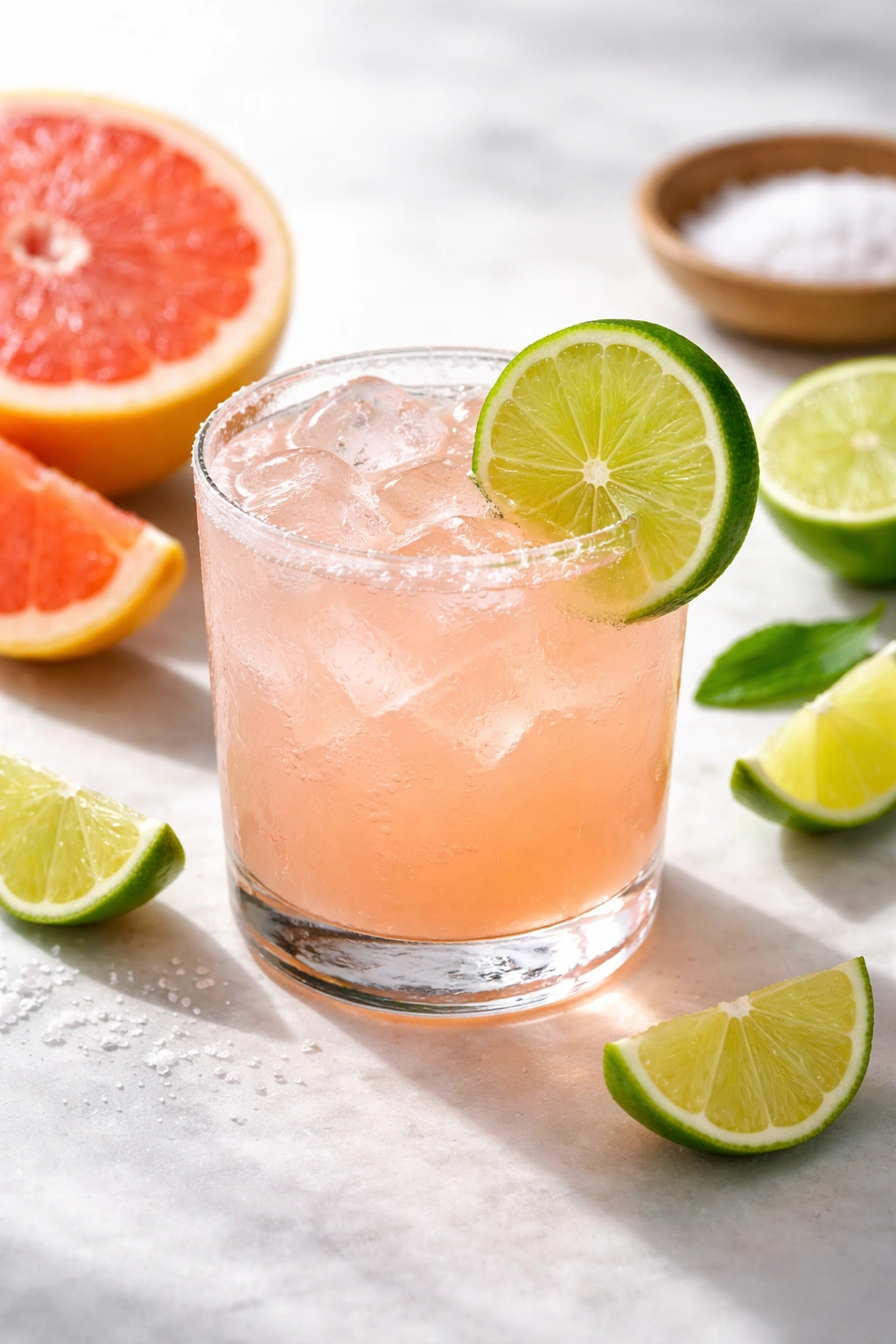
The paloma is actually more popular than the margarita in Mexico, and for good reason—it’s refreshing, lighter-tasting, and genuinely delicious. A traditional paloma uses grapefruit soda, which adds 150+ calories of pure sugar. The lighter version relies on fresh grapefruit juice (which has natural tartness that almost tricks your brain into perceiving sweetness) and minimal added sweetener, creating a drink that tastes more like actual grapefruit and actual tequila instead of candy.
Why Grapefruit Works Better Than You’d Expect
Grapefruit is naturally tart with subtle bitterness, which means it doesn’t need much added sweetness to taste balanced. When you use fresh-squeezed or fresh-pressed grapefruit juice (which still contains the fruit’s natural oils and complexity), the drink tastes round and satisfying even with minimal added sugar. The slight bitterness also pairs beautifully with the peppery and vegetal notes of tequila, creating a drink that feels sophisticated rather than juvenile. Most bars have fresh grapefruit juice on hand for their early-morning margaritas and palomas; if it’s not visible, ask—many bartenders will fresh-squeeze it for you if you’re ordering a drink that calls for it.
The Recipe Breakdown
- 1.5 ounces (45 ml) tequila blanco
- 2 ounces (60 ml) fresh grapefruit juice (pink grapefruit preferred for slight sweetness and color)
- 0.75 ounce (22.5 ml) fresh lime juice
- 0.25 ounce (7.5 ml) simple syrup or agave nectar (optional, and often skipped entirely)
- Pinch of fine sea salt for the rim or to top the drink
- Ice cubes
Calorie count: 115-135 calories (depending on sweetener)
When ordering, be specific: “a paloma with fresh grapefruit juice, fresh lime, and minimal simple syrup.” Ask the bartender to use fresh-pressed juice if possible; many craft bars will do this without charging extra if you ask politely. Request that they rim the glass with salt or add a light sprinkle of salt on top of the drink—salt enhances the perception of tartness and makes the drink taste more complex. Some bartenders add a tiny float of grenadine or Campari for color; skip this unless you want to add 15-20 calories and more sweetness.
Pro tip: If the bar has pink grapefruit juice specifically, request it—pink grapefruit contains slightly higher natural sugar and tastes more complex than white grapefruit, which makes the drink more satisfying without any added sweetener. Some bars infuse grapefruit juice with fresh rosemary or thyme; if they offer that and you like herbal flavors, it’s absolutely worth trying.
8. White Wine Spritzer with Fresh Herbs and Sparkling Water
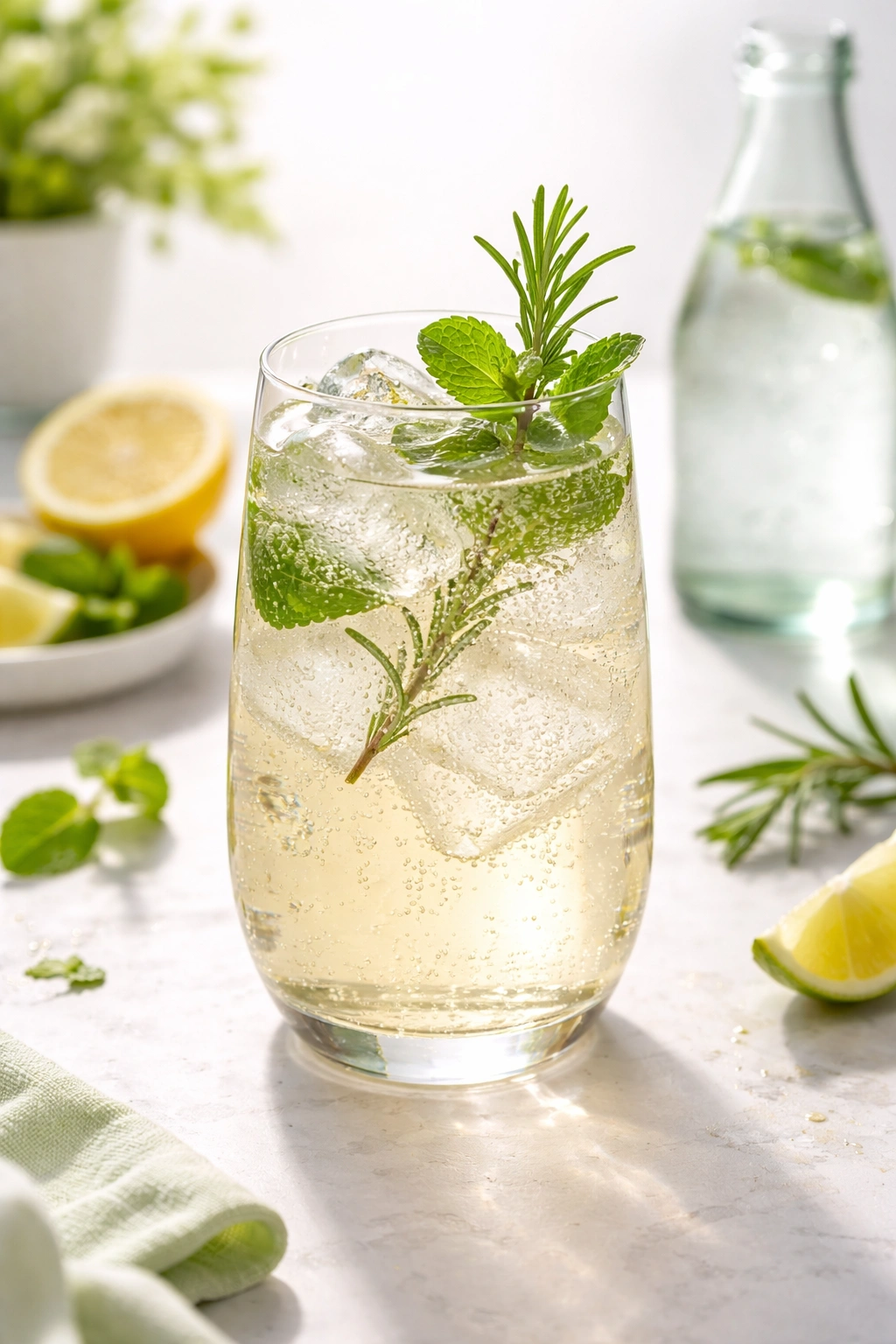
The spritzer is the drink that’s been unfairly stigmatized as a compromise for people who “can’t” have real cocktails. In reality, a well-made spritzer is an elegant, refreshing drink that showcases wine and allows the natural flavors to shine without the heaviness of a full glass of wine. The key is using excellent white wine (a crisp Sauvignon Blanc or Albariño works beautifully), fresh herbs, and enough sparkling water that the drink feels bubbly and celebratory rather than watered-down.
What Makes a Spritzer Actually Worth Drinking
Most people’s experience with spritizers is limited to cheap house white wine mixed with flat soda water from a gun—which explains why the category has a reputation for being boring. A proper spritzer uses wine you’d actually want to drink on its own, cold sparkling water that still has plenty of carbonation, and a garnish or herb that adds intentional flavor. The drink should feel like a deliberate choice, not a diet option. A 5-ounce pour of white wine contains about 120 calories; when you add 2-3 ounces of sparkling water, you’re cutting that down to roughly 90-100 calories while stretching the drink and making it feel more voluminous and satisfying.
The Recipe Breakdown
- 3 ounces (90 ml) white wine—Sauvignon Blanc, Pinot Grigio, or Albariño preferred
- 2-3 ounces (60-90 ml) sparkling water, well-chilled
- Fresh herb sprig: mint, basil, thyme, or rosemary
- Twist of lemon or grapefruit peel
- Ice cubes
- Optional: single fresh berry or cucumber slice
Calorie count: 90-110 calories
When ordering at a bar, ask for “a white wine spritzer with fresh [your preferred herb] and extra bubbles.” If you’re making this at home, choose a wine you genuinely enjoy drinking—Sauvignon Blancs from the Loire Valley are crisp and mineral-forward, Albariño from Spain is bright with stone fruit notes, and Pinot Grigio from northern Italy is dry and elegant. Chill your wine glasses in the freezer for 15 minutes before serving, pour the wine first, then top with ice and sparkling water, and finish with the herb garnish.
Worth knowing: The ratio of wine to sparkling water is entirely up to you. A 50-50 split makes the drink feel lighter and more like a refreshment; a 60-40 split (more wine) makes it feel more indulgent. If you’re drinking this as a pre-dinner aperitif, the lighter ratio works beautifully. If you’re settling in for a longer evening, you might prefer more wine in the mix.
Final Thoughts

The real secret to low-calorie cocktails isn’t deprivation or drinking watered-down imitations—it’s understanding that the best drinks rely on quality ingredients and balance, not volume or sweetness. Each of these eight cocktails delivers genuine flavor satisfaction because they were built around what tastes genuinely good in restrained amounts: excellent spirits, fresh citrus and herbs, quality mixers, and the confidence to ask for exactly what you want rather than settling for whatever the bartender suggests.
The biggest shift you can make is refusing to accept bottled sour mix, pre-cut fruit, or tonic water from a gun when you can request fresh ingredients. A bartender who hears “fresh lime juice” and “premium tonic” knows they’re working with someone who cares about quality, and they’ll usually step up their game. You’ll drink less, enjoy what you’re drinking more, and land well under 150 calories in almost every case.
When you’re ordering these drinks out, remember that bartenders appreciate specificity and are usually happy to accommodate reasonable requests. Saying “light on the sweetener” or “fresh citrus please” takes five seconds and dramatically improves your drink. At home, keep quality spirits in your cabinet—a bottle of good tequila, gin, or vodka lasts through many cocktails and costs about the same as a few cocktails out. Fresh lime juice from an actual lime (not bottled), fresh herbs from your local market, and quality tonic or sparkling water are your best friends for building drinks that taste indulgent while keeping calories genuinely low.
The drinks on this list aren’t special exceptions or weird combinations that only work in theory. They’re drinks you’ll actually want to order again, serve to friends, and make at home regularly because they taste delicious and make you feel good about what you’re drinking. That’s the entire point—choosing to enjoy yourself fully while staying aligned with your goals, rather than white-knuckling through a deprivation-based approach that never lasts.
