



The moment you hear those words—”Please bring a dish to share”—that familiar mix of excitement and mild panic sets in. You want to contribute something genuinely delicious, something that arrives at the potluck looking as good as it tastes, and ideally something that won’t require you to babysit it the entire evening. The truth is, not every dish is created equal when it comes to travel and survival in the chaos of a crowded table. Some dishes arrive looking like they’ve been through a war. Others taste somehow worse after sitting out for two hours. Then there are the dishes that actually improve as they sit, that travel like champions, and that people somehow manage to finish even when there are fifteen other options available.
The secret isn’t complicated, but it does require thinking strategically about the physics of transport, the behavior of food at room temperature, and what actually tastes good when it’s been sitting in a container for twenty minutes. The best potluck dishes share some fundamental characteristics: they’re flavorful enough to stand up to being eaten at room temperature, they don’t fall apart or separate during transport, and they somehow taste as good on arrival as they did in your kitchen. They’re also, ideally, the kind of thing that tastes better the next day—a built-in quality that signals you didn’t just throw something together.
This isn’t a collection of difficult recipes or dishes that require special equipment. These are the proven, crowd-pleasing dishes that people reach for first, that travel like absolute tanks, and that have earned their place in the potluck hall of fame. Each one comes with the specific reasoning for why it travels so well, because understanding that reasoning is what lets you adapt and customize these ideas to match your own style and the occasion.
1. Classic Pasta Salad with Fresh Vegetables
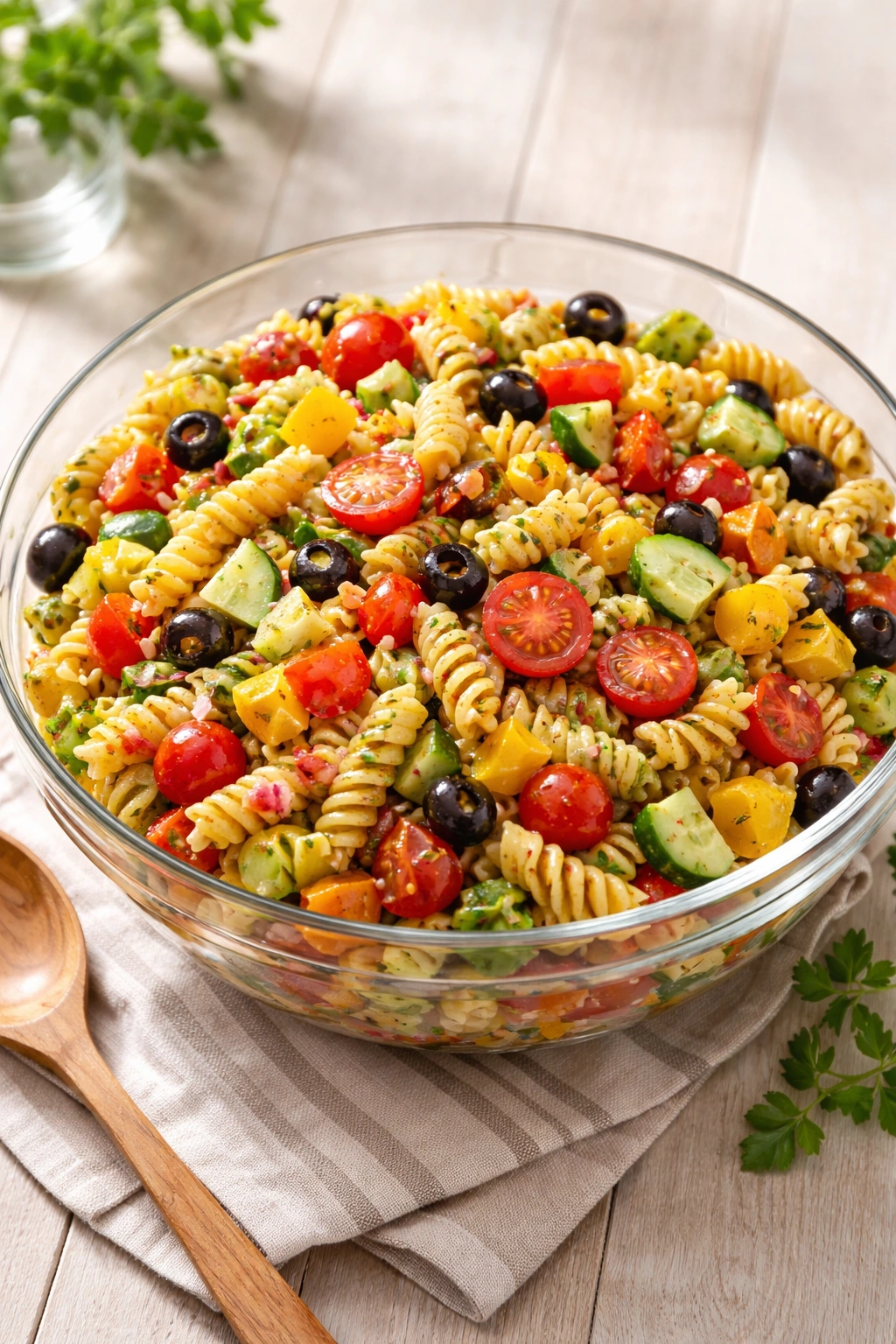
Pasta salad is the workhorse of potluck season for one very good reason: it’s virtually impossible to mess up the transport, and it tastes better with time. The starch in the pasta continues to absorb the dressing even after it cools, which means your salad gets more flavorful the longer it sits. By the time you arrive at the potluck, the flavors have melded together into something genuinely cohesive, not just a collection of separate ingredients thrown together.
Why It’s the Gold Standard for Travel
The reason pasta salad is so reliable isn’t magic—it’s chemistry. Warm pasta is porous and absorbs dressing immediately, but once it cools and firms up, the pasta holds its shape even with vigorous movement during transport. This matters more than you’d think. The al dente texture survives the trip without becoming mushy, and the salad stays together as a unified dish rather than separating into component parts. That absorbency also means you can make it several hours ahead, and the flavors will actually deepen rather than fade.
What Makes It Travel Better
- The shape matters: Use a pasta shape that grabs dressing and stays intact—penne, rotini, or bow tie work beautifully. Skip the delicate angel hair that breaks into fragments during transport.
- Oil-based dressing over cream-based: A good vinaigrette or oil-based dressing coats the pasta evenly and doesn’t separate or become watery like a cream dressing might. The acid also helps preserve vegetables and prevents browning.
- Vegetables that hold firm: Cherry tomatoes, diced bell peppers, snap peas, and cucumbers maintain their texture and crunch over hours. Skip leafy greens that will wilt, and avoid watery vegetables like zucchini that release liquid and turn soggy.
- Protein that’s already cooked: Add roasted chickpeas, white beans, or diced hard-boiled eggs that have already been seasoned and cooled. Skip raw proteins that continue to cook or release liquid.
Pro tip: Make your pasta salad the evening before and refrigerate it overnight. The flavors develop exponentially, and you can simply add a splash more oil or vinegar in the morning if it seems dry. This also eliminates the stress of last-minute assembly.
2. Deviled Eggs
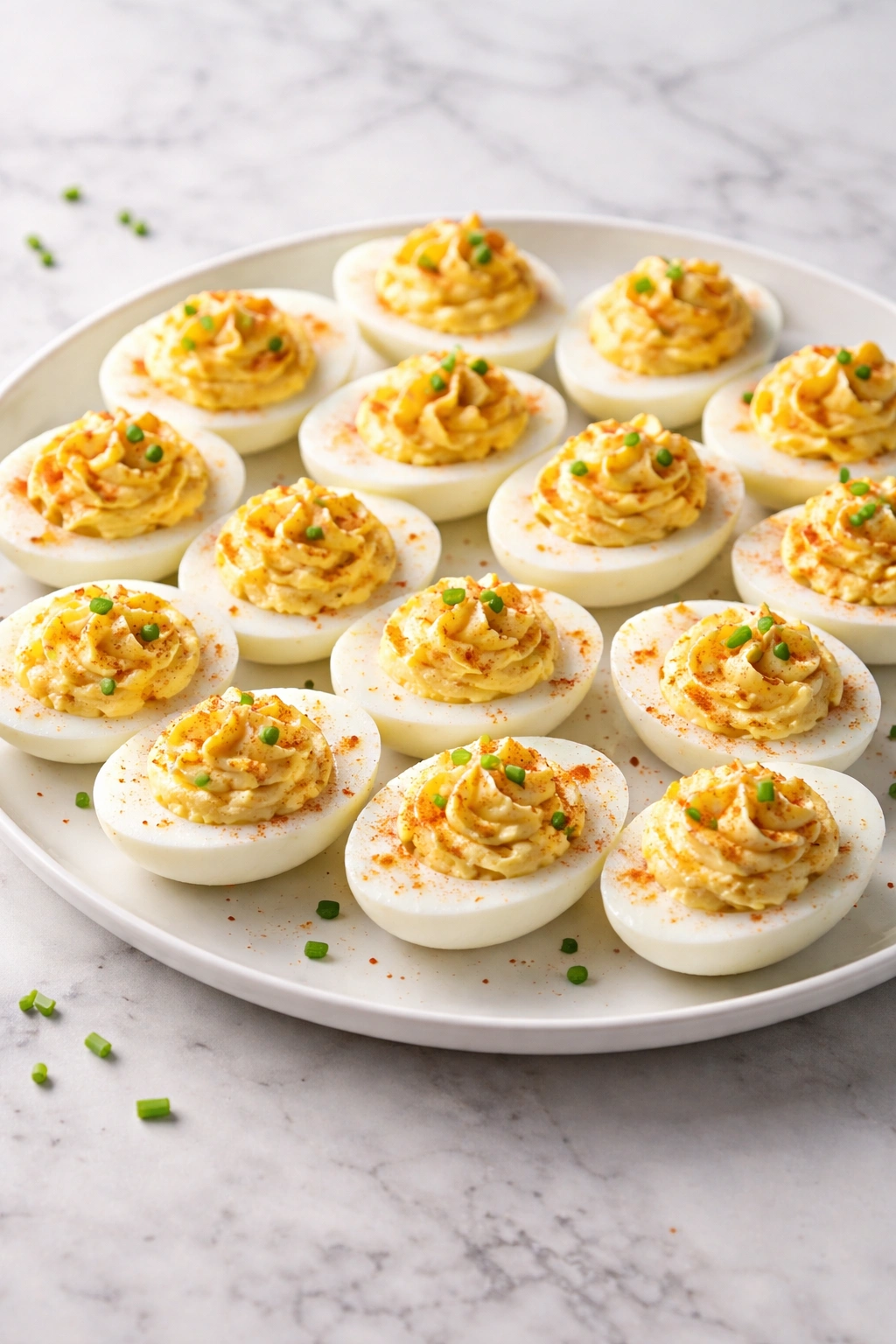
Deviled eggs have a superpower that most dishes don’t: they actually look better after a few hours of sitting. The eggs themselves are stable, the filling is rich enough to stay creamy without separating, and they’re one of the few things that tastes absolutely identical whether they’re eaten immediately or after three hours on a crowded table. They’re also small enough that people can grab one easily without committing to a full plate.
The Stability Factor
What makes deviled eggs exceptional for potlucks is that they’re essentially already “cooked” in the sense that nothing else is going to happen to them. The eggs are hard-boiled and stable, the filling (based on mayonnaise, which is an emulsion) doesn’t break down or weep liquid, and the paprika garnish actually looks more vibrant after a few hours rather than duller. You can make them up to 24 hours ahead, cover them tightly, and they’ll be perfect.
Transportation and Presentation Tips
- Use a fitted container with high sides: A wide, shallow container with a tight-fitting lid prevents the eggs from sliding around. You can transport them right in their serving container if you have one with compartments.
- Pipe the filling for both looks and stability: Using a pastry bag gives you professional-looking eggs and also ensures the filling is stable and won’t slip off the white during transport. The filling is less likely to separate when piped than when spread.
- Don’t put them on ice until the last possible moment: If ice melts directly on deviled eggs, it can water down the filling. Transport them at a cool room temperature if possible, or use an insulated bag with a sealed ice pack that doesn’t touch the eggs directly.
- Make the filling slightly thicker than you think it needs to be: A filling that’s rich and creamy seems almost too thick when you’re making it, but it holds its shape beautifully during transport and will soften slightly as it reaches room temperature.
Insider note: Add a tiny splash of pickle juice or vinegar to your filling and a pinch of smoked paprika. These add a layer of flavor that keeps people reaching for more, and they help preserve the eggs naturally.
3. Baked Beans
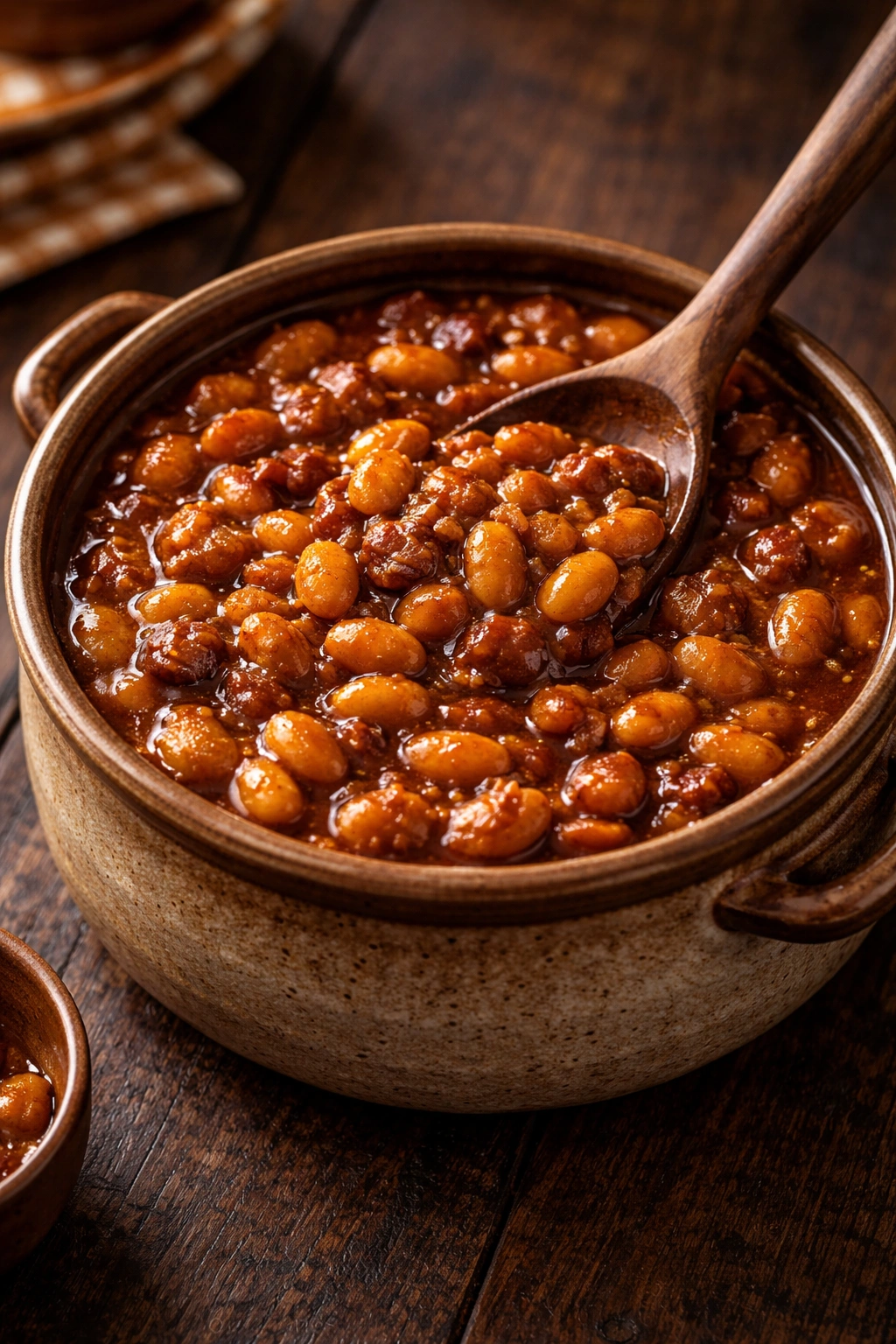
Baked beans are one of the few dishes where sitting around is an actual improvement rather than something to avoid. The beans soften further, the flavors deepen, and the sauce becomes richer and more cohesive. They’re warm, filling, require minimal fuss on arrival, and they pair well with almost everything else on a potluck table.
The No-Fail Formula
The reason baked beans are so reliable for travel is that they’re essentially a sauce with beans in it, and sauces are inherently travel-friendly. The liquid keeps the beans moist and prevents them from drying out, the flavors meld together during transport, and there’s no concern about the components separating. You can make them in a slow cooker and transport them still warm in an insulated carrier, or make them a day ahead and reheat them gently just before leaving.
What Keeps Them Perfect During Transport
- The sauce is everything: A sauce made from brown sugar, mustard, tomato paste, and a splash of apple cider vinegar or Worcestershire creates an environment where beans can sit for hours without drying out. The acidity also prevents spoilage.
- Quality beans make a difference: Use canned beans if you must, but dried beans that have been soaked and cooked until just tender absorb the sauce better than beans that are already soft. The texture contrast matters.
- Bacon or salt pork adds flavor and stability: Including a small amount of smoked pork adds a savory depth that makes baked beans taste intentional and rich, not just sweet. It also adds fat that keeps things moist.
- Transport them warm in an insulated container: Unlike some dishes that are better served cold, baked beans genuinely do taste better warm. An insulated slow cooker carrier keeps them at the right temperature for hours.
Worth knowing: If your baked beans seem too thick when you arrive, you can add a splash of water or broth and stir it in. The beans will continue to absorb liquid, so it’s better to start slightly thick than to arrive with beans swimming in sauce.
4. Creamy Dips With Sturdy Vehicles
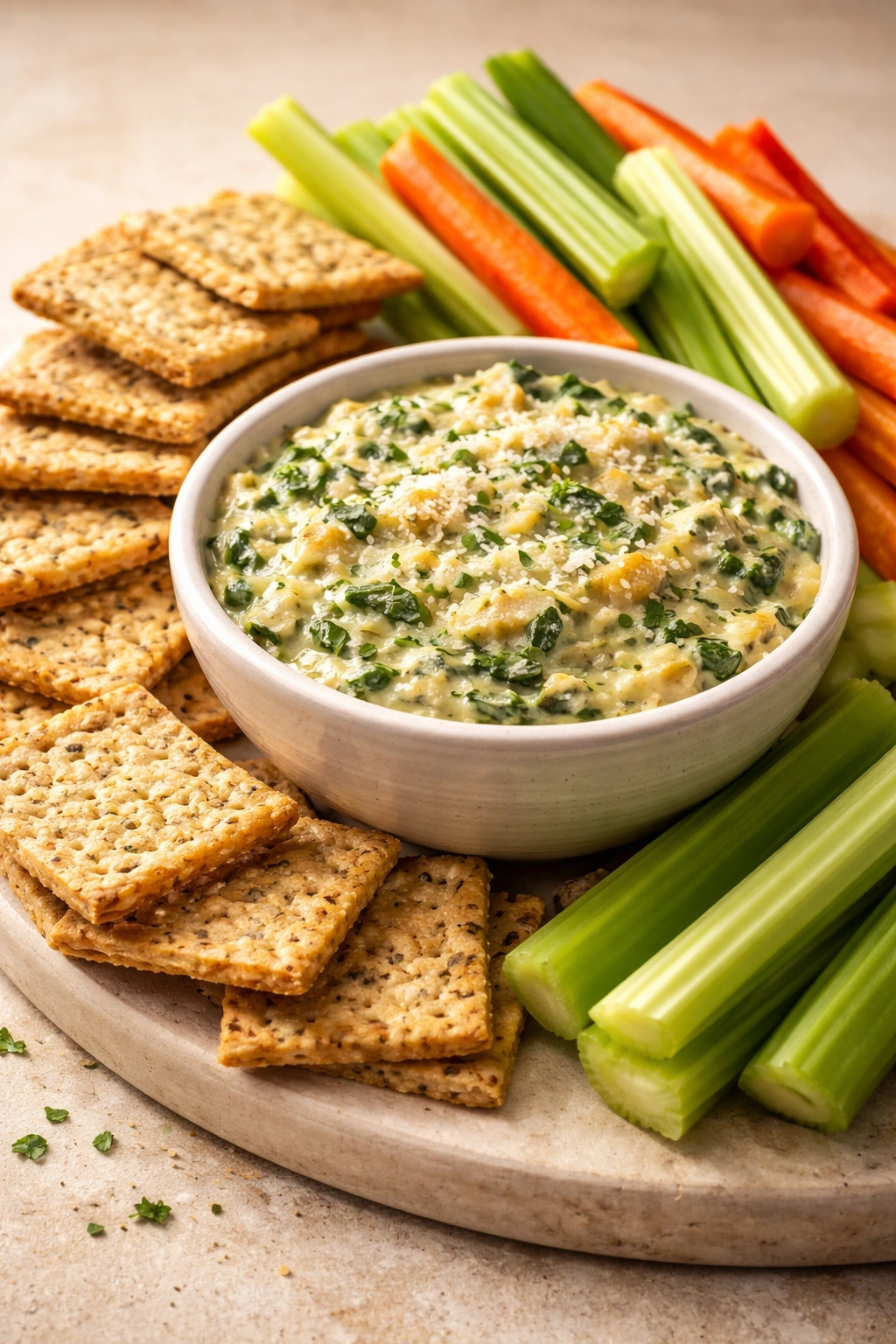
A dip travels beautifully if it’s creamy enough to stay together, flavorful enough to be interesting, and paired with vegetables or crackers that don’t soften or become soggy. The best travel dips are substantial enough to coat a chip or vegetable without running off, and they taste great both warm and at room temperature.
Why Certain Dips Excel at Travel
Spinach and artichoke dip, buffalo chicken dip, or a robust white bean dip can all make the journey successfully because they’re thick enough to maintain their structure, flavorful enough that room temperature doesn’t diminish them, and actually taste better after the flavors have had time to meld. A thin salsa or watery dip, on the other hand, separates, develops an unappealing layer of liquid on top, and becomes diluted and boring.
Transport and Serving Secrets
- Keep the dip in a container that retains heat: A small slow cooker set to warm is ideal, or transport it in a well-insulated container lined with a towel. If the dip is still warm when people arrive, it feels special and tastes richer.
- Pack your vehicles separately: Bring crackers or vegetable sticks in a separate, sealed bag. Nothing is sadder than soggy crackers. People can add them as they eat, and they’ll stay crisp for the entire party.
- Choose durable vehicles: Hard crackers, sturdy vegetables like bell peppers and carrots, and sturdy bread chips all travel well. Skip delicate wafers that break and soft vegetables like cucumber that become rubbery.
- Make the dip thick and rich: Cream cheese, sour cream, and mayonnaise are your friends here. A dip that seems almost too thick will reach the right consistency at room temperature and will stay together during transport.
Pro tip: Make any substantial dip 24 hours ahead. The flavors are more developed, and the texture is more stable. You can reheat it gently just before leaving, or serve it at room temperature if the flavor profile works for it.
5. Charcuterie and Cheese Board Elements
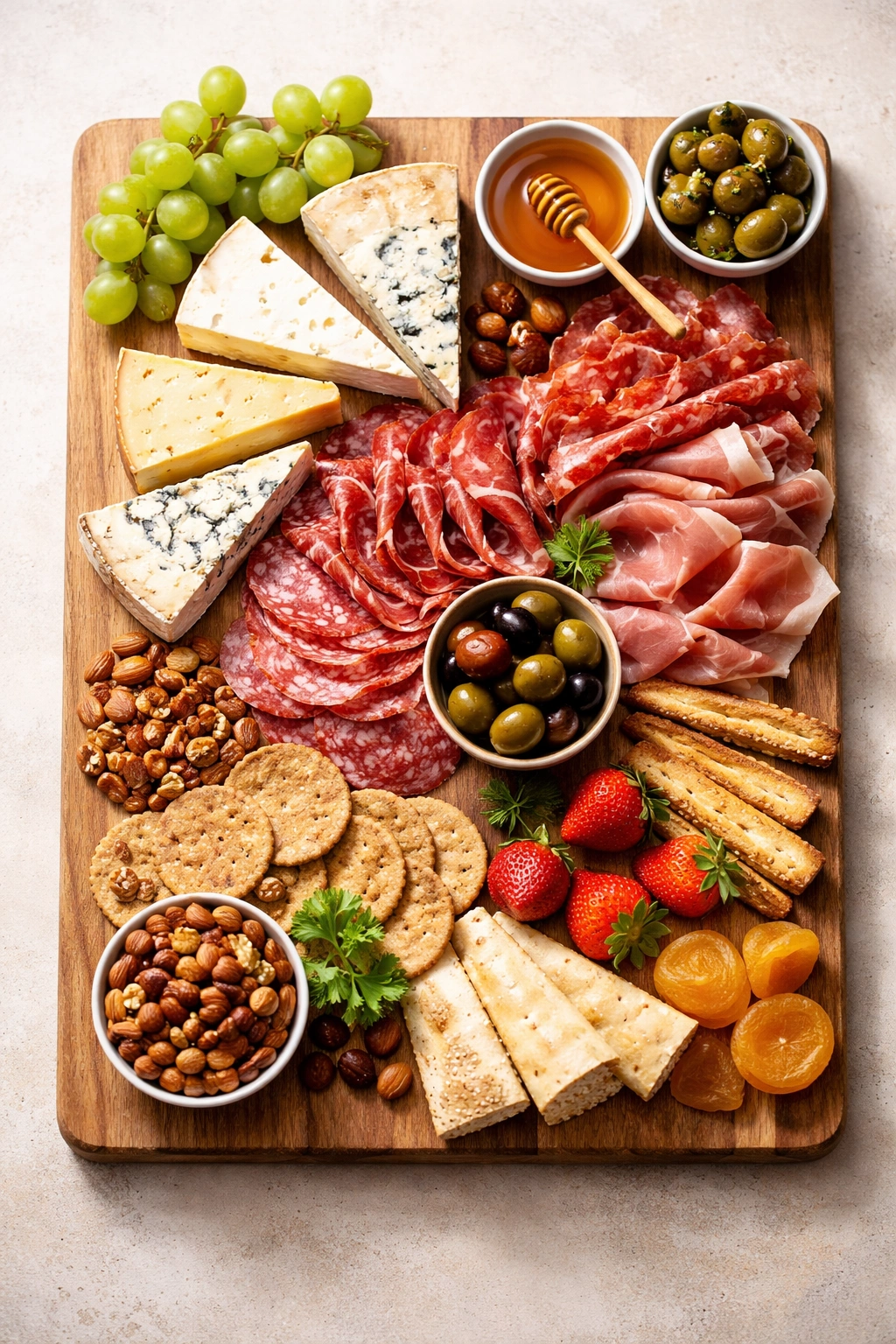
A carefully assembled charcuterie-style board isn’t really a “dish,” but when made strategically for transport, it’s one of the most impressive and effortless potluck contributions. The key is choosing items that travel flawlessly and packing them in a way that allows you to assemble or re-assemble them quickly upon arrival.
The Strategy for Traveling Boards
Instead of assembling a full board at home and hoping it survives the journey, pack the elements separately in containers and do a final assembly or arrangement at the potluck. This keeps everything fresh, prevents items from getting squished, and gives you the flexibility to adapt to the space and other dishes present. Cheeses stay firmer, cured meats stay fresher, and everything looks intentional.
The Ingredients That Travel Flawlessly
- Aged cheeses and cured meats: Hard cheeses like aged cheddar, gouda, and pecorino, along with cured meats like prosciutto, salami, and soppressata, are among the most travel-friendly foods on earth. They don’t require refrigeration for several hours, they slice cleanly, and they improve as they reach room temperature.
- Nuts and roasted seeds: Candied pecans, toasted almonds, or sunflower seeds add texture and substance without any worry about spoilage or deterioration. Pack them in a sealed bag to keep them from absorbing moisture.
- Dried fruits and preserved items: Apricots, figs, or dried cranberries travel beautifully and add a sweetness that balances salty cured items. Marinated olives or pickles add acidity and depth.
- Crackers in a separate container: Transport crackers in a sealed bag and add them to the board at the destination. They stay crisp and don’t absorb moisture from cheese or cured meats.
Insider note: Include something unexpected—candied bacon, marinated mushrooms, or a small jar of hot pepper spread. These details signal that you put thought into your contribution and give the board character beyond the basics.
6. Brownies or Bar Cookies
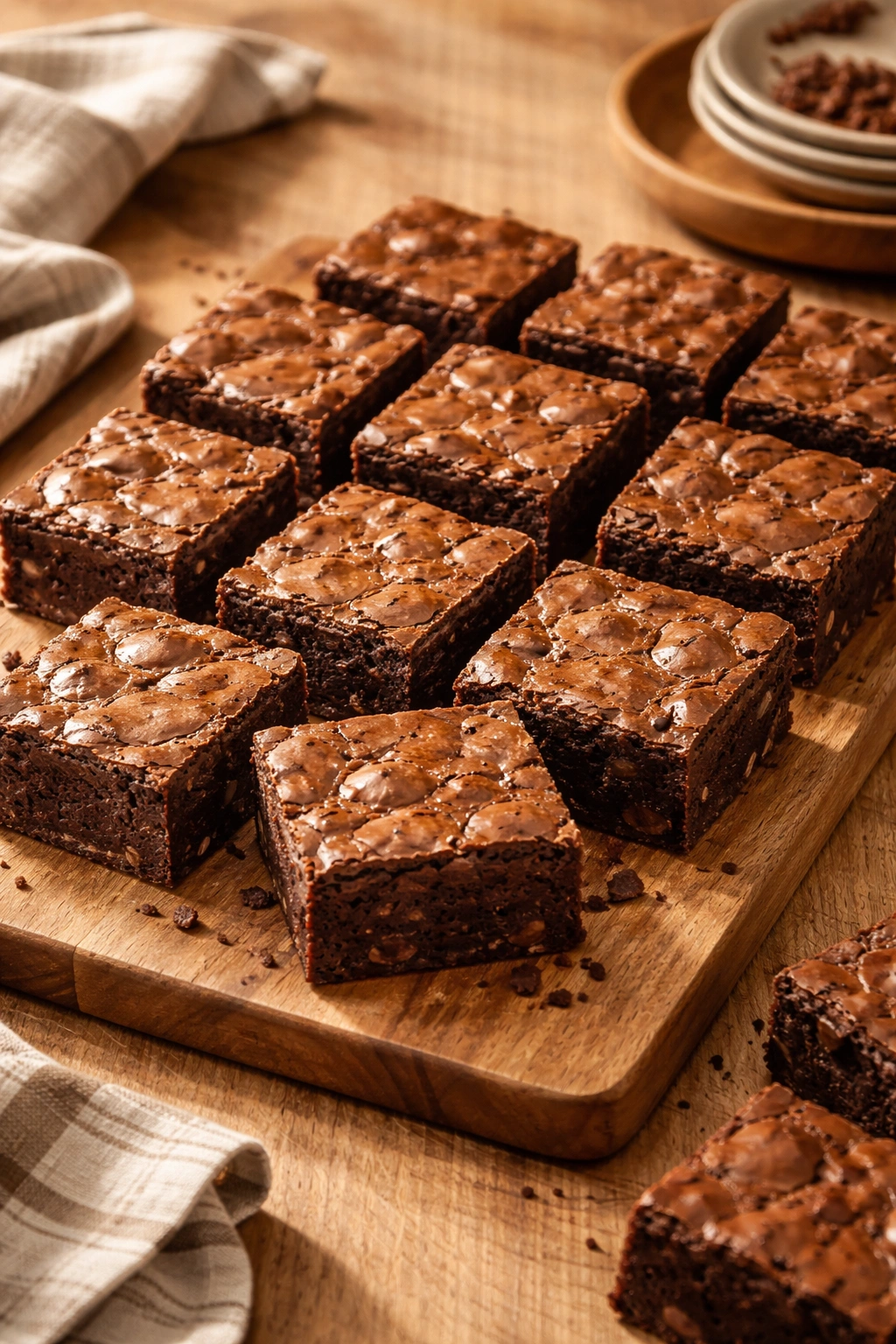
Brownies and bar cookies are the reliable heroes of every potluck because they’re flavorful enough to taste good after several hours, sturdy enough to survive being jostled around, and easy to serve without requiring any setup or utensils. A good brownie or bar cookie actually tastes better the next day as the flavors settle and the texture becomes slightly fudgier or chewier.
Why Baked Goods Travel So Well
The nature of baked goods—structured by gluten and held together by the interaction of butter, sugar, and eggs—means they’re incredibly stable. Unlike frosted cakes that can break apart or cream-based desserts that can separate, a dense brownie or a chewy cookie bar is essentially a sealed package. It doesn’t dry out during transport if you cover it properly, and it tastes just as good at room temperature as it does fresh from the oven.
Transport and Freshness Tips
- Choose dense, fudgy recipes over light and cakey ones: A brownie with lots of chocolate and butter will travel better than a cake-like brownie that’s prone to crumbling. Similarly, a chewy cookie bar stays together better than a crispy cookie.
- Cut them after transport, not before: Bake your brownies as a full sheet, wrap them tightly in plastic wrap or parchment paper, and cut them into squares only after you arrive. Cut edges are exposed and can dry out; uncut brownies stay moister.
- Pack them in a sturdy container with parchment between layers: If you need to stack them, place a sheet of parchment paper between layers so they don’t stick together and fragments don’t ruin the tops of lower layers.
- Make them a day or two ahead: Brownies genuinely taste better after 24 hours. The flavors settle, the texture becomes slightly fudgier, and the chocolate deepens. You can also bake them days ahead and freeze them, then thaw them the night before the potluck.
Pro tip: Make brownies slightly underbaked (pull them out when a toothpick inserted in the center comes out with a few moist crumbs still clinging). They’ll continue to set as they cool and will stay fudgy and delicious even after several hours at room temperature, where a fully baked brownie might start to seem dry.
7. Caprese Skewers or Antipasto Bites
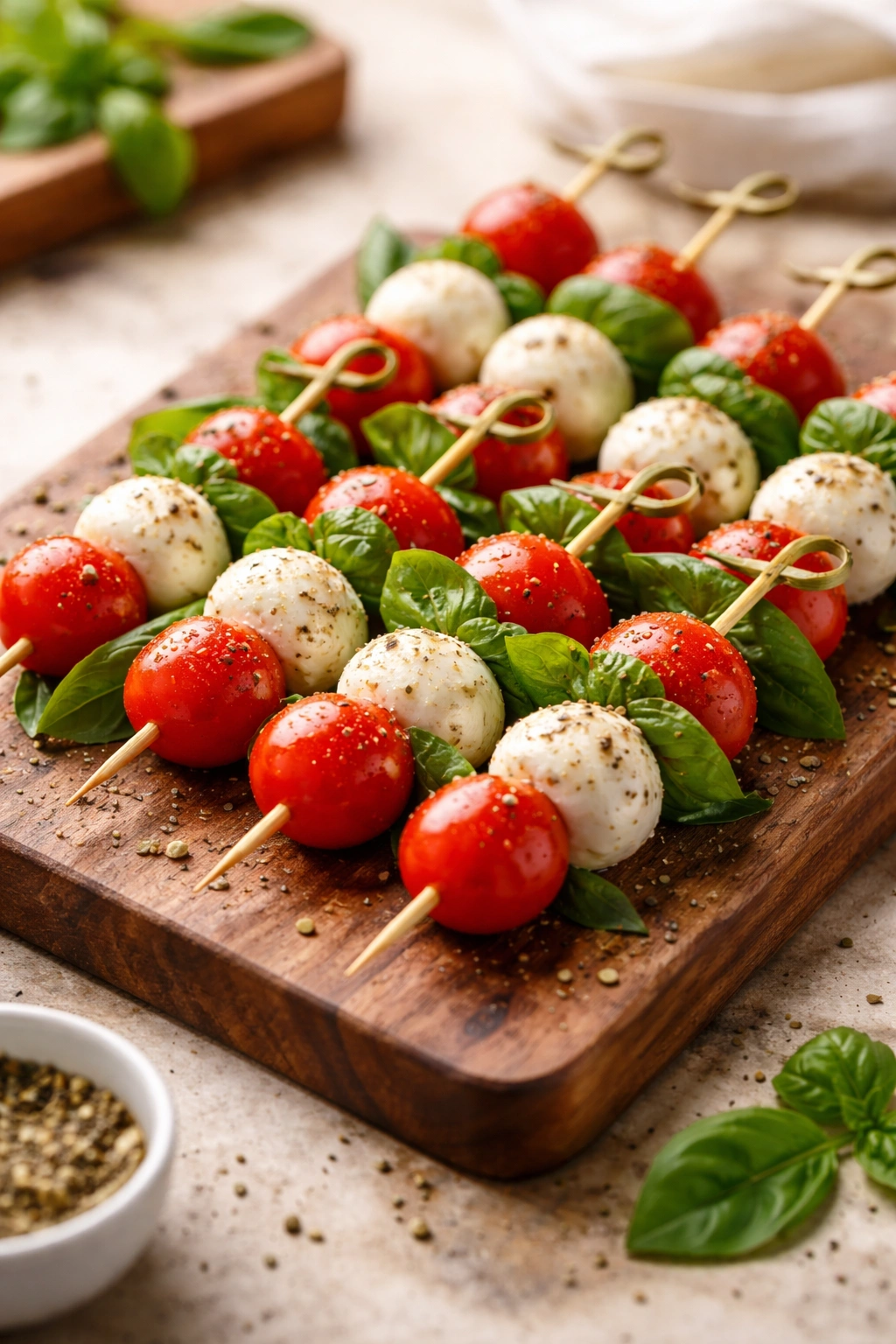
Cherry tomatoes, fresh mozzarella, and basil threaded onto small picks or skewers create a sophisticated, elegant potluck dish that’s actually more stable than it might seem. The key is using components that are sturdy enough to hold together, skewers that keep everything aligned, and an assembly timing that prevents the tomatoes from releasing too much liquid.
The Design That Works for Travel
Caprese skewers work because each component is stable on its own: cherry tomatoes have firm skin, fresh mozzarella holds its shape even after being threaded, and basil leaves stay intact when you use tender center leaves. The wooden or plastic picks hold everything in place during transport, and the individual size means people can grab one without committing to a full serving.
Assembly and Transport Strategy
- Make the skewers the morning of the event, not the night before: The tomatoes will start releasing liquid if they sit assembled for too long. If you need to prep ahead, wash and dry the tomatoes thoroughly, make the mozzarella balls, and assemble everything within a few hours of the potluck.
- Use the highest-quality mozzarella and tomatoes you can find: Mealy tomatoes or rubbery mozzarella will undermine the whole dish. Ripe, fragrant tomatoes and creamy, tender mozzarella make all the difference.
- Skewer in this order for stability: Cherry tomato, fresh basil leaf, small mozzarella ball. This keeps the basil sandwiched and from bruising, and the mozzarella stays locked in place.
- Pack them standing up in a container: A shallow container where the skewers stand upright prevents the mozzarella from getting squished under the weight of other skewers.
- Add dressing at the destination: Pack a small container of excellent olive oil and balsamic vinegar or a pesto drizzle. Drizzle it over the skewers right before serving so they don’t get soggy or slippery during transport.
Worth knowing: If the tomatoes seem watery when you open your container, pat them gently with a paper towel. This prevents the juice from diluting the dressing and making the skewers slip around.
8. Slow Cooker Meatballs or Wings
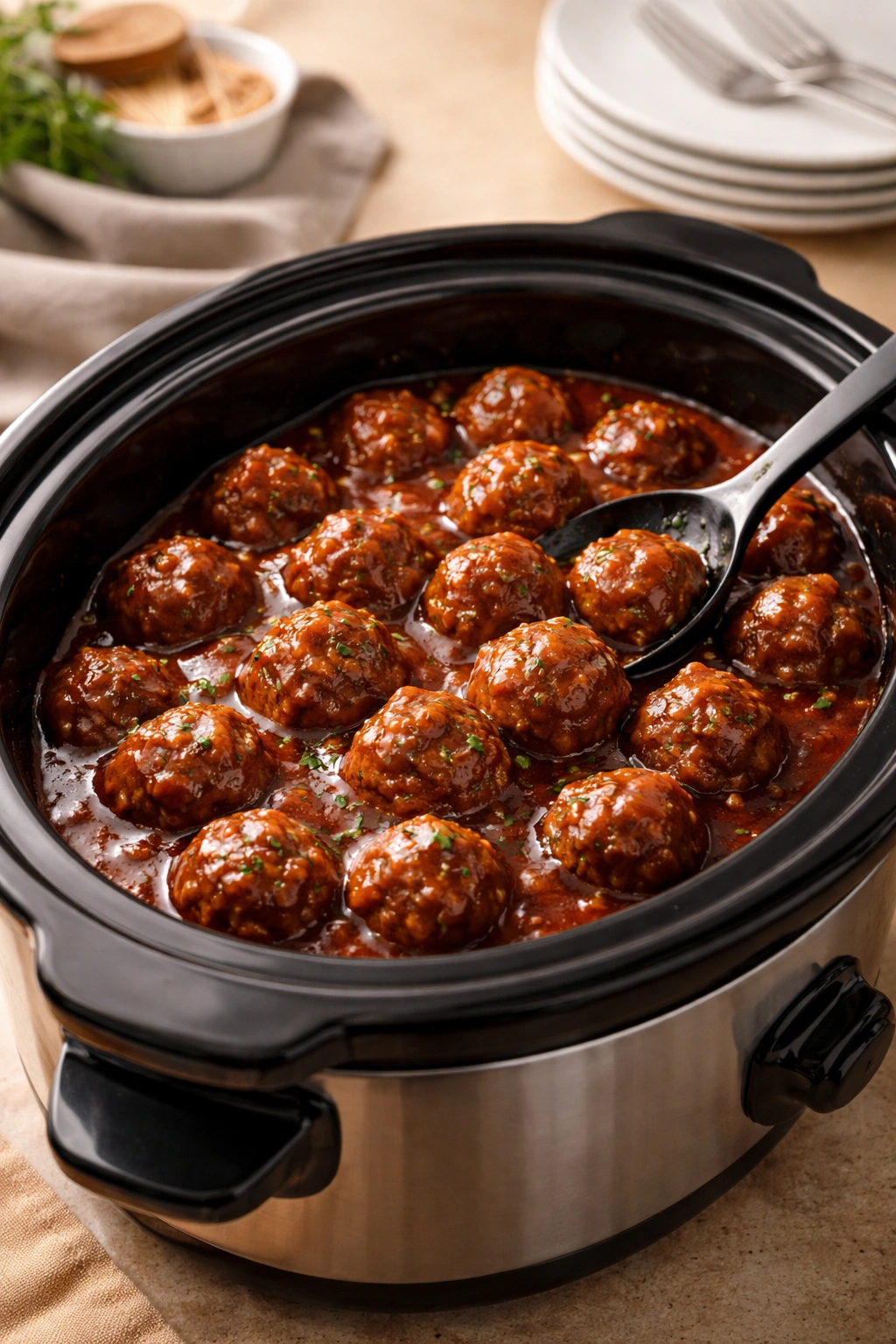
Slow cooker dishes are the unsung heroes of potlucks because you can transport them still warm in their cooking vessel, set them down, and let them slowly cool while people eat. Meatballs or wings in a savory-sweet sauce are crowd-pleasers, they stay warm for hours, and people keep coming back for more even when there are other options.
Why Slow Cooker Dishes Win Every Time
The genius of a slow cooker as a potluck vehicle is that it keeps food warm without drying it out, the moisture in the sauce prevents any browning or crusting, and you don’t have to do any setup at the potluck—just plug it in and leave it on warm. The sauce also means the meatballs or wings stay moist even if people let them sit for a while, and the flavors continue to deepen as everything mingles in the slow cooker.
The Sauce That Makes Them Sing
- Build layers of flavor: A combination of ketchup, soy sauce, honey or brown sugar, and a splash of vinegar or hot sauce creates a sauce that’s savory, slightly sweet, and interesting. Add garlic, ginger, or red pepper flakes for depth.
- Use frozen meatballs for convenience: High-quality frozen meatballs are genuinely good and take the pressure off you to make them from scratch. Dump them straight from the freezer into the slow cooker with your sauce—they’ll thaw and warm through beautifully.
- Season your sauce generously: A sauce that seems slightly over-seasoned in your kitchen will be perfectly balanced once it’s absorbed into meatballs or wings and diluted slightly by any moisture they release.
- Transport in the slow cooker itself: If you have a portable slow cooker, transport it in that and plug it in at the destination. If you need to transport it in a separate container, use an insulated carrier with a hot pack and it’ll stay warm for hours.
Pro tip: Make your sauce and add the meatballs or wings the morning of the potluck, even if it’s just two hours before you leave. The meatballs will gradually absorb the sauce, and everything will taste better. If you make it the night before and it sits overnight, the flavors are even more developed.
Final Thoughts
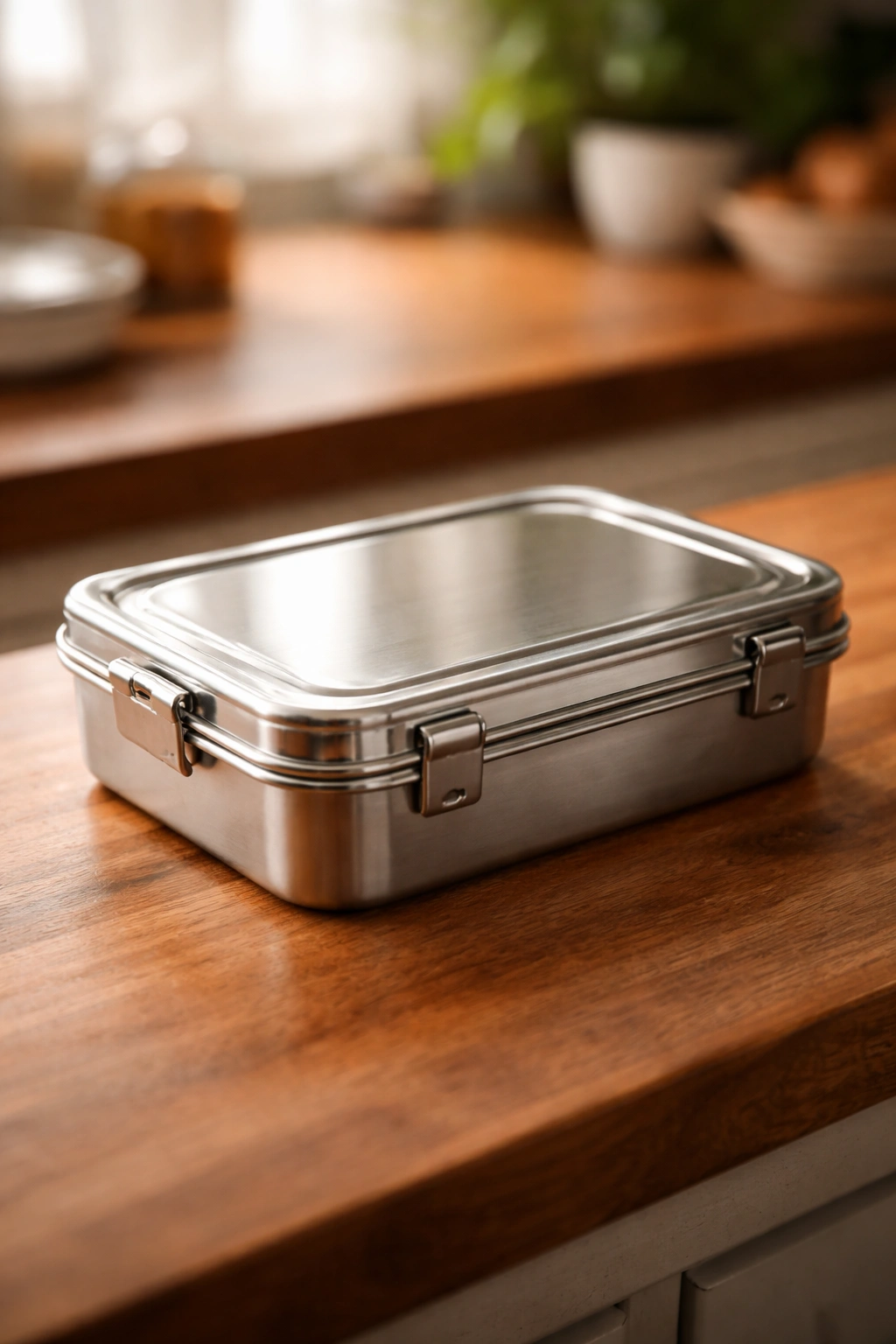
The thread that connects every successful potluck dish is thoughtfulness about how food behaves during transport and after arrival. The best dishes aren’t necessarily the fanciest or most time-consuming; they’re the ones that have been considered from the perspective of the food itself. How will this taste after sitting for an hour? Will the texture survive being moved around? Will the flavors be better or worse at room temperature?
When you choose one of these dishes and make it with real attention to the details—proper pasta shapes, sturdy vegetables, adequate dressing, good transport containers—you’re essentially guaranteeing success. You’ll arrive at the potluck confident that your contribution looks and tastes good, and you’ll likely see your dish empty before some of the other options on the table.
The most valuable skill for any potluck participant isn’t cooking ability; it’s the ability to choose a dish that’s fundamentally suited to the potluck environment and then execute it well. These eight approaches represent years of collective potluck wisdom—they’ve been tested in kitchens, cars, and party venues, and they consistently deliver. Pick the one that fits your cooking style and the occasion, make it with care, and you’ll be the person people ask about year after year.
