



Planning a baby’s first birthday party brings so much joy—and a surprising amount of pressure around the menu. You want food that’s festive enough for the adults, safe and developmentally appropriate for your little one, and actually easy to pull together without spending the whole week in the kitchen. Finger foods are your secret weapon because they work beautifully for both the birthday baby learning to self-feed and the visiting guests looking for easy bites between conversations. The beauty of finger foods for baby parties is that they don’t need to be complicated or time-consuming; they just need to hit a few key marks: they should be soft enough for emerging molars to handle, free from choking hazards, and appealing enough that your guests feel properly fed. This guide walks you through dozens of tested finger food ideas, practical preparation tips, and smart shortcuts that take the stress out of party planning while ensuring everyone leaves satisfied.
Understanding What Makes a Baby-Friendly Finger Food
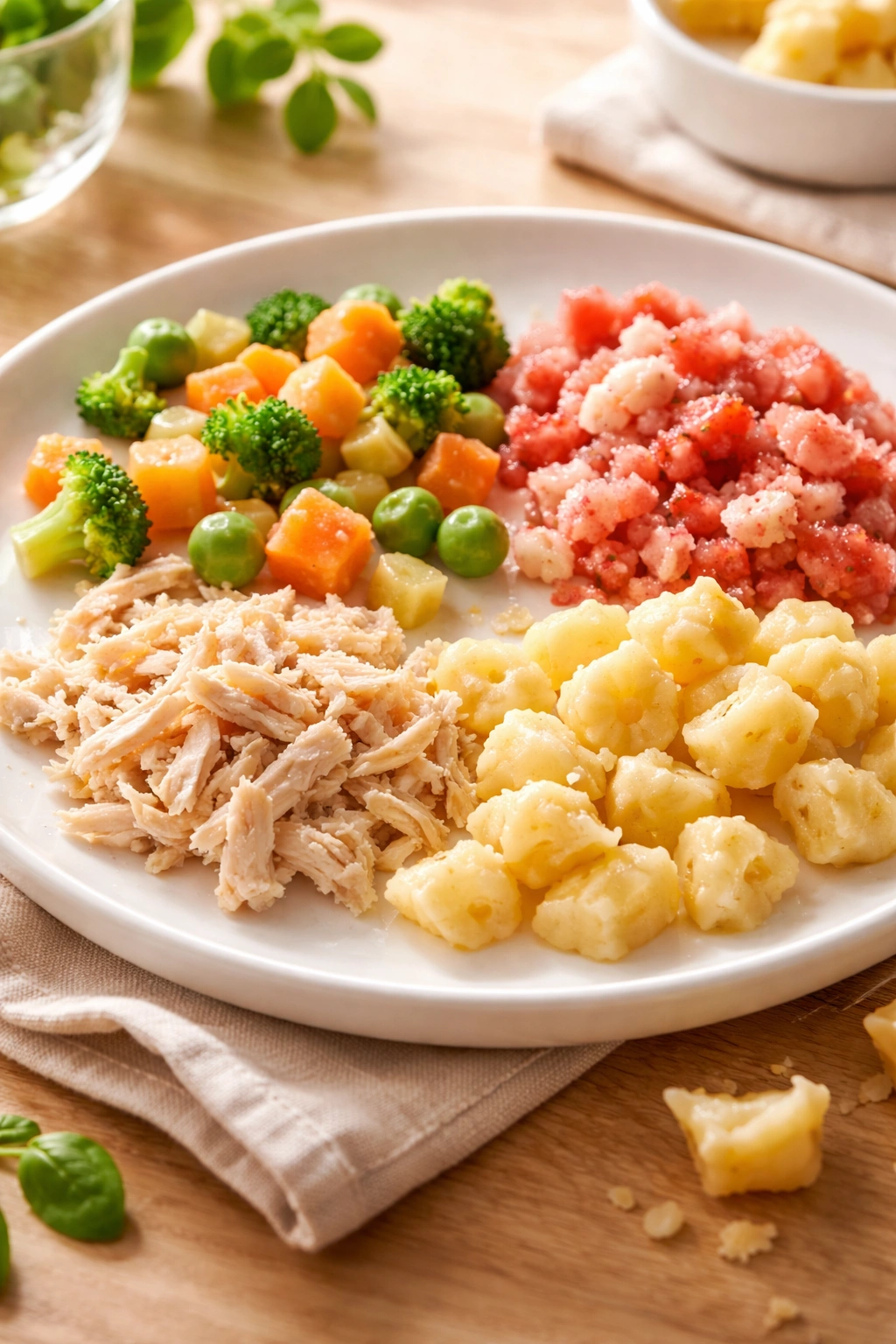
Not every finger food is automatically safe or appropriate for a one-year-old, even if older siblings can eat it without issues. The critical factor is texture: baby finger foods should dissolve easily in the mouth with minimal chewing or practically melt on the tongue when moistened with saliva. Hard, round, sticky, or chewy foods are all potential choking hazards, which means many of the classic party appetizers your guests love won’t work for your youngest guest.
The developmental stage of the birthday baby matters enormously. A ten-month-old’s eating skills differ significantly from an eighteen-month-old’s abilities, so tailor your options accordingly. If your baby is just beginning to self-feed, focus on softer fruits, cooked vegetables, and pre-shredded or crumbled items. Older babies can handle slightly firmer textures, though you’ll still avoid anything that requires serious chewing power.
The best baby finger foods are inherently nutritious rather than relying on added sauces or seasonings for their appeal. Your baby is still discovering pure flavors without the salt, sugar, and spices that make adult party food interesting, so stick with naturally appealing options: sweet fruits, mild cheeses, tender proteins, and slightly cooked vegetables. This approach also makes it easier for guests to understand what their own babies can safely eat if they’re watching to see what you’ve chosen.
Size matters more than most people realize. Aim for pieces roughly the size of a chickpea or a pea—big enough that your baby can grab and bring to their mouth independently, but small enough that it dissolves quickly. Anything larger than a pea or that requires a strong bite to break apart poses a choking risk. Cut grapes and cherry tomatoes in quarters (or eighths if you’re being extra cautious), and consider the shape: long, thin pieces are riskier than bite-sized chunks.
Fresh Fruit Cuts That Work Beautifully
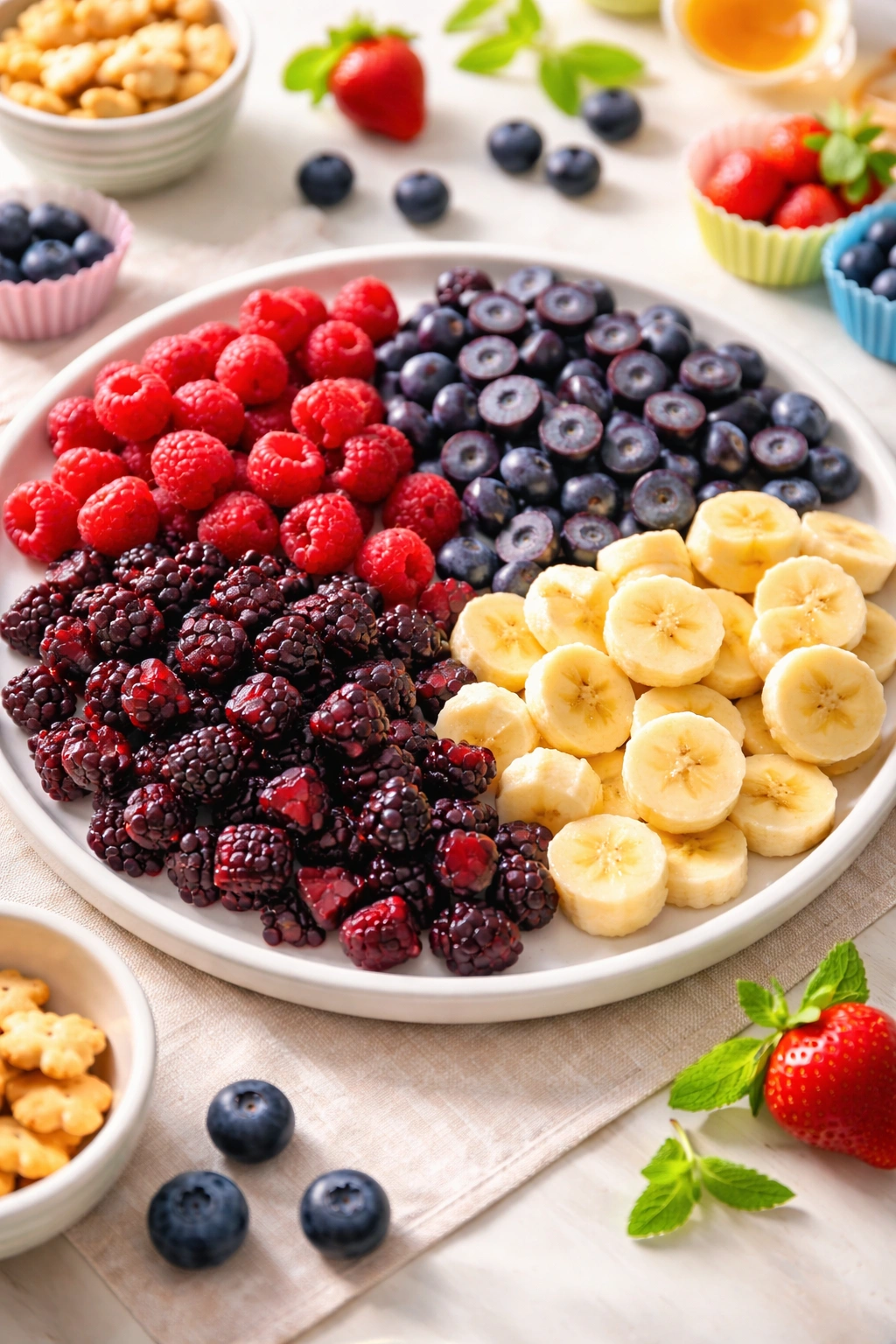
Fruit is the MVP of baby birthday parties because it requires minimal prep, looks festive on a platter, and babies almost universally love the natural sweetness. The key is choosing fruits that are naturally soft or become soft quickly, and cutting them into genuinely tiny pieces rather than the medium-sized bites you might serve to older kids.
Soft berries like raspberries, blackberries, and blueberries are nearly perfect finger foods because they’re small enough naturally and dissolve instantly in the mouth. Blueberries should be halved for babies under fourteen months since their round shape can be tricky, but slightly older babies can manage whole berries. Raspberries are so fragile they practically disintegrate, and they’re sophisticated enough that your adult guests will be happy snacking on them too.
Ripe banana is perhaps the easiest first finger food because it’s already the ideal texture—soft enough to dissolve instantly without chewing, portable, and naturally sweet. Cut bananas into small coins or mash slightly and offer on soft bread. Banana pieces brown quickly after cutting, so prepare them close to party time or toss gently with a tiny squeeze of lemon juice to prevent oxidation. Real talk: overripe bananas work better than firm ones for this purpose because they’re almost creamy in texture.
Ripe peaches, nectarines, and plums should be cut into small, soft pieces with the skin removed if the fruit isn’t perfectly ripe and soft. The fuzzy skin on peaches can catch in a baby’s throat, and the skin on plums doesn’t dissolve easily, so spend two minutes removing it. Ripe pears are another winner—they’re naturally mild, soft, and sweet without being overwhelming.
Melon (cantaloupe, honeydew, or watermelon) is hydrating and party-appropriate, but cut it into tiny pieces and remove the stringy parts in the center. Watermelon can be a bit slippery, so small cubes work better than thin slices. The seeds in melon are choking hazards, so either buy seedless varieties or carefully remove every seed yourself.
Mango is luxurious and delicious but requires careful removal from the large central pit and the removal of any stringy fibers. Cut very ripe mango into soft cubes. Avocado, while technically a fruit, deserves its own mention because of its creamy texture and mild flavor—mash slightly or cut into small, soft pieces.
Cheese-Based Bites That Satisfy Guests Too
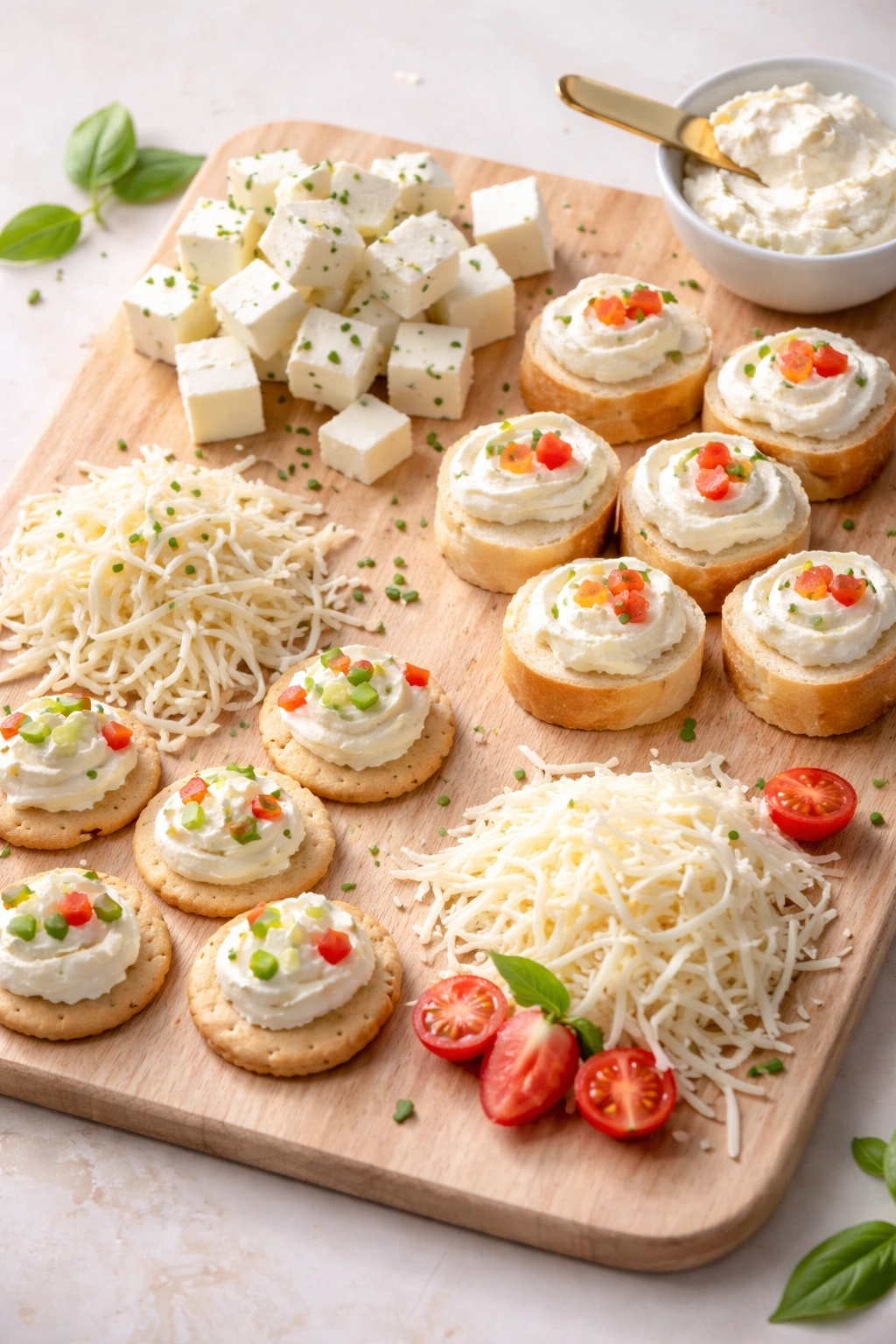
Cheese is protein-rich, naturally appealing, and easy to customize for both babies and adults. The challenge is avoiding very hard or aged cheeses that require serious chewing power, and staying mindful of sodium content since many cheeses are salty.
Soft cheese cubes made from cream cheese, ricotta, or mascarpone are ideal because they dissolve instantly and offer richness that guests appreciate too. Cube cream cheese and serve plain or topped with a tiny amount of fruit puree. Ricotta dollops on soft bread or crackers work wonderfully. These soft cheeses are virtually zero-risk for choking because they melt instantly.
Shredded cheese, particularly mild cheddar or mozzarella, can be offered in small pinches. Some babies find it easier to grasp as loose shreds than as chunks. You can also mix shredded cheese into soft bread or pasta shapes for added nutrition. String cheese, while fun for older toddlers to hold, is too chewy and stringy for babies still developing their chewing skills, so skip it.
Small cheese crisps made from just cheese baked in the oven until crispy (no additional ingredients) become delightfully crispy and dissolve almost instantly. Tiny mozzarella balls sometimes called “pearls” or small versions of ciliegine mozzarella are soft enough if you cut them in halves. Avoid hard, aged cheeses like sharp cheddar or parmesan that require extensive chewing.
Paneer (Indian cheese) is mild, holds its shape, and has a lovely soft texture when cooked. It’s also interesting for adult guests who might not expect it at a baby party. Cut into small cubes and serve plain or with a mild yogurt sauce for dunking.
Ricotta pancakes made with minimal seasoning and cut into bite-sized squares are substantial enough to please your grown guests while being perfectly safe for babies. Mix ricotta with a beaten egg, tiny pinch of salt, and vanilla, then pan-fry into dollar-sized pancakes and cut into quarters.
Bread, Crackers, and Grain-Based Options
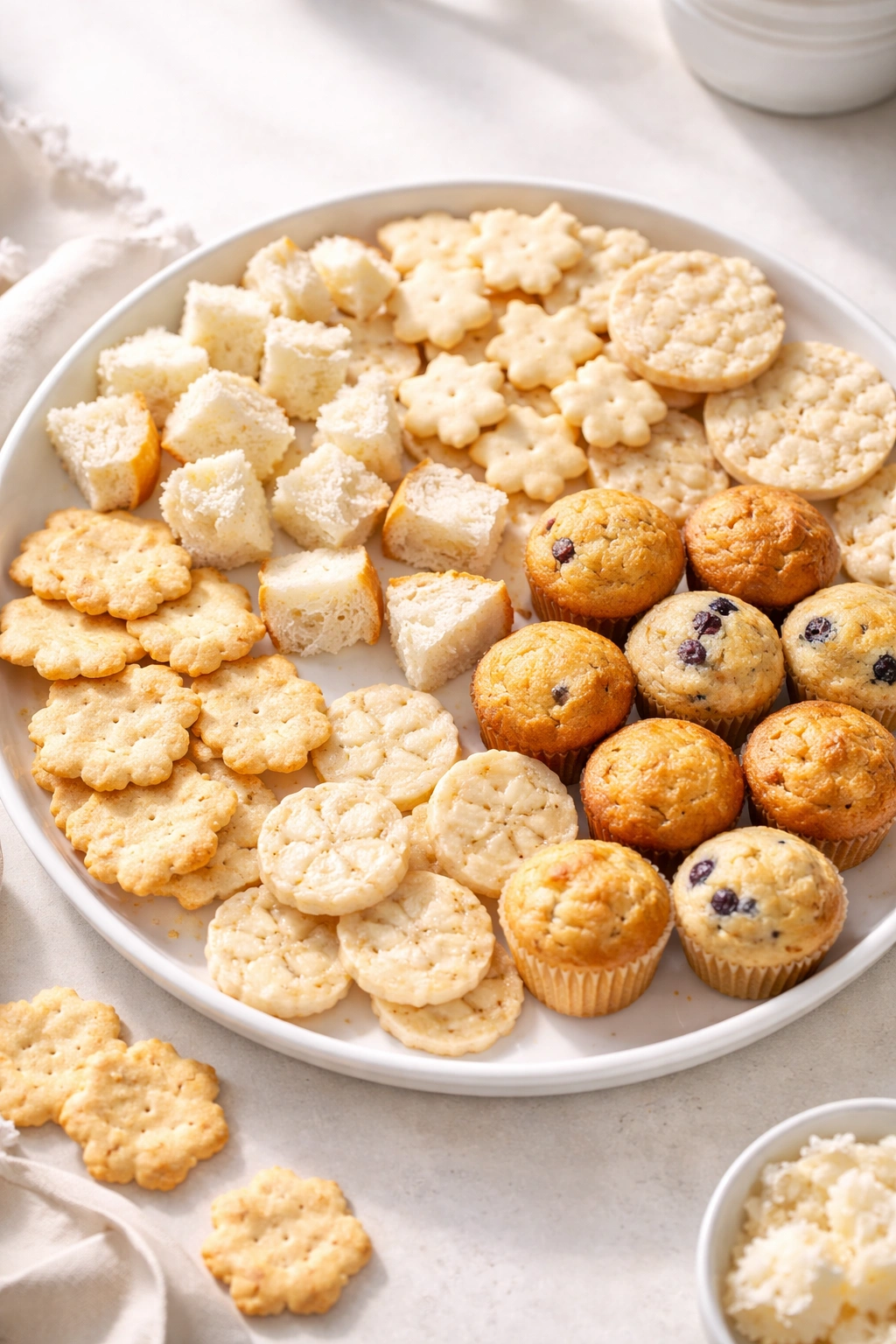
Soft bread products provide substance and help balance the naturally sweet fruits and vegetables on your spread. The key is choosing breads that are genuinely soft and don’t require aggressive chewing, and being cautious with any grain products that have seeds or nuts.
Soft bread torn into small pieces or cut into thin strips is a classic pairing with cheese and fruit. Brioche, challah, or enriched white bread (not whole grain or dense varieties that require serious chewing) work best. Focaccia with minimal oil is tender enough, and some babies enjoy the light texture. Avoid seeded breads entirely because seeds can be choking hazards.
Soft crackers specifically designed to dissolve easily—like the rice crackers marketed for babies or very thin, delicate crackers—are appropriate in small pieces. Most traditional party crackers are too hard and require actual chewing, making them risky for younger babies. If you’re offering crackers to guests, choose two varieties so adults get something sturdier.
Mini muffins made with soft, mild flavors (banana, apple, or vanilla) are easy for babies to pick up and perfect portions for guests too. Bake them without nuts, seeds, honey (for babies under one year), or excessive spices. They’re best when still slightly warm because they’re softer. One mini muffin half is a generous portion for a baby.
Soft pasta shapes like tiny tortellini, ravioli, or the small ring pasta work beautifully because they’re naturally bite-sized and soft. Cook them until they’re very tender (even slightly past the package’s recommended time), and serve plain or with a mild coating of ricotta or mascarpone. Pasta can be a bit slippery, so smaller pieces mean fewer escaping bites.
Oat-based soft bars made from oats, mashed banana, and minimal sweetener can be cut into tiny pieces. These are hearty enough to appeal to adults and soft enough for babies who are just starting with self-feeding. Avoid granola bars or anything with honey or whole nuts.
Soft pretzels cut into very small pieces are surprisingly baby-friendly because they’re naturally soft and mildly salty (which appeals to adults). They’re substantial without being heavy, and everyone recognizes them as fun party food.
Soft Protein Options Without the Choking Risk
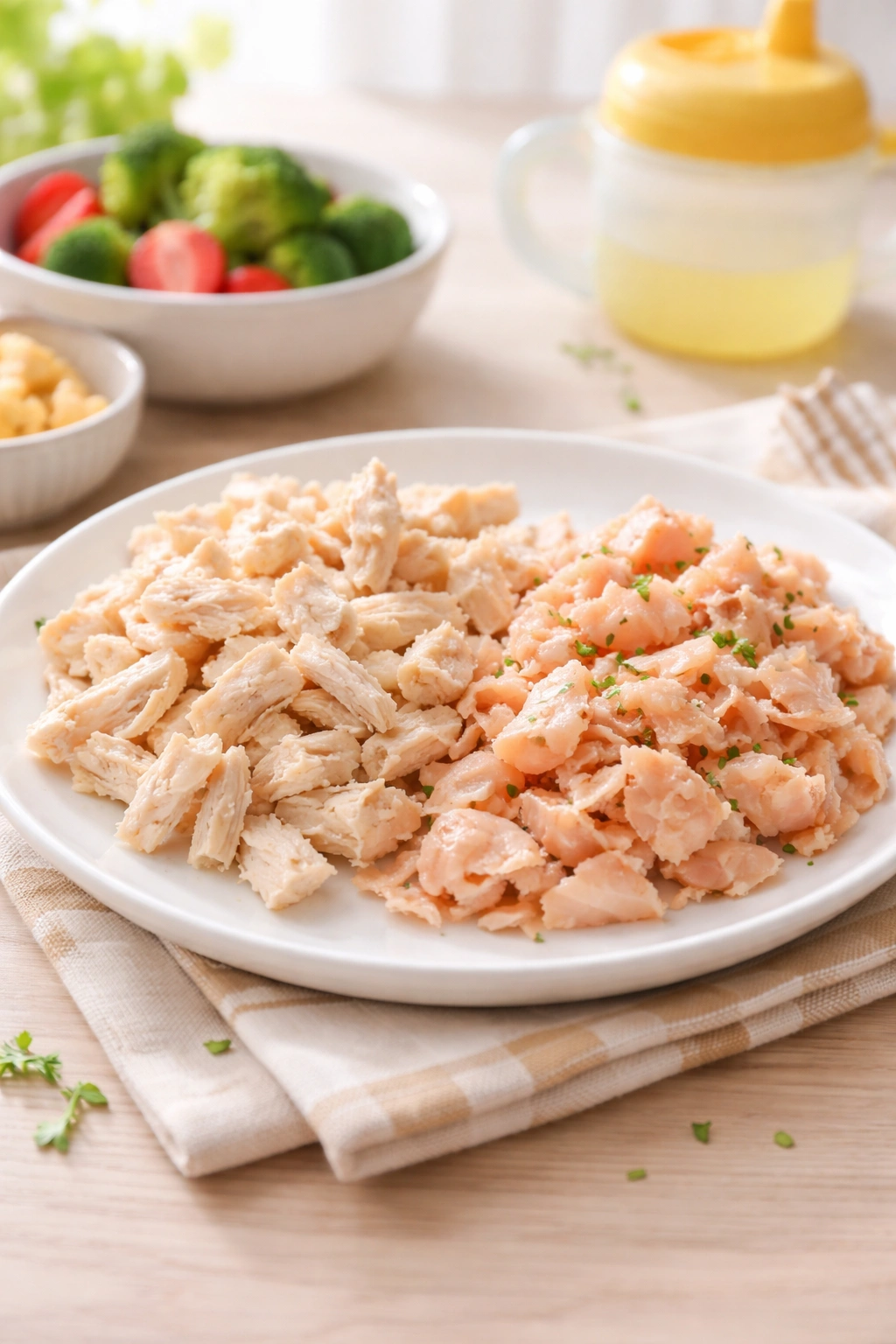
Protein at a baby party feels like a luxury, but it’s worth including because it satisfies your grown guests and gives the birthday baby a more complete nutritional profile. Soft, moist proteins are essential because dry or chewy textures are choking hazards.
Tender chicken cooked until very soft and either shredded into tiny pieces or cut into very small cubes is appropriate if properly prepared. Poaching chicken in broth rather than baking it keeps it moist and tender. The instant it comes out of the water, let it cool completely and shred it finely. Chicken salad made with soft ingredients (chicken, yogurt, finely minced apple, and nothing harder) can be dolloped onto crackers for guests while babies eat it plain off a spoon or mixed into soft bread.
Flaked fish like salmon or white fish that’s been cooked until it flakes apart easily is surprisingly baby-friendly if there are absolutely no bones remaining. This requires genuine care—cook fish very gently so it becomes almost creamy in texture, check scrupulously for any remaining bones, and serve in tiny pieces. Salmon provides omega-3 fatty acids that are wonderful for brain development, making it worth the effort.
Scrambled eggs made from room-temperature or slightly warm eggs (not piping hot which burns tender mouths) are protein-rich, self-feeding-friendly, and nearly foolproof for babies. Scramble with minimal or no salt, and cook them until they’re very soft and a bit creamy rather than firm. A tiny pinch of finely grated cheese stirred in adds mild flavor without choking risk.
Meatballs made from very finely ground meat and binders (such as breadcrumbs and egg) shaped tiny and baked until very tender can work beautifully. Make them smaller than you’d think necessary—think marble-sized for babies still perfecting their chewing skills. They should be soft enough to squish between your fingers easily. These appeal enormously to guests while being safe for babies.
Plain white beans or soft legumes that have been cooked until they’re creamy and slightly mashed are wonderful protein sources. Black beans or pinto beans might stain light clothing, so white or cannellini beans are more practical for parties. Mash them slightly so they’re easier to dissolve in the mouth.
Tofu scrambled or cubed—it’s already soft, holds together nicely, and becomes unnoticeable to adults when mixed into other ingredients. Plain firm tofu crumbled and pan-warmed with minimal seasonings is perfectly appropriate. Some babies enjoy the mild flavor and interesting texture.
Cooked Vegetable Fingers and Soft Veggie Pieces
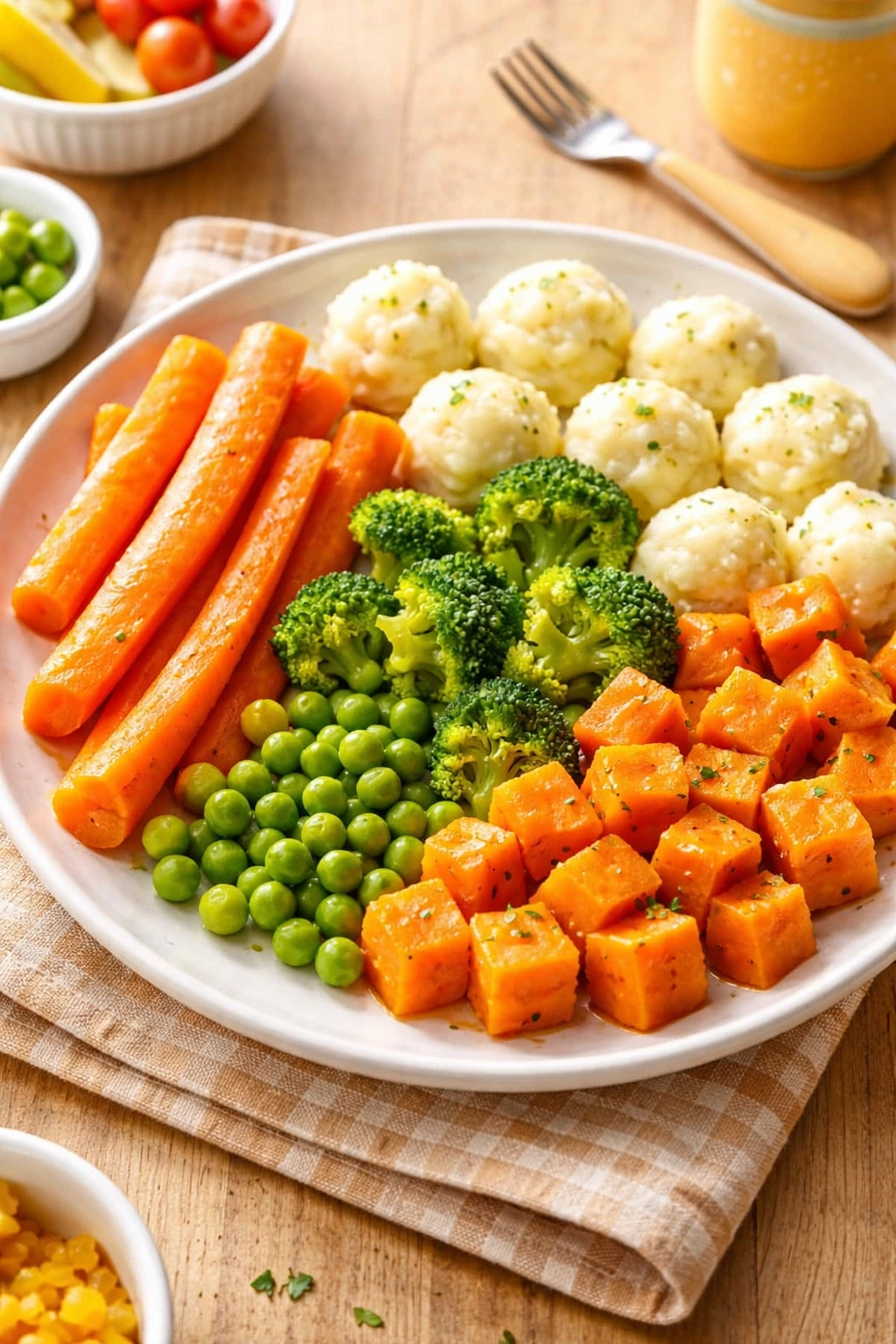
Getting vegetables into your baby’s diet at the party is a nice bonus, though vegetables are certainly not essential when you’ve got fruit and other softer options available. The key is cooking vegetables until they’re genuinely soft and cutting them into truly small pieces.
Sweet potato cut into small cubes and baked or steamed until very soft is naturally sweet and appealing to babies. It’s also substantial enough to be satisfying to adult guests. Roasted sweet potato fries cut very thin are great if the texture is soft enough to mash between your fingers. The natural sweetness means no added sugar is needed.
Regular potato boiled or steamed until very soft and mashed or cut into small pieces works, but it’s less visually interesting and nutritionally dense than sweet potato. If you’re serving it, add a tiny amount of mild cheese or butter to increase the appeal.
Carrots require careful handling because raw carrots are major choking hazards, but cooked carrots that are soft enough to mash easily are fine. Steam or boil them until they’re genuinely tender, not just softened on the outside. Cut them into tiny pieces because even soft carrots can be challenging if they’re larger pieces.
Broccoli and cauliflower florets that have been steamed until very soft work surprisingly well. Cut the florets tiny so they dissolve easily. The mild flavor is often surprising to babies used to sweeter fruits. These are light enough that guests won’t feel overfilled, and they add a nice visual variety to your spread.
Zucchini or summer squash cooked until very soft and cut into tiny pieces is so mild it’s almost neutral. It’s filling without being heavy, making it good alongside richer options.
Peas, while technically seeds, are small enough and soft enough to be appropriate for older babies (around ten months and beyond). Some parents prefer to mash them slightly to ensure they dissolve easily. Frozen peas that have been thawed and slightly warmed are perfect because freezing breaks down the cell structure, making them softer.
Corn kernels are actually a choking hazard because of their shape and tendency to roll, so skip them entirely. Wait until your child is older and has more developed chewing skills before offering regular corn.
Homemade Puffs and Dissolvable Snacks
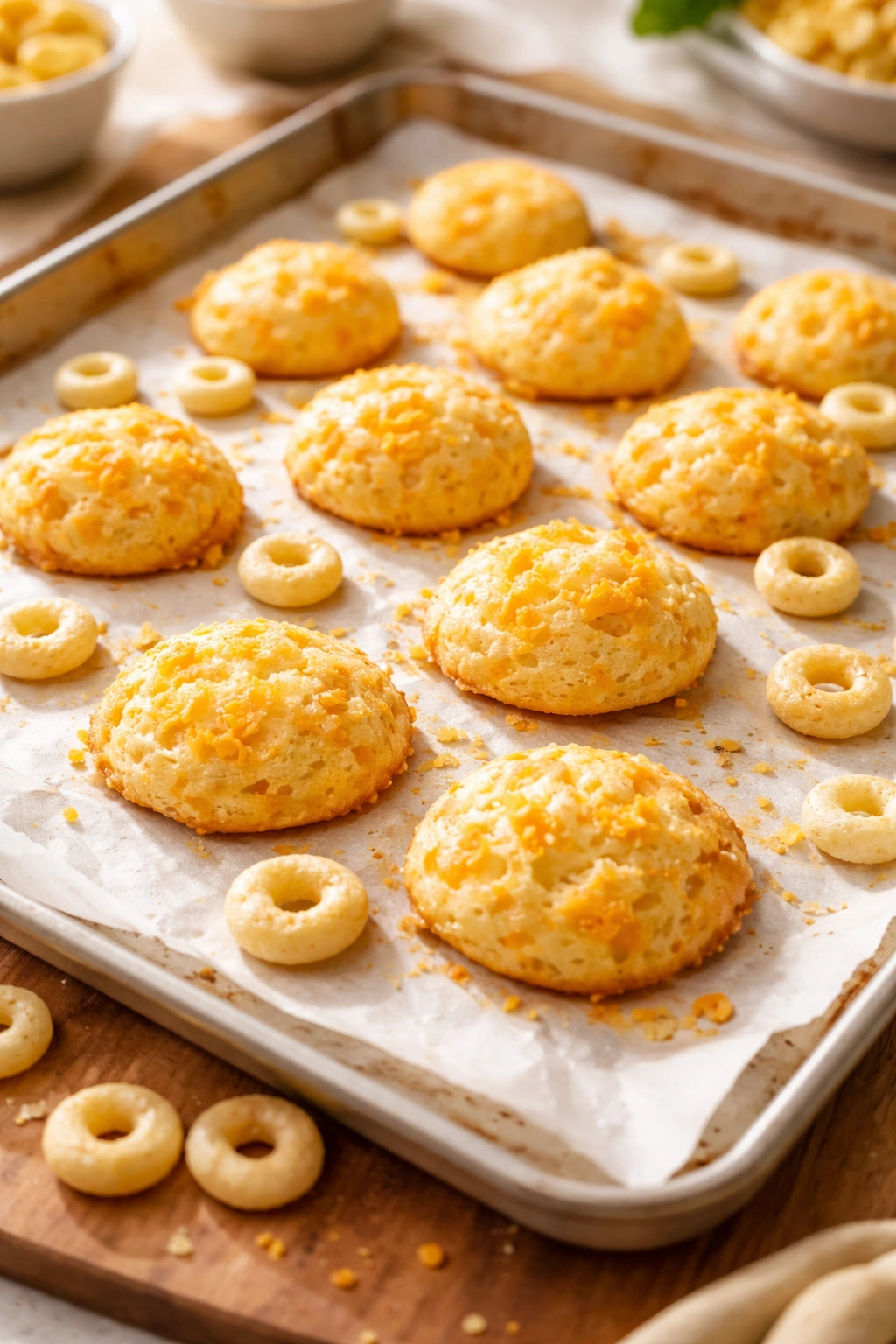
Store-bought puffs marketed for babies are fine, but homemade versions often taste better, cost less, and let you control ingredients completely. These homemade snacks dissolve instantly in the mouth, making them virtually zero-risk for choking, and they’re fun enough that adults will eat them too.
Cheese puffs made from just cheese (usually cheddar) baked until crispy become incredibly light and dissolve instantly. Mix finely shredded cheese with a tiny amount of water to create a paste, dollop onto a baking sheet, and bake at 375°F (190°C) until the edges are golden and crispy—about eight to ten minutes. They should be thin and delicate, not thick or doughy. Let them cool completely on the baking sheet so they crisp up further.
Banana oat puffs combine mashed ripe banana, rolled oats, and sometimes a tiny amount of vanilla. Mix until combined, dollop onto parchment-lined baking sheets in small mounds, and bake at 350°F (175°C) for about ten minutes until lightly golden. They’ll be crispy when cool and dissolve delightfully. These can be made days ahead and stored in an airtight container.
Sweet potato puffs made from pureed cooked sweet potato, a bit of flour, and sometimes an egg white get baked until crispy. Pipe tiny amounts onto baking sheets using a pastry bag for uniform, bite-sized pieces. They’re naturally sweet and visually appealing.
Apple cinnamon bites combine finely grated apple with a tiny amount of flour, a pinch of cinnamon, and sometimes an egg to bind. Dollop onto baking sheets and bake at 350°F (175°C) for about twelve minutes. The apple keeps them moist while the baking makes them crispy enough to dissolve.
Yogurt-Based Finger Foods and Creamy Bites
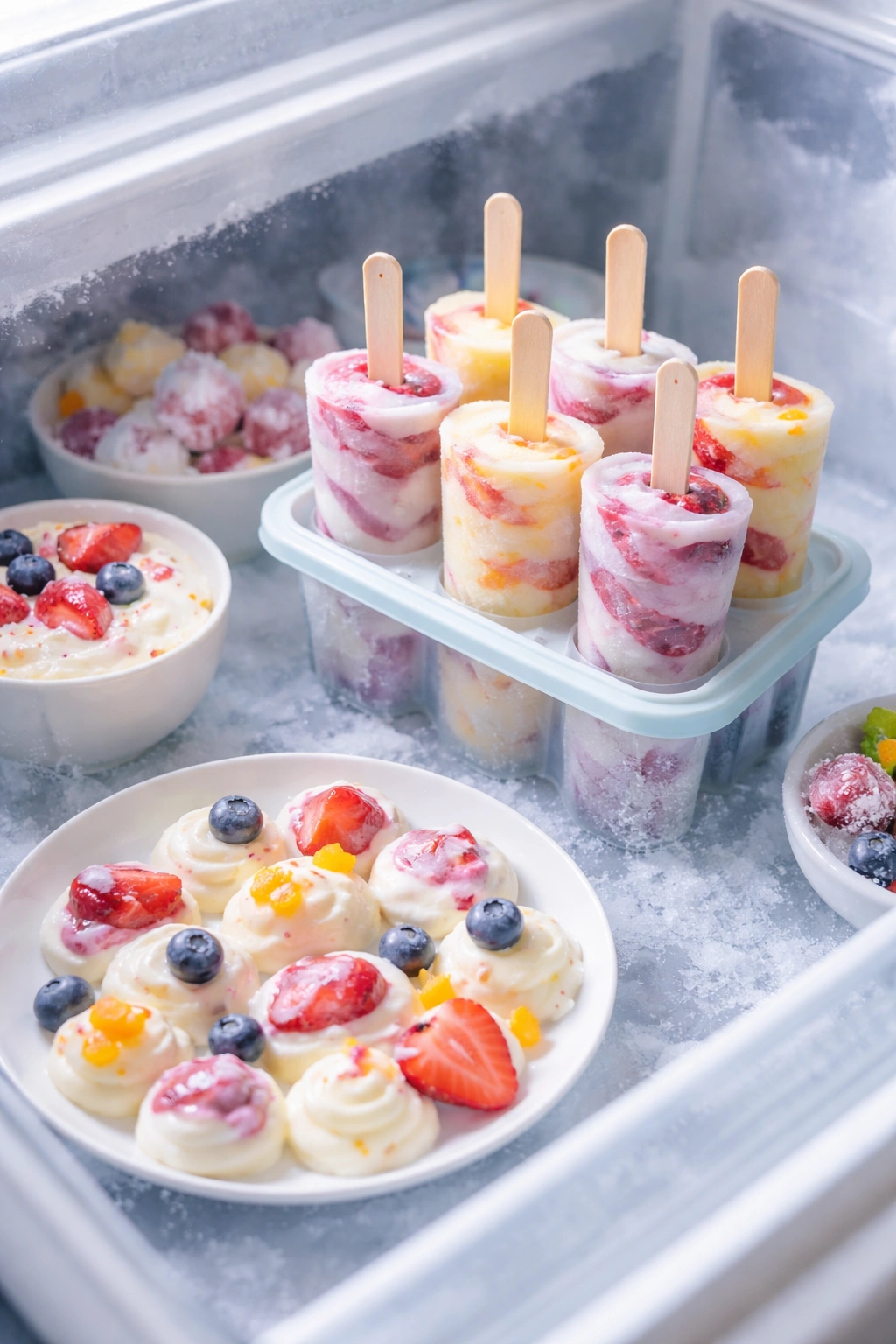
Yogurt is creamy, protein-rich, and naturally appealing to babies. The challenge is offering it in finger-food format rather than requiring a spoon, which means freezing, thickening, or combining with other ingredients.
Yogurt popsicles made by freezing plain yogurt (or yogurt mixed with mashed fruit) in small molds or on popsicle sticks are refreshing, developmental (holding and gnawing on them feels fun to babies), and messy in the best possible way. Frozen yogurt melts quickly in the mouth, leaving no choking risk. Make them with full-fat yogurt for richness and brain development support.
Thick yogurt dollops spooned onto small crackers or served in a small bowl with a spoon for dipping appeal to both babies and adults. Mix plain yogurt with finely mashed fruit or a tiny drizzle of fruit puree to add interest. Greek yogurt or Icelandic-style yogurt is thicker and doesn’t drip as much as regular varieties.
Frozen yogurt bark made by spreading yogurt on a baking sheet, topping with tiny fruit pieces or sprinkles of ground oats, freezing, and breaking into small pieces becomes a fun, hand-holdable treat. Because it’s frozen, babies must gnaw and suck on it rather than being able to take big bites, reducing choking risk significantly.
Yogurt pancakes made from yogurt, egg, and a tiny amount of flour create a thick, mild pancake that’s creamy inside and slightly crispy on the edges. Cut into small pieces, they’re perfect for both babies and guests. The yogurt keeps them tender without additional fat.
Smart Setup and Presentation Strategies
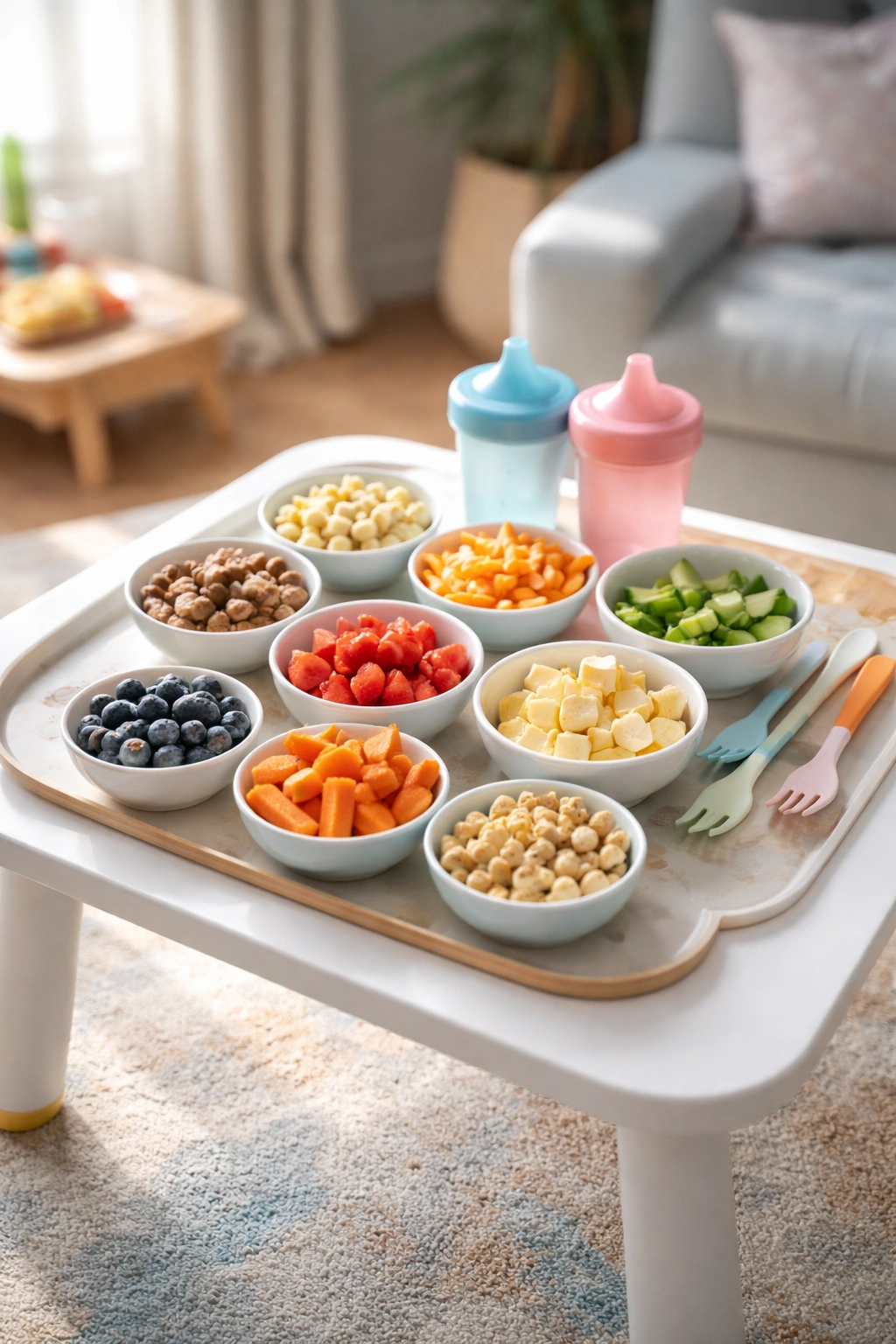
How you arrange your finger foods influences how appealing they are, how safely your baby can access them, and how satisfied your guests feel. Thoughtful presentation makes the party feel intentional rather than hastily thrown together.
Create a dedicated baby zone separate from the main food table. This prevents your baby from encountering adult foods with allergens, too-hard textures, or excessive salt and sugar. A small, low table or a high-chair tray lets your baby see and reach their options independently while you remain supervising. This separation also prevents the awkward moment when guests hand your baby something unsafe.
Arrange by texture and category rather than mixing everything together. Grouping all fruits together, all proteins together, and all bread products together makes it visually clear what you’re offering and makes it easier for guests (and you) to grab items quickly. This organization also helps your baby develop an understanding of food groups.
Use small bowls and containers for each item rather than one big platter. Individual containers mean you can remove items that have been sitting out longer than they should be and replace them easily. Small portions feel more abundant and celebratory than spreading a few items across a large platter. It also prevents food waste if something doesn’t get touched.
Choose serving vessels that suit the texture of the food. Small bread pieces or pasta shapes work in flat dishes; soft fruits and cheese do well in shallow bowls; finger foods that might be sticky benefit from being on parchment paper or silicone mats that can be swapped out easily.
Label everything clearly, especially items with common allergens (containing dairy, eggs, wheat, etc.). Your guests will want to know what they’re eating, and if they have babies at home, they’ll be checking for allergen info. A tiny label next to each item takes two minutes and prevents repeated questions.
Refresh frequently rather than setting everything out at once. A platter that’s been sitting thirty minutes looks less fresh than refreshed items presented in waves. This also keeps food at appropriate temperatures and reduces the likelihood of bacterial growth, especially important during warm months.
Make items easy to grab by arranging finger foods so they can be taken without disrupting neighboring items. Avoid stacking things directly on top of each other. Use small utensils or small spoons for any items that are wet or sticky rather than expecting guests to grab them with their hands.
Accommodating Common Allergies and Dietary Needs
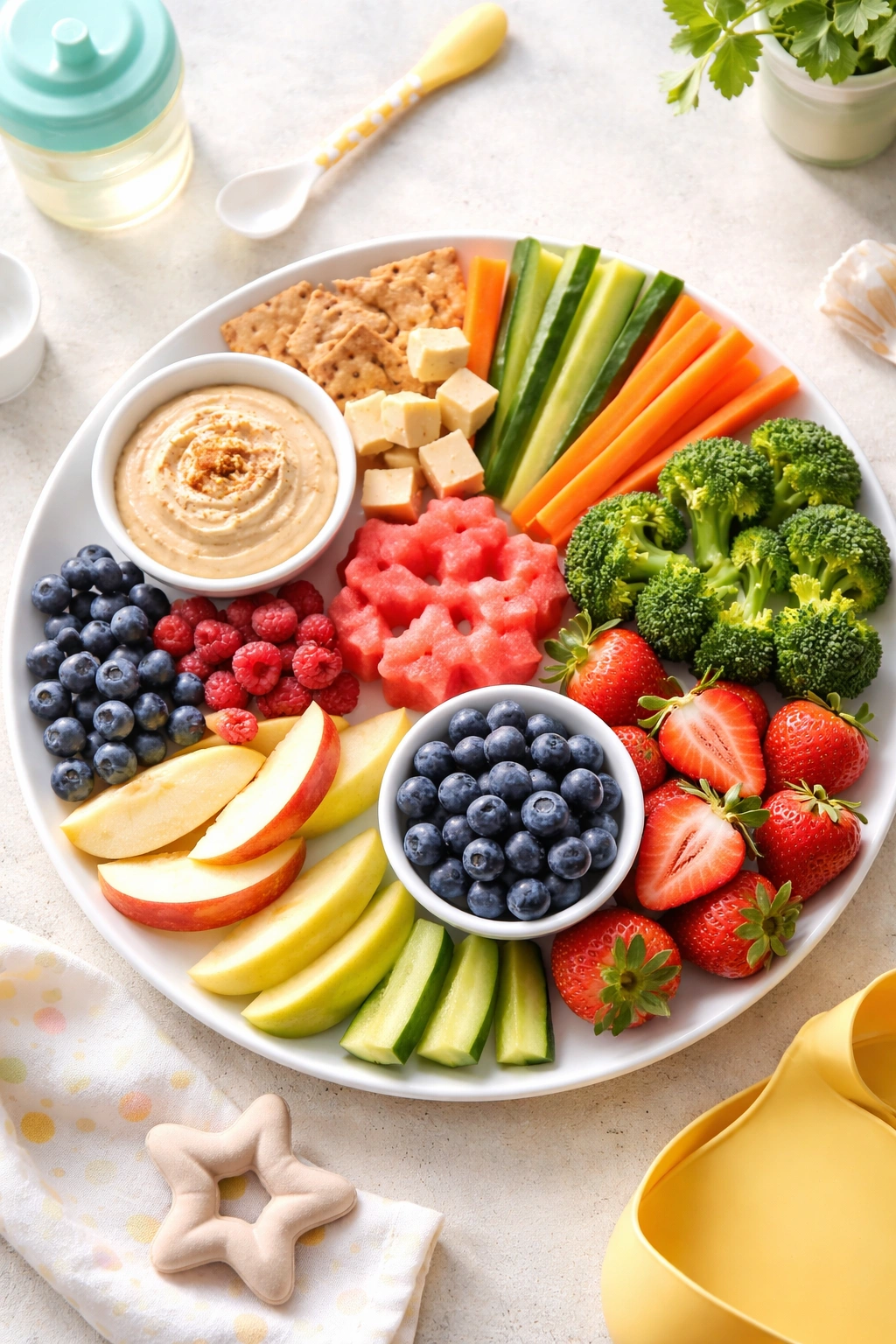
Parties inevitably include guests with various dietary needs and restrictions, and being thoughtful about this makes everyone feel welcome. For your baby specifically, you know which allergens you’re avoiding, but your guests may have concerns too.
Dairy-free options include all fresh fruits, many vegetables, grain-based items without cheese, and dairy-free yogurt if that’s relevant. Many finger foods are naturally dairy-free—just keep dairy and non-dairy items clearly separated so there’s no cross-contamination or confusion.
Nut-free and seed-free is often a requirement for baby parties anyway (because of choking risk), so your careful avoidance of these items protects multiple families. Make sure anything you buy hasn’t been manufactured in a facility with nuts even if the product itself is nut-free.
Gluten-free options for guests with celiac or sensitivity issues include all naturally gluten-free items: fresh fruits, vegetables, cheese, yogurt, eggs, and meats. If you’re offering bread or grain-based items, provide both regular and gluten-free versions and keep them clearly separated.
Egg-free alternatives mean avoiding standard muffins, scrambled eggs, and some baked goods. Many finger foods are naturally egg-free, and it’s easy to note which ones if you’ve made them yourself.
Vegan options for guests following plant-based diets can include all fruits, vegetables, grain items without dairy or eggs, and plant-based yogurt. Most naturally available foods are vegan, so you likely have plenty of vegan-friendly items without trying.
Being mindful of these needs isn’t extra work if you’re choosing simple, whole foods naturally rather than complex prepared items. A table of fresh fruit, roasted vegetables, and simple proteins is naturally accommodating to most dietary preferences.
Make-Ahead Preparation and Smart Timing
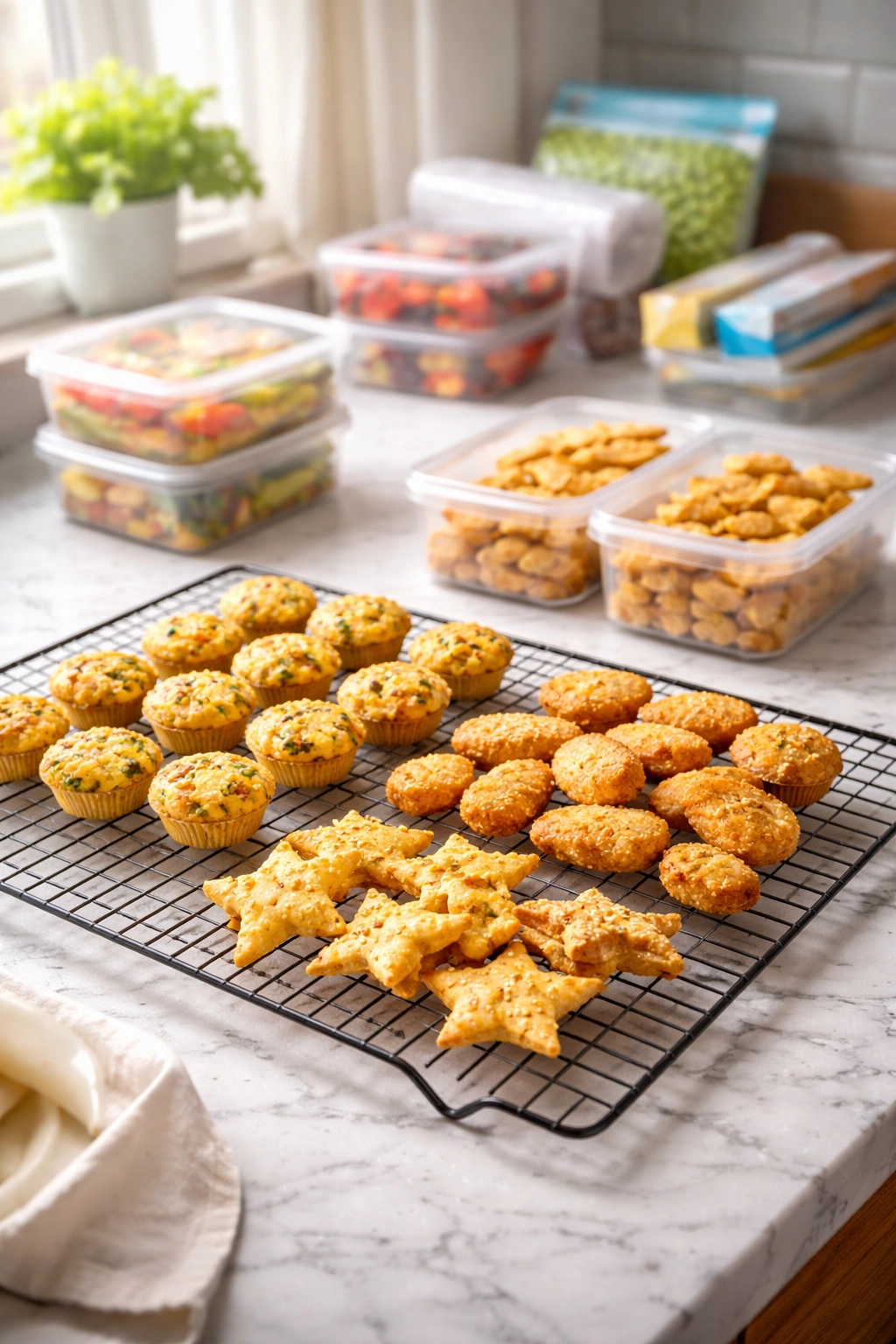
Preparing what you can in advance transforms party day from stressful to manageable. Knowing what can be made days ahead and what should be done minutes before serving removes so much last-minute pressure.
The day before, bake any items that store well: puffs, muffins, homemade crackers, or soft bars can all be made in advance and stored in airtight containers at room temperature. These keep perfectly and actually taste better when their flavors have had time to develop slightly. Prepare any foods that can be frozen: yogurt popsicles, yogurt bark, and cheese puffs can all be made several days ahead and frozen until the party.
The morning of the party, cook any fresh proteins that need cooking: gently poach chicken, bake eggs, or prepare meatballs. Let them cool completely and store covered in the refrigerator until party time. Cut larger vegetables that won’t brown: sweet potato cubes, steamed broccoli florets, or cooked pasta can all be cut and stored in containers a few hours before guests arrive.
An hour before guests arrive, cut fresh fruits that oxidize quickly (apples, pears, bananas) and store them in sealed containers. Arrange items on your serving table, label everything, and do a final check that everything looks fresh and appealing. Set out plates, napkins, and small utensils so guests can serve themselves easily.
Fifteen minutes before your guests arrive, make any last-minute items: fresh yogurt dollops, arrange items in bowls, or bring frozen items out of the freezer to begin softening slightly. Do a final food safety check—nothing should be sitting at room temperature for longer than two hours (or one hour if the temperature is warm).
During the party, stay on top of refreshing items. Remove anything that’s been sitting longer than it should, replace items that look picked over, and keep an eye on the baby’s area to ensure they always have fresh options available.
Food Safety Essentials for Party Day
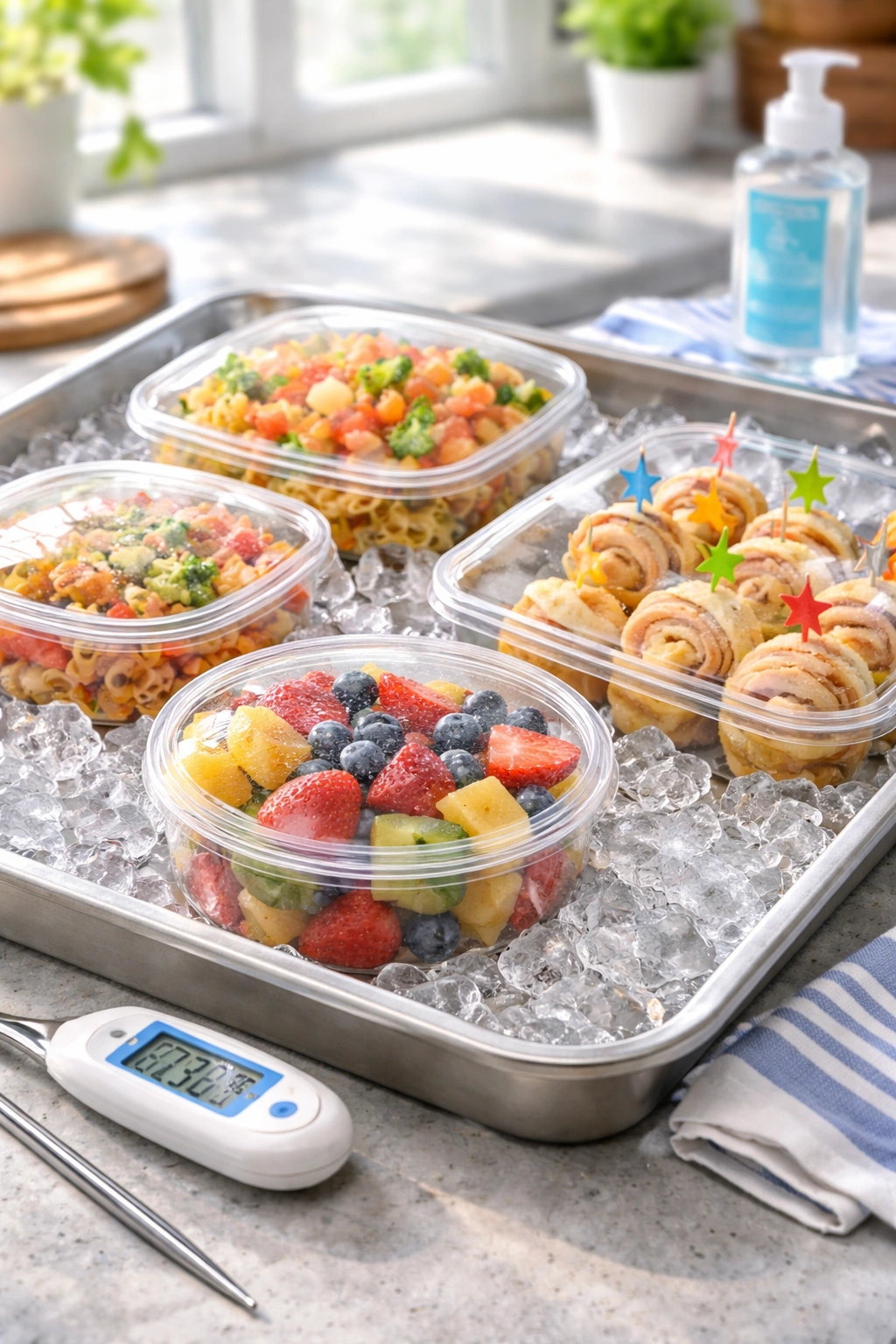
Proper food handling during a party prevents foodborne illness and ensures everything stays fresh and safe for your baby and guests. A few simple precautions make a huge difference.
Temperature control matters significantly, especially on warm days. Keep cold items on ice or in the refrigerator until party time. Foods made with dairy, eggs, or cooked proteins should not sit at room temperature for longer than two hours (or one hour if it’s above 90°F / 32°C). Hot foods should be kept warm. This may sound overly cautious, but babies have developing immune systems, making foodborne illness particularly concerning for them.
Hand washing before serving and while handling baby’s food prevents contamination. Wash your hands before setting up, before feeding your baby, and after helping other children or using the restroom. Hand sanitizer is fine in a pinch, but actual soap and water is superior.
Separate utensils for the baby’s food zone prevent accidental contamination from guests’ hands. Use small spoons or serving utensils for items rather than letting guests grab with their hands (especially important for soft items). Replace utensils if they’ve been dipped multiple times from the same dish.
Careful monitoring of the baby’s eating is non-negotiable. Stay close during the party, watch how your baby is handling each food item, and remove anything that seems too challenging. Let baby set the pace rather than encouraging them to eat faster or finish items. Choking risk increases when babies eat hurriedly or when caregivers aren’t watching closely.
Raw produce should be thoroughly washed before serving. While unlikely, any bacteria on the outside can transfer to baby’s mouth. Take two minutes to rinse everything carefully under running water.
Cross-contamination prevention from known allergens requires attention if you have guests with allergies or if allergen foods are present. Use separate utensils and surfaces for allergen foods if they’re present at all. This might sound excessive, but it prevents serious allergic reactions.
Creating a Confident, Low-Stress Party
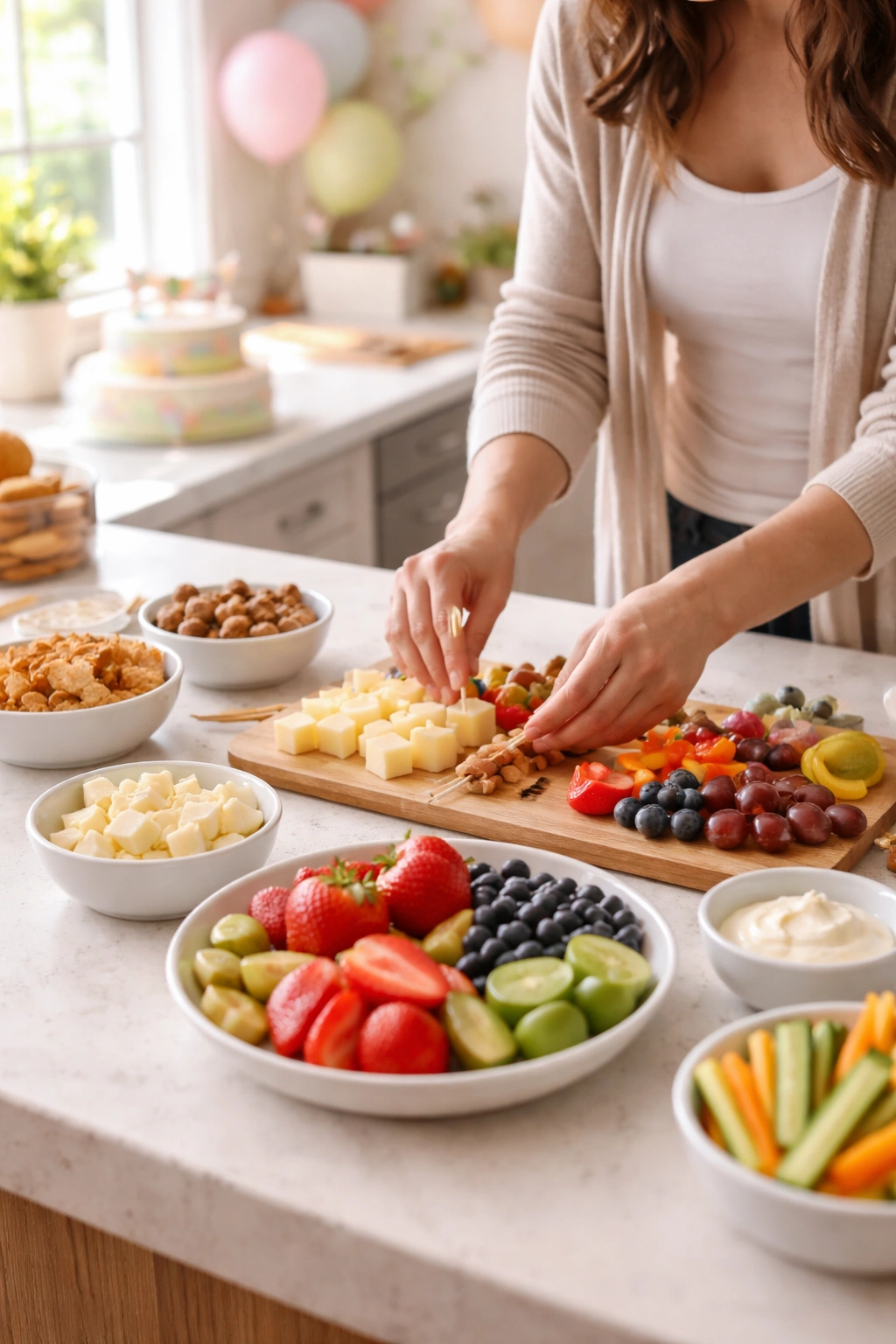
The best baby birthday parties feel relaxed because the host isn’t stressed, which means thorough preparation is key. When you know exactly what you’re serving and have done the work in advance, you can actually enjoy the celebration.
Keep the menu simple rather than overambitious. Seven or eight well-prepared items are far better than fourteen items made hastily. Choose foods you’re confident preparing and that you’ve already fed your baby successfully. A party is not the time to try new foods for the first time.
Embrace finger foods completely rather than treating them as supplementary items. Your guests expect finger foods at a party, so commit to them fully rather than apologizing that you don’t have more substantial fare. Properly chosen finger foods are complete meals.
Plan for backup in case something doesn’t work out. Have extra fruit washed and ready to cut if something runs out, extra crackers in the cupboard, and backup items in the refrigerator. This safety net means you won’t panic if something unexpected happens.
Involve your partner or a trusted friend in food prep and party setup. Even twenty minutes of help before guests arrive can make an enormous difference in how calm you feel. Hand off the responsibility of refreshing items during the party if possible so you can actually spend time celebrating and supervising your baby’s eating.
Remember that your baby might not eat much at the party, which is completely normal. Parties are overstimulating, with new people, sounds, and distractions everywhere. Your baby might eat very little or only certain familiar items. This is not a failure; it’s a normal toddler response to excitement and novelty.
Final Thoughts
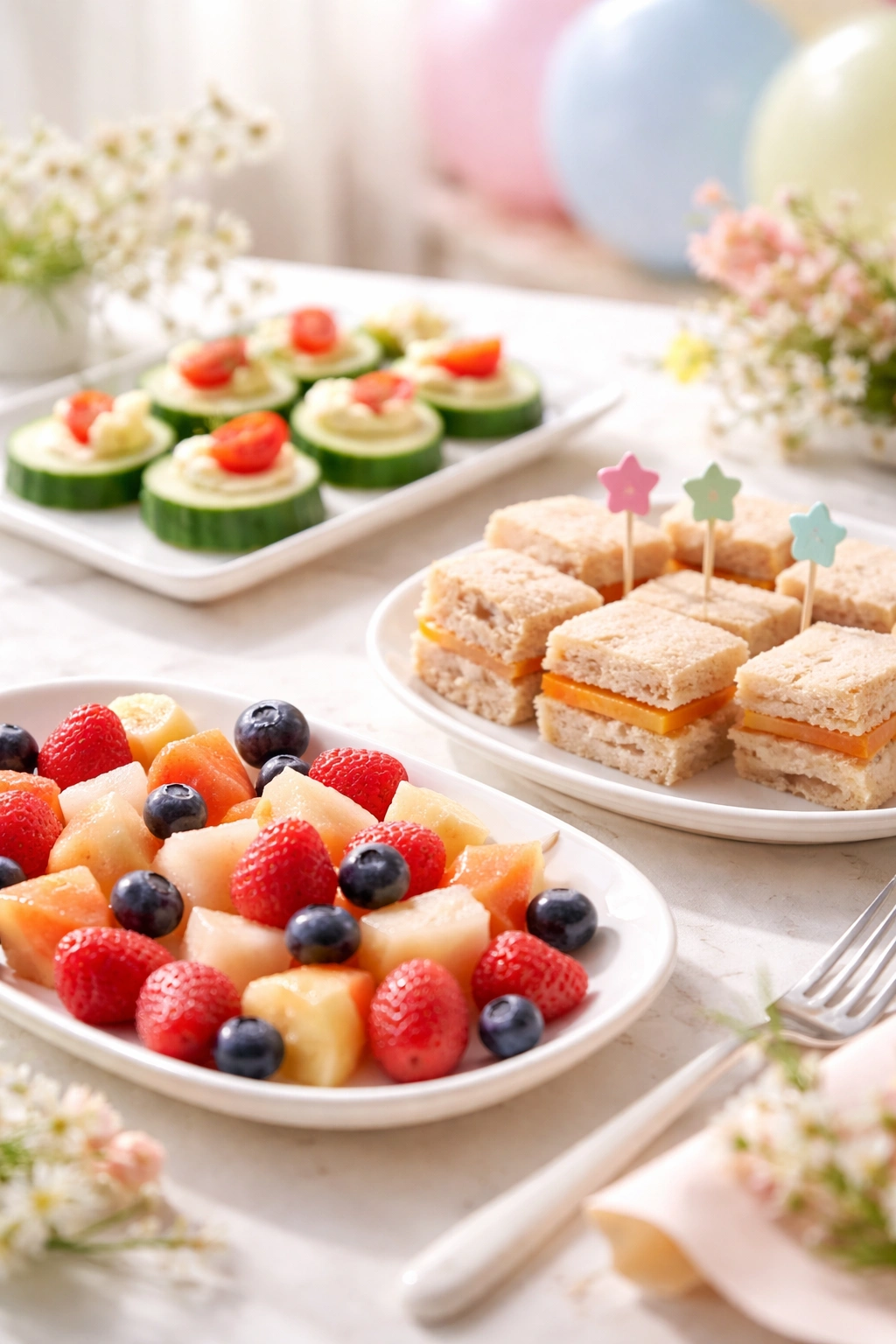
Finger foods for a baby’s birthday party are more than just food—they’re an opportunity to celebrate your baby’s growth in eating skills while feeding your guests and creating a gathering that feels intentional and thoughtful. The beautiful part about finger foods is their flexibility: the same items work for your one-year-old learning to self-feed and for your thirty-year-old friend grabbing something quick between conversations.
The framework here—soft textures, small pieces, common foods without choking hazards, and thoughtful preparation—means you’re set up for success whether you go minimalist with six simple items or elaborate with dozens of options. Trust your knowledge of your baby’s eating skills and preferences, lean on simple whole foods rather than complicated recipes, and don’t hesitate to skip anything you’re unsure about. Your baby’s safety and your peace of mind matter infinitely more than impressing anyone with fancy food.
A first birthday is a milestone worth celebrating, and serving thoughtfully chosen finger foods—prepared in advance so you can actually enjoy the day—is one of the kindest things you can do for yourself and your guests. You’ve got this.
