



Weeknight dinners don’t need to be complicated, expensive, or time-consuming. In fact, some of the most satisfying meals come together with just a handful of quality ingredients and minimal fuss. The secret isn’t having a fully stocked pantry or advanced cooking skills—it’s knowing how to choose five ingredients that complement each other perfectly and letting their natural flavors shine without unnecessary additions or elaborate techniques.
The beauty of five-ingredient dinners lies in their simplicity. When you’re limited to just a few components, each one matters. You can’t hide behind layers of flavoring or cover up mediocre ingredients with complicated sauces. Instead, you learn to appreciate how butter intensifies the sweetness of shrimp, how lemon brightens chicken, how quality seafood needs little more than salt, heat, and a touch of fat to become restaurant-worthy. These aren’t reduced recipes where corners are cut—they’re carefully designed meals where every element serves a purpose and every spoonful delivers genuine satisfaction.
This approach to cooking also eliminates decision fatigue and shopping overwhelm. Instead of staring at a recipe with fifteen ingredients and wondering where to start, you can scan a simple list, grab what you need, and begin cooking within minutes. For people juggling work, family, and life’s endless demands, these streamlined dinners become the difference between ordering takeout and putting a homemade meal on the table. The prep is minimal, the cooking is straightforward, and the cleanup is manageable because you haven’t dirtied every dish in your kitchen.
What makes a five-ingredient dinner truly work isn’t just about quantity—it’s about strategy. Smart choices matter. Reaching for rotisserie chicken, canned tomatoes, frozen shrimp, or pre-made pesto saves you hours without sacrificing quality. Pairing quick-cooking proteins like fish, shrimp, and thin chicken cutlets with ingredients that need minimal prep keeps you out of the kitchen fast. Understanding how to build layers of flavor through cooking technique—searing, deglazing, reducing, emulsifying—means you don’t need a spice cabinet’s worth of seasonings to create something memorable.
These eight dinners represent the kinds of meals that have earned a permanent place on weeknight rotations across countless home kitchens. They’re the recipes people come back to again and again, the ones they adjust based on what’s in the fridge, the meals they’ve learned to make in their sleep. Some rely on quick-cooking proteins, others on simple assembly, and a few on hands-off cooking methods that do the work for you. All of them deliver the kind of everyday satisfaction that keeps families fed without requiring a culinary degree.
1. Garlic Butter Shrimp Over Rice
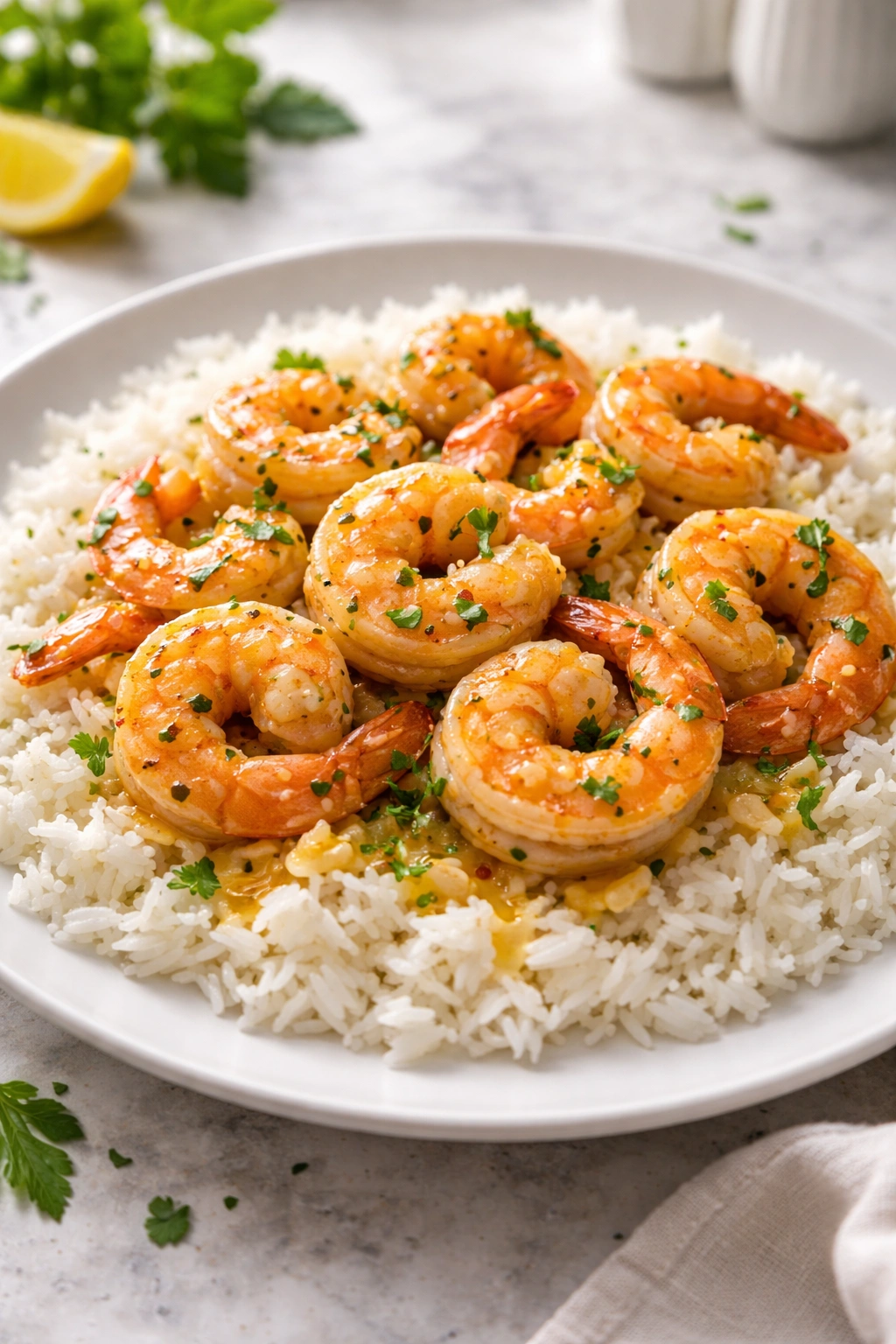
There’s something almost magical about how quickly a pound of shrimp transforms into an elegant dinner. Garlic butter shrimp represents the essence of five-ingredient cooking—minimal components, maximum flavor, and a result that feels far more sophisticated than the effort required to create it. The shrimp cook in minutes, developing a slightly caramelized exterior while staying tender and succulent inside, then finish in a sauce of melted butter infused with garlic that’s been toasted just until fragrant.
Why This Dish Stands Out
Shrimp is one of the fastest-cooking proteins available, going from raw to perfectly done in about three minutes once they hit heat. This makes the dish genuinely quick—you can have dinner on the table in under twenty minutes from the moment you step into the kitchen. The garlic-butter sauce is straightforward to make but tastes indulgent and restaurant-quality. As the butter melts with minced garlic, it creates a rich, aromatic coating that clings beautifully to the shrimp and soaks into rice below. The combination of browned butter, toasted garlic, and tender seafood is the kind of flavor profile that doesn’t require additional ingredients to feel complete.
Essential Ingredients and Technique Tips
- One pound large shrimp, peeled and deveined, patted completely dry before cooking—moisture is the enemy of browning
- Four tablespoons butter, ideally unsalted so you control the salt level completely
- Four to six garlic cloves, minced finely and added after the butter foams to prevent burning
- Juice of one lemon (or white wine), which adds brightness and acidity that lifts the richness
- Cooked rice as the foundation—about two cups of cooked rice serves four people generously
The technique matters here more than ingredient count. Pat the shrimp dry thoroughly, then heat a large skillet over medium-high heat until it’s genuinely hot. Add oil first, let it shimmer, then add the shrimp in a single layer. Let them sit undisturbed for ninety seconds—don’t stir or move them—so they develop a golden-brown crust on one side. Flip them, cook the other side for about sixty seconds until they’re just cooked through, then push them to the side. Add butter to the empty space in the pan, let it foam, add garlic, and stir constantly for about thirty seconds until fragrant. Add lemon juice or wine, which will sizzle and deglaze the pan, scraping up all those caramelized bits. Pour the whole thing over your rice and serve immediately.
Pro tip: Cook your rice ahead of time so you’re not waiting for it while the shrimp cook. Day-old rice works beautifully for this dish, and you can reheat it gently while the shrimp cook.
2. Lemon Chicken with Fresh Asparagus
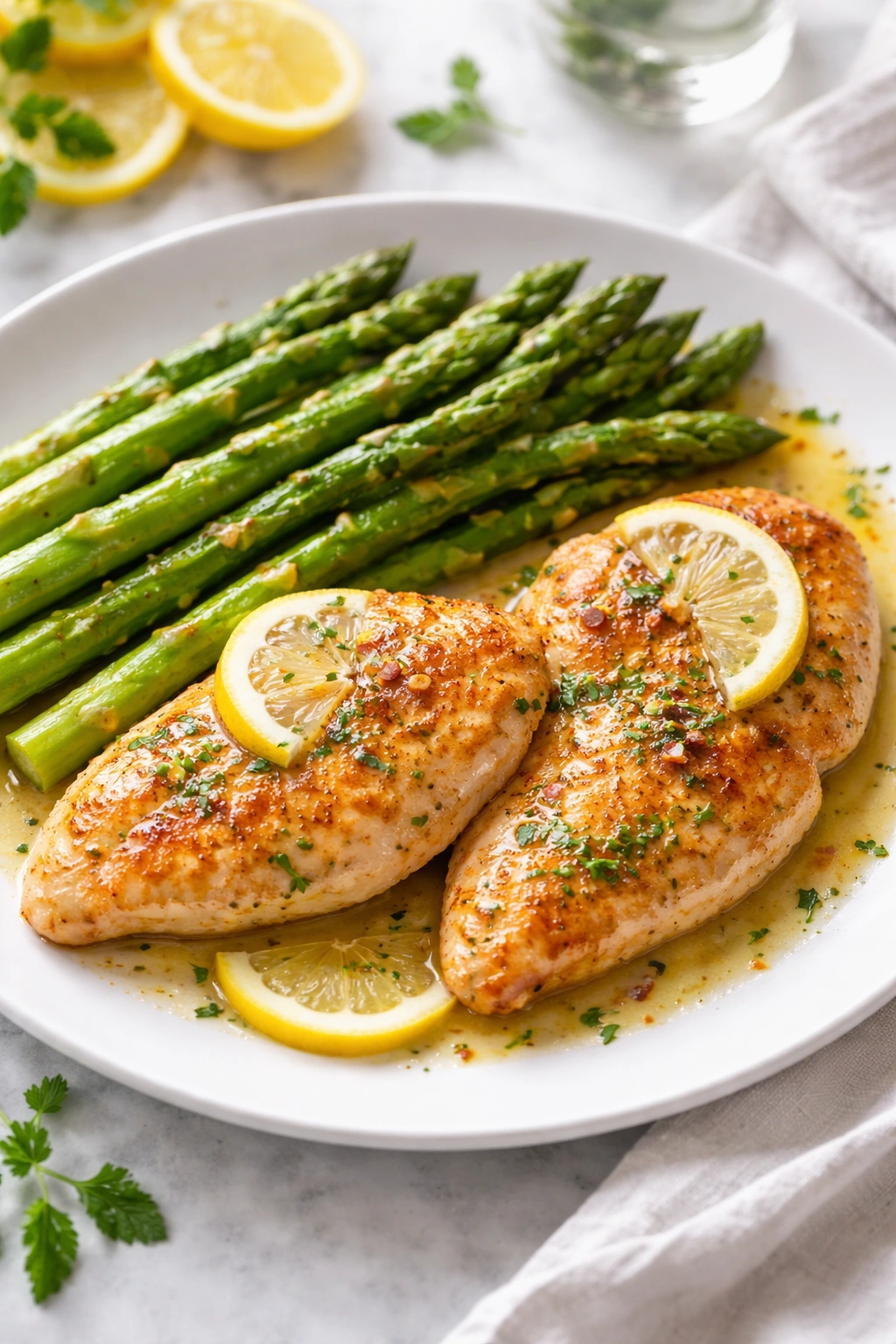
This is the kind of dinner that feels both comforting and light at the same time. Thin chicken breasts sear quickly in a hot pan, developing a golden crust on the outside while staying juicy within. As they cook, you add fresh asparagus spears that soften slightly while keeping their vibrant color. The finish is simple—fresh lemon juice, butter, and the pan drippings create a bright, luxurious sauce that brings everything together without any cream or complexity.
What Makes This Combination Work
The citrus and butter combination is a classic for good reason. Lemon cuts through the richness of butter and chicken in a way that makes the dish feel refreshing rather than heavy. Asparagus is one of the few vegetables that cooks quickly enough to finish alongside the chicken, and its natural earthiness pairs beautifully with bright lemon. There’s an elegance to this combination that makes it feel special enough for company, yet it’s genuinely one of the easiest dinners to throw together on a regular Tuesday.
How to Execute This Perfectly
- Four boneless, skinless chicken breasts (about six ounces each), pounded thin to about half-inch thickness so they cook evenly
- One pound fresh asparagus, woody ends trimmed and spears cut into two-inch pieces for even cooking
- Three tablespoons butter, divided
- Two large lemons, one sliced into thin rounds and one reserved for juice
- Salt and black pepper for seasoning
Start by pounding the chicken to even thickness, which ensures everything cooks at the same rate. Pat them dry and season generously with salt and pepper on both sides. Heat a large skillet over medium-high heat, add oil, and when it shimmers, add the chicken breasts. Don’t move them—let them develop a golden-brown crust for about four minutes on the first side. Flip them, cook for another minute or two, then push them to the edges of the pan. Add lemon slices and asparagus pieces to the center, letting them get a little color. After a couple of minutes, add butter to the pan along with the juice from your second lemon. Everything will come together in about ten more minutes total.
Worth knowing: The thickness of your chicken breasts makes a huge difference. Unevenly thick breasts will have dry edges and an undercooked center no matter how carefully you cook them. Taking five minutes to pound them creates dramatically better results.
3. Thai Peanut Beef Stir-Fry
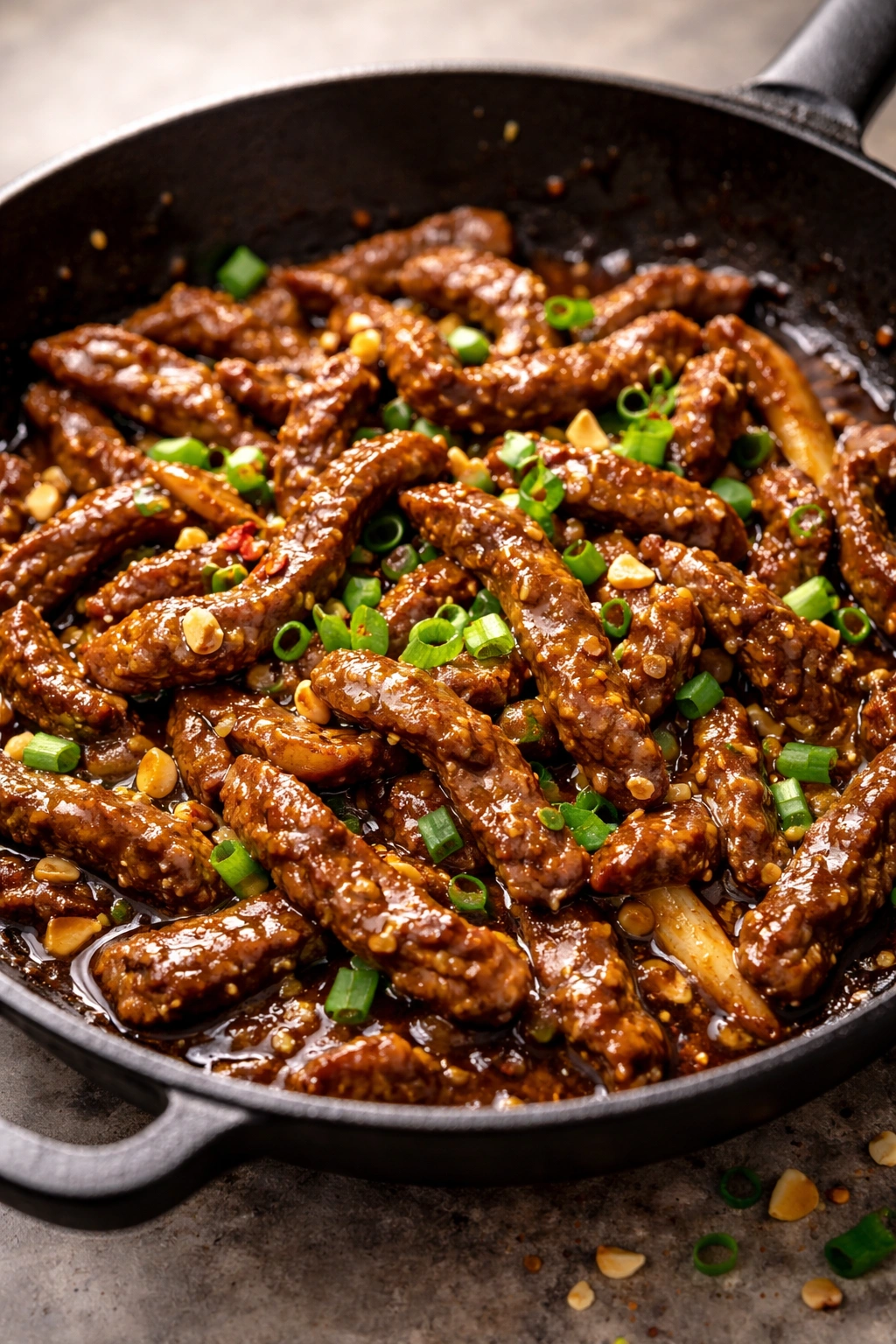
When you’re craving takeout but want to eat at home, this stir-fry delivers the complex, layered flavors of Thai cuisine without requiring a long list of specialty ingredients or hours of prep work. Flank steak gets sliced thin and cooked over high heat until caramelized, then tossed with a sauce that’s equal parts savory, sweet, and spicy. The peanut sauce comes together in the time it takes to prep the beef, and everything finishes in minutes.
Why This Works as a Quick Dinner
Beef tenderloin or flank steak sliced thin cooks in minutes under high heat, developing a caramelized exterior while staying tender inside. The peanut sauce is built on just a few components—peanut butter, soy sauce, a touch of sweetness, and heat from Sriracha or red pepper flakes. These are ingredients most pantries have on hand, so you’re not hunting down obscure condiments. The result tastes authentically Thai despite the simplicity, and it comes together faster than ordering delivery.
Building the Dish
- One pound flank steak or beef tenderloin, partially frozen for easier slicing, then cut into thin strips against the grain
- Half cup natural peanut butter (or regular creamy peanut butter)
- Three tablespoons soy sauce, which provides the salty umami base
- Two tablespoons brown sugar to balance the heat and saltiness
- Sriracha or chili sauce to taste, and green onions and peanuts for garnish
Start by slicing your beef against the grain into thin strips about a quarter-inch thick. Partially freezing it for thirty minutes makes slicing significantly easier. Mix your sauce ingredients together in a bowl—the peanut butter and soy sauce form the base, sweetness comes from brown sugar, and heat from Sriracha. Heat oil in a large skillet or wok over high heat until it’s smoking slightly. Working in batches so you don’t crowd the pan, cook the beef strips until they develop a caramelized crust, about two to three minutes per batch. Once all the beef is cooked, return it to the pan, add the peanut sauce, and toss to coat evenly. Everything comes together in the pan, heating through in less than a minute. Serve over rice or in lettuce leaves with fresh green onions and crushed peanuts scattered on top.
Real talk: The secret to good stir-fry is not overcrowding the pan and using high enough heat. If your pan is too crowded, the beef steams instead of sears. If your heat isn’t high enough, you won’t develop that crucial caramelized crust that makes the dish taste deep and complex rather than one-note and bland.
4. Mediterranean Baked Tilapia in Foil
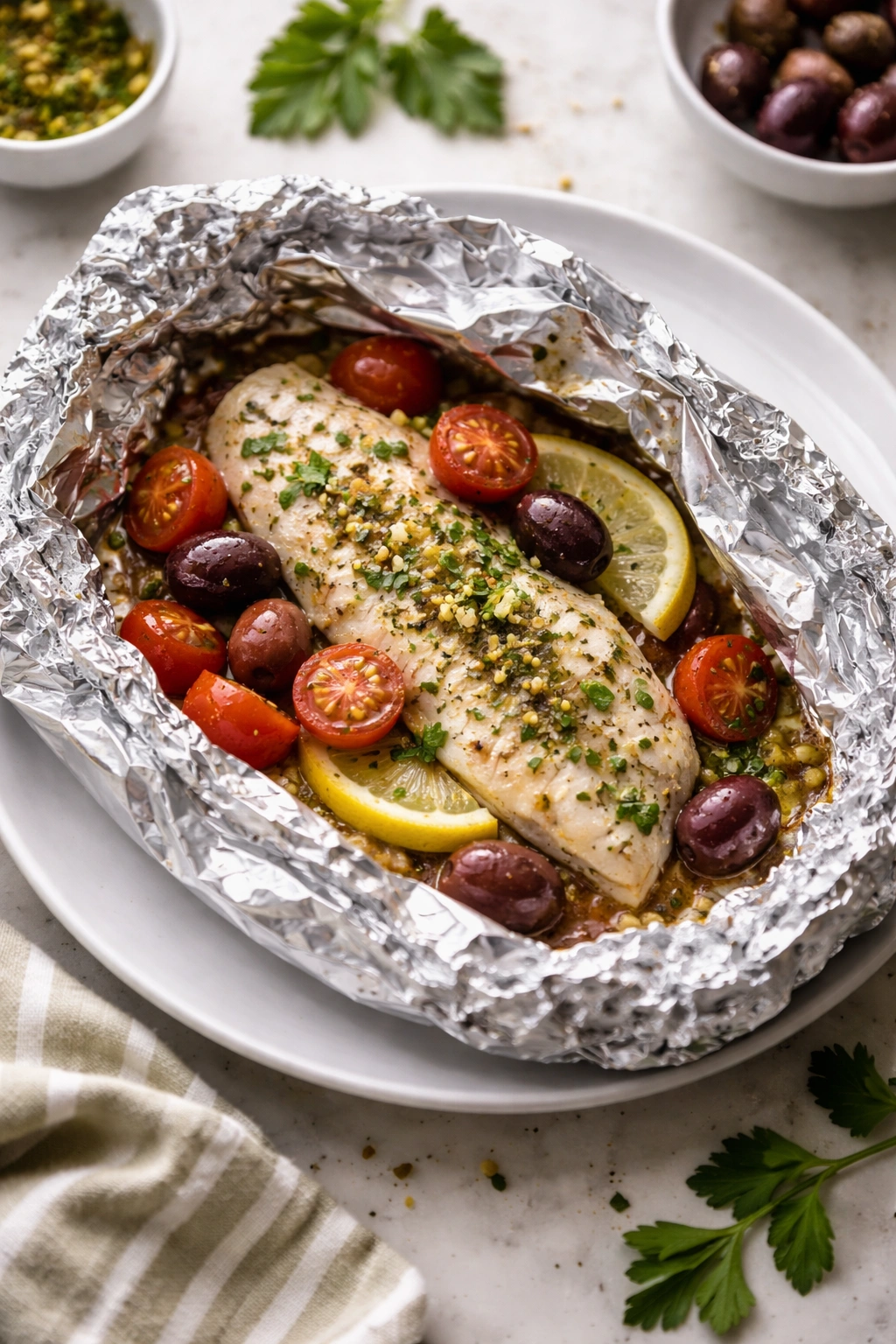
Cooking fish in foil packets is one of the smartest weeknight techniques because it essentially steams the fish in its own juices, keeping it incredibly moist and tender while infusing it with Mediterranean flavors. Everything cooks together in the same packet—the fish, the tomatoes, the olives—meaning minimal cleanup and a complete meal in one package.
Why Foil-Packet Cooking Changes Everything
This technique is foolproof in the best possible way. There’s almost no way to overcook the fish because the steaming environment keeps it moist and forgiving. The fish finishes with a delicate, flaky texture that’s difficult to achieve with other cooking methods. Because everything cooks together, the flavors meld while you’re handling other tasks, and the results taste like you spent far more time and effort than you actually did.
Creating the Perfect Packet
- Four tilapia fillets (or other mild white fish like cod or halibut), about five to six ounces each
- Two cups cherry tomatoes, halved
- Half cup Kalamata olives or green olives, pitted and roughly chopped
- One medium red onion, sliced thin, or fresh herbs like oregano and basil
- Olive oil, lemon juice, salt, and pepper for moisture and seasoning
Tear four large pieces of heavy-duty foil and place them on a work surface. Divide the tomatoes, olives, and onions equally among the four pieces. Place a fish fillet on top of each portion of vegetables. Drizzle with olive oil and lemon juice, season with salt and pepper, and add fresh herbs if you have them. Fold the foil up around the fish and crimp the edges tightly to seal in the steam. Place the packets on a baking sheet and bake at four hundred twenty-five degrees for twelve to fifteen minutes. The fish will cook gently and evenly, and everything will emerge tender and infused with Mediterranean flavors.
Insider note: You can assemble these packets hours ahead and refrigerate them until dinner time. Just add a few extra minutes to the cooking time if they’re going straight from the refrigerator into the oven.
5. Mediterranean Salmon with Store-Bought Pesto
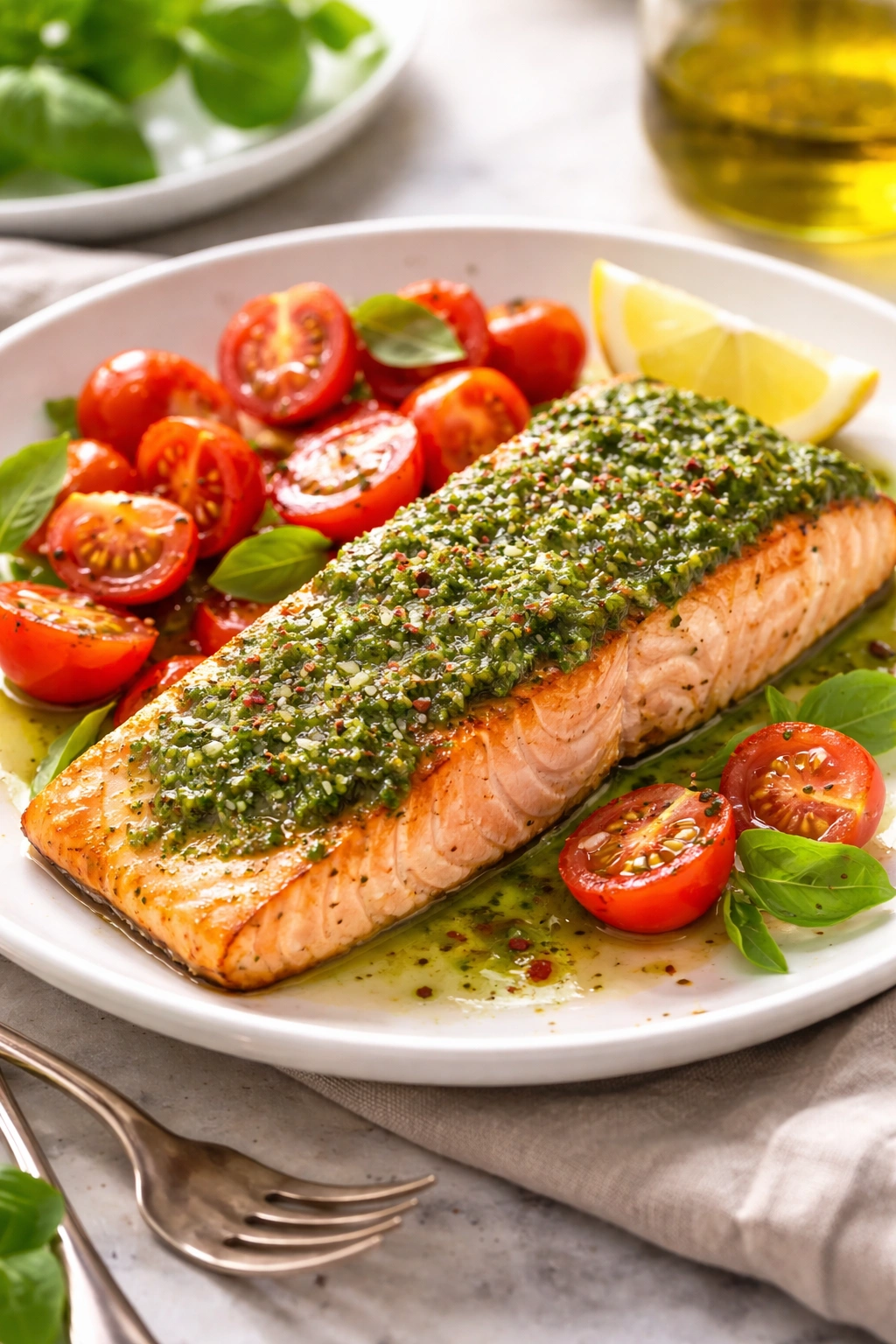
Salmon is naturally rich and flavorful, which means it doesn’t require much assistance to taste exceptional. This dinner leverages that natural advantage by using salmon as the star and letting quality pesto do the heavy lifting. The salmon develops a slightly caramelized exterior while staying buttery and tender inside, then gets topped with prepared pesto that adds herbaceous richness and subtle garlic notes.
Why This Combination Is So Effective
Salmon contains enough fat that it stays moist even if you cook it past the perfect temperature, making it more forgiving than leaner fish. Quality store-bought pesto saves you the step of blending fresh basil, garlic, and pine nuts, but still delivers authentic Mediterranean flavor. The combination of salmon’s natural richness with pesto’s herbaceous brightness creates a meal that tastes restaurant-quality without requiring restaurant-level effort.
Building This Simple but Elegant Dinner
- Four salmon fillets, about five to six ounces each
- One cup of prepared pesto (basil, garlic, and pine nut pesto works beautifully)
- Fresh cherry tomatoes, halved, for topping
- Red onion, thinly sliced
- Olive oil and salt for the salmon itself
Pat your salmon fillets dry and place them skin-side down on a lined baking sheet. Brush the tops with olive oil and season with salt and pepper. Roast at four hundred ten degrees for about twelve to fifteen minutes, just until the fish is opaque throughout and flakes easily when tested with a fork. In the last minute of cooking, top each fillet with a generous spoonful of pesto and scatter tomatoes and thin red onion slices on top. The residual heat will warm the pesto and soften the onion slightly while keeping everything bright and fresh-tasting.
Pro tip: Invest in quality salmon. The difference between farmed and wild-caught, or between previously frozen and truly fresh, is noticeable here because there are so few components competing for attention. Excellent salmon with simple pesto beats mediocre salmon covered in complicated sauces every single time.
6. Creamy Chicken Marsala
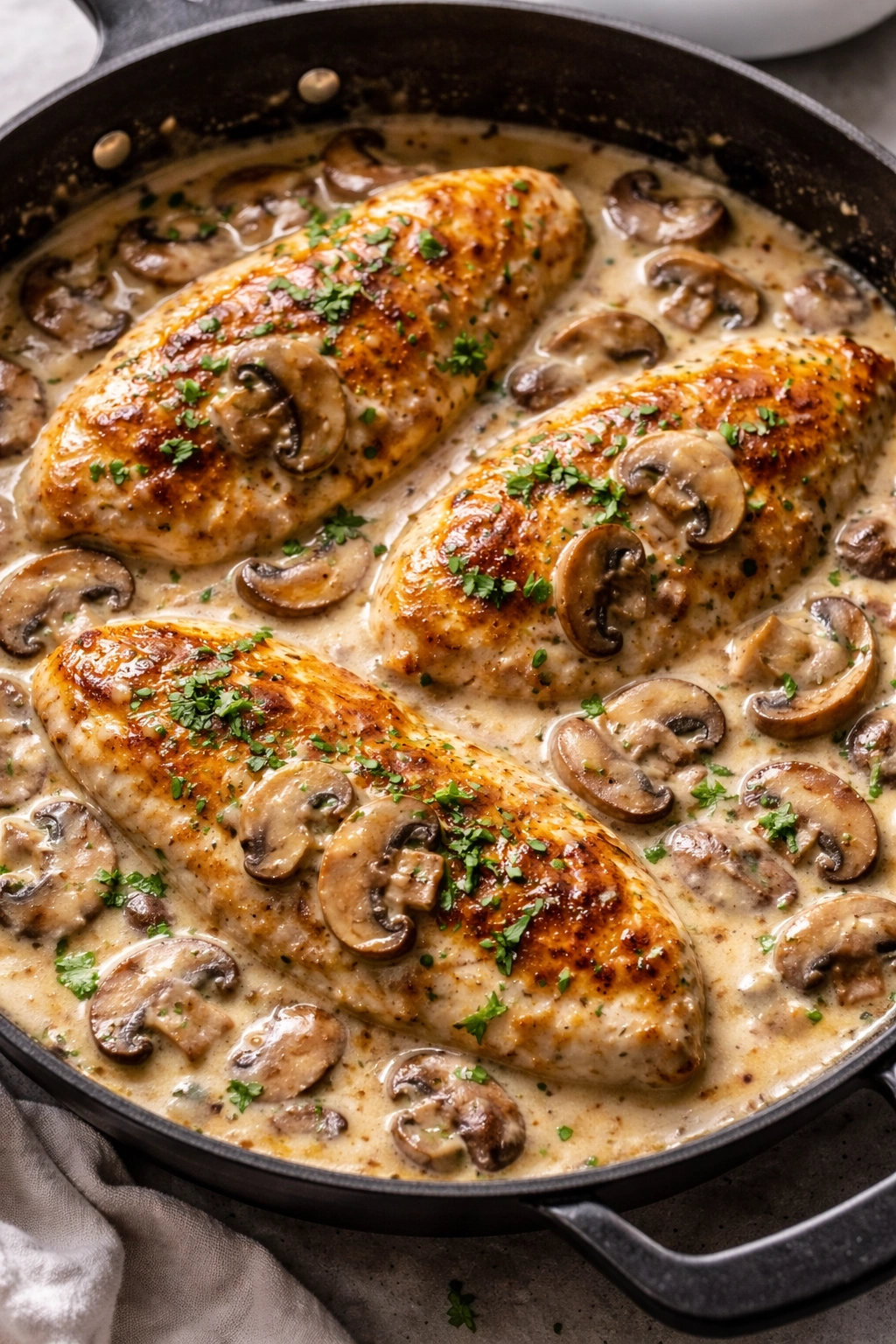
This is proof that restaurant-quality dishes don’t require restaurant-level ingredients or techniques. Chicken Marsala achieves its elegance through the interplay of buttery cream, earthy mushrooms, and the subtle sweetness of Marsala wine. The entire dish cooks in a single skillet in under thirty minutes, yet it tastes like something you’d spend an hour preparing.
Understanding the Technique That Makes This Work
Pounding the chicken thin isn’t just about appearance—it ensures even cooking and creates more surface area for browning, which builds flavor. The mushrooms release their moisture as they cook, creating a flavorful base for the sauce. Marsala wine provides sweetness and depth that distinguishes this sauce from simple cream sauces. When you add the cream at the end, it melds with the pan drippings and wine to create a silky, cohesive sauce that clings to the chicken.
The Essential Components
- Four boneless, skinless chicken breasts, pounded thin
- Eight ounces cremini mushrooms, sliced
- Half cup dry Marsala wine (don’t substitute with cooking wine, which contains added salt and preservatives)
- Half cup heavy cream or half-and-half
- Butter and olive oil for cooking, salt and pepper for seasoning
Start by pounding your chicken to about half-inch thickness, which ensures even cooking. Pat dry and season both sides with salt and pepper. Heat a large skillet over medium-high heat with a combination of butter and oil (the oil prevents the butter from burning at high heat). Brown the chicken until golden, about three to four minutes per side, then remove it to a plate. In the same skillet, sauté your sliced mushrooms until they release their moisture and begin to brown, about five minutes. Add your Marsala wine and let it reduce slightly, scraping up the flavorful browned bits stuck to the pan. Add cream and return the chicken to the skillet, cooking just until everything is heated through and the sauce has thickened slightly, about three to four minutes more.
Worth knowing: The quality of your Marsala wine matters. Good Marsala has complexity and depth, while cheap versions taste one-dimensionally sweet. You don’t need an expensive bottle, but a mid-range one will noticeably improve the dish.
7. One-Pan Queso Chicken and Rice
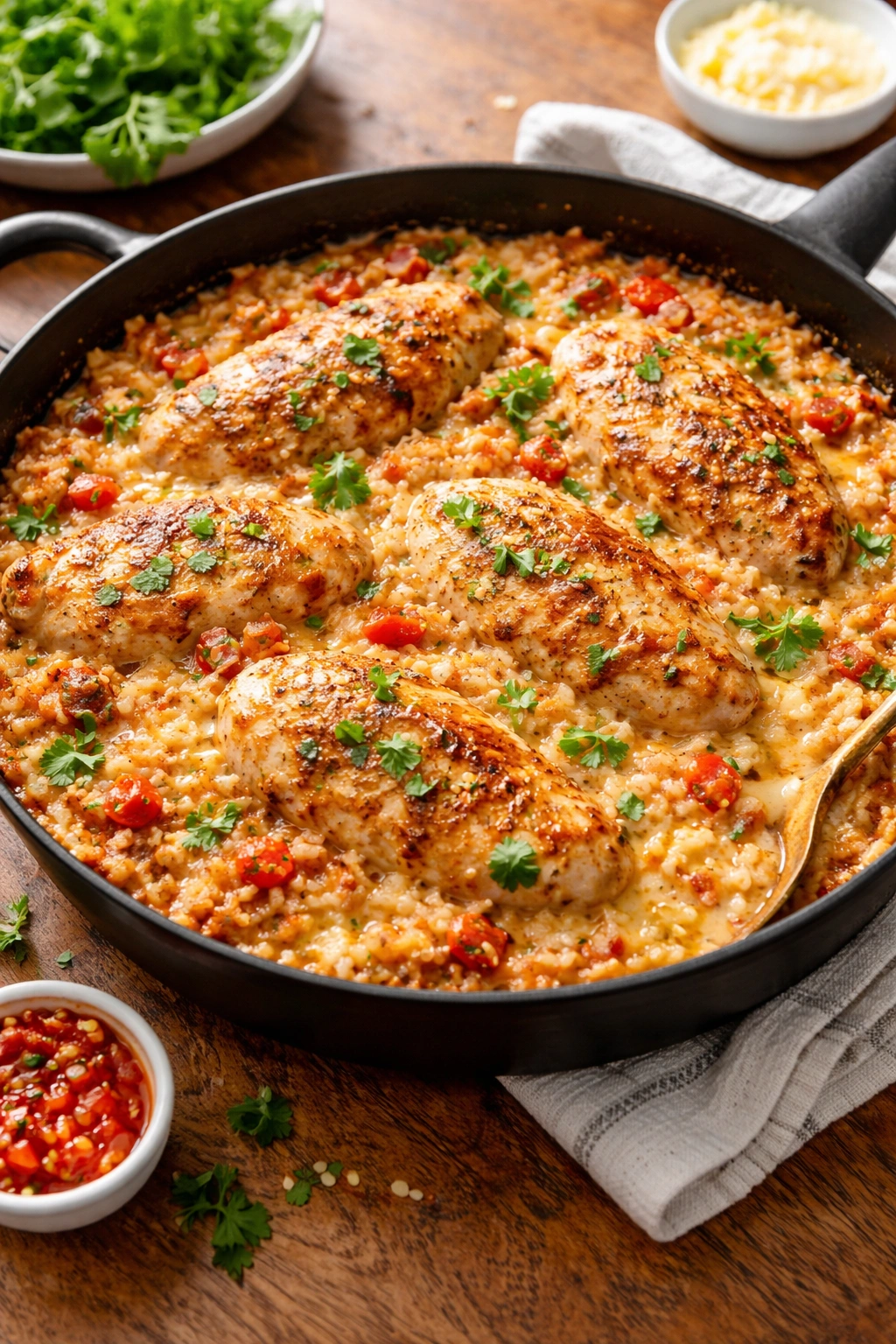
This is the kind of dinner that comes together in one skillet and requires minimal stirring or attention. Everything cooks together—chicken, rice, and vegetables—absorbing each other’s flavors while you’re handling other tasks. The result is a complete, balanced meal that tastes like it took more effort than it actually did.
Why One-Pan Meals Win on Busy Nights
There’s something deeply appealing about cooking an entire dinner in a single vessel. Beyond the obvious appeal of less cleanup, one-pan meals force ingredients to cook together and share flavors. The chicken seasons the rice as it cooks, the rice absorbs any liquid released by the chicken, and everything finishes at the same time. You’re not juggling multiple pots or coordinating different cooking times.
Creating This Complete Dinner
- Four chicken breasts or thighs, cut into bite-sized pieces
- One and a half cups long-grain rice
- Two cups chicken broth
- One cup salsa (mild, medium, or hot depending on your preference)
- One cup queso dip or cheese sauce
Heat oil in a large, deep skillet over medium-high heat. Brown the chicken pieces, stirring occasionally, until they’re cooked through, about eight minutes. Remove and set aside. In the same skillet, combine rice, chicken broth, and salsa. Bring to a simmer, then reduce heat and cover. Cook for about fifteen to eighteen minutes, until the rice is tender and the liquid is mostly absorbed. Return the chicken to the skillet, stir in the queso dip until everything is evenly coated, and cook for another couple of minutes until heated through. Season with salt and pepper to taste.
Pro tip: Use good quality salsa—you can taste the difference in the final dish. Fresh salsa made from tomatoes, onions, and cilantro creates a better result than heavily processed versions.
8. Pan-Seared Pork Chops with Dijon Sauce
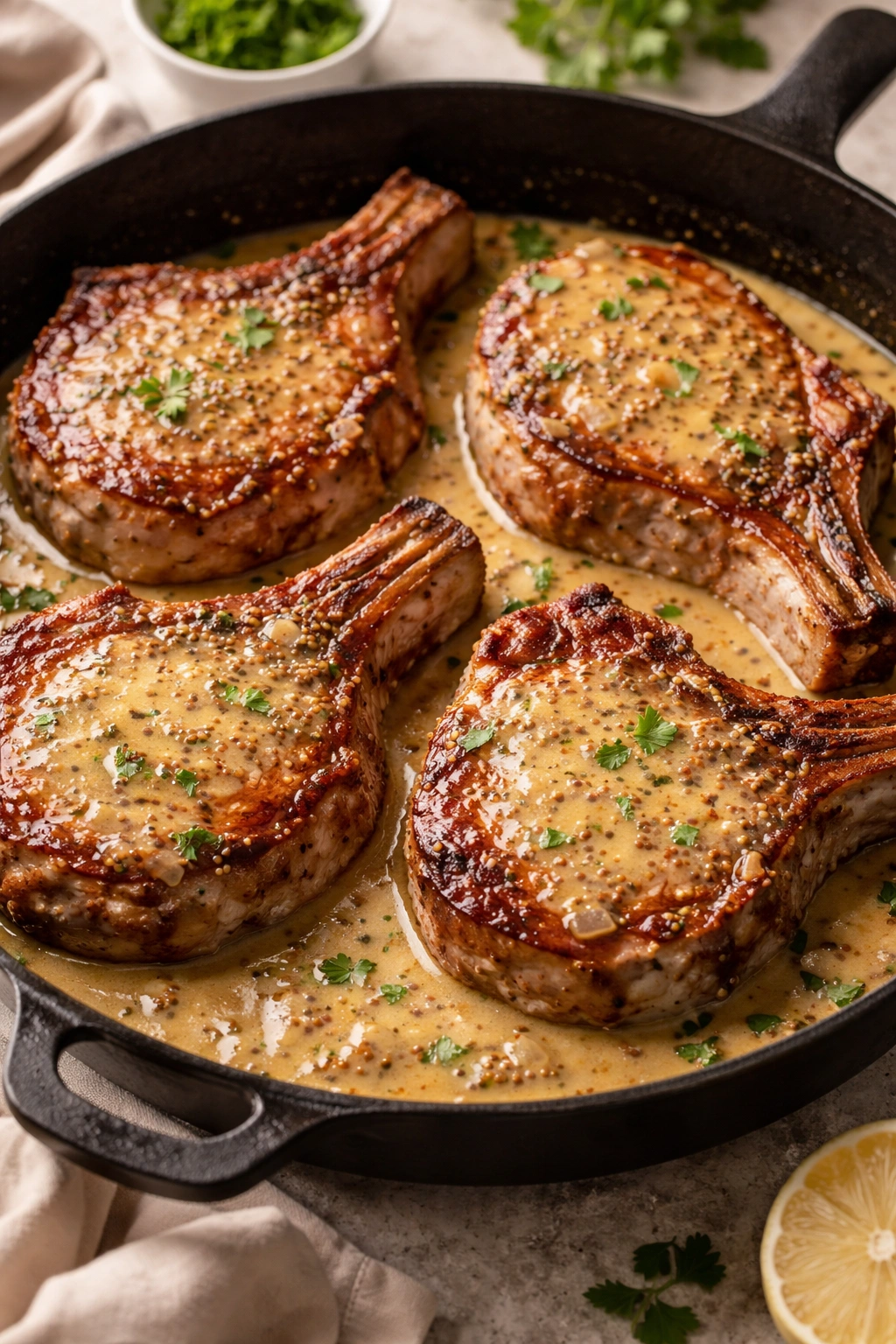
Pork chops are an underrated weeknight hero. They cook quickly, taste elegant when finished properly, and accept simple sauces beautifully. This preparation highlights how a quick pan sauce made from Dijon mustard, cream, and the browned bits stuck to the pan elevates pork chops from ordinary to restaurant-quality.
Why This Technique Delivers Results
Searing the pork chops in a hot pan develops a flavorful brown crust through the Maillard reaction, which happens when protein and heat meet. This crust adds depth and prevents the meat from tasting bland. The Dijon sauce comes together in minutes using the pan’s residual heat and flavorful drippings, meaning nothing goes to waste. The sauce is rich but not heavy, and the mustard’s slight tang balances the richness of the cream beautifully.
Building the Perfect Pork Chop Dinner
- Four pork chops, about one inch thick and preferably bone-in
- Two tablespoons Dijon mustard
- Half cup heavy cream or Greek yogurt for richness without excessive calories
- One small shallot, minced, or white wine for depth
- Butter and oil for cooking, salt and pepper for seasoning
Pat your pork chops dry and season both sides generously with salt and pepper. Heat a skillet over medium-high heat with a combination of butter and oil. Sear the pork chops for about four to five minutes per side, depending on thickness, until they reach an internal temperature of one hundred forty-five degrees. Remove them to a plate. Reduce the heat to medium, add minced shallot to the skillet, and cook for about a minute until fragrant. Add your Dijon mustard and stir to combine, scraping up the browned bits. Add cream or yogurt and cook until the sauce thickens slightly, about two minutes. Return the pork chops to the pan to warm through and absorb the flavors.
Real talk: Don’t skip the resting step. After you sear the pork chops and before you serve them, let them rest for a few minutes off the heat. This allows the juices to redistribute throughout the meat, making it more tender and juicy when you bite into it.
Final Thoughts

The philosophy behind five-ingredient dinners extends far beyond just saving time or money, though those benefits are certainly real. These meals represent a shift in how we think about home cooking—away from the idea that more ingredients equal better results, and toward the understanding that simplicity, when executed with intention, creates the most satisfying meals.
Each of these dinners works because every component earns its place. The butter in shrimp dishes isn’t filler—it’s essential for browning and flavor. The lemon in chicken recipes isn’t a garnish—it’s a crucial balance to richness. The pesto on salmon isn’t decoration—it’s the heart of the dish. When you’re working with limited ingredients, you can’t hide behind complexity or layers of flavor. You have to choose carefully and execute skillfully, which often results in more memorable meals than those with twice as many components.
The real magic of five-ingredient dinners is how they transform the way you shop and cook. You start noticing which ingredients offer the most flavor per component, which proteins work fastest, which pantry staples deliver maximum impact. You learn that rotisserie chicken, good Parmesan, canned tomatoes, and frozen shrimp are your friends. You discover that sometimes the simplest preparation—salt, heat, and time—tastes better than anything more complicated.
These aren’t recipes meant to feel like shortcuts or compromises. They’re genuinely excellent dinners that happen to be efficient to prepare. When you’re choosing between takeout and cooking something yourself, five-ingredient dinners tip the scales toward home cooking. When you’re staring at an empty refrigerator trying to figure out what to make, knowing how to build a satisfying meal from minimal ingredients is genuinely freeing. And when you taste how delicious simple food can be when the components are quality and the technique is sound, you realize that more ingredients aren’t the path to better meals—better understanding of what you’re cooking is.
