



Getting your kids to eat more vegetables doesn’t require turning dinnertime into a negotiation—it requires strategy. The challenge of feeding picky eaters isn’t new, but the solution doesn’t have to be complicated either. By incorporating vegetables directly into the meals your kids already love, you can dramatically increase their nutritional intake without the mealtime battles. These aren’t tricks in a deceptive sense; they’re simply clever cooking techniques that make vegetables a seamless part of familiar, delicious foods. When done thoughtfully, your kids won’t just eat more vegetables—they’ll actually enjoy the meals you’re serving.
The reality is that most kids resist vegetables because of how they’re presented: a lonely heap of green beans on the side of the plate, a chunk of broccoli that tastes different from everything else in the meal, or a vegetable that’s mushy or separated from the “real food.” But when vegetables are woven into the texture and flavor of something familiar—a creamy sauce, a juicy meatball, a cheesy casserole—the resistance disappears. The vegetables become part of the whole dish rather than something to be avoided or pushed aside.
Why Kids Naturally Resist Vegetables (and It’s Completely Normal)
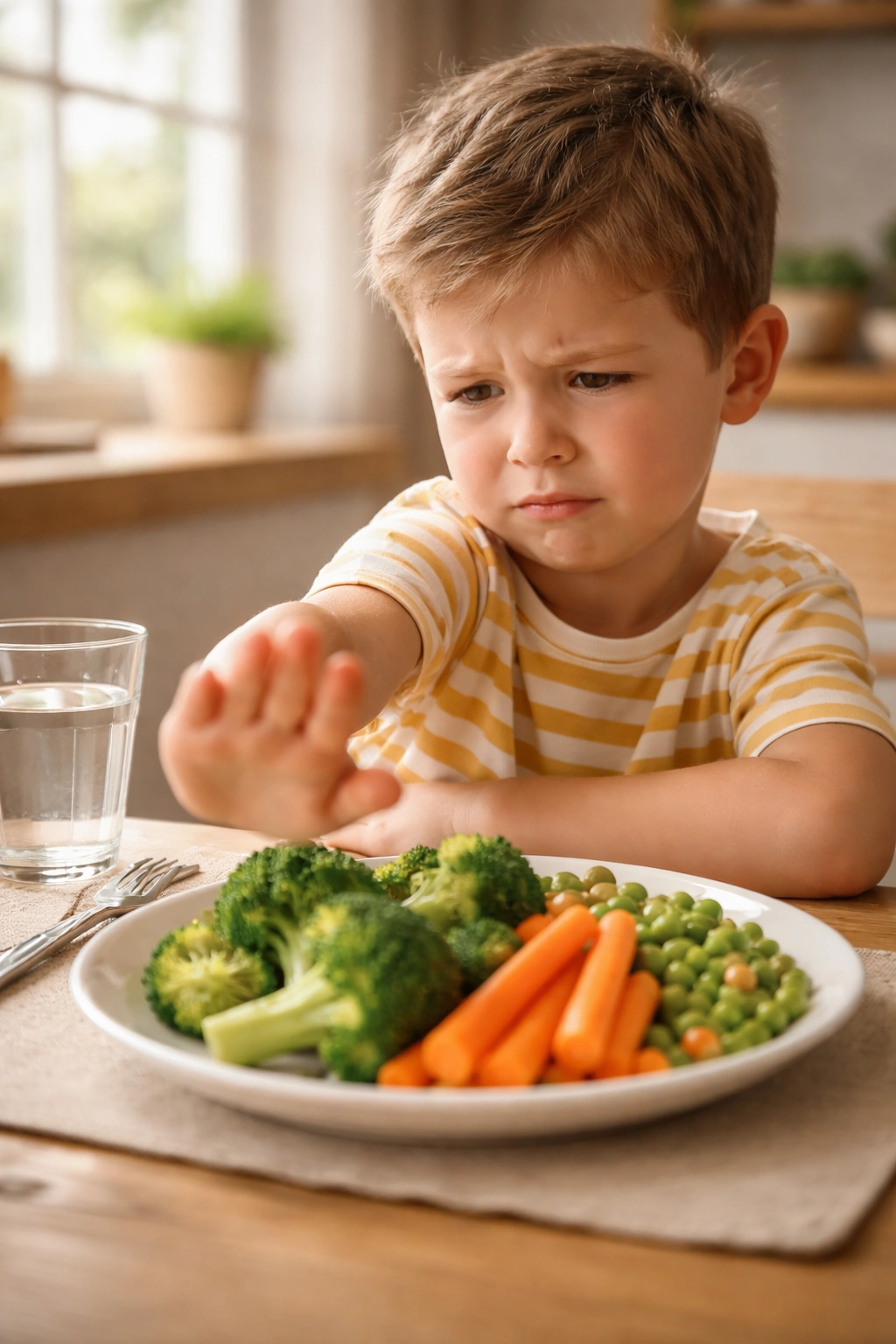
Children have taste buds that are more sensitive to bitter flavors than adults do, and many vegetables trigger that bitter response. Raw broccoli, leafy greens, and cruciferous vegetables are particularly prone to tasting intensely bitter to young palates. Beyond taste, there’s also the texture factor—mushy vegetables, stringy vegetables, and vegetables with unfamiliar textures can genuinely feel wrong to a kid’s mouth.
Developmental experts recognize something called neophobia, which is a natural wariness of new or unfamiliar foods. This isn’t a character flaw in your child; it’s actually a survival mechanism that develops around ages two to six. Kids at this stage are more cautious about new foods because, developmentally, they’re figuring out what’s safe to eat. This means serving vegetables in a new form—blended into sauce, grated into a meatball, or pureed into a pasta—can actually feel less threatening because the child isn’t directly confronting the vegetable itself.
The worry many parents have is legitimate: “If I hide vegetables, will my child ever learn to eat them openly?” Research and experience both suggest that incorporating vegetables into familiar meals actually works alongside other strategies like continued exposure, involving kids in cooking, and modeling your own vegetable consumption. You’re not replacing good eating habits; you’re building a foundation of nutrition while those habits develop naturally over time.
The Best Vegetables for Sneaking into Dinner
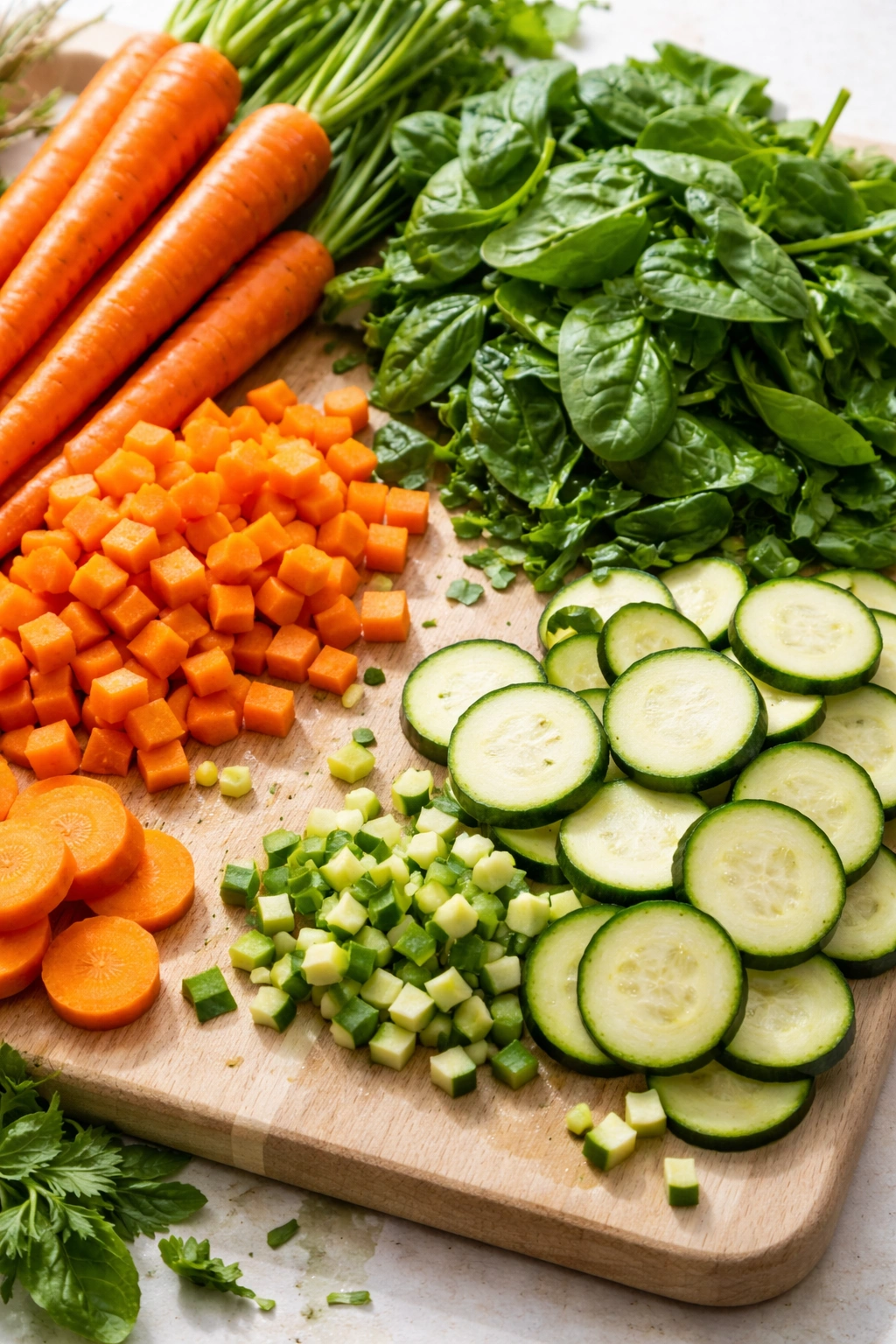
Not all vegetables work equally well for hidden vegetable cooking. Some vegetables blend so seamlessly that they’re nearly impossible to detect, while others stubbornly announce their presence no matter how finely you chop them. Understanding which vegetables work best saves you from recipes that fail and dinners that end up back on the counter uneaten.
Carrots are the MVP of hidden vegetable cooking. When cooked and either blended or finely grated, carrots add natural sweetness that complements both savory and slightly sweet dishes. They work beautifully in pasta sauces, soups, ground meat dishes, and even baked goods. The sweetness of carrots actually enhances flavor rather than detracting from it, which is why a hidden vegetable pasta sauce tastes better, not different.
Spinach is another workhorse vegetable. When blended or cooked until completely tender, spinach virtually disappears into sauces, soups, smoothies, and even baked goods. Its mild flavor means it doesn’t compete with other ingredients, and it’s packed with iron and nutrients. A handful of spinach blended into tomato sauce adds nutrition without any detectable green bits.
Zucchini is perfectly suited to grating and adding to batters, ground meat dishes, and casseroles. The mild flavor and high water content mean it adds moisture and nutrition without changing how the dish tastes. Grated zucchini works especially well in meatballs, meatloaf, pancakes, muffins, and any dish where a slightly softer texture won’t be noticed.
Cauliflower deserves special mention because it’s incredibly versatile. When pureed, it creates a creamy base that can replace cream sauce in pasta dishes, mac and cheese, soups, and risotto. When riced, it can be mixed into ground meat dishes or used as a rice substitute. The mild flavor means cauliflower takes on the flavors of whatever dish you’re making.
Sweet potatoes add natural sweetness and creaminess to dishes. Pureed or finely grated, they work well in sauces, mac and cheese, meatballs, nuggets, and baked goods. Their slightly sweet taste appeals to kids while adding substantial nutrition.
Bell peppers—particularly red peppers—add sweetness and body to sauces. Roasted and then blended into pasta sauce or soups, they become essentially invisible while deepening the flavor profile of the dish.
Other reliable options include peas (which add sweetness and blend easily), mushrooms (which add umami and work beautifully in ground meat dishes when finely minced), onions (which build flavor when cooked down and minced), and butternut squash (which adds creaminess and natural sweetness).
Blending and Pureeing: Your Secret Weapon for Creamy Sauces
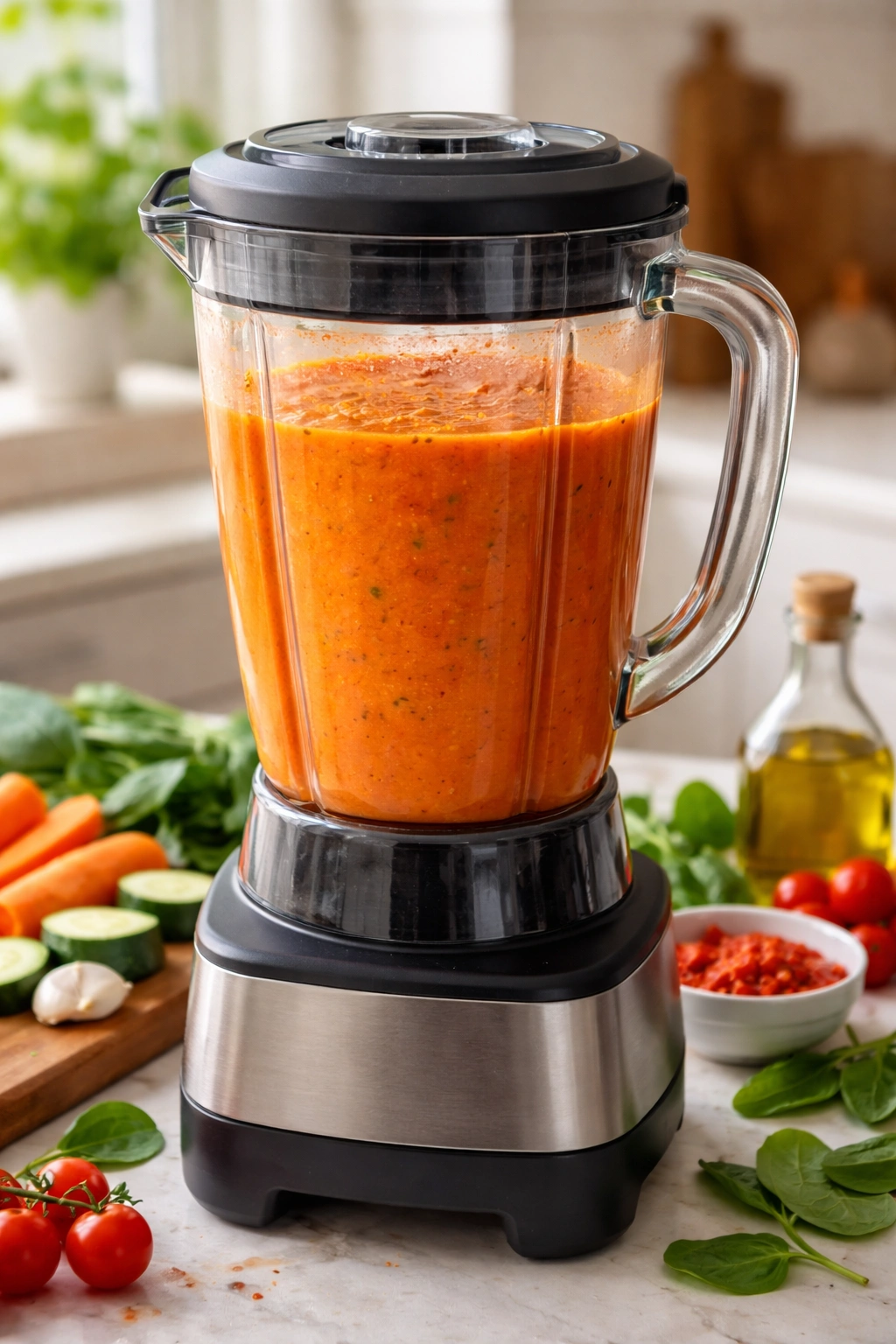
Blending and pureeing are the most effective techniques for completely hiding vegetables in dishes, particularly in sauces and soups. When vegetables are cooked until completely tender and then processed until completely smooth, they integrate into the overall dish in a way that’s impossible for a child (or most adults) to detect.
The basic technique is straightforward: cook your vegetables until they’re completely soft—usually 15 to 20 minutes depending on what you’re cooking and how you’ve cut them. Carrots, for instance, should be soft enough to crush easily with a fork. Then transfer the cooked vegetables to a blender or food processor and blend until the mixture is completely smooth. If needed, add a small amount of liquid—broth, water, or the cooking water—to help the blending process.
Tomato sauce is the perfect vessel for blended vegetables. Start with canned or fresh tomatoes as your base, add your choice of soft cooked vegetables (carrots, spinach, zucchini, peppers), and blend the whole thing together. The tomato flavor is strong enough to dominate, while the vegetables add body, natural sweetness, and nutrition. This sauce works over pasta, as the base for soups, as a pizza sauce, or even in casseroles.
A simple approach that works beautifully is to blend carrots, onions, and garlic into tomato sauce. The onions and garlic add savory depth, the carrots add subtle sweetness, and when blended completely, the sauce tastes richer and more complex—not obviously vegetable-forward, but noticeably more delicious.
Creamy sauces are another perfect application for pureed vegetables. Instead of making a cream sauce with just butter, flour, and milk, puree cooked cauliflower, butternut squash, or broccoli and combine it with a light cheese sauce. The pureed vegetable creates a naturally creamy texture while adding substantial nutrition. A cheese sauce made this way is thicker, more flavorful, and more satisfying than a traditional flour-thickened sauce.
Grating and Mincing: Adding Texture and Moisture Without Changing Flavor
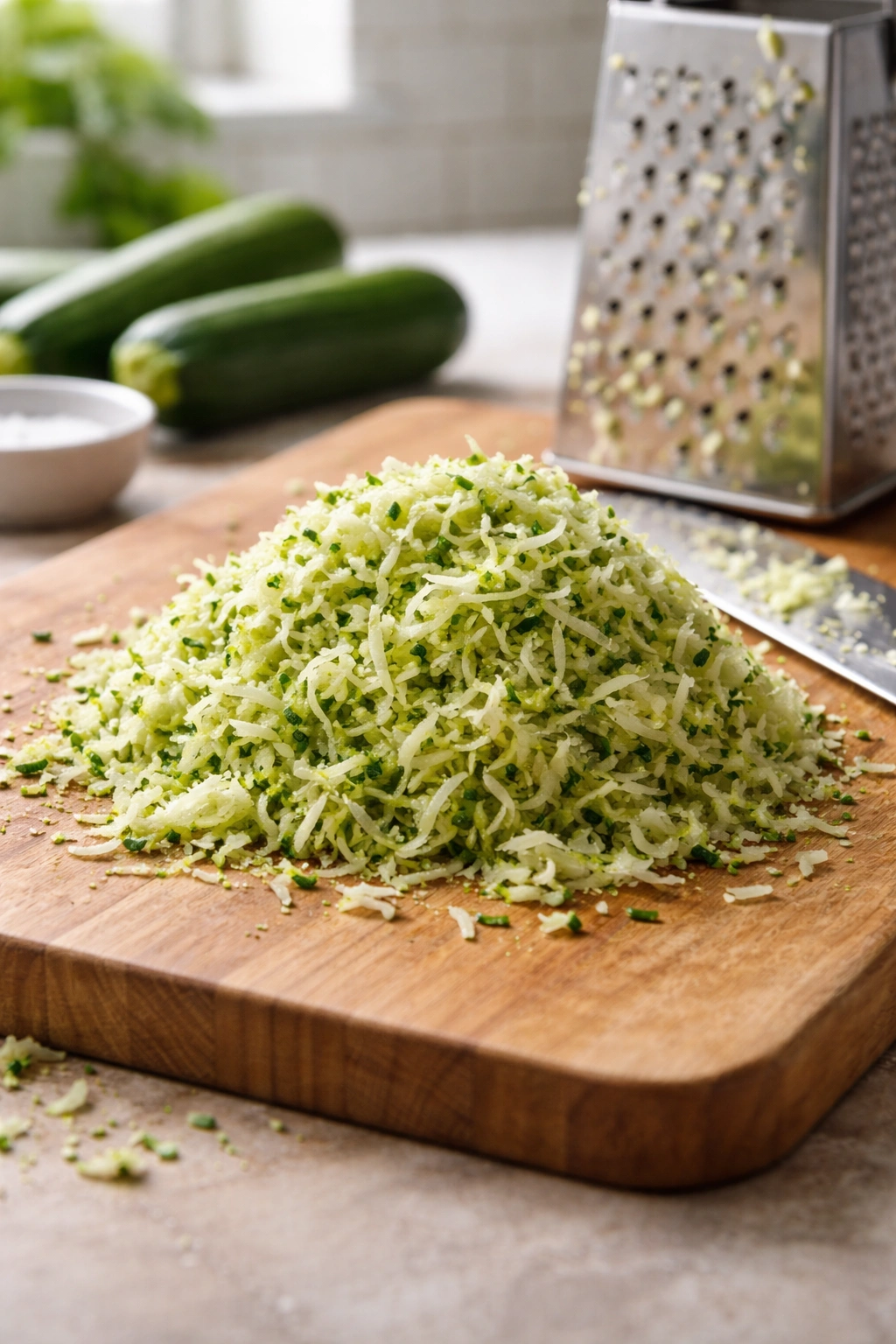
Grating and mincing work differently than blending because the vegetable pieces remain partially visible—but when done correctly, they integrate into the dish so thoroughly that they’re barely detectable. This technique works best in dishes with varied textures or where small bits of vegetables won’t stand out.
Grated zucchini is one of the most practical applications of this technique. Because zucchini is so mild and mild in flavor, when you grate it finely and add it to ground meat (for meatballs, burgers, or meatloaf), the zucchini essentially disappears. It adds moisture, which keeps the meat tender, and nutrition, without any sense that you’ve added something “healthy.” The key is grating it finely enough that there are no large chunks, and then squeezing out excess moisture so the meat mixture doesn’t become wet.
Grated carrots work similarly in ground meat dishes, but because carrots are slightly sweeter and more visible, you want to grate them finely and add them in modest amounts. They work beautifully in turkey or beef meatballs, in meatloaf, and in burgers. Kids often don’t notice the slight sweetness because it’s subtle and blends with the savory flavors of the meat and seasonings.
Minced vegetables—onions, mushrooms, bell peppers, and garlic—can be added to ground meat dishes, mixed into batters for pancakes or muffins, or incorporated into soups. When vegetables are minced finely enough and distributed throughout the dish, they become part of the overall texture rather than noticeable chunks. Minced mushrooms added to meatballs, for instance, add umami (that savory depth) that makes the meatballs taste more flavorful, not different.
For baked goods, grating vegetables like zucchini or carrots into muffin batters, pancake batters, or quick breads adds moisture that makes the final product incredibly tender and moist. Zucchini muffins, for instance, will actually be better muffins—moister and more tender—than traditional muffins, and the kids will never realize why.
Simple Ingredient Swaps That Actually Work
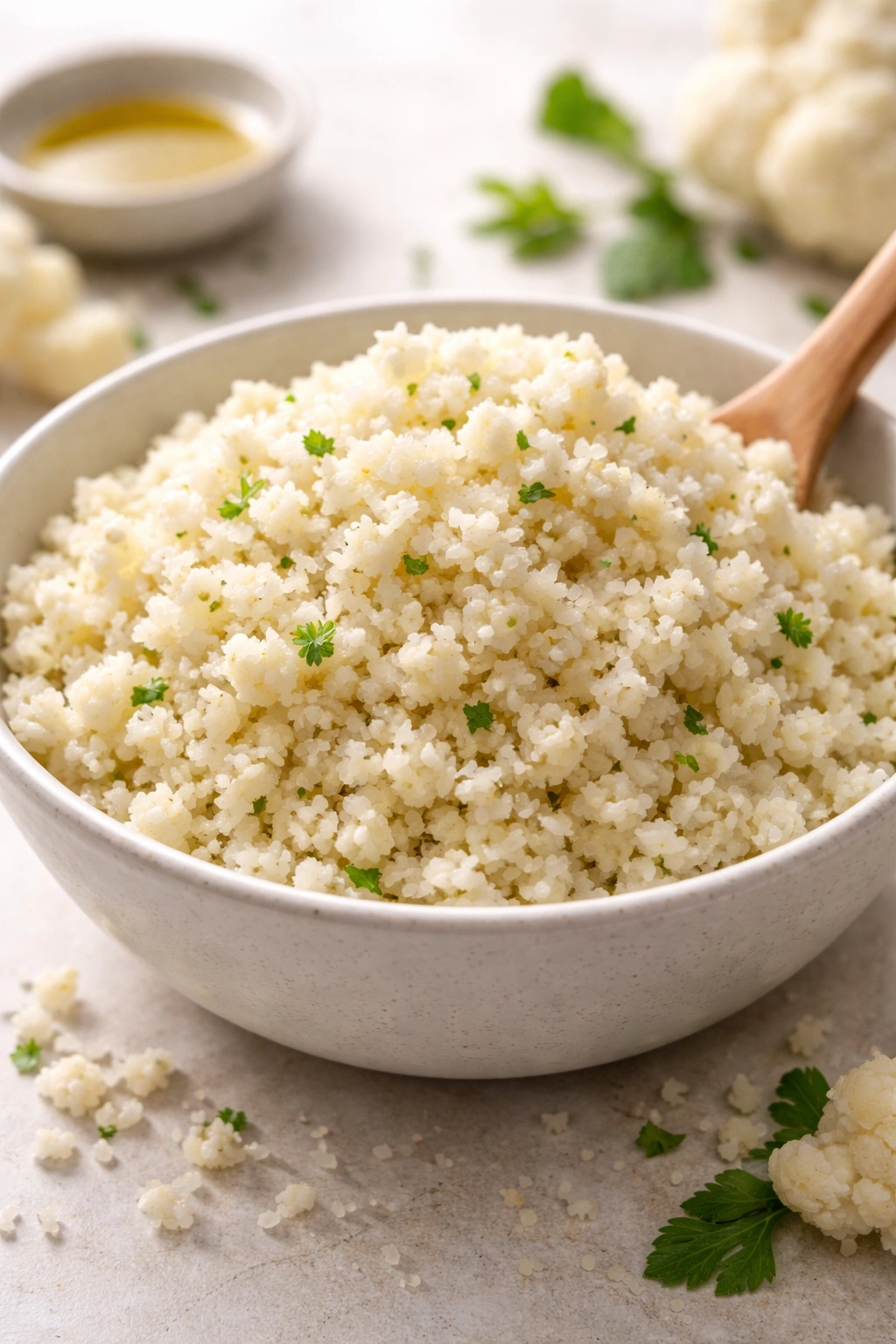
Sometimes the most elegant solution isn’t to hide vegetables in an existing dish, but to simply swap a traditional ingredient for a vegetable-based one. These swaps are most successful when the new ingredient has a similar texture or function to what it’s replacing, so the dish still works.
Cauliflower rice can replace regular rice in fried rice, risotto, burrito bowls, or as a side dish alongside curry. The key is cooking it properly—sautéing it in a hot pan with oil and seasonings—so it has some texture rather than becoming mushy. Kids typically don’t notice the swap if the sauce or seasonings are flavorful and the rice is cooked well.
Zucchini noodles (zoodles) can replace traditional pasta in many dishes. They work best in dishes with robust sauces—like a meaty bolognese or a creamy sauce—that will coat the noodles and make them taste complete. For mac and cheese or lighter preparations, kids are more likely to notice that something is different. The texture of zoodles is softer and different from pasta, but that’s less noticeable in richer, more heavily sauced dishes.
Pureed cauliflower or butternut squash can replace cream sauce or be mixed with cheese sauce in mac and cheese, pasta dishes, or soups. A five-ingredient butternut squash mac and cheese combines cooked pasta, pureed butternut squash, butter, cheese, and pasta water into a creamy, naturally sweet sauce that tastes luxurious. Kids genuinely can’t tell the difference—they just notice it tastes richer and creamier.
Mashed or riced cauliflower can be mixed with regular mashed potatoes to add nutrition and reduce calories. Start with a smaller ratio (perhaps one part cauliflower to three parts potato) and gradually increase it as your family becomes comfortable. The potatoes provide the bulk and the familiar taste, while the cauliflower adds nutrients almost invisibly.
Ground mushrooms can replace some of the ground meat in meatballs, meatloaf, burgers, or taco meat. Mushrooms add umami—that savory, meaty depth—that actually makes the dish taste more flavorful while reducing the amount of meat needed. This works especially well when you use finely minced mushrooms so they completely integrate into the meat mixture.
Creamy Pasta Sauces Packed with Vegetables
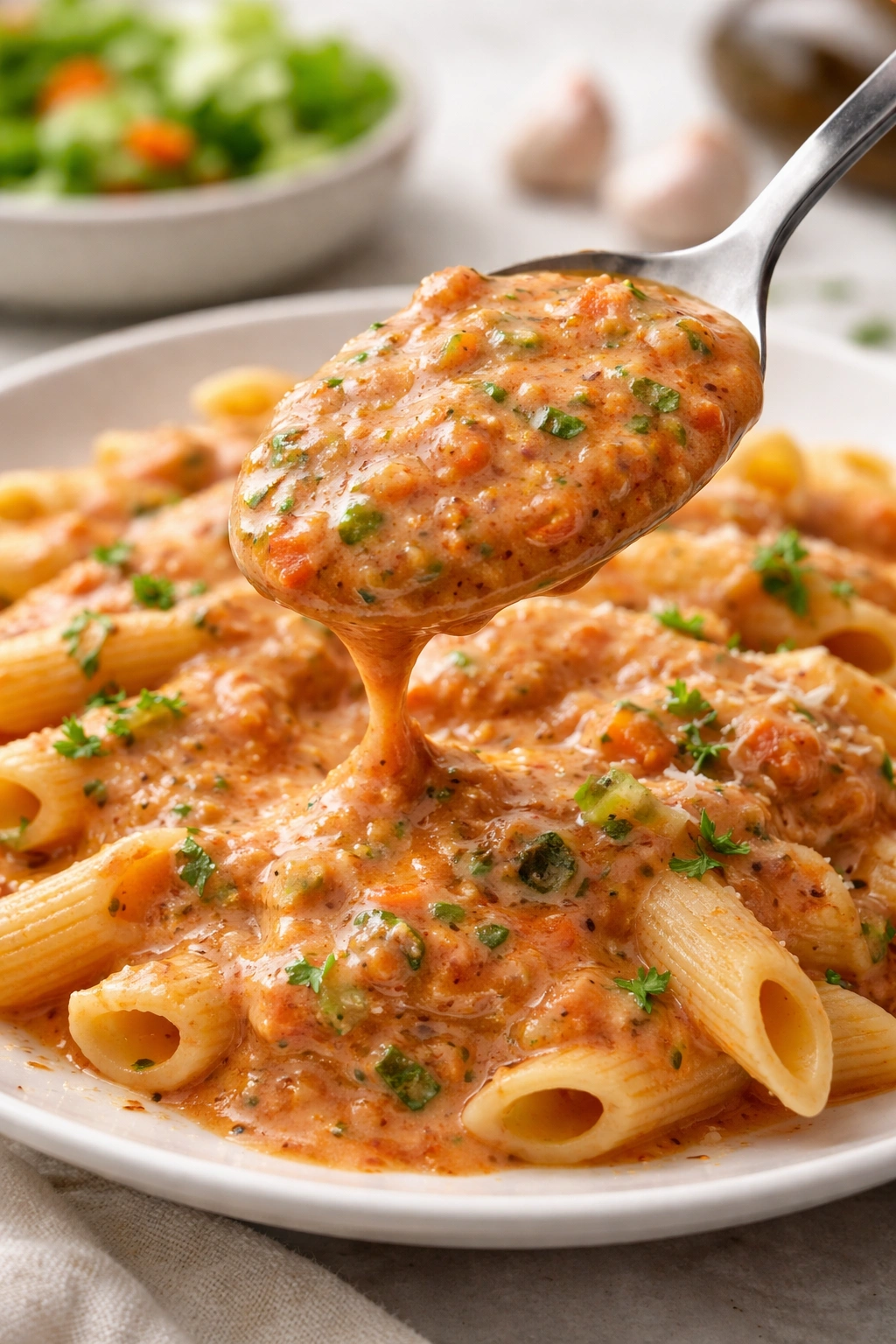
Pasta night is perhaps the single best opportunity to increase vegetable intake because kids already love the dish, the sauce is flavorful enough to mask vegetable flavor, and pasta is a vehicle that works with almost any sauce you can create.
A basic hidden vegetable marinara sauce starts with canned tomatoes as your foundation. Add diced onion, minced garlic, and your choice of vegetables—grated carrots, diced zucchini, minced mushrooms, or finely chopped spinach—and simmer everything together until the vegetables are completely soft. Then blend the entire sauce until smooth. The result is a sauce that’s richer, sweeter, and more complex-tasting than plain tomato sauce, all because of the vegetables that are now invisible in it.
The approach that makes this work is understanding that blended vegetables don’t subtract from flavor; they add to it. Carrots add natural sweetness that balances acidity. Onions add savory depth. Mushrooms add umami. Spinach adds earthiness. When you blend all these together with tomatoes and seasonings, you don’t get a sauce that tastes like tomato-plus-vegetables; you get a sauce that tastes like a really good tomato sauce. It’s richer, it’s more satisfying, and kids ask for seconds.
A roasted red pepper sauce is another elegant option. Roast red peppers until their skin is blackened, then peel them and blend them with garlic, a splash of pasta water, a bit of olive oil, and fresh herbs. The result is a naturally creamy, slightly sweet sauce that clings beautifully to pasta. The roasting brings out the peppers’ natural sweetness while mellowing any bitterness, making this a sauce even pepper-averse kids will enjoy.
A creamy butternut squash sauce combines pureed butternut squash with butter, a small amount of cream or pasta water, sage (if your family likes herbs), and parmesan cheese. The squash adds creaminess and natural sweetness, the sage adds sophisticated flavor, and parmesan adds savory depth. This is the kind of sauce that makes kids feel like they’re eating something special.
Seven-vegetable sauce or multi-vegetable sauces work beautifully because the more vegetables you include, the more their individual flavors blend and balance each other. You might combine carrots, zucchini, bell peppers, mushrooms, spinach, onions, and garlic—all cooked until very soft, then blended completely. The result is a sauce with remarkable depth that tastes like someone spent hours building layers of flavor.
The key to success with any of these sauces is blending them completely smooth and not announcing that you’ve added vegetables. Simply serve the sauce and let kids discover (without being told) that it tastes really good.
Mac and Cheese That’s Secretly Nutritious

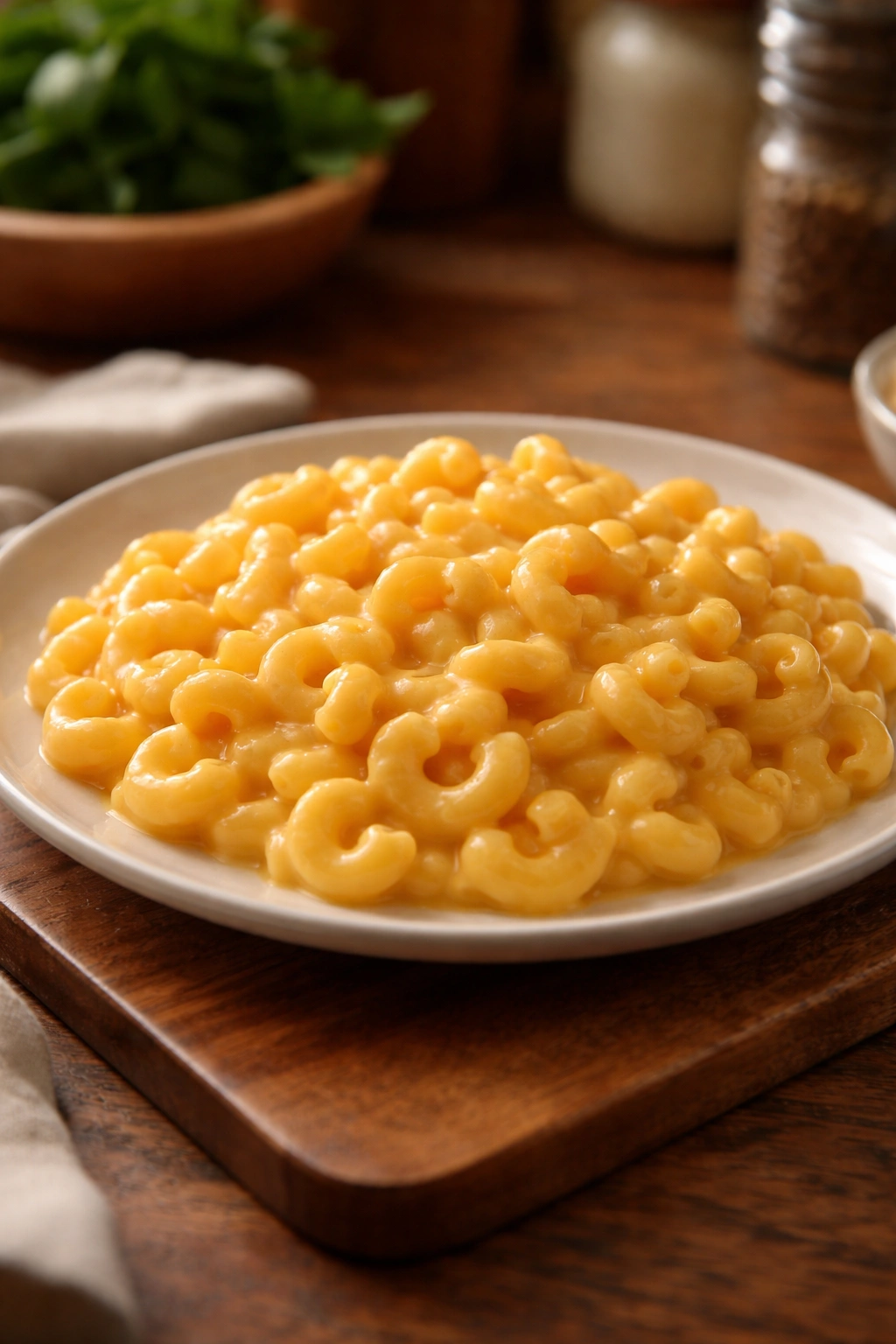
Mac and cheese is perhaps the most universal kid favorite, which makes it the perfect dish for vegetable incorporation. Unlike pasta with sauce, where the sauce could theoretically be eaten separately, mac and cheese is integrated—the cheese sauce coats every noodle, so there’s no way to separate out anything the child doesn’t want to eat.
A five-ingredient butternut squash mac and cheese is a game-changer for busy families. Cook your pasta, then combine the drained pasta with butter, a large amount of pureed butternut squash, shredded cheddar cheese, and a splash of the pasta water to reach the right consistency. That’s it. The butternut squash becomes the creamy base of the sauce, adding nutrition and natural sweetness without any taste of “vegetable.” Kids often report that this mac and cheese tastes better than the traditional version—richer, creamier, more satisfying.
Cauliflower mac and cheese follows the same principle. Puree cooked cauliflower and mix it into the cheese sauce. The cauliflower adds creaminess, mild vegetable nutrition, and actual vegetable volume to the dish, while the cheese flavor completely dominates.
A one-pot cauliflower mac and cheese that requires no standing and stirring combines pasta, cauliflower florets, broth, and cheese in a single pot. The cauliflower cooks in the same liquid as the pasta, breaking down and creating a naturally creamy sauce. Everything is done in one pot with minimal hands-on time.
For a more traditional approach, hidden veggie mac and cheese uses a cheese sauce that’s been enriched with pureed vegetables. Make a simple cheese sauce with butter, flour, milk, and cheese, then blend in pureed butternut squash, cauliflower, sweet potato, or even broccoli before combining it with the pasta. The vegetable puree adds body and nutrition without changing the essential taste of mac and cheese.
Veggie-Loaded Casseroles and Baked Dinners
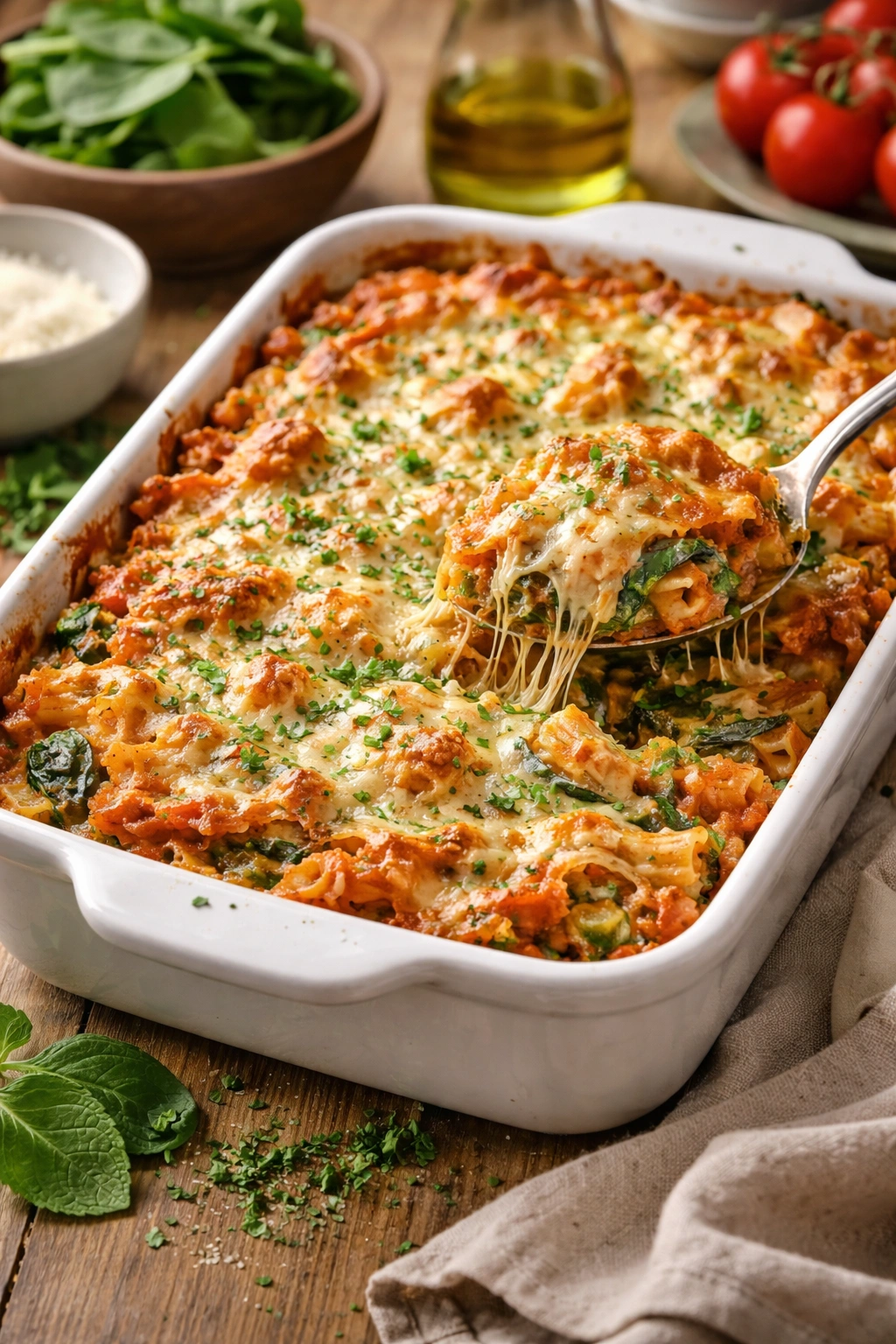
Casseroles are naturally suited to hidden vegetable cooking because they’re mixed dishes where vegetables can be distributed throughout rather than appearing as discrete chunks.
No-boil pasta bakes are remarkably efficient: you add uncooked pasta directly to a baking dish along with sauce, vegetables, cheese, and a bit of liquid, then bake everything together. The pasta absorbs the liquid as it cooks, and any vegetables you’ve added—grated zucchini, minced mushrooms, finely chopped spinach—soften and integrate into the dish. No pre-cooking required, minimal prep, and substantial vegetable intake built right in.
Lasagna with white beans and spinach substitutes some of the ricotta cheese with white beans (which add creaminess and protein) and incorporates spinach throughout the layers. The spinach wilts as the lasagna bakes, integrating completely into the filling. The beans add protein and fiber without any sense that you’ve changed the essential nature of lasagna.
Enchiladas—whether filled with beans, cheese, or a combination—work beautifully with hidden vegetables. Mix minced vegetables into the filling, blend vegetables into the sauce, or do both. The sauce coats everything, binding it together in a way that makes individual vegetables undetectable.
Baked ziti with spinach, zucchini, and mushrooms combines pasta with a meat sauce (or vegetarian sauce) that’s studded with finely minced or grated vegetables, then topped with cheese and baked. The vegetables cook into the sauce during baking, becoming completely integrated.
The principle that makes casseroles work is that distributed vegetables are essentially invisible. When a vegetable is finely minced or grated and spread throughout a mixed dish, a child eating a forkful gets some vegetable with every bite, but never a bite that’s only vegetable.
Meatballs and Ground Meat Dishes with Hidden Veggies
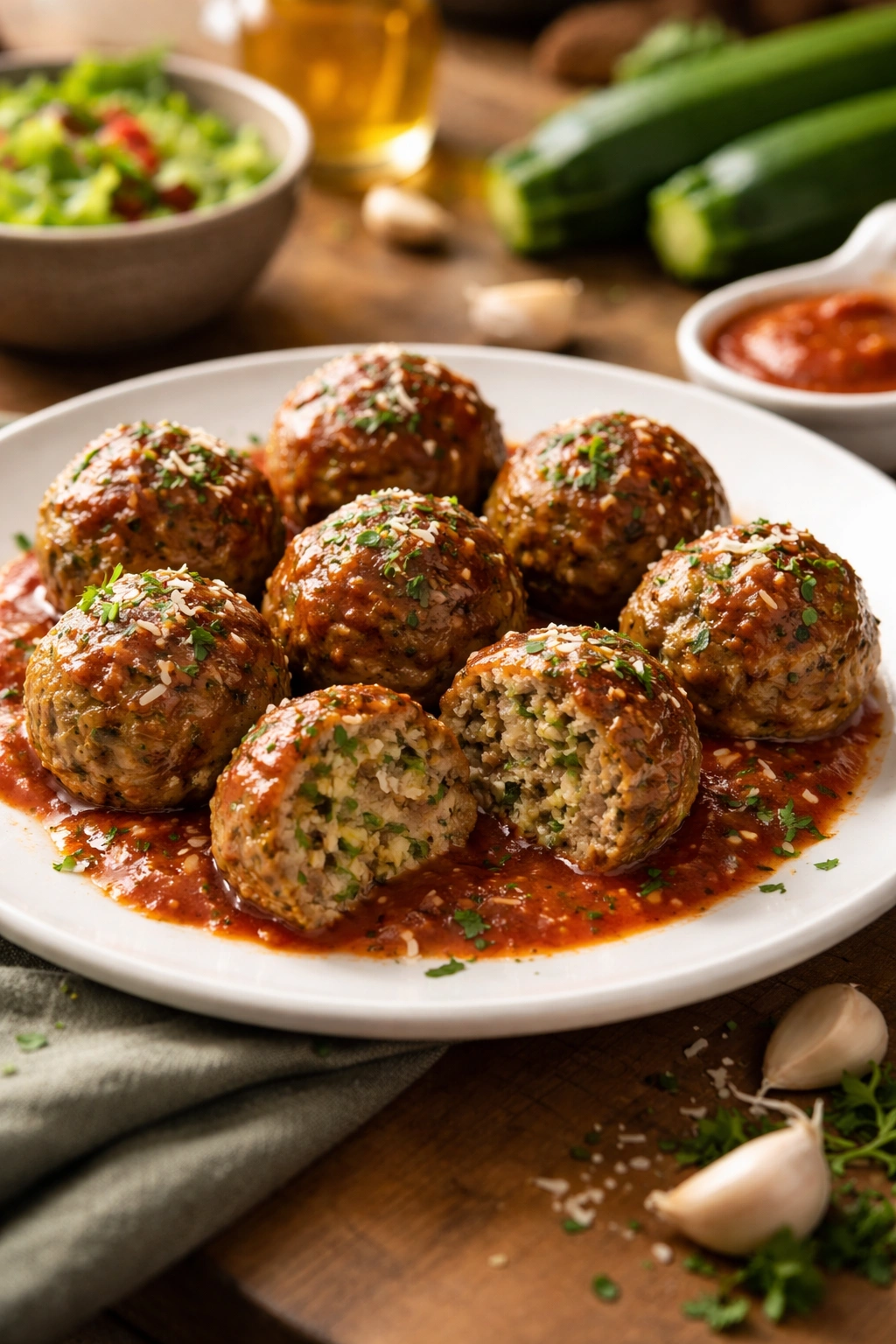
Ground meat dishes are ideal for vegetable incorporation because the cooked vegetable pieces blend seamlessly into the meat texture, and the seasonings in the meat mixture mask any vegetable flavor.
Zucchini beef meatballs made with ricotta cheese are tender and flavorful. Finely grate zucchini, squeeze out excess moisture, then mix it with ground beef, ricotta cheese, breadcrumbs, egg, and seasonings. The zucchini adds moisture and nutrition, the ricotta adds tenderness, and the result is meatballs that are noticeably better than traditional meatballs—more tender, more flavorful—while being substantially more nutritious.
Turkey meatballs work beautifully with added vegetables because turkey can taste dry without something to add moisture. Grated zucchini or finely minced mushrooms keep the meatballs tender while adding nutrition. Spinach can be wilted and finely chopped, then mixed in, adding iron and minerals.
Hidden veggie meatloaf or turkey meatloaf can incorporate grated zucchini, minced mushrooms, finely diced bell peppers, or even pureed vegetables into the meat mixture. The vegetables add moisture and nutrition, and the cooking time allows them to fully integrate.
Veggie-packed burger patties mix ground turkey or beef with finely grated zucchini, minced mushrooms, finely diced onions, and seasonings. The vegetables add moisture and flavor, which is crucial because ground turkey especially can be dry. Kids often can’t identify what’s different about these burgers—they just taste really good.
Hidden veggie meatballs with marinara sauce is a complete dinner that works for busy weeknights. Make meatballs with ground meat and finely minced or grated vegetables, then simmer them in a vegetable-enriched marinara sauce. You’re getting vegetables in two places—in the meatballs and in the sauce—which means substantial nutrition in a dish kids genuinely love.
The key to success with ground meat dishes is making sure the vegetables are finely processed so they integrate completely into the meat, and using vegetables that add moisture (like zucchini) rather than drying out the mixture.
Curries and Flavorful Dishes That Hide Vegetables Brilliantly

Dishes with bold flavors—curries, chili, soups with strong seasonings—are excellent vehicles for hidden vegetables because the spices and seasonings are so dominant that vegetable flavors are completely masked.
Hidden vegetable katsu curry sauce with four vegetables blended seamlessly into the sauce is mild enough for kids while tasting complex and delicious. The curry flavor is so strong that you could blend in almost any vegetable and it would be completely undetectable. Serve this over chicken and rice, or as a dipping sauce alongside.
Mild chicken curry with hidden vegetables works beautifully for families with kids. Make a curry sauce by sautéing onions and garlic, adding curry powder and tomato paste, then blending in cooked vegetables like carrots, bell peppers, or spinach. The curry flavor is bold enough to dominate completely while the vegetables add body and nutrition.
Vegetarian chili loaded with beans, tomatoes, and minced or pureed vegetables is hearty and satisfying. The bold spices (cumin, chili powder, garlic) and the deep flavor from the tomatoes mean that any vegetables in the mixture become completely integrated. Serve with toppings like cheese and Greek yogurt so kids can customize their bowl.
Hidden vegetable pasta sauce used in a curry context (perhaps serving over rice or noodles) works because the spice flavor is so dominant. A seven-vegetable bolognese-style sauce becomes essentially a vegetable sauce with meat, but the seasonings and the meat flavor are so assertive that the vegetables are merely supporting players.
The principle here is that bolder flavors create a better environment for hiding vegetables. The more seasoning, the more spice, the more dominant the meat or sauce flavor, the more completely vegetables integrate into the overall dish.
Making Vegetables Appealing Through Presentation and Involvement
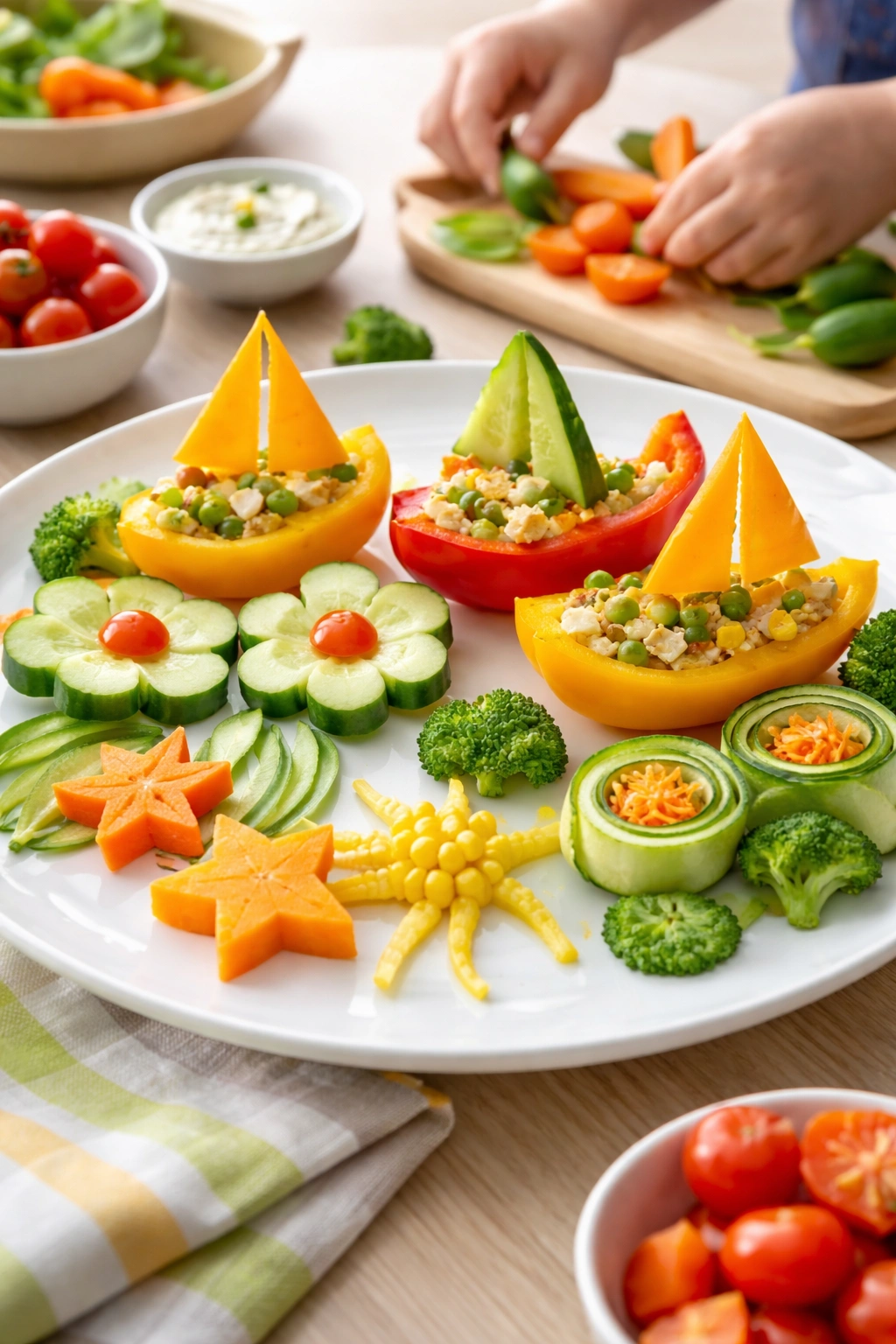
Even when vegetables are hidden, making the dining experience fun and engaging increases the likelihood that kids will eat well and develop positive associations with meals.
Creative plating can transform how kids view food. Arrange vegetables in fun shapes—carrots cut into stars, cucumber slices arranged like flowers, bell peppers arranged as boats. For younger kids especially, a plate that looks playful and fun is more likely to be eaten than one that looks purely functional. This applies even to hidden vegetable dinners: if the pasta looks appealing and the sauce is an appetizing color, kids are more likely to eat enthusiastically.
Involving kids in meal preparation dramatically increases their willingness to eat what’s been made. When children watch vegetables go into the blender and then see them “disappear” into sauce, they’re fascinated by the process. When they help grate zucchini or mix ingredients, they feel ownership over the meal. Kids who help prepare dinner eat more of it—it’s that simple.
Storytelling and games around food can make dinner time more engaging. You might talk about how the sauce has “power vegetables” that make you stronger, or create a story around the ingredients. For pasta night, you might talk about how the sauce tastes extra good because of all the vegetables in it, turning it into a positive thing without being secretive about it.
Using attractive serving dishes and taking time with presentation signals to kids that the meal is special and worth eating. A casserole served in a pretty dish on a set table invites more enthusiastic eating than the same casserole served straight from the baking dish.
Getting Kids Involved in Cooking (and Why It Actually Works)
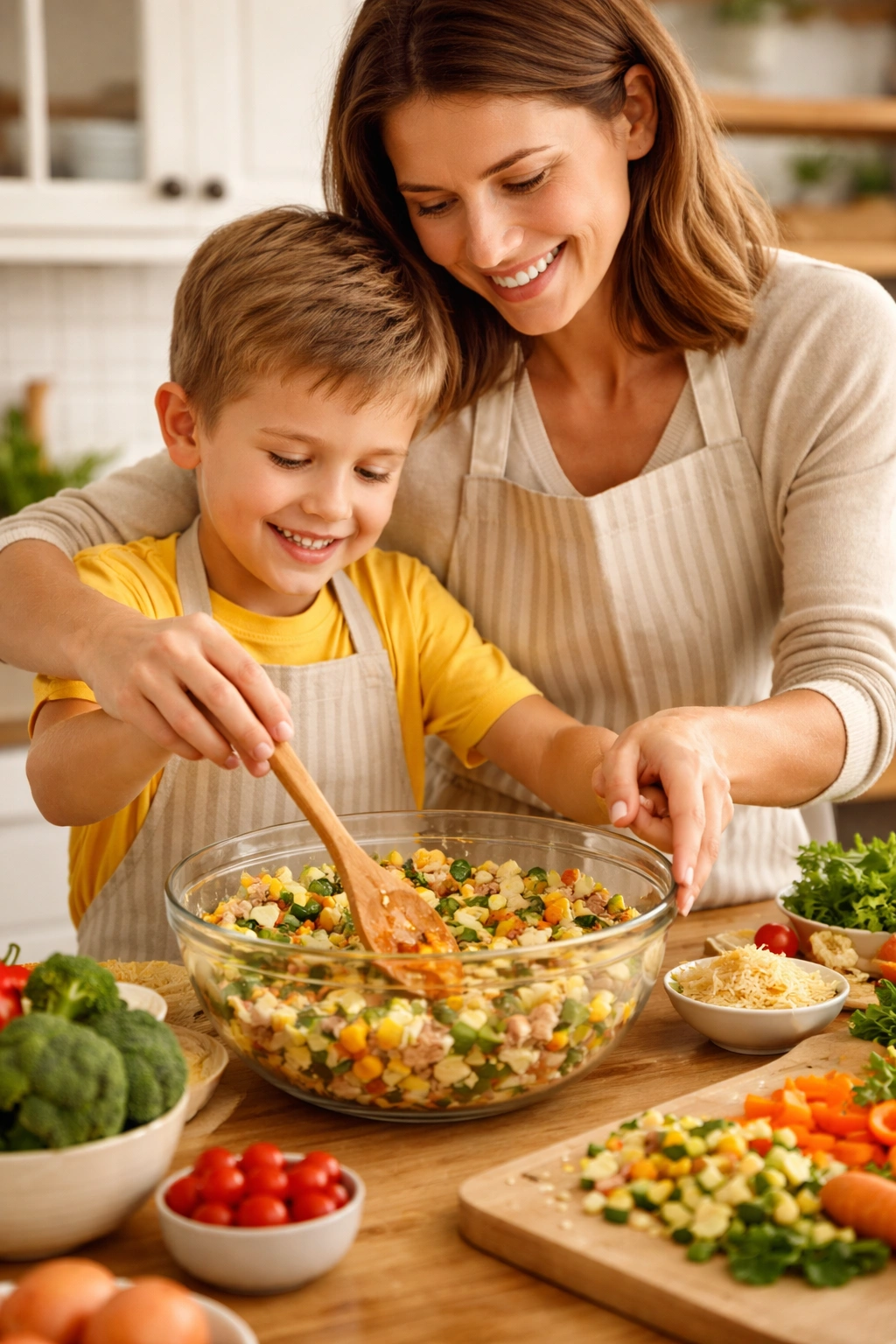
There’s research backing what many parents intuitively know: kids who participate in meal preparation eat more of what’s been made. The involvement creates investment, and the investment creates willingness to try.
Simple prep tasks like washing vegetables, tearing lettuce, or stirring ingredients are age-appropriate for toddlers and young children. Even two-year-olds can help rinse vegetables or drop ingredients into a bowl. This isn’t just about keeping them occupied; it’s about building positive associations with food preparation.
Slightly more complex tasks like grating cheese, measuring ingredients, or pressing buttons on the blender work for older kids. When a child grates zucchini and then watches it go into meatballs, they’re learning that vegetables are part of making food, not something to be feared.
Watching vegetables transform is genuinely interesting to kids. Watching spinach turn bright green as it wilts, seeing vegetables disappear into a blender and emerge as sauce, or watching a white cauliflower become creamy mac and cheese sauce—these transformations are fascinating and demystify the cooking process.
Ownership and pride matter. A child who helped make dinner is proud of what they’ve created. They’re more likely to try it, to eat more of it, and to remember the experience positively. Over time, repeated positive experiences with food preparation build confidence and willingness to try new things.
The key is making sure the tasks are genuinely age-appropriate and that you’re patient with the process. Kids work more slowly than adults, and that’s okay—the time together and the learning matter more than efficiency.
Troubleshooting: When Kids Don’t Eat It Anyway
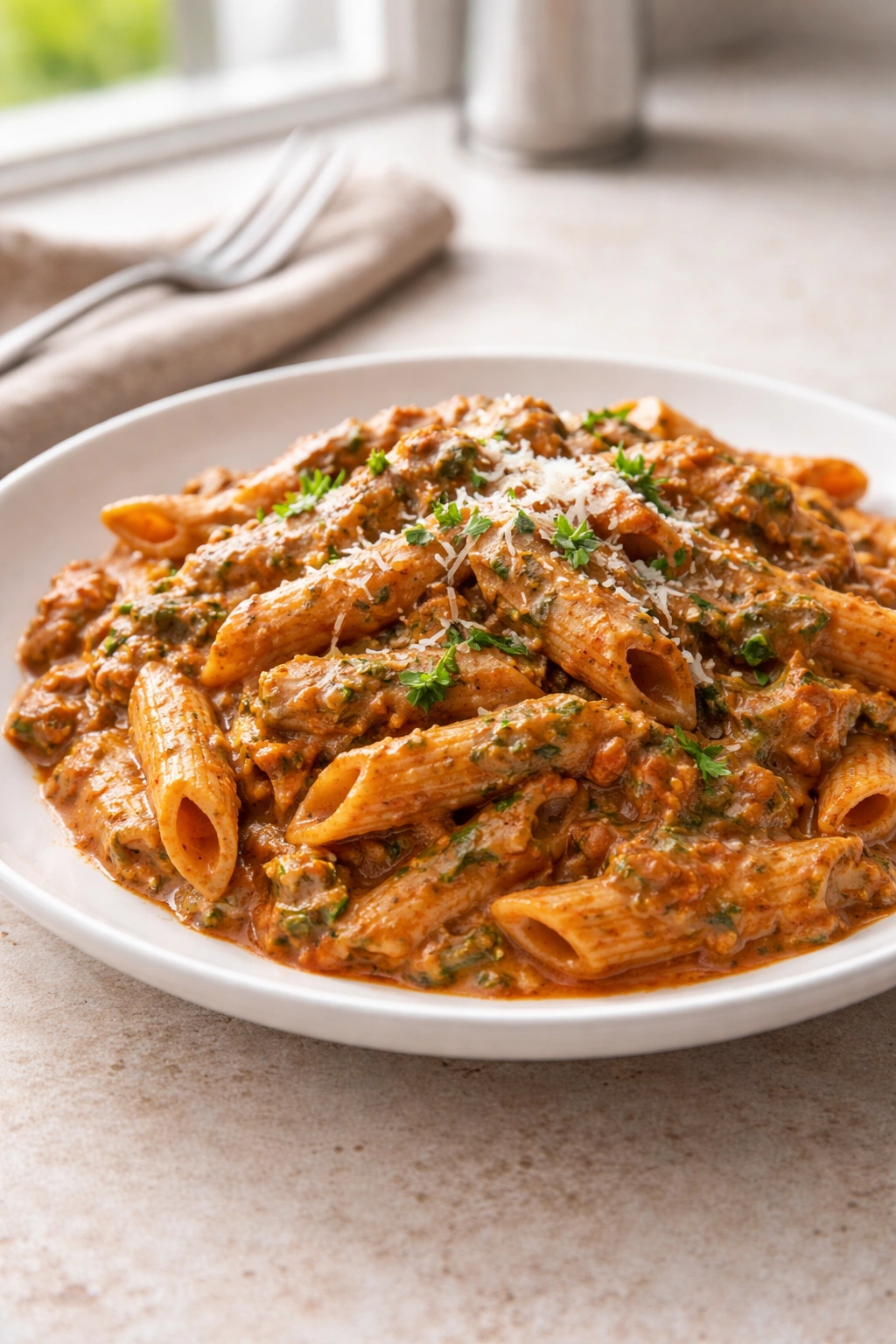
Sometimes despite your best efforts, kids simply won’t eat what you’ve prepared. Understanding why helps you problem-solve more effectively.
If the color is wrong, the dish might look suspicious to a picky eater. Spinach blended into tomato sauce creates a brownish-red color rather than pure red, which can register as “wrong” to a kid. In this case, you might try the same vegetables in a cream sauce (where the color is naturally pale), or accept that this particular dish won’t work for this particular child while trying other preparations.
If the taste is off, you might have added too much of one vegetable, or the vegetable flavor is too dominant. This is useful feedback—simply adjust the ratio next time, use a milder vegetable, or use less. Not every recipe works perfectly the first time, even for experienced cooks.
If the texture feels wrong, the vegetable might not be blended smoothly enough, or the child might be sensitive to very smooth sauces. Try a slightly chunkier sauce, or accept that this texture isn’t working and try a different approach (like grated vegetables in a casserole instead of pureed in a sauce).
If the child refuses the dish entirely, respect that. Continuing to serve it without pressure gives the child repeated exposure, which research shows is necessary for acceptance of new foods. It might take 10, 15, or 20+ exposures before a child accepts something new. Serving it calmly and matter-of-factly without making it a battle is more likely to eventually lead to acceptance than pressure or negotiation.
Remember that this is a long game. Picky eating and vegetable resistance are developmentally normal. Your job is to keep offering vegetables in various forms, model eating them yourself, involve kids in cooking, and not turn meals into power struggles. Hidden vegetable cooking is one tool among many—not the only tool, and not a permanent solution—but a practical way to ensure good nutrition while longer-term eating habits develop.
Simple Strategies for Success in Your Kitchen
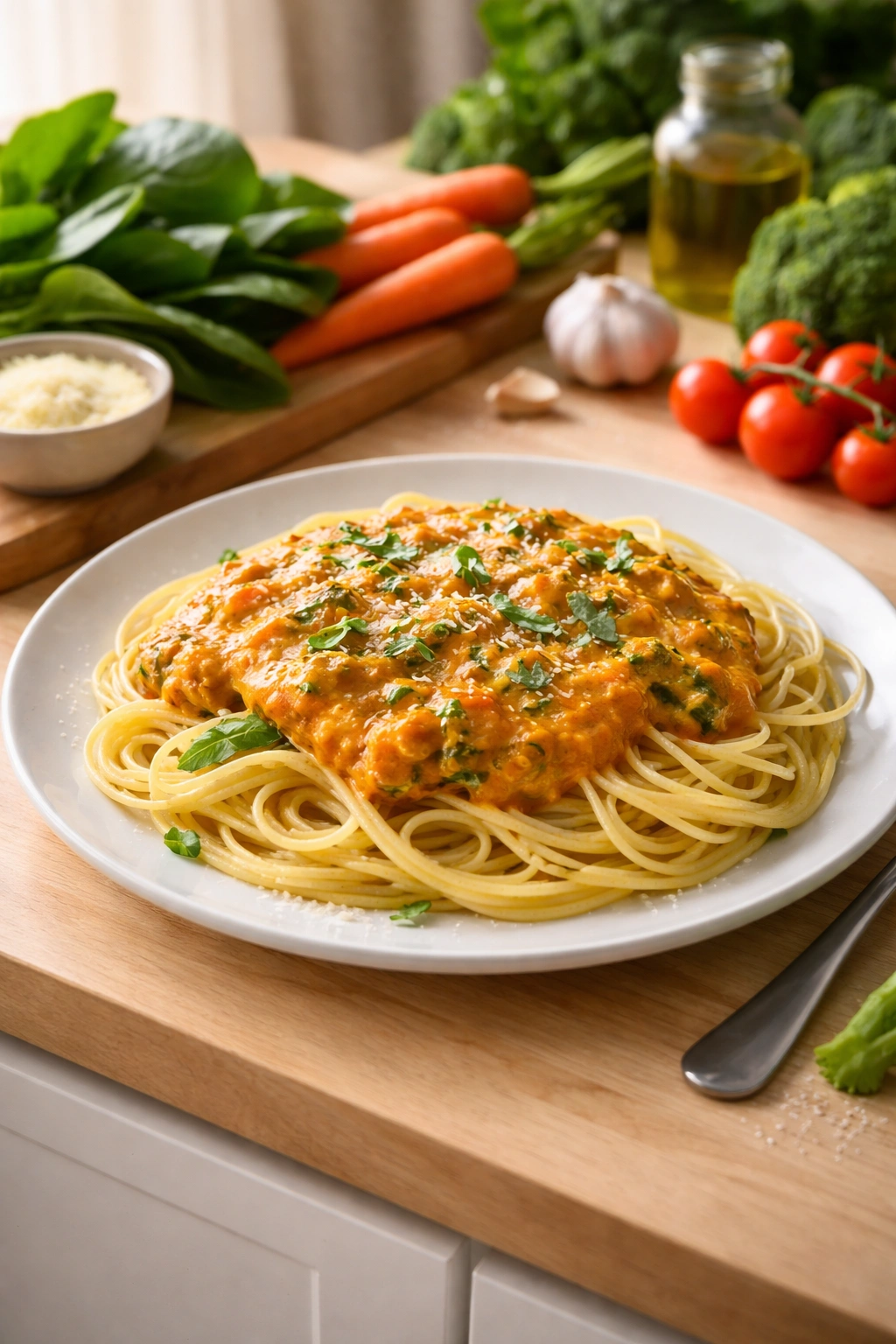
Success with hidden vegetable cooking comes from a few consistent practices. Start with vegetables you like, since you’ll be working with them repeatedly and tasting the dishes you make. If you dislike mushrooms, don’t force mushroom meatballs; choose a vegetable you genuinely enjoy cooking with.
Keep it simple. You don’t need elaborate recipes or special ingredients. A simple pasta sauce with blended carrots and spinach, mac and cheese with cauliflower puree, or meatballs with grated zucchini are all you need. Complexity doesn’t equal better nutrition; consistency does.
Cook vegetables until they’re completely soft before blending. Hard or barely-cooked vegetables won’t blend smoothly and will create a gritty texture that’s noticeable.
Taste as you go. If you’re blending vegetables into a sauce, taste it after blending to make sure the flavor is balanced. You might need to add a bit more seasoning, a squeeze of lemon juice, or a touch of salt.
Don’t announce the vegetables unless your kids ask. Serve the dish without fanfare. If they ask what tastes different or why the sauce looks a certain way, that’s your opportunity to explain—but there’s no need to announce hidden vegetables upfront.
Build a rotation of reliable recipes that your family enjoys. Once you find three to five dishes that work well for your kids, make them regularly. Consistency and repetition are far more valuable than constant variety.
Remember that hidden vegetables are one part of a bigger picture. Continue to serve vegetables openly, involve kids in cooking and gardening if possible, model eating a variety of vegetables yourself, and keep offering new vegetables without pressure. Over time, kids develop more sophisticated palates and learn to genuinely enjoy vegetables.
Final Thoughts
Getting kids to eat vegetables doesn’t require trickery in the dishonest sense—it requires strategy, creativity, and patience. By understanding which vegetables work best for blending and pureeing, which techniques integrate vegetables most seamlessly, and which dishes are natural vehicles for hidden nutrition, you can dramatically increase your family’s vegetable intake. A creamy pasta sauce, a perfectly creamy mac and cheese, a juicy meatball, or a satisfying casserole becomes not just tolerable but genuinely delicious—and that’s the real win.
The beauty of cooking with hidden vegetables is that it’s not deceptive in a way that harms trust; it’s simply smart cooking. You’re not lying to your kids about what they’re eating; you’re using technique and knowledge to make nutritious food delicious. And over time, as kids eat more vegetables in various forms, their palates adapt and expand. The hidden vegetables today become the stepping stones to more openly eaten vegetables tomorrow.
Start with one recipe that appeals to you. Make it this week. Notice what your family thinks, what works, and what could be tweaked. Then add another. Build your repertoire slowly, season to taste, and trust that consistent exposure to vegetables—however they’re presented—is building better eating habits and better health.
