



There’s something almost magical about the simplicity of a truly great sandwich. It asks nothing of you except that you source the right ingredients and assemble them with care. The chicken caprese panini is exactly that kind of sandwich—a study in how a handful of high-quality components, when brought together between warm, crunchy bread, can deliver something that feels far more elegant and satisfying than its minimal ingredient list suggests. It’s got everything: tender, juicy chicken; melty, creamy mozzarella; bright, fresh basil; sweet-tart tomatoes; and a whisper of balsamic glaze that ties it all together. And here’s the best part: you can have it ready in less than half an hour, making it one of the easiest and most impressive lunches you can pull together on a weeknight or weekend afternoon.
What makes this panini so special is that it captures all the best flavors of a classic caprese salad—that iconic Italian combination of mozzarella, tomatoes, and basil—but transforms them into something warm, pressed, and deeply satisfying. Unlike a cold caprese salad, which is perfect for summer picnics, the panini version gives you melted cheese, slightly caramelized bread, and warm chicken that somehow makes the fresh ingredients taste even fresher by contrast. It’s the kind of sandwich that doesn’t require any side dishes or excuses; it stands entirely on its own as a complete, nourishing meal.
This isn’t a complicated recipe that demands special skills or hard-to-find ingredients. It’s the kind of lunch you can make with things you likely already have in your kitchen, or ingredients so straightforward and accessible that a quick trip to the grocery store becomes a pleasure rather than a chore. Whether you’re cooking for yourself, making lunch for your family, or preparing something quick for guests, the chicken caprese panini delivers every single time.
The Story Behind the Caprese Panini
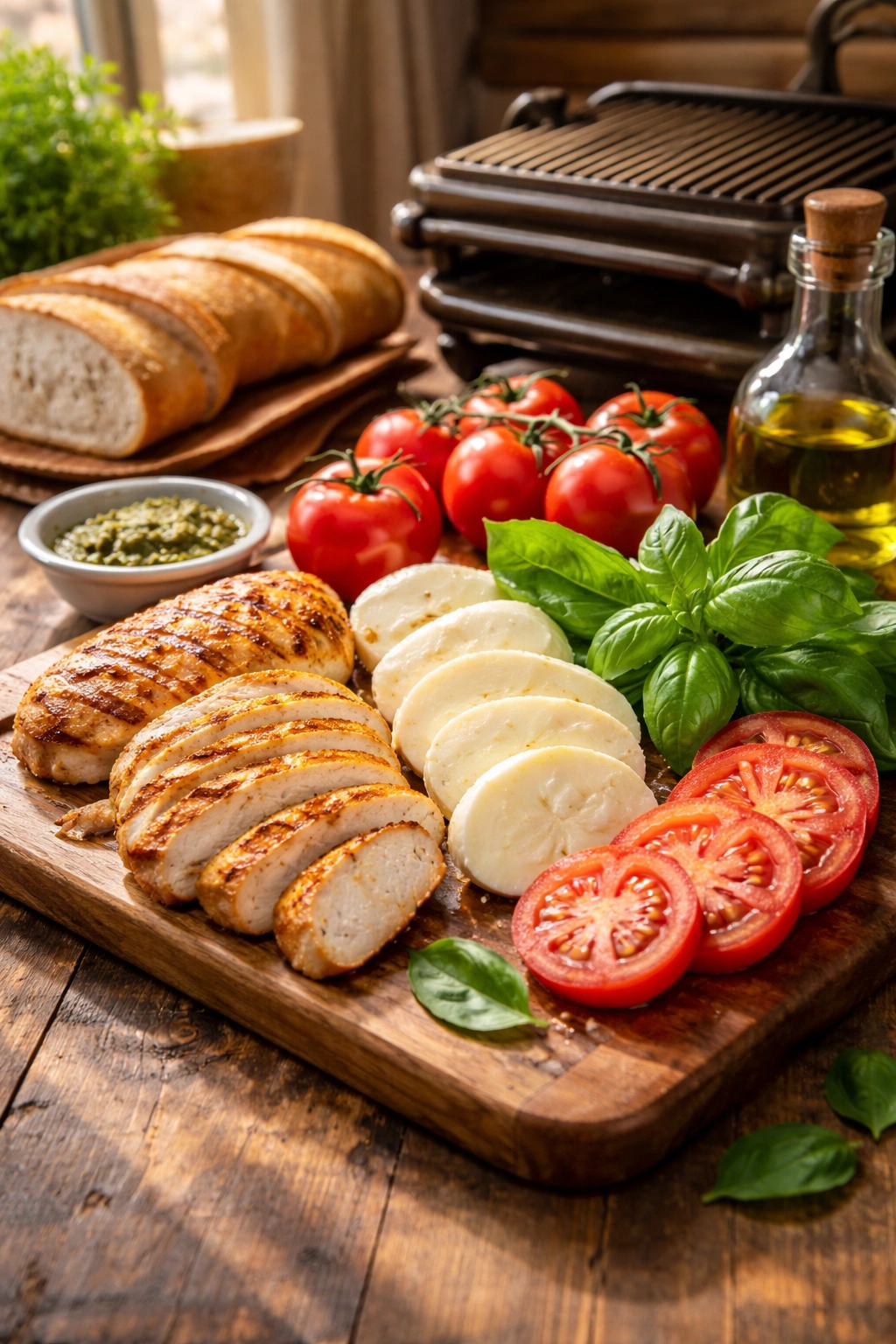
The caprese salad itself is a celebration of Italian simplicity and the philosophy that great food doesn’t need to be complicated. It emerged from Campania, in the southern Campania region near the Amalfi Coast, where tomatoes, basil, and mozzarella grew in abundance and were often enjoyed together as a fresh, cooling summer dish. The name itself comes from the island of Capri, where this particular combination became iconic. For decades, caprese remained a salad—sliced tomatoes and mozzarella, fresh basil, olive oil, and perhaps a drizzle of balsamic vinegar.
But somewhere along the way, creative home cooks and restaurant chefs began asking themselves: what if we put this on bread? What if we added protein? The chicken caprese panini is the answer to that question, and it’s a beautiful one. By sandwiching the classic caprese ingredients between warm bread and adding grilled or roasted chicken, the sandwich becomes something more substantial without losing any of the fresh, bright character that makes caprese so appealing. The warmth of the bread and melted cheese actually enhances the flavors of the tomato and basil rather than overwhelming them—it’s a transformation that respects the original while creating something entirely new.
Why This Panini Works So Well
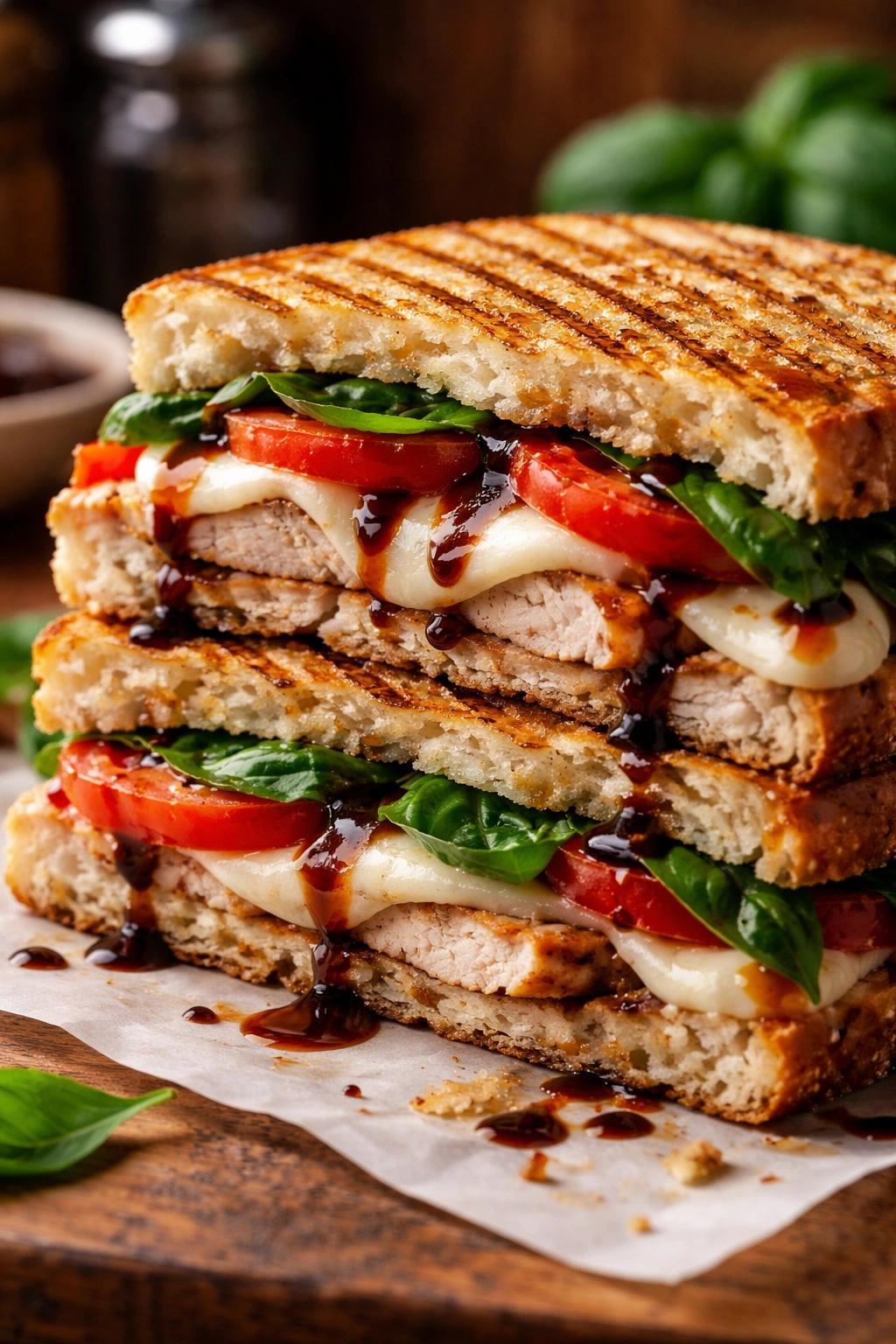
The reason this sandwich is so reliably delicious comes down to balance—balance of flavors, textures, temperatures, and effort. You’ve got cooling, fresh basil and tomato playing against warm, creamy mozzarella and crunchy bread. The balsamic glaze adds a sweet and slightly acidic note that prevents the sandwich from feeling heavy. The chicken provides substance and protein without dominating the other flavors. Nothing overpowers anything else; everything supports everything else.
This is also a sandwich that works beautifully whether you have access to peak-season tomatoes or not. During summer months when tomatoes are at their absolute best—warm, sweet, and bursting with juice—this panini becomes something transcendent. But even in the colder months, when you’re using greenhouse or imported tomatoes, the sandwich still delivers because all the other components are so solid. A good fresh mozzarella and high-quality basil can make even ordinary tomatoes taste better. That’s the power of respecting your ingredients and not asking them to do more than they naturally can.
Yield: Serves 2 | Makes 2 sandwiches
Prep Time: 10 minutes
Cook Time: 20 minutes (including cooking chicken if using raw)
Total Time: 30 minutes (less if using pre-cooked or leftover chicken)
Difficulty: Beginner — All the steps are straightforward, no special techniques required. Even if you’ve never made a panini before, you’ll have success with this recipe.
Ingredients for Chicken Caprese Panini
For the Chicken:
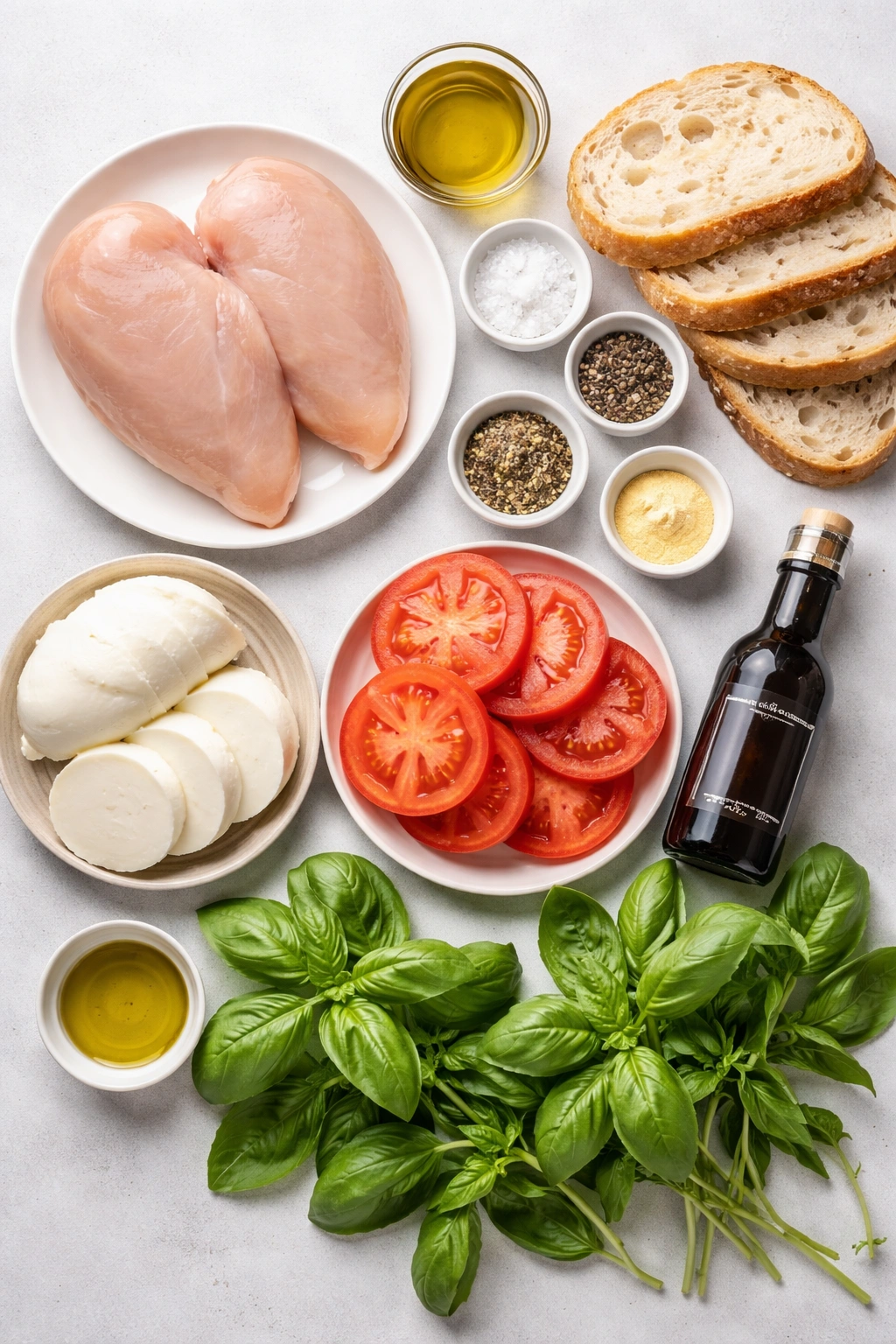
- 2 boneless, skinless chicken breasts (or about 8 ounces cooked chicken, sliced)
- 2 tablespoons olive oil
- 1 teaspoon kosher salt
- ½ teaspoon freshly ground black pepper
- 1 teaspoon Italian seasoning (or ½ teaspoon each dried oregano and basil)
- ½ teaspoon garlic powder (optional, but recommended)
For the Sandwich:
- 4 slices bread (ciabatta, sourdough, or focaccia work best; about ¾ inch thick)
- 4 slices fresh mozzarella (about 4 ounces total; preferably whole milk, soft, and creamy)
- 1 large tomato (ripe and in season) or 2-3 medium tomatoes, sliced about ¼ inch thick
- 12-16 fresh basil leaves (roughly 1 loose cup), left whole or roughly torn
- 1 tablespoon balsamic glaze (or 2 tablespoons balsamic vinegar reduced in a small pan for 2-3 minutes until syrupy)
- ½ tablespoon olive oil (for brushing the outside of the bread)
- Kosher salt and freshly ground black pepper to taste (for the tomatoes)
Detailed Instructions for Chicken Caprese Panini
Prepare the Chicken:
-
Pat the chicken breasts dry with paper towels — removing surface moisture helps them brown better and cook more evenly.
-
In a small bowl, combine the kosher salt, black pepper, Italian seasoning, and garlic powder. Mix together with a fork.
-
Place each chicken breast on a cutting board and sprinkle the seasoning mixture evenly over both sides of each breast, pressing gently so the seasonings adhere.
-
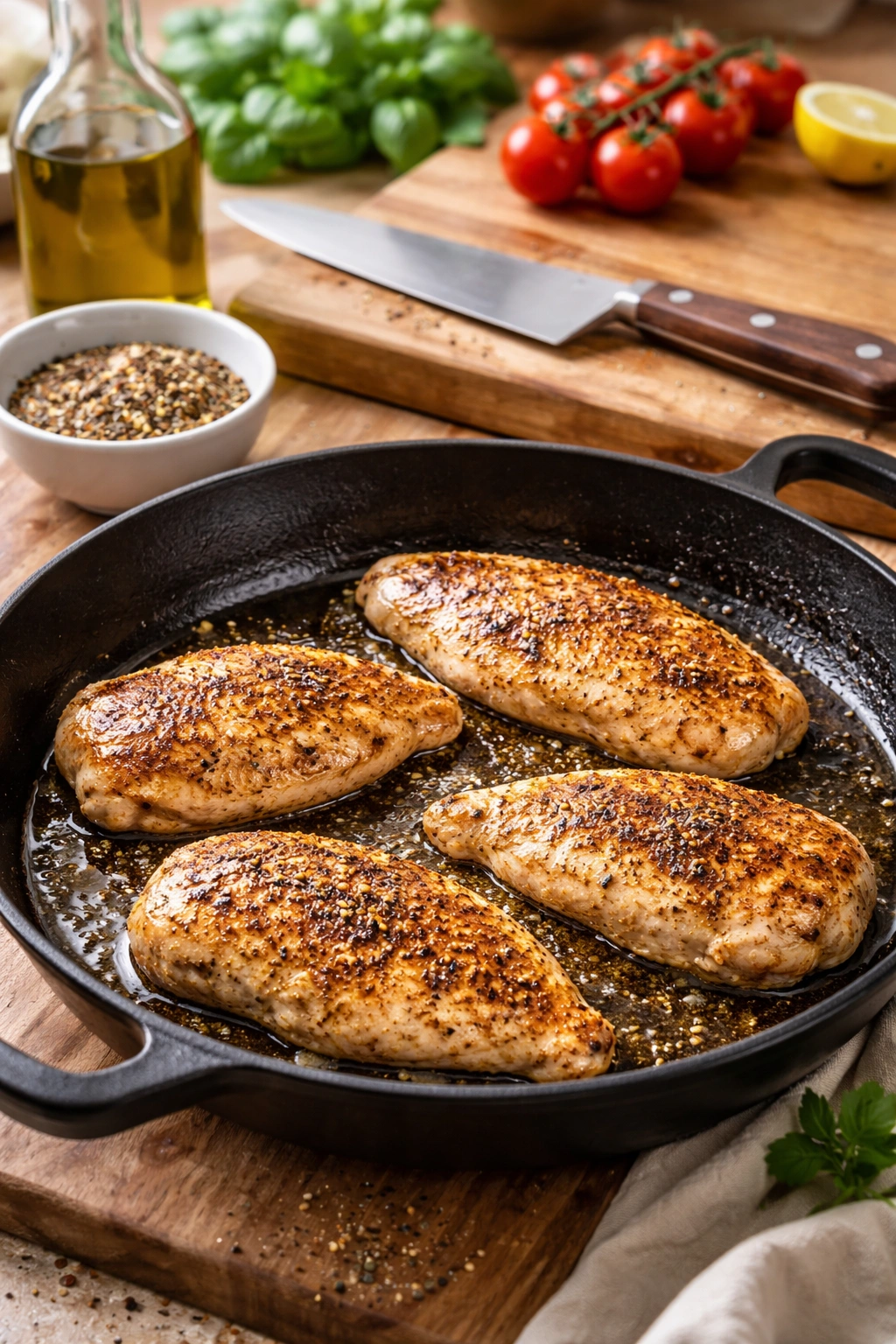
Heat 2 tablespoons of olive oil in a large skillet over medium-high heat until it shimmers and moves easily around the pan — this should take about 1 minute.
-
Once the oil is hot, carefully place the seasoned chicken breasts in the skillet. Do not move them around; let them sit undisturbed for 4-5 minutes so they develop a golden-brown crust on the first side. You’ll know they’re ready to flip when they release easily from the pan without sticking.
Advertisements -
Flip the chicken breasts and cook on the second side for another 3-4 minutes, until the internal temperature reaches 165°F (74°C) when measured with a meat thermometer inserted into the thickest part of the breast.
-
Transfer the cooked chicken to a clean cutting board and allow it to rest for 3-5 minutes — this lets the juices redistribute throughout the meat, keeping it moist and tender when you slice it.
-
Once the chicken has rested, slice it against the grain (perpendicular to the long muscle fibers) into thin, bite-sized pieces. Even thickness is important because it helps the chicken distribute evenly in the sandwich and warm through properly when pressed.
Assemble the Sandwich:
-
Brush one side of each slice of bread lightly with olive oil — you want just enough to coat the surface without making it soggy. The oil creates the golden crust when the panini is pressed.
-
Place two slices of bread on your work surface with the oiled side facing down (so the oiled side will be the outside of the sandwich when grilled).
-
Divide the sliced chicken evenly between the two bottom bread slices, layering it on the un-oiled side of the bread.
-
Layer half of the fresh mozzarella slices on top of the chicken on each sandwich.
-
Arrange the tomato slices on top of the mozzarella, distributing them evenly so every bite will have tomato. Lightly season the tomato slices with a tiny pinch of kosher salt and freshly ground black pepper — this draws out and brightens the tomato’s natural flavor.
-
Place 6-8 fresh basil leaves on top of the tomato on each sandwich. You can leave the leaves whole or tear them slightly, whichever you prefer.
Advertisements -
Drizzle each sandwich with about ½ tablespoon of balsamic glaze directly over the basil and tomato. The glaze should be thick and syrupy, not thin and watery — if your balsamic vinegar is thin, reduce it in a small saucepan over low heat for a few minutes until it thickens.
-
Place the remaining two slices of bread on top of each sandwich with the oiled side facing up (so the oiled side will be the outside of the sandwich when grilled).
Grill the Panini:
-
Preheat your panini press to medium-high heat (if using an electric press, follow the manufacturer’s settings). Alternatively, preheat a large grill pan or skillet over medium-high heat for about 2 minutes.
-
If using a panini press: Carefully place one sandwich in the press, close the lid gently (don’t slam it—the contents will shift), and cook for 3-5 minutes, depending on how hot your press runs. The bread should be golden brown and crispy, and you should see a little bit of cheese starting to melt and peek out the sides.
-
If using a grill pan or skillet: Place the sandwich in the hot pan and use a spatula or the bottom of a small heavy skillet or pot to press down on the sandwich firmly and evenly for about 10-15 seconds. Continue cooking, maintaining gentle pressure, for 2-3 minutes on the first side, until the bread is golden brown and has light grill marks. Then carefully flip the sandwich using a large spatula (or two spatulas if needed) and repeat on the second side — grill for another 2-3 minutes, pressing gently, until the second side is also golden brown and the mozzarella has melted.
-
Remove the grilled panini from the press or pan very carefully using a large, sturdy spatula — be aware that the cheese is molten and will be extremely hot.
-
Allow the sandwich to cool for 1-2 minutes so the cheese sets slightly and becomes less prone to oozing out when you cut it.
-
Using a serrated bread knife, slice each sandwich in half at a slight diagonal — this makes them easier to hold and more visually appealing.
-
Serve immediately while warm and the cheese is still melted, with any sides you’d like.
Advertisements
Tips for Making the Perfect Panini Every Time
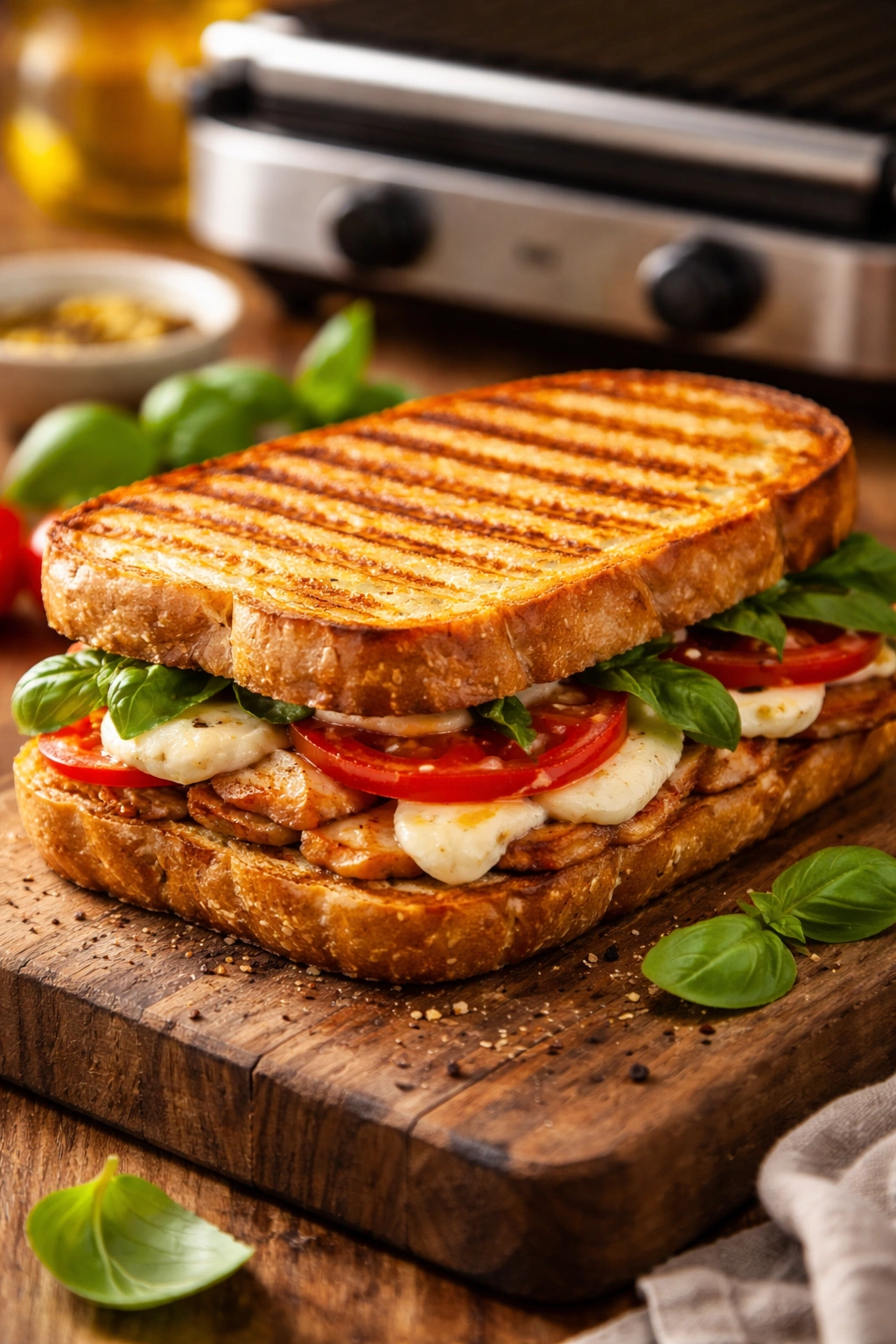
The difference between a good panini and a truly great one often comes down to small details that compound into something special. Start with bread that can hold up to heat and pressure. Soft breads like brioche or regular sandwich bread will flatten into a dense, soggy mess. You need something with structure—ciabatta, sourdough, focaccia, or even a sturdy Italian country loaf. The bread should be thick enough (about three-quarters of an inch) that it doesn’t disappear entirely when compressed, but thin enough that it’s not unwieldy.
The oil on the outside of your bread is crucial. It’s what creates the golden, crispy crust that makes a panini different from a regular sandwich. Don’t skip this step, and don’t be shy about it. You want enough oil to coat the bread surface evenly, but not so much that it’s dripping. The oil should be olive oil for this sandwich—it contributes to the overall Italian character of the dish.
Fresh mozzarella matters significantly more than you might think. Pre-shredded mozzarella or the kind that comes in a block designed for melting just doesn’t have the same creamy, delicate texture as fresh mozzarella. Fresh mozzarella comes in balls (sometimes called bocconcini) or pre-sliced, packed in brine. It’s a bit more expensive than block mozzarella, but for this particular sandwich where mozzarella is one of only a handful of ingredients, it’s absolutely worth the upgrade. Look for it in the specialty cheese section or near the fresh ricotta in most grocery stores.
Slice your tomatoes at the last minute before assembling the sandwich. Tomato juice is the enemy of a good panini because it will eventually seep into the bread and make it soggy. By slicing right before assembly, you minimize the time the cut surfaces are exposed to air and losing their juices. If your tomatoes are particularly juicy, you can place the slices on a paper towel for a minute after slicing to absorb some of the excess moisture.
Don’t overcrowd the sandwich. It’s tempting to load up your panini with as much filling as possible, but a packed-full sandwich is harder to press evenly, harder to bite into, and more likely to have filling ooze out the sides. Use the quantities in this recipe as a guide, and remember that a panini is really about balance and the interplay of its components rather than raw quantity.
Mastering the Chicken: The Foundation of Everything
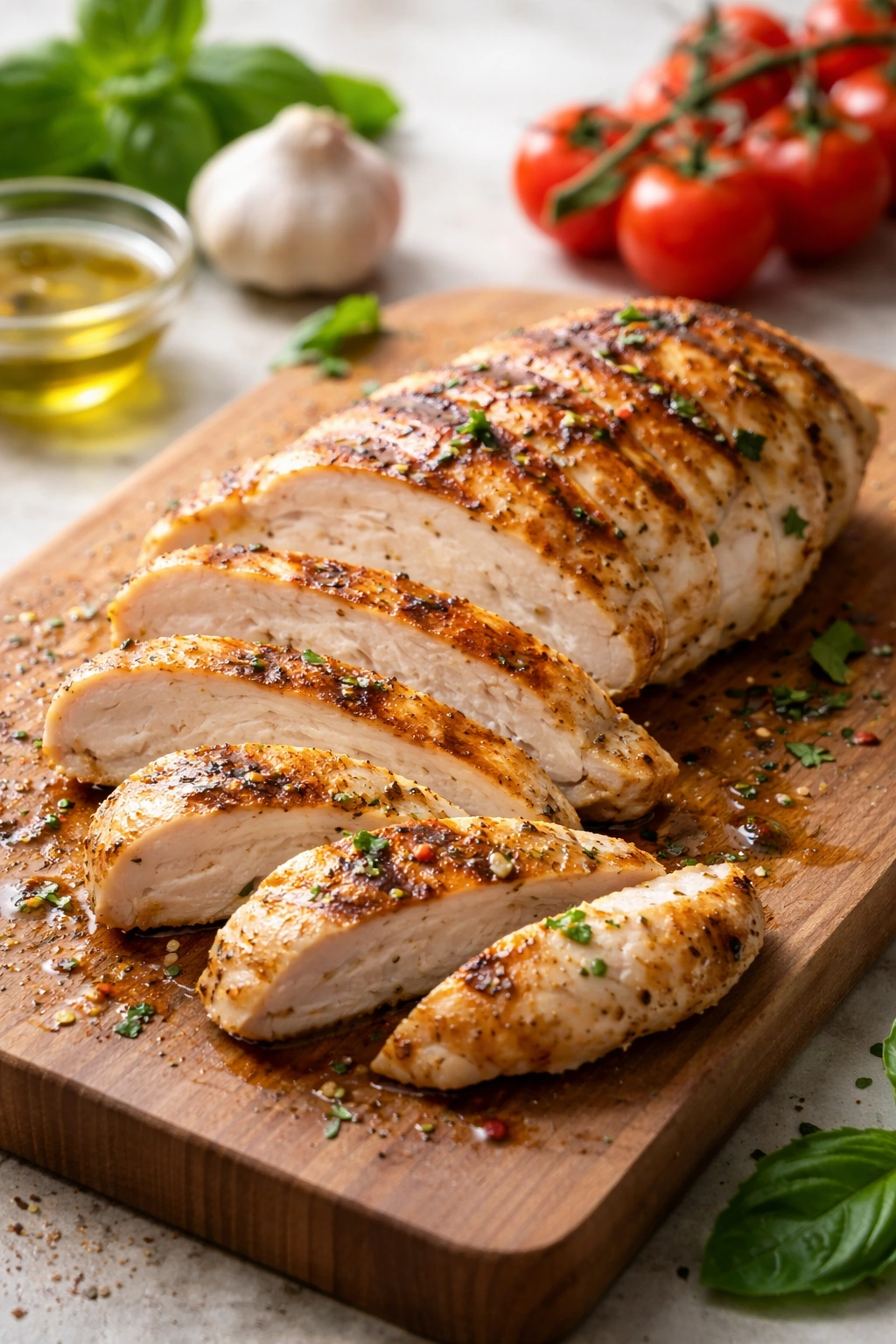
The quality of your sandwich depends almost entirely on the quality of your chicken. There are three solid ways to approach this: cook chicken breasts from scratch, use leftover cooked chicken, or purchase pre-cooked chicken. Each approach has its merits, and the method you choose often depends on what you have available or how much time you want to spend.
Cooking fresh chicken breasts for the panini takes about 15-20 minutes and ensures your chicken is as flavorful as possible. The seasoning blend recommended in the recipe—kosher salt, black pepper, Italian seasoning, and garlic powder—is essential. It’s not just about making the chicken taste good on its own; these seasonings complement the fresh basil and tomato beautifully. The key to tender, juicy chicken is not to overcook it. Cook it just until it reaches 165°F (74°C) internally, then get it off the heat. Carryover cooking will raise the temperature a few degrees more as it rests.
Using leftover chicken is absolutely the move if you’ve roasted a chicken or cooked chicken breasts ahead of time. Simply slice it, warm it briefly in the same skillet with a little olive oil if it came straight from the fridge, and you’re ready to assemble. The warmth isn’t strictly necessary, but warm chicken melts into the mozzarella more pleasantly than cold chicken does.
Store-bought rotisserie chicken or pre-cooked chicken breasts also work well. Season them the same way you would raw chicken—toss with the oil and seasonings and warm gently in a pan for a few minutes before slicing and using. Some people worry that store-bought chicken lacks flavor, but when it’s already been seasoned, shredded or sliced, and paired with such flavorful companions (fresh basil, good mozzarella, tomato, balsamic), the difference becomes much less noticeable than if the chicken were eaten on its own.
Choosing Ingredients That Make the Difference
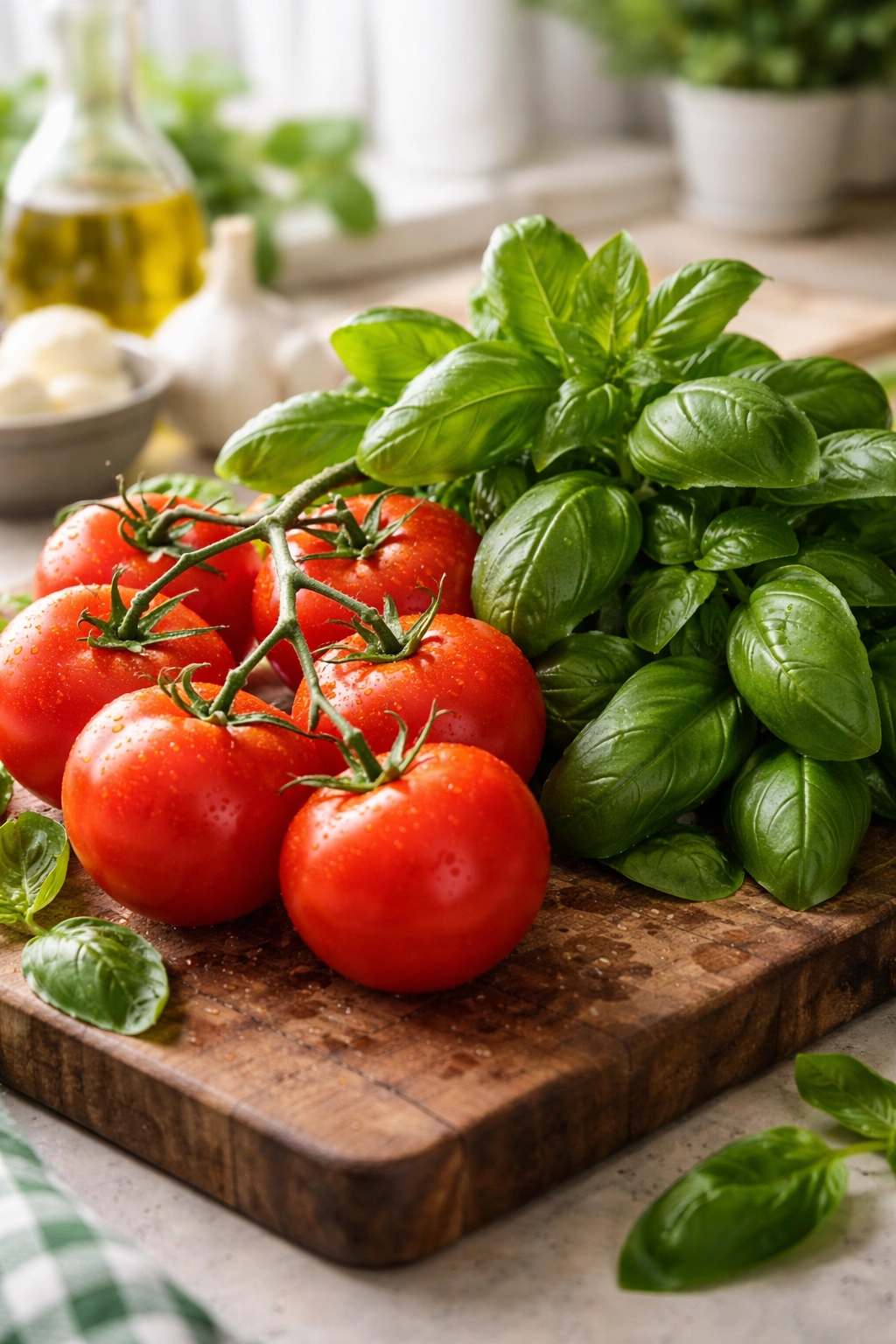
Every ingredient in this panini deserves attention because every ingredient is tasted. There’s nowhere to hide mediocre components. Start with the tomatoes. If you have access to vine-ripened, heirloom, or farmer’s market tomatoes during peak season, use them without hesitation. They’ll make your panini sing. These tomatoes tend to be sweeter, more acidic, and juicier than the pale, mealy specimens you often find in supermarkets. But here’s the truth: if you can only find standard supermarket tomatoes, choose the ones that smell like tomato (not plastic) and give slightly to pressure when you hold them gently. Avoid tomatoes that are hard and pale, no matter how pretty they look. If you’re making this panini in winter, look for Campari tomatoes or hothouse tomatoes—they’re bred to actually taste like something and are usually available year-round.
Fresh basil is non-negotiable. Dried basil, no matter how good the quality, lacks the bright, almost peppery freshness that makes basil so special in a caprese context. If you can’t find good fresh basil, honestly, you might consider making a different sandwich that day. Basil at its peak is creamy, slightly sweet, with a hint of licorice flavor that sings against mozzarella and tomato. You can find fresh basil in the produce section of almost any grocery store, usually in plastic clamshell containers. When you get it home, trim the stem ends and place the bunch in a glass with an inch of fresh water, cover loosely with a plastic bag, and keep it at room temperature (not in the refrigerator—cold turns basil black and bitter).
Fresh mozzarella comes in a few different forms: balls (sometimes labeled bocconcini or ciliegine), logs, or pre-sliced. For this panini, sliced fresh mozzarella is most convenient, but if you can only find balls, you can slice them yourself. Look for whole milk fresh mozzarella rather than part-skim, as it has a richer texture and flavor. The mozzarella should be creamy, delicate, and almost custard-like when you slice it. It should smell fresh and milky, not sour or sharp. Fresh mozzarella typically comes packed in brine or whey to keep it moist; some of this liquid is fine, but if there’s excessive liquid in the container, drain a little before using.
The balsamic glaze is worth making properly. Real balsamic vinegar is aged vinegar from Modena or Reggio Emilia, and it’s thicker and sweeter than regular balsamic vinegar. If you have access to real aged balsamic, you can use it directly. If you only have thin balsamic vinegar, take 2-3 tablespoons and simmer it gently in a small saucepan for 2-3 minutes over low heat until it’s reduced by about half and has thickened to a syrupy consistency. This concentrates the flavor and prevents it from soaking into the bread and making the sandwich soggy.
Bread: The Carrier and the Canvas
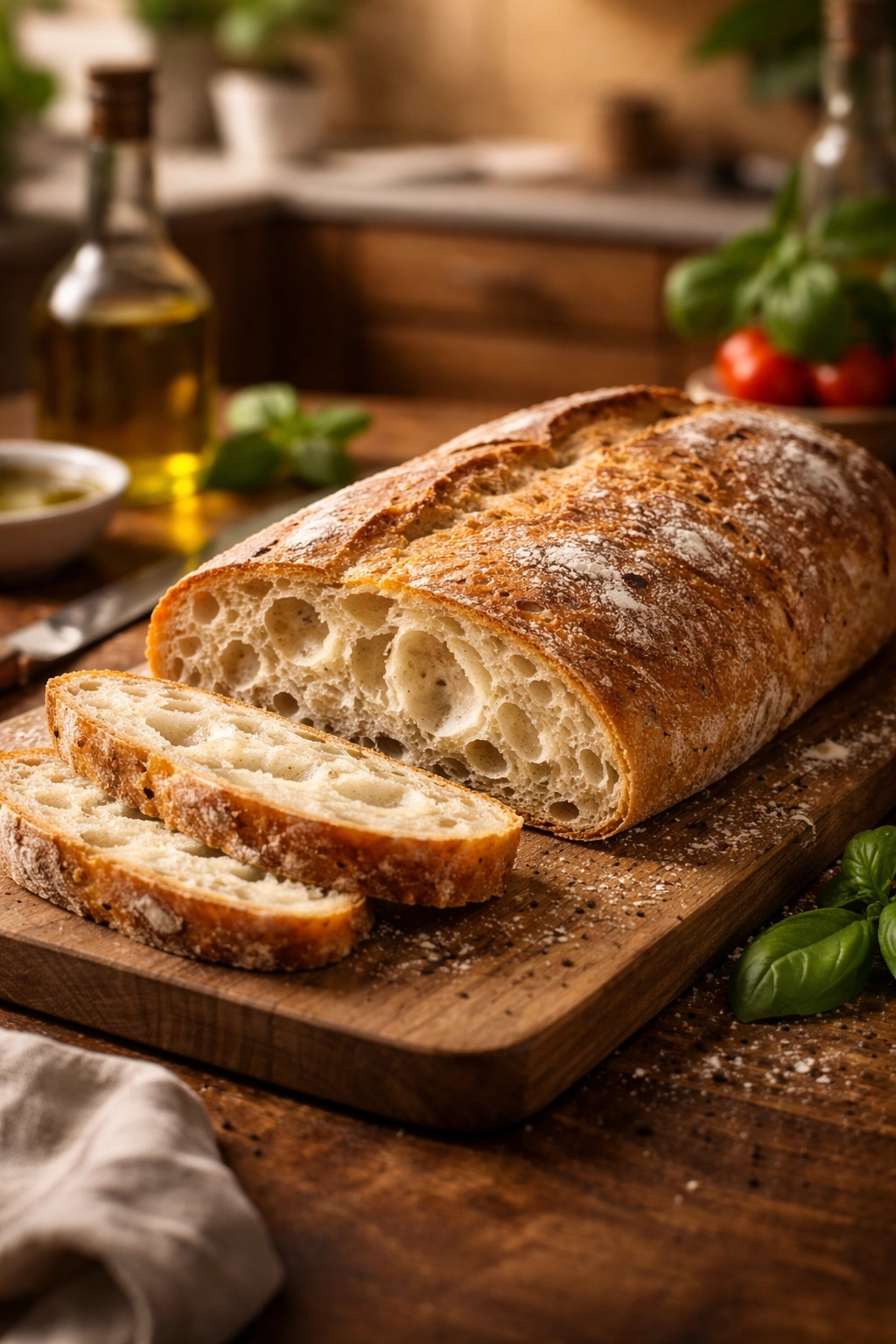
Bread is often taken for granted in sandwich-making, but it’s perhaps the single most important factor in whether a sandwich is good or mediocre. For the chicken caprese panini, you need bread with structure, decent crust, and a crumb that can support moisture without disintegrating. Ciabatta is an excellent choice. It’s a traditional Italian bread with a crispy crust and an airy, open crumb that crisps beautifully when pressed. It’s flavorful on its own without being overpowering. Sourdough is another fantastic option—the slight tang complements the fresh basil and tomato wonderfully, and sourdough’s sturdy crumb and chewy crust make it ideal for pressing. Focaccia, especially if you can find rosemary-infused focaccia, works beautifully too, though it’s richer than ciabatta or sourdough.
When you’re shopping for bread, buy it fresh. Visit the bakery section of your grocery store or, better yet, find a local bakery. Avoid pre-packaged sandwich bread and anything that feels soft and squishy. The bread should feel substantial, smell like grain and yeast, and have a slight resistance when you squeeze it gently. If you’re buying bread a day or two in advance, store it wrapped in a kitchen towel at room temperature—never in the refrigerator, which accelerates staling.
The thickness of your bread slices matters. Aim for slices that are about three-quarters of an inch thick. Too thin and the bread disappears entirely when pressed; too thick and the sandwich becomes unwieldy and the bread doesn’t crisp as nicely. If your bakery can slice bread for you, ask for panini slices, and they’ll understand exactly what you need.
Variations to Make It Your Own
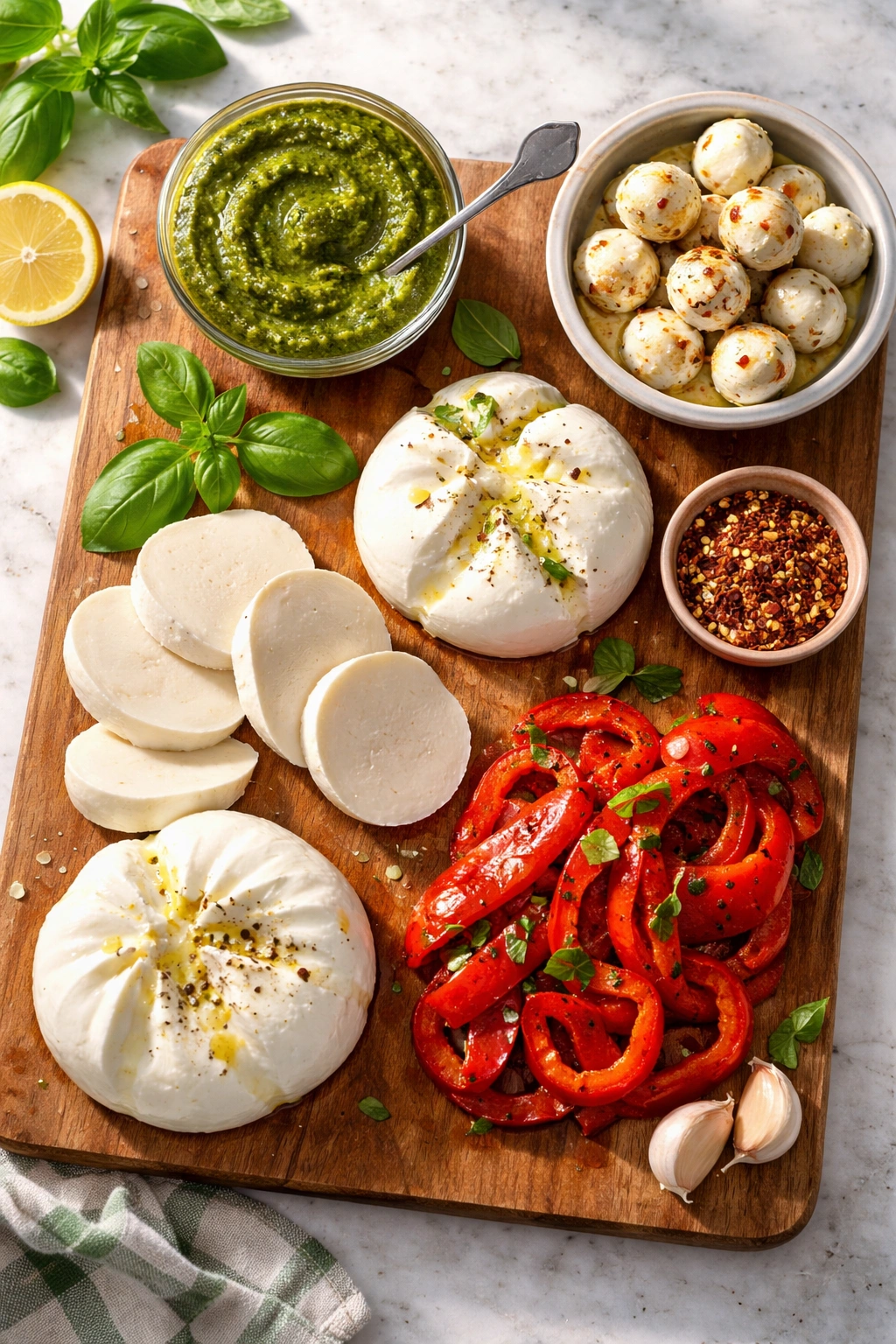
The beauty of the chicken caprese panini is that it’s forgiving and adaptable. You can make it your own while still honoring the spirit of the original. Pesto is a natural addition. Instead of (or in addition to) spreading the bread with olive oil, spread one side of the bread with high-quality basil pesto. The pesto adds complexity and richness while staying true to the Italian flavor profile. Use about ½ tablespoon per slice of bread.
Roasted red peppers are another excellent addition. They add sweetness, a slightly smoky depth, and another layer of texture. If you’re using jarred roasted red peppers, drain them well and pat them dry with paper towels to avoid adding excess moisture to the sandwich. Layer them on top of the mozzarella.
For those who love spice, a tiny pinch of red pepper flakes scattered over the tomato or balsamic glaze adds an unexpected warmth that doesn’t overpower the other flavors. Start with just a pinch because it goes a long way.
Different types of mozzarella work too. Burrata, which is creamy mozzarella with a soft center, is luxurious and creates an extra-rich panini. Smoked mozzarella brings a deeper, more complex flavor. Even provolone (a firmer cheese with more punch) can work if you prefer something less delicate.
You can add a protein twist by using prosciutto alongside the chicken. This transforms the panini into something richer and more substantial. Use just one or two slices, as prosciutto is salty and flavorful and you don’t want it to dominate.
For a vegetarian version, simply omit the chicken. A caprese panini made with just tomato, mozzarella, basil, and balsamic glaze is still delicious and more in line with traditional Italian caprese. You might add a bit of extra mozzarella or a handful of fresh spinach leaves to make it more substantial.
Arugula can be layered in for a peppery note that adds complexity without overwhelming the fresh basil and tomato.
Making It Ahead and Storage
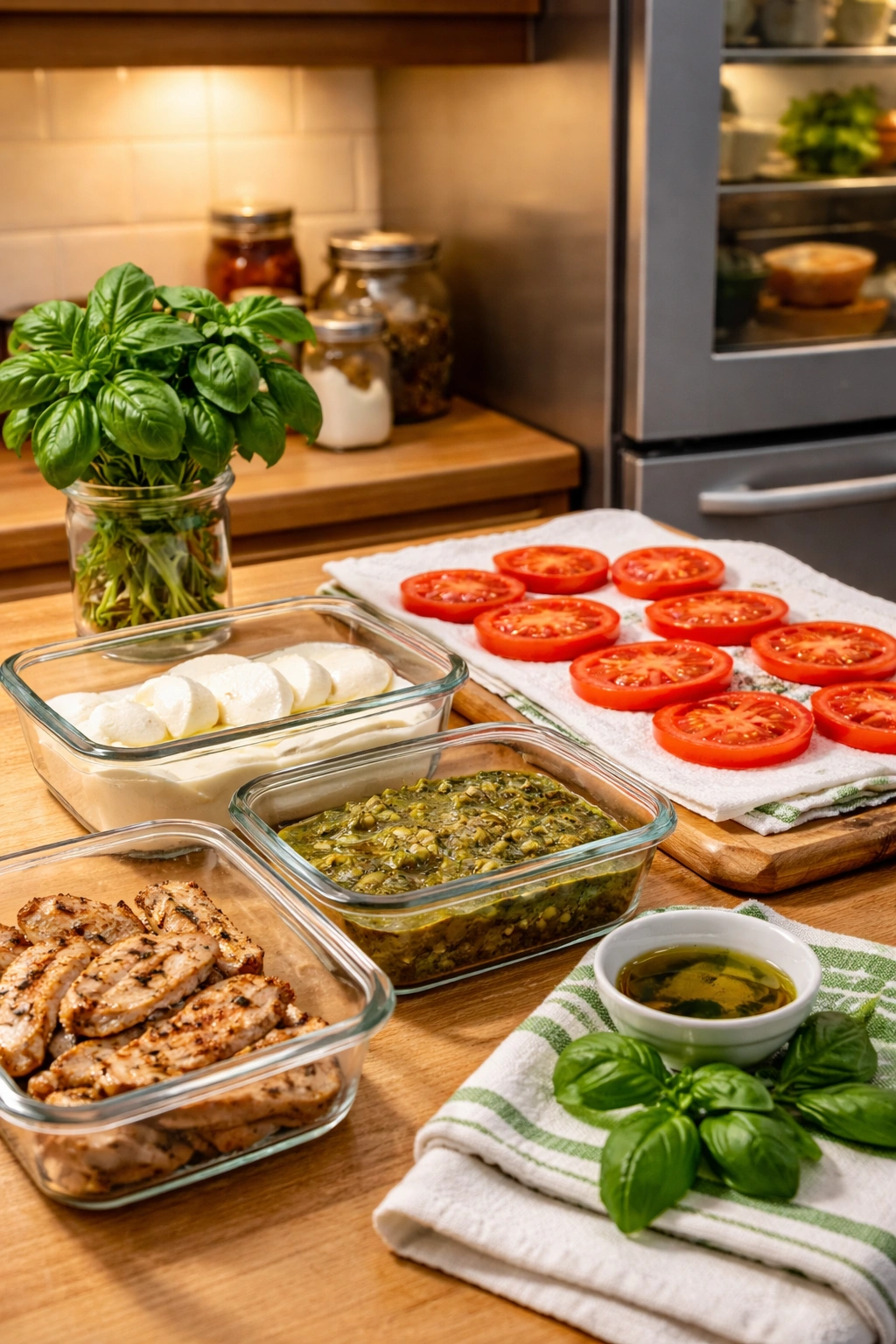
One of the great things about the chicken caprese panini is that it can be partially prepared ahead of time, which makes it perfect for meal prep or quick lunch assembly. The chicken can be cooked the night before and stored in an airtight container in the refrigerator for up to three days. Simply warm it briefly in a skillet with a touch of olive oil before assembling your panini, or even serve it cold and let it warm up as the panini presses.
Do not assemble the full sandwich ahead of time. The bread will begin to absorb moisture from the tomatoes and mozzarella, and it will get soggy. However, you can prep your components: cook and slice the chicken, slice the tomatoes and place them on a paper towel to absorb excess moisture, and even measure out your basil leaves. With components ready, assembly and pressing takes only about 5-10 minutes.
If you have leftover panini (which is rare because they’re so good), wrap it tightly in aluminum foil or place it in an airtight container and refrigerate for up to one day. Reheat gently in a 300°F (150°C) oven for 5-10 minutes, wrapped in foil, until the cheese melts again and the bread warms through. Do not microwave—the bread will become rubbery. You can also eat it cold, though it’s never quite as good as fresh.
The panini does not freeze well. The fresh tomato and basil don’t tolerate freezing, and the texture of the mozzarella changes. If you want to meal prep, freeze the cooked chicken instead, and assemble the panini when you’re ready to eat it.
What to Serve Alongside Your Panini
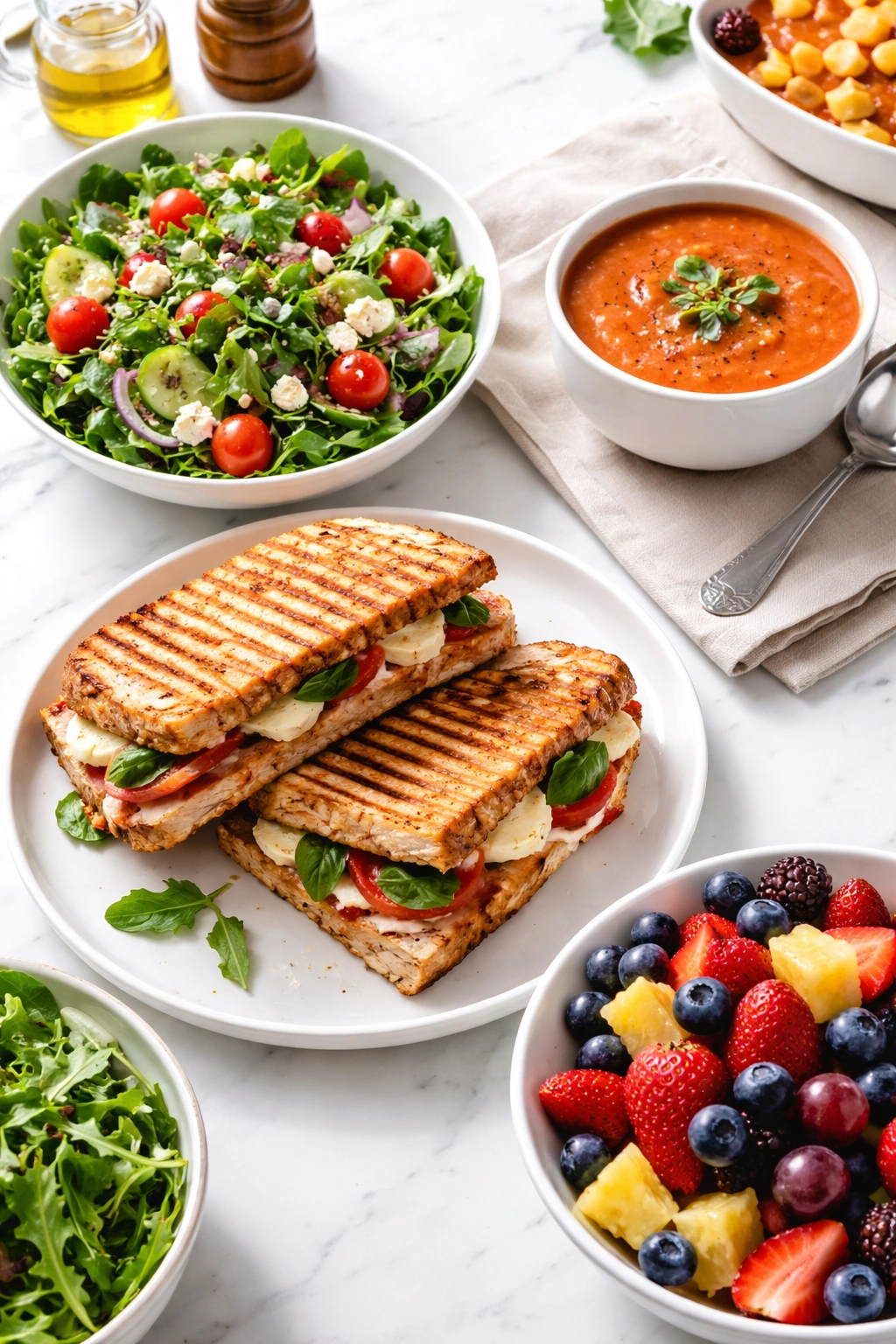
A chicken caprese panini is satisfying enough to eat on its own, but serving it with sides can make the meal feel more complete and add variety to your plate. A simple green salad is the obvious choice—the crisp lettuce and light vinaigrette provide contrast to the richness of the panini. Toss mixed greens with a little olive oil, lemon juice, salt, and pepper, and serve alongside.
Tomato-based soups pair beautifully. A classic tomato basil soup, minestrone, or even a lighter tomato and vegetable soup complements the panini without competing with it. The warmth of the soup makes for a comforting, satisfying meal, especially in cooler weather.
For something lighter and fresher, offer fresh fruit on the side. Berries, melon, grapes, or sliced stone fruit all provide refreshment and balance the richness of the melted cheese.
Chips or roasted vegetables add substance without being heavy. A small side of arugula or spinach chips, or roasted zucchini and bell peppers, turn this into a well-rounded lunch.
Cold sides like marinated olives, roasted artichoke hearts, or marinated mushrooms add Italian-inspired flavors that echo the panini’s inspiration.
Frequently Asked Questions About Chicken Caprese Panini

Can I make this panini without a panini press?
Absolutely. A panini press is convenient but not necessary. You have several alternatives: Use a grill pan or large skillet over medium-high heat and place a heavy pot or cast iron skillet on top of the sandwich to press it down while it cooks. Or use two skillets—one to cook the sandwich in and one, inverted on top, to press it. Some people even use a clean brick wrapped in foil. The key is even, gentle pressure and medium-high heat so the bread crisps before the interior burns.
What if I don’t have fresh mozzarella?
Fresh mozzarella really is worth seeking out for this panini, but if you absolutely can’t find it, low-moisture mozzarella (the kind you’d use for pizza) will work in a pinch. It won’t be quite as creamy or delicate, but it will still melt and be delicious. Avoid using pre-shredded mozzarella if possible, as the anti-caking agents prevent it from melting smoothly.
Can I use chicken thighs instead of breast?
Yes. Chicken thighs are actually juicier and more flavorful than breast meat. They take about 5 minutes longer to cook (aim for an internal temperature of 165°F or 74°C), but they’re forgiving and stay moist even if cooked slightly longer. Pound them to an even thickness before cooking so they cook evenly.
What’s the difference between a panini and a grilled sandwich?
Technically, a panini is any Italian sandwich, but in the United States, panini typically refers to a sandwich that’s been pressed with a panini press, which creates distinct grill marks and compresses the sandwich so the ingredients meld together. A traditional grilled cheese is usually made with butter and cooked in a skillet without pressing. Both methods work for this sandwich; the panini press version will have more distinct grill marks and be slightly more compact, while the skillet version will be slightly less uniform but still delicious.
How do I prevent the sandwich from getting soggy?
Three main strategies: First, drain and pat dry jarred ingredients (roasted peppers, artichokes) with paper towels. Second, slice tomatoes right before assembling and place the slices on paper towels for a minute to absorb excess moisture. Third, use balsamic glaze (which is thick) rather than thin balsamic vinegar. Finally, assemble and press the sandwich immediately; don’t let it sit assembled before cooking.
Can I make this vegan or dairy-free?
For vegan, skip the mozzarella, chicken, and any animal products. You could replace the mozzarella with a vegan mozzarella alternative (many are quite good now), omit the chicken or replace it with grilled tofu or chickpea-based protein, and use olive oil instead of any butter. It won’t be quite the same, but it can still be delicious. For dairy-free but not vegan, use chicken and skip the mozzarella, or use a dairy-free mozzarella alternative.
How do I store fresh basil to keep it fresh longer?
Store basil at room temperature (not in the fridge) in a glass of water, like a bouquet of flowers. Cover loosely with a plastic bag to keep it from drying out, and change the water every couple of days. This method keeps basil fresh for a week or more. Never store basil in the refrigerator—the cold damages the leaves and turns them black.
Wrapping It All Up
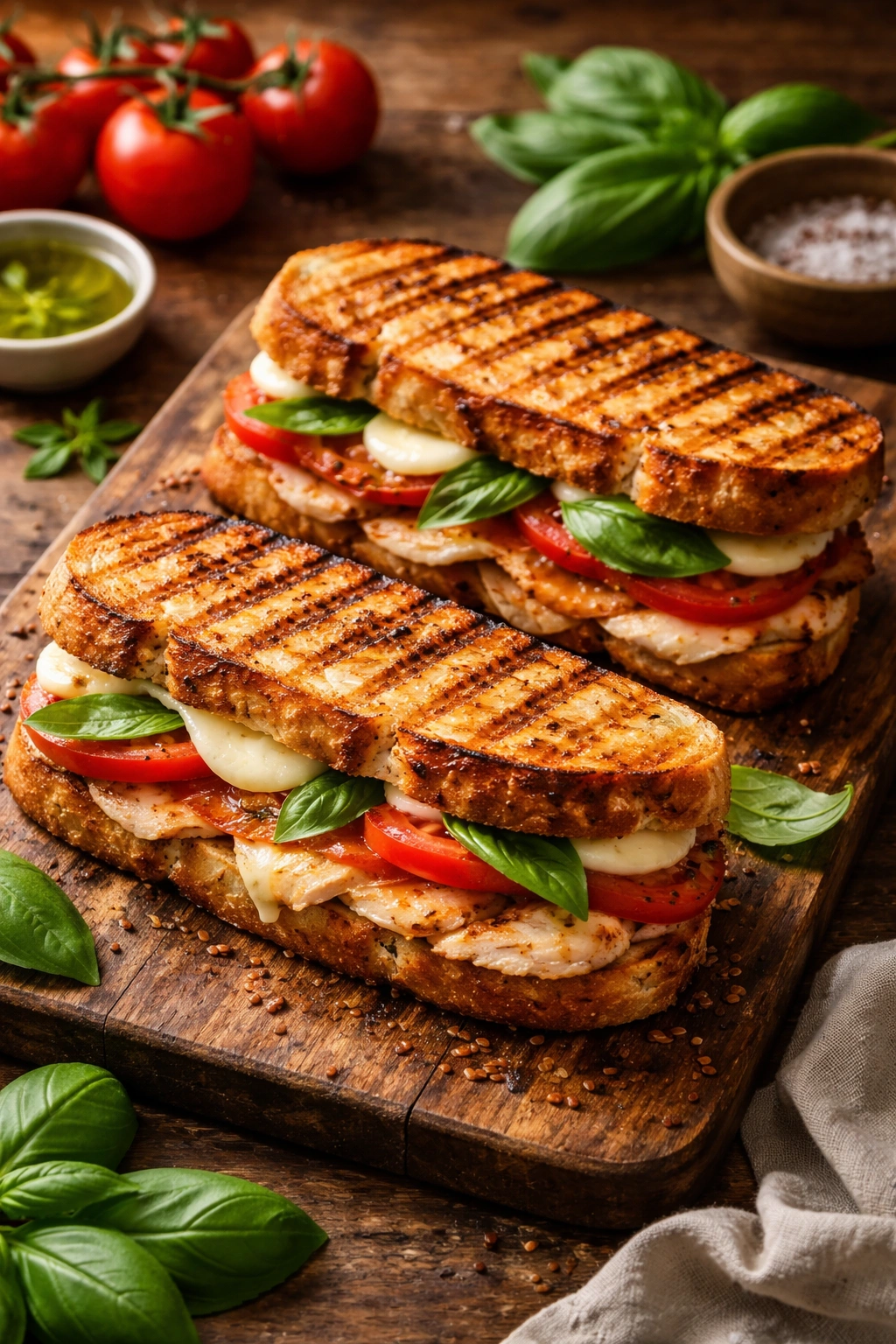
The chicken caprese panini is one of those beautiful meals that proves you don’t need complicated recipes or exotic ingredients to eat well. You need respect for what you’re cooking with—good bread, ripe tomatoes, creamy fresh mozzarella, fragrant basil, and chicken prepared with care. You need a few minutes of attention to assembly. And you need either a panini press or a heavy skillet and the willingness to press your sandwich. That’s it.
What makes this panini shine is how it takes a beloved summer salad and transforms it into something warm, pressed, and deeply satisfying without losing the bright freshness that makes caprese so special in the first place. The melted mozzarella doesn’t overwhelm the basil; the warm chicken doesn’t dominate the tomato. Everything works together, and the whole is genuinely greater than the sum of its parts.
Make this panini when you want lunch to feel a little special without any fuss. Make it when you have leftover chicken and fresh tomatoes. Make it when you need a meal that’s ready in thirty minutes or less but feels like you actually cooked something. Make it because it’s delicious, because the ingredients are straightforward, and because you deserve a lunch that makes you genuinely happy to eat.
