



If you’ve ever craved restaurant-quality sticky wings but didn’t want to spend half your evening in the kitchen, you’re about to discover your new weeknight superpower. Honey soy chicken wings don’t need hours of marinating or elaborate prep work to deliver that irresistible sweet-savory glaze and golden, juicy meat. The truth that separates a quick 30-minute version from those longer recipes is understanding which techniques actually matter and which ones are just extra steps that don’t meaningfully improve the final result. A properly executed honey soy wing can hit the table in half an hour—crispy on the outside, tender on the inside, and glossy with a caramelized glaze that tastes like you’ve been tending to them all afternoon.
The beauty of this approach is that it doesn’t require compromising on flavor or texture. You’re not microwaving anything or settling for mediocre results. Instead, you’re using oven heat strategically, applying the marinade at exactly the right moment in the cooking process, and understanding the chemistry of how honey, soy sauce, and chicken interact when given the right conditions. The wings that come out of your oven at the 30-minute mark will be coated in a glossy, sticky sauce that clings to each piece and tastes complex and deeply savory-sweet—precisely because you’ve skipped the unnecessary waiting around and focused on what actually builds flavor and texture.
Why These Wings Cook So Fast
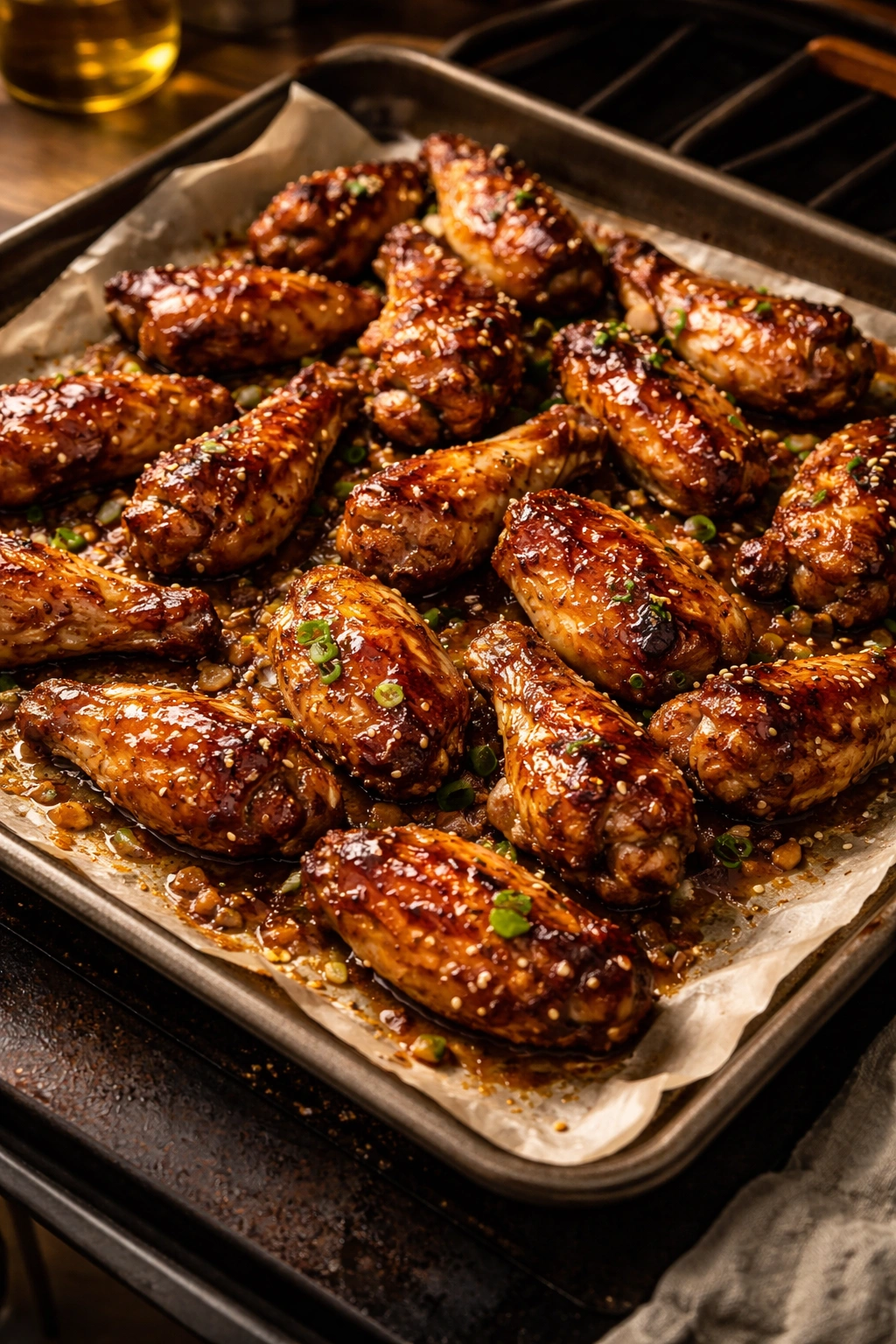
The misconception that chicken wings need long marinating times holds many people back from making them on a weeknight. The truth is more nuanced. While marinating does add flavor by allowing the marinade ingredients to penetrate the meat, much of a wing’s flavor comes from the browning that happens during cooking and from the caramelization of the sauce itself—both of which happen in the oven, not in the fridge.
Chicken wings are structurally perfect for quick cooking because they’re relatively small and thin compared to other chicken cuts. The meat cooks through in just 25-30 minutes at a high oven temperature, which means you’re not waiting for a dense thigh or large breast to reach a safe internal temperature. A whole wing or wingette piece reaches 165°F—the safe minimum—in about half the time a bone-in chicken thigh would require.
The other advantage is that wings have excellent skin-to-meat ratio. That skin is where the magic happens when it comes to texture and browning. Skin renders fat and crisps beautifully in a hot oven, creating a textured exterior that holds the sticky glaze beautifully. Boneless, skinless chicken breast would require an entirely different approach because without skin, you lose that natural surface that caramelizes and grabs sauce. With wings, you’re already starting with the ideal canvas.
The Secret Marinade That Does the Work
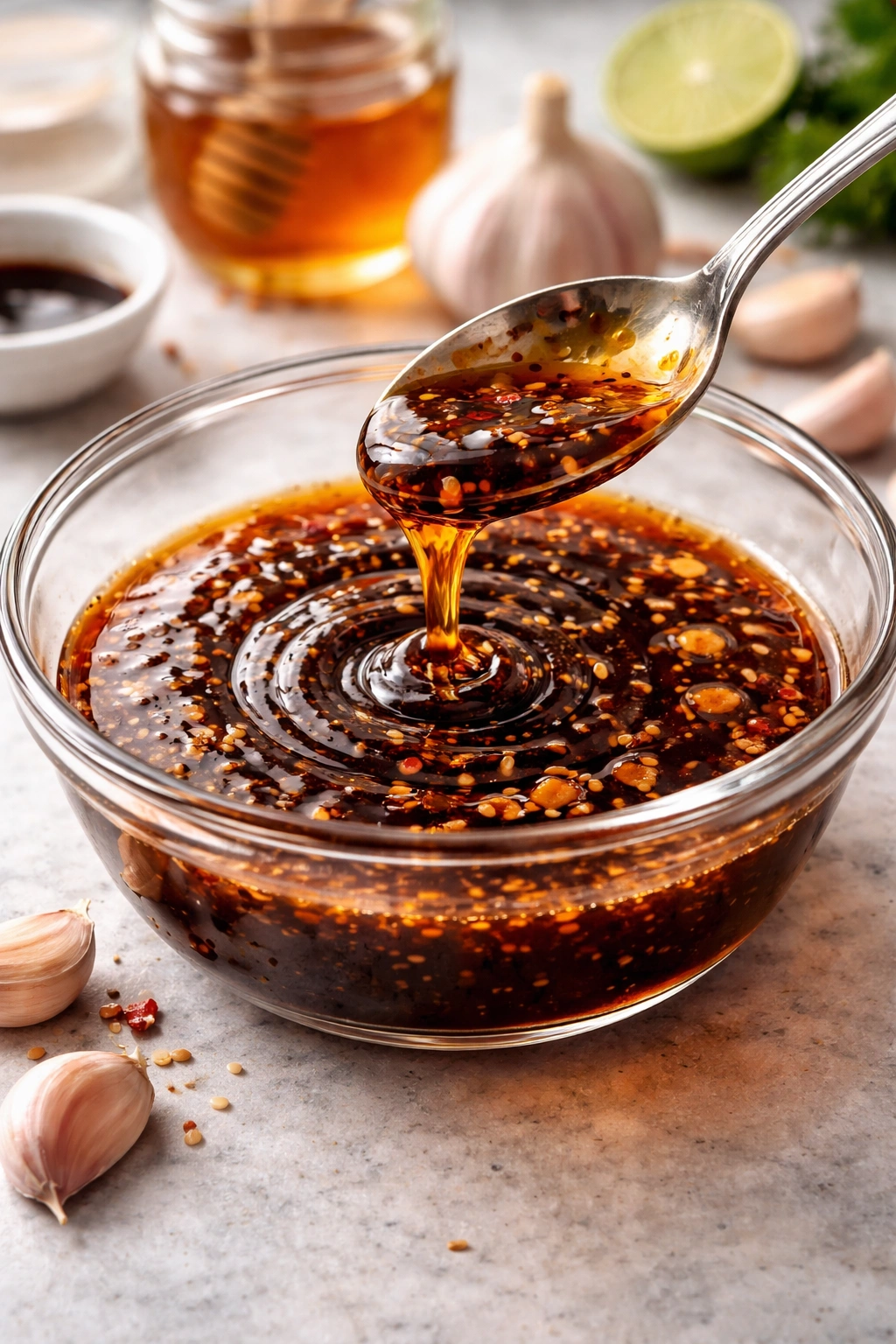
Rather than spending hours on marinating, the 30-minute approach relies on a potent, concentrated marinade that works quickly and efficiently. This isn’t a thin, watery sauce—it’s built to coat heavily and develop flavor fast. The four core ingredients (soy sauce, honey, garlic, and a touch of acid like vinegar or white wine) are combined in the right proportions so that even minimal contact time delivers impact.
Soy sauce contributes umami depth and saltiness, which enhances the natural flavor of chicken and creates savory complexity. Honey brings sweetness and plays a critical structural role—it thickens the sauce, helps it adhere to the wings, and becomes the base of that glossy glaze. The honey needs to actually dissolve into the marinade rather than sitting as a thick glob at the bottom, so many experienced cooks warm the honey and soy together briefly before combining with other ingredients, which ensures even distribution.
Garlic, whether fresh minced or pressed, infuses the entire marinade with aromatic warmth. Even just 15-20 minutes of contact with the wings is enough for that garlicky flavor to be noticeable in the final dish. Vinegar (apple cider, rice wine, or white wine) or a splash of sake adds acidity that brightens the overall flavor profile and keeps it from being cloyingly sweet.
The key difference in a quick version is that you’re not waiting for the flavors to deeply permeate the meat. Instead, you’re relying on the high heat of the oven to rapidly caramelize the marinade on the surface, which creates that glossy, sticky coating and deepens all the flavors through the Maillard reaction—the chemical process that happens when sugars and proteins brown together.
Choosing the Right Chicken Wings
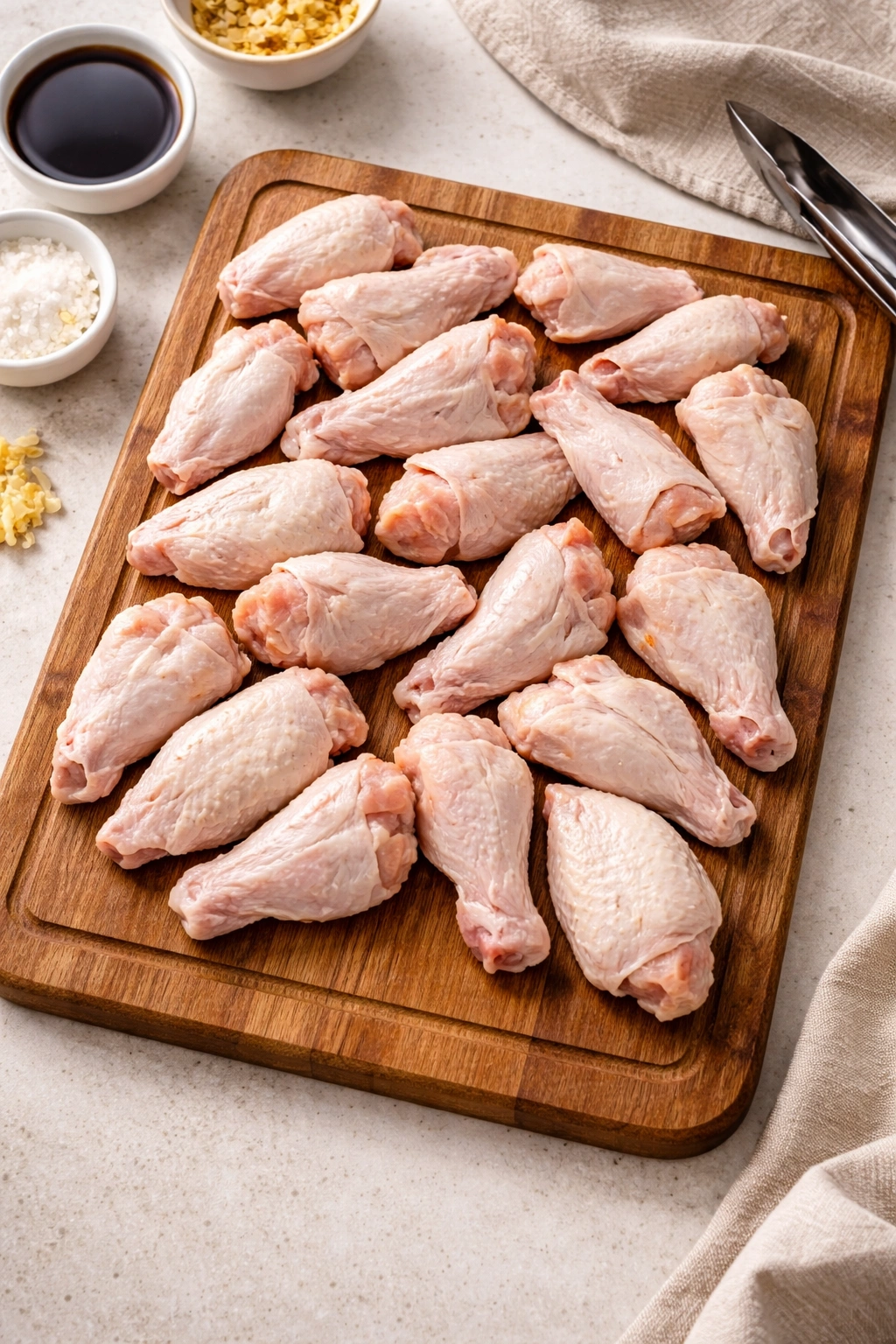
Not all chicken wings are created equal when you’re working against the clock. For the best 30-minute results, buy wings that are already cut into wingettes and drumettes (the two usable pieces per whole wing, with the tip discarded). Pre-cut wings cost a bit more than whole wings, but they save you preparation time and cook more evenly since all the pieces are similar in size.
If you do buy whole wings, you can cut them yourself at the two joints—but this adds 5-10 minutes to your prep time. The wingtip (the pointy, bony bit with almost no meat) should be discarded or saved for making chicken stock; it contributes nothing to this dish.
Pat your wings thoroughly dry with paper towels before combining them with the marinade. This is not optional if you want crispy skin and proper browning. Moisture on the surface prevents the Maillard reaction from happening effectively, and wet wings will steam rather than roast. Take 2-3 minutes to dry them well—it’s time invested that actually pays dividends.
Look for wings that are roughly similar in size so they cook evenly. If you have some particularly large pieces and some small ones, try to distribute them evenly across the baking pan rather than clustering them by size. This helps ensure everything finishes at approximately the same time.
Serving and Timing Information
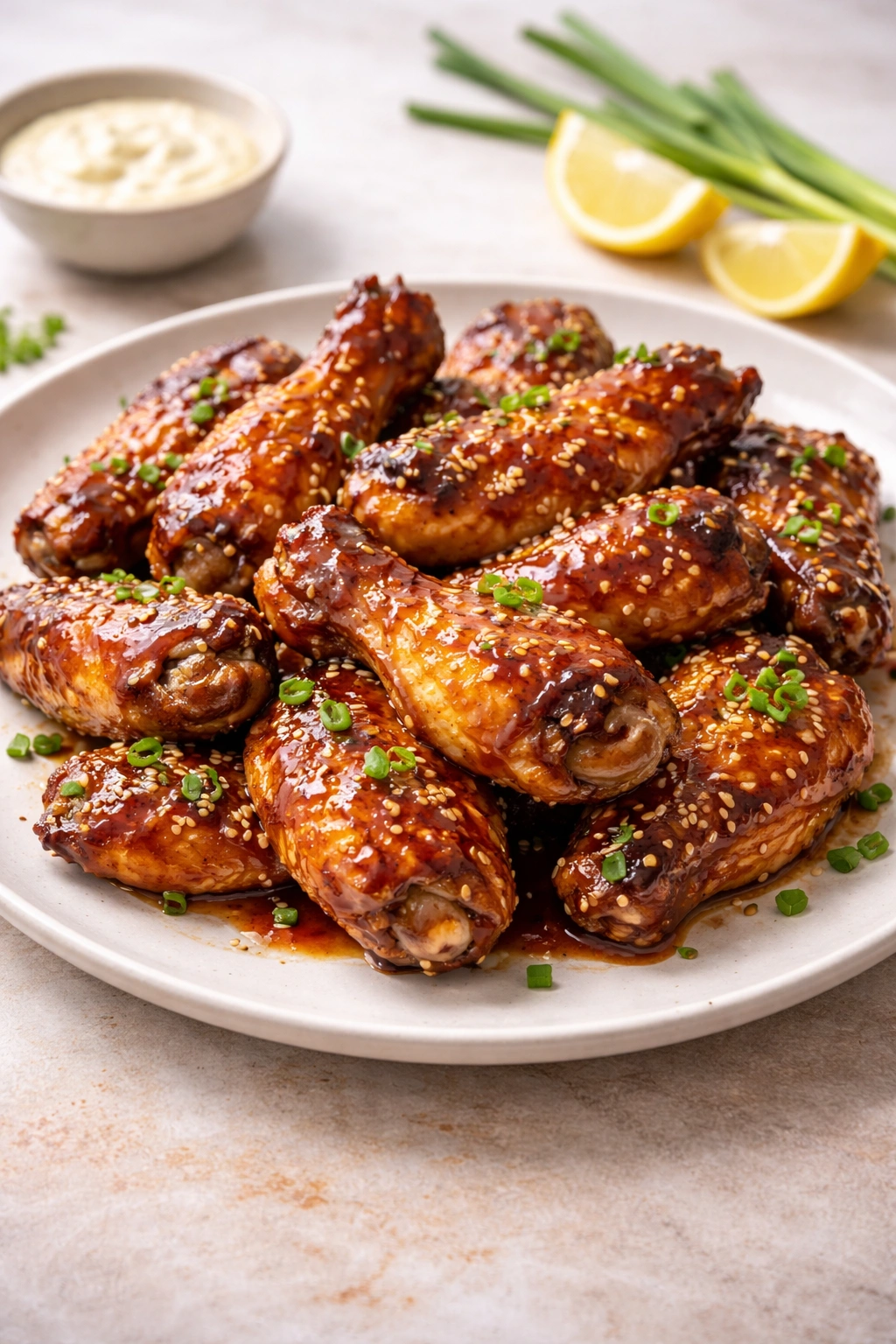
Yield: Serves 3 to 4 | Makes approximately 24 to 30 wing pieces
Prep Time: 10 minutes
Cook Time: 30 minutes
Total Time: 40 minutes (including minimal marinating time)
Difficulty: Beginner — This recipe requires no special techniques or equipment beyond a basic oven and baking pan. Even someone making chicken wings for the first time will achieve excellent results by following the straightforward steps.
The Perfect Quick Marinade for Honey Soy Wings
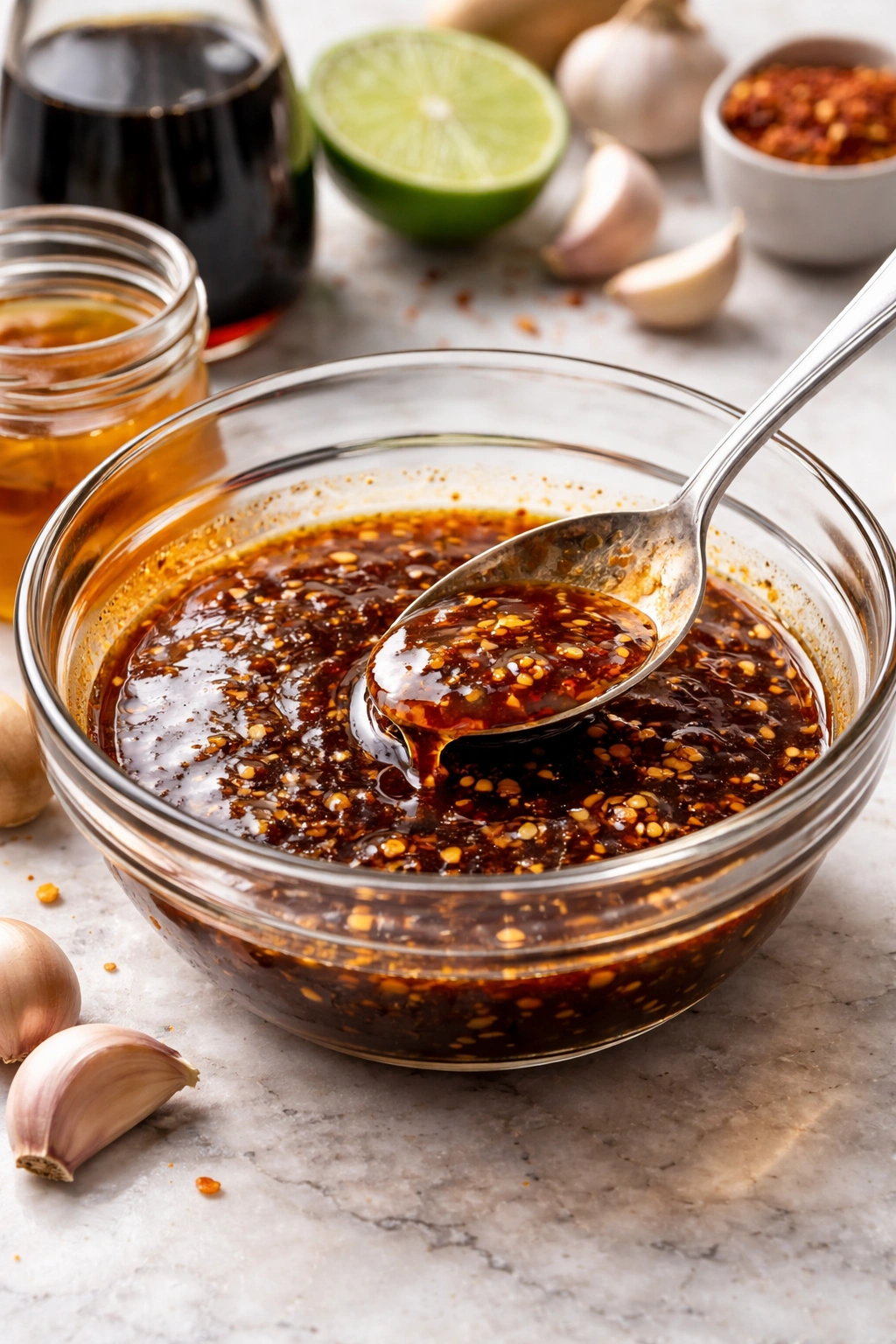
For the Marinade:
- ¼ cup soy sauce (low-sodium or regular, your choice)
- ¼ cup honey (any runny honey works; warm it slightly if it’s very thick)
- 3 tablespoons apple cider vinegar or rice wine vinegar (or white wine if you prefer)
- 3 cloves garlic, minced finely (or 1 teaspoon garlic powder as a substitute)
- ½ tablespoon canola oil or sesame oil
- ½ teaspoon ground ginger (optional, but adds nice warmth)
- ¼ teaspoon black pepper
For the Wings:
- 2.5 to 3 pounds chicken wings (wingettes and drumettes, patted very dry with paper towels)
- 1 tablespoon toasted white sesame seeds (for garnish)
- 2 green onions, thinly sliced (for garnish)
- ¼ teaspoon fleur de sel or coarse sea salt (optional but improves finished appearance and flavor)
Preparation: Getting Ready to Bake
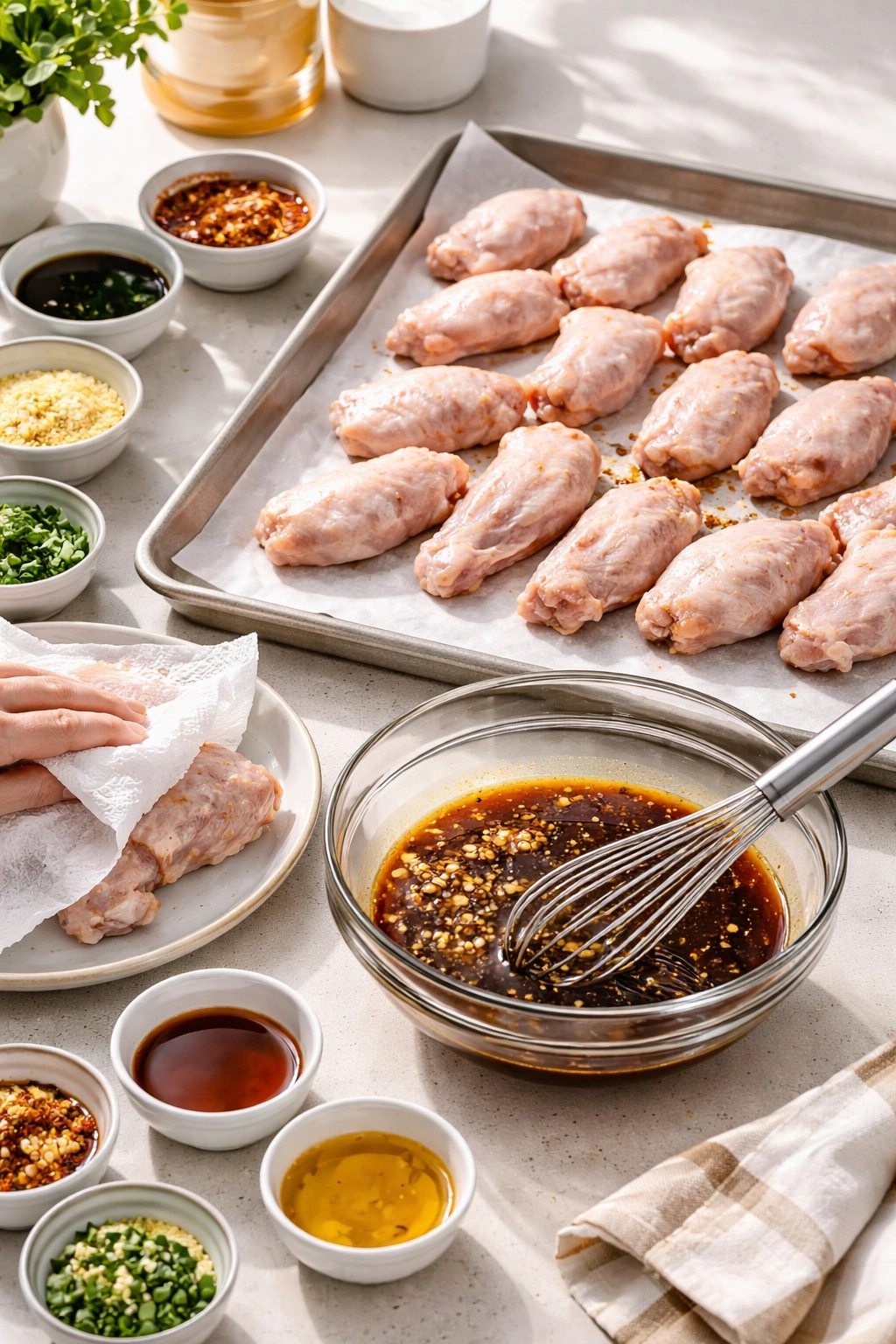
Start by preheating your oven to 400°F (200°C / 180°C fan). Position your rack in the center of the oven so the wings will cook evenly. If your oven runs hot or cold, you may need to adjust slightly, but 400°F is the sweet spot for getting wings golden and crispy while allowing the glaze to caramelize without burning.
While the oven preheats, pat your chicken wings completely dry. Lay them on a clean surface and use paper towels to remove all visible moisture from the surface and between the folds of skin. This step takes maybe two minutes but makes a dramatic difference in the final texture—dry wings brown properly; wet wings steam and end up pale.
Combine all the marinade ingredients in a small bowl and stir until the honey is fully dissolved and distributed. If your honey is very thick, you can warm the soy sauce and honey together in a small saucepan over low heat for just 30 seconds—remove from heat and stir until the honey liquefies, then add the remaining ingredients. The marinade doesn’t need to be hot when you add the wings; room temperature is fine.
Place your dried wings in a large mixing bowl or a gallon-sized ziplock bag. Pour the marinade over the wings and toss thoroughly, making sure every piece gets coated. If using a ziplock bag, press as much air out as possible and work the marinade around from the outside to coat everything. Let the wings sit at room temperature for just 10-15 minutes while your oven finishes preheating.
Step-by-Step Cooking Instructions
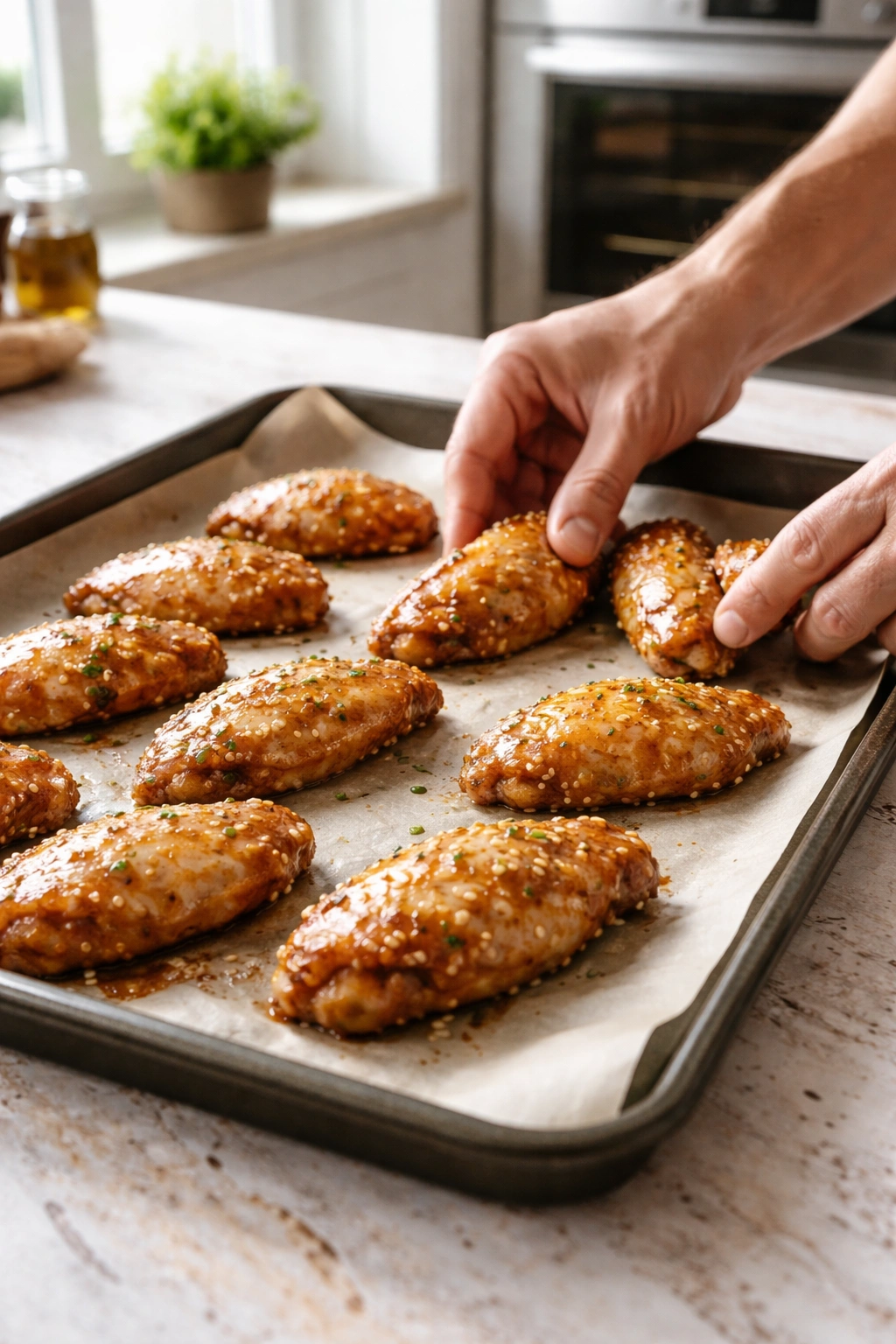
Prepare the Pan:
-
Line a large baking sheet (approximately 18 × 13 inches) with aluminum foil for easy cleanup, then place a piece of parchment paper on top of the foil.
-
Once the oven reaches 400°F, spread the marinated wings on the prepared baking sheet in a single layer, skin side up. Space them apart rather than crowding them together—if wings touch, they’ll steam where they meet rather than crisping. Arrange them so they’re not touching each other if possible, though slight overlapping at the edges is fine.
First Bake:
-
Place the baking sheet in the preheated oven and bake for 20 minutes without opening the door or moving the wings. Opening the oven door releases heat and extends the cooking time, so resist the urge to check on them.
-
After 20 minutes, remove the baking sheet from the oven. Do not drain any juices at this stage—unlike longer-cooking recipes, those juices will help create the glaze as the sauce reduces down during the final baking phase.
Advertisements -
Using tongs or a fork, flip each wing piece so the skin side is still generally facing up, but you’ve rotated them to expose different surfaces to the heat. This ensures more even browning. Don’t worry about flipping them perfectly—the goal is just to move them around so they cook evenly.
Final Glaze and Bake:
-
Return the baking sheet to the oven and bake for another 10 minutes at 400°F. The wings should now be mostly cooked through and starting to brown. The skin will begin to look dry and crispy rather than wet and shiny—that’s the right sign.
-
Remove the baking sheet from the oven once more. Using a basting brush or spoon, generously brush any remaining marinade from the bottom of the baking sheet and any pooled juices over the top surface of each wing piece. Be generous with this step—you want the wings to be well-coated with the sauce.
-
Return the wings to the oven and bake for the final 5 minutes. Watch them closely during this last stretch because the honey in the marinade can go from beautifully caramelized to burnt very quickly. The wings are done when the internal temperature reaches 165°F (measured with a meat thermometer at the thickest part, not touching bone), the skin looks bronze and crispy, and the sauce has turned glossy and sticky.
Rest and Serve:
-
Remove the wings from the oven and let them rest on the baking sheet for 2-3 minutes. This allows the meat to relax and the glaze to set slightly.
-
Transfer the wings to a serving platter or bowl. Drizzle any remaining sauce from the baking sheet over the wings. Sprinkle generously with toasted sesame seeds and sliced green onions. Add a pinch of fleur de sel if desired.
How to Get That Perfect Sticky Glaze
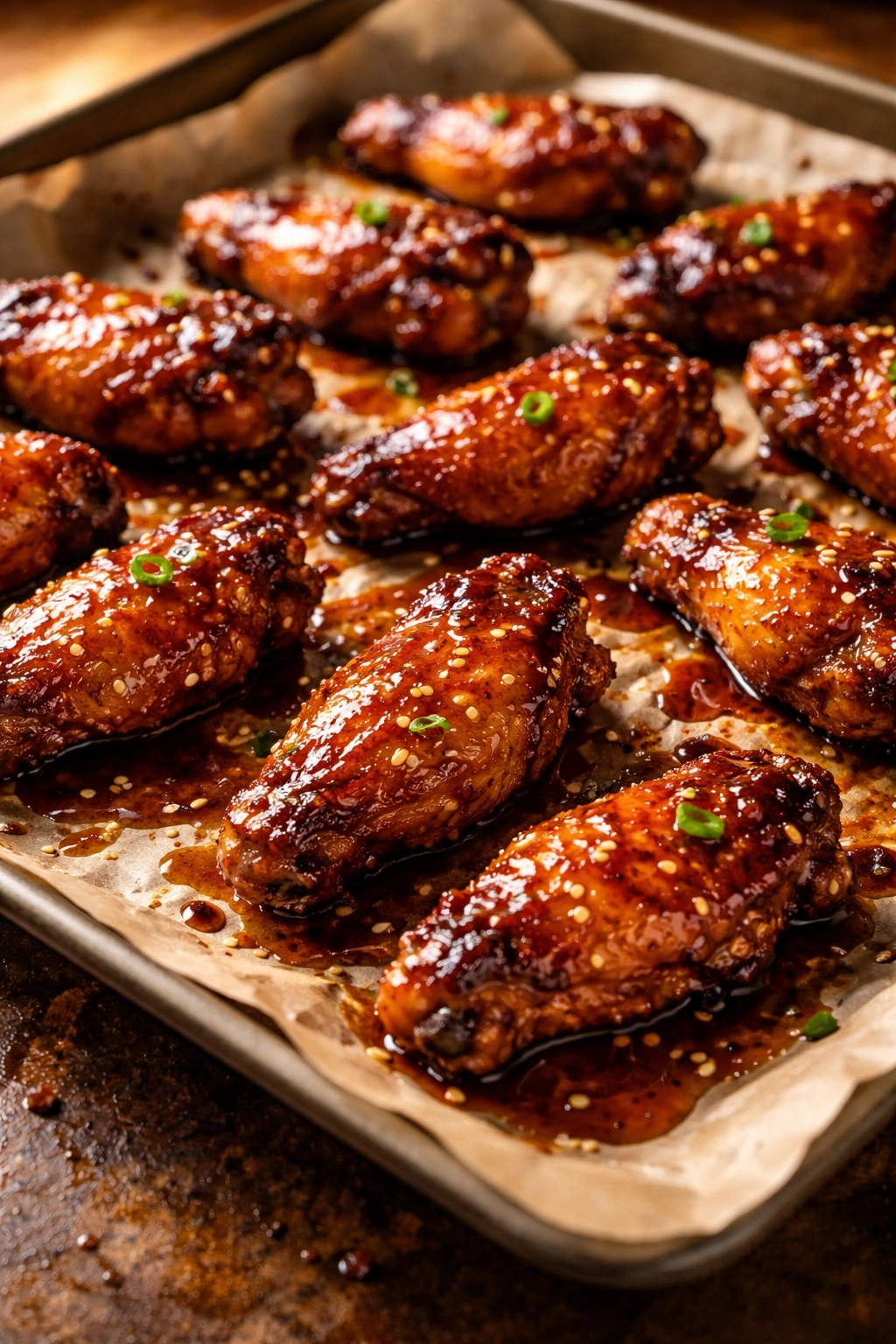
The glossy, sticky coating that makes these wings irresistible isn’t achieved by cooking them in liquid like a braise. Instead, it’s created through caramelization—the honey and soy sauce reduce down in the oven, concentrate, and develop that gorgeous mahogany color and thick, syrupy consistency. Understanding this chemistry is what separates these wings from ones that look pale and saucy or burnt and bitter.
The initial 20 minutes of baking allows the wings to cook through and render some of their fat. This fat, combined with the marinade liquid, creates an environment where the wing skins can start to crisp. The sauce needs the wings to release some liquid for it to have something to reduce. This is why the quick version doesn’t drain juices like some longer recipes do—you actually need those juices present for the final glaze to form.
In the final 5 minutes of cooking, the oven heat concentrates the sauce ingredients, the honey caramelizes, and the water content evaporates. The result is a thick, sticky coating that clings to the wing skin. If your oven runs particularly hot, watch closely at the 25-minute mark and pull them out immediately when they look glossy and bronze. If your oven runs cool, you may need a minute or two extra—trust your eyes and the internal temperature more than strict timing.
If, after pulling the wings out, the sauce still looks thin and watery rather than thick and syrupy, you can make a quick pan sauce. Transfer the wings to a serving plate and place the empty baking sheet on the stovetop over medium-high heat. Scrape up any browned bits and let the sauce bubble for 1-2 minutes until it thickens noticeably. Brush this thickened sauce back onto the wings. This rescue technique takes only a few extra minutes and salvages any batch.
Common Mistakes to Avoid When Rushing
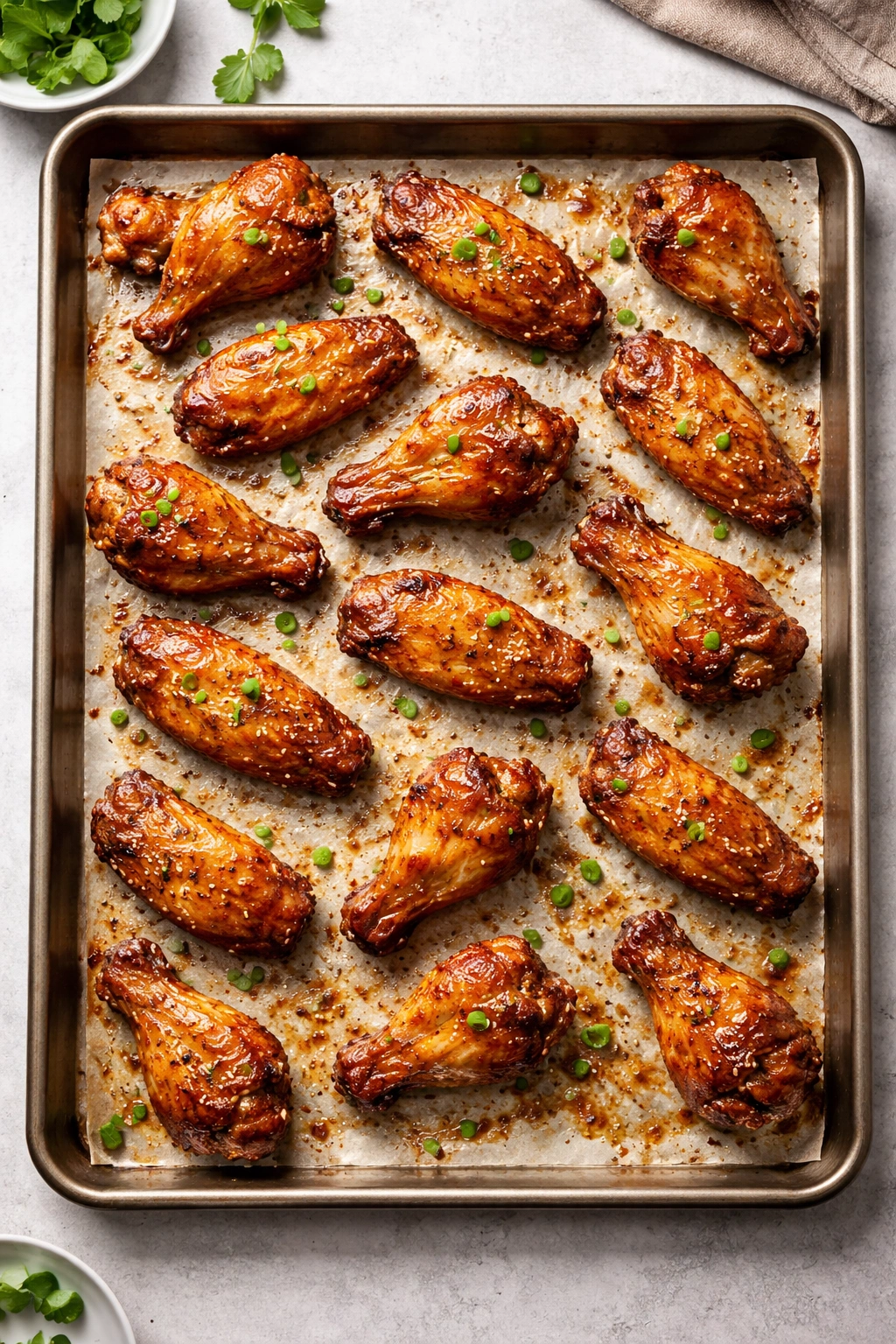
The most frequent error when making wings quickly is starting with wet wings. Moisture on the surface creates steam, which prevents browning. No amount of oven time will fix this, so dry your wings thoroughly before they touch the marinade. It feels like a small detail, but it’s the difference between crispy and soggy skin.
Another common problem is crowding the baking sheet. When wings are packed tightly together, the steam they release has nowhere to go. It circulates around the wings, cooking them through but preventing the skin from crisping. Spread them out in a single layer with space between pieces. This may require two baking sheets, but the superior result is worth it.
Don’t skip the second coating of marinade in the final phase. Many people assume that coating them once at the beginning is enough. The sauce coating gets absorbed and cooked onto the wings during the first 20 minutes of baking. To build that thick, glossy final glaze, you need fresh marinade applied in the last 5 minutes when it can reduce and caramelize quickly without burning. This final application is essential to the 30-minute timeline.
Burning the honey is a real hazard when you’re cooking quickly at high temperature. Watch your wings closely during the final 5 minutes. If they look deeply browned and are starting to smell burnt rather than caramel-like, pull them out immediately. The carry-over heat will continue cooking them slightly even after you remove them from the oven. Better slightly underbaked and needing another minute of oven time than burnt beyond recovery.
Finally, don’t make the marinade too thin. If your honey is very liquid and you use extra vinegar, the marinade won’t coat and cling to the wings properly. The sauce needs to be thick enough to stay on the wing pieces and caramelize. If your marinade seems too watery, reduce the vinegar to 2 tablespoons and increase the honey to ⅓ cup instead.
Variations You Can Make in 30 Minutes
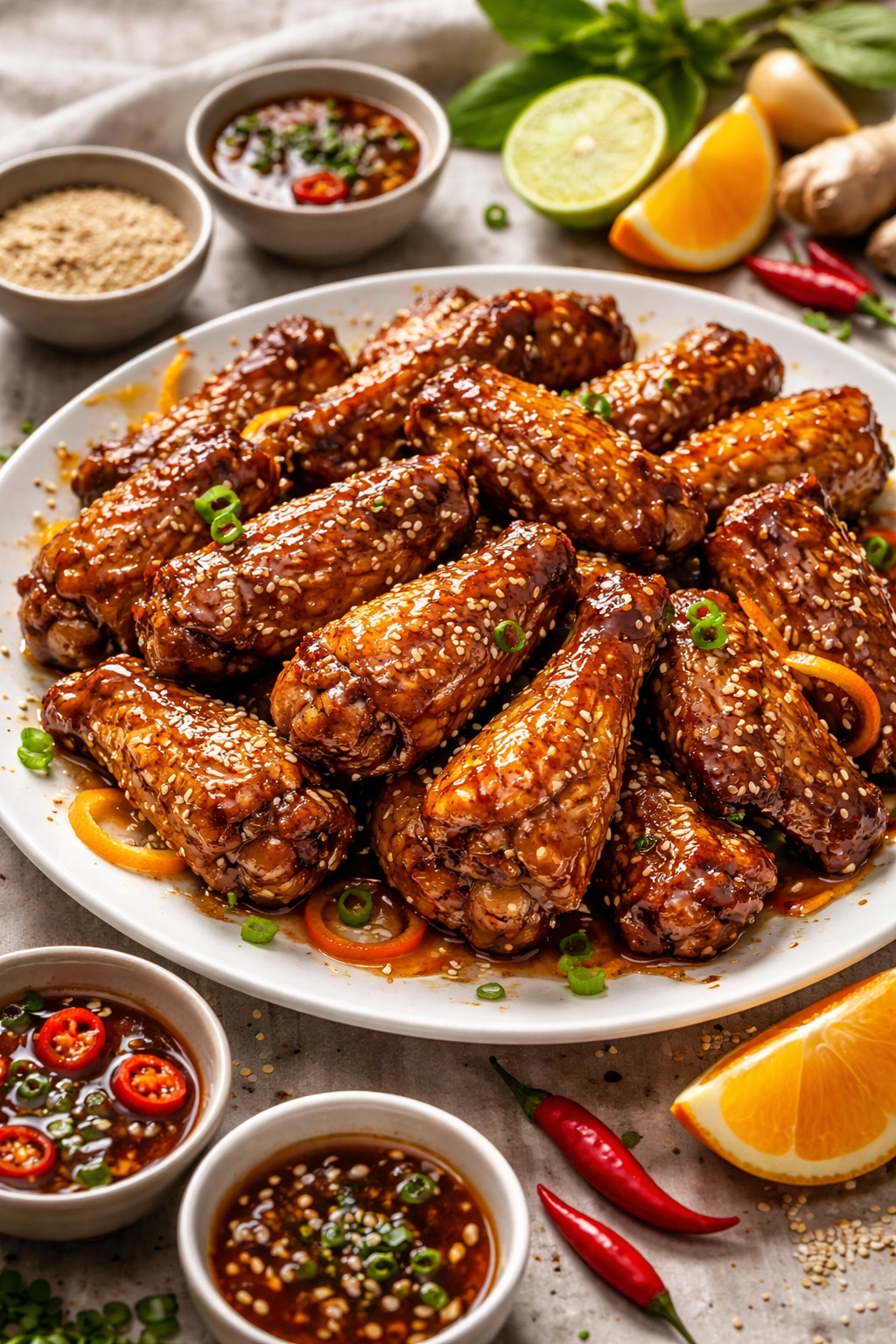
Once you master the basic recipe, you can easily create variations without extending cooking time. The framework stays the same—the only change is in the seasonings of the marinade.
For a ginger kick, increase the ground ginger to 1 full teaspoon or add 1 tablespoon of fresh grated ginger to the marinade. The spicy warmth of ginger pairs beautifully with the sweet honey and salty soy, and it doesn’t require extra cooking time.
For a spicy version, add ½ to 1 teaspoon of red pepper flakes, or ½ teaspoon of cayenne pepper, or 1 tablespoon of sriracha mixed into the marinade. Some people prefer a fresh Thai bird’s eye chili, minced finely and stirred in. All of these work within your 30-minute timeline since the spice is already in the marinade.
For a sesame-forward flavor, increase the sesame oil in the marinade from ½ tablespoon to 1 tablespoon, which deepens the nutty undertone. Some people also add ½ teaspoon of sesame seed paste (tahini works) directly into the marinade for extra richness.
For a citrus brightness, add the zest and juice of half a lime or lemon to the marinade. The acidity and citrus aroma balance the sweetness and add complexity. Don’t go overboard with juice or you’ll dilute the marinade’s thickness—a tablespoon of fresh juice is plenty.
For an oyster sauce depth, replace 1 tablespoon of the soy sauce with oyster sauce. This adds umami richness and a slightly funky depth that makes the wings taste more restaurant-quality. The oyster sauce doesn’t require extra cooking to shine.
All of these variations still cook in exactly 30 minutes because you’re not adding any ingredients that require longer cooking or change the fundamental cooking method. You’re simply seasoning the marinade differently.
Storage and Reheating Tips
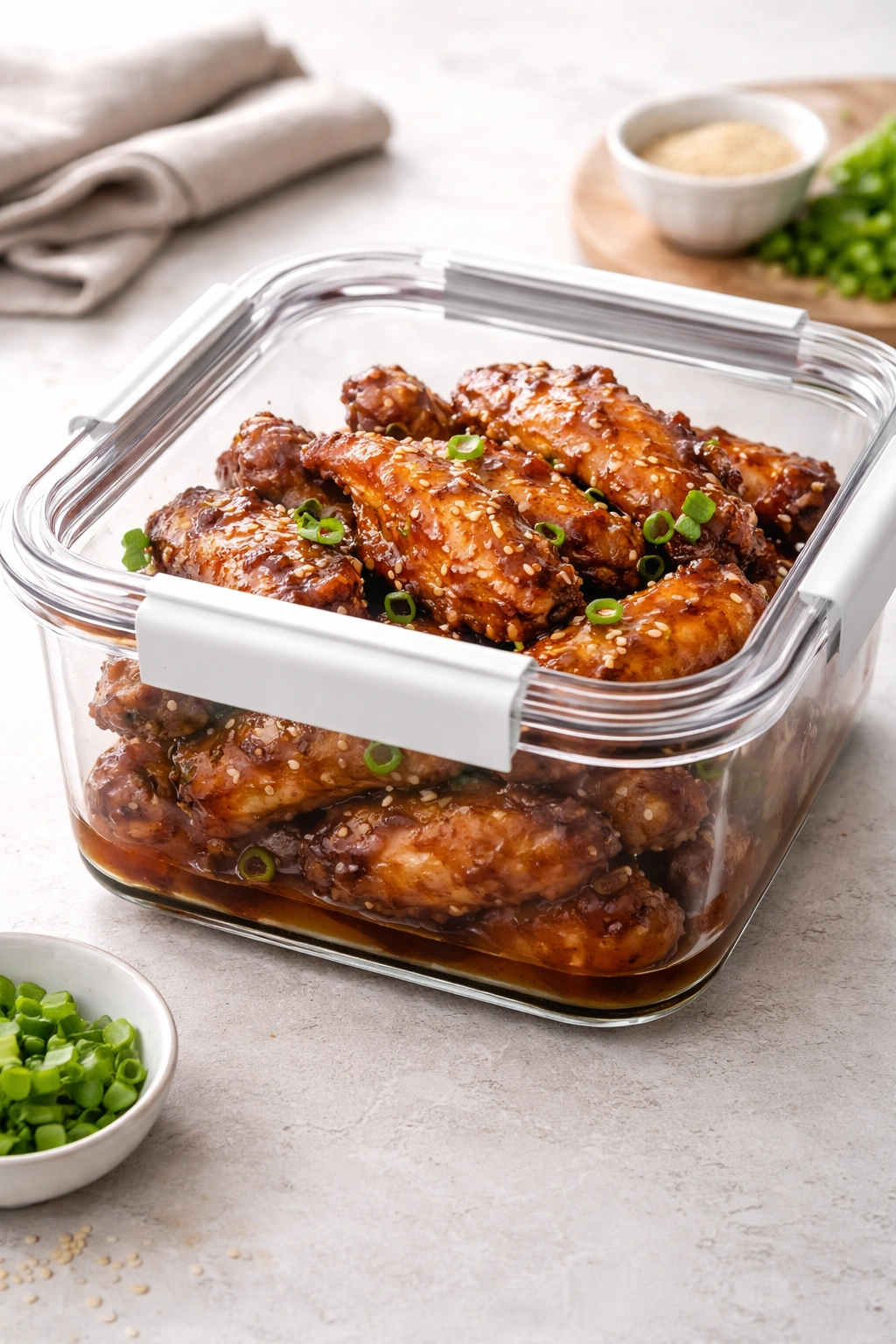
Cooked honey soy wings keep well for up to 4 days in an airtight container in the refrigerator, including any leftover sauce. The cold storage actually helps the glaze firm up and become more stable, so leftovers often have even better texture than wings eaten immediately.
To reheat, place the wings on a baking sheet lined with foil and warm them in a 350°F oven for 8-10 minutes, just until heated through. This method gently reheats without drying out the meat. You can also use an air fryer—place the wings in the basket and heat at 350°F for 4-5 minutes for crispy results without additional browning of the glaze.
Avoid microwaving these wings if you can help it. Microwaves heat unevenly and tend to soften the crispy skin texture. If you must microwave due to time constraints, place wings on a microwave-safe plate, cover loosely with a paper towel to trap some steam while allowing some moisture to escape, and heat in 30-second intervals, checking after each one.
You can also freeze cooked wings in an airtight container for up to 2 months. Thaw them in the refrigerator overnight, then reheat as described above. The texture holds up well to freezing and thawing as long as you don’t store them for longer than a couple of months.
If you want to prepare wings ahead of time without fully cooking them, you can marinate raw wings in the marinade and freeze them in a ziplock bag. Thaw them completely in the refrigerator (this can happen overnight), pat them dry, and then bake according to the recipe. Marinating during the freeze-thaw cycle actually helps flavor develop, so this make-ahead method works beautifully.
What to Serve Alongside Your Wings
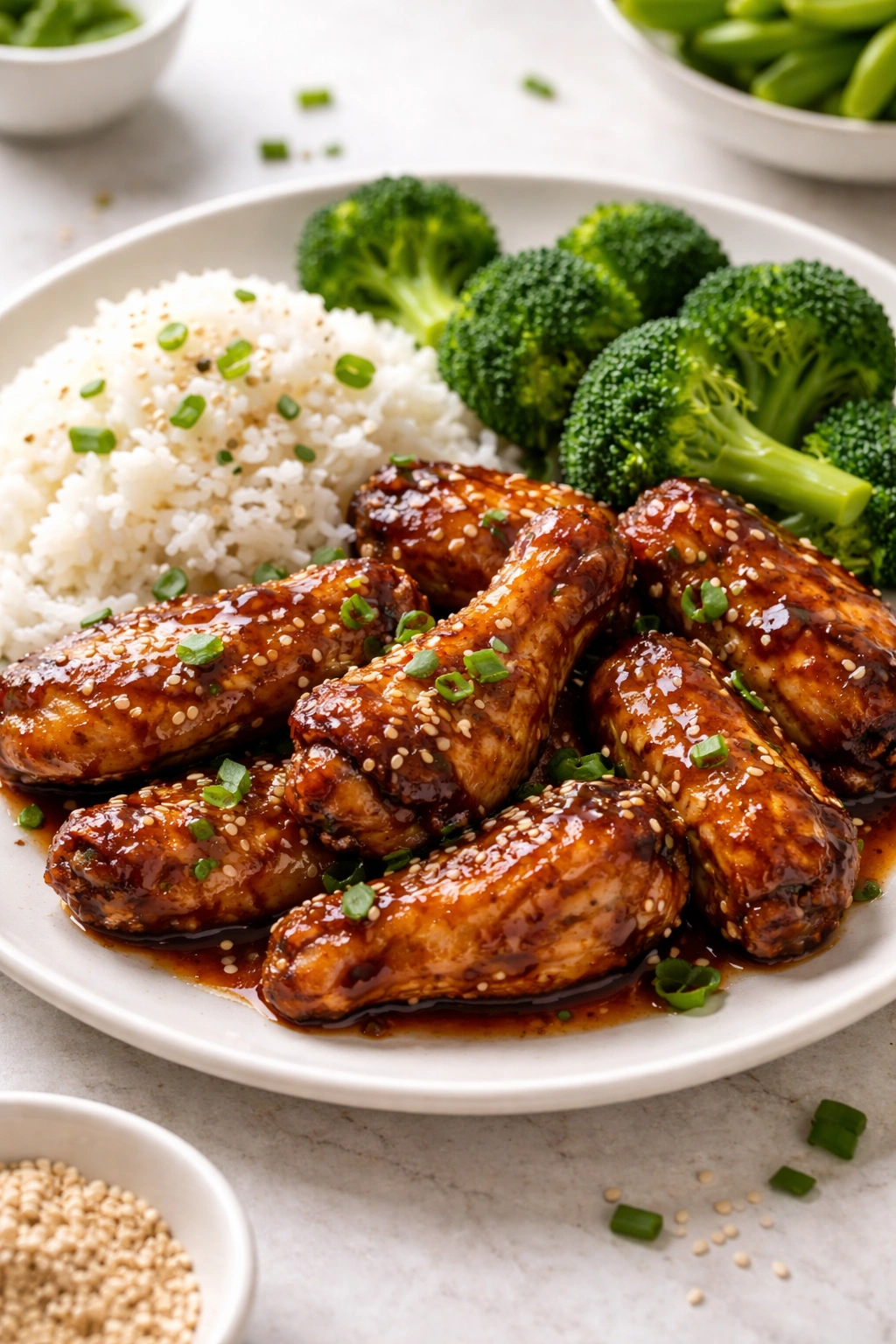
Honey soy wings have bold, sweet-savory flavors that pair beautifully with clean, simple sides that either complement or contrast with that profile.
Rice dishes are the classic pairing for a reason. Fluffy white rice provides a neutral canvas that lets the wing flavors shine while the mild starch soaks up the sticky glaze. Fried rice works too—the crispy edges of the rice and the savory egg and vegetable components create an interesting textural and flavor contrast. Even a simple jasmine or basmati rice is perfect.
Steamed or stir-fried vegetables provide freshness and crunch. Broccoli, snap peas, carrots, and bell peppers tossed with a touch of soy sauce or sesame oil make an excellent side. The crisp vegetables balance the richness of the wings’ glaze nicely.
A simple green salad cuts through the sweetness and richness. Crisp greens tossed with a light vinaigrette and perhaps some sliced cucumber or shredded daikon radish refresh your palate between bites of wing.
Steamed edamame or a simple cucumber salad provide cooling, crisp accompaniments that are especially nice if you’ve added spice to your wings.
Fried rice noodles or vermicelli offers a lighter alternative to regular rice and absorbs the glaze beautifully. The thin noodles have more surface area, which means more glaze clings to them.
For a complete casual meal, serve the wings with rice and one vegetable side. For entertaining or a game-day spread, set out the wings in the center of the table alongside 2-3 different sides and let people build their own plates.
Final Thoughts
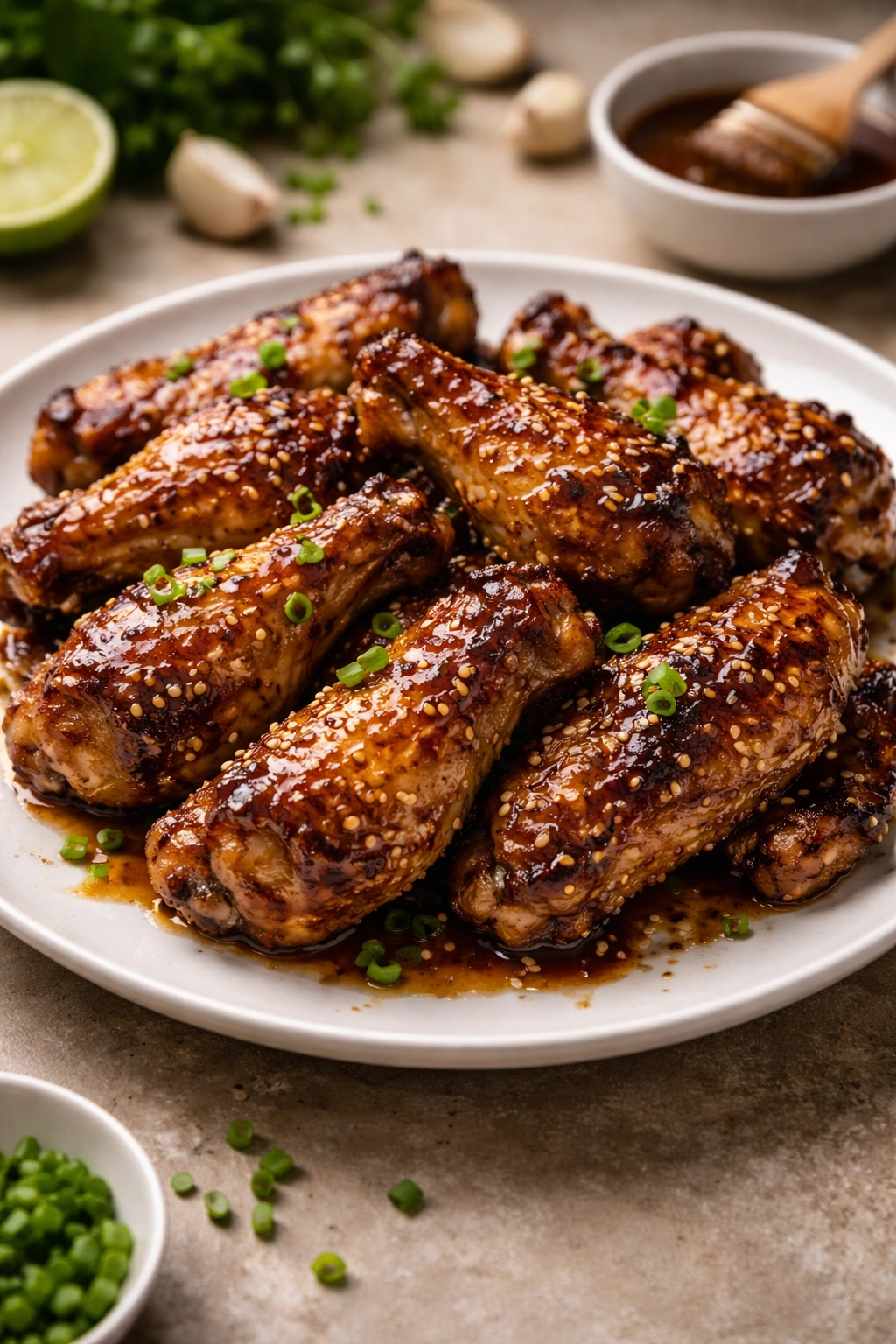
The beauty of honey soy chicken wings done in 30 minutes is that they demolish the myth that great home cooking requires extensive prep work or sitting around waiting for flavors to develop. These wings prove that understanding your cooking method, using a concentrated marinade, and working with ingredients that cook quickly allows you to deliver restaurant-quality results without the restaurant wait time.
The sticky glaze coating these wings comes from caramelization in the oven, not from hours of soaking in the marinade. The tender, juicy meat comes from perfectly timed heat exposure, not from slow braising. The crispy skin comes from strategic drying and high-heat oven roasting, which any home cook can execute.
This recipe scales beautifully if you’re cooking for a crowd—simply multiply the ingredients and use additional baking sheets, baking them simultaneously on different oven racks if your oven allows. Two trays of wings still cook in 30 minutes, so you can easily feed 8-10 people with minimal effort.
Make these wings on a busy weeknight when you need dinner fast but don’t want to compromise on flavor or quality. Make them for game day, tailgate parties, or casual entertaining. Make them to prove to yourself that weeknight cooking doesn’t have to mean shortcuts in taste. Once you’ve made them once and tasted the sticky-sweet-savory glaze coating golden-brown wings, they’ll likely become a regular request in your house.
