



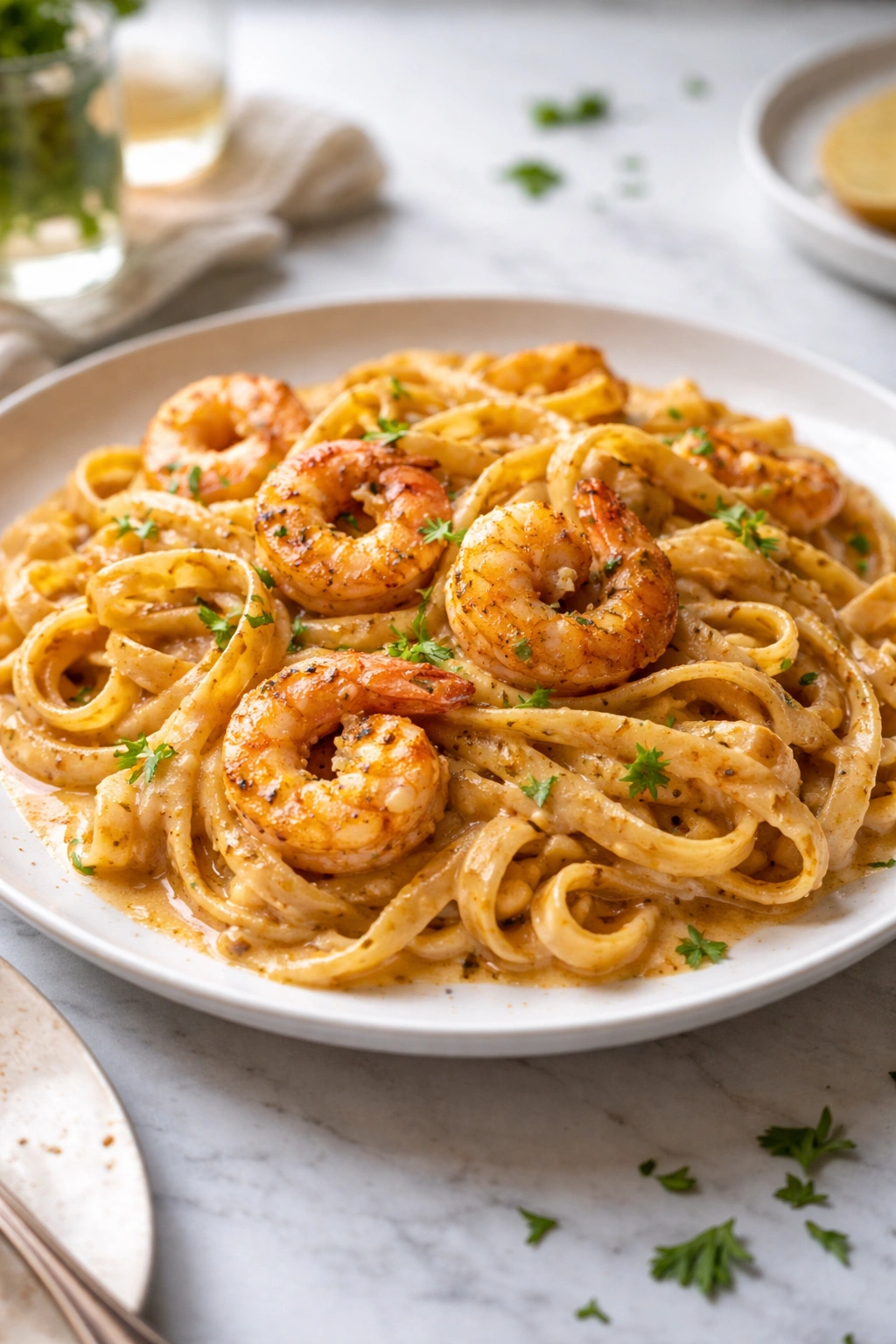
If you’re standing in your kitchen on a Wednesday night wondering what to make for dinner, this creamy Cajun shrimp pasta might just save your week. Not only does it come together in thirty minutes flat, but it delivers the kind of bold, restaurant-quality flavor that makes people forget you didn’t spend hours perfecting a complicated recipe. The beauty of this dish lies in its simplicity — succulent shrimp coated in spicy Cajun seasoning tossed with tender pasta in a luscious cream sauce that clings to every strand. It’s the kind of meal that looks far more impressive than it actually is, which is precisely why it works so beautifully for busy weeknights and even casual entertaining.
What makes this dish so compelling isn’t just speed, though that’s certainly part of the appeal. It’s the way the warm spices — paprika, cayenne, garlic, and oregano — create this complex, smoky depth that somehow feels both comforting and exciting at once. The shrimp brings a delicate sweetness that plays perfectly against the heat and richness of the sauce, while the pasta becomes a vehicle for every bit of that creamy, flavorful goodness. This is the kind of dinner that comes together faster than you could order takeout, yet tastes like you’ve been simmering something all afternoon.
Why Cajun Shrimp Pasta Works So Well for Weeknight Cooking
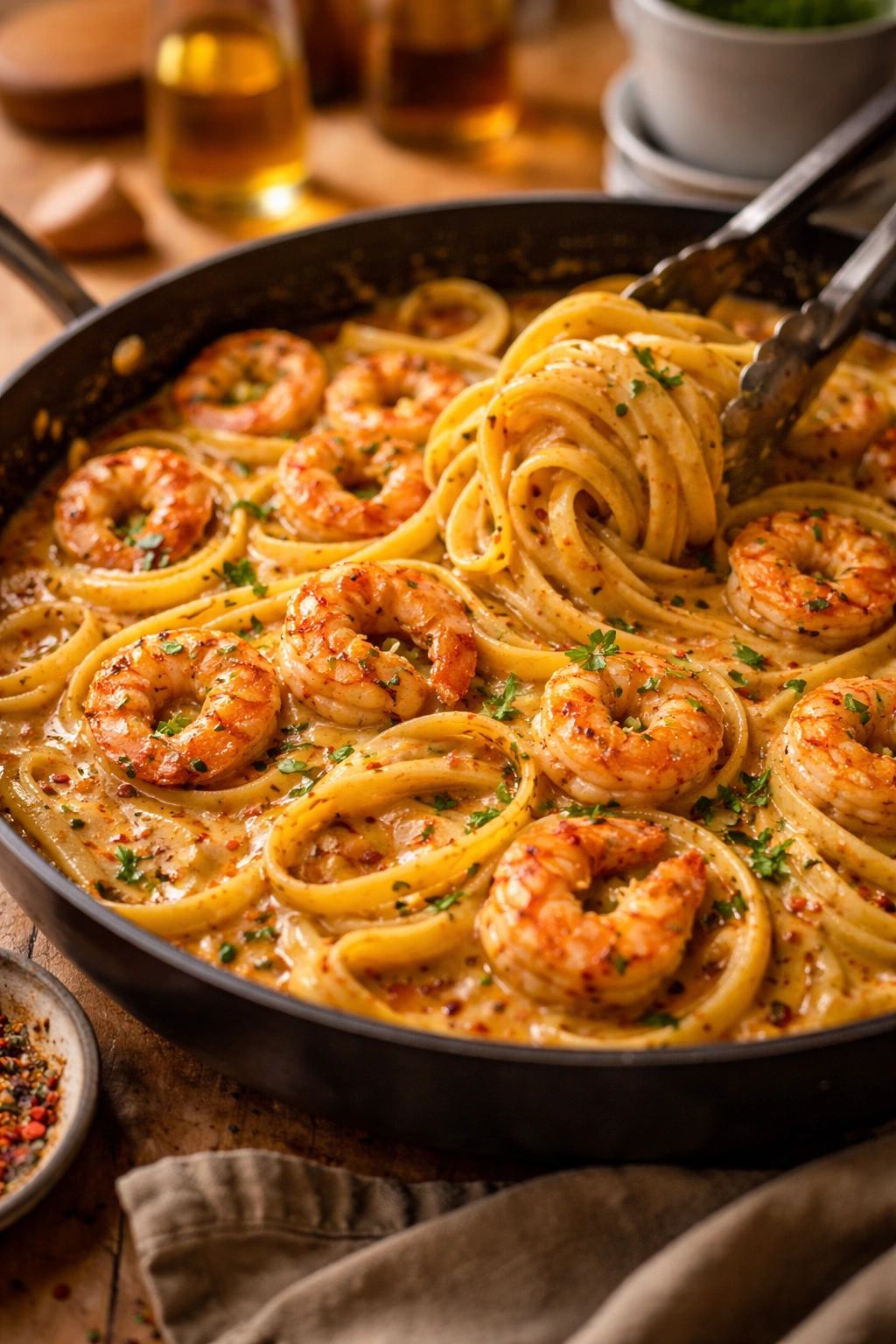
The genius of this recipe lies in timing. While your pasta water comes to a boil, you’re already building flavor in the pan with the shrimp and aromatics. There’s virtually zero waiting around — every component finishes at roughly the same moment, which means your prep-to-table time truly stays within that thirty-minute window. No lingering on the stovetop, no mad scrambling at the last second.
The flavor development is deceptively sophisticated. The raw shrimp picks up the Cajun seasoning immediately, which then infuses the sauce as it cooks. Meanwhile, the starchy pasta water emulsifies with the cream and cheese to create a sauce that’s silky and cling-worthy, coating each piece of shrimp and pasta with equal generosity. This isn’t something that happened by accident — it’s the result of understanding how these ingredients actually work together.
Another reason this dish wins on busy nights is its adaptability. Don’t have fresh shrimp? Frozen works perfectly fine as long as you thaw it properly beforehand. Missing one specific vegetable? Swap it for something else. Would rather use chicken or even sausage? The recipe absolutely accommodates that swap. This flexibility means you’re never hunting for hard-to-find ingredients or feeling frustrated if your market is out of something specific.
Perhaps most importantly, this is a one-pan solution when you make certain variations. Minimal dishes to wash afterward means you can actually relax instead of staring at a sink full of cookware. For anyone who values both delicious food and their sanity, that matters tremendously.
Understanding Cajun Seasoning and Its Flavor Profile
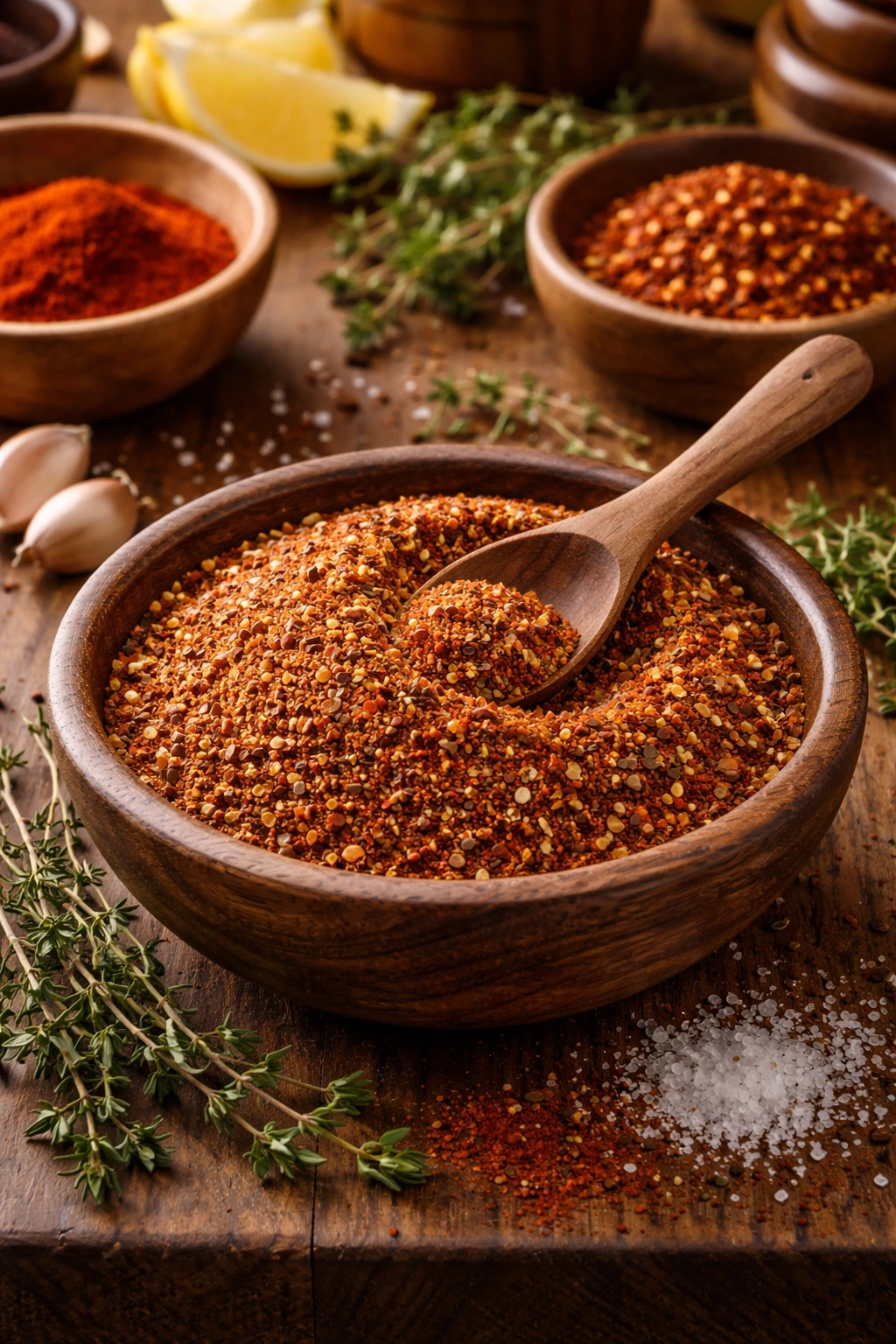
Cajun cuisine comes from Louisiana, where bold, layered spices have been standard for generations. Authentic Cajun seasoning isn’t hot for the sake of heat — rather, it’s a carefully balanced blend where paprika brings earthiness and color, cayenne provides controlled spice, and herbs like oregano and thyme add complexity. When this blend hits hot oil and shrimp, those flavors bloom and intensify, creating something that tastes far more complicated than its simple component list suggests.
The difference between mild and aggressively spicy Cajun shrimp pasta comes down to one ingredient: cayenne pepper. If you’re sensitive to heat or cooking for people who prefer milder flavors, you have complete control here. Using less cayenne (or omitting it entirely) still leaves you with all the savory, herbal, smoky notes that make Cajun flavors so appealing — you just skip the fire. Conversely, if you love heat, a little extra cayenne or a pinch of red pepper flakes bumps up the intensity without overwhelming the dish.
Store-bought Cajun seasoning blends vary considerably in their salt content and exact spice formulation. Some brands like Slap Ya Mama, Tony Chachere’s, and Old Bay lean heavily into salt, while others are more measured. Rather than guessing, it’s worth tasting as you go when using a premade blend. Start with half the seasoning called for, stir it in, and add more to reach your preferred flavor. This approach gives you control without risking an oversalted dish.
Many home cooks find that making their own Cajun seasoning blend actually works better than buying it. A simple combination of smoked paprika, garlic powder, onion powder, dried oregano, dried thyme, cayenne pepper, salt, and black pepper takes three minutes to mix together and gives you complete control over salt levels and heat intensity. If you’re making this pasta regularly, a homemade blend kept in a small jar becomes your secret weapon for perfect seasoning every single time.
Choosing the Right Shrimp for Perfect Results
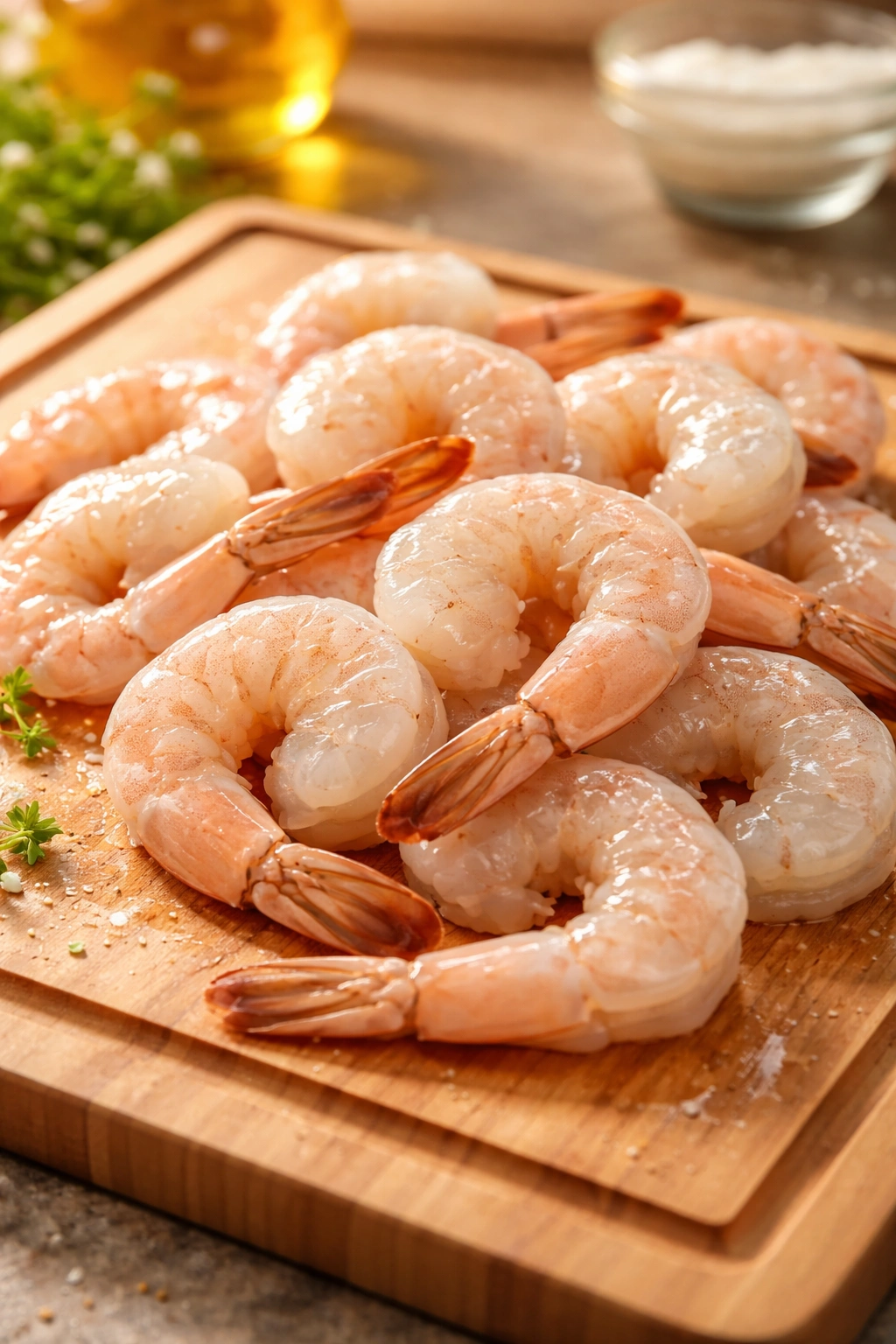
The most common mistake people make with shrimp pasta is selecting the wrong size or, worse, overcooking the shrimp itself. Shrimp sold in supermarkets are typically labeled with a size designation — something like 21/25 or 16/20 — which indicates how many shrimp are in a pound. Larger shrimp (21/25 count or bigger) work beautifully for this pasta because they stay tender when cooked properly and look impressive on the plate. Smaller shrimp cook faster but can disappear into the sauce, and there’s a narrower window before they become rubbery.
Fresh versus frozen is genuinely less important than you might think. Most “fresh” shrimp sold at the supermarket counter has been previously frozen and thawed anyway. Frozen shrimp you thaw at home is often fresher and more reliably handled than what’s sitting on ice at the market. Buy frozen peeled and deveined shrimp whenever possible — this saves you a genuinely annoying prep step. If the tails are still on, you have the option to remove them before cooking (which some prefer for easier eating) or leave them for a more classic presentation.
Thawing frozen shrimp properly makes an enormous difference in final texture. The best method is to move them to the refrigerator overnight, which thaws them gently and maintains their delicate structure. If you’re short on time, submerge the unopened bag in a bowl of cold water and let them thaw for thirty to forty minutes, changing the water halfway through. Never microwave shrimp or leave them on the counter — both methods damage the proteins and lead to mushy, disappointing results.
Pat your shrimp completely dry with paper towels just before cooking. This step might seem minor, but moisture on the surface prevents proper searing and allows the Cajun seasoning to coat them evenly. Dry shrimp = better texture and better flavor adhesion. It takes thirty seconds and makes a noticeable difference in your final dish.
The Creamy Sauce: Building Complex Flavor
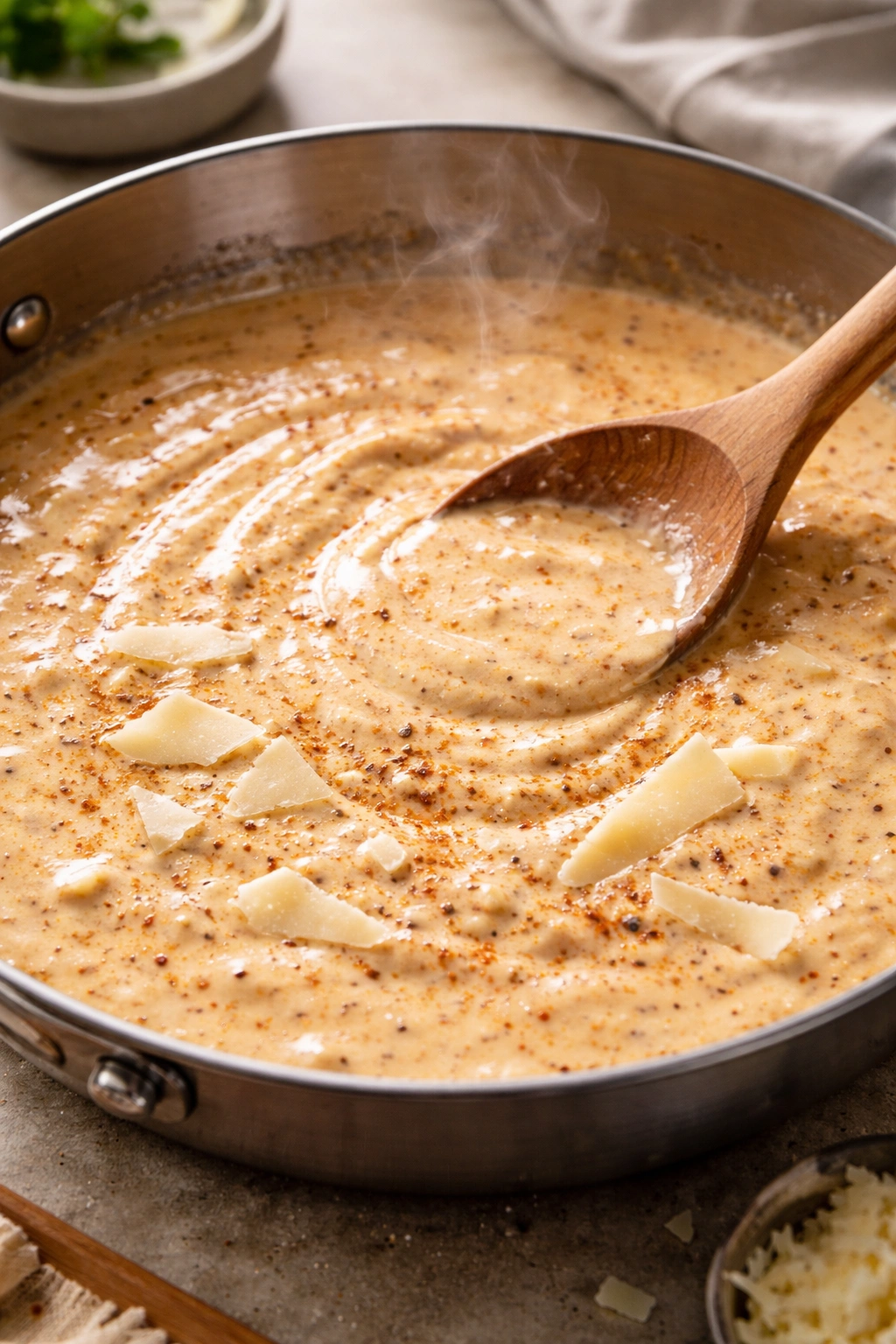
The sauce in this dish is where the magic happens. Unlike heavy, butter-laden Alfredo sauces that weigh you down, a well-made Cajun cream sauce balances richness with brightness. Heavy cream provides luxurious texture, but it’s the pasta water — that starchy, overlooked liquid you normally pour down the drain — that actually does the heavy lifting here. As pasta cooks, it releases starch that acts as a natural emulsifier and thickener, binding the sauce to the noodles and creating that glossy, cling-to-the-fork consistency.
Some recipes rely entirely on pasta water and cream, which works if your pasta is cooked properly. Others add a bit of cream cheese or grated Parmesan to amp up savory depth and smoothness. Parmesan does double duty here — it contributes umami richness while also helping thicken the sauce slightly as it melts. Use freshly grated Parmesan from a block, never the pre-shredded kind from a shaker. Pre-shredded cheese contains anti-caking agents that prevent smooth melting and result in a grainy, separated sauce instead of the silky coating you want.
The trick to a sauce that doesn’t break or separate is keeping the heat moderate once you add dairy. High heat can cause cream to break and appear curdled, while gentle simmering keeps everything emulsified and smooth. Once your sauce reaches the right consistency, reduce the heat further if needed to prevent any grainy texture from developing. If your sauce does seem too thick after everything’s combined, thin it with a splash of reserved pasta water added a tablespoon at a time — never add more cream, which throws off the balance.
Temperature control also matters when you’re adding the shrimp back to the sauce. Cool shrimp hitting a very hot sauce can partially cook before you’re ready, potentially leading to overcooked, tough pieces. Bring the sauce down to a gentle simmer, then add your shrimp and stir gently to distribute them evenly. Let them warm through for just a minute or two — they’re already cooked, so you’re really just bringing them up to temperature and letting them absorb a bit more sauce flavor.
Essential Ingredients and Their Specific Roles
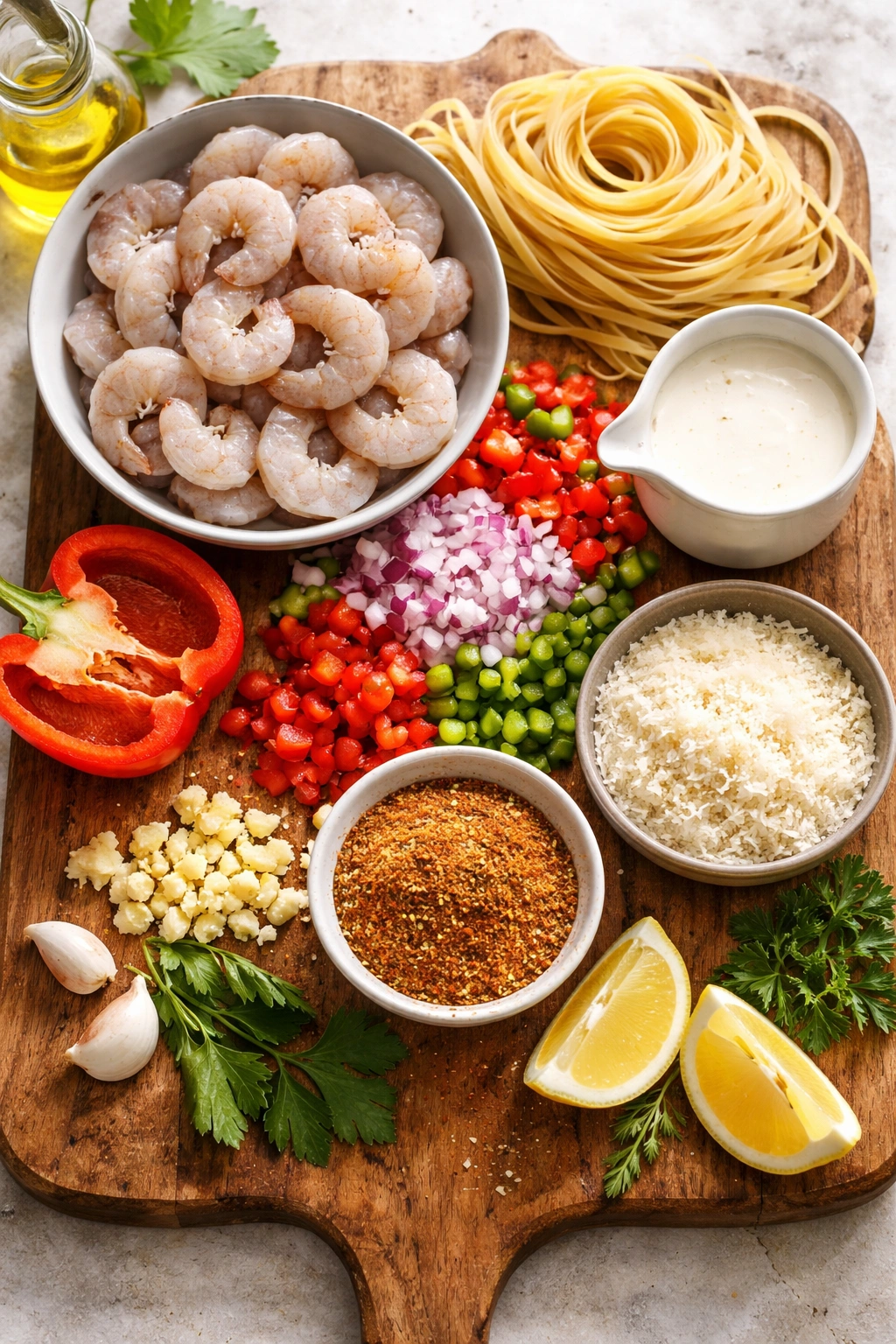
Every component in this dish earns its place. Shrimp provides the protein and that delicate, slightly sweet seafood flavor that makes this pasta feel special. Pasta — whether penne, fettuccine, linguine, or whatever you have on hand — serves as the base, and its starch becomes the foundation of your sauce. The Cajun seasoning blend builds the entire flavor profile, so its quality matters. Aromatics like garlic, onion, and bell pepper contribute background depth and slight sweetness that balances the spice.
Heavy cream brings richness and mouthfeel, while Parmesan cheese adds saltiness and umami that keep every bite interesting. A squeeze of fresh lemon juice at the very end brightens the richness and prevents the dish from feeling heavy or one-note. Some versions include diced tomatoes, which add acidity and slight sweetness — this is entirely optional but does contribute lovely complexity. Butter helps carry flavors and adds silkiness to the sauce, though it’s a modest amount rather than the excessive butter that bogs down traditional Alfredo.
Salt is critical but tricky because Cajun seasoning already contains a decent amount. The pasta cooking water should be salted generously — think ocean water, as many chefs say — which properly seasons the pasta itself and concentrates flavor as the pasta releases its starch into the water. Taste your dish at the end before adding extra salt, as you often don’t need it once you account for the seasoning blend and Parmesan.
Optional additions that work beautifully include andouille sausage (sliced thin and cooked alongside or before the shrimp), fresh spinach stirred in at the very end, sautéed mushrooms for earthiness, or even sliced jalapeños for those who want more heat. These are personalization options rather than necessities — the dish works perfectly with just the core ingredients, but these additions let you adapt it to what you actually have on hand or prefer flavor-wise.
Yield: Serves 4 to 6 people | Makes approximately 8 cups
Prep Time: 10 minutes
Cook Time: 20 minutes
Total Time: 30 minutes
Difficulty: Intermediate — The technique is straightforward, but requires attention to timing so the shrimp doesn’t overcook and the sauce reaches the right consistency.
Best Served: Immediately while hot and creamy, straight from the pan
Ingredients for Creamy Cajun Shrimp Pasta
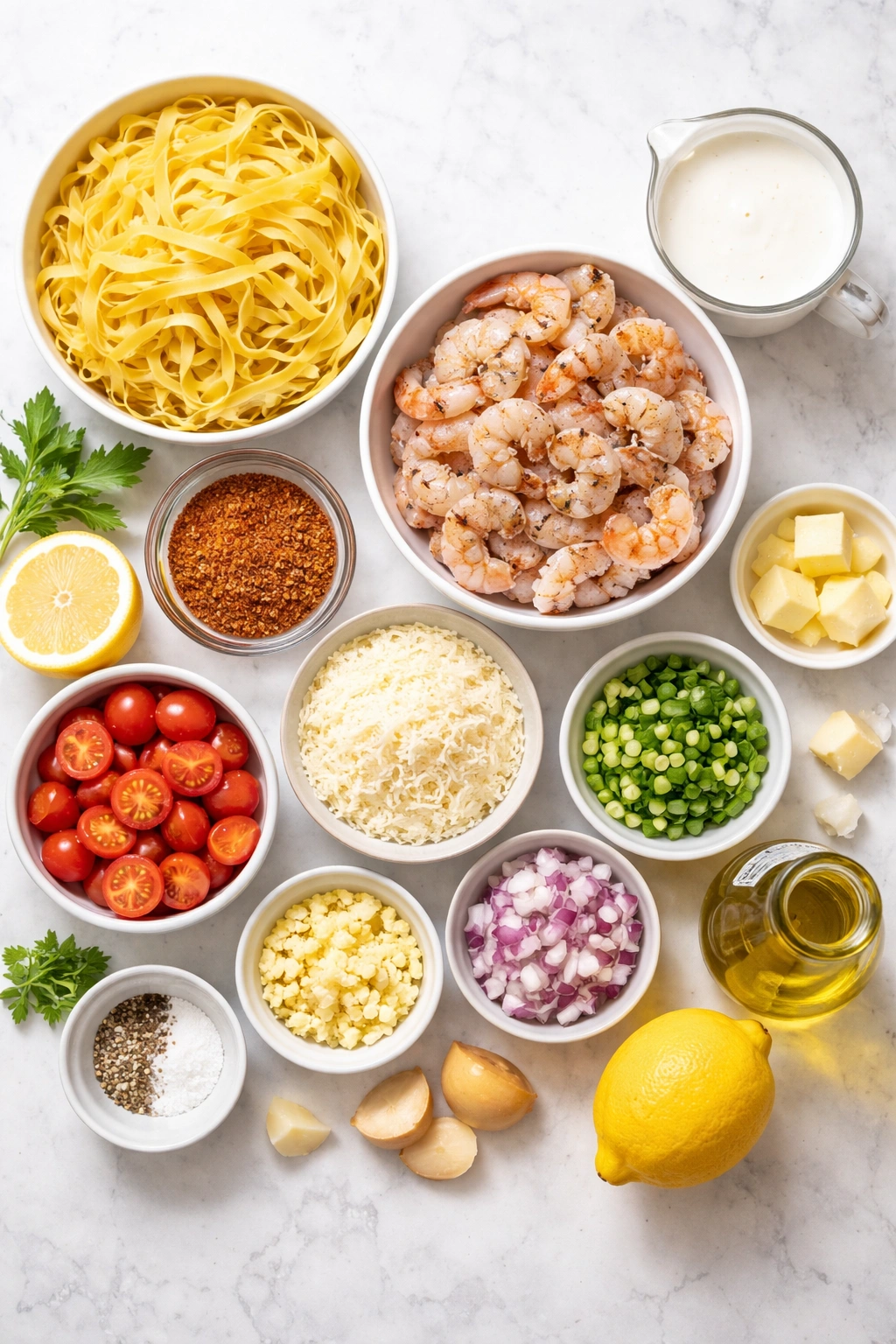
For the Cajun Seasoning Blend:
- 1 tablespoon smoked paprika
- 1½ teaspoons dried oregano
- 1½ teaspoons garlic powder
- 1 teaspoon onion powder
- 1 teaspoon kosher salt
- ½ teaspoon black pepper
- ¼ to ½ teaspoon cayenne pepper (adjust based on desired heat level)
For Cooking the Pasta:
- 1 tablespoon kosher salt (for pasta water)
- 12 ounces penne pasta, fettuccine, or linguine
- Water for cooking (approximately 4 quarts)
For the Shrimp and Sauce:
- 1 pound large shrimp (21/25 count preferred), peeled and deveined, tails removed if desired
- 1 tablespoon olive oil
- 2 tablespoons unsalted butter
- 4 cloves garlic, minced
- ½ medium yellow onion, diced
- 1 red bell pepper, diced (optional but recommended)
- ¾ cup heavy whipping cream
- ½ cup freshly grated Parmesan cheese (from a block, not pre-shredded)
- ½ cup reserved pasta water (reserved before draining)
- ½ cup diced fire-roasted tomatoes, drained (optional)
- Juice of ½ fresh lemon
- 2 tablespoons fresh parsley, chopped (for garnish, optional)
- Salt and black pepper to taste
Step-by-Step Instructions for Creamy Cajun Shrimp Pasta
Prepare Your Ingredients:
-
Combine all Cajun seasoning ingredients in a small bowl and mix well. Taste the blend — if you prefer milder heat, reduce or omit the cayenne. Set aside.
-
Pat the shrimp completely dry with paper towels. Moisture on the surface prevents proper searing and seasonings from adhering evenly. Toss the dried shrimp with the Cajun seasoning blend in a separate bowl, coating each piece thoroughly. Set aside.
-
Mince the garlic, dice the onion and bell pepper (if using), and have all other ingredients measured and within arm’s reach of the stove. Mise en place — having everything prepared before you start cooking — makes the actual cooking smooth and prevents scrambling.
-
Fill a large pot with water (about 4 quarts), add the tablespoon of kosher salt, and place it over high heat. The salt seasons the pasta itself as it cooks and creates a flavorful cooking liquid that you’ll use later for the sauce.
Cook the Pasta:
-
Once the water reaches a rolling boil, add the pasta and cook according to package directions until al dente — tender but still with just a tiny bit of firmness when you bite it. Do not overcook the pasta; it will continue cooking slightly when combined with the hot sauce.
-
Before draining the pasta, scoop out at least ½ cup of the starchy cooking water and reserve it in a measuring cup or small bowl. This water is liquid gold for your sauce — it contains the starch that will help bind and thicken everything. Drain the pasta in a colander and set aside.
Begin the Sauce Base:
-
While the pasta cooks (start this step when the pasta has about 5-6 minutes left), heat the olive oil and butter together in a large skillet over medium-high heat. Once the butter foams and smells fragrant, add the diced onion and bell pepper.
-
Sauté the onion and pepper for about 4-5 minutes, stirring occasionally, until the onion becomes translucent and the peppers soften slightly. Do not let them brown too heavily. The goal is to soften and release their natural sweetness without creating deep brown color.
-
Add the minced garlic to the pan and cook for exactly 30 seconds, stirring constantly. Garlic burns quickly — that’s too much heat and bitter flavor — so the brief cooking time is crucial. You want it fragrant and just starting to soften, nothing more.
Cook the Shrimp:
-
Increase the heat slightly to medium-high and add the seasoned shrimp to the pan in a single layer. Resist the urge to stir immediately. Let them sit undisturbed for 1-2 minutes, which allows them to develop a light golden sear on the bottom.
-
Stir the shrimp once and cook for another 1-2 minutes until the underside turns pink and opaque. The shrimp is done when it transitions from translucent gray to fully opaque pink — this typically happens in 2-3 minutes total depending on their size. Overcooked shrimp becomes tough and rubbery; this is the most critical moment in the entire recipe.
-
Once the shrimp is cooked through, transfer it to a clean plate and set aside. You’ll add it back at the very end just before serving.
Build the Creamy Sauce:
-
Reduce the heat to medium and pour the heavy cream directly into the skillet with all the flavorful bits left behind from cooking the shrimp and vegetables. The cream will slightly bubble as it heats — this is normal.
-
Add the diced tomatoes (if using) and stir gently, making sure to scrape the bottom of the pan with a wooden spoon to incorporate any browned, flavorful bits stuck to the surface. These bits — called the fond — are pure flavor that you absolutely do not want to waste.
Advertisements -
Reduce the heat to medium-low and add the freshly grated Parmesan cheese, stirring constantly. Watch as the cheese melts into the cream, creating a smooth, silky sauce. Do not allow the sauce to boil hard once the cream is added, as high heat can cause it to break and appear grainy.
-
Continue stirring gently for 2-3 minutes until the sauce is completely smooth and no visible shreds of cheese remain. If the sauce seems too thick at this point, don’t panic — you’ll thin it in the next step.
Bring Everything Together:
-
Add the drained pasta directly to the sauce and stir gently to coat every strand. Start adding the reserved pasta water, about ¼ cup at a time, stirring well between additions. This is where you control the final consistency. Add just enough pasta water to create a glossy sauce that clings to the pasta without pooling at the bottom of the pan.
-
Return the cooked shrimp to the skillet and fold it in gently, distributing the pieces evenly throughout the pasta. Stir once or twice to warm the shrimp through — it only needs 30-60 seconds since it’s already cooked.
-
Taste the pasta and season with additional salt and black pepper if needed, remembering that the Cajun seasoning and Parmesan already contribute significant saltiness. Add the lemon juice and stir once more — this brightens the rich sauce and prevents it from tasting heavy or one-dimensional.
Finish and Serve:
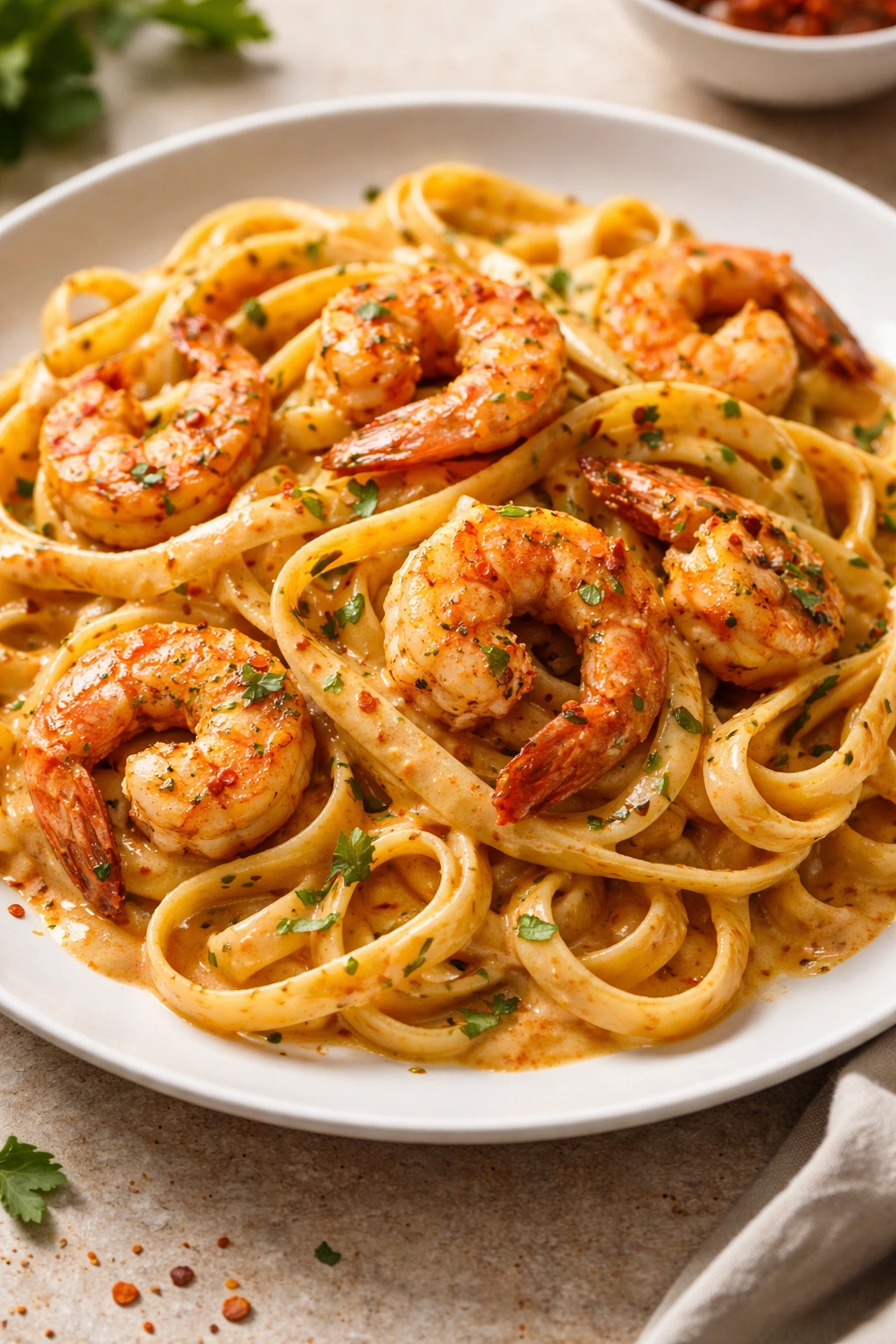
- Remove the skillet from heat and divide the pasta among serving bowls immediately. Top with fresh parsley and extra Parmesan if desired, though honestly, the dish is stunning on its own without garnishes. Serve immediately while the sauce is still glossy and the shrimp is at perfect temperature.
Practical Tips for Achieving Restaurant-Quality Results
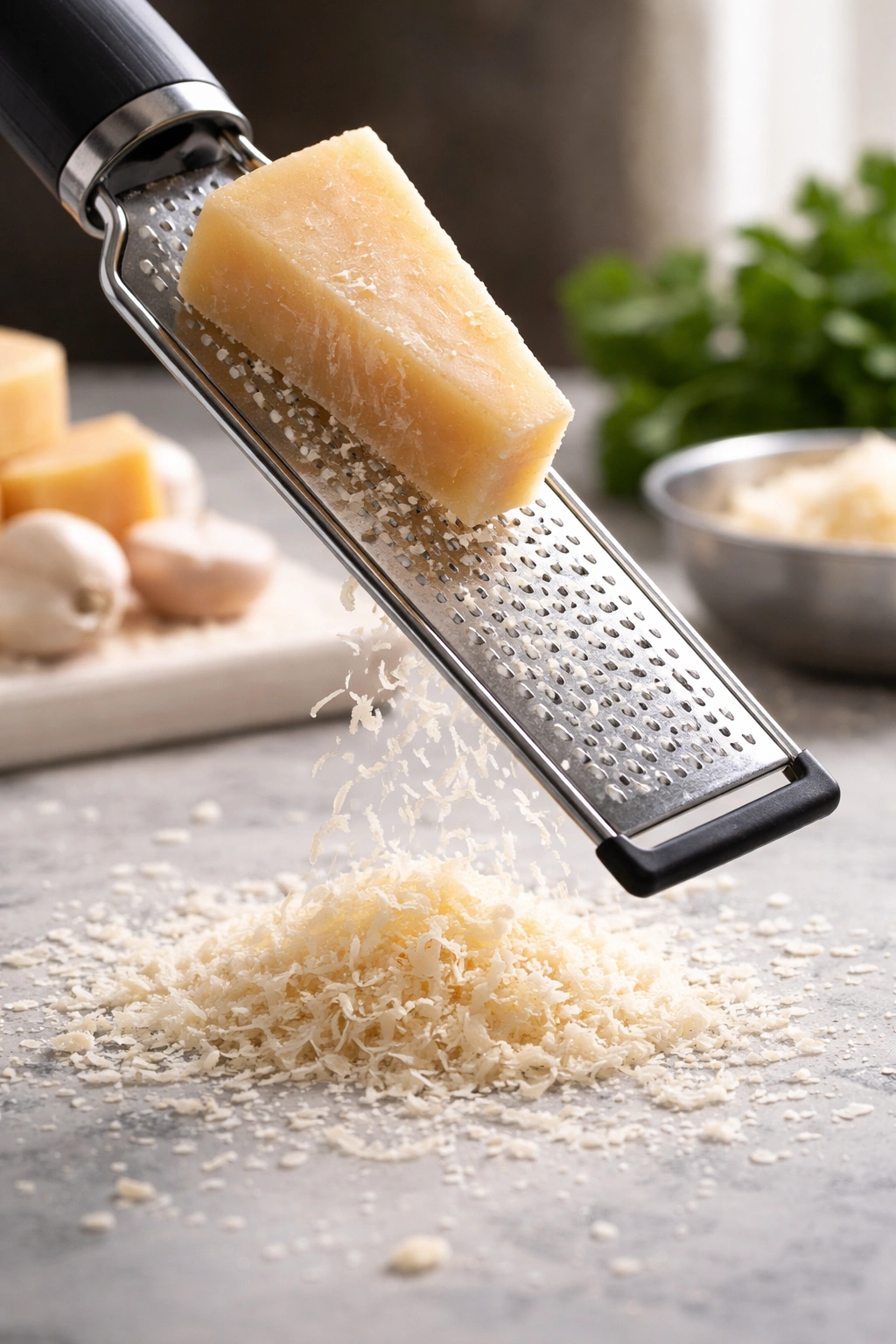
The Microplane Makes a Difference: Invest in a Microplane grater if you don’t already have one. Grating Parmesan cheese on a Microplane creates feather-light, superfine shreds that melt instantly and smoothly into the sauce. A box grater creates thicker shreds that don’t integrate as cleanly. If you only have a box grater available, grate the cheese as fine as possible and expect slightly longer melt time.
Timing Is Everything: Start cooking the sauce components the moment you drop the pasta into the water. This coordination means everything finishes at almost the exact same time. If your sauce is ready before the pasta, reduce the heat to the absolute minimum or even remove the pan from heat until the pasta is within a minute of being done. Cold sauce hitting hot pasta sounds good in theory but actually results in an inconsistent texture.
Don’t Skip the Searing Step for Shrimp: When the shrimp hits the hot oil, resist every urge to stir. That first 1-2 minutes of undisturbed cooking develops a light golden exterior that enhances flavor and texture dramatically. This isn’t about creating a crust like you would with a steak — it’s about surface contact with the hot pan that adds depth of flavor. One stir flips them, then hands off until they’re done.
Pasta Water Is Your Backup Plan: If your sauce breaks, looks grainy, or somehow separated, don’t panic. A splash of pasta water often fixes it. The starch helps re-emulsify everything and smooth out the texture. Add a tablespoon, stir gently, and check. This is genuinely more forgiving than you might expect.
Taste Before You Serve: The only way to know if your salt level is right is to actually taste it. Since Cajun seasoning and Parmesan both contribute significant saltiness, you may not need additional salt. But every brand of Cajun seasoning is different, so it’s impossible to give a foolproof measurement. Taste and adjust in small increments rather than guessing.
Common Mistakes to Avoid
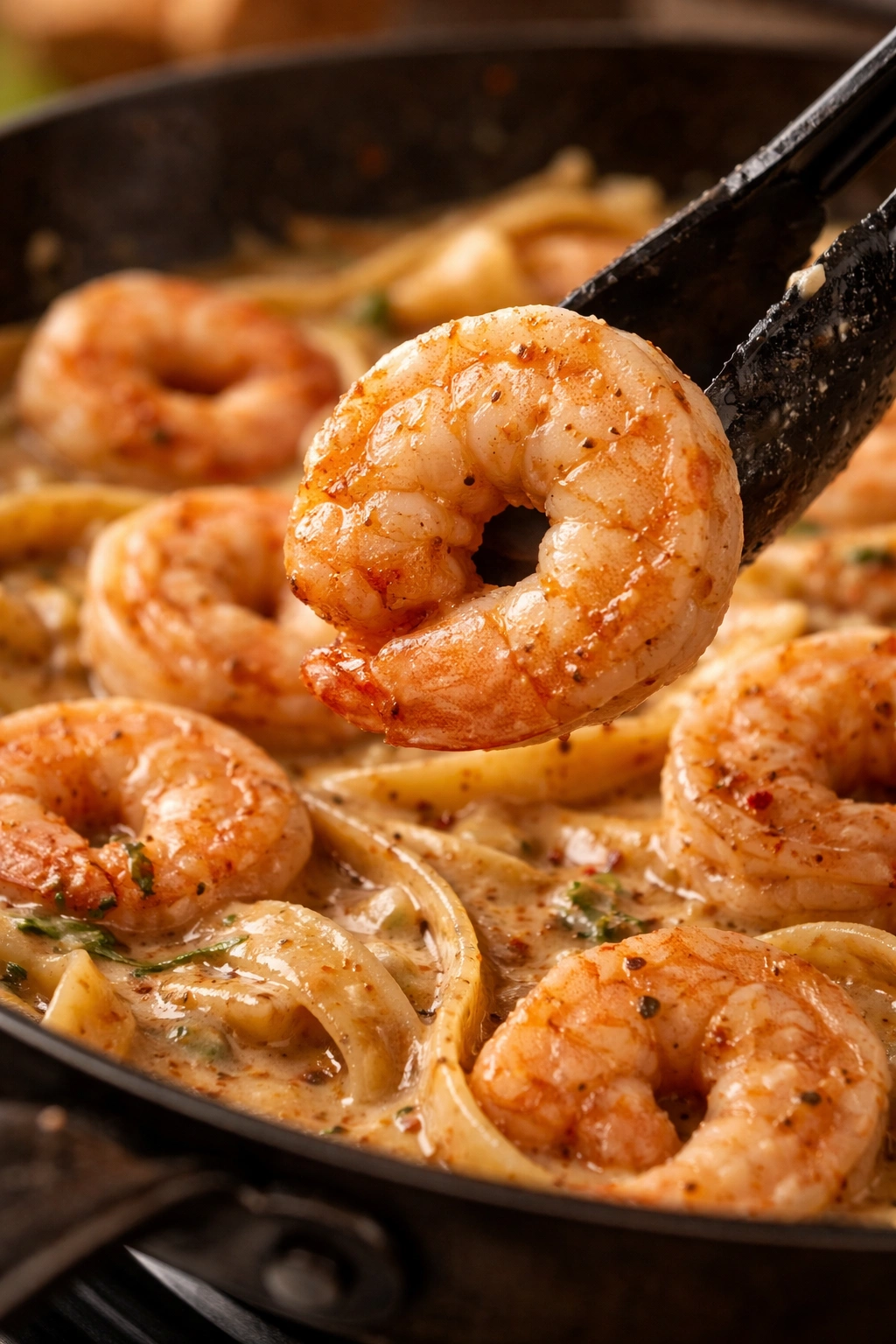
The most frequent error is overcooking the shrimp. You’re looking for that moment when the shrimp transitions from translucent to fully opaque — not beyond. Even thirty seconds too long in the pan results in tough, rubbery texture that no amount of creamy sauce can redeem. If you’re unsure, err on the side of slightly underdone; residual heat will finish the cooking as you combine everything.
Using pre-shredded Parmesan is the second most common misstep. Those convenient bags contain anti-caking agents (usually cellulose) that prevent smooth melting. Instead of creating a silky sauce, they leave you with little grainy bits and uneven texture. Block Parmesan melts cleanly and completely. Yes, grating it yourself takes an extra minute, but the difference is substantial.
Don’t skip reserving the pasta water. That starchy liquid is genuinely irreplaceable for achieving the right sauce consistency and creating that cling-to-the-pasta texture. If you forget until you’ve drained the pasta, you can make a small amount of very salty pasta water as a backup, but fresh pasta water from your cooking pot is ideal.
Overcrowding the skillet when searing the shrimp prevents them from developing proper texture. If your pan is small and you have a full pound of shrimp, cook them in two batches. Shrimp piled on top of each other steam rather than sear, and steamed shrimp has a completely different (less appealing) texture than properly seared shrimp.
Letting the sauce boil hard after you add cream can cause it to break. Maintain a gentle simmer where small bubbles form at the edges — not a rolling boil where the entire surface is active. This protects the emulsification and keeps everything smooth and luxurious.
Flavor Variations and Adaptations That Actually Work
For a Lighter Version: Replace the heavy cream with half-and-half or even whole milk mixed with a small amount of cream cheese. The sauce will be thinner, which means you’ll use less pasta water to achieve the right consistency. The final dish will be noticeably less rich but still satisfying and flavorful — the Cajun spices and Parmesan still shine through.
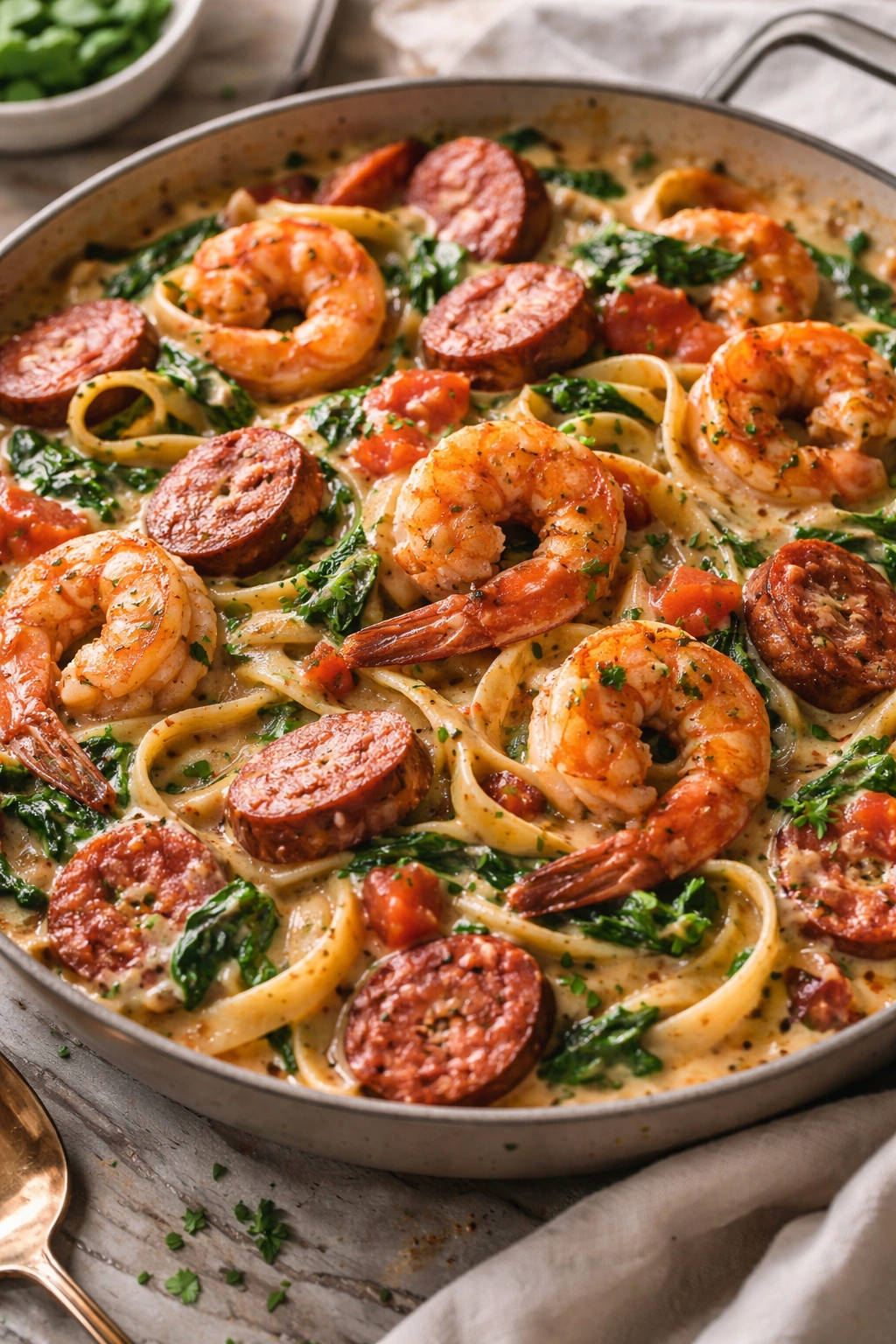
Add Andouille Sausage: Slice andouille sausage into thin rounds and cook it in a separate small skillet over medium-high heat for 3-4 minutes until it’s browned and releases some of its smoky oils. Fold the sausage into the finished pasta just before serving. This adds substantial depth and makes the dish feel more like a complete Creole one-pot meal.
Vegetables to Incorporate: Bell peppers and onions are already in the base, but you can expand from there. Diced mushrooms sautéed with the onions and peppers add earthiness. Fresh spinach stirred in at the very end provides color and nutrition without requiring extra cooking. Asparagus or green beans cooked in the sauce for the last 2-3 minutes add texture and freshness.
Protein Swaps: Boneless, skinless chicken breasts cut into bite-sized pieces cook in about the same time as the shrimp and work beautifully in this sauce. Scallops are another seafood option that cooks quickly — they need even less time than shrimp, so watch them carefully. Even cooked rotisserie chicken shredded and warmed through works if you want to simplify further.
Dairy-Free Versions: Replace the heavy cream with full-fat canned coconut milk or cashew cream (made by blending soaked raw cashews with water). Replace the butter with olive oil and the Parmesan with nutritional yeast for a savory, umami-rich flavor that mimics cheese. These substitutions work surprisingly well — the Cajun spices are so bold that they carry the dish regardless of the cream base.
Heat Adjustments: For milder versions, reduce or completely omit the cayenne pepper in the seasoning blend, or use half the amount of premade Cajun seasoning. For spicier versions, add extra cayenne to the seasoning blend, or finish individual servings with a pinch of red pepper flakes or a few drops of hot sauce stirred in just before eating. This allows everyone at the table to customize their heat level.
Pasta Choices: While penne and fettuccine work wonderfully, you can use any pasta you prefer or have on hand. Linguine holds sauce beautifully due to its ribbon shape. Even shorter pastas like rigatoni or ziti work well. If cooking for someone gluten-free, use gluten-free pasta from a brand like Banza or Barilla — the cooking time may differ slightly, so follow package directions and check for al dente doneness a minute or two earlier than regular pasta.
Storage, Leftovers, and Make-Ahead Guide
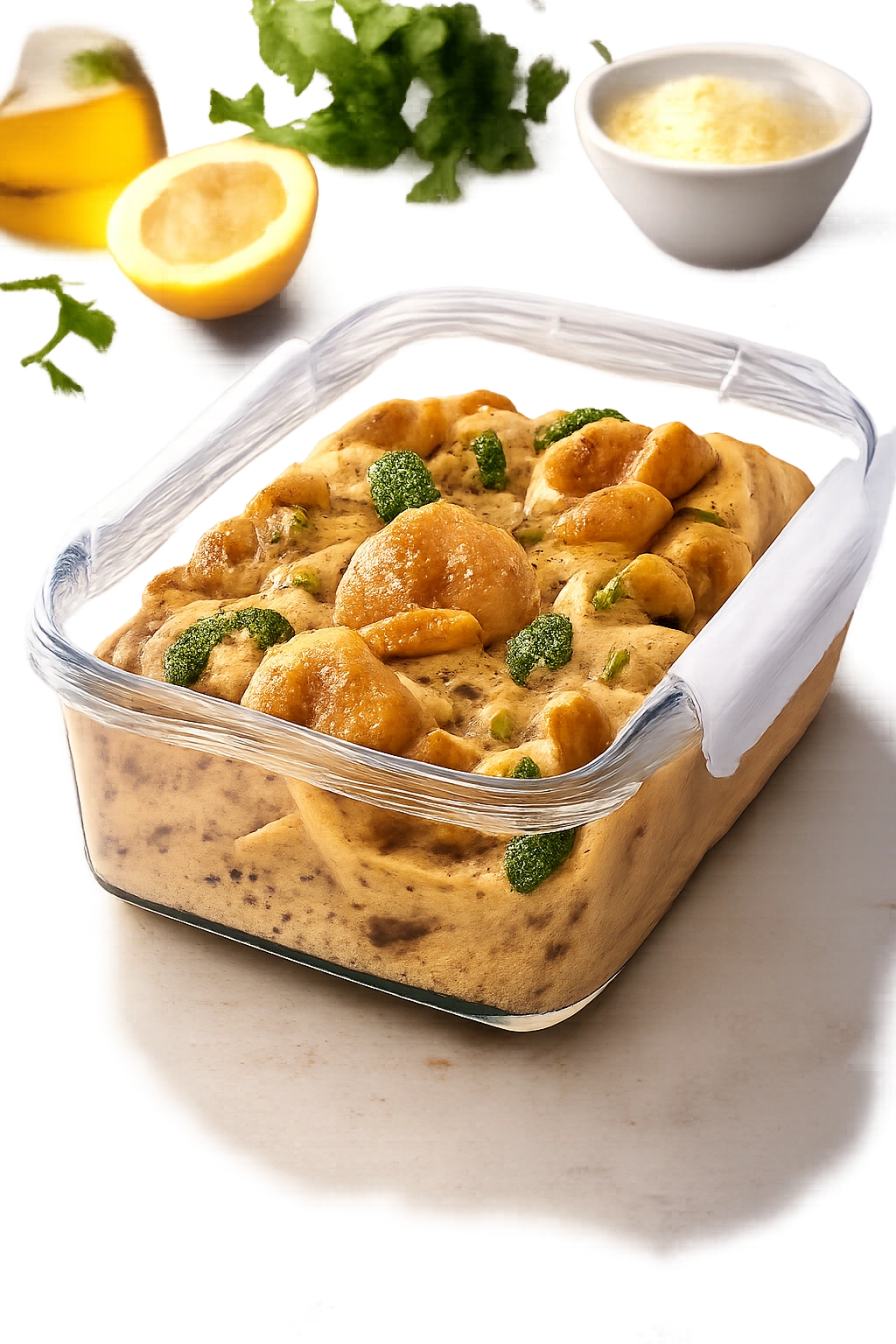
Refrigerator Storage: This pasta keeps in an airtight container in the refrigerator for up to three days, though it’s best eaten within two days while the shrimp maintains optimal texture. The sauce will thicken significantly as it cools because the starch settles and the cream solidifies slightly — this is completely normal.
Reheating Methods: On the stovetop is ideal for reheating. Place the pasta in a skillet over low to medium-low heat, stirring occasionally, until heated through — about 5-8 minutes depending on the amount. If the sauce seems too thick, add a splash of whole milk or pasta water (a tablespoon or two at a time) to restore creaminess. The microwave works in a pinch; transfer to a microwave-safe bowl, cover loosely, and heat in 30-second intervals, stirring between intervals, until warm throughout. Avoid high heat, which can toughen the shrimp or create hot spots.
What to Do If Making Ahead: You can prep all ingredients the morning of and have everything measured and ready to cook. The Cajun seasoning can be mixed in a bowl and stored in an airtight container. Shrimp can be seasoned and stored in the refrigerator for up to 4 hours before cooking. Vegetables can be diced and stored in containers. However, don’t cook the actual pasta and sauce until about thirty minutes before serving — the noodles absorb sauce as they sit, and the texture degrades. Cook everything fresh for best results.
Freezing Considerations: The creamy sauce doesn’t freeze well because the fat and cream separate upon thawing, resulting in a grainy, broken texture. If you want to freeze this pasta, freeze just the cooked shrimp and sauce separately (not combined with the pasta), then reheat and toss with freshly cooked pasta. Even better, simply refrigerate for leftovers rather than freezing — the quality difference is noticeable.
Make-Ahead Sauce: You can actually make the sauce (minus the pasta and shrimp) several hours ahead. Cool it completely, store it in an airtight container, and reheat gently over low heat while you cook the pasta fresh. Add the shrimp at the end just as you would normally. This gives you the convenience of some preparation without sacrificing the texture of the final dish.
Perfect Serving Suggestions and Pairings
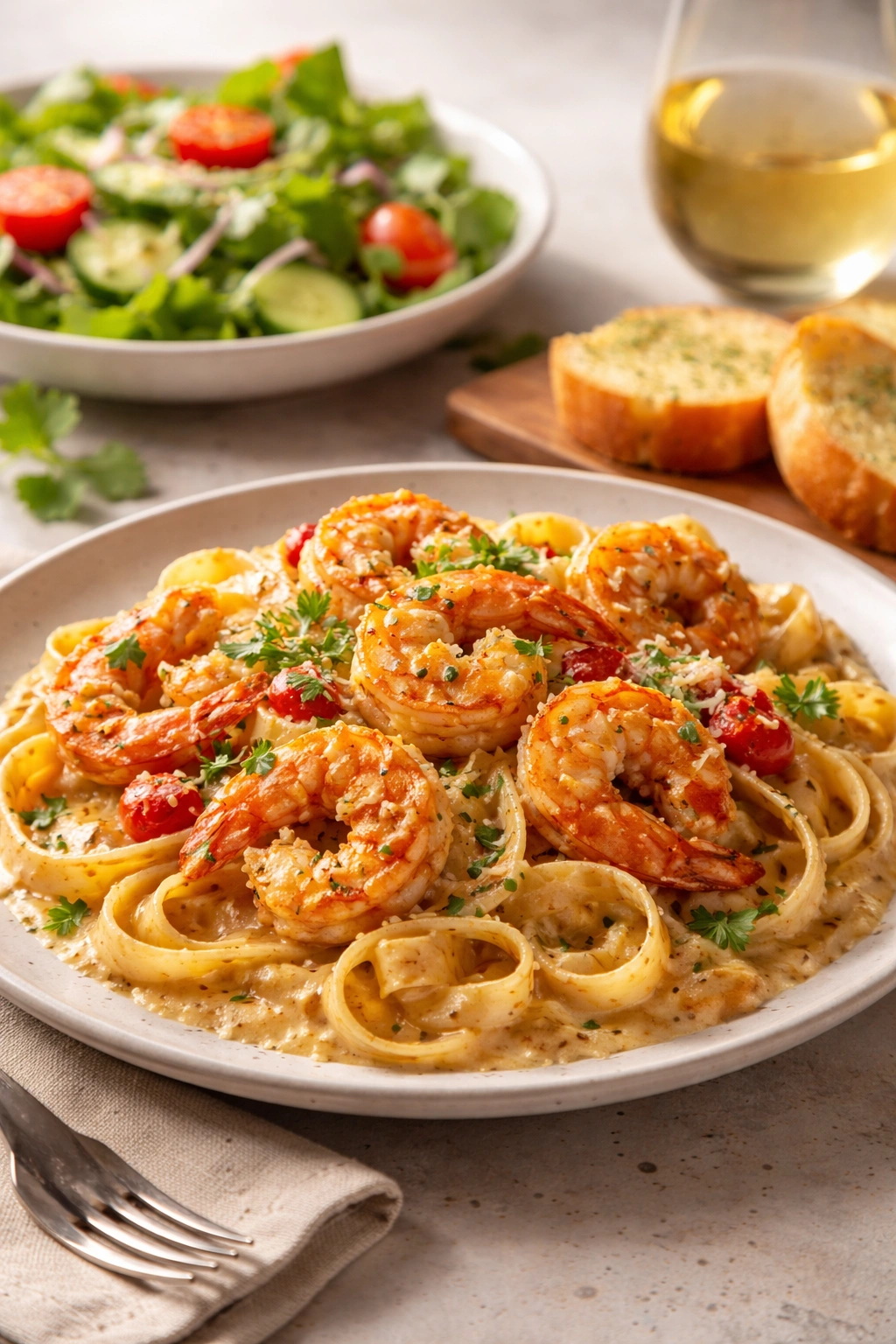
This rich, creamy pasta pairs beautifully with light, fresh sides that provide contrast rather than adding more heaviness. A crisp green salad with a simple lemon vinaigrette or light vinaigrette dressing cuts through the richness and refreshes the palate between bites. The acidity in the dressing echoes the lemon in the pasta itself, creating a cohesive flavor story.
Garlic bread is the classic pairing and genuinely works here. Make it simple — brushed with garlic-infused butter and toasted until crispy — so you have something sturdy for soaking up every bit of sauce left in the bowl. Crusty sourdough or a simple baguette sliced and toasted serves the same purpose without requiring elaborate preparation.
Roasted vegetables provide textural contrast and balance the creamy dish. Roasted asparagus with just olive oil and salt takes twenty minutes in the oven and adds elegant color to the plate. Charred broccoli or green beans roasted with garlic work equally well. These aren’t required — the dish is complete on its own — but they round out the meal and add nutritional balance.
For beverages, white wines with good acidity work best. Sauvignon Blanc’s herbaceous notes complement the Cajun spices, while Pinot Grigio’s crispness cuts through the richness. Even a simple iced tea or sparkling water with lemon pairs nicely because you’re looking for something that cleanses the palate rather than competes with the bold flavors in the dish.
This pasta works beautifully for both casual family dinners and entertaining guests. Plated individually in shallow bowls with a small handful of fresh parsley on top, it looks restaurant-quality without any fussy presentation. The dish speaks for itself through color, aroma, and the promise of bold flavor — which is exactly what you want in a dinner that came together in thirty minutes.
Final Thoughts
The real power of creamy Cajun shrimp pasta lies in its simplicity and reliability. You’re not juggling multiple pans or wrestling with complicated techniques. Instead, you’re leveraging a few quality ingredients and basic cooking fundamentals to create something genuinely delicious. This is the kind of recipe that works just as beautifully on a random Tuesday when you need to get dinner on the table quickly as it does when you’re cooking for people whose opinions matter.
Once you’ve made this pasta a few times, you’ll develop an intuition for adjusting it to whatever you have available or whatever sounds appealing that day. That’s when a recipe becomes truly yours — when you understand the fundamentals well enough to improvise confidently. The Cajun spices are bold enough to carry variations, the cream sauce is forgiving enough to adapt, and the cooking time is brief enough that you can literally be eating dinner thirty minutes from the moment you decide to make it.
Keep freshly grated Parmesan and a good Cajun seasoning blend in your pantry, make sure you always have the option of frozen shrimp in your freezer, and you’re always three minutes away from deciding to make this for dinner. That kind of accessibility to actually good food — not takeout, not something compromised for speed, but genuinely flavorful home cooking — is worth building into your regular rotation.
