



There’s something almost magical about a dish that tastes like you’ve spent all evening at the stove but actually takes less time than a lunch break. Creamy mushroom pasta is exactly that kind of recipe—the kind that makes you look like a home cook who has their life together, when really you just know a few simple tricks that make everything come together in a flash. The buttery mushrooms, the silky cream sauce clinging to every strand of pasta, the sharp edge of parmesan cutting through the richness—it all feels indulgent and restaurant-worthy, yet the entire thing comes together faster than you’d think possible.
The truth is that creamy mushroom pasta doesn’t require complicated techniques or hard-to-find ingredients. What makes it work is understanding the fundamentals: how to get your mushrooms properly golden (which is where the real flavor lives), how to build a sauce that’s luxurious without being overly fussy, and how to time everything so the pasta finishes cooking right when your sauce is ready. Master these three things, and you’ll have a weeknight dinner solution that feels nothing like weeknight food.
Why Creamy Mushroom Pasta Deserves a Permanent Spot in Your Rotation
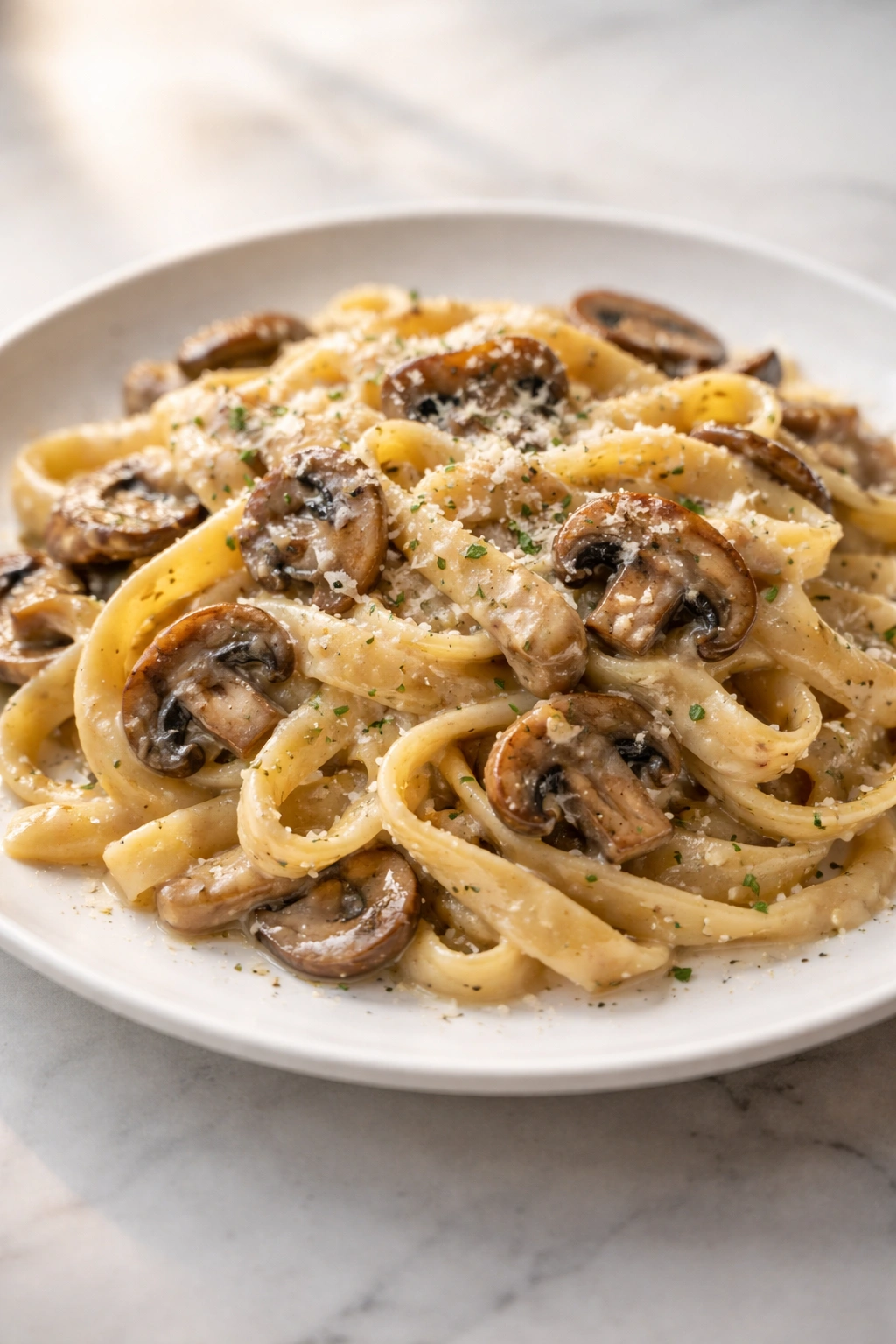
There’s a reason this dish keeps showing up on tables across Italy, France, and kitchens everywhere in between. Mushrooms have this incredible ability to add depth and umami without requiring hours of cooking or a long ingredient list. When you sauté them properly, they concentrate their flavor, releasing their natural juices and developing golden, caramelized edges that taste almost savory enough to be a complete meal on their own.
The cream sauce isn’t heavy in the way you might expect—it’s actually quite delicate once you know the trick of emulsifying it with the pasta’s starchy cooking water. This is what separates a genuinely silky sauce from one that feels cloying or separated. The parmesan doesn’t just add flavor; it acts as both a thickener and an umami amplifier, turning simple ingredients into something that tastes far more complex than it actually is.
What really makes this dish special is how forgiving it is. You don’t need premium ingredients or specific equipment. You don’t need to understand French cooking techniques or have a culinary degree. You just need mushrooms, butter or oil, garlic, cream, cheese, and pasta—things most people have in their kitchen already. The magic happens when you combine them with patience and attention to a few key details.
The 20-Minute Secret: How Timing Changes Everything
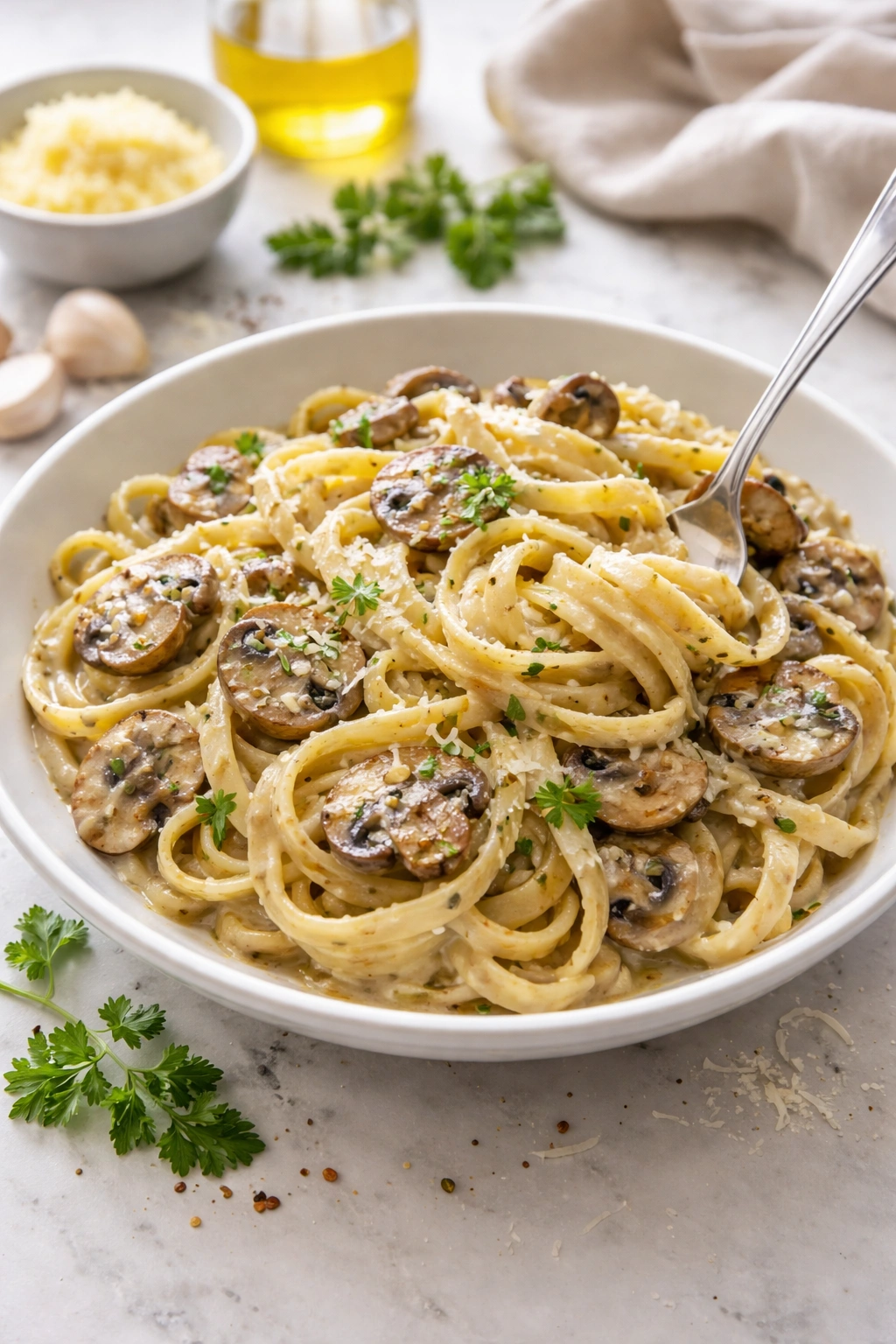
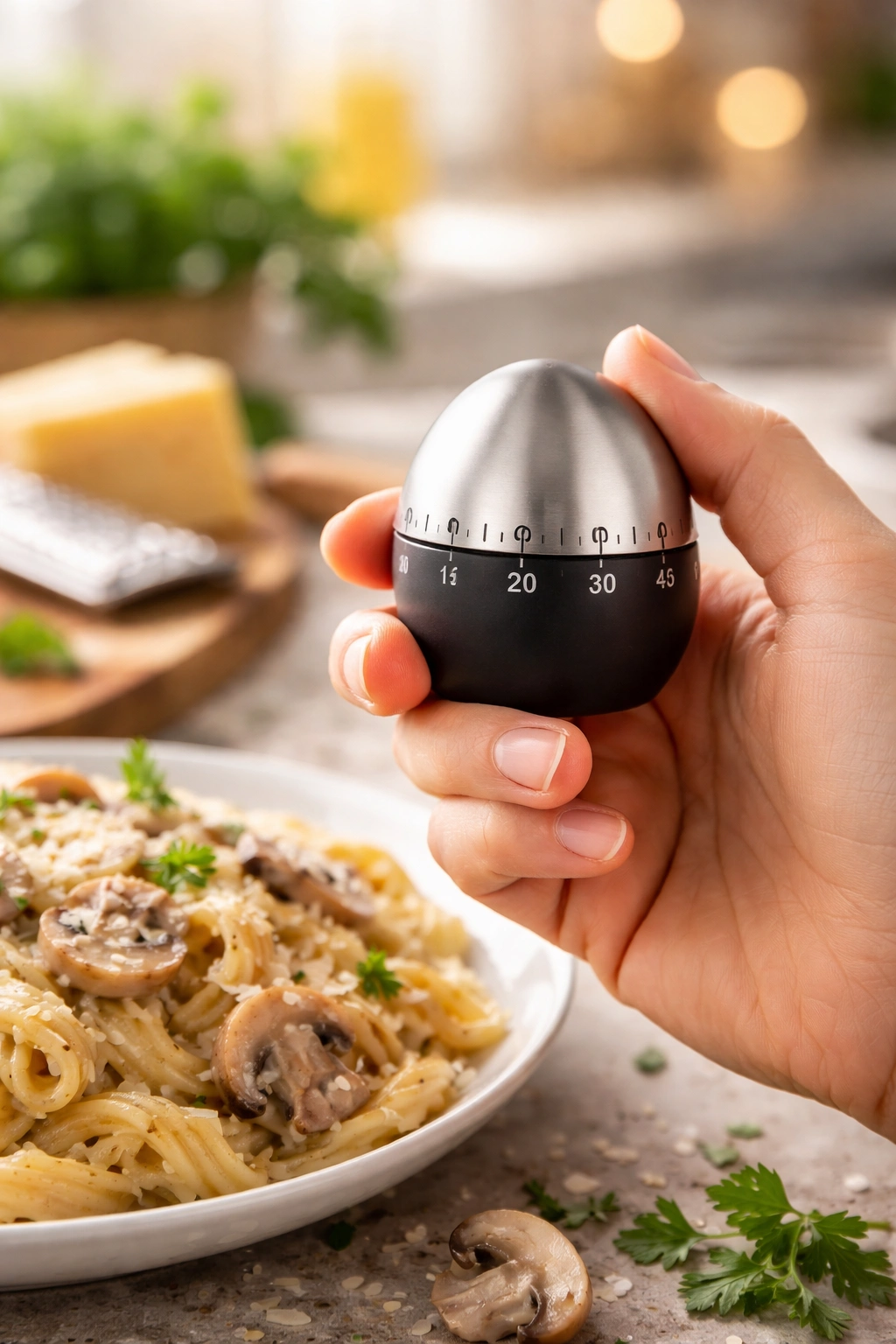
Twenty minutes might seem impossibly short for a proper dinner, but here’s the secret: most of that time isn’t active cooking. You’ll spend maybe five or six minutes actually stirring and paying attention, while pasta water boils and mushrooms sauté mostly on their own. The rest of the time, you’re free to set a timer and step away.
The key to hitting that twenty-minute window is starting with everything prepped and ready before you turn on a single burner. Slice your mushrooms, mince your garlic, measure your cream. Have your pasta nearby. This isn’t because you’re in a rush, but because once you start cooking, momentum matters. Cold mushrooms going into a cold pan will take longer to develop color. Pasta added to water that isn’t fully boiling will cook unevenly. Cream added to a pan that’s too hot will break and separate. Timing everything to work in parallel—pasta cooking while mushrooms sauté, sauce coming together while both are finishing—is how you get dinner in twenty minutes instead of forty.
It also means using the right heat levels. Medium-high heat for the mushrooms is essential—this is hot enough to drive off their moisture quickly and develop color, but not so hot that your butter burns or your garlic scorches before the mushrooms are even golden. The difference between medium and medium-high heat can literally cut your cooking time in half.
Choosing the Right Mushrooms Makes All the Difference
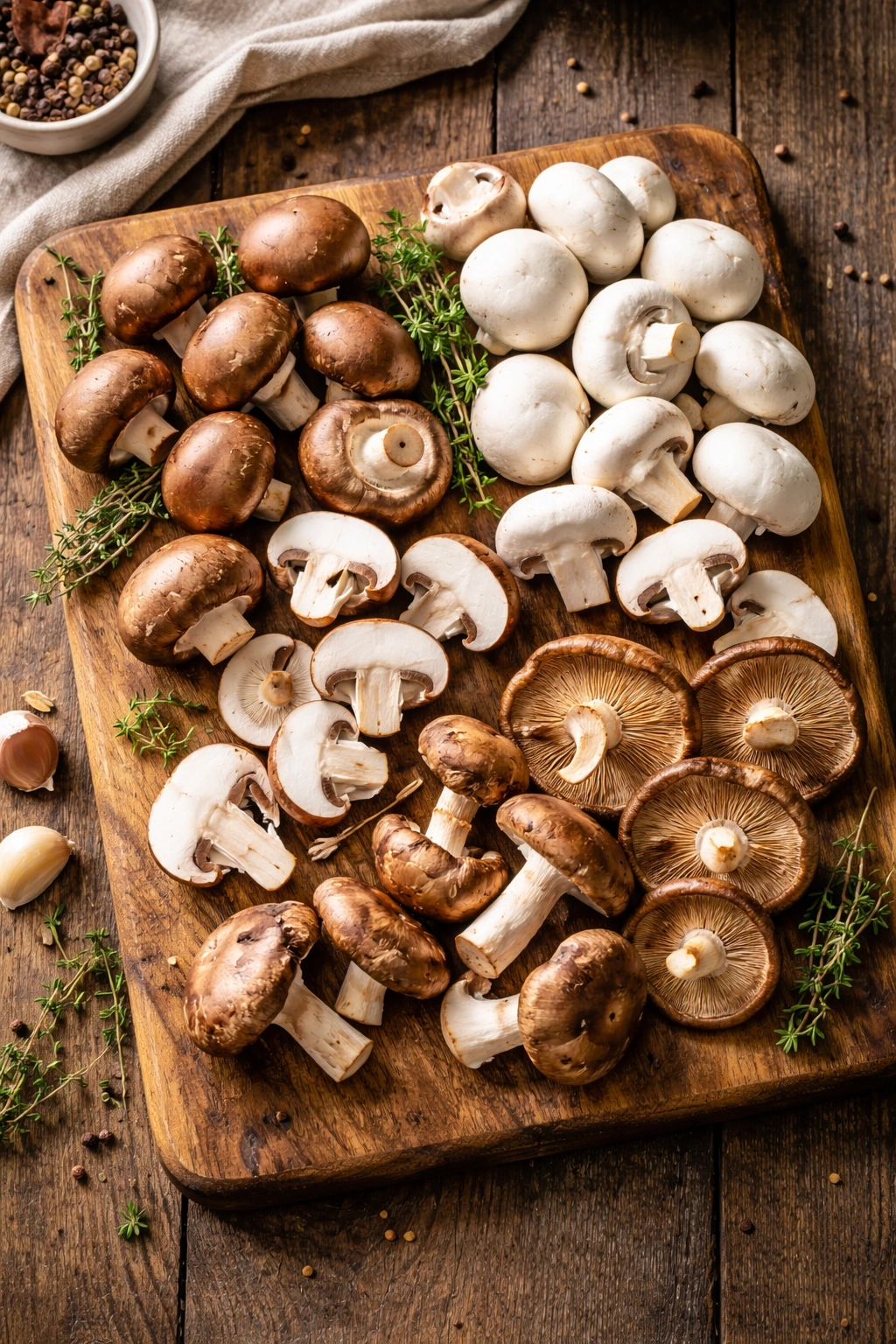
Mushroom selection matters far more than most recipes suggest. Different varieties bring different flavors, textures, and cooking characteristics to the plate. The most important thing to understand is that color generally equals flavor—darker mushrooms have deeper, more complex taste profiles.
Baby bella mushrooms (also sold as cremini or brown mushrooms) are the workhorse of creamy pasta dishes. They have enough flavor to make themselves known without being overwhelming, and they hold their texture beautifully when sautéed. They’re also usually affordable and available year-round. If you only have access to one variety of mushroom, this is the one to choose.
White button mushrooms are the mild option. They’re cheaper and absolutely work in this dish, but they lack the earthiness that makes creamy mushroom pasta feel special. If you’re using white mushrooms, you might consider adding an extra clove of garlic or a splash of white wine to compensate for the subtler flavor.
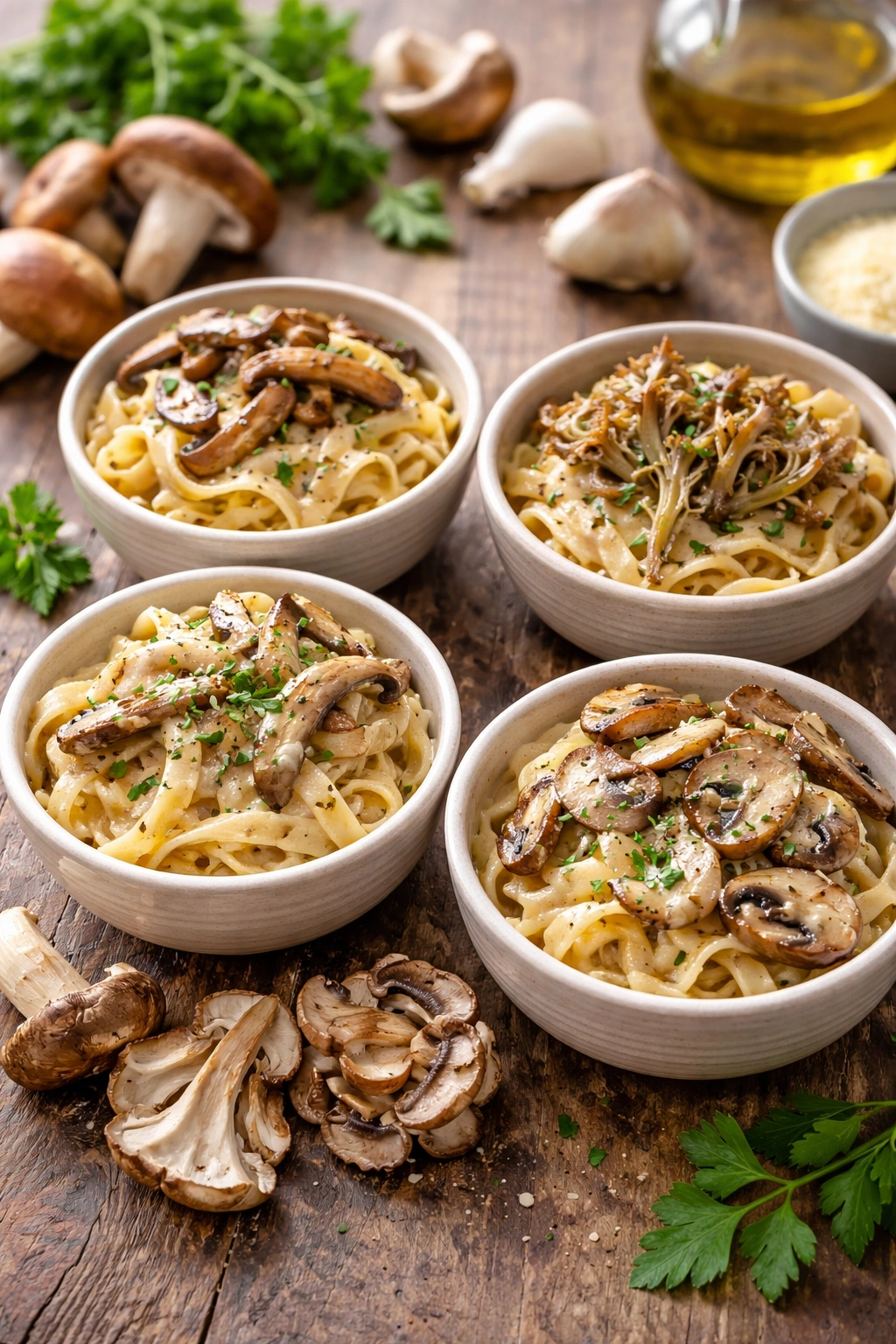
For a more sophisticated dish, mix mushroom varieties. Combine baby bellas with shiitakes for intensity, oyster mushrooms for tenderness, and maitakes for crispy, frilly edges. This layering of textures and flavors makes the dish significantly more interesting. When using a mix, slice them to roughly the same thickness so they cook evenly, even though different varieties will naturally release their moisture at slightly different rates.
A practical note: clean your mushrooms by wiping them gently with a damp paper towel rather than washing them under water. Mushrooms are like tiny sponges, and submersion causes them to absorb water that will then release as steam during cooking, preventing proper browning. The brief wipe removes dirt without waterlogging the whole batch.
How to Get Perfectly Golden Mushrooms Every Time
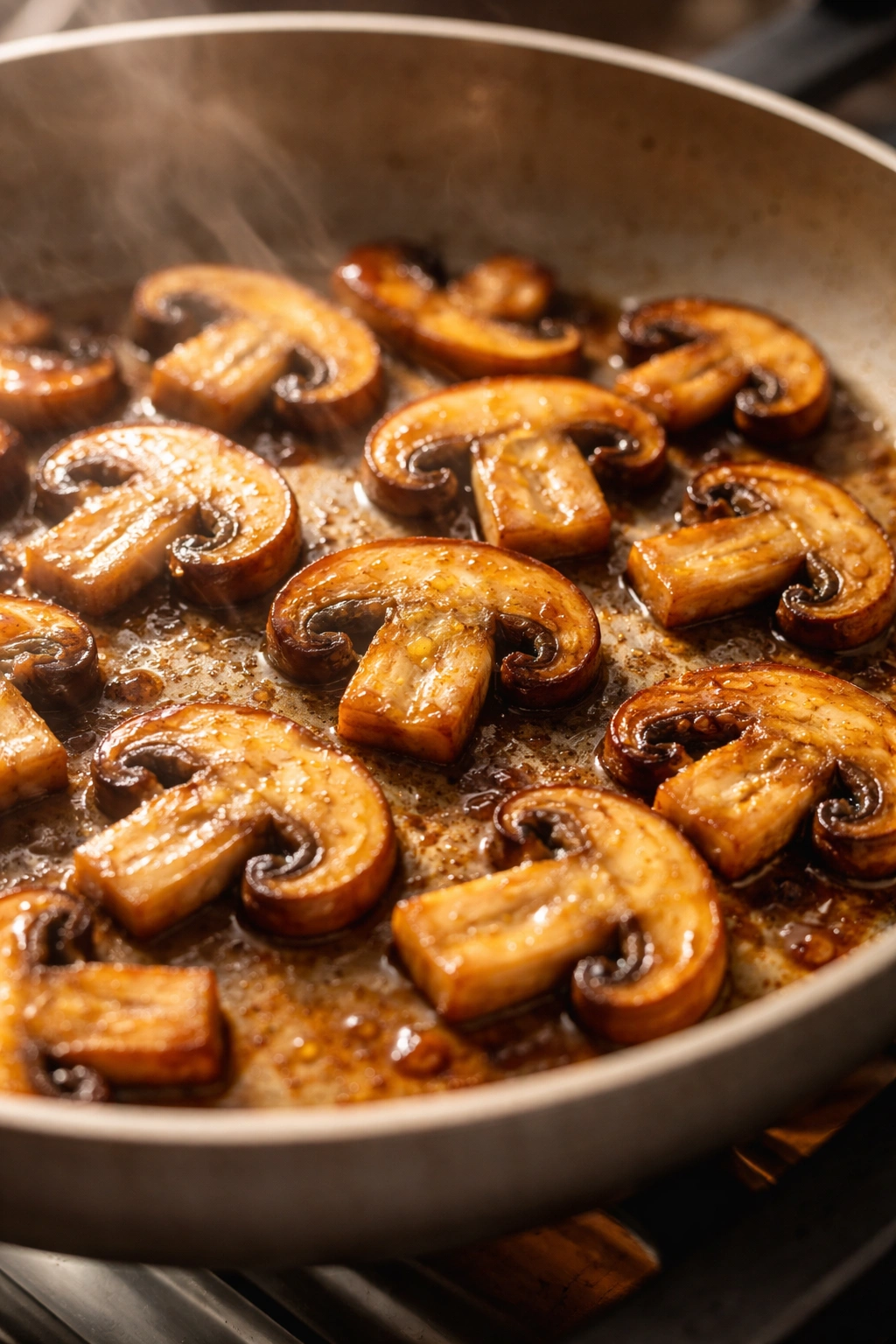
This step is where the real magic happens, and it’s worth understanding exactly what’s going on. Mushrooms are roughly 90% water. When they hit a hot pan, that water needs to escape before the exterior can brown. If your pan is crowded, the mushrooms steam instead of sauté, releasing their moisture faster than it can evaporate. This is why every expert recipe emphasizes not crowding the pan—it’s not just a suggestion, it’s the technical reason your mushrooms won’t brown.
Heat your pan to medium-high and add butter or a combination of butter and oil. Oil can withstand higher temperatures than butter alone, which is why many recipes use both. Once the fat is shimmering and just starting to move quickly when you tilt the pan, add your mushrooms. They should hit the pan with an audible sizzle. Don’t stir them immediately—let them sit undisturbed for two to three minutes. This contact with the hot pan develops the browning (through a process called the Maillard reaction) that creates flavor.
After a couple of minutes, stir and let them sit again. You’re looking for mushroom pieces that have lost their raw, pale appearance and developed a light brown color on the edges. This typically takes five to eight minutes depending on how large you sliced them and how hot your pan actually is. When they’re done, they should smell deeply earthy and smell substantially better than raw mushrooms do.
Here’s the crucial detail: add salt partway through cooking, not at the beginning. Salt pulls moisture out of the mushrooms, which you actually want—but timing matters. If you salt too early, the moisture released will prevent browning. Salt roughly halfway through cooking (around the third stir) so the moisture that comes out has time to evaporate before the end of cooking. This might seem like a small thing, but it’s the difference between mealy mushrooms and perfectly tender golden ones.
Building a Sauce That Actually Coats the Pasta
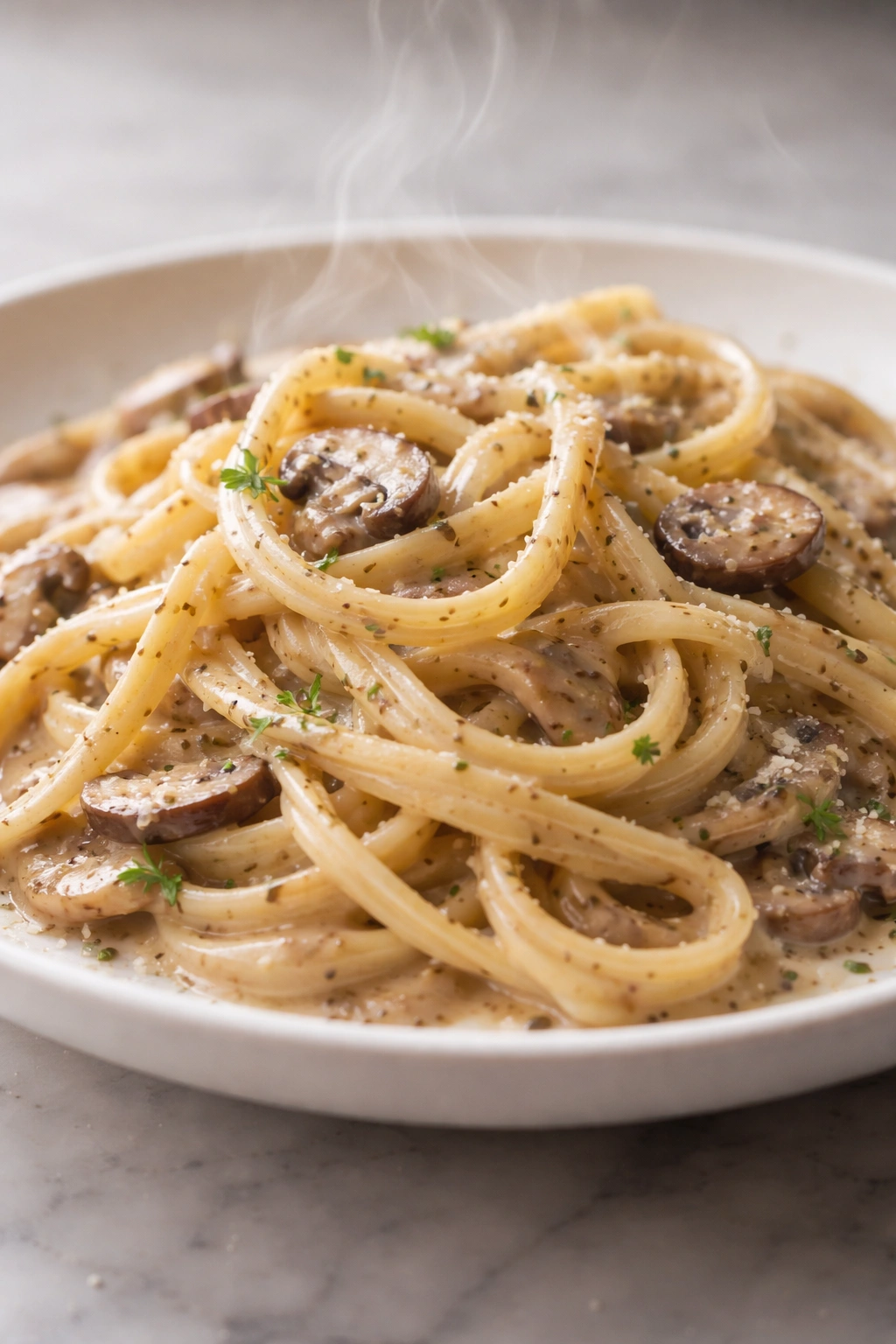
Once your mushrooms are golden, you’ll add garlic and possibly shallots for extra flavor depth. Cook these just until fragrant—usually less than a minute. Garlic burns quickly and tastes bitter when burnt, so don’t walk away at this point. You want golden garlic, not brown garlic.
Next comes the liquid layer that builds the sauce. Many recipes use white wine or even a splash of sherry at this stage. Wine serves multiple purposes: it deglazes the pan (dissolving all those flavorful browned bits stuck to the bottom), adds complexity that makes the sauce taste less simple, and the alcohol burns off, leaving only the flavor compounds behind. If you don’t use wine, substitute additional broth or simply skip it—the dish won’t suffer, but it will taste slightly less sophisticated.
The cream is what makes this sauce feel rich. Heavy cream is essential; lighter creams or milk won’t create the same luxurious texture. Pour the cream in and let it come to a gentle simmer, stirring occasionally. Don’t let it boil aggressively, as this can cause the cream to break or separate. Simmer for just a couple of minutes to warm everything through.
Finally, add your parmesan—and here’s where technique matters. Remove the pan from heat before adding the cheese, or at least reduce the heat to low. The residual heat is enough to melt the parmesan into a silky sauce without risking the temperature getting so high that the cheese separates into greasy curds. Add the cheese gradually, stirring constantly, and you’ll watch it transform the liquid into something creamy and cohesive.
If your sauce seems too thick once the pasta is added, don’t panic. Save a cup of the pasta cooking water before draining, and add it a splash at a time. The starch in this water helps emulsify the sauce and makes it coat the pasta beautifully. This is actually better than adding plain water or cream, because the starch does the work of binding everything together.
The Importance of Proper Preparation
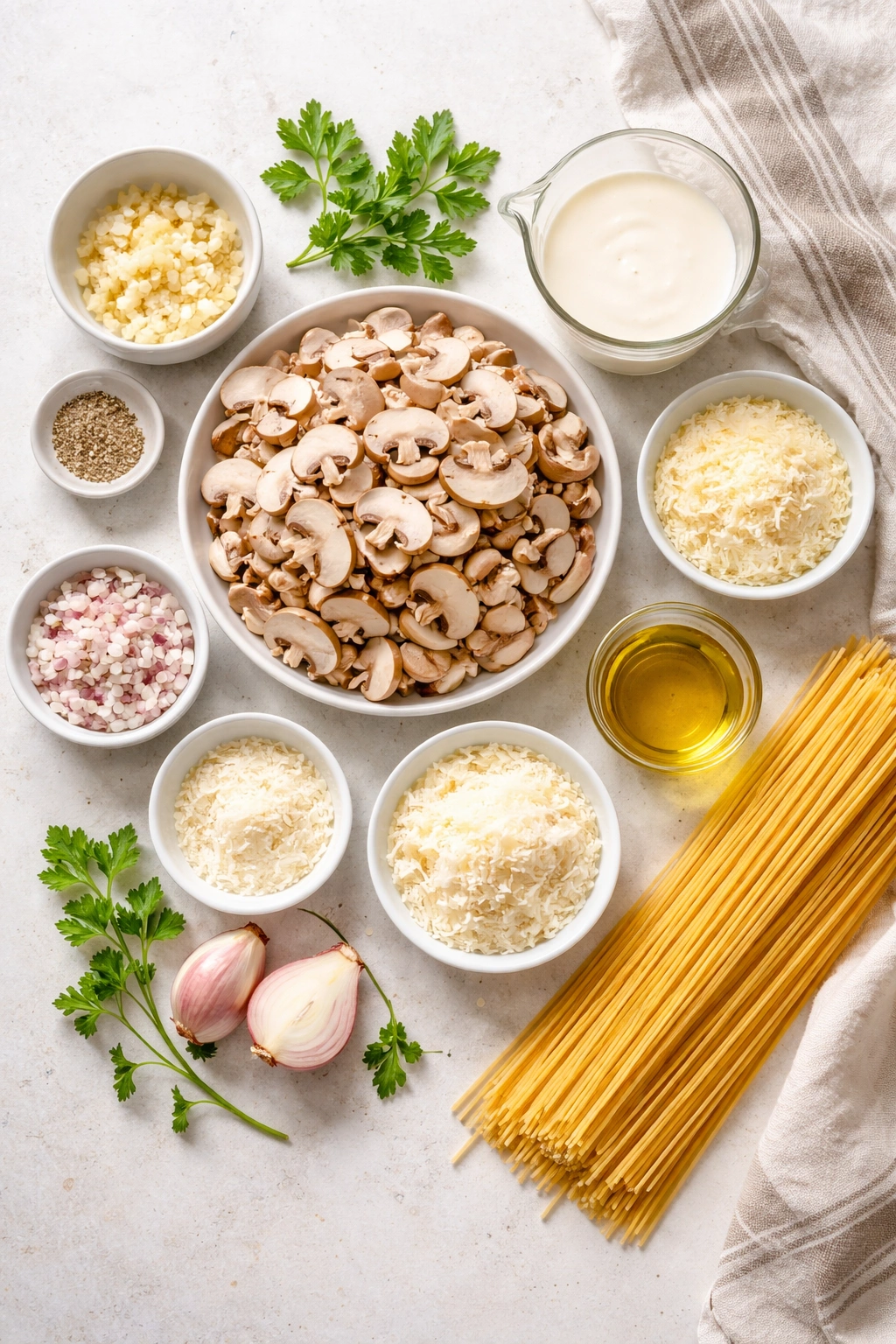
The reason this dish comes together so quickly is that you’ve done the mental work beforehand. Before a single pan goes on the stove, you should have:
- Mushrooms sliced to roughly ¼-inch thickness (thinner than this and they’ll shrink to nothing, thicker and they’ll cook unevenly)
- Garlic minced or thinly sliced
- Any shallots or onions finely diced
- Cream measured out
- Parmesan grated (not the pre-shredded stuff with anti-caking agents, which doesn’t melt as smoothly)
- Pasta nearby and a large pot ready for water
- A wooden spoon or tongs for stirring, a colander ready, and that measuring cup for pasta water all within arm’s reach
This mise en place approach—having everything prepared before cooking begins—is what separates a chaotic cooking experience from a smooth one. You’re not rushing to find a grater while your mushrooms are burning. You’re not searching for the colander while pasta water boils over. Everything is in place, which means you can cook with presence instead of panic.
Step-by-Step Instructions for Perfect Results Every Time
Prep and Boil:
-
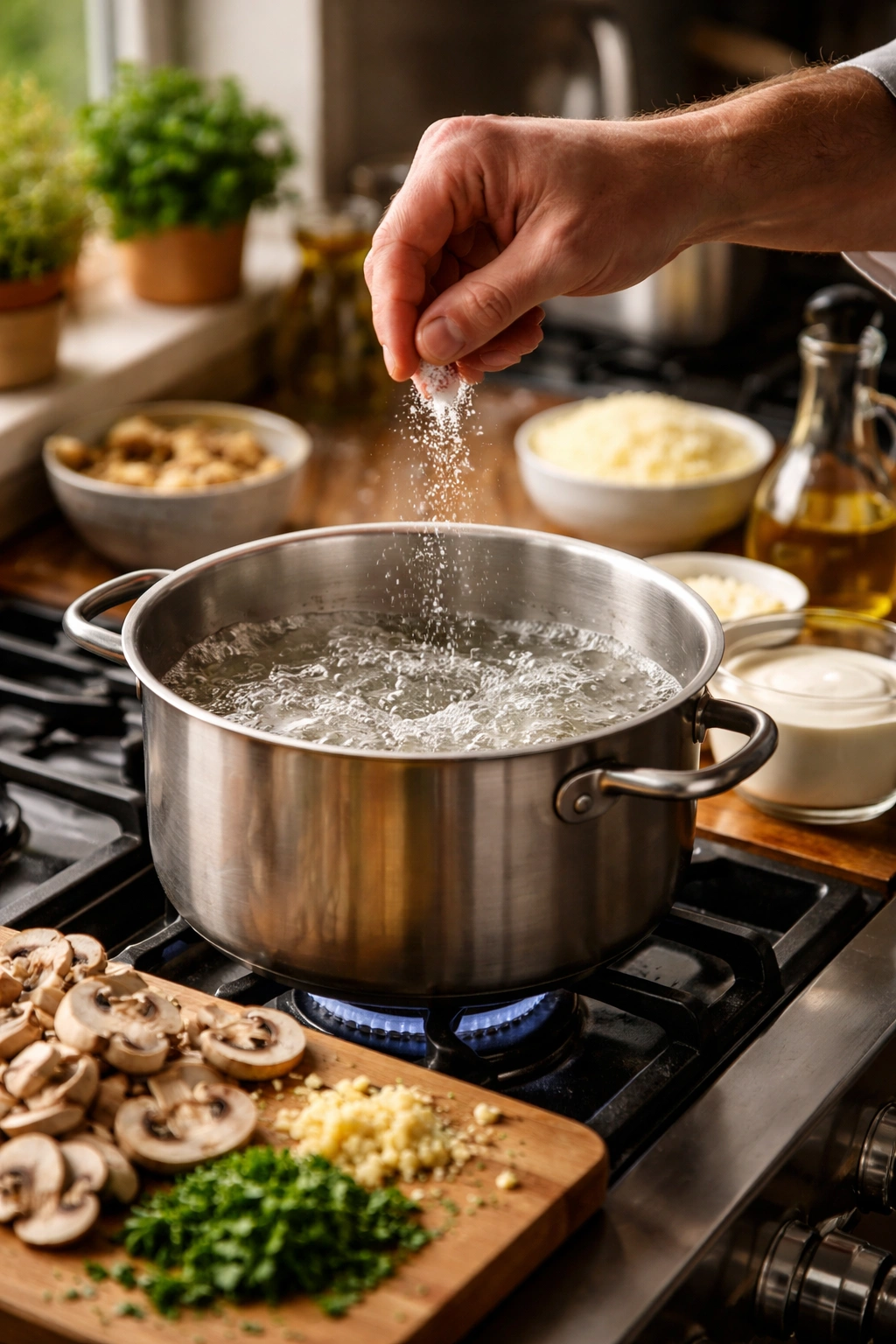
Fill a large pot about three-quarters full with water and bring it to a rolling boil over high heat. Once it’s boiling, add a generous pinch of salt—the water should taste noticeably salty, like seawater.
-
While the water heats, slice your mushrooms to roughly ¼-inch thickness. Set them aside on a plate or cutting board.
-
Mince two to four garlic cloves (depending on how much you love garlic—more is almost always better in this dish). If using shallots, dice one small shallot finely.
-
Measure out ¾ to 1 cup of heavy cream and grate about ½ cup of fresh parmesan cheese. Have these ready near the stove.
Cook the Pasta:
-
Once the water is at a rolling boil, add eight ounces of pasta (whatever shape you prefer, though long strands like fettuccine or linguine work beautifully with creamy sauces). Set a timer according to the package directions, but plan to cook it one minute less than suggested—the pasta will finish cooking when you toss it with the hot sauce.
-
Stir the pasta once it goes in the water to separate any stuck strands. After that, let it cook without stirring.
Sauté the Mushrooms:
-
While the pasta cooks, heat a large skillet (10 to 12 inches) over medium-high heat. Once it’s hot, add two tablespoons of butter and a splash of olive oil (about ½ tablespoon). Let the butter melt completely—when it’s foaming slightly and the oil is shimmering, you’re ready for the mushrooms.
-
Add all your sliced mushrooms to the pan at once. You’ll hear a satisfying sizzle—this is what you want. Don’t stir them yet. Let them sit undisturbed for two to three minutes so they make contact with the hot pan and begin to brown.
-
After a few minutes, stir the mushrooms. Continue cooking, stirring every minute or so, until the mushrooms have released their moisture and it has mostly evaporated from the bottom of the pan, and the mushroom pieces have turned golden brown at the edges. This typically takes five to eight minutes total. About halfway through, add a pinch of salt and pepper.
-
When the mushrooms are properly golden, add your minced garlic (and shallots if using). Stir constantly for about 30 to 60 seconds until the garlic becomes fragrant and just barely golden. Don’t let it brown—you’re looking for that sweet spot where it smells amazing but hasn’t started to darken.
Build the Sauce:
-
If you’re using white wine, add about ⅓ cup to the pan now. It will steam and bubble vigorously—this is normal. Stir, scraping the bottom of the pan to loosen any browned bits, and let it simmer for about a minute until most of the wine has evaporated and the strong alcohol smell is gone.
-
Pour in your measured cream. Stir to combine everything, then let it come to a gentle simmer. Cook for one to two minutes, stirring occasionally, just until the cream is hot throughout. You’re not looking for a rolling boil here—a gentle bubble is perfect.
Advertisements -
Remove the pan from heat (or drop the heat to low). Add your grated parmesan gradually, stirring constantly. You’ll watch the sauce transform from thin and loose to silky and cohesive as the cheese melts. This should take about one minute of stirring. If needed, add a splash of reserved pasta cooking water to loosen the sauce.
Combine and Finish:
-
By now your pasta should be nearly done—it should be tender but still with a slight firmness when you bite it (this is what al dente means). Scoop out one cup of the starchy cooking water using a measuring cup or ladle, then drain the pasta.
-
Add the drained pasta directly to the mushroom sauce. Toss everything together for about 30 to 60 seconds, using tongs or a wooden spoon to coat every strand in the sauce. If the sauce seems too thick or the pasta looks dry, add a splash of reserved pasta water and toss again. The sauce should be glossy and coat the pasta without pooling at the bottom of the pan.
-
Divide into bowls and serve immediately, garnished with freshly grated parmesan, cracked black pepper, and chopped fresh parsley if you have it.
Yield: Serves 4 generously, or 2 as a main course with room for seconds
Prep Time: 10 minutes
Cook Time: 15-18 minutes
Total Time: 25-28 minutes (comfortably under 30 for the whole process)
Difficulty: Beginner — the recipe has straightforward steps with no special equipment or advanced techniques required. Even someone who’s never made pasta sauce before can follow these instructions with confidence.
For the Pasta:
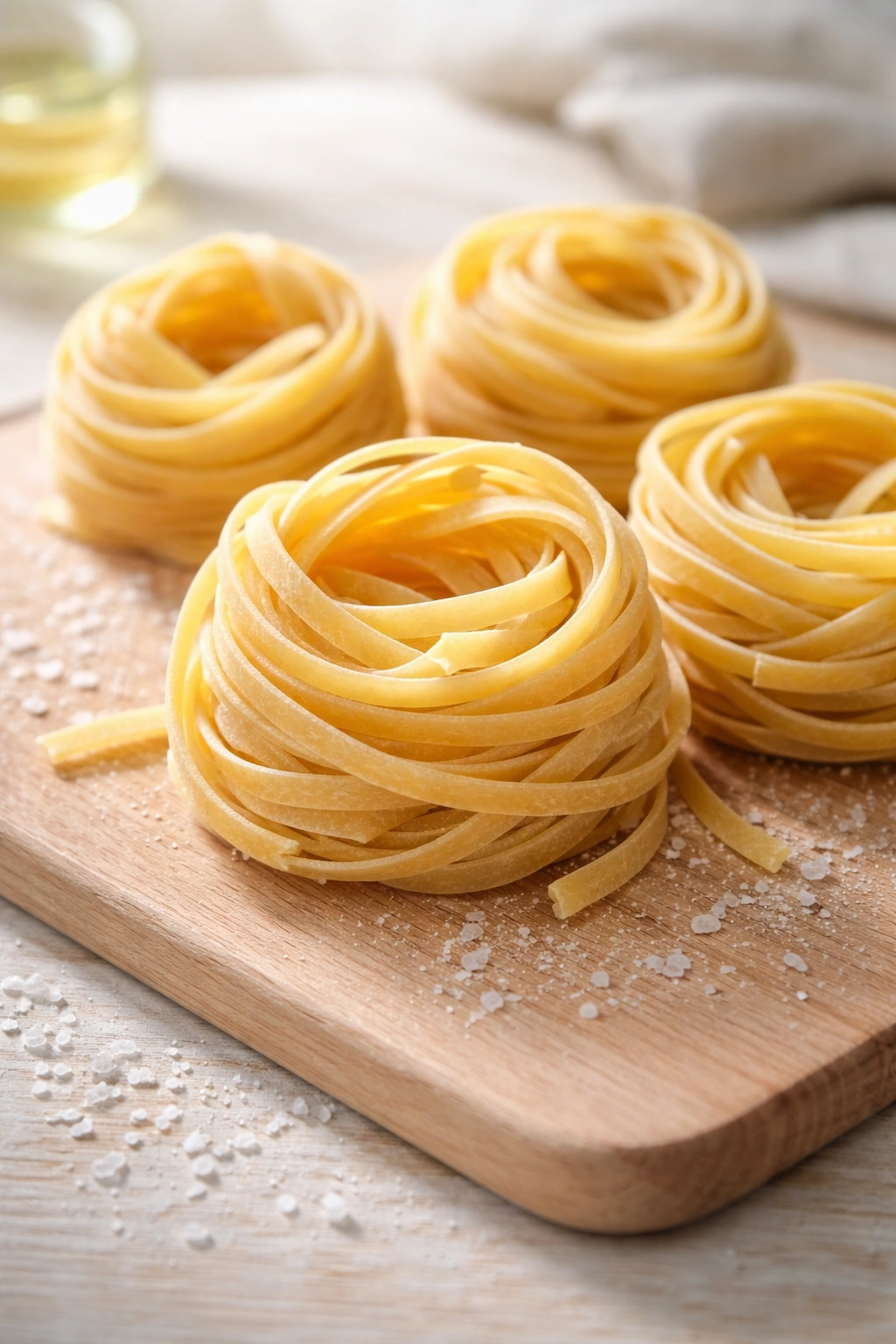
- 8 ounces dried fettuccine, linguine, or other pasta shape
- Salt for pasta water
For the Sauce:
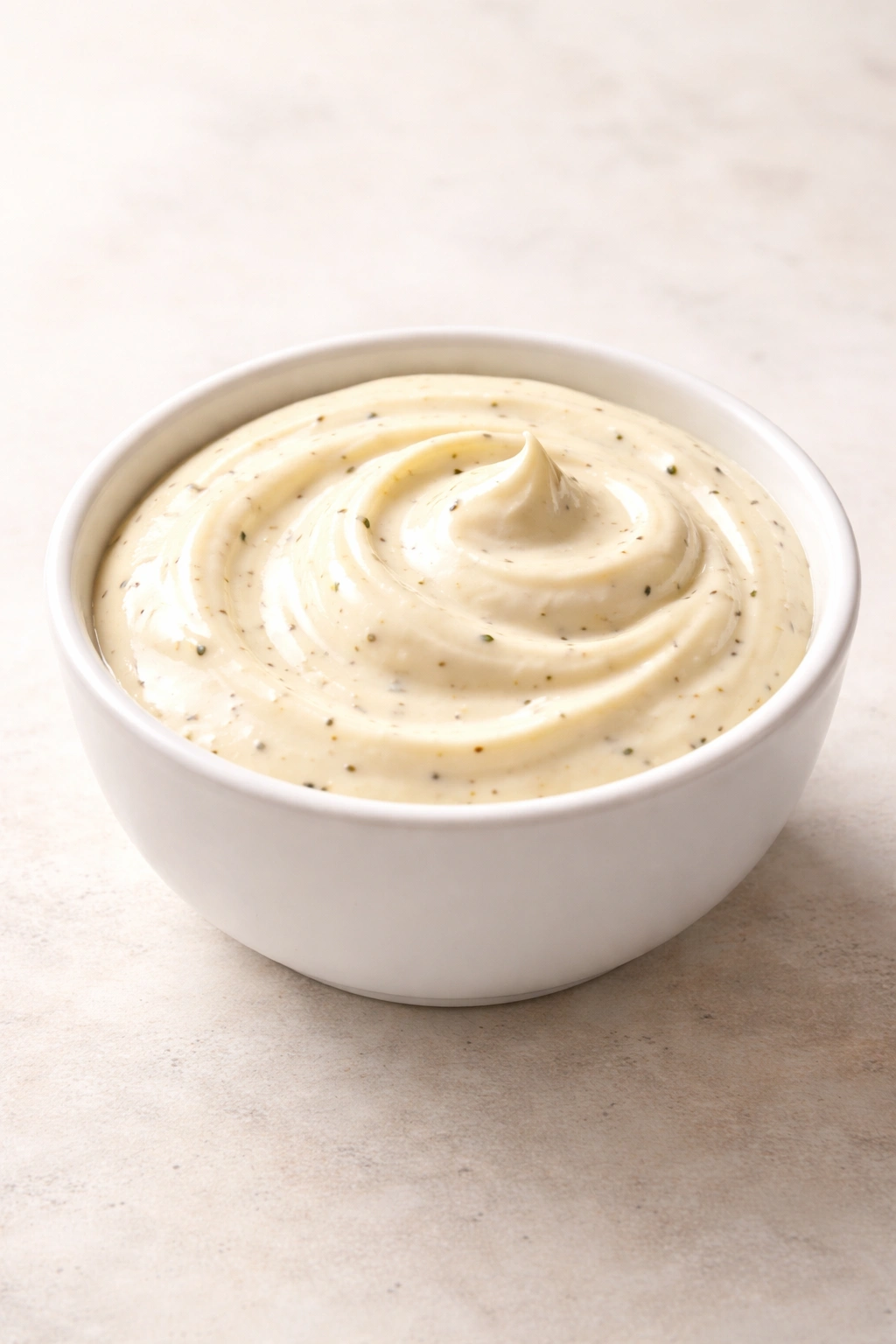
- 2 tablespoons unsalted butter
- ½ tablespoon extra virgin olive oil
- 12 to 14 ounces mushrooms (cremini, baby bella, or a mix of varieties), sliced ¼-inch thick
- ¼ teaspoon salt (for seasoning the mushrooms)
- Pinch of black pepper
- 2 to 4 garlic cloves, minced
- ⅓ cup dry white wine (optional but recommended—pinot grigio or sauvignon blanc work well; if skipping, use additional broth)
- ¾ to 1 cup heavy cream (full fat, not light or half-and-half)
- ½ cup freshly grated parmesan cheese
- ¼ teaspoon freshly cracked black pepper (for the sauce)
- ¼ teaspoon fine salt (adjust to taste)
For Serving:
- Extra grated parmesan cheese
- Fresh parsley, roughly chopped (optional)
- Cracked black pepper
Pro Tips for Foolproof Execution
Don’t crowd the mushrooms in the pan. If you’re making a larger batch, cook them in two batches rather than trying to fit everything at once. Crowded mushrooms release moisture faster than it can evaporate, and you’ll end up with steamed mushrooms instead of golden ones. This might mean your total cooking time is slightly longer, but the quality of the finished dish is worth an extra few minutes.
Use fresh, real parmesan cheese that you grate yourself. Pre-shredded parmesan contains cellulose and anti-caking agents that prevent it from melting smoothly. You’ll end up with grainy, slightly greasy sauce instead of something silky. A box grater takes literally 30 seconds, and the difference in the final dish is noticeable.
Don’t skip the pasta water. The starchy water from boiling pasta is actually magic in cream sauces. It contains proteins and starches that help emulsify the sauce, making it coat the pasta beautifully instead of sitting in a pool at the bottom of the bowl. Always scoop out at least one cup before draining, and add it a splash at a time until your sauce reaches the right consistency.
Taste before serving and adjust seasoning. The parmesan adds saltiness, but you might find you want another small pinch, or perhaps a crack of black pepper. Do this tasting while everything is still hot, before serving.
Cook your pasta one minute under package directions. The pasta will finish cooking when you toss it with the hot sauce, and this prevents it from becoming mushy. Aim for tender but with just the slightest resistance when you bite it.
Common Mistakes and How to Avoid Them
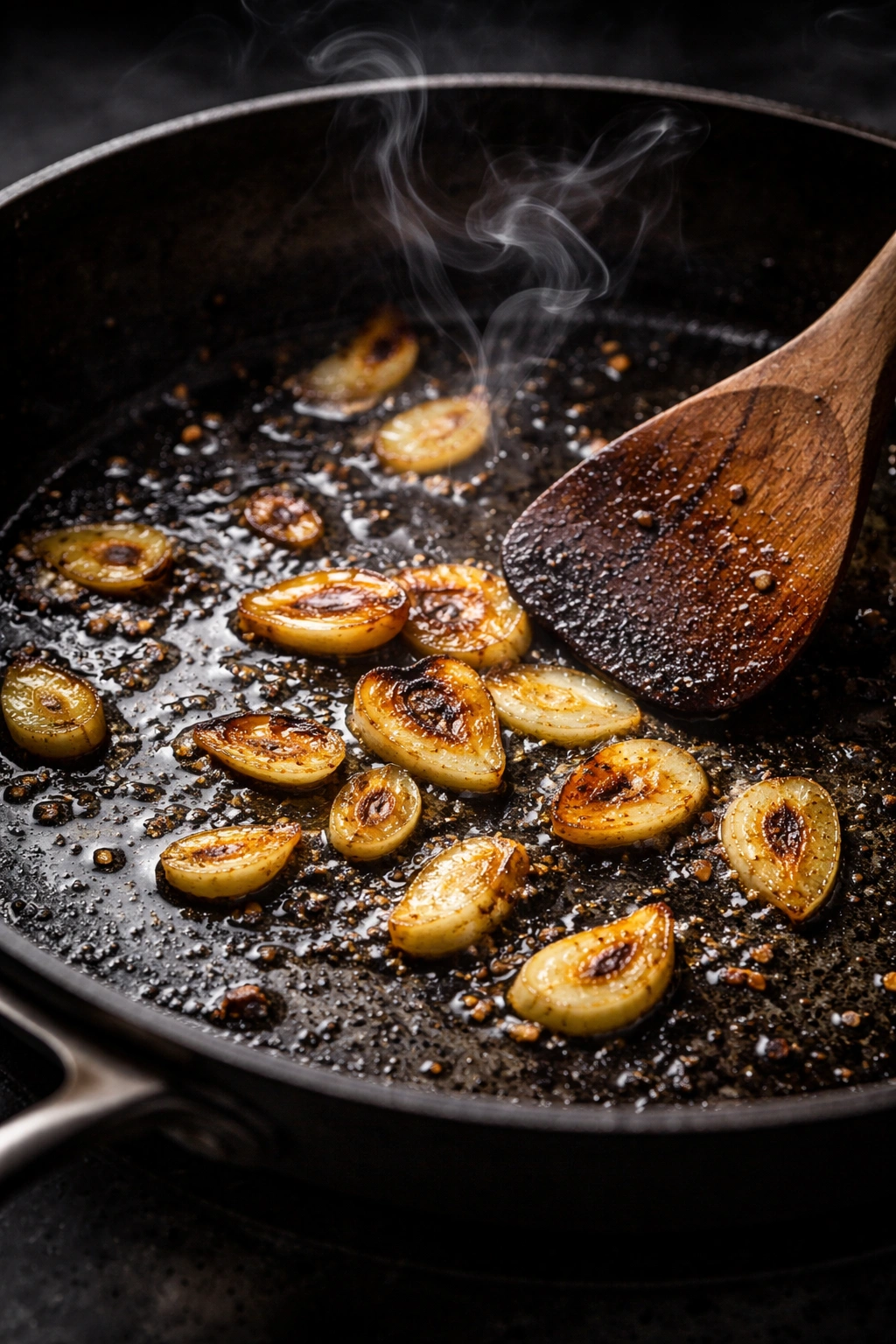
Burnt garlic is the most common mistake. Once garlic hits the hot pan, it colors quickly. Mincing it fine helps, as does keeping the heat at medium-high rather than high, and watching the pan carefully during that 30-to-60-second window. Garlic should smell amazing and look just barely golden, never brown.
Separated cream sauce happens when the temperature gets too high. If your sauce breaks and becomes oily or grainy, don’t panic. Remove it from heat and whisk in a splash of cold cream. The temperature drop usually brings it back together. In the future, keep cream at a gentle simmer rather than a rolling boil.
Mushrooms that are pale instead of golden usually means the pan was crowded or the heat was too low. You need enough space around each mushroom piece for the moisture to evaporate, and you need heat high enough to drive off that moisture quickly. Medium-high heat and uncrowded pan are non-negotiable.
Sauce that’s too thick often happens when the pasta has already absorbed a lot of liquid while sitting. This is why adding pasta water gradually is key. Start with less liquid in the sauce, and adjust as you go. You can always add more water, but you can’t remove it.
Mushrooms that shrink to nothing usually means they were sliced too thin or cooked too long. Slice them to at least ¼-inch thickness, and remove them from heat as soon as they’re golden. They’ll continue to release a tiny amount of moisture even after the heat is off.
Variations That Keep the Dish Interesting
With Wine Substitution: If you prefer not to use white wine, replace it with additional chicken or vegetable broth. The dish won’t have quite the same depth of flavor, but it will still be delicious.
With Different Mushroom Varieties: Mix and match mushroom types based on what’s available. Shiitakes add intensity and an almost meaty texture. Oyster mushrooms are tender and delicate. Maitakes add crispy, frilly edges. Baby portobellos are slightly earthier than regular cremini. Experiment to find your preferred combination.
Adding Protein: Stir in shredded rotisserie chicken during the final toss, or add crispy bacon pieces and cooked peas. A few anchovy fillets mixed into the mushrooms add incredible umami without tasting fishy. A handful of fresh spinach wilts beautifully when tossed with the hot pasta.
With Fresh Herbs: Fresh thyme or rosemary added to the mushrooms as they cook adds herbal notes. Fresh basil stirred in at the very end (off the heat) brings brightness. Fresh parsley is classic and always welcome.
A Touch of Lemon: A squeeze of fresh lemon juice right before serving brightens all the rich cream and mushroom flavors. This is especially welcome if you feel the dish is too heavy.
Lighter Version: Use half heavy cream and half whole milk, though your sauce will be thinner. Add one teaspoon of cornstarch mixed into the cream before adding it to the pan—this helps it thicken without relying on the emulsifying power of more cream.
Vegan Adaptation: Make a cashew cream by blending ½ cup raw cashews that have been soaked in hot water for 15 minutes, with ½ cup of the soaking water and salt to taste. This creates a surprisingly rich, creamy sauce. Use olive oil instead of butter, and nutritional yeast instead of parmesan for a cheesy flavor.
Storage, Reheating, and Make-Ahead Guidance
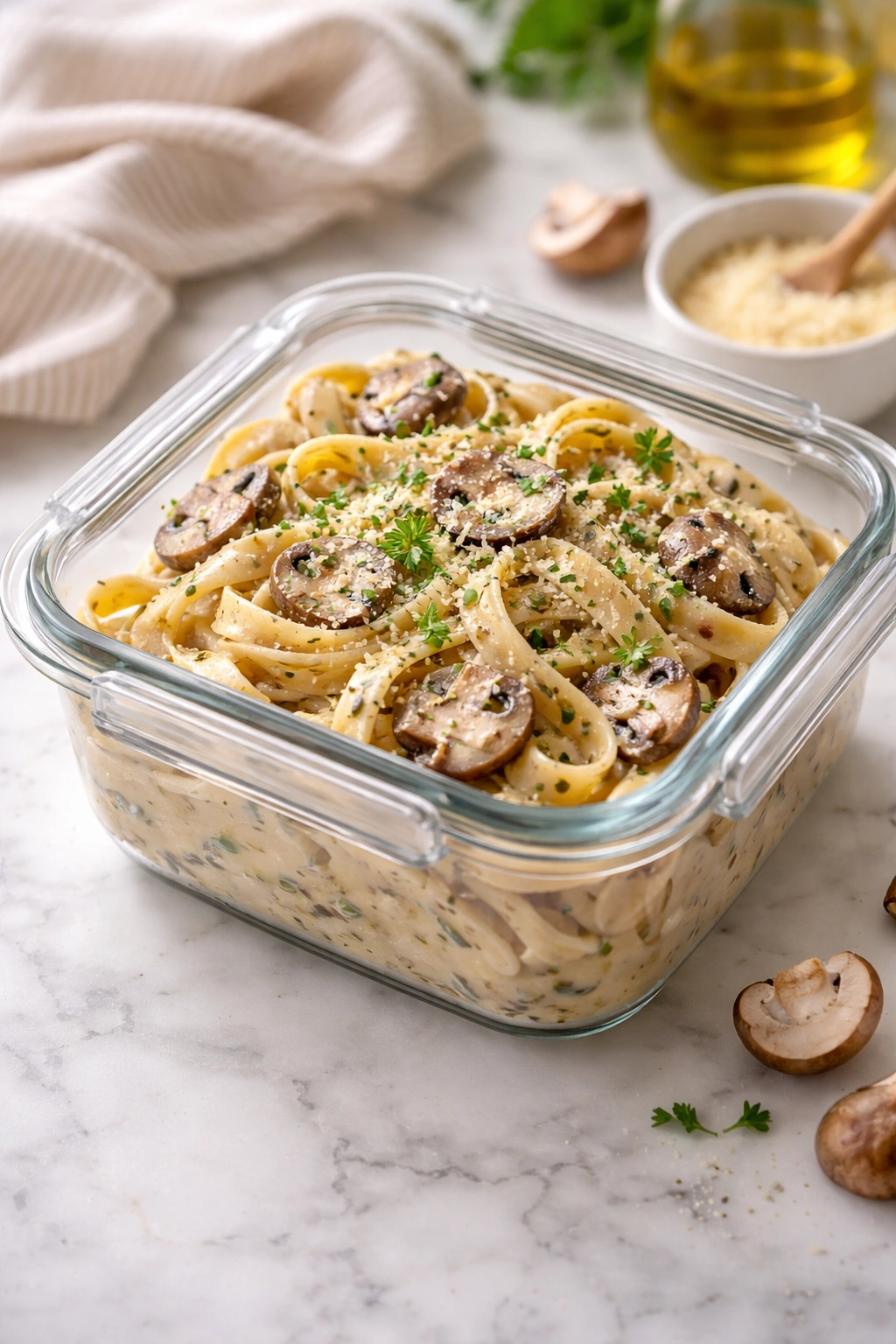
Creamy mushroom pasta is best served immediately, straight from the pan. However, it does keep reasonably well compared to some other cream sauces, thanks to the higher cream content.
Storage: Cool leftovers to room temperature, then transfer to an airtight container and refrigerate for up to three days. The pasta will absorb more of the sauce as it sits, and the dish won’t be quite as creamy by the second day, but it’s still delicious.
Reheating: Warm individual portions in the microwave in short 30-to-60 second bursts, stirring between each, until steaming hot. Or reheat in a skillet over medium-low heat, adding a splash of cream, milk, or pasta water to loosen the sauce as it warms. The key is gentle reheating—high heat will cause the cream to break.
Freezing: This dish doesn’t freeze well. The texture of mushrooms changes when frozen and thawed, and the cream sauce can separate upon reheating. If you must freeze it, undercook the pasta slightly and freeze the pasta and sauce separately for better results, though the quality will still be compromised.
Make-Ahead Options: You can prep all the ingredients hours in advance—slice mushrooms, mince garlic, grate cheese, measure cream. Keep sliced mushrooms in the fridge in an airtight container. When you’re ready to cook, everything comes together in under 20 minutes.
Serving Suggestions That Turn This Into a Complete Meal
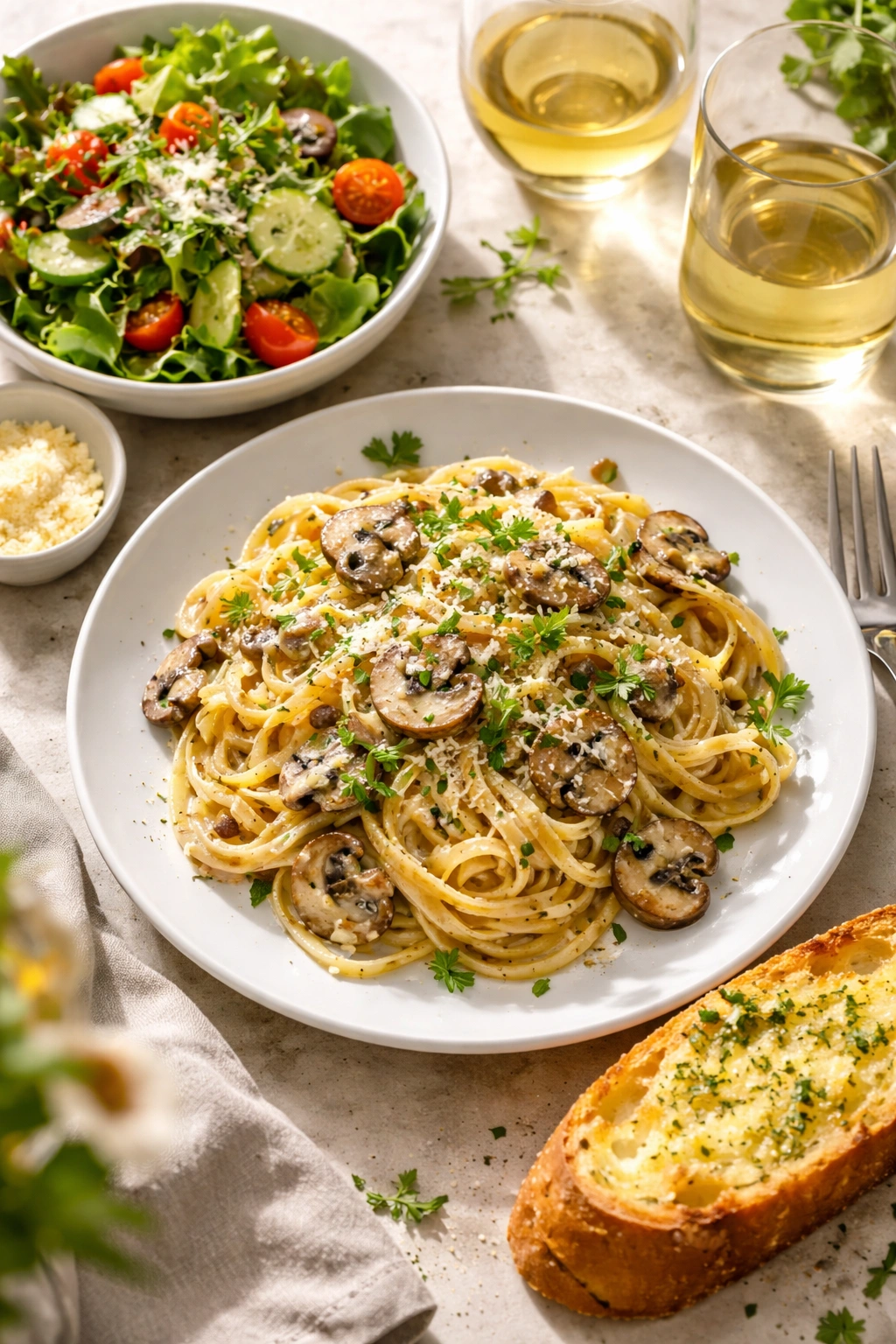
Creamy mushroom pasta is rich and satisfying enough to be a meal on its own, but a simple accompaniment elevates it. A crisp green salad dressed with lemon vinaigrette or balsamic dressing provides textural contrast and cuts through the richness. Try a simple arugula salad with shaved parmesan and a squeeze of lemon, or a tender butter lettuce salad with a mustard vinaigrette.
Fresh crusty bread is the classic pairing. Garlic bread is indulgent and delicious, but sometimes a simple piece of toasted bread with a rub of raw garlic and a drizzle of good olive oil is perfect for soaking up any sauce left on your plate. If you want to go all-out, cheesy garlic bread or focaccia makes the meal feel special without requiring much effort.
Wine pairing: white wines work beautifully. The same wine you used in the sauce (sauvignon blanc, pinot grigio, or chardonnay) pairs perfectly with the finished dish. If you prefer red wine, choose something light and not too tannic.
For dessert, keep it light to balance the rich main course. Lemon sorbet, a simple fruit salad, or even just dark chocolate and espresso would be lovely finishes.
Why This Recipe Becomes a Weeknight Staple
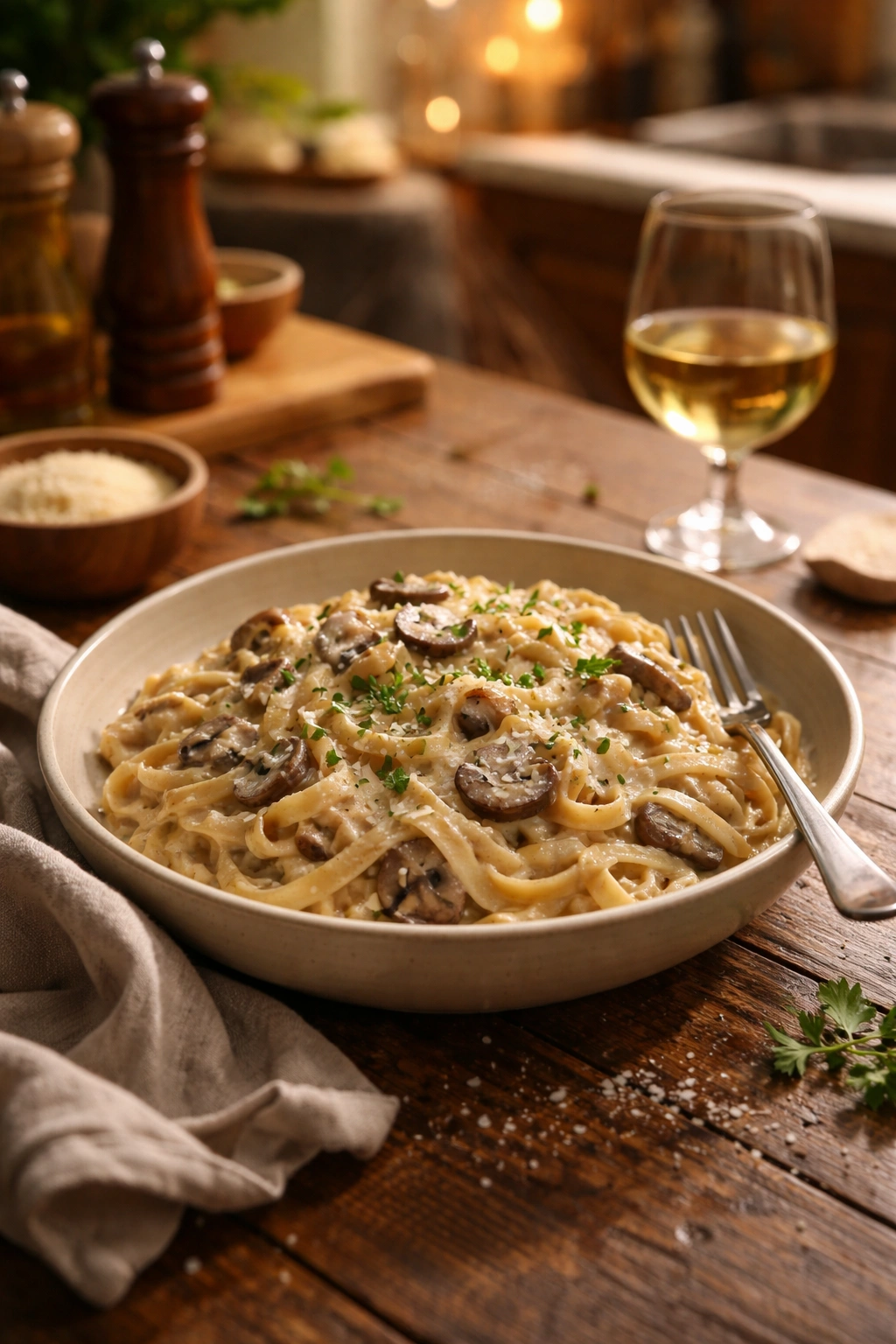
Once you’ve made this dish once or twice, it becomes one of those meals you can almost cook on autopilot. You know the timing, you know the techniques, and you can execute it in your sleep. But here’s what really makes it special: it tastes so good that people think you’ve put way more effort into it than you actually have.
There’s something deeply satisfying about that disconnect—the gap between how quickly something comes together and how impressive it tastes when you sit down to eat. This is the kind of recipe that slowly becomes part of your regular rotation, the one you make when you want something special but don’t have the energy for anything complicated. It’s the dish you turn to when you need comfort, when you’re cooking for people you want to impress, or when you just want to remind yourself that restaurant-quality food doesn’t have to be difficult.
The real secret is simple: golden mushrooms, proper technique, and ingredients that work together beautifully. Master these elements, and twenty minutes is all you need for something genuinely delicious.
