



When the weather warms up and you’re tired of heating your kitchen, shrimp salad becomes your best friend. It’s the kind of dish that feels special enough to serve at a summer gathering, yet simple enough to throw together on a Tuesday afternoon for lunch. Unlike heavy pasta salads or mayo-laden chicken salads that sit in your stomach, a truly great shrimp salad is light, refreshing, and packed with actual nutrition. The shrimp provides lean protein, the fresh vegetables add satisfying crunch, and a well-balanced dressing ties everything together without weighing you down. The best part? This entire meal comes together in under 30 minutes, whether you’re starting with raw or pre-cooked shrimp.
What makes shrimp salad particularly appealing is its incredible versatility. You can spoon it into buttery croissants for an elegant lunch, roll it up in lettuce wraps for a low-carb option, serve it over a bed of greens as a complete main course, or even stuff it into avocado halves for an impressive appetizer. It travels beautifully to picnics and potlucks, keeps in the fridge for days, and tastes even better after a few hours when the flavors have time to meld together. Once you master the fundamentals, you’ll find yourself making this recipe constantly.
Why Shrimp Salad Is Perfect for Quick Meals
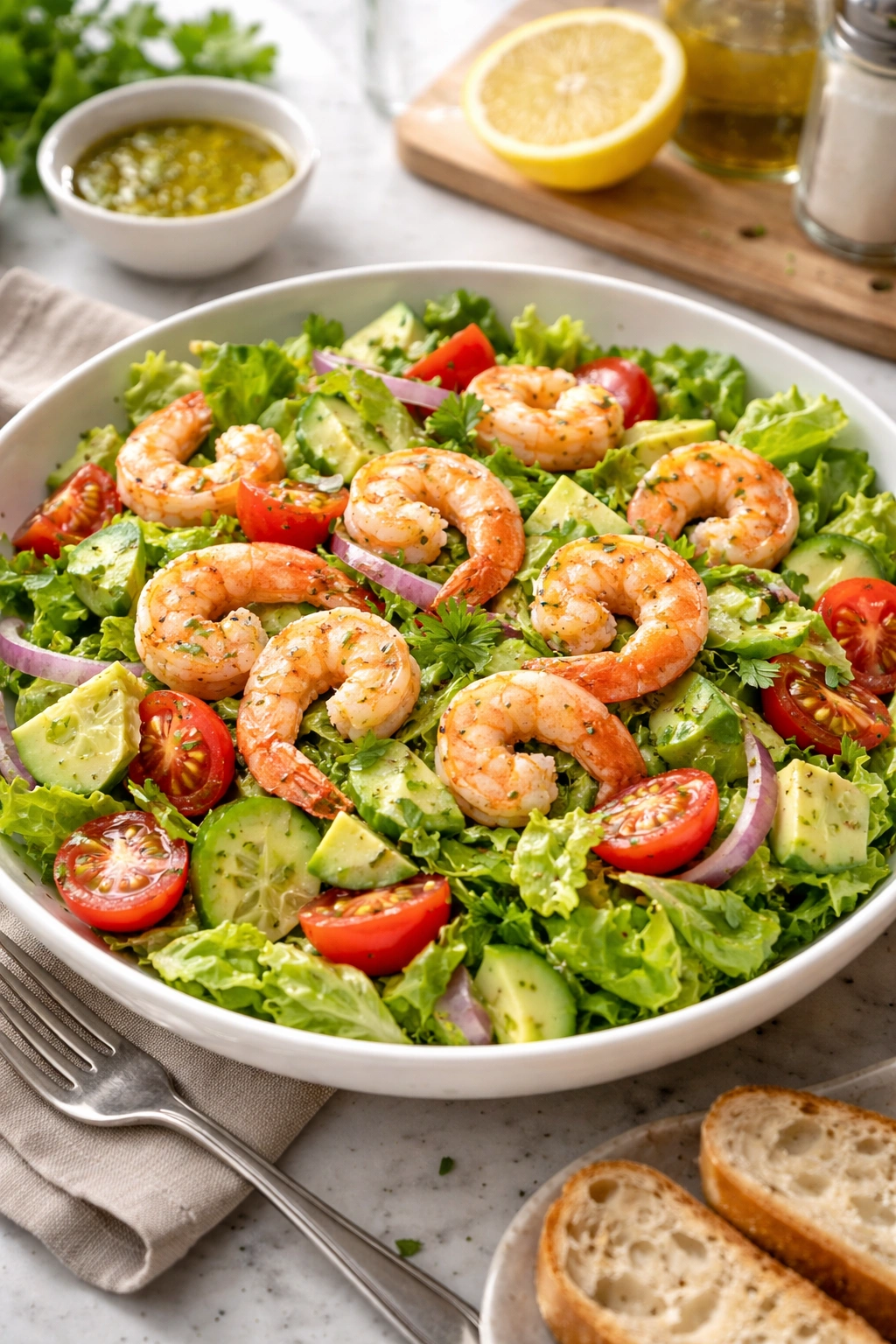
Shrimp has an unfair advantage when it comes to cooking speed. Unlike chicken that requires careful attention to avoid dryness, or beef that needs resting time, shrimp cooks in literally minutes. Large shrimp need only 2-3 minutes in boiling water to transform from raw to perfectly cooked. This means you can have a high-protein, elegant lunch on the table faster than it would take to order takeout and have it delivered.
The nutritional profile of shrimp makes this salad particularly satisfying despite its lightness. A single pound of shrimp delivers roughly 100 grams of protein while containing minimal calories and virtually no carbohydrates. This protein density means the salad keeps you full for hours, eliminating the mid-afternoon energy crash that comes from lighter salads. You’re not eating a side dish disguised as lunch—you’re eating a complete, nourishing meal.
Shrimp salad also suits nearly any season and occasion. While it’s traditionally thought of as a summer dish, there’s no reason you can’t enjoy it during colder months as a light dinner alongside soup. It works for formal occasions when served in endive cups or avocado halves, casual family meals when paired with crackers, and impromptu entertaining when you need something impressive that requires zero cooking skills beyond boiling water.
The Best Type of Shrimp to Buy
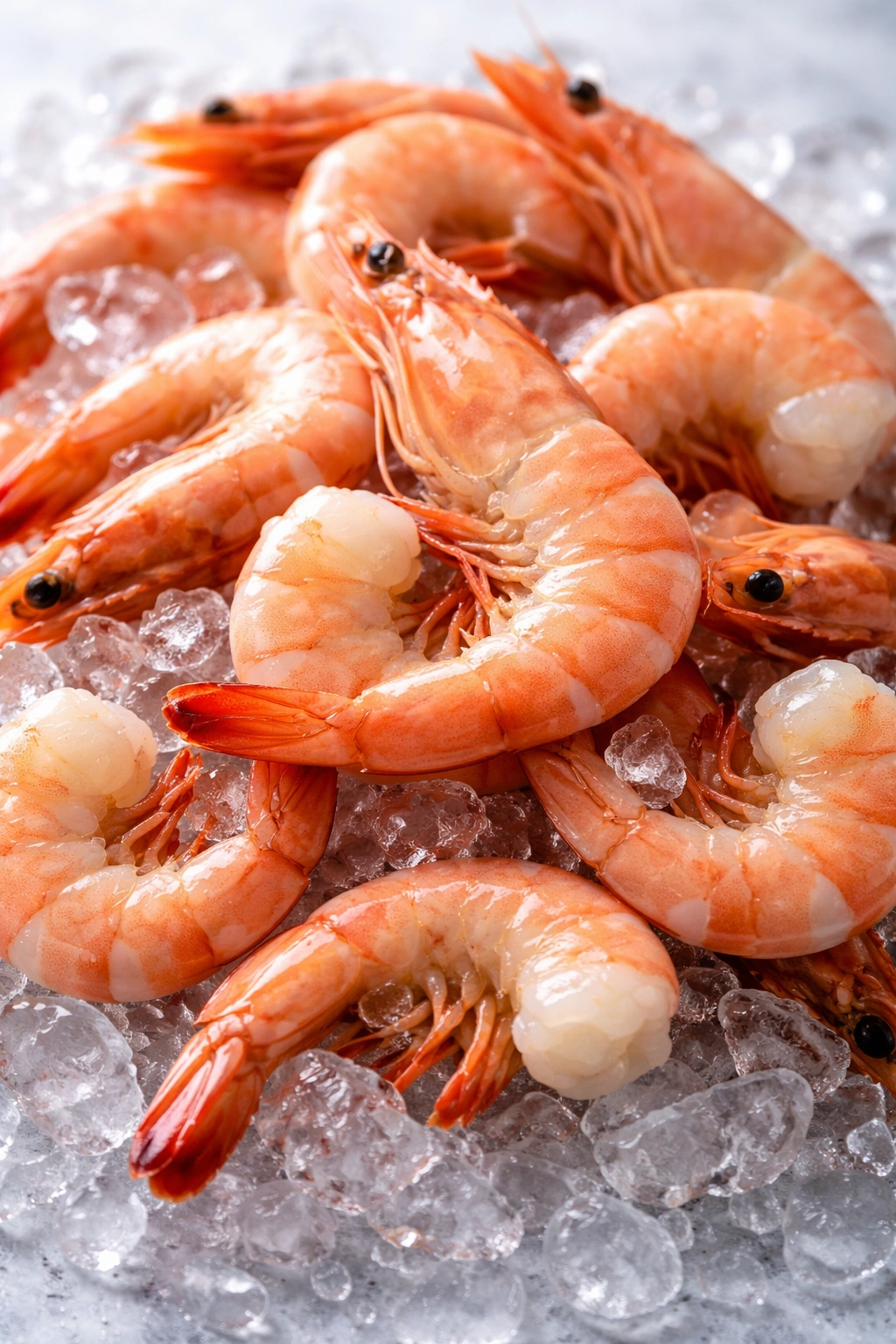
Your shrimp salad will only be as good as the shrimp you start with, which is why choosing the right product at the market matters more than you might think. The most important decision is whether to buy fresh or frozen shrimp, but here’s something that might surprise you: the frozen shrimp sitting in the freezer case is often fresher than the shrimp on display in the refrigerated section. Most shrimp is frozen at sea immediately after being caught. The “fresh” shrimp you see at the fish counter has almost certainly been thawed from frozen—possibly days ago. If you have a trusted fish counter with high turnover and can talk directly to the fishmonger, fresh shrimp is wonderful. Otherwise, buying individually frozen shrimp that you thaw at home is your better choice.
The size of the shrimp significantly affects both texture and eating experience. Shrimp are sold by count—meaning how many individual shrimp per pound. For shrimp salad, you have genuine options depending on your preferences and budget. Jumbo shrimp (21-25 per pound or 26-30 per pound) make an impressive presentation and offer the best flavor, since larger shrimp have more developed taste. Medium shrimp (41-50 per pound) are economical, bite-sized, and easier to eat, making them ideal if you’re serving the salad as a casual lunch. Smaller shrimp (51+ per pound) are budget-friendly but less flavorful and can get lost in the salad. For restaurant-style shrimp salad where presentation matters, jumbo is worth the splurge. For everyday lunches, medium shrimp delivers excellent value.
Wild-caught versus farmed shrimp involves some trade-offs. Wild shrimp from Gulf or Pacific waters tend to have more pronounced, sometimes stronger flavors that some people love and others find too “fishy.” Farmed shrimp are consistently milder and sweeter, making them more universally appealing. Farmed shrimp also cost significantly less. The sustainability question is complex—responsible shrimp farming exists, but so do irresponsible operations. If sustainability matters to you, check resources like the Monterey Bay Aquarium Seafood Watch before purchasing.
Brown, pink, and white shrimp all work beautifully in shrimp salad, though they taste slightly different. Brown shrimp contain more iodine and have a slightly more mineral-forward flavor. Pink and white shrimp are generally sweeter and milder. For shrimp salad specifically, pink or white shrimp are often preferred because their delicate sweetness pairs better with the fresh herbs and mayo-based dressing. Don’t stress too much about color—if the shrimp looks good and smells fresh (not fishy, just clean ocean-like), it will make delicious salad.
One last note on purchasing: avoid pre-peeled and pre-deveined frozen shrimp if possible, despite their convenience. The cleaning process often happens before freezing and can lead to loss of flavor and texture. If you’re buying raw shrimp, they almost always come with shells and veins still intact, which actually protects the delicate flesh during freezing and storage. Yes, peeling and deveining takes a few extra minutes, but the superior texture and flavor are absolutely worth it.
How to Cook Shrimp Perfectly Every Time
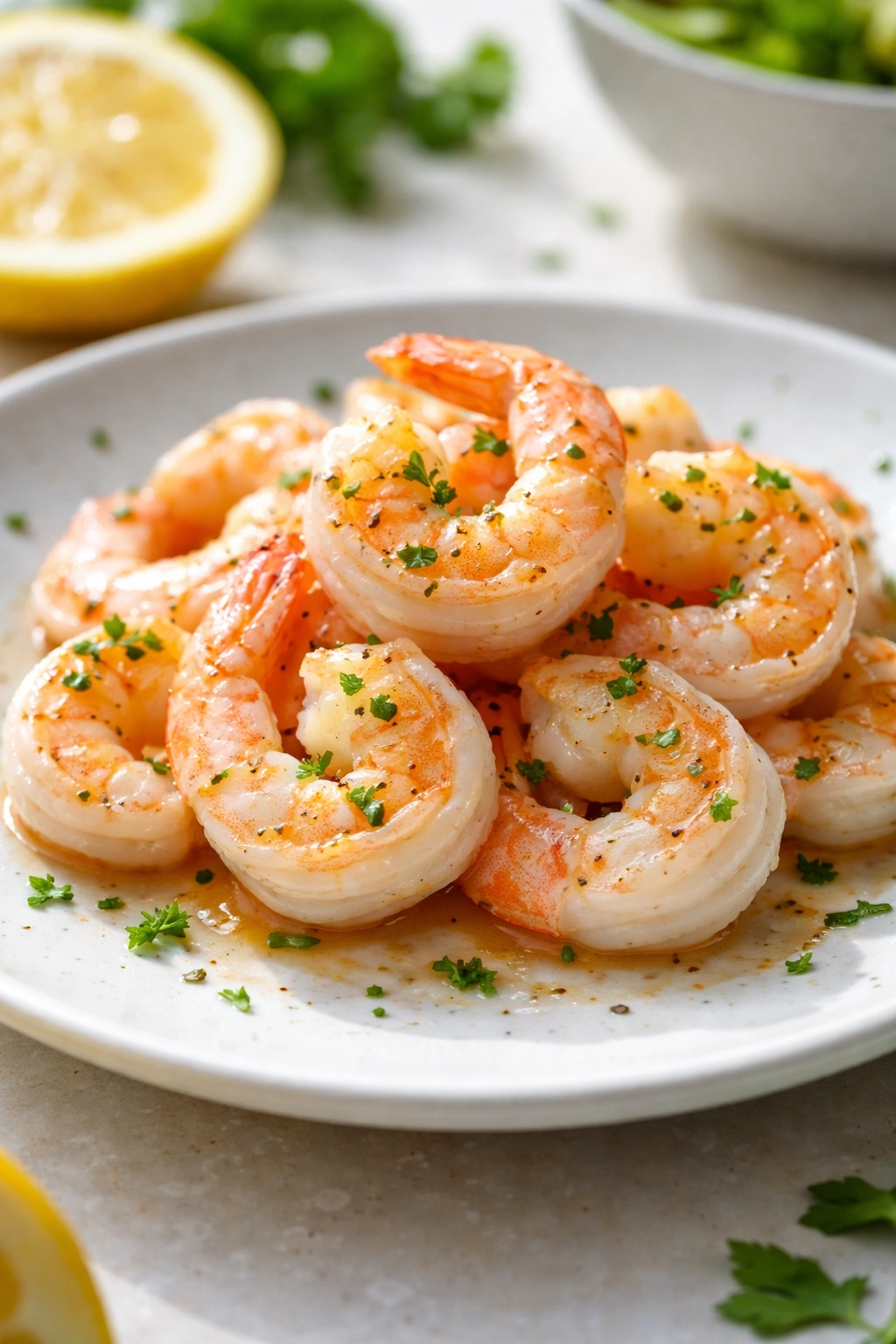
The difference between perfectly cooked shrimp and rubbery, overcooked shrimp comes down to just three things: temperature, timing, and the ice bath. Never underestimate the ice bath—it’s not a luxury step, it’s essential. When you remove shrimp from boiling water and let them sit on a counter or in a colander, the residual heat continues cooking them, turning what was tender into rubber in seconds. The ice bath instantly stops the cooking process, preserving that delicate, slightly sweet texture shrimp is known for.
Start by bringing a large pot of salted water to a rolling boil. The salt matters—it seasons the shrimp from the inside out rather than just at the surface. Use roughly one tablespoon of salt per two quarts of water. If you want to add aromatic flavor, consider adding a quartered lemon, a couple of smashed garlic cloves, a bay leaf, and a pinch of Old Bay seasoning to the water. This infuses subtle flavor into the shrimp without overwhelming it.
Once the water reaches a rolling boil, add your shrimp and set a timer. This is crucial. For large shrimp (31-40 per pound), cook for approximately 3 minutes. For jumbo shrimp (21-25 per pound), add another minute or so. For medium shrimp (41-50 per pound), start checking at 2 minutes. The shrimp are done when they’re bright pink or white (depending on the variety) and opaque throughout. Never cook past this point—you’re looking for a slight translucency to disappear, but once they’re fully cooked, that’s your window to stop.
Prepare your ice bath before the shrimp go into the pot. Fill a large bowl about halfway with ice and add cold water. As soon as the shrimp are done, use a slotted spoon or skimmer to transfer them to the ice bath. Let them sit for about 3-5 minutes until they’re completely cool. This not only stops the cooking but also chills them to a perfect serving temperature. Drain the shrimp well in a colander, then spread them on clean paper towels or a kitchen towel to dry. Any excess moisture will dilute your dressing later.
If you’re using pre-cooked frozen shrimp, thaw them first in a bowl of cold running water for about 15-20 minutes, then pat them completely dry. Pre-cooked shrimp requires no additional cooking—just make sure you choose a high-quality brand and drain them well, as some varieties can be watery.
Essential Vegetables for Texture and Flavor
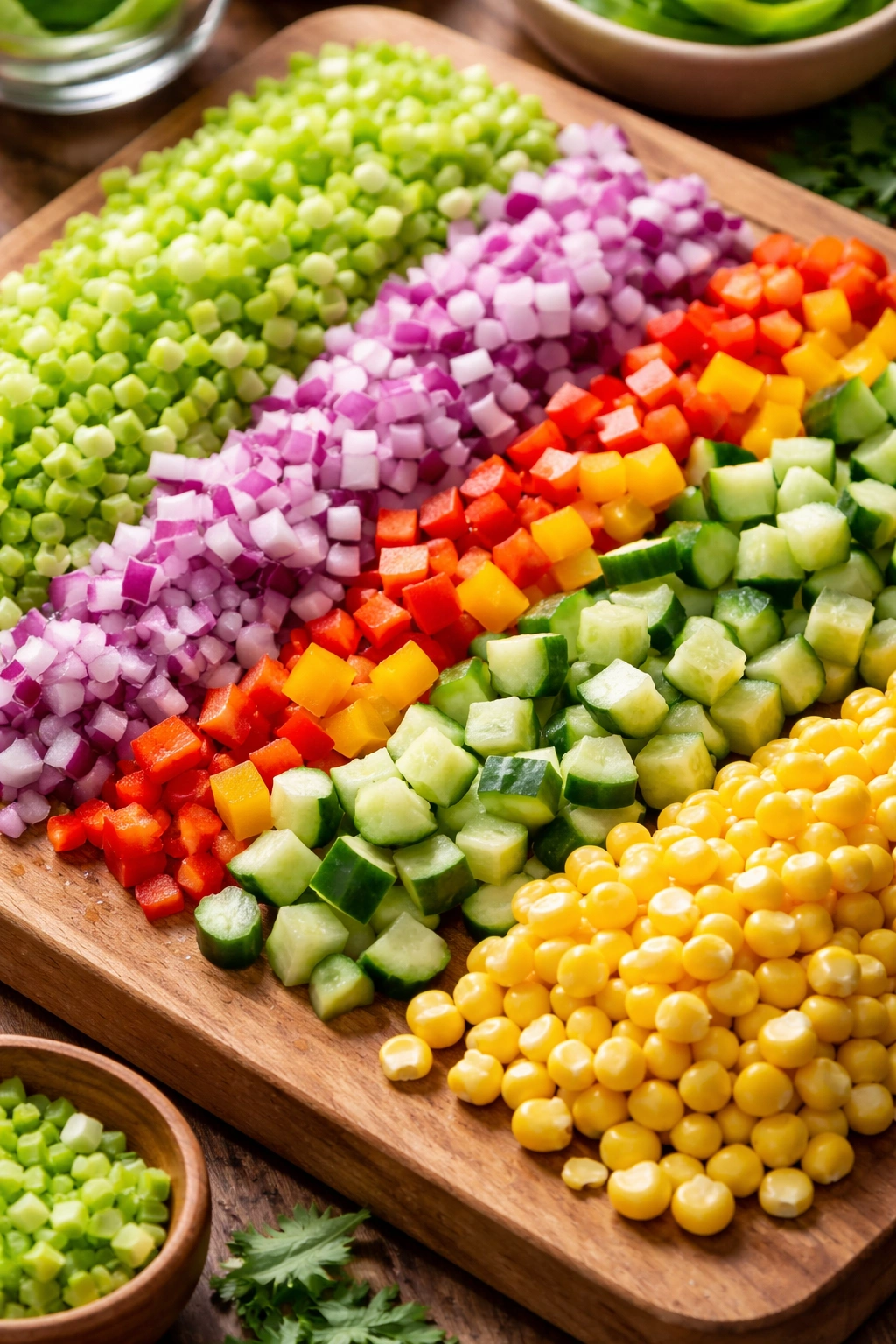
The vegetables in shrimp salad should support the shrimp, not overshadow it. This means choosing vegetables that add textural contrast and subtle flavor without competing for attention. Celery is non-negotiable—its clean crunch and mild, slightly sweet flavor complement shrimp perfectly. Dice it finely so the pieces are small enough to distribute throughout the salad, not so large that they become the dominant texture. One large stalk or about ½ cup finely diced celery is typically right for one pound of shrimp.
Red onion adds a gentle bite and beautiful color. Use it sparingly—about ⅓ cup minced—because raw onion flavor can intensify as the salad sits. The acidity from the dressing actually helps mellow the sharpness of the onion over time, so don’t worry if it tastes a bit assertive when you first combine everything. Green onions or scallions are a milder alternative if you find red onion too strong. Some prefer shallots, which have a refined, delicate flavor that doesn’t overpower.
Optional vegetables that add genuine value include crisp red bell peppers, cucumbers, and fresh corn. Red bell peppers contribute sweetness and crunch without the harsh bite of raw onion. If using cucumber, remove the seeds first to prevent the salad from becoming watery as it sits—a shrimp salad should be creamy, not wet. Fresh corn kernels (raw or lightly cooked) add a lovely texture surprise. Some recipes include frozen peas, which provide visual appeal and a subtle sweetness, though they’re entirely optional.
Avoid overloading the salad with vegetables. The goal is 70-80% shrimp by volume, with vegetables serving as supporting players. When you taste a bite, shrimp should be the dominant flavor. If you need a full bowl of salad, it’s better to serve smaller portions on a bed of greens rather than diluting the salad with excess vegetables.
Creating the Ideal Creamy Dressing
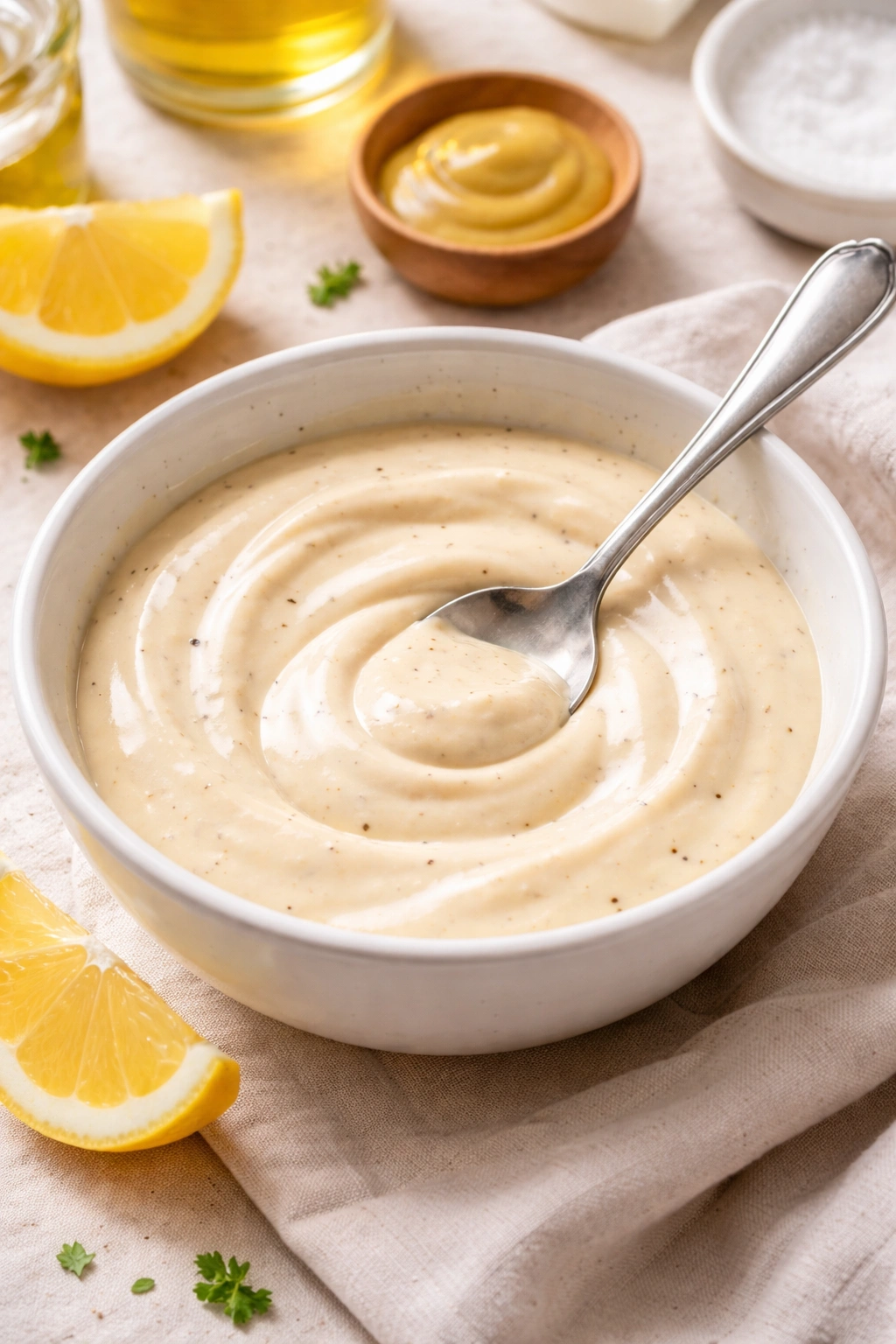
The dressing is where shrimp salad becomes magical or becomes disappointing. The foundation is always mayonnaise, but quality matters enormously. A good mayonnaise is creamy, has a neutral flavor, and doesn’t taste vinegary or off-putting. Cheap mayonnaise will literally ruin your salad. If you have time, homemade mayo made with a stick blender or food processor tastes noticeably better than store-bought, but a quality brand like Duke’s or Hellmann’s/Best Foods will serve you well. Some people prefer lighter options like avocado oil mayonnaise, Greek yogurt, or even a mixture of mayo and sour cream for tanginess.
Fresh lemon juice is absolutely essential—no shortcuts. Bottled lemon juice simply doesn’t compare, and it will affect the final flavor. Squeeze lemon juice directly from fresh lemons, using about 1-2 tablespoons per ½ cup of mayo. The acidity cuts through the richness of the mayo and prevents the salad from tasting heavy. Some people prefer white wine vinegar for a different kind of brightness, which works beautifully if that’s your preference.
Dijon mustard adds subtle tang and depth without making the salad taste mustardy. Use roughly 1 teaspoon per ½ cup of mayo. This is not the place for yellow mustard, which is too sharp and vinegary. Dijon brings complexity and a slight creaminess that enhances the overall texture.
Fresh garlic, minced very finely or even minced on a microplane, adds savory notes without being aggressive. Half a garlic clove to one full clove (depending on size) per ½ cup of mayo is typically right. If you accidentally add too much, lemon juice and salt can help balance it. Some recipes skip garlic entirely, which is fine if you prefer a lighter flavor profile.
Seasoning with salt and fresh black pepper should come at the end, after you’ve tasted the salad. Don’t rely on the salt in the mayo or the salt from cooking the shrimp—taste as you go and adjust. A pinch of cayenne pepper is optional but adds a pleasant warmth. Some recipes include Old Bay seasoning, which brings coastal flavor that’s particularly nice if you want a restaurant-style shrimp salad.
The dressing should be creamy enough to coat the shrimp but not so thick that it’s goopy or so thin that it’s runny. Fold gently—don’t aggressively mix, which can break down the vegetables and create a mushy texture.
The Importance of Using Fresh Herbs
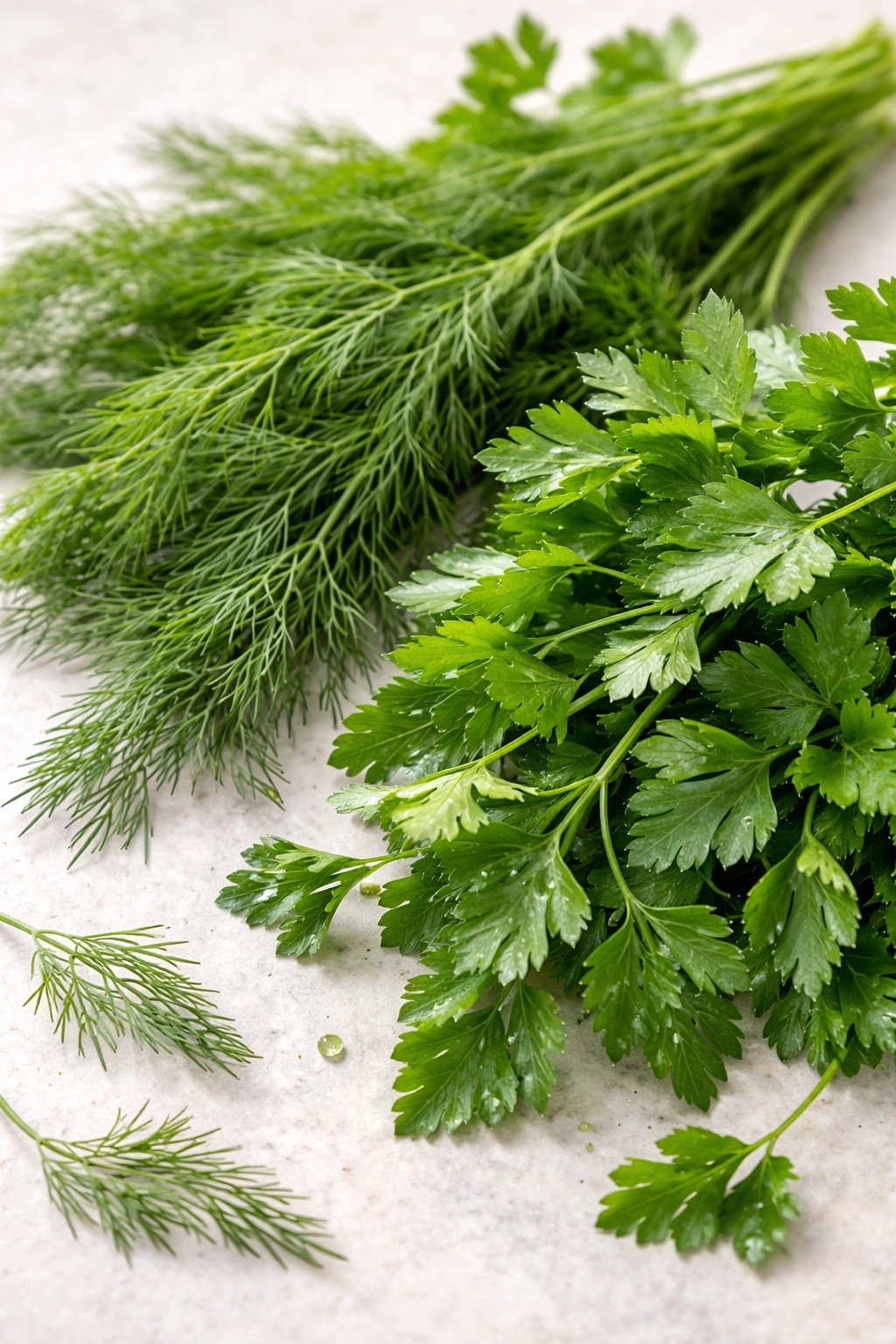
Fresh herbs transform shrimp salad from merely good to genuinely memorable. Fresh dill is the classic pairing with shrimp, and for good reason—its delicate, slightly anise-like flavor complements the sweet brininess of shrimp as if they were made for each other. Use a generous amount, roughly ¼ to ½ cup of roughly chopped fresh dill per pound of shrimp. Dill is one herb where you truly can’t use too much in shrimp salad.
Fresh parsley, either flat-leaf or curly, adds mild herbal flavor and green color. It’s less bold than dill, making it a good choice if you want herb flavor without dominance. You can combine dill and parsley for complexity—perhaps ¼ cup dill and 2 tablespoons parsley per pound of shrimp.
Other fresh herbs worth trying include cilantro for a bright, citrusy note, fresh tarragon for subtle anise flavor, or chives for a gentle onion accent. The beautiful thing about shrimp salad is that it’s forgiving enough to accommodate different herb preferences while maintaining its essential character.
Never, ever substitute dried herbs for fresh in shrimp salad. Dried herbs are concentrated and can taste dusty or bitter, completely changing the delicate flavor profile you’re trying to achieve. If fresh herbs aren’t available, it’s genuinely better to make the salad without them than to use dried versions.
Serving and Timing Information
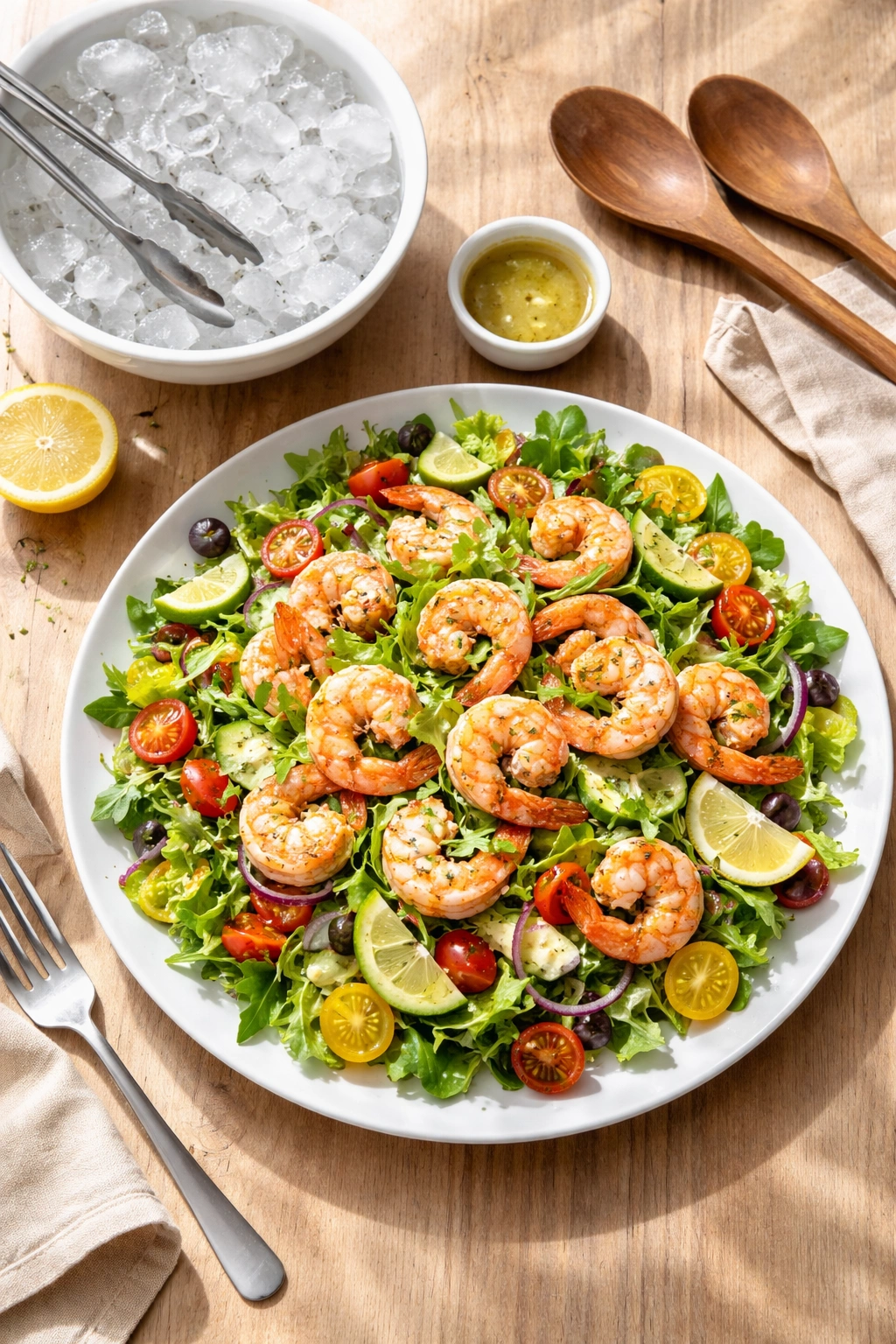
Yield: Serves 4 as a main course | Makes 6 appetizer portions | Makes about 4 cups total
Prep Time: 15 minutes
Cook Time: 5 minutes (includes cooling in ice bath)
Total Time: 20 minutes
Difficulty: Beginner — This recipe requires no special equipment or advanced techniques. Even someone who has never cooked shrimp before will succeed, as the timing is forgiving and boiling water is the only cooking method involved. The most challenging part is simply remembering to use the ice bath so the shrimp doesn’t overcook.
Make-Ahead Note: You can prepare all components up to one day in advance. Cook and chill the shrimp, then store them separately from the dressing and vegetables. Assemble the salad 30 minutes to a few hours before serving so the flavors have time to meld. The salad actually improves after it sits for a bit—the vegetables soften slightly, the onion becomes milder, and everything melds into a cohesive dish.
Best Served: Chilled or at cool room temperature. If you prefer serving at closer to room temperature, remove from the fridge about 20-30 minutes before serving.
The Complete Ingredient List
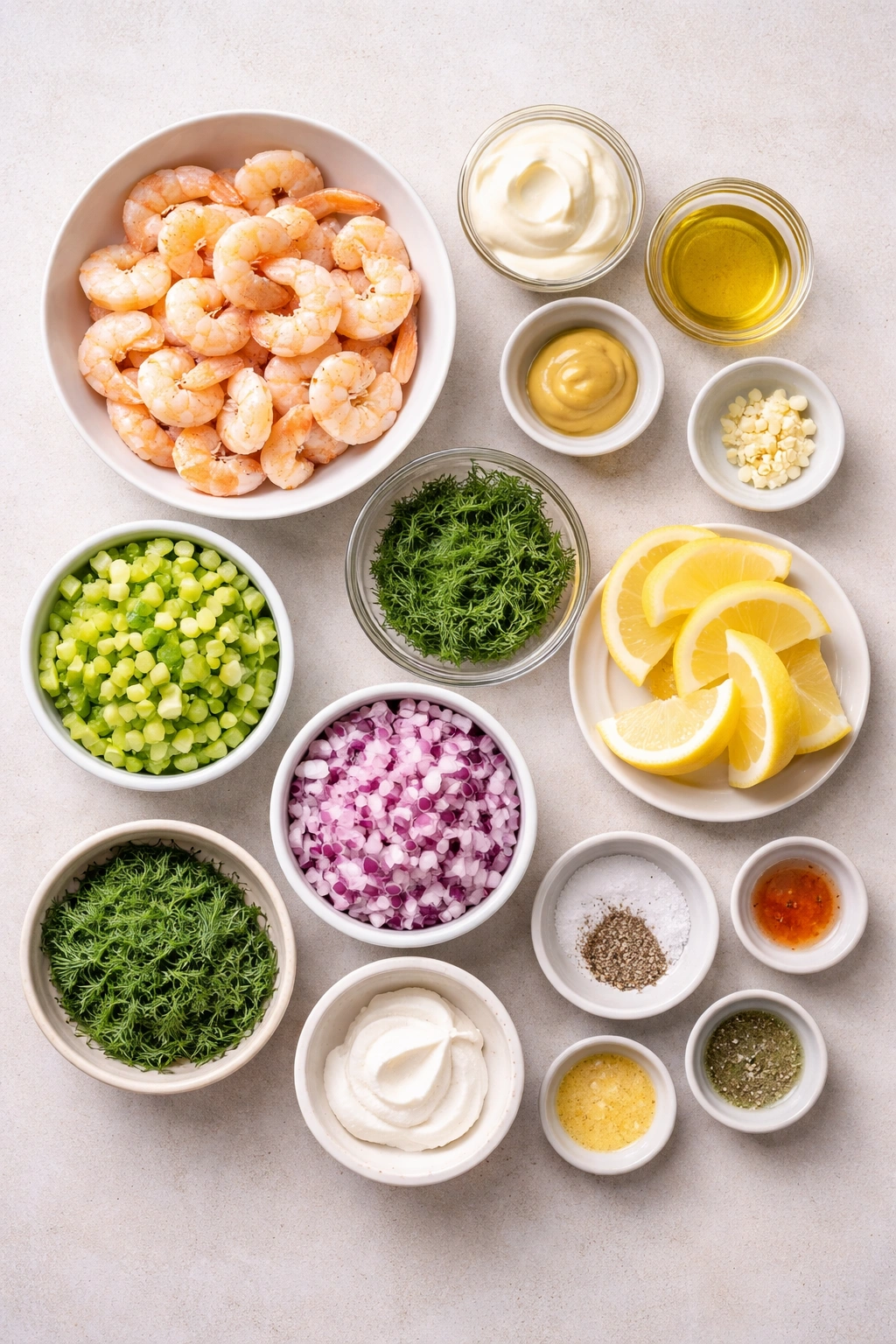
For the Shrimp:
- 1½ teaspoons kosher salt (for cooking water)
- 2 quarts water
- 1 lemon, cut in half (for cooking water)
- 2 garlic cloves, lightly crushed (optional, for cooking water)
- 1 bay leaf (optional, for cooking water)
- 1 pound large or jumbo raw shrimp, peeled and deveined
For the Dressing:
- ½ cup (100 grams) good-quality mayonnaise
- 1½ tablespoons fresh lemon juice
- 1 teaspoon Dijon mustard
- ½ teaspoon minced fresh garlic
- ¼ teaspoon fine sea salt
- ¼ teaspoon freshly ground black pepper
- Pinch of cayenne pepper (optional)
For the Salad:
- ½ cup finely diced celery (approximately 1 large stalk)
- ⅓ cup minced red onion (approximately ½ of a medium onion)
- ¼ cup roughly chopped fresh dill (or 2 tablespoons fresh parsley plus 2 tablespoons fresh dill)
- Additional salt and pepper to taste
- Lemon wedges for serving
Step-by-Step Instructions for Shrimp Salad
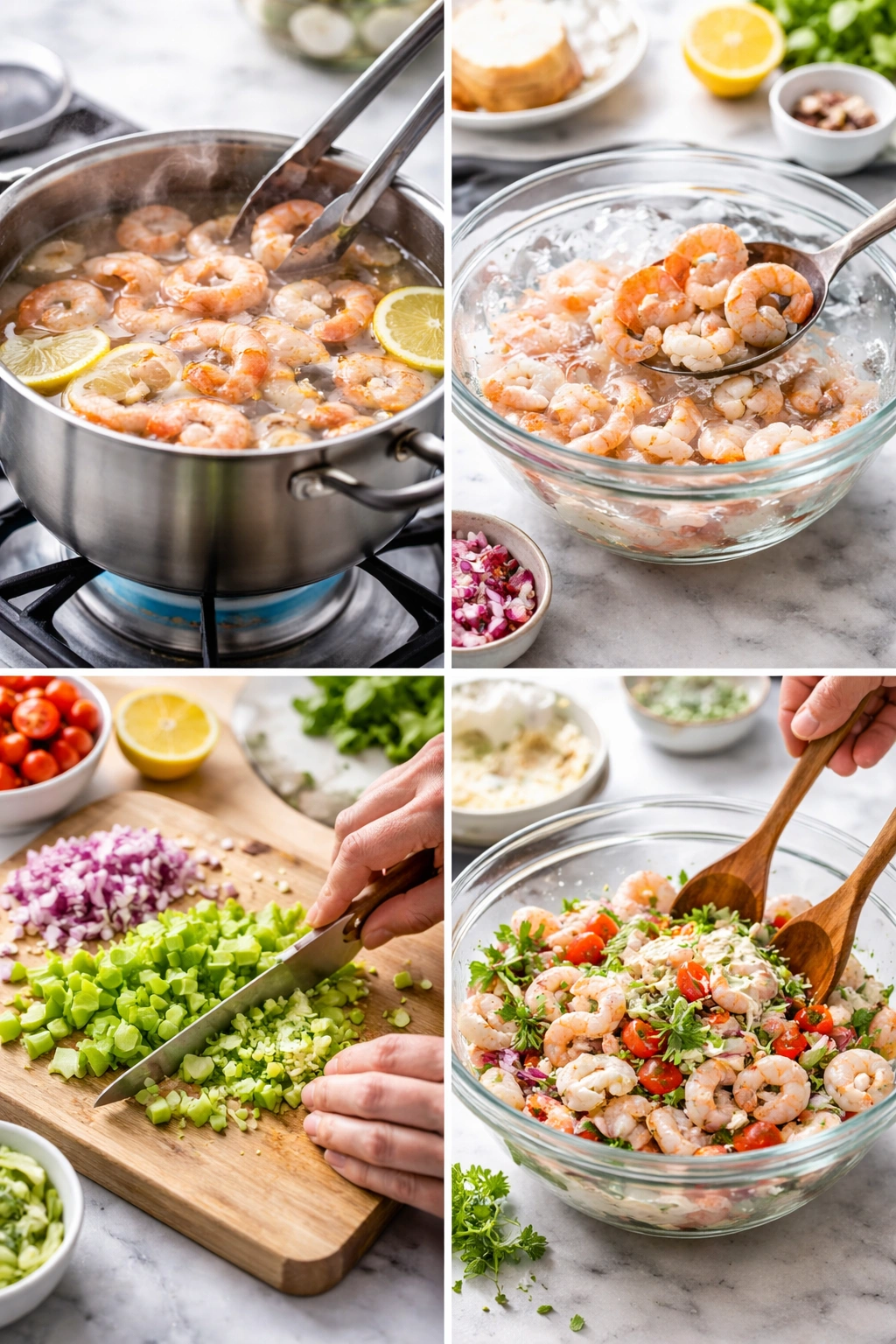
Prepare the Cooking Water:
-
Fill a large pot with 2 quarts of water and place it over high heat. Add 1½ teaspoons of kosher salt.
-
Squeeze a little fresh lemon juice into the water and drop the lemon halves into the pot. If desired, add the crushed garlic cloves and bay leaf for subtle aromatic flavor.
-
Bring the water to a rolling boil—you’ll see vigorous bubbling across the entire surface of the water. This typically takes 5-8 minutes depending on your stove.
Cook the Shrimp:
-
While waiting for the water to boil, prepare an ice bath by filling a large bowl about halfway with ice and adding cold water. Set it nearby so you can access it immediately when the shrimp are done cooking.
-
Once the water reaches a rolling boil, carefully add the peeled and deveined shrimp. The water temperature will drop initially; let it return to a boil, which happens quickly.
-
Set a timer for 3 minutes. The shrimp should cook until they’re bright pink or white (depending on variety) and completely opaque throughout. Watch for the shrimp to curl slightly—this is how you know they’re done. Do not leave them cooking past this point, or they’ll become tough and rubbery.
-
Using a slotted spoon or mesh skimmer, carefully transfer the cooked shrimp to the ice bath. Working quickly here prevents overcooking. Let the shrimp sit in the ice water for about 3-5 minutes until they’re completely cool to the touch.
-
Drain the shrimp in a colander, then spread them on clean paper towels or a kitchen towel to dry. Ensure they’re thoroughly dry, as excess moisture will dilute the dressing and make the salad watery.
Make the Dressing:
- In a medium bowl, whisk together the mayonnaise, fresh lemon juice, Dijon mustard, minced garlic, sea salt, black pepper, and cayenne pepper (if using). Stir until smooth and well combined. Taste and adjust seasoning as needed—you might want more lemon juice for brightness or more salt for depth.
Assemble the Salad:
-
In a large bowl, combine the cooled and dried shrimp with the finely diced celery, minced red onion, and roughly chopped fresh dill.
-
Pour the dressing over the shrimp and vegetables. Using a spatula or wooden spoon, gently fold everything together until all the ingredients are evenly coated with dressing. Be gentle here—you want to maintain the integrity of the shrimp and vegetables rather than breaking them apart through aggressive stirring.
-
Taste a small spoonful and adjust seasoning with additional salt, pepper, or lemon juice as needed. Remember that the flavors will develop and intensify as the salad sits.
Chill Before Serving:
-
Transfer the shrimp salad to an airtight container and refrigerate for at least 30 minutes, though 1-2 hours is even better. The flavors will meld together, the vegetables will soften slightly, and the overall dish becomes more cohesive. The salad can be prepared up to one day in advance.
-
Before serving, give the salad a gentle stir and taste again, adjusting seasoning if needed. Serve chilled or at cool room temperature with fresh lemon wedges on the side so people can add extra acidity if they prefer.
Tips for Making Restaurant-Quality Shrimp Salad
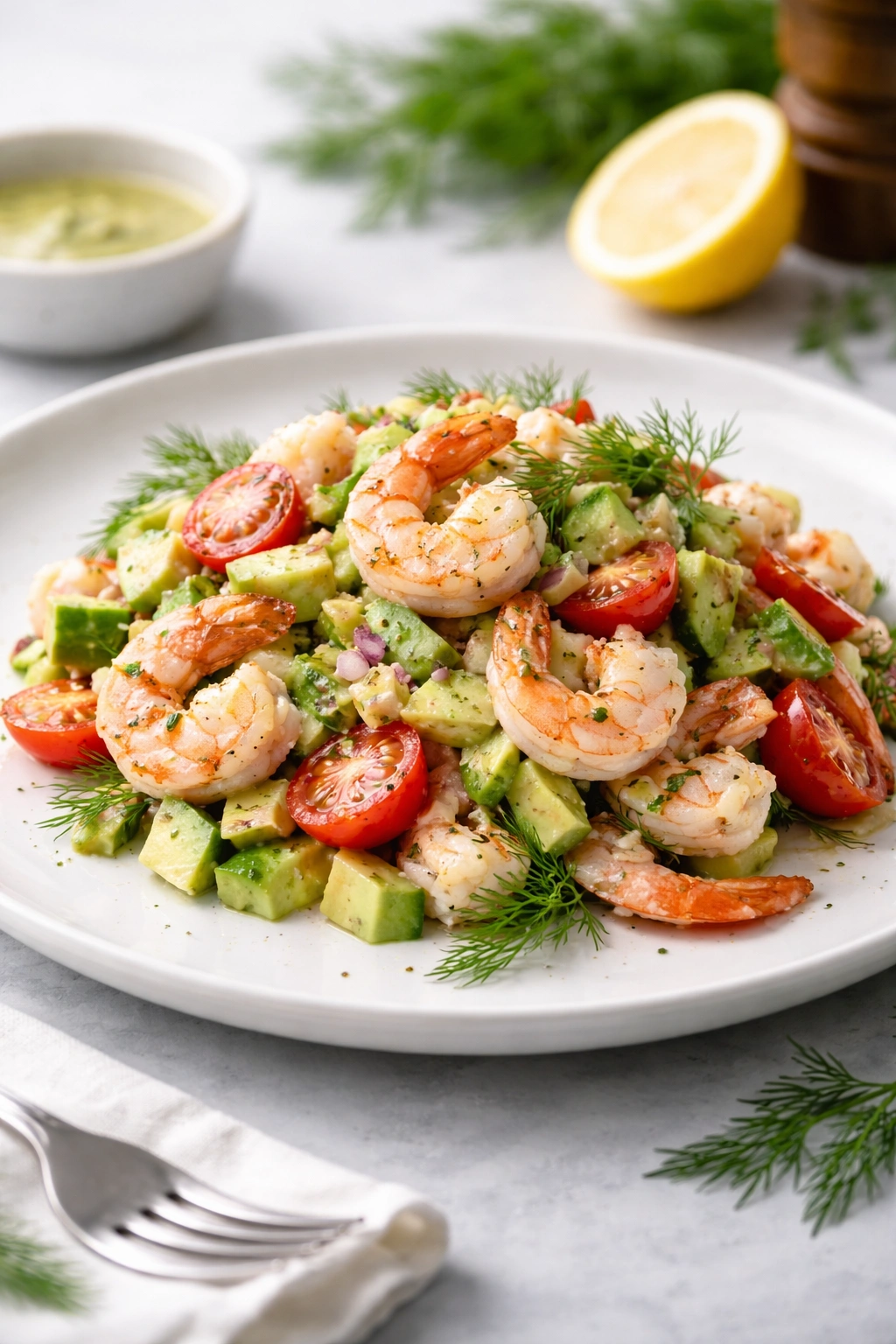
The difference between homemade shrimp salad and restaurant-quality shrimp salad often comes down to small details that make a surprising impact. First, don’t skip drying the shrimp after the ice bath. This single step prevents a watery salad—excess moisture will dilute the dressing as it sits. Spread the shrimp on paper towels and let them sit for a few minutes.
Second, mince your vegetables very finely. When you see restaurant shrimp salad, everything is uniform and delicate. Large chunks of celery or thick onion slices are home-cooking—refined shrimp salad has everything cut small enough that each bite includes multiple elements rather than one big piece of celery.
Third, season the cooking water properly. The salt and aromatics in the water flavor the shrimp from the inside, making the final salad taste more complex and more flavorful than if you only season the dressing. This step takes seconds but makes a noticeable difference.
Fourth, let the salad sit before serving. Unlike some dishes that are best eaten immediately, shrimp salad actually improves after 30 minutes to a few hours in the fridge. The flavors develop, the onion becomes milder and more integrated, and everything binds together into a more cohesive whole. If you’re serving at a gathering, make it a few hours ahead.
Fifth, use the best mayonnaise you can afford. This ingredient comprises the bulk of the dressing, so its quality directly affects the entire salad. Taste different brands and find one you genuinely like eating on its own, then use that in your shrimp salad.
Sixth, add lemon juice at the end and taste before serving. The ratio in recipes is a guideline, not gospel—your lemons might be more or less juicy than someone else’s, and your personal preference for acidity matters. Start with the recommended amount, taste, and adjust.
Common Mistakes to Avoid
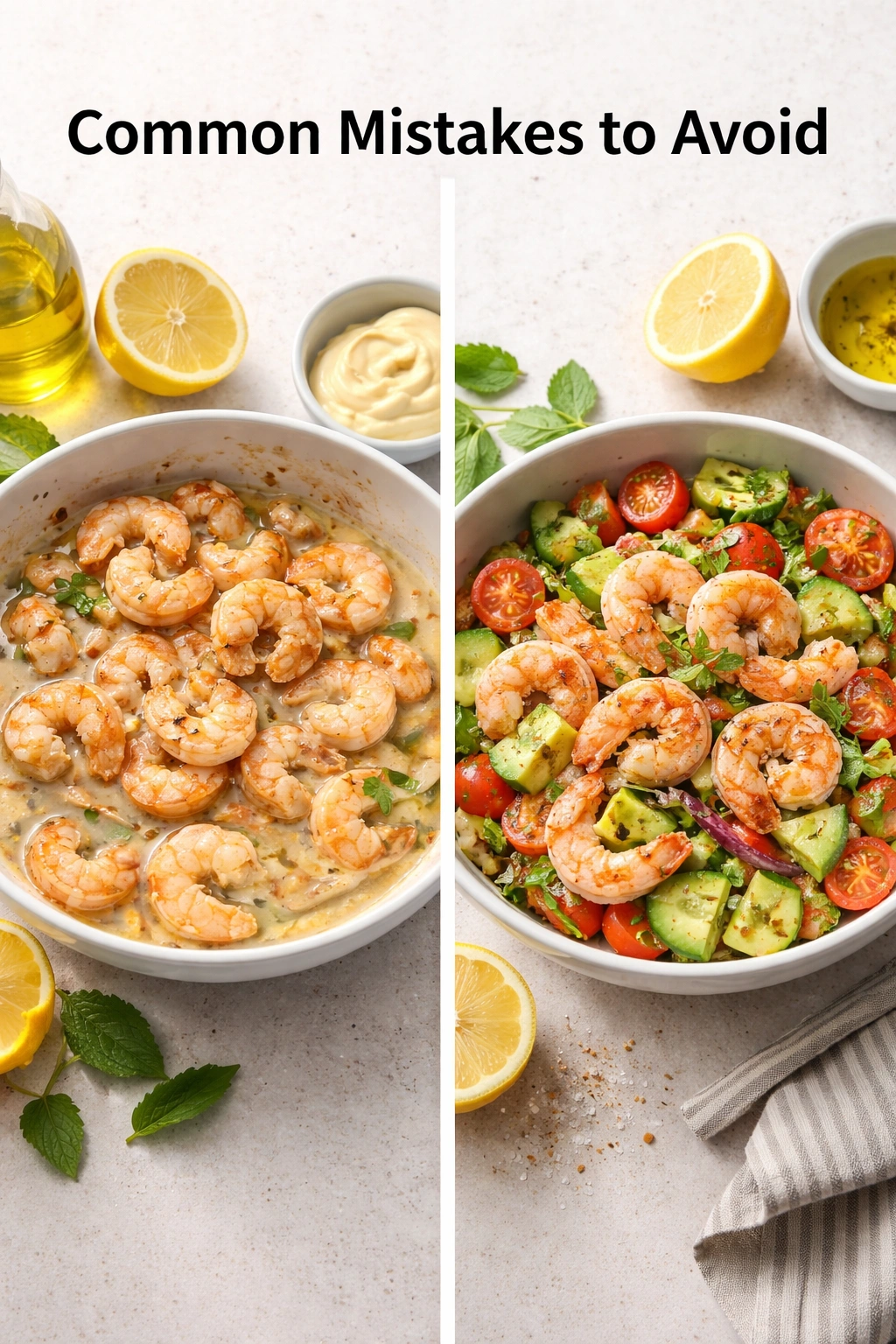
Overcooking the shrimp is the most frequent mistake, and it happens to people who forget to use the ice bath or who leave the shrimp in the water too long. Once shrimp is overcooked, you cannot undo it—it will be tough and unpleasant no matter how good everything else is. The ice bath is non-negotiable.
Using too much mayonnaise creates a greasy, heavy salad that sits in your stomach. The dressing should be creamy enough to coat everything but light enough that you can still taste the shrimp. Start conservatively and add more if needed, rather than dumping in a full cup and regretting it.
Not drying the shrimp thoroughly results in a watery salad as it sits. The shrimp releases moisture as it cools, which will further dilute a wet dressing. Dry drying matters more than you’d think.
Adding vegetables with too much water content without removing seeds or excess moisture. Cucumber especially will make your salad watery if you don’t remove the seeds. If adding tomato, scoop out and discard the seeds and juice first.
Using dried herbs instead of fresh. This ruins the delicate flavor profile. If you don’t have fresh herbs, it’s genuinely better to make the salad without them.
Not seasoning enough. Shrimp salad should taste like a complete, seasoned dish, not a bland base waiting for the eater to add salt at the table. Taste as you go and adjust seasoning aggressively.
Mixing too vigorously. Gentle folding preserves the texture of the shrimp and vegetables. Aggressive mixing breaks them apart and creates mush.
Creative Variations to Try
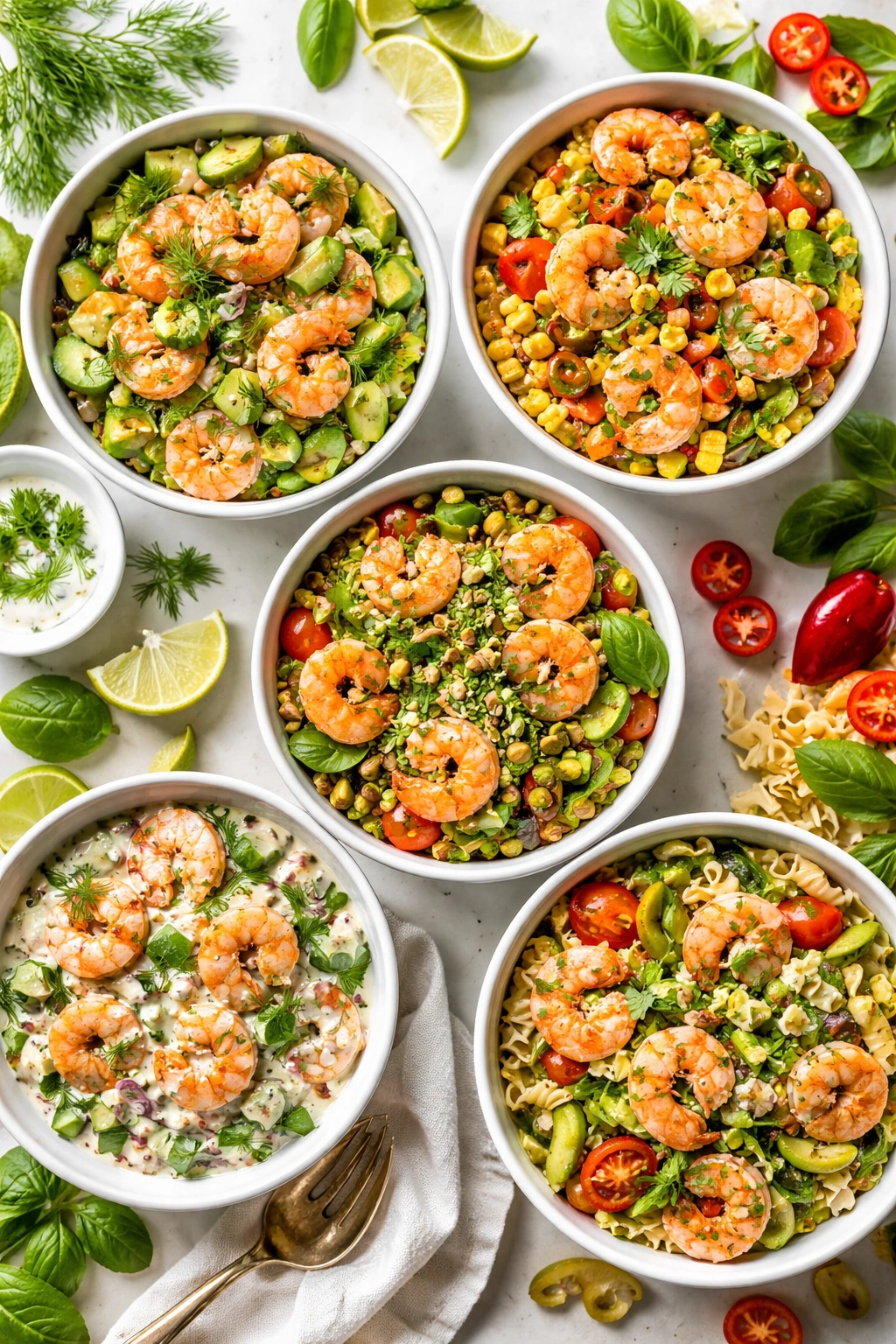
Once you’ve mastered the basic version, endless variations await. For a lighter option, replace half the mayo with Greek yogurt or sour cream. This creates a tangier, less heavy salad while maintaining creaminess. Some people even use all Greek yogurt for a genuinely light version.
For spice lovers, add minced fresh jalapeño, a pinch of cayenne, or a splash of hot sauce to the dressing. Or sprinkle in some Old Bay seasoning for a coastal flavor. Smoked paprika adds depth and color without much heat.
For herbs beyond dill, try fresh tarragon for a refined, slightly anise-like flavor, fresh cilantro for brightness, or a combination of parsley and chives. Different herbs create entirely different flavor profiles.
For vegetables, try adding crisp red bell pepper, corn kernels, avocado (added at the very end to prevent browning), or even a handful of chopped pistachio nuts or toasted almonds for texture. Some people add crispy bacon bits for richness—a handful is enough to add flavor without overwhelming the salad.
For a pasta version, toss the shrimp salad with cooked small pasta shapes like orzo or ditalini. This transforms it into a heartier dish suitable for larger meals or potlucks.
For an Asian-inspired version, replace the mayo dressing with a mixture of sesame oil, rice vinegar, soy sauce, and a touch of fresh ginger. Serve over greens or in lettuce cups with cilantro instead of dill.
For a grilled version, grill large jumbo shrimp briefly instead of boiling, then chop and proceed with the salad. The grill adds subtle smokiness that’s quite nice.
How to Store and Keep It Fresh
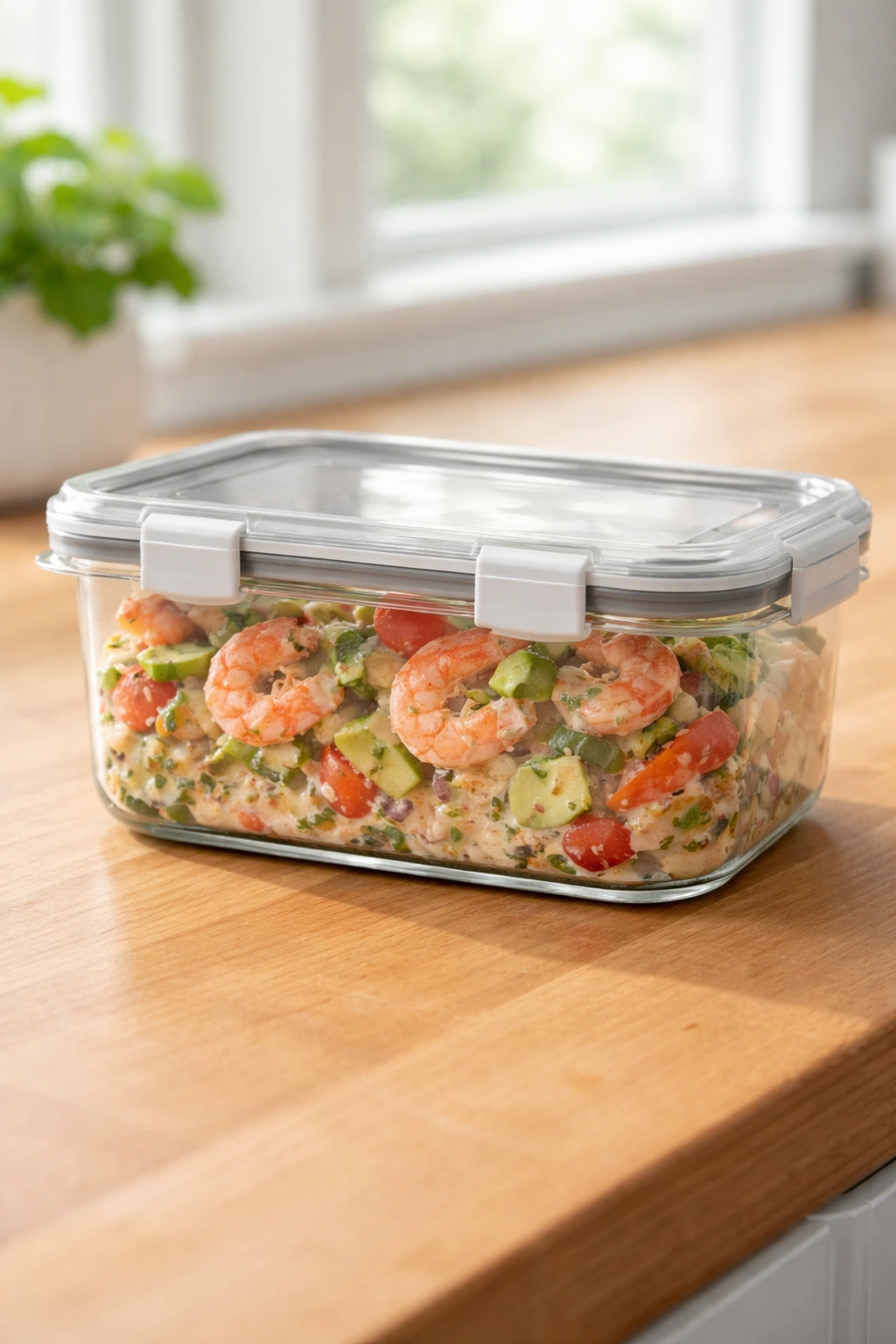
Shrimp salad keeps in the refrigerator for three to four days when stored in an airtight container. The key is airtightness—an exposed bowl will dry out and pick up odors from your fridge. Use glass containers with locking lids or heavy-duty plastic containers.
Don’t freeze shrimp salad. The mayo-based dressing doesn’t freeze well, and the texture of the vegetables becomes mushy upon thawing. If you want to freeze components separately, cooked shrimp freezes fine on its own for up to three months, but the finished salad is best eaten fresh.
If you notice the salad seems a bit dry or separated after a few days, add a touch more lemon juice and a small dollop of mayo, then stir gently. Sometimes the dressing separates slightly as it sits—a gentle remix brings it back together.
Serve with a slotted spoon if the salad has released liquid at the bottom. This prevents the salad from seeming overly wet on the plate.
If making ahead for an event, assemble the salad the morning of serving rather than the night before. The salad improves with a few hours in the fridge, but starts to decline in texture after about 6-8 hours as the vegetables continue to release moisture.
Serving Suggestions for Every Occasion
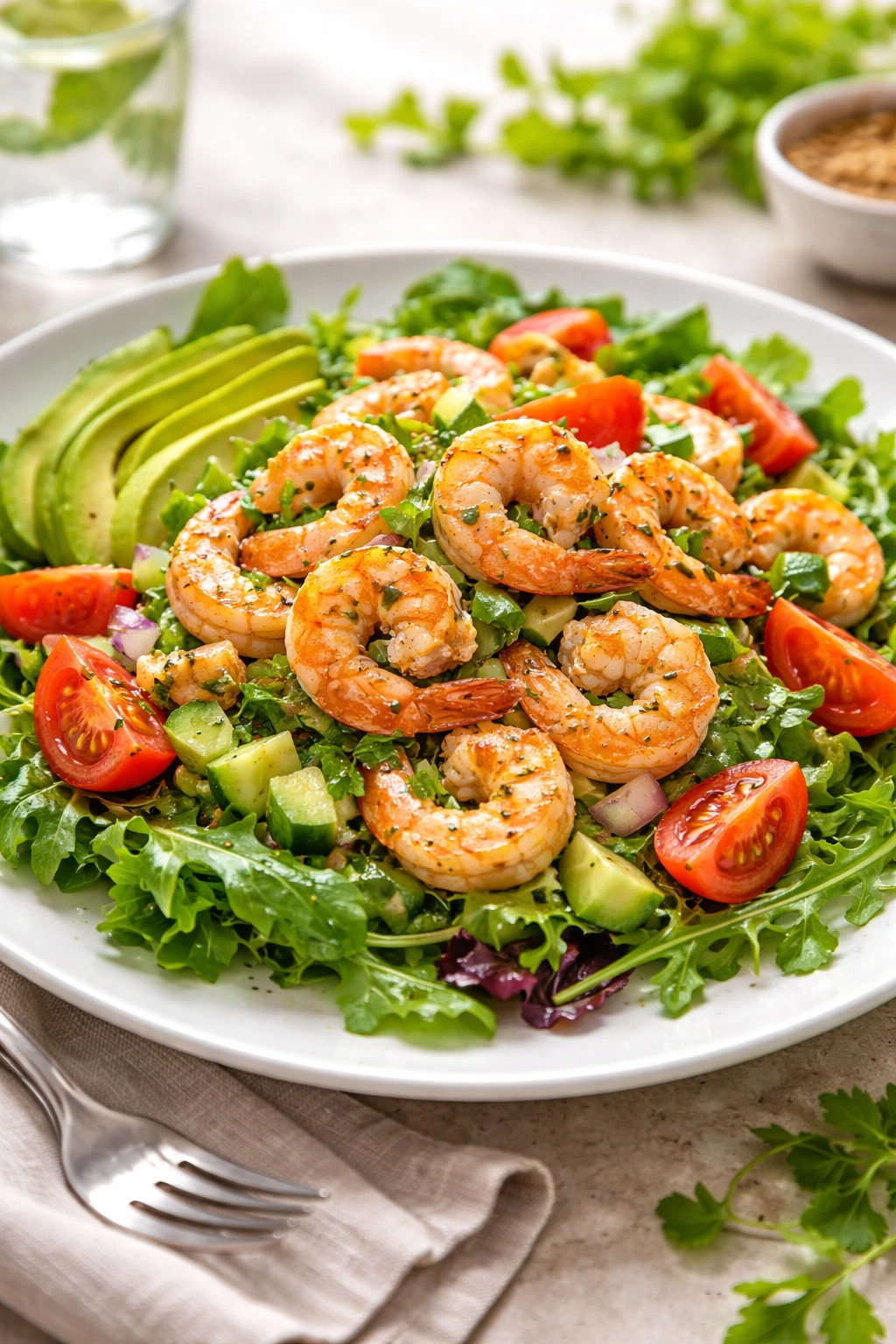
There’s truly no single “right” way to serve shrimp salad—let your occasion and guests guide you. On a bed of mixed greens or butter lettuce makes a complete main course salad. Serve chilled with lemon wedges on the side. Add avocado, tomato, or cucumber slices for additional vegetables and nutrition.
In large lettuce cup wraps using butter lettuce, romaine, or endive leaves, shrimp salad becomes a hands-on appetizer or casual lunch. Guests can fill their own lettuce leaves, making it interactive and fun.
On toasted bread or rolls, shrimp salad becomes a proper sandwich. A buttery croissant is traditional and special. Brioche buns work beautifully for a more casual presentation. Whole grain bread, rye, sourdough, or multigrain varieties all pair well.
In flour tortillas as a wrap or burrito alongside fresh spinach, lettuce, and tomato creates a handheld meal perfect for lunches.
Stuffed into avocado halves as an appetizer makes an impressive presentation. Scoop out some of the avocado flesh, fill with shrimp salad, and serve immediately.
Spooned into hollowed tomato halves or bell pepper rings creates a beautiful plated presentation for entertaining.
On small endive leaves or crispy crackers becomes an elegant appetizer—each bite is self-contained and impressive.
With fresh fruit on the side (grapes, melon, berries) creates a light, balanced meal. The contrast of sweet fruit with savory shrimp salad is surprisingly wonderful.
Alongside cucumber rounds, radish slices, or carrot sticks if you want a vegetable-forward, very light option.
Simply on a plate with good crackers and a simple green salad when you want something effortless but still feels complete.
Final Thoughts
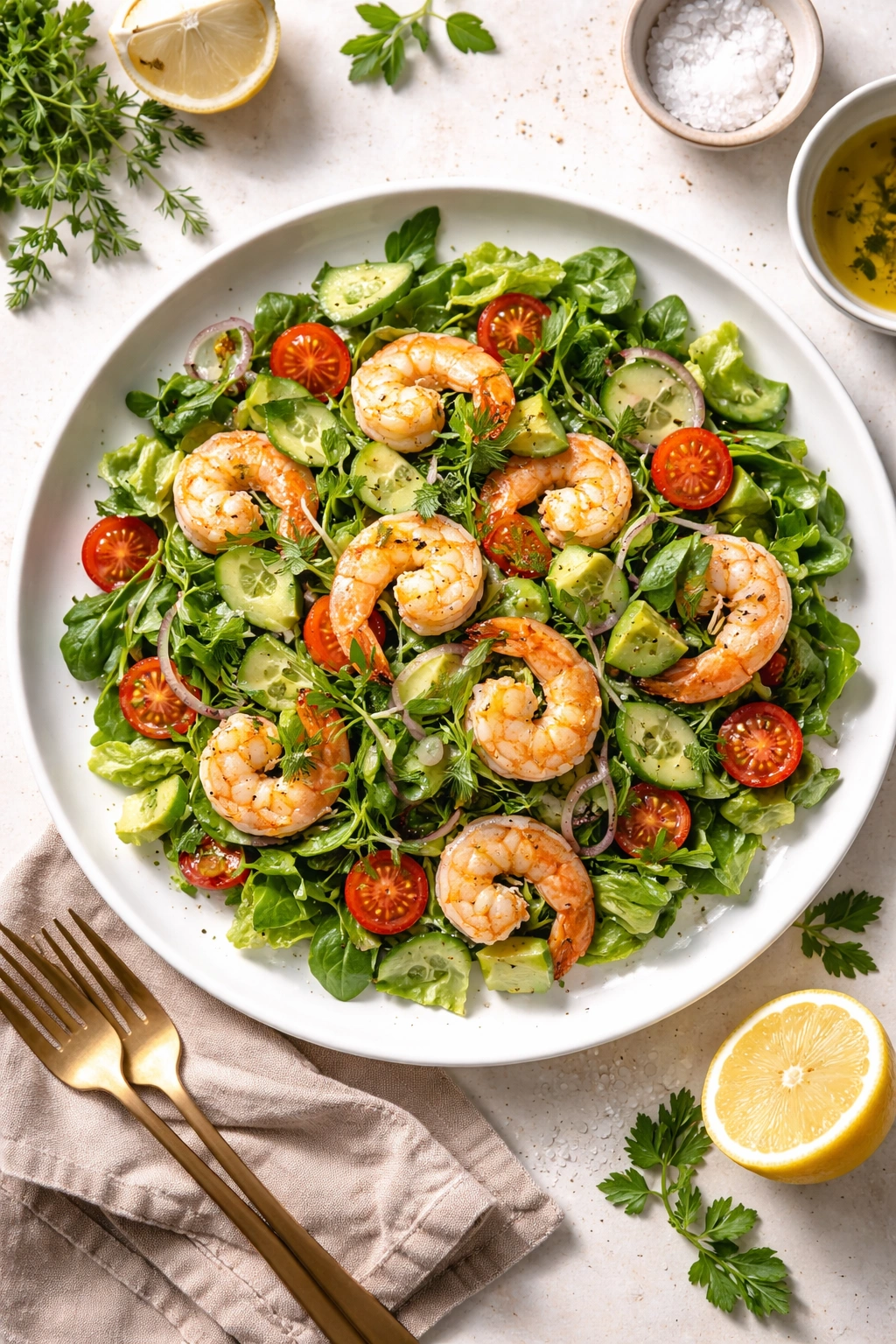
Shrimp salad earns its place in your regular cooking rotation because it delivers on every level. It’s genuinely quick to prepare, making it practical for busy weeknights. It’s elegant enough for entertaining without requiring complex techniques or hours of advance work. It’s nourishing in the way that fresh, protein-rich foods should be—satisfying without being heavy. Most importantly, it tastes delicious, whether you’re eating it ten minutes after making it or three days later when the flavors have fully melded.
The beauty of this recipe is that once you understand the fundamentals—properly cooked shrimp, quality dressing, fresh herbs, and delicate vegetables—you have complete freedom to adapt it to your preferences and available ingredients. A perfectly made shrimp salad with just the basics will always be wonderful. A shrimp salad personalized with your favorite herbs, vegetables, or seasonings will be even better.
Keep shrimp in your freezer so you can make this anytime the craving strikes. It becomes the meal you reach for on hot days when cooking feels impossible, when you need lunch for tomorrow, when friends stop by unexpectedly, or when you want something fresh and light but still satisfying. One batch inevitably leads to another, which is exactly how it should be.
