



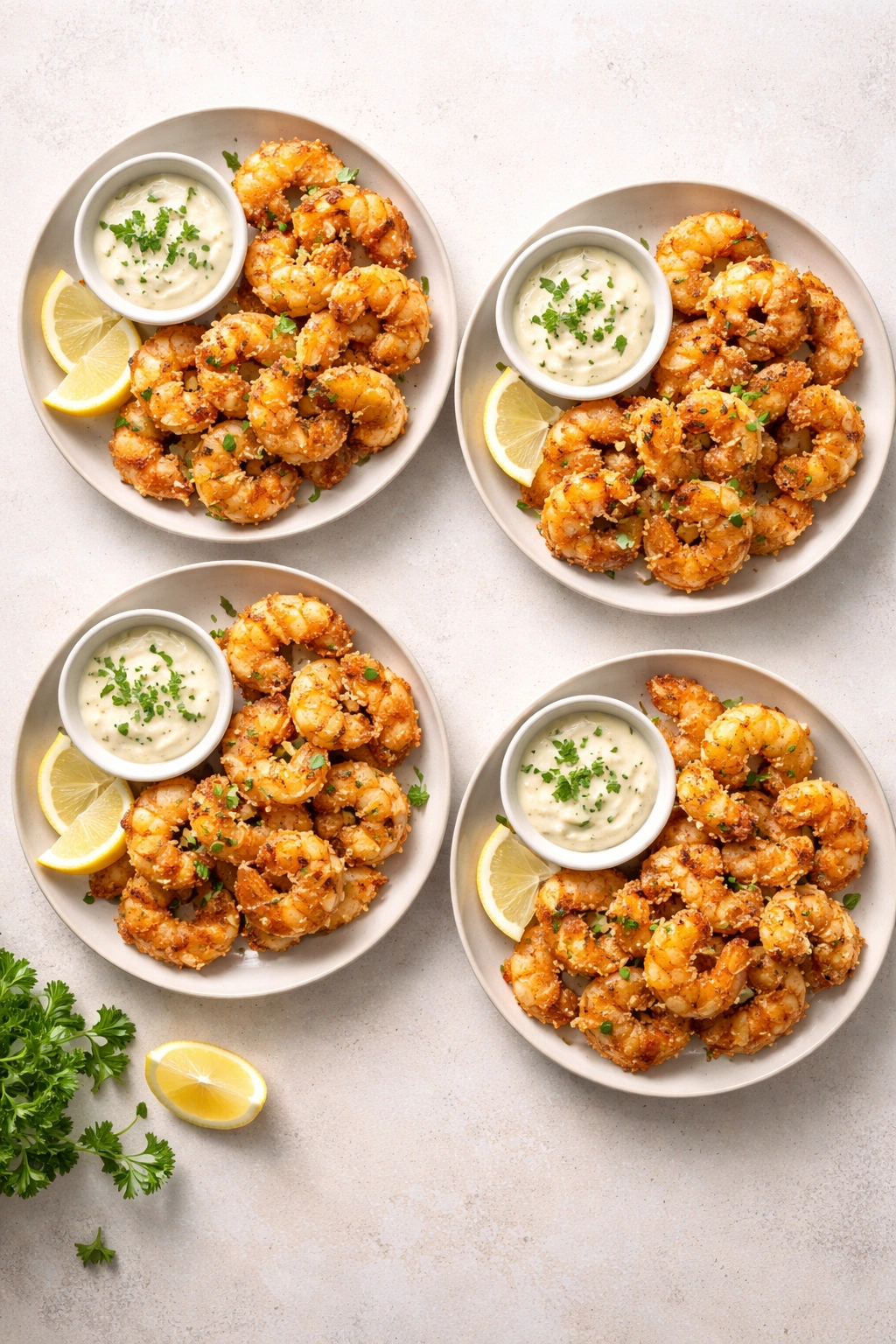
Crispy shrimp with golden Parmesan crust doesn’t have to involve messy oil splatters or a complicated cooking process. If you’ve got an air fryer and a handful of pantry staples, you can have restaurant-quality shrimp on the table in less time than it takes to order delivery. The magic happens when you combine tender, succulent shrimp with a savory blend of Parmesan cheese, garlic, and aromatics—all crisped to perfection by circulating hot air rather than hot oil. This approach delivers all the textural satisfaction of deep-fried shrimp without the grease, cleanup, or guilt that often follows.
What makes this dish so reliable is its simplicity. There’s no complex technique to master, no special equipment beyond your air fryer, and minimal ingredients. Yet the results feel indulgent enough to serve to guests or impressive enough to make a weeknight dinner feel special. Whether you’re feeding a busy family, preparing an appetizer for entertaining, or simply craving something that tastes more complicated than it actually is, air fryer Parmesan shrimp answers the call every single time.
Why Parmesan Shrimp Works as a Quick Dinner
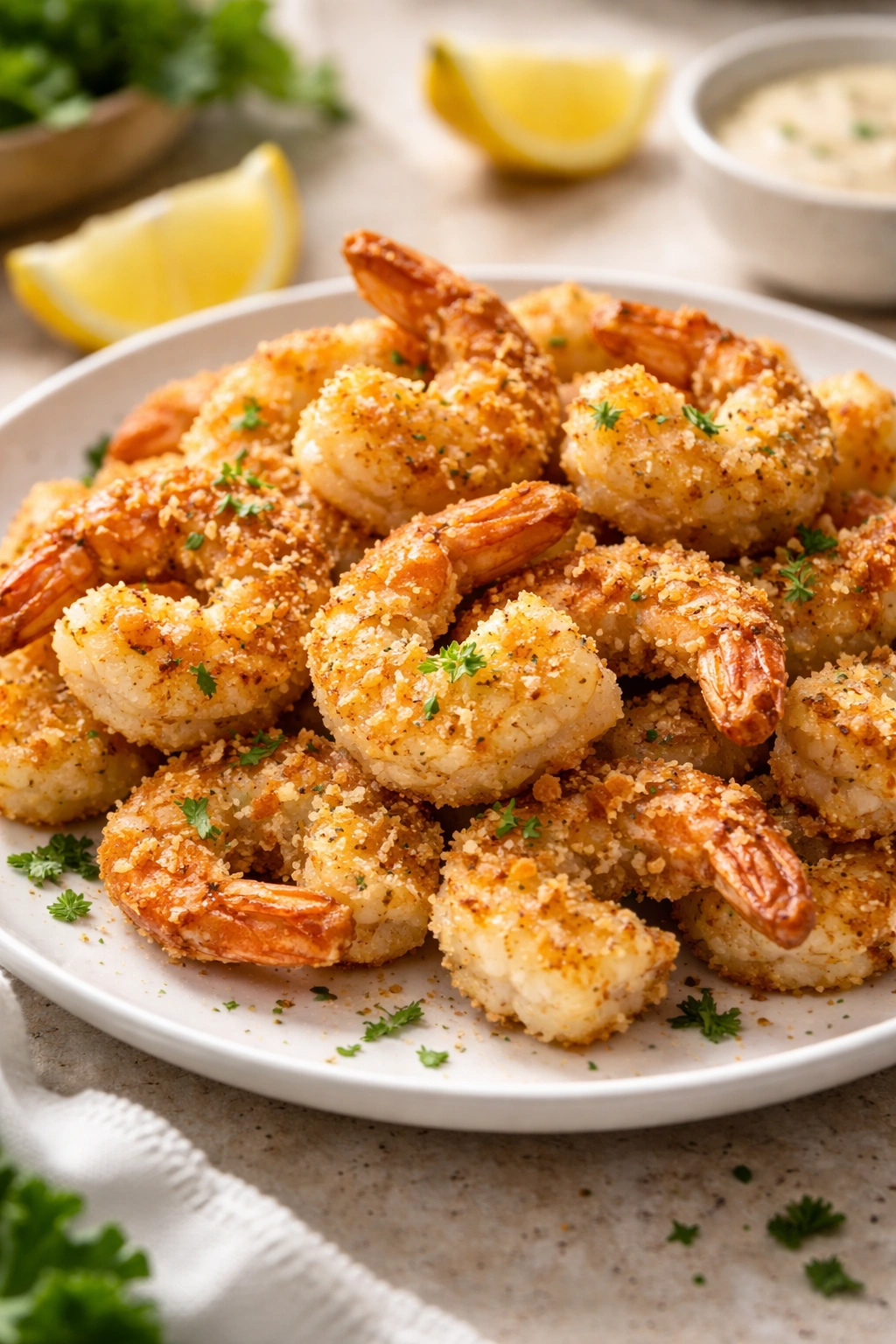
Shrimp has a natural advantage in the speed department—it cooks incredibly fast because of its small, delicate structure. The proteins denature quickly under heat, meaning you’re never more than eight to ten minutes away from a cooked shrimp, regardless of your cooking method. This makes shrimp ideal for busy nights when you need dinner on the table without spending hours in the kitchen.
The addition of Parmesan cheese and garlic creates a flavor combination that feels deeply satisfying despite the minimal ingredients required. Parmesan brings umami richness, a savory depth that makes people think you’ve simmered this dish for hours. Garlic, whether minced fresh or in powder form, adds aromatic complexity without requiring any chopping or sautéing. Together, they transform simple shrimp into something that tastes restaurant-caliber.
The air fryer amplifies these qualities by creating a crispy exterior that contrasts beautifully with the tender, juicy shrimp inside. The dry heat circulation browns the Parmesan coating evenly and quickly, developing a golden crust that catches and reflects light beautifully on the plate. This is the texture people crave from fried foods—that satisfying crunch—without the heaviness of traditional deep frying.
Understanding Your Air Fryer for Perfect Results
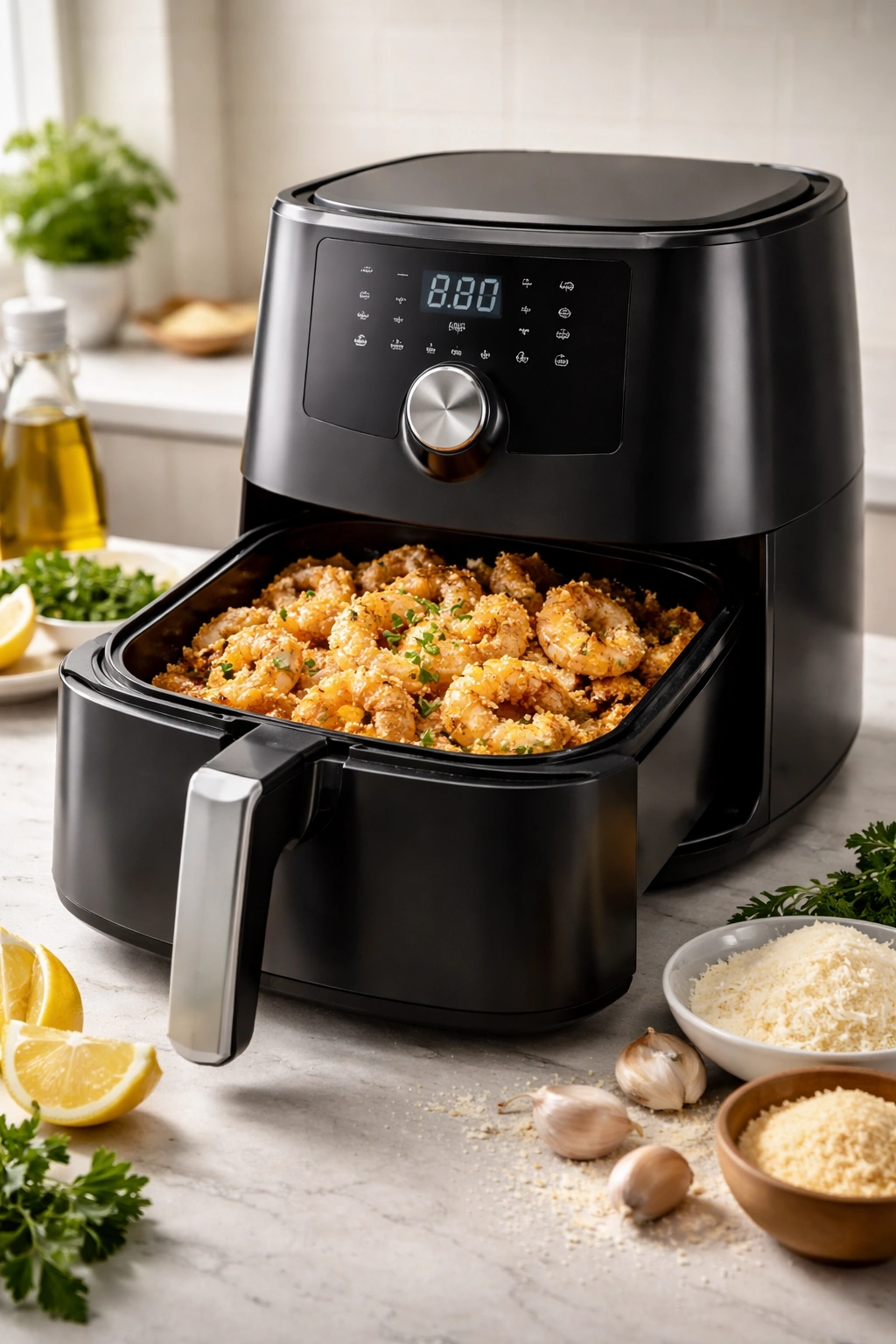
An air fryer is essentially a compact convection oven that circulates superheated air at high speed around a basket containing your food. This rapid air movement cooks food quickly and, crucially, creates browning and crisping through the Maillard reaction—the chemical process that creates those coveted golden, flavorful exteriors. Understanding how your specific machine operates is the first step toward consistent success.
Air fryers vary significantly by brand and capacity. A smaller countertop model might hold comfortably one pound of shrimp, while a larger family-size fryer could accommodate significantly more. The key is never overcrowding your basket, which blocks hot air circulation and leads to uneven cooking, soft spots, and disappointing results. If you’re cooking a larger batch, split it into two or more batches rather than jamming everything in at once.
Temperature settings also vary by model. Most recipes call for air frying at 370°F to 400°F, with higher temperatures creating crispier exteriors and lower temperatures cooking more gently through the center. Your fryer’s specific design—whether it has a pull-out basket, a rotating basket, or heating elements positioned differently—will affect cooking time slightly. Get familiar with your machine’s quirks, note if it runs hot or cool compared to the stated temperature, and adjust accordingly.
Selecting Quality Shrimp for Tender Results
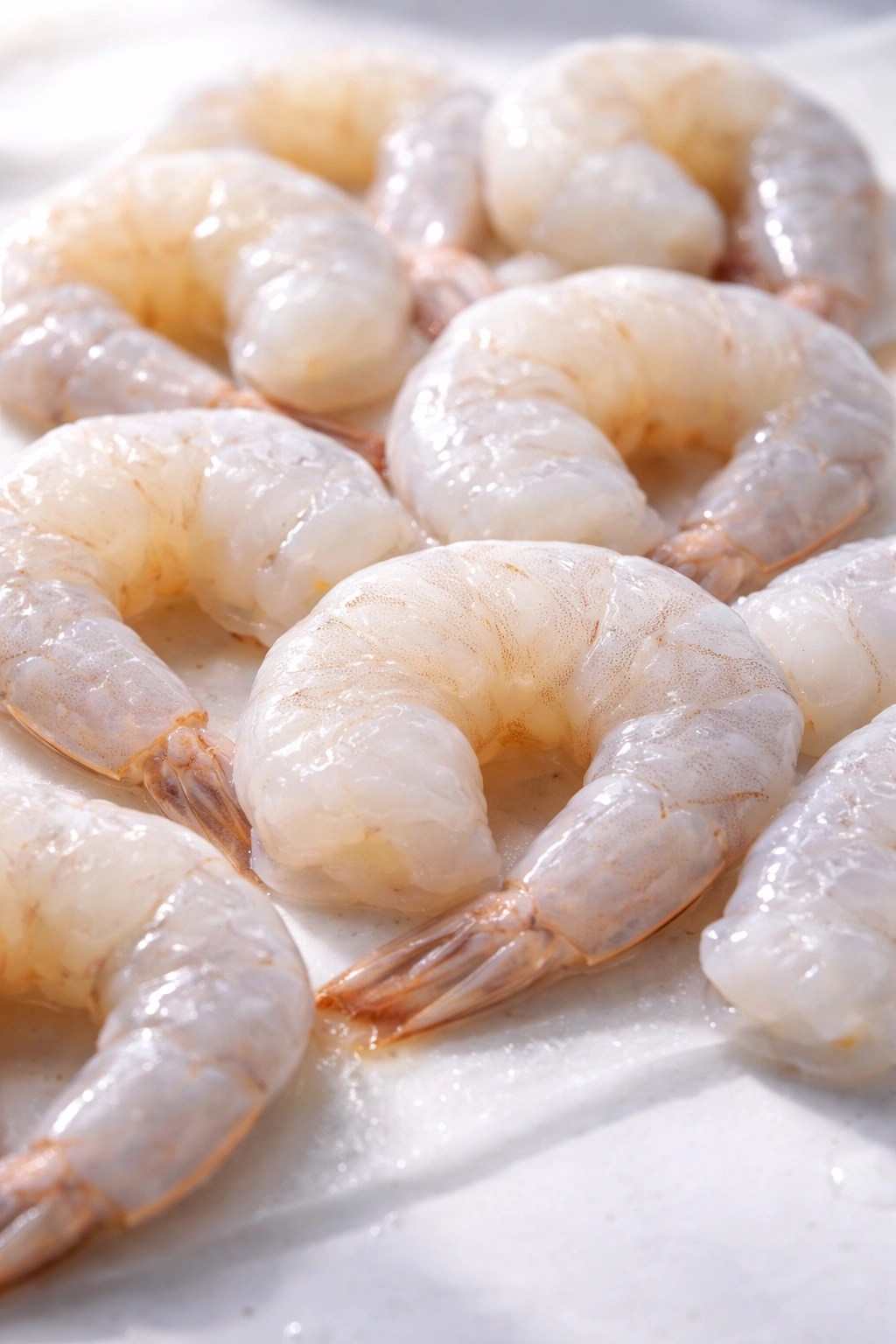
The quality of your final dish starts with the shrimp itself. You have options: fresh shrimp, frozen shrimp, cooked shrimp, or raw shrimp. Each has merits, and each will work in this recipe, though the results differ subtly.
Fresh shrimp are wonderful if you have access to them the same day they’re caught or processed. They should smell like the ocean—clean and briny—never fishy or ammonia-like, which indicates aging or improper storage. Fresh shrimp cook quickly and stay tender if you watch the timing carefully.
Frozen shrimp are usually your most accessible option and, honestly, superior to many “fresh” shrimp sold in grocery stores that have been thawed multiple times. Most frozen shrimp are individually quick-frozen at sea, locking in freshness. Thaw them gently in the refrigerator overnight or quickly in a bowl of cold water for fifteen to twenty minutes. Pat them completely dry before cooking—any surface moisture prevents the seasoning from adhering properly and interferes with browning.
Shrimp size matters. The count indicates how many shrimp per pound. Jumbo shrimp (16-20 count) are larger and stay juicier, with a pleasing, meaty bite. Medium shrimp (31-40 count) cook faster but can dry out more easily if you’re not careful with timing. For this recipe, larger shrimp are more forgiving. Look for shrimp that are firm, with a bright color and no dark spots or discoloration.
Peeled and deveined shrimp save you prep work and are worth the slight price premium. The vein—actually the shrimp’s digestive tract—is harmless but can be gritty and aesthetically unpleasant. If you buy unpeeled shrimp, gently remove the shell and use a small knife or deveining tool to remove the vein running down the back.
Essential Ingredients for Maximum Flavor
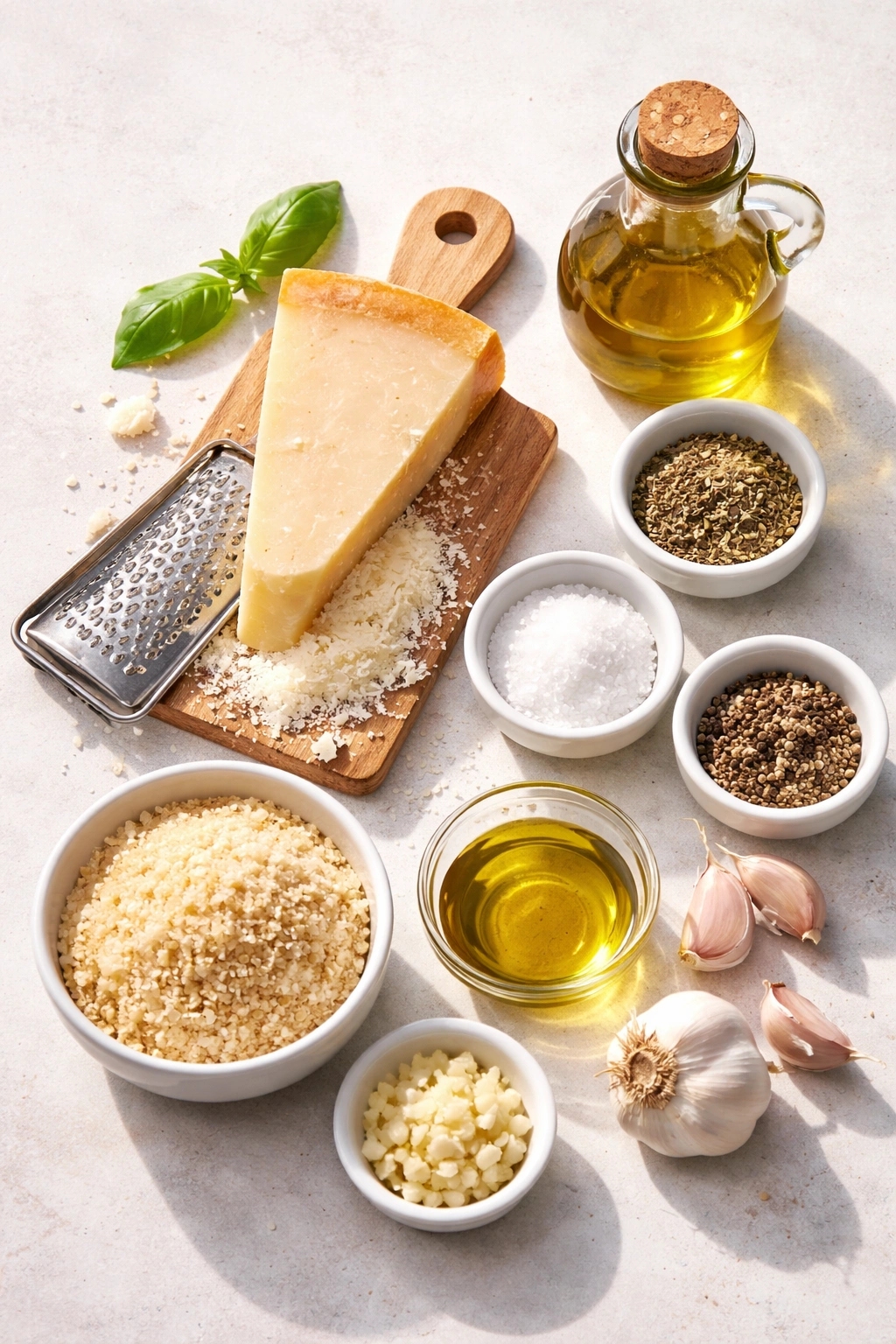
This recipe works with minimal ingredients because each one earns its place through flavor or texture. You don’t need a laundry list of specialty items—just a few quality staples from your pantry.
Shrimp is, of course, your star. One pound serves four as a main dish or provides generous appetizer portions for six to eight people.
Parmesan cheese should be freshly grated from a block, never the pre-shredded stuff that comes in a green can. Pre-shredded cheese contains anti-caking agents that prevent it from melting and browning properly in the air fryer. It stays powdery rather than creating that desirable crispy crust. If you don’t have a box grater, a microplane works beautifully and creates finely shredded Parmesan that clings to the shrimp.
Garlic can take two forms. Fresh minced garlic brings bright, sharp flavor and develops subtle sweetness as it cooks. Garlic powder provides steady, predictable garlic flavor that coats every piece evenly. Many recipes use both—the fresh adds vibrancy, while the powder ensures consistent seasoning throughout.
Olive oil helps seasonings adhere to the shrimp and contributes to browning and crisping. Use a neutral oil if you prefer not to taste the oil itself, or extra virgin olive oil if you enjoy its fruity notes.
Lemon brightens the finished dish. Fresh lemon juice is preferable to bottled, but bottled works in a pinch. Lemon zest adds concentrated citrus flavor without liquid.
Seasonings—salt, black pepper, perhaps dried oregano or basil—round out the profile. The beauty of this recipe is how adaptable it is to your spice cabinet and preferences.
Yield: Serves 4 as a main course | Serves 6 as an appetizer | Makes 1 pound shrimp
Prep Time: 10 minutes
Cook Time: 10 minutes
Total Time: 20 minutes
Difficulty: Beginner — The steps are straightforward, no special technique required, and the timing is forgiving even if you’re new to cooking shrimp.
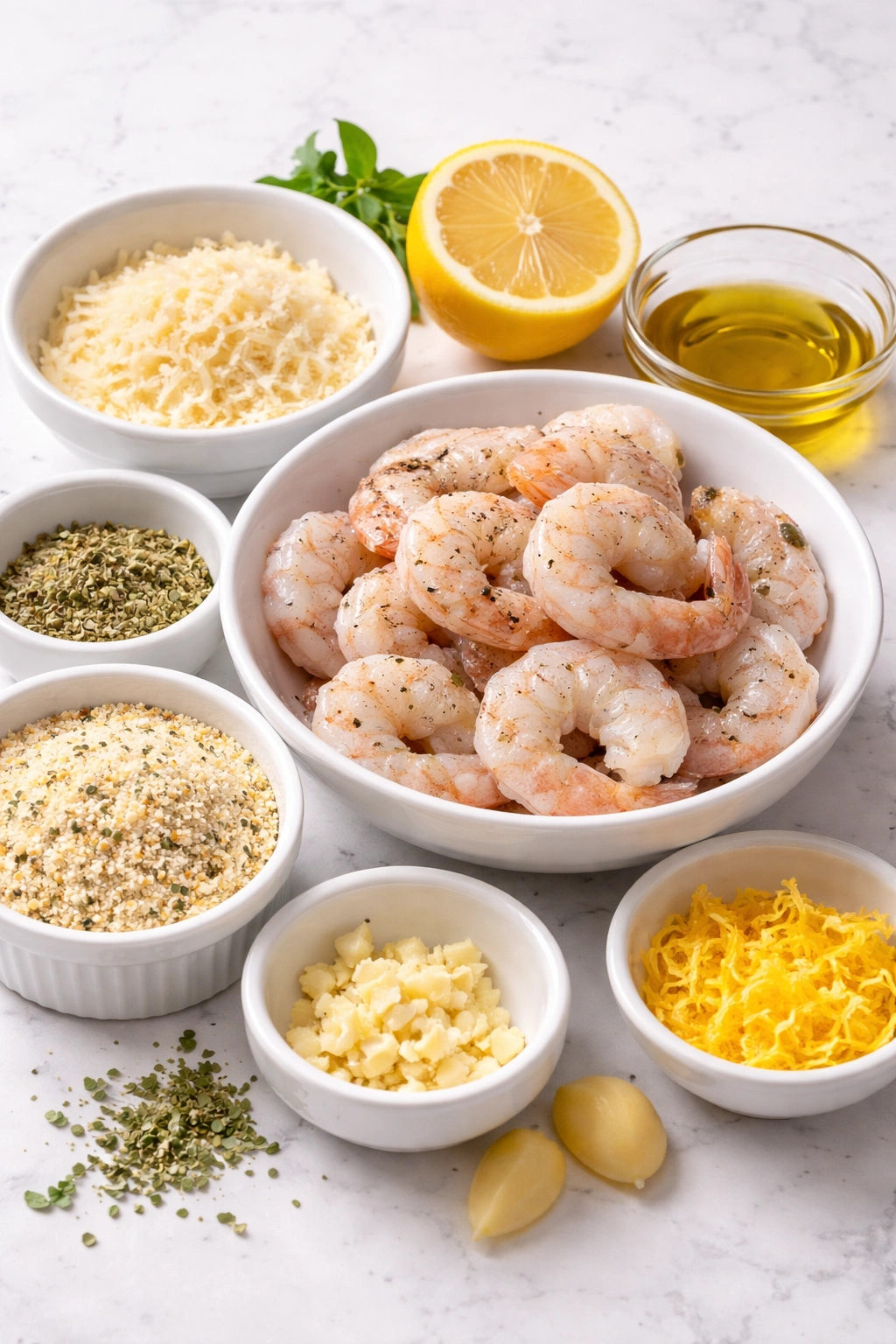
Ingredients for Air Fryer Parmesan Shrimp
For the Shrimp:
- 1 pound large shrimp (16-20 count), peeled and deveined, tails on or off as you prefer
- 2 tablespoons olive oil
- ⅔ cup freshly grated Parmesan cheese
- 3 cloves garlic, minced finely (or 1 teaspoon garlic powder, or use both for deeper garlic flavor)
- 1 teaspoon dried oregano (or dried basil, or Italian seasoning blend)
- ½ teaspoon salt (adjust to your preference and saltiness of the cheese)
- ¼ teaspoon freshly ground black pepper
- ½ teaspoon smoked paprika (optional, adds subtle smokiness)
- Zest of half a lemon, finely minced (or ½ teaspoon dried lemon zest)
For Serving:
- 1 fresh lemon, quartered or cut into wedges
- 2 tablespoons fresh parsley or fresh basil, finely chopped (optional garnish)
- Additional grated Parmesan for sprinkling if desired
Step-by-Step Instructions
Prepare the Shrimp:
-
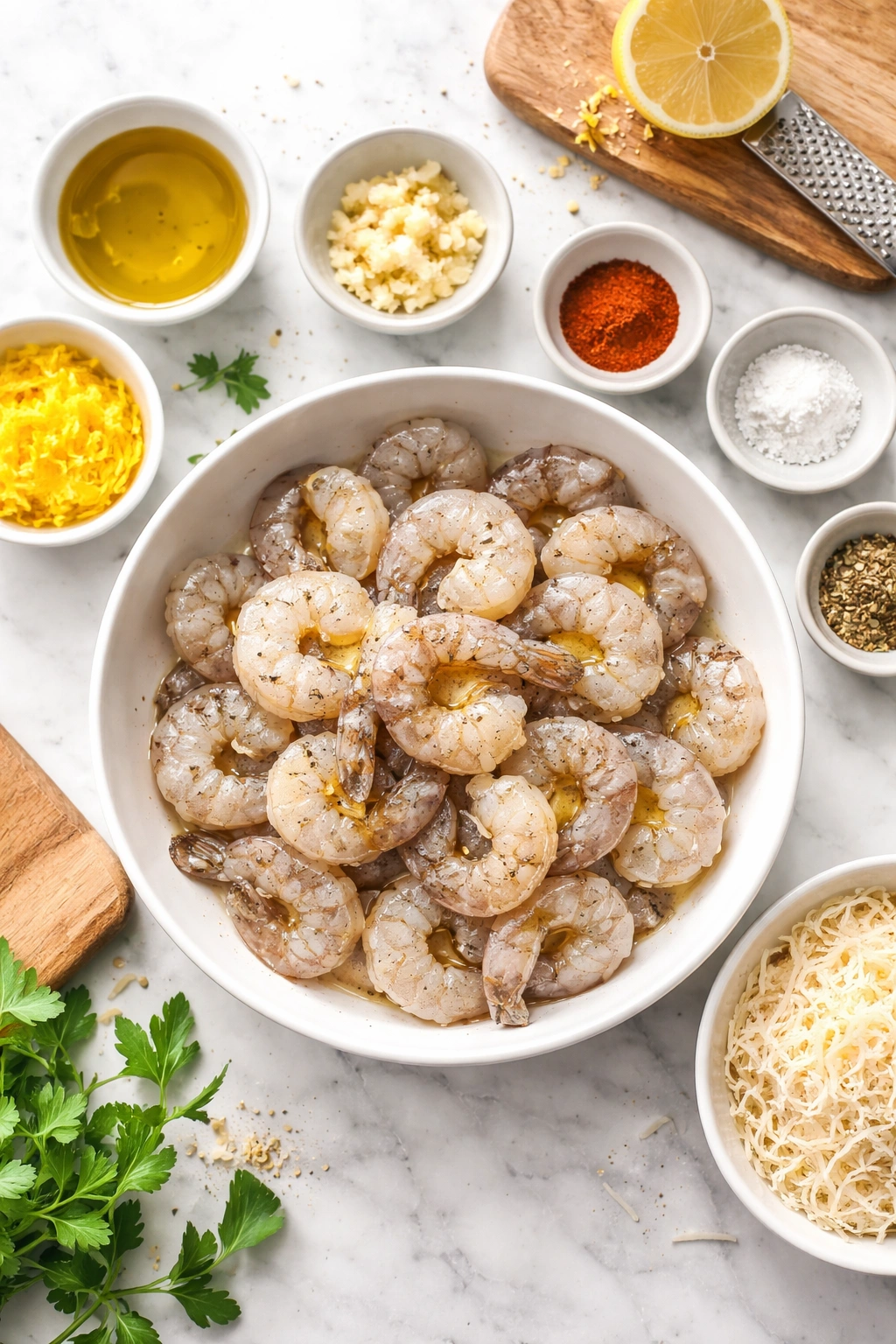
Pat your thawed shrimp completely dry with clean paper towels—this step is crucial for the seasoning to adhere properly and for browning to occur evenly. Any surface moisture will create steam rather than allowing the coating to crisp.
-
Place the dried shrimp into a large mixing bowl.
-
Drizzle the olive oil over the shrimp and toss gently with your hands or a wooden spoon until every piece glistens with a light coat of oil. The oil helps seasonings stick and encourages browning.
Advertisements
Season the Shrimp:
-
Add the minced garlic (if using fresh), dried oregano, salt, pepper, and smoked paprika to the bowl. If using garlic powder instead, add it now as well. Toss everything together until the seasonings are distributed evenly across every shrimp—you want seasoning on every piece, not clumped in the bottom of the bowl.
-
Add the freshly grated Parmesan cheese and the lemon zest. Using two forks or wooden spoons, gently toss the shrimp through the cheese mixture until every shrimp is coated with a thin, even layer of Parmesan. Don’t be rough here—you want to coat without crushing the delicate shrimp. A note on the cheese: It should cling to the shrimp like a light, irregular crust, not cake onto it thickly. If you’re generous with the cheese and the shrimp stick together, gently separate them with a fork.
Prepare the Air Fryer:
-
Preheat your air fryer to 370°F (190°C) for about 5 minutes. This step matters—a properly preheated basket ensures the shrimp start cooking immediately and develops the crispiest, most golden exterior. While it preheats, you can give the shrimp one more gentle toss to redistribute any Parmesan that may have settled to the bottom.
-
Once preheated, lightly spray the air fryer basket with non-stick cooking spray to prevent sticking and make cleanup effortless. Alternatively, you can line the basket with parchment paper designed for air fryers, which also prevents sticking.
Cook the Shrimp:
-
Arrange the seasoned shrimp in the air fryer basket in a single layer with some space between each piece. Don’t overlap them or pack them tightly—hot air needs to circulate around each shrimp to crisp it evenly. If your shrimp won’t fit in a single layer, cook in two batches rather than cramming them in. This is one of the most important steps for success.
-
Air fry at 370°F for 5 minutes, then gently shake the basket or flip the shrimp with tongs, and continue cooking for another 5 minutes at 370°F, until the shrimp are opaque white with some pink or bright red coloring and the Parmesan coating is golden brown and crispy. Do not overcook—shrimp that are cooked too long become rubbery and tough, with a dense, unpleasant texture.
-
A shrimp is perfectly cooked when it’s firm to the touch but still tender and juicy inside. The exterior should feel crispy, and the Parmesan should have turned from pale ivory to golden with some light browning. If the Parmesan isn’t quite brown enough when the shrimp is cooked, you can cook for another 1-2 minutes, but watch carefully—the line between golden and burnt is thin.
Advertisements
Finish and Serve:
-
Transfer the cooked shrimp to a serving plate or bowl using a slotted spoon, metal spatula, or tongs. As you move the shrimp, use the spoon to scrape up any browned bits of Parmesan and seasonings clinging to the basket and pour them over the shrimp—these flavorful bits shouldn’t be wasted.
-
Squeeze fresh lemon juice generously over the hot shrimp. The acidity brightens the rich, savory flavors beautifully.
-
Scatter the fresh chopped parsley or basil over the top if desired, and serve immediately while the Parmesan coating is still crispy. The shrimp are best enjoyed hot.
Pro Tips for Crispy, Golden Results
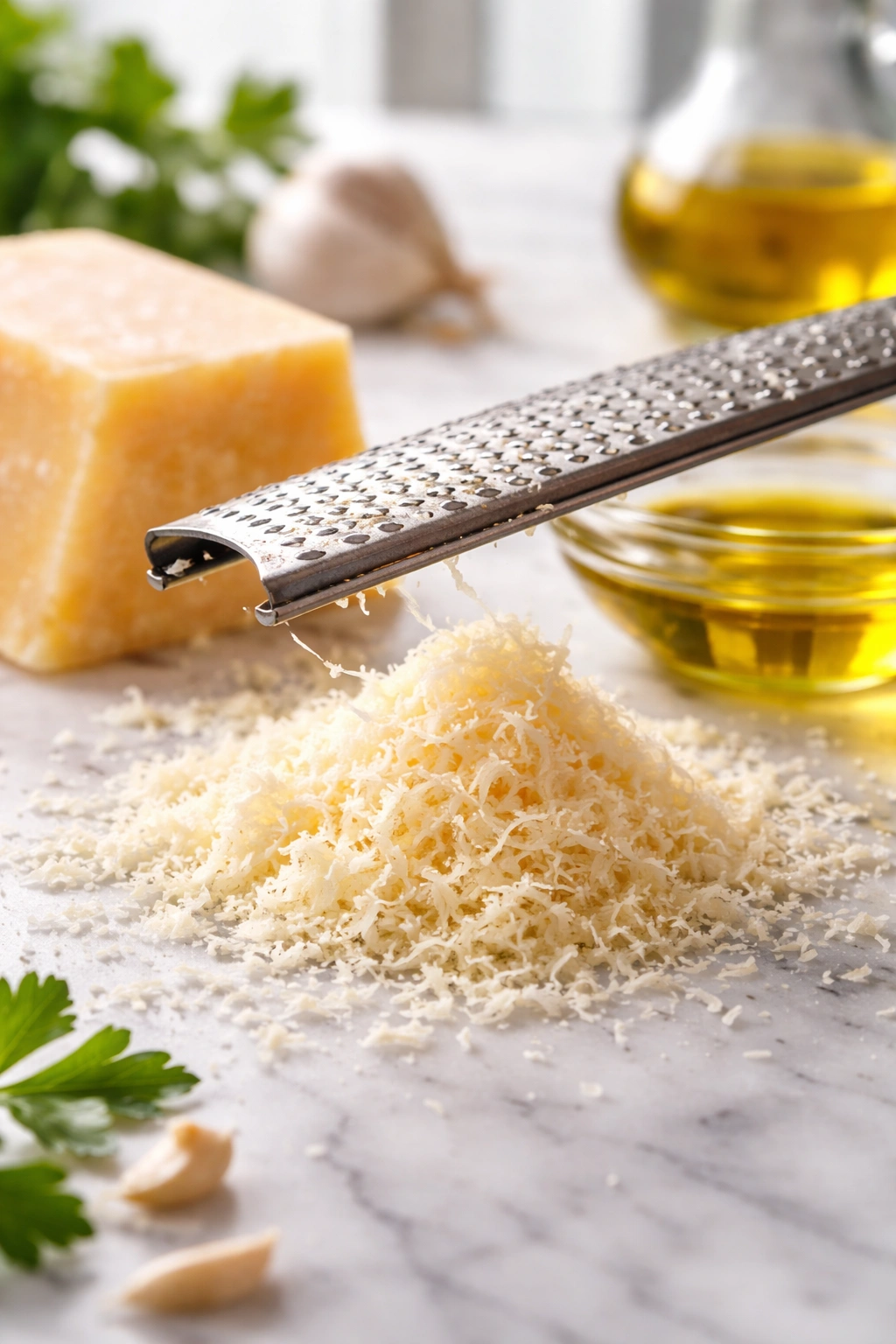
Use freshly grated Parmesan cheese. This cannot be overstated. Pre-shredded cheese contains starch and anti-caking agents that prevent proper browning. It creates a powdery coating rather than a crispy crust. A box grater or microplane makes quick work of it, and the difference in the final dish is dramatic.
Pat the shrimp completely dry. Any moisture on the surface creates steam when the shrimp hits the hot air, which interferes with browning and seasoning adhesion. Take an extra moment here—it’s the most important prep step.
Don’t skip the oil. It serves multiple purposes: it helps seasonings cling to the shrimp, it encourages browning through the Maillard reaction, and it contributes to that crispy, glossy finish. Two tablespoons might seem minimal, but it’s sufficient for one pound of shrimp.
Shake the basket halfway through. This simple action ensures even browning on all sides. You can either give the basket a gentle shake side-to-side, or use tongs to carefully flip each shrimp. Either method works—the goal is just to rotate the shrimp so they brown evenly.
Monitor your air fryer’s temperature. Some air fryers run hotter or cooler than the dial indicates. If your first batch browns too quickly, lower the temperature slightly. If it’s not browning enough, raise it. After your first successful batch, you’ll know exactly how your machine behaves.
Don’t overcrowd. This bears repeating because it’s the most common reason for disappointing results. Hot air must circulate freely around each shrimp. A crowded basket cooks unevenly, creating soft spots and preventing the crust from crisping properly.
Lemon is essential, not optional. The brightness of fresh lemon juice is transformative. It cuts through the richness of the Parmesan and garlic, adding freshness and making the entire dish feel lighter and more complete.
Common Mistakes to Avoid
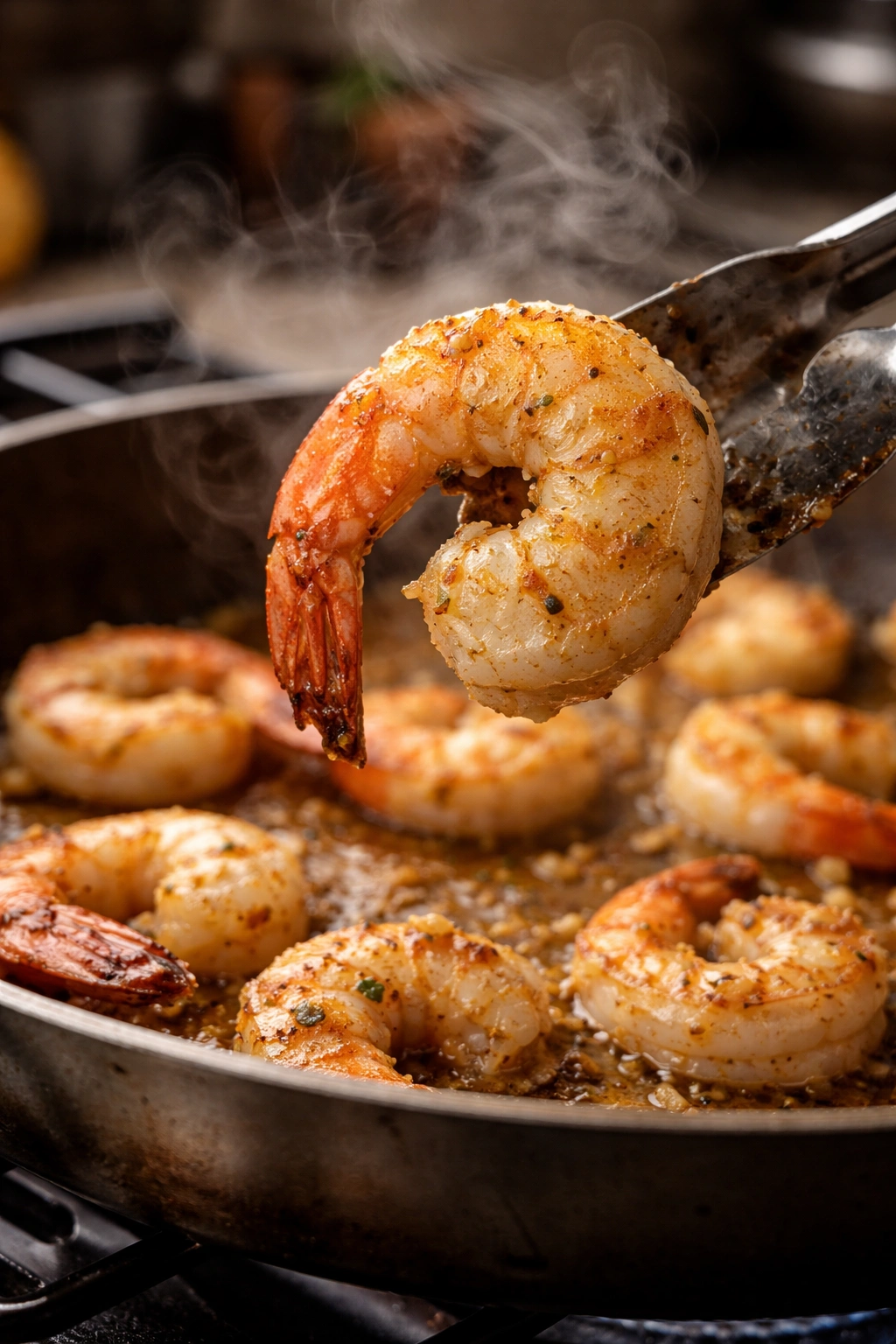
Overcooking the shrimp is the most frequent misstep. Shrimp cook very quickly—faster than most people expect—and they become rubbery and tough within seconds of overcooking. At 370°F, large shrimp take about ten minutes total. Start checking them at eight minutes. Look for the moment when they turn opaque white with pink or bright red accents. That’s your target. Err on the side of slightly undercooked—they’ll continue cooking from residual heat after you remove them from the basket.
Using pre-shredded Parmesan cheese compromises the entire dish. The coating won’t crisp properly, remaining soft or even gummy. Spend the extra minute grating cheese from a block. Your results will be noticeably better.
Putting shrimp in a cold basket means they don’t start crisping immediately, leading to uneven cooking and soft exteriors. Always preheat your air fryer.
Overcrowding the basket prevents air circulation and creates a steam environment rather than a crisping environment. Shrimp that touch or overlap cook unevenly and develop soft spots. If your shrimp don’t fit in a single layer, cook them in batches.
Not coating the shrimp thoroughly means some pieces won’t have enough seasoning and cheese to brown properly. Toss gently but thoroughly, ensuring every shrimp touches the seasoning mixture.
Skipping the paper towel drying step allows moisture to interfere with browning and seasoning adhesion. Take the extra moment to pat shrimp completely dry.
Using warm or melted butter if your recipe includes butter, can cause the butter to solidify against the cold frozen shrimp if they’re still icy. Always cool melted butter slightly before tossing with shrimp, giving you time to coat everything evenly before the butter hardens.
Flavor Variations to Try
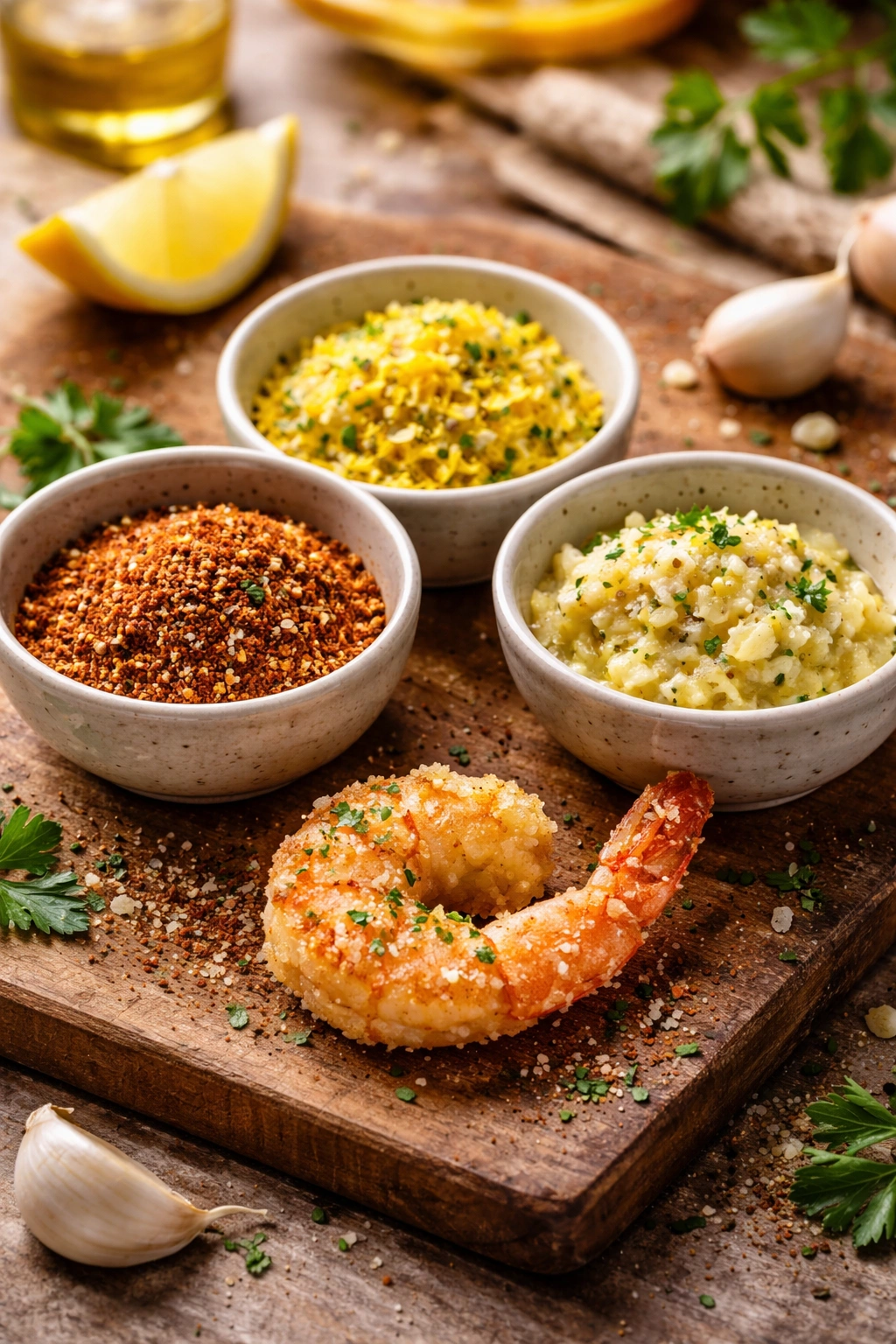
The beauty of this recipe lies in its flexibility. Once you understand the basic technique, you can pivot in numerous directions to match your mood, dietary preferences, or what you have in your pantry.
Cajun Parmesan Shrimp transforms the dish into something spicier and more complex. Substitute the oregano with 2 teaspoons Cajun seasoning blend (or make your own with paprika, cayenne, garlic powder, onion powder, and dried thyme). Add a tiny pinch of cayenne pepper if you like heat. The Parmesan remains, providing richness that balances the spice beautifully. Serve over rice or in tacos.
Lemon Pepper Parmesan Shrimp emphasizes citrus brightness. Increase the lemon zest to 1 full teaspoon and add 1½ teaspoons lemon pepper seasoning (the kind sold in the spice aisle). Reduce or omit the oregano. The result is sharper, more herbaceous, with pronounced citrus notes. This version is wonderful over pasta or alongside a fresh salad.
Garlic Butter Parmesan for those who love intense garlic flavor. Use 2 teaspoons garlic powder plus your fresh minced garlic, and add 1 tablespoon melted butter (cooled slightly before tossing with the shrimp) along with the olive oil. The butter creates richness and helps the garlic flavors develop beautifully. Fresh parsley becomes even more important as a garnish to lighten the richness.
Mediterranean Version adds ½ teaspoon dried basil (instead of oregano), a pinch of dried thyme, and some finely minced sun-dried tomatoes mixed into the cheese coating if you have them on hand. Serve with a simple Greek salad, olives, and feta cheese on the side. A splash of red wine vinegar over the shrimp instead of lemon creates an earthy twist.
Spicy Honey Sriracha takes a sweet-heat approach. Mix 2 tablespoons honey with 1 tablespoon sriracha and 1 teaspoon rice vinegar in a small bowl. After the shrimp cook, toss them in this glaze instead of using lemon juice. Keep some of the Parmesan coating by using just ⅓ cup Parmesan instead of ⅔ cup, letting the sauce be the star. Garnish with sesame seeds and sliced scallions.
Italian Herb Version increases dried basil to 1 teaspoon and adds ½ teaspoon dried Italian seasoning blend plus ¼ teaspoon red pepper flakes for a subtle heat. Everything else remains the same. This version feels more Mediterranean and pairs beautifully with marinara sauce for dipping.
Coconut Parmesan Fusion mixes ½ cup unsweetened shredded coconut with the Parmesan cheese, creating a sweet-savory coating. Use lime juice instead of lemon. Serve with a simple sweet chili sauce for dipping or over coconut rice.
Smoky Paprika Version adds 1 teaspoon smoked paprika and reduces the oregano to ½ teaspoon. This creates a deeper, slightly smoky flavor that pairs beautifully with grilled vegetables or rice pilaf.
Storage and Make-Ahead Guide
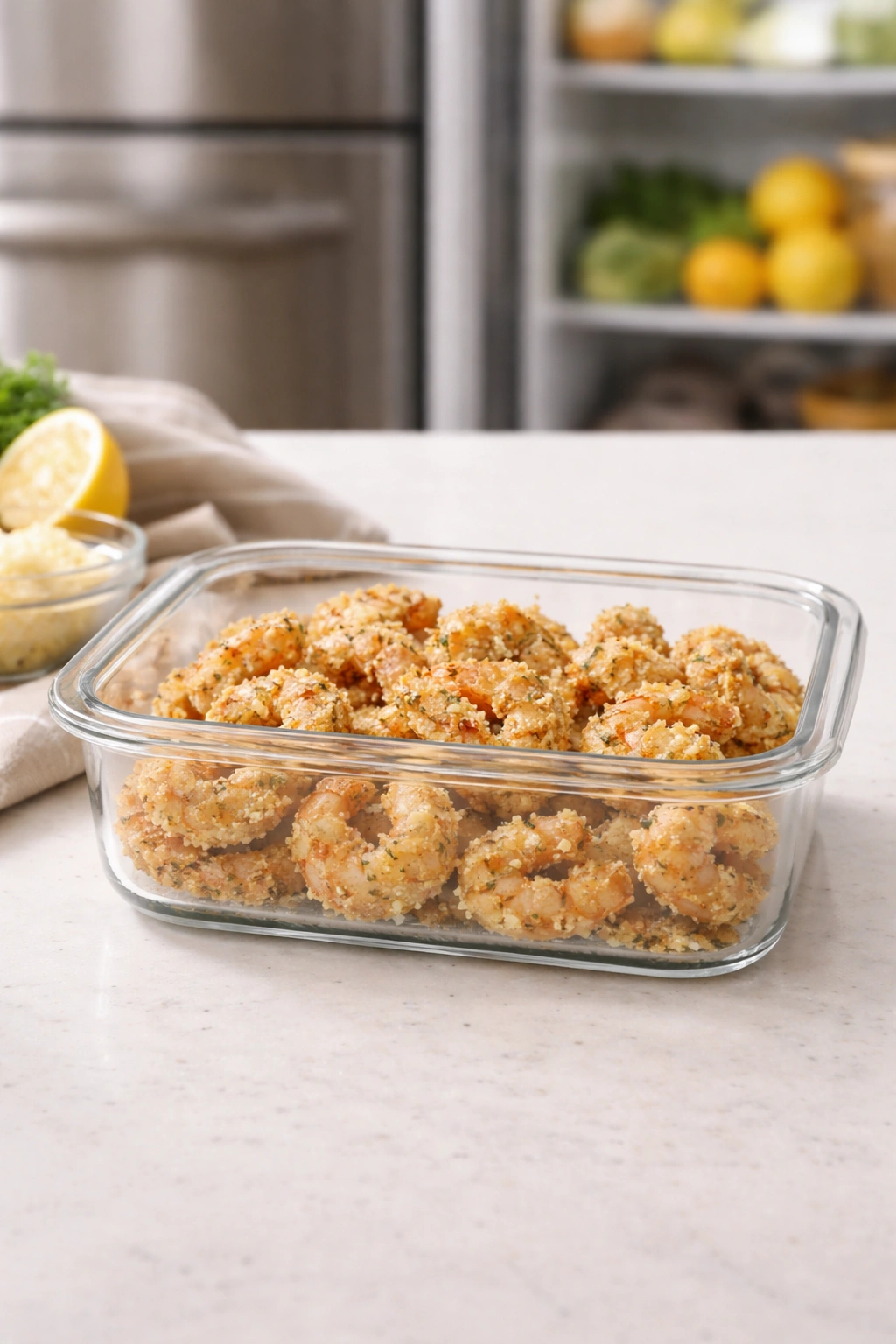
Making the coating ahead: You can combine all dry ingredients—the Parmesan, garlic powder (if using), oregano, salt, pepper, and paprika—in an airtight container up to one week in advance. Store at room temperature. When you’re ready to cook, combine this dry mixture with fresh minced garlic, oil, and shrimp, and proceed with the recipe.
Preparing shrimp for cooking: You can coat the shrimp with the seasoning mixture up to four hours in advance, then refrigerate them in a covered container. This actually helps the flavors meld slightly, creating more cohesive seasoning. Remove from the fridge about ten minutes before cooking so they’re not quite so cold when they enter the air fryer—cold shrimp will add humidity to the basket.
Cooked shrimp storage: Refrigerate leftovers in an airtight container for up to two days. The Parmesan coating will soften slightly as the shrimp cool and sit, but it won’t disappear entirely. Do not freeze cooked shrimp and then reheat them—the temperature fluctuation and texture changes create an unpleasant, mushy result.
Reheating cooked shrimp: If you have leftovers, reheat them gently in the air fryer at 300°F for two to three minutes, just until they’re warmed through. The residual heat will re-crisp the Parmesan coating somewhat, though it won’t be quite as crispy as the freshly cooked version. Alternatively, reheat gently in a low oven (250°F) for three to five minutes on a covered plate.
Freezing uncooked shrimp: Your shrimp were likely frozen when you bought them, and you can re-freeze them if needed. After coating them with the seasoning mixture, arrange them on a parchment-lined baking sheet, freeze until solid (about two hours), then transfer to a freezer bag for storage up to two months. When you’re ready to cook, air fry directly from frozen at 370°F, adding about three to four minutes to the cooking time and watching carefully for doneness.
Serving Suggestions and Pairings
As a simple appetizer: Serve hot with tartar sauce, cocktail sauce, spicy sriracha mayo, or a simple aioli made from mayonnaise and minced garlic. Arrange on a platter with lemon wedges and fresh herbs for garnish. Four servings is plenty for entertaining six to eight people as an appetizer.
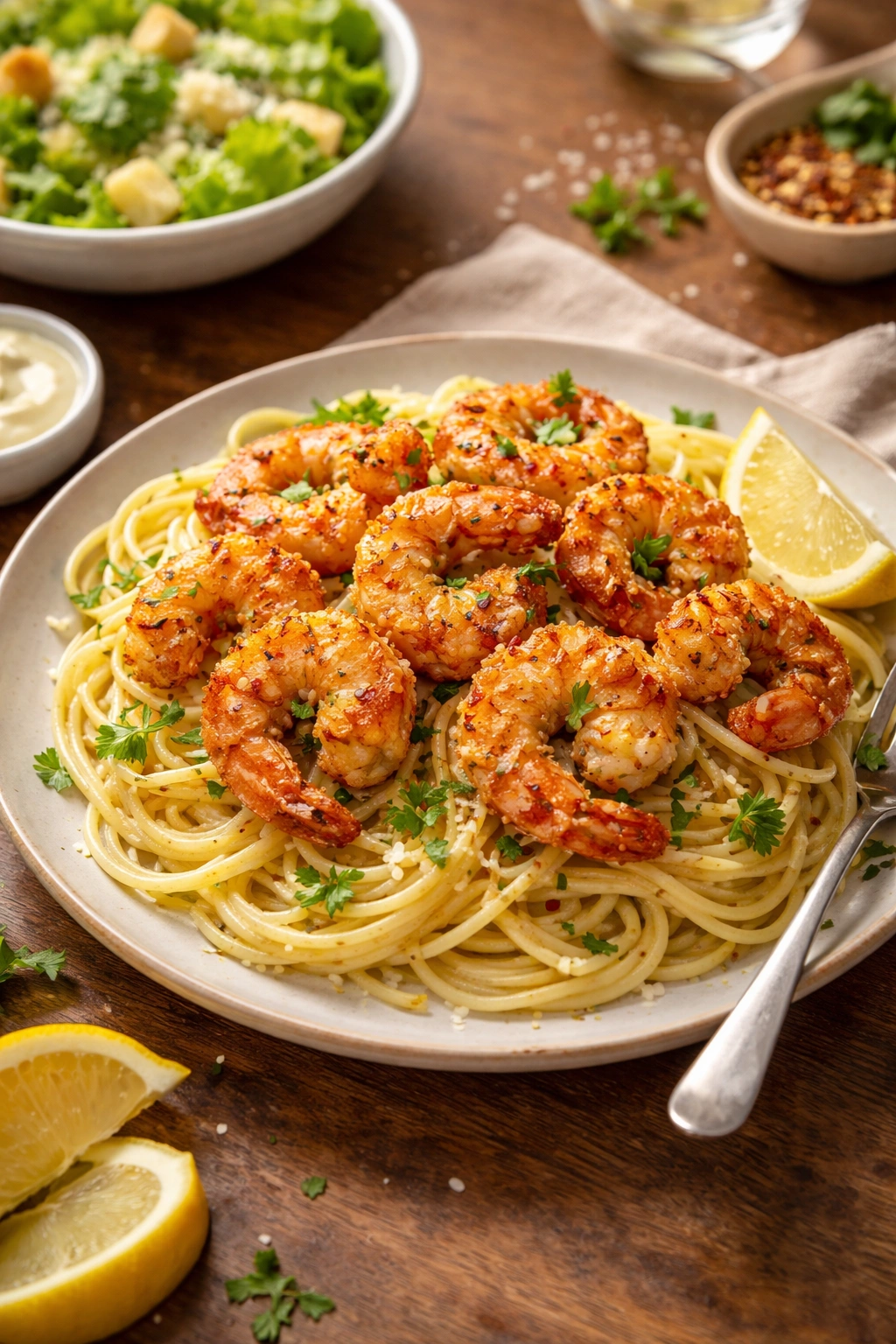
Over pasta: Toss the shrimp with your favorite pasta (angel hair or thin spaghetti works beautifully), a drizzle of quality olive oil, some reserved pasta water to create a light sauce, and fresh parsley. The Parmesan crust becomes part of the sauce, enriching it beautifully.
On top of a salad: Serve warm or at room temperature atop a bed of mixed greens with cherry tomatoes, cucumber, red onion, and a light lemon vinaigrette. The crispy shrimp add textural interest and protein to make it a complete meal.
In a wrap or sandwich: Let the cooked shrimp cool slightly, then pile into a warm tortilla or flatbread with fresh greens, avocado, a dollop of mayo or sriracha mayo, and a squeeze of lemon. Breakfast for dinner becomes shrimp omelets with these leftovers too.
With rice or grains: Serve alongside jasmine rice, coconut rice, or a grain bowl with roasted vegetables. The Parmesan coating makes them rich enough to stand alone as the main protein.
As tacos: Warm soft corn or flour tortillas, fill with the shrimp, shredded cabbage, fresh cilantro, diced avocado, and a squeeze of lime. Add a drizzle of crema or sour cream. Crispy shrimp tacos feel indulgent yet come together in minutes.
With roasted vegetables: Serve alongside roasted broccoli, asparagus, green beans, or seasonal vegetables. The Parmesan coating echoes beautifully with Parmesan-roasted vegetables.
As part of a snack board: Arrange with various dipping sauces, cheese, crackers, olives, and fresh fruit for a casual gathering or game night spread.
Final Thoughts
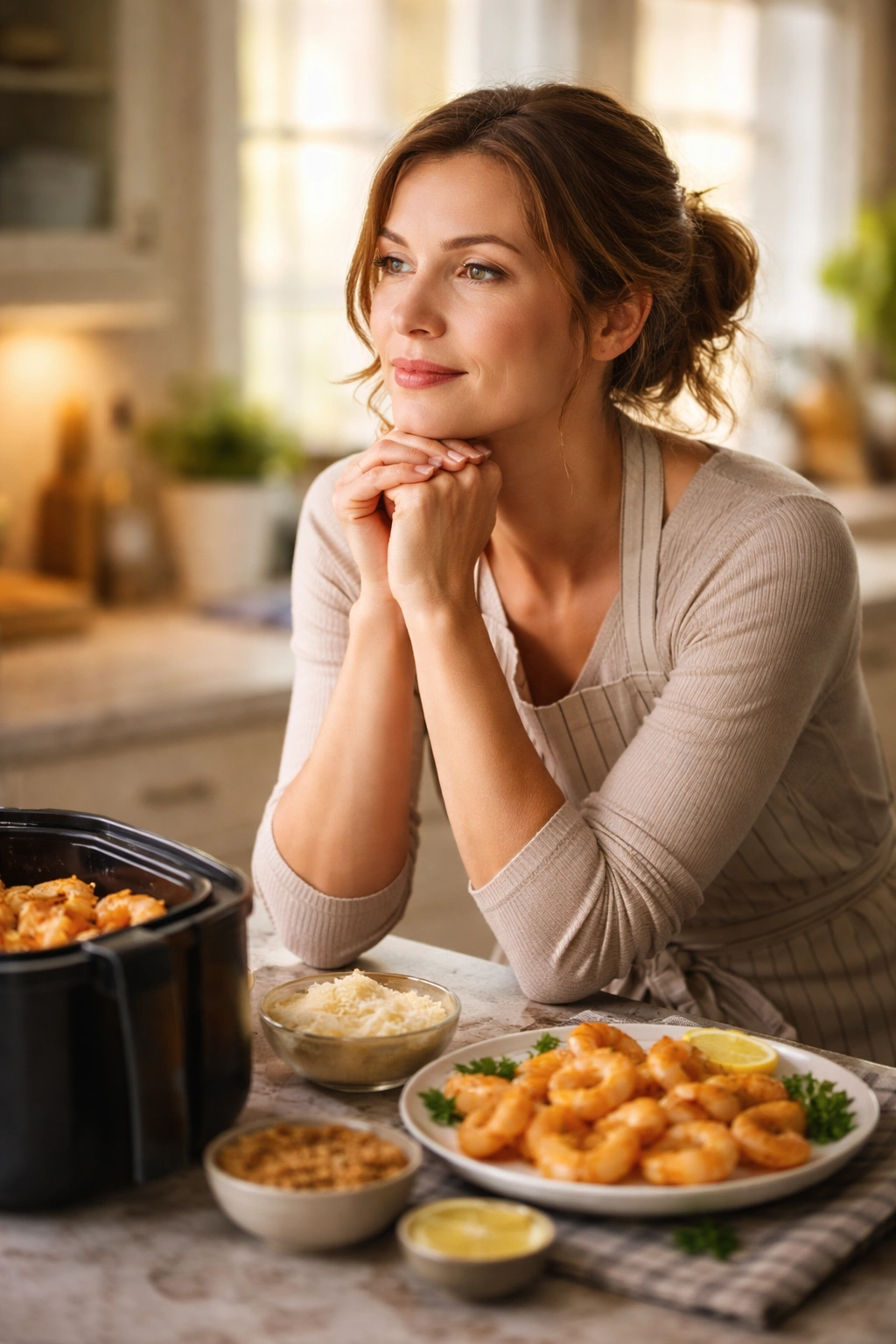
Air fryer Parmesan shrimp represents that sweet spot in cooking where minimal effort creates maximum flavor impact. There’s no technique to master, no hours of prep work, no intimidating steps—just shrimp, cheese, garlic, and ten minutes of your time. What emerges is something crispy, savory, and indulgent enough that your dinner guests will assume you’ve spent far more energy than you actually have.
The real genius of this approach is adaptability. Follow the formula once to understand how it works, then feel free to adjust seasonings, swap in your favorite herbs, change the spices to match a cuisine you’re craving. The core technique remains the same: pat shrimp dry, coat with seasonings and cheese, arrange in a single layer, air fry until golden. Once you understand that blueprint, you can create infinite variations.
Keep frozen shrimp on hand, and you’ll never be more than twenty minutes from a complete, restaurant-quality dinner. That’s the kind of reliable, approachable cooking that makes eating well feel possible even on the busiest nights. The air fryer has earned its place on countless countertops precisely because it delivers results like this—crispy, delicious, and fast—without the oil splatter and heavy feeling that comes from traditional frying. Parmesan shrimp showcase everything the air fryer does best.
