



There’s something magical about Tuscan cuisine—the way it celebrates bold, simple ingredients and lets each flavor shine without unnecessary fuss. Creamy Tuscan pasta embodies this philosophy perfectly. It’s rustic enough to feel authentic yet refined enough to impress, and best of all, it comes together faster than you’d expect. We’re talking about a restaurant-quality dinner on your table in less than 20 minutes, without hours of simmering or complicated techniques.
The beauty of this dish lies in its elegant simplicity. You’re essentially building a silky cream sauce infused with garlic, sun-dried tomatoes, and fresh basil, then tossing it with pasta that absorbs all those incredible flavors. What makes this possible at lightning speed is understanding which ingredients do the heavy lifting and which shortcuts actually work without compromising quality. The key is choosing the right cream base, using quality sun-dried tomatoes, and knowing exactly when to add each component so nothing overcooks or separates.
Unlike traditional Tuscan dishes that might require hours of slow simmering, this fast version relies on high heat, quick cooking, and the natural emulsifying power of starchy pasta water to create a luxurious sauce that coats every strand. You’ll be surprised at how the simple combination of butter, cream, and Parmesan transforms into something that tastes like it came from a fine Italian restaurant kitchen. This is the kind of dish that works equally well for a weeknight family dinner or when unexpected guests call and you need something that looks impressive but feels effortless to execute.
What Makes Tuscan Pasta Such a Winning Formula
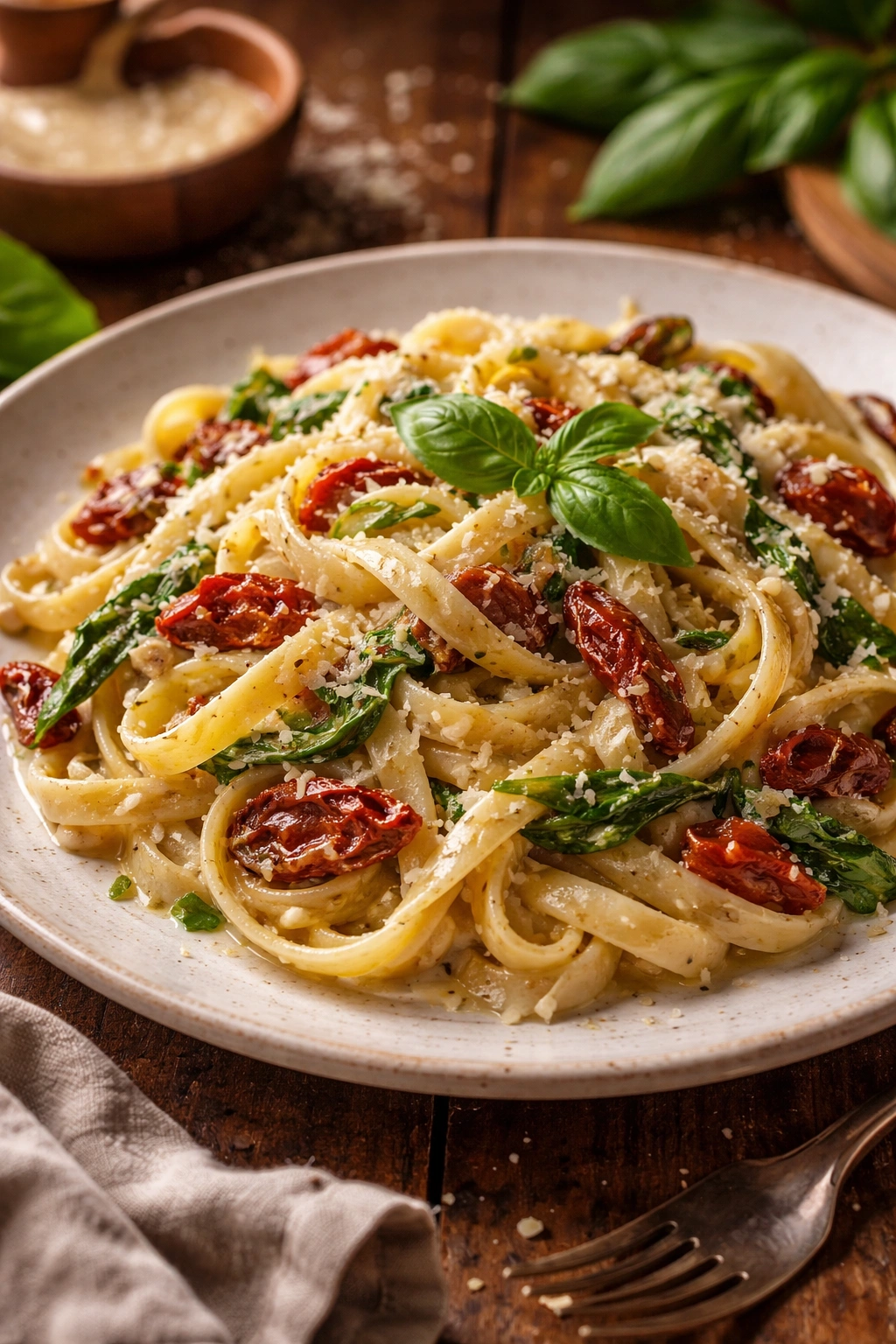
Tuscan cuisine draws its identity from the Tuscany region of Italy, where cooking emphasizes high-quality ingredients prepared simply to let their natural flavors speak. The hallmark of Tuscan cooking is restraint—you won’t find overly complicated techniques or long ingredient lists. Instead, you’ll find cream, garlic, sun-dried tomatoes, fresh basil, and quality cheese working together in perfect harmony.
Creamy Tuscan pasta combines the best of this philosophy with the universal comfort of a good pasta dish. The sun-dried tomatoes provide concentrated, sweet-tart flavor that balances the richness of the cream, while fresh basil adds brightness and an herbaceous note that cuts through the sauce’s decadence. Garlic grounds everything in savory goodness, and Parmesan cheese adds umami depth and helps emulsify the sauce into something silky and cohesive.
What sets Tuscan pasta apart from other creamy pasta dishes is this specific flavor profile. It’s not as neutral as Alfredo, not as acidic as a tomato-based marinara, and not as heavily spiced as some other Italian preparations. Instead, it sits in this sweet spot where each ingredient is recognizable and contributes something distinct to the whole. The earthy sweetness of sun-dried tomatoes, the peppery notes in fresh basil, the sharpness of aged Parmesan—together they create a sauce that’s satisfying without being heavy, flavorful without being overwhelming.
Why This 20-Minute Timeline Actually Works
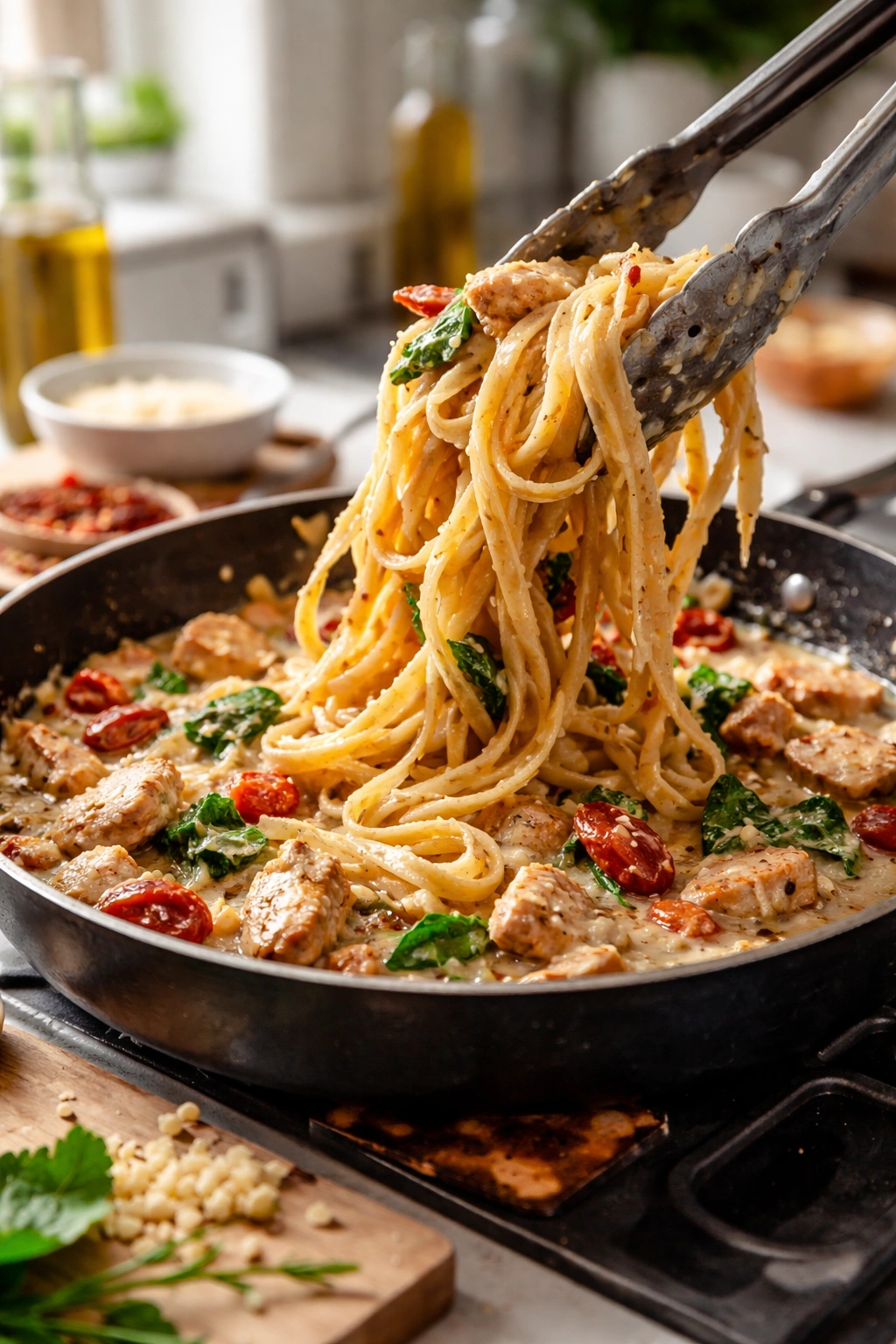
The biggest surprise for most home cooks is that you can make genuinely delicious creamy Tuscan pasta in under 20 minutes without sacrificing quality or taste. This works because you’re leveraging several techniques that Italian cooks have used for generations, just executed with speed in mind.
First, you’re using ingredients that are already flavorful and don’t require extended cooking. Sun-dried tomatoes have already been processed through drying, concentrating their flavor dramatically compared to fresh tomatoes. Garlic releases its flavor compounds in minutes, not hours. Cream doesn’t need to simmer to taste good—it’s rich and luxurious from the moment it hits the pan. Even the cheese contributes flavor instantly when it melts into the sauce.
Second, you’re using pasta water as a secret weapon. The starch in pasta water acts as both a thickener and an emulsifier, helping fat and liquid bind together into a silky sauce. This means you don’t need to reduce the sauce for ages or add extra flour and cream to achieve the right consistency. A splash of pasta water works miracles in just minutes.
Third, you’re timing everything to cook simultaneously rather than sequentially. The pasta simmers while your sauce comes together, so there’s no waiting around for components to finish cooking before you can start assembling the final dish. Everything is ready at the right moment, and combining them happens in literally the last minute or two.
Choosing Your Cream Base for the Perfect Sauce
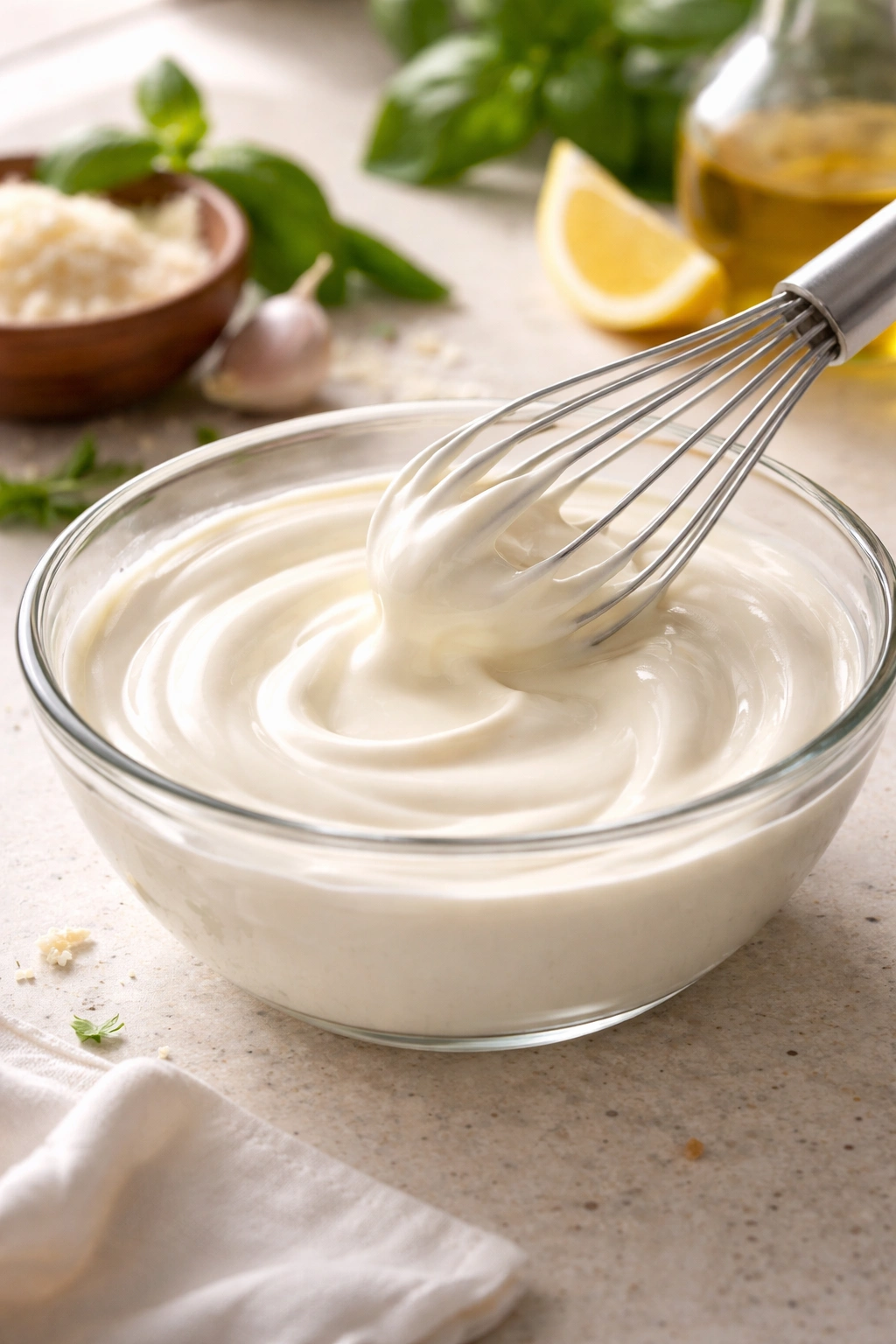
The type of cream you choose affects both the texture and richness of your final sauce, so this is worth thinking about intentionally. You have several solid options, each with slightly different characteristics.
Heavy cream is the classic choice for Tuscan pasta because it’s thick enough to create a luxurious sauce without much reduction time, and it won’t break or curdle easily when combined with cheese and acidic ingredients like sun-dried tomatoes. Heavy cream also has enough fat content that a little goes a long way—you get richness and body without needing enormous quantities. If you want the most indulgent version with that restaurant-quality mouthfeel, heavy cream is your answer.
Half-and-half creates a lighter sauce that’s still creamy and delicious but less rich than heavy cream. It works beautifully if you want to keep the dish feeling a bit fresher or if you’re serving it to people who might find heavy cream too much. The texture won’t be quite as velvety, but it’s still completely satisfying, and honestly, most home cooks prefer this option for regular weeknight dinners.
Whole milk mixed with a little butter creates a surprisingly creamy sauce, though you’ll need to be more careful not to break it when adding cheese and avoiding high temperatures that might cause the milk solids to separate. Some classic Italian recipes actually use this combination rather than cream, and it results in something lighter while still delivering plenty of flavor. If you’re using milk, make sure it’s whole milk, not skim or low-fat—the fat content is essential for both texture and taste.
Pro tip: Whatever you choose, bring it to a simmer gently. Never let cream boil vigorously, as high heat can cause it to break or separate. Medium heat is your friend here, and patience pays off in sauce quality.
The Magic of Sun-Dried Tomatoes
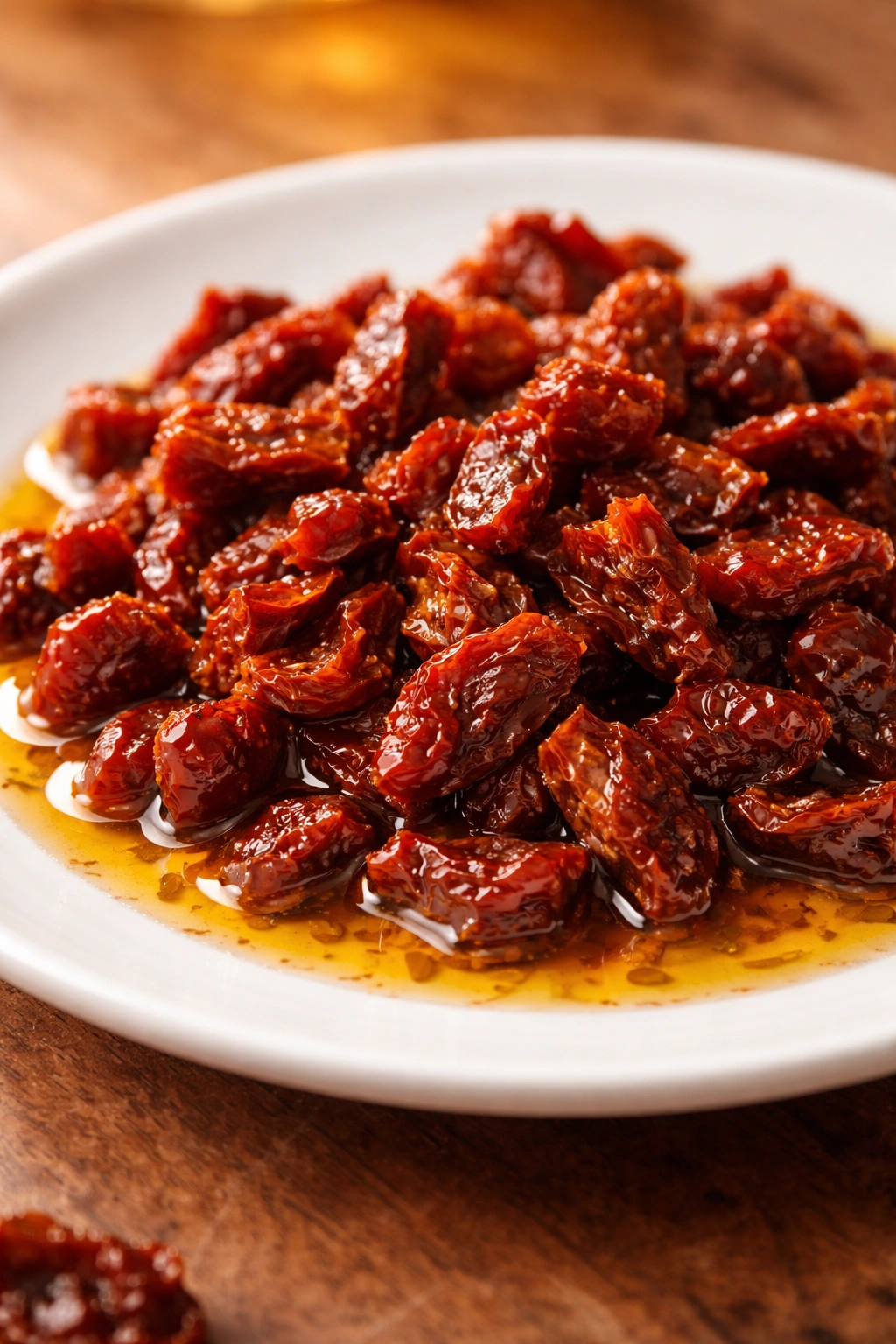
Sun-dried tomatoes are the star ingredient that makes Tuscan pasta taste so special, so understanding how to use them properly makes all the difference. These aren’t just tomatoes with moisture removed—they’re tomatoes that have been transformed through drying. The water content decreases dramatically, which concentrates the sugars, acids, and umami compounds until they’re intensely flavorful.
A little goes a long way. Just a quarter cup to half cup of chopped sun-dried tomatoes is enough to flavor an entire pot of pasta sauce. Their sweetness balances the richness of cream naturally, so you don’t need to add sugar or other ingredients to achieve balance. The acidity provides brightness that keeps the sauce from tasting one-note or heavy.
For the fastest cooking time, buy sun-dried tomatoes packed in olive oil. These are already tender and pliable, so they don’t need soaking or extra cooking time to become soft enough to eat. You just chop them and add them to the sauce, where they soften further and infuse their flavor into the cream within minutes. If you can only find dry-packed sun-dried tomatoes, you can still use them, but you’ll want to soak them in hot water for about 10 minutes before chopping and adding them to your sauce.
The oil that comes in the jar with sun-dried tomatoes is liquid gold for cooking. It’s been infused with tomato flavor, and using a spoonful or two to sauté your garlic adds another layer of tomato complexity to the sauce. It’s one of those little moves that separates a good Tuscan pasta from a truly exceptional one, and it costs you nothing extra since the oil comes right in the jar.
Building Your Flavor Foundation with Garlic and Aromatics
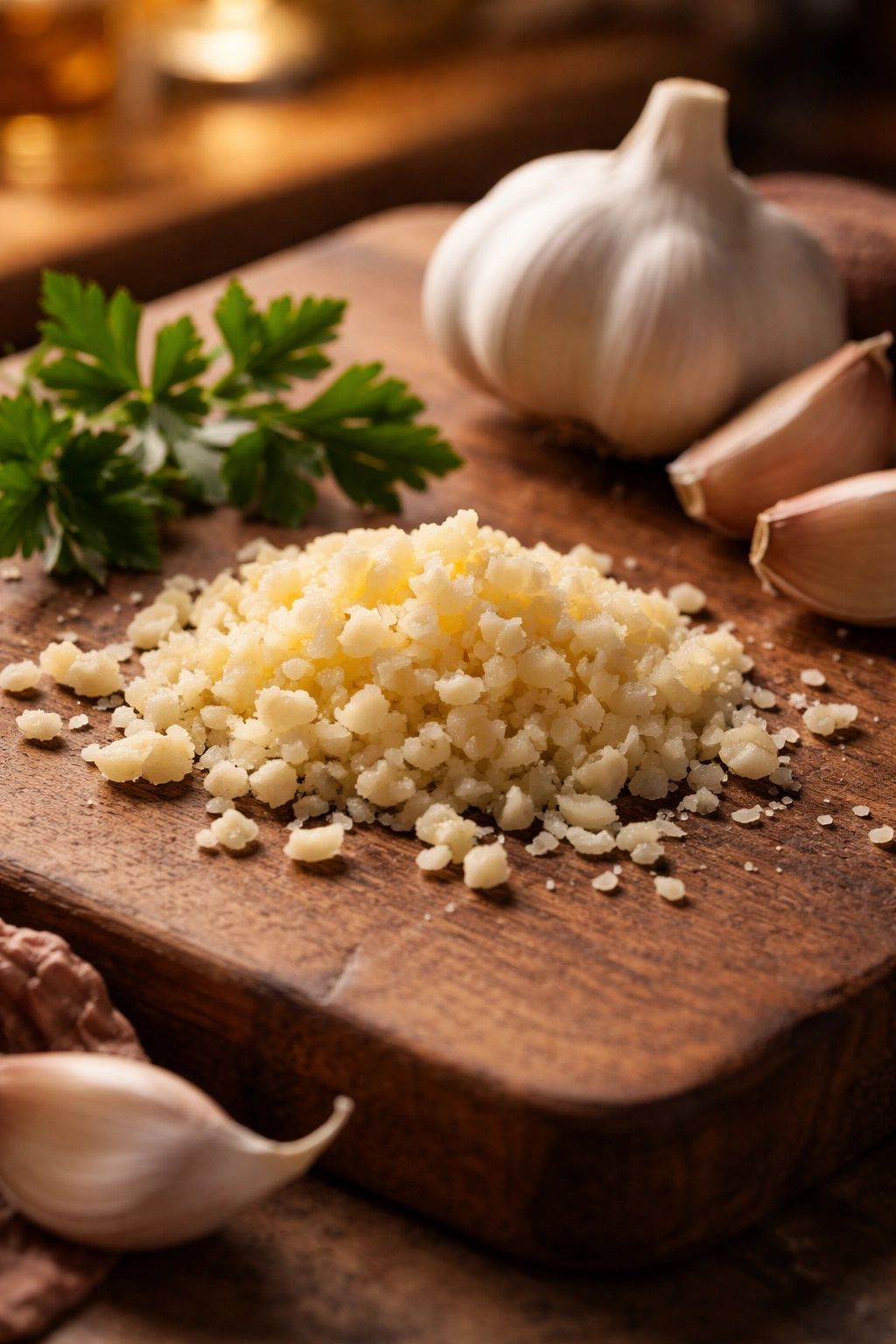
Garlic is the foundation flavor that everything else builds on, so don’t skip it or shortcut this step. Fresh garlic minced or pressed is essential—garlic powder or jarred garlic can’t provide the same bright, sharp flavor that freshens a creamy sauce.
Mince your garlic finely so it cooks evenly and distributes throughout the sauce. The goal is to cook it until it’s fragrant and just starting to soften, which takes about a minute over medium heat. You want to avoid browning or burning the garlic, which would make it bitter and harsh. Medium heat with constant stirring prevents this from happening, and you’ll know it’s ready when the smell becomes noticeably more mellow and sweet compared to raw garlic.
Some recipes add shallots or onions to the sauce for extra depth, and this is optional but genuinely delicious. A finely minced shallot cooked in butter until soft adds a subtle sweetness and complexity that rounds out the garlic’s sharpness. If you include shallots, cook them until they’re completely soft and translucent before adding garlic—this takes about 5 minutes and happens while your pasta water comes to a boil, so there’s no time loss.
Cooking Pasta the Smart Way for a Creamy Sauce
Pasta shape matters more than you might think when you’re making a creamy sauce. Long, thin pasta like spaghetti or angel hair doesn’t hold creamy sauce as well as short shapes because the sauce slides off. The best choices are shapes that have ridges or pockets where sauce can cling—think penne, rigatoni, fusilli, or farfalle (bow ties). These shapes grab and hold the sauce so every bite is coated evenly.
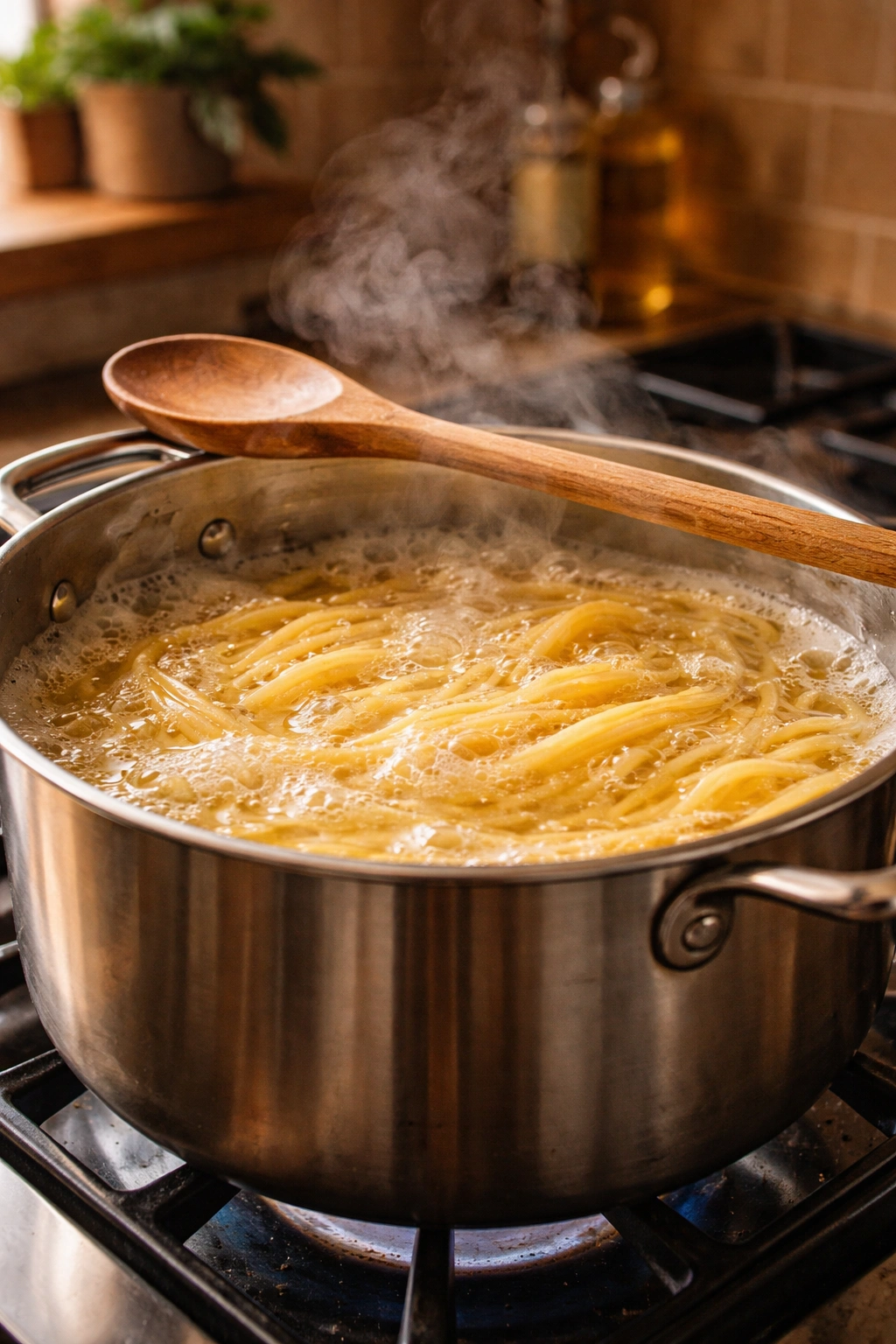
For the 20-minute timeline, start your pasta water boiling before you do anything else. While it heats, you’ll prep your ingredients and start the sauce. As soon as the water boils, salt it generously—pasta water should taste like the sea. The salt flavors the pasta as it cooks and ensures the pasta itself is seasoned, not just the sauce coating it.
Cook pasta to al dente, which means slightly firm to the bite, not soft. This is crucial because the pasta will cook a bit more after you add it to the hot sauce, and you never want mushy pasta. Check the package directions and cook for about a minute less than suggested, then taste a piece before draining. It should have a slight firmness in the very center.
Here’s the crucial move: always reserve at least one cup of pasta cooking water before draining. This starchy water is what transforms your sauce from separated and broken to silky and cohesive. The starch acts as an emulsifier, helping fat and liquid bind together into something velvety. You’ll use just a splash or two—maybe a quarter cup—but it’s essential for the texture of the final dish.
The Sauce Assembly Process
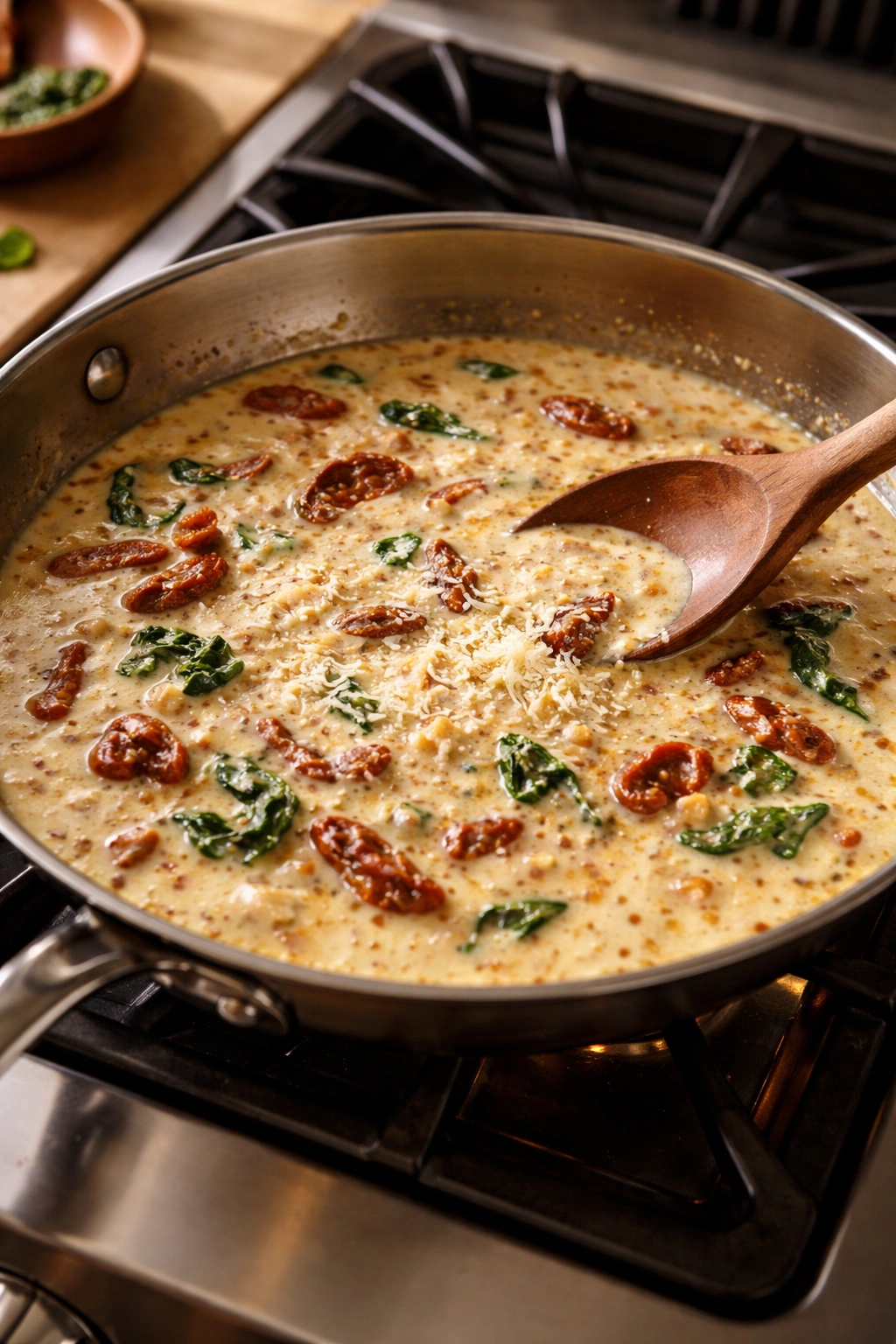
Once your garlic is fragrant, add your sun-dried tomatoes and stir everything together for about 30 seconds so the oil from the tomatoes coats the pan and their flavor releases into the heat. This quick toast deepens their flavor even more. Then add your cream, stirring gently to combine.
Bring the cream to a gentle simmer over medium heat. This is the moment where you’re looking for small, steady bubbles around the edges, not a rolling boil. The sauce should heat through for about 2-3 minutes, which allows the sun-dried tomato flavor to infuse into the cream and the sauce to thicken slightly.
Now comes the most important moment: adding the cheese. Remove the pan from heat before adding Parmesan cheese. This prevents the cheese from getting too hot, which would cause it to break or become grainy. Add the cheese gradually, stirring constantly until it’s completely melted and incorporated. Each addition should melt before you add more. The residual heat from the sauce is more than enough to melt the cheese if you’re patient and gentle.
If the sauce is too thick at this point, add a splash of pasta water—just a couple of tablespoons—and stir until you reach the consistency you want. Remember, the sauce should be pourable but creamy, not thin and watery. When you add the hot pasta, it will soak up a little liquid, so your sauce should be slightly thinner than the final consistency you want.
Perfect Pasta Shapes for Creamy Tuscan Sauce
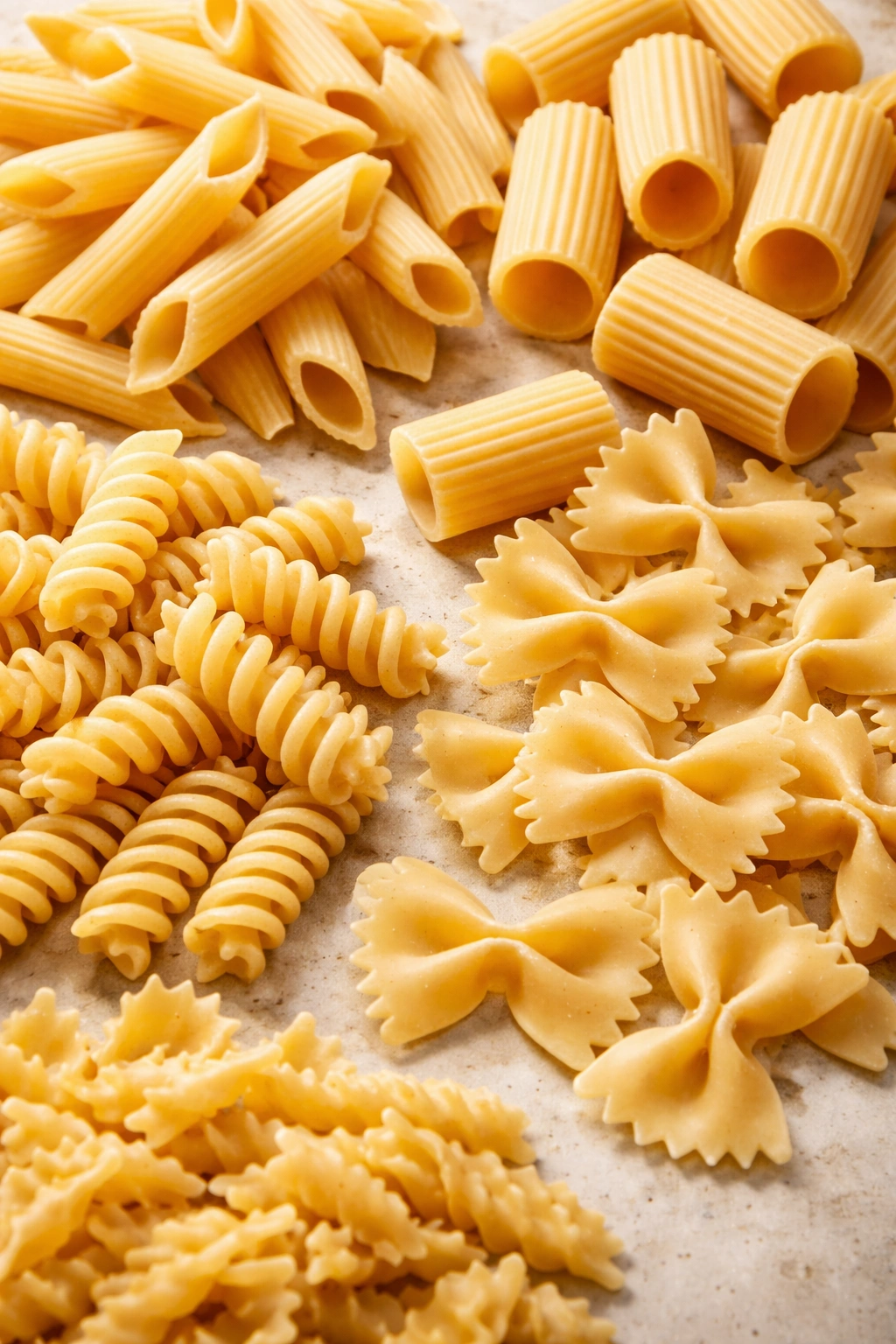
The shape of your pasta genuinely matters more for creamy sauces than for tomato-based ones. You want something with enough texture and surface area to hold the creamy sauce, not something it slides right off.
Penne is probably the most popular choice because the tubes and ridges grab sauce beautifully. Short penne cooks in about the same time as spaghetti but holds the sauce infinitely better. Rigatoni offers larger tubes and deeper ridges, making it ideal if you want maximum sauce contact. Fusilli and rotini have spiral shapes that trap sauce in their curves—every bite gets flavor.
Farfalle, those charming bow-tie shapes, work wonderfully because the wrinkled texture provides grip for sauce, and their slightly thicker dough handles creamy sauces without becoming mushy. They’re also visually appealing on the plate, which is a bonus if you’re looking to make this dish feel special.
The one shape to avoid is long, thin spaghetti or angel hair. These cook so quickly that it’s hard to time them perfectly, they don’t hold sauce well, and they tend to get mushy more easily. If you love spaghetti, use slightly thicker spaghettoni instead, which holds up better to creamy sauce.
Key Ingredients for Success
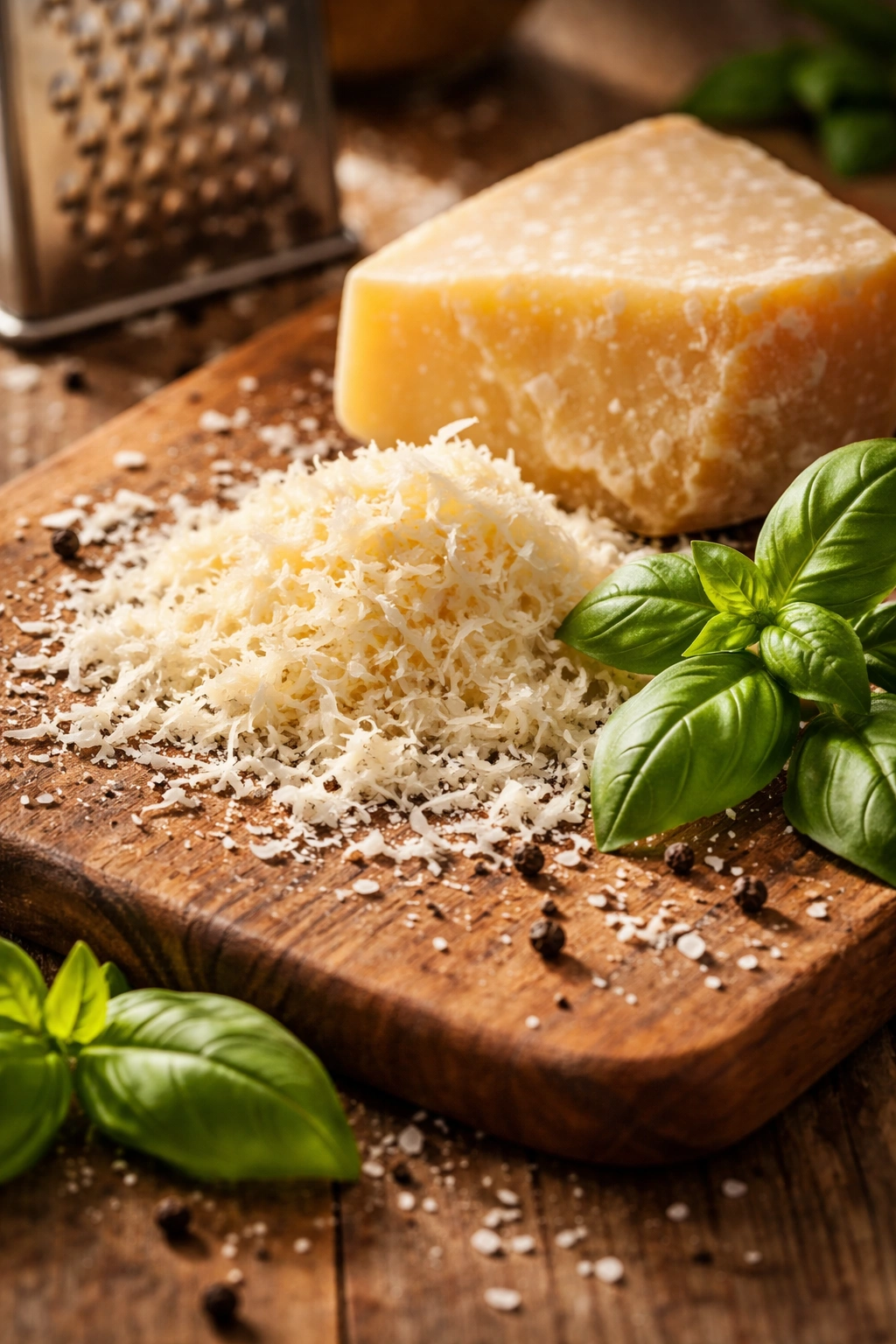
Beyond the obvious components, several supporting ingredients make the difference between good Tuscan pasta and truly outstanding Tuscan pasta.
Freshly grated Parmesan cheese is non-negotiable. Pre-shredded cheese contains anti-caking agents that prevent it from melting smoothly, resulting in a grainy, broken sauce rather than something silky and cohesive. You can use a box grater or microplane, and it takes literally 30 seconds. The difference in final texture is dramatic enough that this small effort pays major dividends.
Fresh basil added at the end is what gives the finished dish its bright, herbaceous character. Dried basil in the sauce works fine—use about half a teaspoon if you want that herb flavor—but fresh basil scattered on top just before serving adds a freshness that nothing else can replicate. Tear it by hand rather than chopping with a knife, which bruises the leaves and darkens them.
Salt and fresh black pepper deserve mention because they’re easy to under-season with. Taste the sauce before serving and adjust seasoning—Parmesan is salty, so you might not need as much salt as you’d think, but you likely need more black pepper than you’d normally use. Pepper adds a subtle heat and spice that balances the richness.
Butter is an ingredient, not just a cooking fat. Using actual butter—not oil—contributes a specific richness and flavor to the sauce that oil can’t replicate. Even a tablespoon or two matters.
Yield: Serves 4 people Prep Time: 10 minutes Cook Time: 10 minutes Total Time: 20 minutes Difficulty: Beginner — no special skills required, straightforward technique, and everything cooks in a single pan
The Complete Creamy Tuscan Pasta Recipe
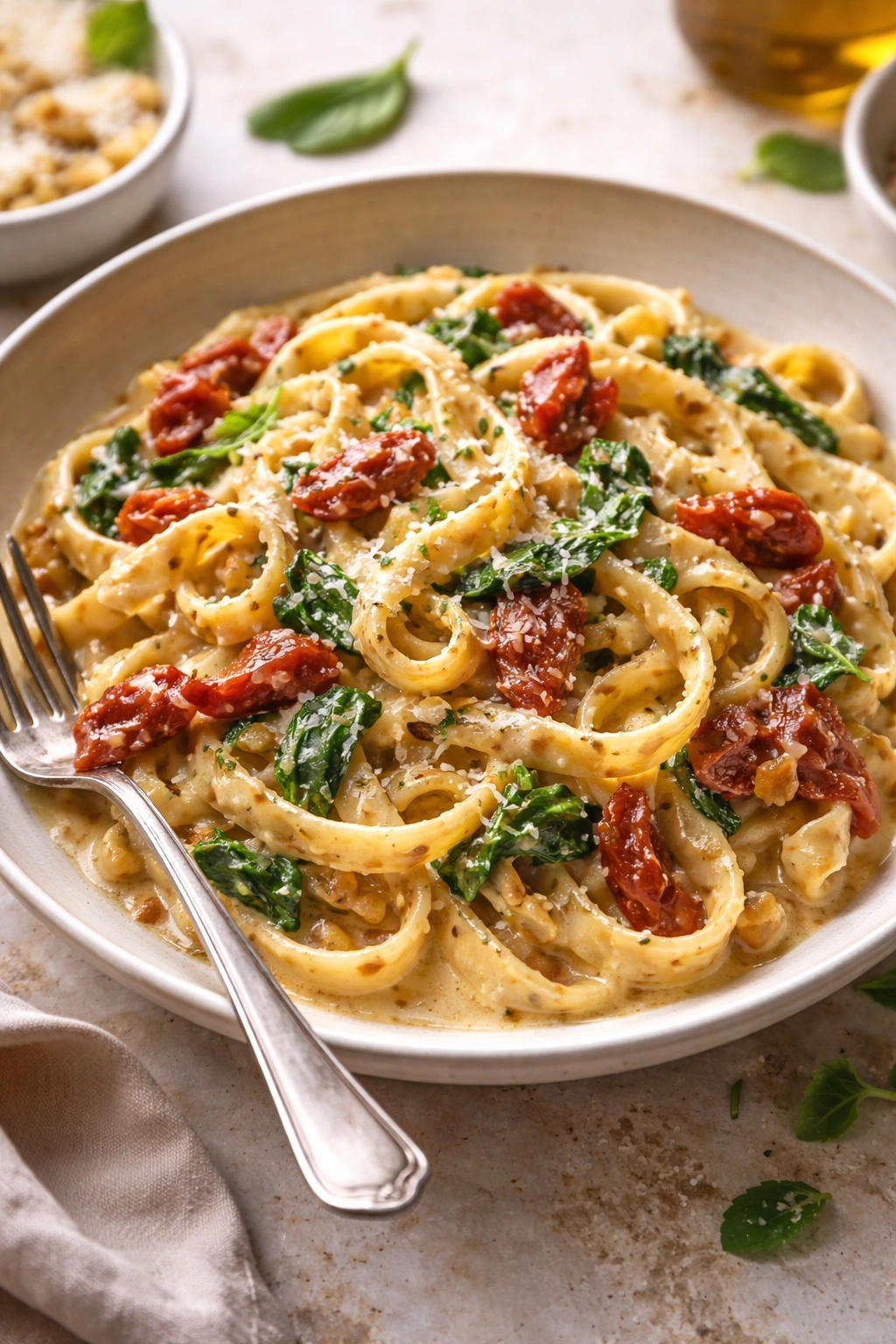
For the Pasta and Sauce:
- 1 lb short pasta (penne, rigatoni, or fusilli)
- Sea salt for pasta water
- 3 tablespoons unsalted butter
- 4 garlic cloves, minced finely
- ½ cup sun-dried tomatoes packed in oil, drained and chopped (reserve 1 tablespoon of the oil)
- 1 cup heavy cream (or half-and-half for lighter version)
- ¾ cup freshly grated Parmesan cheese
- ½ teaspoon salt (adjust to taste after adding cheese)
- ¼ teaspoon freshly cracked black pepper, plus more for finishing
- ½ teaspoon dried Italian seasoning (optional)
- Fresh basil leaves for garnish
- Lemon zest (optional, for brightness)
Prepare the Pasta:
-
Fill a large pot with water (about 4 quarts) and bring to a rolling boil over high heat. While the water heats, mince your garlic and chop your sun-dried tomatoes.
-
Salt the boiling water generously—it should taste noticeably salty, like seawater. This seasons the pasta as it cooks.
-
Add the pasta to the boiling water and stir immediately to prevent sticking. The pasta will start softening right away.
-
Cook the pasta for one minute less than the package directions suggest. You want it al dente (slightly firm to the bite), not soft. For example, if the package says 9-11 minutes, cook for 8-10 minutes and taste at 8 minutes.
-
Before draining, reserve at least 1 cup of pasta cooking water in a liquid measuring cup or small bowl. This starchy water is essential for creating a silky sauce.
-
Drain the pasta in a colander but do not rinse it. The starch clinging to the pasta helps the sauce coat it evenly.
Make the Sauce:
-
While the pasta cooks, melt 3 tablespoons of unsalted butter in a large skillet over medium heat. When it’s melted and just starting to foam, add the minced garlic.
Advertisements -
Cook the garlic, stirring constantly, for about 1 minute until it becomes fragrant but hasn’t started to brown. You’re looking for a smell that’s mellow and sweet, not sharp or bitter.
-
Add the reserved sun-dried tomato oil and chopped sun-dried tomatoes to the pan. Stir for 30 seconds, allowing the tomato flavor to release into the heat.
-
Pour in the heavy cream slowly, stirring gently to combine it with the garlic and tomato mixture. The cream will seem very thick at first, but keep stirring—it will become more cohesive quickly.
-
Bring the cream to a gentle simmer over medium heat. You’re looking for small bubbles around the edges, not a rolling boil. Let it simmer for 2-3 minutes, stirring occasionally, until the cream has thickened slightly and the tomato flavor has infused throughout.
-
Remove the pan from heat completely before adding the Parmesan cheese. High heat will cause the cheese to break and become grainy rather than smooth and silky.
-
Add the Parmesan cheese gradually, stirring constantly after each addition until it’s completely melted before adding more. This gentle approach ensures a smooth sauce. It should take about 2 minutes total.
-
Stir in the salt, black pepper, and Italian seasoning if using. Taste the sauce and adjust seasoning as needed. The cheese is salty, so you might need less salt than you’d think, but you likely need more pepper than feels natural.
Combine Pasta and Sauce:
-
Add the drained pasta directly to the sauce. Toss gently to coat every strand with the creamy sauce.
-
If the sauce seems too thick and doesn’t coat the pasta freely, add a splash of reserved pasta water—just a couple of tablespoons at a time—and stir until the consistency is perfect. The sauce should be pourable but still coat the pasta generously.
Advertisements -
If the sauce is too thin, let it simmer gently for another minute or two to thicken, stirring occasionally.
Serve:
-
Divide the pasta among warm bowls. Tear fresh basil leaves over the top of each serving, add a grind or two of fresh black pepper, and optionally finish with a tiny pinch of lemon zest for brightness.
-
Serve immediately while hot and creamy.
Common Mistakes That Undermine This Dish
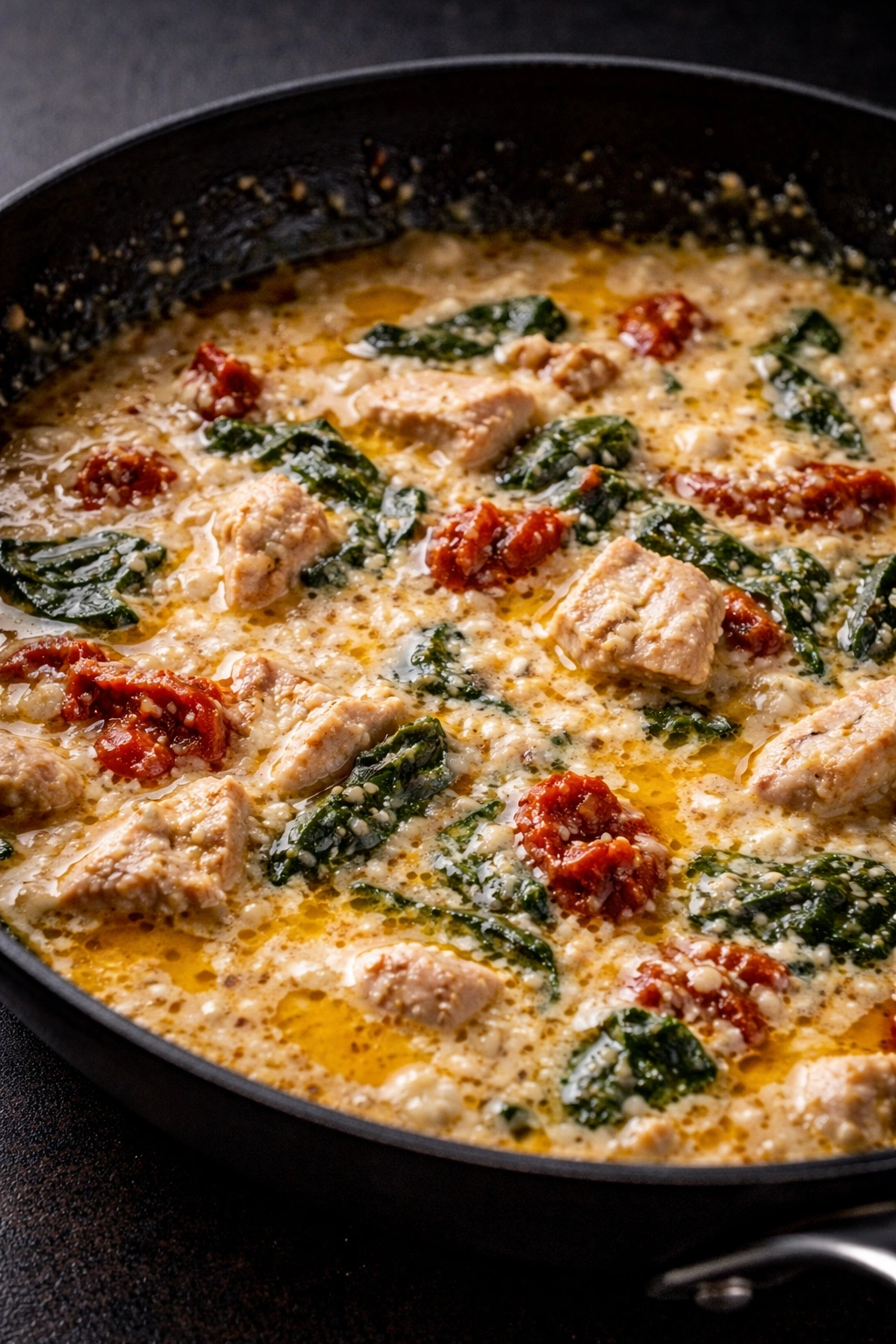
Understanding what goes wrong helps you avoid it, so here are the pitfalls that most home cooks encounter when making creamy pasta for the first time.
Using pre-shredded cheese is the most common culprit behind grainy, separated sauce. The anti-caking agents in pre-shredded cheese prevent it from melting smoothly into the cream. Once this happens, your sauce won’t recover—the cheese will remain slightly grainy no matter what you do. Spend 30 seconds grating fresh cheese and you’ll never go back.
Adding cheese while the sauce is boiling causes the same problem. High heat makes the cheese proteins contract and seize up, preventing them from melting smoothly. The solution is simple: remove from heat before adding cheese. The residual heat is more than hot enough to melt it if you stir gently and patiently.
Not reserving pasta water means you miss out on the ingredient that transforms your sauce. Without the starch from pasta water, your sauce will look separated and oily rather than silky and cohesive. Even a small amount makes a dramatic difference.
Overcooking the pasta leaves you with mush rather than something with pleasant texture. Creamy sauces make overcooked pasta more obvious because the soft noodles don’t provide any contrast or chew. Cook to al dente, taste it, and drain immediately when it reaches that point.
Burning the garlic makes the entire sauce taste bitter and harsh. Keep the heat at medium, stir constantly, and watch carefully. It only takes a minute for garlic to go from fragrant to burnt.
Using skim or low-fat cream creates a sauce that looks thin and won’t have the luxurious mouthfeel that makes Tuscan pasta special. Whole cream or half-and-half minimum—the fat is essential, not optional.
Variations and Adaptations
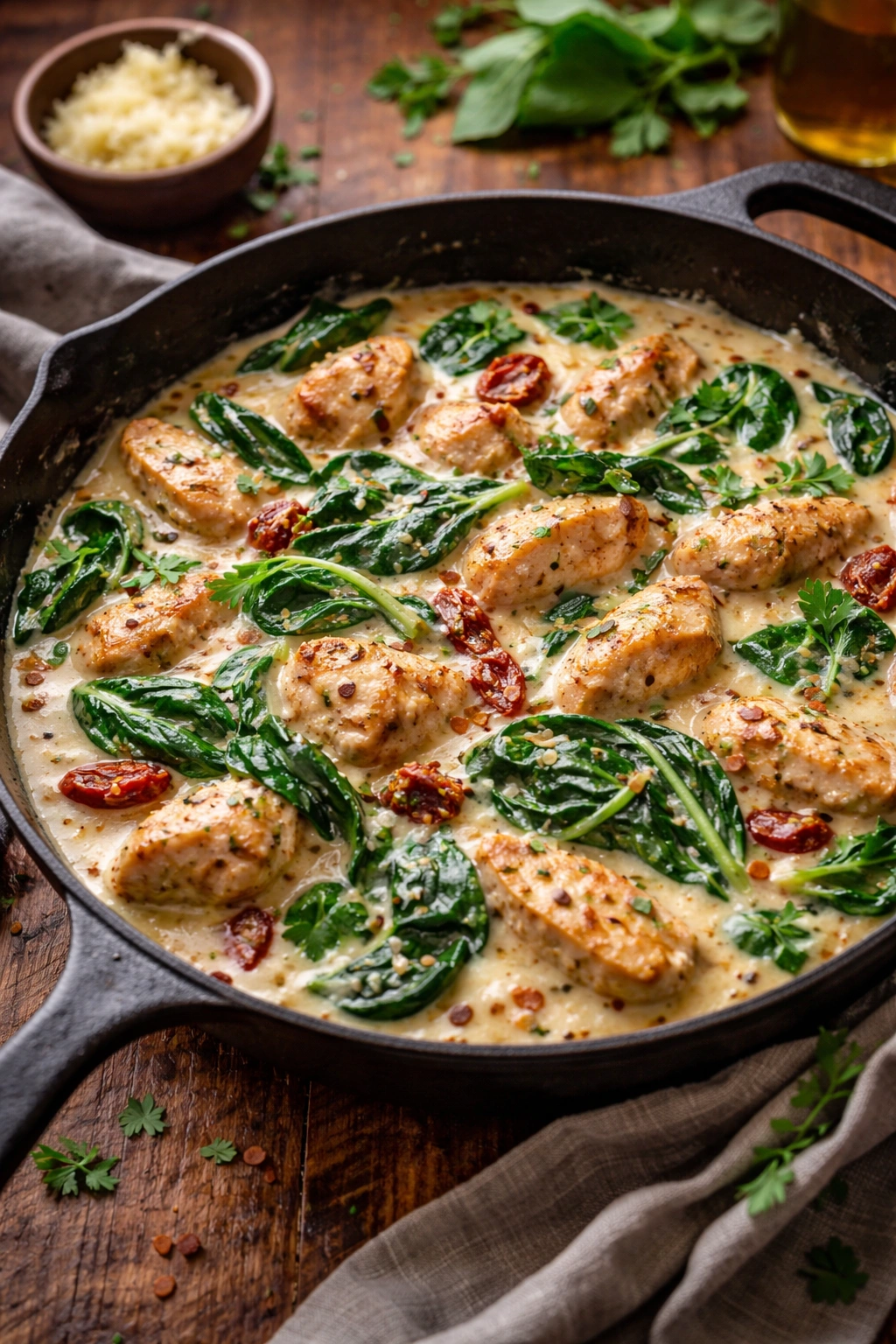
The beauty of this recipe is how easily it adapts to different diets, preferences, and what you have on hand.
Adding protein is simple and delicious. Cooked chicken breast cut into bite-sized pieces, shrimp added in the last minute, or crumbled cooked Italian sausage all work beautifully. Brown your protein first, remove it, make the sauce, then add the protein back in during the final toss with pasta. This way everything stays warm and you don’t overcook the protein.
Making it vegetarian is the default version, but you could also add fresh spinach or arugula, wilting it into the sauce at the last moment. Sliced mushrooms sautéed in butter until golden add earthiness and texture. Roasted red peppers from a jar add sweetness and color.
For a lighter version, substitute half-and-half for heavy cream, use low-fat milk mixed with a little cornstarch instead of cream, or even use Greek yogurt thinned with a splash of pasta water. The sauce won’t be quite as rich, but it’s still delicious and feels less heavy on the stomach.
Making it dairy-free requires more care because cream is central to the dish’s texture. Coconut cream works but adds coconut flavor. Cashew cream is more neutral and closer to dairy. Make it by blending soaked cashews with water until smooth, then strain through a fine-mesh sieve. Use this as your cream base and proceed with the recipe. It won’t be identical, but it’s genuinely delicious.
For gluten-free, use gluten-free pasta and verify that your sun-dried tomatoes and other ingredients don’t contain hidden gluten. The cooking technique remains identical.
Adding white wine is a wonderful variation that adds sophistication. After the garlic cooks, pour in a quarter cup of dry white wine, let it simmer for a minute or two so the alcohol burns off, then proceed with the cream. The wine adds acidity and complexity.
Using fresh basil throughout instead of adding it only at the end: chop about ¼ cup fresh basil and stir it into the sauce after removing from heat. Let it steep in the residual heat for a minute before adding the pasta. This infuses basil flavor throughout rather than having it as just a garnish.
Storage and Reheating
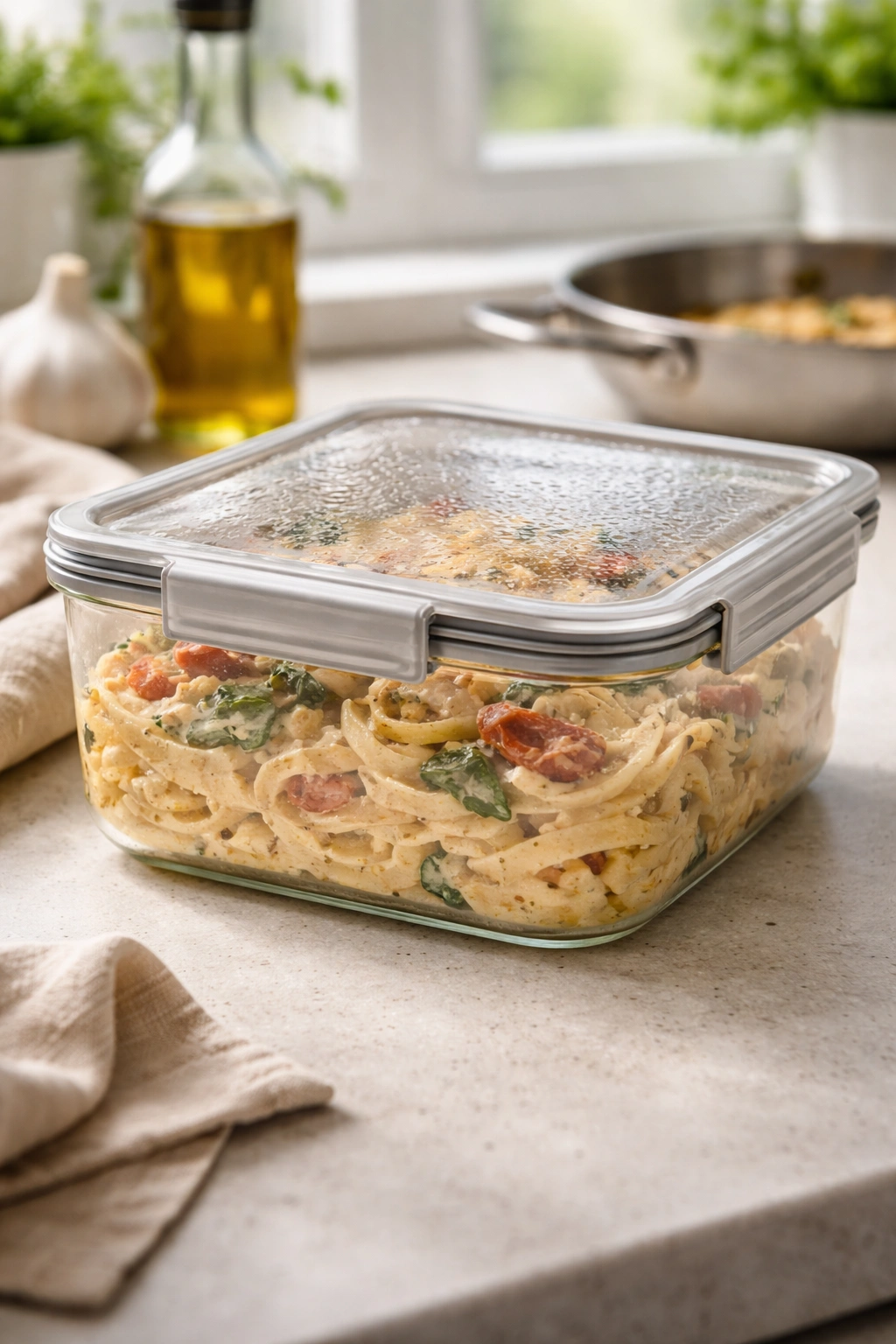
Leftover creamy Tuscan pasta keeps in an airtight container in the refrigerator for up to three days. The sauce will thicken as it cools because the cream solidifies slightly, so when you reheat, you’ll need to add liquid.
To reheat, place the pasta in a skillet over medium-low heat and add a splash of milk, cream, or pasta water—just a few tablespoons. Stir frequently until it’s heated through and the sauce returns to its original creamy consistency. This gentle reheating keeps the pasta from toughening. You can also reheat in the microwave, stirring every 30 seconds, but the stovetop method gives you more control.
Freezing is not recommended because the cream sauce doesn’t thaw evenly and tends to look separated when reheated, though it still tastes fine. If you must freeze, let it thaw completely in the refrigerator and plan to reheat with extra liquid to restore the sauce.
Serving Suggestions and Perfect Pairings
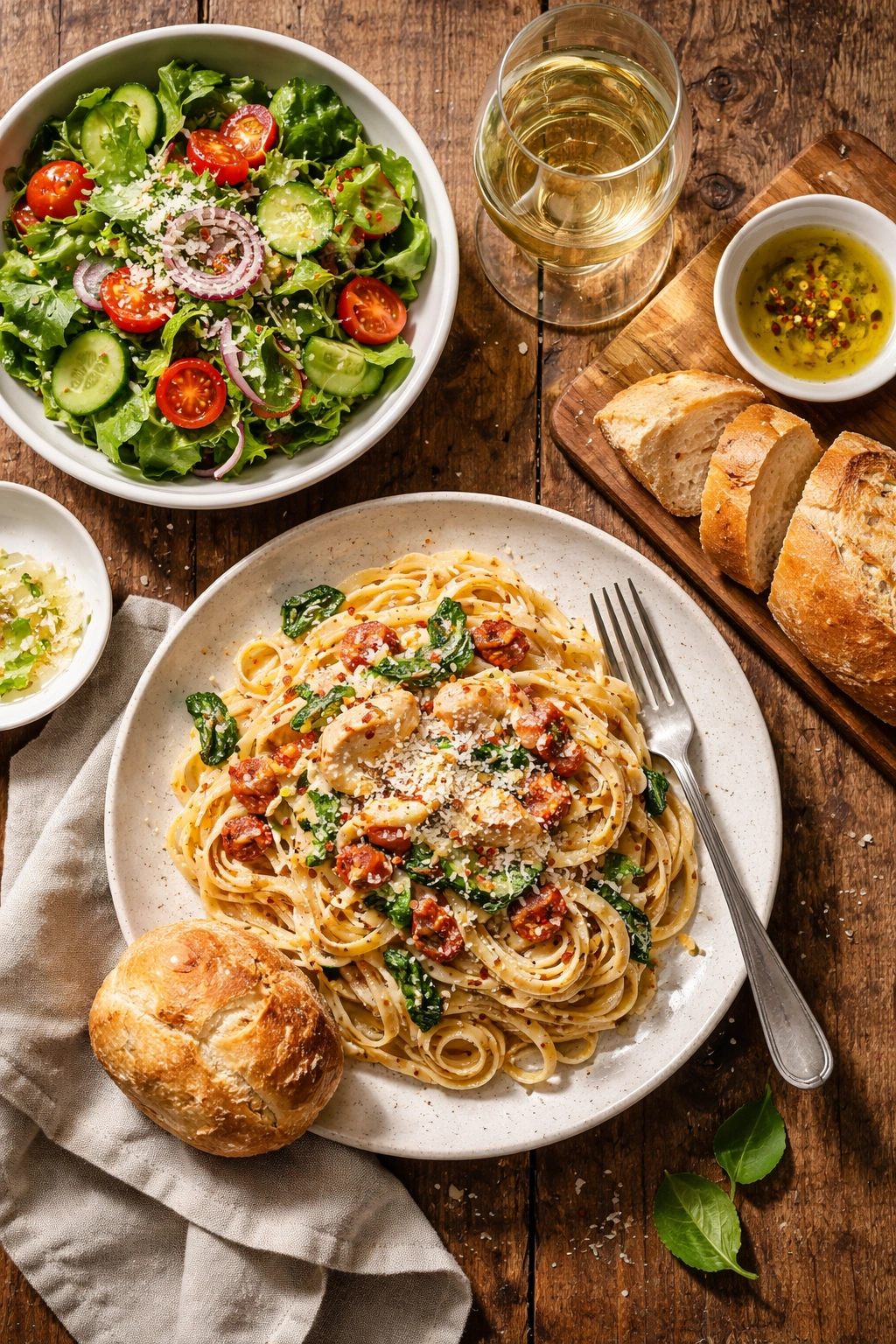
Creamy Tuscan pasta is rich and satisfying, so pair it with something fresh and bright to balance the meal. A simple green salad with a sharp vinaigrette, arugula with lemon juice and olive oil, or a mixed greens salad with balsamic dressing all work beautifully.
For bread, garlic bread is the obvious choice, but a simple crusty bread for soaking up the sauce is equally good. Italian bread, focaccia, or ciabatta all complement the creamy, garlicky sauce.
If you want to add vegetables without making the pasta itself more complex, roasted vegetables on the side work well. Roasted green beans, grilled zucchini, or roasted broccoli all provide freshness and nutrition without competing with the pasta’s flavors.
A crisp white wine pairs beautifully with Tuscan pasta. Pinot Grigio, Sauvignon Blanc, or a light Vermentino complement the cream and tomatoes without being too heavy.
For a complete dinner without other sides, consider serving a larger portion of pasta with extra fresh basil, a side salad, and bread—it’s a complete meal that feels elegant without being pretentious.
Final Tips for Tuscan Pasta Mastery
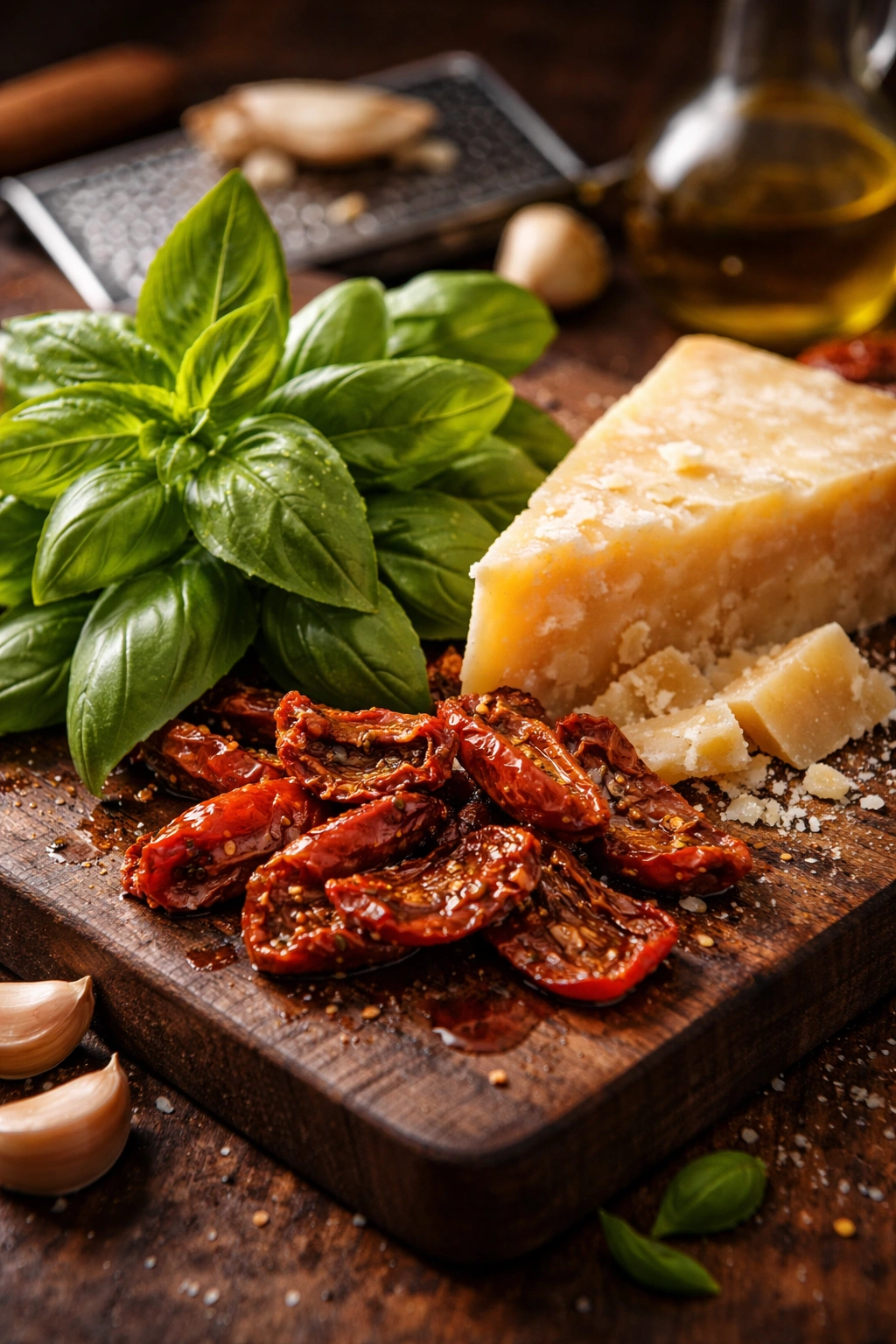
Understanding the “why” behind each step helps you troubleshoot if something goes differently than expected. The sauce becomes silky because of the starch in pasta water, not because you cooked it long. The flavor comes from quality sun-dried tomatoes and fresh basil, not from cooking longer or adding more cream. Speed comes from using ingredients that don’t need extended cooking and timing everything to finish simultaneously.
Invest in quality ingredients because this dish has so few components that each one is noticed. Good Parmesan cheese, genuine sun-dried tomatoes packed in oil, and real butter all contribute noticeably to the final taste. You don’t need expensive ingredients, but you need real ones.
Taste constantly as you go. The herbs, spices, and seasonings should be adjusted to your preference, not to what some recipe says. If you love garlic, add more minced garlic. If you prefer subtle herbs, dial back the basil. Tasting lets you control this.
Use warm bowls when serving. Creamy pasta loses heat quickly, and warm bowls keep it hot longer. You can warm bowls by filling them with hot pasta water a minute before serving, then dumping out the water just before plating.
Don’t crowd the pan if you’re doubling the recipe. It’s better to make two batches in a large skillet than to overfill one pan, which prevents proper mixing and even cooking.
The magic of creamy Tuscan pasta isn’t in complexity—it’s in understanding how to use simple, quality ingredients with proper technique to create something that tastes far more complicated than it actually is. In just 20 minutes, you get a dinner that rivals restaurant quality, requires minimal cleanup, and impresses everyone who tastes it. That’s not luck or magic. That’s efficiency and knowledge working together to create something genuinely delicious.
