



There’s something almost magical about pulling a basket of perfectly golden, crispy-on-the-outside, creamy-on-the-inside potatoes out of an air fryer. The exterior shatters when you bite down, creating that satisfying crunch that makes you forget you’re eating something this simple. And the fact that you can have restaurant-quality results in your home kitchen in just 20 minutes? That’s the kind of shortcut worth celebrating.
Air fryer potatoes have become the go-to side dish for busy weeknights, quick meals with guests, and anyone who’s decided that good food doesn’t have to involve hours of planning. Unlike traditional oven-roasted potatoes that demand 45 minutes of cooking time, air frying uses intense, circulating heat to crisp the exterior in a fraction of that time. You’re not just saving time—you’re getting crispier potatoes with less oil, less mess, and absolutely zero guesswork about doneness.
The magic isn’t complicated. It comes down to understanding how your air fryer works, choosing the right potatoes, and using a straightforward technique that produces the same crispy, satisfying results every single time. Whether you’re looking for a quick weeknight vegetable, a crowd-pleasing appetizer, or the perfect side dish to anchor a meal, this is the method that works.
What you’re about to learn isn’t just a recipe—it’s a system. Once you understand why each step matters and how to adapt it to your preferences, you’ll find yourself making these potatoes constantly. Let’s walk through everything you need to know to master this simple, transformative cooking method.
Why Air Fryer Potatoes Are So Good
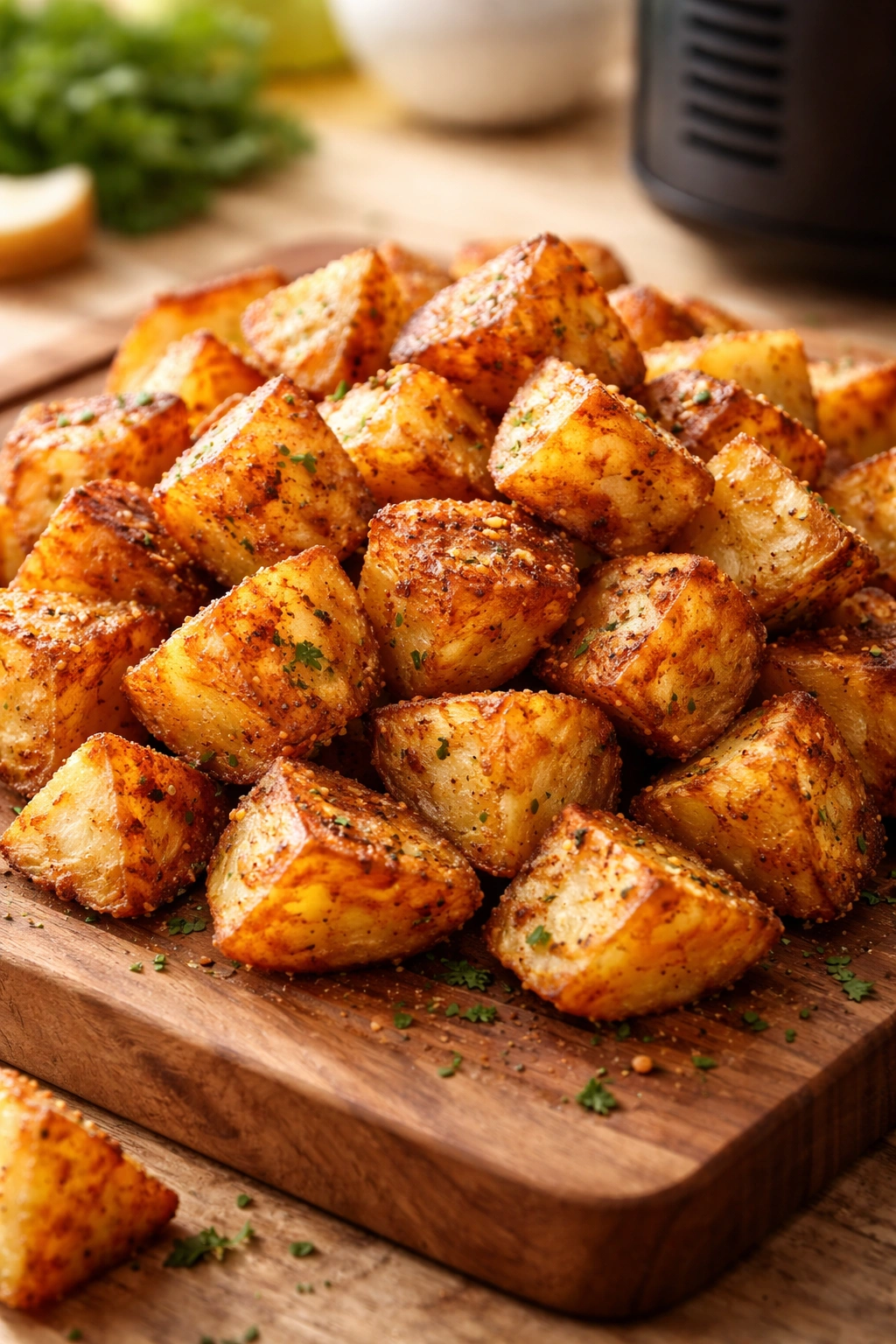
The air fryer does something special with potatoes that traditional cooking methods struggle to accomplish at the same speed. Hot circulating air at high temperatures creates a Maillard reaction—that’s the chemical process that browns food and develops deep, complex flavors. You get this crispy, golden exterior while the inside stays fluffy and tender. The key difference is that an air fryer concentrates that heat intensely in a small space, so the browning happens much faster than it would in a conventional oven.
You’re also using a fraction of the oil compared to deep frying, but you still get that fried potato experience. This isn’t boiling or steaming—you’re getting genuine crispiness without having to heat several cups of oil or deal with greasy cleanup afterward. The basket design of the air fryer allows hot air to circulate completely around each piece, ensuring even cooking and browning on all sides with minimal effort.
Time is the other huge advantage. Twenty minutes from raw potato to finished dish means these actually fit into a weeknight dinner routine, not just a weekend project. You can start boiling water for pasta and have fully cooked, seasoned potatoes ready at the same time. That efficiency alone makes air fryer potatoes a game-changer for anyone cooking with limited time.
Potato Varieties That Work Best
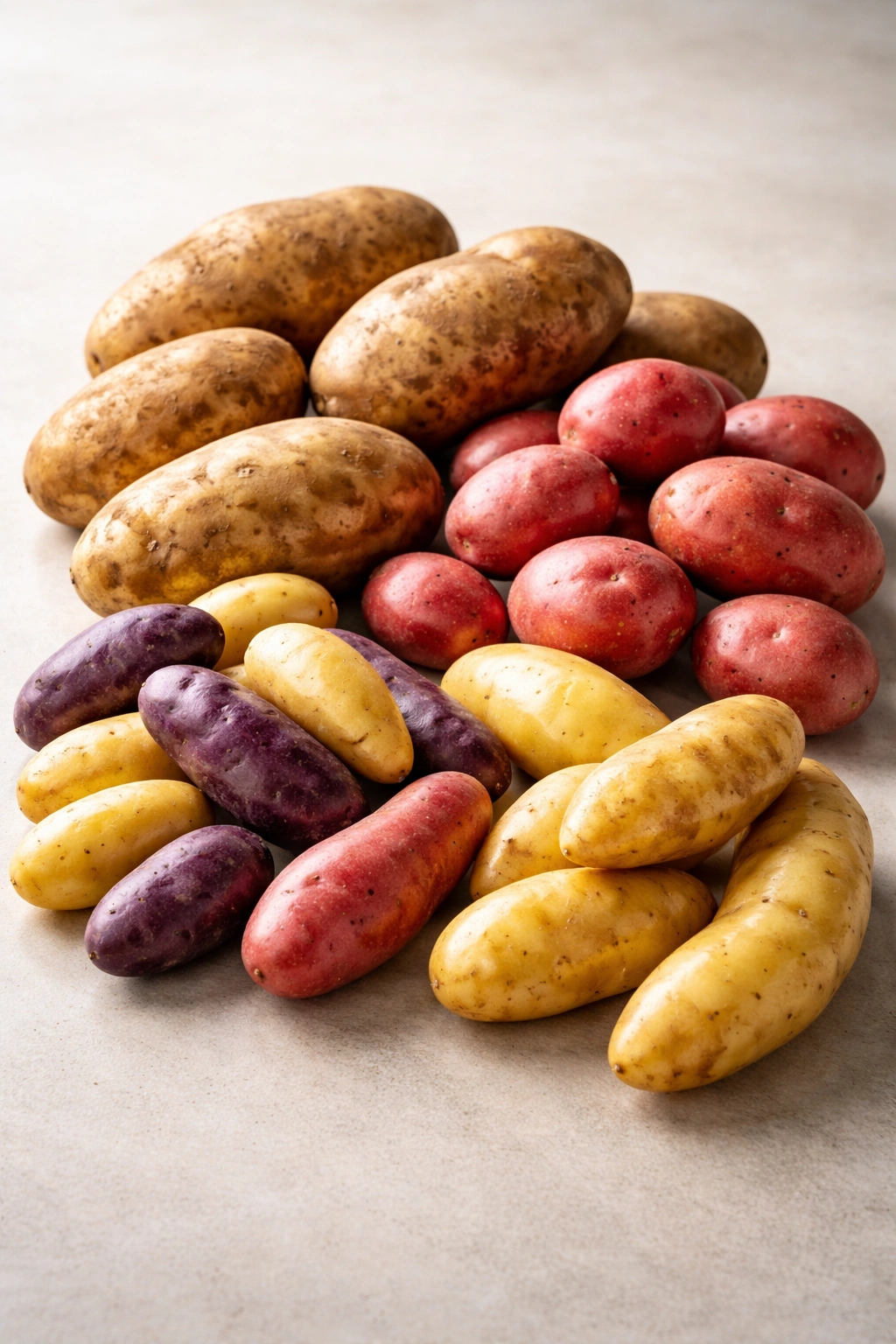
Not every potato behaves the same way when cooked. Waxy potatoes (like Red Bliss, fingerling, or new potatoes) have lower starch content and hold their shape well during cooking. They’re excellent for air frying because they don’t break apart or get mealy. These varieties also have thinner, more delicate skins that become incredibly crispy without needing to be peeled.
Starchy potatoes (like Russets or Idahos) have higher starch content and tend to be larger, making them ideal if you want bigger chunks with crispy exteriors and fluffy, almost cloud-like interiors. They’re slightly more forgiving because they’re heartier and can handle aggressive seasoning and high heat. You’ll peel these or cut them after cooking to remove the skin, depending on your preference.
All-purpose potatoes fall in the middle and work fine either way, though they don’t have the advantages of either extreme. If you’re at the grocery store and see fingerling potatoes, those are genuinely your best choice for maximum crispiness—they’re small enough to cook through quickly and large enough to develop a substantial crispy exterior. Aim for potatoes that are roughly the same size so they cook evenly. If you’re using larger potatoes, cut them into 1-inch pieces or half them lengthwise for faster, more even cooking.
Prep and Seasoning Essentials
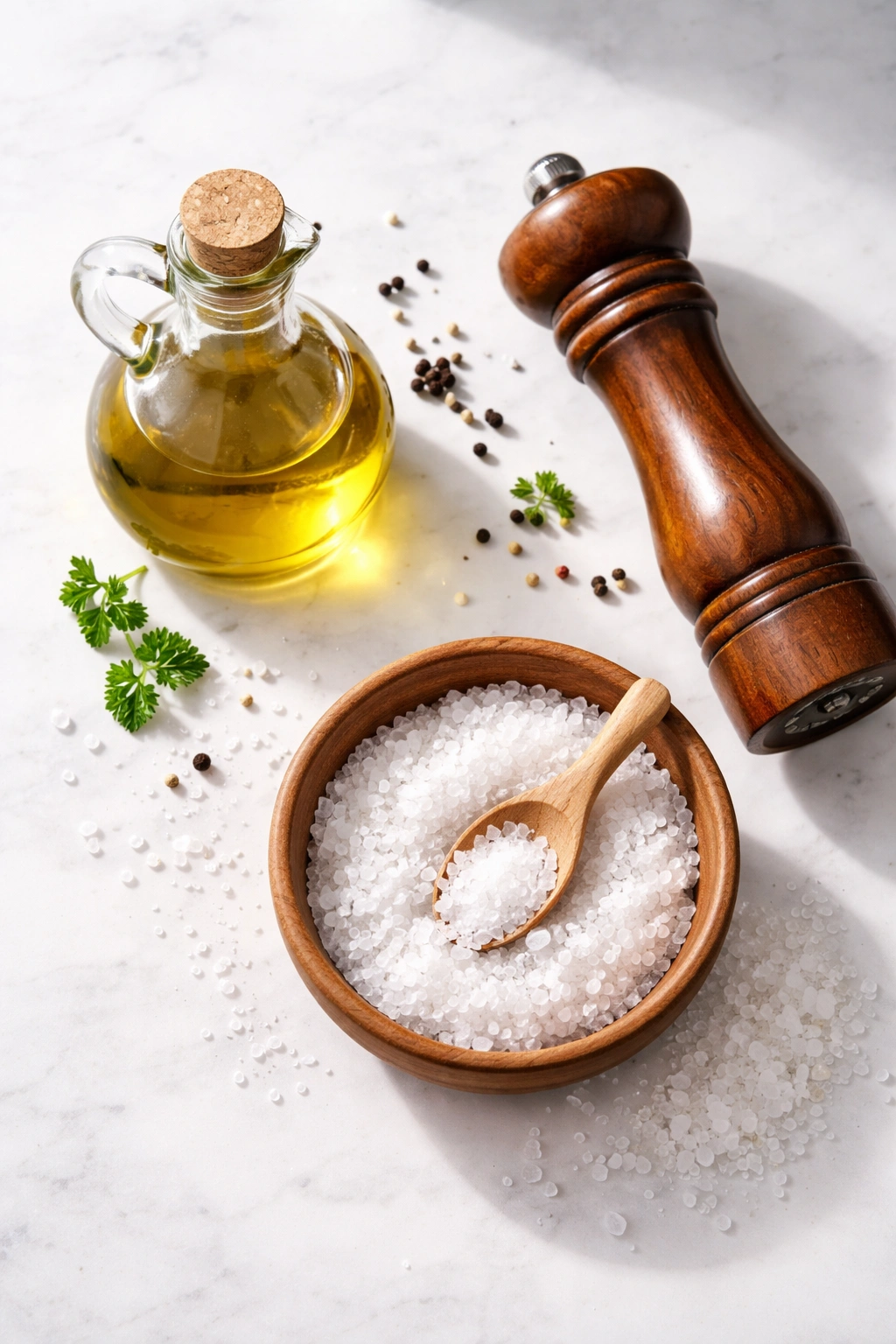
This is where many home cooks slip up, rushing through the seasoning step and wondering why their potatoes taste bland. The potatoes need actual salt—not just a sprinkle, but enough to season them properly. Kosher salt is easier to control than table salt because the crystals are larger, making it less likely to over-salt. About ½ teaspoon per pound of potatoes is a good starting point, though you can always adjust based on what else is going into your meal.
Pat your potatoes completely dry before seasoning. Any surface moisture creates steam rather than crispiness, so spend 30 seconds with paper towels removing water from every crevice. Toss the dried potatoes with a light coating of oil—olive oil, avocado oil, or vegetable oil all work fine. You’re not trying to deep fry them; just enough oil to coat the surface lightly. About 1 tablespoon per pound of potatoes is right. If you’ve ever made chips and felt like you skimped on oil, this time add a tiny bit more; your crispiness depends on it.
Season immediately after oiling, while the oil is still wet and the salt can stick to the potatoes. This is also the moment to add any herbs or spices you’re using. Freshly cracked black pepper is always welcome. Garlic powder, onion powder, smoked paprika, or Italian seasoning all work beautifully. Fresh rosemary or thyme adds a sophisticated angle if you’re cooking for guests. Don’t skip this step thinking you’ll season after cooking—potatoes are much easier to season raw when the oil is holding everything in place.
The Recipe: Crispy Air Fryer Potatoes
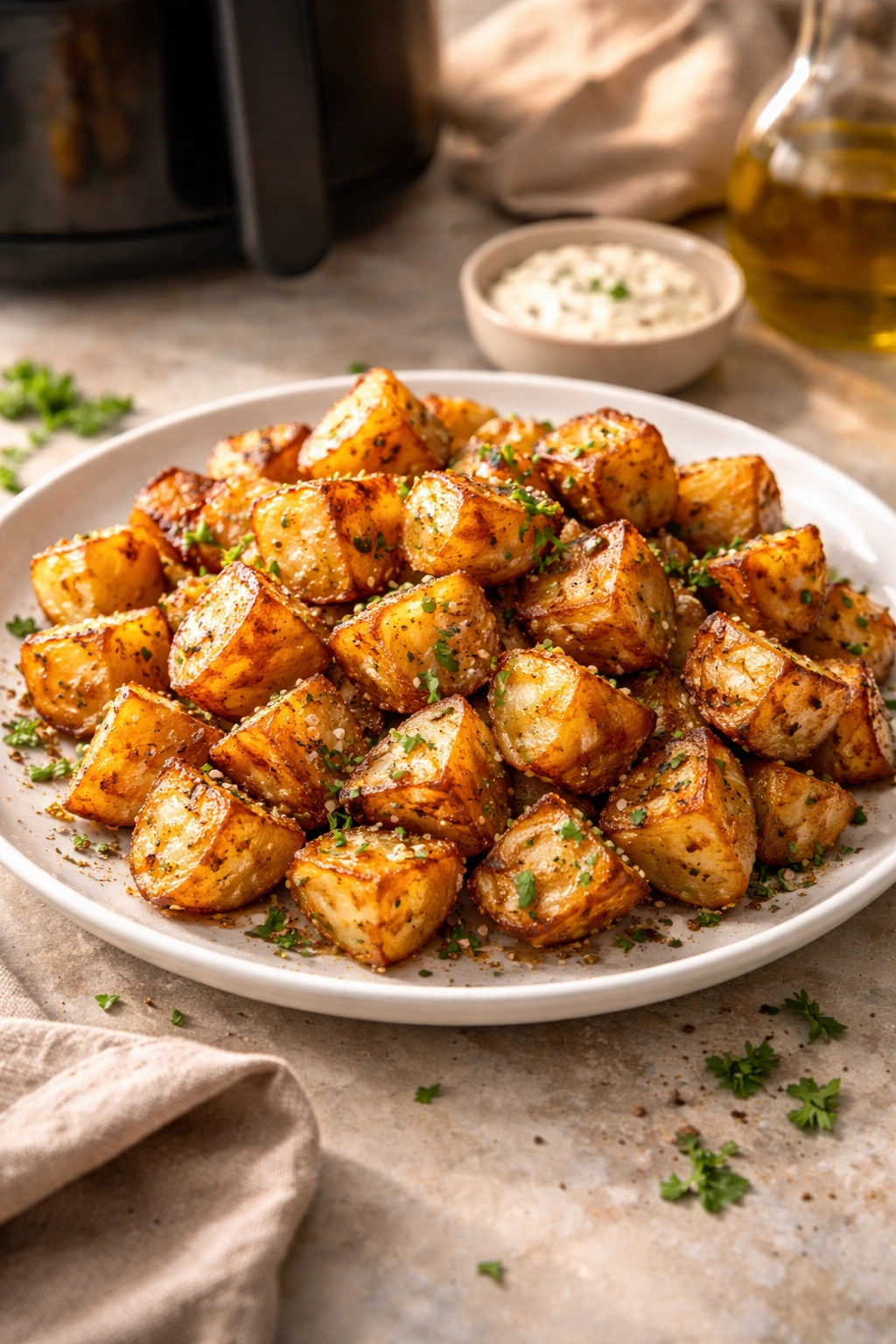
Yield: Serves 4 to 6 | Makes about 4 cups cooked potatoes
Prep Time: 10 minutes
Cook Time: 20 minutes
Total Time: 30 minutes
Difficulty: Beginner — no special skills required and the instructions are straightforward even for someone who’s never used an air fryer before.
Ingredients
For the Potatoes:
- 2 pounds small fingerling or waxy potatoes (or one 2-pound russet potato cut into 1-inch pieces)
- 1½ tablespoons extra virgin olive oil (or avocado oil)
- ½ teaspoon kosher salt, plus more to taste
- ¼ teaspoon freshly cracked black pepper
- Optional: ½ teaspoon garlic powder, ½ teaspoon smoked paprika, 1 teaspoon fresh rosemary leaves or ½ teaspoon dried oregano
Instructions
Prep the Potatoes:
-
Rinse the potatoes under cold water and scrub them gently with a brush to remove any dirt, especially if you’re leaving the skin on. Pat them completely dry with paper towels—this is crucial for achieving crispiness, so don’t skip this step.
-
If using fingerling potatoes, leave them whole. If using larger potatoes, cut them in half lengthwise or into 1-inch cubes so all pieces cook at the same rate. Aim for uniform sizes so nothing cooks faster than anything else.
-
Place the dried potatoes in a medium bowl and drizzle with the olive oil. Toss gently until every piece is lightly coated. Add the salt, black pepper, and any optional seasonings you’re using. Toss again until the seasonings are evenly distributed and stick to the oiled surface.
Cook the Potatoes:
-
Preheat your air fryer to 400°F (200°C) for 3 minutes. While it’s heating, spread the seasoned potatoes in the air fryer basket in a single layer. They should fit snugly but not be crammed—if they’re packed too tightly, the hot air can’t circulate around each piece and you’ll get unevenly cooked potatoes.
-
Set the timer for 15 minutes. After 10 minutes, carefully shake the basket (using the handle, not your fingers) to flip the potatoes and ensure even browning on all sides. If your potatoes are particularly large or thick, you might shake the basket at the 7-minute mark as well—there’s no penalty for shaking more often.
-
Continue cooking until the potatoes are golden brown and the exterior yields to a fork with gentle pressure, about 15-20 minutes total. The timing can vary depending on the exact size of your potatoes and the model of your air fryer, so start checking around the 15-minute mark. If you see they’re just turning golden but still have soft spots when you press them, give them another 2-3 minutes.
-
Carefully remove the basket (it’s hot!) and spread the potatoes on a paper towel-lined plate to drain any excess oil and stay crispy. Taste one and adjust the salt if needed—remember, you added salt before cooking, but you can always add more at this stage. Serve immediately while the exterior is still crackling.
How to Get the Crispiest Exterior Possible
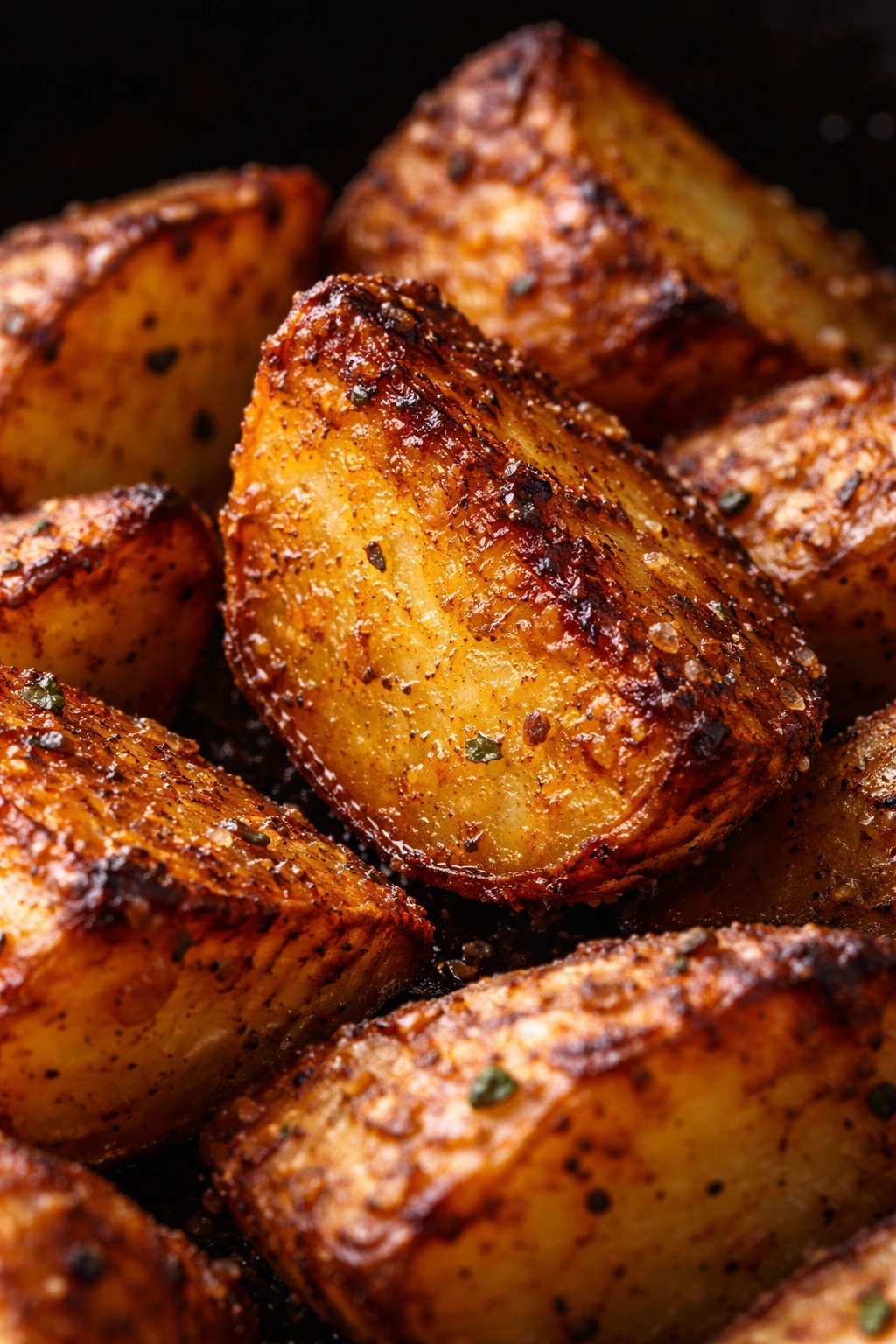
Crispiness comes from two things: adequate heat and sufficient oil. The 400°F temperature is high enough to brown the potatoes quickly without burning them, but it’s not so high that the inside stays raw. If you increase the temperature beyond 420°F, you risk burning the exterior before the inside cooks through. If you go below 380°F, you’re extending the cook time and losing that aggressive browning that creates genuine crispiness.
The oil is equally important. It conducts heat to the potato surface more effectively than air alone can, and it helps create the Maillard reaction that produces those crispy, browned edges. If you skimp on oil thinking you’ll save calories, you’ll end up with sad, mealy potatoes instead of crispy ones. The oil isn’t optional—it’s the critical ingredient that makes this method work.
Don’t crowd the basket. Air fryers work because hot air circulates freely around food. If you pack in twice as many potatoes to save time, they’ll steam instead of fry. You’ll get softer, less crispy results and longer cooking times. It’s better to cook in two batches if you’re feeding a crowd. Most home air fryer baskets hold about 1½ to 2 pounds comfortably—more than that and you’re compromising results.
Shake the basket at the halfway point. This flips the potatoes and exposes new surfaces to the hot air. If you skip this, the bottoms will crisp beautifully but the tops might stay lighter brown. You don’t need to shake constantly—once or twice during cooking is plenty. Use the basket handle and give it a confident shake so the potatoes actually move around.
Common Mistakes That Ruin Air Fryer Potatoes
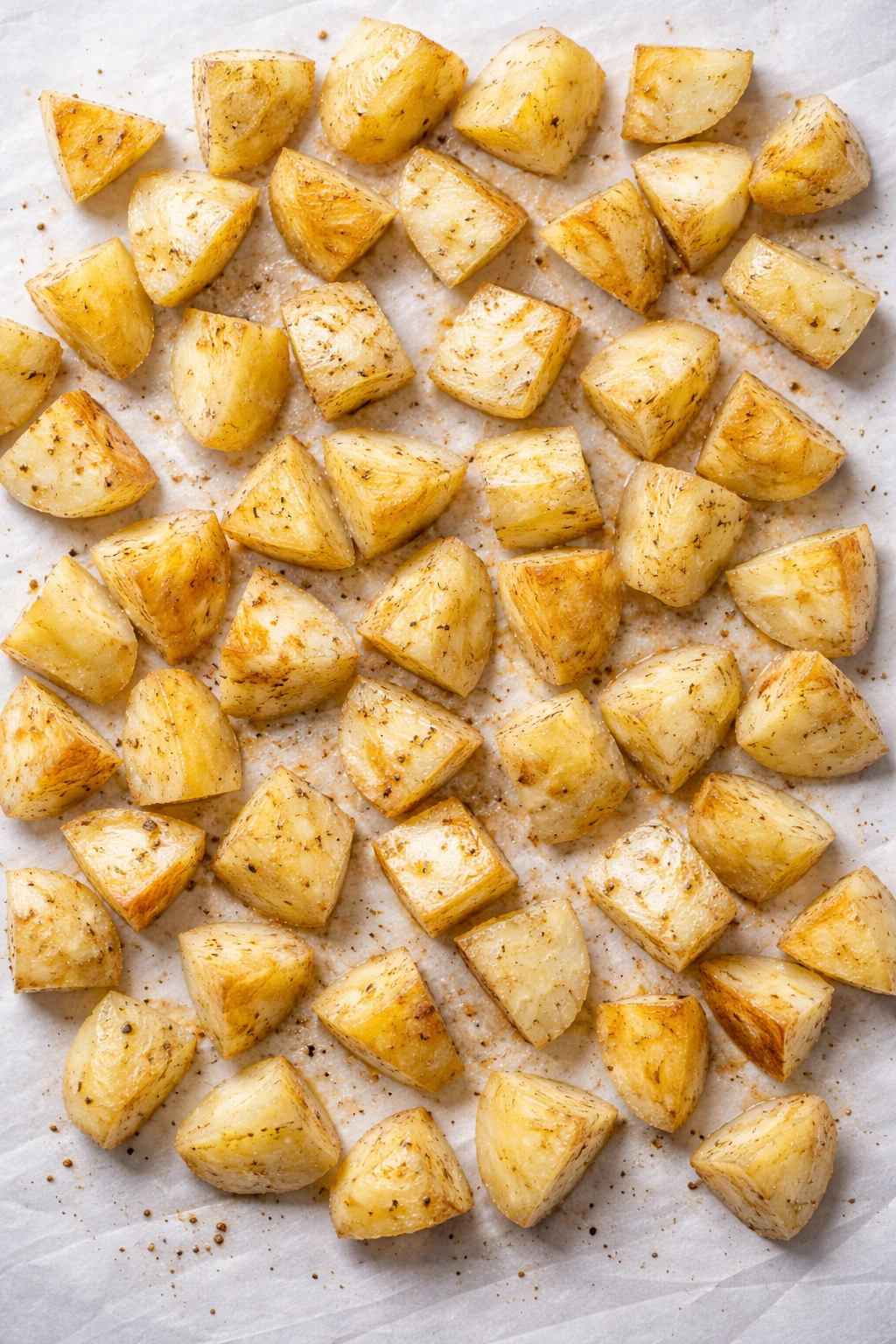
The biggest mistake is cooking wet potatoes. If you rinse the potatoes and skip the drying step, you’ll steam them rather than crisp them. Moisture is the enemy of crispiness in every cooking context. Even if they’re just damp, not visibly wet, you’re reducing how crispy they’ll become. Spend the 30 seconds drying them completely—your results will be noticeably better.
Under-seasoning is another frequent mistake. Potatoes are fairly neutral and need adequate salt to taste good. If you’re being timid with salt, add it to the oil before tossing the potatoes. This distributes it more evenly than trying to sprinkle it on afterward. You can always taste and add more, but you can’t remove salt that’s already in there.
Using the wrong potato size or shape causes uneven cooking. If you mix fingerling potatoes with large chunks of russet, the fingerlings will be done before the russets are even cooked through. Stick with one type and cut everything to roughly the same size. An inch is a good target size—larger pieces take longer to cook through and might burn before the inside is done.
Skipping the oil is tempting if you’re watching calories, but it genuinely hurts the final result. You need that oil to conduct heat effectively and create the chemical reaction that produces browning and crispiness. You’re using a fraction of the oil that deep frying would require, so don’t think of this as a fried food situation. Think of it as a method that requires adequate fat to work properly.
Flavor Variations and Seasoning Ideas
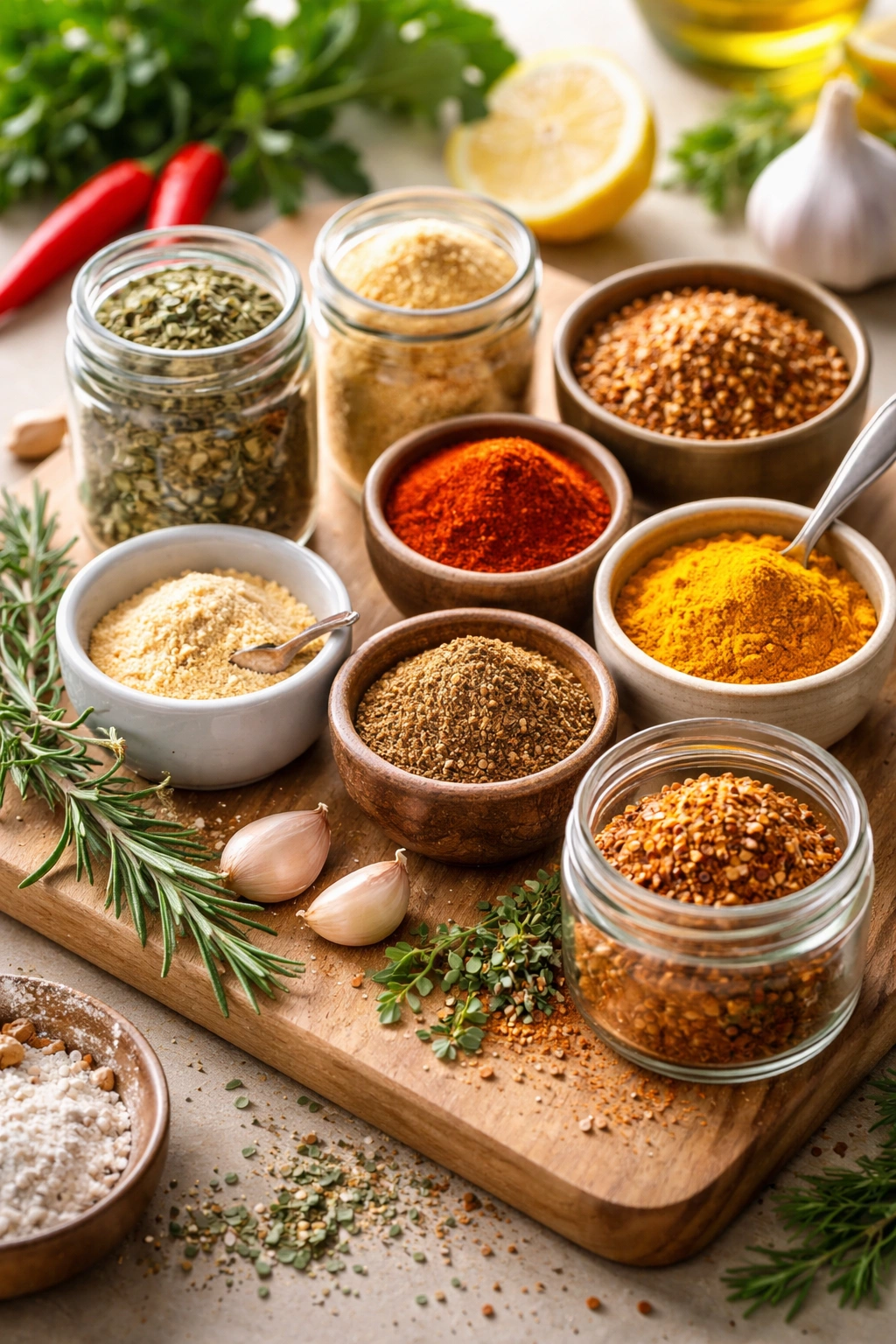
Once you’ve mastered the basic recipe, the seasoning possibilities expand dramatically. A Mediterranean angle works beautifully—add dried oregano, dried basil, and garlic powder, then toss the finished potatoes with fresh lemon juice and chopped fresh parsley. The bright citrus cuts through the richness beautifully.
For a Cajun direction, use smoked paprika, garlic powder, onion powder, cayenne pepper, and a pinch of black pepper. These potatoes pair perfectly with blackened fish or andouille sausage. If you want the heat visible, add a tiny pinch of cayenne during cooking, taste, and decide if you want more heat before finishing.
Try an Indian-inspired version by adding cumin, garam masala, and turmeric to the oil before tossing the potatoes. Finish them with a light squeeze of lime juice and fresh cilantro, then serve alongside curries or grilled chicken. These are spicy, aromatic, and completely different from your standard potatoes.
A more sophisticated French approach uses just fresh rosemary and thyme during cooking, then finishes the hot potatoes with fleur de sel (fancy finishing salt) and grated Parmesan cheese. The heat melts the cheese slightly and creates an incredible umami flavor. You could also add a tiny bit of truffle oil for a luxe side dish if you’re cooking for something special.
For something fun and casual, try ranch seasoning—onion powder, garlic powder, fresh dill, and a touch of paprika. Finish with a drizzle of sour cream mixed with fresh chives. These taste like loaded potato skins but are much faster to make.
Storage and Make-Ahead Tips
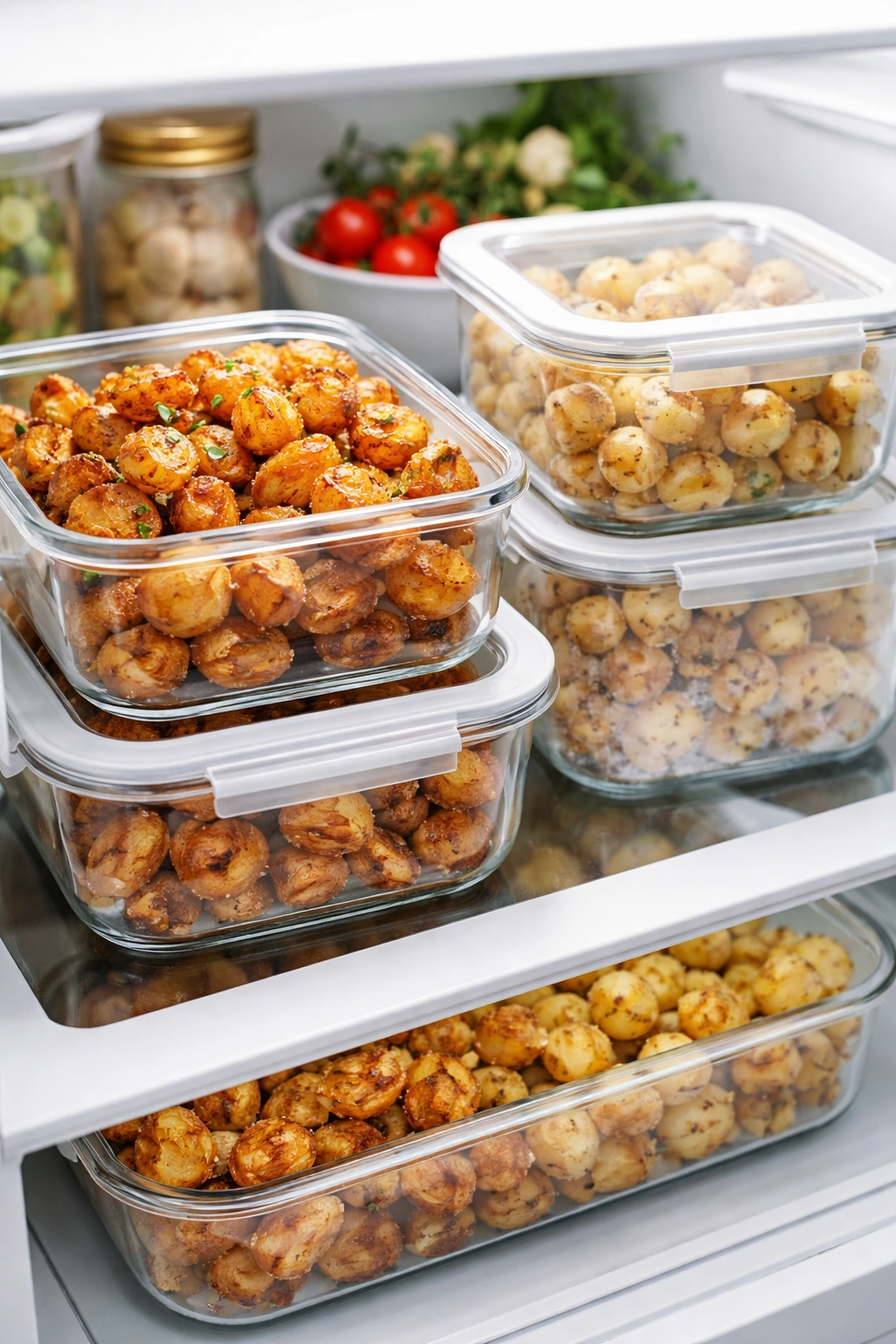
Crispy air fryer potatoes are best served immediately, but they’ll stay good in the refrigerator for up to 4 days. Store them in an airtight container without sealing them while they’re still warm—let them cool first so condensation doesn’t steam them back into softness. Cool potatoes reheat well in the air fryer at 350°F for about 5 minutes, which crisps them back up nicely.
You can prep the potatoes the night before by rinsing, drying, and seasoning them, then storing them in a sealed container in the fridge until you’re ready to cook. They won’t brown or oxidize if they’re properly dried and sealed. The next day, just add an extra minute of cook time since they’re starting cold from the refrigerator rather than sitting at room temperature.
Freezing cooked potatoes is possible, but you’ll lose some of the crispiness. If you do freeze them, spread the cooled potatoes in a single layer on a baking sheet and freeze until solid, then transfer to a freezer bag so they don’t freeze in one giant clump. They’ll keep for up to 3 months. Reheat directly in the air fryer from frozen at 375°F for 8-10 minutes—you might lose a tiny bit of that perfect crispiness, but they’re still quite good and you’ve saved significant cooking time on a busy night.
Freezing raw, seasoned potatoes isn’t ideal because they tend to get mushy when thawed and cooked. If you want to batch-prep these for future meals, it’s better to cook them and then freeze the finished potatoes. You can reheat them quickly when you need them.
Perfect Serving Pairings
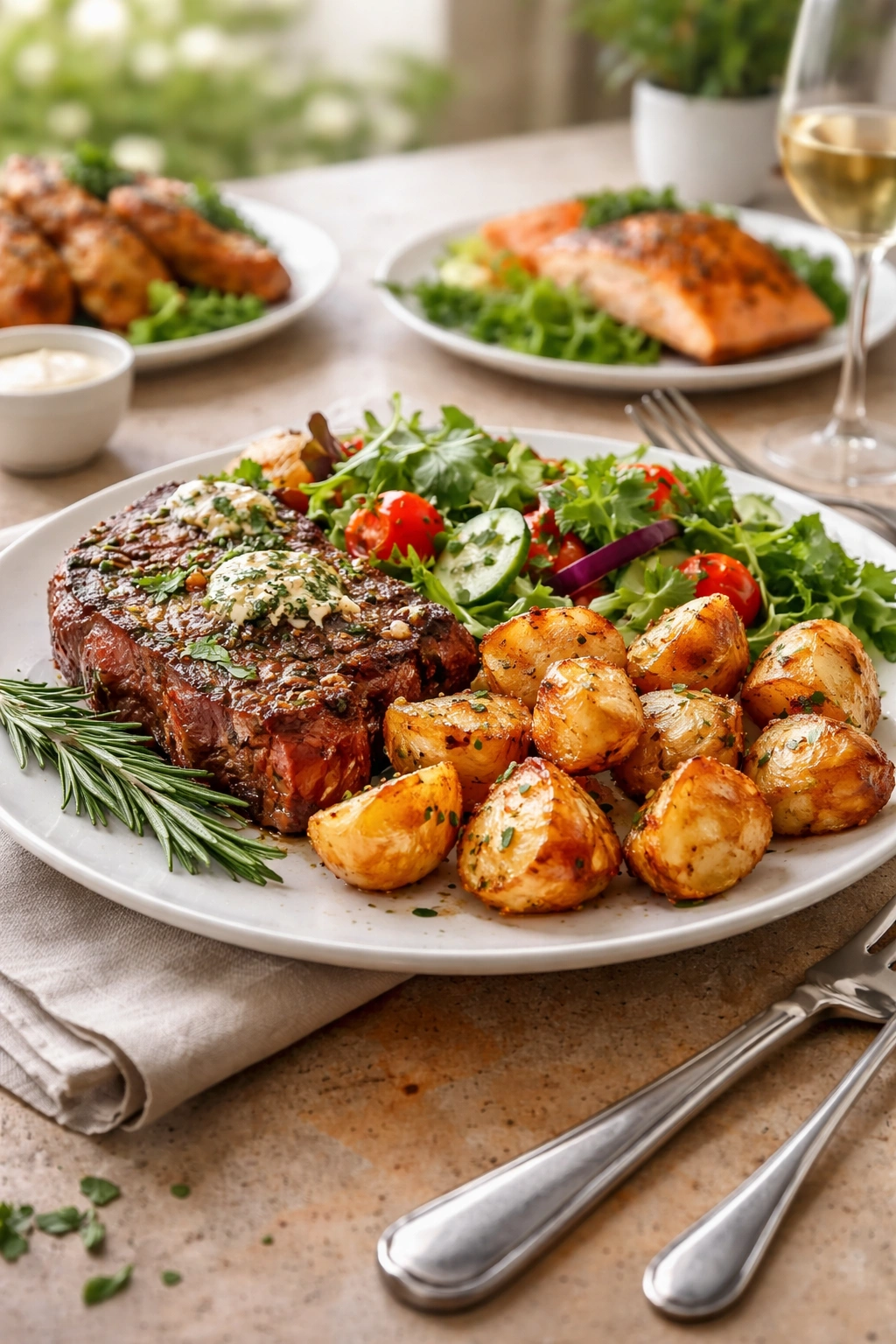
These potatoes work with almost anything, but they’re particularly delicious alongside grilled proteins. Steak, grilled chicken, salmon, or lamb all benefit from having these crispy potatoes on the plate. The contrast between the rich main protein and the crispy texture of the potatoes creates a satisfying meal.
Fish and chips enthusiasts will find these a perfect substitute for deep-fried chips, with significantly less oil but comparable crispiness. Serve them with pan-seared or baked fish and a squeeze of fresh lemon. Malt vinegar is optional but encouraged—the acidity plays beautifully against the richness of the potatoes and fish.
For a lighter meal, pair them with a big green salad and grilled tofu or roasted vegetables. The crispiness of the potatoes provides textural contrast against the soft salad, and they add substance without being heavy. These work great in a grain bowl situation—roasted vegetables, a grain, some protein, and these potatoes create a complete, satisfying meal.Roasted or sautéed vegetables—Brussels sprouts, green beans, asparagus, or broccoli—make natural partners. The potatoes are starchy and rich, so they pair well with bright, slightly bitter or fresh vegetables that balance the plate.
They also work as an appetizer or snack situation. Serve them in a bowl with a selection of dipping sauces—maybe a garlic aioli, a spicy mayo, a creamy herb dip, and something acidic like a lemon-vinegar sauce. Guests can grab potatoes and dip as they wish, and they’ll disappear quickly.
Tips and Tricks for Best Results
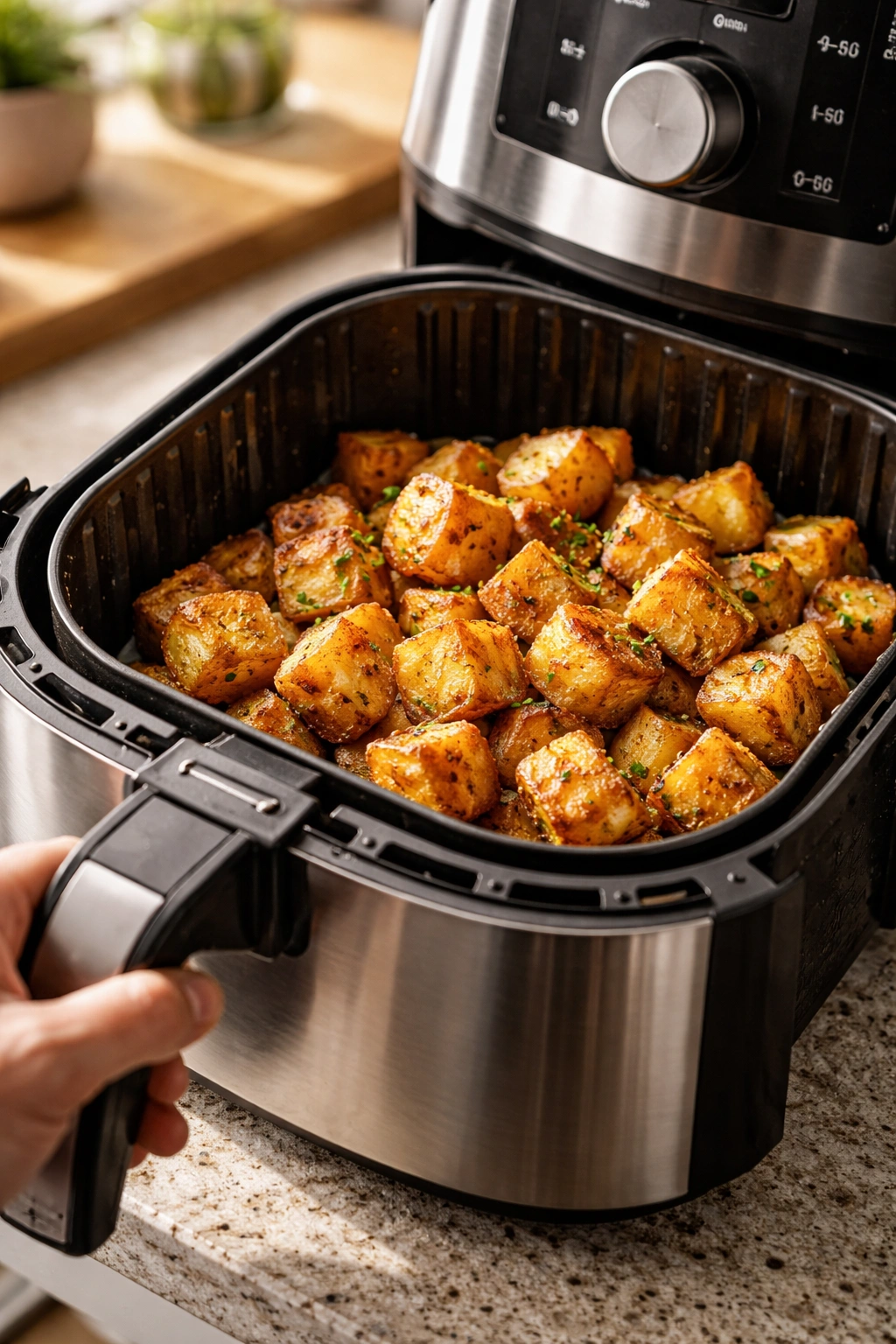
Let your air fryer fully preheat before cooking. Three minutes might seem short, but air fryers heat up incredibly fast. If you skip this and put cold potatoes into an air fryer that’s still climbing to temperature, they’ll take longer to brown and you’ll lose the advantage of quick cooking. Set your timer for preheat and actually wait the full time.
Keep track of your specific air fryer’s personality. Every model heats slightly differently—some run hotter, some have hot spots. After your first batch, you’ll start noticing if your particular air fryer prefers 15 minutes or needs 20. Then you can adjust future batches accordingly. This is information worth jotting down for future reference.
If you’re cooking multiple batches, you don’t need to let the air fryer cool between batches. It stays hot, and you can load the next batch of potatoes immediately. This is helpful if you’re feeding a crowd and need to cook several batches sequentially. Just check that the bottom of the basket is relatively clean before loading the next batch.
Add acid after cooking for brightness. A small squeeze of fresh lemon juice, lime juice, or even a splash of balsamic vinegar right before serving adds a dimension that plain crispy potatoes sometimes lack. The acidity cuts through any heaviness and makes the potatoes taste fresher somehow.
Consider the potato-to-air-fryer ratio carefully. A bigger air fryer with a larger basket can handle more potatoes in one batch. A smaller compact model might only fit one pound. Knowing your air fryer’s capacity prevents frustration and ensures you’re planning realistically for whatever you’re cooking.
Final Thoughts
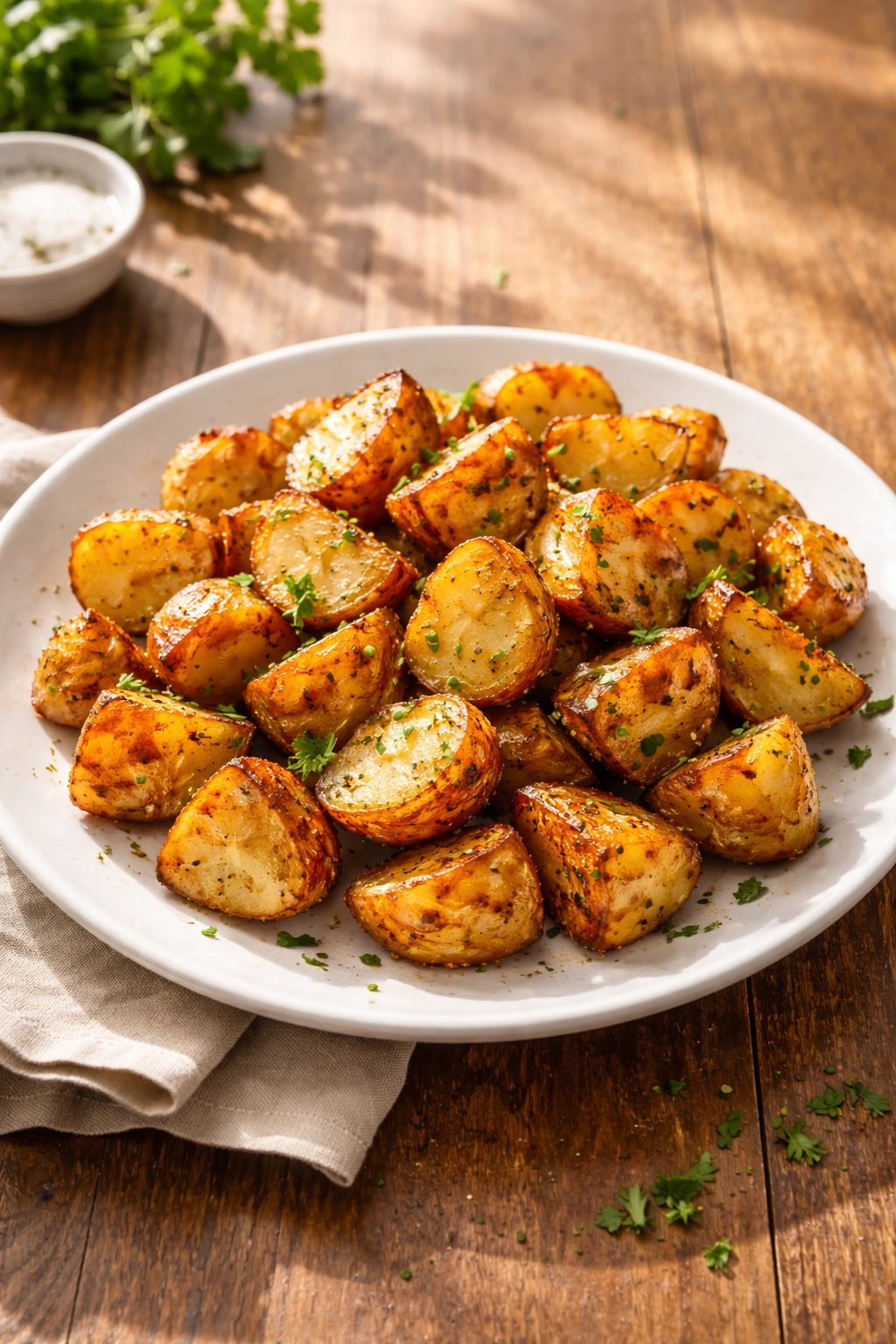
Mastering air fryer potatoes opens up a whole category of quick, delicious side dishes that actually belong on a weeknight dinner table, not just in a fantasy version of dinner where you have unlimited time. Once you understand the basic formula—dry potatoes, adequate oil, proper seasoning, and 400°F heat—you can play with seasonings, potato types, and serving ideas endlessly.
The beauty of this method is that it’s forgiving enough for beginners but sophisticated enough that you’ll still be making these potatoes regularly even after you’ve mastered twenty other dishes. They’re equally good as a casual weeknight side, an impressive appetizer for guests, or the foundation of a meal where they’re the star rather than supporting player.
Your air fryer is about to become your new favorite kitchen tool for these potatoes alone. Once you taste what 20 minutes of hot circulating air can do to a humble potato, you’ll understand why this method has become so popular so quickly. Simple ingredients, straightforward technique, and genuinely impressive results—that’s the promise of air fryer cooking at its best.
