



If you’ve ever walked through a Mexican market or street festival, you’ve smelled it—that intoxicating combination of charred corn, tangy lime, and rich cheese that stops you in your tracks. Street corn, or elote, is one of those dishes that seems impossibly simple until you taste it, and then you realize it’s actually perfect. The magic isn’t in complexity; it’s in the quality of each ingredient and understanding how they work together to create something greater than the sum of their parts.
The genius of serving elote in a cup is that it removes the messiness without sacrificing a single ounce of flavor. You get all the charred corn, the creamy mayo coating, the sharp cotija cheese, and the brightness of cilantro and lime—but you can eat it with a fork or spoon while standing up, chatting with friends, or simply savoring it without worrying about corn silk in your teeth or butter dripping down your hands. It’s street food elevated into something you can actually enjoy while moving through your day.
What makes this version so captivating is how the different textures and temperatures interact. The warm, slightly charred corn is silky with mayo and butter, studded with salty cheese, and finished with fresh cilantro that adds a brightness you didn’t know corn needed. One bite makes it clear why this is sold on nearly every corner in Mexico City, Oaxaca, and beyond. It’s the kind of food that tastes like it took hours but comes together in minutes, and it’s absolutely something you can make at home with confidence.
The Soul of Street Food Culture
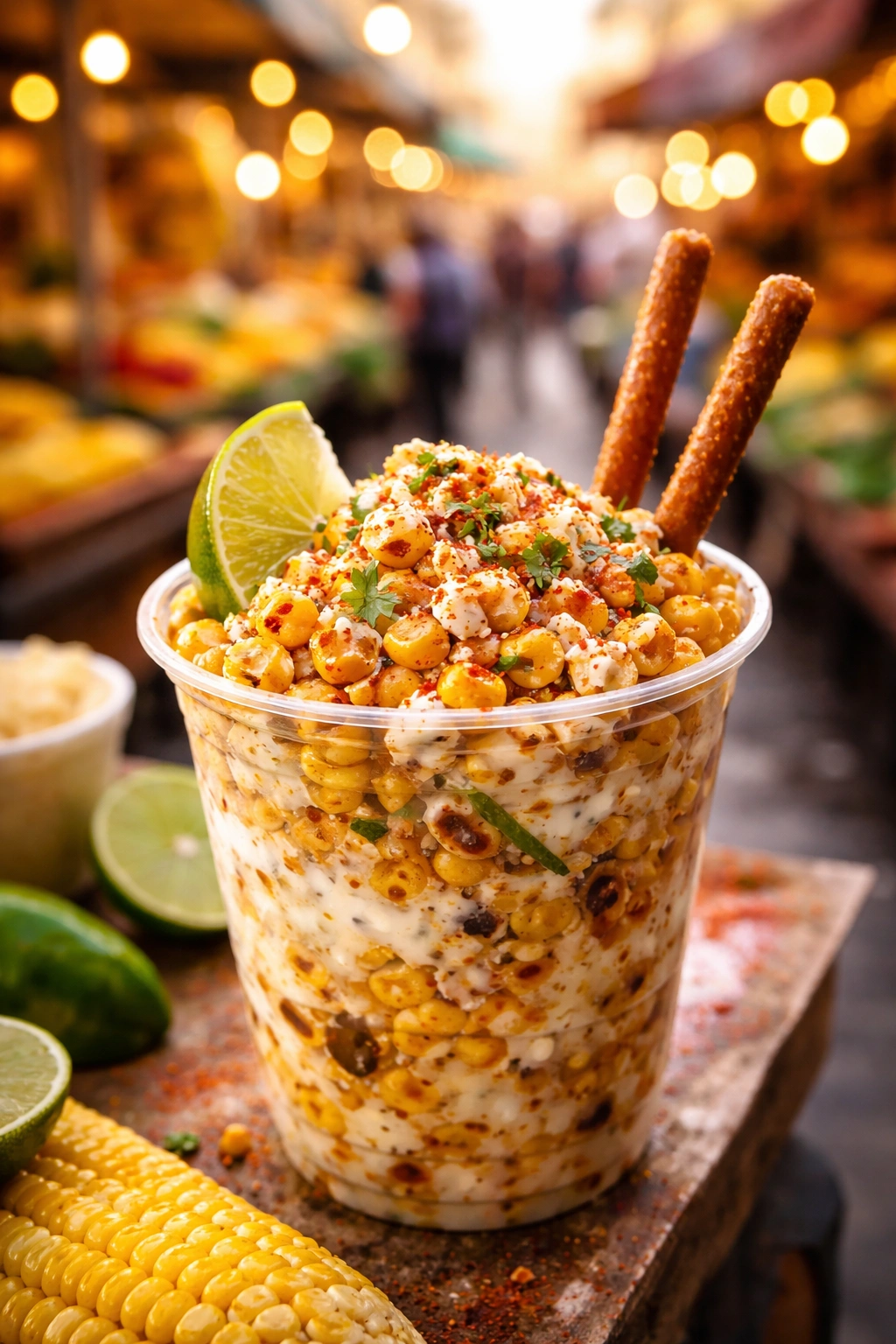
Elote isn’t just a snack in Mexico—it’s a cultural institution. This dish emerged from the streets because it’s portable, affordable, and incredibly satisfying, making it the perfect food for people living busy urban lives who wanted something delicious without sitting down. Street vendors have perfected this recipe over decades, passing down techniques and jealously guarding their specific combinations of ingredients.
The art of elote lies in respecting its simplicity while understanding that each ingredient must be excellent. You can’t use mediocre corn and hope the rest of the toppings save it. You can’t skimp on the cotija cheese or substitute it with something that melts. This is where many home cooks make their first mistake—they think elote is about dumping toppings onto corn. It’s actually about balancing fresh, salty, tangy, creamy, and charred flavors in exact proportions.
Serving it in a cup changes the texture interaction slightly compared to a traditional corn cob, and that’s actually an advantage. The cut kernels mean more surface area to coat with the mayo and butter combination, and the cheese clings to everything more evenly. You’re not fighting with a cob; you’re just eating perfectly seasoned corn with a fork.
What Makes Elote in a Cup Different
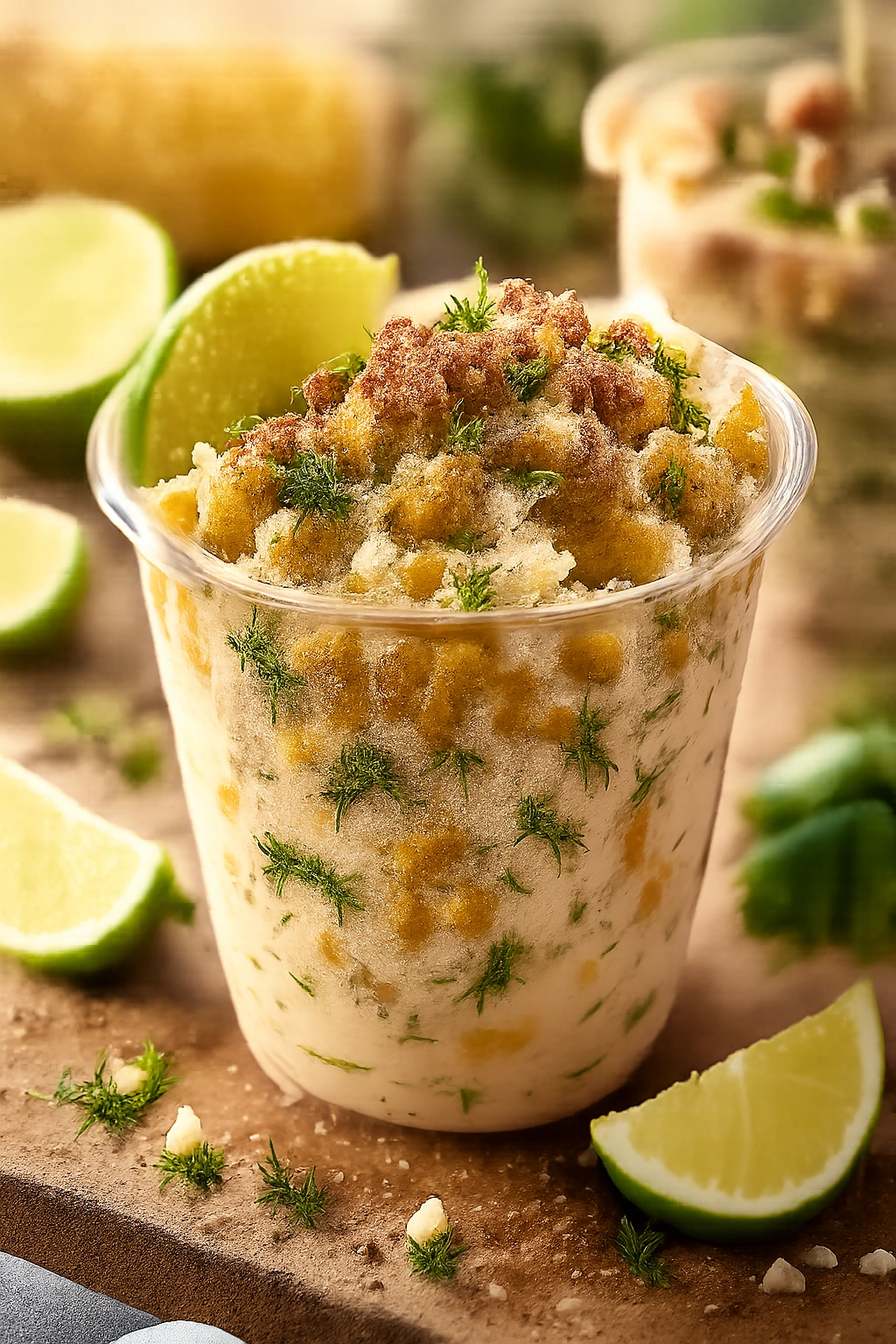
The traditional way to serve elote involves holding an entire corn cob wrapped in a paper, which is wonderfully hands-on but requires commitment. Cup elote, sometimes called esquites when served this way, offers the exact same flavors but with a different approach—corn kernels cut from the cob and tossed with all the toppings, creating a unified dish where every bite has the same ratio of corn to cheese to mayo to cilantro.
This format is actually genius for home cooking because it eliminates the variable of how thickly someone coats a whole cob, or which kernels get more mayo than others. When everything is mixed together in a cup, consistency is automatic. One spoonful tastes like the next because you’re not dealing with the center kernels being under-seasoned while the outer ones get over-coated.
The cup presentation also makes this perfect for serving a crowd. You can prep everything in advance, char the corn, make your mayo mixture, and assemble cups to order—or even make them all at once and let people eat whenever they’re ready. For a potluck, a summer party, or a casual dinner, elote in a cup is far more practical than traditional street corn while losing absolutely nothing in the translation.
Choosing Corn That Actually Tastes Like Corn
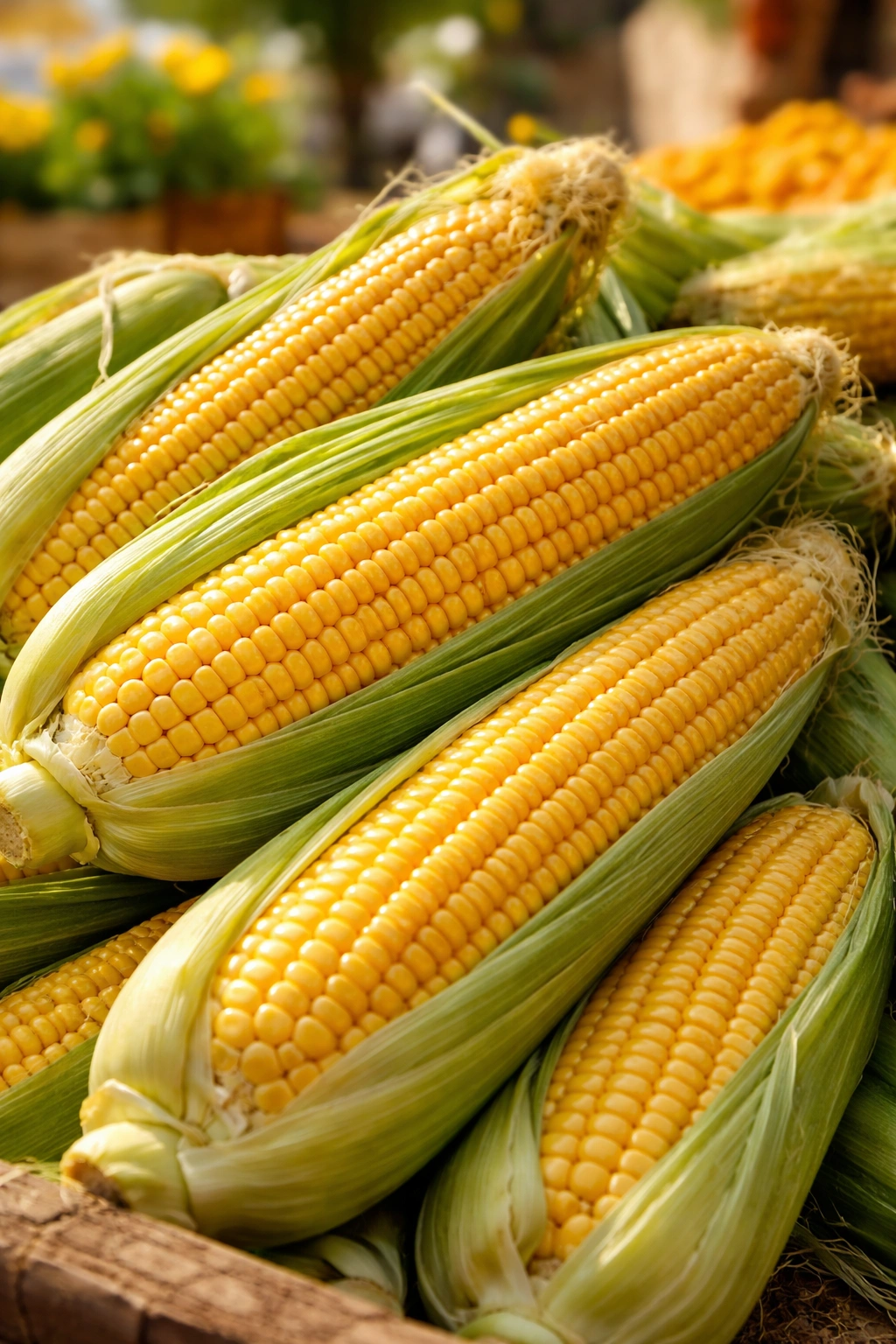
The single most important ingredient here is the corn itself, and this is where most people’s elote fails before it even starts. You need corn that’s sweet, fresh, and preferably in season when corn is at its absolute peak. Corn that’s been sitting in a refrigerator for two weeks won’t work. Corn that’s been sitting unrefrigerated for three days won’t work. You need corn that was picked recently and hasn’t suffered neglect.
If you have access to a farmers market, that’s where to go. Talk to the farmer or vendor directly—ask them when this corn was picked. If it was yesterday or this morning, buy it. If it was a week ago, keep looking. The difference between fresh corn and corn that’s been sitting around is profound. Fresh corn is naturally sweeter and more tender. It has a brightness that stale corn simply can’t match.
Frozen corn is a legitimate alternative if fresh corn isn’t actually fresh where you live. High-quality frozen corn is often fresher than the “fresh” corn in supermarkets because it’s frozen at peak ripeness. The texture is slightly softer than freshly charred corn, but the flavor is good and reliable. Don’t use canned corn—it’s mushy and has a tinny undertone that ruins elote.
The Essential Ingredients and Their Roles
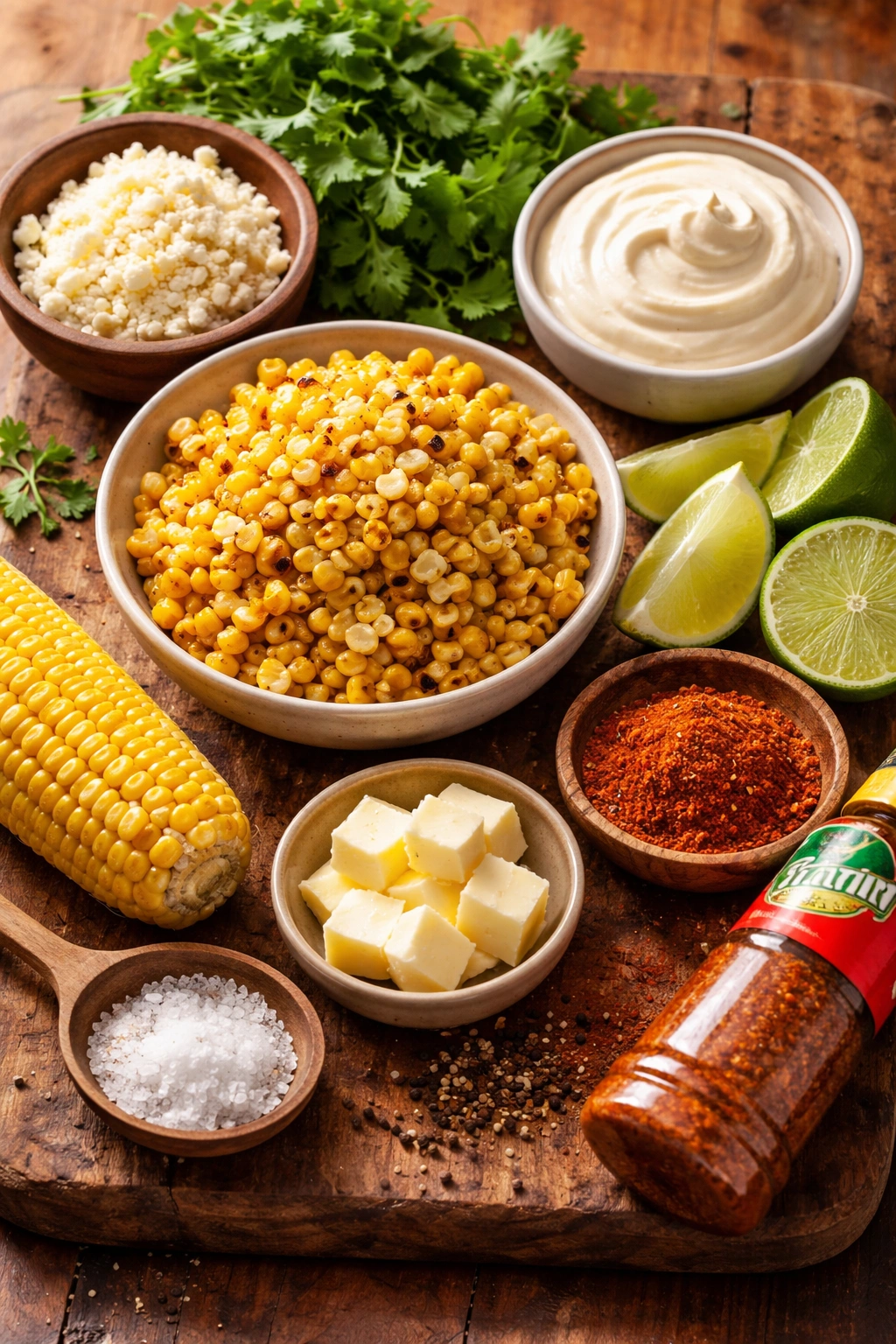
Each component of elote in a cup has a specific job, and they’re all equally important. Fresh corn kernels provide the base and the sweetness. Cotija cheese is essential and irreplaceable—it’s a crumbly, salty cheese that doesn’t melt, so it maintains its texture throughout. Regular feta is similar in some ways but not quite the same; if you must substitute, use a good quality feta, but try to find cotija first.
Mexican crema or sour cream mixed with mayo creates the creamy coating. Mexican crema is thinner and less tangy than American sour cream, which is why mixing mayo with sour cream approximates it better than using sour cream alone. Fresh cilantro adds an herbaceous brightness that balances the richness of the cream and cheese. Fresh lime provides sharp acidity that wakes up the whole dish. Chili powder (specifically tajín or a Mexican chili lime seasoning, or a combination of ancho chili powder and lime zest) adds a subtle heat and color.
Butter is optional but traditional—it adds richness and helps carry all the flavors together. Salt and black pepper round everything out. These aren’t optional; they’re the final adjustment that makes the dish taste exactly right instead of slightly off.
Yield: Serves 4 to 6 | Makes about 4 cups
Prep Time: 20 minutes
Cook Time: 10 minutes
Total Time: 30 minutes
Difficulty: Beginner — Charring the corn requires no special equipment, the assembly is straightforward, and there’s no technique that will fail you. Even a first-time cook will nail this.
Best Served: Immediately after assembly while the corn is still warm
Ingredients
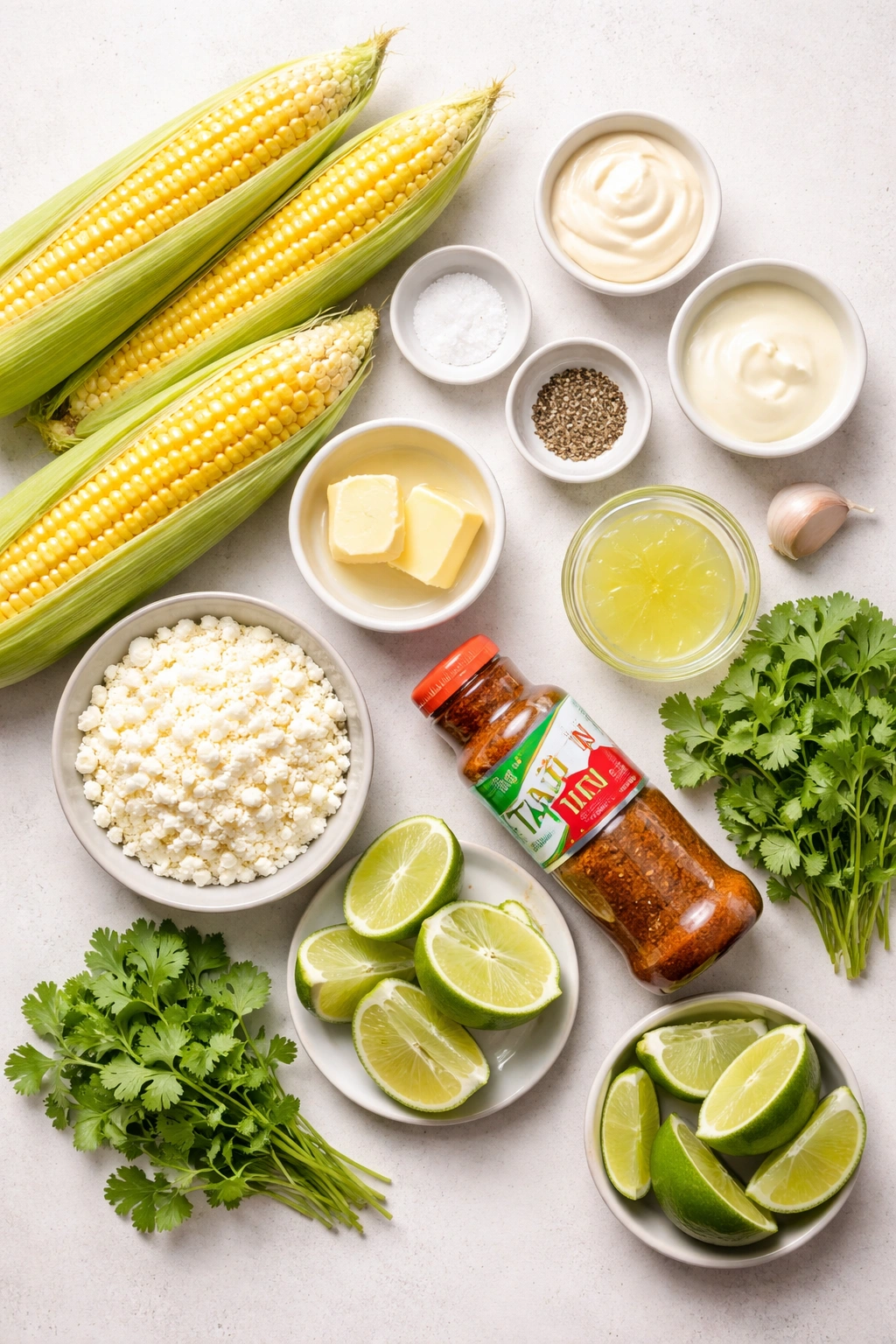
For the Corn and Charring:
- 6 to 8 ears of fresh corn, husked and cleaned (about 5 to 6 cups corn kernels)
- 2 tablespoons unsalted butter, melted (optional but recommended)
- ½ teaspoon fine sea salt
- ¼ teaspoon freshly ground black pepper
For the Creamy Coating:
- ¾ cup mayonnaise (use a quality brand — the flavor matters)
- ½ cup Mexican crema or sour cream (or use ¾ cup sour cream if you can’t find crema)
- 3 tablespoons fresh lime juice (about 2 limes), plus extra lime wedges for serving
- 1 teaspoon fine sea salt
- ¼ teaspoon freshly ground black pepper
- 1 clove garlic, minced very finely (optional, but adds subtle depth)
For Finishing:
- 1½ cups cotija cheese, crumbled finely
- ¾ cup fresh cilantro, finely chopped (leaves and tender stems)
- 2 tablespoons tajín seasoning (or 2 teaspoons ancho chili powder mixed with 1 tablespoon lime zest and ½ teaspoon fine sea salt)
- Extra lime wedges for serving
Instructions
Prepare the Corn:
-
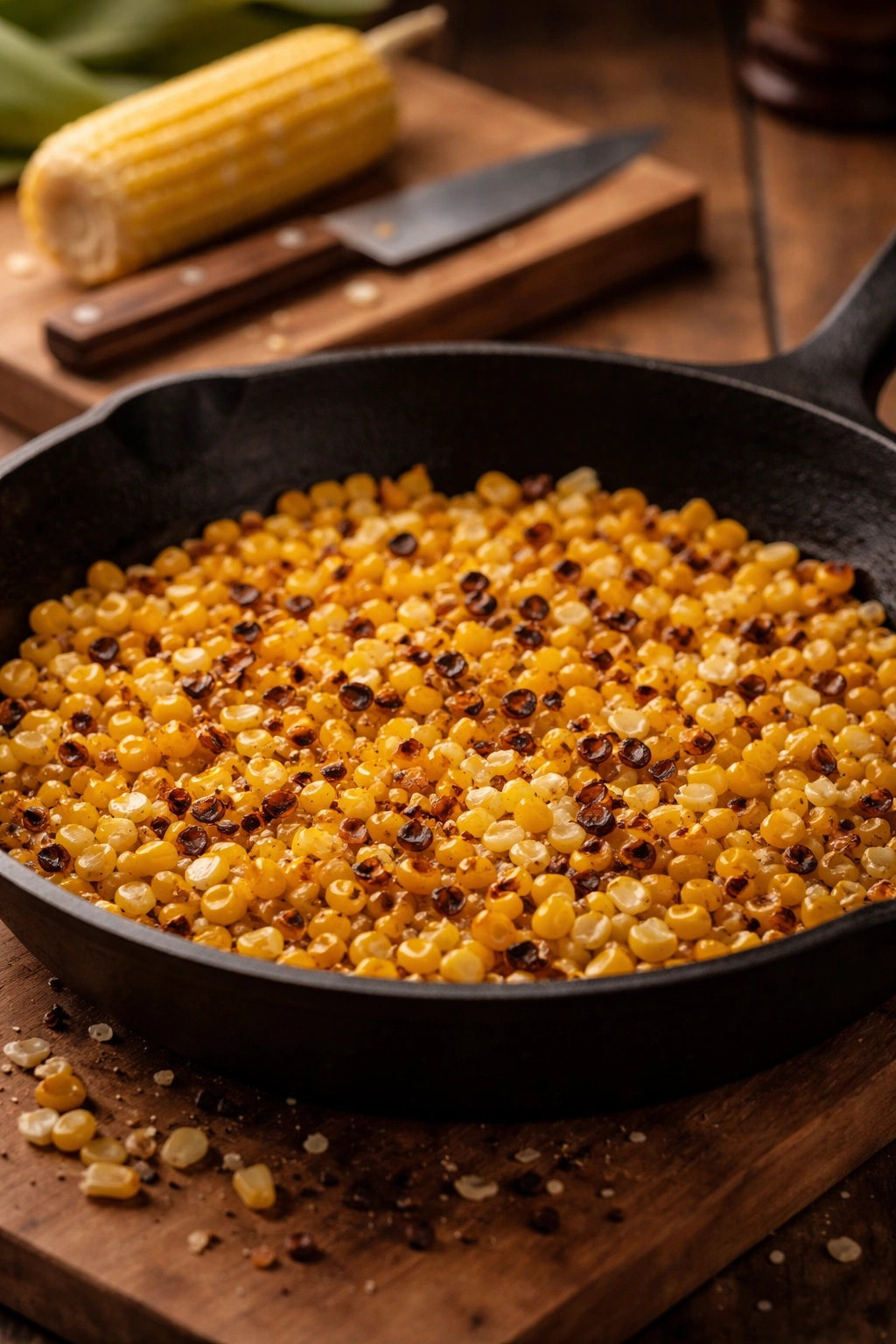
Hold each ear of corn upright on a cutting board. Using a sharp knife, cut the kernels off the cob by running the blade down each side, rotating the cob as you work. Work carefully so the knife travels as straight as possible and you catch all the kernels. You should have roughly 5 to 6 cups of kernels. Set aside.
-
If you don’t have time to char the corn (see next step), you can skip that and move straight to assembly. The elote will still be delicious with raw corn kernels — just skip the butter and salt from the charring step.
Char the Corn (Optional but Highly Recommended):
-
Heat a large cast iron skillet or heavy-bottomed stainless steel pan over medium-high heat until it’s quite hot — about 2 to 3 minutes. You want the pan hot enough that when you add a drop of water, it sizzles and evaporates immediately.
-
Add the corn kernels (dry, not rinsed) to the hot pan in a single layer. Don’t stir for the first 2 minutes — let them sit undisturbed so they develop color and char on one side. You’ll see some kernels turn golden or light brown.
Advertisements -
Stir the corn once, then let it sit for another 1 to 2 minutes, still over medium-high heat. Some kernels should be noticeably darker or even lightly charred. The corn will smell sweet and slightly nutty. Don’t overdo it — you want some char marks, not corn that tastes burned.
-
Pour the corn into a bowl and drizzle with melted butter if using, add the salt and pepper, and toss gently. Taste a kernel — it should be sweet, slightly soft, with a subtle charred flavor. Let the corn cool for 5 minutes while you prepare the crema mixture.
Make the Crema Coating:
-
In a bowl, whisk together the mayonnaise, Mexican crema (or sour cream), fresh lime juice, salt, pepper, and minced garlic if using. Stir until smooth. The mixture should be thick but spreadable — thick enough to coat a spoon but not so thick it’s difficult to combine with the corn. Taste and adjust salt and lime juice to your preference. This should be distinctly tangy and salty, as the mild corn will balance the boldness.
-
If the mixture feels too thick, whisk in an extra tablespoon of lime juice or crema. If it’s too thin, add another tablespoon of mayo. The consistency should be similar to thick yogurt.
Assemble the Elote:
-
Divide the warm charred corn evenly among serving cups or small bowls (about ¾ cup corn per serving, or more if you prefer larger portions).
-
Spoon the crema mixture over each serving, about 3 tablespoons per cup, and gently fold it into the corn so every kernel gets coated. Use a fork or spoon to combine everything evenly.
-
Sprinkle the crumbled cotija cheese over each cup, using about ¼ cup per serving. The cheese won’t melt into the warm corn but will soften slightly and become creamy as you eat.
-
Top each cup with the fresh cilantro, about 3 tablespoons, and a light dusting of tajín seasoning or ancho chili powder mixture (about ½ teaspoon per cup). Add a small lime wedge on the side of each cup for finishing touches.
Advertisements -
Serve immediately while the corn is still warm. Provide small forks or spoons for eating. The contrast of warm corn and cool crema is part of the magic, so don’t let it sit more than 10 minutes before serving.
Getting the Charring Right Without Burning
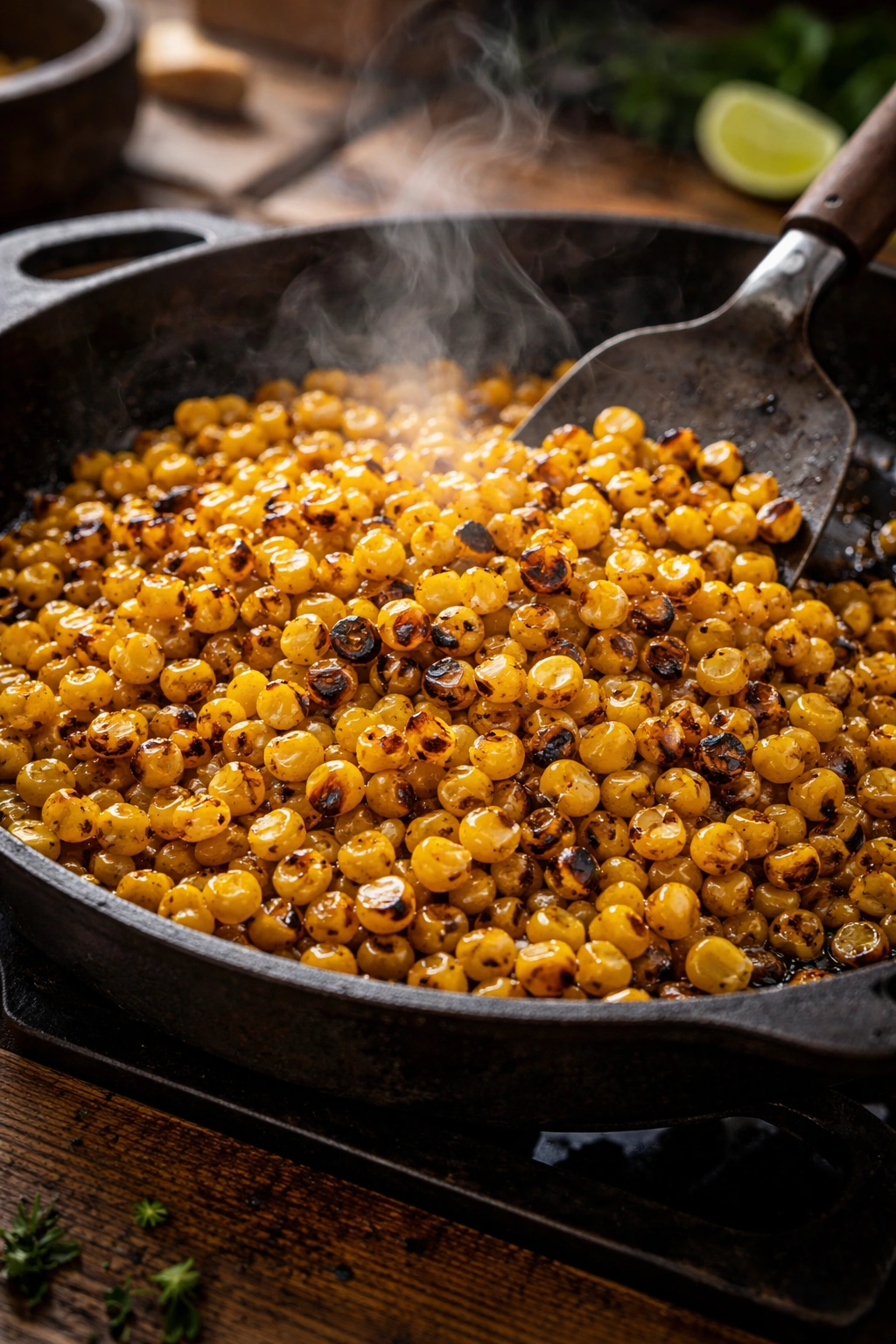
Charring the corn is the step that elevates this dish from “nice” to “wow,” but it’s also where people hesitate because they worry about burning it. The reality is that corn kernels are fairly forgiving. They’re resilient, and slight char marks aren’t burning—they’re flavor development. What you’re doing is creating complexity by developing the natural sugars in the corn through high heat, creating those caramelized, toasty notes that make people say “this tastes restaurant quality.”
The key is not crowding the pan. If you dump all the corn in and the pan isn’t hot enough, you’ll steam the corn instead of charring it. The pan should be genuinely hot—you should hear a sizzle when the corn hits it. Resist the urge to stir constantly. Let the kernels sit for a couple of minutes on one side so they develop color. Then give the pan one or two stirs and let them sit again. The whole process takes about 5 minutes.
One mistake people make is trying to char corn in a regular nonstick skillet. The corn sticks and browns unevenly, and nonstick pans typically aren’t designed to handle the heat you need for proper charring. Cast iron or heavy stainless steel is what you want. If you have neither, use the thickest pan you have, and accept that your char might be slightly more subtle—it’ll still be delicious.
Why Your Mayo-Crema Mixture Matters More Than You Think
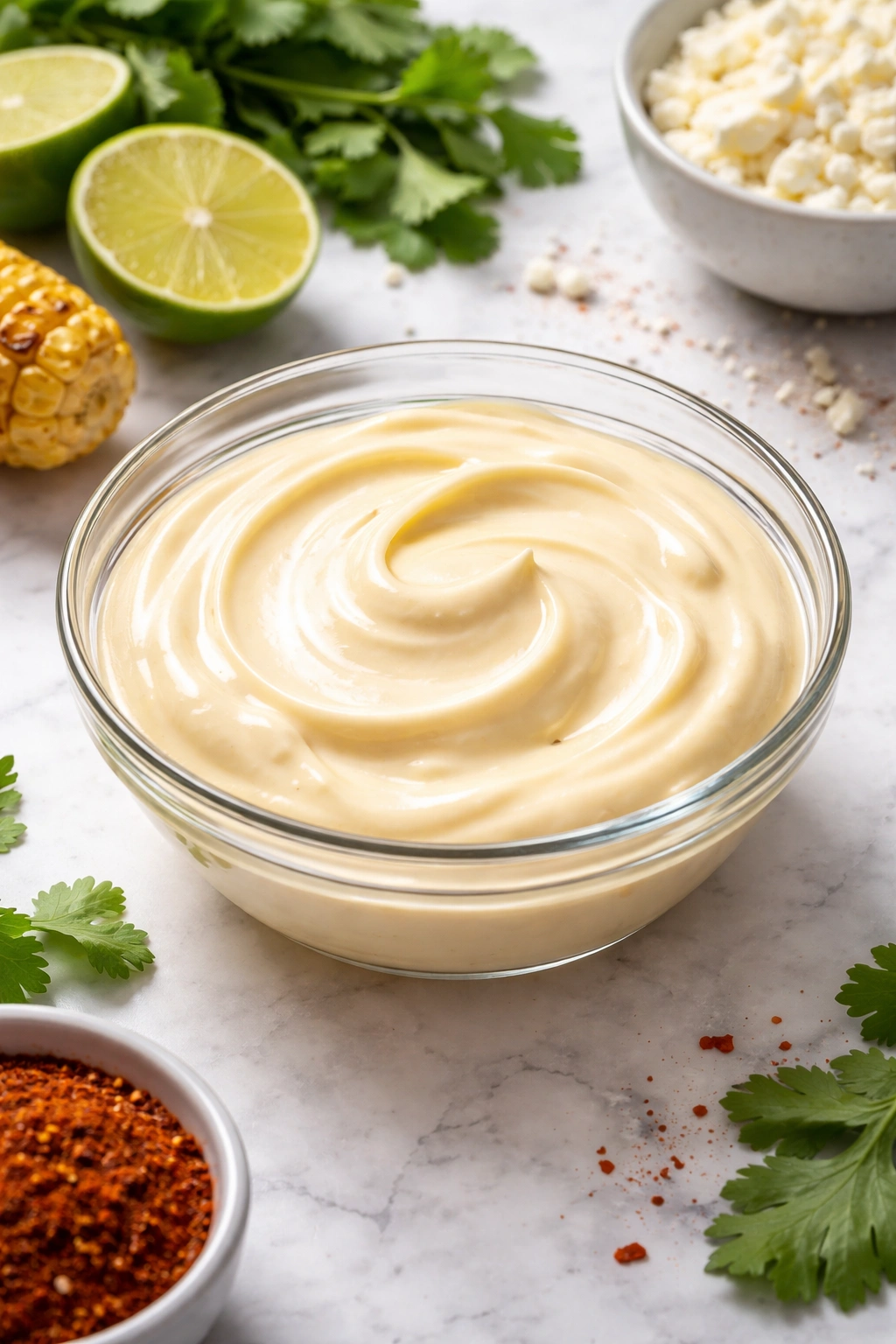
The coating is where most homemade elote falls flat, and it’s usually because people either don’t use enough of it or they make it too thick or too thin. You want a mixture that’s rich and flavorful enough that it tastes luxurious, tangy enough that it balances the sweetness of the corn, and salty enough that it’s actually seasoned (not under-seasoned like bland mayonnaise).
Mexican crema is the traditional choice because it’s thinner and tangier than American sour cream, which means it coats the corn more evenly without creating thick globs of white stuff. If you can’t find it in your area, mixing equal parts mayo and sour cream approximates it pretty well. Don’t use all sour cream—it’ll be too tangy and too thick. Don’t use all mayo—it’ll be too bland and too rich without the tang.
The lime juice is crucial. It brightens everything and prevents the dish from tasting heavy or one-dimensional. Start with 3 tablespoons for the batch, taste it, and adjust. The crema mixture should taste intentionally tangy and lemony—slightly aggressive, actually—because when it mixes with the mild sweetness of the corn, it finds perfect balance. If you’re tasting it plain and it seems too tangy, resist the urge to dial it back. It’s meant to be bold in isolation.
Sourcing Cotija Cheese (And Why Substitutes Disappoint)
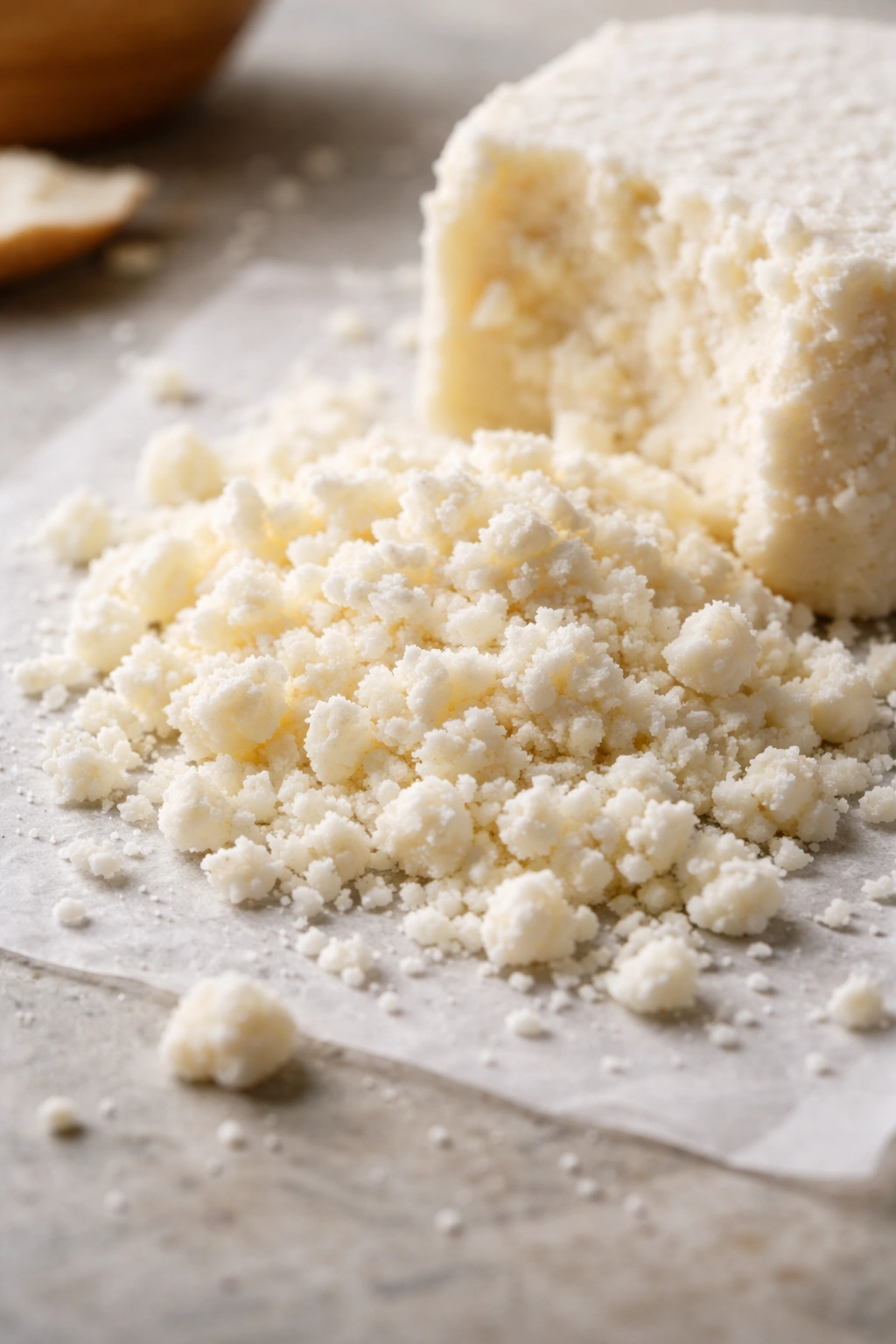
Cotija is a crumbly, aged Mexican cheese that’s intensely salty and adds a crucial textural contrast to the soft, creamy corn. It doesn’t melt, which is essential—you want to bite into distinct crystals of cheese, not soft strings. When you crack a piece of cotija between your teeth, it should feel slightly grainy and taste like pure savory richness.
If you live near a well-stocked grocery store, international market, or Latin market, finding cotija shouldn’t be hard. Look for it in the refrigerated cheese section, usually near other Mexican cheeses. Buy a block and crumble it yourself rather than getting pre-crumbled if you can—freshly crumbled cheese tastes noticeably better.
If cotija is genuinely unavailable, good quality feta is the most honest substitute. It has similar saltiness and a comparable crumbly texture. Avoid substituting with Parmesan (too nutty and subtle), queso fresco (too mild and almost creamy), or aged cheddar (too rich and tends to bind together). Those cheeses will make your elote taste like something else entirely, and not in a good way. Better to search a bit longer for cotija than to settle for a substitute that fundamentally changes the dish.
Common Mistakes That Sabotage Homemade Elote
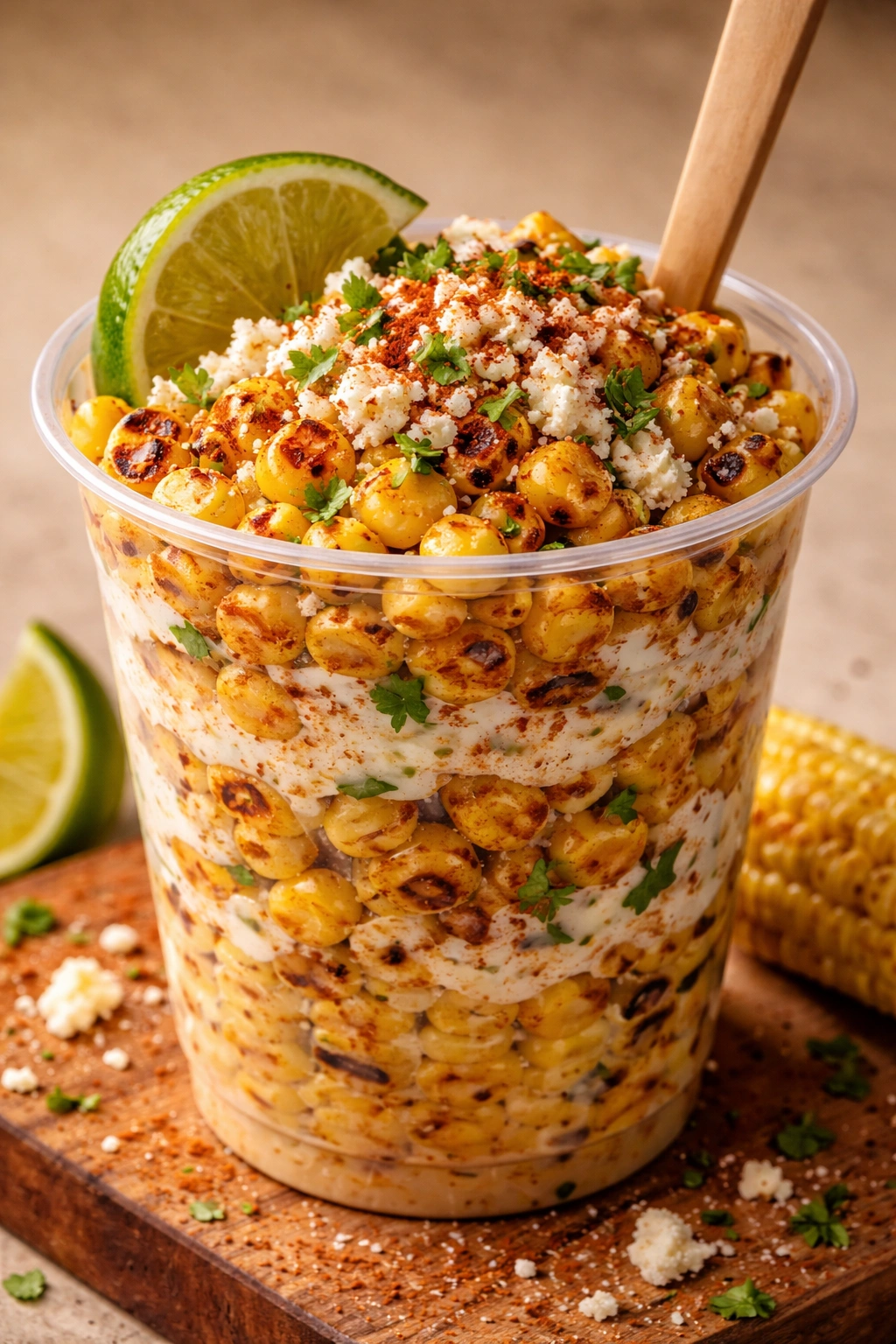
The most common error is using mediocre corn. If your corn isn’t naturally sweet and fresh-tasting, nothing you do with the toppings will fix it. Always start by assessing the corn on its own merits. Taste a raw kernel. If it’s not delicious by itself, your elote won’t be delicious either.
The second mistake is not charring the corn, or charring it so lightly that you don’t actually taste any difference. Skipping this step is fine—you’ll still have good elote—but you’ll be missing the roasted complexity that makes this dish special. If you’re going to the trouble of making elote at home, the charring is worth the extra five minutes.
The third mistake is making the crema mixture too thick or too mild. It needs to coat the corn generously, not sit in thick blobs on top. And it needs to taste noticeably salty and tangy—not tentative. Season it like you mean it.
The fourth mistake is adding the creamy mixture too far in advance. If you coat the corn more than 15 or 20 minutes before serving, it’ll start to soften and become mushy, especially if the corn is still warm. Always assemble right before serving, or keep the corn and crema separate until the last minute.
Variations That Work Beautifully
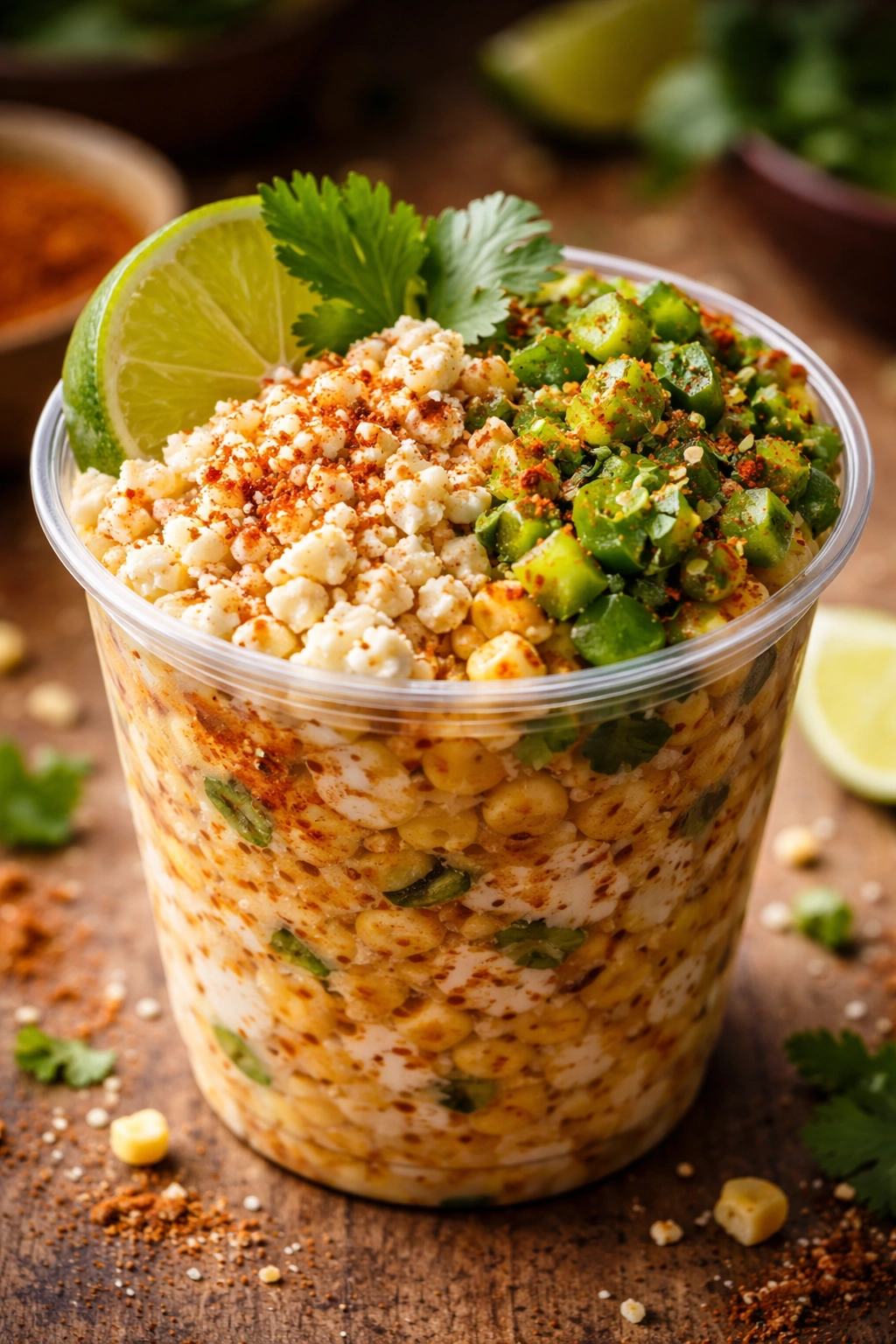
Charred Poblano Pepper Version: Roast a poblano pepper over a gas flame or under the broiler until it’s blackened all over, then peel away the skin. Cut it into strips and add it to the corn. The smoky heat of the poblano plays wonderfully against the creamy coating.
Cotija and Crema Beyond Corn: The mayo-crema mixture works just as well with roasted zucchini, grilled summer squash, or even roasted cauliflower. If you have leftover crema coating, it’s fantastic on simple steamed vegetables.
Non-Traditional Heat Levels: Tajín is mild, but if you prefer more heat, use a combination of ancho chili powder and cayenne pepper (about 3 parts ancho to 1 part cayenne), or drizzle the finished cups with a thin line of hot sauce (Valentina or Tabasco both work).
Elote with Jalapeños: Slice fresh jalapeños very thinly and add them to the corn. The fresh heat is bright and immediate, and the cilantro and lime help balance it beautifully.
Make It Vegan: Replace the mayo-crema mixture with a combination of vegan mayo and dairy-free sour cream (or cashew crema made from soaked cashews blended with lime juice and salt). Use a vegan cheese or simply skip the cheese and increase the cilantro. The dish will be less rich but still delicious and completely satisfying.
Mexican Street Corn Salad Variation: Toss the charred corn, crema mixture, cilantro, and cotija together in a large bowl and serve it as a salad over greens or as a side dish. It’s lighter than the cup version and works beautifully alongside grilled fish or chicken.
Making Ahead and Storing Your Components
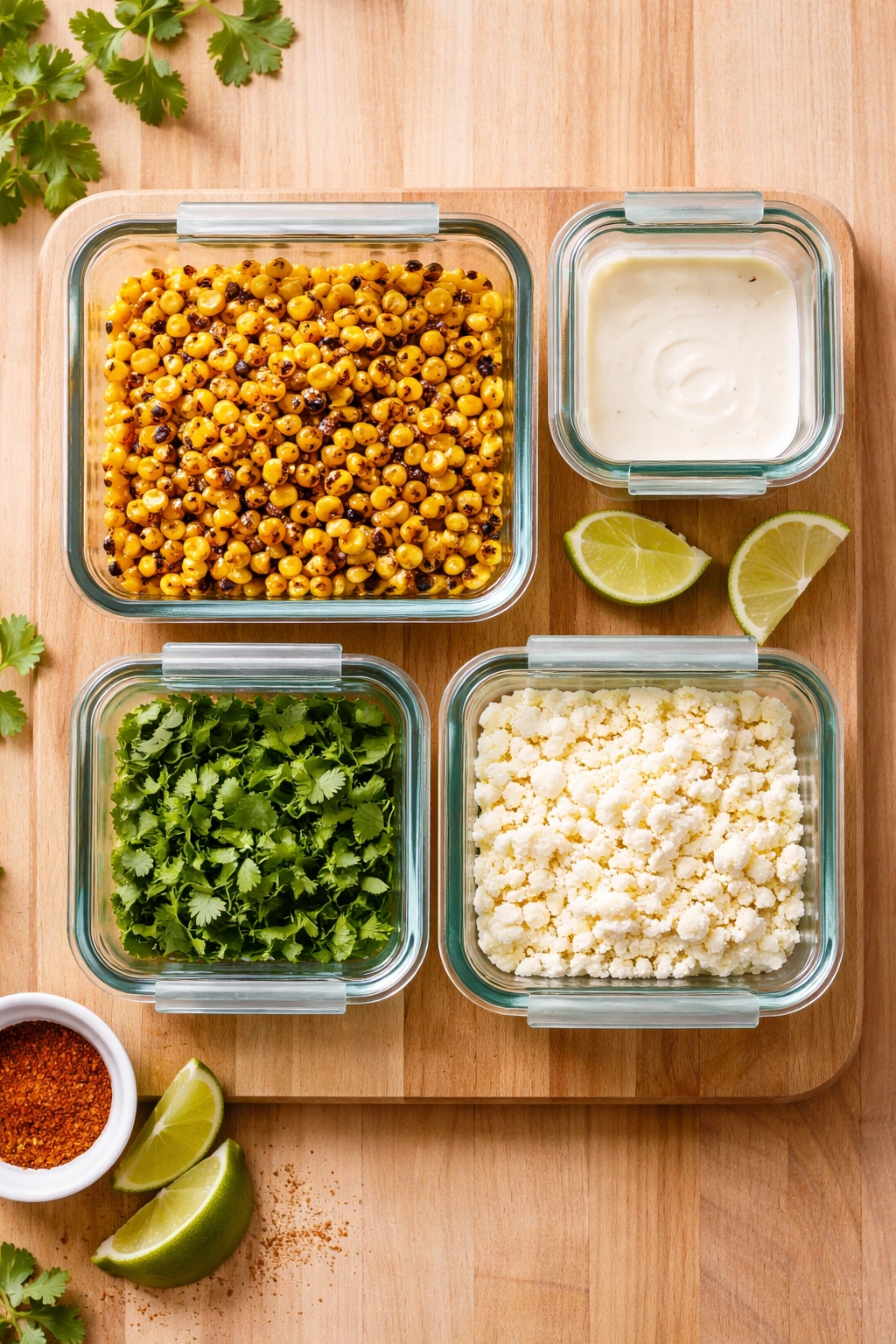
The charred corn can be prepared up to two days in advance and stored in an airtight container in the refrigerator. Warm it gently before serving—either microwave it (it’ll soften slightly but remain good), or reheat it briefly in a skillet over medium heat.
The crema mixture can be made up to three days ahead and refrigerated. It won’t separate or break, and the flavors actually meld together slightly as it sits, becoming even more delicious. Just give it a quick stir before using, as it may thicken slightly over time.
The cilantro should be chopped fresh no more than an hour or two before serving—it starts to darken and lose its bright flavor if left to sit too long. The cotija cheese can be crumbled and stored in an airtight container for up to a week, though freshly crumbled is always superior.
For serving at a party or gathering, assemble the cups up to 30 minutes before guests arrive, keeping them at room temperature. The corn will stay warm if it’s genuinely warm to begin with, and the cold crema provides a nice temperature contrast. After about 30 minutes, the corn will start to soften from the moisture in the crema, so if you’re serving a large group, it’s better to assemble some cups and keep extras in their components, assembling as people finish eating.
Serving Suggestions and Perfect Pairings
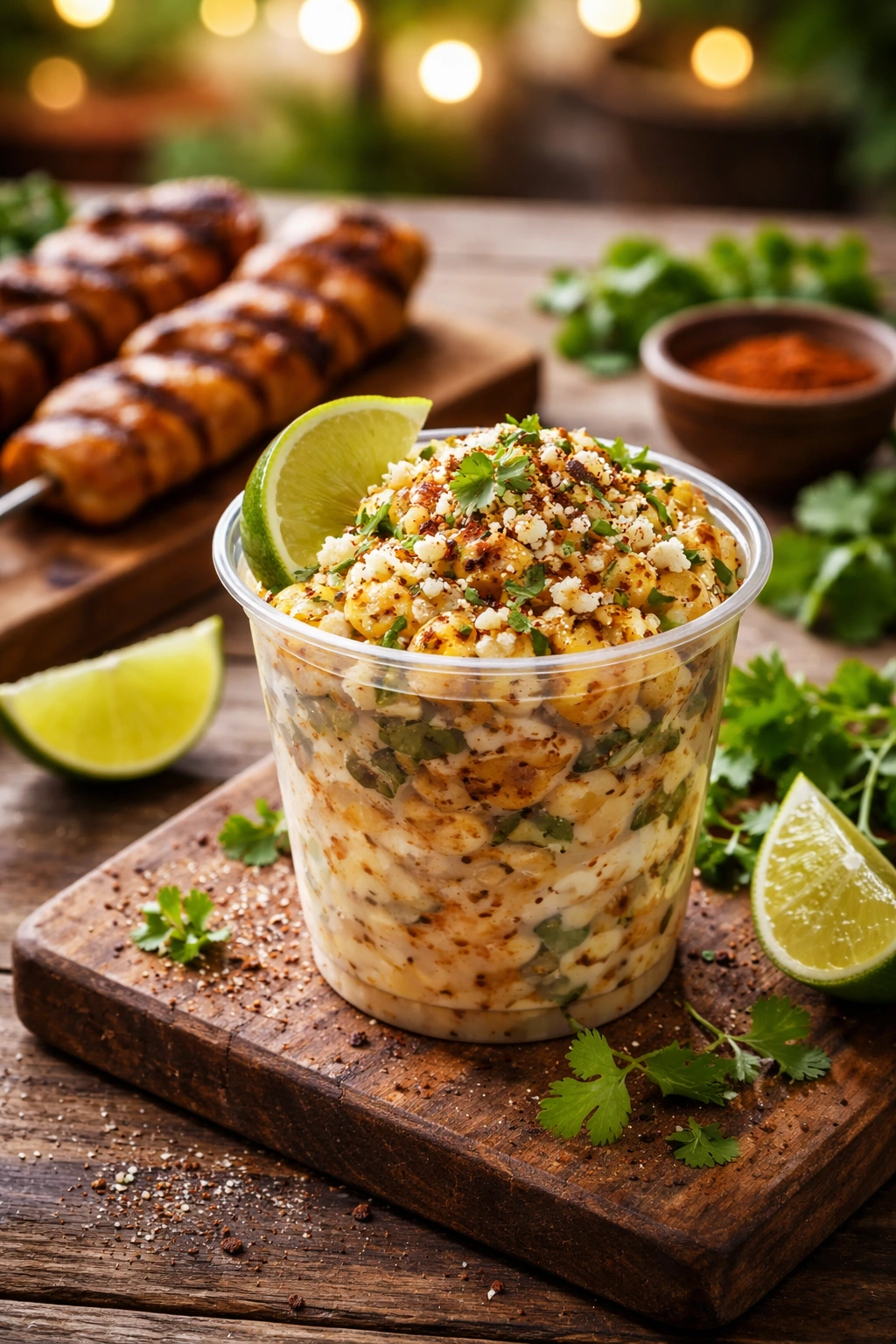
Elote in a cup is perfect as a street food snack on its own, but it also works beautifully as a side dish with grilled meats. Serve it alongside grilled chicken, carne asada, or grilled fish—the acidity and richness provide excellent balance to simple grilled protein. The cilantro and lime also complement seafood beautifully.
For a vegetarian meal, pair elote with black bean tacos, grilled halloumi cheese, or a fresh ceviche. The brightness of the lime and cilantro makes it feel fresh enough to balance heavier or richer foods.
Elote is fantastic at summer picnics, potlucks, or casual dinners. It’s the kind of food that makes people genuinely happy—there’s something about the combination of flavors that feels both familiar and special. Serve it in actual cups or small bowls with small forks or wooden spoons, which makes eating it while mingling or standing up quite practical.
Drink it alongside cold Mexican beer, agua fresca, or simply ice-cold lime water. The cooling effect of cold beverages against the warm corn and rich crema is pleasant. Horchata also works beautifully if you want something sweeter.
Final Thoughts
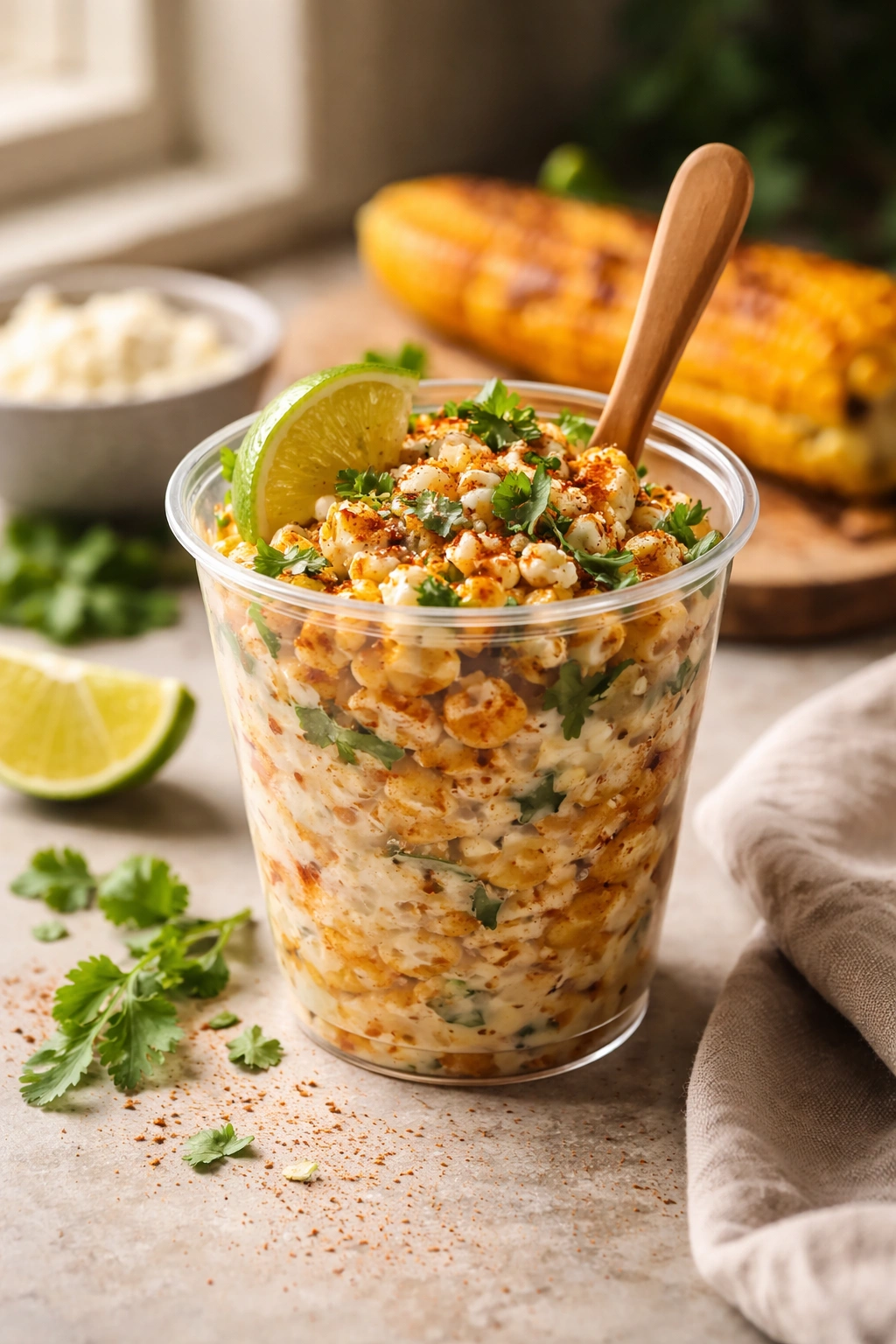
Making elote at home is one of those cooking moments where the effort-to-payoff ratio is almost ridiculous. Spend 30 minutes on this dish and you’ll produce something that tastes like it came from a Mexican street vendor who’s been perfecting their recipe for decades. That’s not hype—that’s just the reality of how good corn, mayo, cheese, and cilantro taste together.
The secret is respecting the simplicity. Don’t add things that aren’t supposed to be here. Don’t skip the charring if you can manage it. Don’t use inferior ingredients and hope the toppings will compensate. Find fresh corn, make a properly seasoned crema, source real cotija cheese, and finish with bright cilantro and a squeeze of lime. That’s everything you need.
The first time someone tries your homemade elote, watch their face. They’ll taste the difference between this and whatever they’ve had before, even if they can’t quite articulate what makes it better. It’s the small details—the char on the corn, the tang in the crema, the salty crunch of the cotija—all layered together in one perfect bite. That’s worth the effort.
