



When you need dinner on the table in under an hour but don’t want to sacrifice flavor for speed, baked feta chicken becomes your secret weapon. There’s something almost magical about how feta cheese transforms during baking—it softens, mellows, and creates a creamy, tangy sauce that clings to tender chicken without requiring a complicated preparation or a long ingredient list. If you’ve scrolled past the viral baked feta pasta trend, you’ve already witnessed the power of melted feta as a sauce base. This recipe takes that same principle and applies it to protein-rich chicken breasts, turning an ordinary weeknight dinner into something that tastes like it came from a Mediterranean restaurant.
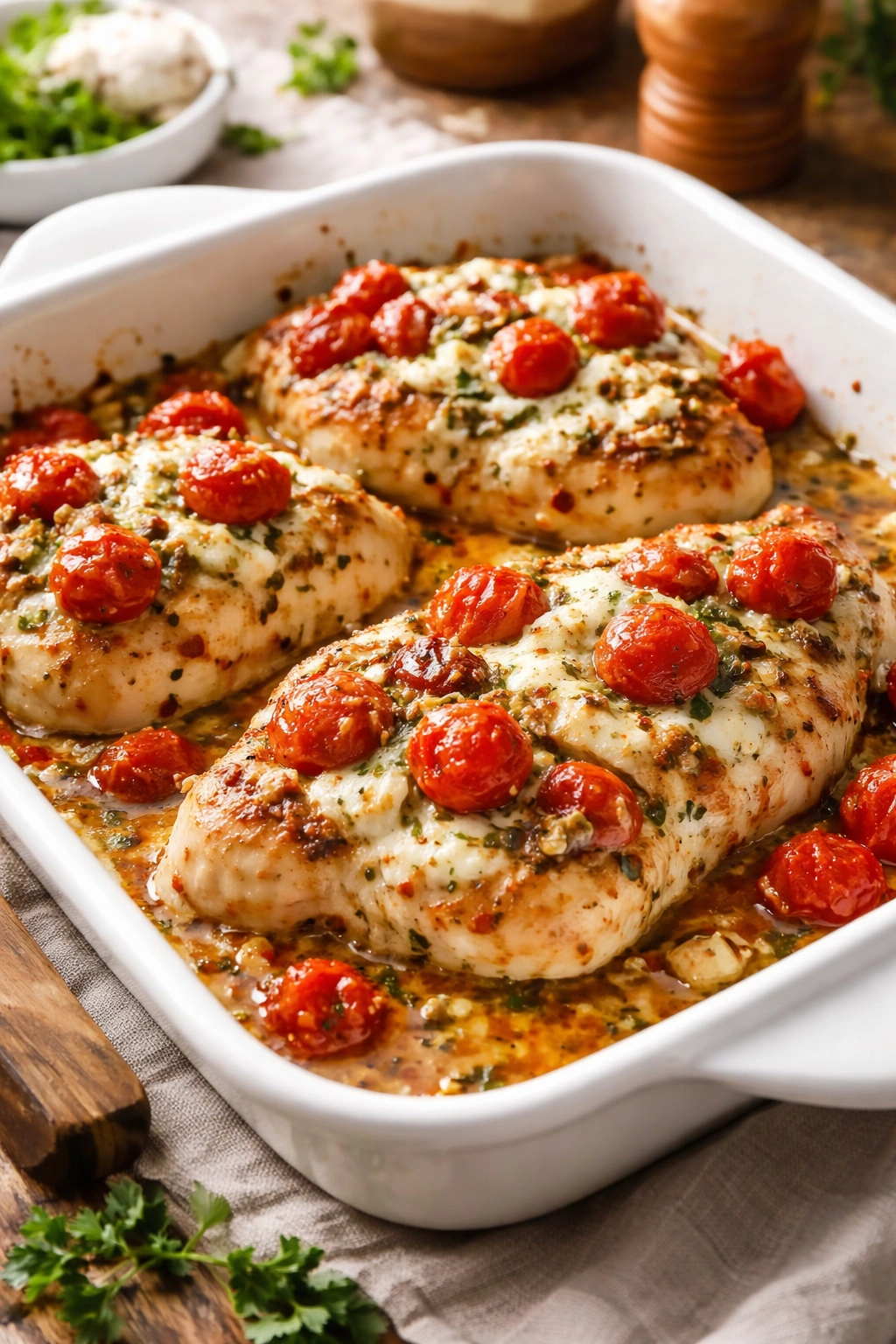
The beauty of this dish lies in its deceiving simplicity. Most versions come together in under five minutes of active prep work—there’s no need to reduce sauces, monitor careful temperatures for hours, or juggle multiple pans. You combine a handful of everyday ingredients in a single baking dish, slide it into the oven, and walk away. While the chicken cooks gently in the oven, the cherry tomatoes burst and release their juices, the feta softens into a luxurious sauce, and the garlic perfumes everything with Mediterranean warmth. When you return, you’ve got a complete meal that tastes far more elaborate than its preparation suggests.
This approach to weeknight cooking appeals to busy families, meal-prep enthusiasts, and anyone who’s tired of the endless cycle of choosing between convenience and actual flavor. You don’t have to sacrifice one for the other. Whether you’re a confident cook looking for a reliable standby or someone still building kitchen skills, baked feta chicken delivers consistent, delicious results every single time.
Why Baked Feta Chicken Has Become a Weeknight Essential
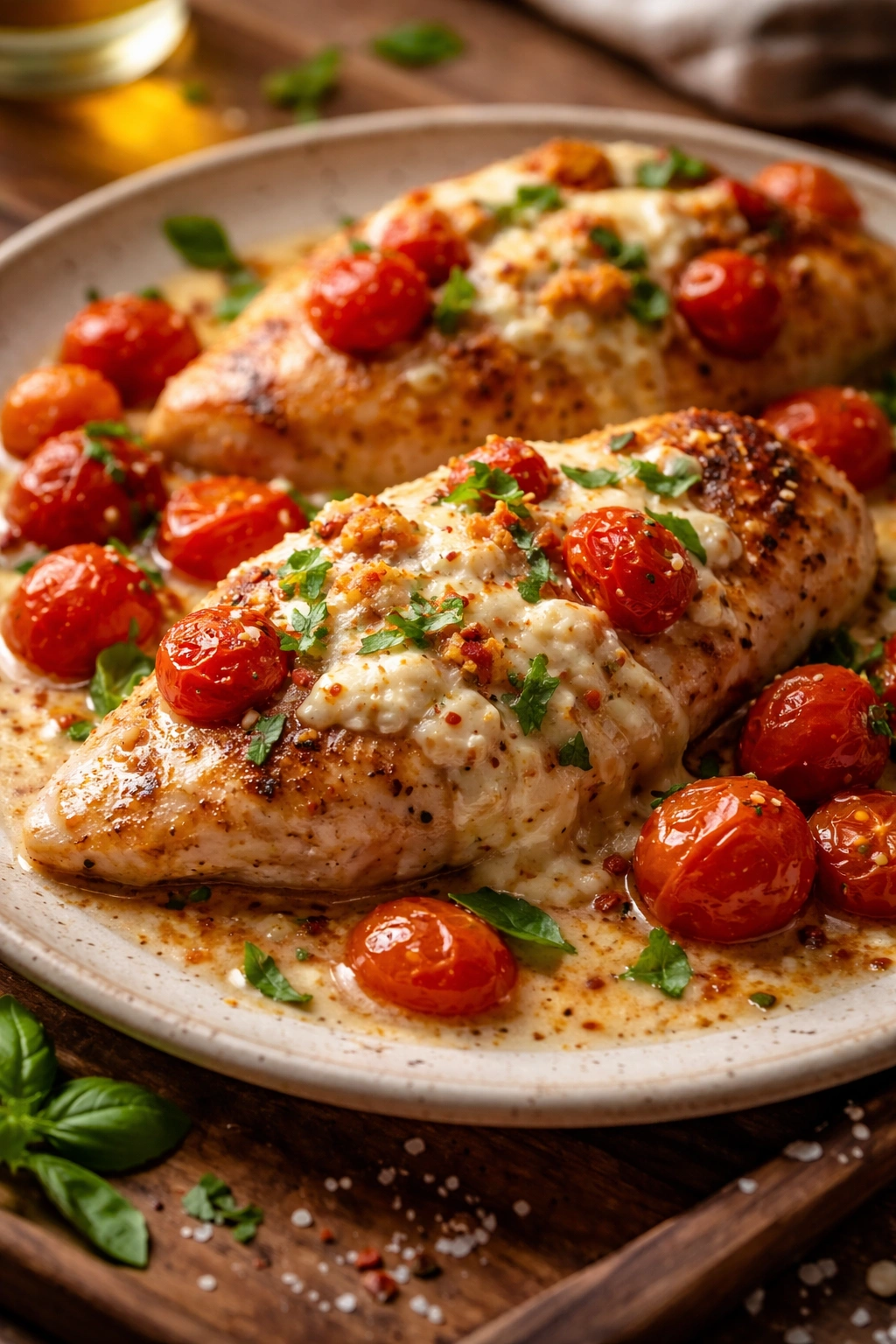
The popularity of this dish isn’t accidental. It solves several real problems that home cooks face when planning dinner. First, it’s genuinely quick—active cooking time hovers around 20 to 35 minutes depending on your oven and the thickness of your chicken. That’s genuinely competitive with takeout when you factor in ordering, waiting, and driving time. The hands-on preparation is laughably minimal, which means you’re not spending your entire evening tied to the kitchen after a long day.
Second, it’s naturally gluten-free and works well for low-carb and keto eating patterns without any modification or special ingredients. If someone at your table has dietary restrictions, you’re not cooking two separate meals—everyone eats the same thing, which reduces stress and cleanup.
Third, the ingredient list reads like something you might already have in your kitchen. Chicken breasts, tomatoes, feta, garlic, olive oil, dried oregano—these aren’t specialty items requiring a trip to multiple stores. This accessibility removes one of the biggest barriers that prevents home cooks from trying new recipes. You can decide to make this for dinner and actually have everything on hand.
Fourth, it genuinely tastes delicious without tasting like diet food or shortcuts. The combination of tangy feta, burst tomatoes, and aromatic garlic creates genuine complexity. Olive oil adds richness and helps build a light sauce. Fresh basil at the end brightens everything. These aren’t tricks or shortcuts—they’re real flavor-building techniques that happen to be simple to execute.
Finally, it scales easily for different household sizes. Making it for two? Use one chicken breast and half the tomatoes and cheese. Feeding six? Double the recipe or use a larger baking dish. It reheats beautifully, works cold as a salad topping, and transforms into several different dishes with minimal additional effort.
What Makes This Recipe Different from Other Baked Chicken Dinners
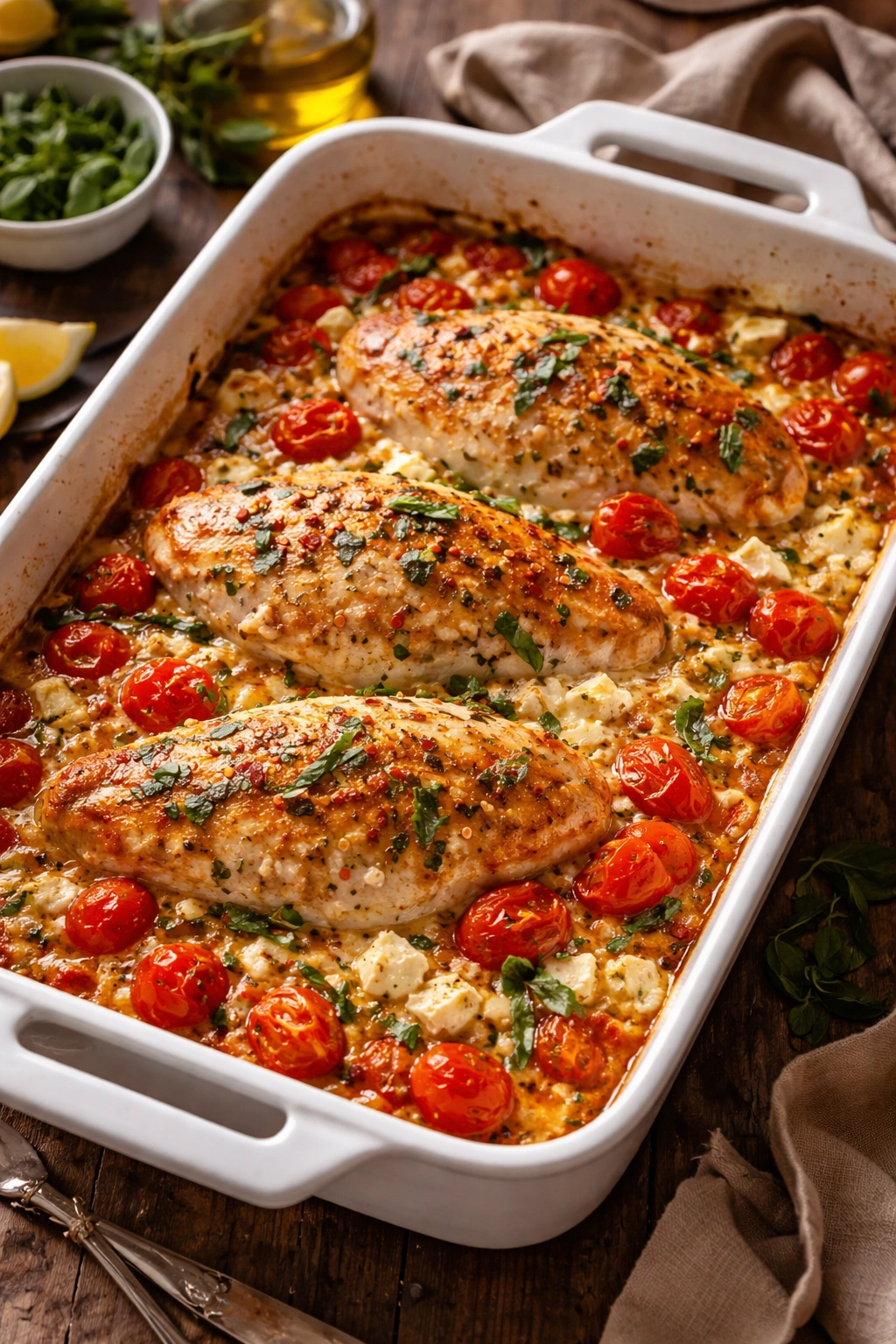
Baked feta chicken stands apart from the typical casserole-style chicken recipes most of us grew up with. There’s no cream soup, no canned anything, and no long baking time that dries out poultry. The method itself differs significantly from conventional approaches. Instead of baking chicken at a lower temperature for extended periods, you’re working at a higher temperature for less time, which keeps the meat juicy while encouraging the tomatoes to burst and the feta to soften quickly.
The sauce-building approach also differs fundamentally. Rather than making a sauce separately and then pouring it over chicken, the sauce builds itself as things cook. The tomatoes release liquid as they heat. The feta gradually softens and begins to break down. These two elements create a naturally creamy, tangy sauce without the need for cream, butter, or flour. This method produces better texture and more developed flavor than recipes that use pre-made sauce ingredients.
The flavor profile leans decidedly Mediterranean—oregano, garlic, feta, and tomatoes are the backbone, with optional additions like lemon juice, kalamata olives, or fresh basil adding additional dimension. This differs sharply from the cream-forward, Americanized chicken casseroles that dominate many weeknight dinner rotations. If you’ve been eating the same style of chicken dish for years, this offers genuine novelty while still feeling accessible and approachable.
Understanding Your Ingredients and Why Each One Matters
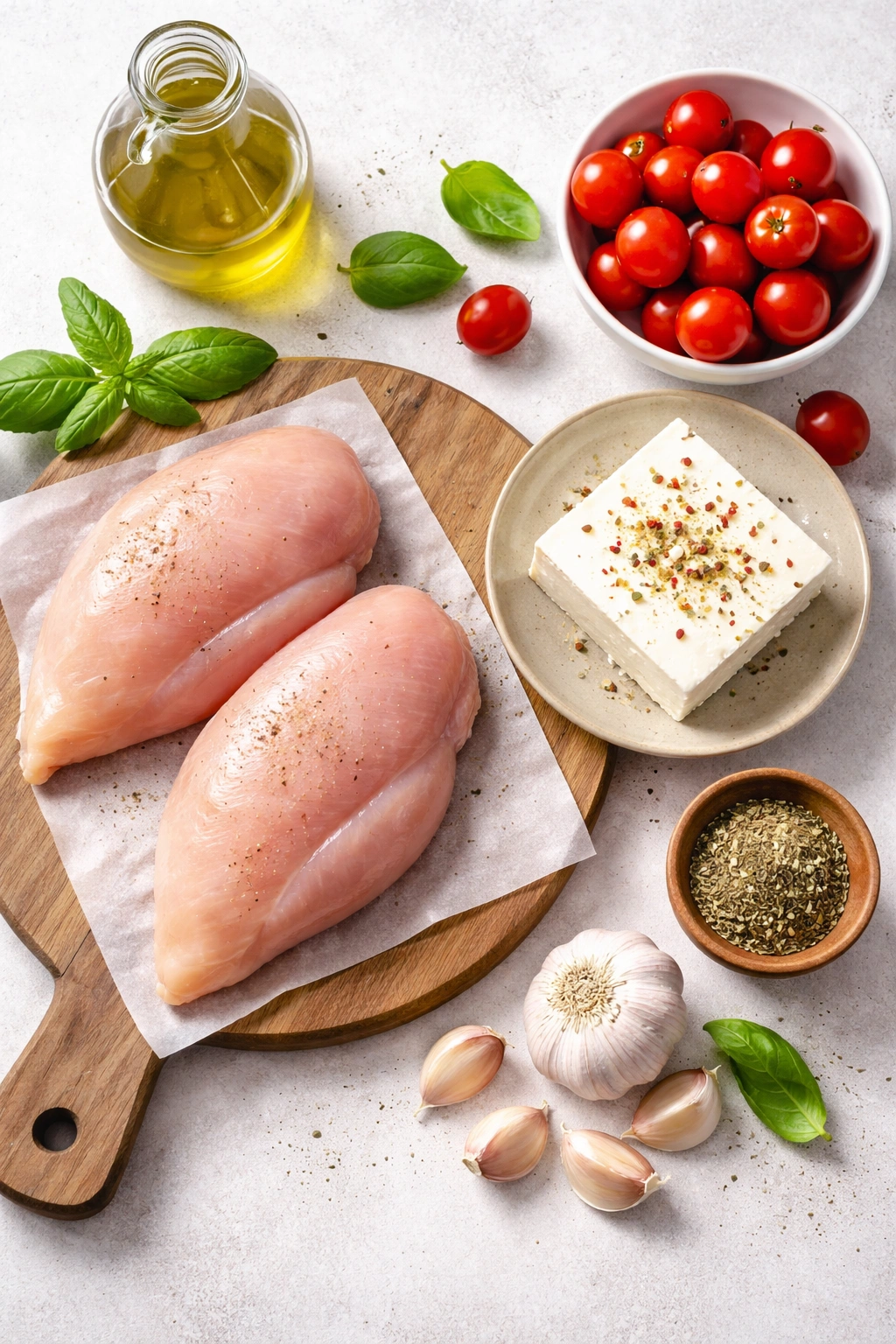
Success with this recipe depends on understanding what each ingredient contributes and why substitutions aren’t always simple. Let’s walk through the core components so you can make informed decisions about what to use.
Chicken breasts form the protein base. The best results come from boneless, skinless chicken breasts that are relatively uniform in thickness—ideally between a half-inch and three-quarters of an inch thick. Large, thick chicken breasts will cook unevenly, with the outside drying out before the inside reaches the proper temperature. If your breasts are genuinely large (over eight ounces), lay them flat on a cutting board and carefully slice them in half horizontally with a sharp knife, creating two thinner cutlets. Alternatively, place them between two pieces of plastic wrap and pound them with a rolling pin or meat mallet until they’re an even thickness throughout. This extra step takes two minutes and prevents the frustration of unevenly cooked chicken.
Boneless, skinless chicken thighs work beautifully here as well. They’re more forgiving than breasts because thigh meat contains more fat, so it’s nearly impossible to dry out. Thighs will take slightly longer to cook and will yield a bit more rendered fat in the pan, which creates a richer sauce. If you’re using thighs, check for doneness at 165°F, the same target temperature as breasts.
Cherry or grape tomatoes are crucial because of their natural sweetness and tendency to burst during cooking, releasing juices that form the liquid base of your sauce. Cherry and grape tomatoes have higher sugar content than larger varieties, which means they caramelize slightly as they bake and create a more complex, less acidic sauce. Avoid using large slicing tomatoes or canned diced tomatoes—they’ll make the dish watery and acidic. The small whole tomatoes are what makes this recipe work. Plan on roughly two to three cups per batch.
Feta cheese is the star ingredient and deserves quality consideration. You’ll want a block of feta rather than crumbled, because the block will maintain better texture as it bakes. It’ll soften and become creamy while still holding together somewhat, creating those pleasant pockets of tangy cheese throughout the dish. Crumbled feta tends to distribute more unevenly and can become grainy if overworked. Aim for an eight-ounce block of full-fat feta, whether you choose Greek-style, Danish, or French varieties. Different styles have subtle flavor differences—Greek tends to be saltier and more assertive, while Danish and French versions are often creamier and milder. Choose based on your personal preference, but do invest in quality. You’re using relatively few ingredients here, so each one should be as good as your budget allows.
Garlic should always be fresh and minced, never powdered. Fresh garlic has a bright, pungent quality that powdered garlic simply cannot replicate. Use about three to six cloves depending on your love of garlic and the size of your cloves. Larger cloves soften beautifully during baking and become sweet and mild. Smaller cloves can remain a bit pungent. If you prefer milder garlic flavor, use the lower amount and mince it finely so it disperses throughout the dish.
Olive oil brings both fat and flavor. Use extra virgin olive oil for its superior taste—the fruity, slightly grassy notes add authentic Mediterranean flavor that regular olive oil cannot match. Plan on roughly two to three tablespoons per batch. The oil creates richness, helps everything cook evenly, and combines with the tomato liquid to form the sauce base.
Dried oregano is the signature herb here. It’s more assertive than fresh oregano would be, and it rehydrates slightly during baking, releasing its flavor throughout the dish. Use roughly half to one teaspoon, adjusting based on how intensely herbaceous you like your food. If you’re using fresh oregano instead, increase the amount and add it near the end of cooking so it doesn’t lose potency.
Salt and pepper matter more in a simple dish like this because they’re not hidden in a complex sauce. Season the chicken itself before it goes in the pan, and season again after tasting the sauce. Sea salt or kosher salt both work well—adjust fine table salt downward if that’s what you’re using, since it’s denser and saltier by volume.
Yield, Timing, and Difficulty Level
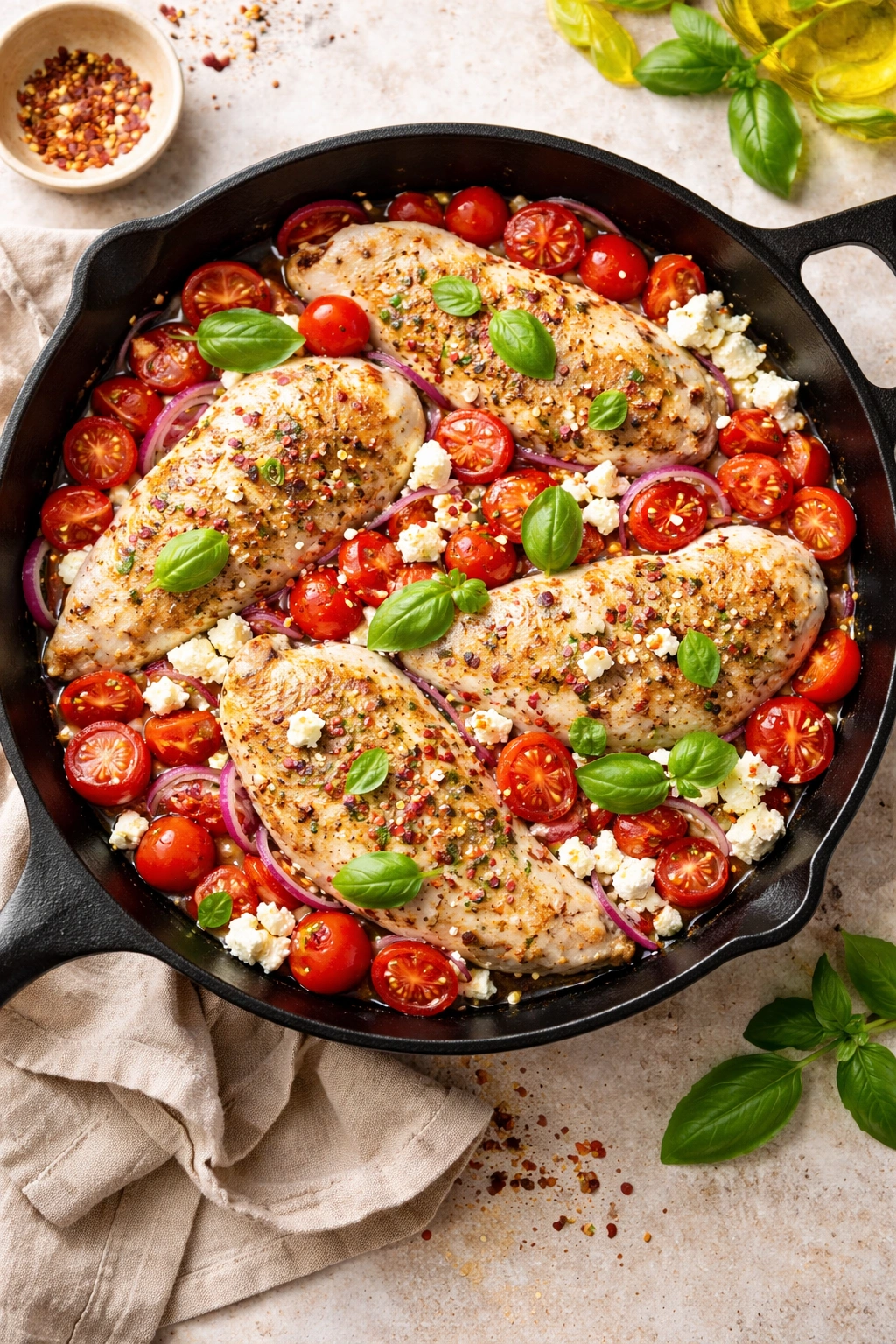
Yield: Serves 3 to 4 people (2 large chicken breasts, which can be halved into 4 smaller cutlets)
Prep Time: 10 minutes (washing produce, mincing garlic, slicing chicken)
Cook Time: 25 to 35 minutes (5 minutes searing + 20 to 30 minutes baking)
Total Time: 35 to 45 minutes active
Difficulty: Beginner to Intermediate — This recipe requires basic knife skills and an understanding of proper chicken doneness temperatures, but the technique itself is straightforward. If you can sear meat and use an oven, you can make this dish successfully.
Complete Ingredient List for Baked Feta Chicken with Tomatoes and Garlic
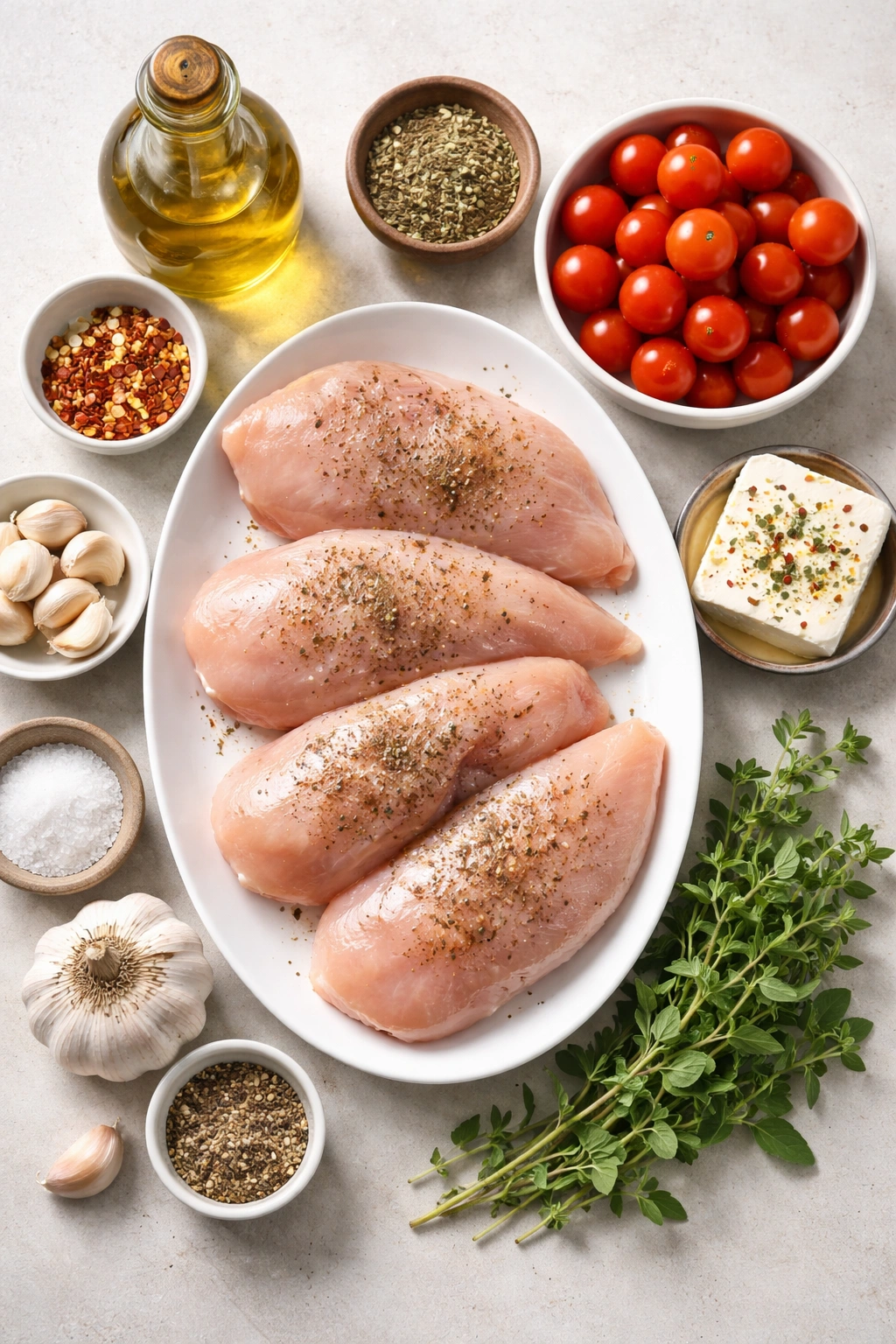
For the Chicken and Sauce:
- 2 large boneless, skinless chicken breasts (or 4 to 6 smaller cutlets, or 1.5 pounds boneless, skinless chicken thighs)
- 1/2 teaspoon fine sea salt (for seasoning chicken)
- 1/4 teaspoon ground black pepper (for seasoning chicken)
- 1/2 teaspoon dried oregano (for seasoning chicken)
- 2 tablespoons extra virgin olive oil, divided (1 tablespoon for searing, 1 tablespoon for the pan)
- 3 cups fresh cherry or grape tomatoes, left whole
- 1 head of garlic (about 6 to 8 cloves), peeled and minced
- 8 ounces block feta cheese
Optional Finishing Ingredients:
- 2 tablespoons heavy cream or half-and-half (to make the sauce extra creamy)
- 1/4 teaspoon crushed red pepper flakes (for gentle heat)
- 1/4 teaspoon lemon zest (for brightness)
- 1 tablespoon fresh lemon juice (for acidity and brightness)
- 1/2 cup fresh baby spinach, roughly chopped (to add as a finishing vegetable)
- 3 tablespoons fresh basil, thinly sliced (for garnish)
- Additional salt and pepper to taste after the sauce is made
Preparing Your Ingredients Sets You Up for Success
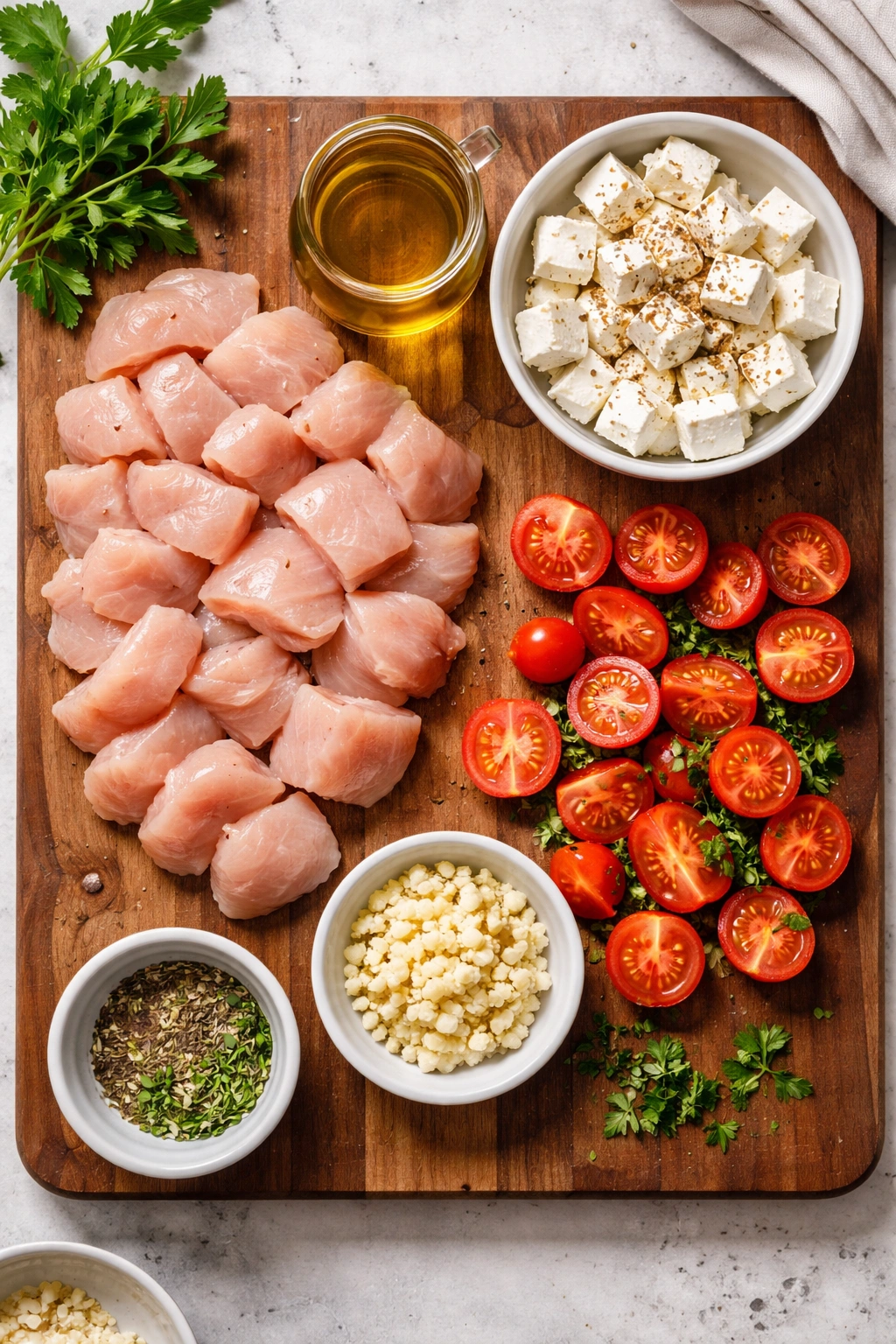
Taking a few minutes to prepare everything before you start cooking removes stress and prevents scrambling. Cooking moves quickly here, and having ingredients ready means you can focus on technique rather than preparation.
For the chicken: If you’re using large breasts, lay each one flat on a clean cutting board. Using a very sharp knife held parallel to the board, carefully slice each breast in half horizontally, creating two thinner cutlets from each breast. Be gentle and controlled to avoid slipping—your fingers are the most vulnerable target here. If you’re uncomfortable with this technique, place the breast between two pieces of plastic wrap and pound it with a rolling pin or meat mallet until it reaches an even thickness of about half an inch. Pat the chicken dry with paper towels before cooking—this helps it brown better and cook more evenly.
For the garlic: Separate a head of garlic into individual cloves, then peel away the papery skin. Using the flat side of a large knife, crush each clove slightly—this makes peeling easier and also prevents the garlic from rolling around while you mince it. Mince the garlic finely so it distributes throughout the dish and cooks quickly. The smaller the pieces, the more evenly it’ll cook and the more it’ll blend into the sauce.
For the tomatoes: Rinse them and pat them dry. Leave them whole—the skin holds the flesh together as they heat, and they’ll burst naturally as they cook. If you’re using absolutely enormous cherry tomatoes, halving them is acceptable, but whole tomatoes are ideal.
For the feta: Remove it from the refrigerator about 15 minutes before cooking so it’s at closer to room temperature. Cold cheese takes longer to soften. Keep it as a single block—don’t crumble it yet. You’ll break it apart with a spoon or fork during cooking.
Step-by-Step Instructions for Perfect Baked Feta Chicken Every Time
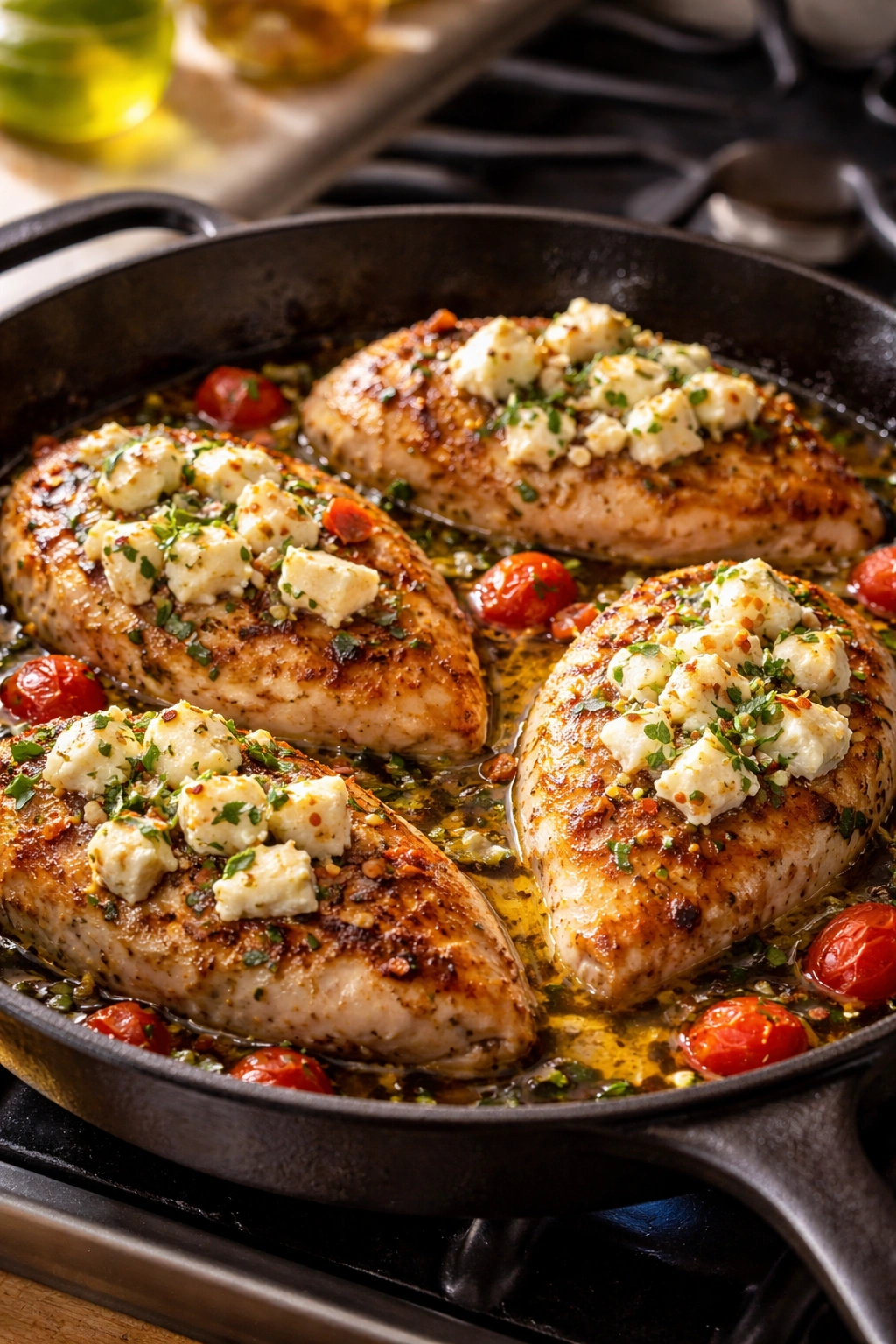
Prepare Your Equipment:
- Position an oven rack in the center of your oven and preheat to 400°F (200°C). Use an oven-safe skillet if possible—cast iron works beautifully here, as does any stainless steel or ceramic skillet that’s rated for oven temperatures up to at least 400°F. If you don’t have an oven-safe skillet, use a 9×13-inch baking dish instead—the cooking time remains the same, and you’ll skip the searing step, which is fine (though searing adds flavor through browning).
Sear the Chicken:
-
Season both sides of each chicken breast or cutlet generously with the sea salt, black pepper, and dried oregano. Be generous with seasoning at this stage—you’re building flavor into the chicken itself, not relying on salt added later.
-
Place the skillet over medium-high heat and add one tablespoon of olive oil. Let the oil heat for about one minute until it shimmers and moves freely around the pan. If the oil smokes heavily, it’s too hot—reduce the heat slightly. You want hot enough to brown the chicken quickly, but not so hot that oil splatters.
-
Once the oil is ready, carefully place each seasoned chicken piece in the skillet. You’ll hear it sizzle immediately—this is the sound of a good sear forming. Don’t move the chicken. Let it cook undisturbed for one and a half to two minutes, until the bottom develops a deep golden-brown crust. Peek underneath gently to check the color; it should be noticeably browned.
-
Using tongs, flip each piece carefully. Sear the second side for one and a half to two minutes, until this side also develops a golden-brown crust. The chicken is not fully cooked at this point—it will finish cooking in the oven. This searing step builds flavor through browning and helps create a slight textural contrast.
Build the Sauce:
-
Once both sides are seared, spread the chicken pieces out in the skillet (or transfer them to your prepared baking dish if you’re not using an oven-safe skillet). They don’t need to be overlapping, but they can be close together.
Advertisements -
Add the minced garlic directly to the empty spaces around and between the chicken pieces. Scatter the whole cherry tomatoes around and over the chicken. Drizzle the remaining tablespoon of olive oil over everything.
-
Take your block of feta and position it in the center of the skillet or baking dish, nestled among the chicken pieces and tomatoes. Don’t break it up yet—you want it to stay as a single block so it softens evenly and creates pockets of creamy cheese throughout the finished dish.
Bake Until Perfect:
-
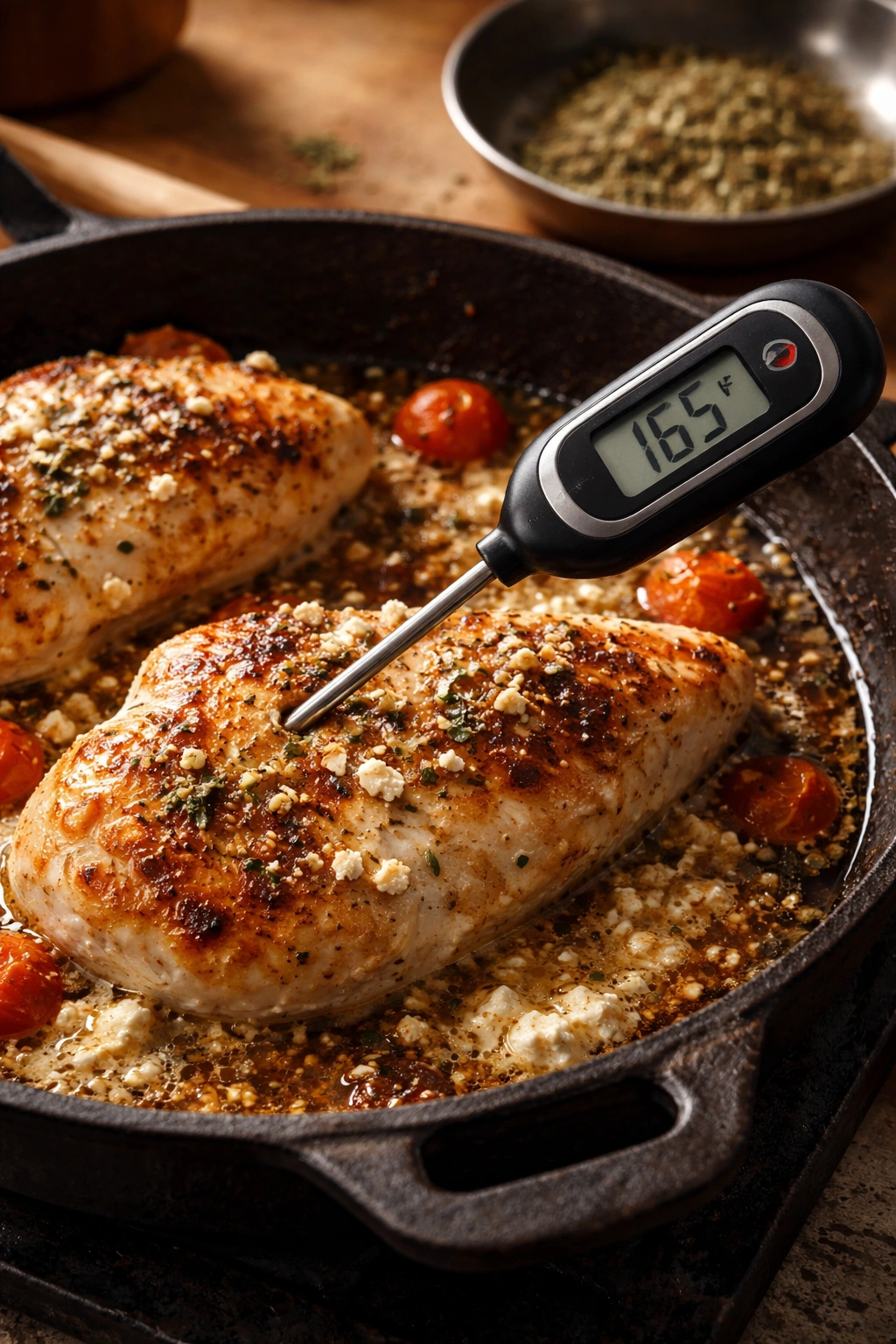
Transfer the skillet (or baking dish) to your preheated 400°F oven. Bake uncovered for 20 to 25 minutes for thin chicken cutlets, or 25 to 30 minutes for thicker pieces. The tomatoes will soften, some will burst open, and the feta will become noticeably softer. The chicken should reach an internal temperature of 165°F measured in the thickest part with an instant-read thermometer. Do not skip this step—it’s the only reliable way to know the chicken is fully cooked but not overdone.
-
If any tomato skin looks charred or blackened, that’s completely normal and adds pleasant flavor. You’re looking for the chicken to be opaque throughout with no pink remaining, the tomatoes to have released their juices and many to have split open, and the feta to be visibly soft.
Make the Sauce:
-
Remove the skillet from the oven and set it on the stovetop (or a trivet if using a glass baking dish, since it’ll be very hot). Carefully remove the chicken pieces to a clean plate—they’ll continue cooking slightly from residual heat, so don’t stack them on top of each other.
-
Using a wooden spoon or fork, gently break up the block of feta cheese directly in the pan, pressing and stirring until it combines with the tomato liquid to create a creamy, chunky sauce. Don’t aim for a completely smooth sauce—small pockets of soft cheese throughout are desirable. The feta should lose its solid block shape and disperse into the cooking liquid.
-
If you’d like extra creaminess, add the optional two tablespoons of heavy cream or half-and-half at this point, stirring it gently into the sauce. The cream mellows the sharpness of the feta and creates an even richer texture.
-
Taste the sauce and adjust seasoning with additional salt and pepper as needed. The sauce will likely be quite savory from the feta, so taste before adding extra salt. If you want brightness, stir in the optional lemon juice and zest at this point. If you want gentle heat, sprinkle in the optional crushed red pepper flakes.
Advertisements -
If you’re adding spinach, stir it in now, folding gently until it wilts into the warm sauce—this takes about one minute of stirring.
Finish and Serve:
-
Return the chicken to the pan, nestling it back into the sauce. Spoon some sauce over the top of each piece so it’s well coated. If you’re adding fresh basil, scatter it over the top just before serving—fresh herbs are best added at the last moment so they maintain their bright color and fresh flavor.
-
Serve immediately while still hot, spooning plenty of sauce and tomatoes over each serving.
Critical Tips for Consistent, Delicious Results
Brown your chicken thoroughly. The searing step isn’t optional—it creates flavor through the Maillard reaction, a complex chemical process that develops savory depth. You can skip searing and go straight to baking if you’re short on time, and the dish will still taste good, but it won’t have the same richness. If you do skip searing, add five to ten minutes to your baking time.
Use a meat thermometer. Chicken breast can vary significantly in thickness and density. A reliable instant-read thermometer removes all guesswork and prevents overcooking. Insert it into the thickest part of the largest piece without touching bone. 165°F is your target.
Don’t overcook the chicken. This is the most common mistake with baked chicken. Because you’ve already seared it, the chicken begins cooking before it even enters the oven. If you bake it too long, it will dry out noticeably. Start checking at 20 minutes if your pieces are thin, and 25 minutes if they’re thicker.
Toast your oregano. If you have a few seconds, place the oregano in a small dry skillet over low heat and warm it for about 30 seconds. This releases the essential oils and intensifies the flavor—it’s a subtle touch that makes a noticeable difference.
Prep your mise en place. Gather all your ingredients in one spot before you start cooking. Once you begin searing the chicken, you won’t have time to hunt for garlic or measure olive oil. Professional cooks call this “mise en place” (everything in its place), and it prevents mistakes and stress.
Watch the tomatoes, not the clock. Oven temperatures vary. Instead of relying entirely on the time given, watch for the tomatoes to burst and the feta to become visibly soft. You’ll see many tomato skins split open and the cheese begin to break down. These visual cues matter more than exact minutes.
Common Mistakes and How to Avoid Them
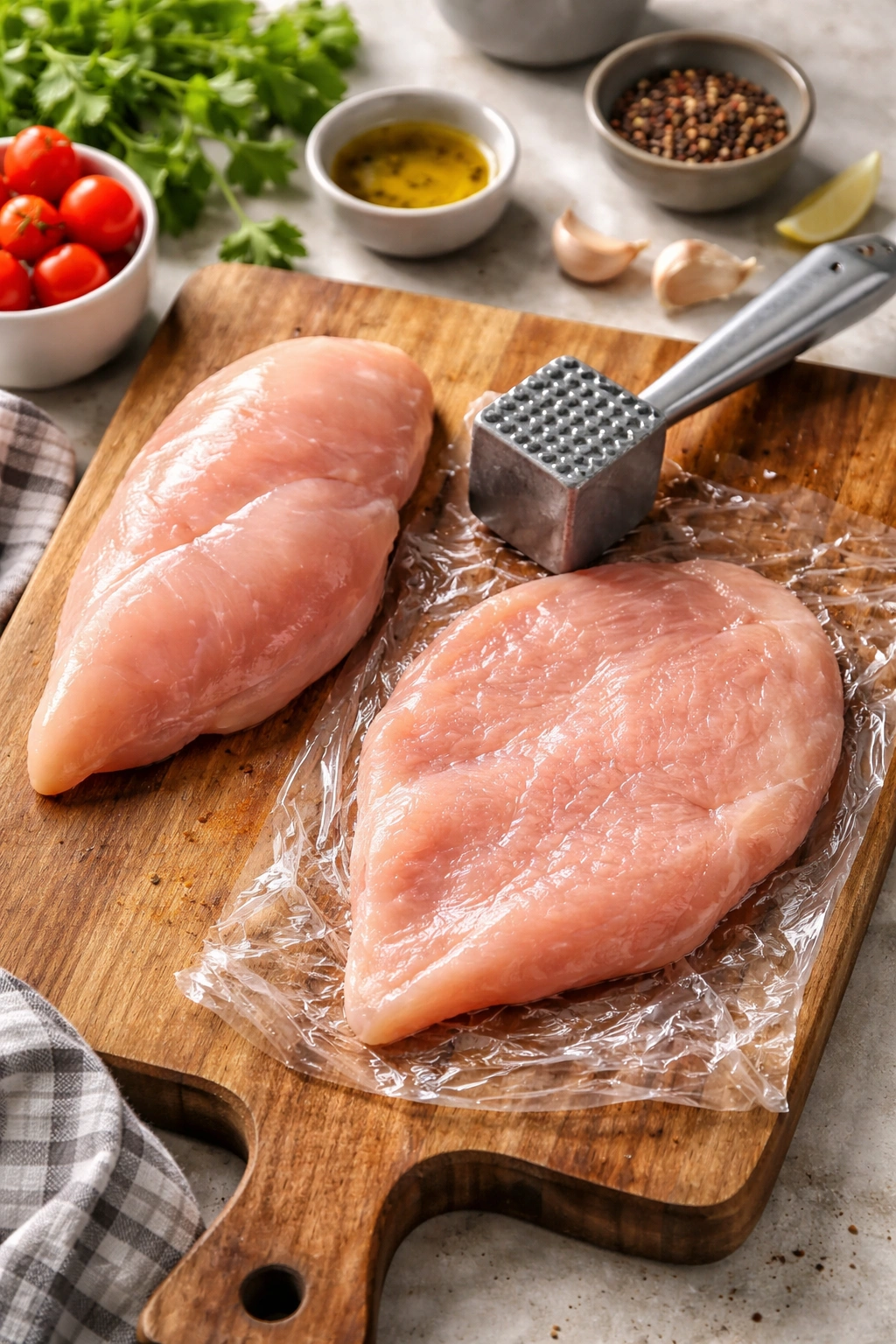
Using thick chicken pieces: This is the single most common problem. Thick chicken takes so long to cook through that the outside overooks badly. Solution: Slice thick breasts in half or pound them to an even thickness.
Not seasoning the raw chicken: If you wait to season until after the sauce is made, the flavors don’t penetrate the meat. Season the raw chicken generously before searing.
Skipping the searing step: While optional, searing creates irreplaceable flavor. If you absolutely must skip it, the dish is still good, but noticeably less complex.
Using large slicing tomatoes instead of cherry tomatoes: Large tomatoes have too much water content and create a thin, watery sauce. Cherry and grape tomatoes are smaller and sweeter, which creates the desired creamy sauce as they burst.
Breaking up the feta too early: If you crumble the feta before baking, it distributes unevenly and can burn. Keep it as a block and break it up after baking.
Adding fresh herbs too early: Fresh basil wilts and turns dark if cooked with the chicken. Add it only at the very end, just before serving.
Using cold feta straight from the refrigerator: Cold cheese takes longer to soften. Let it sit at room temperature for 15 minutes before cooking.
Crowding the pan: If you’re doubling the recipe, use a larger pan or baking dish rather than piling everything on top of itself. Crowding prevents even cooking and browning.
Variations and Adaptations to Make This Recipe Your Own
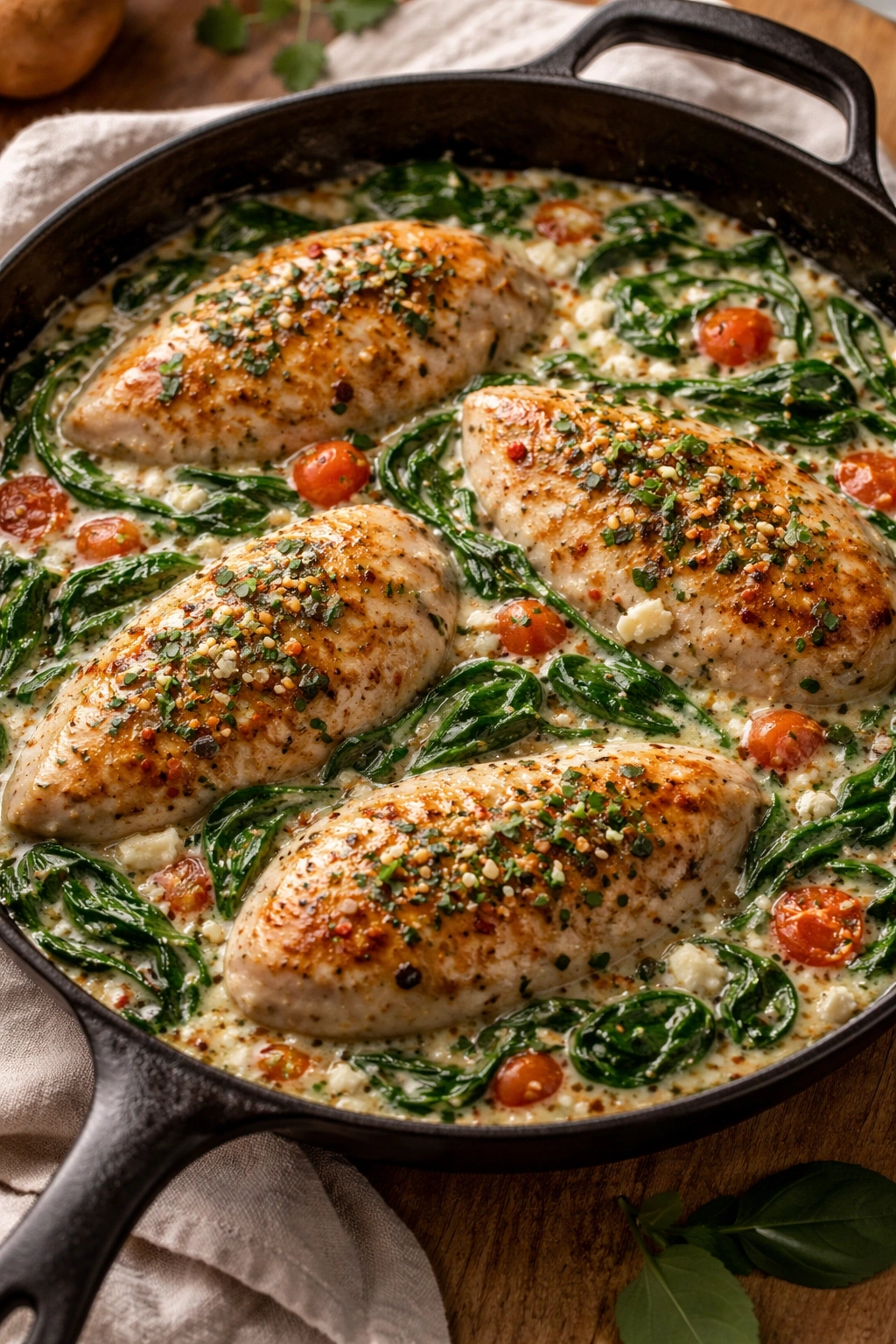
The beauty of this dish lies in how easily it adapts to what you have on hand or what your taste preferences demand.
Spinach version: After making the sauce, fold in one to two cups of fresh baby spinach (or lightly chopped regular spinach with stems removed). The residual heat wilts it quickly. This adds volume, nutrition, and a pleasant vegetable element without requiring separate cooking.
Spicy version: Add one-quarter to one-half teaspoon of crushed red pepper flakes when you’re seasoning the raw chicken. You can adjust upward if you love heat or leave it out entirely if you’re cooking for people who prefer mild food. Red pepper flakes distribute unevenly, so start conservatively.
Lemon version: Add the zest of one lemon to the raw chicken when seasoning, and squeeze the juice of half a lemon into the sauce after it’s made. The acidity and brightness balance the richness of the feta beautifully.
Olive and caper version: Scatter one-quarter to one-half cup of pitted kalamata olives and one to two tablespoons of capers into the pan with the tomatoes. These add salty, briny pops of flavor that work beautifully with feta.
Sun-dried tomato version: Replace half the fresh cherry tomatoes with sun-dried tomatoes packed in olive oil. Use them straight from the jar—no rehydration needed. They add concentrated tomato flavor and a slightly chewy texture.
Mushroom version: Add sliced mushrooms (cremini, button, or shiitake all work) to the pan with the tomatoes. Mushrooms release their own liquid as they cook and add umami depth.
Different cheese version: If you don’t love feta (though you should try it), cream cheese creates a different but equally delicious sauce—slightly milder and creamier. Goat cheese offers similar tanginess but a different mouthfeel. Ricotta creates a lighter sauce. Boursin cheese (a French cheese blend with garlic and herbs) needs no additional herbs and creates exceptional flavor.
Dairy-free version: Use a dairy-free feta alternative like Violife or Daiya feta. These don’t soften quite the same way as real feta, so your sauce will be slightly different in texture, but many people find the flavor acceptable. You may need to add a splash of plant-based cream or pasta water to help create sauce consistency.
Keto version: This recipe is already low in carbohydrates (roughly 7 grams per serving). Serve it on its own or with zucchini noodles, cauliflower rice, or leafy greens instead of pasta or rice.
Make-ahead version: Season and slice your chicken, mince your garlic, and portion your tomatoes and feta into separate containers the night before. When you’re ready to cook, everything is prepped and you’re just five minutes away from dinner.
The Best Ways to Serve Baked Feta Chicken
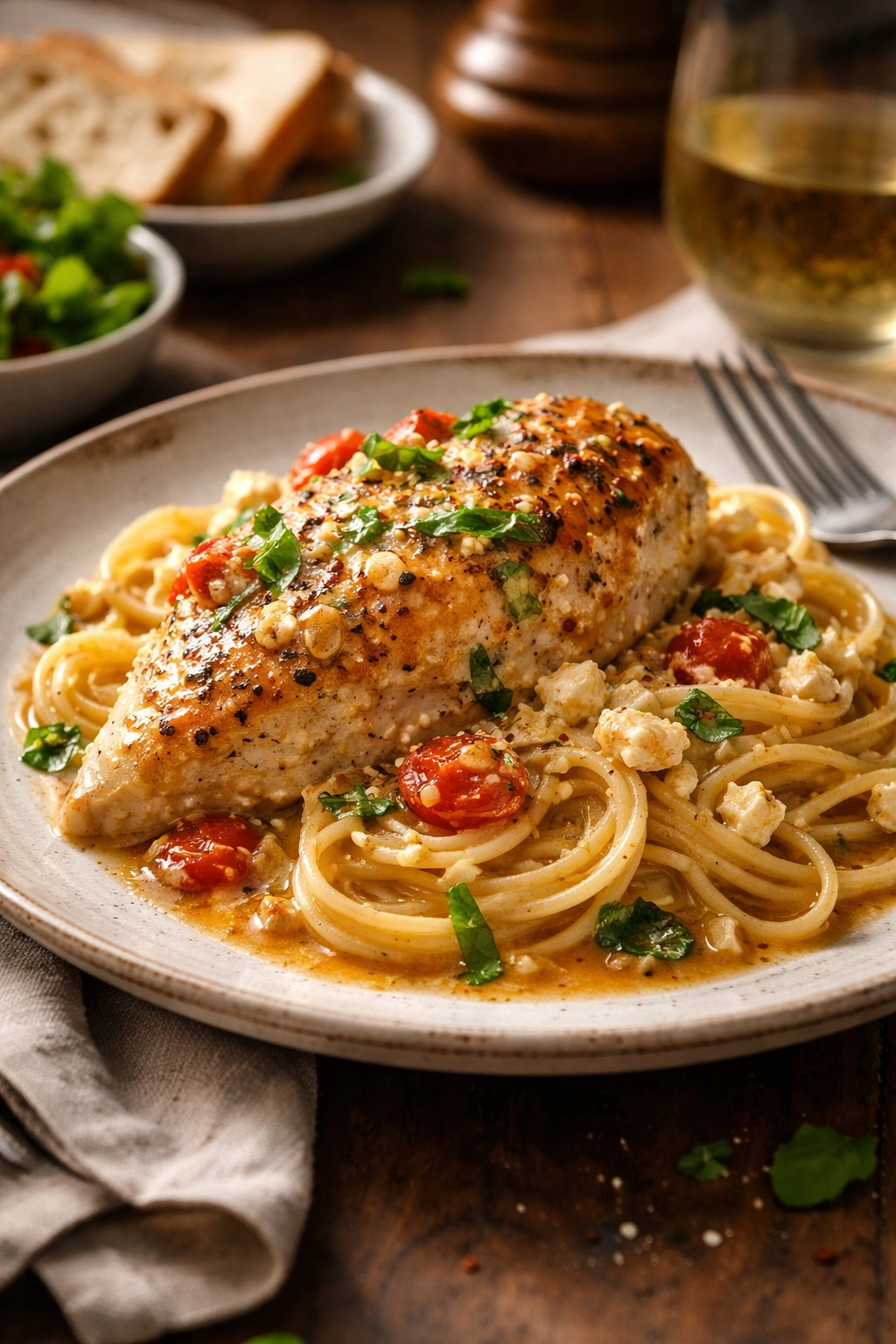
This dish is wonderfully flexible about what it pairs with, making it easy to customize based on your preferences or what you have available.
Over pasta: This is the classic pairing, and for good reason. The sauce clings beautifully to any shape—spaghetti, penne, fettuccine, or orzo all work. Use about twelve ounces of cooked pasta per batch of chicken. The starchy pasta water actually helps the sauce coat more evenly, so reserve a cup of pasta cooking water before draining and add a splash if the sauce seems thick.
With crusty bread: Garlic bread or toasted bread rubbed with olive oil and salt becomes a vehicle for soaking up every last bit of sauce. This approach turns the meal into something almost like an elegant appetizer.
Over rice or grains: Serve alongside white rice, brown rice, farro, quinoa, or wild rice. The fluffy grain absorbs the sauce beautifully and stretches the dish further if you’re feeding a crowd. Roughly one cup of cooked grain per serving works well.
With roasted vegetables: Pair with whatever vegetables are in season or appeal to you. Brussels sprouts, bell peppers, asparagus, zucchini, broccoli, or roasted carrots all pair well with the Mediterranean flavors. Roast vegetables separately or alongside the chicken in the oven if you time it properly.
Over sautéed spinach or greens: For a lighter, lower-carb option, serve the chicken and sauce over a bed of wilted spinach or sautéed arugula. The slight bitterness of the greens balances the richness of the feta beautifully.
On its own: If you prefer keeping it simple, just serve the chicken with the sauce and perhaps a simple side salad with balsamic vinaigrette. Let the chicken and sauce be the star.
As a salad topping: Chop leftover chicken and crumble the feta, then toss both over mixed greens with the tomatoes and a simple vinaigrette. It becomes a hearty, protein-rich salad.
In a sandwich: Slice leftover chicken and layer it on crusty bread with fresh mozzarella, the tomato-feta sauce from the pan, and fresh arugula for a fancy open-faced sandwich.
Storage, Reheating, and Make-Ahead Strategies
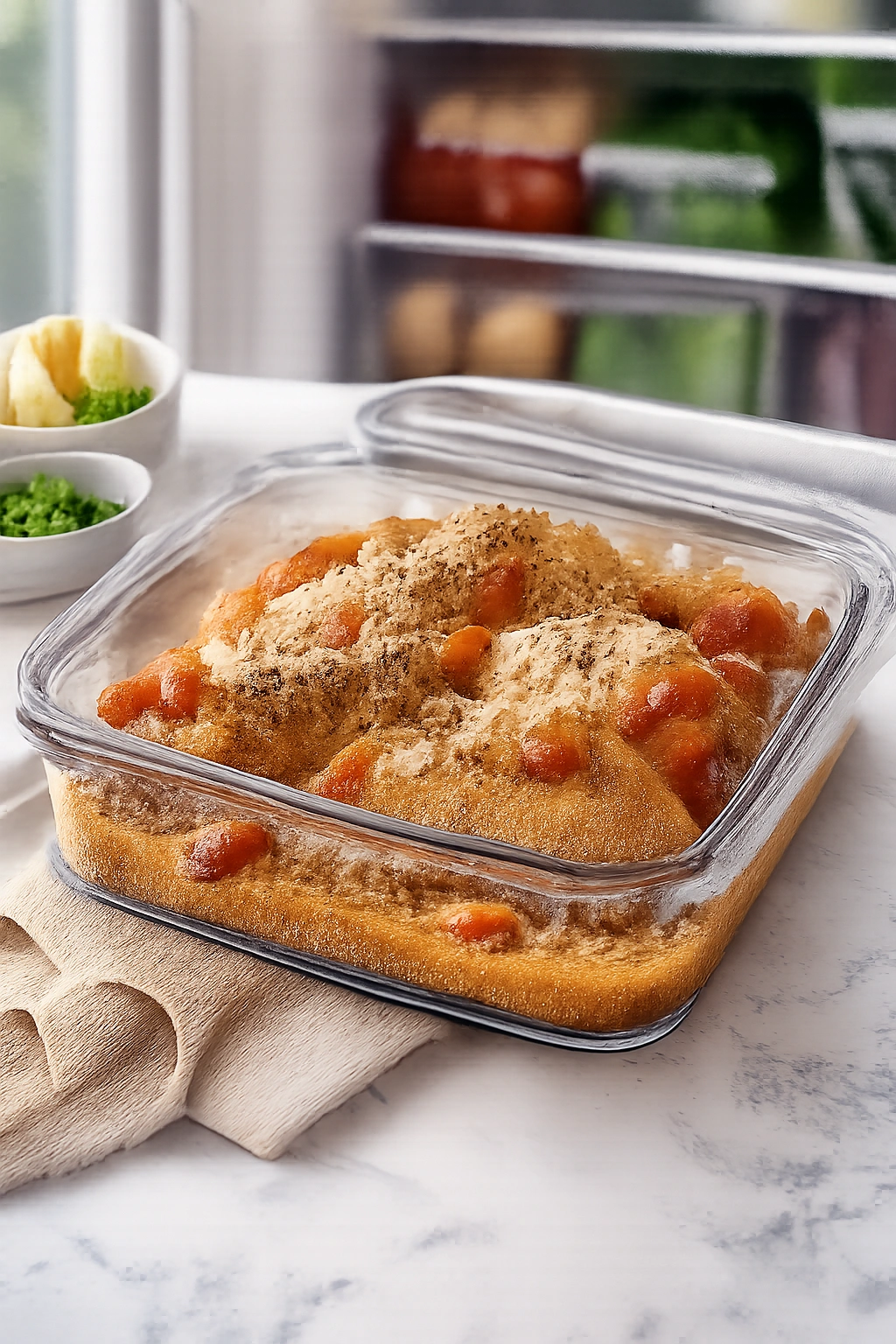
Understanding how to store this dish properly means you can make it ahead or save leftovers without compromising quality.
Refrigerator storage: Let the finished dish cool to room temperature (about 20 minutes), then transfer it to an airtight container, keeping the chicken and sauce together. It stores beautifully in the refrigerator for three to four days. The flavors actually deepen slightly overnight, so leftovers often taste even better the next day.
Freezer storage: Yes, this freezes well. Portion it into meal-sized containers, cool completely, and freeze for up to three months. Thaw overnight in the refrigerator before reheating.
Reheating: The gentlest method is slow reheating on the stovetop. Place the chicken and sauce in a covered pot over low heat and warm for about five minutes, stirring occasionally. This prevents the chicken from drying out. Microwave reheating works too—use 50% power in 30-second intervals to warm through without overheating. A medium heat in a skillet also works well—cover it and warm for about five minutes.
Make-ahead chicken: Prepare everything the night before—season the chicken, mince the garlic, prepare the tomatoes, and portion the feta. Keep everything separate in the refrigerator. When you’re ready to cook, you simply brown the chicken and proceed as normal, cutting your active cooking time to about 25 minutes total.
Sauce-ahead option: You can brown the chicken and bake it completely, then cool and refrigerate the finished dish. The next day, reheat it gently on the stovetop or in the microwave. This works well if you want zero cooking required on busy evenings.
Frequently Asked Questions About Baked Feta Chicken
Can I use frozen chicken? Yes, but thaw it completely in the refrigerator overnight first. Frozen chicken contains more water, which releases during cooking and can make the sauce watery. Thawing allows excess moisture to drain before cooking.
What if my oven runs hot or cold? All ovens vary slightly. Use your instant-read thermometer to verify doneness rather than relying on time alone. If your oven runs hot, check the chicken at 20 minutes instead of 25. If it runs cold, start checking at 30 minutes.
Can I make this on the stovetop instead of baking? Yes. After searing the chicken, reduce the heat to medium-low, cover the skillet, and cook for 12 to 15 minutes until the chicken reaches 165°F. You’ll get slightly less browning on the tomatoes and feta, but the flavor will be nearly identical.
Is there a dairy-free option? You can substitute dairy-free feta alternatives, though the texture differs slightly. Some brands freeze and thaw better than others, so if you’re going dairy-free, research brands before committing to a large package.
Can I use chicken thighs instead of breasts? Absolutely. Thighs are more forgiving than breasts because they contain more fat. They’ll take about 5 to 10 minutes longer to cook and will yield a slightly richer sauce from the rendered fat. Check for doneness at 165°F.
Do I have to use a block of feta or can I use crumbled? A block creates better texture and distributes more evenly, but crumbled works if it’s all you have. Just stir it in more deliberately after baking to ensure it’s well distributed.
What’s the best thermometer to use? An instant-read digital thermometer is best because it gives you a precise reading in seconds. They cost between ten and thirty dollars and are invaluable for cooking chicken properly.
Can I double this recipe? Yes. Use a 9×13-inch baking dish, double all ingredients, and increase baking time by five to ten minutes. Stir it more frequently during baking to ensure even cooking.
Why is my sauce thin instead of creamy? This usually means your tomatoes didn’t burst as much as they should have. Make sure you’re using cherry or grape tomatoes, not large slicing tomatoes. Overcrowding the pan can also prevent proper cooking—use a larger pan if doubling the recipe.
Can I prep this in the morning and bake it at night? Yes. Season the chicken, prepare all your ingredients, assemble everything in the baking dish, cover it, and refrigerate it until you’re ready to bake. Add five to ten minutes to the cooking time since the ingredients will be cold from the refrigerator.
Final Thoughts
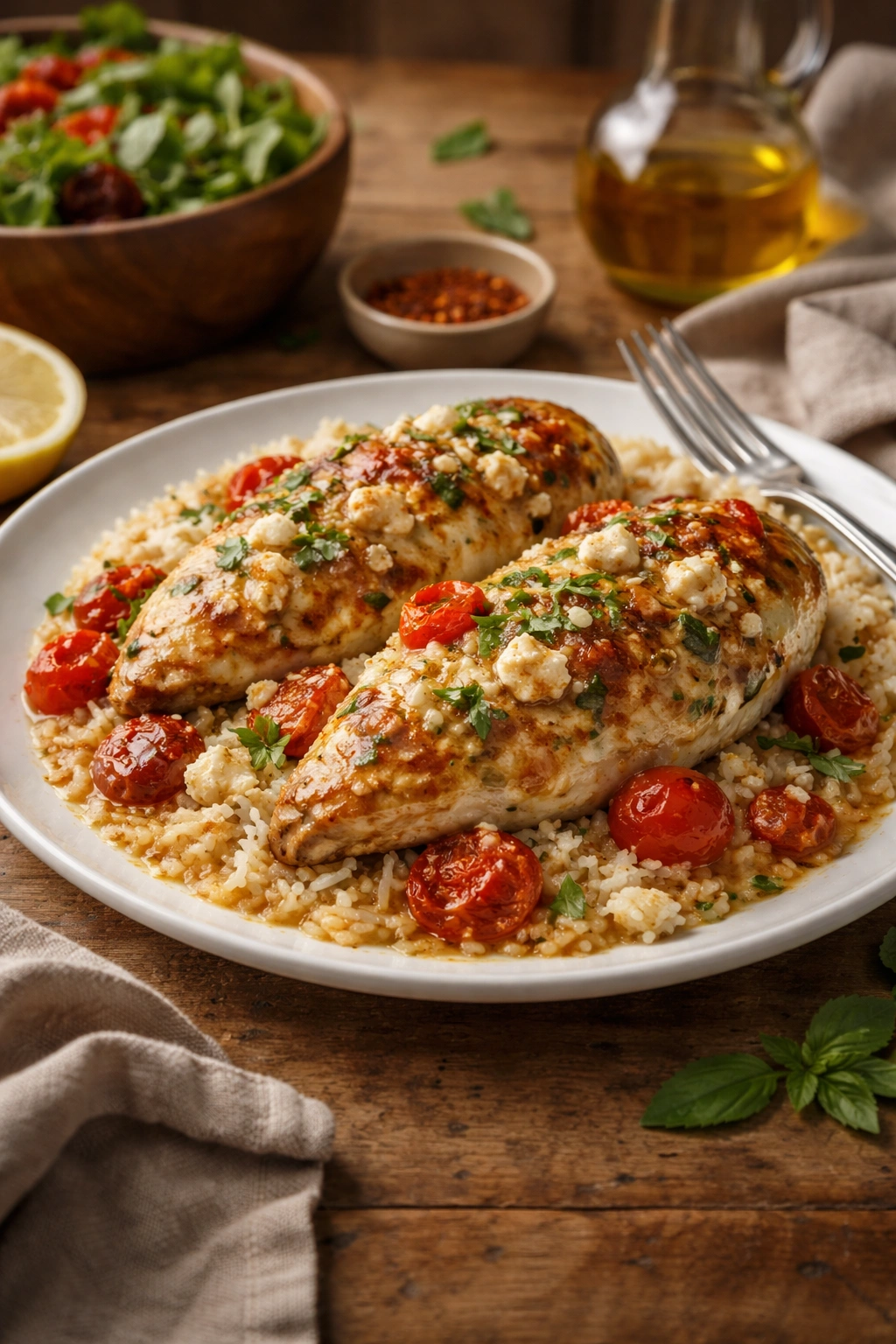
Baked feta chicken represents everything weeknight cooking should be: genuinely delicious, surprisingly simple, and ready in less time than takeout delivery. The combination of tender chicken, burst tomatoes, and creamy feta creates a meal that feels far more impressive than its preparation requires. There’s no need to choose between what’s convenient and what tastes good—this recipe delivers both.
The beauty of mastering this single dish is that it opens the door to confidence in your own kitchen. You realize that restaurant-quality flavors don’t require complicated techniques or obscure ingredients. They come from quality components treated simply, from understanding how heat transforms food, and from taking five minutes to brown something properly instead of rushing through. Once you’ve made baked feta chicken successfully a few times, you’ll find yourself reaching for it regularly—when you’re tired and need dinner, when friends are coming over and you want to impress them, when you’re trying to eat better and need satisfying, protein-rich meals.
Stock your pantry with good feta, keep chicken breasts in your freezer, and always have fresh garlic and olive oil on hand. When you need dinner, you’ll have the confidence to make something genuinely delicious without stress or fuss.
