



Easy Chicken Wraps to Pack or Prep for Lunch
Wraps have become the ultimate lunch solution for anyone juggling a busy schedule. They’re portable, satisfying, require zero reheating, and best of all, they taste just as fresh hours after assembly. If you’ve been defaulting to the same tired sandwich routine, chicken wraps offer endless flavor combinations that transform your midday meal from forgettable to something you actually crave. The beauty of a wrap lies in its simplicity—grab a tortilla, layer your fillings, roll it tight, and you’ve got a complete lunch that fits neatly into your bag.
What makes wraps particularly genius for meal prep is their structure. Unlike sandwiches that can become soggy or fall apart, a properly constructed wrap contains everything neatly, travels beautifully, and actually improves in flavor as the ingredients meld overnight. Chicken provides the protein foundation that keeps you full until dinner, while vegetables add crunch, nutrition, and visual appeal. The sauce or dressing is what transforms a basic wrap into something genuinely delicious.
The best part? Once you understand the fundamental anatomy of a great wrap, you can customize endlessly based on what’s in your fridge or your mood that week. Whether you’re prepping five wraps for the week or assembling one for today’s lunch, these recipes and strategies will make the process faster and more exciting.
Why Chicken Wraps Beat Other Lunch Options
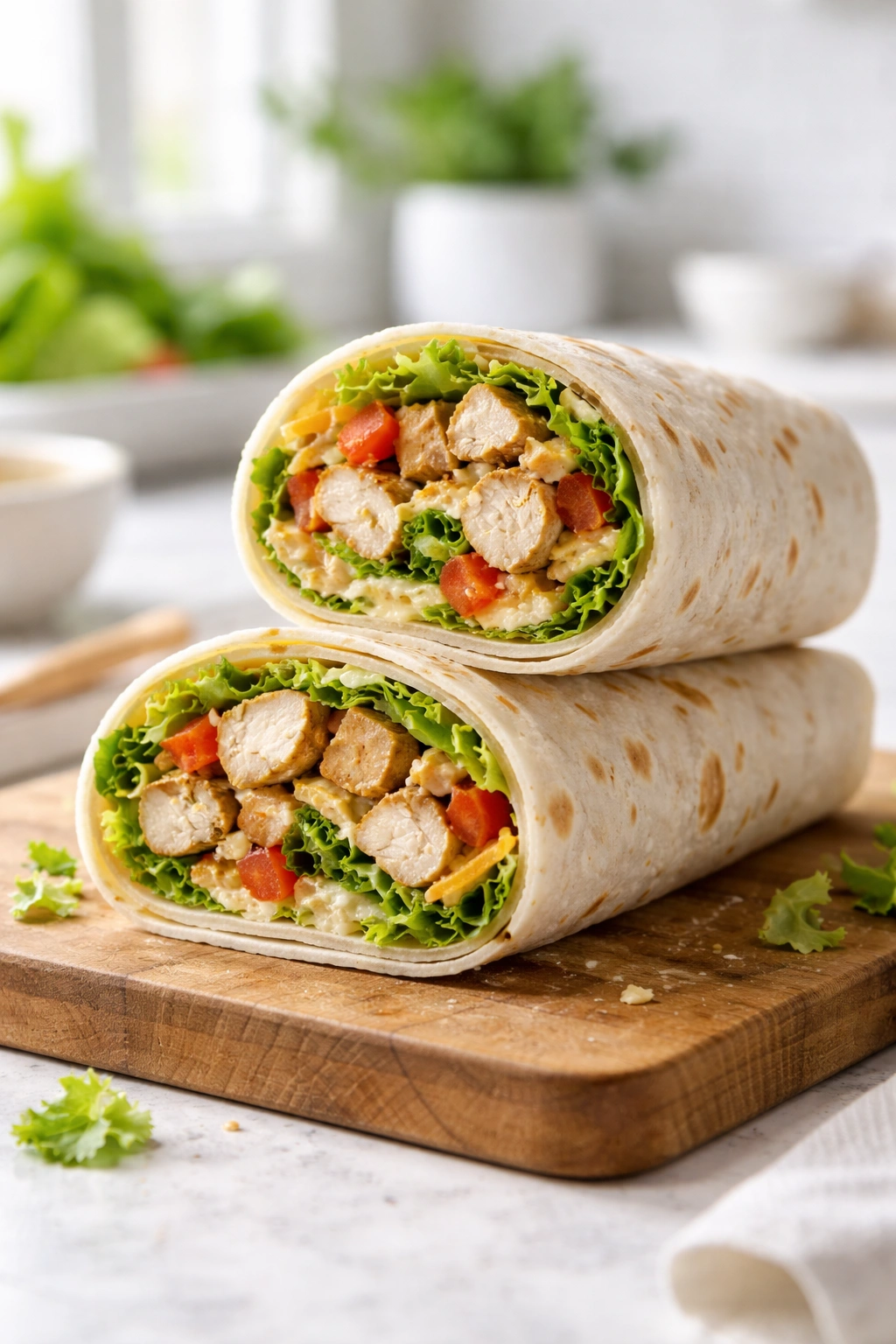
Chicken wraps have earned their place as a lunch-day MVP for very specific reasons. First, there’s the protein angle—chicken breast delivers roughly 25-30 grams of protein per serving, which means your blood sugar stays stable through the afternoon and you won’t find yourself raiding the vending machine at 3 p.m. Unlike heavy sandwiches loaded with mayo-based spreads, wraps can be surprisingly light while still being incredibly filling.
The efficiency factor matters too. A wrap that takes 10 minutes to assemble can be frozen or refrigerated and grabbed on the way out the door. You don’t need to worry about soggy bread like you do with traditional sandwiches. Tortillas have a naturally forgiving structure—they’ll hold substantial fillings without tearing, and they won’t deteriorate even if they sit next to a juicy tomato overnight.
From a flavor perspective, wraps create natural compartmentalization that prevents one ingredient from overwhelming another. The tortilla acts as both a flavor carrier and a flavor boundary. This means you can pack bold tastes—spicy sauces, pungent cheeses, intense dressings—without the whole thing becoming one-note.
Economically, wraps are impossible to beat. A rotisserie chicken costs roughly $7-9, produces enough meat for 4-5 wraps, and sits at the intersection of convenience and affordability. Compare that to deli counter prices, and you’re saving significant money while controlling exactly what goes into your lunch.
Understanding the Anatomy of a Perfect Wrap
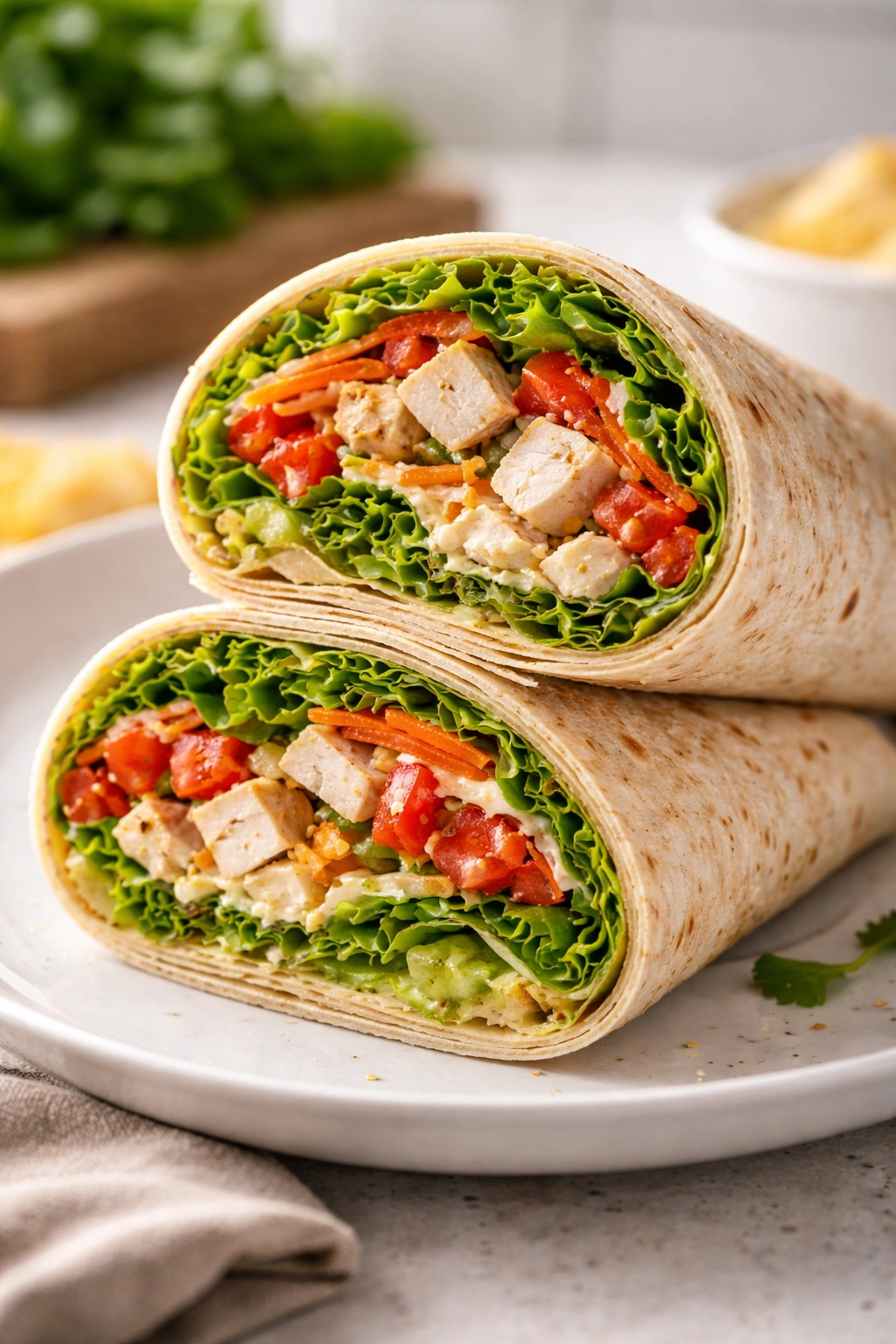
The architecture of a wrap matters more than most people realize. A great wrap isn’t just random ingredients stuffed into a tortilla—it’s a carefully considered structure that prevents sogginess, ensures every bite has flavor, and holds together through transport.
Start with your base layer: lettuce or greens. This might seem like a filler step, but it serves a crucial purpose. Lettuce acts as a barrier between the tortilla and moist ingredients like tomatoes, keeping the wrap from becoming sodden. Use sturdy greens like romaine, iceberg, or even spinach—delicate lettuces tear too easily.
Your protein layer comes next. This is typically shredded or sliced chicken, and it should be distributed evenly across the wrap. Don’t pile it all in the center, which makes rolling difficult. Instead, spread it in a thin layer that covers roughly the middle two-thirds of the tortilla.
The vegetable layer adds crunch and nutrition. Tomatoes, cucumbers, bell peppers, carrots, and onions all work beautifully. The key is cutting everything into sizes that won’t poke through the tortilla or roll out the side. Thin slices and small dice are your friends here.
Cheese comes next—just a light sprinkle, not a mountain. Two to three tablespoons per wrap is plenty. Too much cheese makes the wrap heavy and difficult to roll, and it overwhelms subtler flavors.
Finally, your sauce or dressing goes on top. Apply it thoughtfully—a tablespoon or two distributed across the filling, not drowning the whole thing. If you’re making these ahead, consider packing dressing separately to add right before eating.
The Rotisserie Chicken Shortcut That Changes Everything
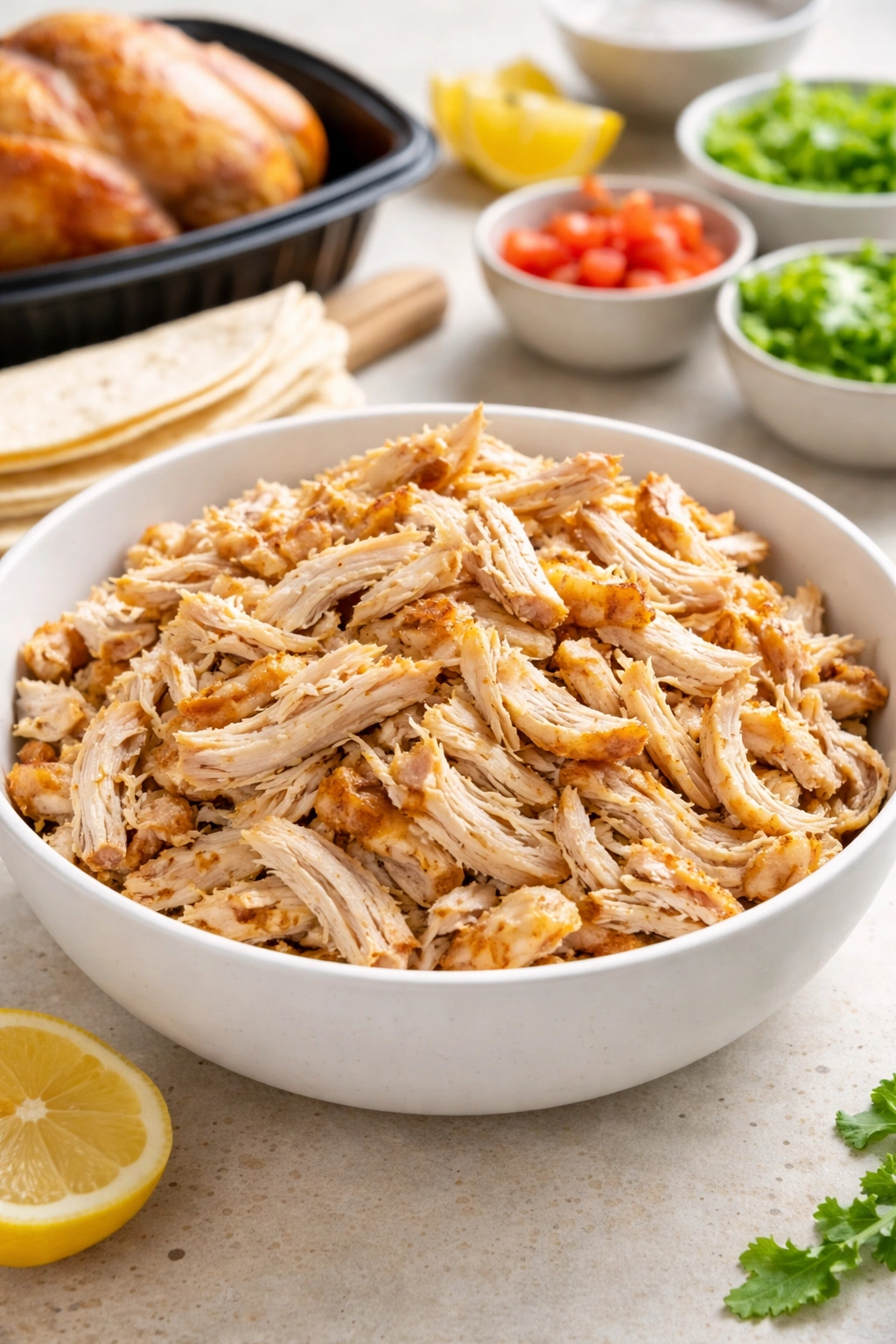
Rotisserie chicken is the meal-prep hack that simultaneously saves time, money, and dishes. A single supermarket rotisserie chicken yields approximately 3 cups of shredded meat, enough for 4-5 generous wraps. The meat arrives already cooked and seasoned, arriving at a level of tenderness that’s difficult to achieve at home without more effort.
To quickly shred a rotisserie chicken, let it cool slightly, then tear the meat from the bones using two forks or your fingers—this takes about three minutes. Remove the skin if you want to cut calories, though the skin adds excellent flavor and remains relatively lean. Store shredded chicken in an airtight container in the fridge for up to four days, or freeze for up to three months.
The chicken’s existing seasoning means your wraps automatically taste more complex and restaurant-quality. That said, you can enhance store-bought rotisserie chicken by tossing it with complementary flavors. A squeeze of lime juice and cilantro transforms it into a Mexican-leaning protein, while a blend of paprika and garlic powder pushes it toward Mediterranean flavors. This flexibility is why it’s such a powerful shortcut.
If you prefer to cook your own chicken, season boneless, skinless chicken breasts generously with salt, pepper, and your chosen spices, then bake at 400°F for 18-22 minutes until the internal temperature reaches 165°F. Grilled chicken also works beautifully—simply grill seasoned chicken breasts 5-6 minutes per side over medium-high heat.
Ranch and Chicken: The Flavor Combination That Never Disappoints
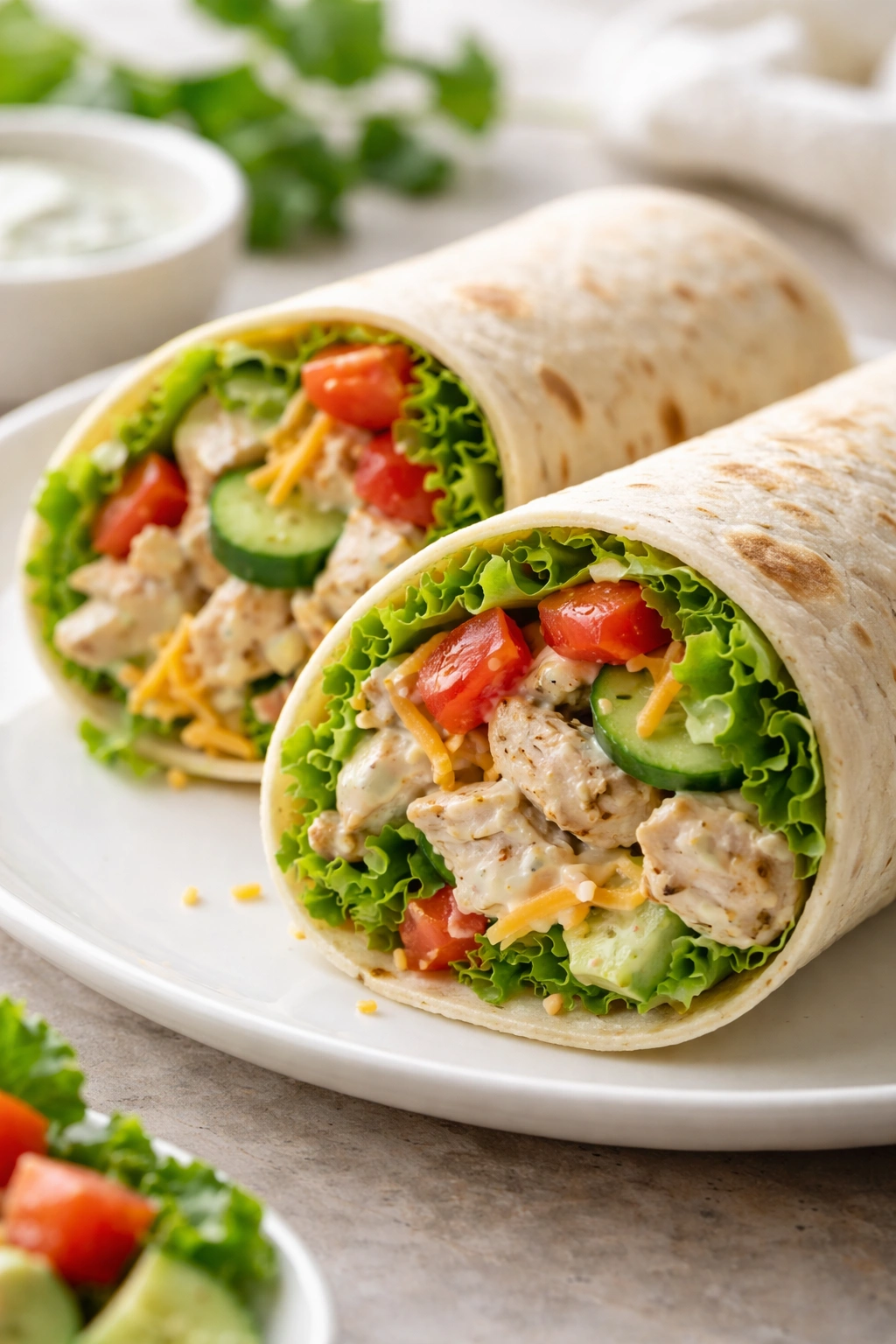
There’s a reason ranch dressing and chicken appear together on nearly every casual restaurant menu—the pairing simply works. Ranch’s herbal creaminess complements chicken’s mild, neutral flavor, while its slight tang cuts through richness without overwhelming the palate. Whether you prefer homemade ranch or store-bought, this combination forms the foundation of countless successful wraps.
To make a basic ranch wrap, start with a large flour tortilla. Spread a tablespoon of ranch dressing across the bottom half, add shredded iceberg lettuce, sliced chicken, shredded cheddar or mozzarella cheese, fresh tomato slices, and cucumber. Fold the sides in, roll tightly, and you’ve got a wrap that works hot or cold, fresh or after sitting in a lunch box for eight hours.
The beauty of ranch is that it plays well with add-ins. Crispy bacon becomes a wrap-perfecting addition—the salty crunch contrasts beautifully with creamy sauce and tender chicken. Fresh herbs like cilantro or parsley brighten the flavor without clashing. Even unconventional additions like a pinch of cayenne pepper or a squeeze of hot sauce find harmony with ranch as a base.
Store-bought ranch is perfectly acceptable, but making your own takes just five minutes. Blend together one cup of mayo, one-third cup of buttermilk or Greek yogurt, a tablespoon of lemon juice, and a teaspoon each of garlic powder, onion powder, dill, and chives. This homemade version tastes noticeably fresher and costs a fraction of specialty versions.
Bold Southwestern Flavors for Wraps That Actually Excite Your Taste Buds
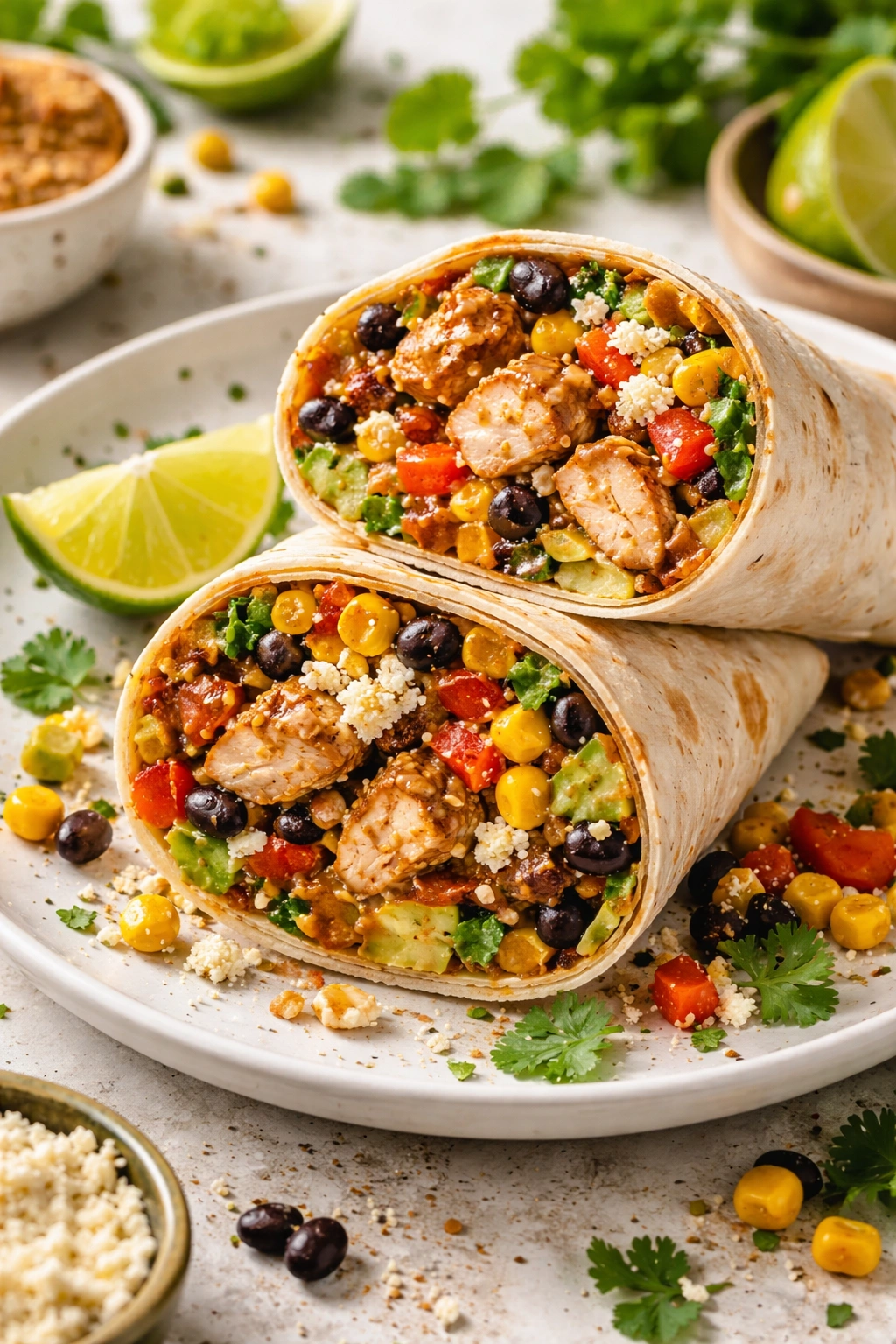
If ranch feels too familiar, southwestern seasonings deliver completely different energy. This flavor profile leans on cumin, chili powder, lime, and cilantro—ingredients that transform basic chicken into something with genuine personality.
A simple southwestern seasoning blend combines two teaspoons of cumin, one teaspoon of chili powder, half a teaspoon of garlic powder, half a teaspoon of paprika, and a quarter teaspoon of cayenne pepper. Toss this with your cooked chicken, a squeeze of lime, and a handful of chopped cilantro to create a base that instantly tastes more interesting.
To build a southwestern wrap, start with the seasoned chicken, then add black beans (a quarter cup per wrap), corn, diced red bell pepper, a small spoon of cotija cheese, and a dollop of a simple sauce made by mixing sour cream, salsa, and taco seasoning. Crumbled tortilla chips or Fritos stirred in right before wrapping add the textural contrast that makes these wraps genuinely memorable.
Southwestern wraps handle lime-forward elements beautifully—add fresh avocado (ultra-ripe is non-negotiable), jalapeño slices for those who like heat, or quick-pickled red onions for brightness. These wraps are forgiving because the bold spicing masks imperfect execution. Even if you don’t roll it perfectly, the flavors shine through.
Mediterranean-Inspired Wraps That Feel Like a Vacation in Lunch Form
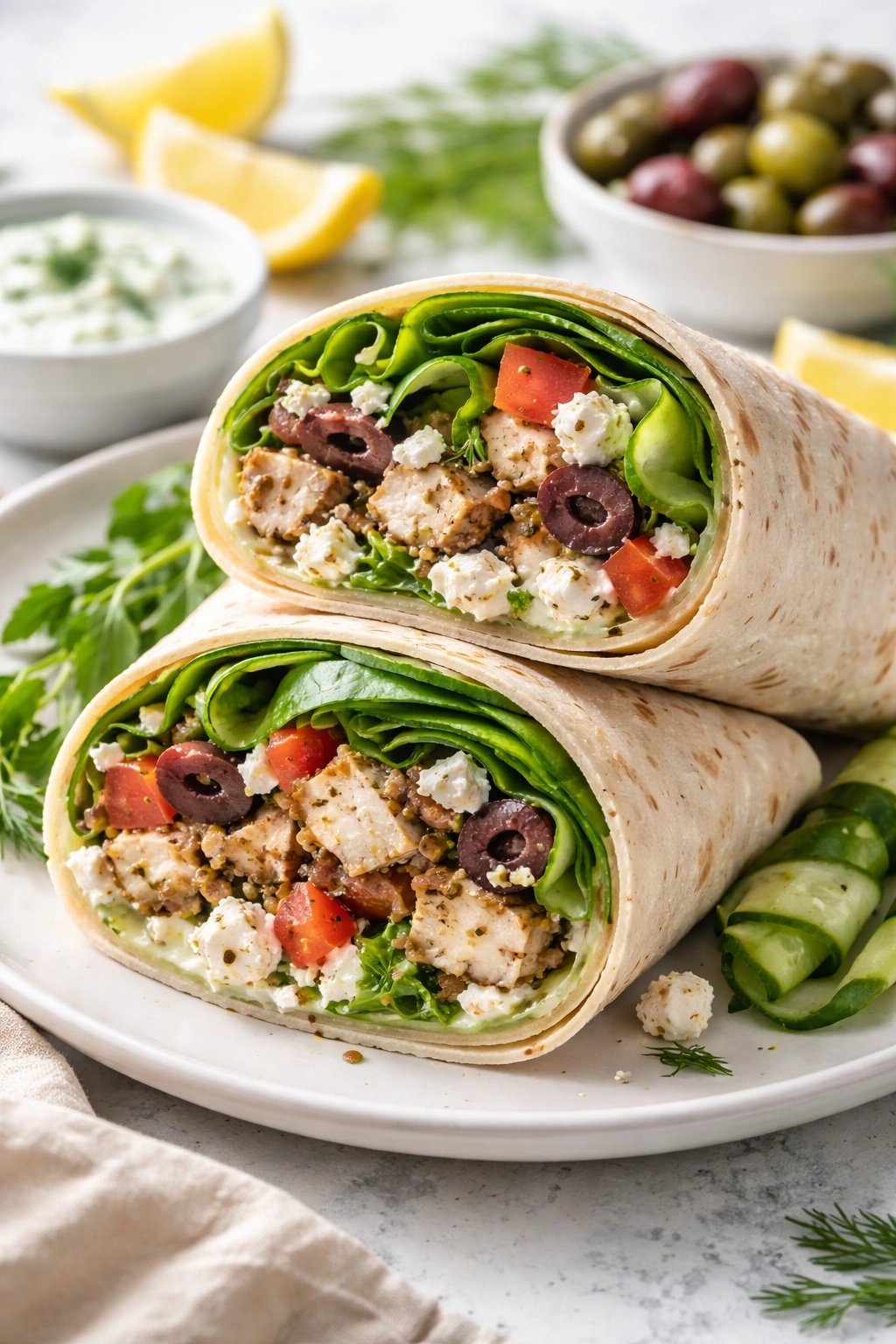
The Mediterranean flavor profile transports you instantly. Think Greek seasoning, feta cheese, olives, tomatoes, and a yogurt-based sauce. These wraps taste like they came from an actual Greek restaurant, despite taking the same 10 minutes as any other wrap.
Greek seasoning (brands like Cavender’s contain oregano, thyme, garlic, and citrus notes) serves as the magical ingredient here. Toss chicken breast pieces with three tablespoons of olive oil, a tablespoon of Greek seasoning, and roast at 425°F for 20-25 minutes until the chicken is cooked through and vegetables are caramelized, then shred.
Build your Mediterranean wrap with the Greek-seasoned chicken, crumbled feta cheese, sliced cherry tomatoes, cucumber ribbons, Kalamata olives, and fresh spinach. Top with a sauce made from equal parts plain Greek yogurt and tzatziki, or simply use store-bought tzatziki. The yogurt-based sauce keeps things light while delivering cool, herbaceous flavor that complements every other ingredient.
Fresh herbs elevate Mediterranean wraps from good to exceptional. Dill, mint, or oregano add authenticity and brightness. A small handful of fresh parsley stirred in right before serving brings freshness that tastes distinctly different from dried herbs.
Asian-Inspired Wraps with Creamy Curry Sauce
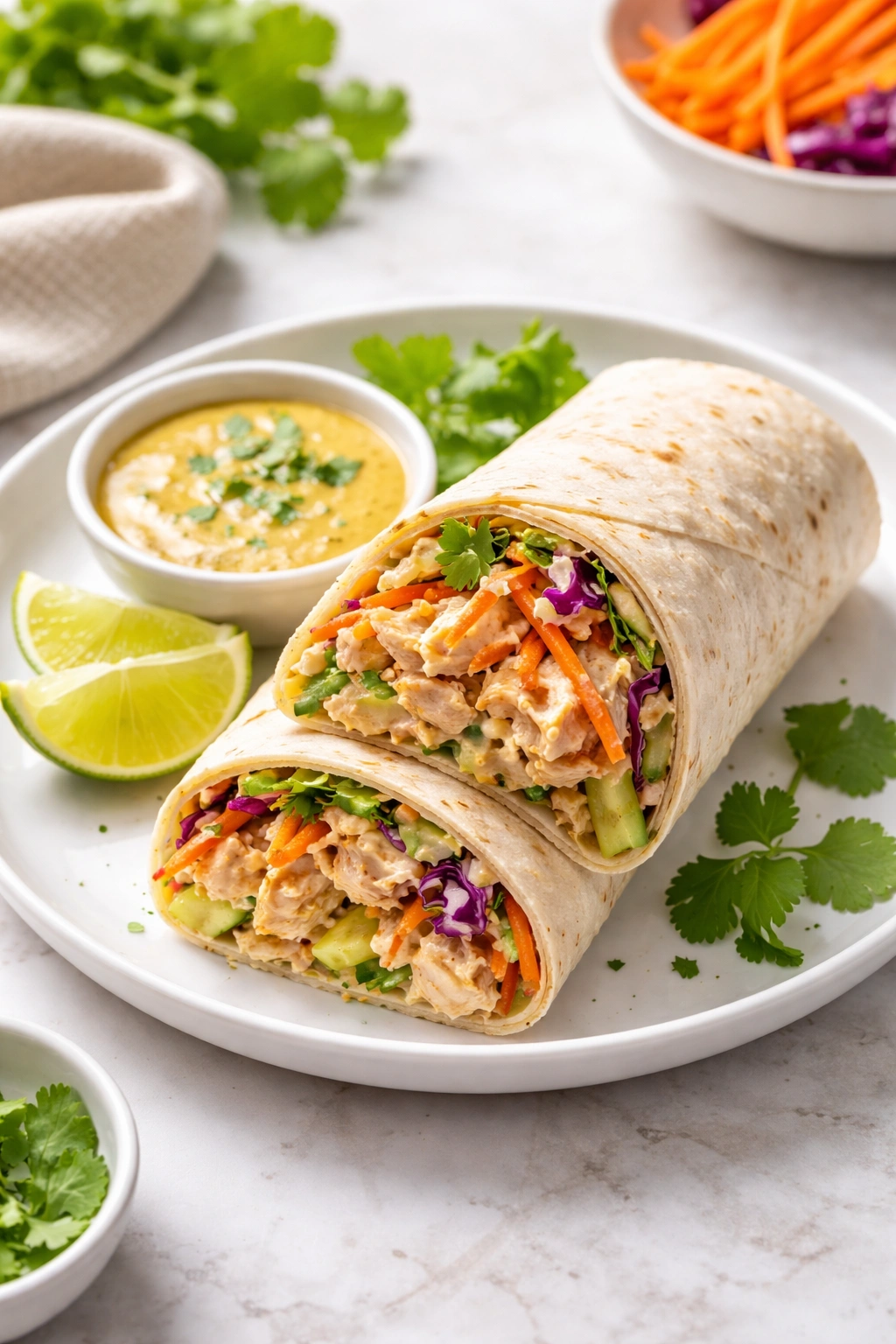
Asian-flavored chicken wraps offer completely different flavor notes—coconut, curry, ginger, and lime create warmth and complexity that feels indulgent despite being genuinely healthy.
The easiest shortcut is using rotisserie chicken with a simple curry sauce. Combine three-quarters cup of canned coconut milk, one tablespoon of red curry paste, two teaspoons of soy sauce, and one teaspoon of agave or honey, whisked until smooth. This sauce takes two minutes to assemble and transforms basic chicken into something restaurant-quality.
Build your curry wrap by spreading sauce on the tortilla, adding coleslaw mix (pre-shredded cabbage and carrots save massive prep time), shredded chicken, julienned carrots peeled into ribbon-like strands, fresh cilantro, and a few sliced green onions. For crunch, add chopped peanuts or cashews, or even crumbled crispy bacon—the combination of creamy curry sauce, cool crispy vegetables, and crunchy nuts creates textural contrast that makes these wraps genuinely addictive.
If you prefer a coconut-free option, tahini creates a similarly creamy base with nutty flavor. Whisk together a quarter cup of tahini with a quarter cup of hot water, a teaspoon of agave, and a tablespoon of curry paste or two teaspoons of curry powder. This delivers that rich, satisfying sauce without coconut.
These wraps actually improve as they sit—flavors meld overnight, making them perfect for meal prep. They stay fresh in the fridge for up to four days wrapped tightly in foil or plastic wrap.
Crispy Chicken Tenders as the Ultimate Wrap Protein
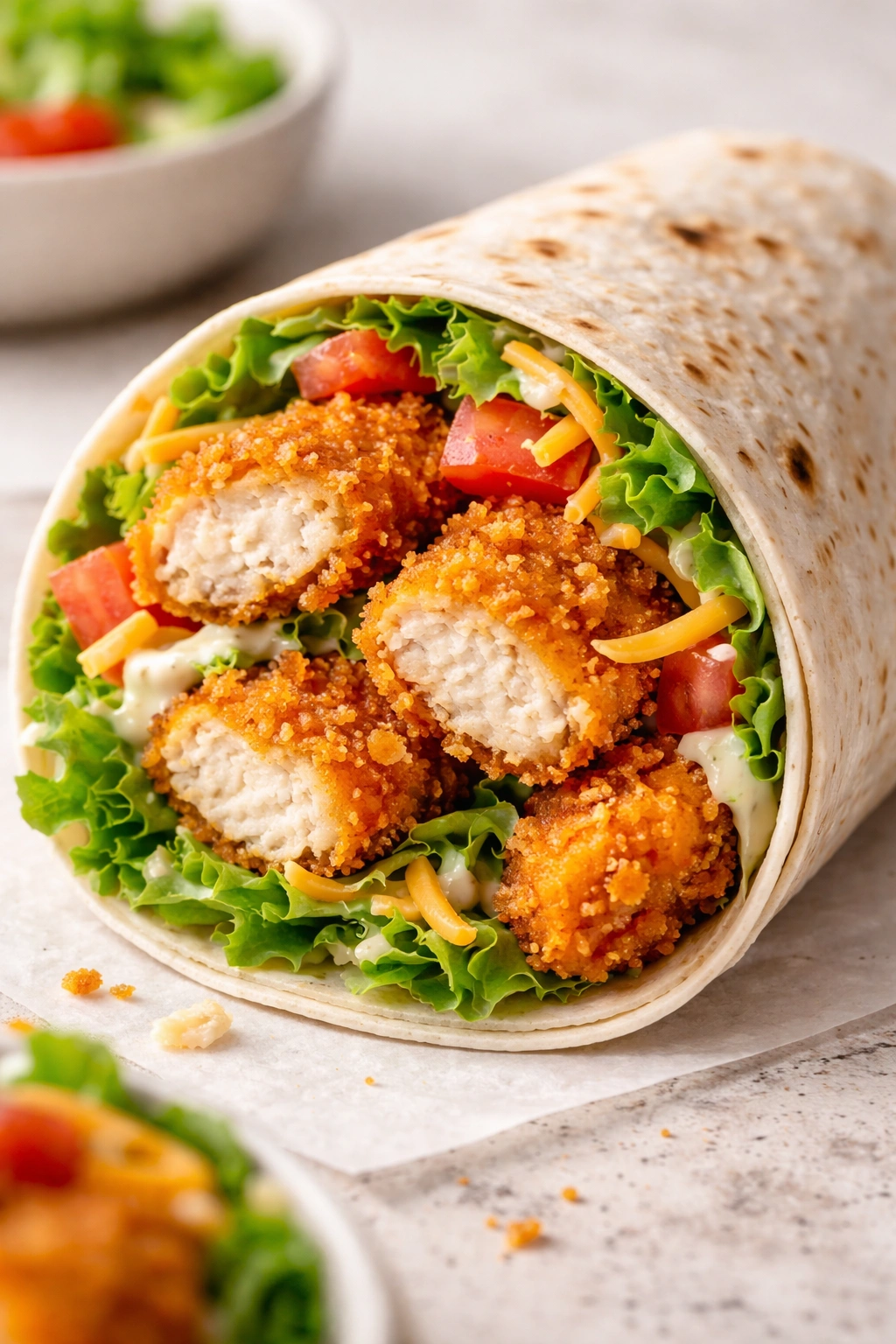
While shredded or sliced chicken works beautifully, crispy chicken tenders or strips offer textural contrast that some people prefer. The exterior crunch against soft tortilla and creamy sauce creates a dynamic eating experience.
You have three protein-preparation options: bake frozen chicken tenders following package directions (usually 12-18 minutes at 400°F), air fry them at 375°F for 12-14 minutes, or pan-fry breaded tenders in oil over medium heat for 4-5 minutes per side until golden and cooked through (internal temperature of 165°F).
A basic tender wrap needs just a few components: lettuce as a base layer, two to three crispy tenders chopped into bite-sized pieces, shredded cheddar cheese, fresh tomato slices, cucumber slices, and ranch dressing. The appeal lies in the simplicity—crispy chicken carries enough flavor that you don’t need complicated sauces to make it work.
Honey mustard transforms tenders into something more sophisticated. Combine three tablespoons of mayo, three tablespoons of Greek yogurt, one tablespoon of Dijon mustard, two tablespoons of honey, and one tablespoon of apple cider vinegar. Add crispy bacon, provolone cheese, and dressed greens with julienned carrots to create something that tastes genuinely restaurant-quality.
For a buffalo version, toss warm tenders with a mixture of buffalo sauce and melted butter (equal parts works beautifully), then build your wrap with blue cheese crumbles, shredded carrots, chopped celery, and the spicy chicken. This version truly benefits from being served warm.
Strategic Assembly: The Folding Technique That Prevents Wrap Disasters
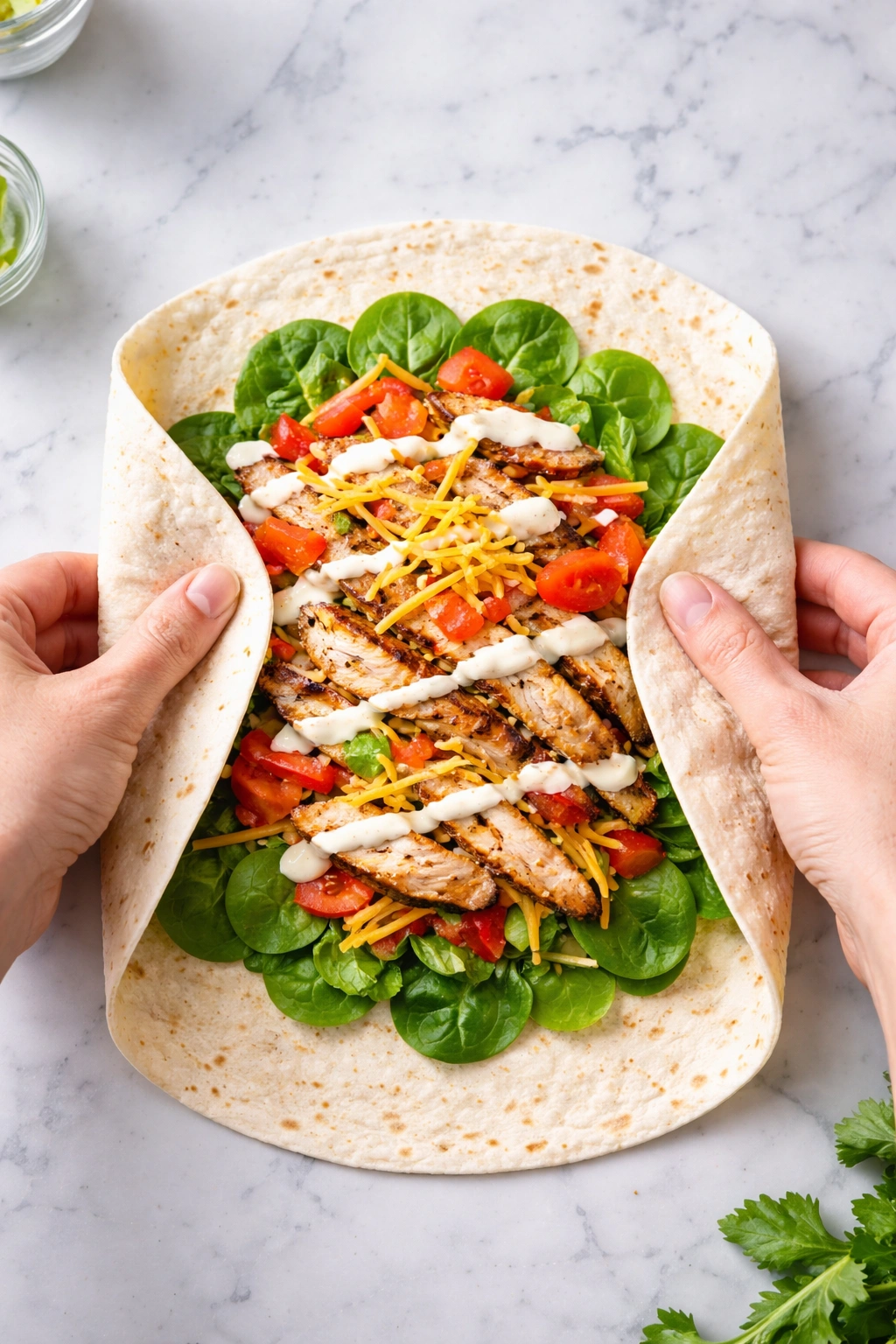
How you assemble and fold your wrap determines whether it stays together through transport or falls apart in your hands. The difference between a successful wrap and a frustrating one often comes down to technique.
Lay your tortilla on a clean, flat surface. Spread any liquid components (sauce, dressing, spreads) in a thin layer across the bottom half only, leaving a one-inch dry border on three sides. This prevents the tortilla from becoming too slippery.
Layer your ingredients in this order: sturdy greens first (acting as a moisture barrier), then protein, then vegetables, then cheese, then final sauce or dressing. Each layer should be roughly the same thickness—avoid towering stacks that create pressure points.
When you’re ready to fold, start with the two short sides: fold each side inward about two inches over the filling. Then fold the bottom edge up and over the fillings, tucking it under slightly. Finally, roll the wrap away from you as tightly as possible, maintaining tension throughout the roll. The key is tightness—this is what prevents unrolling. When you reach the top edge, press down firmly to seal, and the wrap should hold together beautifully.
If you’re serving warm, some wraps benefit from a final step: searing. Heat a lightly oiled pan or grill over medium heat, add the wrap seam-side down, and toast for 30-60 seconds per side until golden and crispy. This seals the tortilla, melts any cheese, and creates additional structural integrity.
Make-Ahead Strategies That Actually Work
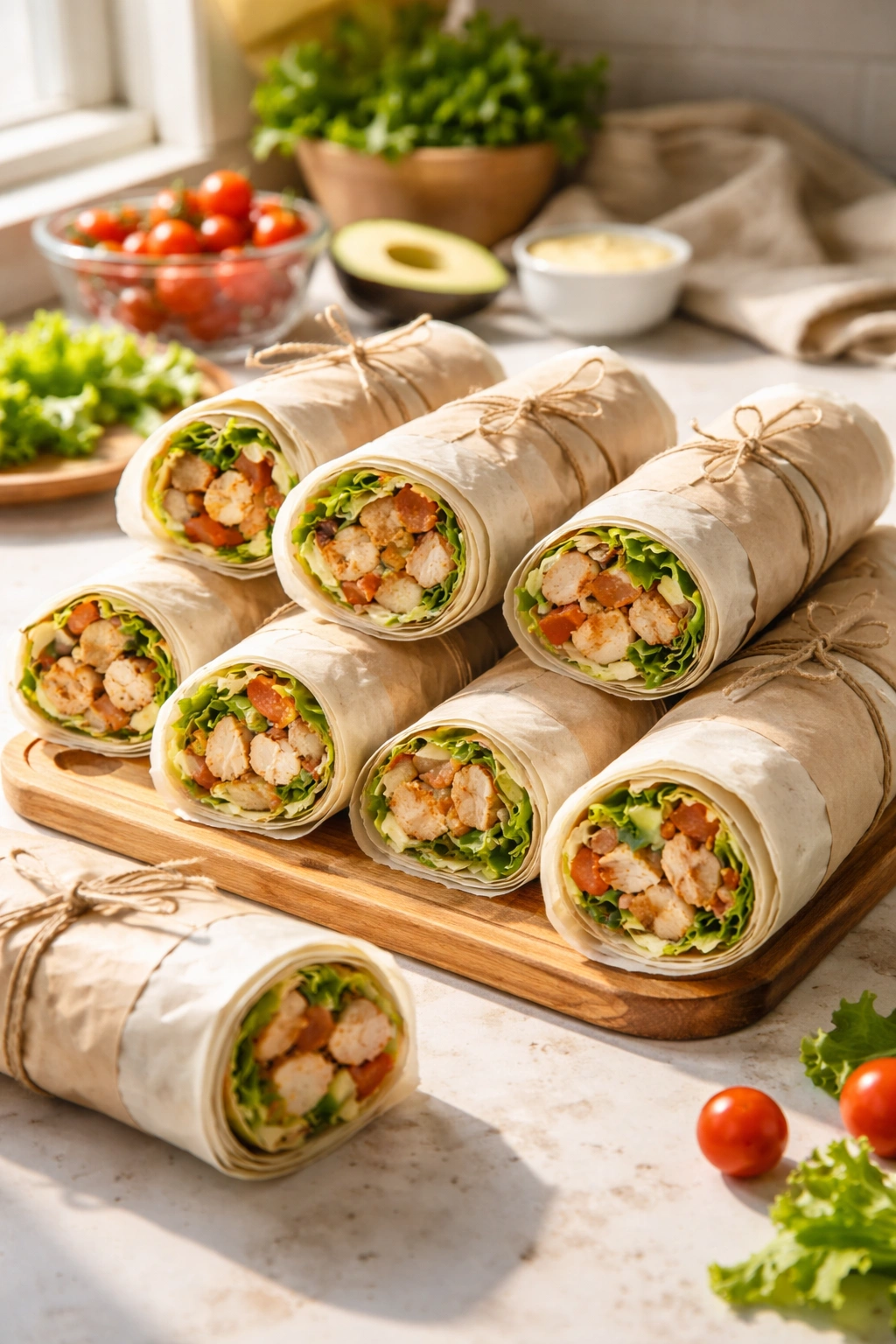
The advantage of wraps over sandwiches becomes obvious when you’re prepping lunch five days in advance. Wraps genuinely improve with time as flavors meld, but success requires strategy.
Assemble wraps completely, then wrap each individually in parchment paper, foil, or beeswax wrap. Store upright in an airtight container in the refrigerator for up to three days. The parchment prevents them from sticking together, and the upright position prevents them from becoming misshapen.
For maximum flexibility, assemble components separately: shred your chicken and store in an airtight container, prep vegetables in another container, keep sauce separate, and assemble wraps in the morning before work. This approach prevents sogginess if you’re eating the wrap after more than a few hours.
One proven strategy involves holding back the sauce. Assemble wraps completely minus the sauce, then pack a small container of dressing or sauce alongside. Add it right before eating—this guarantees maximum texture contrast and prevents soggy wraps.
If you know you’ll be eating these several days into your meal prep week, consider packing components in separate compartments: one section for the assembled-but-unrolled tortilla with dry ingredients, another section for sauce, another for fresh components. This requires 30 seconds of assembly but guarantees superior results.
Storage Secrets: Keeping Wraps Fresh and Ready
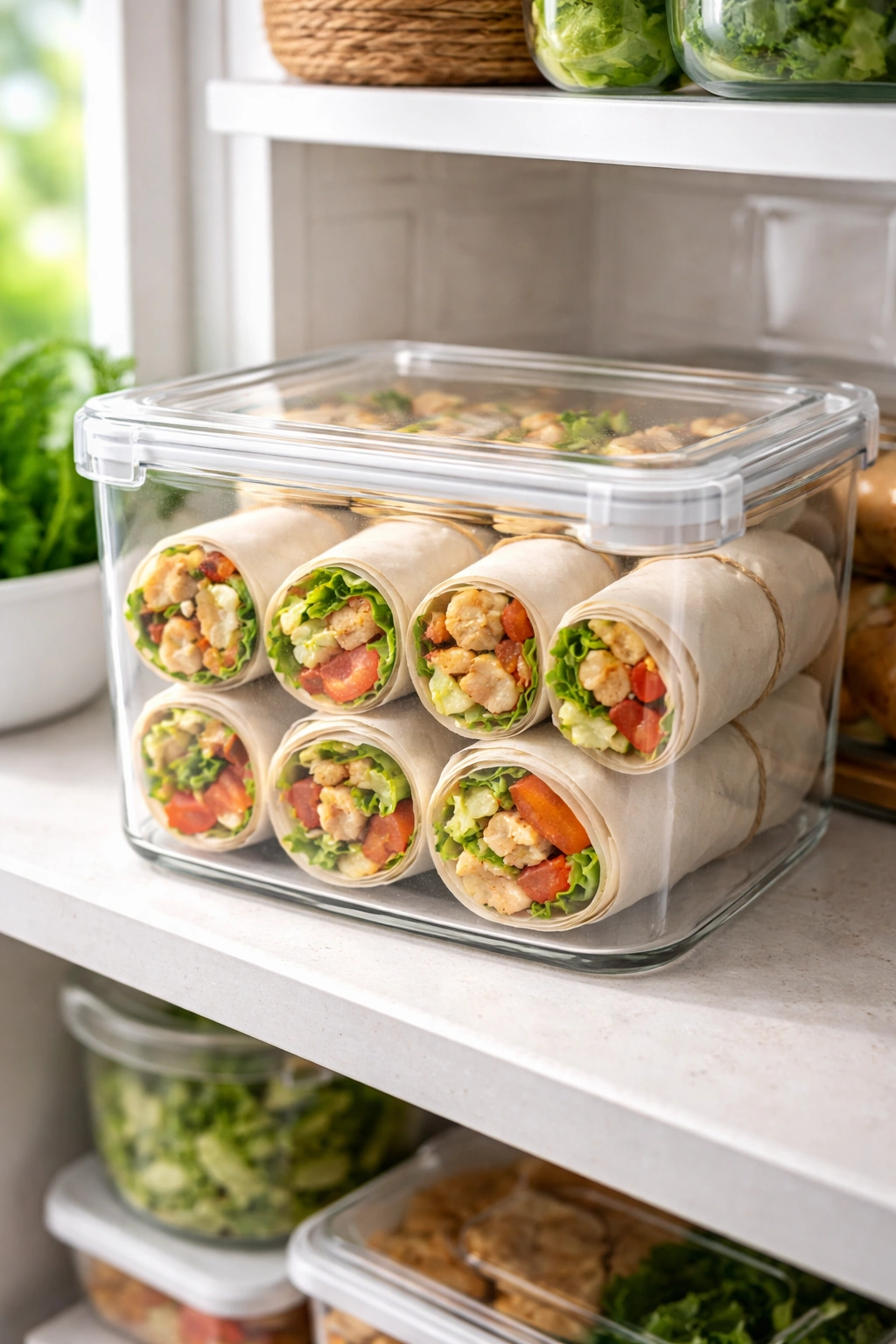
Properly stored wraps remain fresh and delicious for up to four days in the refrigerator. The key lies in airtight storage and component separation when possible.
Wrapped individually in parchment paper or foil, then placed in airtight containers or sealed bags, wraps develop a slightly softer texture as moisture equilibrates—this actually improves some wraps. The tortilla becomes more pliable, flavors deepen, and you lose that raw ingredient taste.
If you’re packing wraps cold for a lunch box, include a small ice pack right beside the wrapped wraps. This maintains food safety and ensures they’re genuinely cold at lunchtime. Wraps don’t require reheating, which is why they’re so convenient, but they do need to stay properly chilled.
For longer storage, wraps can be frozen for up to two months. Wrap individually in plastic wrap, place in a freezer-safe container, and label with the date and contents. Thaw overnight in the refrigerator before eating. Note that fresh vegetables get slightly softer after freezing, so if you’re freezing wraps, consider using fewer raw vegetables and relying more on proteins, cheese, and sauce.
Customization Ideas That Transform Your Wrap Routine
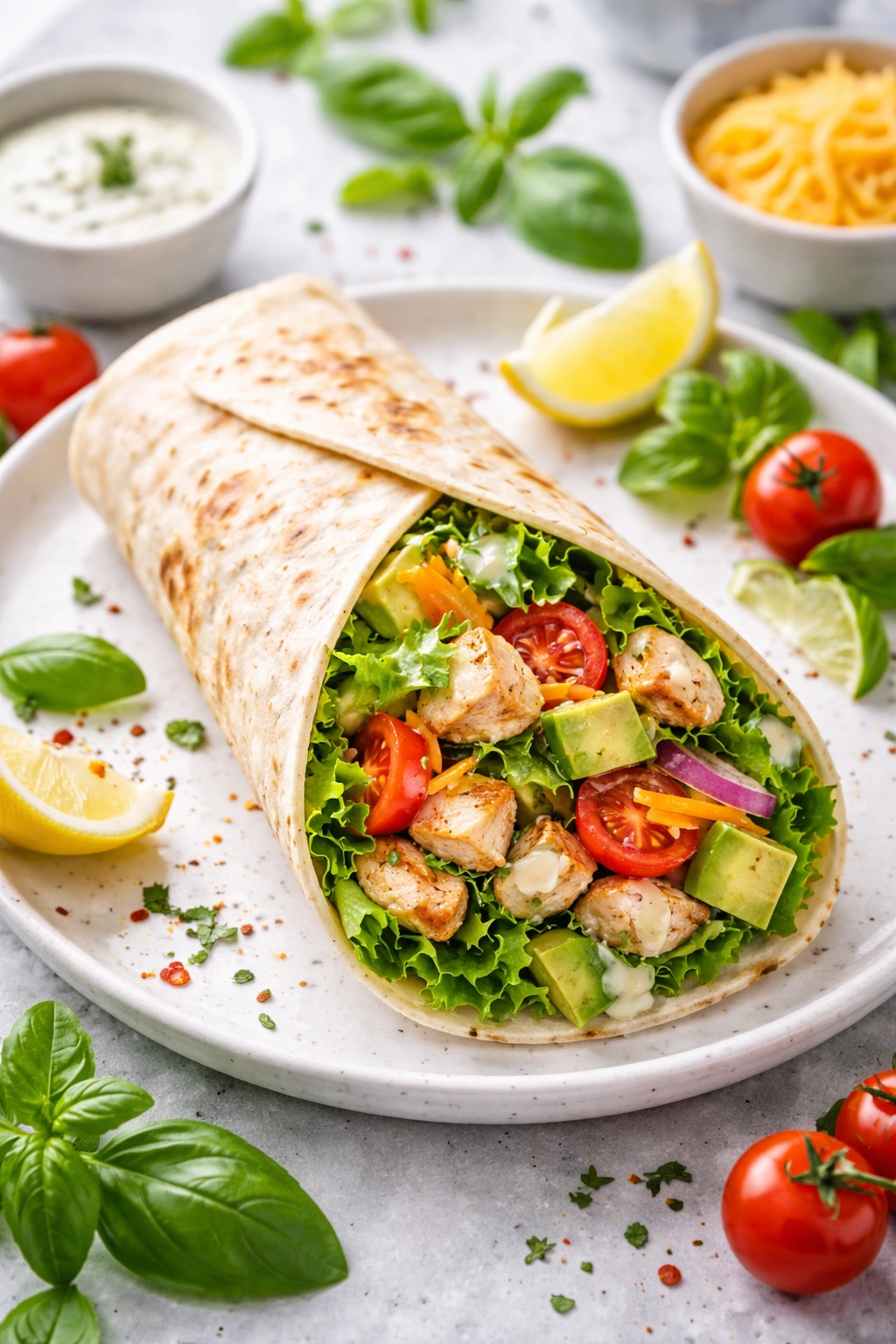
Once you understand the wrap framework, customization becomes obvious. The foundation is always the same—protein, greens, vegetables, cheese, sauce—but variations are infinite.
Try a Buffalo Chicken Wrap by mixing shredded rotisserie chicken with buffalo sauce, then adding blue cheese crumbles, shredded carrots, chopped celery, and romaine lettuce. This tastes like buffalo wings in wrap form.
A Caesar Wrap combines shredded rotisserie chicken, romaine lettuce, shaved Parmesan, cherry tomatoes, and classic Caesar dressing. For added crunch, tear in some croutons right before eating, or store them separately to add at lunchtime.
A Caprese-Inspired Wrap uses fresh mozzarella, cherry tomatoes, fresh basil, balsamic glaze, and grilled or rotisserie chicken. This feels light and summery while remaining surprisingly filling.
A BBQ Chicken Wrap combines shredded chicken mixed with BBQ sauce, shredded cheddar, corn kernels, red onion, and ranch dressing. This delivers sweet-savory-spicy balance in every bite.
A Pesto Chicken Wrap uses chicken mixed with prepared pesto, sun-dried tomatoes, fresh spinach, roasted red peppers, and provolone cheese. This feels sophisticated despite being just as simple as other variations.
Dressing and Sauce Options That Elevate Everything
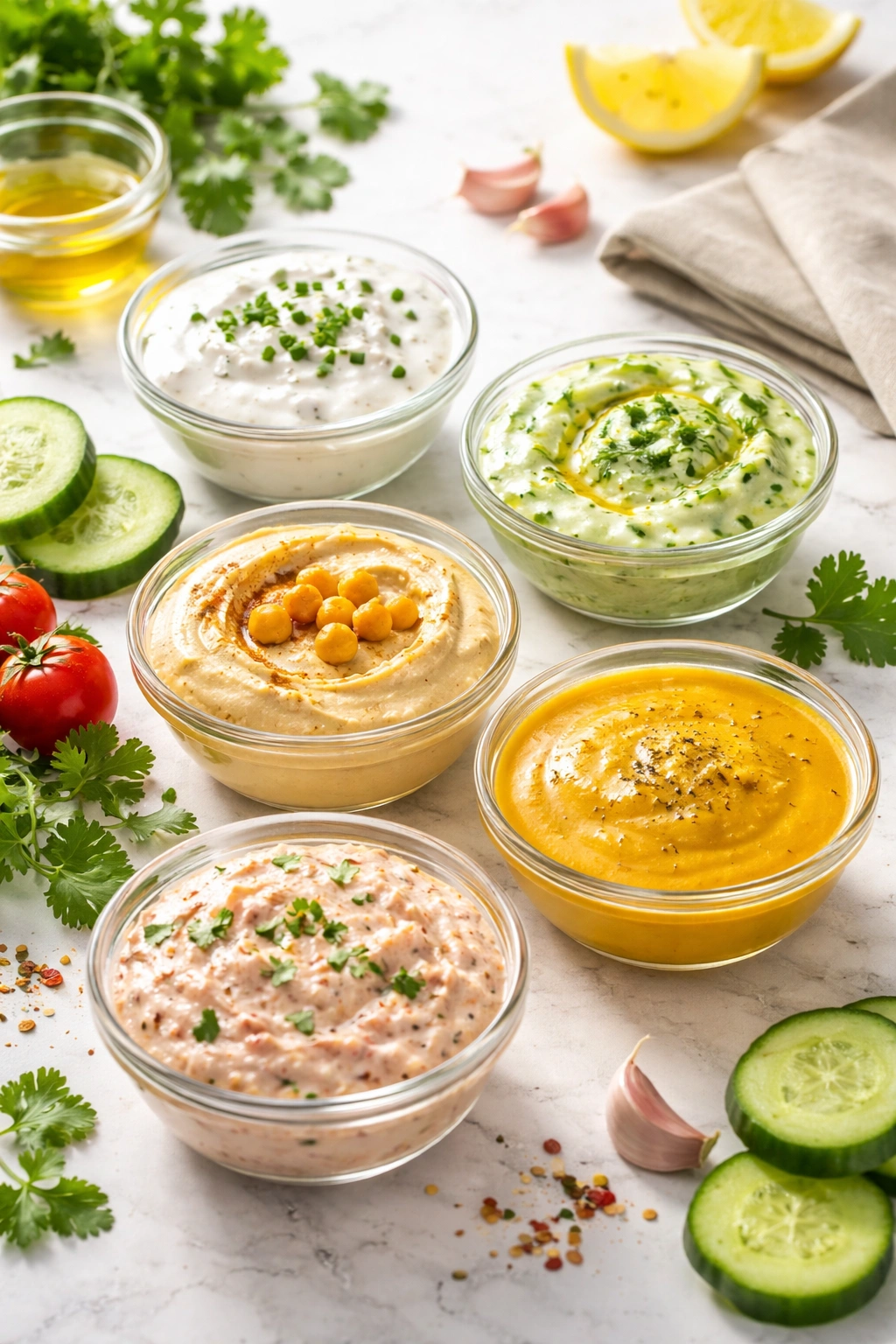
The sauce or dressing is what transforms adequate wraps into genuinely crave-worthy lunches. While ranch serves as the reliable default, the possibilities extend far beyond it.
Tzatziki offers cooling contrast to spiced chicken. This yogurt-based Greek sauce comes together in seconds: stir together Greek yogurt, grated cucumber (squeezed dry), minced garlic, lemon juice, dill, and salt.
Hummus creates a different kind of creaminess—nutty, earthy, and protein-rich. Mix hummus with a splash of olive oil and a squeeze of lemon juice to make it spreadable, then use as your tortilla base. It’s particularly excellent in Mediterranean and Middle Eastern-inspired wraps.
Honey mustard brings sweetness and tang. Store-bought works, but homemade delivers superior flavor: whisk together equal parts mayo and Greek yogurt with Dijon mustard, honey, apple cider vinegar, and a pinch of salt. Add hot sauce or sriracha for complexity.
Simple salsa mixed with cream cheese creates a bright, slightly spicy sauce that works beautifully with southwestern-flavored chicken. The cream cheese adds body and helps distribute the salsa evenly without making the wrap too wet.
Oil and vinegar dressing offers the lightest option. Whisk together three parts olive oil with one part balsamic or red wine vinegar, add minced garlic, Dijon mustard, and herbs. This creates brightness without heaviness.
Quick Flavor Boosters That Make Wraps Feel Restaurant-Quality
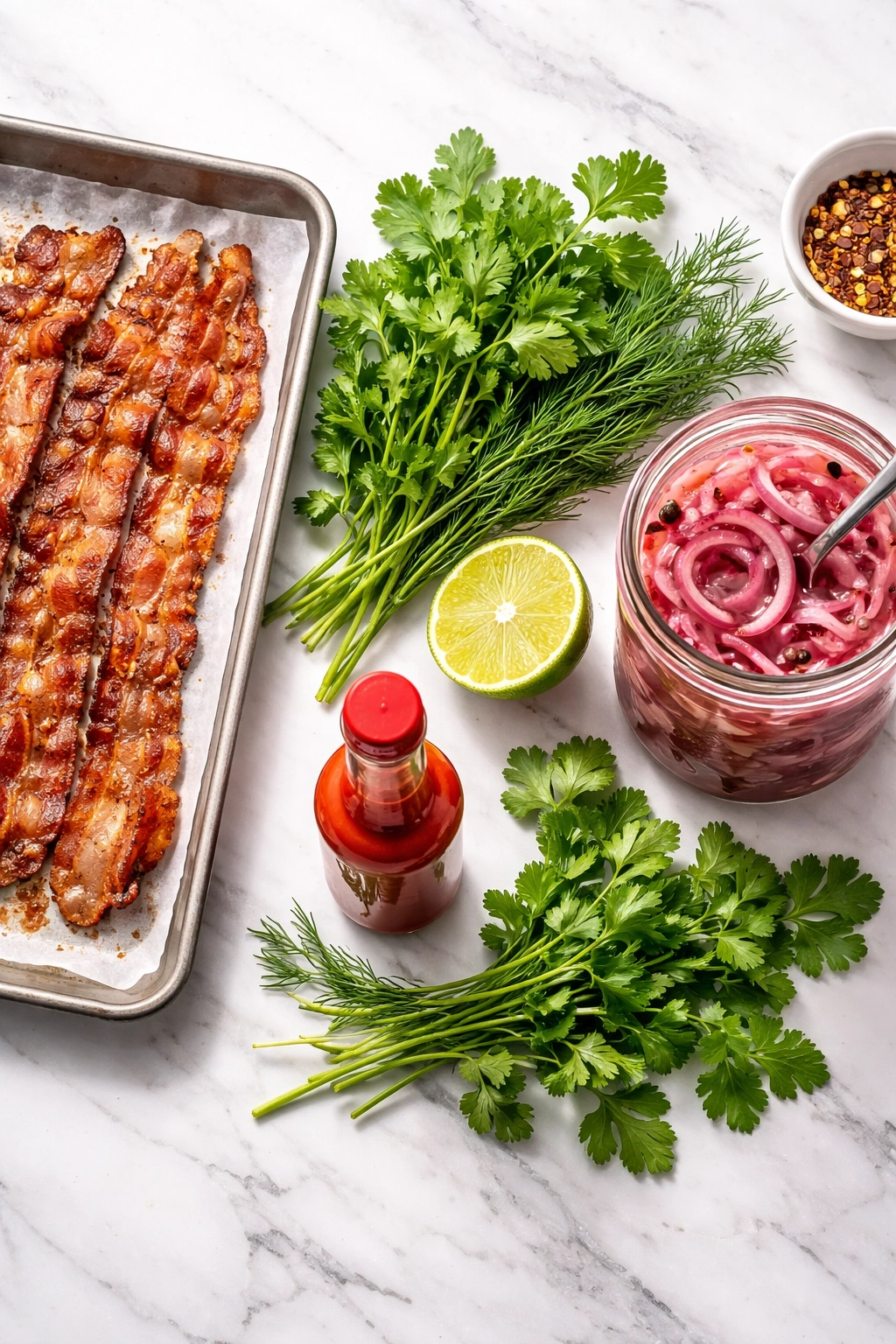
Small additions create disproportionate flavor impact. These add-ins take seconds but transform adequate wraps into something genuinely memorable.
Crispy bacon (roughly one-third of a slice per wrap) adds salty crunch that works with almost any flavor profile. Bake a whole package on a sheet pan, store in an airtight container for up to five days, and tear off pieces as needed.
Fresh herbs—cilantro, parsley, basil, or dill—bring brightness and freshness that tastes distinctly different from dried herbs. Add just before assembly, not hours in advance.
Lime juice (about a half teaspoon squeezed over the filling) brightens everything, particularly Mexican and Asian-inspired wraps. It takes 10 seconds but noticeably elevates flavor.
Hot sauce or sriracha mixed into your sauce base adds complexity and subtle heat. Start with a quarter teaspoon, taste, and add more if desired.
Quick-pickled vegetables add textural contrast and acidic brightness. Create these by combining equal parts white vinegar and water with a teaspoon of salt and half a teaspoon of sugar. Add thin red onion slices, let sit for 15 minutes, then add to wraps. These keep in the fridge for two weeks.
Sides and Pairings That Complete the Lunch Experience
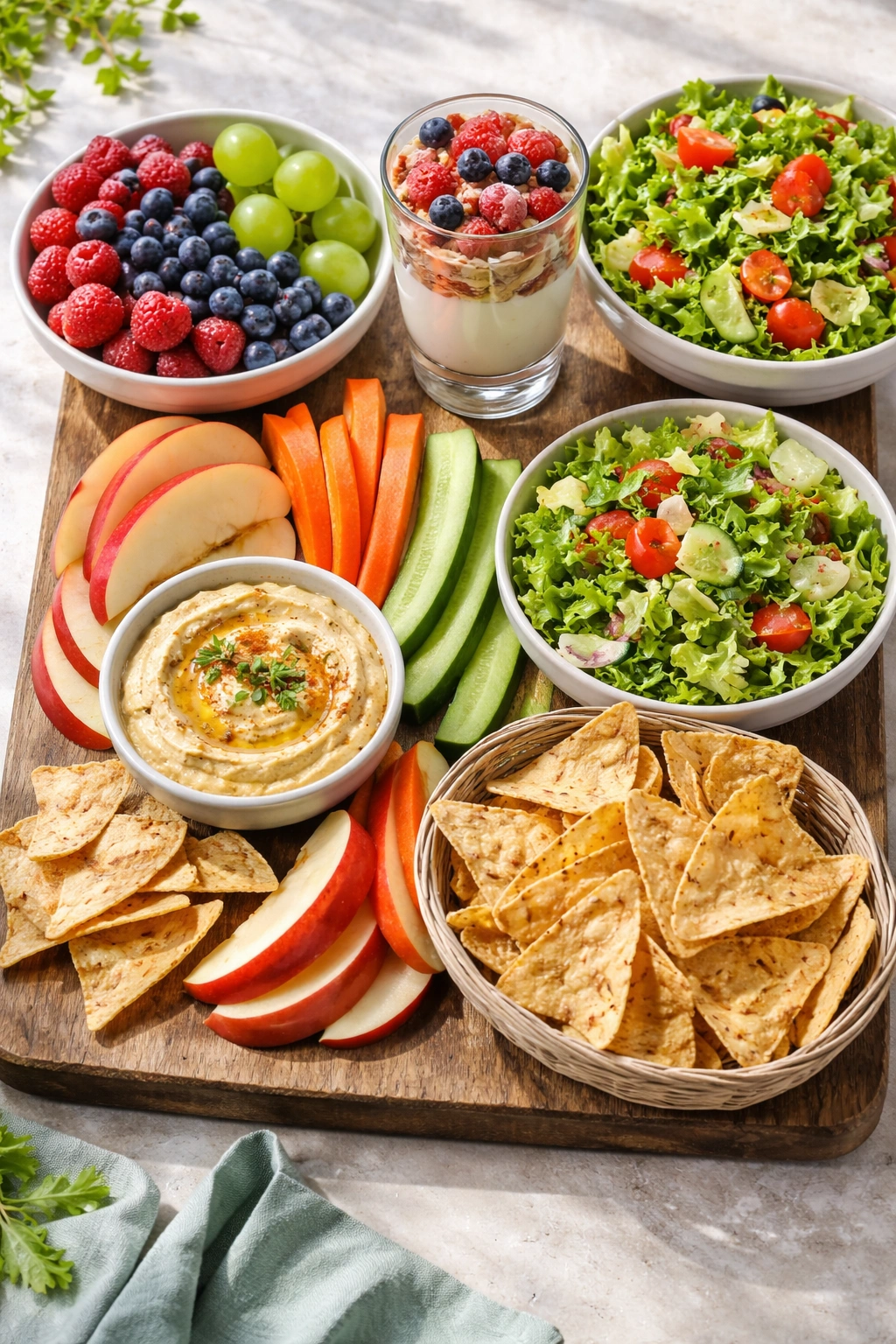
A wrap is a complete meal on its own, but strategic sides transform it into something more impressive and satisfying.
Fresh fruit provides natural sweetness and hydration. Grapes, berries, apple slices, or melon complement wraps beautifully without competing with their flavors.
Veggie sticks with hummus or ranch offer additional crunch and vegetables while keeping the meal light. Cherry tomatoes, bell pepper slices, cucumber rounds, and snap peas work beautifully.
Chips or crisps add contrast—consider baked versions to keep calories reasonable. Tortilla chips work particularly well with southwestern wraps, while regular potato chips pair with ranch-based wraps.
A simple salad with vinaigrette creates additional vegetables and brightness without heaviness. Greens tossed with a light dressing and fresh vegetables round out the meal.
Greek yogurt parfait with granola and berries offers protein and natural sweetness, preventing mid-afternoon energy crashes. The cool, creamy texture contrasts nicely with the warm spiced flavors some wraps offer.
Final Thoughts
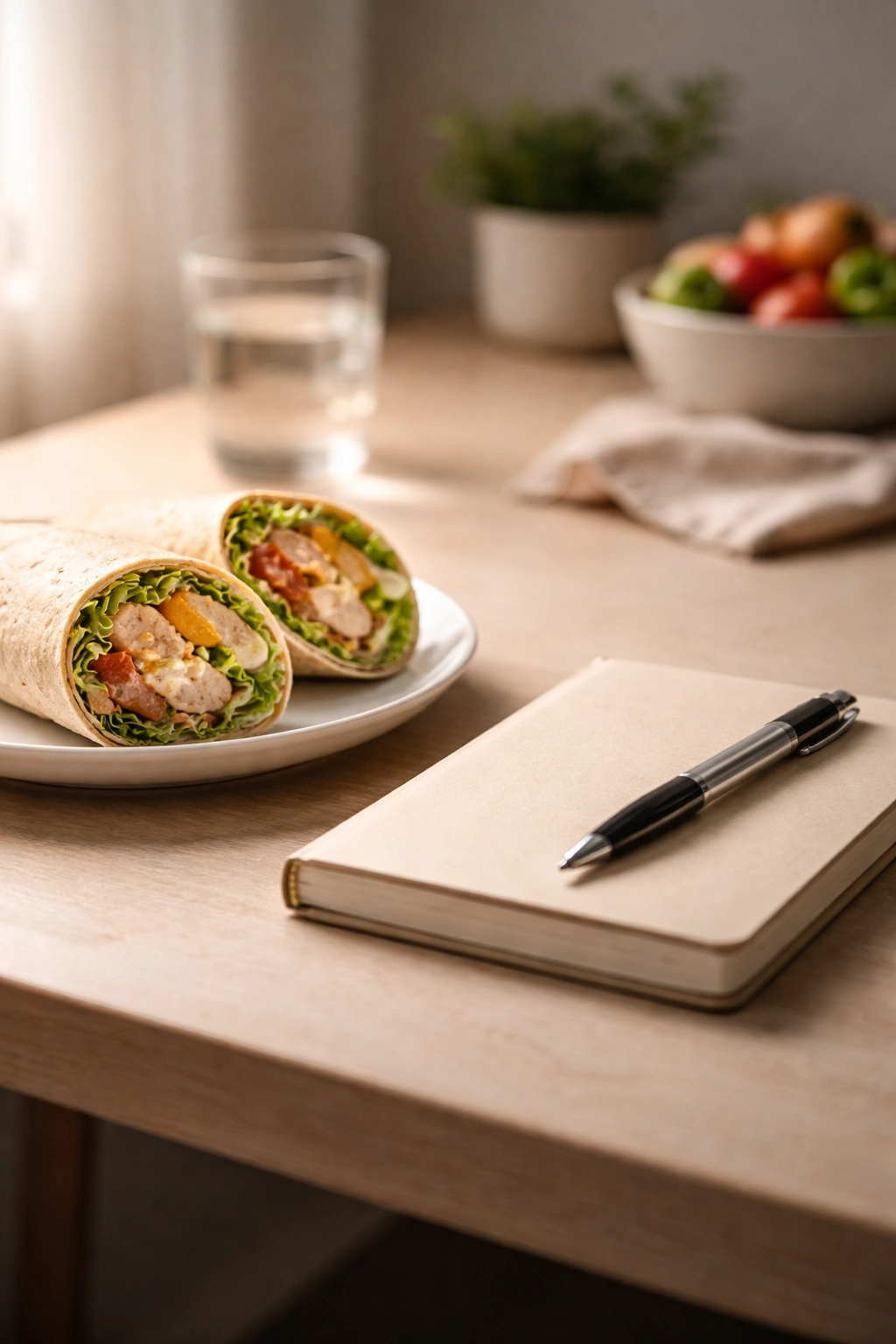
Chicken wraps represent the intersection of convenience, flavor, and nutrition that makes weekday lunches actually enjoyable rather than just functional. The fundamental simplicity—protein, vegetables, sauce, and tortilla—belies the endless variations possible once you understand how flavors and textures work together. Whether you’re prepping five wraps Sunday evening or assembling one fresh this morning, the strategies outlined here guarantee better results and more satisfaction.
The magic of wraps lies partly in their portability and partly in how they improve as they sit, flavors melding overnight into something more complex than their individual ingredients. They won’t fall apart in your lunch bag, they won’t require microwave reheating, and they taste just as good at 2 p.m. as they did when you assembled them at 7 a.m. Once you develop a personal rotation of three or four favorite flavor combinations, making lunch becomes second nature—a five-minute process that sets up your entire day for better energy and sustained focus.
