



There’s something almost magical about pulling a bubbling lasagna from the oven—the aroma alone tells you that you’ve created something special. But making lasagna completely from scratch, with nothing but whole ingredients and time, elevates this classic Italian-American comfort food to something genuinely extraordinary. This isn’t about opening jars or cans; it’s about building layers of flavor from the ground up, understanding exactly what goes into every bite, and creating a dish that tastes infinitely better than anything store-bought could ever deliver.
Homemade lasagna might seem intimidating, but the truth is that each component is straightforward. You’re making a slow-simmered meat sauce, a creamy cheese filling, and layering them with fresh pasta. There are no shortcuts here, but there’s also no mystery. What makes it worthwhile is that every element contributes real flavor—the beef and sausage developing depth through careful browning, the tomato sauce simmering long enough to meld all its components, the ricotta mixture binding with eggs into something genuinely creamy. By the end, you’ll have made something that your family will request again and again.
Why Make Lasagna From Scratch Deserves Your Time
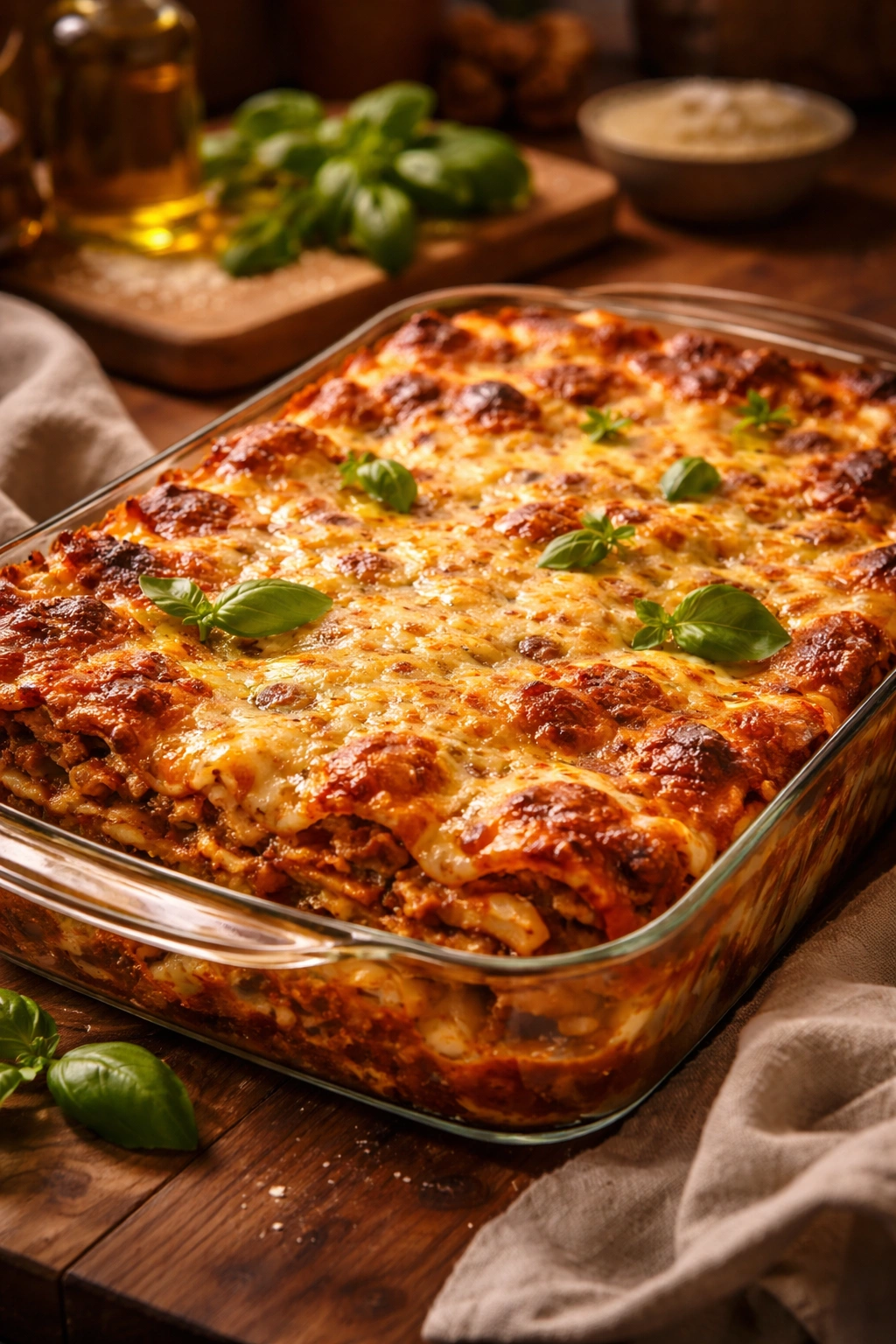
Store-bought lasagna sits somewhere between convenience and regret. The sauce often tastes thin and one-dimensional, the cheese layer can be rubbery, and the whole thing sometimes finishes baking before it’s even hot all the way through. Making lasagna from scratch changes everything.
When you start with raw ground beef and Italian sausage, you control the quality and fat content. You brown the meat properly, letting it develop that savory crust before the sauce even arrives. You taste and adjust seasonings as you go—adding a pinch of sugar to balance acidity, a splash of red wine for depth, fresh herbs at the end for brightness. This is how you end up with a sauce that tastes like it’s been simmering all day, even if you’ve only given it an hour.
The cheese layer isn’t an afterthought either. When you combine creamy ricotta with sharp Parmesan and bind it with an egg, you get something cohesive that actually adds to the dish rather than just filling space. The mozzarella melts into the layers and also browns on top, creating that essential golden crust that seals everything in.
Most importantly, making lasagna from scratch means you’re actually building it the way it was meant to be made. You’re not fighting against inferior ingredients or trying to work within the limitations of pre-packaged versions. You’re in complete control of every element, which means you can make it exactly as good as your skill and care allow—and that’s genuinely good.
The History and Tradition of Lasagna
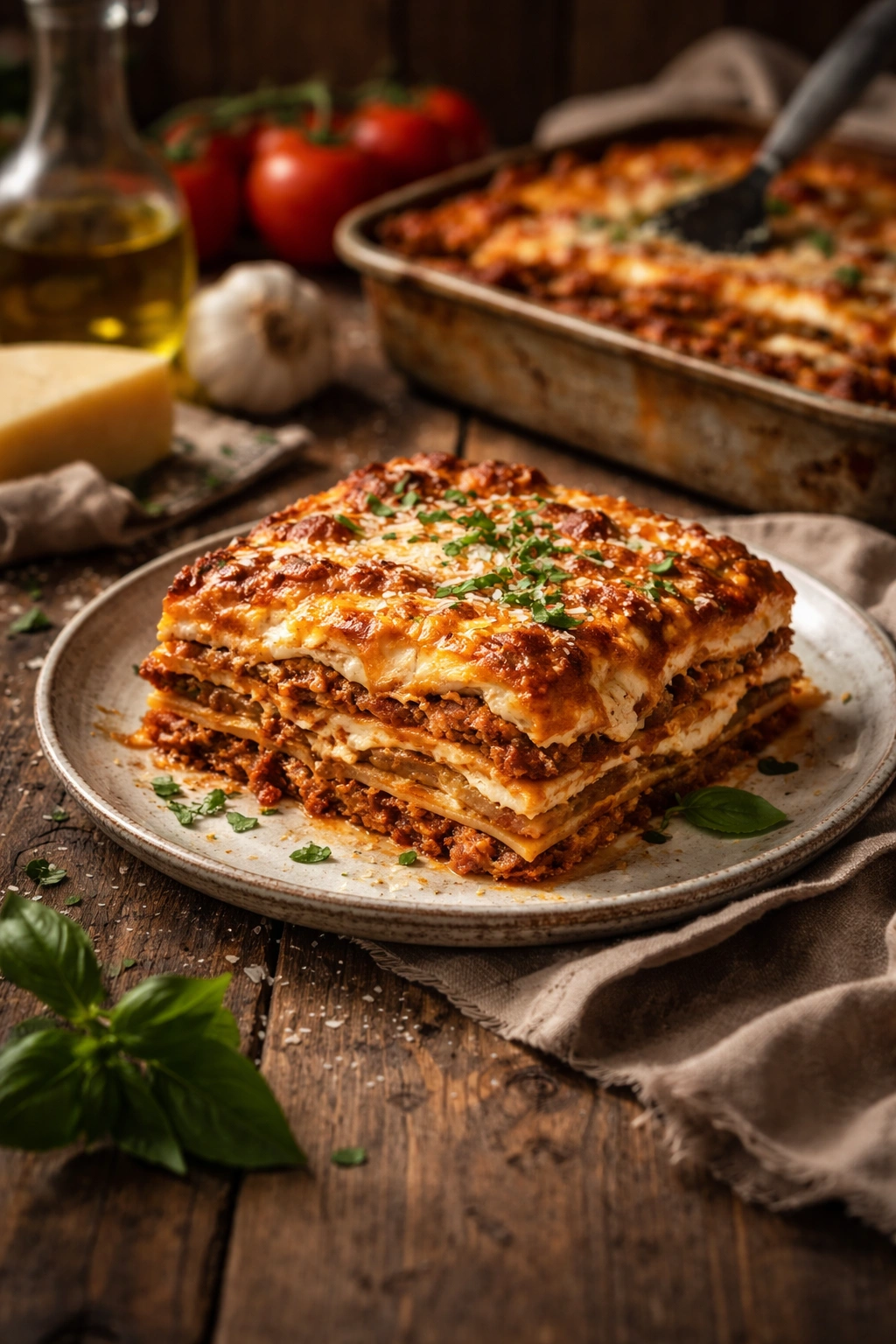
Lasagna has an interesting story. While most people think of it as Italian, the version we know today actually became iconic in Italian-American communities. The modern layered lasagna with meat sauce and cheese is distinctly an Italian-American creation, born when Italian immigrants adapted their culinary traditions to available ingredients in the United States.
In Northern Italy, lasagna often features béchamel—a creamy white sauce—rather than ricotta. In Southern Italy and Sicily, versions tend to be simpler, sometimes with just sauce and cheese. But when Italian families arrived in America and had access to abundant ground beef, affordable dairy, and canned tomatoes, they developed the rich, meaty, cheesy version that became a staple at family dinners and Italian restaurants across the country.
What’s fascinating is how universal it became. Lasagna transcends its regional origins—it’s equally at home on a holiday table, a weeknight dinner, or as a dish brought to a potluck or to someone who just had a baby. There’s something about its generosity—the way it feeds a crowd, the way it improves with time, the way leftovers actually taste better the next day—that makes it feel essential to American family cooking.
Making it from scratch isn’t about recreating some ancient Italian recipe. It’s about understanding what makes this dish work: the balance between savory meat, bright tomato, creamy cheese, and tender pasta, all building together into something greater than any single component.
Understanding the Three Key Components
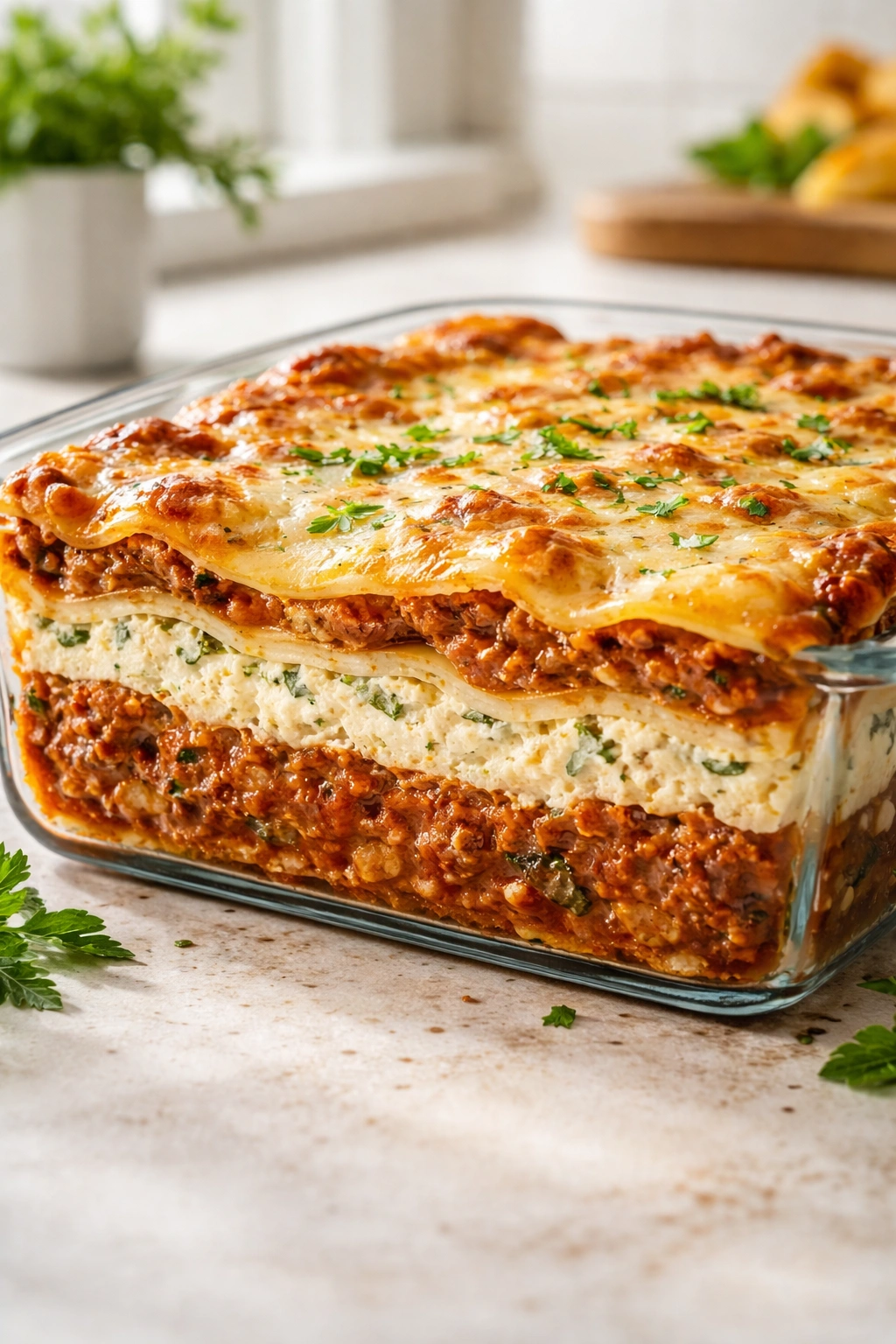
Every great lasagna rests on three pillars: the meat sauce, the cheese filling, and the pasta. Understanding how each one works, and how they work together, is what separates a good lasagna from an exceptional one.
The meat sauce is the foundation. This isn’t a quick tomato sauce with some meat thrown in—it’s a slow-simmered ragu where the beef and sausage actually contribute their flavor to the tomato base, creating something rich and deeply savory. The sauce should be thick enough to coat a spoon but still sauce-like enough to distribute throughout the layers. This usually means simmering for at least 45 minutes, allowing the flavors to meld and the acidity of the tomatoes to soften.
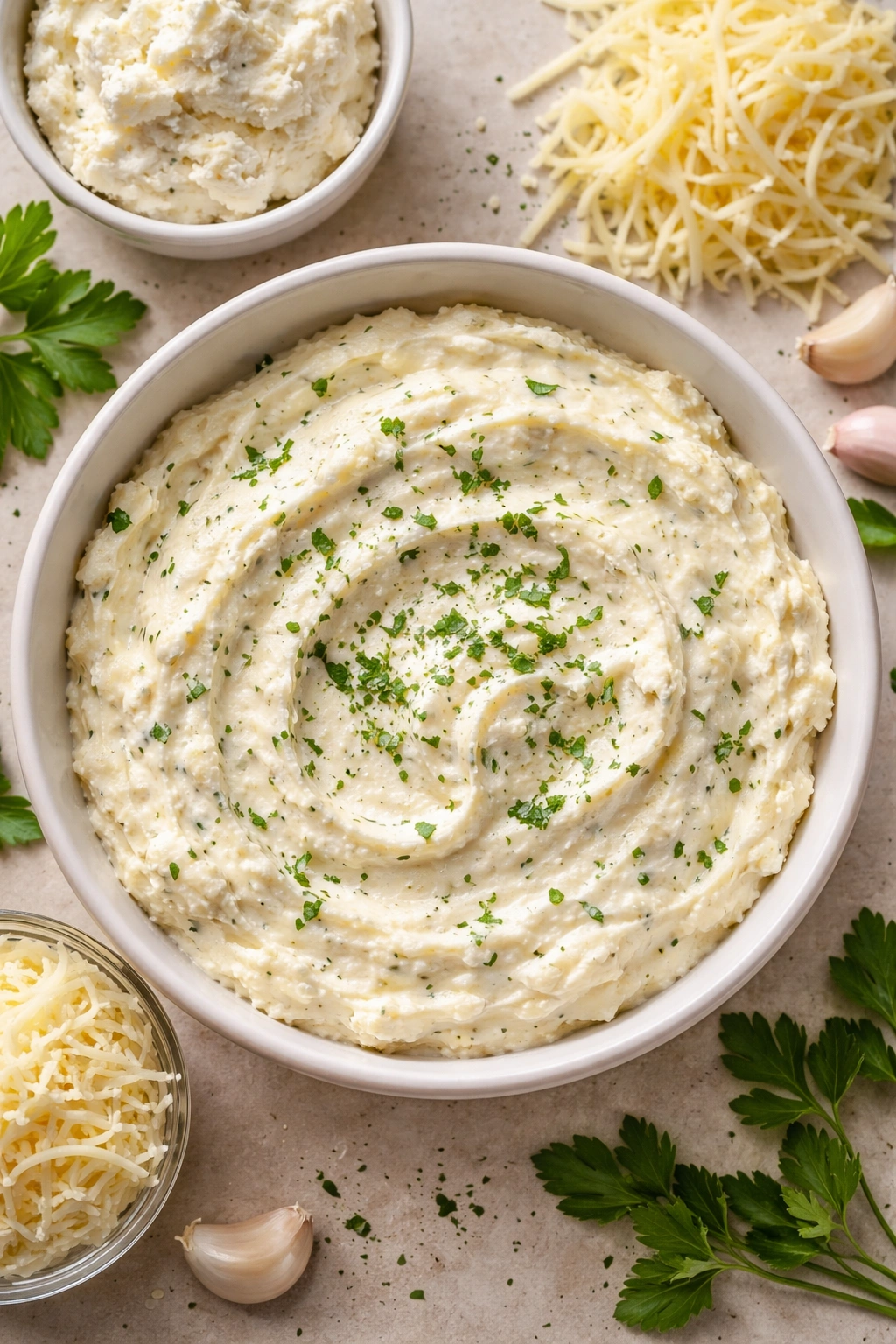
The cheese filling is texture and richness. Ricotta is the base—it’s mild, creamy, and neutral enough not to overpower the other elements. Parmesan adds sharpness and saltiness. Mozzarella provides that melty, gooey quality. An egg binds everything together and adds a subtle richness. The ratio matters here: too much cheese and the dish becomes one-dimensional; too little and you lose that essential creamy layer between the pasta and sauce.
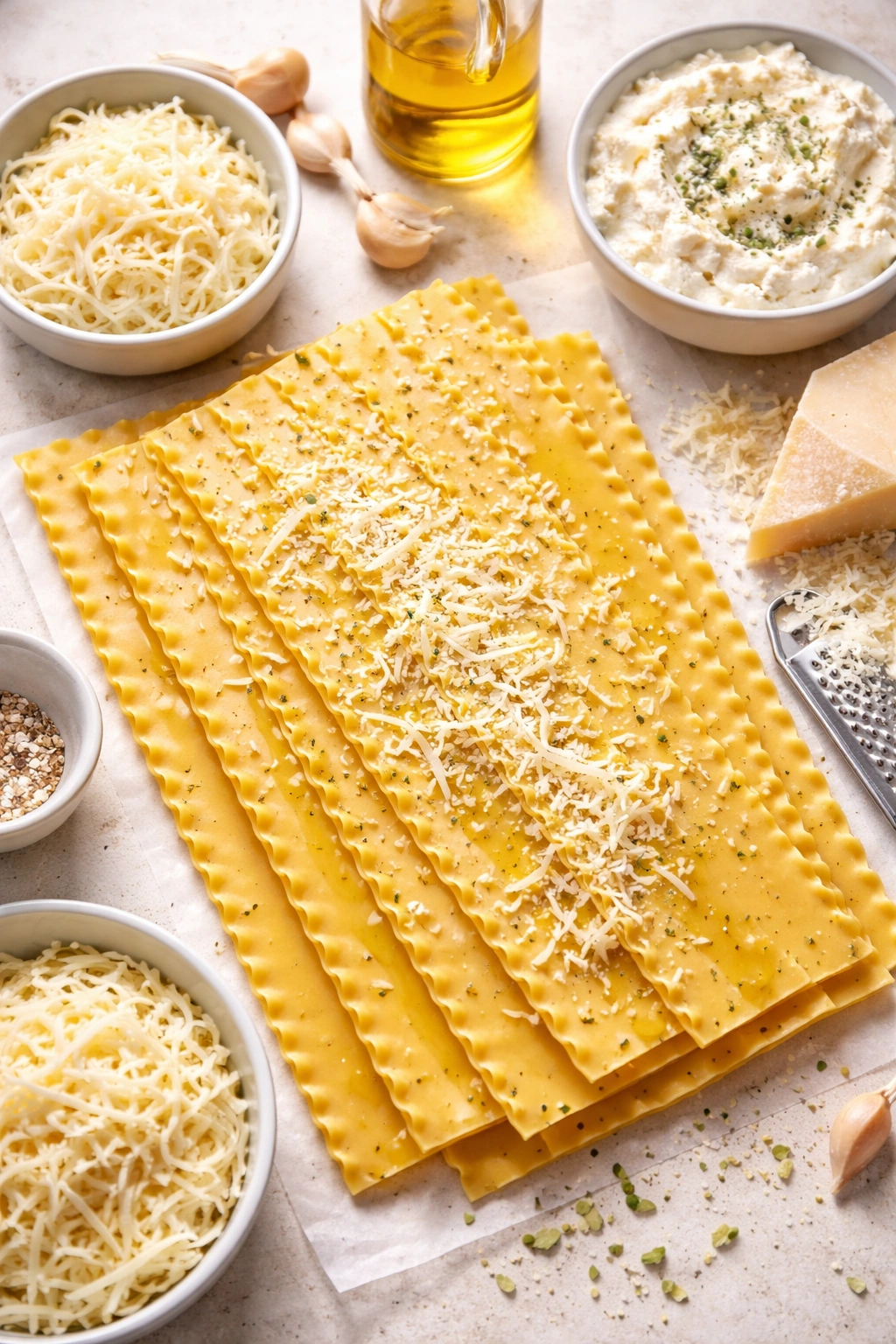
The pasta is the structure. Lasagna noodles need to be cooked to just al dente—firm enough to hold their shape when layered, but tender enough to be pleasant to eat. Undercooked and they’ll remain hard in places; overcooked and they’ll turn to mush. The pasta also needs to be dry before layering, otherwise it traps too much moisture and the lasagna becomes soupy.
When these three elements are balanced—a rich, deeply flavored sauce; a creamy, well-seasoned cheese layer; and properly cooked pasta—the result is greater than the sum of its parts.
Making the Perfect Meat Sauce From Scratch
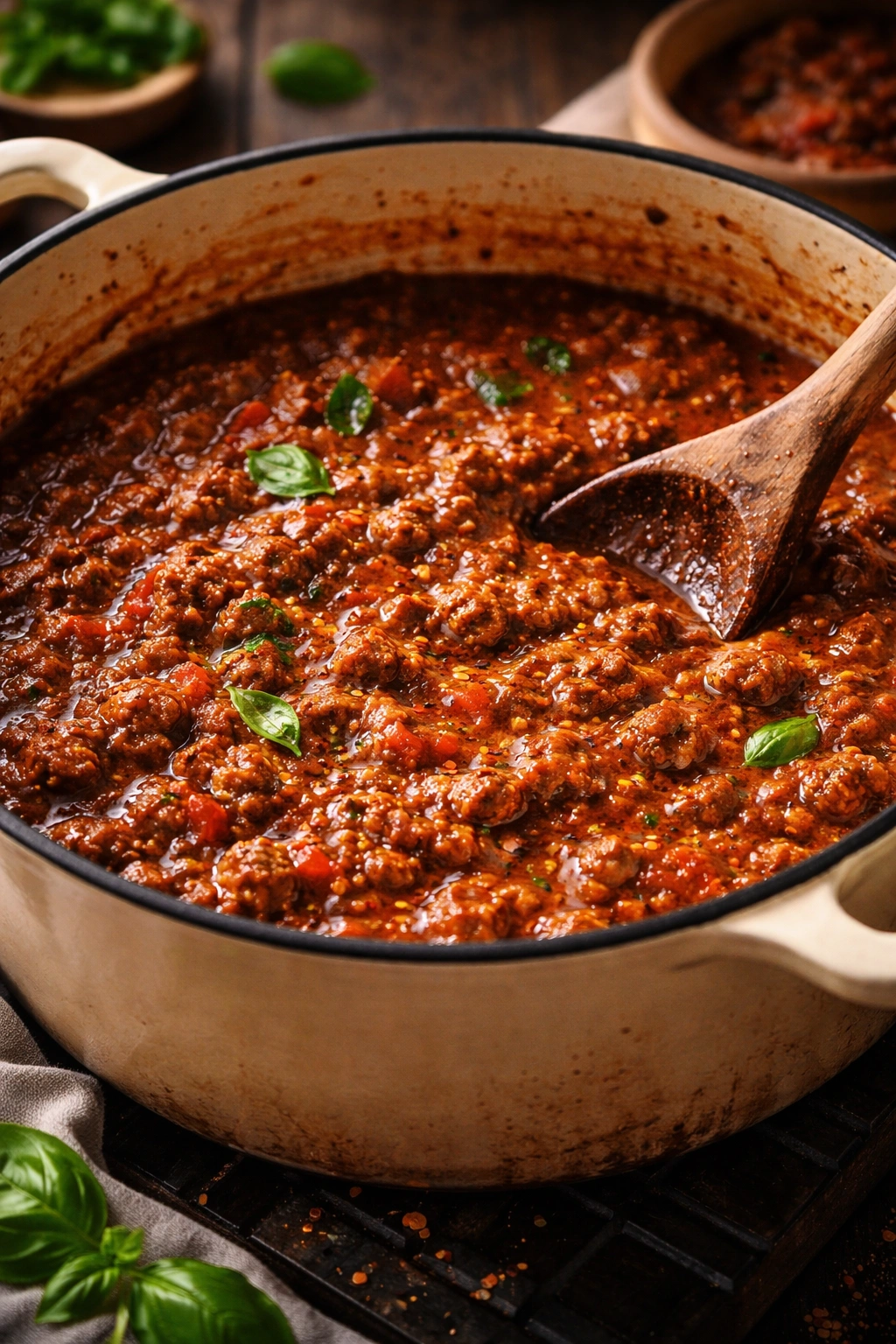
The meat sauce is where lasagna earns its reputation. This is the component that makes people say, “This tastes like something my Italian grandmother made,” even if your family has no Italian background at all.
Start with good-quality ground beef—something in the 15-20% fat range. Leaner beef makes for a drier sauce; fattier beef keeps everything moist. Many recipes use a mix of beef and Italian sausage. The sausage adds fennel flavor and extra juiciness that pure beef can’t provide on its own. If you can find bulk sausage in the meat case, that’s ideal; otherwise, remove it from its casing.
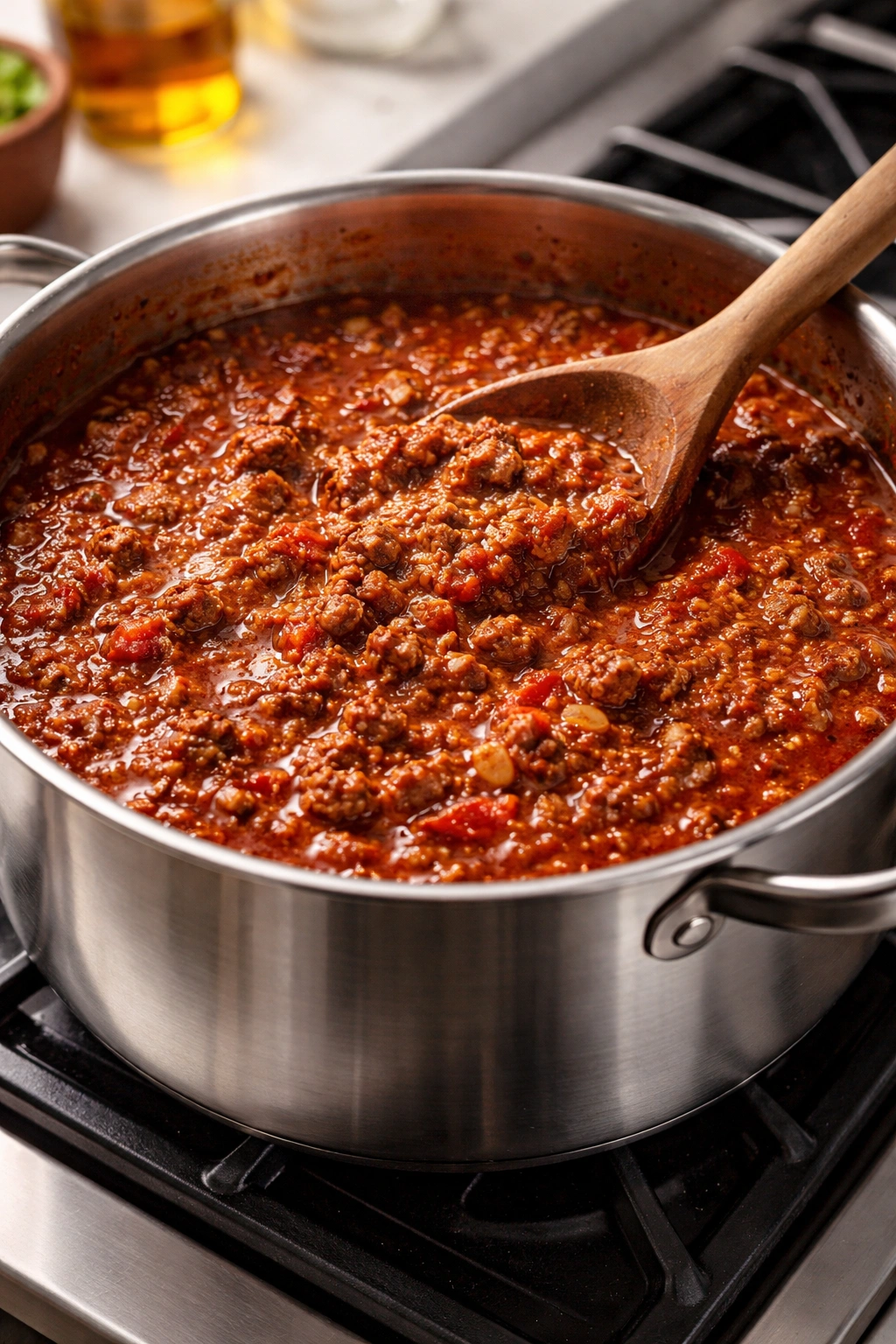
Heat oil in a large, heavy pot—a Dutch oven is perfect—over medium-high heat. Add your diced onion first, letting it soften and release its sugar. This takes about 5 minutes and creates a sweet undertone that balances the acidity of the tomatoes. Then add the meat, breaking it up with a wooden spoon as it browns. Don’t rush this step. Let the meat develop a nice crust in places; this is where deep flavor comes from. Once the meat is browned and the pink is gone, add minced garlic and let it cook for just a minute until fragrant.
Now add your tomato paste and stir it into the meat, coating everything. Let this cook for 2-3 minutes. This caramelizes the paste slightly and deepens its flavor. Then add your wine—red wine works beautifully, and don’t use “cooking wine” from the grocery store. Use something you’d actually drink. A quarter cup of wine brings acidity and depth. Let it simmer for a couple of minutes until it’s mostly evaporated.
Pour in your crushed tomatoes and tomato sauce. Some recipes use all crushed tomatoes; others mix crushed and sauce for different textures and depths of flavor. The combination gives you the best of both. Add your herbs—dried oregano, basil, Italian seasoning—and a pinch of sugar to balance acidity. The sugar is crucial; tomatoes are naturally acidic, and a small amount of sugar doesn’t make the sauce sweet, it just mellows that sharpness.
Bring everything to a simmer, then reduce the heat to low. Cover partially and let it cook for at least 45 minutes to an hour. Stir occasionally. The longer it simmers, the more the flavors meld and develop. A truly excellent sauce will simmer for 90 minutes or more. Taste as you go. Do you need more salt? More herbs? Does the acidity bother you—add a bit more sugar, half a teaspoon at a time. This is where your lasagna becomes distinctly yours.
Toward the end of cooking, stir in fresh parsley and fresh basil if you have them. These bright, fresh additions at the very end prevent the sauce from tasting one-note and tired. This is the difference between a sauce that tastes like it’s been cooking forever and one that tastes alive.
Yield: Serves 10 to 12 people | Makes one 9×13-inch lasagna with leftovers
Prep Time: 45 minutes (hands-on active preparation)
Cook Time: 90 minutes (simmering the sauce, boiling pasta, assembling, and baking)
Total Time: 2 hours 45 minutes active (plus 15 minutes resting before serving)
Difficulty: Intermediate — The individual steps are straightforward, but the recipe requires attention to detail, proper timing for each component, and careful assembly. This is an ideal recipe for someone comfortable in the kitchen who’s ready to invest time in building real flavor.
For the Meat Sauce
- 2 tablespoons extra-virgin olive oil
- 1 pound ground beef (15-20% fat content), or ¾ pound beef plus ¼ pound bulk Italian sausage
- 1 medium yellow onion, finely diced
- 4 cloves garlic, minced
- 3 tablespoons tomato paste
- ¼ cup dry red wine (something you’d drink, not cooking wine)
- 1 (28-ounce) can crushed tomatoes
- 1 (15-ounce) can tomato sauce
- 2 teaspoons dried oregano (or 1 tablespoon fresh)
- 1 teaspoon dried basil
- 1 tablespoon Italian seasoning
- ½ teaspoon to 1 teaspoon granulated sugar (adjust to taste)
- ½ teaspoon fine sea salt (plus more to taste)
- ¼ teaspoon freshly ground black pepper (plus more to taste)
- ⅛ teaspoon red pepper flakes (optional, for subtle heat)
- ¼ cup fresh parsley, finely chopped (added at the end)
- 3 tablespoons fresh basil, finely chopped (added at the end)
For the Cheese Filling
- 16 ounces whole-milk ricotta cheese, at room temperature
- 8 ounces freshly grated Parmesan cheese (about 2 cups grated)
- 2 cups whole-milk mozzarella cheese, shredded, divided (1 cup for filling, 1 cup for topping)
- 2 large eggs, beaten
- 2 tablespoons fresh parsley, finely chopped
- ¼ teaspoon fine sea salt
- ⅛ teaspoon freshly ground black pepper
- Pinch of freshly grated nutmeg (optional but traditional)
For Assembling the Lasagna
- 12 lasagna noodles (uncooked regular, not no-boil)
- 2 cups additional shredded mozzarella cheese for the top
- 3 tablespoons freshly grated Parmesan cheese for finishing
- Extra virgin olive oil for the noodles
Prepare the Meat Sauce
Make the Sauce Base:
-
Place a large Dutch oven or heavy-bottomed pot over medium-high heat and add 2 tablespoons of extra-virgin olive oil. Allow it to shimmer for about a minute.
-
Add the diced onion to the hot oil and stir frequently, cooking for 5 to 6 minutes, until the onion becomes translucent and softens. You should see the edges just beginning to turn golden—this is where the natural sweetness develops.
Advertisements -
Add the ground beef (and sausage if using) to the pot, breaking it apart with a wooden spoon as it cooks. Do not stir constantly; let the meat sit for 30-45 seconds between stirs so it develops a brown crust on the bottom of the pot. This browning process is critical for deep flavor. Continue cooking until all the pink has disappeared and the meat is thoroughly browned, about 8 to 10 minutes total.
-
Drain off excess fat if there is more than a thin layer pooling at the bottom of the pot. You want just enough fat to coat the meat—don’t drain it completely, as this fat carries flavor.
-
Add the minced garlic to the browned meat and stir constantly for about 1 minute, until the garlic becomes fragrant. Do not let the garlic sit in the pot without stirring, or it will burn and become bitter.
-
Add the tomato paste directly to the meat mixture and stir thoroughly, coating all the meat with the paste. Let this cook, stirring frequently, for 2 to 3 minutes. The tomato paste will deepen in color slightly and caramelize a bit—this is exactly what you want.
-
Pour in the red wine and stir to combine with the meat and tomato paste. Let the wine simmer and reduce for about 3 minutes, until most of the liquid has evaporated. You’re cooking off the alcohol and allowing the wine’s acidity to concentrate and blend with the meat.
Build the Sauce:
-
Add the crushed tomatoes and tomato sauce to the pot, stirring well to combine. Break up any large clumps of tomato gently.
-
Stir in the dried oregano, dried basil, Italian seasoning, ½ teaspoon salt, and ¼ teaspoon black pepper. Add just ½ teaspoon of sugar at this point—you can always add more if you taste it later and find the sauce too acidic.
-
Add the red pepper flakes if using them. Bring the entire mixture to a simmer over medium-high heat, then immediately reduce the heat to medium-low. You want a gentle, steady simmer with just occasional large bubbles breaking the surface—not an aggressive boil.
-
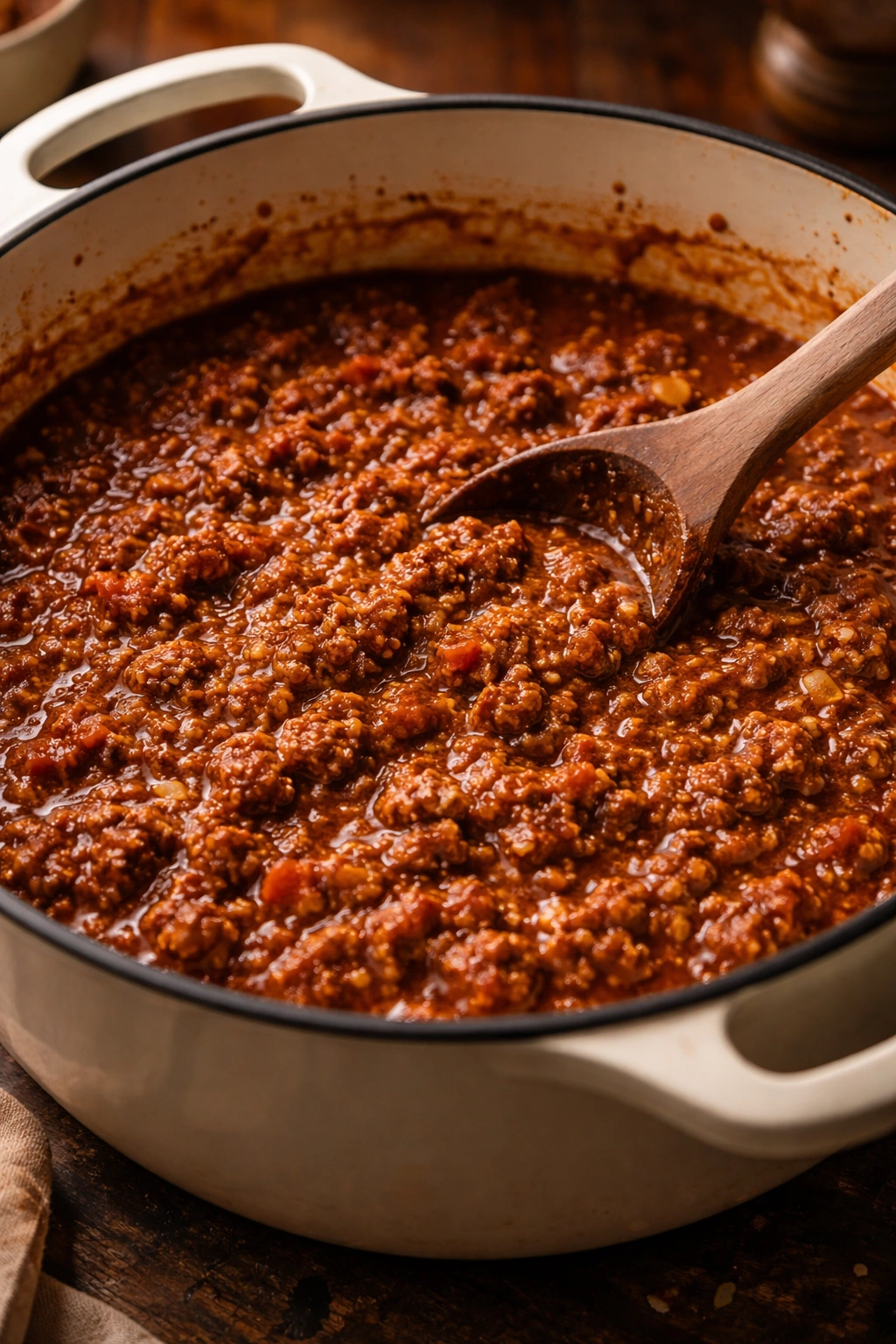
Cover the pot partially with a lid (leaving it slightly ajar) and let the sauce simmer gently for at least 45 minutes, preferably 60 to 90 minutes. Stir the sauce occasionally (every 10-15 minutes), and scrape the bottom of the pot to make sure nothing is sticking and scorching. The longer the sauce simmers, the more the flavors will develop and meld together. The sauce should reduce slightly and thicken as water evaporates.
Advertisements -
About 10 minutes before you’re ready to use the sauce, taste it carefully. Is it too acidic? Add another ¼ to ½ teaspoon of sugar. Does it need more salt or pepper? Adjust now. Stir in the fresh parsley and fresh basil, and let the sauce cook for 5 more minutes so the fresh herbs can infuse into the sauce without becoming cooked out completely.
-
Remove from heat and let the sauce cool for at least 5 minutes before assembling the lasagna. This prevents the cheese from starting to melt before the pasta is in place.
Prepare the Cheese Filling
-
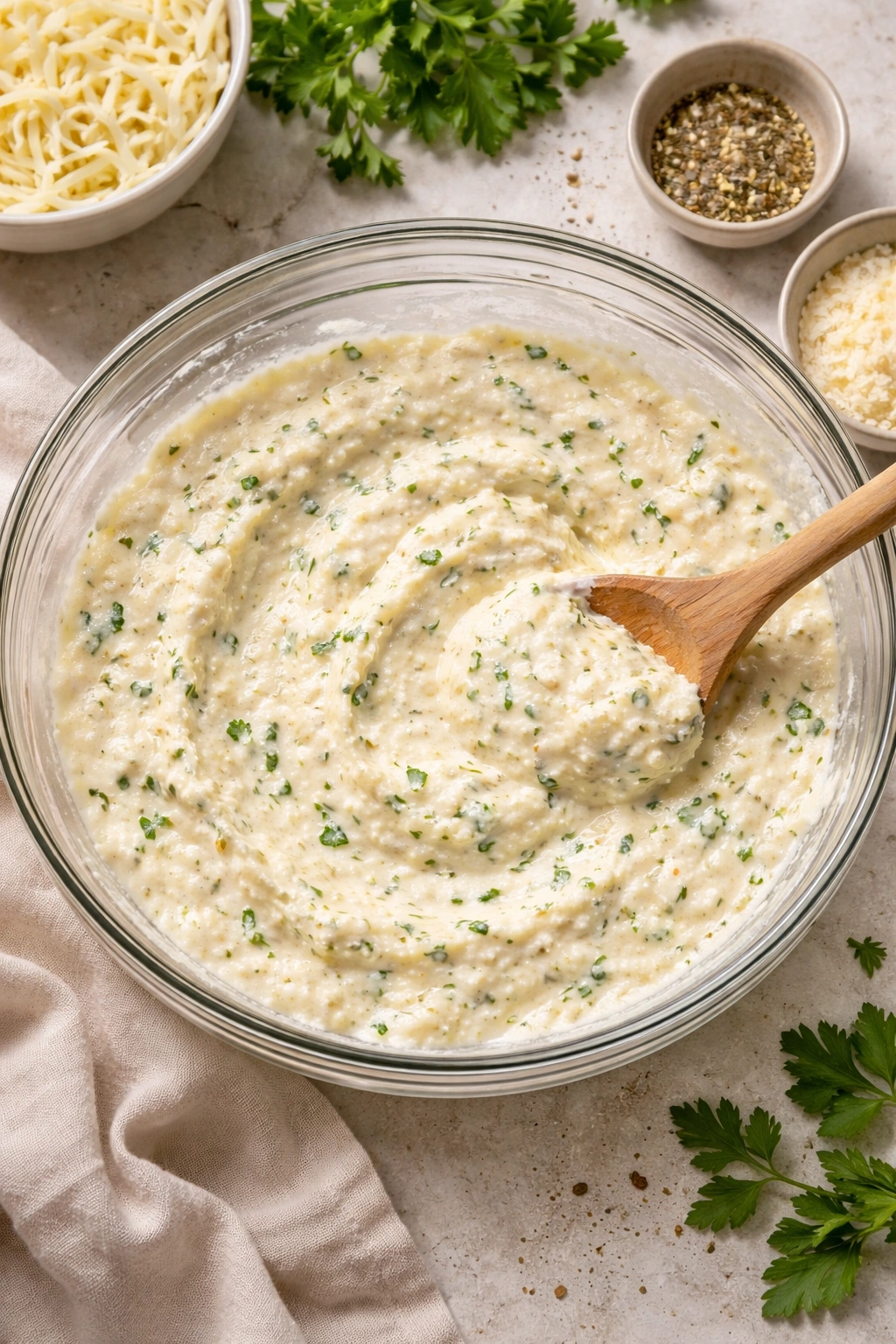
While the sauce is simmering (you can do this at any point during that time), combine the ricotta, 8 ounces of Parmesan cheese, 1 cup of mozzarella, and both beaten eggs in a large bowl.
-
Add the parsley, salt, pepper, and nutmeg if using it. Stir the mixture thoroughly until everything is well combined and the texture is smooth and creamy. The filling should be spreadable but still thick enough to hold its shape.
-
Taste a tiny spoonful. Does it need more salt? More pepper? Adjust now, before you assemble. Set the cheese filling aside until you’re ready to assemble the lasagna.
Cook the Lasagna Noodles
-
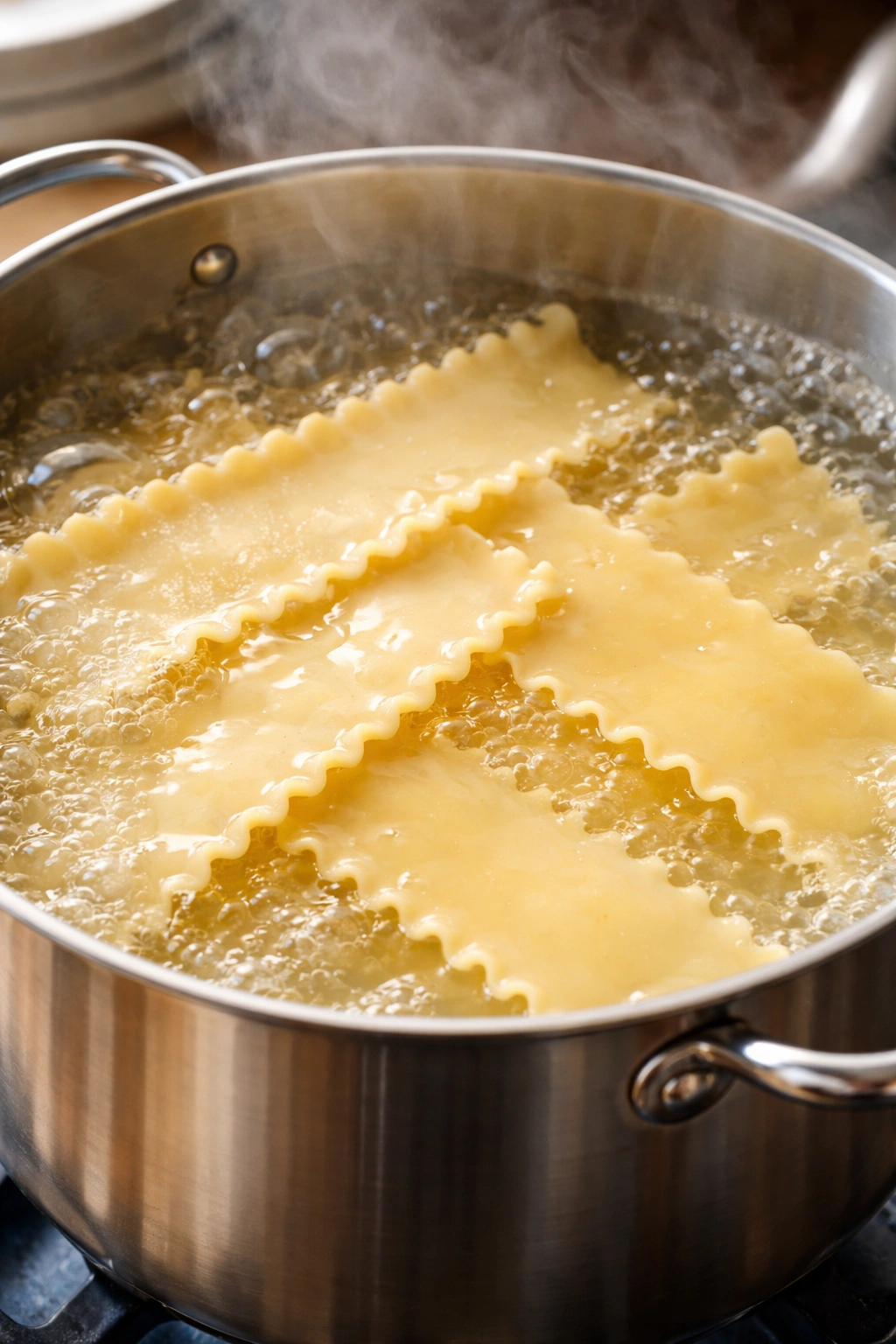
While the sauce finishes cooking, fill a large pot (at least 8 quarts) with water and add a large pinch of salt—about 1 tablespoon per 2 quarts of water. Bring this water to a rolling boil over high heat.
-
Once the water is at a full rolling boil, carefully add all 12 lasagna noodles to the pot. Gently separate them with a wooden spoon or pasta fork immediately after adding them, so they don’t clump together and stick. Continue to stir occasionally throughout cooking.
-
Cook the noodles according to the package directions, usually 8 to 10 minutes, until they are al dente—tender but still with a slight firmness when you bite one. Do not overcook; the noodles will continue to soften as the lasagna bakes. Set a timer and test a noodle at the lower end of the recommended time.
-
Drain the noodles in a colander, then rinse them gently under cool running water to stop the cooking process and remove excess starch. Gently separate any noodles that have stuck together. This rinsing is important—it prevents the noodles from continuing to cook and becoming mushy.
-
Spread the drained noodles on a clean kitchen towel or parchment paper in a single layer, not touching each other. Pat them dry gently. This prevents excess water from making the lasagna watery.
Advertisements
Assemble and Bake the Lasagna
-
Preheat your oven to 375°F (190°C) if you haven’t already done so. Position the rack in the center of the oven.
-
Lightly grease a 9×13-inch casserole dish (glass, ceramic, or metal all work) with a small amount of olive oil or cooking spray. Spread this thin layer of oil across the entire bottom.
-
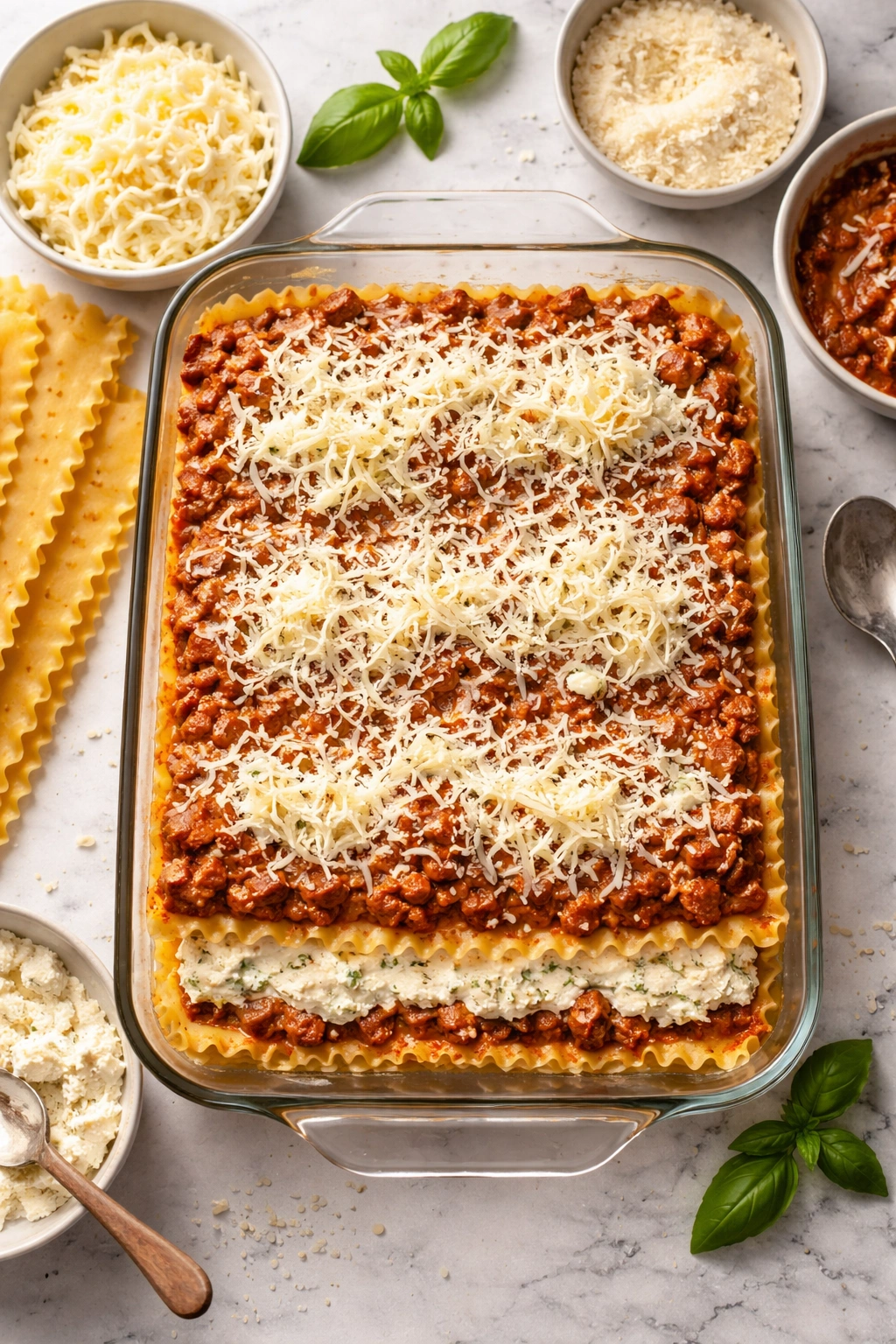
Ladle about 1 cup of the meat sauce onto the bottom of the prepared casserole dish and spread it into an even, thin layer covering the entire bottom. This prevents the noodles from sticking and adds flavor to the first layer.
-
Arrange 4 lasagna noodles over the sauce, slightly overlapping them if necessary to cover the bottom. You want to cover as much of the sauce as possible while still fitting them in the dish without bunching.
-
Spread approximately 1 cup of the cheese filling over the noodles, using a spatula to distribute it evenly across the entire layer. Don’t worry about perfect coverage; just aim for an even distribution.
-
Ladle approximately 1.5 cups of the meat sauce over the cheese filling and spread it gently with the back of the ladle or a spatula. Make sure the sauce reaches all the way to the edges of the dish.
-
Sprinkle ½ cup of the reserved mozzarella cheese over the sauce layer.
-
Add the second layer of noodles (4 noodles) over the cheese, again slightly overlapping to cover as much surface area as possible.
-
Repeat the layers: approximately 1 cup of cheese filling, 1.5 cups of meat sauce, and ½ cup of mozzarella cheese.
-
Add the third and final layer of noodles (4 remaining noodles).
Advertisements -
Top this final layer with the remaining meat sauce (approximately 1.5 cups), spread gently to cover all the noodles. You should have used almost all your sauce by this point.
-
Cover the casserole dish tightly with aluminum foil, spraying the underside of the foil with nonstick cooking spray. This prevents the foil from sticking to the cheese that will bubble up during baking.
Bake and Rest
-
Bake the covered lasagna at 375°F (190°C) for 45 minutes. The foil traps steam, which helps the layers heat through and the noodles to finish cooking without the top drying out.
-
Carefully remove the foil from the lasagna. Top the entire surface with the remaining 2 cups of shredded mozzarella cheese, spreading it evenly to reach the edges. Sprinkle the 3 tablespoons of freshly grated Parmesan cheese over the mozzarella.
-
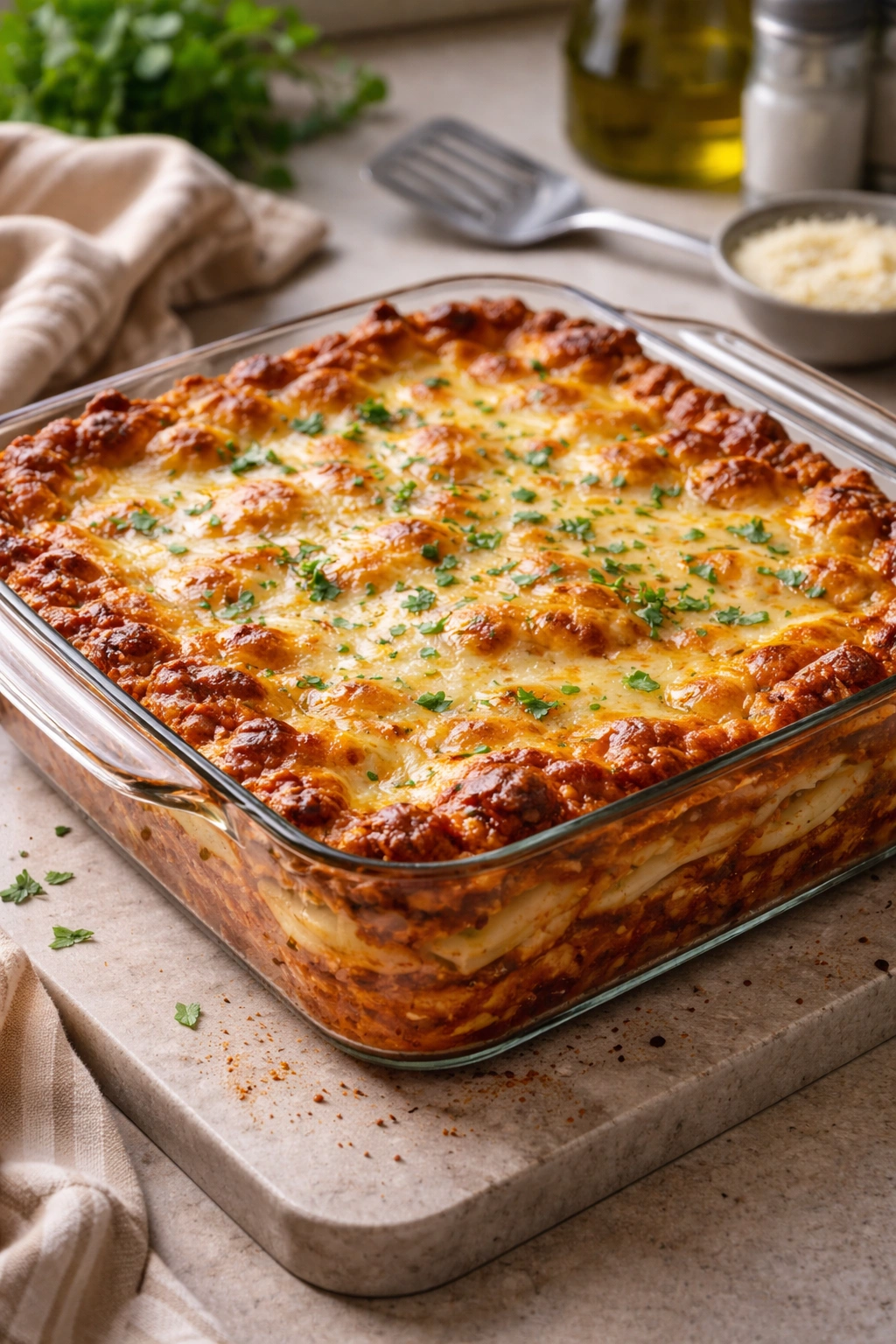
Return the lasagna to the oven, uncovered, for 15 to 20 minutes, until the cheese is melted, bubbly, and golden brown at the edges. You’re looking for visible browning in spots and gentle bubbling around the perimeter.
-
If you’d like a more deeply browned, crispy top, you can broil the lasagna for 2 to 3 minutes at the end, watching constantly so it doesn’t burn. This step is optional but creates a gorgeous, slightly crispy cheese crust.
-
Remove the lasagna from the oven and let it rest on the countertop for at least 15 minutes—ideally 20 to 30 minutes—before cutting and serving. This resting time is absolutely critical. It allows the layers to set and firm up, which means when you cut into it and serve it, the slices will hold together instead of sliding apart into a mess. The cheese will also be hot enough to enjoy without being so molten that it slides off the plate.
-
Cut the cooled lasagna into squares using a sharp, thin-bladed knife, wiping the blade between cuts. Serve with fresh parsley garnish, extra grated Parmesan on the side, and perhaps fresh basil leaves if you have them.
Pro Tips for Restaurant-Quality Results
The difference between good lasagna and genuinely excellent lasagna often comes down to small details and techniques that you only learn by making it multiple times. Here are the practices that consistently elevate the final result.
Don’t skip simmering the sauce long enough. A sauce that simmers for 90 minutes tastes noticeably different from one that simmers for 30 minutes. The longer cooking time allows the tomato flavor to deepen, the meat to fully infuse the sauce, and the acidity to mellow naturally. If you’re short on time, make the sauce the day before and refrigerate it overnight. This actually improves flavor as the ingredients continue to meld.
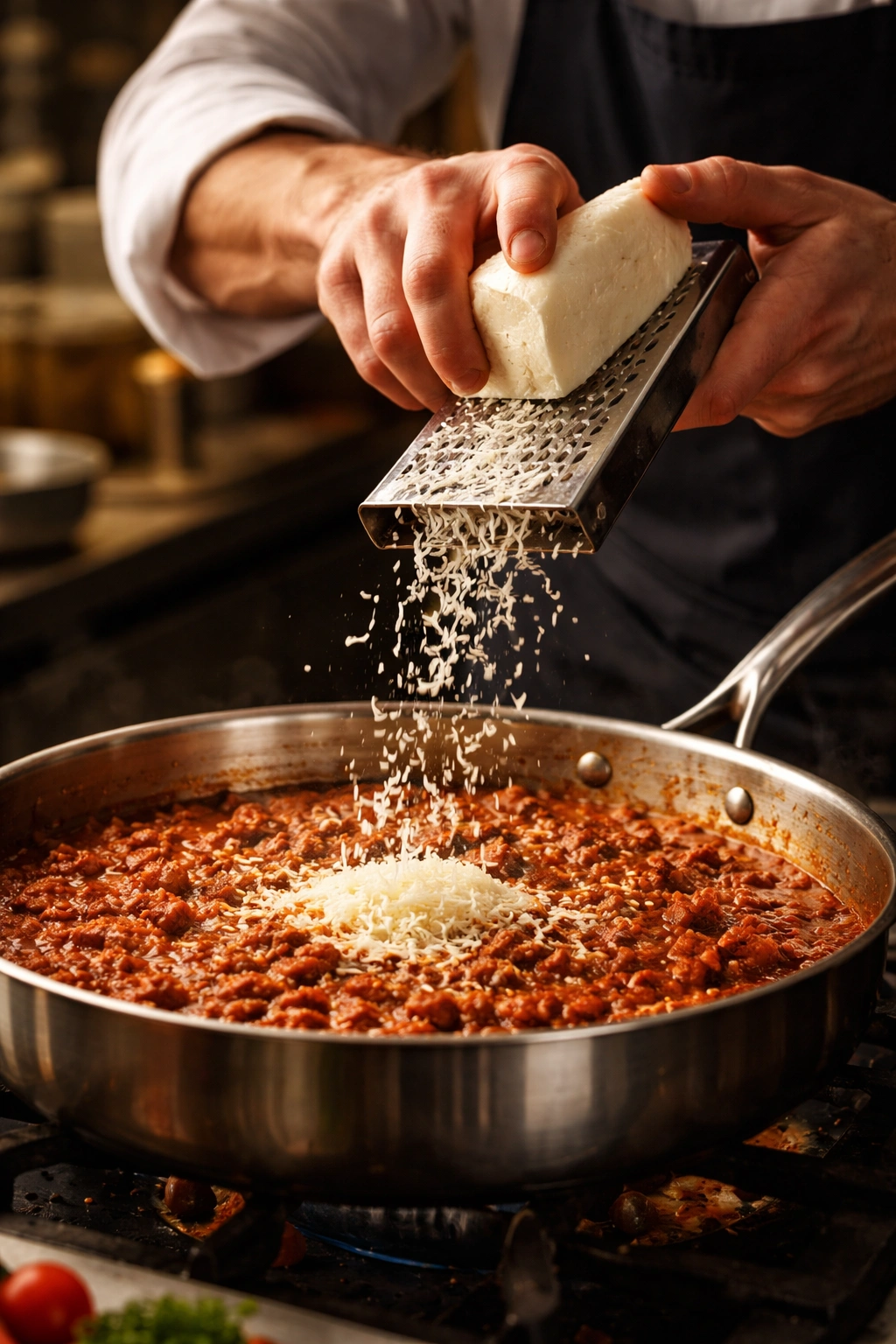
Grate your cheese from a block instead of using pre-shredded. Pre-shredded cheese contains anti-caking agents that prevent it from melting smoothly. When you grate cheese yourself, it melts into a creamy, cohesive layer. This single change makes a visible difference in how luxurious the finished lasagna feels.
Season your cheese filling thoroughly. Many people undersalt the ricotta mixture because they’re thinking about the salt in the Parmesan and sauce. Taste the filling before you assemble—it should taste flavorful on its own. You’re about to layer it with sauce, and you want it to stand out, not disappear.
Don’t overload the cheese filling layers. It’s tempting to use more cheese, but too much cheese actually makes the lasagna dense and heavy. The filling should be present enough to taste and feel it, but the sauce and pasta should still be the main event. Distribute it evenly in a thin layer rather than piling it on.
Slightly undercook the pasta. Lasagna noodles continue to soften as the lasagna bakes. If you cook them fully al dente in the pot, they’ll be perfectly tender when the lasagna comes out of the oven. If you cook them until they’re fully soft in the boiling water, they’ll turn mushy in the oven. This is a delicate balance, but it’s worth paying attention to.
Let the finished lasagna rest before cutting. This isn’t optional. If you cut into hot lasagna fresh from the oven, it will separate into distinct layers and slide around your plate. Letting it rest 20-30 minutes allows the layers to bind together through the cooling cheese and sauce, and you’ll get clean, cohesive slices that hold their shape.
Make double and freeze one pan. Lasagna actually freezes beautifully, both before and after baking. Once you’ve invested the time and effort into making one, you’re only marginally more effort away from making two. Having a pan of lasagna waiting in the freezer is genuinely valuable on busy evenings.
Common Mistakes and How to Avoid Them
After making lasagna many times, certain pitfalls appear consistently. Knowing about them in advance means you can avoid them entirely.
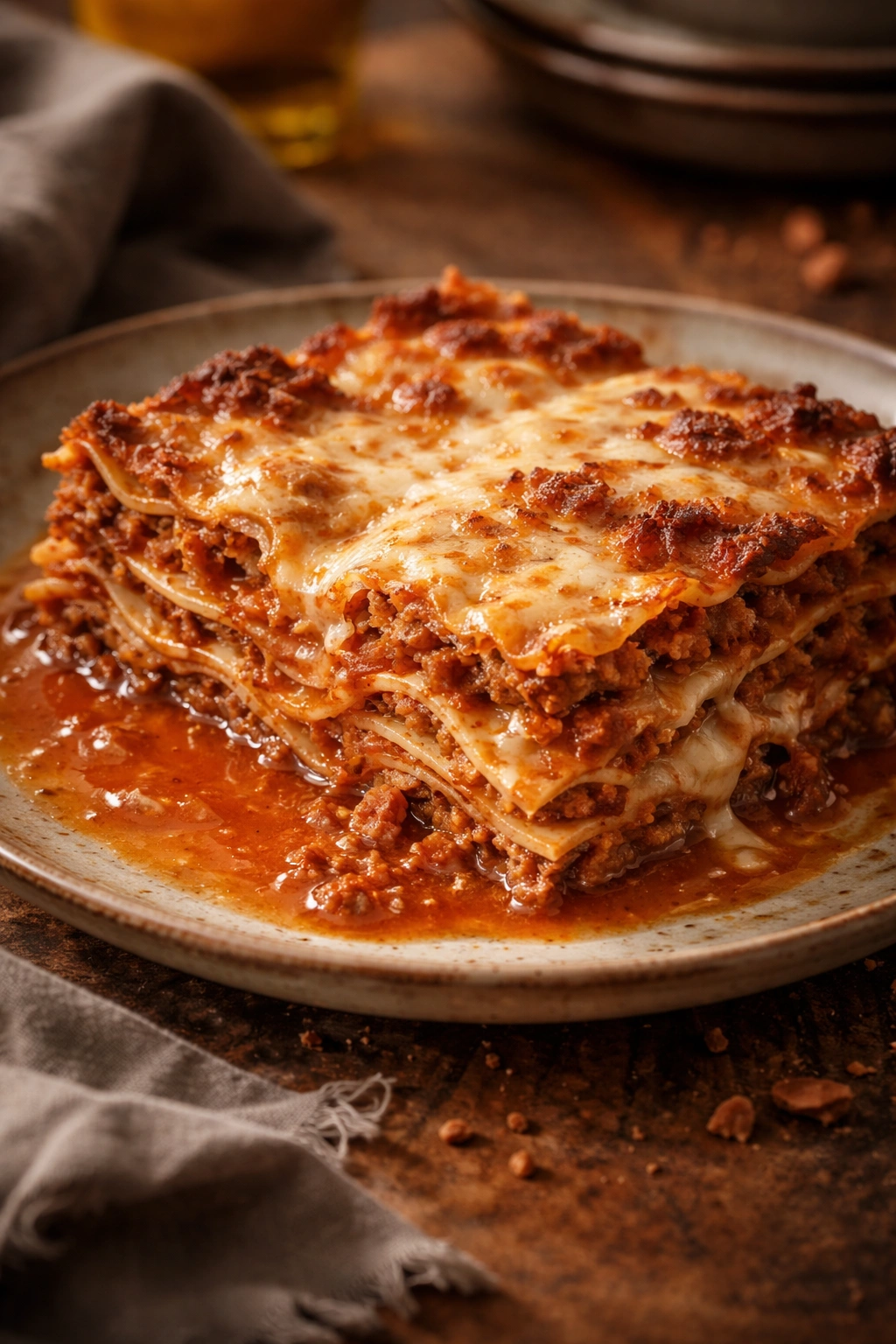
Watery lasagna usually comes from one of two sources: wet noodles or too much liquid sauce. If you rinse your noodles and don’t pat them dry, that excess water ends up in the lasagna. Also, if your sauce is too thin—more soup-like than sauce-like—it won’t support the layers. The meat sauce should be thick enough that when you drag a spoon through it, it doesn’t immediately flow back together. If your sauce seems thin after simmering, let it simmer longer uncovered to evaporate more moisture. You can also stir in a tablespoon of tomato paste at a time to thicken it.
Dry, crumbly lasagna happens when you either don’t have enough sauce or you overbake it. Remember that the sauce hydrates the pasta and the whole dish as it bakes. If you’re stingy with sauce, the noodles will be tough and the filling will be dry. Use the full amount of sauce specified. Also, cover the lasagna with foil for most of the baking time so the top doesn’t dry out before the interior has baked through. The foil traps steam, which keeps everything moist.
Lasagna that separates when you cut it means it didn’t rest long enough. Patience here is your friend. Twenty to thirty minutes of resting time is not wasted time; it’s essential to the final result.
A sauce that tastes tinny or one-dimensional usually means the tomatoes are too acidic and haven’t simmered long enough to develop complexity. Simmer longer. Also, make sure you’re tasting and adjusting as you go. A pinch of sugar, the addition of fresh herbs at the end, and proper seasoning transform a flat sauce into something dynamic.
Rubbery, separated cheese typically results from using pre-shredded cheese with anti-caking agents, or from using low-quality ricotta. Splurge on good dairy products here. It makes a genuine difference.
Pasta that cracks or tears while layering is usually the result of overcooking it in the pot. Cook it just to al dente, no further. It’s also helpful to have the noodles cool and laid flat before you use them, so they’re flexible and won’t snap.
Variations to Customize Your Lasagna
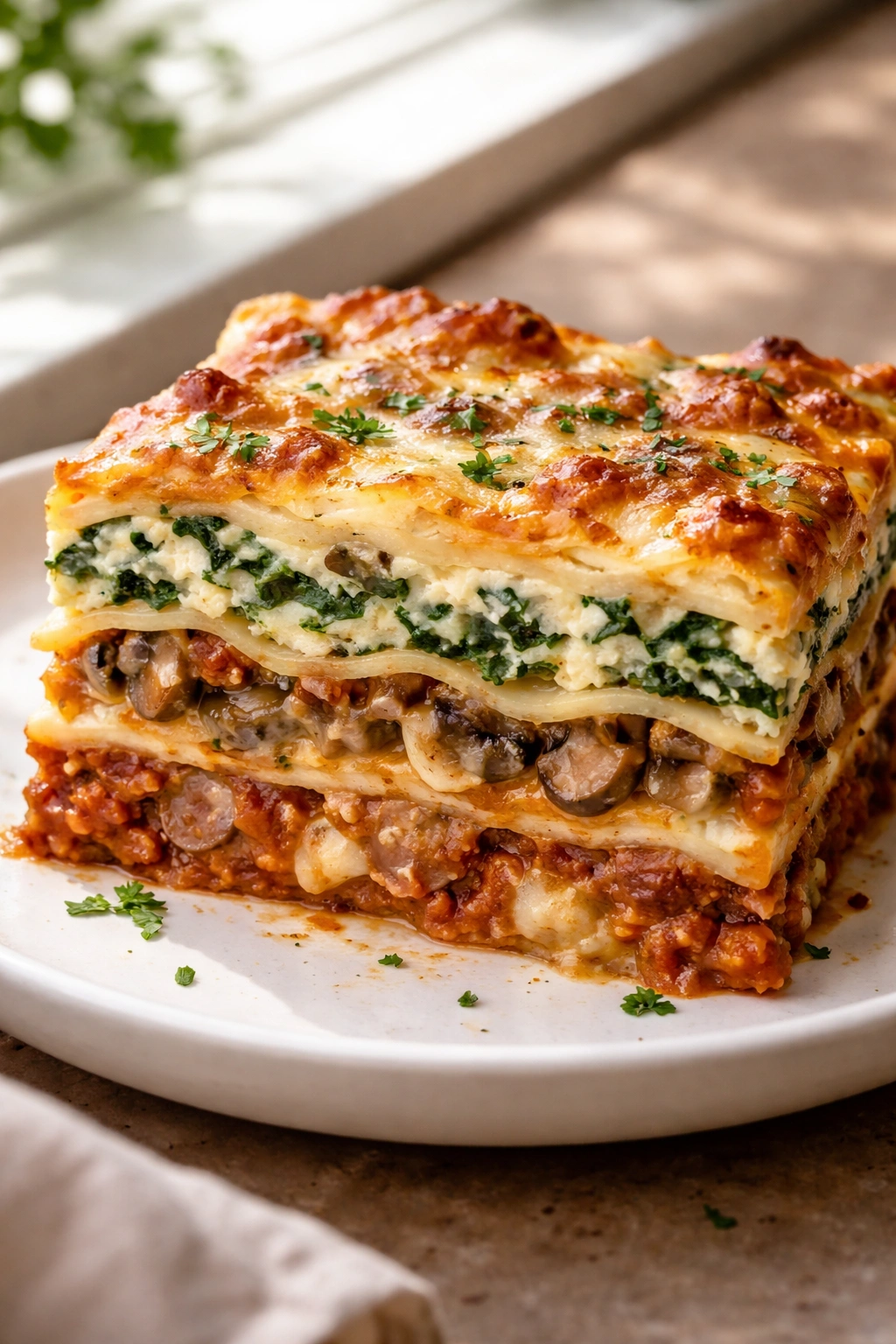
The beauty of lasagna from scratch is that once you understand the basic structure, you can build variations that match your preferences or what’s in your kitchen.
Spinach and meat lasagna adds another layer of nutrition and flavor. Thaw 10 ounces of frozen chopped spinach, squeeze out every bit of moisture using a fine-mesh strainer and your hands, then fold it into the cheese filling. The spinach adds earthiness without changing the overall character of the dish.
Fresh mushroom lasagna incorporates earthy, umami richness. Sauté 8 ounces of sliced mushrooms (cremini, button, or a mix) in olive oil with garlic until they release their liquid and it evaporates, then stir them into the meat sauce during the simmering phase. Mushrooms and beef complement each other beautifully.
All-sausage lasagna uses only Italian sausage instead of a beef-sausage mix. This creates a distinctly different flavor profile—more herbaceous, with the fennel notes more prominent. Use 1.5 pounds of bulk sausage if taking this approach.
Vegetarian lasagna skips the meat entirely but doubles down on vegetables and uses a cheese-based sauce instead of meat sauce. Sauté diced onion, garlic, mushrooms, zucchini, bell peppers, and spinach, then layer them with a mixture of ricotta, mozzarella, and Parmesan bound together with eggs. Use the same tomato sauce you’d make for the meat version, just without the meat.
Lasagna with fresh mozzarella uses thin slices of fresh mozzarella instead of shredded mozzarella. This creates a different texture—softer, creamier, less stringy. Fresh mozzarella works better mixed into the ricotta filling rather than as a separate layer, since it doesn’t have the same melting properties as aged mozzarella.
White sauce lasagna uses béchamel (a creamy white sauce made from butter, flour, and milk) as an additional layer, creating a richer, more luxurious dish. This is more traditional to Northern Italian lasagna. Make the béchamel by melting 4 tablespoons of butter, whisking in 4 tablespoons of flour, then gradually whisking in 3 cups of milk until smooth, cooking until it thickens. Layer it alongside the meat sauce and cheese.
Storage, Freezing, and Reheating
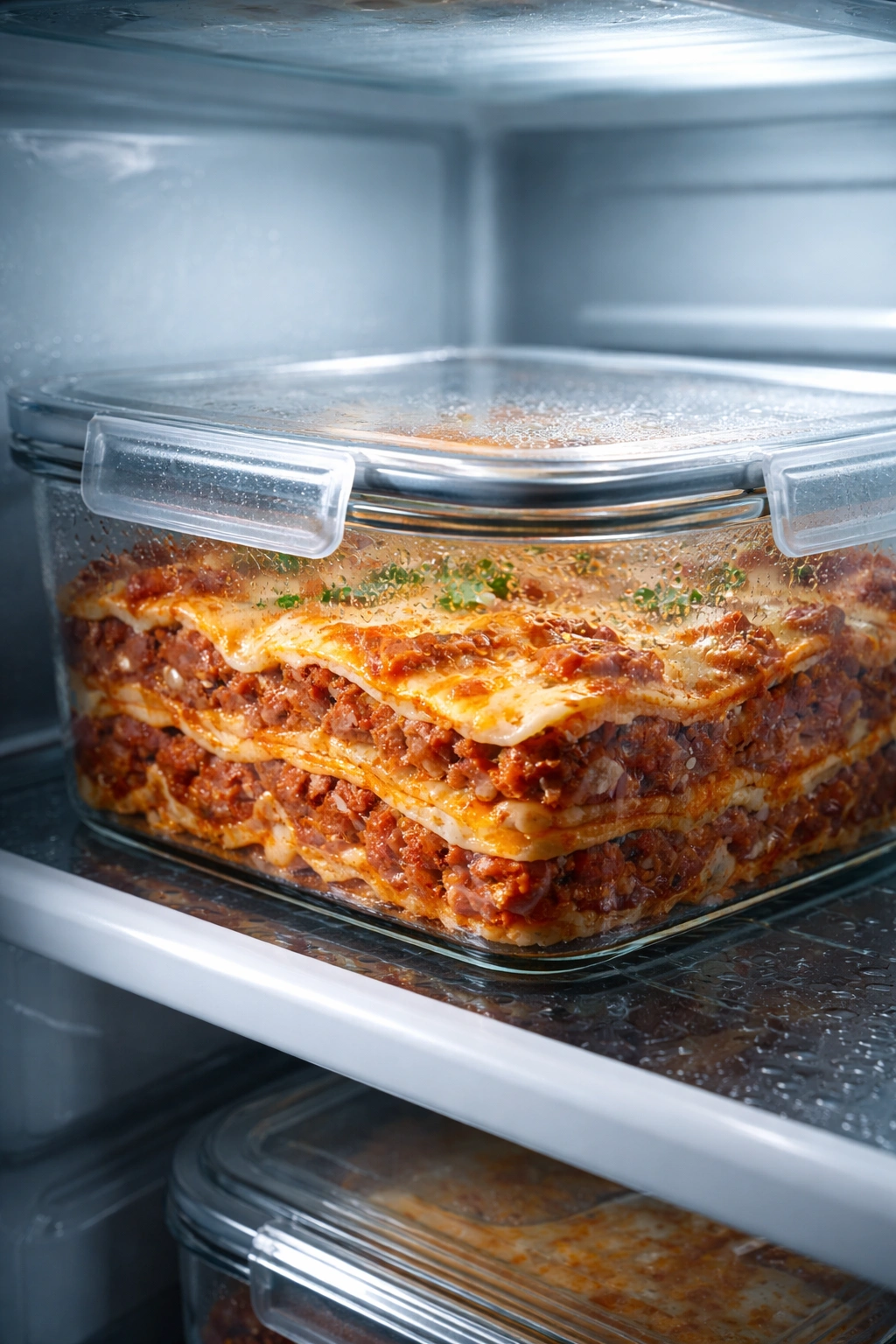
One of the best things about lasagna is that it improves with time and freezes exceptionally well, making it a genuinely practical meal to prepare ahead.
Storing leftovers: Transfer any leftover lasagna to an airtight container and refrigerate for up to four days. Lasagna actually tastes better on day two or three than it does fresh from the oven, as the flavors continue to develop and the layers fully set.
Freezing before baking: Assemble the lasagna completely but don’t bake it. Cover it tightly with plastic wrap, then wrap the entire dish in aluminum foil. Label it with the date and freeze for up to three months. When you’re ready to bake it, remove the plastic wrap, cover with foil again, and bake from frozen at 375°F for approximately 90 minutes covered, then 20 minutes uncovered with cheese on top, until it’s hot and bubbly throughout. It may take longer than the recipe indicates, so check that the center is hot.
Freezing after baking: Cool the baked lasagna completely, then wrap it in plastic wrap followed by aluminum foil. Freeze for up to three months. To reheat, thaw it overnight in the refrigerator, then warm it in a 350°F oven covered with foil for 25-30 minutes, until it’s hot throughout.
Reheating individual slices: Cut the lasagna into portions and wrap each one individually in foil. Store in a freezer bag for up to a month. Thaw overnight in the refrigerator and reheat gently in a 350°F oven for 15-20 minutes, or microwave for 2-3 minutes on 50% power, stirring halfway through, to prevent the edges from overheating while the center catches up.
Microwave reheating: While not ideal for the entire pan, individual slices reheat adequately in the microwave. Place a slice on a microwave-safe plate, cover loosely with a paper towel, and heat at 50% power for 2-3 minutes, checking partway through. This gentler power level prevents the cheese from becoming rubbery.
The key to successful reheating is doing it slowly and covered, so the edges don’t dry out before the center heats through.
Serving Suggestions and Wine Pairings
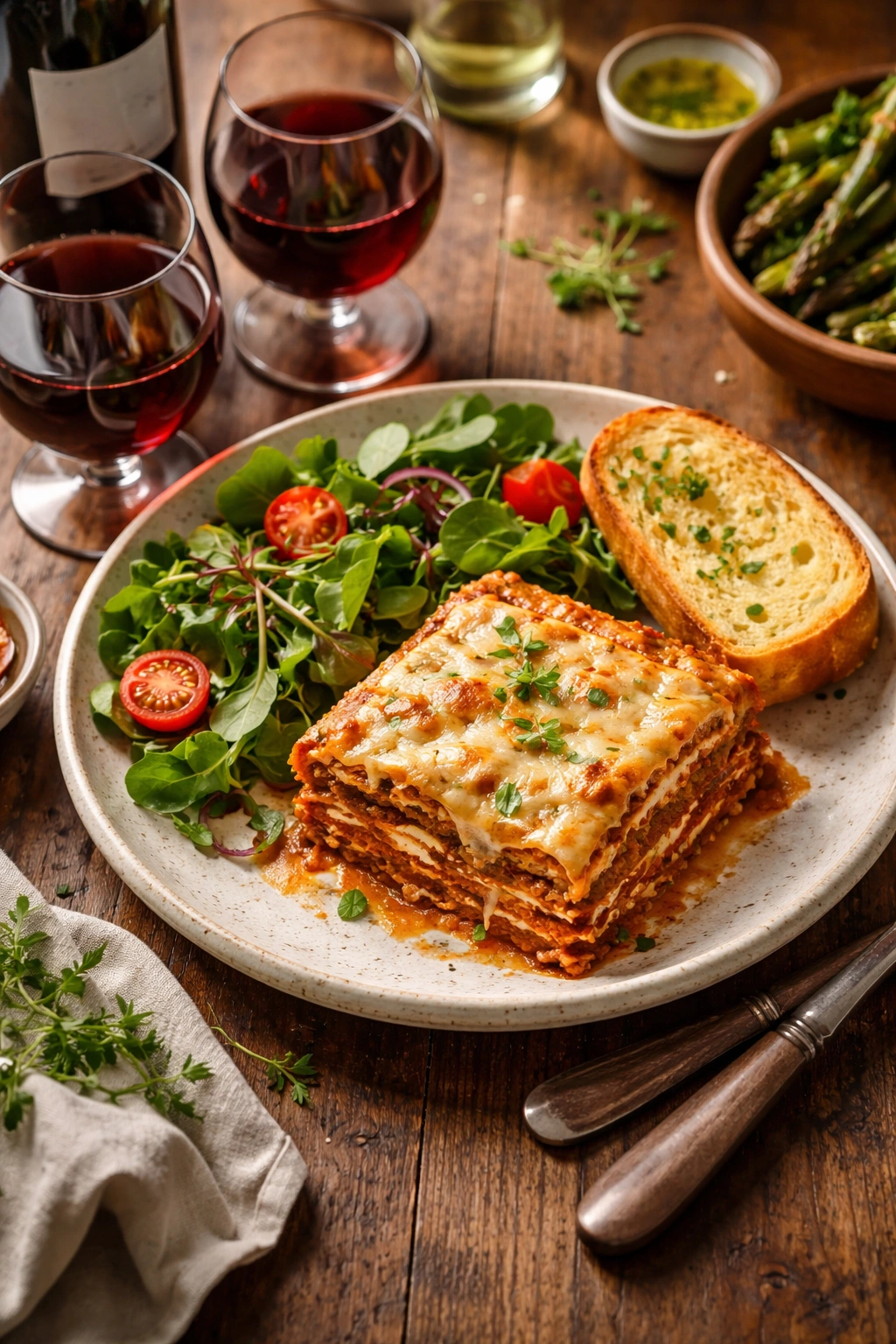
Lasagna is a complete meal unto itself, but a few thoughtful accompaniments make the dinner feel special.
Fresh green salad is the classic pairing. A simple arugula salad dressed with good olive oil, fresh lemon juice, and salt, or a traditional Caesar salad, cuts through the richness of the lasagna and cleanses the palate between bites.
Garlic bread is almost mandatory. Slice a good Italian bread lengthwise, brush it with olive oil infused with minced garlic and fresh parsley, then broil it until golden and crispy. Serve alongside.
Crusty bread for soaking up extra sauce on your plate is always welcome. Don’t underestimate this simple addition.
Fresh vegetables like roasted broccoli, sautéed green beans, or grilled asparagus add brightness and nutrition without overwhelming the main dish.
Wine pairings should lean toward medium-bodied reds with good acidity. A Chianti or Sangiovese from Tuscany is the classic choice—these wines have enough structure to stand up to the rich meat sauce and enough acidity to cut through the cheese. A Montepulciano d’Abruzzo works beautifully as well. If you prefer something lighter, a Barbera offers good acidity with a bit less body. For white wine lovers, a full-bodied white like a Vermentino or Greco di Tufo has enough weight to work alongside lasagna, though red is traditionally the better match.
A fresh basil garnish on top of the plated lasagna, a grating of Parmesan cheese at the table, and perhaps a light sprinkle of red pepper flakes for those who want them add the final touches to making this meal feel restaurant-worthy despite being made completely at home.
Final Thoughts
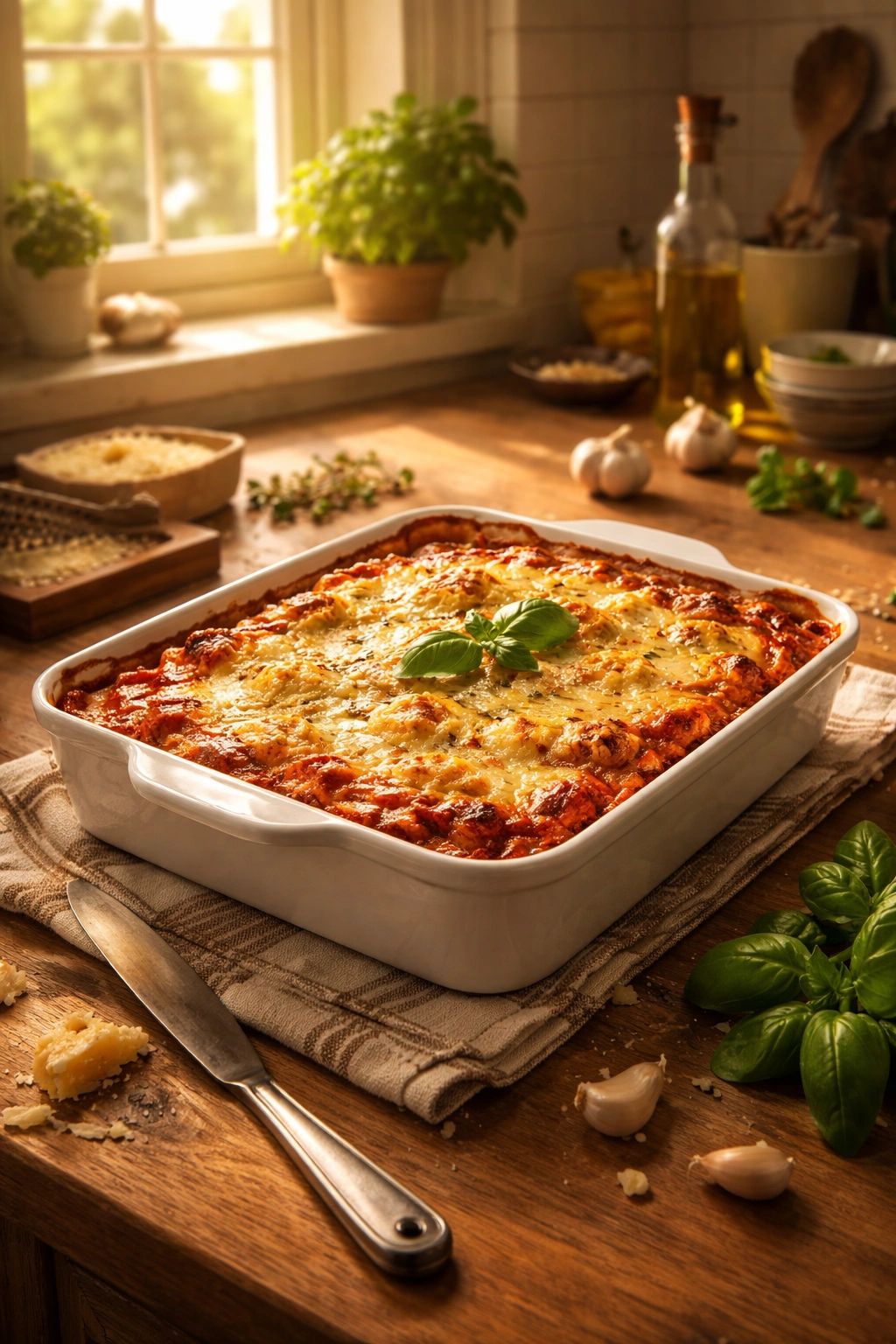
Making lasagna from scratch isn’t about impressing anyone with complicated technique—it’s about taking time to build real flavor, understanding how simple ingredients transform through cooking, and creating something substantial that your family will genuinely crave. The process itself is quite forgiving. Even if you don’t follow every detail perfectly, you’ll still end up with lasagna that tastes infinitely better than anything you could buy ready-made.
The first time you make it, you might feel like there are a lot of steps. But you’ll also notice that most of these steps are genuinely simple—browning meat, simmering sauce, boiling pasta, layering things in a dish. There’s no advanced technique here, just patience and attention. By the second time you make it, the whole process will feel familiar and manageable. By the third time, you’ll be mentally adjusting seasoning, considering variations, and genuinely owning the recipe.
What makes homemade lasagna worth your time is exactly that: it becomes yours. You control the thickness of the sauce, the richness of the cheese, the salty-savory balance. You know exactly what’s in every layer because you put it there. You can adjust it to match your family’s preferences or dietary needs. And because you’ve invested your own care and time, it tastes like something made with love—because it was.
